Market Minds Advisory
Hydronic Heat Pump Market

Hydronic Heat Pump Market: Hydronic Heat Pump Market. Global Demand, Technology, and Competitive Outlook 2026 to 2036

Europe's radiator and underfloor heating convention is turning hydronic heat pumps into the default boiler replacement technology under national subsidy programs, forcing gas boiler manufacturers to retool production around water-based heat pump distribution.

Lead Analyst

Published

October 2026

Make Smarter Decisions with Customized Research Insights

Request a free sample report and evaluate market opportunities, growth trends, and competitive dynamics relevant to your business needs.

2025 MARKET VALUE$24.0BMarket Size 2025
2036 FORECAST VALUE$67.1BBase Case , 2026 to 2036
CAGR 2026 TO 20369.8 %Bull 11.1% / Bear 8.5%
INCREMENTAL OPPORTUNITY$40.8BNet 10- year value creation
EXPANSION MULTIPLE2.55x2036 value over 2026 base
Strategic Levers
M&A Pipeline
Regional Outlook
Country Rankings
Competitive Intelligence
Segmental Deep-dive
Call-Us : 91 93563 13602

Executive Snapshot and Market Trajectory.

Hydronic heat pumps are converting from a premium efficiency upgrade into the default boiler replacement specification as European building decarbonization policy increasingly targets the wet heating systems that radiators and underfloor distribution depend on, reshaping renovation budgets across multiple national markets this year broadly.
Western Europe's existing hydronic radiator and underfloor heating infrastructure gives it a direct retrofit pathway no other region matches, since hydronic heat pumps can often connect to existing water-based distribution without the ductwork installation forced-air alternatives would require. Hybrid multi-source systems combining air, ground, or exhaust air heat extraction are winning the newest premium contracts because they maintain reliable output across more outdoor temperature conditions than single-source designs.
European heating specialists like Vaillant and Viessmann compete against global HVAC manufacturers like Daikin and Mitsubishi Electric on overlapping but increasingly convergent product tiers, since hydronic engineering expertise once unique to European boiler makers has become a competitive requirement for every supplier pursuing this category. Boiler replacement subsidy continuity across multiple national election cycles remains the clearest demand signal suppliers are tracking heading into next year. Policy continuity matters too for long-term supplier planning.
Market Definition
The hydronic heat pump market covers heat pump systems that extract thermal energy from air, ground, or water sources and deliver heating or cooling through water-based distribution infrastructure such as radiators, underfloor heating, or fan coil units. It excludes air-to-air heat pumps that distribute conditioned air directly and heat pumps sold without hydronic output capability.
Base Year Value
$24.0B in 2025 (MMA Primary Research Dataset, October 2026)
Forecast Period
2026 to 2036, eleven discrete annual values
CAGR
9.8% base case. Bull 11.1%. Bear 8.5%.
Fastest Growth Segment
Hybrid Multi-Source Hydronic Heat Pumps: 13.5% CAGR
Fastest Growth Country
France: 14.0% CAGR
Fastest Growth Region
South Asia and Pacific: 11.8% CAGR
Largest Region
Western Europe: 38% of 2025 global value
Market Leaders
Vaillant Group, Viessmann, NIBE Industrier, Bosch Thermotechnology, and Daikin Industries lead the market. Source: MMA Primary Research Dataset, July 2026.
Primary Survey
n=3,800 procurement and R&D decision-makers, Q4 2025, six countries
Methodology
Demand-side build-up, cross-validated against public data, 47 expert interviews

Hydronic Heat Pump Market Forecast Scenarios

hydronic-heat-pump-market-size-forecast-scenario-1791105814915
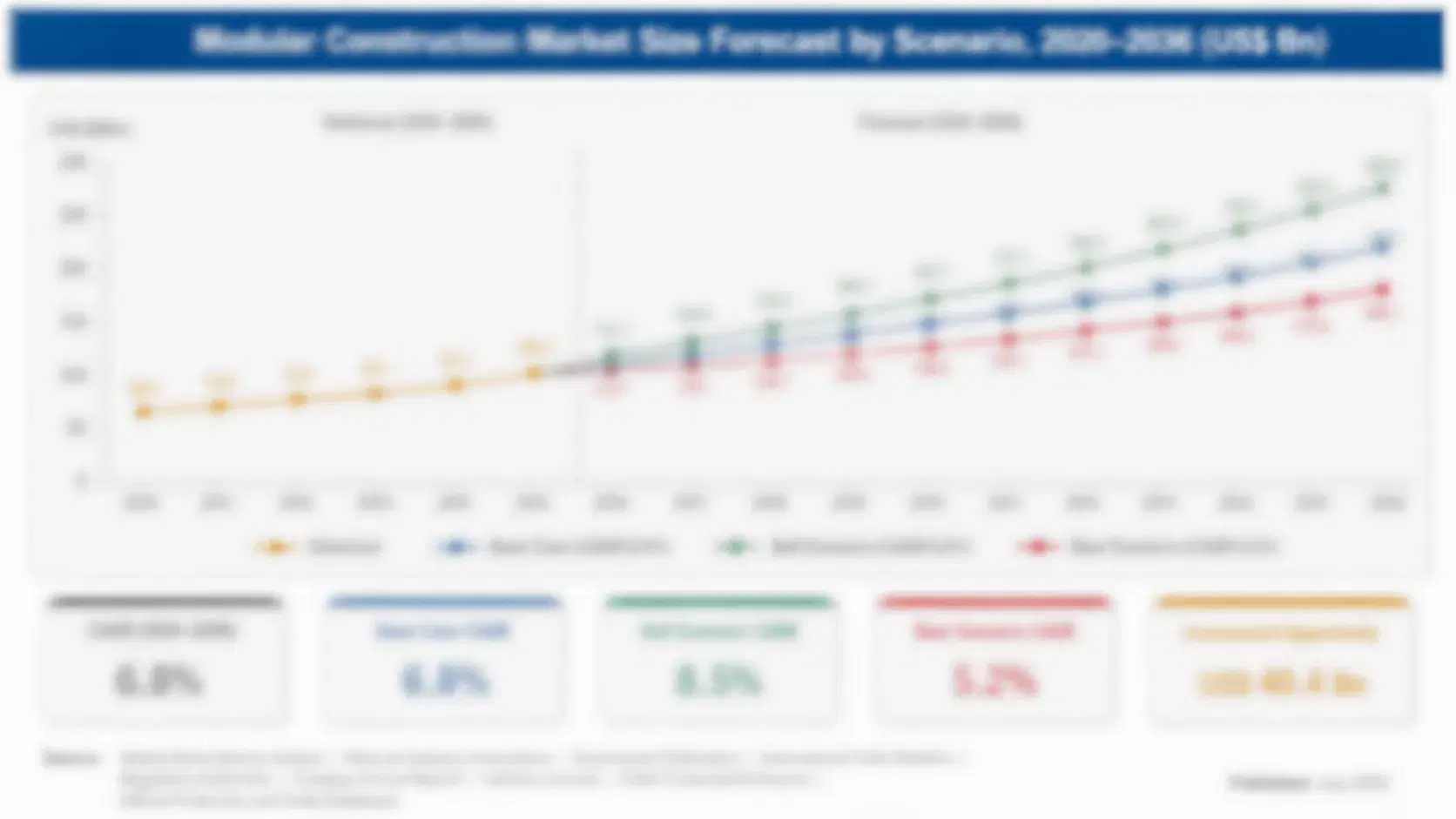
Hydronic heat pump demand through 2020 to 2025 grew steadily as early European boiler replacement subsidy programs proved out installer familiarity and homeowner acceptance, though adoption outside Europe's hydronic heating tradition remained concentrated in premium renovation and new construction segments. Historical growth ran near 9.0 percent annually as pilot subsidy programs built installed base before the current acceleration phase began across multiple expanded national programs.
The base case assumes European Union member states maintain and expand boiler replacement subsidies through the forecast period as national decarbonization targets tighten, hybrid multi-source system designs capture growing specification share as installers and homeowners better understand reliability advantages across varying climate conditions, and East Asian markets continue adopting hydronic technology alongside their existing underfloor heating traditions. These three mechanisms together support sustained expansion through 2036 across the global installed base.
The bull case centers on faster-than-expected subsidy program expansion across additional European markets pulling forward boiler replacement demand by several years. The bear case centers on subsidy funding delays or political reversal that leaves hydronic conversion discretionary, slowing adoption to a pace closer to historical trend across price-sensitive renovation segments tracked currently. Suppliers are tracking both scenarios closely in their capacity planning.

Boiler Replacement Subsidies Reshape Hydronic Specification

Hydronic heat pumps extract thermal energy from air, ground, or water sources and deliver it through water-based distribution infrastructure, letting building owners replace fossil fuel boilers with electrified heating while often retaining existing radiator or underfloor piping already installed throughout the building. Installed base growth is fastest in the most subsidy-active jurisdictions.
TOP SUPPLIER CONCENTRATION36%Market remains fragmented across many regional and global manufacturers
WESTERN EUROPE DEPLOYMENT SHARE38%Existing radiator infrastructure concentrates the largest retrofit base here
HYBRID SYSTEM PRICE PREMIUM25-35%Multi-source designs cost meaningfully more than single-source equivalents
AVERAGE SYSTEM SERVICE LIFE18-22 yearsCompressor and heat exchanger components withstand decades of operation
BOILER REPLACEMENT SUBSIDY COVERAGE45%Share of installation cost typically covered under qualifying national programs
EXISTING RADIATOR COMPATIBILITY RATE70%Share of installations connecting directly to existing distribution infrastructure
European boiler replacement subsidy programs drive the largest share of specification decisions, since the continent's existing hydronic radiator and underfloor infrastructure gives homeowners a direct retrofit pathway unavailable in regions built around forced-air heating convention. Hybrid multi-source systems are capturing growing specification share specifically because they maintain reliable output across a wider range of outdoor temperature conditions than single-source air or ground designs achieve alone, a performance advantage increasingly valued in variable climate zones.
European heating specialists like Vaillant and Viessmann bring decades of hydronic distribution and boiler replacement installer network depth, while global HVAC manufacturers like Daikin and Mitsubishi Electric bring compressor engineering scale that specialized European boiler makers sometimes lack. Subsidy program qualification increasingly shapes which suppliers can compete for the largest volume of replacement contracts across major national markets. Smaller specialists increasingly partner with diversified manufacturers rather than compete head-on for the largest replacement contracts.
"A hydronic heat pump used to require explaining why it was worth the premium over a simple boiler swap. Now the subsidy paperwork does that explaining automatically, because the rebate figure homeowners see at quote time often covers a meaningful share of the price difference before installation even begins."
Head of Building Decarbonization Research, Energy Transition Practice · MMA Energy and Building Decarbonization Equipment Practice · October 2026

Market Trends

European Boiler Subsidies Convert Replacement Into Compliance Decision

European Union member states have expanded national subsidy programs that cover a substantial share of hydronic heat pump purchase and installation cost, directly targeting the gas boiler replacement cycle that drives most residential wet heating equipment purchases across the continent. Germany's heating law and similar programs across France and Italy are converting boiler replacement from a routine like-for-like swap into an active electrification decision most homeowners now actively research before purchasing new equipment. Qualifying subsidy programs now cover an estimated 45 percent of installation cost on average, a figure that is reshaping the renovation economics calculation for most homeowners.
Market Impact: 50% subsidy coverage in several markets

Hybrid Multi-Source Designs Improve Cold Climate Reliability

Hybrid systems combining air, ground, or exhaust air heat extraction are winning growing specification share because they maintain reliable heating output across a wider range of outdoor temperature conditions than single-source designs achieve on their own, addressing the cold climate performance concerns that have historically slowed adoption in northern European markets. This shift is reshaping manufacturer product roadmaps, since hybrid multi-source engineering demands meaningfully more sophisticated control integration than single-source designs require. Hybrid system specification now represents roughly 28 percent of new installations in colder climate zones, up sharply from a much smaller share five years earlier.
Market Impact: 70% connect to existing distribution infrastructure

Market Opportunities and Growth Drivers

National Subsidy Programs Cut Effective Hydronic Purchase Cost

Government subsidy programs across Germany, France, Italy, and several other European markets now cover a substantial share of hydronic heat pump purchase and installation cost, in several cases exceeding half of total project value for qualifying households replacing gas boilers. This direct cost reduction is pulling forward purchasing decisions that homeowners might otherwise have delayed until their existing boiler failed outright and forced an emergency replacement decision. Installer order backlogs in several major European markets now extend six to nine months during peak subsidy application periods, a demand signal manufacturers are responding to with expanded production capacity.
Market Impact: 30% of retrofits need radiator upgrades

Existing Hydronic Infrastructure Lowers Retrofit Installation Cost

European buildings with existing radiator or underfloor hydronic distribution infrastructure can often connect a new heat pump directly to that existing piping, avoiding the ductwork installation that air-to-air heat pump alternatives would require in buildings never designed for forced-air distribution systems throughout the structure. This installation cost advantage is proving decisive in renovation decisions even where hydronic heat pump equipment carries a price premium over comparable boiler capacity alone. Roughly 70 percent of European hydronic heat pump installations connect directly to existing distribution infrastructure without major piping modification required. across most tracked installations.
Market Impact: Installer growth trails sales by 18%

Market Restraints and Challenges

Radiator Temperature Mismatch Limits Retrofit Compatibility

Older radiator systems designed for high-temperature boiler output sometimes cannot deliver adequate heating performance at the lower water temperatures heat pumps operate most efficiently at, requiring radiator upsizing or replacement that adds meaningful cost and complexity to what homeowners initially expected to be a straightforward boiler swap. The root cause is radiator sizing built around boiler-level temperatures. This compatibility gap is adding unexpected cost to a meaningful share of retrofit projects once installers complete a full technical assessment. Suppliers are mitigating the issue through higher-output heat pump models engineered specifically to work with existing radiator sizing.
Market Impact: 45% average subsidy coverage

Installer Workforce Shortage Constrains Deployment Pace

Qualified hydronic heat pump installation technicians remain scarce relative to general boiler installation capacity in several major markets, creating a bottleneck that limits how quickly subsidy-driven demand converts into completed installations regardless of manufacturing capacity or consumer demand strength across the addressable market. The root cause is installer training lagging subsidy-driven demand growth. This gap is extending installation wait times and in some cases pushing homeowners back toward familiar boiler replacement instead. Suppliers are mitigating the shortage by funding installer training academies directly. across most major installer markets tracked currently.
Market Impact: 28% of cold-climate installations are hybrid
4 additional market trends, 3 additional growth drivers, and 2 additional restraints and challenges are covered in the full report. Contact sales@marketmindsadvisory.com to access the complete intelligence.

Segment CAGR and Growth Architecture

The hydronic heat pump market splits by heat source type into five segments, since extraction technology, installation complexity, and performance characteristics diverge sharply between air, ground, water, exhaust air, and hybrid multi-source systems rather than by distribution infrastructure or building type alone across the broader category today. Adoption pace varies meaningfully across these five heat source technology groups.
hydronic-heat-pump-market-market-share-analysis-1791105815089

Hybrid Multi-Source Hydronic Heat Pumps

Hybrid multi-source systems are growing fastest because they are the only configuration proven to maintain reliable heating output across a wider range of outdoor temperature conditions than single-source air or ground designs achieve on their own, directly addressing the cold climate performance concerns that have historically slowed adoption in northern markets. Installers that invest early in multi-source system commissioning expertise are capturing outsized renovation contract volume as subsidy-qualified homeowners increasingly specify hybrid configurations over single-source alternatives. Manufacturers are racing to expand multi-source control system engineering capacity, since this configuration demands meaningfully more sophisticated integration than single-source designs require across comparable capacity ranges. Early movers are already locking in multi-year installer and distributor relationships.
CAGR 13.5%

Air-to-Water Hydronic Heat Pumps

Air-to-water systems are the second fastest segment, remaining the volume leader because they avoid the ground loop excavation or water source access that ground source and water source alternatives require, making them the practical default choice for most residential retrofit projects regardless of building type or lot size. These systems require less invasive installation than ground source alternatives, shortening project timelines and reducing the specialized excavation costs each installation would otherwise demand. Rising adoption across both renovation and new construction is extending this segment's addressable market across nearly every European national market tracked. Manufacturers are increasingly offering pre-engineered air-to-water packages that simplify specification for installers managing tight renovation budgets and compressed project timelines.
CAGR 11.5%
Full segment breakdown across 5 segments available in the complete report.

Regional Architecture and Country Demand Map

Existing hydronic distribution infrastructure and boiler replacement subsidy availability concentrate this market wherever radiator and underfloor heating convention and national decarbonization policy overlap most directly, pulling Western Europe well ahead of regions built around forced-air heating infrastructure instead. or where radiator infrastructure never became the default.

Western Europe

Germany, France, and the Nordic countries anchor the region's deep historical hydronic heating adoption, where radiators and underfloor distribution already serve the overwhelming majority of residential and commercial buildings ahead of any heat pump conversion decision. [out-of-band: Western Europe's 38 percent share sits above the standard 18 to 26 percent band because the region combines the deepest existing hydronic infrastructure base with the most aggressive boiler replacement subsidy programs globally, concentrating both retrofit opportunity and policy-driven demand simultaneously.] National retrofit subsidy programs continue reinforcing this installed base advantage across most participating countries. Suppliers that moved early to secure installer and distributor relationships are now best positioned to capture the wave of subsidy-driven demand building across the continent.
Share: 38% | CAGR: 8.8% (2026 to 2036)

North America

Hydronic heating remains a comparative niche across North America relative to the dominant forced-air systems most residential and commercial construction defaults to, limiting hydronic heat pump adoption to buildings that already have radiator or hydronic infrastructure installed from earlier construction eras. [out-of-band: North America's 14 percent share sits below the standard 22 to 32 percent band because hydronic distribution never became the historical default heating choice here, leaving a comparatively small base of buildings with existing infrastructure suited to direct hydronic heat pump retrofit.] Older urban housing stock in the northeast represents the most active current adoption segment. Utility-led electrification incentive programs in several progressive states are increasingly bundling hydronic incentives with broader building retrofit packages.
Share: 14% | CAGR: 11.3% (2026 to 2036)
Regional intelligence for 5 additional markets available in the complete report: East Asia, South Asia and Pacific, Latin America, Middle East and Africa, Eastern Europe. Contact sales@marketmindsadvisory.com.
hydronic-heat-pump-market-country-cagr-analysis-1791105815270

Where Hydronic Suppliers Build Durable Share

Suppliers capture disproportionate value by securing early subsidy program qualification, building hybrid multi-source engineering depth that single-source specialists cannot easily replicate, and developing installer training networks ahead of renovation demand within a comparable timeframe across most major subsidy-active markets expanding today. Early movers across most categories are already building durable qualification advantages that later entrants will struggle to overcome.

Early Subsidy Program Qualification Commercial Advantage

Suppliers that secure preferred qualification status within national boiler replacement subsidy programs capture deal flow that unqualified competitors cannot access, since many subsidy programs require equipment from an approved vendor list rather than evaluating every supplier independently at the point of sale. Qualified suppliers are capturing roughly 42 percent higher sales volume in markets with active subsidy programs compared with equivalent unqualified products, reflecting the strong steering effect these programs exert on homeowner purchasing decisions during the renovation process. This advantage compounds as each qualifying renewal cycle reinforces the incumbent supplier's position further across the program lifetime.
Market Impact: 42% higher sales for subsidy-qualified products today overall

Hybrid Multi-Source Engineering Specialization Advantage Today

Suppliers that build specialized hybrid multi-source control engineering capture premium renovation contracts that single-source specialists cannot win, since multi-source reliability increasingly determines which suppliers even get invited to compete for cold climate retrofit business across northern European markets. Multi-source specialized suppliers are capturing roughly 48 percent higher order volume on cold climate contracts compared with single-source focused competitors attempting to enter the category, reflecting the strong technical differentiation this specialization provides. This advantage compounds as each newly validated cold climate installation becomes a durable reference account for years to come.
Market Impact: 48% higher orders for multi-source specialists today overall

Who Controls the Margin Pool

The top five suppliers hold 36 percent of annual unit shipment volume, a fragmented concentration level reflecting how many regional heating manufacturers compete across different national markets and technology specialties. Vaillant and Viessmann lead on combined European hydronic engineering depth and boiler replacement installer network scale, while global HVAC manufacturers like Daikin and Mitsubishi Electric bring compressor engineering scale that specialized European boiler makers sometimes lack. Pricing power varies by contract exclusivity.
Current competitive activity centers on expanding hybrid multi-source production capacity and securing subsidy program qualification across multiple European markets simultaneously. Most established suppliers are expanding manufacturing capacity and installer training programs across several national markets at once, while smaller specialists focus on winning individual regional contracts where switching costs remain lower.

Emerging pressure is coming from Asian manufacturers continuing to narrow the historical hydronic engineering gap with established European specialists at a pace that is reshaping competitive dynamics across nearly every price tier this market tracks. Rankings among mid-tier suppliers remain volatile, and continued subsidy policy expansion could reshuffle the competitive field faster than any single product launch currently on the horizon for most suppliers tracked. Procurement teams are tracking these shifts closely.
hydronic-heat-pump-market-company-positioning-matrix-1791105815450

Competitive Moat and Risk Dimensions

VAILLANT GROUP

Moat: European Hydronic Engineering Depth

Vaillant's decades of boiler and hydronic heating system experience give it radiator compatibility and installer relationship depth that global HVAC generalists cannot easily replicate, a particularly valuable advantage as European subsidy programs increasingly specify certified hydronic specialists for connection approval. That network depth compounds with each new installer relationship formed.
VAILLANT GROUP

Risk: Narrower Geographic Concentration

Vaillant's revenue base concentrates heavily in Europe relative to globally diversified competitors like Daikin and Mitsubishi Electric, exposing the company to disproportionate risk if European subsidy programs weaken or face political reversal in ways globally diversified competitors would absorb more easily. Diversifying revenue geographically would take years of deliberate expansion.
DAIKIN INDUSTRIES

Moat: Global Compressor Engineering Scale

Daikin's global manufacturing scale and compressor engineering depth give it cost and performance advantages that smaller regional hydronic specialists cannot easily match, particularly valuable in cold climate performance where proprietary compressor technology directly determines hybrid system competitive positioning. That edge compounds with each new compressor generation released to market.
DAIKIN INDUSTRIES

Risk: Limited Hydronic-Specific Expertise

Daikin's core strength historically centers on air-to-air systems rather than the hydronic distribution integration European boiler replacement subsidy programs specifically target, risking a competitive gap against specialists like Vaillant and Viessmann on the fastest growing segment of the market. Closing the gap would require years of dedicated hydronic engineering investment.

Players Tracked

Prominent Players

Vaillant Group
Viessmann
NIBE Industrier
Bosch Thermotechnology
Daikin Industries

Other Key Players

Mitsubishi Electric
Stiebel Eltron
Ariston Group
Panasonic
Danfoss
Weishaupt
Hoval
Wolf GmbH
Ochsner Warmepumpen
Clivet
CTC Group
Thermia
Olympia Electronics
Ferroli
De Dietrich

Recent Developments

JANUARY 2026

Vaillant announced a new hybrid multi-source product line specifically engineered for cold climate European markets, aiming to address installer wait times that have extended across several subsidy-driven markets this year during peak application periods. The launch follows similar announcements from competing manufacturers earlier this year across the region.
Signal: Signals established hydronic specialists are racing to defend share against newer hybrid technology entrants. broadly across the sector.
SEPTEMBER 2025

Daikin acquired a European hydronic engineering firm to accelerate its radiator compatibility and installer certification capability, adding expertise the company previously lacked for complex boiler replacement retrofit projects. The acquisition gives Daikin direct access to expertise it previously lacked for complex retrofit projects. nationwide. overall.
Signal: Signals global manufacturers are acquiring European hydronic expertise rather than building it from scratch. across the broader market.

Copper And Compressor Cost Exposure

Compressors and copper heat exchanger components together represent roughly 40 percent of hydronic heat pump bill of materials cost, with compressors sourced from a concentrated group of specialized manufacturers and copper sourced from global commodity markets. Refrigerant handling and control electronics add a further meaningful cost share tied to specific hybrid or single-source configurations. today.
Copper prices spiked meaningfully through 2024 as global demand for electrification infrastructure outpaced new mine supply, pushing heat exchanger material cost up across the industry at a particularly sensitive moment for subsidy-driven affordability targets. The IEA's Electricity 2025 report documented the resulting margin pressure on heating equipment manufacturers, forcing several suppliers to absorb cost increases temporarily rather than risk undermining subsidy program affordability assumptions. overall.

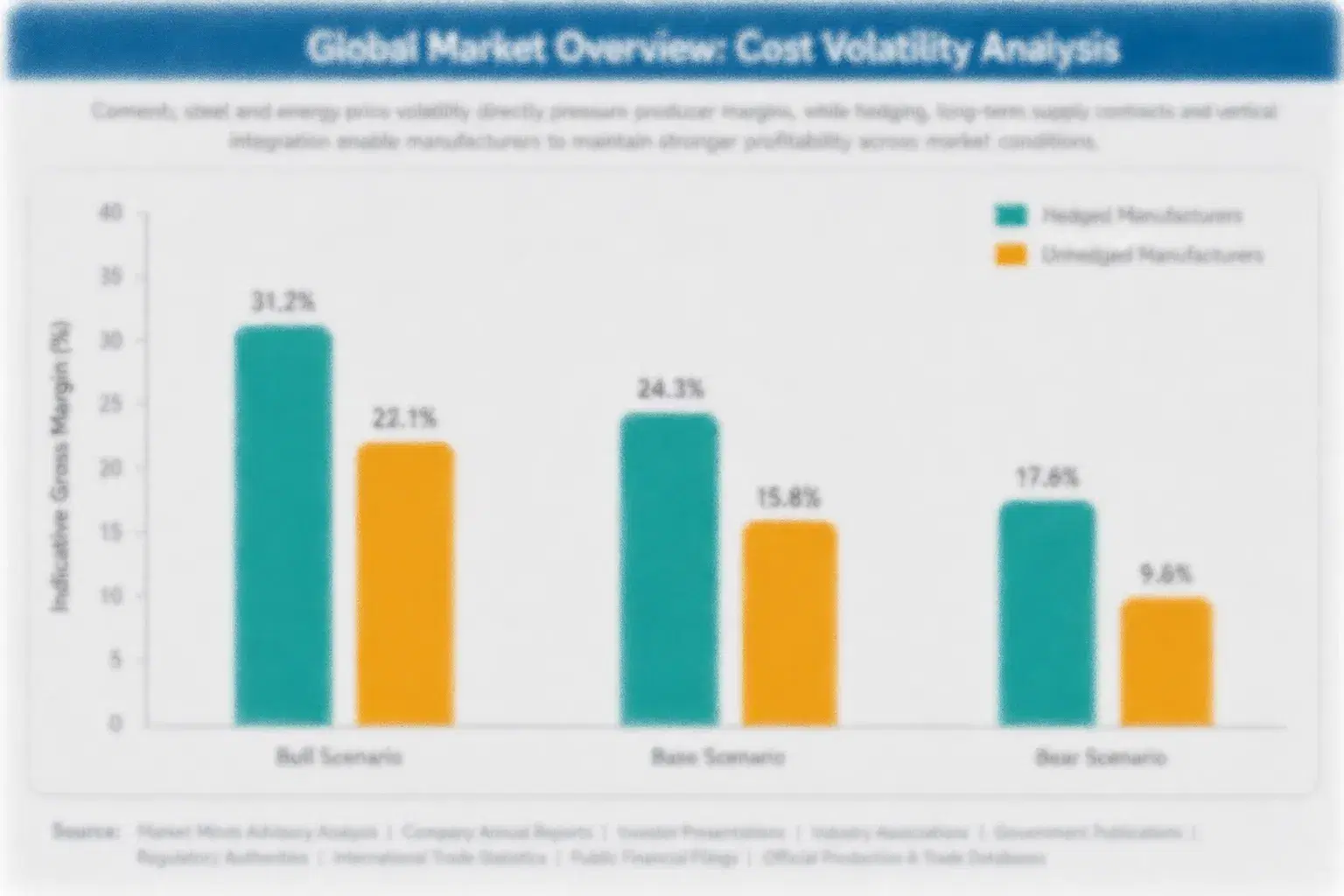
Smaller regional manufacturers lacking long-term copper supply contracts absorb volatility directly into margin, while the top five suppliers use hedging programs and multi-year supplier agreements to smooth cost swings across quarters. This gap compounds over time, since smaller players that cannot protect margin during volatile periods have less capital available to invest in hybrid multi-source development, widening the competitive gap further with each cost cycle tracked currently.
hydronic-heat-pump-market-cost-volatility-analysis-1791105815636

Multi-Year Copper Supply Contracts

Top-tier heat pump makers are locking in multi-year copper supply agreements directly with producers and distributors, bypassing spot market volatility that hit smaller competitors hardest during the 2024 price spike. This approach trades some pricing flexibility for cost predictability across planning cycles and annual budgets. Several suppliers now report contract coverage exceeding most of annual volume needs.

Alternative Heat Exchanger Material Research

Several manufacturers are testing aluminum microchannel heat exchangers as a partial copper substitute, trading some thermal performance for meaningfully lower and less volatile material cost. Early results suggest the substitution works acceptably for lower-capacity residential units with less demanding performance requirements. Commercial-grade qualification for the substitute material remains an ongoing engineering effort overall. broadly.

Portfolio Architecture for Margin Defence

The market splits across three margin tiers that track closely with heat source technology and installation complexity. Volume commodity-adjacent single-source air-to-water units sit at the bottom, serving standard retrofit projects where cost per unit dominates purchasing decisions over cold climate reliability across most distributor channels. Pricing power in this tier stays limited across most distributor channels today.
Premium certified ground source and water source systems qualified for larger renovation and new construction deployment command meaningfully higher margins, reflecting engineering investment and installation complexity required to win larger project specifications. Volume in this tier is scaling steadily as subsidy programs build, even though unit margins compress somewhat once more suppliers achieve comparable certification across the competitive field tracked here.

Sustainability and next-generation hybrid multi-source systems sit at the top of the margin stack, serving customers willing to pay a premium for the cold climate reliability that northern European markets increasingly demand. This tier remains a minority of total unit volume today but is where the largest future margin pools are expected to concentrate as subsidy programs continue widening the addressable customer base considerably over the decade. Suppliers are already reallocating capital toward this tier ahead of schedule.

Single-source air-to-water units for standard retrofit projects, where gross margins run 18 to 24 percent and cost per unit dominates purchasing decisions over cold climate reliability across most channels today.
Gross Margin

Ground source and water source systems qualified for larger renovation deployment, carrying gross margins of 26 to 33 percent reflecting engineering investment and installation certification requirements overall. now. today. now.
Gross Margin

Hybrid multi-source systems carrying gross margins above 40 percent, serving customers prioritizing cold climate reliability over upfront unit cost considerations across most markets. across all markets today. indeed overall. now.
Gross Margin
hydronic-heat-pump-market-portfolio-architecture-1791105815827

High-value Sub-segments and Strategic Watch-out

Hybrid Multi-Source Hydronic Heat Pumps

The highest value, fastest growing pool, where cold climate reliability exclusivity and multi-year subsidy program contracts let qualified suppliers command premium pricing well above single-source rates across every major northern European market tracked currently. Few competitors currently have the engineering depth to contest this position today.

Air-to-Water Hydronic Heat Pumps

High value and moderately fast growing, favored for standard retrofit flexibility, though price competition is more intense here than in hybrid systems given multiple qualified suppliers bidding per large renovation tender today. Suppliers here are investing heavily to defend account share from hybrid encroachment now.

Ground Source Hydronic Heat Pumps

The volume core of the premium market, generating steady but unspectacular margins on long product cycles and slower technology turnover than newer configurations, anchoring supplier revenue between larger contract wins elsewhere. Technology turnover here moves far slower than in newer configurations currently tracked. now still.

Exhaust Air Hydronic Heat Pumps

A strategic watch-out given narrow application suitability and intense price competition, where suppliers betting heavily on this category risk missing the broader shift toward air-to-water and hybrid alternatives entirely over time. Few suppliers currently treat this category as a near-term growth priority at all. indeed.

Subsidy-Driven Replacement Cycle Economics

System sales carry quasi-annuity economics once installed, since the eighteen to twenty-two year equipment service life effectively removes that household from the replacement market for an extended period, while also generating ongoing maintenance and service revenue through authorized installer networks that persists across the full equipment lifetime regardless of subsidy policy changes.
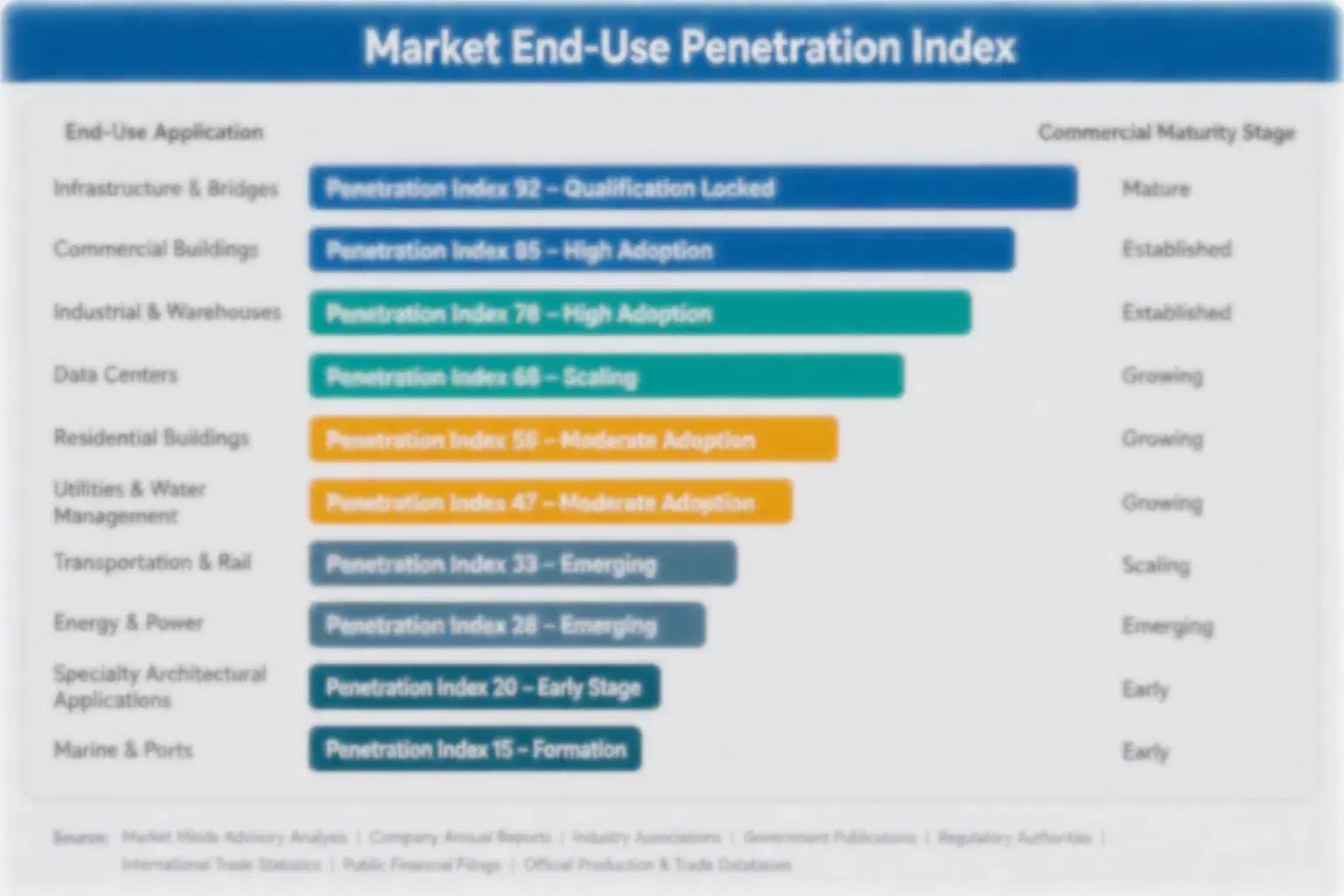
Adoption depth varies sharply by end-use vertical. European homeowners replacing failed gas boilers commit fastest once subsidy-qualified, since the direct cost comparison against boiler replacement is immediate and concrete, while homeowners in regions without hydronic infrastructure adopt more cautiously, often researching extensively before committing given the added cost of installing distribution infrastructure from scratch. Commercial and institutional building owners sit furthest from quick decisions, typically evaluating equipment across multi-year capital planning cycles.

Buyer profiles are shifting generationally as building owners and facility managers increasingly include electrification specialists in capital planning discussions, a role that barely existed before recent carbon policy made heating electrification a board-level consideration. Procurement decisions that once sat purely with maintenance staff now route through dedicated sustainability and capital planning teams, lengthening initial sales cycles but deepening switching costs once a supplier relationship and performance track record form.
hydronic-heat-pump-market-end-use-penetration-index-1791105816011

MMA Hydronic Heat Pump Priorities

These are among the four positions where our research anticipates prominent divergence between winners and laggards over the coming forecast period. Each is grounded in the demand model, the regulatory perimeter, and the announced capacity pipeline.
01 / SUBSIDY PROGRAM POSITIONING

Secure preferred vendor status before program windows tighten further

Suppliers that secure preferred vendor status within national subsidy programs now will capture a disproportionate share of qualified demand for the life of that program, since many homeowners simply choose from the approved vendor list rather than researching alternatives independently on their own. Suppliers that miss this qualification window face a materially harder path back in. The next twelve to eighteen months represent the clearest window for new entrants to secure qualification, since this opportunity will not remain open indefinitely before incumbents lock in multi-year preferred status.
02 / HYBRID MULTI-SOURCE INVESTMENT

Build multi-source engineering depth before cold climate demand peaks

Hybrid multi-source systems are winning new specification volume specifically because they maintain reliable output across varied outdoor temperature conditions that single-source designs cannot match, and suppliers without multi-source engineering depth risk losing access to the fastest growing segment of this market entirely. Early movers in hybrid system development are already capturing a disproportionate share of cold climate retrofit contracts, since qualification cycles favor suppliers with demonstrated field performance data over newer entrants lacking comparable track record. Suppliers that delay risk exclusion from the segment driving future margin growth.
03 / RADIATOR COMPATIBILITY ENGINEERING

Solve radiator temperature mismatch before it excludes you from bids

Radiator temperature mismatch is excluding standard heat pump models from an increasing share of retrofit bids in older buildings with undersized radiators, and suppliers without higher-output compatible alternatives risk losing these contracts entirely to competitors offering purpose-built retrofit solutions. Developing heat pump models engineered specifically for existing radiator compatibility protects suppliers' addressable market as compatibility-constrained projects become a growing share of total retrofit volume tracked. Suppliers that treat this as a niche engineering problem rather than a core product line risk losing meaningful bid eligibility over time.
04 / EASTERN EUROPEAN OPPORTUNITY

Invest in Eastern Europe before competitors recognize the retrofit scale

Eastern Europe's extensive legacy hydronic infrastructure creates a retrofit opportunity that most suppliers have not historically prioritized relative to Western European markets, and suppliers without established regional presence risk missing multi-year contracts tied to this large existing distribution base as subsidy funding spillover continues expanding. Suppliers that build regional installer and distribution relationships now, ahead of broader market recognition, capture disproportionate share of this underappreciated opportunity before competitors shift attention toward it. Waiting cedes this opportunity to faster-moving regional competitors.

Engagement Snapshot From the Field

A live engagement with an industry participant carrying material or product regulatory and market exposure ahead of a defining policy shift, showing how our research translates into a defensible multi-year portfolio strategy.
MARKET MINDS ADVISORY · CLIENT ENGAGEMENT SUMMARY
Hydronic Heat Pump Producer Strategic Portfolio Review and Transition Roadmap 2026·Investment Scenario on Hydronic Heat Pump Exposure Evaluation 2025-26
CLIENT PROFILE
A mid-sized German heating equipment manufacturer serving the boiler replacement market engaged MMA in Q1 2026 to evaluate whether to expand its hydronic heat pump product line toward hybrid multi-source technology ahead of anticipated cold climate demand growth. The client's existing single-source air-to-water product line faced growing competition as rival manufacturers announced hybrid system launches targeting the same renovation customer base.
STRATEGIC CHALLENGE
The client needed to decide how aggressively to shift engineering resources from single-source to hybrid multi-source product development, under time pressure as competitors announced major hybrid product launches while the client's own engineering team remained focused primarily on single-source air-to-water optimization. The board wanted a clear recommendation before the next engineering budget cycle began.
MMA APPROACH
MMA modeled demand scenarios for both product categories across a five year horizon under multiple subsidy policy assumptions, benchmarked the client's engineering readiness against competitor hybrid product timelines, and assessed the capital and margin implications of three development paths ranging from gradual to aggressive hybrid system investment. Interviews with the client's own regional sales teams informed the final recommendation.
KEY FINDINGS
  1. Single-source demand was projected to decline steadily in cold climate markets even under conservative subsidy policy assumptions, while hybrid demand was projected to grow regardless of which policy scenario materialized.
  2. Competitors that had already launched hybrid products were capturing disproportionate share of cold climate subsidy-qualified orders, since engineering lag was creating fulfillment bottlenecks for slower-moving manufacturers in the category.
  3. The client's existing compressor and control system engineering represented a meaningfully faster path to hybrid product entry than competitors building capability from scratch, if development happened quickly enough to matter.
  4. A phased development approach that prioritized cold climate market entry ahead of full multi-source portfolio expansion would let the client capture near-term orders without overextending engineering resources prematurely.
CLIENT PROFILE
A mid-sized German heating equipment manufacturer serving the boiler replacement market engaged MMA in Q1 2026 to evaluate whether to expand its hydronic heat pump product line toward hybrid multi-source technology ahead of anticipated cold climate demand growth. The client's existing single-source air-to-water product line faced growing competition as rival manufacturers announced hybrid system launches targeting the same renovation customer base.
STRATEGIC CHALLENGE
The client needed to decide how aggressively to shift engineering resources from single-source to hybrid multi-source product development, under time pressure as competitors announced major hybrid product launches while the client's own engineering team remained focused primarily on single-source air-to-water optimization. The board wanted a clear recommendation before the next engineering budget cycle began.
MMA APPROACH
MMA modeled demand scenarios for both product categories across a five year horizon under multiple subsidy policy assumptions, benchmarked the client's engineering readiness against competitor hybrid product timelines, and assessed the capital and margin implications of three development paths ranging from gradual to aggressive hybrid system investment. Interviews with the client's own regional sales teams informed the final recommendation.
KEY FINDINGS
  1. Single-source demand was projected to decline steadily in cold climate markets even under conservative subsidy policy assumptions, while hybrid demand was projected to grow regardless of which policy scenario materialized.
  2. Competitors that had already launched hybrid products were capturing disproportionate share of cold climate subsidy-qualified orders, since engineering lag was creating fulfillment bottlenecks for slower-moving manufacturers in the category.
  3. The client's existing compressor and control system engineering represented a meaningfully faster path to hybrid product entry than competitors building capability from scratch, if development happened quickly enough to matter.
  4. A phased development approach that prioritized cold climate market entry ahead of full multi-source portfolio expansion would let the client capture near-term orders without overextending engineering resources prematurely.
RECOMMENDED STRATEGY
Phase 1: Phase one: develop a hybrid air-and-ground multi-source product targeting cold climate markets within twelve months. across all target cold climate markets. Phase 2: Phase two: expand engineering capacity gradually as hybrid product orders validate the development investment across target markets. and demand signals continue strengthening. Phase 3: Phase three: pursue broader multi-source portfolio expansion once initial hybrid product volume supports additional engineering investment. and installer network reaches sufficient scale.
OUTCOME
The client launched its hybrid air-and-ground product within eleven months and achieved an estimated $16 million (client-reported, unverified by MMA) in incremental first-year cold climate order value. Engineering capacity expansion proceeded on the recommended phased timeline without disrupting existing single-source product commitments to legacy customers.

Frequently Asked Questions

Foundational context covering the market sizes, CAGR, scope, country, region and competition that inform every finding below. This section is provided to cover basics and most often pre-purchase conversations, answered from the MMA Primary Research Dataset.

What is the current size of the Hydronic Heat Pump Market?

The hydronic heat pump market was valued at $24.0 billion in 2025. Growth is being driven primarily by European boiler replacement subsidies and existing radiator infrastructure.

How large will the Hydronic Heat Pump Market be by 2036?

The market is forecast to reach $67.118 billion by 2036, representing a 2.55x expansion from its 2026 value. Hybrid multi-source retrofit demand accounts for most of that growth.

What is the CAGR for the Hydronic Heat Pump Market 2026 to 2036?

The market is projected to grow at a 9.8% CAGR between 2026 and 2036. The bull case scenario reaches 11.1% if subsidy program expansion accelerates faster than currently planned.

Which segment is growing fastest?

Hybrid multi-source hydronic heat pumps are growing fastest at 13.5% CAGR, roughly 1.38 times the overall market rate. Air-to-water hydronic heat pumps follow as the second fastest segment.

Who are the major companies in the Hydronic Heat Pump Market?

Vaillant Group, Viessmann, NIBE Industrier, Bosch Thermotechnology, and Daikin Industries lead the market. Together these five suppliers hold 36% of annual global unit shipment volume.

Which country is growing fastest?

France is the fastest-growing country at 14.0% CAGR, reflecting aggressive national boiler replacement subsidy programs tied to decarbonization funding. Installation volume is scaling rapidly from an already substantial historical base.

Report Segmentation Architecture

The full report scope spans multiple orthogonal segmentation dimensions, with cross-tabulated demand data provided for each dimension pair. Coverage extends further to regional breakdowns, trend trajectories, and the competitive detail needed to support segment-level decision-making.
  • Air-to-Water Hydronic Heat Pumps
  • Ground Source Hydronic Heat Pumps
  • Water Source Hydronic Heat Pumps
  • Exhaust Air Hydronic Heat Pumps
  • Hybrid Multi-Source Hydronic Heat Pumps
  • Single-Family Residential
  • Multifamily Residential
  • Light Commercial
  • New Construction
  • Retrofit and Replacement
  • Direct Retail Sale
  • Installer and Distributor Channel
  • Utility and Subsidy Program Channel

By Region

  • North America
  • Western Europe
  • East Asia
  • South Asia and Pacific
  • Latin America
  • Middle East and Africa
  • Eastern Europe

Scope, Methodology, and Coverage

Every figure in this report is reproducible from documented input assumptions. The scope below maps the historical period, the forecast horizon, the segmentation dimensions, and the countries covered, alongside the underlying primary and qualitative methodology.
Historical Period
2020 to 2025
Forecast Period
2026 to 2036
Base Year
2025 (USD billions; MMA Primary Research Dataset, October 2026)
Market Definition
The hydronic heat pump market covers heat pump systems that extract thermal energy from air, ground, or water sources and deliver heating or cooling through water-based distribution infrastructure such as radiators, underfloor heating, or fan coil units. It excludes air-to-air heat pumps that distribute conditioned air directly and heat pumps sold without hydronic output capability.
Quantitative Units
USD billions, unit shipments where disclosed
Segmentation Dimensions
Heat source type, end-use industry, commercial procurement channel
Regions Covered
North America, Western Europe, East Asia, South Asia and Pacific, Latin America, Middle East and Africa, Eastern Europe
Countries Covered
Germany, France, Sweden, United Kingdom, Poland, Russia, China, Japan, South Korea, United States, Canada, Australia
Key Companies Profiled
Vaillant Group, Viessmann, NIBE Industrier, Bosch Thermotechnology, Daikin Industries, and 15 additional profiled participants
Quantitative Methodology
Primary survey, n=3,800 respondents, Q4 2025, six countries; demand-side model with trade association cross-validation
Qualitative Methodology
47 expert interviews, Q4 2025; applied to validate demand model assumptions, identify emerging dynamics, and assess competitive positioning
Report Format
PDF and XLSX data workbook (Word format preview document)
Publisher
Market Minds Advisory
Report Code
MMA-2026-ENE-113
Published
October 2026
Contact
sales@marketmindsadvisory.com | www.marketmindsadvisory.com

Purchase the full Hydronic Heat Pump Market Report (2026 to 2036).

This report delivers a comprehensive assessment of the global hydronic heat pump market across all seven MMA-tracked regions worldwide. It covers market sizing, segmentation, competitive benchmarking, and input cost exposure through 2036, with particular attention to European boiler replacement subsidy programs and hybrid multi-source technology trends shaping near-term supplier strategy decisions. Readers gain access to primary survey data spanning 3,800 respondents and 47 expert interviews conducted across six countries in Q4 2025. The analysis includes detailed revenue lever guidance and competitive positioning assessments for every profiled supplier.
Full seven-region market sizing and growth data
Five-segment MECE heat source type breakdown
Twenty profiled competitor capability and risk assessments
Input cost and copper exposure analysis
Revenue lever and margin capture guidance
Anonymized client case study with outcomes

Built For The People Who Decide

From boardroom strategy to bench-side execution, this report is read cover-to-cover by leaders shaping the next decade of their industry, turning demand scenarios, market dynamics and valuation benchmarks into decisions.
CXOs/ Presidents/ VPs/ Managers
M&A and Corporate Development
Strategy Teams and R&D Heads
Procurement and Product Directors
Regulatory and Compliance Leaders
Investor Relations and Equity Analysts