Market Minds Advisory
Hormone-Sensitive Prostate Cancer Market

Hormone-Sensitive Prostate Cancer Market: Moving Expensive Drugs Earlier

The market grew because the same men now take an expensive drug for five years instead of eighteen months, not because more of them developed the disease in the first place.

Lead Analyst

Published

September 2026

Make Smarter Decisions with Customized Research Insights

Request a free sample report and evaluate market opportunities, growth trends, and competitive dynamics relevant to your business needs.

2025 MARKET VALUE$11.8BMarket Size 2025
2036 FORECAST VALUE$28.7BBase Case , 2026 to 2036
CAGR 2026 TO 20368.4 %Bull 9.6% / Bear 7.2%
INCREMENTAL OPPORTUNITY$15.9BNet 10- year value creation
EXPANSION MULTIPLE2.24x2036 value over 2026 base
Strategic Levers
M&A Pipeline
Regional Outlook
Country Rankings
Competitive Intelligence
Segmental Deep-dive
Call-Us : 91 93563 13602

Executive Snapshot and Market Trajectory

Treatment intensification created this market and nothing else did. Trials showed that adding an androgen receptor inhibitor while the disease is still hormone-sensitive extends survival, which moved an expensive drug from the last eighteen months of life into the first five years of treatment. Same patients, vastly more drug consumed.
North America takes 37% of value on pricing rather than on incidence, since American treatment intensity and drug prices both sit above everywhere else. Androgen receptor pathway inhibitors grow at 12.6%, half again the market rate of 8.4%, entirely on earlier use rather than on any new mechanism arriving. Oral antagonists are quietly replacing depot injections that require a clinic visit. Nothing new had to be invented for any of that to happen.
Concentration is high at 71% and reflects how few companies hold approved androgen receptor inhibitors. The commercial problem is not science but adoption: a large share of men still receive androgen deprivation alone despite guidelines saying otherwise, for reasons of prescriber habit, tolerability worry and cost. Generic abiraterone complicates every conversation, because the cheapest option in the class now costs almost nothing.
Market Definition
The market covers systemic therapies used to treat hormone-sensitive prostate cancer, including androgen receptor pathway inhibitors, luteinising hormone-releasing hormone agonist depots, gonadotropin-releasing hormone antagonists, taxane chemotherapy given in the hormone-sensitive setting, radioligand therapies and bone-targeted supportive agents. Castration-resistant disease, surgery, external beam radiotherapy, brachytherapy, active surveillance and diagnostic imaging are excluded. Screening programmes and pathology services fall outside scope.
Base Year Value
$11.8B in 2025 (MMA Primary Research Dataset, August 2026)
Forecast Period
2026 to 2036, eleven discrete annual values
CAGR
8.4% base case. Bull 9.6%. Bear 7.2%.
Fastest Growth Segment
Androgen Receptor Pathway Inhibitors: 12.6% CAGR
Fastest Growth Country
China: 12.4% CAGR
Fastest Growth Region
South Asia and Pacific: 10.4% CAGR
Largest Region
North America: 37% of 2025 global value
Market Leaders
Johnson and Johnson, Astellas Pharma, Bayer, Pfizer, Novartis. Source: MMA Analysis based on disclosed oncology franchise revenue, company annual reports 2025.
Primary Survey
n=3,800 procurement and R&D decision-makers, Q4 2025, six countries
Methodology
Demand-side build-up, cross-validated against public data, 47 expert interviews

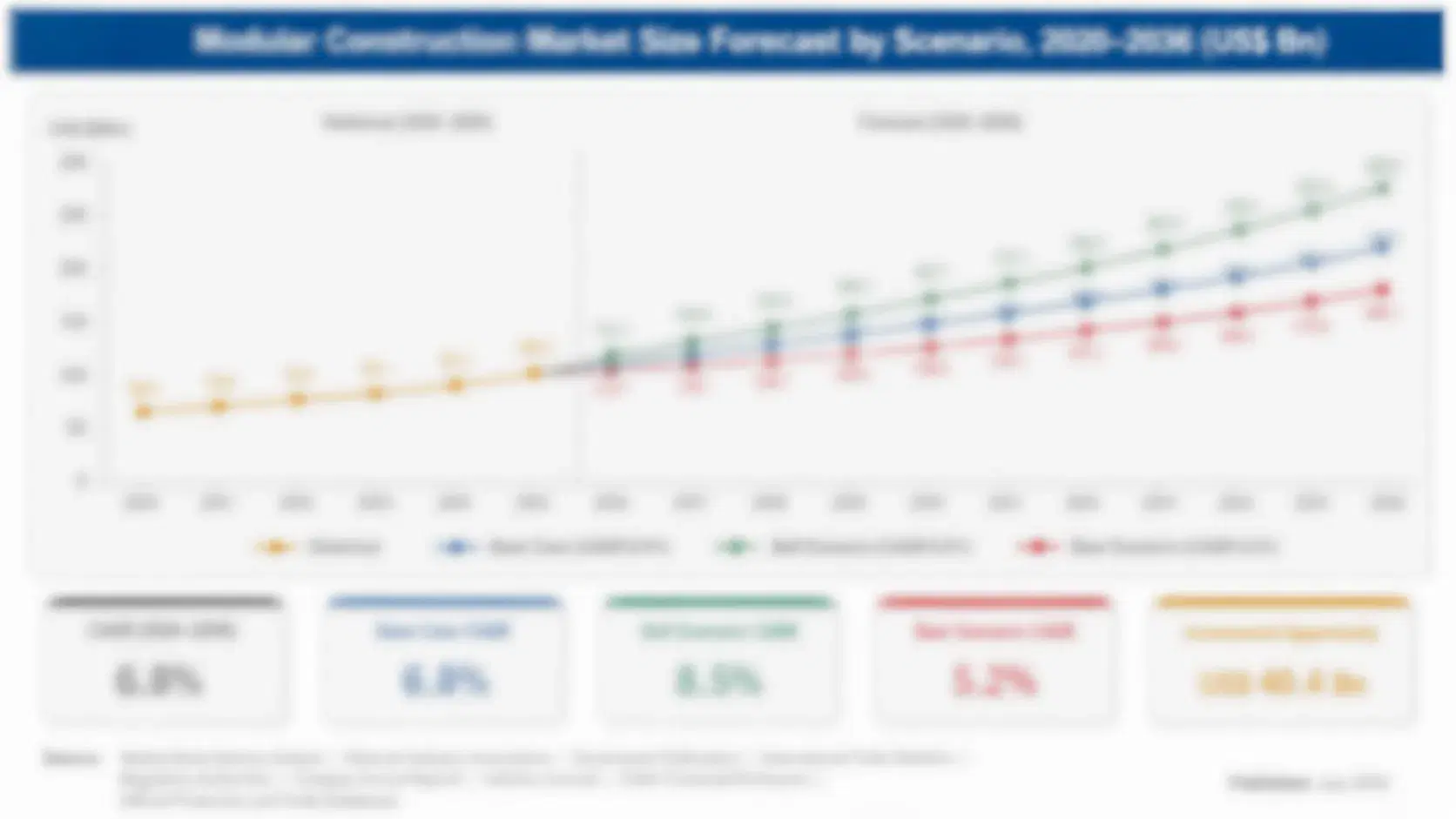
Hormone-Sensitive Prostate Cancer Market Forecast Scenarios

hormone-sensitive-prostate-cancer-market-size-forecast-scenario-1787680695991
The 2020 to 2025 period compounded at 7.0% and every point of it came from sequencing rather than from epidemiology. Successive trials moved androgen receptor inhibitors earlier in the disease, first into metastatic hormone-sensitive disease and then into non-metastatic settings. Abiraterone lost exclusivity partway through, which reset pricing across the whole class. Oral antagonist approval added a delivery alternative nobody had before.
The 8.4% base case rests on three mechanisms. Treatment intensification continues spreading from academic centres into community urology, where a large share of men still receive androgen deprivation alone despite guideline recommendations. Oral gonadotropin-releasing hormone antagonists keep displacing depot injections in a patient population that finds clinic visits burdensome. And Asian incidence is rising steeply as diagnosis improves, from a base where prostate cancer was historically underdetected rather than genuinely uncommon.
The bull case at 9.6% turns on radioligand therapy moving into the hormone-sensitive setting on positive trial data, which would add a high-value modality to a stage that currently has none. The bear case at 7.2% is payer pressure forcing generic abiraterone as mandatory first choice across the class, which would compress branded volume considerably.

Why Earlier Treatment Changed Everything

For decades hormone-sensitive prostate cancer meant a depot injection every three months and not much else, and men lived for years on a therapy costing very little. Everything expensive happened later, once the disease became castration-resistant and life expectancy was short. Successive trials then demonstrated that giving the expensive drug earlier extends survival. The economic consequence is enormous: the same drug now runs for years rather than months in a patient who is otherwise well.
FIVE-FIRM CONCENTRATION71%Share of oncology franchise revenue held by leading companies
MONTHLY THERAPY COST$11,900Typical branded androgen receptor inhibitor cost per month
TOP CONSUMING COUNTRYUSA 34%American share of global treated patient volume today
TREATMENT DURATION EXTENSION3.4 timesTherapy duration in hormone-sensitive use against castration-resistant use
INTENSIFICATION ADOPTION GAP44%Eligible men still receiving androgen deprivation therapy alone
ORAL ANTAGONIST SHARE18%Portion of androgen suppression prescribed as oral therapy
The gap between guidelines and practice is where the addressable market actually sits. Roughly 44% of eligible men still receive androgen deprivation alone, which every major guideline advises against. The reasons are practical rather than scientific: community urologists treating an elderly man with comorbidities weigh tolerability differently, prior authorisation is tedious, and abiraterone requires steroid co-administration and liver monitoring nobody enjoys arranging.
Generic abiraterone reshaped the class in a way nobody quite planned for. The cheapest androgen receptor inhibitor now costs a fraction of the branded alternatives, which gives payers an obvious default and forces every branded manufacturer to argue tolerability, steroid-sparing and monitoring burden rather than efficacy. Those arguments are genuine and considerably harder to make than a survival curve.
"The trials were won a decade ago. The market is still being lost in community urology offices where nobody has changed what they do."
Director, Oncology Therapeutics Practice · MMA Healthcare Practice · August 2026

Market Trends

Oral Antagonists Displace Depot Injection Androgen Suppression

A gonadotropin-releasing hormone antagonist taken as a daily tablet suppresses testosterone without the initial surge an agonist causes, and appears to carry lower cardiovascular event rates in men who already have heart disease, which most of this population does. It also removes a clinic visit every three months from the life of a patient who may be eighty and reliant on somebody else for transport. Adoption has been steady rather than dramatic, held back by prescriber familiarity with injections and by the reality that daily adherence in this age group is not guaranteed at all.
Market Impact: Reaches 44% of untreated eligible men
Radioligand Therapy Moves Toward Earlier Disease Settings

Prostate-specific membrane antigen targeted radioligand therapy established itself in castration-resistant disease and trials are now testing it substantially earlier. If those read out positively, a high-value modality arrives in a setting that currently has none, and the treatment sequence changes for everybody. The constraint is delivery rather than evidence: radioligand therapy requires nuclear medicine facilities, isotope supply chains and radiation safety infrastructure that most community oncology practices simply do not have and will not build quickly. Building that capacity takes years, cannot begin after a trial reports and does not transfer to anything else if the data disappoints.
Market Impact: Adds 340,000 diagnosed patients annually

Market Opportunities and Growth Drivers

Intensification Guidelines Outrun Community Urology Practice

Every major guideline now recommends adding an androgen receptor inhibitor to androgen deprivation in metastatic hormone-sensitive disease, and roughly 44% of eligible men still receive deprivation alone. The gap is not scientific disagreement. Community urologists treating elderly men with cardiovascular disease and multiple medications weigh added toxicity differently from academic trialists, and prior authorisation adds administrative friction that a busy practice avoids. Closing that gap is worth more than any pipeline asset currently in development, and it is an education and access problem rather than a research one. Nobody in research wants to hear that.
Market Impact: Prices 88% below branded alternatives

Asian Incidence Rises As Diagnosis Improves Rapidly

Prostate cancer was historically recorded as uncommon across much of Asia, and much of that reflected detection rather than biology. Rising prostate-specific antigen testing, better imaging access and longer life expectancy have all pushed recorded incidence up steeply in China, Japan and Korea. Men diagnosed there now present at more advanced stages on average than Western patients, which means a larger share arrive already needing systemic therapy rather than surveillance. That combination makes the region the fastest growing source of treated patients anywhere in the world. Commercial coverage there remains thin relative to volume.
Market Impact: Excludes 21% of eligible patients

Market Restraints and Challenges

Generic Abiraterone Anchors Payer Expectations For The Class

Abiraterone lost exclusivity and now costs a fraction of branded androgen receptor inhibitors, which gives payers an obvious default position and a benchmark every competitor must argue against. Root cause is simply patent expiry, and nothing reverses it. The commercial impact is that branded manufacturers cannot compete on efficacy, since the class effect is broadly similar, and must instead argue steroid-sparing, liver monitoring and tolerability differences that are real and considerably harder to demonstrate. Mitigation runs through outcomes agreements and tolerability evidence, and payers remain sceptical of both. The benchmark is permanent and everybody knows it.
Market Impact: Holds 18% of suppression prescribing

Elderly Comorbid Patients Limit Tolerated Treatment Intensity

The median patient is in his seventies with cardiovascular disease, diabetes or both, and androgen deprivation itself worsens metabolic and cardiac risk before any intensification is added. Root cause is the population rather than the drugs. The commercial impact is that a meaningful share of eligible men are genuinely unsuitable for intensification and clinicians are right to withhold it, which caps the addressable population below what guideline eligibility suggests. Mitigation runs through cardiovascular-safer antagonists and better patient selection tools, neither of which manufacturers have promoted effectively. The eligible population is smaller than guidelines imply.
Market Impact: Requires 6 specialist treatment sessions
3 additional market trends, 4 additional growth drivers, and 2 additional restraints and challenges are covered in the full report. Contact sales@marketmindsadvisory.com to access the complete intelligence.

Segment CAGR and Growth Architecture

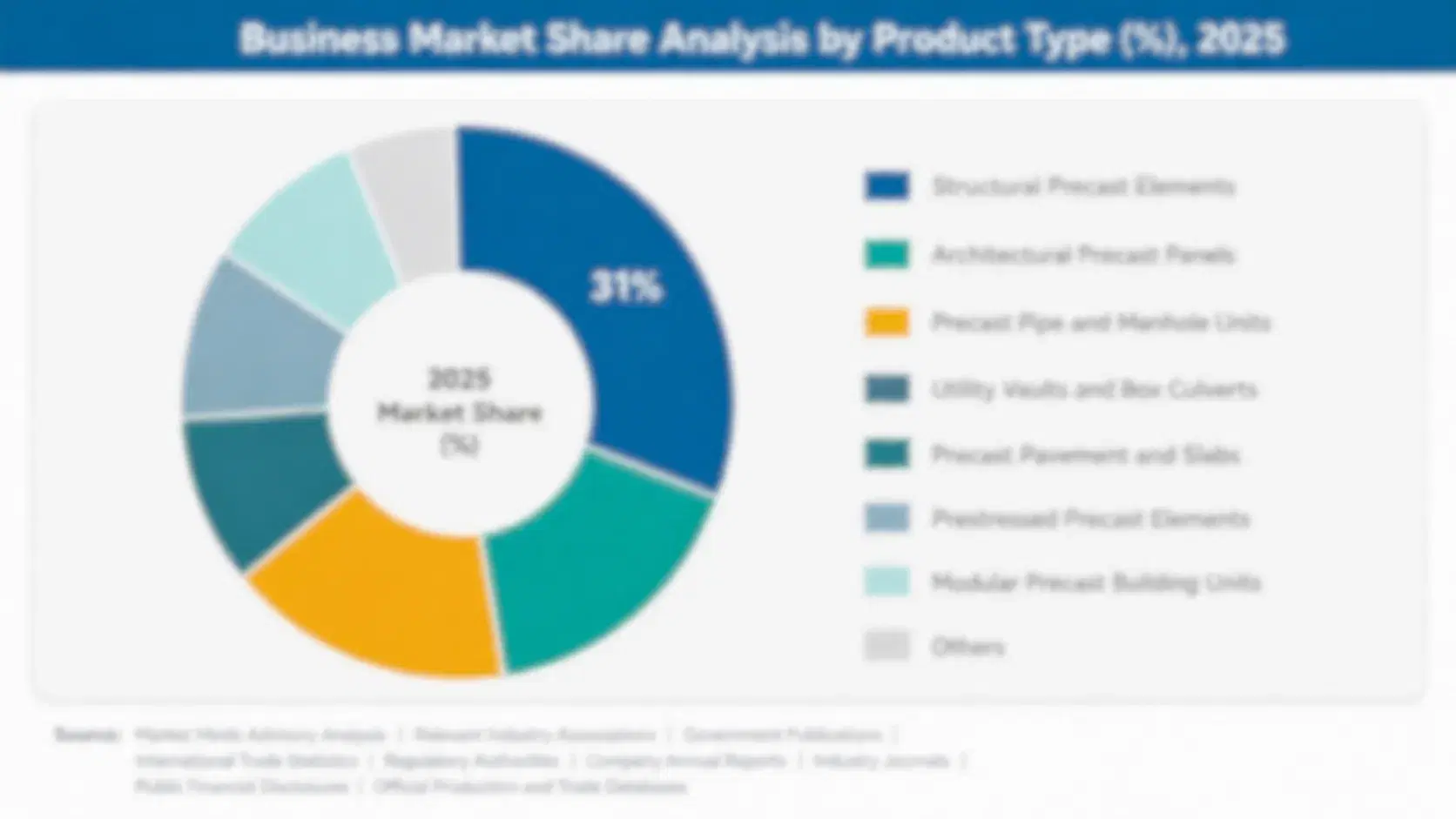
Segmentation follows therapeutic class: what the drug is and how it works pharmacologically, rather than which disease stage it is used in or who prescribes it. Six classes cover the market without overlap, from androgen receptor inhibitors through to bone-targeted supportive agents. Treatment setting and prescriber specialty are treated separately, because both cut across every class in this disease.
hormone-sensitive-prostate-cancer-market-market-share-analysis-1787680696276

Androgen Receptor Pathway Inhibitors

This class carries most of the market's value and all of its growth, and the growth comes from earlier use rather than from any new molecule. Growth at 12.6%, half again the market rate of 8.4%, reflects treatment duration extending roughly three and a half times when the same drug moves from castration-resistant into hormone-sensitive disease. Generic abiraterone sits inside the class and prices at a fraction of the branded alternatives, which forces every competitor to argue tolerability, steroid-sparing and monitoring burden rather than survival benefit. Those arguments are legitimate and much harder to win with a payer than a survival curve ever was. Payers holding a cheap generic rarely listen past the price line.
CAGR 12.6%

GnRH Antagonists

An antagonist suppresses testosterone without the initial surge an agonist produces, and the oral formulation removes a quarterly clinic visit from the life of a patient who is frequently elderly and dependent on others for transport. Growth at 9.6% reflects steady displacement of depot injections rather than any dramatic switch. Cardiovascular safety data in men with existing heart disease is the strongest commercial argument available and remains underused by the companies holding it. The counterweight is adherence: a daily tablet in a man in his eighties is genuinely less certain than an injection a nurse administers on a fixed schedule. Nobody has resolved that trade convincingly, and both sides of it are real.
CAGR 9.6%
Full segment breakdown across 6 segments available in the complete report.

Regional Architecture and Country Demand Map

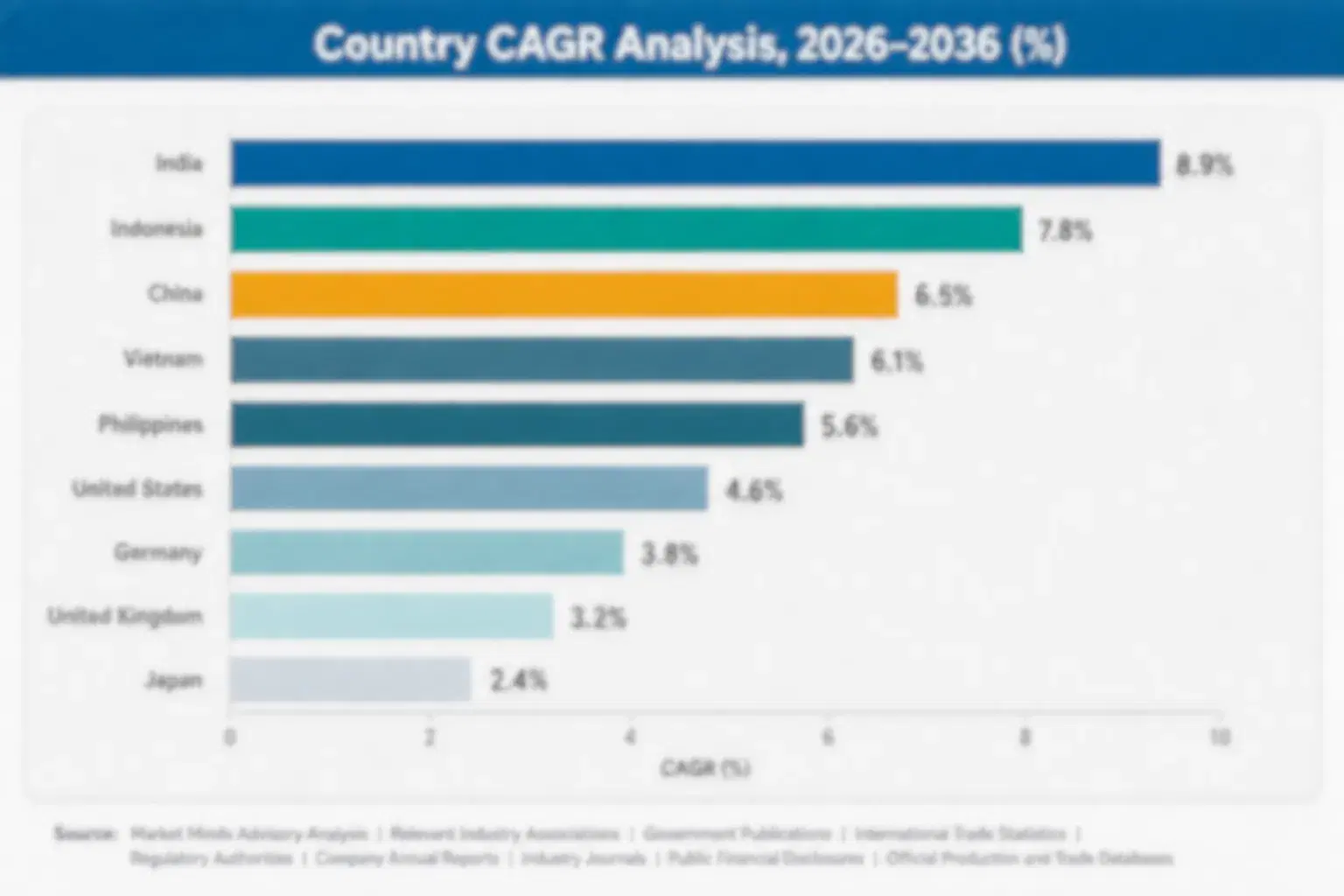
Geography follows treatment intensity and drug pricing rather than incidence, which is distributed quite differently. North America leads on both counts by a wide margin. East Asia grows fastest among large markets as diagnosis improves, while South Asia grows quickest from a base that remains genuinely small.

North America

North America takes 37%, above the 22 to 32% default band, because American drug pricing and treatment intensity both sit well ahead of anywhere else and the two compound each other. No other market combines them. Community urology practices treat most American patients rather than academic centres, and intensification adoption there lags guidelines considerably, which is where the addressable opportunity actually sits. Prior authorisation requirements shape prescribing more than clinical preference does in many practices. Canadian access follows provincial formulary decisions with meaningful delay. Mexican treatment is largely generic androgen deprivation with branded intensification limited to private patients who fund it themselves. That gap between practice types is the whole opportunity here.
Share: 37% | CAGR: 7.6% (2026 to 2036)

Western Europe

European treatment is guideline-driven and cost-constrained in roughly equal measure, which produces intensification rates ahead of American community practice and behind American academic centres. German and French urology networks adopted intensification early and thoroughly. British practice follows assessment decisions that have generally favoured generic abiraterone as the default intensification agent, which shapes the whole market there. Nordic systems treat comprehensively at high adoption rates relative to population. Italian and Spanish access varies by region considerably. What distinguishes Europe commercially is that generic pricing arrived into systems already disposed to use it, which compressed branded opportunity faster than anywhere else. Branded manufacturers arrived into a system already disposed against them. Recovery from that looks unlikely.
Share: 22% | CAGR: 6.8% (2026 to 2036)
Regional intelligence for 5 additional markets available in the complete report: East Asia, South Asia and Pacific, Latin America, Middle East and Africa, Eastern Europe. Contact sales@marketmindsadvisory.com.
hormone-sensitive-prostate-cancer-market-country-cagr-analysis-1787680696627

Closing The Gap Between Guideline And Practice

The trials were won years ago and a large share of eligible men still do not receive what those trials demonstrated, which makes adoption rather than evidence the commercial problem. Four levers work on that gap, on delivery burden or on the generic benchmark, and none of them involves developing anything new at all.

Sell Intensification To Community Urology Directly

Roughly 44% of eligible men receive androgen deprivation alone despite every guideline recommending more, and almost all of them are treated in community urology rather than academic oncology. That is where the volume sits and where manufacturers historically call least, because the practices are small, dispersed and expensive to cover. Building coverage there costs real money and addresses a population several times larger than academic centres contain. Companies that invested in community field organisations closed adoption gaps competitors are still describing as a clinical education problem somebody else should solve.
Market Impact: Addresses the 44% of eligible men still untreated

Argue Tolerability Where Efficacy No Longer Differentiates

Generic abiraterone prices roughly 88% below branded alternatives and delivers broadly comparable survival benefit, which ends any efficacy argument before it begins. What differs is steroid co-administration, liver function monitoring, cardiovascular profile and drug interactions in men taking six other medications. Those differences are real, clinically meaningful and considerably harder to demonstrate than a survival curve. Generating comparative tolerability evidence costs several years and produces the only argument that works with a payer holding a cheap generic and no reason to look further. There is no shorter route available to anybody.
Market Impact: Counters an 88% generic price advantage head on

Lead With Cardiovascular Safety In Comorbid Patients

The median patient is in his seventies with existing cardiovascular disease, and androgen deprivation worsens cardiac risk before intensification adds anything. Antagonists appear to carry lower cardiovascular event rates than agonists in exactly that population, which is the strongest available argument for switching a therapy that otherwise works. Companies holding that data have mostly promoted convenience instead, which is the weaker case. Cardiologists and urologists both respond to event rate data and neither responds much to dosing convenience arguments in a disease this serious. Roughly 21% of otherwise eligible men are excluded on exactly these grounds.
Market Impact: Recovers the 21% excluded by cardiac comorbidity alone

Prepare Radioligand Delivery Capacity Before Trials Report

Radioligand therapy in earlier disease depends on nuclear medicine facilities, isotope supply and radiation safety infrastructure that community oncology does not have, and roughly 6 treatment sessions per patient must be delivered somewhere. Building or partnering for that capacity takes years and cannot start after a trial reads out. Companies with radioligand assets who invest in delivery networks now will treat patients while competitors are still negotiating with hospitals. The risk is obvious: the trials may not read out positively and the capacity investment does not transfer to anything else.
Market Impact: Prepares delivery capacity for every 6 session course

Who Controls the Margin Pool

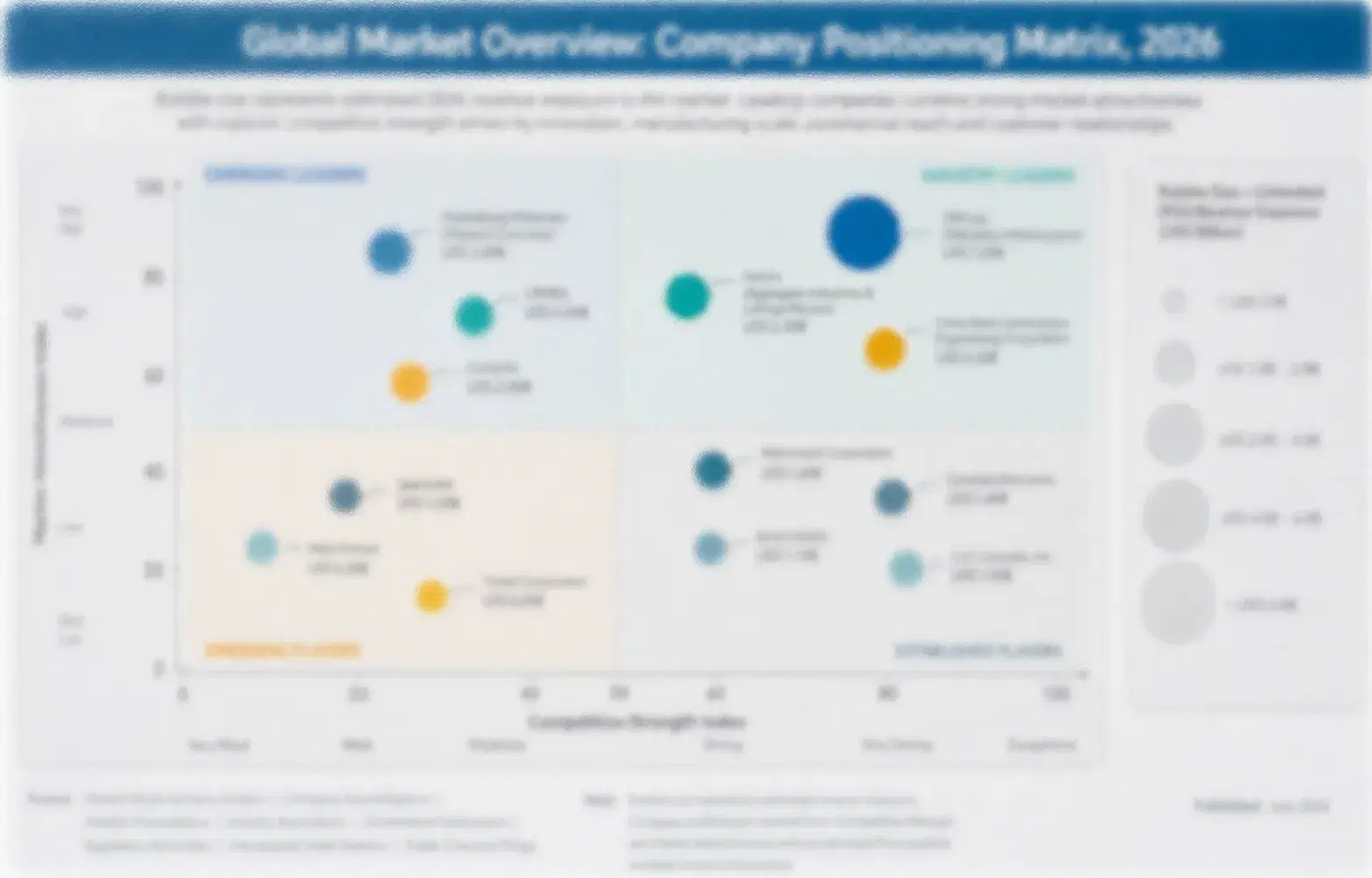
Measured on disclosed oncology franchise revenue, the five leading companies hold a CR5 of 71%, which reflects how few approved androgen receptor inhibitors exist rather than any barrier to entry that could not be crossed. Johnson and Johnson and Astellas lead through the earliest approvals in the class, with Bayer holding a strong position in non-metastatic disease and Novartis dominating radioligand therapy almost without competition.
Three contests define activity. Class competition is fought on tolerability, monitoring burden and drug interactions rather than on survival, since the efficacy differences are modest and generic abiraterone sets the price floor. Adoption competition happens in community urology, where the winner is whoever calls on practices nobody else visits. Delivery competition is emerging around radioligand infrastructure, which is capital rather than commercial and decides who can treat at all.

Pressure comes from Chinese manufacturers developing domestic androgen receptor inhibitors for a market whose incidence is rising faster than anywhere else. Their products will reset regional pricing well before they reach Western markets. Rankings shift wherever a payer mandates generic abiraterone as first choice, which removes branded volume without any competitor having done anything.
hormone-sensitive-prostate-cancer-market-company-positioning-matrix-1787680696949

Competitive Moat and Risk Dimensions

JOHNSON AND JOHNSON

Moat: Earliest Class Approval Position

Johnson and Johnson established androgen receptor inhibition in prostate cancer before anybody else and holds the longest clinical experience and the deepest prescriber familiarity in the class. Urologists who trained on that product continue prescribing it. The company also holds the generic that anchors class pricing, which is an unusual position to occupy on both sides of the same argument.
JOHNSON AND JOHNSON

Risk: Generic Cannibalisation Of Franchise

Owning both the branded and generic ends of a class means competing against yourself in every payer negotiation, and the generic wins those on price without generating comparable margin. Newer branded entrants argue tolerability against a molecule requiring steroid co-administration and liver monitoring, which is a weakness the company cannot engineer away at this stage.
ASTELLAS PHARMA

Moat: Broad Stage Label Coverage

Astellas holds approvals spanning non-metastatic, metastatic hormone-sensitive and castration-resistant disease, which lets a urologist start a patient on one product and continue through every stage without switching. That continuity matters clinically and commercially, since prescribers dislike changing agents in patients doing well. Assembling equivalent label breadth requires trials across every stage and roughly a decade to complete.
ASTELLAS PHARMA

Risk: Prostate Franchise Concentration Exposure

A disproportionate share of oncology revenue resting on one molecule in one disease leaves the company exposed to generic entry, payer mandates favouring cheaper alternatives and any safety finding that emerges with longer real-world use. Diversified competitors absorb such events across a portfolio. Astellas would absorb one across a franchise that carries much of the company.

Players Tracked

Prominent Players

Johnson and Johnson
Astellas Pharma
Bayer
Pfizer
Novartis

Other Key Players

AstraZeneca
Merck and Co
Sanofi
AbbVie
Ipsen
Ferring Pharmaceuticals
Myovant Sciences
Sumitomo Pharma
Tolmar
Accord Healthcare
Teva Pharmaceutical Industries
Amgen
Lantheus
Telix Pharmaceuticals
Curium

Recent Developments

MARCH 2025

Novartis expands radioligand production capacity for prostate cancer therapy

Novartis commissioned additional radioligand manufacturing and distribution capacity for its prostate cancer therapy, an organic investment rather than an acquisition. The company cited isotope supply reliability and treatment centre coverage as the constraints limiting patient access, both of which sit outside conventional pharmaceutical manufacturing entirely.
Signal: Radioligand growth depends on delivery infrastructure rather than on demand, which is unusual for an oncology therapeutic.
JUNE 2025

Bayer reports non-metastatic hormone-sensitive trial results for androgen receptor inhibitor

Bayer reported outcomes from a trial of its androgen receptor inhibitor in earlier non-metastatic hormone-sensitive disease, an internal development programme rather than a collaboration. Moving into earlier settings extends treatment duration substantially in patients who are otherwise well and live considerably longer than castration-resistant populations do.
Signal: Every trial in this disease is really a trial about treatment duration, which is where the commercial value comes from.
OCTOBER 2025

European payer mandates generic abiraterone as first-line intensification agent

A European health system introduced prescribing rules requiring generic abiraterone as the default intensification agent in hormone-sensitive disease, with branded alternatives permitted only where documented intolerance exists. This was a reimbursement policy decision rather than any clinical guideline change or regulatory action. Branded volume there fell immediately.
Signal: Payer mandates remove branded volume without any competitor doing anything, which is the largest single risk in this class.

What The Therapy Costs To Supply

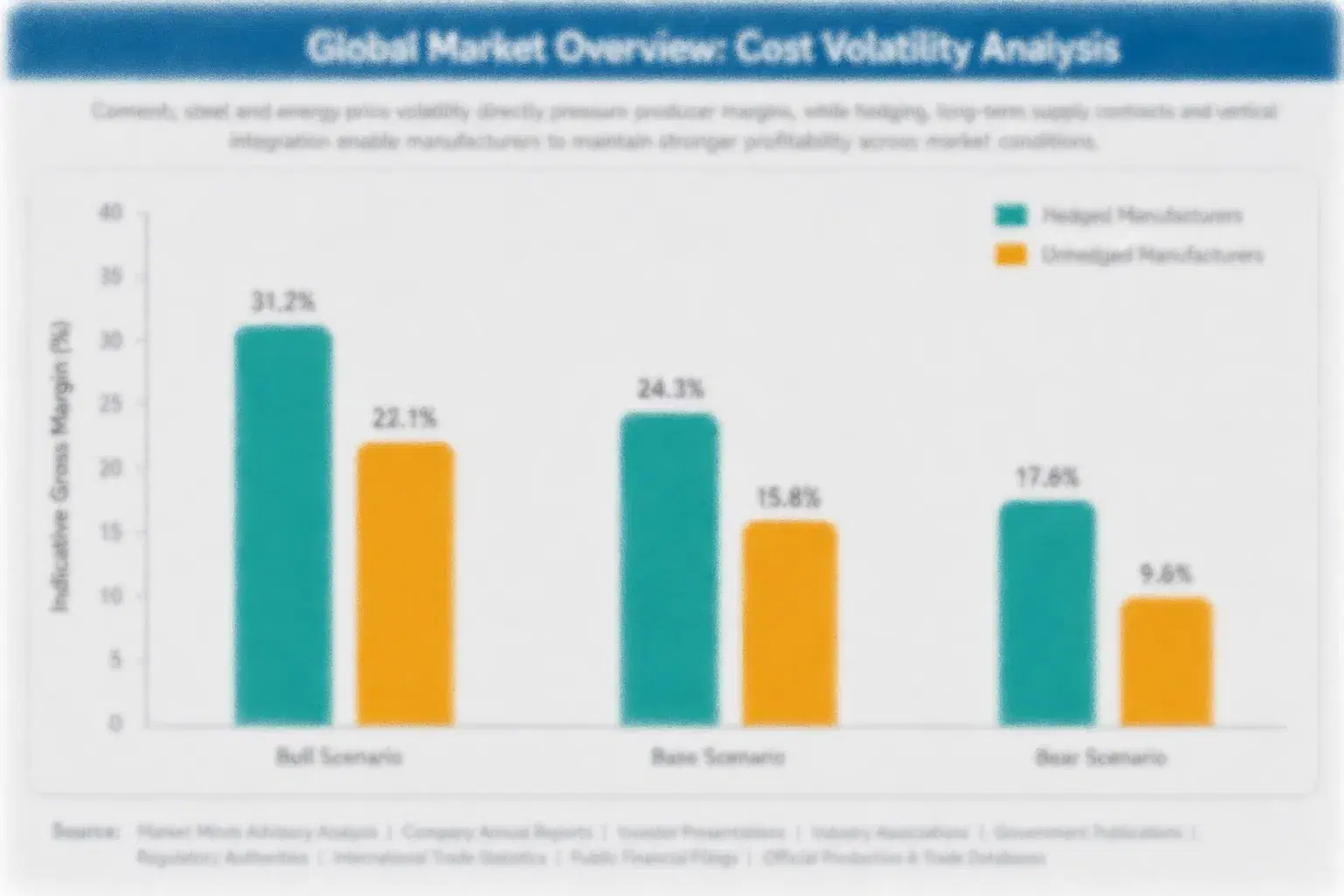
Manufacturing barely registers for the branded products. Small molecule androgen receptor inhibitor production runs 4 to 7% of selling price, since the chemistry is straightforward at scale and the cost base is development amortisation and commercial infrastructure instead. Depot injection formulations cost more to make, at roughly 14% of price, because the sustained release system is more demanding than the active ingredient it delivers.
Radioligand therapy is the exception and it is a substantial one. Isotope production, radiochemistry, cold chain distribution against a decaying product and radiation-controlled facilities together consume a share of revenue that no conventional oncology drug approaches. Novartis annual reports describe the manufacturing and supply investments required, which have repeatedly constrained patient access independently of demand. Nothing about that supply chain resembles ordinary pharmaceutical logistics in any respect.

Exposure divides by product type rather than by company. Branded small molecule manufacturers carry commercial and access costs and almost no manufacturing risk at all. Generic producers carry active ingredient cost and compete on a price that leaves room for nothing else. Radioligand manufacturers carry a supply chain that limits how many patients they can treat regardless of how many want treatment.
hormone-sensitive-prostate-cancer-market-cost-volatility-analysis-1787680697314

Build isotope supply redundancy before demand arrives

Radioligand therapy depends on isotope production capacity that cannot be increased quickly and has repeatedly limited patient access. Contracting multiple supply routes and reactor sources costs money against volume that does not yet exist. Manufacturers who built redundancy early treated patients while competitors apologised for delays, which in oncology is a reputational cost nobody recovers from quickly.

Invest commercial spend in community coverage not academia

Academic centres already intensify treatment and community urology largely does not, which means promotional spend directed at academic oncology reaches prescribers who need no persuading. Redirecting field coverage toward dispersed community practices costs more per prescriber and reaches the patients who are not being treated. The arithmetic favours it clearly and organisational habit resists it strongly.

Generate comparative tolerability evidence against generic options

Efficacy arguments fail against a generic delivering comparable survival at a fraction of the price. Comparative evidence on steroid requirements, liver monitoring, cardiovascular events and drug interactions is the only material that changes a payer position. It takes years to generate and is the sole defensible argument available to any branded manufacturer in this class.

Portfolio Architecture for Margin Defence

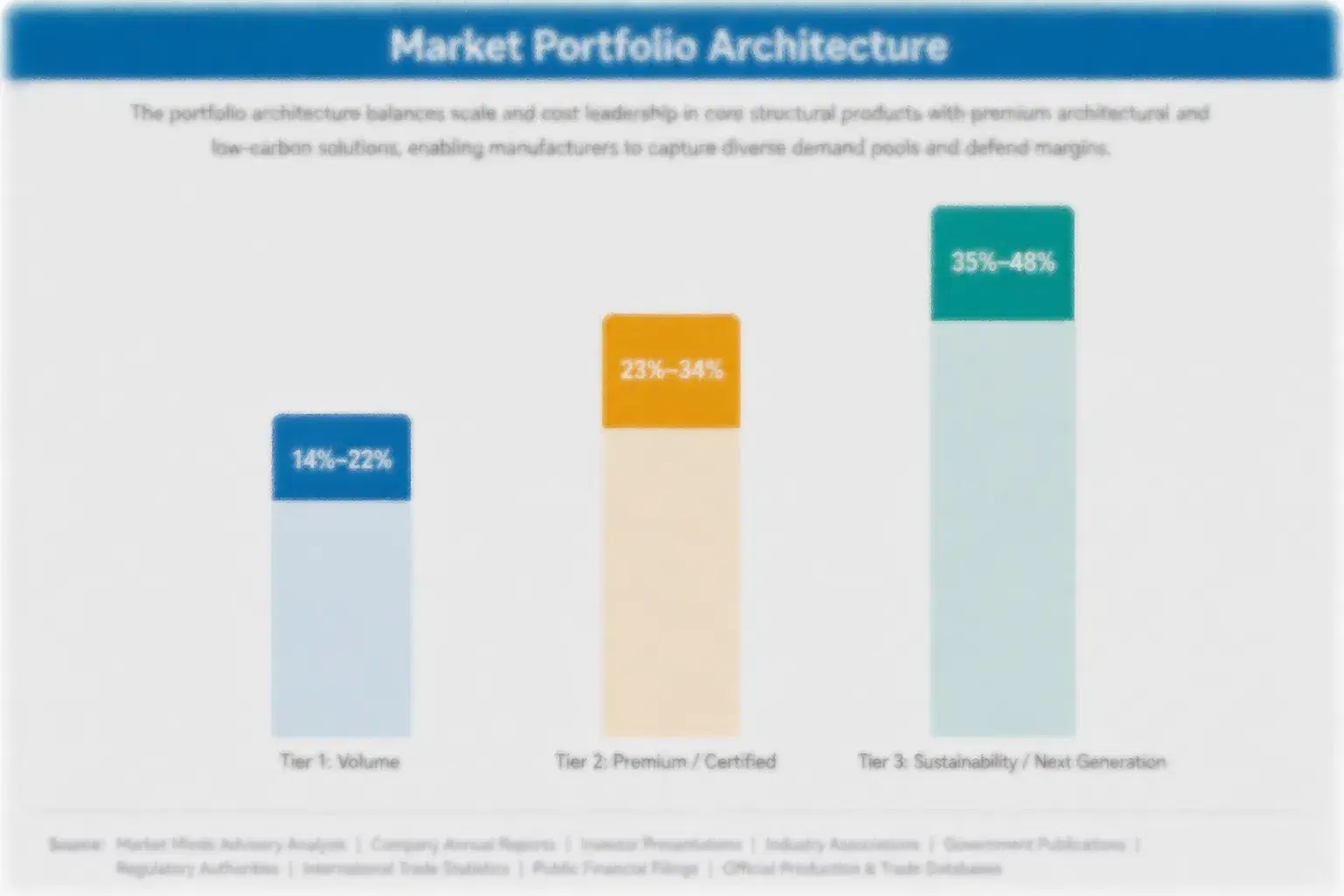
Margin follows exclusivity and delivery difficulty rather than clinical value, which is not how anybody would design a market. Generic androgen deprivation and generic abiraterone earn commodity pharmaceutical margins on most treated patients. Branded androgen receptor inhibitors earn full specialty margins on a shrinking exclusive position. Radioligand therapy earns well and carries a supply chain that limits how much of it can be sold at all.
The tension is that the highest volume product and the highest value product serve the same patient in the same visit. A urologist choosing intensification picks between a generic costing almost nothing and a branded alternative costing a great deal, with broadly similar survival data behind both. Manufacturers holding branded products must argue tolerability into that comparison, and the ones who invested in comparative evidence early are the only ones with anything to say when a payer asks.

High-value pools sit in three places. Community urology adoption, where the untreated eligible population is larger than any pipeline asset would address. Cardiovascular-differentiated androgen suppression, which addresses the comorbidity that limits intensification. And radioligand therapy in earlier disease, where delivery capacity rather than evidence will decide who participates at all.

Volume / Commodity-Adjacent

Generic androgen deprivation depots, generic abiraterone and generic taxane chemotherapy dispensed across most treated patients. The 7-point range separates integrated manufacturers from those buying active ingredient. Tender pricing decides everything and volume here is overwhelming.
Gross Margin: 11-18%

Premium / Certified

Branded androgen receptor inhibitors and gonadotropin-releasing hormone antagonists prescribed under exclusivity across hormone-sensitive stages. The 7-point spread separates products with broad stage labels from those approved in narrower settings. Label breadth rather than efficacy holds this pricing in place.
Gross Margin: 68-75%

Sustainability / Regulatory / Next-Generation

Radioligand therapies and next-generation agents entering earlier disease settings. The 13-point range is unusually wide because radioligand economics carry substantial manufacturing and supply chain cost while next-generation small molecules carry almost none, and the two are not comparable.
Gross Margin: 62-75%
hormone-sensitive-prostate-cancer-market-portfolio-architecture-1787680697610

High-value Sub-segments and Strategic Watch-out

Branded Androgen Receptor Inhibitors

Highest value and strong growth, driven entirely by earlier treatment extending duration rather than by any new mechanism arriving. The risk is generic abiraterone anchoring payer expectations across the whole class, which no branded manufacturer can answer on efficacy and must answer on tolerability instead.
Gross Margin: 72-75%

Oral GnRH Antagonists

High value with steady growth, carrying genuine cardiovascular differentiation in a population where most men have existing heart disease. Companies holding that evidence have promoted convenience instead, which is the weaker argument. The constraint is adherence uncertainty in very elderly patients taking a daily tablet.
Gross Margin: 66-69%

Generic Androgen Deprivation

The volume core, reaching almost every treated patient and contributing very little value since the products went off-patent long ago. Tender pricing sets everything and nothing differentiates one depot from another. Manufacturers run this line for scale and access relationships rather than for return. Nobody defends it seriously.
Gross Margin: 12-15%

Branded Abiraterone Positions

The strategic watch-out. Remaining branded abiraterone volume faces a generic of the identical molecule priced far below it, and payer mandates are steadily removing what is left. The risk is commercial infrastructure and access investment sustained around a position that has already been decided against.
Gross Margin: 24-27%

Why Duration Decides The Value

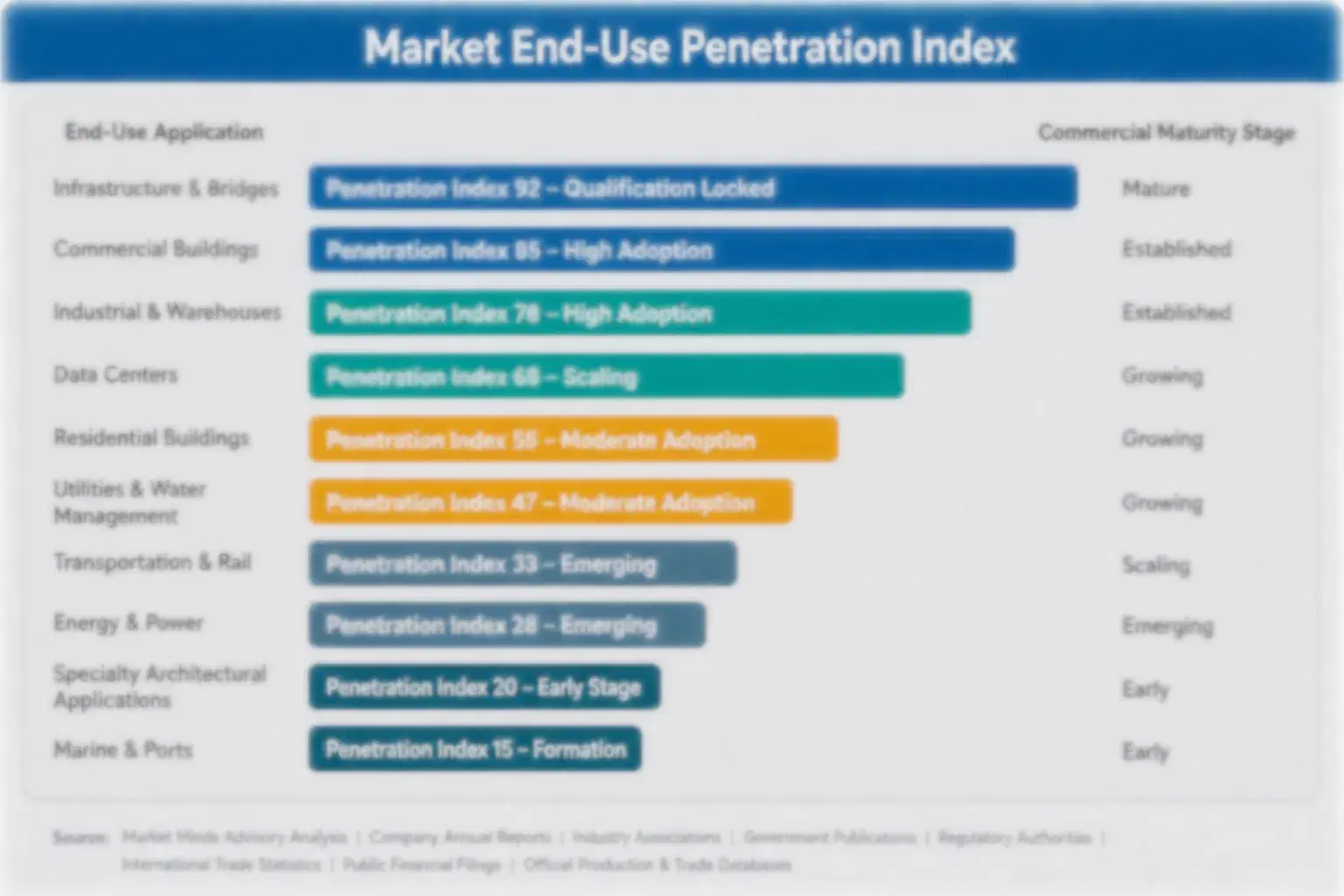
Treatment duration rather than patient numbers determines almost everything in this market. The same androgen receptor inhibitor prescribed in hormone-sensitive disease runs roughly three and a half times longer than it does in castration-resistant disease, because the patient is otherwise well and lives considerably longer. Revenue per patient therefore multiplied without a single additional diagnosis.
Stickiness varies by what changing costs the prescriber. A man doing well on an androgen receptor inhibitor is rarely switched, because urologists reasonably dislike disturbing a working regimen in an elderly patient. Androgen deprivation depots switch on tender pricing whenever a hospital pharmacy renegotiates, with no clinical involvement at all. Radioligand therapy is a defined course rather than continuous treatment, which makes it a series of decisions rather than one.

The prescriber population is not changing and that is exactly the problem. Community urologists have treated this disease the same way for years and continue to, while guidelines moved considerably. Manufacturers calling on academic oncology reach prescribers who already intensify. The volume sits with practices nobody visits, and closing that gap is a distribution problem the industry keeps describing as a scientific education issue instead.
hormone-sensitive-prostate-cancer-market-end-use-penetration-index-1787680697932

Where The Untreated Volume Sits

These are among the four positions where our research anticipates prominent divergence between winners and laggards over the coming forecast period. Each is grounded in the demand model, the regulatory perimeter, and the announced capacity pipeline.
01 / COMMUNITY ADOPTION INVESTMENT

Call on the urologists nobody else visits

Roughly 44% of eligible men receive androgen deprivation alone despite every guideline advising intensification, and almost all of them are treated in dispersed community urology practices rather than academic centres. Manufacturers concentrate field coverage on academic oncology, where prescribers already intensify and need no persuading whatsoever. Building community coverage costs more per prescriber and reaches a patient population several times larger than any pipeline asset in development would address, which makes it the highest return commercial investment available in this disease today.
02 / TOLERABILITY EVIDENCE BUILDING

Stop arguing efficacy against a cheap generic

Generic abiraterone prices roughly 88% below branded alternatives with broadly comparable survival data behind it, which ends any efficacy argument before a payer conversation properly begins. What genuinely differs is steroid co-administration, liver function monitoring, cardiovascular profile and interactions in men already taking several other medicines daily. Generating comparative tolerability evidence takes years and produces the only material a payer holding a cheap generic holding a cheap generic has ever shown any real willingness to engage with seriously at all.
03 / CARDIOVASCULAR POSITIONING SHIFT

Promote event rates, not dosing convenience

The median patient is in his seventies with established cardiovascular disease, and androgen deprivation worsens cardiac risk before intensification adds anything further to it. Antagonists appear to carry lower cardiovascular event rates in exactly that population, which excludes roughly 21% of otherwise eligible men from intensification altogether. Companies holding that evidence have promoted tablet convenience instead, which is a considerably weaker argument to a urologist deciding whether an elderly cardiac patient can safely tolerate yet another agent alongside everything else.
04 / RADIOLIGAND CAPACITY PREPARATION

Build the delivery network before the trials report

Radioligand therapy in earlier disease requires nuclear medicine facilities, isotope supply and radiation safety infrastructure that community oncology does not possess, and roughly 6 treatment sessions per patient have to be delivered somewhere physically. Building or partnering for that capacity takes years and cannot begin after a trial reads out positively. Companies investing now will treat patients while competitors negotiate with hospitals, and the risk that trials disappoint is real and it is considerably smaller than the risk of arriving late to the whole thing.

Engagement Snapshot From the Field

A live engagement with an industry participant carrying material or product regulatory and market exposure ahead of a defining policy shift, showing how our research translates into a defensible multi-year portfolio strategy.
MARKET MINDS ADVISORY · CLIENT ENGAGEMENT SUMMARY
Hormone-Sensitive Prostate Cancer Producer Strategic Portfolio Review and Transition Roadmap 2026·Investment Scenario on Hormone-Sensitive Prostate Cancer Exposure Evaluation 2025-26
CLIENT PROFILE
A global pharmaceutical company holding a branded androgen receptor inhibitor approved across hormone-sensitive and castration-resistant settings, with prostate franchise revenue reported at 2.6 billion dollars (client-reported, unverified by MMA). Field coverage ran through 280 oncology representatives concentrated on academic cancer centres and large hospital systems across its main markets, with almost no community urology presence anywhere.
STRATEGIC CHALLENGE
Volume growth had slowed for six consecutive quarters and management attributed it to generic abiraterone taking share on price. The commercial team requested budget for a payer contracting programme and additional academic promotion. Nobody had established where eligible untreated patients actually were, or whether the lost volume had ever been won in the first place.
MMA APPROACH
MMA mapped eligible patients by treating practice type against where the field organisation was calling, which the company had never compared directly. Sixteen expert interviews with community urologists established why intensification was not happening in those practices. The analysis treated field coverage geography, not payer pricing, as the variable most likely to explain the slowdown.
KEY FINDINGS
  1. Community urology treated 71% of eligible patients and received 9% of field contacts, which meant most of the addressable population had never been called on at all.
  2. Interviewed community urologists cited prior authorisation burden and tolerability concern in comorbid men rather than price as their reason for not intensifying.
  3. Generic abiraterone had taken share mostly in academic centres already using intensification, not from the untreated population the company had assumed it was losing.
  4. Redirecting 90 representatives to community coverage modelled greater volume than the requested payer programme and academic promotion combined (client-reported, unverified by MMA).
CLIENT PROFILE
A global pharmaceutical company holding a branded androgen receptor inhibitor approved across hormone-sensitive and castration-resistant settings, with prostate franchise revenue reported at 2.6 billion dollars (client-reported, unverified by MMA). Field coverage ran through 280 oncology representatives concentrated on academic cancer centres and large hospital systems across its main markets, with almost no community urology presence anywhere.
STRATEGIC CHALLENGE
Volume growth had slowed for six consecutive quarters and management attributed it to generic abiraterone taking share on price. The commercial team requested budget for a payer contracting programme and additional academic promotion. Nobody had established where eligible untreated patients actually were, or whether the lost volume had ever been won in the first place.
MMA APPROACH
MMA mapped eligible patients by treating practice type against where the field organisation was calling, which the company had never compared directly. Sixteen expert interviews with community urologists established why intensification was not happening in those practices. The analysis treated field coverage geography, not payer pricing, as the variable most likely to explain the slowdown.
KEY FINDINGS
  1. Community urology treated 71% of eligible patients and received 9% of field contacts, which meant most of the addressable population had never been called on at all.
  2. Interviewed community urologists cited prior authorisation burden and tolerability concern in comorbid men rather than price as their reason for not intensifying.
  3. Generic abiraterone had taken share mostly in academic centres already using intensification, not from the untreated population the company had assumed it was losing.
  4. Redirecting 90 representatives to community coverage modelled greater volume than the requested payer programme and academic promotion combined (client-reported, unverified by MMA).
RECOMMENDED STRATEGY
Phase 1: Phase one: redeploy field coverage toward community urology practices, accepting lower calls per representative and considerably higher travel cost throughout. Phase 2: Phase two: fund prior authorisation support staff for community practices, since administrative burden rather than price is what blocks prescribing there. Phase 3: Phase three: commission comparative tolerability evidence against generic abiraterone, which is the only argument payers have so far engaged with seriously.
OUTCOME
Community prescribing rose 38% across the following year while academic volume held flat, on unchanged total field headcount. Prior authorisation support reduced abandoned prescriptions substantially in participating practices (client-reported, unverified by MMA). The payer contracting programme was deferred and the tolerability study is now running to completion.

Frequently Asked Questions

Foundational context covering the market sizes, CAGR, scope, country, region and competition that inform every finding below. This section is provided to cover basics and most often pre-purchase conversations, answered from the MMA Primary Research Dataset.

What is the current size of the Hormone-Sensitive Prostate Cancer Market?

The market was worth 11.8 billion dollars in 2025, covering androgen receptor inhibitors, hormone suppression agents, chemotherapy, radioligand and bone-targeted therapies. It reaches 12.8 billion dollars in 2026.

How large will the Hormone-Sensitive Prostate Cancer Market be by 2036?

MMA forecasts 28.7 billion dollars by 2036, an increase of 15.9 billion dollars over the 2026 base. That represents an expansion multiple of 2.24 times across the forecast period.

What is the CAGR for the Hormone-Sensitive Prostate Cancer Market 2026 to 2036?

The base case compounds at 8.4% annually. MMA's bull case reaches 9.6% if radioligand therapy moves into hormone-sensitive disease, while the bear case sits at 7.2% on payer generic mandates.

Which segment is growing fastest?

Androgen receptor pathway inhibitors, at 12.6%, half again the market rate of 8.4%. Growth comes from earlier use extending treatment duration rather than from any new mechanism arriving.

Who are the major companies in the Hormone-Sensitive Prostate Cancer Market?

Johnson and Johnson, Astellas Pharma, Bayer, Pfizer and Novartis lead on disclosed oncology franchise revenue. AstraZeneca, Sanofi, Ipsen, Myovant Sciences and Telix Pharmaceuticals compete within specific therapeutic classes.

Which country is growing fastest?

China at 12.4%, driven by recorded incidence rising steeply as testing spreads and by men presenting at later stages that require systemic therapy. Japan remains the largest Asian market.

Report Segmentation Architecture

The full report scope spans multiple orthogonal segmentation dimensions, with cross-tabulated demand data provided for each dimension pair. Coverage extends further to regional breakdowns, trend trajectories, and the competitive detail needed to support segment-level decision-making.

By Therapeutic Class

  • Androgen Receptor Pathway Inhibitors
  • LHRH Agonist Depots
  • GnRH Antagonists
  • Taxane Chemotherapy
  • Radioligand Therapies
  • Bone-Targeted Supportive Agents

By End-Use Industry

  • Academic Cancer Centres
  • Community Urology Practices
  • Community Oncology Practices
  • Hospital Outpatient Departments
  • Nuclear Medicine Facilities
  • Clinical Research and Trial Sites

By Commercial Dimension

  • Public Reimbursed Access
  • Private Insurance Coverage
  • Hospital Formulary Supply
  • Generic Tender Supply
  • Outcomes-Based Agreement
  • Self-Funded Patient Access

By Region

  • North America
  • Western Europe
  • East Asia
  • South Asia and Pacific
  • Latin America
  • Middle East and Africa
  • Eastern Europe

Scope, Methodology, and Coverage

Every figure in this report is reproducible from documented input assumptions. The scope below maps the historical period, the forecast horizon, the segmentation dimensions, and the countries covered, alongside the underlying primary and qualitative methodology.
Historical Period
2020 to 2025
Forecast Period
2026 to 2036
Base Year
2025 (USD billions; MMA Primary Research Dataset, August 2026)
Market Definition
Scope covers systemic pharmaceutical therapies prescribed for hormone-sensitive prostate cancer, spanning androgen receptor pathway inhibitors, luteinising hormone-releasing hormone agonist depots, gonadotropin-releasing hormone antagonists, taxane chemotherapy given in the hormone-sensitive setting, radioligand therapies and bone-targeted supportive agents. Castration-resistant disease, radical prostatectomy, external beam radiotherapy, brachytherapy and active surveillance are excluded. Prostate-specific antigen screening programmes, diagnostic imaging, pathology services and supportive care unrelated to bone health fall outside the boundary.
Quantitative Units
USD billions (current prices); treated patients; prescriptions dispensed; treatment duration in months; intensification adoption rate
Segmentation Dimensions
By Therapeutic Class; By End-Use Industry; By Commercial Dimension; By Region
Regions Covered
North America, Western Europe, East Asia, South Asia and Pacific, Latin America, Middle East and Africa, Eastern Europe
Countries Covered
USA, China, Germany, France, UK, Japan, South Korea, India, Brazil, Mexico, Italy, Spain, Poland, Saudi Arabia, South Africa
Key Companies Profiled
Johnson and Johnson, Astellas Pharma, Bayer, Pfizer, Novartis, AstraZeneca, Merck and Co, Sanofi, AbbVie, Ipsen, Ferring Pharmaceuticals, Myovant Sciences, Sumitomo Pharma, Tolmar, Accord Healthcare, Teva Pharmaceutical Industries, Amgen, Lantheus, Telix Pharmaceuticals, Curium
Quantitative Methodology
Primary survey, n=3,800 respondents, Q4 2025, six countries; demand-side model with trade association cross-validation
Qualitative Methodology
47 expert interviews, Q4 2025; applied to validate demand model assumptions, identify emerging dynamics, and assess competitive positioning
Report Format
PDF and XLSX data workbook (Word format preview document)
Publisher
Market Minds Advisory
Report Code
MMA-2026-HLT-156
Published
August 2026
Contact
sales@marketmindsadvisory.com | www.marketmindsadvisory.com

Purchase the full Hormone-Sensitive Prostate Cancer Market Report (2026 to 2036).

The full report runs to 215 pages and covers all six therapeutic class segments, seven regions and 20 profiled companies in detail. It includes the complete segment CAGR set, regional treated patient and intensification adoption data, and treatment duration analysis across disease stages. Company profiles carry evaluation on disclosed oncology franchise revenue, with moat and risk assessment for the top five participants. The competitive section extends to 17 tracked corporate developments across 2024 and 2025, each with commercial interpretation. Primary research inputs include a quantitative survey of 3,800 respondents and 47 expert interviews conducted in Q4 2025.
Six therapeutic class segments with individual CAGR forecasts
Seven regional markets with treated patient and adoption data
Twenty company profiles on consistent revenue evaluation basis
Seventeen tracked corporate developments with commercial interpretation notes
Treatment duration analysis across hormone-sensitive and resistant stages
Intensification adoption mapping by practice type and country

Built For The People Who Decide

From boardroom strategy to bench-side execution, this report is read cover-to-cover by leaders shaping the next decade of their industry, turning demand scenarios, market dynamics and valuation benchmarks into decisions.
CXOs/ Presidents/ VPs/ Managers
M&A and Corporate Development
Strategy Teams and R&D Heads
Procurement and Product Directors
Regulatory and Compliance Leaders
Investor Relations and Equity Analysts