Market Minds Advisory
High-Protein Noodles Market

High-Protein Noodles Market: High-Protein Noodles Market. Legume Recipes, Claim Rules and Protein Input Costs

High-protein noodles are moving from fitness niches into mainstream pantries as legume, soy and blended recipes improve, yet taste gaps, protein claim rules and legume flour costs decide which makers earn a lasting premium.

Lead Analyst

Published

September 2026

Make Smarter Decisions with Customized Research Insights

Request a free sample report and evaluate market opportunities, growth trends, and competitive dynamics relevant to your business needs.

2025 MARKET VALUE$1.8BMarket Size 2025
2036 FORECAST VALUE$4.9BBase Case , 2026 to 2036
CAGR 2026 TO 20369.5 %Bull 10.8% / Bear 8.2%
INCREMENTAL OPPORTUNITY$2.9BNet 10- year value creation
EXPANSION MULTIPLE2.48x2036 value over 2026 base
Strategic Levers
M&A Pipeline
Regional Outlook
Country Rankings
Competitive Intelligence
Segmental Deep-dive
Call-Us : 91 93563 13602

Executive Snapshot and Market Trajectory.

High-protein noodles are pasta and noodle products made with legume flour, soy, egg, dairy or added gluten so a serving delivers far more protein than wheat. Fitness, weight and diabetes concerns drive purchases. Taste and texture, not interest, decide who wins repeat sales.
Legume and Pulse-Based Noodles grow fastest as chickpea, lentil and pea recipes improve, while wheat protein-fortified instant noodles still carry the largest sales. East Asia leads because Japan, China and Korea consume most noodles and are adding protein lines, with North America close behind on premium spend. Gross margins run 24% to 46%, and legume flour, gluten and energy costs shape profit. Margins stay tight. Retailers reward reliable supply. Private label keeps pressing.
Five groups hold about 29% of value, led by Barilla, Nissin Foods and Toyo Suisan, so global pasta and instant noodle majors compete with legume pasta start-ups and private label suppliers. Protein claim rules, allergen laws, front-of-pack labelling and retailer audits govern positioning, and buyers check recipe consistency, nutrition testing and delivery reliability before granting shelf space to new protein ranges. Audits decide new contracts. Private label keeps pressing.
Market Definition
The market covers global sales of high-protein noodles and pasta, defined as dry, instant, fresh and chilled noodles making a high-protein claim through legume, soy, dairy or egg, alternative protein or added wheat protein, in wheat protein-fortified, legume and pulse-based, soy-based, dairy and egg protein and alternative protein blend forms, sold through retail, foodservice and online channels and valued at manufacturer sales revenue. It excludes standard wheat noodles, konjac and shirataki products, protein bars and ready meals.
Base Year Value
$1.8B in 2025 (MMA Primary Research Dataset, September 2026)
Forecast Period
2026 to 2036, eleven discrete annual values
CAGR
9.5% base case. Bull 10.8%. Bear 8.2%.
Fastest Growth Segment
Legume and Pulse-Based Noodles: 13.3% CAGR
Fastest Growth Country
India: 12.6% CAGR
Fastest Growth Region
South Asia and Pacific: 11.6% CAGR
Largest Region
East Asia: 36% of 2025 global value
Market Leaders
Barilla, Nissin Foods, Toyo Suisan, Nongshim, Banza. Source: MMA Analysis, company annual reports.
Primary Survey
n=3,800 procurement and R&D decision-makers, Q4 2025, six countries
Methodology
Demand-side build-up, cross-validated against public data, 47 expert interviews

High-Protein Noodles Market Forecast Scenarios

high-protein-noodles-market-size-forecast-scenario-1790021073564
From 2020 to 2025 high-protein noodle sales grew at about 8.7% a year. Home cooking and health awareness lifted retail demand in 2020 and 2021, legume pasta scaled through supermarkets in 2022 and 2023, and instant noodle makers added protein lines. Wheat protein-fortified noodles dominated volume, while legume and blended recipes gained share and premium prices.
The base case of 9.5% rests on three named mechanisms. Legume and pulse pasta reformulations narrow the taste gap and win repeat buyers in North America and Europe. Instant noodle majors add protein-fortified cups and pouches that reach Asian convenience stores at scale. Diabetes, weight management and fitness trends keep health-focused shoppers spending more per pack. Each mechanism is visible in retailer range changes, launch data and consumer surveys over the last three years.
The bull case reaches 10.8% if legume recipes reach taste parity and Asian majors scale protein lines. The bear case falls to 8.2% if legume flour prices spike and shoppers trade down to standard noodles. Both cases assume stable trade rules and no new restrictions on protein claims. Neither case assumes a change in protein claim thresholds in major markets.

Legume Recipes, Claim Rules and Protein Input Costs Set High-Protein Noodle Returns

Makers blend wheat or durum semolina with legume flour, soy protein, vital wheat gluten, egg or dairy protein, mix and extrude or roll the dough, then dry, fry or steam the noodles and pack them in bags, cups or trays. Protein source, dough hydration and drying profile decide texture, and legume flours need careful handling to avoid gritty or beany taste.
MARKET CONCENTRATION29% CR5Top five groups hold under one third of category sales
EAST ASIAN DEMAND SHARE36%Portion of global category value sold in East Asia
INSTANT FORMAT SHARE44%Portion of sales sold as instant cup and pouch noodles
TYPICAL PROTEIN CONTENT18-28 g per 100 gProtein per serving far exceeds standard wheat noodles
PROTEIN INPUT COST31% of COGSLegume flour, soy protein and gluten within total production cost
PRICE PREMIUM40-120%Typical shelf price premium over standard wheat noodles
Value concentrates in five places. Wheat protein-fortified noodles carry the largest sales, especially in instant formats across Asia. Soy-based noodles serve East Asian and vegetarian shoppers. Dairy and egg protein noodles serve fitness and premium buyers. Legume and pulse-based noodles grow fastest as chickpea, lentil and pea pasta enter mainstream supermarkets, and alternative protein blends add a smaller pool.
Supply combines large extrusion plants with specialist ingredient suppliers. Durum and wheat come from Canada, the United States, Italy and Australia, chickpeas and lentils from Canada, India, Turkey and Australia, soy protein from the United States and Brazil, and whey and egg protein from Europe and North America. Retailers rotate ranges often, and qualifying a new supplier takes six to twelve months. Retailers audit plants and ingredient origin every year before renewing listings.
"High-protein noodles have solved the number and are still fighting the fork. Shoppers will buy a protein claim once, but they only buy twice if the noodle tastes like noodles, so the makers who fix texture first will keep the premium."
Senior Analyst, Pasta, Noodles and Better-for-You Foods Practice · MMA High-Protein Noodles Practice · September 2026

Market Trends

Legume Pasta Recipes Close the Taste Gap With Wheat

Makers are blending chickpea, lentil, pea and fava flours with improved extrusion and drying to reduce beany taste and mushy texture, aimed at shoppers who want more protein and fibre without giving up pasta. Legume and Pulse-Based Noodles grow about 13.3% a year, and gross margins run 32% to 46%. The trend needs flour milling capability, tuned extrusion and consumer testing, and it rewards makers with recipe skill and retailer ties, while legume flours cost 30% to 80% more than wheat. Buyers judge suppliers on consistency, documentation and delivery reliability.
Market Impact: 830 million adults live with diabetes

Instant Noodle Majors Add Protein-Fortified Cups and Pouches Across Asia

Nissin, Toyo Suisan, Nongshim and others are launching cups and pouches with added protein, reduced sodium and whole grain, aimed at health-minded office workers and older shoppers. Wheat protein-fortified noodles hold the largest share of high-protein value. The trend needs recipe redesign, stable frying or air-drying and clear labelling, and it rewards makers with scale and convenience store access, while shoppers resist changed taste, and lower sodium can weaken flavour. Makers with scale and clear plans hold the strongest positions. Early movers set the standard that later entrants must match. Buyers judge suppliers on consistency, documentation and delivery reliability.
Market Impact: online carries 9% of category value

Market Opportunities and Growth Drivers

Weight Management, Diabetes Concerns and Fitness Culture Lift Protein Demand

Shoppers seeking to manage weight and blood sugar look for foods with more protein and fibre and lower glycaemic response, and fitness culture normalises protein at every meal. About 830 million adults worldwide live with diabetes, according to the World Health Organization. The driver rewards makers with credible nutrition data, low glycaemic recipes and clear claims, and it supports premium pricing, while claims are tightly regulated, and shoppers doubt products that taste unfamiliar. Early movers set the standard that later entrants must match. Retailers reward suppliers that respond quickly to range changes and promotions.
Market Impact: repeat rates run 20-40% lower

Retailer Range Expansion and Online Health Channels Widen Distribution

Supermarkets are giving high-protein and legume pasta dedicated shelf sections, and online health retailers and subscription services reach fitness buyers directly. Online sales carry about 9% of category value. The driver rewards makers with distinctive branding, strong reviews and flexible pack sizes, and it supports growth of premium ranges, while private label copies successful products, and retailers cut slow ranges within a year, so makers must show repeat purchase quickly. Retailers reward suppliers that respond quickly to range changes and promotions. Progress should be reviewed every quarter against the agreed targets.
Market Impact: legume flour costs 30-80% more

Market Restraints and Challenges

Taste and Texture Gaps Limit Repeat Purchase Among Mainstream Shoppers

Many high-protein noodles taste grainy, beany or gummy compared with wheat, and repeat purchase falls when shoppers return to standard pasta. The root cause is the physical behaviour of legume and soy proteins in dough. Trial rates are high, but repeat rates can be 20% to 40% lower than standard pasta. Makers respond with blended flours, improved extrusion and flavour masking, though these steps add cost and complexity. Progress should be reviewed every quarter against the agreed targets. Smaller makers carry the heaviest exposure and have the least room to adjust.
Market Impact: legume noodles grow 13.3% yearly

Legume Flour Price Swings and Protein Claim Rules Squeeze Margins

Chickpea, lentil and soy prices swung after weather-affected crops in Canada and India, and protein claim rules such as the European requirement that at least 20% of energy come from protein limit some products. The root cause is exposure to crops and regulation. Legume flour costs 30% to 80% more than wheat, and margins fall two to five points when prices spike. Makers respond with contracts, blended recipes and label redesign. Smaller makers carry the heaviest exposure and have the least room to adjust. Buyers judge suppliers on consistency, documentation and delivery reliability.
Market Impact: instant formats hold 44% of sales
3 additional market trends, 2 additional growth drivers, and 4 additional restraints and challenges are covered in the full report. Contact sales@marketmindsadvisory.com to access the complete intelligence.

Segment CAGR and Growth Architecture

The high-protein noodle market is segmented by protein source, which shows where recipes, claims and price points differ. Five segments cover wheat protein-fortified noodles, legume and pulse-based noodles, soy-based noodles, dairy and egg protein noodles and alternative protein blends. Legume and pulse-based noodles grow fastest, while wheat protein-fortified noodles carry the largest sales. Each source needs different processing.
high-protein-noodles-market-market-share-analysis-1790021073836

Legume and Pulse-Based Noodles

Legume and Pulse-Based Noodles is the fastest-growing segment at 13.3% a year, about 1.40 times the overall market rate. Chickpea, lentil, pea and fava recipes reach supermarkets and online channels as health-minded shoppers seek protein, fibre and gluten-free options, and prices run 60% to 120% above wheat pasta. Gross margins of 32% to 46% reward makers with flour milling, extrusion skill and brand strength. Growth depends on taste, texture and retailer range reviews, while flour cost swings squeeze margins. Makers with strong brands hold the strongest positions. Early movers set the standard that later entrants must match. Retailers reward suppliers that respond quickly to range changes and promotions. Progress should be reviewed every quarter against the agreed targets.
CAGR 13.3%

Alternative Protein Blends

Alternative Protein Blends grows at 11.4% a year, about 1.20 times the overall market rate, because mycoprotein, algae, insect and pea-fava blends offer complete amino acid profiles and sustainability claims that appeal to younger shoppers and fitness buyers. Makers use novel ingredients and clean labels to differentiate. Gross margins of 34% to 46% support makers with research capability and retailer ties. Growth depends on regulatory approval, taste and price, and makers with consistent quality, clear claims and dependable delivery hold the strongest positions with specialist retailers and online channels. Retailers reward suppliers that respond quickly to range changes and promotions. Progress should be reviewed every quarter against the agreed targets. Buyers judge suppliers on consistency, documentation and delivery reliability.
CAGR 11.4%
Full segment breakdown across 5 segments available in the complete report.

Regional Architecture and Country Demand Map

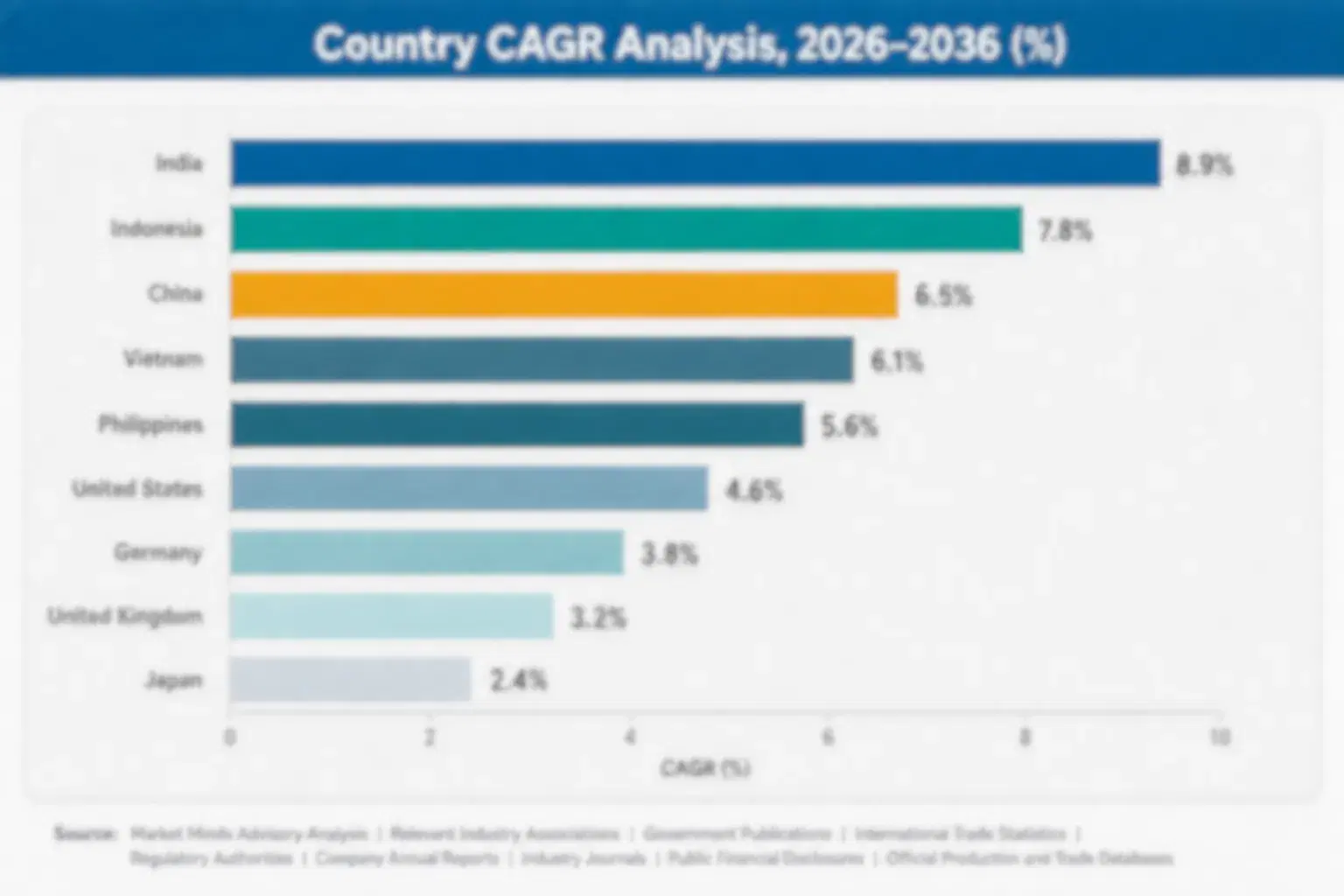
East Asia leads at 36% because Japan, China and Korea consume most noodles and instant makers are adding protein lines, while North America holds 27% through legume pasta and fitness demand. Western Europe holds 17% and South Asia and Pacific 10%. Latin America holds 4%.

North America

North America holds 27% share, inside its band, with growth of 9.8%, close to the global rate. American and Canadian shoppers drive legume pasta, keto and protein-fortified lines through Banza, Barilla Protein+, Explore Cuisine and private label, and fitness and diabetes concerns support demand. Supermarkets expand protein shelf sections, online health retailers reach fitness buyers, and buyers require FDA-compliant labelling, allergen controls and reliable delivery before granting listings or promotional space. Importers also review allergen controls and nutrition records before every annual contract renewal. Volumes stay steady, and suppliers compete mainly on taste, documentation and delivery reliability. Distributors handle most shipments and set order sizes. Currency moves and freight rates change landed cost each quarter.
Share: 27% | CAGR: 9.8% (2026 to 2036)

Western Europe

Western Europe holds 17% share, below its band, which is justified because Europe's pasta tradition favours durum wheat, and protein-enriched and legume lines remain a smaller premium niche in Italy, Germany, France and the United Kingdom. Growth of 8.0% trails the global rate. Because East Asia and North America take the top two slots, Western Europe acts as a quality-focused market where Barilla, De Cecco and Rummo lead. EU protein claim rules limit some products, and retailers expand legume ranges. Importers also review allergen controls and nutrition records before every annual contract renewal. Volumes stay steady, and suppliers compete mainly on taste, documentation and delivery reliability. Distributors handle most shipments and set order sizes.
Share: 17% | CAGR: 8.0% (2026 to 2036)
Regional intelligence for 5 additional markets available in the complete report: East Asia, South Asia and Pacific, Latin America, Middle East and Africa, Eastern Europe. Contact sales@marketmindsadvisory.com.
high-protein-noodles-market-country-cagr-analysis-1790021074140

Four Margin Routes for High-Protein Noodle Makers

Margin in high-protein noodles comes from legume recipes, instant format reformulation, protein input security and claim discipline rather than volume alone. The routes below apply to pasta majors, instant noodle groups and start-ups, and each can start inside one planning cycle, with measures in gross margin points and cost per kilogram. Payback runs two to four years.

Perfecting Legume Pasta Recipes With Tuned Extrusion and Drying

Shoppers repeat purchases only when taste holds, so makers that invest in flour milling, tuned extrusion and slow drying and test with consumers win listings worth 10% to 18% of category volume at gross margins of 32% to 46%. Development costs $0.5 million to $4 million per recipe. Makers should benchmark against wheat pasta, blend flours to cut beany notes and monitor repeat rates, since a taste failure ends listings quickly. Results should be reviewed every quarter against the agreed targets. Management should assign one owner to each programme from the start.
Market Impact: legume recipes win listings worth 10-18% of volume

Launching Protein-Fortified Instant Noodles for Convenience Retail

Convenience stores sell protein-fortified cups and pouches to health-minded office workers, so makers that reformulate instant lines with added protein, lower sodium and stable air-drying win volume worth 8% to 15% of instant sales at margins of 26% to 38%. Programmes cost $1 million to $6 million per line. Makers should test taste with regular buyers, keep price points close to standard cups and protect texture in shipping, since shoppers resist changed flavour. Management should assign one owner to each programme from the start. Early results also help persuade sceptical retail buyers.
Market Impact: protein instant lines win volume worth 8-15% of sales

Locking In Legume, Soy and Gluten Supply Contracts

Legume flour, soy protein and gluten make up about 31% of production cost and prices swing with crops, so makers that sign multi-season contracts and qualify several origins cut margin volatility by 25% to 40%. Programmes cost $0.3 million to $2 million in working capital. Makers should hold stock, review terms yearly and pass through index changes with a lag of one to two quarters, since spikes otherwise compress margins. Finance teams should track landed cost weekly. Early results also help persuade sceptical retail buyers. Costs are recovered faster in larger plants.
Market Impact: multi-origin contracts cut margin volatility by 25-40% across crop cycles

Building Credible Nutrition Claims and Third-Party Testing Records

Protein claims are tightly regulated and shoppers distrust vague labels, so makers that test every batch, meet protein energy thresholds and publish results keep listings worth 12% to 20% of volume and avoid enforcement action. Programmes cost $0.3 million to $2 million. Makers should work with accredited laboratories, review labels for each market and train sales teams, since a single claim error can trigger delistings, and buyers reward makers that share data. Costs are recovered faster in larger plants. Results should be reviewed every quarter against the agreed targets. Early results also help persuade sceptical retail buyers.
Market Impact: credible claims keep listings worth 12-20% of volume

Who Controls the Margin Pool

The high-protein noodle market is fragmented, with a CR5 of 29%, because global pasta and instant noodle majors compete with legume pasta start-ups, regional brands and private label suppliers. This assessment measures participants on estimated high-protein noodle and pasta sales value, held constant across all players. Barilla and Nissin Foods lead through protein ranges and distribution, Toyo Suisan, Nongshim and Banza follow, and the gap between the leader and the fifth player is wide. Regional brands and private label fill much of the remaining value.
Competition runs on four dimensions today: taste and texture parity with wheat, protein claim credibility, retailer listings and shelf space, and price against standard noodles. Majors win on scale and distribution, start-ups win on recipe innovation and online reach, and private label wins on price. Retailers compare sales per shelf metre, repeat rates and delivery reliability.

Emerging pressure comes from Asian instant noodle majors adding protein lines, from private label legume pasta and from alternative protein specialists. Rankings shift where a maker wins taste parity, secures legume flour at stable prices or reformulates ahead of claim rule changes, and consolidation continues as smaller brands face input costs and retailer pressure.
high-protein-noodles-market-company-positioning-matrix-1790021074441

Competitive Moat and Risk Dimensions

BARILLA

Moat: Pasta Brand and Protein Range

Barilla is an Italian pasta company whose Protein+ and legume-based ranges, alongside its standard pasta and sauces, reach households across Europe, North America and Asia through large plants and retailer relationships. Its brand trust, pasta expertise and distribution scale give it strong loyalty, and its size supports investment in legume milling and consumer research on taste and texture.
BARILLA

Risk: Premium Cannibalisation Risk

Barilla risks cannibalising standard pasta sales with higher-priced protein lines while legume start-ups move faster on recipes. Durum, legume and energy costs squeeze profit, private label copies successful products, and protein claim rules limit some formulations. Investors expect steady returns. Rivals watch every move. Management attention remains the scarcest resource.
NISSIN FOODS

Moat: Instant Noodle Scale and Innovation

Nissin Foods is a Japanese instant noodle company whose Cup Noodles and Top Ramen brands reach shoppers in Asia, North America and Europe through convenience stores and supermarkets, supported by large plants and research programmes. Its brand recognition, process know-how and distribution scale give it durable loyalty, and its size supports development of protein-fortified and low-sodium instant lines.
NISSIN FOODS

Risk: Taste and Health Trade-Offs

Nissin Foods faces trade-offs between health reformulation and the taste that built its brands, so shoppers may reject changed recipes. Wheat, palm oil and energy costs squeeze profit, competitors offer cheaper protein lines, and sodium targets add pressure. Investors expect steady returns. Rivals watch every move.

Players Tracked

Prominent Players

Barilla
Nissin Foods
Toyo Suisan
Nongshim
Banza

Other Key Players

Explore Cuisine
Tolerant Foods
De Cecco
Rummo
Indofood
Thai President Foods
Samyang Foods
Ottogi
Sanyo Foods
Myojo Foods
Hakubaku
Ancient Harvest
Conagra Brands
Nestle
Ajinomoto

Recent Developments

JANUARY 2026

Instant Noodle Major Launches Protein-Fortified Cup Noodle Range for Asian Convenience Stores

An instant noodle major launched a protein-fortified cup noodle range for Asian convenience stores, according to company communications. It is a product launch, not an acquisition, and it tests health demand. The range adds wheat protein and lower sodium. Sales terms were not disclosed. Rollout follows range reviews.
Signal: Confirms instant noodle majors are targeting health-minded workers because protein claims support premium pricing and range growth.
FEBRUARY 2026

Pasta Maker Expands Chickpea and Lentil Pasta Capacity at European Plant for Supermarket Private Label

A pasta maker expanded chickpea and lentil pasta capacity at a European plant for supermarket private label, according to company communications. It is an organic capacity expansion, not an acquisition, and it tests retailer demand. The expansion adds extrusion lines. Investment terms were not disclosed. Rollout follows range reviews.
Signal: Shows legume pasta is entering private label because retailers want protein ranges at lower prices than brands.
MARCH 2026

Legume Pasta Start-Up Signs National Distribution Agreement With Grocery Chain and Online Health Retailer

A legume pasta start-up signed a national distribution agreement with a grocery chain and an online health retailer, according to company communications. It is a distribution agreement, not an acquisition, and it tests channel reach. The agreement covers several flavours. Financial terms were not disclosed. Rollout follows range reviews.
Signal: Indicates start-ups are scaling through retail partnerships because shelf access decides whether trial turns into repeat purchase.

Legume Flour, Gluten and Energy Cost Exposure

Wheat and durum flour account for roughly 30% of production cost in standard lines and legume flour, soy protein and gluten about 31% in protein lines, drying and frying energy about 10%, packaging about 12%, and labour and overheads about 17%. Durum comes from Canada, Italy and the United States, chickpeas and lentils from Canada, India, Turkey and Australia, and soy protein from the United States and Brazil.
The clearest recent shock came in 2022 and 2023. USDA data show wheat and durum prices spiking after the war in Ukraine and drought in Canada, while pulse prices rose after weather-affected crops, and IEA data showed higher energy costs for drying and frying. Makers absorbed part of the increase, cut pack sizes and raised prices slowly, which compressed margins. Some relief came in 2024 and 2025.

The disadvantage falls on small and mid-sized makers without scale, long-term contracts or retailer volume, because they buy legume flour in small lots and cannot pass through swings quickly. Exposure varies by player type: majors hold contracts and hedges, start-ups outsource production and carry higher unit cost, and private label suppliers face retailer price caps.
high-protein-noodles-market-cost-volatility-analysis-1790021074746

Multi-Season Legume and Wheat Contracts

Makers sign multi-season contracts with pulse processors and millers, with index-linked pricing, to cut cost swings of 15% to 30% between crop years. The main challenge is contract rigidity and counterparty risk, so makers split volumes across several origins and review terms each year. Procurement teams monitor positions each quarter against budgets. Buyers sign off first.

In-House Milling and Blending Capability

Makers install legume milling and blending lines to buy whole pulses instead of flours, cutting input cost by 8% to 15% and controlling flour quality. The main challenge is capital of $2 million to $8 million per line and technical skill, so makers stage investment and prioritise the busiest plants. Results are reviewed each year.

Retail Price Formulas and Pack Redesign

Makers negotiate price formulas with retailers that link prices to commodity indices, and redesign packs and sizes to hold price points, recovering 40% to 60% of cost increases. The main challenge is retailer resistance and shopper sensitivity, so makers test changes on small ranges first. Renewals follow published indices every half year. Analysts check weekly reports.

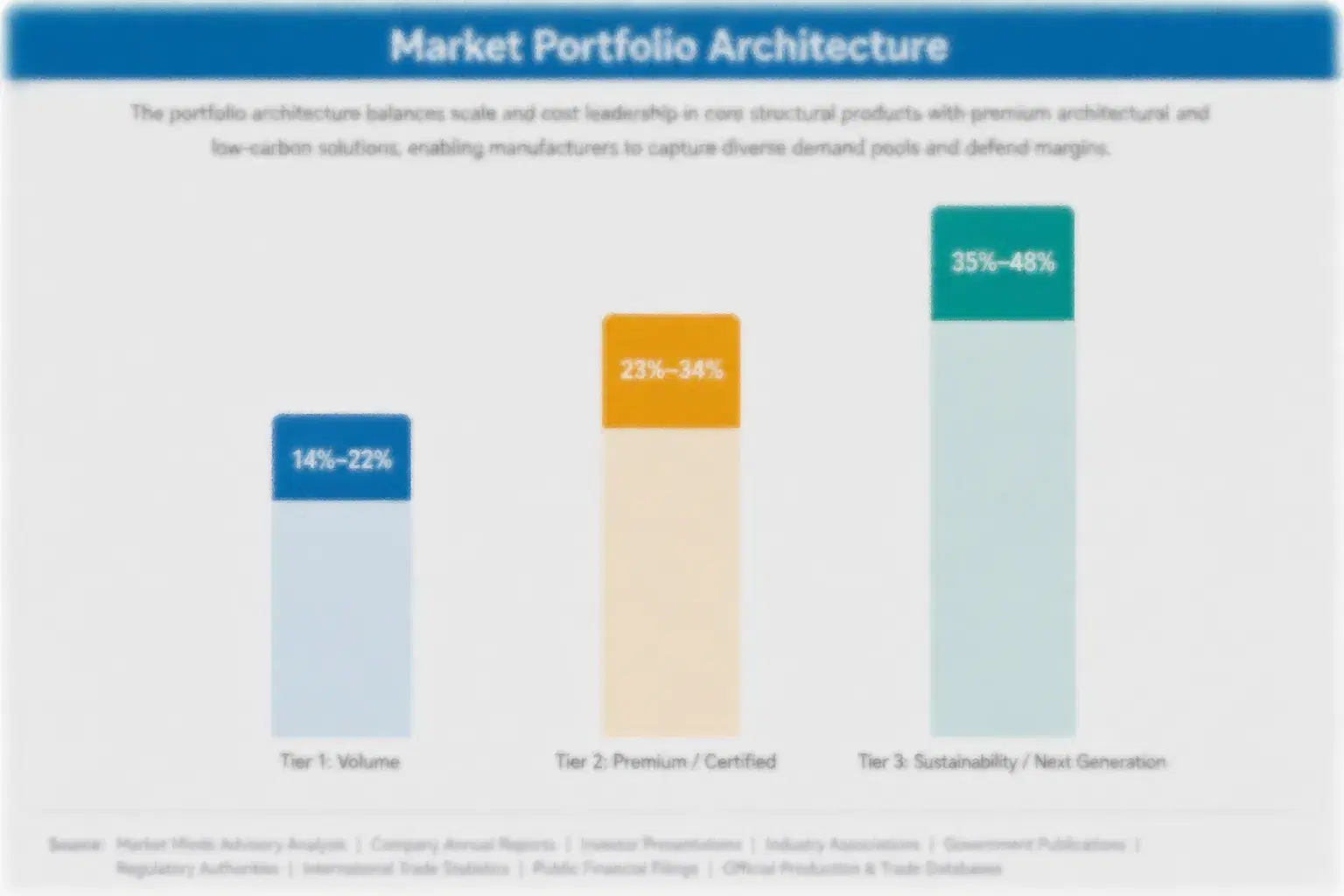
Portfolio Architecture for Margin Defence

Margins run from modest returns on wheat protein-fortified instant lines and private label legume pasta to strong returns on branded legume, soy and alternative protein noodles sold with nutrition claims and brand support. Three tiers separate volume products, premium certified lines and next-generation solutions, and each draws on different ingredient access, recipe credentials and retailer relationships in a fragmented market.
The tension between volume and premium is sharp. Fortified instant noodles and private label legume pasta fill shelves at low prices and face wheat and legume cost swings, while branded legume and alternative protein lines earn higher margins on smaller volumes and depend on taste parity, claim credibility and retailer support. Makers that run only volume suffer when input prices spike, while premium-only makers struggle to reach scale beyond specialist retailers.

High-value pools concentrate in legume and pulse-based noodles and in alternative protein blends for supermarkets, online health retailers and specialist stores. They gather where buyers pay for protein, fibre and gluten-free positioning, not for volume alone. Dairy and egg protein noodles add a solid pool, and strong makers hold more than one, though each needs different recipes, skills and retailer relationships to serve well.

Volume / Commodity-Adjacent

Wheat protein-fortified instant noodles and private label protein pasta sold on price per kilogram to retailers and convenience stores. Buyers focus on cost and taste, contracts follow annual reviews, and technical differentiation is limited by shared recipes and packaging formats.
Gross Margin: 24%-32%

Premium / Certified

Branded legume, soy and dairy protein noodles with tested nutrition data, organic or non-GMO certification and gluten-free labelling sold through supermarkets, health retailers and online channels. Buyers value taste, protein credibility and brand trust, and listings run for months to years.
Gross Margin: 32%-42%

Sustainability / Regulatory / Next-Generation

Alternative protein blends and low glycaemic noodles with mycoprotein, algae or fava protein and verified carbon claims, sold to health-minded and younger shoppers. Contracts depend on regulatory approval, recipe credibility and consistent delivery performance across channels.
Gross Margin: 34%-46%
high-protein-noodles-market-portfolio-architecture-1790021075054

High-value Sub-segments and Strategic Watch-out

Legume and Pulse-Based Noodles

Legume and pulse-based noodles combine the fastest growth with the strongest pricing, since shoppers accept gross margins of 32% to 46% for protein, fibre and gluten-free positioning. Flour milling, extrusion skill and taste parity form the entry barrier, and makers with strong brands and retailer ties hold the strongest positions.
Gross Margin: 32%-46%

Alternative Protein Blends

Alternative protein blends deliver solid growth with premium pricing, since younger shoppers support gross margins of 34% to 46% for sustainability and complete protein claims. Regulatory approvals and recipe research limit competition, though ingredient cost adds pressure. Reviews occur each season. Buyers renew listings yearly.
Gross Margin: 34%-46%

Wheat Protein-Fortified Noodles

Wheat protein-fortified noodles are the volume core, with value growing about 8.0% a year. Wheat cost, scale and retailer access decide profit, and Asian majors hold most sales. Convenience stores renew listings yearly at prices linked to competing brands across instant, retail and foodservice channels.
Gross Margin: 24%-34%

Soy-Based Noodles

Soy-based noodles are the strategic watch-out, since growth of about 8.8% a year trails the leaders, allergen concerns limit reach and shoppers shift toward legume and blended recipes. Makers should manage ranges selectively, avoid heavy capital and steer investment toward legume and alternative protein lines with clearer buyers.
Gross Margin: 26%-36%

Why Shoppers Keep Buying Protein Noodles

High-protein noodle demand behaves like an annuity once taste is right. A shopper who finds a legume pasta or protein cup noodle that works repeats purchases every few weeks, and switching means risking a gritty dinner. Retailers set shelf plans around sell-through and rotate ranges often, so brands with proven taste and stable quality earn recurring space. Trust, once earned, takes years to lose.
Adoption stickiness differs by end-use vertical. Fitness and diabetes-focused households are the deepest, since protein and glycaemic targets are part of daily meals. Office workers buying instant cups are moderately sticky, driven by convenience and price. Casual health-curious shoppers are more fluid, trying ranges once and returning to standard noodles when taste disappoints, though brands with reliable texture hold repeat purchase for several seasons.

Buyer profiles are shifting between generations. Older buyers bought high-protein noodles for medical diets and weight control, while younger buyers ask about plant protein, gluten-free options, sustainability and clean labels, and compare products through reviews and social media. Fitness followers and parents add a third group that wants convenient protein for families. Makers that publish clear nutrition and sourcing information win newer buyers.
high-protein-noodles-market-end-use-penetration-index-1790021075323

MMA Verdict: High-Protein Noodle Strategy

These are among the four positions where our research anticipates prominent divergence between winners and laggards over the coming forecast period. Each is grounded in the demand model, the regulatory perimeter, and the announced capacity pipeline.
01 / RECIPE QUALITY STRATEGY

Perfect Legume Pasta Recipes With Tuned Extrusion Before Rivals Win Repeat Buyers

Shoppers repeat purchases only when taste holds, and legume recipes with tuned extrusion, slow drying and consumer testing win listings worth 10% to 18% of category volume at gross margins of 32% to 46%. Makers should invest $0.5 million to $4 million per recipe, benchmark against wheat pasta and monitor repeat rates. Those that delay will lose shelf space over the next two years, while early movers hold premium prices, stronger margins and lasting presence across every range review, retailer negotiation and seasonal launch.
02 / INSTANT FORMAT STRATEGY

Launch Protein-Fortified Instant Noodles for Convenience Retail Before Rivals Set Standards

Convenience stores sell protein-fortified cups and pouches to health-minded workers, and reformulated lines with added protein, lower sodium and stable drying win volume worth 8% to 15% of instant sales at margins of 26% to 38%. Makers should invest $1 million to $6 million per line, test taste with regular buyers and protect texture in shipping. Those that delay will lose listings over the next two years, while early movers hold steady volume, stronger retailer relationships and better margins across every launch cycle and annual negotiation.
03 / PROTEIN INPUT SECURITY

Lock In Legume, Soy and Gluten Contracts Before Price Swings Erase Margins

Legume flour, soy protein and gluten make up about 31% of production cost, and multi-season contracts with several origins cut margin volatility by 25% to 40%. Makers should invest $0.3 million to $2 million in working capital, hold stock and review terms yearly. Those that delay will absorb spikes over the next two years, while early movers hold protected margins, steady supply and stronger negotiating positions across every crop cycle, price revision and annual budget review for management, lenders and retail partners.
04 / CLAIM CREDIBILITY DISCIPLINE

Build Credible Protein Claims and Batch Testing Before Regulators Tighten Rules

Protein claims are tightly regulated and shoppers distrust vague labels, and batch testing that meets energy thresholds keeps listings worth 12% to 20% of volume while avoiding enforcement action. Makers should invest $0.3 million to $2 million, work with accredited laboratories and review labels for each market. Those that delay will face delistings over the next two years, while early movers hold stronger buyer trust, cleaner regulatory records and better margins across every label review and annual retailer assessment by procurement teams.

Engagement Snapshot From the Field

A live engagement with an industry participant carrying material or product regulatory and market exposure ahead of a defining policy shift, showing how our research translates into a defensible multi-year portfolio strategy.
MARKET MINDS ADVISORY · CLIENT ENGAGEMENT SUMMARY
High-Protein Noodles Producer Strategic Portfolio Review and Transition Roadmap 2026·Investment Scenario on High-Protein Noodles Exposure Evaluation 2025-26
CLIENT PROFILE
The client is a mid-sized European pasta manufacturer with annual sales near $240 million (client-reported, unverified by MMA), producing durum pasta for supermarkets and private label customers from three plants. About 88% of sales came from standard durum pasta, wheat costs had squeezed margins, and management wanted a plan to grow legume and protein lines without weakening core retailer relationships.
STRATEGIC CHALLENGE
Standard pasta margins sat near 12% (client-reported, unverified by MMA), durum cost had risen about 26% over two years and retailers were asking for protein and legume ranges. Management had to decide whether to build legume capacity, launch a branded protein range or buy flour, with limited capital and three plants. Key retailers wanted samples within nine months.
MMA APPROACH
MMA analysed sales, cost and utilisation data across 65 products, interviewed 16 retail buyers, food technologists and nutritionists, and ran a shopper survey on taste, protein claims and price across six countries. It modelled margin by product and channel, compared legume capacity, branded range and outsourcing options by payback and execution risk, and tested each against wheat and legume price scenarios.
KEY FINDINGS
  1. A legume pasta line would win listings worth about 10% of revenue at gross margins above 36% within three years (client-reported, unverified by MMA).
  2. In-house legume milling would cut input cost by about 10% across three years and every product line sold (client-reported, unverified by MMA).
  3. Batch testing and label reviews would protect listings with two large retailers worth about 14% of sales across two years (client-reported, unverified by MMA).
  4. Private label protein supply would add volume worth about 9% of revenue at margins near 24% across two years (client-reported, unverified by MMA).
CLIENT PROFILE
The client is a mid-sized European pasta manufacturer with annual sales near $240 million (client-reported, unverified by MMA), producing durum pasta for supermarkets and private label customers from three plants. About 88% of sales came from standard durum pasta, wheat costs had squeezed margins, and management wanted a plan to grow legume and protein lines without weakening core retailer relationships.
STRATEGIC CHALLENGE
Standard pasta margins sat near 12% (client-reported, unverified by MMA), durum cost had risen about 26% over two years and retailers were asking for protein and legume ranges. Management had to decide whether to build legume capacity, launch a branded protein range or buy flour, with limited capital and three plants. Key retailers wanted samples within nine months.
MMA APPROACH
MMA analysed sales, cost and utilisation data across 65 products, interviewed 16 retail buyers, food technologists and nutritionists, and ran a shopper survey on taste, protein claims and price across six countries. It modelled margin by product and channel, compared legume capacity, branded range and outsourcing options by payback and execution risk, and tested each against wheat and legume price scenarios.
KEY FINDINGS
  1. A legume pasta line would win listings worth about 10% of revenue at gross margins above 36% within three years (client-reported, unverified by MMA).
  2. In-house legume milling would cut input cost by about 10% across three years and every product line sold (client-reported, unverified by MMA).
  3. Batch testing and label reviews would protect listings with two large retailers worth about 14% of sales across two years (client-reported, unverified by MMA).
  4. Private label protein supply would add volume worth about 9% of revenue at margins near 24% across two years (client-reported, unverified by MMA).
RECOMMENDED STRATEGY
Phase 1: Phase 1 (Months 1-9): Start legume flour contracts, run consumer taste tests and pilot a chickpea pasta line with two retailers. Phase 2: Phase 2 (Months 10-24): Scale the legume line, install milling capacity and retire the weakest low-margin durum contracts with buyer approval. Phase 3: Phase 3 (Months 25-42): Extend protein claims across the range, review contracts yearly and decide on further capacity using margin data.
OUTCOME
Within 42 months, legume and protein products reached 30% of sales, blended margins rose by about six points and input cost volatility fell by about 24% (client-reported, unverified by MMA). Two retailers signed multi-year agreements, claim records supported new listings, and protein ranges widened the customer base.

Frequently Asked Questions

Foundational context covering the market sizes, CAGR, scope, country, region and competition that inform every finding below. This section is provided to cover basics and most often pre-purchase conversations, answered from the MMA Primary Research Dataset.

What is the current size of the High-Protein Noodles Market?

The global high-protein noodles market was valued at $1.8 billion in 2025 on a manufacturer sales revenue basis. Growth comes from legume recipes, instant noodle reformulation and fitness demand, and faces taste gaps and legume flour costs.

How large will the High-Protein Noodles Market be by 2036?

The market is projected to reach $4.88 billion by 2036, up from $1.97 billion in 2026. The increase of $2.91 billion reflects legume pasta, protein instant noodles and alternative protein blends.

What is the CAGR for the High-Protein Noodles Market 2026 to 2036?

The market is forecast to grow at a 9.5% CAGR from 2026 to 2036. The bull case reaches 10.8% and the bear case 8.2%, depending on taste parity, instant noodle reformulation and legume price paths.

Which segment is growing fastest?

Legume and Pulse-Based Noodles is the fastest-growing segment at 13.3% CAGR, roughly 1.40 times the overall market rate. Alternative Protein Blends follows at 11.4% CAGR, led by mycoprotein and fava blends.

Who are the major companies in the High-Protein Noodles Market?

Major companies include Barilla, Nissin Foods, Toyo Suisan, Nongshim and Banza. Explore Cuisine, De Cecco, Indofood, Samyang Foods and Nestle also hold meaningful positions in specific channels and countries.

Which country is growing fastest?

India is growing fastest at about 12.6% CAGR, because instant noodle demand, rising health awareness and quick commerce expand together. Indonesia and Australia follow through protein and millet-enriched launches.

Report Segmentation Architecture

The full report scope spans multiple orthogonal segmentation dimensions, with cross-tabulated demand data provided for each dimension pair. Coverage extends further to regional breakdowns, trend trajectories, and the competitive detail needed to support segment-level decision-making.

By Primary Market Dimension

  • Wheat Protein-Fortified Noodles
  • Legume and Pulse-Based Noodles
  • Soy-Based Noodles
  • Dairy and Egg Protein Noodles
  • Alternative Protein Blends

By End-Use Industry

  • Household Consumers
  • Restaurants and Quick-Service Chains
  • Institutional Catering
  • Sports and Clinical Nutrition

By Commercial Dimension

  • Supermarket and Hypermarket Sales
  • Convenience Store Sales
  • Online and Subscription Retail
  • Foodservice Distribution
  • Private Label Contract Manufacturing

By Region

  • North America
  • Western Europe
  • East Asia
  • South Asia and Pacific
  • Latin America
  • Middle East and Africa
  • Eastern Europe

Scope, Methodology, and Coverage

Every figure in this report is reproducible from documented input assumptions. The scope below maps the historical period, the forecast horizon, the segmentation dimensions, and the countries covered, alongside the underlying primary and qualitative methodology.
Historical Period
2020 to 2025
Forecast Period
2026 to 2036
Base Year
2025 (USD billions; MMA Primary Research Dataset, September 2026)
Market Definition
The market covers global sales of high-protein noodles and pasta, defined as dry, instant, fresh and chilled noodles making a high-protein claim through legume, soy, dairy or egg, alternative protein or added wheat protein, in wheat protein-fortified, legume and pulse-based, soy-based, dairy and egg protein and alternative protein blend forms, sold through retail, foodservice and online channels and valued at manufacturer sales revenue. It excludes standard wheat noodles, konjac and shirataki products, protein bars and ready meals.
Quantitative Units
USD billions (manufacturer sales revenue); tonnes for volume references
Segmentation Dimensions
By Protein Source; By End-Use Industry; By Commercial Dimension; By Region
Regions Covered
North America, Western Europe, East Asia, South Asia and Pacific, Latin America, Middle East and Africa, Eastern Europe
Countries Covered
Japan, China, South Korea, India, Indonesia, Thailand, Vietnam, Australia, United States, Canada, Italy, Germany, France, United Kingdom, Spain, Netherlands, Brazil, Mexico, Argentina, Chile, United Arab Emirates, Saudi Arabia, South Africa, Egypt, Poland, Czechia, Hungary, and additional markets relevant to this sector
Key Companies Profiled
Barilla, Nissin Foods, Toyo Suisan, Nongshim, Banza, Explore Cuisine, Tolerant Foods, De Cecco, Rummo, Indofood, Thai President Foods, Samyang Foods, Ottogi, Sanyo Foods, Myojo Foods, Hakubaku, Ancient Harvest, Conagra Brands, Nestle, Ajinomoto
Quantitative Methodology
Primary survey, n=3,800 respondents, Q4 2025, six countries; demand-side model with trade association cross-validation
Qualitative Methodology
47 expert interviews, Q4 2025; applied to validate demand model assumptions, identify emerging dynamics, and assess competitive positioning
Report Format
PDF and XLSX data workbook (Word format preview document)
Publisher
Market Minds Advisory
Report Code
MMA-2026-AGR-269
Published
September 2026
Contact
sales@marketmindsadvisory.com | www.marketmindsadvisory.com

Purchase the full High-Protein Noodles Market Report (2026 to 2036).

The full report delivers a detailed assessment of the global high-protein noodles market through 2036, covering protein source, end-use, channel and regional forecasts, competitive benchmarking of leading pasta majors, instant noodle groups and legume specialists, and input cost analysis. It combines MMA primary research, including a six-country survey of 3,800 respondents and 47 expert interviews, with public statistical and company data. Analysts also model legume, wheat and energy price scenarios. Clients receive segment margin ranges, supply maps and a case study on growth strategy. Retailer negotiation frameworks are also included.
Ten-year protein source and channel demand forecasts
Legume, wheat and energy cost tracking
Competitive benchmarking of leading protein noodle makers
Protein claim and labelling regulation tracker
Regional comparative analysis and forecasts included
Quarterly primary survey data update access

Built For The People Who Decide

From boardroom strategy to bench-side execution, this report is read cover-to-cover by leaders shaping the next decade of their industry, turning demand scenarios, market dynamics and valuation benchmarks into decisions.
CXOs/ Presidents/ VPs/ Managers
M&A and Corporate Development
Strategy Teams and R&D Heads
Procurement and Product Directors
Regulatory and Compliance Leaders
Investor Relations and Equity Analysts