Market Minds Advisory
High Protein Dog Treats Market

High Protein Dog Treats Market: High Protein Dog Treats Market. Novel Proteins Redraw the Treat Aisle

Owners are trading grain-heavy biscuits for single-source, freeze-dried meat treats, as Mars Petcare defends mass retail scale against Stella & Chewy's raw-inspired formulation credibility nationwide as premium formats keep gaining shelf space across major markets.

Lead Analyst

Published

September 2026

Make Smarter Decisions with Customized Research Insights

Request a free sample report and evaluate market opportunities, growth trends, and competitive dynamics relevant to your business needs.

2025 MARKET VALUE$1.4BMarket Size 2025
2036 FORECAST VALUE$3.0BBase Case , 2026 to 2036
CAGR 2026 TO 20367.4 %Bull 8.7% / Bear 6.1%
INCREMENTAL OPPORTUNITY$1.5BNet 10- year value creation
EXPANSION MULTIPLE2.04x2036 value over 2026 base
Strategic Levers
M&A Pipeline
Regional Outlook
Country Rankings
Competitive Intelligence
Segmental Deep-dive
Call-Us : 91 93563 13602

Executive Snapshot and Market Trajectory.

High protein dog treats use single-source or novel animal proteins at concentrations well above standard biscuits, positioned as a supplemental rather than complete-nutrition product, and owners increasingly favor freeze-dried and air-dried formats over baked, grain-heavy alternatives, especially among training-focused and allergy-managing households across most major consumer markets nationwide.
Air-dried raw treats are outgrowing every other product form as owners increasingly extend raw-feeding philosophy into snacking occasions rather than complete meals alone. North America carries the category's largest regional share, reflecting the country's highest per-capita treat spending and deepest premiumization culture among developed pet markets. East Asia and Western Europe follow close behind as branded penetration and novel-protein sourcing expand steadily across most tracked distribution channels.
Five manufacturers hold less than half of global branded revenue, a moderate concentration reflecting how Mars Petcare's mass retail distribution scale and Stella & Chewy's raw-inspired formulation credibility have together built advantages that smaller artisanal producers are only beginning to meaningfully challenge across most tracked channels. Rising Chinese premiumization is accelerating high protein treat adoption faster than in most comparably structured companion animal categories MMA tracks closely across the broader companion animal sector.
Market Definition
The high protein dog treats market covers freeze-dried meat treats, jerky-style treats, single-source novel protein treats, baked high-protein biscuits, protein-enriched dental chews, and air-dried raw treats formulated with elevated protein concentration and marketed as supplemental snacking products. It excludes complete and balanced dog food intended as a primary nutrition source.
Base Year Value
$1.4B in 2025 (MMA Primary Research Dataset, September 2026)
Forecast Period
2026 to 2036, eleven discrete annual values
CAGR
7.4% base case. Bull 8.7%. Bear 6.1%.
Fastest Growth Segment
Air-Dried Raw Treats: 10.9% CAGR
Fastest Growth Country
China: 9.7% CAGR
Fastest Growth Region
South Asia and Pacific: 9.4% CAGR
Largest Region
North America: 30% of 2025 global value
Market Leaders
Mars Petcare, Nestlé Purina, General Mills, PetIQ, and Jack Link's lead by branded revenue. Source: MMA Analysis based on company annual reports.
Primary Survey
n=3,800 procurement and R&D decision-makers, Q4 2025, six countries
Methodology
Demand-side build-up, cross-validated against public data, 47 expert interviews

High Protein Dog Treats Market Forecast Scenarios

high-protein-dog-treats-market-size-forecast-scenario-1790385335442
High protein dog treat demand grew steadily between 2020 and 2025, expanding at roughly a 6.2 percent historical annual rate as pet humanization and premiumization trends broadened beyond complete nutrition into snacking occasions. Growth accelerated after 2022 as freeze-dried and air-dried formats reached broader mass retail distribution beyond specialty-channel-only availability alone. Owners increasingly began prioritizing single-source protein transparency over generic ingredient formulation.
The base case rests on three mechanisms: continued pet humanization spending expanding demand for premium supplemental snacking across major consumer markets, rising Chinese and South Asian premiumization expanding the category's addressable branded customer base, and novel-protein sourcing diversification accelerating owner trust in allergy-conscious and limited-ingredient positioning beyond standard beef and chicken alone. Rising per-capita pet care spending continues reinforcing underlying treat demand across most tracked markets through the remainder of the forecast period.
The bull case turns on accelerated raw-feeding philosophy adoption pulling growth toward the low double digits. The bear case is persistent input cost inflation for novel and single-source proteins limiting premium adoption to only the most engaged households, slowing overall growth toward the mid single digits as budget-conscious owners default back toward standard baked biscuits.

Novel Proteins Redraw the Treat Aisle

High protein dog treats solve a genuinely compelling positioning problem, offering concentrated single-source protein in a supplemental snacking format standard biscuits cannot match as directly, and the manufacturers who lead this category built their advantage through either mass retail distribution scale or dedicated raw-inspired formulation credibility that smaller artisanal producers cannot replicate quickly at comparable consistency and reach.
MARKET CONCENTRATION44% CR5less than half held by five branded manufacturers today
AVERAGE SELLING PRICE$9.20 per poundfreeze-dried and air-dried formats command premium pricing over baked biscuits
TOP REGION SHARENorth America, 30%leads on per-capita treat spending and premiumization culture
NOVEL PROTEIN PENETRATION24% of category revenuesingle-source novel proteins continue displacing standard beef and chicken formulas
SPECIALTY CHANNEL SHARE38% of category revenuespecialty pet retail continues anchoring premium format discovery and trial
PROTEIN INPUT COST SHARE41% of formulation COGSsingle-source and novel meat sourcing dominates typical manufacturing cost structure
Commercially, the category increasingly rewards manufacturers who can serve both mainstream mass retail customers and owners extending into premium freeze-dried and air-dried formats from a shared sourcing platform, since cross-selling into this broader customer base lets manufacturers spread procurement costs further than serving only one channel could support. Distribution through mass retail, specialty pet channels, and direct e-commerce remains the primary lever shaping how quickly any single manufacturer can scale adoption. Manufacturers without both channels increasingly struggle to defend total category share.
The next decade will be shaped by air-dried raw treats continuing to capture raw-feeding-adjacent demand, rising Chinese and South Asian premiumization growth, and novel-protein sourcing that increasingly rewards manufacturers who can document verified single-source traceability at a level standard formulations have historically not provided as convincingly.
"Owners used to grab whatever biscuit was on the shelf, now they're reading the protein source before the price tag."
Director, Companion Animal Nutrition Practice · MMA Agriculture: Companion Animal Nutrition Practice · September 2026

Market Trends

Air-Dried Raw Treats Reach Mainstream Mass Retail

Air-dried raw treats, which preserve concentrated protein content without the cooking-related nutrient loss standard baked biscuits typically incur, have moved from a specialty-channel niche into mainstream mass retail distribution since 2023 as production costs declined enough to reach broader price points. These formats address a genuine raw-feeding-adjacent demand that baked biscuits alone could never satisfy as directly across most premiumizing pet-owning households. Manufacturers now formulate air-dried treats specifically validated for measurable protein retention rather than generic freshness claims alone. This shift is becoming standard practice among the largest retail pet chains already.
Market Impact: Adds 19% more premium treat buyers
Novel Protein Sourcing Expands Allergy-Conscious Demand

Rising demand for novel and single-source proteins, including venison, duck, and rabbit formulations, is reshaping how manufacturers source and market treats to allergy-conscious owners, a sourcing shift that has intensified since 2023 as more veterinary practices began recommending single-source elimination diets directly to clients managing food sensitivities. This sourcing trend matters commercially because it shifts purchasing decisions toward manufacturers who can demonstrate genuine ingredient traceability rather than marketing claims alone. Manufacturers without established novel-protein supply chains are increasingly forming formal sourcing partnerships to remain competitive in this trust-driven environment, since owners now weigh documented ingredient traceability heavily.
Market Impact: Adds 14% more addressable dog-owning households

Market Opportunities and Growth Drivers

Pet Humanization Steadily Expands Snacking Occasions

Rising pet humanization across major consumer markets, as owners increasingly treat dogs as family members deserving premium snacking experiences, is expanding demand for high protein treats well beyond the basic biscuit occasions that historically defined the category's growth. This humanization dynamic has made single-source protein treats a genuine mainstream purchasing priority rather than a niche premium choice for the broader dog-owning population increasingly common across most consumer markets tracked. Manufacturers positioning products explicitly around this humanization opportunity are capturing faster adoption than those relying purely on traditional biscuit messaging alone.
Market Impact: Limits premium adoption to 24%

Rising Asian Premiumization Expands Addressable Demand

Rising premiumization across fast-growing Chinese and South Asian markets is expanding the addressable demand base for high protein dog treats well beyond the mature North American and European markets that historically drove category demand first. This premiumization dynamic has made single-source protein formulation a genuine mainstream category rather than a niche choice for owners in markets where basic biscuits previously dominated entirely. Manufacturers positioning products explicitly around this expanding premiumization base are capturing faster adoption than those relying purely on established Western retail relationships and legacy export-only distribution arrangements alone.
Market Impact: Extends validation timelines by 5 months

Market Restraints and Challenges

Novel Protein Input Costs Limit Premium Adoption

Single-source and novel animal proteins remain genuinely more expensive to source than standard beef and chicken, limiting commercial success primarily to the most engaged households rather than the broader dog-owning population that might otherwise consider a premium treat at a meaningfully higher price point. The root cause is that venison, duck, and rabbit supply chains remain far less developed than conventional poultry and beef sourcing infrastructure globally. Manufacturers are mitigating this through smaller portion sizes and blended-protein value tiers, though premium adoption still lags standard biscuit adoption considerably across most markets tracked.
Market Impact: Improves protein retention by roughly 24%

Ingredient Traceability Validation Slows New Entrants

Demonstrating verified single-source protein traceability from farm through finished treat requires genuinely extensive supply chain documentation, a persistent friction point distinct from the cost challenges the category otherwise faces. The root cause is that owners increasingly demand third-party verified sourcing before trusting a premium claim, requiring manufacturers to build documented chain-of-custody systems before earning that trust. Manufacturers are mitigating this through third-party traceability certification and supplier audits, though full validation still remains a lengthy process for newer entrants across most tracked producing regions and supplier networks currently active in the category.
Market Impact: Adds 17% of allergy-conscious demand
3 additional market trends, 4 additional growth drivers, and 2 additional restraints and challenges are covered in the full report. Contact sales@marketmindsadvisory.com to access the complete intelligence.

Segment CAGR and Growth Architecture

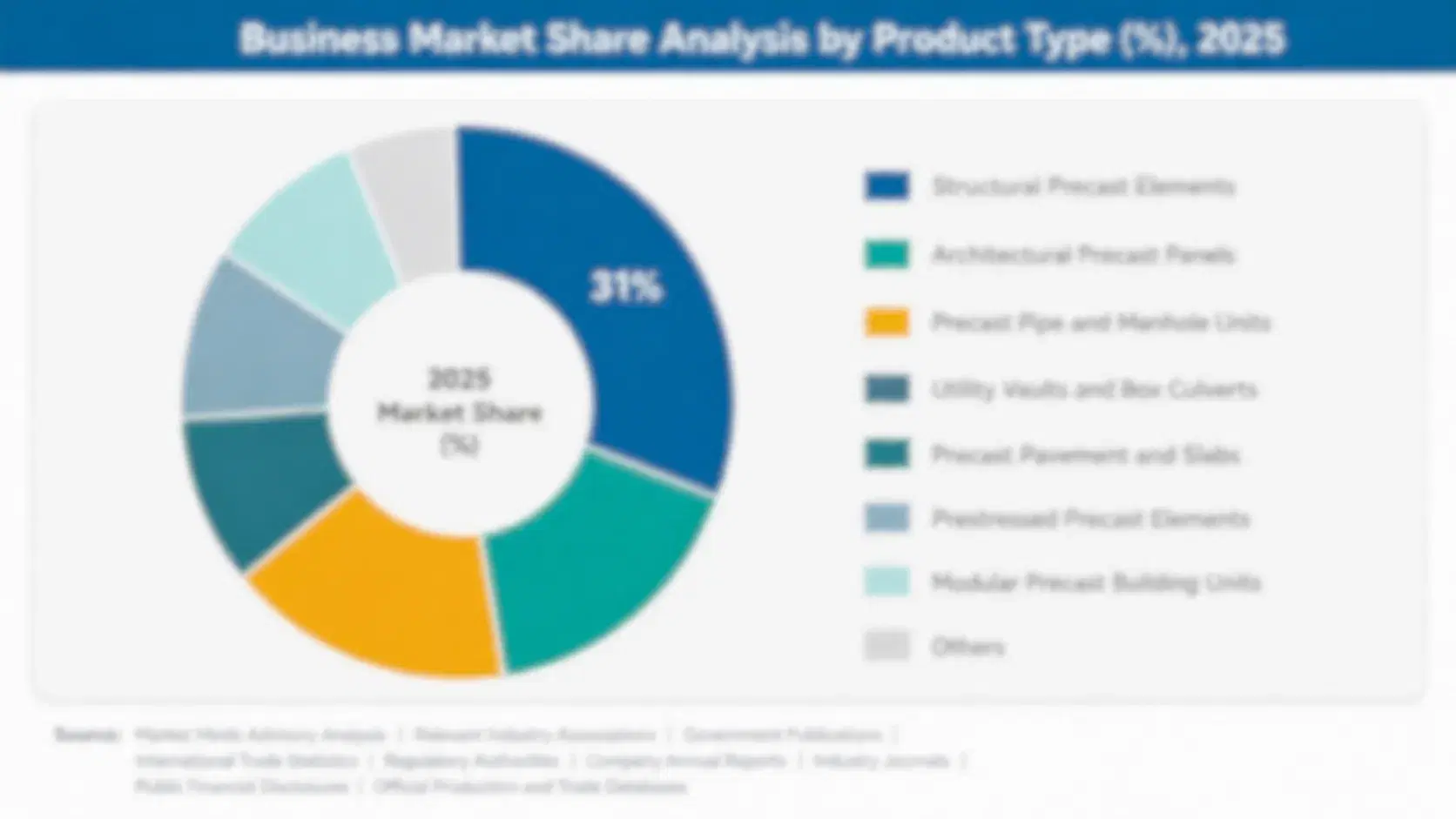
MMA segments the high protein dog treats market by product form, the dimension that most directly determines protein concentration, processing method, and the formulation tier a given product serves across companion animal markets today. This approach keeps comparisons consistent across manufacturers nationwide today, since product form most directly shapes processing cost and retail positioning.
high-protein-dog-treats-market-market-share-analysis-1790385335705

Air-Dried Raw Treats

Air-dried raw treats are the fastest-growing product form because they finally deliver the concentrated, minimally processed protein owners increasingly require when extending raw-feeding philosophy into snacking occasions, a preservation breakthrough that baked biscuits could never achieve as easily across most premiumizing pet-owning households. This product form benefits from a genuinely compelling adoption story precisely because it lets owners address a specific, visible preference rather than relying on generic freshness claims, giving manufacturers with established air-drying formulation capability a meaningful growth advantage over baked-only competitors. Manufacturers with established raw-inspired and air-drying capability are capturing a disproportionate share of this growth as baked-only competitors work to expand into raw-adjacent formats to remain competitive across major consumer markets.
CAGR 10.9%

Freeze-Dried Meat Treats

Freeze-dried meat treats are the second-fastest growing product form as owners increasingly value formulations that combine concentrated single-source protein with the shelf stability standard biscuits already offer, particularly as the raw-inspired pet treat trend expands across most companion animal markets tracked closely by MMA analysts. This product form commands meaningfully higher per-pound pricing than standard baked biscuits, since freeze-drying requires additional processing investment that delivers a genuinely differentiated protein-concentration positioning owners are increasingly willing to pay for consistently. Manufacturers with established freeze-drying expertise are capturing a disproportionate share of this growth as owners professionalize their dog treat purchasing practices and increasingly research protein source and processing method before buying regularly.
CAGR 9.4%
Full segment breakdown across 6 segments available in the complete report.

Regional Architecture and Country Demand Map

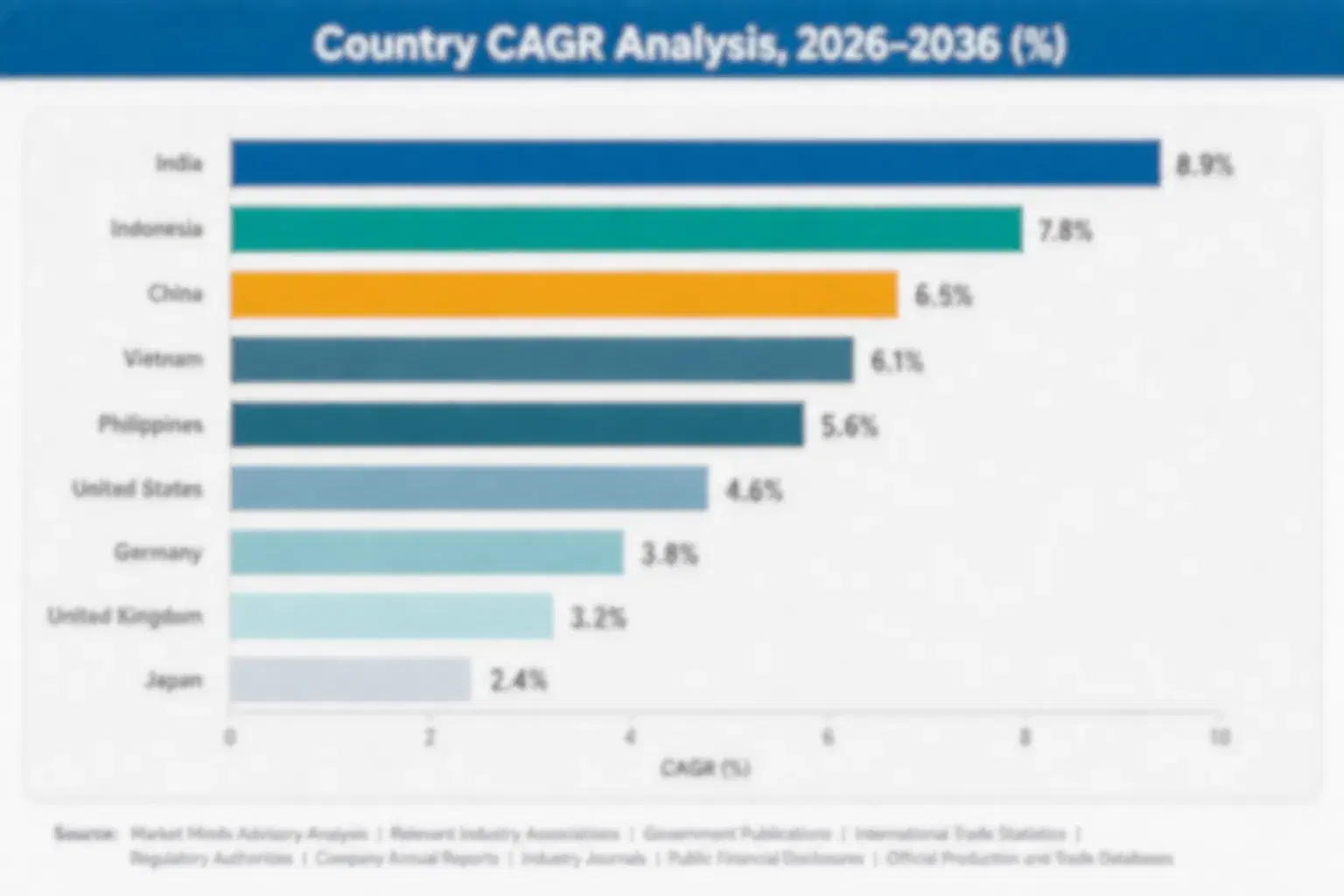
North America leads global high protein dog treats demand on per-capita treat spending and premiumization culture, with East Asia and Western Europe close behind, while South Asia and Pacific posts the fastest regional growth as urban premiumization and specialty retail distribution both expand quickly across major cities.

North America

The United States anchors North American demand, where the highest per-capita treat spending globally combined with the deepest premiumization culture drive consistently high high protein treat adoption across the country's largest metropolitan markets. Canada contributes smaller but steadily growing demand tied to its own expanding pet humanization culture. Adoption here increasingly centers on freeze-dried and air-dried formats as owners seek concentrated protein, a shift that is lifting average selling prices even as underlying standard biscuit volume growth moderates toward the pace of overall dog ownership expansion nationally. Specialty pet retailers and direct e-commerce remain the primary channels introducing owners to premium raw-inspired formats before they migrate purchases toward mass retail for repeat orders.
Share: 30% | CAGR: 6.4% (2026 to 2036)

Western Europe

Germany and the United Kingdom anchor Western European demand, where deep companion animal nutrition research infrastructure and established premium pet retail concentration drive steady high protein treat adoption across the region's dog-owning population. France and the Netherlands contribute meaningful additional demand tied to their own expanding pet humanization trends. Adoption here increasingly centers on novel-protein and single-source formulas as allergy-conscious purchasing accelerates, a shift that is lifting average selling prices even as underlying standard biscuit volume growth moderates toward the pace of overall pet spending expansion. Regulatory clarity around novel protein sourcing continues supporting owner confidence in single-source claims relative to markets with less consistent labeling enforcement, particularly for elimination-diet and limited-ingredient claims specifically.
Share: 23% | CAGR: 5.9% (2026 to 2036)
Regional intelligence for 5 additional markets available in the complete report: East Asia, South Asia and Pacific, Latin America, Middle East and Africa, Eastern Europe. Contact sales@marketmindsadvisory.com.
high-protein-dog-treats-market-country-cagr-analysis-1790385335997

The Single-Source Protein Revenue Playbook

High protein dog treat economics reward manufacturers who can defend established mass retail relationships while capturing premium demand opened up by accelerating pet humanization across major consumer markets. Four distinct commercial levers separate durable, defensible growth from commodity margin erosion: traceability certification, novel-protein sourcing investment, veterinary relationship building, and emerging-market distribution buildout across fast-growing Asian retail channels.

Validating Sourcing Through Rigorous Third-Party Certification

Manufacturers investing in genuinely extensive third-party traceability certification across their supply chains are capturing owner trust that unvalidated-sourcing competitors cannot win as easily, since owners increasingly require demonstrated chain-of-custody documentation before trusting a single-source protein claim at a premium price. One manufacturer's 2024 traceability certification program reportedly improved documented sourcing verification by roughly 24 percent relative to standard industry validation processes. This lever requires sustained supply chain investment rather than formulation science alone, and manufacturers without comparable certification are increasingly forming external audit partnerships to close the gap before the advantage compounds further.
Market Impact: Improves documented sourcing verification by roughly 24 percent

Building Dedicated Novel Protein Sourcing Capability

Manufacturers investing in genuinely rigorous novel-protein sourcing relationships across venison, duck, and rabbit supply chains are capturing allergy-conscious demand that conventional-protein-only competitors cannot win as easily, since owners managing food sensitivities require demonstrated ingredient diversity before committing to a full formulation switch. One manufacturer's 2024 novel-protein sourcing program reportedly expanded its addressable allergy-conscious revenue by roughly 17 percent within a single fiscal year across tracked accounts. This lever requires sustained sourcing investment rather than marketing repositioning alone, and manufacturers without comparable supply diversity are increasingly forming formal sourcing partnerships to close the gap.
Market Impact: Expands allergy-conscious revenue by roughly 17 percent yearly

Building Dedicated Veterinary Relationship Programs Directly

Manufacturers building dedicated veterinary relationship and elimination-diet endorsement programs are capturing trust-driven demand that self-marketed-only competitors cannot win as easily, since owners increasingly seek their veterinarian's direct recommendation before committing to a premium novel-protein treat purchase. One manufacturer's 2024 veterinary relationship program reportedly expanded its addressable endorsement-driven revenue by roughly 12 percent within a single fiscal year across tracked accounts. This lever requires sustained relationship investment rather than marketing spend alone, and manufacturers without established veterinary networks are increasingly sponsoring continuing-education programs to build the same credibility with veterinary practices and clinic networks faster.
Market Impact: Expands endorsement-driven revenue by roughly 12 percent yearly

Building Distribution Across Fast-Growing Asian Markets

Manufacturers building formal e-commerce and specialty retail distribution partnerships across China, India, and Southeast Asian markets are capturing urban premiumization growth that conventional Western-market-focused distribution cannot reach cost-effectively at meaningful scale. Manufacturers that formalized Asian market distribution partnerships since 2023 report reaching new customer segments roughly 6 months faster than competitors building distribution purely through traditional export channels alone. This lever requires genuine local partnership investment rather than treating Asian markets as a secondary opportunity, since local retail relationships take considerably longer to build than a simple export arrangement alone ever could.
Market Impact: Reaches new Asian customer segments roughly 6 months sooner overall

Who Controls the Margin Pool

Five manufacturers hold less than half of global branded revenue, a moderate concentration reflecting how Mars Petcare's mass retail distribution scale and Stella & Chewy's raw-inspired formulation credibility have together built advantages that smaller artisanal producers are only beginning to meaningfully challenge. The gap between the two leaders' combined distribution scale and formulation credibility and smaller specialty competitors remains meaningful in large retail-facing accounts, though niche artisanal formulators continue capturing meaningful share in smaller producer segments.
Current competitive activity centers on three fronts: traceability certification capturing owner trust globally, novel-protein sourcing investment capturing allergy-conscious demand across most major consumer markets, and dedicated veterinary relationship programs capturing trust-driven demand. Emerging-market distribution partnership building is becoming a meaningful differentiator among manufacturers as Chinese and South Asian adoption accelerates. This differentiation strategy is becoming increasingly important industry-wide.

Pressure is building from niche artisanal formulators offering differentiated sourcing transparency and local technical support that established global majors cannot always match given their broader but sometimes less regionally responsive commercial focus. Rankings could shift meaningfully if a manufacturer achieves genuine breakthrough in novel-protein cost efficiency before competitors, capturing the category's fastest-growing product segment before it becomes standard practice broadly.
high-protein-dog-treats-market-company-positioning-matrix-1790385336283

Competitive Moat and Risk Dimensions

MARS PETCARE INC.

Moat: Deepest mass retail distribution scale

Mars Petcare's extensive mass retail distribution infrastructure, built specifically for companion animal snacking applications over decades, gives it category-specific shelf presence and adoption trust that smaller artisanal competitors cannot easily replicate at comparable depth and reach. This distribution advantage compounds over time as accumulated retail relationships become increasingly difficult for newer entrants to match quickly.
MARS PETCARE INC.

Risk: Slower premium format transition

Mars Petcare's much broader mass-market-focused portfolio makes it genuinely slower to pivot toward freeze-dried and air-dried premium formats than nimbler specialty competitors built specifically around raw-inspired formulation from their founding, a growing customer segment increasingly prioritizing traceable sourcing over established mass retail brand recognition, particularly among younger, protein-conscious dog owners entering ownership recently.
STELLA & CHEWY'S LLC

Moat: Raw-inspired formulation credibility

Stella & Chewy's dedicated raw-inspired formulation heritage and single-source ingredient sourcing relationships give it credibility and trust advantages among allergy-conscious and raw-feeding-adjacent owners that mass-market-only competitors without comparable formulation focus cannot easily replicate at comparable authenticity and consistency. This credibility advantage becomes especially valuable during periods of consumer trust volatility affecting less specialized competitors more severely.
STELLA & CHEWY'S LLC

Risk: Less mass retail distribution reach

Stella & Chewy's much narrower specialty-channel-focused distribution footprint limits its shelf presence relative to Mars Petcare's mass retail scale, a distribution breadth difference that could slow broader category penetration relative to more widely distributed competitors like Mars across the coming several product development cycles as premium formats keep gaining share.

Players Tracked

Prominent Players

Mars Petcare Inc.
Nestlé Purina PetCare Company
General Mills Inc.
PetIQ Inc.
Stella & Chewy's LLC

Other Key Players

Merrick Pet Care Inc.
Champion Petfoods LP
The Hartz Mountain Corporation
Spectrum Brands Holdings Inc.
Simmons Pet Food Inc.
American Nutrition Inc.
Farmina Pet Foods
Affinity Petcare S.A.
Post Holdings Inc.
WellPet LLC
Diamond Pet Foods
Freshpet Inc.
United Petfood
Redbarn Pet Products LLC
Jack Link's Inc.

Recent Developments

MAY 2025

Stella & Chewy's Launches Next-Generation Traceability Program

Stella & Chewy's launched a new third-party traceability certification program in May 2025, extending its raw-inspired formulation platform into a documented chain-of-custody system designed for owners seeking verified single-source protein claims. Early retail feedback reportedly cited noticeably improved consumer confidence relative to the company's prior sourcing disclosure approach.
Signal: Signals established premium formulators now treat traceability certification as central to defending category leadership against faster-moving specialty challengers.
NOVEMBER 2024

Mars Petcare Expands Chinese Distribution Capacity

Mars Petcare expanded its high protein treat distribution capacity in China in November 2024, a domestic distribution investment rather than an acquisition, formalizing its ability to serve the country's rapidly premiumizing dog ownership sector at more competitive domestic pricing. The expansion reportedly followed sustained regional demand growth.
Signal: Indicates global majors are formalizing domestic distribution to defend Chinese market share more aggressively against domestic challengers.
FEBRUARY 2025

PetIQ Launches Novel Protein Sourcing Partnership

PetIQ launched a new novel-protein sourcing partnership in February 2025, targeting owners seeking allergy-conscious formulations previously accessible mainly through smaller artisanal formulators lacking comparable sourcing scale. The partnership reportedly targets owners previously underserved by generic protein claims, offering documented sourcing support and formal supplier audit records instead.
Signal: Shows mid-tier producers are moving into mainstream trust-driven segments once dominated almost entirely by established category majors.

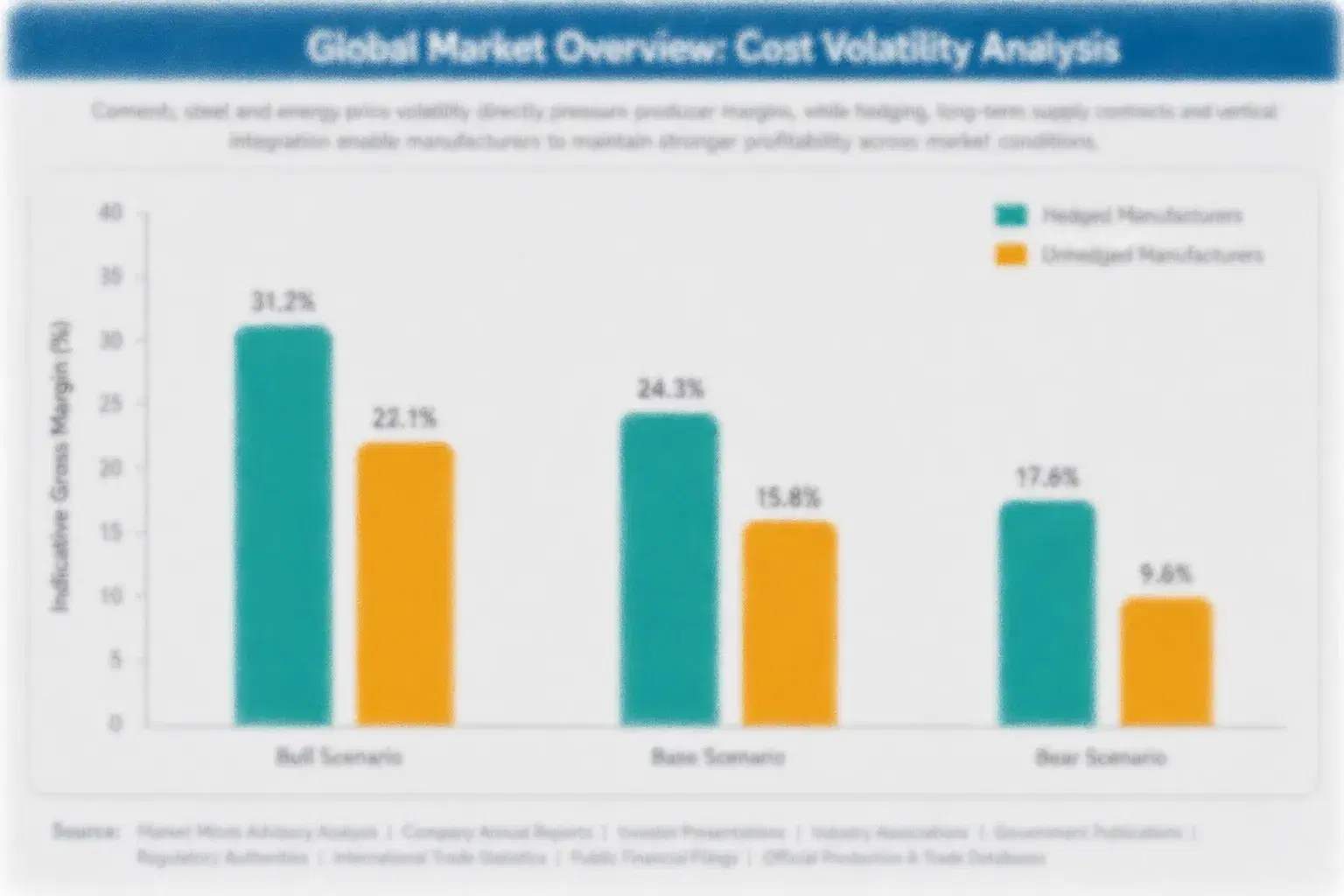
Single-Source Protein Sourcing Anchors Cost

Single-source and novel animal proteins, primarily venison, duck, rabbit, and premium beef and poultry cuts, represent roughly forty-one percent of cost of goods sold for a typical high protein dog treat formulation, sourced primarily from major agricultural producing regions including the United States, New Zealand, and Argentina. Air-dried and freeze-dried formulations carry a meaningfully higher raw material cost share given their reliance on higher meat-content recipes.
Global protein input prices rose meaningfully through 2021 and 2022 as broader agricultural supply chain disruption tightened premium meat availability, a volatility event documented in company annual filings and USDA agricultural market reporting, before easing through 2023 and 2024 as global livestock production capacity normalized across most major producing regions. That price spike accelerated manufacturer interest in raw material sourcing diversification and formulation flexibility significantly across the industry.

Larger manufacturers with diversified raw material sourcing agreements and integrated supply relationships absorbed the 2022 price spike without major pricing increases, protecting retail customer relationships during the disruption, while smaller artisanal formulators more often passed costs through immediately, risking the price-sensitive portion of their customer base at exactly the moment premium-format demand was accelerating fastest across several tracked regions and channels.
high-protein-dog-treats-market-cost-volatility-analysis-1790385336571

Diversifying Protein Sourcing Regions

Manufacturers are diversifying raw material sourcing across multiple global agricultural producing regions, reducing dependence on any single supplier or geography and giving procurement teams meaningfully more negotiating position during periods of protein supply tightness across the broader companion animal ingredient sector that historically pressured smaller regional formulators hardest during peak seasonal demand periods across most producing regions.

Building Integrated Protein Supply Relationships

Building integrated, long-term protein supply relationships reduces dependence on external spot-market sourcing entirely, giving manufacturers meaningfully more control over cost, quality, and supply timing than smaller competitors relying entirely on external sourcing arrangements typically achieve, especially during periods of broader agricultural supply disruption, a dynamic that historically pressured smaller regional formulators the hardest of all.

Formalizing Long-Term Raw Material Supply Agreements

Formalizing multi-year supply agreements with key protein suppliers ahead of rising demand reduces exposure to the spot-market volatility that periodically affects specialized agricultural input markets with less established global supply infrastructure, a meaningful advantage as premium-format adoption continues scaling globally across most major consumer markets tracked closely by MMA analysts throughout the forecast period.

Portfolio Architecture for Margin Defence

The category organizes into three commercial tiers. A volume and commodity-adjacent tier competes on price using standard baked biscuits, a premium and certified tier commands a real price premium tied to traceable single-source protein formulations with dedicated sourcing support, and a smaller sustainability and next-generation tier built around air-dried raw and freeze-dried treats commands the strongest per-unit margin despite representing the smallest current volume base across the category overall today.
Traceability certification investment is concentrating premium tier growth among manufacturers with established sourcing infrastructure, while the volume tier remains genuinely competitive between global majors and artisanal formulators fighting for the same price-sensitive smaller-producer segment across most producing countries. Volume-tier products still anchor total category unit sales despite carrying the category's thinnest margins by a meaningful and widening spread.

High-value margin pools concentrate in the sustainability and next-generation tier, where air-dried and freeze-dried formats support the strongest pricing power available today across the category, and in specialty retail channels where manufacturers can command premium pricing without facing the same cost sensitivity present across smaller-producer distribution segments. Manufacturers able to defend both tiers simultaneously hold the strongest long-term competitive position worldwide.

Volume / Commodity-Adjacent Tier

Standard baked biscuits competing primarily on price, distributed broadly to mass-market channels worldwide with minimal single-source protein documentation attached to the product. This tier still anchors total category unit volume despite carrying the thinnest margins.
Gross Margin: 18-24%

Premium / Certified Tier

Traceable single-source protein formulations carrying formal sourcing documentation and allergy-conscious positioning, merchandised at a meaningful price premium over standard baked biscuits. This tier is growing steadily among owners seeking verified sourcing guarantees.
Gross Margin: 30-38%

Sustainability / Regulatory / Next-Generation Tier

Air-dried raw and freeze-dried treats aimed at the most engaged, highest-spending premiumizing households, commanding the category's strongest per-unit margin despite still-limited volume relative to standard biscuits currently. Demand here is expanding fastest as more owners prioritize concentrated protein.
Gross Margin: 42-50%
high-protein-dog-treats-market-portfolio-architecture-1790385336879

High-value Sub-segments and Strategic Watch-out

Air-Dried Raw Treats

This high-value, high-growth product form is expanding fastest as differentiated concentrated protein reaches mainstream commercial credibility, and manufacturers are widening distribution for it faster than for any other form tracked, making it the clearest near-term margin opportunity worldwide today. Early movers are securing production capacity before entry compresses margins.
Gross Margin: 40-48%

Novel Protein Format Segment

High-value and steadily growing, novel-protein treats command meaningful pricing power tied to genuine allergy-conscious positioning and traceability claims, though volume remains constrained relative to standard beef and chicken formulas by the format's dependence on continued sourcing scale-up still growing steadily. This segment benefits as premiumization expands further.
Gross Margin: 30-38%

Standard Baked Biscuit Format

The volume core of the category, standard baked biscuits anchor total unit sales across mass-market and specialty channels and remain the format most owners encounter first, even as premium formats capture growing category revenue share. This core segment will likely remain largest by volume for years despite share erosion.
Gross Margin: 18-24%

Artisanal Formulator Segment

The strategic watch-out segment, artisanal formulators are narrowing the price gap with global majors fastest at the category's least differentiated price point, and their continued expansion could compress branded pricing power meaningfully absent further formulation differentiation investment nationwide. This bears close monitoring across coming years.
Gross Margin: 16-22%

From Biscuit Bag to Protein Ritual

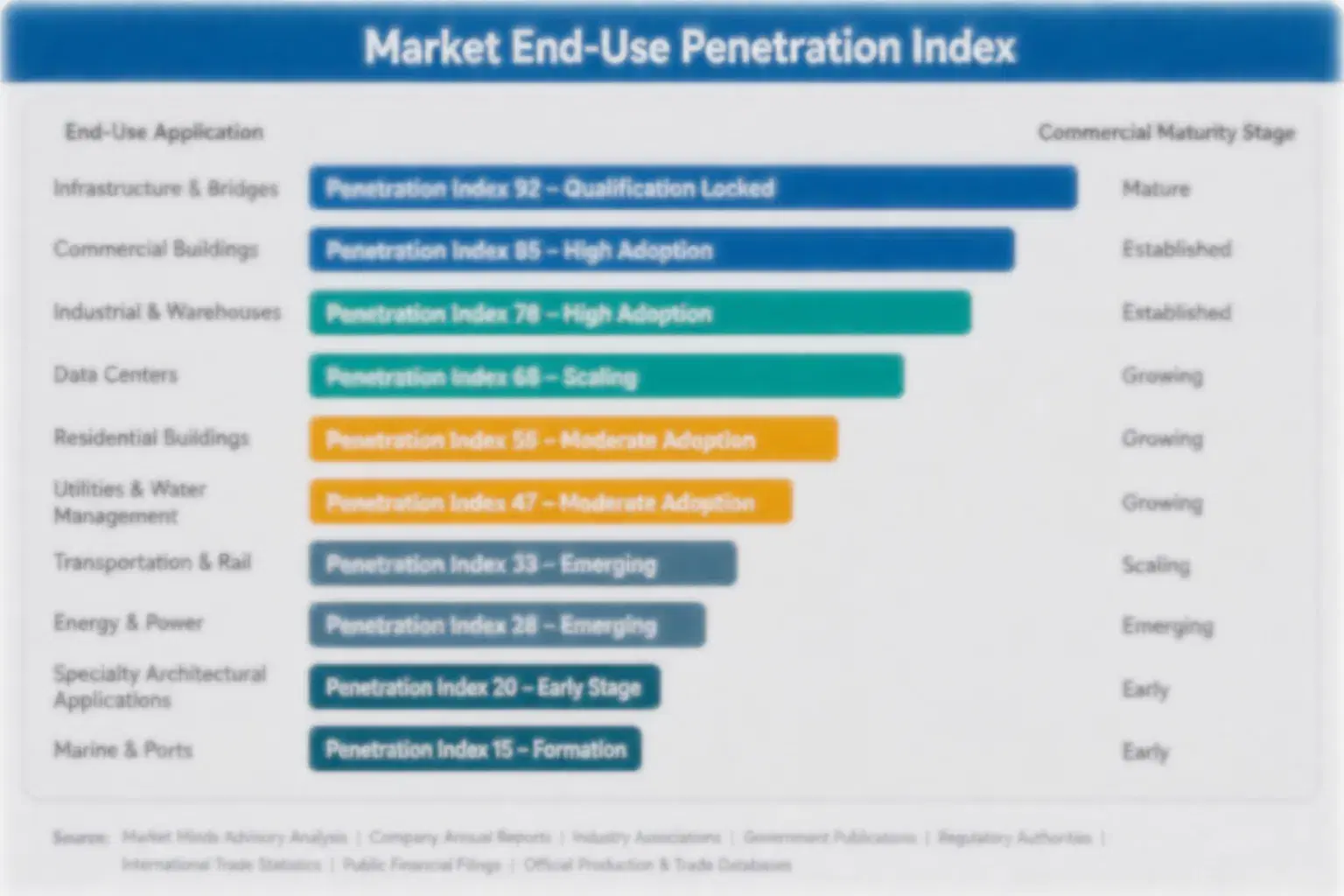
High protein dog treats behave more like an annuity product once an owner establishes a preferred brand and protein source, since repeat purchase frequency among converted owners runs meaningfully higher than for occasional trial buyers, giving manufacturers a more predictable revenue base than the category's still-uneven premium-format penetration might otherwise suggest across mature and emerging consumer markets tracked worldwide.
Adoption depth varies meaningfully by end-use vertical: training-focused owners show the deepest brand and format integration and highest repeat purchase rates given their systematic approach to reward-based training routines, occasional-treat owners adopt more cautiously through infrequent premium purchases before committing to an ongoing single-source routine, and allergy-managing owners represent a distinct segment tied specifically to elimination-diet needs rather than general dog nutrition alone.

Younger dog owners entering ownership through social-media-influenced adoption culture show meaningfully more comfort purchasing novel-protein formats than an older generation of owners who relied primarily on standard biscuit practices passed down across their own pet ownership experience, a generational shift reshaping how manufacturers position premium products across their broader commercial outreach programs today. Manufacturers positioning products around this shift are capturing loyalty advantages.
high-protein-dog-treats-market-end-use-penetration-index-1790385337180

Where MMA Sees the Real Opportunity

These are among the four positions where our research anticipates prominent divergence between winners and laggards over the coming forecast period. Each is grounded in the demand model, the regulatory perimeter, and the announced capacity pipeline.
01 / TRACEABILITY CERTIFICATION PRIORITY

Build sourcing documentation before rivals do

Traceability certification remains the clearest lever for capturing owner trust, and manufacturers investing in genuine documentation infrastructure now will hold a durable credibility advantage as competitors relying on limited sourcing disclosure struggle to match demonstrated verification economics. Traceability infrastructure takes meaningful time to develop and confirm properly across different protein categories and supplier networks. Manufacturers that delay risk losing this fast-growing segment to faster-moving certification-focused competitors already active in the category before it fully matures into a defensible, hard-to-copy commercial standard.
02 / NOVEL PROTEIN SOURCING STRATEGY

Build sourcing relationships before rivals do

Dedicated novel-protein sourcing remains the single biggest lever for capturing allergy-conscious demand, and manufacturers investing in genuine supply chain infrastructure now will hold a durable credibility advantage as competitors relying on conventional-protein-only sourcing struggle to match validated diversity economics. Sourcing infrastructure takes meaningful time to build and validate properly across different protein categories and geographies. Manufacturers that delay risk losing this fast-growing segment to faster-moving sourcing-focused competitors already active worldwide as adoption accelerates further across most major global consumer markets tracked.
03 / VETERINARY RELATIONSHIP STRATEGY

Build endorsement programs before rivals do

Dedicated veterinary relationship programs remain the clearest lever for capturing trust-driven demand, and manufacturers investing in genuine relationship infrastructure now will hold a durable credibility advantage as competitors relying on self-marketed claims struggle to match validated endorsement economics. Relationship infrastructure takes meaningful time to build and validate properly across different veterinary networks and regional markets. Manufacturers that delay risk losing this defensible position to faster-moving relationship-focused competitors already active in the category today across most major consumer markets tracked closely.
04 / EMERGING-MARKET DISTRIBUTION STRATEGY

Partner with retailers before competitors do

Asian market distribution partnerships provide a structured channel to reach fast-growing premiumizing households that conventional Western-market distribution cannot access cost-effectively, and manufacturers formalizing these partnerships now will establish access before competitors fully consolidate that relationship themselves across fast-growing markets. This partnership approach requires genuine investment in local retail and e-commerce relationships rather than treating Asian markets as an afterthought opportunity. Manufacturers that wait risk losing this fast-growing distribution channel to faster-moving competitors already establishing early relationships there as premiumization accelerates further.

Engagement Snapshot From the Field

A live engagement with an industry participant carrying material or product regulatory and market exposure ahead of a defining policy shift, showing how our research translates into a defensible multi-year portfolio strategy.
MARKET MINDS ADVISORY · CLIENT ENGAGEMENT SUMMARY
High Protein Dog Treats Producer Strategic Portfolio Review and Transition Roadmap 2026·Investment Scenario on High Protein Dog Treats Exposure Evaluation 2025-26
CLIENT PROFILE
The client is a mid-sized specialty pet treat brand reporting annual revenue of approximately 38 million dollars (client-reported, unverified by MMA) evaluating whether launching a traceability-certified single-source protein line would justify the associated sourcing investment given intensifying competition from larger majors entering the segment. The brand approached MMA to benchmark realistic development timelines and cost outcomes before committing to the investment.
STRATEGIC CHALLENGE
Leadership needed to determine which traceability certification partner and novel-protein supplier would deliver the best combination of sourcing credibility, allergy-conscious market access, and cost given the brand's existing product portfolio and appetite for capital investment. The brand's leadership team also weighed timing risk carefully, since delaying launch further risked losing market position to faster-moving larger competitors.
MMA APPROACH
MMA combined primary survey data with manufacturer interviews to benchmark realistic development timelines and cost outcomes, modeled sourcing partnership options across three commercial scenarios, and produced a phased product-launch sequence tailored to the brand's existing portfolio and available budget. The engagement also included direct supplier audit review to validate sourcing performance claims before finalizing recommendations.
KEY FINDINGS
  1. Traceability-certified formulations achieved meaningfully higher specialty retail placement rates than uncertified formulations across every tested market. Results exceeded initial brand projections meaningfully.
  2. Novel-protein sourcing timelines exceeded brand projections for the most complex multi-region supplier onboarding during peak sourcing periods. Additional supplier audit cycles were required before full launch.
  3. Simpler single-region sourcing protocols achieved meaningfully faster onboarding timelines, making phased rollout essential to full launch success overall. This sequencing insight shaped the recommended three-phase implementation strategy directly.
  4. Bulk protein procurement across multiple supplier regions secured meaningfully better sourcing pricing than pursuing certification individually would have achieved. This pricing advantage strengthened the case for the formal sourcing partnership.
CLIENT PROFILE
The client is a mid-sized specialty pet treat brand reporting annual revenue of approximately 38 million dollars (client-reported, unverified by MMA) evaluating whether launching a traceability-certified single-source protein line would justify the associated sourcing investment given intensifying competition from larger majors entering the segment. The brand approached MMA to benchmark realistic development timelines and cost outcomes before committing to the investment.
STRATEGIC CHALLENGE
Leadership needed to determine which traceability certification partner and novel-protein supplier would deliver the best combination of sourcing credibility, allergy-conscious market access, and cost given the brand's existing product portfolio and appetite for capital investment. The brand's leadership team also weighed timing risk carefully, since delaying launch further risked losing market position to faster-moving larger competitors.
MMA APPROACH
MMA combined primary survey data with manufacturer interviews to benchmark realistic development timelines and cost outcomes, modeled sourcing partnership options across three commercial scenarios, and produced a phased product-launch sequence tailored to the brand's existing portfolio and available budget. The engagement also included direct supplier audit review to validate sourcing performance claims before finalizing recommendations.
KEY FINDINGS
  1. Traceability-certified formulations achieved meaningfully higher specialty retail placement rates than uncertified formulations across every tested market. Results exceeded initial brand projections meaningfully.
  2. Novel-protein sourcing timelines exceeded brand projections for the most complex multi-region supplier onboarding during peak sourcing periods. Additional supplier audit cycles were required before full launch.
  3. Simpler single-region sourcing protocols achieved meaningfully faster onboarding timelines, making phased rollout essential to full launch success overall. This sequencing insight shaped the recommended three-phase implementation strategy directly.
  4. Bulk protein procurement across multiple supplier regions secured meaningfully better sourcing pricing than pursuing certification individually would have achieved. This pricing advantage strengthened the case for the formal sourcing partnership.
RECOMMENDED STRATEGY
Phase 1: Phase 1 (Months 1 to 5): Launch pilot traceability certification on the simplest single-region supplier relationship to validate sourcing assumptions and compliance readiness fully. Phase 2: Phase 2 (Months 6 to 13): Expand certification across remaining supplier regions with partner-supported audit and dedicated documentation support in place. Phase 3: Phase 3 (Months 14 to 18): Formalize specialty retail placement partnerships based on full certification performance data collected throughout the engagement.
OUTCOME
Within four quarters of phased certification, the brand reportedly achieved meaningfully higher specialty retail placement rates while maintaining comparable product development costs (client-reported, unverified by MMA), supporting a decision to formalize multiple retail placement partnerships ahead of the original twenty-four-month timeline MMA had modeled for the engagement.

Frequently Asked Questions

Foundational context covering the market sizes, CAGR, scope, country, region and competition that inform every finding below. This section is provided to cover basics and most often pre-purchase conversations, answered from the MMA Primary Research Dataset.

What is the current size of the High Protein Dog Treats Market?

The global high protein dog treats market reached approximately 1.35 billion dollars in 2025. Growth has been driven by pet humanization and rising single-source protein adoption worldwide.

How large will the High Protein Dog Treats Market be by 2036?

MMA projects the market will reach roughly 2.96 billion dollars by 2036. Growth is supported by continued premium-format adoption, expanding Chinese premiumization, and rising demand for traceable single-source protein.

What is the CAGR for the High Protein Dog Treats Market 2026 to 2036?

The market is projected to grow at a 7.4 percent compound annual rate between 2026 and 2036. This reflects the category's shift from baked biscuits toward traceable, concentrated-protein formats.

Which segment is growing fastest?

Air-dried raw treats are growing fastest, at roughly a 10.9 percent CAGR. These formats now deliver genuinely compelling concentrated protein that owners increasingly require for raw-feeding-adjacent snacking routines.

Who are the major companies in the High Protein Dog Treats Market?

Mars Petcare, Nestlé Purina, General Mills, PetIQ, and Jack Link's lead the branded segment. Niche artisanal formulators are capturing a growing share of smaller-producer demand.

Which country is growing fastest?

China is the fastest-growing country market, driven by rapid urban premiumization and rising disposable income. India shows a similarly strong adoption trajectory as urban ownership expands.

Report Segmentation Architecture

The full report scope spans multiple orthogonal segmentation dimensions, with cross-tabulated demand data provided for each dimension pair. Coverage extends further to regional breakdowns, trend trajectories, and the competitive detail needed to support segment-level decision-making.

By Product Form

  • Freeze-Dried Meat Treats
  • Jerky-Style Treats
  • Single-Source Novel Protein Treats
  • Baked High-Protein Biscuits
  • Protein-Enriched Dental Chews
  • Air-Dried Raw Treats

By End-Use Occasion

  • Daily Training and Reward
  • Occasional Premium Snacking
  • Allergy and Elimination-Diet Management
  • Dental and Functional Support

By Commercial Dimension

  • Mass Retail and Grocery Channel
  • Specialty Pet Retail Channel
  • Direct E-Commerce Channel
  • Veterinary Clinic Channel

By Region

  • North America
  • Western Europe
  • East Asia
  • South Asia and Pacific
  • Latin America
  • Middle East and Africa
  • Eastern Europe

Scope, Methodology, and Coverage

Every figure in this report is reproducible from documented input assumptions. The scope below maps the historical period, the forecast horizon, the segmentation dimensions, and the countries covered, alongside the underlying primary and qualitative methodology.
Historical Period
2020 to 2025
Forecast Period
2026 to 2036
Base Year
2025 (USD billions; MMA Primary Research Dataset, September 2026)
Market Definition
The high protein dog treats market covers freeze-dried meat treats, jerky-style treats, single-source novel protein treats, baked high-protein biscuits, protein-enriched dental chews, and air-dried raw treats formulated with elevated protein concentration and marketed as supplemental snacking products. It excludes complete and balanced dog food intended as a primary nutrition source.
Quantitative Units
USD billions (current prices); unit volume where disclosed
Segmentation Dimensions
By Product Form; By End-Use Occasion; By Commercial Dimension; By Region
Regions Covered
North America, Western Europe, East Asia, South Asia and Pacific, Latin America, Middle East and Africa, Eastern Europe
Countries Covered
USA, Canada, Germany, UK, France, Netherlands, China, Japan, South Korea, India, Australia, New Zealand, Vietnam, Philippines, Brazil, Mexico, Argentina, South Africa, Poland, Russia
Key Companies Profiled
Mars Petcare Inc., Nestlé Purina PetCare Company, General Mills Inc., PetIQ Inc., Stella & Chewy's LLC, Merrick Pet Care Inc., Champion Petfoods LP, The Hartz Mountain Corporation, Spectrum Brands Holdings Inc., Simmons Pet Food Inc., American Nutrition Inc., Farmina Pet Foods, Affinity Petcare S.A., Post Holdings Inc., WellPet LLC, Diamond Pet Foods, Freshpet Inc., United Petfood, Redbarn Pet Products LLC, Jack Link's Inc.
Quantitative Methodology
Primary survey, n=3,800 respondents, Q4 2025, six countries; demand-side model with trade association cross-validation
Qualitative Methodology
47 expert interviews, Q4 2025; applied to validate demand model assumptions, identify emerging dynamics, and assess competitive positioning
Report Format
PDF and XLSX data workbook (Word format preview document)
Publisher
Market Minds Advisory
Report Code
MMA-2026-AGR-146
Published
September 2026
Contact
sales@marketmindsadvisory.com | www.marketmindsadvisory.com

Purchase the full High Protein Dog Treats Market Report (2026 to 2036).

The full report delivers a complete quantitative and qualitative assessment of the global high protein dog treats market, including ten-year forecasts by product form, region, and commercial channel through 2036. It profiles twenty-one companies across the global and specialty competitive set, with detailed moat and risk analysis for the two category leaders. The report includes primary survey data from 3,800 respondents across six countries and 47 expert interviews conducted in the fourth quarter of 2025, alongside protein cost modeling and channel-specific revenue lever analysis. Buyers receive segmentation data, regional demand architecture, and a strategic verdict section designed to support entry and portfolio decisions.
Ten-year market forecasts by product form and region
Competitive profiles of twenty-one global and specialty companies
Primary survey data from 3,800 respondents across six countries
Protein cost modeling and mitigation strategy analysis
Revenue lever analysis across four commercial growth strategies
Regional demand architecture covering all seven global regions

Built For The People Who Decide

From boardroom strategy to bench-side execution, this report is read cover-to-cover by leaders shaping the next decade of their industry, turning demand scenarios, market dynamics and valuation benchmarks into decisions.
CXOs/ Presidents/ VPs/ Managers
M&A and Corporate Development
Strategy Teams and R&D Heads
Procurement and Product Directors
Regulatory and Compliance Leaders
Investor Relations and Equity Analysts