Market Minds Advisory
High Oleic Soybean Market

High Oleic Soybean Market: High Oleic Soybean Market. Trans-Fat-Free Frying Demand, Biolubricant Growth, and Crushing Capacity Reshape Specialty Oilseed Supply.

High oleic soybean is moving from a trans-fat replacement niche into frying, packaged food, and biolubricant supply chains, while identity-preserved handling costs, crusher premiums, and competition decide which seed companies and processors win contracts.

Lead Analyst

Published

September 2026

Make Smarter Decisions with Customized Research Insights

Request a free sample report and evaluate market opportunities, growth trends, and competitive dynamics relevant to your business needs.

2025 MARKET VALUE$3.4BMarket Size 2025
2036 FORECAST VALUE$7.3BBase Case , 2026 to 2036
CAGR 2026 TO 20367.2 %Bull 8.5% / Bear 5.9%
INCREMENTAL OPPORTUNITY$3.7BNet 10- year value creation
EXPANSION MULTIPLE2.00x2036 value over 2026 base
Strategic Levers
M&A Pipeline
Regional Outlook
Country Rankings
Competitive Intelligence
Segmental Deep-dive
Call-Us : 91 93563 13602

Executive Snapshot and Market Trajectory.

Regular soybean oil oxidizes fast, and high oleic soybean oil does not. That single chemical difference lets a commodity crop compete with palm and sunflower in fryers, and it explains why a few seed companies and crushers now control a tightly managed supply chain. Growers watch premiums like hawks.
Industrial and biolubricant oil grows fastest, driven by bio-based fluids, while foodservice frying and packaged food manufacturing anchor volume through restaurants, snacks, and bakery. North America holds the largest share because the United States has the deepest high oleic acreage, contracted crushing, and foodservice demand, and Latin America follows through Brazilian and Argentine adoption. Brazil leads country growth as seed access expands. Fry life data decides many restaurant contracts. Segregation discipline matters.
Competition is highly concentrated among seed developers and large crushers. Advantage comes from trait access, identity-preserved logistics, and oil stability data rather than price alone. Regulation drives change, since trans fat rules, genetically modified labeling, and renewable fuel policy shift oil demand. Buyers reward oxidative stability, consistent oleic content, and reliable contracted volume across seasons. Growers watch premiums closely. Buyers also want traceable acreage records.
Market Definition
High oleic soybean comprises soybeans bred or modified to produce oil with typically 70% or more oleic acid, including planting seed and trait licensing, and the refined high oleic soybean oil sold for foodservice frying, packaged food manufacturing, and industrial and biolubricant uses. The scope excludes conventional and low-linolenic soybean oil, high oleic sunflower, canola, and safflower oils, soybean meal sold as feed, and finished consumer products.
Base Year Value
$3.4B in 2025 (MMA Primary Research Dataset, September 2026)
Forecast Period
2026 to 2036, eleven discrete annual values
CAGR
7.2% base case. Bull 8.5%. Bear 5.9%.
Fastest Growth Segment
Industrial and Biolubricant Oil: 10.6% CAGR
Fastest Growth Country
Brazil: 9.0% CAGR
Fastest Growth Region
South Asia and Pacific: 9.3% CAGR
Largest Region
North America: 48% of 2025 global value
Market Leaders
Corteva, Bayer, Archer Daniels Midland, Bunge, Cargill. Source: MMA Analysis, company annual reports.
Primary Survey
n=3,800 procurement and R&D decision-makers, Q4 2025, six countries
Methodology
Demand-side build-up, cross-validated against public data, 47 expert interviews

High Oleic Soybean Market Forecast Scenarios

high-oleic-soybean-market-share-analysis-size-forecast-scenario-1789766194252
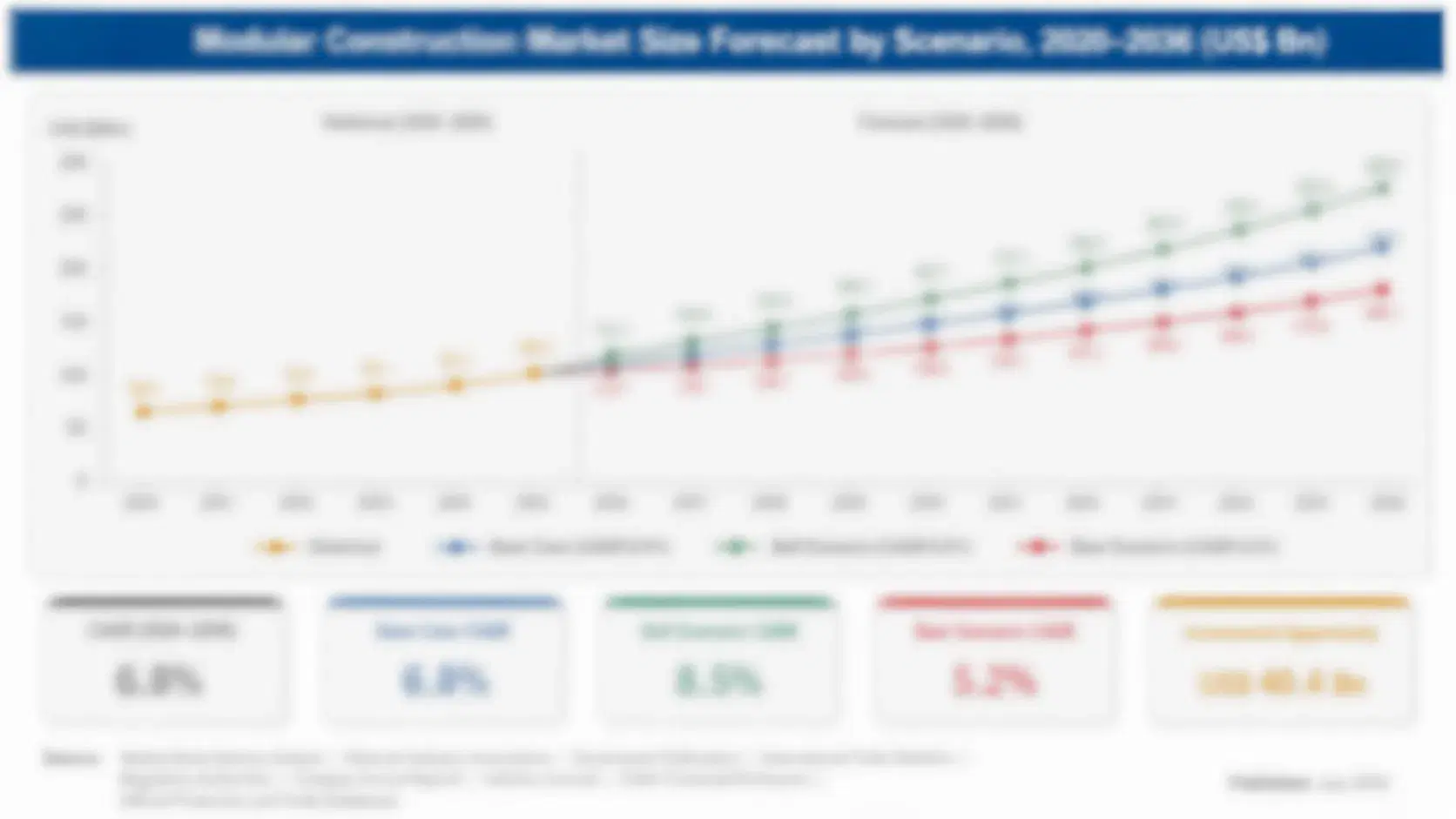
Between 2020 and 2025, high oleic soybean grew steadily as foodservice chains and snack makers kept trans-fat-free frying oils, contracted acreage expanded in the United States, and biolubricant and industrial buyers began testing bio-based fluids. Growth averaged 6.3% a year, with industrial oil and Latin American seed outpacing domestic frying oil, though premium narrowing and competing renewable fuel demand for soybean oil held back farmer margins in some seasons.
The base case assumes 7.2% annual growth through 2036, built on three named mechanisms: wider use of high oleic oil in restaurant frying, snacks, and bakery as buyers seek long fry life and cleaner labels, growth of bio-based lubricants, hydraulic fluids, and transformer oils that require oxidation stability, and expanded acreage and crush capacity in Brazil, Argentina, and Canada that lifts supply. Higher oleic content improves stability. Each mechanism reinforces the others.
The bull case, at 8.5%, needs stronger farmer premiums, faster biolubricant adoption, and steady approvals for new traits. The bear case, at 5.9%, reflects weak premiums, renewable diesel demand that pulls all soybean oil toward fuel, and competition from high oleic sunflower and canola. Either scenario leaves the underlying demand base intact, though pricing and mix would differ noticeably.

Trait Access and Identity-Preserved Logistics Decide High Oleic Winners

Conventional soybean oil contains about 23% oleic acid and 8% linolenic acid, which oxidizes and forms trans fats when hydrogenated. High oleic varieties carry 70% to 80% oleic acid and low linolenic acid, so the oil resists heat and shelf-life oxidation without hydrogenation. Growers plant contracted seed, deliver to designated crushers, and receive a premium. Segregation matters.
MARKET CONCENTRATION62% CR5Leading five companies hold a large combined position
OLEIC ACID CONTENT75%Fry oil lasts several times longer than conventional oil
FRY LIFE ADVANTAGE3xRestaurant fry oil lasts several times longer than conventional oil
GROWER PREMIUM$0.30 per bushelContract growers earn a modest premium over commodity beans
US SHARE OF ACREAGE85%Almost all high oleic acreage sits in the United States
SEGREGATION COST SHARE6%Identity-preserved handling adds a meaningful share to oil cost
Buyers use high oleic soybean oil in different ways. Restaurants and quick-service chains use it for frying, snack and bakery makers use it for baking and coating, industrial firms formulate it into lubricants, hydraulic fluids, and transformer oils, and food brands specify it for labels that avoid palm oil. Specifications cover oleic content, linolenic content, peroxide value, free fatty acids, and stability by accelerated oxidation tests on every lot.
The industry is highly concentrated at the seed and crush stages. Seed developers such as Corteva and Bayer license traits, crushers such as ADM, Bunge, and Cargill run identity-preserved programs and refine oil, and growers contract acreage with local elevators. Trait approvals, premiums, and biofuel policy shape investment, and long-term supply agreements are widening the buyer base for premium and certified oil.
"High oleic soybean is a chemistry advantage sold through a logistics discipline. The companies that win are the ones who keep the beans separate from the commodity stream, pay growers enough to plant them, and can prove fry life with data."
Practice Lead, Agricultural Products and Edible Oils Practice · MMA Agricultural Products and Edible Oils Practice · September 2026

Market Trends

Bio-Based Lubricants and Fluids Adopt High Oleic Oil for Stability

Industrial buyers are formulating bio-based hydraulic fluids, transformer oils, metalworking fluids, and greases using high oleic soybean oil, since its stability, low pour point, and biodegradability meet environmental rules and customer targets. Trials in the United States show oxidation stability several times that of conventional soybean oil, and utilities test soy-based transformer fluids as fire-safe options. Biolubricants sell at premiums to mineral oils but face performance and cost hurdles, so adoption starts in environmentally sensitive settings such as forestry, marine, and wind. Suppliers provide test data to industrial standards, and formulators sign supply agreements with crushers to secure identity-preserved oil.
Market Impact: FDA oil ban took effect 2018

Expanded Seed Access Brings High Oleic Soybean to South America

Seed companies are extending high oleic traits into South American germplasm and breeding programs, and Brazilian and Argentine growers are testing contracted plantings with local crushers, aiming to supply frying and industrial oil markets in Latin America and export. Expanded acreage lowers seed costs through scale and gives crushers more identity-preserved volume, while regional regulators consider approvals for new traits. Growers need clear premiums to compensate for segregation and possible yield gaps, and elevators must add storage and testing. Programs typically start with a few hundred thousand hectares, and success depends on premium stability and crusher demand.
Market Impact: BioPreferred lists over 1,000 soy products

Market Opportunities and Growth Drivers

Trans Fat Rules and Cleaner Labels Sustain Non-Hydrogenated Frying

The United States Food and Drug Administration removed partially hydrogenated oils from generally recognized as safe status, with compliance from 2018 and extensions to 2020, according to FDA regulations, and many countries limit industrial trans fat under World Health Organization guidance. Food makers and restaurants replaced hydrogenated shortenings with oils that resist oxidation, and high oleic soybean oil offers trans-fat-free stability at lower cost than some alternatives. Restaurants seek longer fry life and better flavor, and brands avoid palm oil labels due to sustainability concerns, which supports steady demand for contracted domestic oil.
Market Impact: premiums narrow $0.10 per bushel

Bio-Based Product Mandates and Sustainability Targets Lift Industrial Oil Demand

Government procurement programs, state rules, and corporate sustainability targets favor bio-based fluids and lubricants, and the United States Department of Agriculture BioPreferred Program lists soy-based products for federal purchasing. Utilities, ports, forestry firms, and manufacturers use biodegradable fluids to reduce spill risk, and carbon accounting favors renewable feedstocks. Soy checkoff programs fund research and marketing, and high oleic oil is central to performance claims. Industrial volumes are small versus food, but growth rates are higher, and premium pricing supports crusher investment in identity-preserved capacity for industrial customers. Public buyers also require documented content.
Market Impact: segregation adds 5-8% to cost

Market Restraints and Challenges

Renewable Diesel Demand Pulls Oil Toward Fuel and Narrows Premiums

United States renewable diesel and biodiesel capacity has expanded sharply, and soybean oil is a main feedstock, so commodity oil prices and crush margins depend heavily on fuel policy, according to Energy Information Administration and USDA reports. The root cause is renewable fuel standards and tax credits that raise fuel demand for oil. High oleic premiums can shrink relative to commodity prices. Mitigation includes long-term premium contracts, higher payments for identity-preserved beans, food and industrial price floors, and yield improvements, though growers may switch to commodity soybeans if premiums fall.
Market Impact: oxidation stability runs 3-5 times higher

Segregation Cost and Competition From Other Oils Limit Growth

Identity-preserved handling needs separate storage, transport, and testing, adding about 5% to 8% to oil cost, according to crusher and elevator estimates. The root cause is that high oleic beans look identical to commodity beans. High oleic sunflower, canola, and palm olein compete on price and availability, and buyers switch when spreads shift. Mitigation includes dedicated crush runs, regional supply hubs, long-term contracts with premium pricing, and yield improvements in newer trait generations, though scale and logistics remain barriers for smaller crushers and export markets. Export markets often require extra testing paperwork.
Market Impact: pilots cover 300,000 hectares
3 additional market trends, 4 additional growth drivers, and 2 additional restraints and challenges are covered in the full report. Contact sales@marketmindsadvisory.com to access the complete intelligence.

Segment CAGR and Growth Architecture

High oleic soybean is segmented by product and channel, because oil use requirements, price, and buyer group differ more sharply between industrial oil, food manufacturing oil, foodservice frying oil, and planting seed and trait licensing than they do by growing region. Industrial and biolubricant oil attracts the most investment as formulators convert bio-based targets into supply agreements with crushers.
high-oleic-soybean-market-share-analysis-market-share-analysis-1789766194538

Industrial and Biolubricant Oil

Industrial and biolubricant oil is the fastest-growing segment, covering high oleic soybean oil sold to formulators of hydraulic fluids, transformer oils, metalworking fluids, greases, and other bio-based products. Buyers value oxidation stability, low pour points, and biodegradability, and public purchasing programs favor bio-based fluids. Volumes are small relative to food but growing rapidly, and premiums over commodity oil support crusher investment. Suppliers with test data to industry standards, identity-preserved supply, and technical service win large accounts, and buyers run several seasons of field trials before committing to full replacement of mineral or petroleum-based fluids in equipment fleets. Bio-based product labels from public programs also raise buyer confidence in fluid performance claims.
CAGR 10.6%

Food Manufacturing Oil

Food manufacturing oil is the second-fastest segment, covering high oleic soybean oil used by snack, bakery, confectionery, and prepared food makers for frying, baking, coating, and spraying. Buyers value shelf life, neutral flavor, and trans-fat-free labels, and some avoid palm oil for sustainability reasons. High oleic oil performs well in low-moisture snacks and long shelf-life bakery items, and suppliers offer blends and shortenings tuned for texture. Crushers and refiners with identity-preserved supply, stability data, and traceability win multi-year contracts from large food brands, while price competition from palm and sunflower oils remains a constraint in cost-sensitive channels. Fry life trials in real kitchens often show two to three times conventional oil life before filtering.
CAGR 8.2%
Full segment breakdown across 6 segments available in the complete report.

Regional Architecture and Country Demand Map

High oleic soybean value follows trait adoption, identity-preserved crushing capacity, and foodservice and industrial demand. North America leads through United States acreage and demand, Latin America follows through Brazilian and Argentine adoption, and Brazil is the fastest-growing country as seed access and crush capacity expand.

North America

North America holds 48% share, the largest, above its usual band, because the United States has almost all high oleic soybean acreage, with contracted planting in Iowa, Illinois, Indiana, Ohio, and Minnesota, supported by ADM, Bunge, Cargill, and regional crushers and by the deepest foodservice, snack, and industrial demand, so value from seed to oil to fryer sits in the region. Corteva and Bayer license traits, and growers earn premiums under contracts. Renewable diesel demand and premium narrowing restrain returns, while biolubricant programs and Canadian acreage keep the region growing near the global rate. Canadian growers in Ontario and Quebec also plant contracted acreage. Growers in Nebraska and South Dakota also add contracted acreage.
Share: 48% | CAGR: 7.7% (2026 to 2036)

Western Europe

Western Europe holds 10% share, below its usual band, because the European Union has limited high oleic soybean cultivation and stricter rules on genetically modified traits, so demand is met by imported oil and by high oleic sunflower and rapeseed, while some frying and biolubricant buyers test soy-based products. Crushers in the Netherlands, Germany, and Spain process imported beans, and Cargill and Bunge supply oil. GMO labeling and sustainability rules shape purchasing, and higher costs hold growth below the global rate, though bio-based fluid interest adds steady niche demand. Nordic and German utilities also test biodegradable transformer fluids. Belgian and Danish snack makers also test soy-based oils for palm-free ranges in retail.
Share: 10% | CAGR: 5.7% (2026 to 2036)
Regional intelligence for 5 additional markets available in the complete report: East Asia, South Asia and Pacific, Latin America, Middle East and Africa, Eastern Europe. Contact sales@marketmindsadvisory.com.
high-oleic-soybean-market-share-analysis-country-cagr-analysis-1789766194851

Four Margin Routes for High Oleic Soybean Suppliers

Margin in high oleic soybean comes from moving beyond commodity soybean oil toward identity-preserved supply, industrial and biolubricant grades, and stability-tested products that frying, food, and industrial buyers cannot easily replace. Seed companies and crushers that secure grower acreage, control segregation cost, publish performance data, earn more per tonne than sellers competing on price alone.

Locking In Grower Acreage With Stable Multi-Year Premiums

Grower premiums narrow when fuel demand lifts commodity oil, so crushers and seed companies that offer multi-year contracts with fixed or indexed premiums of $0.25 to $0.50 per bushel protect acreage and supply. Contracts cost 3% to 5% of oil value but avoid supply gaps that erode margin by 6 to 10 points in poor years. Support such as seed discounts and agronomy help keep yields competitive, and customers reward reliable identity-preserved supply because a shortage stops fryer and lubricant programs. Buyers audit annually and validate quality through pilot lots.
Market Impact: multi-year premiums protect 6 to 10 margin points

Expanding Identity-Preserved Crush and Storage Capacity

Segregation adds about 5% to 8% to oil cost, so crushers that build dedicated storage, testing, and crush runs cut per-unit cost through scale and raise premiums with buyers. A dedicated identity-preserved line costs $5 million to $20 million and is recovered within five seasons when sold to foodservice and industrial accounts. Clear testing and traceability protocols shorten customer approval cycles, and buyers validate each program through pilot shipments before scaling. Producers that share stability data save customers weeks of testing, and contracts renew annually. Buyers validate each program with pilot shipments first.
Market Impact: identity-preserved capacity earns 5% to 10% price premiums

Certifying Biolubricant Performance With Industry Standard Testing

Industrial buyers require documented oxidation stability, pour point, and biodegradability, so suppliers that test to industry standards and publish results win multi-year formulator contracts and premium pricing. Testing programs cost $300,000 to $1 million and take 12 to 24 months, but certified grades sell at 15% to 30% above commodity high oleic oil and reach large industrial accounts. Field trials with utilities, forestry firms, and marine operators reduce buyer risk, and once a formulator qualifies a supplier, switching means new trials. Audits occur every year. Utilities and ports also request annual retesting of lots.
Market Impact: certified industrial grades earn 15% to 30% premiums

Selling Blended Shortenings and Frying Oils to Restaurant Chains

Blended frying oils and shortenings tuned for fry life and flavor earn gross margins of 15% to 25%, above bulk oil at 6% to 12%, and restaurant chains want long fry life and clean labels. Suppliers that offer trials, fry life data, and consistent supply gain volume commitments of one to two years. Packaging and logistics cost 4% to 8% of sales, but chains pay for reliability across thousands of outlets. Technical support on filtering and oil management also lowers fry cost per batch, and repeat orders rise with customized specifications.
Market Impact: blended frying lines earn 15% to 25% gross margins

Who Controls the Margin Pool

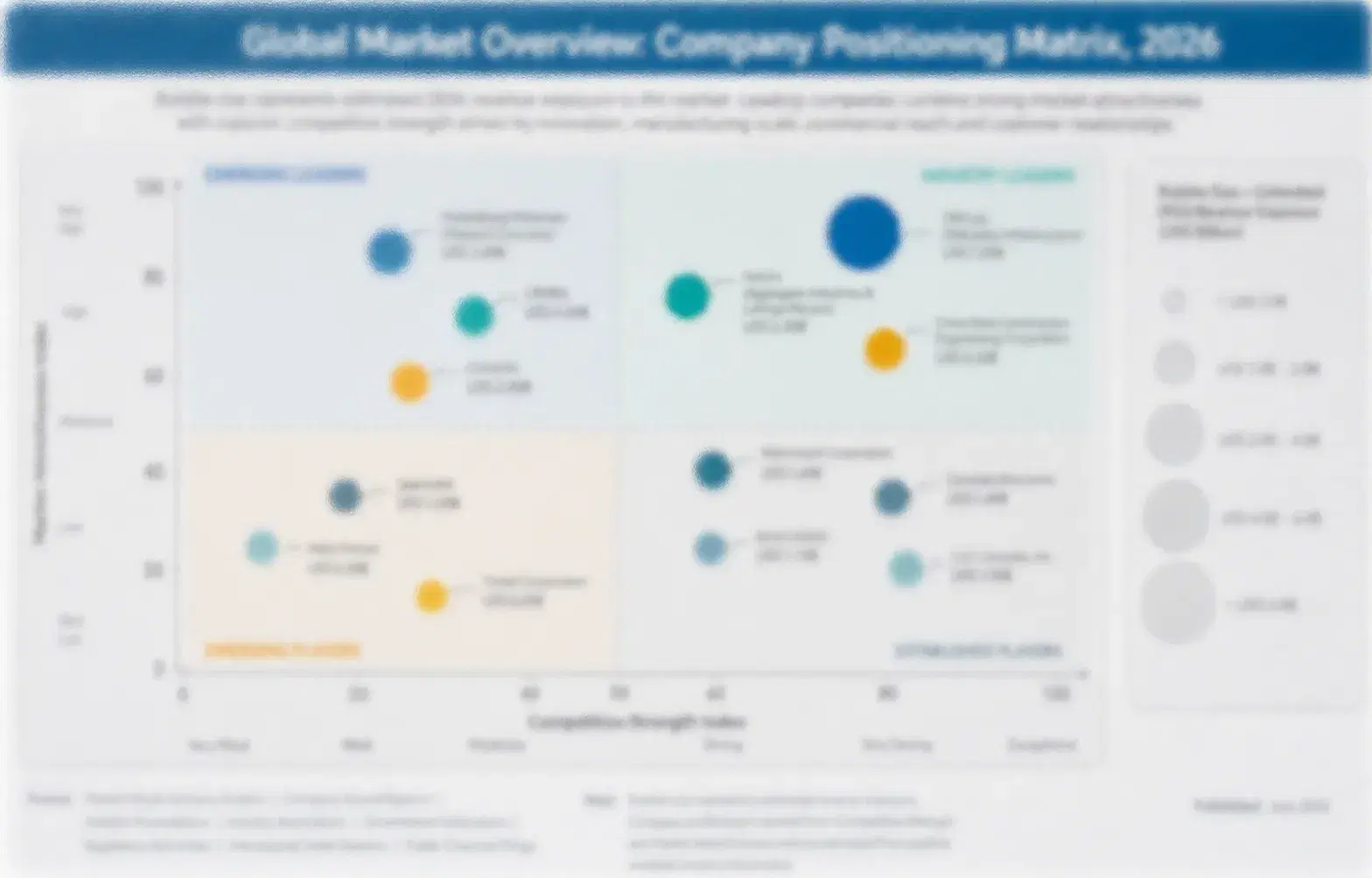
The high oleic soybean industry is highly concentrated at the seed and crush stages, with the top five companies holding about 62% of the market, the basis used throughout this section. Corteva, Bayer, Archer Daniels Midland, Bunge, and Cargill lead through trait ownership, crush capacity, and customer relationships, while regional crushers and cooperatives serve local markets. The gap between leaders and challengers is large. Concentration reflects trait and logistics control, not brand alone.
Competition centers on three dimensions: trait access and seed performance, identity-preserved crush and storage capacity, and oil stability data and technical support for frying and industrial uses. Leaders sign multi-year agreements with growers, restaurant chains, and formulators, while challengers compete on price and local service. Biolubricant certification and traceability claims add another layer of differentiation. Consistency decides listings.

Emerging pressure comes from high oleic sunflower and canola suppliers, from Brazilian and Argentine crushers adding identity-preserved programs, and from gene-editing start-ups launching new traits. Rankings shift where companies secure trait access, win biolubricant qualifications, or lose to lower-cost oils. Acquisitions of regional crushers and licensing of new traits will reorder positions faster than organic growth, especially as buyers look for supply that reduces dependence on one crop.
high-oleic-soybean-market-share-analysis-company-positioning-matrix-1789766195119

Competitive Moat and Risk Dimensions

CORTEVA

Moat: Plenish Trait and Seed Leadership

Corteva is a global agriscience company whose Pioneer seed business developed Plenish high oleic soybeans, one of the leading traits in the market. Its breeding programs, grower relationships, and contracts with crushers give it a strong position in identity-preserved supply, and its agronomy support helps growers manage yield and premiums while giving downstream buyers confidence in oil quality.
CORTEVA

Risk: Premium Dependence and Trait Competition

Corteva's high oleic business depends on grower premiums and crusher contracts, so narrowing spreads or shifting fuel policy can reduce farmer interest. Competing traits from Bayer and gene-editing entrants may offer better yield or stacked traits, and if buyers shift toward high oleic sunflower or canola, seed volumes could weaken.
ARCHER DANIELS MIDLAND

Moat: Global Crush and Refining Scale

Archer Daniels Midland is one of the world's largest oilseed processors, with crush and refining plants across North America, Europe, and South America, and it runs identity-preserved programs for specialty oils including high oleic soybean. Its grain origination network, logistics, and food and industrial customer base let it aggregate contracted acreage and supply consistent oil.
ARCHER DANIELS MIDLAND

Risk: Fuel Exposure and Low Margins

ADM's soybean crush economics are increasingly tied to renewable diesel demand, so identity-preserved oil competes for plant capacity with fuel-grade oil. Segregation adds cost, and thin processing margins can limit investment, while specialty competitors and seed-linked programs may win growers with clearer premiums. Regulatory shifts add uncertainty.

Players Tracked

Prominent Players

Corteva
Bayer
Archer Daniels Midland
Bunge
Cargill

Other Key Players

Louis Dreyfus Company
Wilmar International
AAK
Ag Processing Inc
Perdue AgriBusiness
CHS
Benson Hill
Cibus
Stratas Foods
Richardson International
Viterra
COFCO International
Sysco
Kerry Group
Ingredion

Recent Developments

MARCH 2026

Archer Daniels Midland Expands Identity-Preserved High Oleic Crush Capacity in the Midwest

Archer Daniels Midland completed an organic expansion of identity-preserved crush and storage capacity, adding dedicated high oleic bean handling and oil refining lines. The project is internal capital spending, not an acquisition or joint venture. It raises supply for foodservice and industrial buyers and improves traceability.
Signal: Shows large crushers investing in identity-preserved capacity to serve growing frying and industrial demand for high oleic oil.
OCTOBER 2025

Corteva Signs Multi-Year Grower Programs With Crushers for Plenish High Oleic Acreage

Corteva signed multi-year grower programs with crushers and elevators to expand contracted Plenish high oleic acreage across Iowa, Illinois, and Ohio. The programs are commercial contracts, not equity stakes. They give crushers predictable supply, share premium risk with growers, and support acreage growth for foodservice and industrial oil demand.
Signal: Confirms seed developers are locking in contracted acreage through multi-year programs to protect crushers and buyers from premium volatility.
JANUARY 2026

Bunge Launches High Oleic Soybean Oil Program for Brazilian Foodservice Customers

Bunge launched a high oleic soybean oil program for Brazilian foodservice customers, using contracted acreage and identity-preserved crushing in Brazil and sold with fry life data. The launch is a product introduction, not an acquisition. It extends high oleic supply into Latin America and builds a base for export.
Signal: Shows global crushers extending high oleic programs into Brazil to serve frying demand and grow contracted acreage.

What Drives High Oleic Soybean Costs

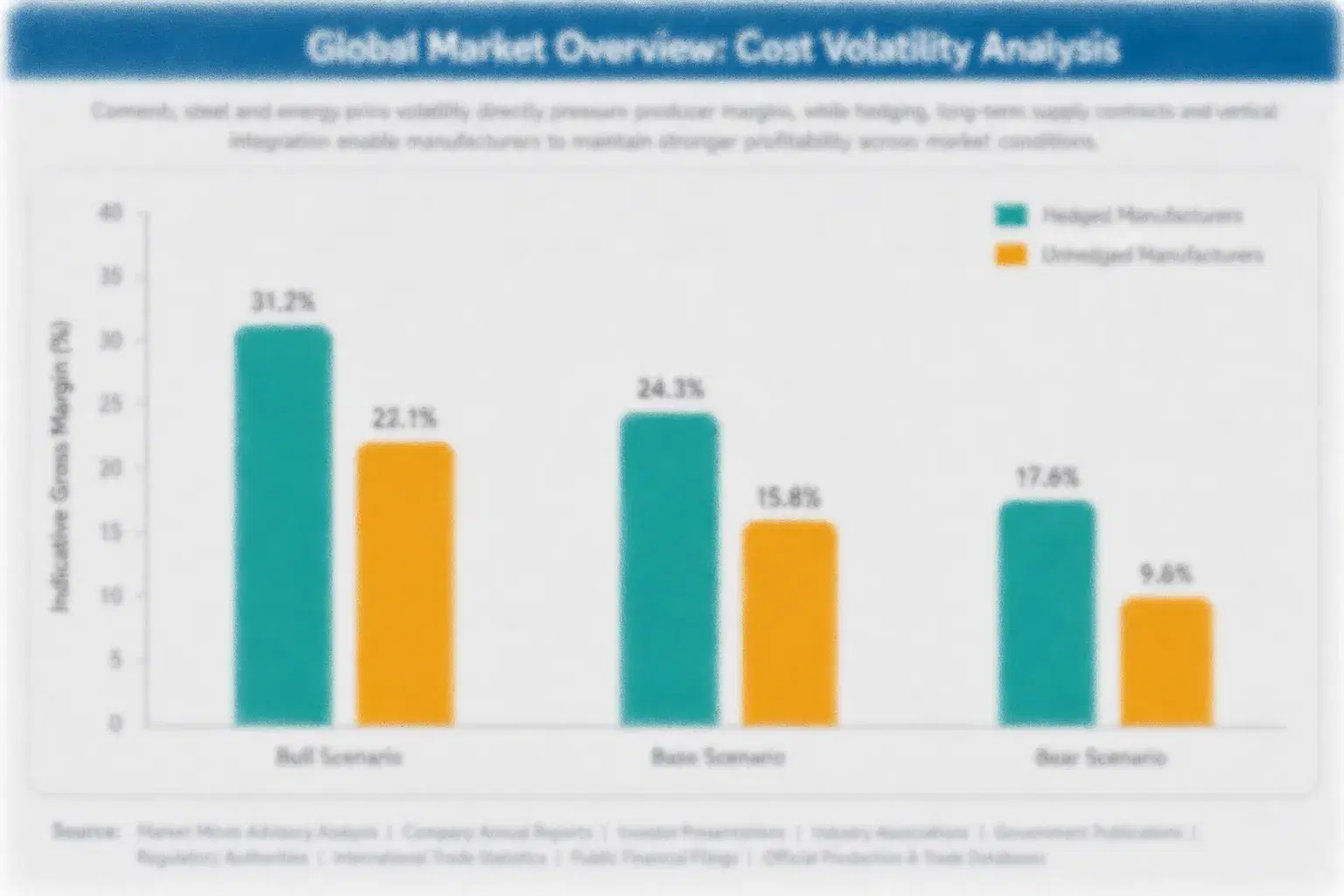
Soybeans account for roughly 80% of cost of goods for crushers, including grower premiums, and crush, refining, energy, identity-preserved storage and testing, freight, and packaging add most of the remainder. Beans are sourced mainly from the United States, Brazil, and Argentina, so soybean price, oil yield near 19% of bean weight, and segregation cost near 6% together determine gross margin for crushers supplying foodservice and industrial buyers.
Soybean and energy prices spiked in 2021 and 2022, according to USDA Agricultural Marketing Service price data and International Energy Agency energy market reports, as war-related disruption, drought, and biofuel demand lifted oilseed prices while natural gas costs rose for refining. Crushers with fixed-price contracts absorbed losses, others added surcharges, and some buyers switched temporarily to palm and sunflower oil. Margins narrowed noticeably as customers negotiated harder on renewals.

Exposure varies by player type and geography. Integrated crushers with contracted acreage, dedicated storage, and refining capacity absorb shocks better than small refiners buying spot oil. United States crushers face fuel policy and freight risk, Brazilian crushers face currency and logistics risk, and premium industrial and certified lines pass costs through more easily than commodity frying oil sold in bulk to distributors.
high-oleic-soybean-market-share-analysis-cost-volatility-analysis-1789766195426

Signing Multi-Year Grower Contracts With Indexed Premiums

Crushers negotiate multi-year agreements with growers in the United States, Brazil, and Canada, mixing fixed and indexed premiums to spread risk across seasons and geographies. Stable premiums reduce acreage swings when fuel demand shifts, and quality clauses secure oleic content, purity, and delivery timing. Contracted supply also lets crushers plan dedicated runs and cut spot purchases during price spikes.

Investing in Dedicated Storage and Testing to Cut Segregation Cost

Crushers build dedicated bins, rapid oleic testing, and identity-preserved logistics that reduce segregation cost per tonne by 20% to 40% through scale and better utilization. Lower handling cost protects margin from price spikes and reassures buyers on purity, though capital cost is high and payback takes years. Crushers offset investment through premiums and long-term contracts, and reviews stay annual.

Passing Costs Through Index-Linked Pricing With Major Customers

Large restaurant chains and formulators agree to formulas linking oil price to published soybean oil and energy indices plus a fixed premium, so cost swings are shared rather than absorbed by crushers. Quarterly resets keep buyers informed and reduce disputes. Premium industrial and certified lines use annual pricing, since customers value stable supply. Terms remain annual.

Portfolio Architecture for Margin Defence

Margins run from thin returns on commodity-grade soybean oil and bulk high oleic oil sold to distributors to strong profits on industrial biolubricant grades, tuned frying blends, and certified identity-preserved oil sold with stability data, with gross margin roughly doubling between the volume tier and the top tier. Trait access, segregation discipline, and documented performance add pricing power over the same bean, and buyers pay for reliability because contaminated oil can ruin a fryer program.
Volume and premium pull in different directions. Bulk high oleic oil sells in large lots to price-driven distributors and snack makers at thin margins and faces constant pressure from palm olein and sunflower oil. Industrial grades, tuned blends, and certified oil sell in smaller lots at much higher margins but need testing, dedicated storage, and technical service, so suppliers must choose how much capital to commit to premium positioning.

High-value pools concentrate in biolubricant oil for utilities and industrial users, tuned frying blends for restaurant chains, and traceable oil for packaged food brands. These segments benefit from recurring orders, documented quality, and limited competition from small crushers. Suppliers combining trait access, identity-preserved crushing, and customer testing hold advantages that are difficult to replicate quickly.

Volume / Commodity-Adjacent Tier

Bulk high oleic soybean oil and commodity-grade blends sold to distributors and snack makers, with thin margins, fuel policy price exposure, and competition from palm olein and sunflower oil worldwide, where buyers switch when spreads move.
Gross Margin: 6%-14%

Premium / Certified Tier

Identity-preserved and stability-tested high oleic oil sold under annual contracts to restaurant chains and food makers that require documented oleic content, low peroxide values, traceability, and reliable delivery through each season.
Gross Margin: 14%-24%

Sustainability / Regulatory / Next-Generation Tier

Biolubricant-certified, tuned frying, and shortening blends with field trial data and application support, positioned for bio-based fluids, palm-free labels, and long fry life across major markets, supported by testing, certification, and traceable acreage.
Gross Margin: 22%-36%
high-oleic-soybean-market-share-analysis-portfolio-architecture-1789766195732

High-value Sub-segments and Strategic Watch-out

Industrial and Biolubricant Oil

Industrial and biolubricant oil combines the fastest growth with strong pricing, as formulators and utilities pay premiums for oxidation stability and biodegradability. Testing to industry standards and dedicated supply limit competition, and suppliers with field trial data and technical service win multi-year contracts from large industrial and public accounts.
Gross Margin: 22%-36%

Food Manufacturing Oil

Food manufacturing oil offers high value with steady growth, since snack, bakery, and prepared food makers pay premiums for shelf life, neutral flavor, and trans-fat-free labels. Palm and sunflower competition constrains pricing, though sustainability claims help, and blends tuned for texture are widening the buyer base for suppliers.
Gross Margin: 14%-26%

Foodservice Frying Oil

Foodservice frying oil forms the volume core, sold to restaurant chains, distributors, and institutions who want long fry life and stable performance. Margins are thin and exposed to commodity swings, but steady demand supports scale, and crushers with contracted acreage and distributor relationships hold cost advantages.
Gross Margin: 6%-14%

Planting Seed and Trait Licensing

Planting seed and trait licensing is a strategic watch-out, dependent on grower premiums, trait patents, and regulatory approvals, with risks from premium narrowing, competing traits, and gene-editing entrants. Changing fuel policy and grower economics could shift acreage, so seed companies should track premiums and adoption carefully today.
Gross Margin: 30%-50%

Why Buyers Stay With Suppliers

High oleic soybean oil demand behaves like an annuity once a restaurant chain, food maker, or formulator approves a supplier. Fry life, oxidation stability, and traceability are tied to a specific program, so switching means new trials, possible line adjustments, and risk of quality complaints. Suppliers that serve the same account for years earn steady volume, and annual contracts renew at modest price changes rather than open tenders.
Stickiness varies by vertical. Industrial formulators and utilities are the deepest, since qualification trials take years and switching is costly. Restaurant chains with long fry life targets are next, because oil management and cost per batch raise switching cost. Distributors and small food makers are shallower, moving between suppliers when price spreads change, and public buyers rebid contracts every few years, though those relationships remain cautious after quality incidents.

Buyer profiles are shifting. Older buyers focused on price, hydrogenated shortening, and long-standing brands, while younger brand managers and engineers look for palm-free, bio-based, and traceable oil with technical support and digital ordering. Online platforms let small firms source niche lots, and sustainability communities amplify demand through social media, so suppliers that answer with clear data and technical help keep loyalty across generations.
high-oleic-soybean-market-share-analysis-end-use-penetration-index-1789766196000

MMA Verdict on High Oleic Strategy

These are among the four positions where our research anticipates prominent divergence between winners and laggards over the coming forecast period. Each is grounded in the demand model, the regulatory perimeter, and the announced capacity pipeline.
01 / GROWER ACREAGE SECURITY

Lock In Acreage With Stable Multi-Year Premiums

Grower premiums narrow when fuel demand lifts commodity oil, and crushers lose 6 to 10 margin points when acreage falls. Multi-year premiums of $0.25 to $0.50 per bushel cost 3% to 5% of oil value but protect supply. MMA recommends contracting at least 60% of annual identity-preserved needs with multi-year premiums within two years, because foodservice and industrial buyers reward reliable supply, and crushers that keep lines running during shortages win permanent customers from rivals that cannot, while steady sourcing also protects margin.
02 / INDUSTRIAL OIL DEVELOPMENT

Certify Biolubricant Grades Before Formulators Lock Suppliers

Industrial oil grows at 10.6% a year, about 1.47 times the market rate, and certified grades earn 15% to 30% above commodity high oleic oil. Testing programs cost $300,000 to $1 million. MMA advises completing standard testing and field trials with two anchor formulators within 24 months, because formulators that qualify one supplier rarely add a second, and early entrants gain data and reference customers that late entrants struggle to match, while public bio-based purchasing programs also support demand, and repeat orders follow.
03 / SEGREGATION COST CONTROL

Build Dedicated Identity-Preserved Capacity to Cut Per-Unit Cost

Segregation adds 5% to 8% to oil cost, and dedicated lines cost $5 million to $20 million. Scale can cut per-unit cost by 20% to 40%. MMA recommends building dedicated storage, rapid testing, and crush runs at the largest plants first, since lower cost protects margin against palm and sunflower competition, strengthens purity assurances for buyers, and gives sales teams a credible answer when customers compare suppliers on traceability, while long-term contracts support financing, and stable supply also supports long-term contracts and financing.
04 / RESTAURANT PROGRAM STRATEGY

Sell Tuned Frying Blends to Chains With Fry Life Guarantees

Tuned blends earn gross margins of 15% to 25% against 6% to 12% for bulk oil. Chains value long fry life and clean labels. MMA advises pursuing annual programs with two national chains and one distributor over the next two years, with fry life data and oil management support, since multi-year listings secure volume, reduce reliance on commodity buyers, and give suppliers a differentiated offer that competitors cannot easily copy, while consistent supply builds trust, and reliable delivery builds trust across regions.

Engagement Snapshot From the Field

A live engagement with an industry participant carrying material or product regulatory and market exposure ahead of a defining policy shift, showing how our research translates into a defensible multi-year portfolio strategy.
MARKET MINDS ADVISORY · CLIENT ENGAGEMENT SUMMARY
High Oleic Soybean Producer Strategic Portfolio Review and Transition Roadmap 2026·Investment Scenario on High Oleic Soybean Exposure Evaluation 2025-26
CLIENT PROFILE
The client is a mid-sized American soybean crusher with two plants in the Midwest and a small identity-preserved high oleic line, generating roughly $420 million in annual revenue (client-reported, unverified by MMA), selling oil to distributors and snack makers. Gross margin on high oleic oil sat near 8% (client-reported, unverified by MMA), and premium narrowing had cut contracted acreage in two of the last three seasons.
STRATEGIC CHALLENGE
Renewable diesel demand lifted commodity oil prices, growers moved acreage back to commodity soybeans, larger crushers were selling biolubricant and tuned frying grades, and two industrial formulators asked for certified supply the client could not provide. Leadership needed a plan that secured acreage, justified new testing and storage, and lifted margin without overextending capital. The board wanted a decision within nine months, before planting.
MMA APPROACH
MMA benchmarked nine crushers on acreage programs, segregation cost, and product mix, interviewed restaurant chains, formulators, and growers about premium willingness, and modeled the economics of multi-year premiums, dedicated storage, biolubricant certification, and tuned blends under bull, base, and bear fuel policy scenarios. Analysts also reviewed the client's customer mix and pricing history to identify accounts that would pay for certified supply.
KEY FINDINGS
  1. Multi-year premiums of $0.35 per bushel covering 60% of needs would stabilize acreage and cut margin volatility from about seven points to three points, according to the acreage model.
  2. Dedicated storage and rapid testing costing about $9 million (client-reported, unverified by MMA) would cut segregation cost by roughly 30% and improve purity assurance.
  3. Biolubricant certification could open industrial accounts worth roughly 15% of current oil sales at premiums of 20%, based on formulator interviews, according to trial results.
  4. Tuned frying blends could earn margins near 20% but needed fry life trials and distributor partnerships in the first two years, based on early pilot feedback.
CLIENT PROFILE
The client is a mid-sized American soybean crusher with two plants in the Midwest and a small identity-preserved high oleic line, generating roughly $420 million in annual revenue (client-reported, unverified by MMA), selling oil to distributors and snack makers. Gross margin on high oleic oil sat near 8% (client-reported, unverified by MMA), and premium narrowing had cut contracted acreage in two of the last three seasons.
STRATEGIC CHALLENGE
Renewable diesel demand lifted commodity oil prices, growers moved acreage back to commodity soybeans, larger crushers were selling biolubricant and tuned frying grades, and two industrial formulators asked for certified supply the client could not provide. Leadership needed a plan that secured acreage, justified new testing and storage, and lifted margin without overextending capital. The board wanted a decision within nine months, before planting.
MMA APPROACH
MMA benchmarked nine crushers on acreage programs, segregation cost, and product mix, interviewed restaurant chains, formulators, and growers about premium willingness, and modeled the economics of multi-year premiums, dedicated storage, biolubricant certification, and tuned blends under bull, base, and bear fuel policy scenarios. Analysts also reviewed the client's customer mix and pricing history to identify accounts that would pay for certified supply.
KEY FINDINGS
  1. Multi-year premiums of $0.35 per bushel covering 60% of needs would stabilize acreage and cut margin volatility from about seven points to three points, according to the acreage model.
  2. Dedicated storage and rapid testing costing about $9 million (client-reported, unverified by MMA) would cut segregation cost by roughly 30% and improve purity assurance.
  3. Biolubricant certification could open industrial accounts worth roughly 15% of current oil sales at premiums of 20%, based on formulator interviews, according to trial results.
  4. Tuned frying blends could earn margins near 20% but needed fry life trials and distributor partnerships in the first two years, based on early pilot feedback.
RECOMMENDED STRATEGY
Phase 1: Phase 1 (Months 1-6): Sign multi-year premium contracts for 60% of identity-preserved needs, and begin dedicated storage and rapid testing upgrades. Phase 2: Phase 2 (Months 7-18): Complete biolubricant testing, launch tuned frying blends, and pilot programs with two restaurant chains and one distributor. Phase 3: Phase 3 (Months 19-30): Scale industrial and blend volumes, sign multi-year agreements with anchor customers, and review pricing formulas every quarter.
OUTCOME
Within 30 months, industrial and tuned blend lines reached about 28% of high oleic oil sales, and gross margin on high oleic oil rose from 8% to about 15% (client-reported, unverified by MMA). Acreage stabilized after multi-year premiums, two formulators signed three-year agreements, and the board approved a second identity-preserved line for the following year.

Frequently Asked Questions

Foundational context covering the market sizes, CAGR, scope, country, region and competition that inform every finding below. This section is provided to cover basics and most often pre-purchase conversations, answered from the MMA Primary Research Dataset.

What is the current size of the High Oleic Soybean Market?

The global high oleic soybean market was valued at $3.4 billion in 2025. This covers planting seed and trait licensing and refined oil for foodservice, food manufacturing, and industrial uses.

How large will the High Oleic Soybean Market be by 2036?

MMA projects the market will reach approximately $7.3 billion by 2036. This represents cumulative growth of roughly $3.7 billion over the full ten-year forecast window.

What is the CAGR for the High Oleic Soybean Market 2026 to 2036?

The market is forecast to grow at a 7.2% compound annual rate between 2026 and 2036. The bull case reaches 8.5% while the bear case falls to 5.9%.

Which segment is growing fastest?

Industrial and Biolubricant Oil is the fastest-growing segment at 10.6% CAGR, roughly 1.47 times the overall market rate. Food Manufacturing Oil follows as the second-fastest segment at 8.2% CAGR each year.

Who are the major companies in the High Oleic Soybean Market?

Leading companies include Corteva, Bayer, Archer Daniels Midland, Bunge, and Cargill. These five companies together hold an estimated 62% of total global market revenue, based on MMA analysis of company disclosures.

Which country is growing fastest?

Brazil is the fastest-growing major market, expanding at approximately 9.0% CAGR each year. Expanding seed access, contracted acreage, and identity-preserved crush capacity are driving this above-market growth across the country.

Report Segmentation Architecture

The full report scope spans multiple orthogonal segmentation dimensions, with cross-tabulated demand data provided for each dimension pair. Coverage extends further to regional breakdowns, trend trajectories, and the competitive detail needed to support segment-level decision-making.

By Primary Market Dimension

  • Industrial and Biolubricant Oil
  • Food Manufacturing Oil
  • Foodservice Frying Oil
  • Planting Seed and Trait Licensing
  • Shortenings and Blends
  • Specialty Oil Fractions

By End-Use Industry

  • Restaurants and Foodservice
  • Snacks and Bakery
  • Industrial Lubricants and Fluids
  • Utilities and Transformer Fluids
  • Retail and Consumer Cooking

By Commercial Dimension

  • Grower Contract Programs
  • Ingredient Supply Contracts
  • Private Label Programs
  • Distributor Channels

By Region

  • North America
  • Western Europe
  • East Asia
  • South Asia and Pacific
  • Latin America
  • Middle East and Africa
  • Eastern Europe

Scope, Methodology, and Coverage

Every figure in this report is reproducible from documented input assumptions. The scope below maps the historical period, the forecast horizon, the segmentation dimensions, and the countries covered, alongside the underlying primary and qualitative methodology.
Historical Period
2020 to 2025
Forecast Period
2026 to 2036
Base Year
2025 (USD billions; MMA Primary Research Dataset, September 2026)
Market Definition
High oleic soybean comprises soybeans bred or modified to produce oil with typically 70% or more oleic acid, including planting seed and trait licensing, and the refined high oleic soybean oil sold for foodservice frying, packaged food manufacturing, and industrial and biolubricant uses. The scope excludes conventional and low-linolenic soybean oil, high oleic sunflower, canola, and safflower oils, soybean meal sold as feed, and finished consumer products.
Quantitative Units
USD billions (current prices); tonnes of oil and seed for volume references
Segmentation Dimensions
By Product and Channel; By End-Use Industry; By Commercial Dimension; By Region
Regions Covered
North America, Western Europe, East Asia, South Asia and Pacific, Latin America, Middle East and Africa, Eastern Europe
Countries Covered
USA, Canada, Mexico, Brazil, Argentina, Paraguay, Bolivia, Netherlands, Germany, Spain, France, UK, Ukraine, Russia, Poland, Romania, Turkey, Egypt, Saudi Arabia, South Africa, China, Japan, South Korea, India, Australia, Indonesia, and additional markets relevant to this sector
Key Companies Profiled
Corteva, Bayer, Archer Daniels Midland, Bunge, Cargill, Louis Dreyfus Company, Wilmar International, AAK, Ag Processing Inc, Perdue AgriBusiness, CHS, Benson Hill, Cibus, Stratas Foods, Richardson International, Viterra, COFCO International, Sysco, Kerry Group, Ingredion
Quantitative Methodology
Primary survey, n=3,800 respondents, Q4 2025, six countries; demand-side model with trade association cross-validation
Qualitative Methodology
47 expert interviews, Q4 2025; applied to validate demand model assumptions, identify emerging dynamics, and assess competitive positioning
Report Format
PDF and XLSX data workbook (Word format preview document)
Publisher
Market Minds Advisory
Report Code
MMA-2026-AGR-296
Published
September 2026
Contact
sales@marketmindsadvisory.com | www.marketmindsadvisory.com

Purchase the full High Oleic Soybean Market Report (2026 to 2036).

The full report delivers a detailed assessment of global high oleic soybean demand, product mix, and competitive positioning through 2036. It includes segment forecasts by product and channel, country-level data for all seven world regions, and profiles of the twenty companies most relevant to seed and crushing. Analysts also receive input cost modeling and portfolio margin benchmarking built from MMA's primary research dataset. A scenario planning module lets subscribers stress-test bull and bear assumptions against fuel policy and premium outcomes. Quarterly updates keep the whole dataset current throughout the subscription year.
Ten-year segment and regional demand forecasts
Acreage and grower premium tracking by state
Competitive benchmarking of top twenty companies
Fuel policy and premium sensitivity modeling
Regional demand mechanism comparative analysis included
Quarterly primary survey data update access

Built For The People Who Decide

From boardroom strategy to bench-side execution, this report is read cover-to-cover by leaders shaping the next decade of their industry, turning demand scenarios, market dynamics and valuation benchmarks into decisions.
CXOs/ Presidents/ VPs/ Managers
M&A and Corporate Development
Strategy Teams and R&D Heads
Procurement and Product Directors
Regulatory and Compliance Leaders
Investor Relations and Equity Analysts