Market Minds Advisory
High Barrier Lidding Film Market

High Barrier Lidding Film Market: Same Shelf Life, Worse Materials, By Law

Barrier performance came from laminating incompatible materials together, recycling requires that they all be the same one, and converters are now asked to deliver identical shelf life with a worse toolkit.

Lead Analyst

Published

September 2026

Make Smarter Decisions with Customized Research Insights

Request a free sample report and evaluate market opportunities, growth trends, and competitive dynamics relevant to your business needs.

2025 MARKET VALUE$6.0BMarket Size 2025
2036 FORECAST VALUE$12.1BBase Case , 2026 to 2036
CAGR 2026 TO 20366.6 %Bull 7.8% / Bear 5.4%
INCREMENTAL OPPORTUNITY$5.7BNet 10- year value creation
EXPANSION MULTIPLE1.89x2036 value over 2026 base
Strategic Levers
M&A Pipeline
Regional Outlook
Country Rankings
Competitive Intelligence
Segmental Deep-dive
Call-Us : 91 93563 13602

Executive Snapshot and Market Trajectory

For forty years barrier came from laminating aluminium, polyester and polyethylene into a structure none of which can be separated afterward. Recycling rules now require a single material family. The industry has been told to hold shelf life while giving up the tools that delivered it.
East Asia takes 34% of value because vapour-deposited transparent oxide barrier technology was developed in Japan and remains concentrated there, and because Chinese flexible packaging capacity is the largest anywhere by a wide margin. Transparent oxide coated lidding grows at 9.9%, half again the market rate of 6.6%, since it delivers near-foil barrier inside a structure that recyclers accept. Lead time and allocation now matter as much as price does. Nobody outside Asia expected that.
Concentration sits at 33% across converters whose real competition is regional rather than global. The uncomfortable operational truth is that most shelf-life failures in sealed trays are seal failures caused by product contaminating the flange during filling, not permeation through the film. The converter gets blamed for a packing line problem it did not cause and frequently cannot see. Suppliers who investigate the line rather than replacing the roll keep accounts.
Market Definition
The market covers high barrier films used to seal trays, cups and rigid containers, including aluminium foil laminate lidding, EVOH coextruded barrier lidding, metallised polyester lidding, PVDC coated barrier lidding, transparent oxide coated lidding, and mono-material recyclable barrier lidding. Thermoformed base webs and rigid trays, flow wrap and pouch films, labels, corrugated transit packaging, and sealing machinery are excluded. Contract packing services and tray manufacturing fall outside scope.
Base Year Value
$6.0B in 2025 (MMA Primary Research Dataset, August 2026)
Forecast Period
2026 to 2036, eleven discrete annual values
CAGR
6.6% base case. Bull 7.8%. Bear 5.4%.
Fastest Growth Segment
Transparent Oxide Coated Lidding: 9.9% CAGR
Fastest Growth Country
India: 8.8% CAGR
Fastest Growth Region
South Asia and Pacific: 8.6% CAGR
Largest Region
East Asia: 34% of 2025 global value
Market Leaders
Amcor, Constantia Flexibles, Winpak, Berry Global, Toppan. Source: MMA Analysis based on disclosed flexible packaging revenue, company annual reports 2025.
Primary Survey
n=3,800 procurement and R&D decision-makers, Q4 2025, six countries
Methodology
Demand-side build-up, cross-validated against public data, 47 expert interviews

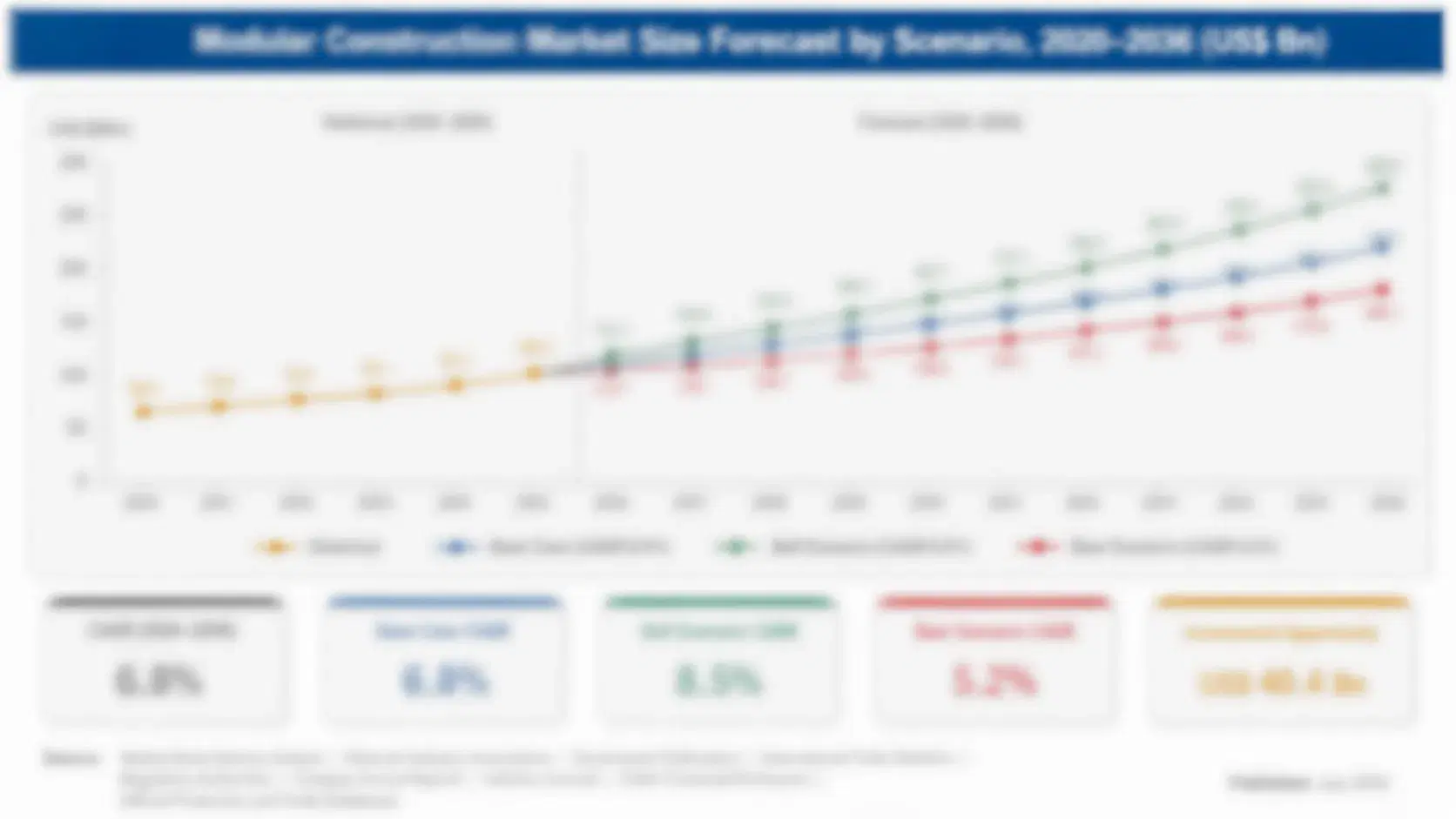
High Barrier Lidding Film Market Forecast Scenarios

high-barrier-lidding-film-market-size-forecast-scenario-1787686878631
Growth from 2020 to 2025 ran at 5.6% and two separate forces shaped it. Chilled ready meal and fresh protein volumes rose sharply through 2020 and 2021 as retail eating replaced eating out, then settled at a level above where they started. Meanwhile European packaging regulation began requiring recyclable structures, which sent converters back to development work on films that had been stable for a decade.
The 6.6% base case rests on three mechanisms. Recyclability requirements keep tightening across Europe and parts of Asia, and every reformulation moves value from aluminium laminates toward oxide coated and mono-material structures that cost more per square metre. Chilled convenience categories continue expanding across Asian organised retail. And downgauging has effectively run out, which removes the deflationary pressure that suppressed reported value growth for two decades. Each mechanism operates independently of the others.
The bull case at 7.8% turns on recyclability rules extending to major Asian markets on fixed compliance dates, which would force reformulation across enormous volumes simultaneously. The bear case at 5.4% is retailers relaxing shelf-life requirements to accept simpler structures, which would move specification downward and reduce barrier value across the whole category quickly. Compliance timing decides both cases.

Barrier Against The Recycling Rules

The engineering conflict at the centre of this market is genuine and not fully solved. Aluminium foil laminates deliver barrier that nothing else matches, and they combine metal with two different polymers in a structure no recycler can separate. Mono-material films recycle and let roughly six times more oxygen through. Converters are being asked to deliver identical shelf life with materially worse permeation performance.
FIVE-FIRM CONCENTRATION33%Share of flexible packaging revenue held by leading converters
LIDDING FILM PRICE$4.10 per kgTypical selling price for a high barrier lidding structure
TOP PRODUCING COUNTRYChina 24%Chinese share of global flexible barrier film output by volume
SEAL FAILURE ATTRIBUTION71%Shelf life failures traced to sealing rather than film permeation
OXYGEN TRANSMISSION GAP6 timesBarrier difference between foil laminates and mono-material alternatives
PRACTICAL GAUGE FLOOR23 micronsThickness below which seal and puncture performance degrade materially
Transparent oxide coating is the closest thing to a resolution. Vapour-deposited silicon and aluminium oxides on polyester give barrier approaching foil while remaining transparent and, in a mono-material construction, acceptable to recyclers. The technology was developed in Japan decades ago and production remains concentrated there so the fastest-growing segment in a global category sits in one country's supply base. Handling discipline matters more than most converters assume, since careless lamination destroys the barrier.
Meanwhile the failures that actually reach consumers mostly have nothing to do with barrier. Roughly 71% of shelf-life failures in sealed trays trace to seal integrity rather than permeation, and the usual cause is product contaminating the tray flange during filling. The film gets returned, the converter gets blamed, and the packing line that caused it carries on unchanged.
"Everybody is arguing about oxygen transmission rates while sauce on the flange is what actually spoils the product. The converters winning right now are the ones who go and look at the filling line."
Director, Flexible Packaging and Barrier Materials Practice · MMA Packaging Practice · August 2026

Market Trends

Recyclability Rules Force Reformulation Of Stable Structures

Packaging regulation and extended producer responsibility fees increasingly penalise multi-material laminates that no recycler can separate, which has sent converters back to development work on structures that had not changed in a decade. Mono-material and oxide coated constructions cost more per square metre and let more oxygen through, so brand owners are absorbing higher cost for worse technical performance because compliance is not optional. Converters holding qualified recyclable structures ahead of compliance dates win reformulation work that competitors reach far too late to contest. Compliance deadlines set the timing entirely.
Market Impact: Produces 24% of global volume

Downgauging Has Reached Its Practical Floor

Lidding films have been thinned steadily for thirty years to save material and cost, and at current gauges around 23 microns further reduction compromises seal integrity and puncture resistance in ways that show up on the packing line rather than in a laboratory. That lever is now exhausted. Cost reduction has to come from simplifying structures instead, which happens to align with what recyclability requires. The deflationary pressure that suppressed reported value growth across two decades has therefore largely gone, which flatters current growth figures somewhat. Structure simplification is the remaining lever.
Market Impact: Sets 12 day shelf requirements

Market Opportunities and Growth Drivers

Asian Chilled Convenience Retail Expands Rapidly

Modified atmosphere trays require lidding film and organised chilled retail is where those trays are sold, which ties demand directly to convenience store and supermarket expansion across Asia. Chinese flexible barrier film output accounts for roughly 24% of global volume and serves both domestic consumption and export. Japanese convenience retail has run sophisticated chilled categories for decades and sets specification standards the region follows. Indian and Southeast Asian organised retail is building cold chains now, which converts unpackaged fresh sales into packaged ones at considerable volume. Cold chain building converts loose sales into packed ones.
Market Impact: Permits 6 times more oxygen

Retail Shelf Life Requirements Set Barrier Specification

The party specifying barrier performance is usually not the converter's customer but the retailer buying from them, since a supermarket requiring twelve days of shelf life determines what structure the packer must use. Those requirements have tightened as retailers extend distribution and reduce delivery frequency. A converter selling to a food manufacturer is therefore working to a specification written by somebody it may never meet. Suppliers who build relationships with retail technical teams influence specifications before they reach the packer, which competitors selling on film performance cannot do. The customer's customer writes the specification here.
Market Impact: Misattributes 71% of failures

Market Restraints and Challenges

Recyclable Structures Cannot Yet Match Foil Barrier

Mono-material lidding lets roughly six times more oxygen through than an aluminium foil laminate, which is adequate for many chilled categories and genuinely insufficient for long shelf life ambient products. Root cause is that foil is a continuous metal layer and polymer barriers depend on tortuous path or coating integrity that flexing damages. The commercial impact is categories where compliance and shelf life cannot both be met, leaving brand owners choosing between them. Mitigation runs through oxide coatings and barrier additives, which narrow the gap without closing it. Ambient long shelf life remains genuinely unsolved.
Market Impact: Cuts barrier by 6 times

Seal Failures Get Attributed To The Film Supplier

Roughly 71% of shelf-life failures in sealed trays trace to seal integrity rather than to permeation, and the usual cause is product contaminating the flange during filling rather than anything the film does. Root cause is that packing lines run fast and filling accuracy degrades with speed and product viscosity. The commercial impact is converters absorbing claims and losing accounts over problems they did not create. Mitigation requires investigating failures on the line rather than replacing the roll, which very few suppliers are staffed to do. Technical service headcount is the answer nobody funds.
Market Impact: Halts thinning below 23 microns
3 additional market trends, 4 additional growth drivers, and 2 additional restraints and challenges are covered in the full report. Contact sales@marketmindsadvisory.com to access the complete intelligence.

Segment CAGR and Growth Architecture

Segmentation follows barrier construction: how each film achieves its permeation performance, rather than which product it seals or which market buys it. Six constructions cover the market without overlap, from aluminium foil laminates through to mono-material recyclable structures. End-use category and commercial arrangement are treated separately here. Both cut across every one of the six constructions listed.
high-barrier-lidding-film-market-market-share-analysis-1787686878887

Transparent Oxide Coated Lidding

Vapour-deposited silicon and aluminium oxide coatings on polyester deliver barrier approaching aluminium foil while staying transparent and, within a mono-material construction, acceptable to recyclers. Growth at 9.9%, half again the market rate of 6.6%, follows recyclability compliance directly rather than any change in what packers want technically. Production capacity is concentrated in Japan where the technology originated decades ago, which means lead time and allocation matter as much as price in a tightening market. Coating integrity under flexing remains the technical limitation, and converters who handle these films carelessly during lamination destroy the barrier they paid for. Handling discipline during lamination therefore matters more than most converters assume it does.
CAGR 9.9%

Mono-Material Recyclable Barrier Lidding

Single polymer family structures using polyethylene or polypropylene with barrier achieved through coatings, additives or coextrusion recycle in existing streams and let roughly six times more oxygen through than foil laminates. Growth at 8.6% is entirely compliance driven, since no packer would choose worse permeation performance voluntarily. The commercially important point is that these structures cost more per square metre than what they replace, which reverses thirty years of packaging cost reduction and creates a conversation with brand owners that most converter sales organisations have never had to hold before. Reversing thirty years of packaging cost reduction is a conversation most converter sales organisations have never had to hold with a brand owner.
CAGR 8.6%
Full segment breakdown across 6 segments available in the complete report.

Regional Architecture and Country Demand Map

Geography follows both barrier technology origin and packing volume, which sit in different places. East Asia leads on oxide coating capacity and sheer flexible film output, Western Europe drives recyclability reformulation, and South Asia grows fastest on cold chain building. Technology origin and packing volume rarely coincide geographically.

North America

American demand runs through fresh protein, prepared meals and dairy packed in modified atmosphere trays at very large scale, with shelf-life specifications set by retail buyers rather than by packers themselves. Recyclability pressure comes from state-level rules and brand commitments rather than from federal regulation, which produces a patchwork that converters find harder to plan around than a single deadline. Foil laminate use remains higher than in Europe for exactly that reason. Canadian demand follows similar patterns with additional provincial requirements. Mexican packing has grown considerably with export protein processing serving American retail specifications directly. A patchwork of state rules is harder for converters to plan around than a single national compliance deadline would be, which slows reformulation considerably.
Share: 22% | CAGR: 6.0% (2026 to 2036)

Western Europe

European packaging regulation and producer responsibility fees have pushed recyclable structure adoption further here than anywhere, which makes this the region where reformulation work concentrates and where compliance deadlines drive commercial timing. German and Dutch converters lead technically. British retail sets some of the most demanding shelf-life specifications anywhere while simultaneously requiring recyclable structures, which is precisely the conflict this market has not resolved. Italian and Spanish demand runs through fresh produce and protein packing. Regional film pricing is disciplined and tender-driven, and converters have absorbed reformulation cost more than they have passed it through. Demanding shelf life alongside mandatory recyclability is exactly the conflict this market has not yet resolved, and British retail imposes both simultaneously.
Share: 23% | CAGR: 5.0% (2026 to 2036)
Regional intelligence for 5 additional markets available in the complete report: East Asia, South Asia and Pacific, Latin America, Middle East and Africa, Eastern Europe. Contact sales@marketmindsadvisory.com.
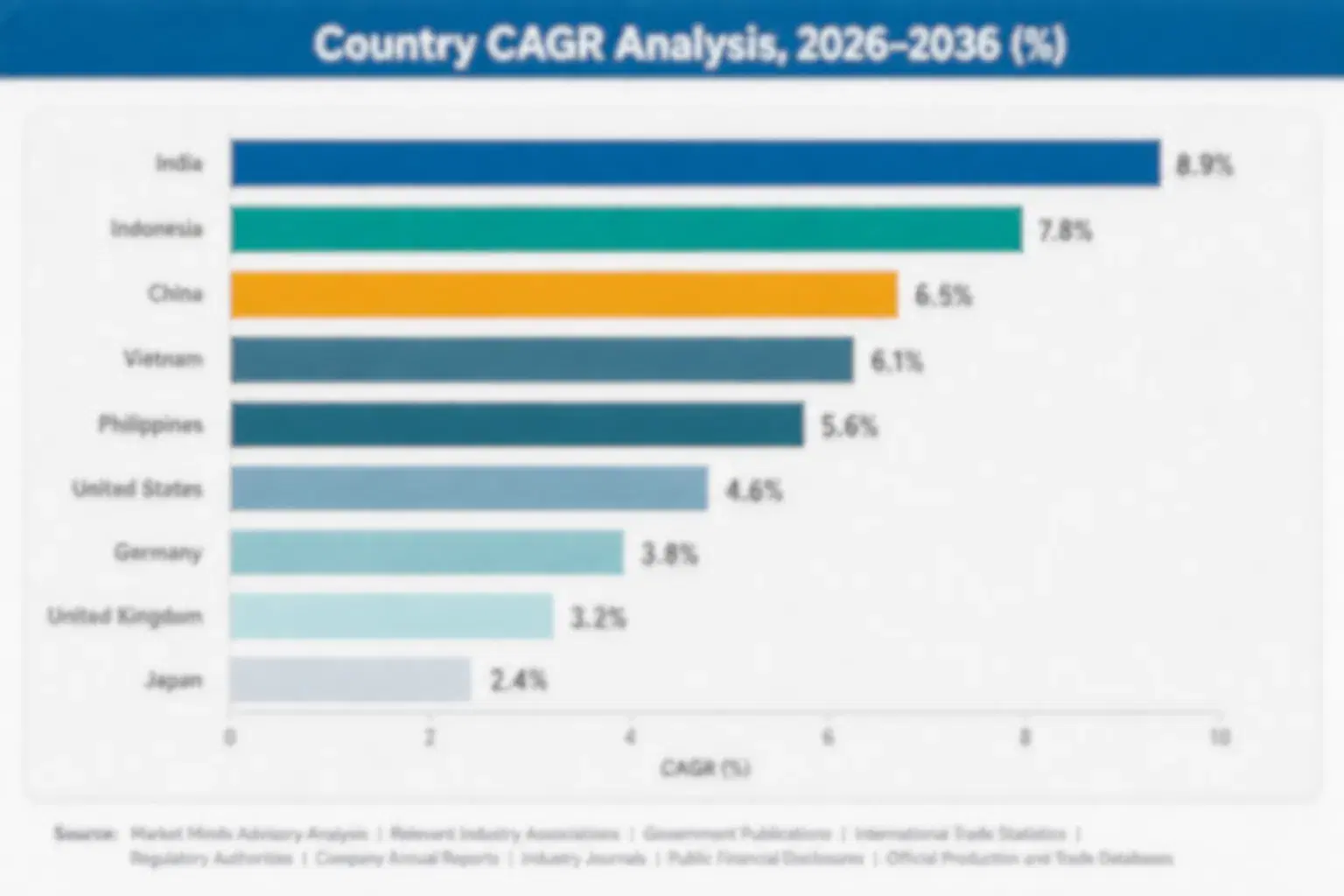
high-barrier-lidding-film-market-country-cagr-analysis-1787686879199

Selling Through The Compliance Conflict

Recyclable structures let six times more oxygen through, roughly 71% of failures are sealing rather than permeation, and downgauging as a cost lever has reached its floor. Four levers work on compliance timing, technical support and specification access rather than on film performance claims alone. Film performance claims reach none of those three problems directly.

Qualify Recyclable Structures Ahead Of Deadlines

Compliance dates are fixed, reformulation takes months of shelf-life validation, and a packer without a qualified recyclable structure before the deadline has a genuine problem rather than a preference. Converters holding qualified constructions early win reformulation work that competitors reach far too late to contest at all. The investment is development and validation trial capacity ahead of demand, which finance functions resist because the revenue is not yet contracted. Every deadline that passes converts that spending into placements which then hold for years. Roughly 6 constructions need requalification per customer, and the work takes months each.
Market Impact: Beats compliance dates across all 6 barrier constructions

Investigate Seal Failures On The Packing Line

Roughly 71% of shelf-life failures trace to seal integrity rather than to permeation, and the usual cause is product on the tray flange during filling rather than anything the film did. Converters who send a technical specialist to the line diagnose the real problem and keep the account. Those who replace the roll absorb the claim and lose the customer eventually anyway. The requirement is technical service headcount rather than any product development, and very few converters are staffed for it despite the cost being modest. The cost is modest and almost nobody carries it.
Market Impact: Resolves 71% of the misattributed film failure claims

Secure Oxide Coating Capacity Before It Tightens

Transparent oxide coated lidding grows at 9.9% and production capacity remains concentrated in Japan where the technology originated. Buyers outside Asia consistently underestimate how much allocation rather than price will govern supply as compliance deadlines cluster. Converters contracting capacity now hold the ability to quote recyclable high barrier structures when competitors cannot supply them at all. The commitment costs working capital and looks unnecessary until the moment several national deadlines arrive within the same eighteen months. Several national deadlines land within eighteen months of each other. Contracting now is the only real protection available to anybody.
Market Impact: Secures the supply for a 9.9% growth construction

Reach Retail Technical Teams, Not Only Packers

A supermarket requiring twelve days of shelf life determines the structure a packer must buy, which means the specification is written by somebody the converter frequently never meets. Building relationships with retail technical functions influences requirements before they reach the packing customer at all. Converters selling only to packers are responding to specifications rather than shaping them, which is a considerably weaker commercial position. Retailers set recyclability deadlines too, so the two conversations happen in the same room. Roughly 12 day requirements are set there rather than by the packer.
Market Impact: Influences the 12 day retail shelf life specifications

Who Controls the Margin Pool

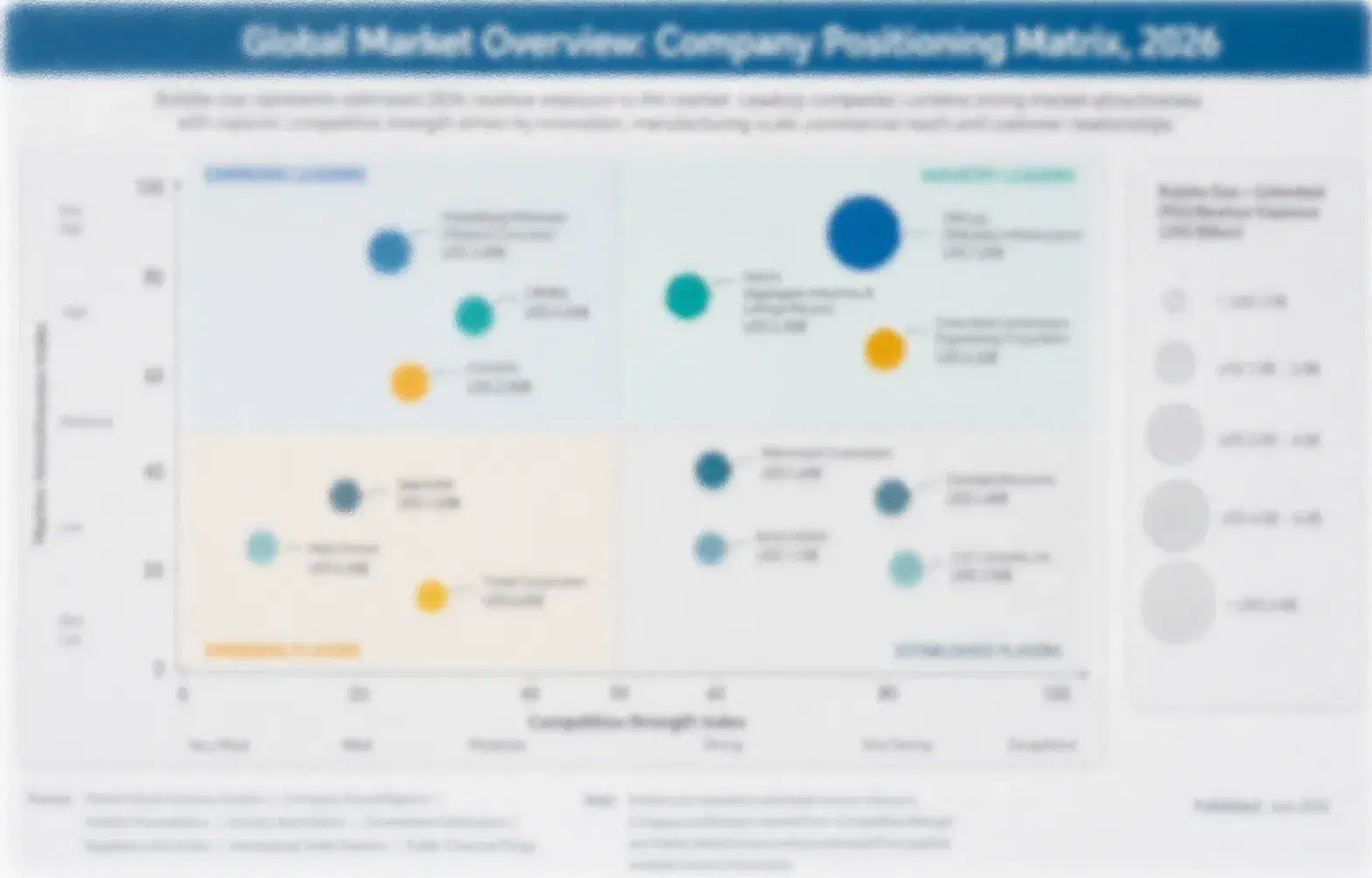
Measured on disclosed flexible packaging revenue, the five leading converters hold a CR3 equivalent of 33%, which is low for a technically demanding category and reflects how regional converting economics remain. Amcor and Constantia hold the broadest positions across barrier structures, while Toppan holds a genuinely differentiated position in transparent oxide coating that no Western converter can match on capacity. Regional converting economics still dominate the structure of this industry.
Three contests define activity. Conventional foil and metallised lidding competes on price and service within regional supply radii. Recyclable and oxide coated structures compete on qualification timing against fixed compliance deadlines. Technical service competes on whether a converter can diagnose a seal failure on a packing line, which most cannot and few customers realise until something goes wrong. A converter strong in one of those contests is frequently absent from the others.

Pressure comes from Chinese converters moving up into higher barrier constructions at prices Western producers cannot match, and from oxide coating capacity concentration that gives Japanese suppliers unusual leverage. Rankings shift around compliance deadlines rather than continuously, since reformulation is when specifications actually open. Reformulation is the only moment specifications genuinely open.
high-barrier-lidding-film-market-company-positioning-matrix-1787686879480

Competitive Moat and Risk Dimensions

AMCOR

Moat: Global Qualification And Scale

Amcor can qualify a structure once and supply it to a multinational brand owner across several continents, which matters enormously to customers running the same product in many markets under different recyclability rules. That coordination is genuinely difficult to replicate regionally. A strong local converter cannot solve a multi-market compliance problem in one conversation.
AMCOR

Risk: Oxide Coating Supply Dependency

Transparent oxide coated films are the fastest growing construction and capacity is concentrated in Japan, which puts a scale converter in the position of buying its most strategic input from suppliers it does not control. Allocation rather than price will govern supply as deadlines cluster. Global reach means little when the substrate cannot be obtained at all.
CONSTANTIA FLEXIBLES

Moat: European Recyclability Development Depth

Constantia has developed recyclable barrier structures under the most demanding regulatory environment anywhere, which produces a qualification portfolio that transfers directly as similar rules appear elsewhere. Development done for European compliance arrives ready for other markets. A converter starting that work now faces years of shelf-life validation before it can quote what Constantia already supplies.
CONSTANTIA FLEXIBLES

Risk: Regional Cost Position Exposure

European converting carries energy and labour costs that Asian competitors do not, and conventional structures compete largely on price within regional supply radii. Recyclability leadership protects the reformulating segment and does considerably less for the conventional volume underneath it. Defending that base means competing on cost from a disadvantaged position indefinitely.

Players Tracked

Prominent Players

Amcor
Constantia Flexibles
Winpak
Berry Global
Toppan

Other Key Players

Sealed Air
Coveris
Mondi
ProAmpac
Uflex
Toray Industries
Dai Nippon Printing
Klockner Pentaplast
Wipak
Huhtamaki
Sonoco Products
Schur Flexibles
Sudpack
Cosmo Films
Jindal Films

Recent Developments

MARCH 2025

Converter qualifies mono-material lidding for chilled protein application

A flexible packaging converter completed shelf-life qualification of a mono-material recyclable lidding structure for chilled protein trays, an internal development programme rather than any partnership. Validation took months of storage trials, and the resulting structure carries materially higher oxygen transmission than the foil laminate it replaces.
Signal: Qualification timing rather than film performance now decides who wins reformulation work at every compliance deadline.
JULY 2025

Japanese producer expands transparent oxide barrier coating capacity

A Japanese producer expanded vapour deposition capacity for transparent oxide barrier films through organic capital investment rather than any acquisition. Demand from converters facing recyclability deadlines had exceeded available allocation, and buyers outside Asia had begun contracting capacity considerably further ahead than previously. Allocation had become the constraint.
Signal: Allocation rather than price is becoming the real constraint on the fastest growing barrier construction available.
OCTOBER 2025

Retailer publishes recyclable packaging deadline for chilled categories

A major retailer published a fixed deadline requiring recyclable packaging across its chilled own-label categories, a commercial policy decision rather than any regulatory action. Suppliers must qualify compliant structures before that date while meeting existing shelf-life specifications the retailer has not relaxed at all. The conflict is unresolved.
Signal: Retailers are setting deadlines faster than regulators, and they are not relaxing the shelf life requirements alongside them.

What The Film Costs

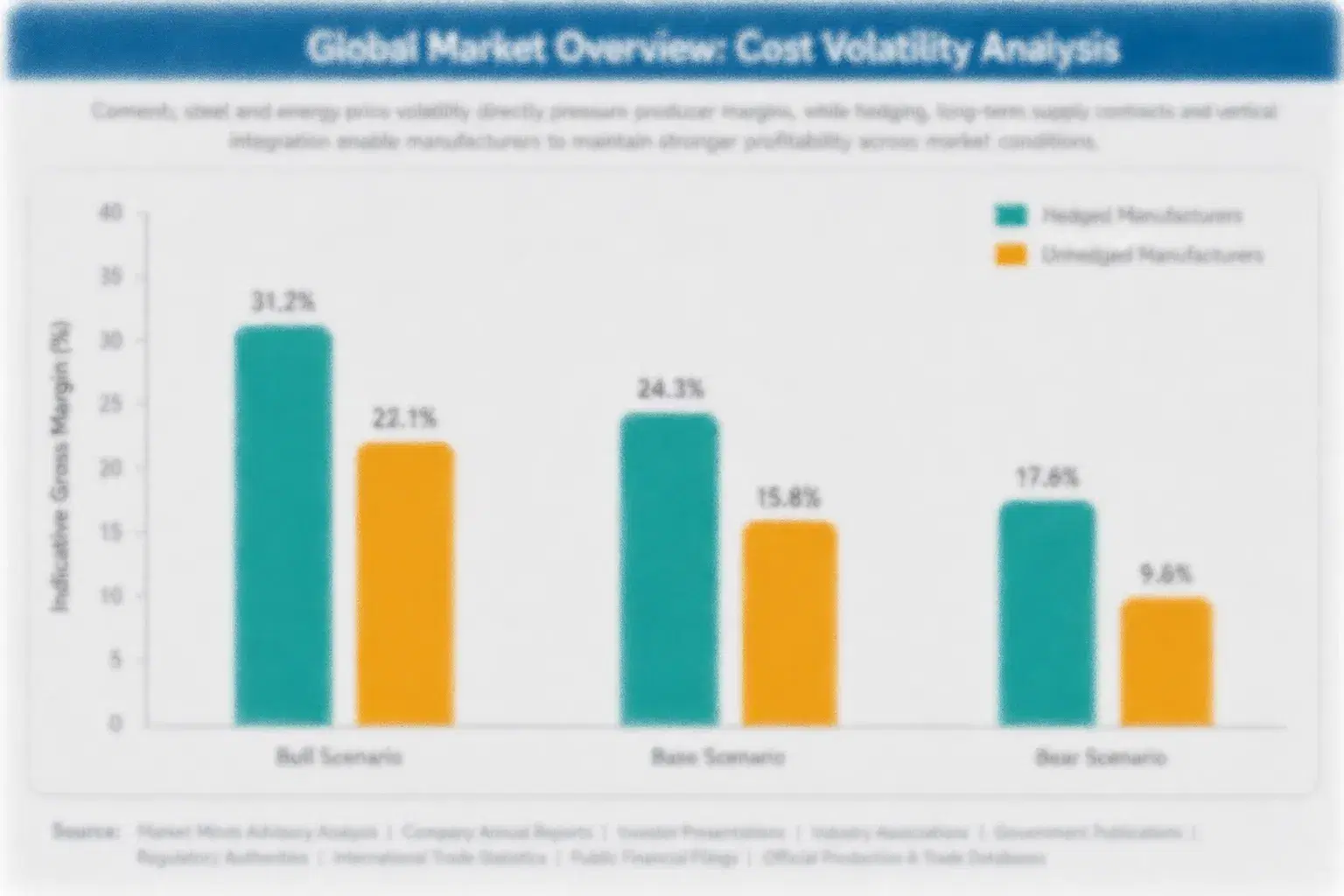
Polymer resin and barrier materials dominate. Polyester, polyethylene and polypropylene resin together with aluminium foil or barrier coating run 52 to 58% of converting cost, with the barrier element accounting for most of the difference between constructions. Adhesives and solvents for lamination follow. Vapour deposition for oxide coated films is capital intensive rather than material intensive, which is precisely why capacity rather than input cost governs its availability.
The volatility that matters is petrochemical and energy driven. Polyester and polyethylene resin pricing moved sharply through 2022 alongside European energy costs, and IEA industrial energy data documents the increases behind it. Amcor and Constantia annual reports describe raw material cost pressure across that period. Converters with indexed customer contracts passed movements through. Those on fixed annual pricing absorbed the increases into margins already thin.

Exposure divides by construction and contract structure. Foil laminate producers carry aluminium pricing on top of polymer exposure. Oxide coated converters carry substrate availability rather than material cost. Mono-material producers carry higher per square metre cost that customers resist because it reverses thirty years of packaging cost reduction. Customers resist because higher cost reverses thirty years of packaging cost reduction.
high-barrier-lidding-film-market-cost-volatility-analysis-1787686879777

Index customer contracts to resin and energy movements

Polymer resin pricing moved sharply through 2022 and converters on annual fixed pricing absorbed it into margins that downgauging had already thinned considerably. Indexed contracts meet customer resistance and get accepted once the alternative is explained properly. Negotiating the clause during a period of stable resin pricing is far easier than attempting it in the middle of a spike.

Contract oxide coated substrate capacity well ahead

Vapour deposition capacity is concentrated in Japan and allocation rather than price will govern supply as compliance deadlines cluster within the same eighteen months. Contracting ahead costs working capital and looks unnecessary until competitors cannot quote recyclable high barrier structures at all. Substrate availability decides who participates in the fastest growing construction here. Nothing else protects participation.

Stop pricing reformulation work as a like-for-like swap

Recyclable structures cost more per square metre and perform worse on permeation, which is not a comparable product and should not be quoted as one. Converters presenting reformulation as a straight substitution invite a price comparison they cannot win. Framing it as compliance delivery with a shelf-life trade-off explained honestly produces a different and considerably more durable conversation.

Portfolio Architecture for Margin Defence

Margin follows qualification difficulty rather than material sophistication. Conventional foil and metallised lidding is comparable, regionally supplied and priced accordingly against whoever converts nearby. EVOH coextrusions earn better on process capability. Oxide coated structures earn most because substrate access limits who can supply them at all. Mono-material constructions earn well where converters priced them as compliance delivery rather than as a substitution.
The tension is that the highest margin business depends on an input concentrated in one country. Oxide coated lidding is where compliance and shelf life meet most successfully, and the substrate comes from a handful of Japanese lines that Western converters neither own nor control. Building that position means contracting capacity ahead of contracted demand, and the converters who hesitated will find allocation decided without them when deadlines cluster.

High-value pools sit in three places. Oxide coated structures with secured substrate supply. Early-qualified recyclable constructions that hold placements for years once a compliance deadline passes. And technical service capability that diagnoses seal failures on packing lines, which retains accounts nobody else can defend. All three require commitment ahead of contracted demand, which is precisely why the field remains open to whichever converters are willing to make it.

Volume / Commodity-Adjacent

Conventional metallised polyester and PVDC coated lidding supplied within regional radii against comparable competitor structures. The 7-point range separates converters with indexed resin contracts from those on fixed annual pricing absorbing petrochemical movements they cannot pass through to customers.
Gross Margin: 17-24%

Premium / Certified

Aluminium foil laminates and EVOH coextruded barrier structures where process capability and consistent seal performance genuinely differentiate. The 7-point spread separates converters with strong technical service and line support from those supplying film against a specification and nothing further.
Gross Margin: 27-34%

Sustainability / Regulatory / Next-Generation

Transparent oxide coated and mono-material recyclable lidding structures. The 20-point range is wide because oxide coated films command scarcity pricing on constrained substrate while mono-material constructions are frequently quoted as like-for-like substitutions that surrender their compliance value.
Gross Margin: 26-46%
high-barrier-lidding-film-market-portfolio-architecture-1787686880058

High-value Sub-segments and Strategic Watch-out

Oxide Coated Structures With Secured Substrate

Highest value and fastest growth at 9.9%, limited by vapour deposition capacity concentrated in Japan rather than by any demand constraint whatsoever. The risk is substrate allocation, since a converter without contracted capacity simply cannot quote when compliance deadlines cluster together. Capacity decides participation. Demand is not the limit.
Gross Margin: 43-46%

Early Qualified Recyclable Constructions

Strong value where converters qualified structures before compliance deadlines and won reformulation work competitors could not contest in time. The risk is pricing them as like-for-like substitutions, which surrenders compliance value and invites comparison the converter cannot win. Framing decides the margin here. Nobody wins a like-for-like comparison.
Gross Margin: 35-38%

Conventional Metallised Lidding

The volume core, supplied regionally against comparable structures where price and service decide everything and Chinese converters press hardest. Producers hold the line because this tonnage carries the line utilisation through which higher value constructions become economically viable to run. Utilisation justifies keeping it. Nobody defends its margin.
Gross Margin: 18-21%

Fixed Price Contract Volume

The strategic watch-out. Volume sold on annual fixed pricing carries full exposure to polymer resin and energy movements at a moment when downgauging can no longer offset them. The risk is a resin spike converting a year of contracted volume into a loss. Downgauging cannot offset it.
Gross Margin: 20-23%

Film Consumed Every Shift

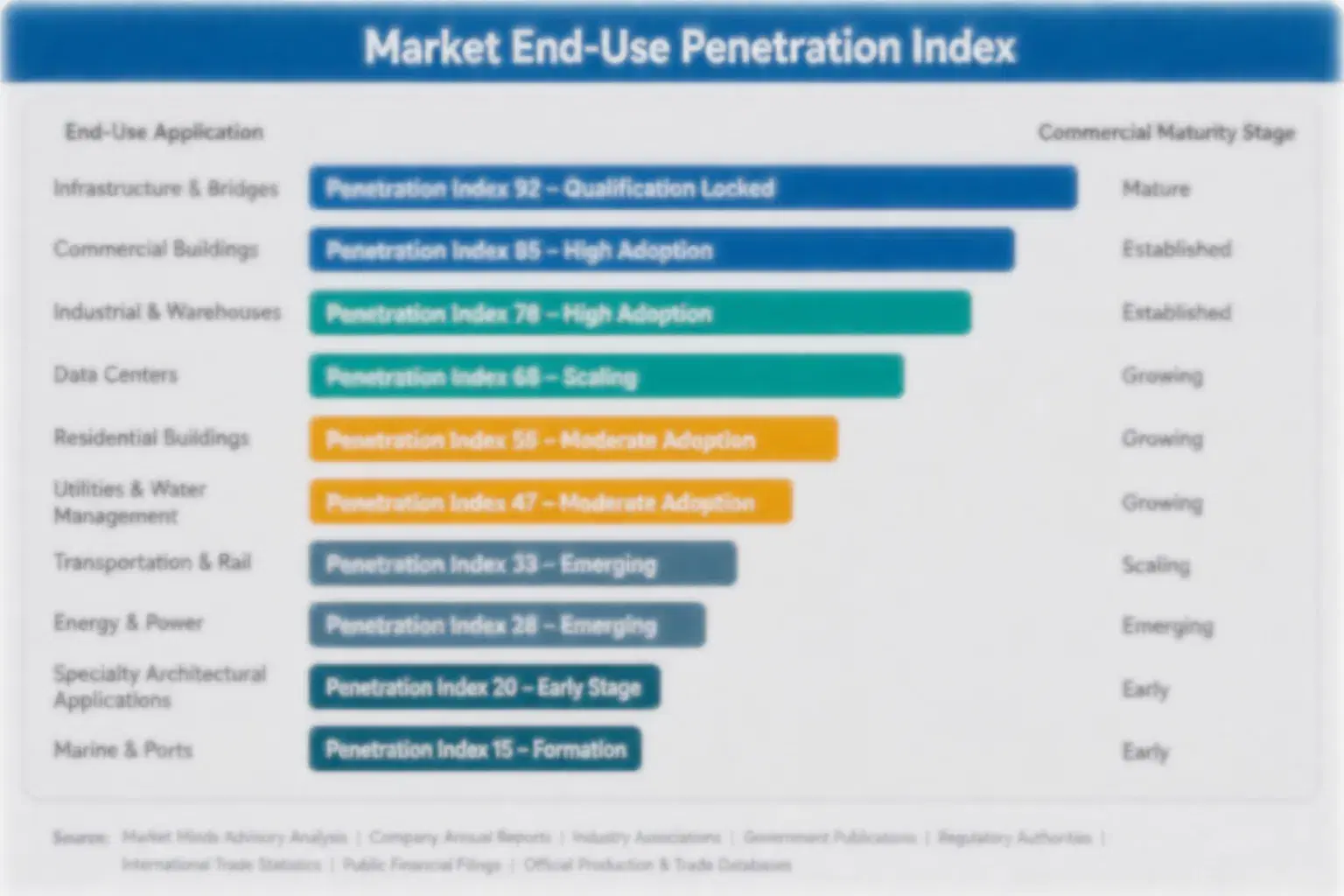
Lidding film is consumed with every tray sealed and never accumulates, which makes demand a direct function of a packer's throughput rather than of any decision revisited periodically. A protein line running two shifts consumes reels continuously and reorders on a schedule nobody thinks about. That is a genuinely reliable annuity, and it explains why converters defend line placements at margins that look thin when examined on their own.
Stickiness depends on how much validation sat behind the placement. A structure qualified through months of shelf-life trials for a specific product and tray does not change casually, since requalification costs the packer time and risk. Conventional metallised lidding moves whenever a nearby converter quotes lower. Oxide coated structures hold hardest of all, because substrate scarcity means an alternative supplier may not be able to supply at any price.

The people deciding have multiplied in a way converters underestimated. A packing plant technical manager once chose film alone. Now a retailer technical team sets shelf life, a sustainability function sets recyclability requirements, and procurement negotiates price, and those three want different things that cannot all be satisfied. Calling on the packer alone misses two of those three conversations.
high-barrier-lidding-film-market-end-use-penetration-index-1787686880343

Compliance Is The Whole Contest

These are among the four positions where our research anticipates prominent divergence between winners and laggards over the coming forecast period. Each is grounded in the demand model, the regulatory perimeter, and the announced capacity pipeline.
01 / DEADLINE QUALIFICATION TIMING

Qualify recyclable structures before the date arrives

Compliance dates are fixed and reformulation requires months of shelf-life validation, so a packer without a qualified recyclable structure before its deadline has a genuine operational problem rather than a purchasing preference. Converters holding qualified constructions early win reformulation work that competitors reach far too late to contest at all. The required investment is development and validation trial capacity well ahead of contracted demand, which finance functions resist, and every passing deadline converts that spending into placements holding for years.
02 / LINE FAILURE DIAGNOSIS

Go and look at the packing line

Roughly 71% of shelf-life failures in sealed trays trace to seal integrity rather than permeation, and the usual cause is product contaminating the tray flange during filling rather than anything the film ever did. Converters who send a technical specialist to the line diagnose the real problem and keep the account, while those who simply replace the roll absorb the claim and lose the customer eventually anyway. The requirement here is technical service headcount rather than any form of product development at all, and very few converters carry it.
03 / SUBSTRATE SUPPLY SECURITY

Japanese coating lines decide who can quote

Transparent oxide coated lidding is growing at 9.9% while vapour deposition capacity remains heavily concentrated in Japan, where the technology was originally developed decades ago. Buyers outside Asia have consistently underestimated how far allocation rather than price will govern supply once compliance deadlines start clustering within the same eighteen month window. Converters that contract substrate capacity now will be able to quote recyclable high barrier structures at exactly the moments when competitors cannot supply them at any price at all.
04 / SPECIFICATION CHAIN ACCESS

The retailer writes the spec, not the packer

A supermarket requiring twelve days of shelf life determines the barrier structure a packer must buy, which means the specification is written by an organisation the converter frequently never meets or speaks to. Retailers are also the parties setting the recyclability deadlines, so shelf life and compliance both get decided in the same room by the same people. Converters selling only to packers end up responding to specifications rather than shaping them, which is a considerably weaker commercial position to occupy.

Engagement Snapshot From the Field

A live engagement with an industry participant carrying material or product regulatory and market exposure ahead of a defining policy shift, showing how our research translates into a defensible multi-year portfolio strategy.
MARKET MINDS ADVISORY · CLIENT ENGAGEMENT SUMMARY
High Barrier Lidding Film Producer Strategic Portfolio Review and Transition Roadmap 2026·Investment Scenario on High Barrier Lidding Film Exposure Evaluation 2025-26
CLIENT PROFILE
A European flexible packaging converter supplying high barrier lidding films to protein, dairy and prepared meal packers across 14 countries, with reported revenue of 240 million euros (client-reported, unverified by MMA). Roughly 69% came from aluminium foil laminate and metallised structures. The company had developed recyclable constructions but had not qualified them with customers, and its commercial team called on packing plant technical managers exclusively.
STRATEGIC CHALLENGE
Two significant accounts had moved reformulation work to competitors ahead of a compliance deadline, and management assumed the competitors had better recyclable technology. Warranty claims for shelf-life failures had also risen sharply. Nobody had established whether the claims were film problems, or why the reformulation work had gone elsewhere. Both assumptions turned out to be wrong.
MMA APPROACH
MMA reconstructed how the two lost reformulation decisions were taken, tracing the specification back through the packer to the retail technical function, which the company had never contacted. Fourteen expert interviews with packers, retail technical staff and sustainability leads established the sequence. Warranty claims were separately analysed against packing line conditions rather than film specifications.
KEY FINDINGS
  1. Both reformulation decisions were made because competitors had already completed shelf-life qualification, not because their recyclable structures performed better technically. Timing rather than technology decided it.
  2. Retail technical teams had set the shelf-life and recyclability requirements months before the packers approached any converter about reformulating. The company was never in that conversation.
  3. Around three quarters of warranty claims analysed traced to flange contamination during filling rather than to any measurable film permeation problem. Roll replacement had solved nothing.
  4. Contracting oxide coated substrate capacity modelled better returns than the conventional capacity expansion under consideration (client-reported, unverified by MMA). Conventional expansion looked increasingly misdirected.
CLIENT PROFILE
A European flexible packaging converter supplying high barrier lidding films to protein, dairy and prepared meal packers across 14 countries, with reported revenue of 240 million euros (client-reported, unverified by MMA). Roughly 69% came from aluminium foil laminate and metallised structures. The company had developed recyclable constructions but had not qualified them with customers, and its commercial team called on packing plant technical managers exclusively.
STRATEGIC CHALLENGE
Two significant accounts had moved reformulation work to competitors ahead of a compliance deadline, and management assumed the competitors had better recyclable technology. Warranty claims for shelf-life failures had also risen sharply. Nobody had established whether the claims were film problems, or why the reformulation work had gone elsewhere. Both assumptions turned out to be wrong.
MMA APPROACH
MMA reconstructed how the two lost reformulation decisions were taken, tracing the specification back through the packer to the retail technical function, which the company had never contacted. Fourteen expert interviews with packers, retail technical staff and sustainability leads established the sequence. Warranty claims were separately analysed against packing line conditions rather than film specifications.
KEY FINDINGS
  1. Both reformulation decisions were made because competitors had already completed shelf-life qualification, not because their recyclable structures performed better technically. Timing rather than technology decided it.
  2. Retail technical teams had set the shelf-life and recyclability requirements months before the packers approached any converter about reformulating. The company was never in that conversation.
  3. Around three quarters of warranty claims analysed traced to flange contamination during filling rather than to any measurable film permeation problem. Roll replacement had solved nothing.
  4. Contracting oxide coated substrate capacity modelled better returns than the conventional capacity expansion under consideration (client-reported, unverified by MMA). Conventional expansion looked increasingly misdirected.
RECOMMENDED STRATEGY
Phase 1: Phase one: begin shelf-life qualification of recyclable structures with existing customers immediately, ahead of the deadlines those customers are already facing. Phase 2: Phase two: build technical service capability to investigate seal failures on packing lines rather than replacing film and absorbing warranty claims. Phase 3: Phase three: establish direct relationships with retail technical and sustainability functions, who set specifications the company currently only receives. They set the requirements first.
OUTCOME
Qualification programmes began with eleven customers and secured reformulation work at eight of them. Warranty claims fell materially once line investigation replaced roll replacement (client-reported, unverified by MMA). Oxide coated substrate capacity was contracted, and the conventional expansion was deferred indefinitely. The commercial model changed more than the product range did.

Frequently Asked Questions

Foundational context covering the market sizes, CAGR, scope, country, region and competition that inform every finding below. This section is provided to cover basics and most often pre-purchase conversations, answered from the MMA Primary Research Dataset.

What is the current size of the High Barrier Lidding Film Market?

The market was worth 6.0 billion dollars in 2025, covering foil laminate, EVOH coextruded, metallised, PVDC coated, oxide coated and mono-material lidding structures. It reaches 6.40 billion dollars in 2026.

How large will the High Barrier Lidding Film Market be by 2036?

MMA forecasts 12.12 billion dollars by 2036, an increase of 5.72 billion dollars over the 2026 base. That represents an expansion multiple of 1.89 times across the forecast period.

What is the CAGR for the High Barrier Lidding Film Market 2026 to 2036?

The base case compounds at 6.6% annually. MMA's bull case reaches 7.8% if recyclability rules extend across major Asian markets, while the bear case sits at 5.4% on relaxed shelf-life requirements.

Which segment is growing fastest?

Transparent oxide coated lidding, at 9.9%, half again the market rate of 6.6%. It delivers barrier approaching foil inside a structure that recyclers will accept.

Who are the major companies in the High Barrier Lidding Film Market?

Amcor, Constantia Flexibles, Winpak, Berry Global and Toppan lead on disclosed flexible packaging revenue. Sealed Air, Klockner Pentaplast, Wipak, Sudpack and Uflex hold strong regional or construction positions.

Which country is growing fastest?

India at 8.8%, driven by organised retail and cold chain infrastructure converting unpackaged fresh sales into packaged trays. China remains by far the largest producer.

Report Segmentation Architecture

The full report scope spans multiple orthogonal segmentation dimensions, with cross-tabulated demand data provided for each dimension pair. Coverage extends further to regional breakdowns, trend trajectories, and the competitive detail needed to support segment-level decision-making.

By Barrier Construction

  • Aluminium Foil Laminate Lidding
  • EVOH Coextruded Barrier Lidding
  • Metallised Polyester Lidding
  • PVDC Coated Barrier Lidding
  • Transparent Oxide Coated Lidding
  • Mono-Material Recyclable Barrier Lidding

By End-Use Industry

  • Fresh and Processed Protein
  • Dairy and Chilled Desserts
  • Prepared and Ready Meals
  • Fresh Produce and Salads
  • Pet Food and Nutrition
  • Pharmaceutical and Medical Packing

By Commercial Dimension

  • Annual Fixed Price Contract
  • Resin Indexed Contract
  • Retail Specification Driven Supply
  • Distributor Supplied Volume
  • Qualified Reformulation Placement
  • Spot and Transactional Supply

By Region

  • North America
  • Western Europe
  • East Asia
  • South Asia and Pacific
  • Latin America
  • Middle East and Africa
  • Eastern Europe

Scope, Methodology, and Coverage

Every figure in this report is reproducible from documented input assumptions. The scope below maps the historical period, the forecast horizon, the segmentation dimensions, and the countries covered, alongside the underlying primary and qualitative methodology.
Historical Period
2020 to 2025
Forecast Period
2026 to 2036
Base Year
2025 (USD billions; MMA Primary Research Dataset, August 2026)
Market Definition
Scope covers high barrier film structures used to seal trays, cups, pots and rigid containers under modified atmosphere or vacuum conditions, spanning aluminium foil laminate lidding, EVOH coextruded barrier lidding, metallised polyester lidding, PVDC coated barrier lidding, transparent oxide coated lidding using vapour deposited silicon and aluminium oxides, and mono-material recyclable barrier lidding. Thermoformed base webs and rigid tray manufacture, flow wrap and pouch films, shrink sleeves and labels, corrugated transit packaging and protective wraps, and tray sealing machinery are excluded. Contract packing services and modified atmosphere gas supply fall outside the boundary.
Quantitative Units
USD billions (current prices); tonnes converted; square metres supplied; oxygen transmission rate; qualified reformulation placements
Segmentation Dimensions
By Barrier Construction; By End-Use Industry; By Commercial Dimension; By Region
Regions Covered
North America, Western Europe, East Asia, South Asia and Pacific, Latin America, Middle East and Africa, Eastern Europe
Countries Covered
China, Japan, USA, Germany, UK, India, France, Italy, Netherlands, South Korea, Brazil, Spain, Poland, Australia, Saudi Arabia
Key Companies Profiled
Amcor, Constantia Flexibles, Winpak, Berry Global, Toppan, Sealed Air, Coveris, Mondi, ProAmpac, Uflex, Toray Industries, Dai Nippon Printing, Klockner Pentaplast, Wipak, Huhtamaki, Sonoco Products, Schur Flexibles, Sudpack, Cosmo Films, Jindal Films
Quantitative Methodology
Primary survey, n=3,800 respondents, Q4 2025, six countries; demand-side model with trade association cross-validation
Qualitative Methodology
47 expert interviews, Q4 2025; applied to validate demand model assumptions, identify emerging dynamics, and assess competitive positioning
Report Format
PDF and XLSX data workbook (Word format preview document)
Publisher
Market Minds Advisory
Report Code
MMA-2026-PAC-102
Published
August 2026
Contact
sales@marketmindsadvisory.com | www.marketmindsadvisory.com

Purchase the full High Barrier Lidding Film Market Report (2026 to 2036).

The full report runs to 170 pages and covers all six barrier construction segments, seven regions and 20 profiled companies in detail. It includes the complete segment CAGR set, regional production and consumption data, and recyclability compliance deadline mapping across fifteen national markets. Company profiles carry evaluation on disclosed flexible packaging revenue, with moat and risk assessment for the top five converters. The competitive section extends to 15 tracked corporate and regulatory developments across 2024 and 2025, each with commercial interpretation. Primary research inputs include a quantitative survey of 3,800 respondents and 47 expert interviews conducted in Q4 2025.
Six barrier construction segments with individual CAGR forecasts
Seven regional markets with production and consumption data
Twenty company profiles on consistent revenue evaluation basis
Fifteen tracked corporate and regulatory developments with interpretation notes
Recyclability compliance deadline mapping across fifteen national markets
Oxide coating substrate capacity analysis by producer and region

Built For The People Who Decide

From boardroom strategy to bench-side execution, this report is read cover-to-cover by leaders shaping the next decade of their industry, turning demand scenarios, market dynamics and valuation benchmarks into decisions.
CXOs/ Presidents/ VPs/ Managers
M&A and Corporate Development
Strategy Teams and R&D Heads
Procurement and Product Directors
Regulatory and Compliance Leaders
Investor Relations and Equity Analysts