Market Minds Advisory
High Altitude Aeronautical Platform Stations Market

High Altitude Aeronautical Platform Stations Market: High Altitude Aeronautical Platform Stations Market. Trends and Forecast 2026 to 2036

Solar-powered stratospheric aircraft are emerging as a cheaper alternative to satellites for persistent regional coverage, pushing operators to fund flight endurance records before rivals lock in spectrum and airspace approvals.

Lead Analyst

Published

September 2026

Make Smarter Decisions with Customized Research Insights

Request a free sample report and evaluate market opportunities, growth trends, and competitive dynamics relevant to your business needs.

2025 MARKET VALUE$0.4BMarket Size 2025
2036 FORECAST VALUE$2.3BBase Case , 2026 to 2036
CAGR 2026 TO 203616.5 %Bull 17.8% / Bear 15.2%
INCREMENTAL OPPORTUNITY$1.8BNet 10- year value creation
EXPANSION MULTIPLE4.61x2036 value over 2026 base
Strategic Levers
M&A Pipeline
Regional Outlook
Country Rankings
Competitive Intelligence
Segmental Deep-dive
Call-Us : 91 93563 13602

Executive Snapshot and Market Trajectory.

Stratospheric platform developers are racing to prove months-long flight endurance for solar-powered aircraft, since persistent regional coverage without launch costs increasingly competes with low Earth orbit satellites for telecom backhaul and surveillance contracts across most defense and connectivity budgets globally and across most government agencies and major telecom operators.
Commercial activity concentrates around solar-powered fixed-wing platforms, since extended flight endurance now justifies development costs that shorter-duration balloon and airship platforms cannot match for persistent coverage applications across most surveillance, agricultural, and connectivity use cases worldwide. Solar-powered fixed-wing HAPS show the fastest growth, with Japan's telecom-backed development programs absorbing a disproportionate share of new platform testing as SoftBank affiliates race toward commercial stratospheric connectivity service ahead of most competitors globally.
Competitive intensity sits moderately concentrated among a handful of aerospace developers controlling roughly half of platform development spending, while smaller specialized firms compete for niche surveillance, agricultural monitoring, and disaster response applications across most regional markets and government agencies. Regulatory approval for stratospheric airspace access and spectrum allocation disputes are reshaping which developers can commercialize platforms fastest without prolonged government coordination requirements slowing deployment timelines considerably.
Market Definition
The High Altitude Aeronautical Platform Stations Market covers solar-powered fixed-wing aircraft, high-altitude balloons, airships, and hybrid platforms operating in the stratosphere between 18 and 25 kilometers altitude for telecommunications relay, Earth observation, and surveillance applications. It excludes low Earth orbit satellites and conventional aviation aircraft sold as separate market categories.
Base Year Value
$0.4B in 2025 (MMA Primary Research Dataset, September 2026)
Forecast Period
2026 to 2036, eleven discrete annual values
CAGR
16.5% base case. Bull 17.8%. Bear 15.2%.
Fastest Growth Segment
Solar-Powered Fixed-Wing HAPS: 21.0% CAGR
Fastest Growth Country
Japan: 19.0% CAGR
Fastest Growth Region
South Asia and Pacific: 18.5% CAGR
Largest Region
North America: 30% of 2025 global value
Market Leaders
Leading participants include Airbus, AeroVironment, BAE Systems, Sceye, and SoftBank. Source: MMA Analysis based on company annual reports.
Primary Survey
n=3,800 procurement and R&D decision-makers, Q4 2025, six countries
Methodology
Demand-side build-up, cross-validated against public data, 47 expert interviews

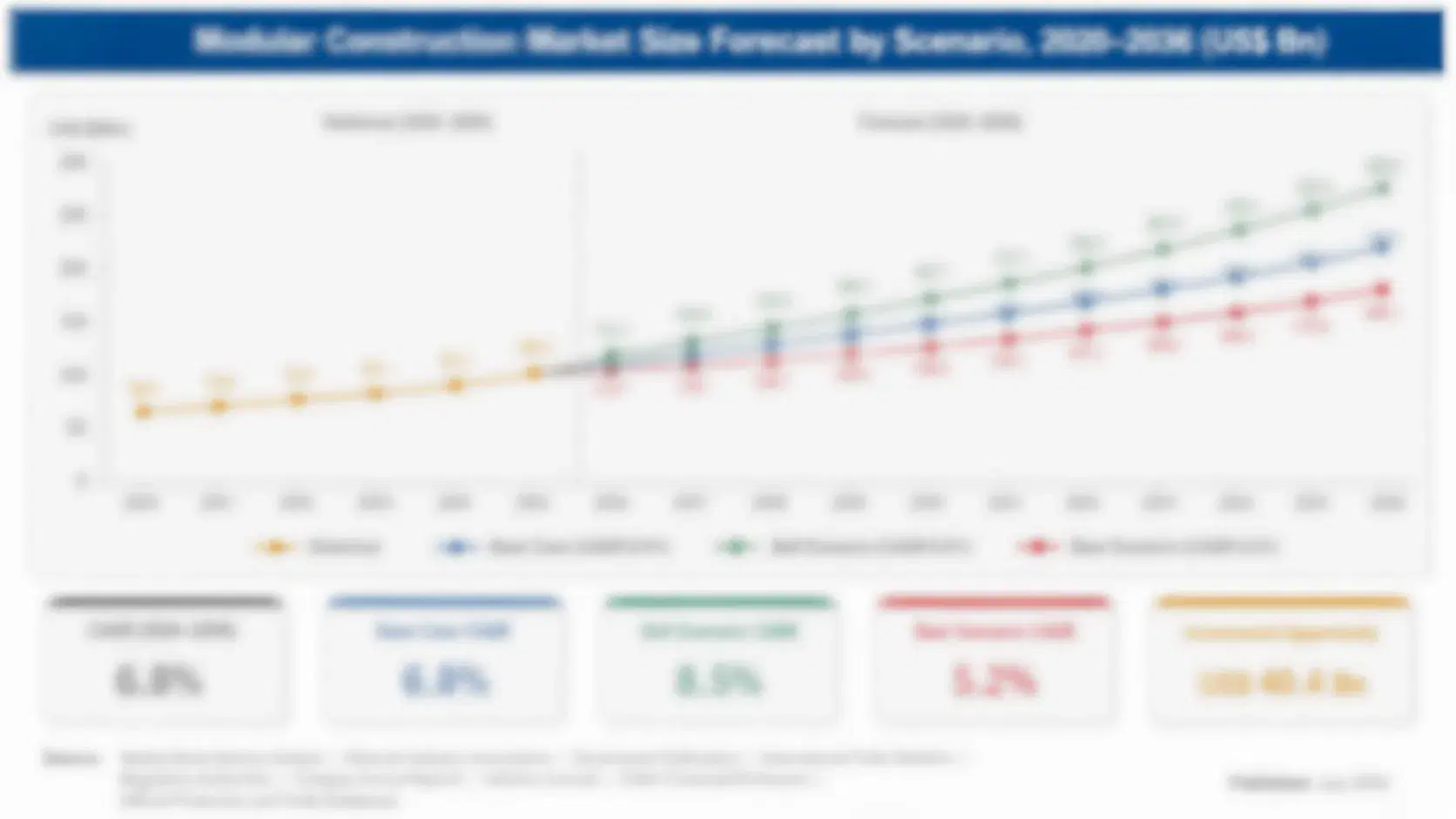
High Altitude Aeronautical Platform Stations Market Forecast Scenarios

high-altitude-aeronautical-platform-stations-marke-size-forecast-scenario-1788559879573
Between 2020 and 2025 the market grew at a milder 15.3% historical rate as flight endurance testing remained largely experimental, with commercial momentum accelerating meaningfully only after solar-powered platforms demonstrated multi-week stratospheric flight duration starting around 2023 across most developer test programs and government-funded demonstration flights spanning multiple countries, defense agencies, and major telecom operators worldwide.
The base case assumes 16.5% annual growth through 2036, driven by three mechanisms: extending solar-powered platform flight endurance toward commercially viable multi-month persistence justifying telecom backhaul contracts across most connectivity applications and use cases, expanding defense and border surveillance procurement seeking cheaper alternatives to satellite reconnaissance across most allied government programs, and accelerating Japanese telecom-backed development racing toward commercial stratospheric connectivity service ahead of competing programs in other countries and regions.
A bull scenario near 17.8% growth would require faster than expected regulatory approval for stratospheric airspace access alongside successful commercial telecom contract wins across most developed and emerging markets. A bear case near 15.2% reflects continued technical challenges achieving reliable multi-month flight endurance, compressing commercialization timelines across smaller developers facing sustained capital requirements without meaningful revenue generation potential.

Where Stratospheric Platforms Beat Satellite Economics

High altitude platform stations occupy a commercial niche between satellites and drones, offering persistent regional coverage without launch costs while flying low enough to avoid the coverage delay and cost structure that governs low Earth orbit deployment. This positioning appeals particularly to telecom operators and defense agencies needing rapid, redeployable coverage over specific geographic areas rather than global constellation reach.
MARKET CONCENTRATIONCR5 48%Share held by five largest platform developers combined
AVERAGE PLATFORM COST$18 million per unitBlended development and manufacturing cost across platform types
TOP DEVELOPING COUNTRYUnited States, 29% shareShare of global development spending concentrated domestically there
FLIGHT ENDURANCE RECORD64 days continuousLongest publicly demonstrated stratospheric flight duration achieved currently
OPERATING ALTITUDE RANGE18 to 25 kilometersTypical stratospheric altitude band where platforms currently operate
PAYLOAD CAPACITY SHARE40% telecom equipmentPortion of platform payload capacity dedicated to connectivity equipment
Commercial character centers on flight endurance economics: platforms achieving multi-month continuous operation justify telecom and surveillance contracts that shorter-duration flights cannot, since frequent replacement flights erode the cost advantage over satellite alternatives considerably across most application categories. Developers competing on endurance records increasingly attract government and telecom partnership funding ahead of competitors still demonstrating shorter flight durations. This dynamic increasingly separates well-funded developers from smaller firms lacking comparable testing resources.
Over the next decade, regulatory approval for stratospheric airspace access and spectrum allocation will likely determine which developers commercialize platforms fastest, as government coordination requirements slow deployment timelines for developers lacking established regulatory relationships across major markets and defense procurement channels. Developers building early regulatory relationships position themselves favorably ahead of competitors still navigating initial approval processes.
"HAPS won't replace satellites, but for the specific job of covering one country's border or one city's telecom gap, they are already cheaper, and cheaper usually wins procurement battles."
Director, Aerospace and Stratospheric Systems Practice · MMA Technology Practice · September 2026

Market Trends

Flight Endurance Records Race Toward Commercial Viability

Solar-powered stratospheric platforms have extended continuous flight duration to roughly 64 days as of 2025, a meaningful milestone toward the multi-month endurance developers believe is required to justify telecom backhaul contracts against replacement flight costs. Airbus Zephyr and BAE Systems PHASA-35 have both demonstrated extended flight records during 2024 and 2025 testing campaigns, pushing competitors to accelerate their own endurance testing timelines or risk losing government and telecom development funding to demonstrably more capable platforms. Competing developers now face intense pressure to demonstrate comparable endurance quickly or fall further behind in program funding.
Market Impact: Underserved population exceeds 700 million globally
Defense Surveillance Contracts Fund Early Commercialization

Defense agencies across multiple countries are funding HAPS development specifically for border surveillance and persistent intelligence gathering applications, providing early revenue that pure commercial telecom applications cannot yet generate given continued endurance limitations. Defense procurement contracts represented an estimated 55% of total HAPS development funding during 2025, effectively subsidizing technology maturation that will eventually benefit commercial telecom and agricultural monitoring applications once endurance and cost thresholds improve further. Analysts expect this funding mix to shift gradually toward commercial applications as endurance and reliability continue improving steadily. This transition will likely take several more years across most developing markets.
Market Impact: Defense allocated 380 million in 2025

Market Opportunities and Growth Drivers

Rural Connectivity Gap Drives Telecom Backhaul Demand

Telecom operators facing an estimated 700 million people in areas too remote for economical fiber deployment but too densely populated to justify dedicated satellite capacity increasingly view HAPS platforms as a middle-tier connectivity solution offering coverage economics between terrestrial towers and orbital satellites. Japan's SoftBank-backed HAPSMobile program specifically targets this coverage gap, testing platform-based mobile network backhaul across remote island and mountainous terrain where conventional infrastructure deployment remains commercially unviable given low population density and difficult construction access. Similar coverage gaps exist across parts of Southeast Asia and sub-Saharan Africa where infrastructure investment lags population growth.
Market Impact: Endurance gap spans roughly 116 days

Defense Modernization Budgets Fund Platform Development

Defense agencies allocated an estimated 380 million dollars toward HAPS development and testing programs in 2025, recognizing persistent stratospheric surveillance as a lower-cost alternative to satellite reconnaissance for border monitoring and battlefield awareness applications. This defense investment is accelerating platform maturation considerably, funding endurance testing and payload development that smaller commercial-only developers could not otherwise afford, effectively subsidizing technology that will eventually transfer toward commercial telecom and agricultural monitoring applications over the coming years. Several allied nations are jointly funding testing programs to share development costs across participating allied governments and shared research institutions.
Market Impact: Regulatory delays add roughly 14 months

Market Restraints and Challenges

Flight Endurance Limitations Delay Commercial Contracts

Current platforms achieve at most 64 days of continuous flight, well short of the roughly 180 days developers believe is needed to make telecom backhaul contracts economically competitive against satellite alternatives requiring less frequent replacement. The root cause lies in battery energy density limitations that constrain nighttime power storage for solar-powered platforms operating through extended darkness periods at high latitudes. Developers are mitigating this by pursuing hybrid power systems and lighter composite airframe materials to extend achievable flight duration. Battery technology improvements over the next several years should meaningfully close this endurance gap for most platform categories.
Market Impact: Flight endurance reached 64 continuous days

Airspace Regulation Complexity Slows Deployment Approval

Stratospheric airspace regulation remains fragmented across national jurisdictions, adding an estimated 14 months to typical deployment timelines as developers navigate separate approval processes in each country where they intend to operate platforms commercially. The root cause traces to the absence of harmonized international stratospheric airspace frameworks comparable to those governing conventional aviation and satellite orbital slots. Developers are mitigating this by prioritizing markets with clearer regulatory frameworks before expanding into more complex jurisdictions. Industry groups are pushing for coordinated multilateral frameworks similar to those already governing commercial aviation routes and satellite orbital coordination processes.
Market Impact: Defense funding represents 55% of spending
3 additional market trends, 4 additional growth drivers, and 2 additional restraints and challenges are covered in the full report. Contact sales@marketmindsadvisory.com to access the complete intelligence.

Segment CAGR and Growth Architecture

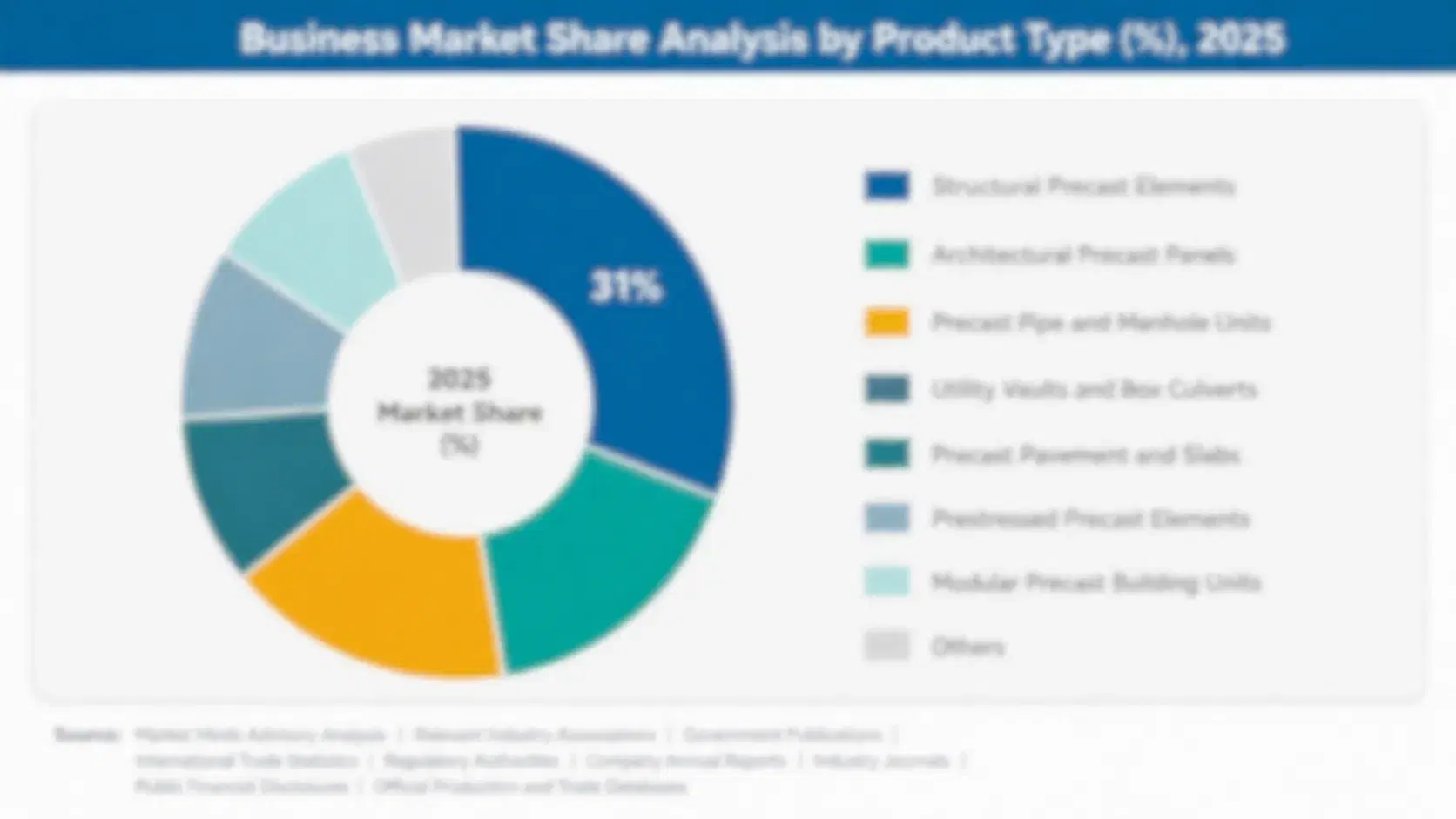
This report segments the High Altitude Aeronautical Platform Stations Market by platform type, the classification developers and buyers actually use when specifying stratospheric aircraft for telecommunications, surveillance, or observation applications across distinct flight endurance, payload, and cost requirements within their broader mission profile, capital budget, testing regime, and long-term deployment timeline planning process overall.
high-altitude-aeronautical-platform-stations-marke-market-share-analysis-1788559879749

Solar-Powered Fixed-Wing HAPS

Solar-powered fixed-wing platforms are the fastest-growing platform category, expanding at 21.0% annually as extended flight endurance justifies development costs that shorter-duration balloon and airship platforms cannot match for persistent coverage applications across most telecom and defense use cases. These platforms recharge continuously through solar panels during daylight hours, storing energy for nighttime operation, enabling the multi-week flight durations that make telecom backhaul and defense surveillance contracts economically viable across most deployment scenarios. Airbus Zephyr and BAE Systems PHASA-35 lead this category with extended endurance records set during 2024 and 2025 testing campaigns. Smaller competitors increasingly struggle to match this manufacturing and testing scale independently across comparable programs. Their established testing infrastructure represents a meaningful barrier to entry for newer developers.
CAGR 21.0%

High-Altitude Balloon Platforms

High-altitude balloon platforms, the second-fastest-growing category at 18.0% annually, benefit from lower development costs and faster deployment timelines than fixed-wing alternatives, making them attractive for shorter-duration disaster response and temporary coverage applications across most emergency management scenarios. Enterprise and government buyers increasingly specify balloon platforms for rapid deployment scenarios where fixed-wing endurance advantages matter less than speed to operational readiness across most time-sensitive missions. Companies specializing in this category, including World View and Raven Aerostar, are winning contracts by demonstrating reliable rapid deployment capability. Government disaster response agencies in particular value this rapid deployment capability during emergency situations requiring immediate coverage. Insurance costs for these platforms also remain considerably lower given shorter operational exposure periods.
CAGR 18.0%
Full segment breakdown across 6 segments available in the complete report.

Regional Architecture and Country Demand Map

North America leads given AeroVironment, World View, and Sceye's development scale alongside significant defense procurement funding across multiple agencies and armed forces branches, while Japan drives the fastest growth through SoftBank-backed telecom development programs racing toward commercial stratospheric connectivity service nationwide and across neighboring markets.

North America

The United States anchors regional demand through AeroVironment, World View, and Sceye's development programs, alongside substantial defense department funding for border surveillance and persistent intelligence gathering applications across most military branches and agencies. Domestic testing benefits from established stratospheric airspace corridors and defense research facility infrastructure not readily available in most other countries. Canada contributes modest additional demand through Arctic surveillance and remote connectivity research programs tied to northern territory monitoring needs. United States defense contracts increasingly favor domestic developers given security clearance requirements for sensitive surveillance payload technology. This preference gives American developers a meaningful advantage over international competitors bidding for the same government contracts. Insurance underwriters based domestically also benefit from proximity to established testing infrastructure.
Share: 30% | CAGR: 17.0% (2026 to 2036)

Western Europe

The United Kingdom and France drive regional demand through Airbus and BAE Systems development programs, both racing toward commercial telecom and defense surveillance applications backed by substantial government and defense ministry funding. Germany contributes meaningful additional demand through research institution partnerships focused on payload development and communications equipment testing. Growth trails East Asia slightly as European regulatory approval processes for stratospheric airspace access remain more fragmented across individual national jurisdictions than in more centralized regulatory environments. Regional developers increasingly collaborate across national borders to share testing infrastructure and regulatory approval processes more efficiently. This cooperation is gradually reducing the fragmentation disadvantage compared with more centralized regulatory environments elsewhere. Nordic markets add incremental demand through Arctic surveillance and connectivity research programs.
Share: 24% | CAGR: 15.0% (2026 to 2036)
Regional intelligence for 5 additional markets available in the complete report: East Asia, South Asia and Pacific, Latin America, Middle East and Africa, Eastern Europe. Contact sales@marketmindsadvisory.com.
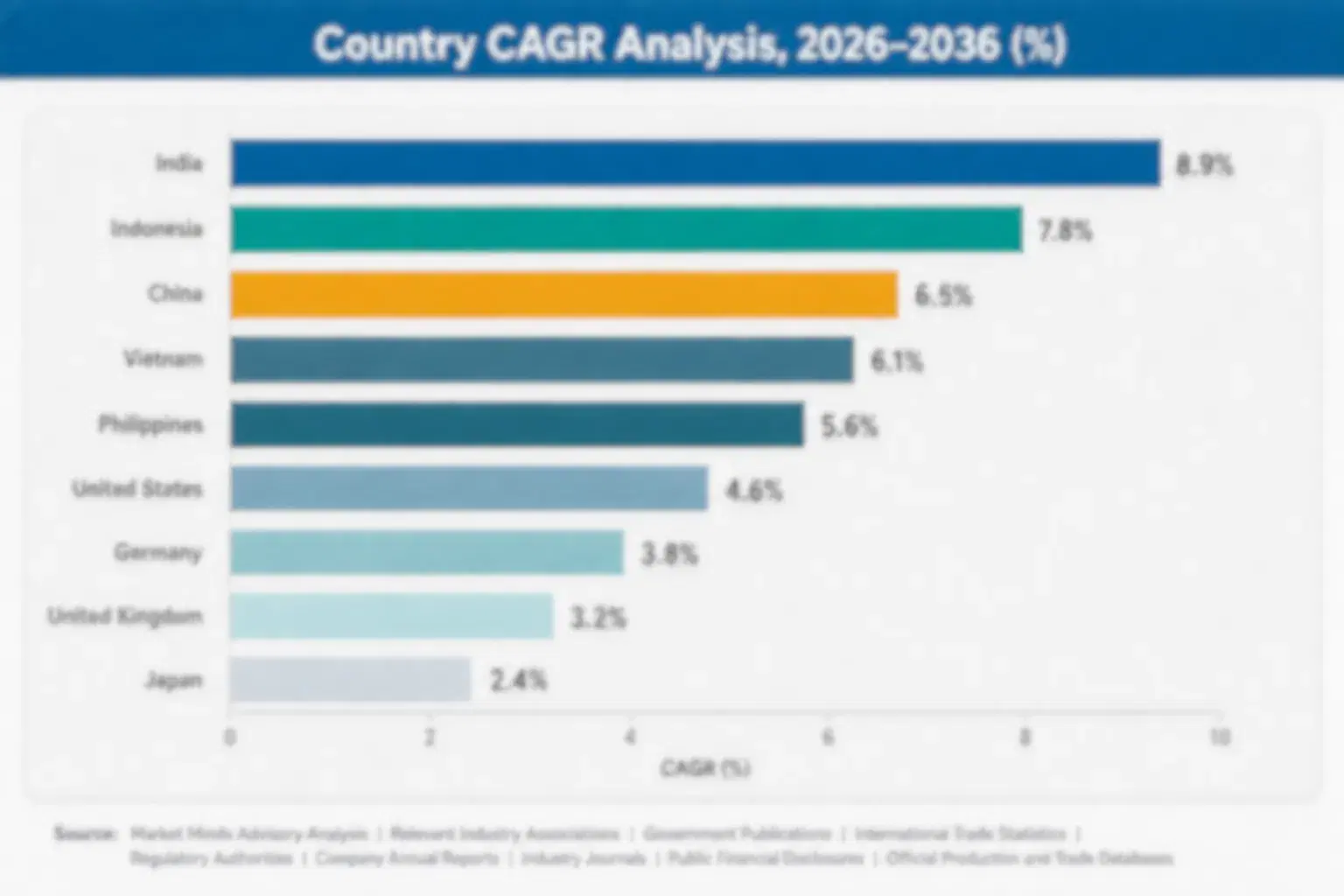
high-altitude-aeronautical-platform-stations-marke-country-cagr-analysis-1788559879927

Where Developers Can Reach Revenue First

As commercial telecom revenue remains years away for most developers, near-term commercial paths run through defense procurement contracts, modular payload flexibility, rapid emergency deployment capability, and dedicated government research partnerships rather than the flight endurance records that dominate most industry headlines and general press coverage across most trade publications and news outlets currently today.

Defense Payload Contracts for Near-Term Revenue

Developers pursuing defense surveillance payload contracts capture meaningful near-term revenue that pure telecom-focused competitors cannot access given current endurance limitations preventing commercially viable backhaul service. Defense contracts represented roughly 55% of total industry development funding during 2025, effectively bridging the revenue gap until commercial telecom applications become economically viable at scale. Developers building defense relationships now position themselves favorably for eventual dual-use commercial contract opportunities. Investors increasingly favor developers with established defense relationships over those pursuing telecom revenue exclusively. This early positioning increasingly shapes which developers survive long enough to reach eventual commercial telecom scale.
Market Impact: Defense contracts fund roughly 55% of total spending

Modular Payload Architecture for Multiple Buyers

Developers building modular payload architecture that accommodates telecom, surveillance, and observation equipment interchangeably capture broader addressable demand than competitors building single-purpose platforms optimized narrowly for one application category. This flexibility allows developers to serve government, telecom, and agricultural monitoring buyers with the same underlying airframe, spreading development costs across roughly 40% more addressable revenue than single-purpose alternatives targeting narrower buyer segments exclusively. This approach also reduces platform-specific development risk by diversifying across multiple buyer categories simultaneously. Analysts expect this modular approach to become standard practice across most competing developers within several years.
Market Impact: Modular architecture expands total addressable revenue by 40%

Rapid Deployment Contracts for Disaster Response

Developers offering rapid deployment balloon and airship platforms capture disaster response and temporary coverage contracts that longer-lead-time fixed-wing competitors cannot fulfill within emergency response timeframes required by government agencies. These contracts typically carry premium pricing given the time-sensitive nature of the service, generating roughly 30% higher per-mission revenue than standard scheduled deployment contracts for comparable coverage duration and geographic area served. Government emergency management agencies increasingly maintain standing contracts with rapid deployment providers for immediate activation. This positioning increasingly attracts government agencies seeking reliable emergency response partners with proven deployment track records.
Market Impact: Rapid deployment service commands a roughly 30% premium

Government Research Partnership Funding Structure Design

Developers securing government research and development partnership funding reduce their own capital exposure while advancing platform maturation toward eventual commercial viability, spreading development risk across multiple funding sources rather than relying entirely on internal capital. These partnerships typically fund roughly 45% of total development costs for participating developers, meaningfully extending runway compared with competitors relying entirely on private venture capital funding sources facing shorter investment timelines. Developers without comparable government relationships face meaningfully higher capital costs and slower development timelines overall. This funding structure has become increasingly common across most well-established developers pursuing long-term commercial viability.
Market Impact: Government partnerships fund nearly 45% of total costs

Who Controls the Margin Pool

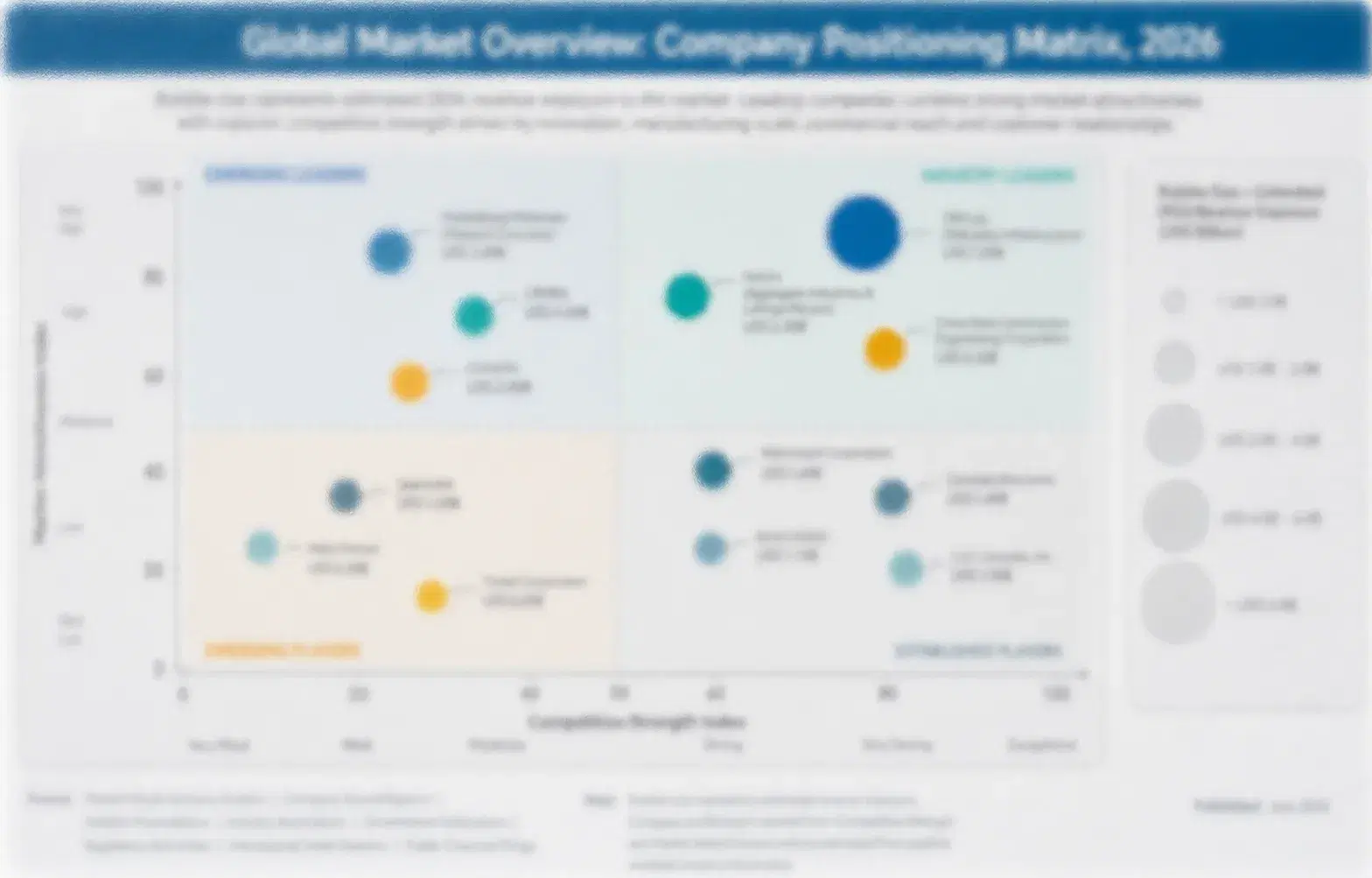
Concentration sits moderate, with a CR5 near 48% on a development spending basis and a meaningful gap separating Airbus and AeroVironment from smaller challengers like Sceye and Raven Aerostar, who compete on specific niches like balloon-based rapid deployment rather than fixed-wing flight endurance records dominating industry attention and government funding decisions across most defense and telecom procurement channels and buyer categories today.
Current competitive activity centers on three dimensions: solar-powered fixed-wing endurance testing racing toward commercially viable multi-month persistence across most developer programs, defense payload contract wins funding near-term development ahead of commercial telecom viability, and modular payload architecture expanding addressable buyer categories beyond single-purpose platform design. Government research partnership funding has also become a meaningful competitive lever among developers extending capital runway.

Emerging pressure comes from Japanese telecom-backed development racing toward commercial connectivity service, potentially establishing first-mover advantage in the earliest viable commercial telecom application worldwide. Developers slow to demonstrate extended flight endurance or secure defense contract funding risk running out of capital before reaching commercial viability, while regulatory approval speed increasingly determines which developers commercialize platforms fastest across contested regulatory and defense procurement markets globally.
high-altitude-aeronautical-platform-stations-marke-company-positioning-matrix-1788559880106

Competitive Moat and Risk Dimensions

AIRBUS

Moat: Extended Flight Endurance Track Record

Airbus's Zephyr platform holds documented flight endurance records that give it credibility with telecom and defense buyers evaluating platform reliability, a track record newer entrants cannot replicate without comparable years of accumulated testing data, demonstrated performance history, and established regulatory relationships across multiple jurisdictions and government agencies.
AIRBUS

Risk: High Development Cost Structure

Airbus's large-scale aerospace development overhead creates a higher cost structure than smaller, more focused competitors like Sceye, potentially disadvantaging it in cost-sensitive commercial contract competitions where lean competitors can underbid on price for comparable platform capability, mission profile requirements, and overall payload configuration flexibility overall.
AEROVIRONMENT

Moat: Established Defense Contract Relationships

AeroVironment's decades of established defense procurement relationships give it privileged access to government surveillance and reconnaissance contracts that newer commercial-only entrants cannot easily replicate without comparable security clearance history, demonstrated reliability track record, and long-standing government agency trust built over many years of sustained collaboration.
AEROVIRONMENT

Risk: Limited Commercial Telecom Focus

AeroVironment's defense-oriented positioning leaves it comparatively less established in commercial telecom backhaul applications where SoftBank-backed competitors have already built deeper carrier relationships, risking share loss as commercial telecom applications eventually mature and scale across most developed and emerging global connectivity markets over the coming years.

Players Tracked

Prominent Players

Airbus
AeroVironment
BAE Systems
Sceye
SoftBank

Other Key Players

World View
Raven Aerostar
Thales Alenia Space
Loon Successor Programs
Aalyria
Bye Aerospace
Prismatic
Skydweller Aero
Composite Technology Research Malaysia
China Aerospace Science and Industry Corporation
Near Space Labs
Urban Sky
Sierra Space
General Atomics
Boeing

Recent Developments

FEBRUARY 2025

Airbus Zephyr Extends Flight Endurance Record

Airbus extended its Zephyr platform's continuous flight endurance record to 64 days during a 2025 test campaign, surpassing previous milestones and reinforcing its position as the flight endurance leader. The achievement strengthens Airbus's case with telecom and defense buyers evaluating platform reliability for extended coverage missions.
Signal: Signals Airbus's continued technical leadership in the endurance metric that increasingly determines commercial viability across most markets.
JUNE 2025

SoftBank HAPSMobile Announces Commercial Telecom Trial

SoftBank's HAPSMobile subsidiary announced a commercial telecom backhaul trial across remote Japanese islands, testing platform-based mobile network coverage for underserved rural populations lacking economical terrestrial infrastructure alternatives. The trial represents one of the first genuine commercial telecom applications rather than purely experimental testing programs conducted previously.
Signal: Signals the industry's first meaningful step toward genuine, verifiable commercial telecom revenue generation at real scale.
OCTOBER 2025

AeroVironment Secures Expanded Defense Surveillance Contract

AeroVironment secured an expanded defense department contract for persistent border surveillance platform development, building on its established government procurement relationships and strong prior contract performance across multiple programs. The contract provides meaningful near-term revenue funding continued platform development toward eventual broader commercial applications and markets.
Signal: Signals continued defense procurement funding bridging the revenue gap until commercial telecom applications fully and finally mature.

Composite Material and Solar Cell Cost Exposure

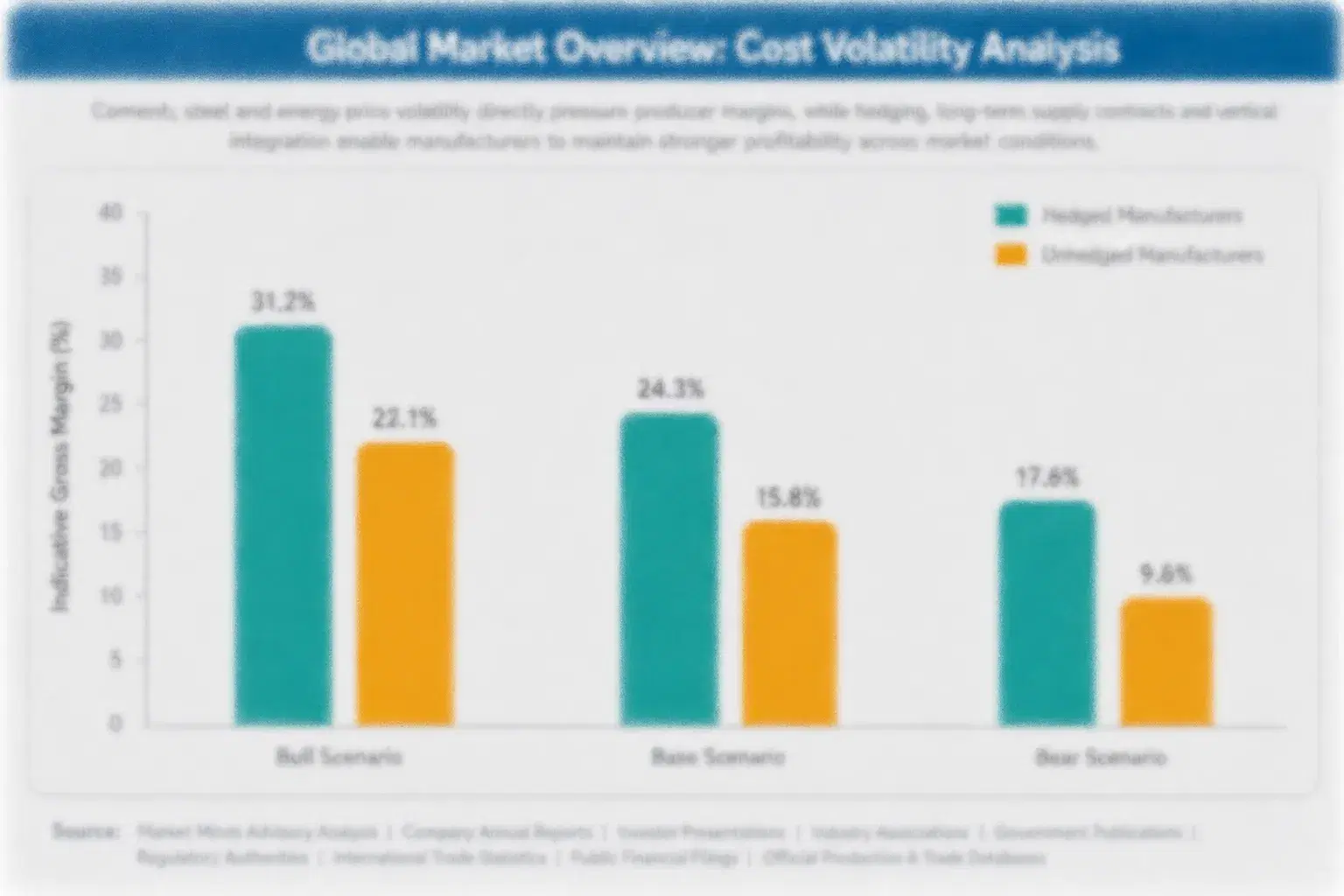
Lightweight composite airframe materials and high-efficiency solar cells represent roughly 40 to 50% of total platform development cost of goods sold, given the specialized materials required to achieve the weight and power efficiency needed for extended stratospheric flight endurance across most competing platform designs and mission profiles. The remainder splits across avionics, communications payload, and ground control infrastructure development.
Specialty carbon fiber composite and gallium arsenide solar cell prices rose an estimated 22% between 2023 and 2025 amid tightening global supply for aerospace-grade materials, according to the IEA Critical Minerals and Semiconductor Supply Chain Review 2025 citing sustained demand growth across commercial aviation, satellite, and stratospheric platform manufacturing simultaneously, as multiple developers scaled production to meet accelerating testing and demonstration flight schedules across most active programs.

This exposure disadvantages smaller developers lacking established materials supply agreements, forcing them to absorb higher per-platform costs than larger competitors with committed-use component supply relationships across their manufacturing operations and established supplier networks. Developers with vertically integrated materials sourcing or long-term supplier partnerships gain a meaningful and durable cost advantage over competitors dependent on spot market materials procurement for platform manufacturing.
high-altitude-aeronautical-platform-stations-marke-cost-volatility-analysis-1788559880292

Negotiated Multi-Year Materials Supply Agreements

Larger developers increasingly negotiate committed-use materials supply agreements with composite and solar cell manufacturers spanning multiple years, locking in discounted per-unit pricing well below standard spot market rates offered broadly to smaller competitors across the industry. This reduces exposure to materials cost inflation while providing budget predictability across annual development planning and procurement cycles.

Alternative Lower-Cost Composite Material Research

Some developers are researching alternative composite materials that reduce dependency on the most expensive carbon fiber grades specifically, testing hybrid material combinations that maintain acceptable strength-to-weight ratios for platform applications across most flight duration categories and mission types. This diversification gradually reduces exposure to specialty materials price volatility across most platform manufacturing programs and development timelines.

Standardized Component Design Across Programs

Several developers are standardizing avionics and structural component designs across different platform variants rather than customizing each program individually, reducing manufacturing complexity and per-unit costs considerably through economies of scale achieved across development programs and production runs. This approach prioritizes shared component development over fully bespoke platform architecture for most non-specialized mission requirements and applications.

Portfolio Architecture for Margin Defence

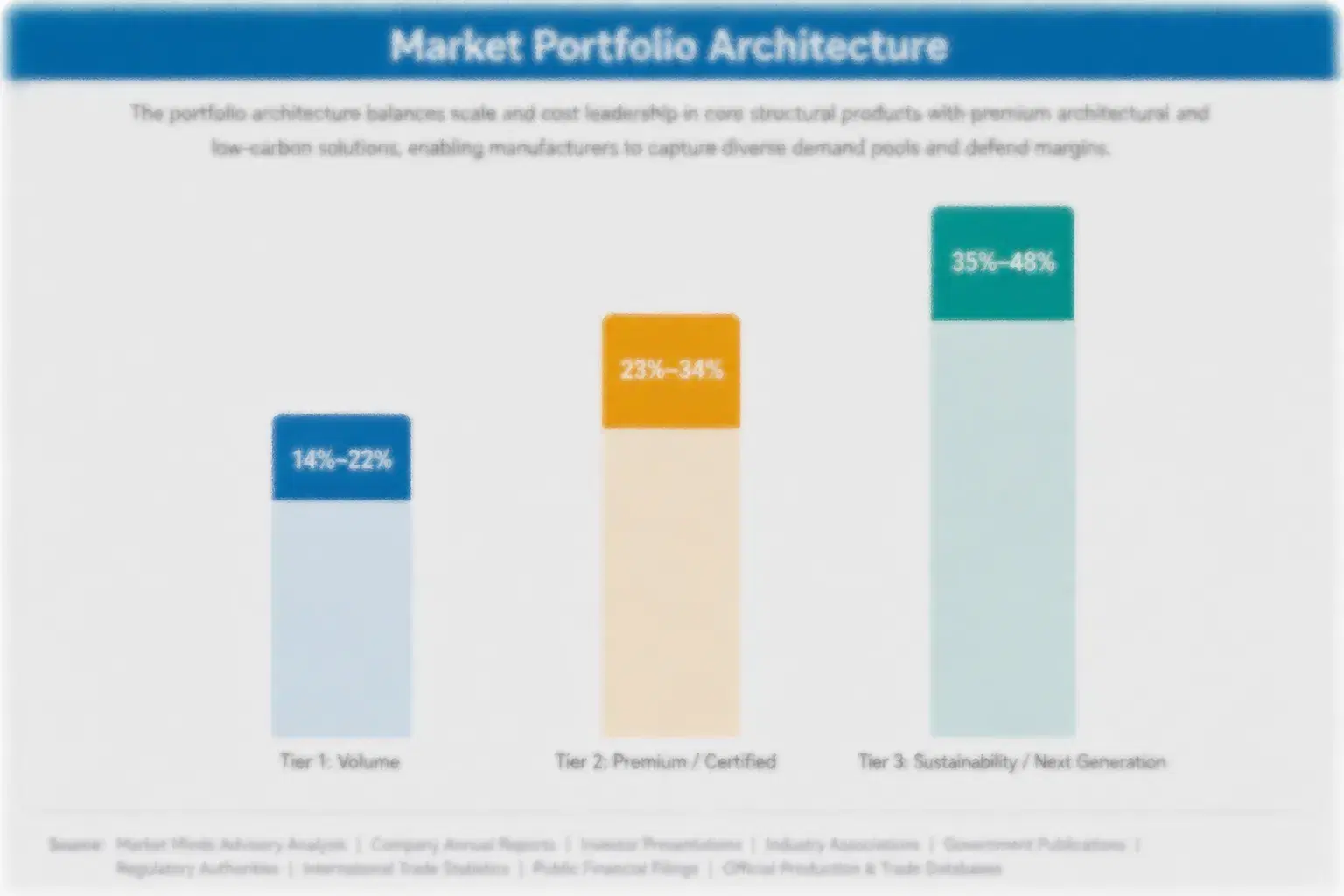
Developers span three margin tiers: basic surveillance and observation platform development generates gross margins around 18 to 26%, while defense sovereign contracts and extended-endurance telecom platforms command 40 to 50% given security clearance requirements and technical differentiation competitors cannot quickly replicate without years of investment. The gap has widened considerably as defense buyers pay substantially more for reliability and endurance.
Basic surveillance and observation platform development still represents the largest share of current program activity, particularly for shorter-duration mission profiles funded by smaller research budgets, but the highest value creation now concentrates in defense sovereign contracts and telecom backhaul platforms requiring extended flight endurance and payload sophistication. Developers must balance program investment between broad testing activity and premium defense contract fulfillment requirements.

High-value margin pools concentrate specifically around defense sovereign contracts, extended-endurance telecom platforms, and modular payload architecture, all requiring capital investment and reliability certification that smaller regional competitors struggle to replicate quickly at comparable standards and cost. Developers positioned across all three tiers, rather than concentrated purely in basic surveillance testing, are best placed to capture disproportionate value as commercial telecom demand keeps expanding globally.

Basic surveillance and observation platform testing sold on program funding to research institutions and smaller government agencies, generating gross margins of 18 to 26% amid intense competition among a growing number of platform developers.
Gross Margin

Defense sovereign contracts and extended-endurance telecom platforms commanding gross margins of 40 to 50% given security clearance requirements and strict reliability certification standards limiting competitive entry from smaller developers overall.
Gross Margin

Fully solar-powered, emissions-free platforms responding to tightening environmental regulation and defense sustainability mandates favoring lower-carbon alternatives to conventional aircraft, generating gross margins around 30 to 38% as early movers capture premium regulatory-aligned contracts.
Gross Margin
high-altitude-aeronautical-platform-stations-marke-portfolio-architecture-1788559880483

High-value Sub-segments and Strategic Watch-out

Solar-Powered Fixed-Wing HAPS

Fastest-growing and highest-margin segment as extended flight endurance justifies development costs that shorter-duration alternatives cannot match for persistent coverage applications across most defense and telecom use cases. Developers with established endurance records are capturing premium positioning ahead of competitors still working toward comparable testing milestones.

High-Altitude Balloon Platforms

Second-fastest growing segment tied to rising demand for rapid deployment disaster response and temporary coverage applications lacking the lead time required for fixed-wing platform deployment across most emergency scenarios. Developers building deeper rapid deployment credentials here can capture disproportionate value as emergency response contracts continue expanding.

Airship and Blimp HAPS

Core revenue segment representing steady government and research demand across most active observation deployments currently tracked across most defense and civilian applications, generating stable margins as competitive pricing pressure persists moderately. This segment remains commercially relevant even as growth shifts toward fixed-wing alternatives over the coming forecast period.

Autonomous Glider HAPS

Strategic watch-out segment facing steady commoditization as basic autonomous glider technology becomes table stakes across nearly all competing developers, research institutions, and defense agencies. Developers overexposed to this category risk meaningful margin erosion absent diversification into defense-contracted or telecom-focused product lines over the coming several years.

Why Government Contracts Anchor Early Revenue

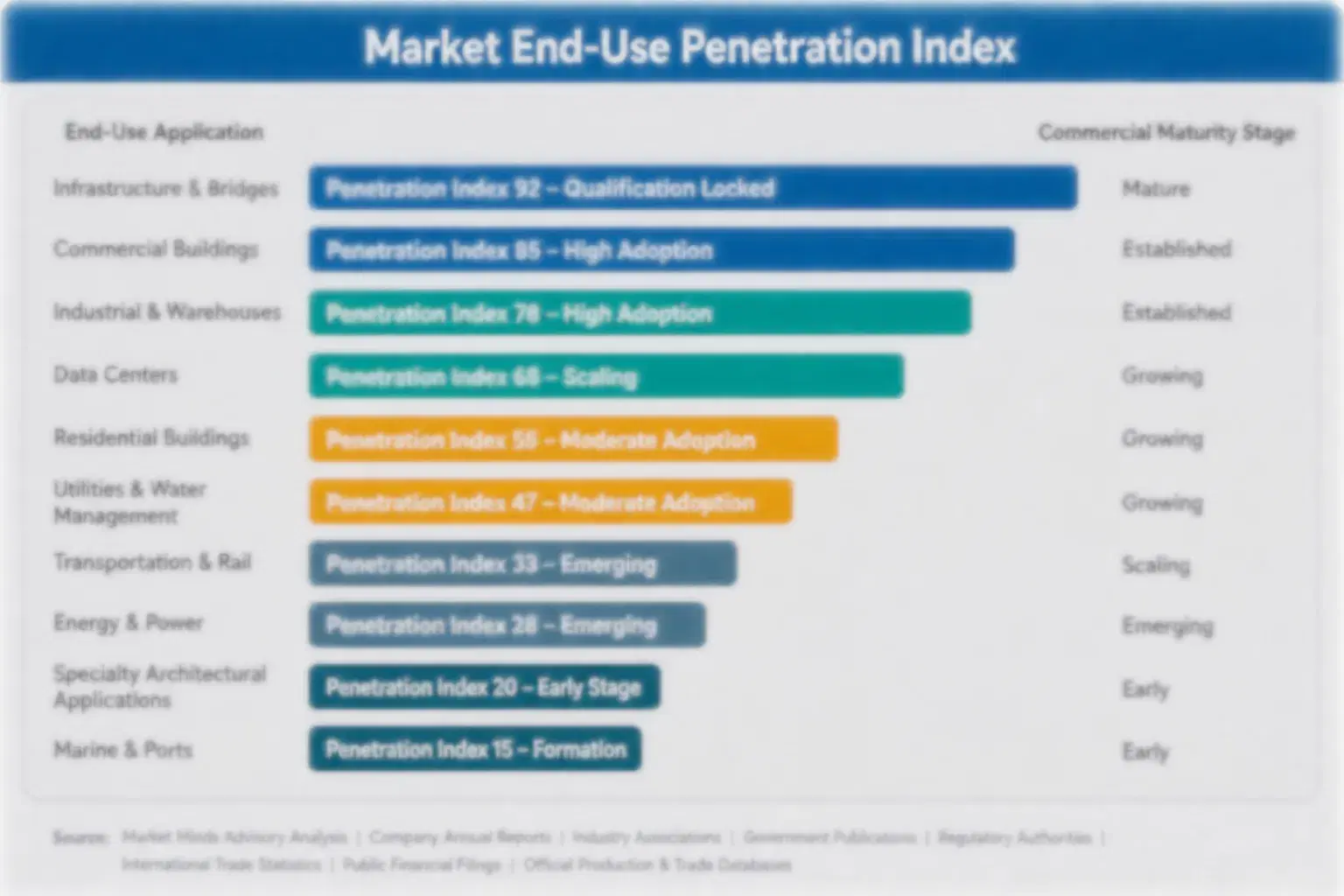
Revenue durability comes primarily from multi-year defense and government research contracts rather than subscription models, since commercial telecom applications remain years from generating comparable predictable recurring income given continued flight endurance limitations facing most developers across the industry today. Developers renewing multi-year defense contracts capture predictable recurring revenue even as commercial telecom pilot programs remain unprofitable. This contract-based revenue model provides essential capital runway while endurance and reliability continue maturing steadily.
Adoption depth varies meaningfully by vertical: defense and border security buyers show the deepest engagement, funding sustained platform development through multi-year procurement contracts with dedicated security clearance requirements and committed testing milestones, while commercial telecom buyers remain largely in pilot testing phases given continued uncertainty about commercial-scale reliability, endurance, and cost economics across most potential deployment scenarios and geographic markets.

Younger defense procurement officials and telecom infrastructure planners entering decision-making roles increasingly view stratospheric platforms as a credible middle-tier connectivity option, rather than treating the technology as purely experimental research demonstration lacking near-term operational value. This generational shift pressures developers still positioning platforms as research demonstrations to reposition their value proposition around near-term operational deployment and measurable return on investment.
high-altitude-aeronautical-platform-stations-marke-end-use-penetration-index-1788559880666

Bridge Revenue Gaps Before Commercial Viability

These are among the four positions where our research anticipates prominent divergence between winners and laggards over the coming forecast period. Each is grounded in the demand model, the regulatory perimeter, and the announced capacity pipeline.
01 / DEFENSE CONTRACT PRIORITIZATION

Pursue defense payload contracts before commercial telecom matures

Defense contracts already represent roughly 55% of total industry development funding, providing the near-term revenue that pure commercial-telecom-focused competitors cannot access given continued flight endurance limitations preventing economically viable backhaul service across most target markets and regulatory jurisdictions worldwide today and going forward. Developers building defense relationships now position themselves favorably for eventual dual-use commercial contracts once endurance thresholds improve sufficiently across the industry and competitive landscape. Waiting for commercial telecom viability before pursuing revenue risks running out of development capital first.
02 / FLIGHT ENDURANCE INVESTMENT

Close the gap to commercially viable endurance quickly

Current platforms achieve at most 64 days of continuous flight, well short of the roughly 180 days developers believe is needed for economically competitive telecom backhaul contracts against satellite alternatives requiring less frequent replacement flights and infrastructure investment. Developers investing in hybrid power systems and lighter composite materials to extend achievable duration position themselves ahead of competitors still constrained by battery energy density limitations affecting nighttime operation reliability. Closing this endurance gap first determines which developers reach commercial telecom viability earliest.
03 / MODULAR PAYLOAD ARCHITECTURE

Build flexible payloads to serve multiple buyer categories

Developers building modular payload architecture accommodating telecom, surveillance, and observation equipment interchangeably capture roughly 40% more addressable revenue than competitors building single-purpose platforms optimized narrowly for one application category and specific buyer segment served today across most regional and national markets worldwide. This flexibility spreads development costs across government, telecom, and agricultural monitoring buyers using the same underlying airframe design and core avionics systems consistently. Competitors locked into single-purpose platform architecture risk missing broader addressable demand across multiple buyer segments.
04 / REGULATORY RELATIONSHIP BUILDING

Secure airspace approvals before international coordination tightens

Stratospheric airspace regulation remains fragmented across national jurisdictions, adding an estimated 14 months to typical deployment timelines as developers navigate separate approval processes in each target market and jurisdiction served across the industry and competitive landscape. Developers building regulatory relationships now, ahead of potential future harmonization efforts, secure operational access that latecomers may struggle to obtain quickly once markets mature and consolidate further. Delaying regulatory engagement risks losing commercial deployment timing to better-positioned competitors already established in key target markets.

Engagement Snapshot From the Field

A live engagement with an industry participant carrying material or product regulatory and market exposure ahead of a defining policy shift, showing how our research translates into a defensible multi-year portfolio strategy.
MARKET MINDS ADVISORY · CLIENT ENGAGEMENT SUMMARY
High Altitude Aeronautical Platform Stations Producer Strategic Portfolio Review and Transition Roadmap 2026·Investment Scenario on High Altitude Aeronautical Platform Stations Exposure Evaluation 2025-26
CLIENT PROFILE
The client is a national defense agency responsible for border surveillance and maritime monitoring across an extensive coastline and inland border region spanning multiple provinces. The agency reported (client-reported, unverified by MMA) annual surveillance technology budget allocation of approximately $95 million and had historically relied primarily on satellite imagery and periodic aircraft patrol flights for coverage.
STRATEGIC CHALLENGE
The agency faced persistent coverage gaps between satellite imagery passes and periodic patrol flights, creating blind windows that limited real-time situational awareness for time-sensitive border security operations across most monitoring zones. Leadership needed an independent assessment of stratospheric platform options before committing capital ahead of the next multi-year procurement planning cycle.
MMA APPROACH
MMA conducted a comparative assessment of HAPS developer capabilities and defense contract structures, benchmarking against primary survey data covering similar defense agency procurement arrangements across comparable geographic surveillance requirements. The engagement combined expert interviews with the agency's technology procurement leadership alongside MMA's competitive landscape data to identify the platform type best suited to persistent surveillance requirements.
KEY FINDINGS
  1. Persistent stratospheric surveillance coverage would meaningfully close the real-time monitoring gap left by intermittent satellite pass timing across most border zones examined.
  2. Comparable allied defense agencies had already begun procurement discussions with leading HAPS developers roughly one full year ahead of this current evaluation cycle.
  3. The agency's existing coverage gap affected an estimated 30% of daily surveillance hours across its most sensitive coastal and border monitoring zones nationwide currently.
  4. Solar-powered fixed-wing platforms offered meaningfully lower per-hour surveillance cost than comparable satellite tasking arrangements for sustained regional coverage overall today across zones.
CLIENT PROFILE
The client is a national defense agency responsible for border surveillance and maritime monitoring across an extensive coastline and inland border region spanning multiple provinces. The agency reported (client-reported, unverified by MMA) annual surveillance technology budget allocation of approximately $95 million and had historically relied primarily on satellite imagery and periodic aircraft patrol flights for coverage.
STRATEGIC CHALLENGE
The agency faced persistent coverage gaps between satellite imagery passes and periodic patrol flights, creating blind windows that limited real-time situational awareness for time-sensitive border security operations across most monitoring zones. Leadership needed an independent assessment of stratospheric platform options before committing capital ahead of the next multi-year procurement planning cycle.
MMA APPROACH
MMA conducted a comparative assessment of HAPS developer capabilities and defense contract structures, benchmarking against primary survey data covering similar defense agency procurement arrangements across comparable geographic surveillance requirements. The engagement combined expert interviews with the agency's technology procurement leadership alongside MMA's competitive landscape data to identify the platform type best suited to persistent surveillance requirements.
KEY FINDINGS
  1. Persistent stratospheric surveillance coverage would meaningfully close the real-time monitoring gap left by intermittent satellite pass timing across most border zones examined.
  2. Comparable allied defense agencies had already begun procurement discussions with leading HAPS developers roughly one full year ahead of this current evaluation cycle.
  3. The agency's existing coverage gap affected an estimated 30% of daily surveillance hours across its most sensitive coastal and border monitoring zones nationwide currently.
  4. Solar-powered fixed-wing platforms offered meaningfully lower per-hour surveillance cost than comparable satellite tasking arrangements for sustained regional coverage overall today across zones.
RECOMMENDED STRATEGY
Phase 1: Phase one: initiate a pilot surveillance contract with a leading developer to validate coverage and reliability claims directly and thoroughly. Phase 2: Phase two: expand contract scope to persistent coverage across the highest-priority border and coastal monitoring zones identified previously by analysts. Phase 3: Phase three: evaluate multi-year procurement commitment based on validated pilot performance and total cost of ownership data collected throughout the pilot.
OUTCOME
Following pilot contract completion, the agency reported (client-reported, unverified by MMA) meaningfully improved real-time situational awareness during the coverage window and proceeded toward a multi-year procurement commitment across its highest-priority zones. The pilot validated cost assumptions closely against initial developer projections and internal budget estimates.

Frequently Asked Questions

Foundational context covering the market sizes, CAGR, scope, country, region and competition that inform every finding below. This section is provided to cover basics and most often pre-purchase conversations, answered from the MMA Primary Research Dataset.

What is the current size of the High Altitude Aeronautical Platform Stations Market?

The High Altitude Aeronautical Platform Stations Market is valued at $0.42 billion in 2025. This reflects global development, manufacturing, and operations spending across solar-powered, balloon, and airship platforms.

How large will the High Altitude Aeronautical Platform Stations Market be by 2036?

The market is projected to reach $2.26 billion by 2036. Growth is anchored primarily by flight endurance improvements and expanding defense and telecom procurement activity.

What is the CAGR for the High Altitude Aeronautical Platform Stations Market 2026 to 2036?

The market is forecast to grow at a 16.5% compound annual growth rate between 2026 and 2036. This reflects accelerating commercial and defense platform deployment worldwide.

Which segment is growing fastest?

Solar-Powered Fixed-Wing HAPS is the fastest-growing segment at a 21.0% CAGR, roughly 1.27x the overall market rate. Extended flight endurance is driving this rapid expansion.

Who are the major companies in the High Altitude Aeronautical Platform Stations Market?

Leading companies include Airbus, AeroVironment, BAE Systems, Sceye, and SoftBank. These five firms compete on flight endurance records, defense contract relationships, and payload flexibility today.

Which country is growing fastest?

Japan is the fastest-growing country at a 19.0% CAGR. Its telecom-backed development programs are racing toward commercial stratospheric connectivity service across most remote island regions.

Report Segmentation Architecture

The full report scope spans multiple orthogonal segmentation dimensions, with cross-tabulated demand data provided for each dimension pair. Coverage extends further to regional breakdowns, trend trajectories, and the competitive detail needed to support segment-level decision-making.

By Primary Market Dimension

  • Solar-Powered Fixed-Wing HAPS
  • High-Altitude Balloon Platforms
  • Airship and Blimp HAPS
  • Hybrid Powered HAPS
  • Tethered Aerostat Platforms
  • Autonomous Glider HAPS

By End-Use Industry

  • Defense and Government
  • Telecommunications
  • Agriculture and Environmental Monitoring
  • Disaster Response and Emergency Management
  • Scientific Research

By Commercial Dimension

  • Government Procurement Contracts
  • Telecom Carrier Partnerships
  • Research Institution Funding
  • Commercial Service Contracts

By Region

  • North America
  • Western Europe
  • East Asia
  • South Asia and Pacific
  • Latin America
  • Middle East and Africa
  • Eastern Europe

Scope, Methodology, and Coverage

Every figure in this report is reproducible from documented input assumptions. The scope below maps the historical period, the forecast horizon, the segmentation dimensions, and the countries covered, alongside the underlying primary and qualitative methodology.
Historical Period
2020 to 2025
Forecast Period
2026 to 2036
Base Year
2025 (USD billions; MMA Primary Research Dataset, September 2026)
Market Definition
The High Altitude Aeronautical Platform Stations Market covers solar-powered fixed-wing aircraft, high-altitude balloons, airships, and hybrid platforms operating in the stratosphere between 18 and 25 kilometers altitude for telecommunications relay, Earth observation, and surveillance applications. It excludes low Earth orbit satellites and conventional aviation aircraft sold as separate market categories.
Quantitative Units
Value in USD Billion, Platform Count in Units
Segmentation Dimensions
By Platform Type, By End-Use Industry, By Commercial Dimension, By Region
Regions Covered
North America, Western Europe, East Asia, South Asia and Pacific, Latin America, Middle East and Africa, Eastern Europe
Countries Covered
United States, Canada, United Kingdom, Germany, France, Japan, China, South Korea, India, Indonesia, Australia, Brazil, Mexico, Saudi Arabia, United Arab Emirates, South Africa, Poland
Key Companies Profiled
Airbus, AeroVironment, BAE Systems, Sceye, SoftBank, World View, Raven Aerostar, Thales Alenia Space, Loon Successor Programs, Aalyria, Bye Aerospace, Prismatic, Skydweller Aero, Composite Technology Research Malaysia, China Aerospace Science and Industry Corporation, Near Space Labs, Urban Sky, Sierra Space, General Atomics, Boeing
Quantitative Methodology
Primary survey, n=3,800 respondents, Q4 2025, six countries; demand-side model with trade association cross-validation
Qualitative Methodology
47 expert interviews, Q4 2025; applied to validate demand model assumptions, identify emerging dynamics, and assess competitive positioning
Report Format
PDF and XLSX data workbook (Word format preview document)
Publisher
Market Minds Advisory
Report Code
MMA-2026-TEC-924
Published
September 2026
Contact
sales@marketmindsadvisory.com | www.marketmindsadvisory.com

Purchase the full High Altitude Aeronautical Platform Stations Market Report (2026 to 2036).

This report provides a comprehensive assessment of the global High Altitude Aeronautical Platform Stations Market, covering market sizing, segmentation, and regional dynamics through 2036. It examines competitive positioning among leading platform developers, the race toward commercially viable flight endurance, and revenue opportunities within defense contracts and modular payload design. The analysis draws on primary survey data, expert interviews, and company disclosures to quantify demand shifts across defense, telecom, and observation channels. Readers gain a data-grounded view of where development investment and contract strategy decisions carry the greatest commercial return.
Ten-year market sizing and forecast model
Six-segment platform type segmentation with growth rates
Seven-region demand and competitive share breakdown
Twenty-company competitive landscape and moat assessment
Composite material cost and volatility risk analysis
Portfolio margin and revenue lever guidance

Built For The People Who Decide

From boardroom strategy to bench-side execution, this report is read cover-to-cover by leaders shaping the next decade of their industry, turning demand scenarios, market dynamics and valuation benchmarks into decisions.
CXOs/ Presidents/ VPs/ Managers
M&A and Corporate Development
Strategy Teams and R&D Heads
Procurement and Product Directors
Regulatory and Compliance Leaders
Investor Relations and Equity Analysts