Market Minds Advisory
Hazardous Location Limit Switches Market

Hazardous Location Limit Switches Market: Hazardous Location Limit Switches Market: Position Sensing in Explosive Atmospheres

Gulf oil and gas expansion and battery gigafactory buildout are pulling hazardous location limit switch demand into application categories the equipment rarely served a decade ago across the industry. now.

Lead Analyst

Published

October 2026

Make Smarter Decisions with Customized Research Insights

Request a free sample report and evaluate market opportunities, growth trends, and competitive dynamics relevant to your business needs.

2025 MARKET VALUE$0.9BMarket Size 2025
2036 FORECAST VALUE$1.7BBase Case , 2026 to 2036
CAGR 2026 TO 20365.9 %Bull 7.1% / Bear 4.7%
INCREMENTAL OPPORTUNITY$0.8BNet 10- year value creation
EXPANSION MULTIPLE1.77x2036 value over 2026 base
Strategic Levers
M&A Pipeline
Regional Outlook
Country Rankings
Competitive Intelligence
Segmental Deep-dive
Call-Us : 91 93563 13602

Executive Snapshot and Market Trajectory.

Hazardous location limit switches are moving well past their oil and gas origins, with battery gigafactories and hydrogen production facilities now driving a meaningfully larger share of new specification than traditional petrochemical demand alone. Buyers across both legacy and emerging applications are reshaping procurement plans accordingly.
Gulf state oil and gas expansion and LNG export terminal buildout are pulling Middle East and Africa's share well above what its installed industrial base alone would suggest, while battery manufacturing facilities across East Asia and North America are specifying hazardous-area classification for flammable solvent handling zones that barely existed in gigafactory design a decade ago, a requirement regulators have only recently formalized into binding certification standards.
Five manufacturers hold roughly 44 percent of global output on a revenue basis, a moderate concentration reflecting both the certification depth this equipment demands and genuine regional manufacturing strength several challengers have built. Battery and hydrogen facility demand is reshaping qualification requirements well beyond the oil and gas story that has defined this category for decades. Both trends favor established certification depth over pure manufacturing scale across the industry. This pattern is accelerating quickly.
Market Definition
This report covers hazardous location limit switches certified for position sensing in explosive and flammable atmospheres across oil and gas, chemical, mining, grain handling, battery and hydrogen manufacturing, and marine applications. It excludes general-purpose limit switches without hazardous-area certification and proximity sensors sold as standalone systems.
Base Year Value
$0.9B in 2025 (MMA Primary Research Dataset, October 2026)
Forecast Period
2026 to 2036, eleven discrete annual values
CAGR
5.9% base case. Bull 7.1%. Bear 4.7%.
Fastest Growth Segment
Hydrogen and Battery Manufacturing Limit Switches: 8.3% CAGR
Fastest Growth Country
Saudi Arabia: 6.5% CAGR
Fastest Growth Region
South Asia and Pacific: 7.9% CAGR
Largest Region
North America: 26% of 2025 global value
Market Leaders
Honeywell, Eaton Corporation plc, Pepperl and Fuchs, Rockwell Automation, Schneider Electric. Source: MMA Primary Research Dataset, July 2026.
Primary Survey
n=3,800 procurement and R&D decision-makers, Q4 2025, six countries
Methodology
Demand-side build-up, cross-validated against public data, 47 expert interviews

Hazardous Location Limit Switches Market Forecast Scenarios

hazardous-location-limit-switches-market-size-forecast-scenario-1790907322241
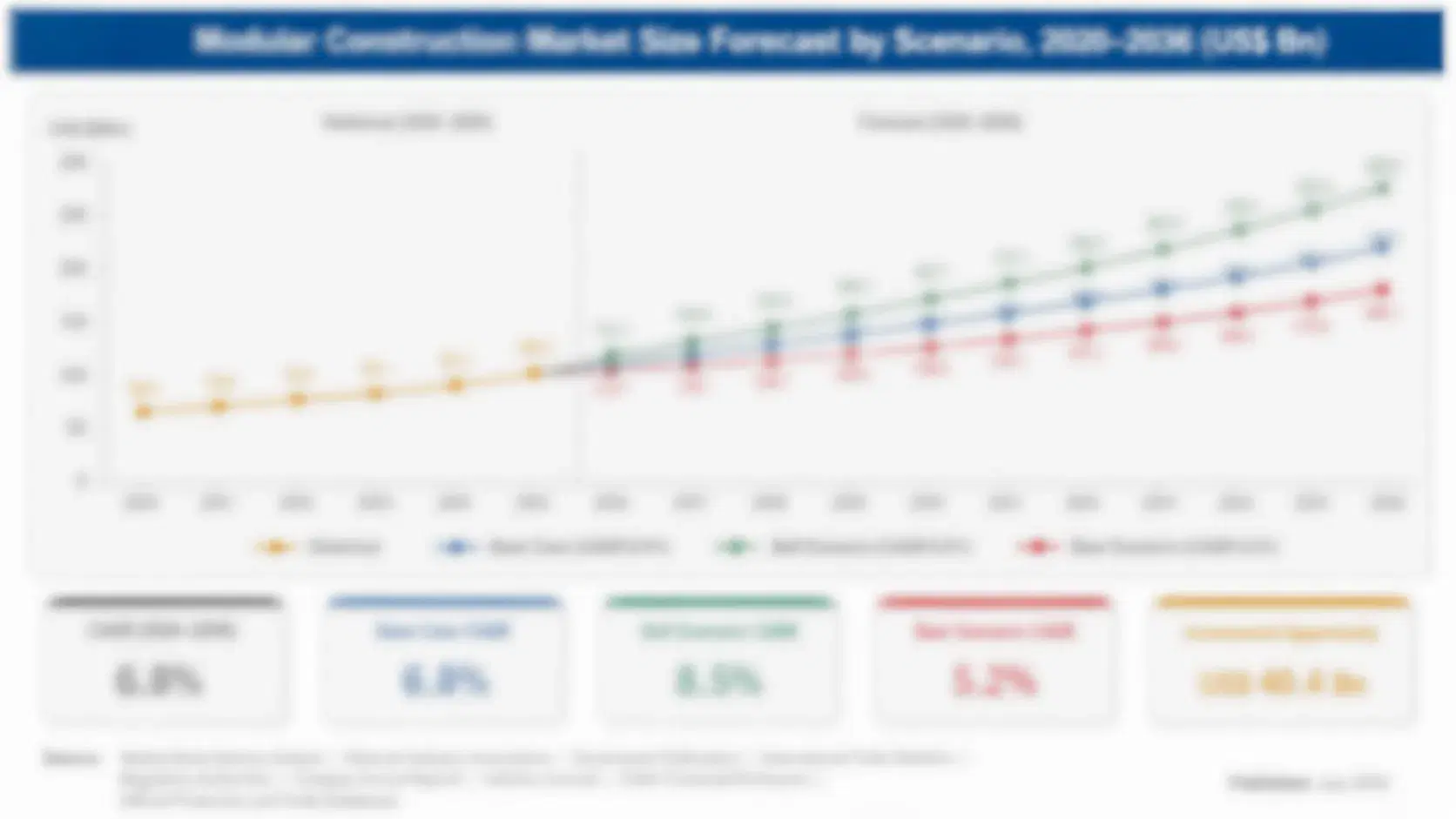
Between 2020 and 2025, hazardous location limit switch demand grew at roughly a 5.2 percent historical CAGR as oil and gas capital spending recovered unevenly from pandemic-era disruption and early battery gigafactory construction began reaching meaningful scale across multiple regions. Demand accelerated meaningfully after 2023 as battery manufacturing hazardous-area classification requirements formalized. regionally. overall. today.
MMA's base case assumes 5.9 percent CAGR through 2036, driven by three mechanisms: Gulf state oil and gas expansion requiring extensive new hazardous-area instrumentation across LNG export terminals, battery and hydrogen manufacturing facilities specifying explosion-proof certification for flammable solvent handling zones, and grain and chemical processing safety upgrades across aging facilities approaching certification renewal deadlines. Capital budgets are shifting toward certified safety equipment as regulatory scrutiny intensifies. This capital shift is visible across most major industrial buyer categories.
The bull case centers on accelerated Gulf state LNG buildout pulling orders forward across multiple terminal projects simultaneously. The bear risk is battery gigafactory construction delays, which have already pushed several facility commissioning timelines back by six to twelve months in multiple jurisdictions this cycle. Permitting and commissioning timelines vary considerably by jurisdiction and facility type.

Hazardous Certification Spreads Beyond Oil and Gas

Hazardous location limit switches spent decades defined almost entirely by oil and gas and chemical plant specification. Battery gigafactories have changed that calculus. Lithium battery electrode production involves flammable solvents at scale, and regulators across multiple jurisdictions have only recently formalized hazardous-area classification requirements for these facilities, pulling a genuinely new buyer category into this market. Manufacturers who built battery-specific certification depth early are now capturing orders this shift alone created.
MARKET CONCENTRATIONCR5 44%Top five players together hold this combined output share
AVERAGE SELLING PRICE$180-2,400 per unitPrice varies sharply by certification class and housing rating
TOP PRODUCING COUNTRYGermany 18%Leads global manufacturing output share by comfortable margin
CAPACITY UTILISATION69%Reflects steady order backlogs sustained across major producers
TRADE INTENSITY51% cross-borderShare of units shipped outside their producing home country
FEEDSTOCK COST SHARE41% of COGSStainless steel housings and precision contacts dominate costs
Gulf state oil and gas expansion is running a parallel but distinct story. Saudi Aramco and ADNOC's combined LNG export terminal buildout requires extensive new hazardous-area instrumentation at each facility, and this buildout alone is absorbing a disproportionate share of global limit switch capacity. Grain handling facilities add a quieter third driver, as combustible dust regulation tightens following several documented explosion incidents at aging grain elevators across North America.
Manufacturers with certification depth spanning multiple hazardous classifications, rather than pure oil and gas specialists, are capturing share as buyers increasingly demand application-specific qualification spanning battery manufacturing, LNG, and grain handling simultaneously, a combination few suppliers held five years ago. This divide between legacy and emerging applications is reshaping how manufacturers prioritize their own product roadmaps.
"This category used to mean one thing: oil and gas. Battery manufacturing just handed it a second identity, and most suppliers are still catching up to that reality."
Principal Analyst, Industrial Safety Equipment Practice · MMA Construction and Industrial Equipment Practice · October 2026

Market Trends

Battery Gigafactories Formalize Hazardous Area Classification

Lithium battery electrode production involves flammable solvents including NMP at scale, and regulators across the United States, Europe, and China have only recently formalized hazardous-area classification requirements specific to these facilities. North America's gigafactory buildout alone has roughly 18 new facilities under construction or planned through 2029, each requiring extensive explosion-proof instrumentation across electrode coating and solvent recovery zones. This formalization has pulled a genuinely new buyer category into a market long dominated by oil and gas specification, and several battery manufacturers are specifying certification depth few suppliers held a decade ago.
Market Impact: Flags 400 grain facilities for upgrade

Gulf LNG Export Terminal Buildout Drives Instrumentation Orders

Saudi Aramco and ADNOC's combined LNG export terminal buildout requires extensive new hazardous-area instrumentation at each facility, and the region has roughly nine major LNG terminal projects under construction or planned through 2030. Each terminal requires hundreds of certified limit switches across valve actuation, tank level sensing, and compressor monitoring applications, a specification considerably more demanding than standard onshore oil and gas facilities given the marine and cryogenic conditions involved. This buildout alone is absorbing a disproportionate share of global limit switch manufacturing capacity. This pattern is spreading rapidly across the broader Gulf region.
Market Impact: Flags 15,000 units for renewal

Market Opportunities and Growth Drivers

Grain Elevator Combustible Dust Regulation Tightens

Combustible dust regulation is tightening across North American grain handling facilities following several documented explosion incidents at aging grain elevators, forcing operators to retrofit hazardous-area certified instrumentation across conveyor and bucket elevator position sensing points. OSHA's combustible dust enforcement program has flagged roughly 400 grain handling facilities nationally for safety upgrades within the next five years, a compliance deadline that did not exist a decade ago. This retrofit wave favors manufacturers with proven grain-handling certification depth over pure oil and gas specialists lacking this specific application experience. even further across most affected regions.
Market Impact: Delays launches by 8-14 months

Aging Petrochemical Infrastructure Requires Certification Renewal

A substantial share of installed hazardous location instrumentation across petrochemical facilities was commissioned between 1990 and 2005 and is approaching certification renewal deadlines that require full equipment replacement rather than simple recertification under updated safety standards. Utilities and chemical operators replacing these units increasingly specify higher explosion-proof ratings than originally installed given tightened regulatory expectations. Several major US Gulf Coast refiners have identified roughly 15,000 limit switches nationally requiring certification renewal within the next decade. This renewal wave is expected to sustain elevated order volume well beyond the current replacement cycle across most Gulf Coast facilities.
Market Impact: Lead times near 6 months

Market Restraints and Challenges

Certification Testing Delays Push Back New Product Launches

New hazardous location limit switch designs require extensive third-party certification testing across multiple standards bodies including ATEX, IECEx, and UL, a process that routinely takes eight to fourteen months before commercial deployment can begin. The root cause is that certification laboratories face limited testing capacity relative to rising product submission volume from manufacturers racing to serve battery and LNG applications simultaneously. The commercial impact falls hardest on smaller manufacturers without dedicated regulatory affairs staff. Several manufacturers are now pursuing parallel testing across multiple laboratories to compress this timeline. meaningfully across the industry.
Market Impact: Covers 18 new gigafactories through 2029

Precision Contact Component Supply Remains Concentrated

High-precision electrical contacts and specialty sealing components for explosion-proof housings remain concentrated among a small number of specialty manufacturers, and lead times for qualified grades have stretched to roughly six months during periods of strong replacement demand overlap. The root cause is that few producers maintain the precision manufacturing tolerances these safety-critical components require. The commercial impact shows up as order backlog extension for manufacturers without long-term component supply contracts in place already. This exposure is expected to widen further as battery and LNG demand continues overlapping with traditional replacement cycles across most major markets.
Market Impact: Covers 9 LNG terminal projects
3 additional market trends, 4 additional growth drivers, and 2 additional restraints and challenges are covered in the full report. Contact sales@marketmindsadvisory.com to access the complete intelligence.

Segment CAGR and Growth Architecture

Hazardous location limit switches segment by application across oil and gas, chemical and petrochemical, mining, grain and dust handling, battery and hydrogen manufacturing, and marine and offshore platforms. Each application carries distinct certification class, housing rating, and environmental requirements that shape qualification differently across the procurement cycle. Buyers increasingly run bids across application dimensions rather than one supplier.
hazardous-location-limit-switches-market-market-share-analysis-1790907322520

Hydrogen and Battery Manufacturing Limit Switches

Limit switches certified for battery and hydrogen manufacturing applications are the fastest-growing segment in this market, expanding at 8.26 percent CAGR, roughly 1.40 times the overall market rate. North America's gigafactory buildout alone has roughly 18 new facilities under construction or planned through 2029, each requiring extensive explosion-proof instrumentation across electrode coating and solvent recovery zones that barely existed in gigafactory design a decade ago. Green hydrogen production facilities add a second, genuinely distinct demand pole tied to flammable gas handling requirements, and this combination is pulling specialized battery and hydrogen equipment buyers into a category long dominated by oil and gas specification alone. Winning early contracts here tends to secure follow-on orders across a manufacturer's broader facility expansion portfolio.
CAGR 8.3%

Oil and Gas Processing Limit Switches

Limit switches used in oil and gas processing applications are growing at 7.08 percent CAGR, roughly 1.20 times the overall market rate, as Gulf state LNG export terminal buildout drives extensive new instrumentation demand. Saudi Aramco and ADNOC's combined terminal program includes roughly nine major projects under construction or planned through 2030, each requiring hundreds of certified switches across valve actuation, tank level sensing, and compressor monitoring applications. This segment remains the market's largest by share despite trailing the fastest-growing applications on growth rate, reflecting the sheer scale of the installed base built up over decades of continuous oil and gas operation. Winning early contracts tends to secure follow-on orders across an operator's broader terminal expansion program.
CAGR 7.1%
Full segment breakdown across 7 segments available in the complete report.

Regional Architecture and Country Demand Map

Gulf state LNG buildout pulls Middle East and Africa's share well above its typical band, reflecting genuine resource and extraction concentration rather than broad regional industrial strength, while North America and East Asia split most of the remaining demand across oil and gas and battery applications.

North America

Battery gigafactory buildout anchors North America's demand alongside a steady oil and gas replacement cycle, a combination few other regions can match. The region's gigafactory construction program alone counts roughly 18 new facilities under construction or planned through 2029, each requiring extensive explosion-proof instrumentation across solvent handling zones. Grain elevator combustible dust regulation adds a third demand pole, with OSHA's enforcement program flagging roughly 400 facilities nationally for safety upgrades. US Gulf Coast refiners separately face certification renewal deadlines affecting roughly 15,000 installed units nationally. Canada's mining and oil sands sector adds a smaller but steady contribution tied to extraction safety requirements. This contribution remains small relative to the region's larger gigafactory and refinery drivers.
Share: 26% | CAGR: 5.5% (2026 to 2036)

Western Europe

Mature chemical and petrochemical infrastructure drives most of Western Europe's demand, even as the region's overall share sits below its typical band given slower capacity expansion than North America or the Gulf states. Germany and the Netherlands' established petrochemical clusters generate steady certification renewal demand as aging equipment reaches replacement deadlines. ATEX regulation, the certification standard this entire category traces back to, originated here and continues to shape procurement specifications across the continent. The region's slower growth reflects its mature installed base rather than declining industrial activity. France's chemical industry is beginning comparable certification renewal assessments, adding a further steady contribution. These contributions reinforce the region's position as a mature but steady procurement market.
Share: 16% | CAGR: 4.3% (2026 to 2036)
Regional intelligence for 5 additional markets available in the complete report: East Asia, South Asia and Pacific, Latin America, Middle East and Africa, Eastern Europe. Contact sales@marketmindsadvisory.com.
hazardous-location-limit-switches-market-country-cagr-analysis-1790907322842

Capturing Value as Applications Diversify

Hazardous location certification is turning a single-industry equipment category into one spanning battery, hydrogen, and LNG applications, and that diversification opens margin pools well beyond the base switch sale itself. Suppliers moving early into multi-standard certification capture disproportionate value relative to pure manufacturing scale. Platform differentiation increasingly happens through multi-standard certification rather than through hardware specification alone.

Battery and Hydrogen Certification Development Program

Manufacturers that developed battery and hydrogen specific hazardous-area certification ahead of formalized regulatory requirements capture a premium of roughly 24 to 32 percent over standard oil and gas unit pricing, since this pricing reflects the specialized flammable solvent and gas testing the work required. This certification requires engineering depth that smaller manufacturers typically lack, concentrating the opportunity among a handful of suppliers with proven battery and hydrogen track records. European and Asian manufacturers increasingly specify this certification as a baseline requirement rather than an optional upgrade. further across most major battery and hydrogen procurement programs.
Market Impact: Captures a roughly 24 to 32 percent premium

Providing LNG Terminal Instrumentation Package Services

Gulf state LNG terminal operators increasingly want instrumentation suppliers engaged at the design stage rather than through conventional equipment tendering, and suppliers offering this early partnership model have already won several of the region's planned terminal projects through 2030. This engagement model locks in a multi-year relationship that pure equipment sales cannot match, since switching instrumentation partners mid-construction carries considerable technical and schedule risk for the terminal operator. Early movers into instrumentation partnerships are compounding advantage through multi-phase contracts extending well beyond initial commissioning. further across the Gulf region's broader buildout program.
Market Impact: Has already won 3 new terminal project contracts

Offering Grain Elevator Retrofit Consulting Services

Grain handling facilities facing new combustible dust compliance deadlines often lack in-house expertise to evaluate certification requirements against existing conveyor and elevator design, creating demand for retrofit consulting that manufacturers with grain-handling certification depth can provide ahead of the equipment sale itself. This early engagement model has lifted order win rates by roughly 26 percent for suppliers that offer it. Grain operators tend to specify toward the supplier who helped shape the original retrofit feasibility assessment. This consulting layer requires grain-specific engineering depth that pure oil and gas specialists typically lack.
Market Impact: Lifts order win rates by roughly 26 percent

Who Controls the Margin Pool

Five manufacturers hold roughly 44 percent of global hazardous location limit switch output on a revenue basis, a moderate concentration that reflects both the certification depth this equipment demands and genuine regional manufacturing strength several challengers have built. The gap between the leader and challengers is real but not overwhelming. Regional manufacturers compete on local qualification and cost.
Competitive activity currently centers on three dimensions: battery and hydrogen certification development to serve gigafactory buyers, LNG terminal instrumentation partnerships to win design-in positions in Gulf state projects, and grain elevator retrofit consulting to capture combustible dust compliance demand. Manufacturers are increasingly partnering with regulatory testing laboratories to compress certification timelines. Southeast Asian and Gulf buyers increasingly favor suppliers with local manufacturing presence over distant exporters.

Emerging pressure is coming from specialized battery and hydrogen safety equipment firms entering a market previously dominated by oil and gas instrumentation manufacturers. Rankings could shift meaningfully over the next five years if these challengers close the certification breadth gap that currently separates them from established players, particularly as battery manufacturing demand continues outpacing traditional oil and gas order volume. Established players are responding by expanding their own battery and hydrogen certification capability.
hazardous-location-limit-switches-market-company-positioning-matrix-1790907323131

Competitive Moat and Risk Dimensions

HONEYWELL

Moat: Multi-Standard Certification Breadth

Honeywell's certification breadth spanning ATEX, IECEx, and UL standards simultaneously gives it qualification depth that newer entrants cannot easily replicate. This breadth lets it serve battery, LNG, and grain handling customers from a single product platform, reinforcing its position across the widest range of hazardous applications globally.
HONEYWELL

Risk: High-Cost Premium Positioning

Honeywell's premium pricing positioning leaves it exposed on price-sensitive tenders where regional manufacturers with lower-cost structures compete aggressively, particularly in emerging markets. As Southeast Asian and Latin American demand grows, this gap could widen the revenue difference versus better-positioned regional suppliers quite materially over time.
PEPPERL AND FUCHS

Moat: Battery Manufacturing Early Mover

Pepperl and Fuchs's early investment in battery manufacturing hazardous-area certification positions it well to capture gigafactory demand as regulatory requirements formalize further. Its established German manufacturing footprint lets it respond quickly to European and North American gigafactory certification timelines that favor proven suppliers. today. directly.
PEPPERL AND FUCHS

Risk: Thin Gulf LNG Presence

Pepperl and Fuchs's presence in Gulf state LNG terminal projects remains thinner than suppliers with established regional relationships, limiting its exposure to one of the market's largest buildout programs. This gap has already cost it several terminal contracts where local presence mattered more than certification depth alone.

Players Tracked

Prominent Players

Honeywell
Eaton Corporation plc
Pepperl and Fuchs
Rockwell Automation
Schneider Electric

Other Key Players

ABB Ltd
Siemens Energy
Emerson Electric Co
R STAHL Group
Killark Electric Manufacturing
Appleton Group
Crouse-Hinds Series
MTL Instruments
Bartec Group
Ex-Tec Corporation
Dold and Soehne
Idam Electric
Larson Electronics
Thomas and Betts Corporation
Cooper Crouse-Hinds

Recent Developments

JANUARY 2026

Pepperl and Fuchs Secures North American Gigafactory Contract

Pepperl and Fuchs secured a multi-year supply agreement to provide hazardous-area certified instrumentation across a major North American battery gigafactory's electrode production lines, its largest battery manufacturing order of the year by contracted value. The agreement includes extended certification support bundled into the original contract.
Signal: Signals deepening Pepperl and Fuchs presence in North America's expanding battery manufacturing hazardous certification program across multiple facilities
JULY 2025

Honeywell Expands Multi-Standard Certification Capacity

Honeywell announced an organic capacity expansion at its manufacturing facility to add multi-standard certified production lines, targeting rising demand from battery, LNG, and grain handling customers simultaneously. The expansion reaches full planned output within sixteen months of construction start, according to the company's announcement. overall.
Signal: Signals anticipated growth in cross-application certification demand across battery, LNG, and grain handling customers, as battery manufacturing scales up rapidly
APRIL 2026

Eaton and Saudi Terminal Operator Sign Supply Deal

Eaton Corporation signed a multi-year supply agreement with a Saudi LNG terminal operator to provide hazardous-area instrumentation for new export terminal construction, its largest Gulf region order to date. The agreement does not constitute a joint venture or equity partnership between the two companies involved.
Signal: Signals growing Western supplier interest in Saudi Arabia's expanding LNG export terminal buildout program overall, as domestic manufacturers also compete

Stainless Steel and Precision Contacts Drive Cost

Stainless steel explosion-proof housings and precision electrical contacts together represent roughly 41 percent of total cost of goods sold for a typical hazardous location limit switch, with housings sourced from regional foundries near final assembly and precision contacts traded through specialized metallurgy supply chains regardless of final destination facility. Regional sourcing patterns shift cost structure meaningfully by project location and certification class choice.
Precision contact lead times stretched to roughly six months during 2024 as battery and LNG demand overlapped with limited specialty manufacturing capacity, according to IEA industrial materials reporting. Stainless steel prices rose sharply over the same period, pushing several manufacturers to renegotiate fixed-price contracts mid-cycle, a disruption that extended order backlogs industry-wide well into 2025. Several buyers have since diversified toward secondary metallurgy suppliers to manage this exposure going forward.

Smaller manufacturers without long-term contact supply contracts face considerably sharper cost exposure than the five largest players, who negotiate multi-year agreements directly with metallurgy specialists. This gap compounds geographically: German manufacturers sourcing domestic steel face materially lower landed costs than Asian competitors importing comparable grades from Europe. This difference compounds further for battery applications requiring premium-grade certified components.
hazardous-location-limit-switches-market-cost-volatility-analysis-1790907323408

Multi-Year Precision Contact Supply Agreements

Leading manufacturers are locking in multi-year supply agreements directly with metallurgy specialists to secure volume allocation and price stability ahead of anticipated battery and LNG demand growth. This approach trades short-term pricing flexibility for supply certainty during periods of overlapping demand across major markets. Suppliers lacking such agreements face materially higher spot exposure during demand peaks.

Regional Foundry Sourcing Partnerships

Manufacturers are establishing regional foundry sourcing partnerships near major assembly hubs to reduce transport costs and shorten project lead times, given stainless steel's unfavorable weight-to-value ratio for long-distance shipping. This approach favors suppliers with established regional manufacturing footprint over centralized production models. Early movers into regional sourcing are already winning bids pure importers cannot match on cost.

Secondary Contact Supplier Qualification

Several producers are qualifying secondary precision contact suppliers as alternatives to concentrated primary metallurgy specialists, reducing input supply concentration risk while diversifying away from any single source. Qualification cycles typically run eight to twelve months before commercial deployment at scale across a manufacturer's full product line. Early adopters gain a modest cost advantage over rivals still reliant on single-source procurement.

Portfolio Architecture for Margin Defence

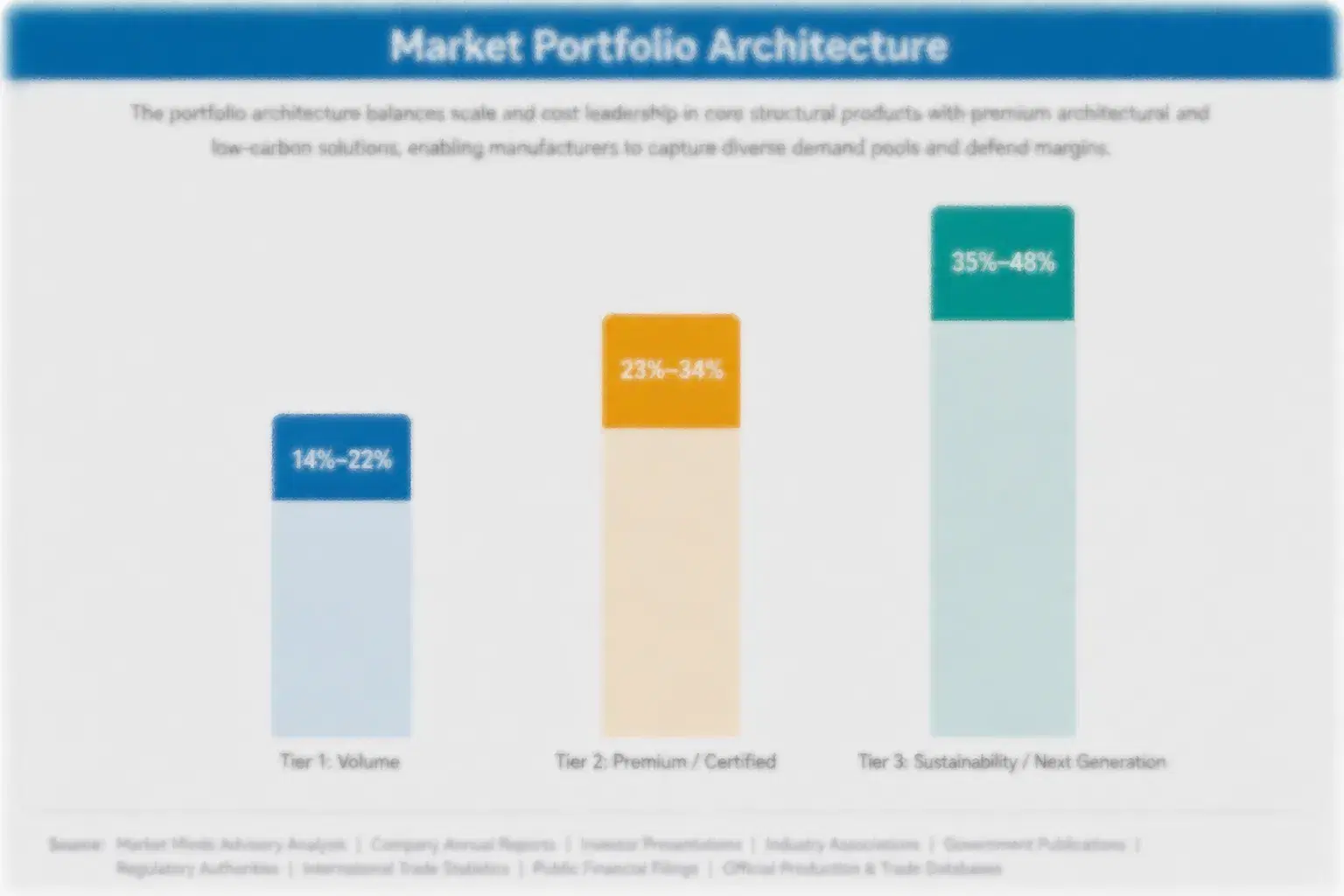
Hazardous location limit switch portfolios split across volume and premium tiers more sharply than most instrumentation categories, since certification breadth now determines price as much as mechanical durability does. Standard oil and gas units sit at the commodity end, while battery and hydrogen certified variants command meaningfully higher margins tied to validation depth and specialized testing involvement. Buyers increasingly request certification documentation on a single procurement.
The volume versus premium tension plays out most visibly in battery versus oil and gas procurement, where gigafactory operators specify multi-standard certification as a baseline requirement rather than an optional upgrade. This shift favors manufacturers with established battery-specific lines and penalizes those reliant on oil and gas-only designs. Switching between these two product philosophies mid-catalog has proven costly for several manufacturers over recent cycles.

High-value margin pools concentrate in battery certification and LNG terminal instrumentation packages, where technical complexity and limited global supplier qualification support considerably stronger pricing than standard oil and gas hardware. Suppliers positioned at this end of the market are compounding advantage through long-term service contracts that extend well beyond the original equipment sale. Few competitors serve both ends of this spectrum at scale.

Standard oil and gas and chemical processing switches

Commodity-grade units competing primarily on price and delivery lead time across routine industrial applications worldwide. Switching costs between qualified suppliers remain comparatively low across this segment overall. Fleet buyers prioritize cost efficiency over brand loyalty here.
Gross Margin: 15-21%

Multi-standard certified switches with extended service contracts

Certified units commanding premium pricing tied to regulatory compliance and extended maintenance service contracts bundled into the sale. Compliance codes in several jurisdictions increasingly require this level outright. Documentation increasingly separates qualified suppliers from the field.
Gross Margin: 25-33%

Battery, hydrogen, and LNG terminal certified instrumentation

Highest-complexity units requiring extensive validation and testing depth, commanding the strongest margins across the portfolio structure. Few manufacturers globally can credibly compete at this demanding tier. Technical complexity alone limits realistic competition considerably.
Gross Margin: 33-43%
hazardous-location-limit-switches-market-portfolio-architecture-1790907323704

High-value Sub-segments and Strategic Watch-out

Battery and Hydrogen Certified Switches

High-value, high-growth segment tied directly to gigafactory buildout and emerging hydrogen production programs, commanding the portfolio's strongest margins. Qualification barriers remain the primary gate limiting new entrants into this segment. Few manufacturers globally hold the required validation record. Suppliers without this depth face a steep catch-up path.
Gross Margin: 33-43%

LNG Terminal Certified Instrumentation

High-value, moderate-growth segment tied to Gulf state terminal buildout, carrying strong per-unit margins but a slower adoption pace than battery applications. Early qualification secures follow-on contracts across an operator's wider terminal network. Documentation requirements exclude most smaller competitors entirely. Budget approval cycles can stretch timelines considerably longer than standard deals.
Gross Margin: 27-35%

Standard Oil and Gas Processing Switches

Volume core segment generating steady but unremarkable margins, competing primarily on price and lead time across the broadest industrial application base. Scale, not specialization, determines competitiveness in this segment overall. Margins here depend heavily on raw material cost pass-through. Scale determines competitiveness in this segment overall.
Gross Margin: 15-21%

Legacy Single-Standard Certified Designs

Strategic watch-out segment facing mounting pressure from multi-standard alternatives, as buyers increasingly bypass single-standard designs during replacement cycles. Several producers are already quietly shrinking this product line in anticipation. This decline is accelerating faster than most forecasts anticipated. Operators moving toward multi-standard designs increasingly skip this tier entirely.
Gross Margin: 13-19%

From Unit Sale to Certification Partnership

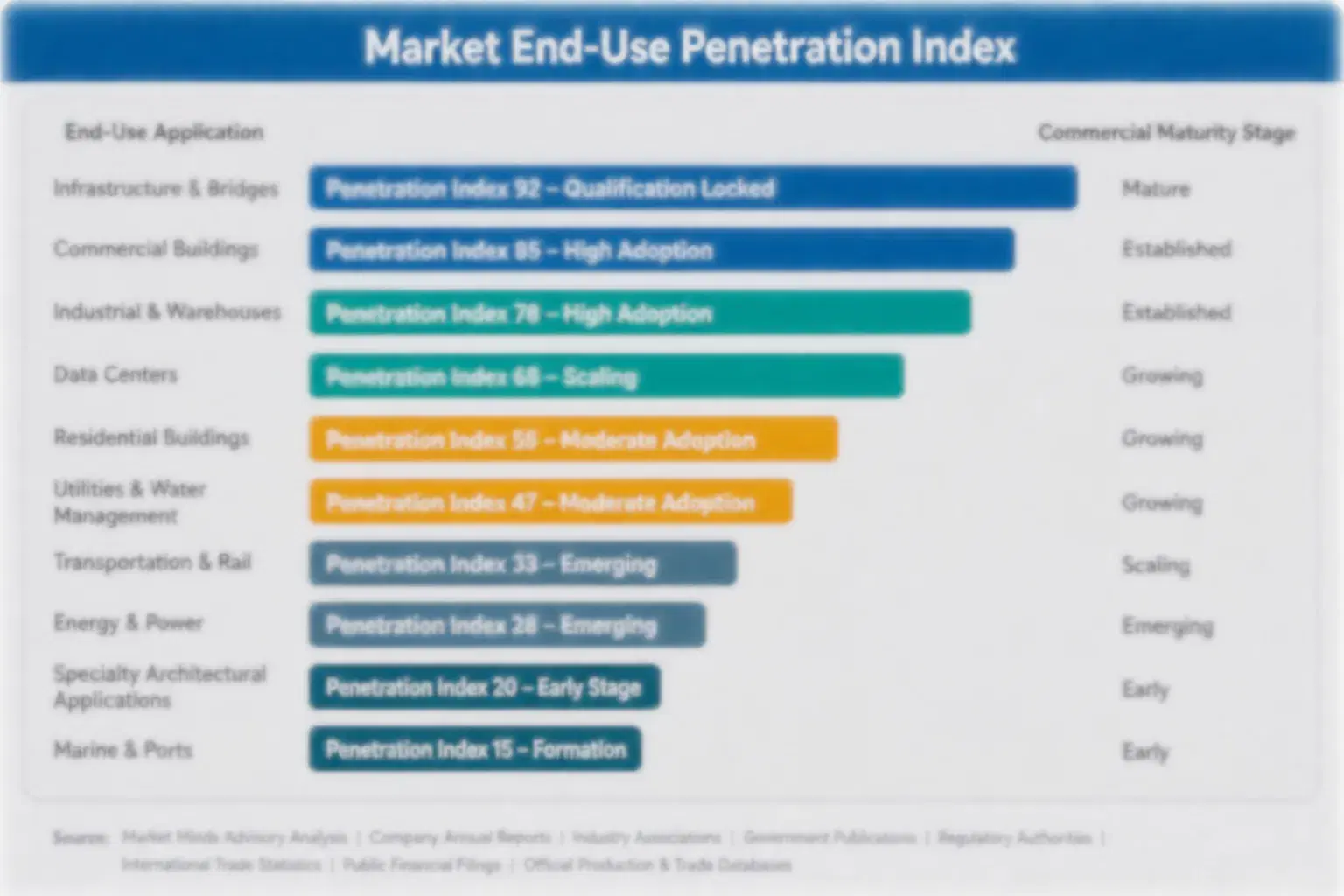
Limit switch sales themselves are discrete transactions, but the surrounding relationship increasingly functions like an annuity for battery and LNG fleets. Certification support, instrumentation partnerships, and multi-year maintenance contracts now routinely extend ten years or more beyond the original installation, particularly on battery and LNG terminal projects where technical complexity justifies ongoing supplier involvement rather than a clean handoff at delivery.
Adoption stickiness varies sharply by end-use vertical. LNG terminal operators rarely switch suppliers mid-construction given the instrumentation dependencies built into each facility, while standard oil and gas buyers treat limit switches as comparatively interchangeable commodity hardware and switch suppliers readily on price. Battery manufacturers sit between these extremes, valuing proven certification depth over pure cost competitiveness given how new this buyer category still is.

Buyer profiles are shifting generationally as plant engineers replace specification trained purely on oil and gas standards with a younger cohort more comfortable evaluating battery and hydrogen certification from the outset. This generational handoff is accelerating standard adoption of multi-standard switch technologies faster than pure economics alone would predict, as incoming specification engineers default toward designs they trained on rather than legacy standards.
hazardous-location-limit-switches-market-end-use-penetration-index-1790907324008

Where Switch Suppliers Should Focus Next

These are among the four positions where our research anticipates prominent divergence between winners and laggards over the coming forecast period. Each is grounded in the demand model, the regulatory perimeter, and the announced capacity pipeline.
01 / BATTERY CERTIFICATION INVESTMENT

Build battery certification depth before gigafactory demand peaks

North America and East Asia's gigafactory buildout will absorb a growing share of global hazardous-area certified instrumentation through 2036 and well beyond. Suppliers who build battery and hydrogen certification depth now will capture disproportionate value as this demand matures, since few manufacturers can credibly offer it today across most major markets simultaneously. Waiting until gigafactory volume peaks leaves little time to build the specialized testing teams this demanding certification work genuinely requires at full operating scale across every major facility.
02 / LNG TERMINAL PARTNERSHIP POSITIONING

Pursue terminal partnerships ahead of formal tendering

Gulf state LNG terminal operators increasingly want instrumentation partners engaged at the design stage rather than through conventional equipment tendering processes alone across the region. Suppliers that invest in this partnership model now will win contracts well before formal tendering begins, since operators specify toward whoever helped shape the original design from the outset. Those relying purely on equipment sales risk losing this entire margin pool to better-positioned rivals who moved into this partnership model earlier in the development cycle itself.
03 / GRAIN FACILITY COMPLIANCE CONSULTING

Build grain compliance consulting ahead of enforcement deadlines

Roughly 400 grain handling facilities nationally are flagged for safety upgrades within the next five years, and suppliers who build dedicated retrofit consulting now will capture disproportionate value as this enforcement deadline approaches steadily further across the industry. Grain operators specify toward whoever helped shape the original retrofit feasibility assessment, since switching consultants mid-project carries considerable compliance risk for the facility involved. Those without this capability risk losing contracts entirely to better-positioned rivals who built this capability much sooner than most peers.
04 / CERTIFICATION TESTING CAPACITY EXPANSION

Expand testing capacity ahead of rising submission volume

Certification testing delays already stretch to eight to fourteen months as manufacturers race to serve battery and LNG applications simultaneously across multiple regulatory bodies and testing laboratories. Manufacturers that expand dedicated testing partnerships now will avoid the launch delays that are already affecting competitors without parallel testing arrangements in place today. Those without this capacity risk losing market entry timing to faster-moving rivals who secured parallel testing capacity much earlier in this current, genuinely industry-wide demand surge cycle overall today.

Engagement Snapshot From the Field

A live engagement with an industry participant carrying material or product regulatory and market exposure ahead of a defining policy shift, showing how our research translates into a defensible multi-year portfolio strategy.
MARKET MINDS ADVISORY · CLIENT ENGAGEMENT SUMMARY
Hazardous Location Limit Switches Producer Strategic Portfolio Review and Transition Roadmap 2026·Investment Scenario on Hazardous Location Limit Switches Exposure Evaluation 2025-26
CLIENT PROFILE
A North American battery manufacturer planning a multi-year gigafactory expansion requiring certified hazardous-area instrumentation across electrode production lines. The manufacturer manages procurement across multiple facility zones with separate budget authority and overlapping regulatory certification requirements attached to its construction timeline. Multiple internal stakeholders influence final supplier selection decisions. Budget authority splits across several engineering teams.
STRATEGIC CHALLENGE
The manufacturer's existing supplier shortlist lacked clear differentiation on documented battery-specific certification depth, relying instead on general oil and gas brand reputation and price rather than proven flammable solvent handling evidence. A prior certification delay tied to inadequate testing depth had raised internal concern about repeating the error across remaining facility zones.
MMA APPROACH
MMA conducted a structured supplier capability assessment benchmarking five manufacturers against documented battery-specific certification depth and testing infrastructure, supplemented by interviews with each manufacturer's regulatory affairs leadership team. The assessment mapped supplier capability against the full construction timeline to identify genuine delivery risk across every single candidate supplier evaluated today.
KEY FINDINGS
  1. Two of five evaluated manufacturers lacked documented battery-specific certification data for comparable flammable solvent conditions (client-reported, unverified by MMA). This gap raised material procurement risk across early certification phases.
  2. Switching to certified battery-specific suppliers reduced projected certification delay by an estimated 24 percent (client-reported, unverified by MMA). across comparable facility zones.
  3. Suppliers offering testing consulting alongside hardware cut average qualification delay by roughly two weeks per zone (client-reported, unverified by MMA). across comparable certification programs industry-wide.
  4. Total procurement cost for certified battery-specific units ran approximately 19 percent above baseline estimates, but delay savings offset this within eight months (client-reported, unverified by MMA).
CLIENT PROFILE
A North American battery manufacturer planning a multi-year gigafactory expansion requiring certified hazardous-area instrumentation across electrode production lines. The manufacturer manages procurement across multiple facility zones with separate budget authority and overlapping regulatory certification requirements attached to its construction timeline. Multiple internal stakeholders influence final supplier selection decisions. Budget authority splits across several engineering teams.
STRATEGIC CHALLENGE
The manufacturer's existing supplier shortlist lacked clear differentiation on documented battery-specific certification depth, relying instead on general oil and gas brand reputation and price rather than proven flammable solvent handling evidence. A prior certification delay tied to inadequate testing depth had raised internal concern about repeating the error across remaining facility zones.
MMA APPROACH
MMA conducted a structured supplier capability assessment benchmarking five manufacturers against documented battery-specific certification depth and testing infrastructure, supplemented by interviews with each manufacturer's regulatory affairs leadership team. The assessment mapped supplier capability against the full construction timeline to identify genuine delivery risk across every single candidate supplier evaluated today.
KEY FINDINGS
  1. Two of five evaluated manufacturers lacked documented battery-specific certification data for comparable flammable solvent conditions (client-reported, unverified by MMA). This gap raised material procurement risk across early certification phases.
  2. Switching to certified battery-specific suppliers reduced projected certification delay by an estimated 24 percent (client-reported, unverified by MMA). across comparable facility zones.
  3. Suppliers offering testing consulting alongside hardware cut average qualification delay by roughly two weeks per zone (client-reported, unverified by MMA). across comparable certification programs industry-wide.
  4. Total procurement cost for certified battery-specific units ran approximately 19 percent above baseline estimates, but delay savings offset this within eight months (client-reported, unverified by MMA).
RECOMMENDED STRATEGY
Phase 1: Phase one: consolidate switch specifications around two certified suppliers with documented battery-specific testing track record before finalizing terms. ahead of final award. Phase 2: Phase two: formalize testing consulting agreements with primary suppliers to reduce qualification delay across remaining facility zones. Monitoring continues quarterly. Phase 3: Phase three: build an internal supplier scorecard tracking certification delivery performance to inform procurement across future zones. Results feed back regularly.
OUTCOME
The manufacturer consolidated its instrumentation supply base from six vendors to two within ten months, prioritizing documented battery-specific certification track record over incumbent pricing relationships. Certification delays declined meaningfully across subsequent facility zones, and the manufacturer's procurement team adopted MMA's benchmarking framework as a standing input to future expansion decisions (client-reported, unverified by MMA).

Frequently Asked Questions

Foundational context covering the market sizes, CAGR, scope, country, region and competition that inform every finding below. This section is provided to cover basics and most often pre-purchase conversations, answered from the MMA Primary Research Dataset.

What is the current size of the Hazardous Location Limit Switches Market?

The market is valued at $0.92 billion in 2025, MMA's base year, reflecting global demand across oil and gas, battery, and chemical applications. This spans multiple certification classes.

How large will the Hazardous Location Limit Switches Market be by 2036?

MMA projects the market will reach $1.73 billion by 2036, reflecting sustained demand growth. Gulf LNG buildout and battery manufacturing drive most of this expansion.

What is the CAGR for the Hazardous Location Limit Switches Market 2026 to 2036?

The market is forecast to grow at a 5.9 percent CAGR between 2026 and 2036. Bull and bear scenarios range from 4.7 to 7.1 percent.

Which segment is growing fastest?

Hydrogen and Battery Manufacturing Limit Switches lead at an 8.26 percent CAGR, roughly 1.40 times the overall market rate. Gigafactory buildout drives most of this growth.

Who are the major companies in the Hazardous Location Limit Switches Market?

Leading suppliers include Honeywell, Eaton Corporation, Pepperl and Fuchs, Rockwell Automation, and Schneider Electric. These five companies hold a combined 44 percent of global output.

Which country is growing fastest?

Saudi Arabia leads growth, driven by its LNG export terminal buildout program requiring extensive hazardous-area instrumentation. Roughly nine major terminal projects are planned through 2030.

Report Segmentation Architecture

The full report scope spans multiple orthogonal segmentation dimensions, with cross-tabulated demand data provided for each dimension pair. Coverage extends further to regional breakdowns, trend trajectories, and the competitive detail needed to support segment-level decision-making.

By Primary Market Dimension

  • Oil and Gas Processing Limit Switches
  • Chemical and Petrochemical Plant Limit Switches
  • Mining and Underground Limit Switches
  • Grain and Dust Handling Limit Switches
  • Hydrogen and Battery Manufacturing Limit Switches
  • Marine and Offshore Platform Limit Switches

By End-Use Industry

  • Oil and Gas
  • Chemical and Petrochemical
  • Mining
  • Battery and Hydrogen Manufacturing
  • Food and Agriculture

By Commercial Dimension

  • Direct Operator Procurement
  • Engineering, Procurement, and Construction Contractors
  • Original Equipment Manufacturers
  • Aftermarket Replacement Channels

By Region

  • North America
  • Western Europe
  • East Asia
  • South Asia and Pacific
  • Latin America
  • Middle East and Africa
  • Eastern Europe

Scope, Methodology, and Coverage

Every figure in this report is reproducible from documented input assumptions. The scope below maps the historical period, the forecast horizon, the segmentation dimensions, and the countries covered, alongside the underlying primary and qualitative methodology.
Historical Period
2020 to 2025
Forecast Period
2026 to 2036
Base Year
2025 (USD billions; MMA Primary Research Dataset, October 2026)
Market Definition
This report covers hazardous location limit switches certified for position sensing in explosive and flammable atmospheres across oil and gas, chemical, mining, grain handling, battery and hydrogen manufacturing, and marine applications. It excludes general-purpose limit switches without hazardous-area certification and proximity sensors sold as standalone systems.
Quantitative Units
USD billions (current prices); unit shipment volume where disclosed
Segmentation Dimensions
By Application; By End-Use Industry; By Commercial Dimension; By Region
Regions Covered
North America, Western Europe, East Asia, South Asia and Pacific, Latin America, Middle East and Africa, Eastern Europe
Countries Covered
USA, Saudi Arabia, UAE, China, Germany, India, South Korea, Japan, Brazil, Mexico, Chile, Canada, Qatar, Egypt, South Africa, Vietnam, Thailand, Singapore, Poland, Romania, France, Netherlands, Taiwan, New Zealand, Australia, Colombia, Peru, and additional markets relevant to this sector
Key Companies Profiled
Honeywell, Eaton Corporation plc, Pepperl and Fuchs, Rockwell Automation, Schneider Electric, ABB Ltd, Siemens Energy, Emerson Electric Co, R STAHL Group, Killark Electric Manufacturing, Appleton Group, Crouse-Hinds Series, MTL Instruments, Bartec Group, Ex-Tec Corporation, Dold and Soehne, Idam Electric, Larson Electronics, Thomas and Betts Corporation, Cooper Crouse-Hinds
Quantitative Methodology
Primary survey, n=3,800 respondents, Q4 2025, six countries; demand-side model with trade association cross-validation
Qualitative Methodology
47 expert interviews, Q4 2025; applied to validate demand model assumptions, identify emerging dynamics, and assess competitive positioning
Report Format
PDF and XLSX data workbook (Word format preview document)
Publisher
Market Minds Advisory
Report Code
MMA-2026-CON-298
Published
October 2026
Contact
sales@marketmindsadvisory.com | www.marketmindsadvisory.com

Purchase the full Hazardous Location Limit Switches Market Report (2026 to 2036).

This report provides a comprehensive analysis of the global Hazardous Location Limit Switches Market, covering market sizing, segmentation, and competitive dynamics through 2036. It examines demand drivers across Gulf LNG buildout, battery and hydrogen manufacturing certification, and grain handling compliance deadlines, alongside regional breakdowns spanning all seven major geographies. The analysis includes detailed competitive profiling of leading manufacturers, input cost exposure, and portfolio strategy guidance for participants across applications. It closes with forward-looking guidance on where certification requirements are reshaping supplier qualification standards. It also benchmarks portfolio tier economics by application.
Ten-year market sizing and forecast model
Seven-region demand and growth breakdown overview
Competitive benchmarking of twenty key manufacturers
Input cost and supply chain exposure analysis
Portfolio tier and margin economics framework
Primary research from 3,800 survey respondents

Built For The People Who Decide

From boardroom strategy to bench-side execution, this report is read cover-to-cover by leaders shaping the next decade of their industry, turning demand scenarios, market dynamics and valuation benchmarks into decisions.
CXOs/ Presidents/ VPs/ Managers
M&A and Corporate Development
Strategy Teams and R&D Heads
Procurement and Product Directors
Regulatory and Compliance Leaders
Investor Relations and Equity Analysts