Market Minds Advisory
Greens Gummies Market

Greens Gummies Market: Greens Gummies Market. Vegetable Gaps, Dose Limits, and Algae Contamination Risk Shape Chewable Greens Returns.

Greens gummies turn on low vegetable intake, the popularity of greens powders, small doses per gummy against powder scoops, heavy metal and cyanotoxin risks in algae, sugar scrutiny, and brands adding probiotics and enzymes to

Lead Analyst

Published

September 2026

Make Smarter Decisions with Customized Research Insights

Request a free sample report and evaluate market opportunities, growth trends, and competitive dynamics relevant to your business needs.

2025 MARKET VALUE$0.6BMarket Size 2025
2036 FORECAST VALUE$2.2BBase Case , 2026 to 2036
CAGR 2026 TO 203612.5 %Bull 13.8% / Bear 11.2%
INCREMENTAL OPPORTUNITY$1.5BNet 10- year value creation
EXPANSION MULTIPLE3.25x2036 value over 2026 base
Strategic Levers
M&A Pipeline
Regional Outlook
Country Rankings
Competitive Intelligence
Segmental Deep-dive
Call-Us : 91 93563 13602

Executive Snapshot and Market Trajectory.

Greens gummies deliver dried vegetable, algae and cereal grass ingredients in chewable gummies, including mixed greens and superfood blends, spirulina and chlorella, wheatgrass and barley grass, leafy vegetable gummies and blends with probiotics and enzymes. Value depends on vegetable gaps, dose credibility, contaminant testing and sugar levels each season.
Greens With Probiotics and Digestive Enzymes Gummies grows fastest as brands add digestive claims to justify premium prices and offset small greens doses, while mixed greens blends still carry the volume. North America holds the largest share because American gummy culture and greens powder popularity are strongest, and East Asia follows on Japanese aojiru traditions. Buyers review suppliers every season. Supply contracts decide renewal too.
Competition is moderately concentrated among gummy makers and greens brands: an Irish nutrition group, a British-Dutch consumer goods group, an American consumer products company, an American vitamin maker and a Swiss health science company lead, measured here on estimated greens gummy sales volume, while direct-to-consumer greens brands and online sellers fill gaps. Buyers judge taste, dose and trust. Delivery reliability decides supplier rankings. Margins follow process discipline. Trial records protect future sales.
Market Definition
The market covers global sales of chewable gummy supplements whose primary marketed ingredients are dried greens, vegetables, algae or cereal grasses, valued at brand level, including mixed greens and superfood blend gummies, spirulina and chlorella gummies, wheatgrass and barley grass gummies, leafy vegetable gummies, and greens gummies with probiotics and digestive enzymes, sold through grocery, pharmacy, online and specialty retail. The scope excludes greens powders, capsules and drinks.
Base Year Value
$0.6B in 2025 (MMA Primary Research Dataset, September 2026)
Forecast Period
2026 to 2036, eleven discrete annual values
CAGR
12.5% base case. Bull 13.8%. Bear 11.2%.
Fastest Growth Segment
Greens With Probiotics and Digestive Enzymes Gummies: 17.5% CAGR
Fastest Growth Country
India: 15.2% CAGR
Fastest Growth Region
South Asia and Pacific: 14.5% CAGR
Largest Region
North America: 52% of 2025 global value
Market Leaders
Glanbia, Unilever, Church & Dwight, Pharmavite, Nestlé Health Science. Source: MMA Analysis, company annual reports.
Primary Survey
n=3,800 procurement and R&D decision-makers, Q4 2025, six countries
Methodology
Demand-side build-up, cross-validated against public data, 47 expert interviews

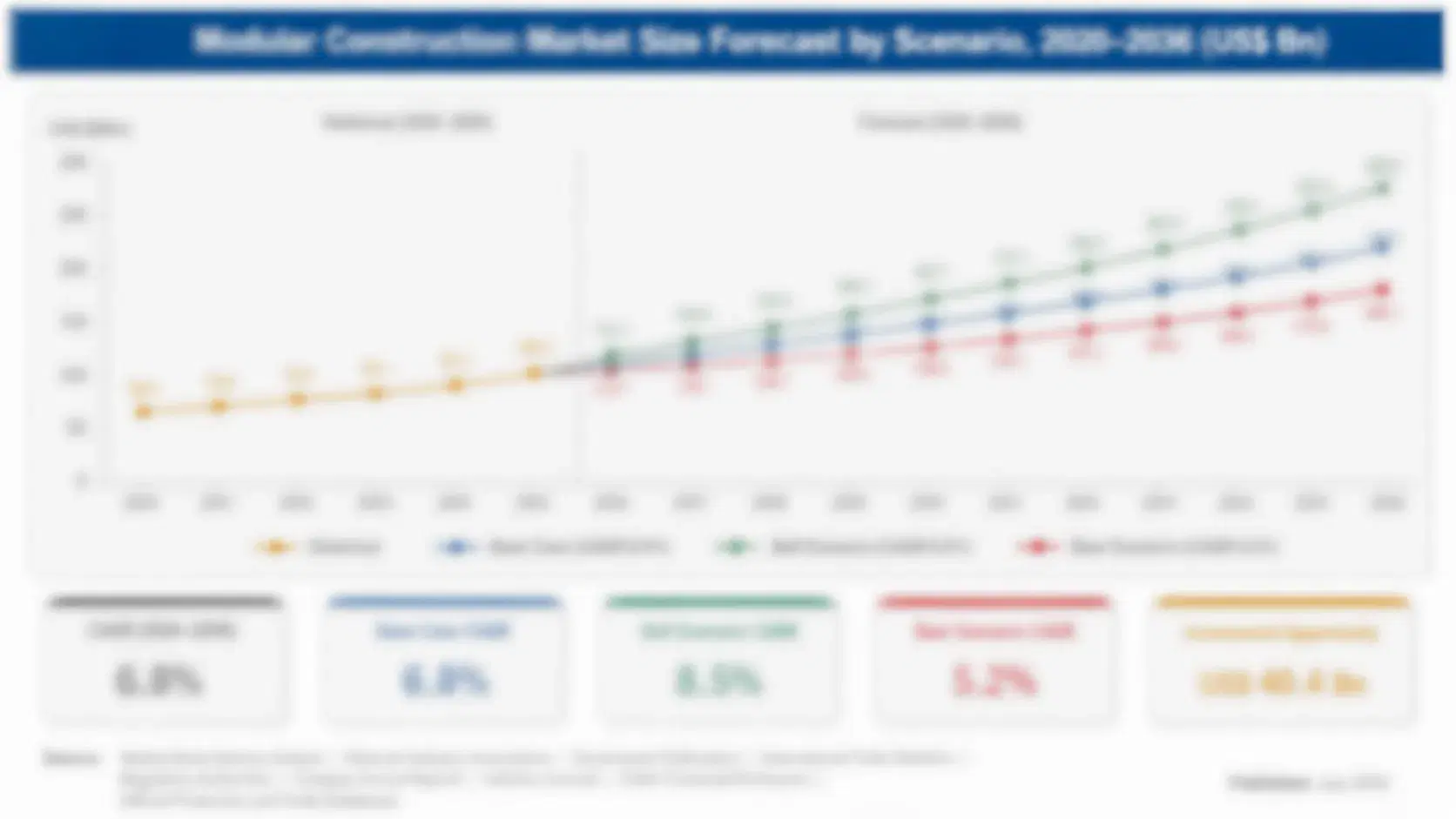
Greens Gummies Market Forecast Scenarios

greens-gummies-market-size-forecast-scenario-1789949332285
Between 2020 and 2025, greens gummies grew quickly from a very small base as greens powders gained social media fame and gummy makers looked for convenient alternatives to mixing powders. Dose per gummy stayed small, sugar and label questions slowed some launches, and brands added probiotics and enzymes to build premium positioning. Cost control separates leaders from followers.
The base case rests on three commercial mechanisms. First, low vegetable intake and busy routines keep demand for convenient greens alternatives. Second, better formulation and multi-serving packs raise effective dose and improve taste. Third, digestive add-ons and retailer support lift value per pack. Brands plan contaminant testing, dose upgrades and retail programmes around these three drivers. Clear specifications build buyer trust. Small brands feel every price swing. Scale compounds over time. Audits repeat every year.
The bull case needs credible evidence that greens gummies deliver meaningful nutrition and lower sugar formulations that satisfy retailers, which would lift trust. The bear case is a contamination scandal or claims enforcement combined with private label price cuts, which would cut margins and slow launches. Buyers review suppliers every season. Supply contracts decide renewal. Delivery reliability decides supplier rankings.

Vegetable Gaps, Dose Limits, and Contaminant Testing Set Greens Gummy Outcomes

Producers dry and mill vegetables, spirulina, chlorella and cereal grasses into powders, and gummy makers blend them with pectin, sweeteners and flavours into chewables sold through grocery, pharmacy, online and specialty channels. Dried greens take 8% to 16% of gummy cost, each serving carries only 0.5 to 2 g against 5 to 12 g in a powder, and online channels take about 42% of sales.
MARKET CONCENTRATION37% CR5Top five suppliers hold a substantial combined share
ADULTS MEETING VEGETABLE GUIDANCE1 in 10Approximate share of American adults meeting vegetable intake guidance
GREENS PER GUMMY SERVING0.5-2 gTypical dried greens amount carried by each serving
GREENS POWDER SCOOP5-12 gTypical dried greens amount in a powder serving
ONLINE SALES SHARE42%Portion of sales made through online and direct channels
GREENS INGREDIENT COST SHARE8-16%Portion of gummy cost taken by dried greens ingredients
Dose, taste, contaminant testing, sugar level and price decide value. Shoppers judge flavour and how they feel, retailers judge shelf productivity and label claims, dietitians judge evidence, and regulators check claims and contaminants. Glanbia wins on Amazing Grass heritage, Unilever wins on Olly gummy reach, and Church & Dwight wins on gummy scale. Test results move shelf space quickly. Margins follow process discipline.
Buyers judge greens gummies on taste, convenience, dose, sugar content and price. Busy adults want an easy substitute for vegetables, parents want something children accept, and health-conscious shoppers want clean labels. Price sensitivity is moderate. Reviews and creator content decide shortlists, and many trial buyers stop when they realise the dose is small. Trial records protect future sales. Cost control separates leaders from followers.
"Nobody eats gummies to replace vegetables, and everybody who buys them knows it. The brands that last will sell an honest habit with clean labels and a probiotic or enzyme story, and will stop implying a salad in a chew."
Senior Analyst, Nutraceuticals and Plant-Based Ingredients Practice · MMA Greens Gummies Practice · September 2026

Market Trends

Probiotic and Enzyme Add-Ons Give Greens Gummies a Digestive Premium

Brands add probiotics and digestive enzymes to greens gummies to answer the question of what a small dose delivers, and position them for gut comfort and regularity. Greens With Probiotics and Digestive Enzymes Gummies grows about 17.5% a year, and gross margins run 50% to 66% against 38% to 50% for mixed greens gummies. The trend needs stable cultures, honest claims and strong grocery and online support. Clear specifications build buyer trust. Small brands feel every price swing. Scale compounds over time. Audits repeat every year. Buyers review suppliers every season. Supply contracts decide renewal.
Market Impact: only 10% meet vegetable guidance
Spirulina and Chlorella Gummies Ride Algae Superfood Interest and Testing

Spirulina and chlorella carry protein, chlorophyll and antioxidant claims and appeal to shoppers seeking algae superfoods, while brands emphasise heavy metal and microcystin testing. Spirulina and Chlorella Algae Gummies grows about 15.0% a year. The trend needs certified sourcing, lot testing and taste masking of the strong flavour, and it rewards suppliers with clean growing sites in Taiwan, Japan and the United States. Delivery reliability decides supplier rankings. Margins follow process discipline. Trial records protect future sales. Cost control separates leaders from followers. Clear specifications build buyer trust. Small brands feel every price swing.
Market Impact: online holds 42% of sales

Market Opportunities and Growth Drivers

Low Vegetable Intake and Busy Routines Sustain Convenient Greens Demand

Only about one in ten American adults meets vegetable intake guidance according to the CDC, and busy routines make salads and greens powders inconvenient. Gummies remove mixing and taste concerns. The driver sustains a large buyer base and rewards brands with credible ingredient stories, clear dose labels and formats that fit into commutes, desks and children's routines. Scale compounds over time. Audits repeat every year. Buyers review suppliers every season. Supply contracts decide renewal. Delivery reliability decides supplier rankings. Margins follow process discipline. Trial records protect future sales. Cost control separates leaders from followers.
Market Impact: repeat purchase reaches only 45%

Greens Powder Fame and Gummy Preference Widen the Trial Audience

Greens powders built a large social media following and made greens a supplement category, and many trial buyers prefer chewables to mixing drinks. Online channels hold about 42% of greens gummy sales. The driver widens trial and rewards brands with creator relationships, subscription programmes and formats that let powder fans and gummy fans both feel served. Clear specifications build buyer trust. Small brands feel every price swing. Scale compounds over time. Audits repeat every year. Buyers review suppliers every season. Supply contracts decide renewal. Delivery reliability decides supplier rankings. Margins follow process discipline.
Market Impact: testing adds 3-6% to cost

Market Restraints and Challenges

Tiny Greens Doses Per Gummy Undermine Nutritional Credibility Against Powders

A gummy carries only 0.5 to 2 g of dried greens while a powder serving carries 5 to 12 g, and gummy sugar and pectin add calories. The root cause is formulation limits of the gummy matrix. Brands respond with multi-gummy servings and added probiotics, though the dose gap leaves dietitians sceptical and caps repeat purchase at about 45% of trial buyers. Trial records protect future sales. Cost control separates leaders from followers. Clear specifications build buyer trust. Small brands feel every price swing. Scale compounds over time. Audits repeat every year.
Market Impact: digestive greens gummies grow 17.5% yearly

Algae Heavy Metal and Cyanotoxin Risks Raise Testing Costs

Spirulina and chlorella can carry heavy metals and microcystin toxins if grown or harvested poorly, and independent tests have found problem products. The root cause is uneven farming and weak oversight. Brands respond with lot testing and certified sourcing, though testing adds 3% to 6% to cost and a single scandal can cut category sales by 8% to 12%. Buyers review suppliers every season. Supply contracts decide renewal. Delivery reliability decides supplier rankings. Margins follow process discipline. Trial records protect future sales. Cost control separates leaders from followers. Clear specifications build buyer trust.
Market Impact: algae gummies grow 15.0% yearly
3 additional market trends, 2 additional growth drivers, and 4 additional restraints and challenges are covered in the full report. Contact sales@marketmindsadvisory.com to access the complete intelligence.

Segment CAGR and Growth Architecture

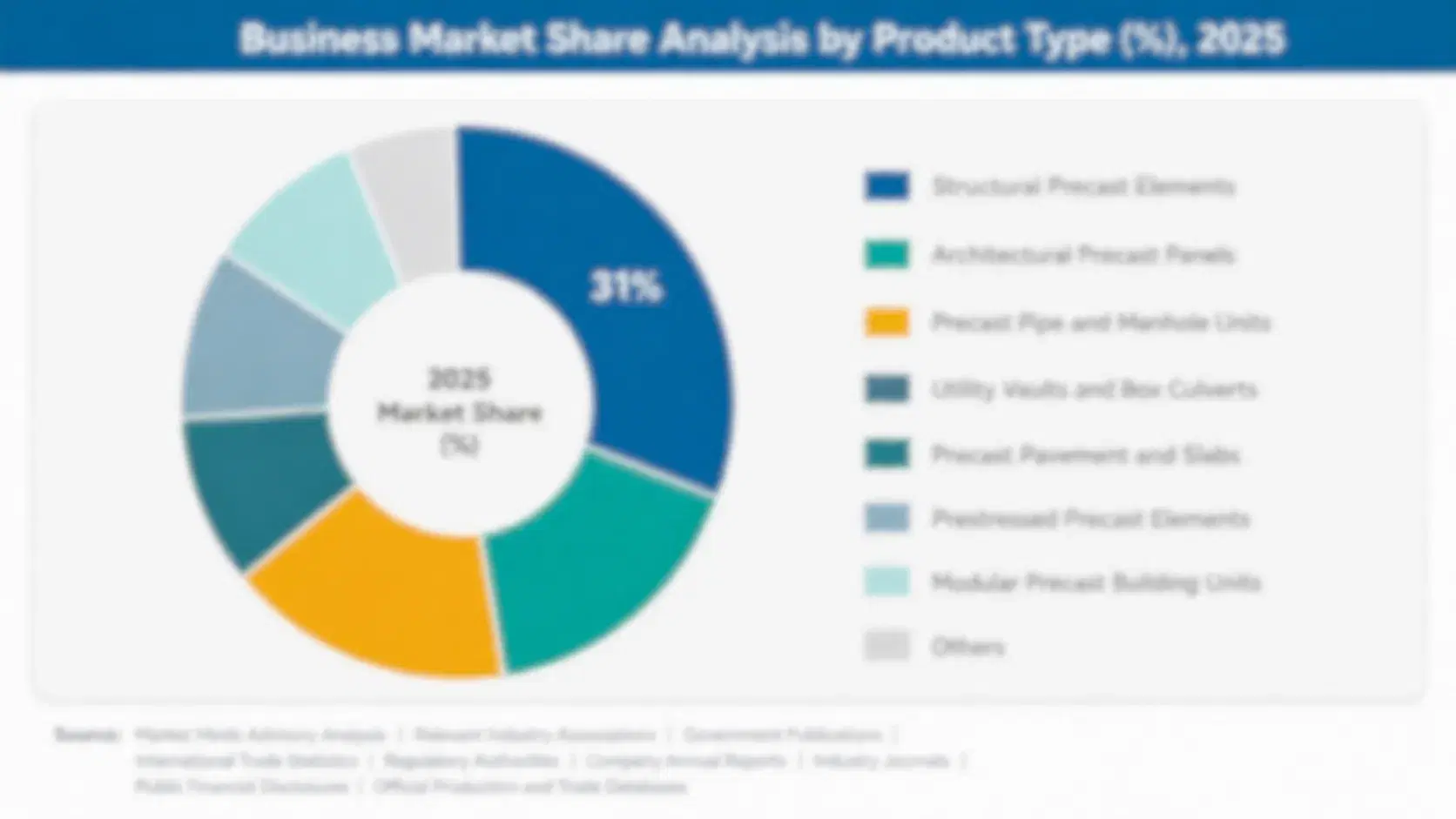
The global greens gummy market is segmented by green source and formulation, which shows where digestive add-ons, algae sourcing and dose upgrades create pricing power in a moderately concentrated market. Five segments cover mixed greens and superfood blends, spirulina and chlorella, wheatgrass and barley grass, leafy vegetable gummies, and greens with probiotics and enzymes.
greens-gummies-market-market-share-analysis-1789949332575

Greens With Probiotics and Digestive Enzymes Gummies

Greens With Probiotics and Digestive Enzymes Gummies is the fastest-growing segment at 17.5% a year, about 1.40 times the overall market rate, from a small base. Brands add cultures and enzymes to justify premium prices and offset small greens doses, so gross margins of 50% to 66% against 38% to 50% for mixed greens gummies support stability testing and marketing spend. Culture stability and claims discipline are the main constraints. Brands with evidence win. Small brands feel every price swing. Scale compounds over time. Audits repeat every year. Buyers review suppliers every season. Supply contracts decide renewal. Delivery reliability decides supplier rankings. Margins follow process discipline. Trial records protect future sales. Cost control separates leaders from followers.
CAGR 17.5%

Spirulina and Chlorella Algae Gummies

Spirulina and Chlorella Algae Gummies grows at 15.0% a year, about 1.20 times the overall market rate, because shoppers seek algae superfoods with protein and chlorophyll positioning, and brands accept gross margins of 46% to 62% for tested and certified algae. Contaminant testing and taste masking shape entry. Brands with certified sourcing hold price better than generic greens sellers. Clear specifications build buyer trust. Small brands feel every price swing. Scale compounds over time. Audits repeat every year. Buyers review suppliers every season. Supply contracts decide renewal. Delivery reliability decides supplier rankings. Margins follow process discipline. Trial records protect future sales. Cost control separates leaders from followers. Clear specifications build buyer trust.
CAGR 15.0%
Full segment breakdown across 5 segments available in the complete report.

Regional Architecture and Country Demand Map

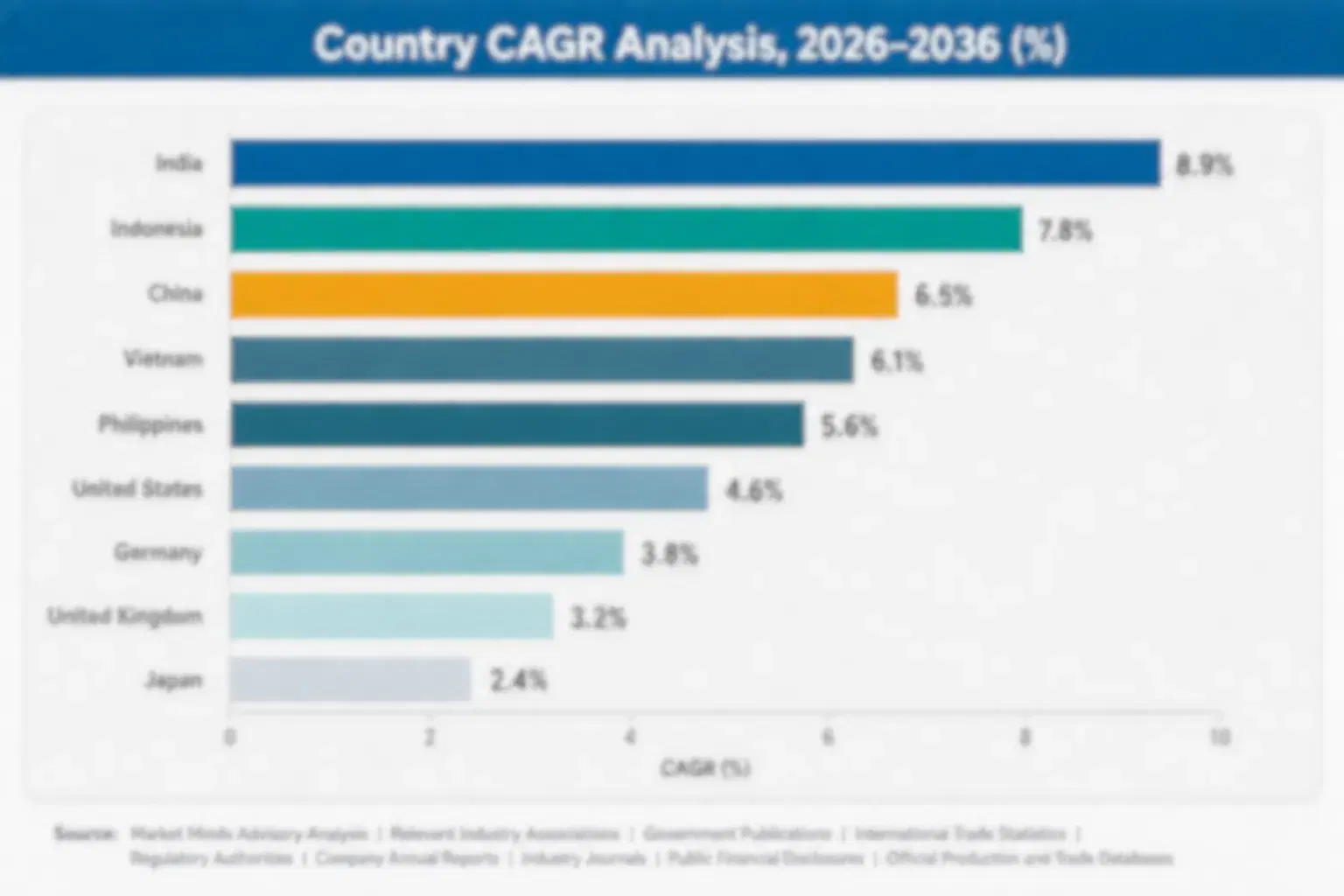
North America leads at 52% because American gummy culture and greens powder popularity are the strongest in the world, with East Asia at 16% on Japanese aojiru traditions. South Asia and Pacific grows fastest as Indian and Australian shoppers adopt chewable greens. Small brands feel every price swing.

North America

North America holds 52% share, far above its band, because American shoppers are the world's most enthusiastic gummy buyers and greens powders such as AG1 and Amazing Grass made the category familiar, and Olly, Vitafusion, Nature's Bounty and Bloom sell greens gummies through grocery, club and online channels, which justifies the out-of-band share and puts it far ahead of other regions. Growth runs slightly below the global rate. Sugar scrutiny and private label restrain returns. Scale compounds over time. Audits repeat every year. Buyers review suppliers every season. Supply contracts decide renewal. Delivery reliability decides supplier rankings. Margins follow process discipline. Trial records protect future sales. Cost control separates leaders from followers.
Share: 52% | CAGR: 12.0% (2026 to 2036)

East Asia

East Asia holds 16% share, below its band, because Japan has decades of aojiru green juice tradition through Yamamoto Kanpo, Suntory and Ito En and Korean and Chinese shoppers buy greens and algae supplements, though gummies are a newer format there, which justifies the out-of-band share. Growth exceeds the global rate. Format preferences, claims rules and local competition restrain margins. Clear specifications build buyer trust. Small brands feel every price swing. Scale compounds over time. Audits repeat every year. Buyers review suppliers every season. Supply contracts decide renewal. Delivery reliability decides supplier rankings. Margins follow process discipline. Trial records protect future sales. Cost control separates leaders from followers. Clear specifications build buyer trust.
Share: 16% | CAGR: 13.5% (2026 to 2036)
Regional intelligence for 5 additional markets available in the complete report: Western Europe, South Asia and Pacific, Latin America, Eastern Europe, Middle East and Africa. Contact sales@marketmindsadvisory.com.
greens-gummies-market-country-cagr-analysis-1789949332852

Four Margin Routes for Greens Gummy Brands

Margin in greens gummies comes from digestive add-ons, tested algae blends, multi-gummy dose upgrades and subscription programmes rather than plain mixed greens volume. The routes below apply to gummy brands, greens ingredient suppliers and contract manufacturers, and each can start inside one planning cycle, with clear measures in gross margin points, listings and subscriber retention.

Shifting Mixed Greens Volume Into Probiotic and Digestive Enzyme Gummies

Greens gummies with probiotics and enzymes earn gross margins of 50% to 66% against 38% to 50% for mixed greens gummies, so brands that add stable cultures, enzyme formulations and gut comfort positioning to shift 10% of volume into these products report gross margin gains of three to five points on the mix. Programmes cost $2 million to $7 million. Pilots with five retailers confirm demand. Scale compounds over time. Audits repeat every year. Buyers review suppliers every season. Supply contracts decide renewal. Delivery reliability decides supplier rankings. Margins follow process discipline.
Market Impact: digestive mix shift lifts gross margin by 3-5 points

Raising Effective Greens Dose Through Multi-Gummy Servings and Concentrated Extracts

A gummy carries 0.5 to 2 g against 5 to 12 g in a powder, so brands that use concentrated extracts and two- or three-gummy servings to reach 3 g or more win dietitian and pharmacy accounts worth 8% to 14% of sales. Programmes cost $1 million to $4 million. Brands should test stability and taste on one hero product first before extending doses across ranges. Trial records protect future sales. Cost control separates leaders from followers. Clear specifications build buyer trust. Small brands feel every price swing. Scale compounds over time.
Market Impact: higher dose wins accounts worth 8-14% of sales

Guaranteeing Algae Safety Through Certified Sourcing and Lot Testing

A single contamination scandal can cut category sales by 8% to 12% and testing adds 3% to 6% to cost, so brands that use certified growers and publish lot-level heavy metal and microcystin results protect retailer listings worth 8% to 14% of sales. Programmes cost $1 million to $4 million. Brands should test spirulina and chlorella first, where risk is highest and trust is most fragile. Audits repeat every year. Buyers review suppliers every season. Supply contracts decide renewal. Delivery reliability decides supplier rankings. Margins follow process discipline. Trial records protect future sales.
Market Impact: algae testing protects listings worth 8-14% of sales

Building Subscription and Creator Programmes to Convert Greens Powder Fans

Online channels hold about 42% of sales and greens powders built loyal communities, so brands that partner with creators and run subscription programmes for powder-curious and gummy buyers lift qualified subscribers by 12% to 20% each year. Programmes cost $2 million to $7 million. Brands should test creator partnerships with one platform first, where acquisition cost and subscriber retention can be measured cleanly. Cost control separates leaders from followers. Clear specifications build buyer trust. Small brands feel every price swing. Scale compounds over time. Audits repeat every year. Buyers review suppliers every season.
Market Impact: creator programmes lift qualified subscribers by 12-20% annually

Who Controls the Margin Pool

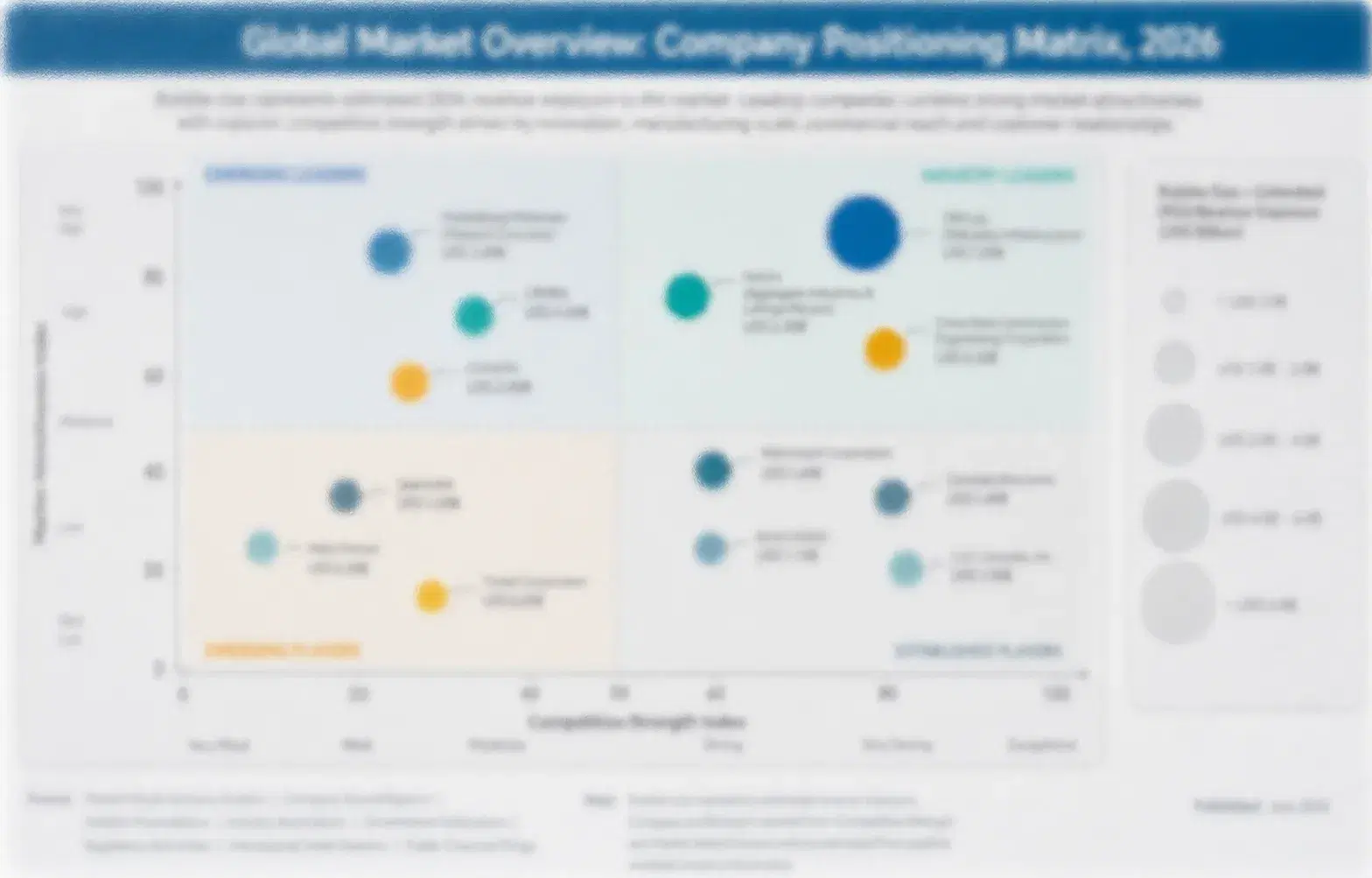
The global greens gummy market is moderately concentrated, with a CR5 of 37%, and direct-to-consumer greens brands and hundreds of online sellers sit outside the leading five. This assessment measures participants on estimated greens gummy sales volume, held constant across all players. Glanbia leads through greens heritage, while Unilever, Church & Dwight, Pharmavite and Nestlé Health Science follow, with a moderate gap between the leader and the challengers.
Competition runs on four dimensions today: effective dose and evidence, taste and sugar level, contaminant testing and label trust, and channel reach. Greens specialists win on credibility, gummy scale players win on manufacturing, and social brands win on speed. Imitators copy popular blends quickly, so premiums outside tested and clearly dosed products erode within a year. Supply contracts decide renewal. Delivery reliability decides supplier rankings. Margins follow process discipline.

Emerging pressure comes from greens powder brands that launch gummies, private label programmes at large retailers, and regulators that scrutinise vegetable claims and contaminants. Rankings shift where a brand wins a retail listing, raises effective dose or publishes clean test results. Challengers can move up quickly when leaders face testing reports. Trial records protect future sales.
greens-gummies-market-company-positioning-matrix-1789949333154

Competitive Moat and Risk Dimensions

GLANBIA

Moat: Greens Powder Heritage and Credibility

Glanbia, an Irish nutrition group, owns the Amazing Grass greens brand alongside sports and health brands and sells greens products through grocery, online and specialty retail, with recognised branding, ingredient sourcing knowledge and strong retailer relationships. Its greens heritage, sourcing skill and channel access give it a market advantage, and its position supports credible extensions into chewables.
GLANBIA

Risk: Limited Gummy Manufacturing Depth

Glanbia has less gummy manufacturing experience than dedicated gummy makers, so texture and stability can lag rivals. Gummy specialists can win shoppers who care about taste and format. Cost control separates leaders from followers. Clear specifications build buyer trust. Small brands feel every price swing. Scale compounds over time.
UNILEVER

Moat: Olly Gummy Brand Reach

Unilever, a British-Dutch consumer goods group, owns the Olly gummy supplement brand and sells greens and wellness gummies through grocery, pharmacy and online channels in North America, with strong gummy design, retailer relationships and marketing scale. Its gummy expertise, brand recognition and distribution reach give it a market advantage, and its position supports rapid launches.
UNILEVER

Risk: Dose and Evidence Scrutiny

Unilever sells greens gummies with small doses that dietitians question, so dose and claims scrutiny can damage trust. Brands with higher doses and stronger evidence can win credibility. Audits repeat every year. Buyers review suppliers every season. Supply contracts decide renewal. Delivery reliability decides supplier rankings. Margins follow process discipline.

Players Tracked

Prominent Players

Glanbia
Unilever
Church & Dwight
Pharmavite
Nestlé Health Science

Other Key Players

AG1
Bloom Nutrition
Ritual
SmartyPants
The Nature's Bounty Co.
Haleon
Bayer
Nature's Way
Gaia Herbs
Orgain
Suntory Wellness
Yamamoto Kanpo Pharmaceutical
Ito En
Fancl
DHC Corporation

Recent Developments

JANUARY 2026

Glanbia Launches Amazing Grass Greens Gummies With Probiotics and Higher Greens Content per Serving

Glanbia launched Amazing Grass greens gummies with probiotics and higher greens content per serving, according to company communications. It is a product launch, not an acquisition, and it tests gummy demand. Sales terms were not disclosed. Trial records protect future sales. Cost control separates leaders from followers.
Signal: Confirms greens powder brands are entering gummies while trying to answer dose concerns with higher content and digestive add-ons.
FEBRUARY 2026

Unilever Expands Olly Greens Gummy Range With Digestive Enzymes and Lower Sugar Formulas

Unilever expanded its Olly greens gummy range with digestive enzymes and lower sugar formulas, according to company communications. It is a product expansion, not an acquisition, and it tests premium demand. Terms were not disclosed. Clear specifications build buyer trust. Small brands feel every price swing.
Signal: Suggests gummy leaders are using digestive add-ons and lower sugar to defend premium prices against private label.
MARCH 2026

Church & Dwight Publishes Heavy Metal Test Results for Vitafusion Algae and Greens Gummy Products

Church & Dwight published heavy metal test results for Vitafusion algae and greens gummy products, according to company communications. It is a transparency programme, not an acquisition, and it tests trust. Costs were not disclosed. Scale compounds over time. Audits repeat every year. Buyers review suppliers every season.
Signal: Indicates large gummy makers are publishing testing results to answer contaminant concerns that have hurt trust in algae products.

What Drives Greens Gummy Costs

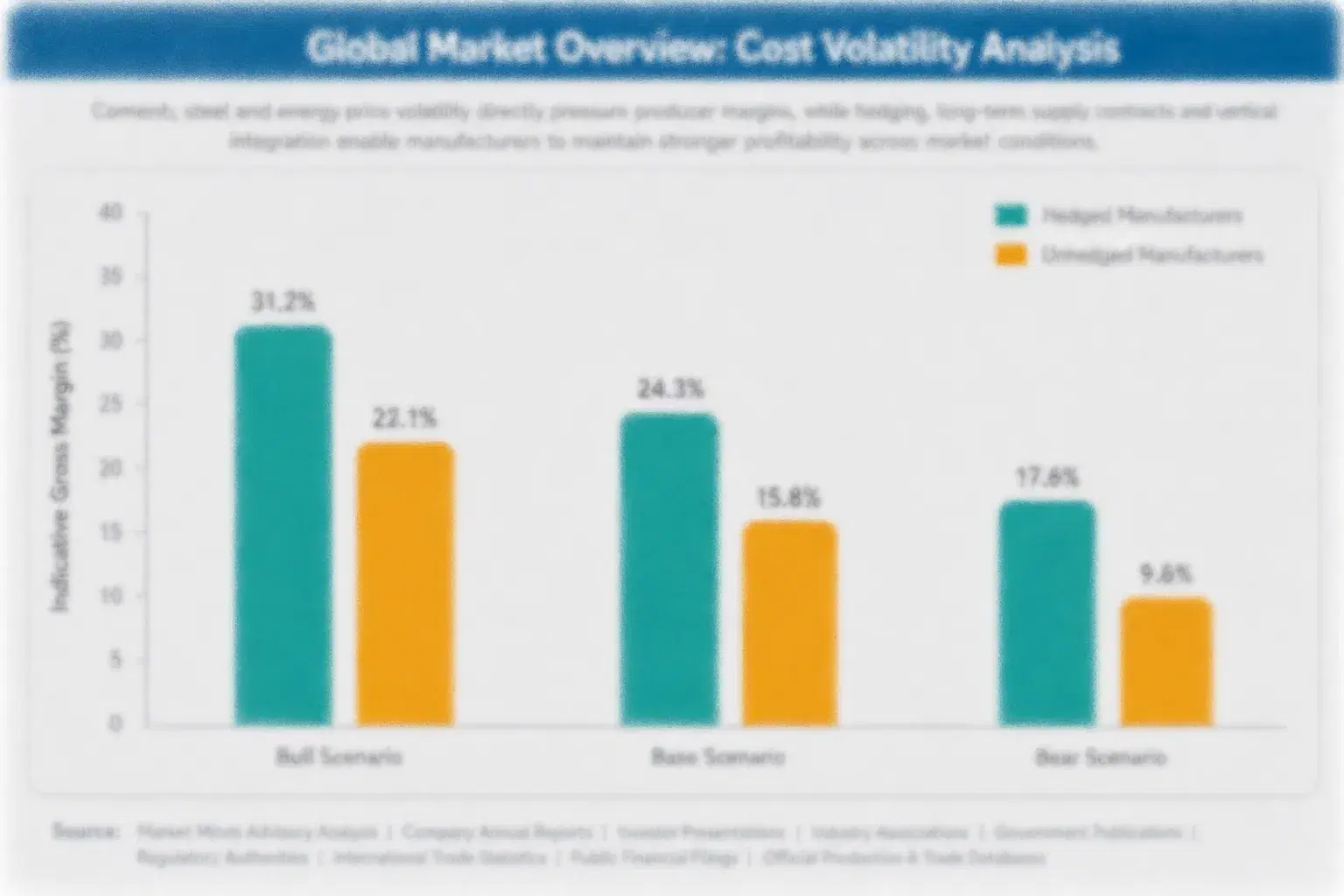
Dried greens, algae and cereal grass powders account for roughly 8% to 16% of gummy cost, pectin and sweeteners about 26%, probiotics, enzymes and flavours about 10%, contract manufacturing about 20%, and testing, packaging and marketing about 26%. Greens come mainly from the United States, China, Taiwan and Japan, and pectin from Europe, Mexico and China. Trial records protect future sales.
The clearest recent shift came from raw material and packaging inflation. Church & Dwight 10-K 2023 described higher raw material, packaging and freight costs across its vitamin business, and MMA Estimate from expert interviews indicates algae testing requirements added several percentage points to cost, so brands raised prices by 5% to 10%. Cost control separates leaders from followers. Clear specifications build buyer trust. Small brands feel every price swing.

The competitive disadvantage falls on small brands without testing systems, sourcing contracts or gummy scale, which cannot absorb cost swings or defend listings after a contamination report. Large groups negotiate greens and pectin terms. Exposure also varies by ingredient, since algae products face testing costs while leafy blends face crop price swings. Scale compounds over time. Audits repeat every year.
greens-gummies-market-cost-volatility-analysis-1789949333452

Certified Sourcing and Lot Testing Programmes

Brands buy from certified growers and test each lot for heavy metals and microcystin. Programmes protect listings worth 8% to 14% of sales. The main challenge is cost, so larger brands invest first, while smaller brands share laboratories and buy from certified suppliers. Buyers review suppliers every season. Supply contracts decide renewal. Delivery reliability decides supplier rankings.

Concentrated Extracts and Multi-Gummy Servings

Brands use concentrated extracts and multi-gummy servings to reach effective greens doses of 3 g or more. Higher dose wins accounts worth 8% to 14% of sales. The main challenge is texture, so brands test stability early and launch one hero product first. Margins follow process discipline. Trial records protect future sales. Cost control separates leaders from followers.

Digestive Add-On Mix Shift

Brands shift range toward greens gummies with probiotics and enzymes that carry higher margins. A shift of 10% of volume lifts gross margin by three to five points. The main challenge is stability, so brands test cultures early and keep mixed greens for price-led buyers. Clear specifications build buyer trust. Small brands feel every price swing.

Portfolio Architecture for Margin Defence

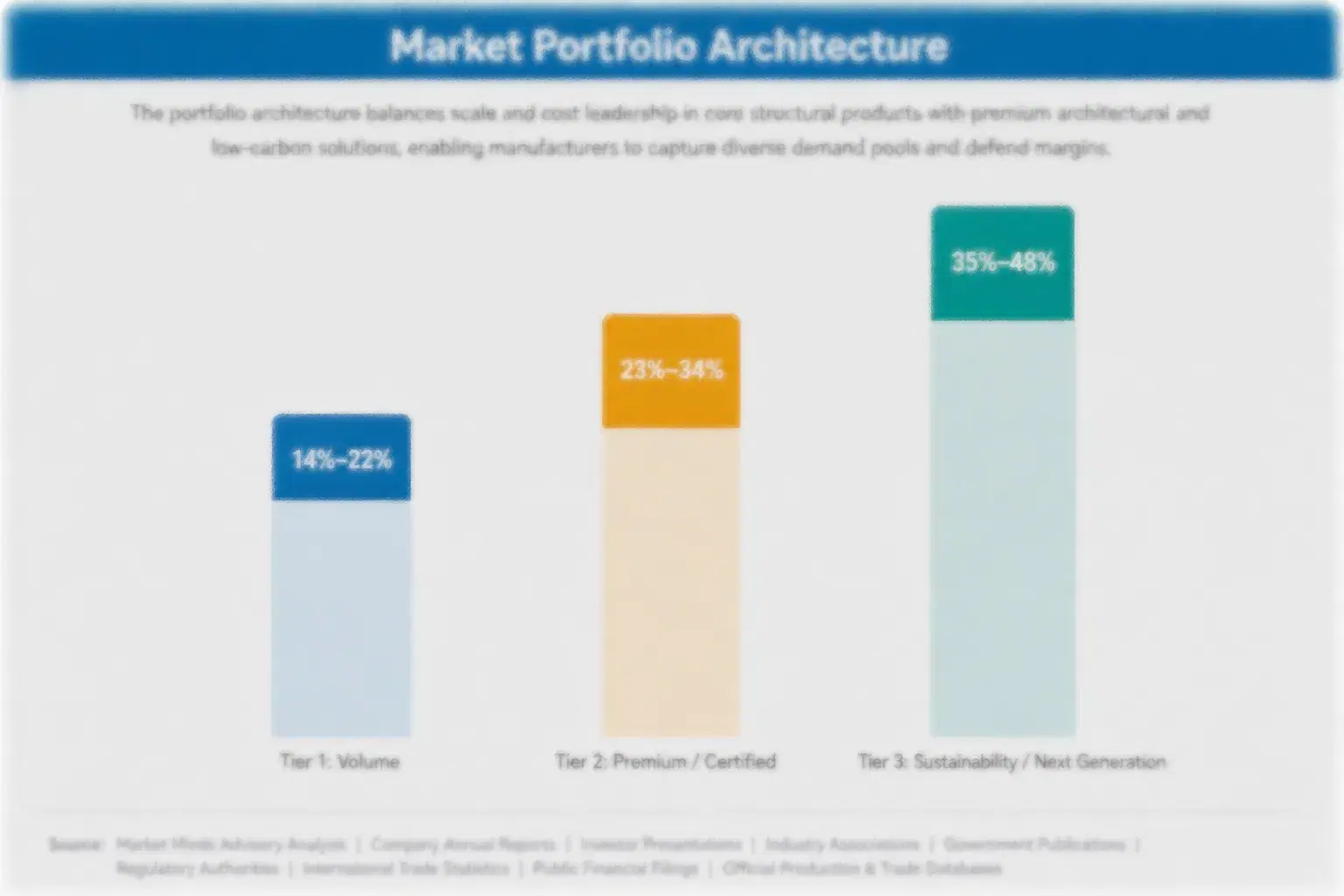
Margins run from moderate returns on mixed greens and leafy vegetable gummies sold in volume to strong returns on probiotic, enzyme and tested algae gummies sold with clean labels and subscription support. Three tiers separate volume products, premium certified lines and next-generation digestive formulations, and each tier draws on different greens access, gummy manufacturing and retailer relationships in a moderately concentrated market.
The tension between volume and premium is sharp. Mixed greens and leafy vegetable gummies fill large grocery and club orders and serve habit-driven shoppers but face dose scrutiny and private label pricing, while probiotic and algae gummies earn higher margins on smaller volumes and depend on evidence, testing and brand trust. Brands that run only volume struggle when prices fall, while brands that run only premium lose early volume. Delivery reliability decides supplier rankings.

High-value pools concentrate in greens gummies with probiotics and digestive enzymes sold through grocery and online and in tested spirulina and chlorella gummies sold with certified sourcing. They gather where shoppers pay for digestive benefit and clean labels rather than the greens claim alone. Wheatgrass gummies add a niche pool. Margins follow process discipline. Trial records protect future sales.

Volume / Commodity-Adjacent Tier

Mixed greens and superfood blend gummies and leafy vegetable gummies sold in volume to grocery, club and private label buyers. Cost control separates leaders from followers. Clear specifications build buyer trust. Small brands feel every price swing.
Gross Margin: 38%-50%

Premium / Certified Tier

Wheatgrass and barley grass gummies with organic certificates, tested purity, clear dose labels and audit files, sold to natural grocers and pharmacies. Scale compounds over time. Audits repeat every year. Buyers review suppliers every season.
Gross Margin: 42%-56%

Sustainability / Regulatory / Next-Generation Tier

Probiotic, enzyme and tested algae gummies with stable formulations, certified sourcing and subscription support, sold online and through pharmacies. Supply contracts decide renewal. Delivery reliability decides supplier rankings. Margins follow process discipline. Trial records protect future sales.
Gross Margin: 46%-66%
greens-gummies-market-portfolio-architecture-1789949333744

High-value Sub-segments and Strategic Watch-out

Greens With Probiotics and Digestive Enzymes Gummies

Greens with probiotics and digestive enzymes gummies combine the fastest growth with strong pricing, since brands add cultures and enzymes to justify premium prices and offset small greens doses at gross margins of 50% to 66%. Culture stability and claims discipline limit competition, and brands with evidence win.
Gross Margin: 50%-66%

Spirulina and Chlorella Algae Gummies

Spirulina and chlorella algae gummies deliver firm growth and pricing, since shoppers seek algae superfoods with protein and chlorophyll positioning at gross margins of 46% to 62%. Contaminant testing and taste masking form the entry barrier, and brands with certified sourcing win listings. Cost control separates leaders from followers.
Gross Margin: 46%-62%

Mixed Greens and Superfood Blend Gummies

Mixed greens and superfood blend gummies are the volume core for brands with gummy scale and retailer reach. Value grows about 11% a year, and greens cost, taste and delivery reliability decide profit. Brands anchor sales on long relationships with grocers, pharmacies and online subscribers. Scale compounds over time.
Gross Margin: 38%-50%

Leafy Vegetable Gummies

Leafy vegetable gummies are the strategic watch-out, since growth of about 10% a year trails the leaders, doses are tiny and shoppers can buy real vegetables or powders. Brands should manage these lines selectively and steer capacity toward digestive blends and tested algae products. Audits repeat every year.
Gross Margin: 34%-46%

Why Shoppers Keep Greens Gummy Brands

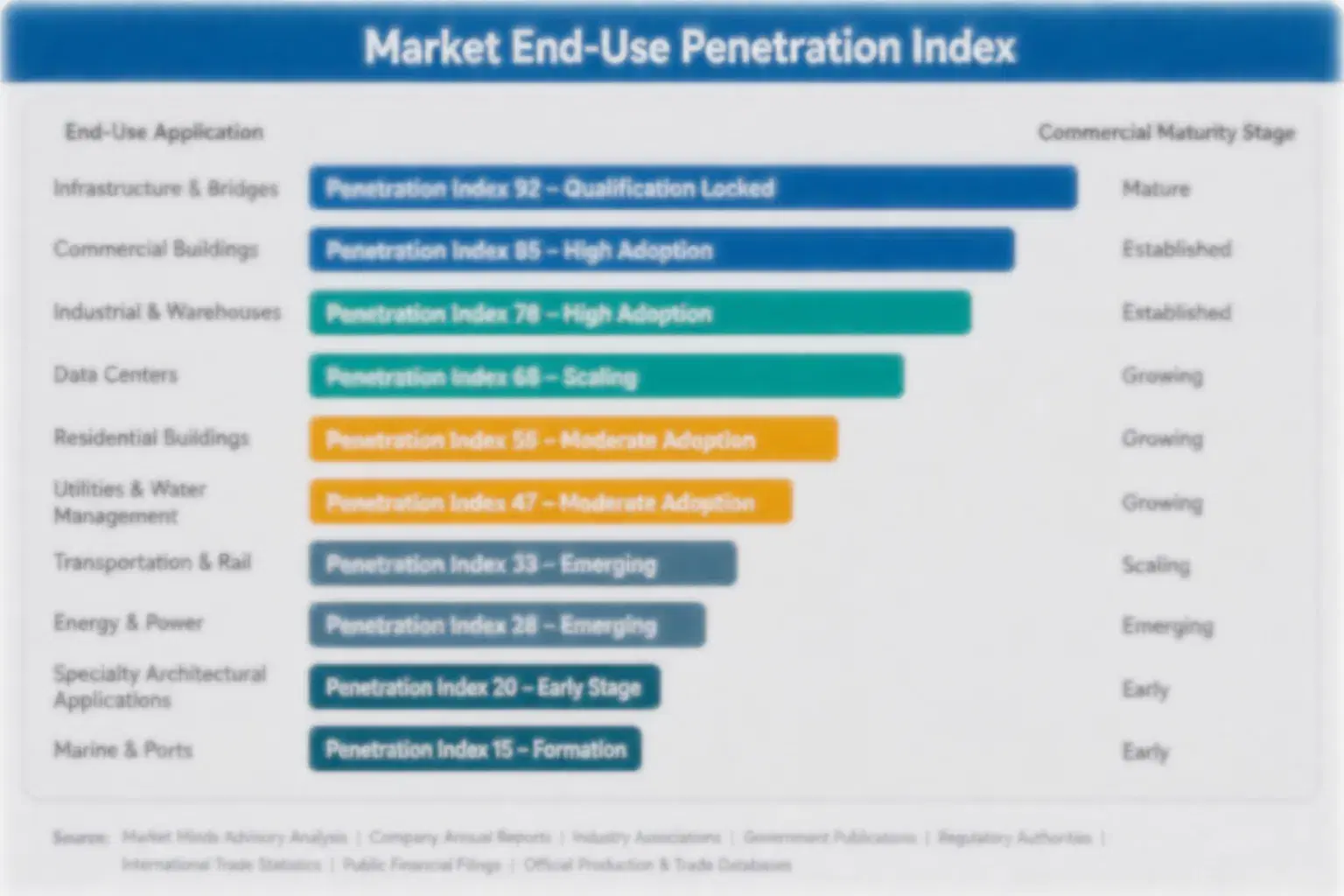
Greens gummy demand behaves like a short annuity attached to daily routines, subscriptions and trusted brand relationships. Once a shopper likes the taste and feels better with a greens gummy in the morning, they repeat the purchase every month, and switching means new taste trials, doubts about dose and lost habit. Shoppers use last month's feeling to fix renewals, so brands with clean records earn steadier volume.
Adoption stickiness differs by end-use vertical. Subscription routines built around gut comfort are the deepest, since products are written into daily habits and change only when taste or results fail. Greens powder converts follow creator advice. Grocery shoppers are moderate and switch on promotion, while impulse buyers are shallow. Buyers review suppliers every season. Supply contracts decide renewal. Delivery reliability decides supplier rankings.

Buyer profiles are shifting between generations. Older shoppers chose greens as powders on health store advice, while younger shoppers ask for gummy taste, digestive benefits, clean labels, creator recommendations and online convenience. Regulators add a third group that sets claims and contaminant rules. Brands that publish dose and test data win newer buyers and keep them. Buyers review suppliers every season.
greens-gummies-market-end-use-penetration-index-1789949334018

MMA Verdict on Greens Gummy Strategy

These are among the four positions where our research anticipates prominent divergence between winners and laggards over the coming forecast period. Each is grounded in the demand model, the regulatory perimeter, and the announced capacity pipeline.
01 / DIGESTIVE BLEND STRATEGY

Shift Volume Into Probiotic and Enzyme Greens Gummies Before Private Label Copies

Greens With Probiotics and Digestive Enzymes Gummies grows at 17.5% a year, about 1.40 times the overall market rate, and gross margins of 50% to 66% compare with 38% to 50% for mixed greens gummies. Brands should commit $2 million to $7 million to stable cultures, enzyme formulations and gut comfort positioning, and shift 10% of volume into these products to lift gross margin by three to five points. Those that stay in basic blends will lose growth, while early movers keep loyalty.
02 / DOSE CREDIBILITY STRATEGY

Raise Effective Greens Dose Before Dietitians Dismiss Greens Gummies As Token Products

A gummy carries 0.5 to 2 g of greens against 5 to 12 g in a powder, repeat purchase reaches only about 45% of trial buyers, and brands without higher doses lose dietitian and pharmacy accounts. Brands should invest $1 million to $4 million in concentrated extracts and multi-gummy servings, test one hero product first, and win accounts worth 8% to 14% of sales. Those without higher doses will lose credibility, while prepared brands hold premium pricing and retailer trust across every buying season.
03 / ALGAE SAFETY STRATEGY

Guarantee Algae Safety Through Certified Sourcing Before Contamination Reports Damage Trust

A single contamination scandal can cut category sales by 8% to 12%, testing adds 3% to 6% to cost, and brands without certified growers and lot-level results lose listings after every report. Brands should therefore invest $1 million to $4 million in certified sourcing and published testing for spirulina and chlorella first, and protect listings worth 8% to 14% of sales. Those without testing will lose access, while prepared brands hold premium pricing and retailer trust across every buying season.
04 / COMMUNITY CONVERSION STRATEGY

Build Creator and Subscription Programmes Before Powder Brands Capture Chewable Converts

Online channels hold about 42% of sales, greens powders built loyal communities, and brands without creator and subscription programmes lose powder fans who want chewable options to rivals with established audiences. Brands should therefore invest $2 million to $7 million in creator partnerships and subscriptions, test partnerships with one platform first, and lift qualified subscribers by 12% to 20% each year. Those without programmes will lose growth and community reach, while prepared brands hold premium pricing across every buying season.

Engagement Snapshot From the Field

A live engagement with an industry participant carrying material or product regulatory and market exposure ahead of a defining policy shift, showing how our research translates into a defensible multi-year portfolio strategy.
MARKET MINDS ADVISORY · CLIENT ENGAGEMENT SUMMARY
Greens Gummies Producer Strategic Portfolio Review and Transition Roadmap 2026·Investment Scenario on Greens Gummies Exposure Evaluation 2025-26
CLIENT PROFILE
The client is a mid-sized American gummy vitamin brand with annual sales near $130 million (client-reported, unverified by MMA), selling multivitamin and beauty gummies through grocery, pharmacy and online channels. It sold a mixed greens gummy with 1 g of greens, had no algae testing programme, and had seen repeat purchase of the greens gummy fall below 40%.
STRATEGIC CHALLENGE
Repeat purchase was weak, a retailer questioned the greens dose, and rivals launched probiotic greens gummies at higher prices. Management needed to decide whether to raise the dose, add digestive ingredients, or invest in algae testing, with limited working capital and dependence on a low-dose mixed greens product. Supply contracts decide renewal.
MMA APPROACH
MMA analysed sales, cost and review data across 12 products, interviewed eight retail buyers, dietitians and contract manufacturers, and ran a shopper survey on dose, taste and sugar across three countries. It modelled margin by product and channel scenario and ranked options by payback and execution risk. Delivery reliability decides supplier rankings.
KEY FINDINGS
  1. A probiotic and enzyme greens gummy would earn gross margins near 58% against 42% for mixed greens and cost about $2.2 million to launch (client-reported, unverified by MMA).
  2. Concentrated extracts with two-gummy servings would lift dose to 3 g and cost about 7% more per serving. Margins follow process discipline. Trial records protect future sales.
  3. Lot-level algae testing would cost about $0.6 million a year and protect the largest retailer listing. Cost control separates leaders from followers. Clear specifications build buyer trust.
  4. A creator and subscription programme would cost about $1.4 million and reach about 40,000 subscribers within two years. Small brands feel every price swing.
CLIENT PROFILE
The client is a mid-sized American gummy vitamin brand with annual sales near $130 million (client-reported, unverified by MMA), selling multivitamin and beauty gummies through grocery, pharmacy and online channels. It sold a mixed greens gummy with 1 g of greens, had no algae testing programme, and had seen repeat purchase of the greens gummy fall below 40%.
STRATEGIC CHALLENGE
Repeat purchase was weak, a retailer questioned the greens dose, and rivals launched probiotic greens gummies at higher prices. Management needed to decide whether to raise the dose, add digestive ingredients, or invest in algae testing, with limited working capital and dependence on a low-dose mixed greens product. Supply contracts decide renewal.
MMA APPROACH
MMA analysed sales, cost and review data across 12 products, interviewed eight retail buyers, dietitians and contract manufacturers, and ran a shopper survey on dose, taste and sugar across three countries. It modelled margin by product and channel scenario and ranked options by payback and execution risk. Delivery reliability decides supplier rankings.
KEY FINDINGS
  1. A probiotic and enzyme greens gummy would earn gross margins near 58% against 42% for mixed greens and cost about $2.2 million to launch (client-reported, unverified by MMA).
  2. Concentrated extracts with two-gummy servings would lift dose to 3 g and cost about 7% more per serving. Margins follow process discipline. Trial records protect future sales.
  3. Lot-level algae testing would cost about $0.6 million a year and protect the largest retailer listing. Cost control separates leaders from followers. Clear specifications build buyer trust.
  4. A creator and subscription programme would cost about $1.4 million and reach about 40,000 subscribers within two years. Small brands feel every price swing.
RECOMMENDED STRATEGY
Phase 1: Phase 1 (Months 1-6): Start lot-level testing and test higher-dose formulations. Scale compounds over time. Audits repeat every year. Buyers review suppliers every season. Phase 2: Phase 2 (Months 7-24): Launch the probiotic and enzyme greens gummy with two-gummy servings. Supply contracts decide renewal. Delivery reliability decides supplier rankings. Phase 3: Phase 3 (Months 25-42): Build creator and subscription programmes and review terms yearly. Margins follow process discipline. Trial records protect future sales.
OUTCOME
Within 42 months, digestive greens gummies reached 32% of greens sales, repeat purchase rose above 55%, and the retailer listing was secured (client-reported, unverified by MMA). Gross margin rose by four points, and profit exceeded plan by about 3%. Cost control separates leaders from followers. Clear specifications build buyer trust.

Frequently Asked Questions

Foundational context covering the market sizes, CAGR, scope, country, region and competition that inform every finding below. This section is provided to cover basics and most often pre-purchase conversations, answered from the MMA Primary Research Dataset.

What is the current size of the Greens Gummies Market?

The global greens gummies market was valued at $0.60 billion in 2025 on a brand-value basis. Growth is supported by low vegetable intake and greens powder popularity, offset by small doses and contaminant risk.

How large will the Greens Gummies Market be by 2036?

The market is projected to reach $2.19 billion by 2036, up from $0.68 billion in 2026. The increase of $1.52 billion reflects digestive blends, algae gummies and Asian adoption.

What is the CAGR for the Greens Gummies Market 2026 to 2036?

The market is forecast to grow at a 12.5% CAGR from 2026 to 2036. The bull case reaches 13.8% and the bear case 11.2%, depending on dose upgrades, contaminant testing and private label pricing.

Which segment is growing fastest?

Greens With Probiotics and Digestive Enzymes Gummies is the fastest-growing segment at 17.5% CAGR, roughly 1.40 times the overall market rate. Spirulina and Chlorella Algae Gummies follows at 15.0% CAGR each year.

Who are the major companies in the Greens Gummies Market?

Major companies include Glanbia, Unilever, Church & Dwight, Pharmavite and Nestlé Health Science. AG1, Bloom Nutrition, Ritual, Haleon and Suntory Wellness also hold positions in greens gummies.

Which country is growing fastest?

India is growing fastest at about 15.2% CAGR, because wheatgrass and spirulina traditions and online supplement sales are widening gummy use. Australia and South Korea follow as greens interest spreads.

Report Segmentation Architecture

The full report scope spans multiple orthogonal segmentation dimensions, with cross-tabulated demand data provided for each dimension pair. Coverage extends further to regional breakdowns, trend trajectories, and the competitive detail needed to support segment-level decision-making.

By Primary Market Dimension

  • Mixed Greens and Superfood Blend Gummies
  • Spirulina and Chlorella Algae Gummies
  • Wheatgrass and Barley Grass Gummies
  • Leafy Vegetable Gummies
  • Greens With Probiotics and Digestive Enzymes Gummies

By End-Use Industry

  • Daily Wellness
  • Digestive Comfort
  • Energy and Detox Positioning
  • Children and Family Nutrition
  • Sports and Active Nutrition

By Commercial Dimension

  • Mass Grocery and Club Retail
  • Pharmacies and Drugstores
  • Online and Subscription Sales
  • Specialty and Natural Retail
  • Direct-to-Consumer Programmes

By Region

  • North America
  • East Asia
  • Western Europe
  • South Asia and Pacific
  • Latin America
  • Eastern Europe
  • Middle East and Africa

Scope, Methodology, and Coverage

Every figure in this report is reproducible from documented input assumptions. The scope below maps the historical period, the forecast horizon, the segmentation dimensions, and the countries covered, alongside the underlying primary and qualitative methodology.
Historical Period
2020 to 2025
Forecast Period
2026 to 2036
Base Year
2025 (USD billions; MMA Primary Research Dataset, September 2026)
Market Definition
The market covers global sales of chewable gummy supplements whose primary marketed ingredients are dried greens, vegetables, algae or cereal grasses, valued at brand level, including mixed greens and superfood blend gummies, spirulina and chlorella gummies, wheatgrass and barley grass gummies, leafy vegetable gummies, and greens gummies with probiotics and digestive enzymes, sold through grocery, pharmacy, online and specialty retail. The scope excludes greens powders, capsules and drinks.
Quantitative Units
USD billions (brand value); millions of gummy units for volume references
Segmentation Dimensions
By Green Source and Formulation; By End-Use Industry; By Commercial Dimension; By Region
Regions Covered
North America, East Asia, Western Europe, South Asia and Pacific, Latin America, Eastern Europe, Middle East and Africa
Countries Covered
United States, Canada, Japan, South Korea, China, Taiwan, United Kingdom, Germany, France, Italy, India, Australia, Indonesia, Brazil, Mexico, United Arab Emirates, Saudi Arabia, South Africa, Poland, Turkey, and additional markets relevant to this sector
Key Companies Profiled
Glanbia, Unilever, Church & Dwight, Pharmavite, Nestlé Health Science, AG1, Bloom Nutrition, Ritual, SmartyPants, The Nature's Bounty Co., Haleon, Bayer, Nature's Way, Gaia Herbs, Orgain, Suntory Wellness, Yamamoto Kanpo Pharmaceutical, Ito En, Fancl, DHC Corporation
Quantitative Methodology
Primary survey, n=3,800 respondents, Q4 2025, six countries; demand-side model with trade association cross-validation
Qualitative Methodology
47 expert interviews, Q4 2025; applied to validate demand model assumptions, identify emerging dynamics, and assess competitive positioning
Report Format
PDF and XLSX data workbook (Word format preview document)
Publisher
Market Minds Advisory
Report Code
MMA-2026-HLT-139
Published
September 2026
Contact
sales@marketmindsadvisory.com | www.marketmindsadvisory.com

Purchase the full Greens Gummies Market Report (2026 to 2036).

The full report delivers a detailed assessment of the greens gummy market through 2036, covering green source, end-use and regional forecasts, competitive benchmarking of leading brands, and input cost analysis. It combines MMA primary research, including a six-country survey of 3,800 respondents and 47 expert interviews, with public statistical and company data. Analysts also model dose upgrade scenarios, contaminant testing paths and subscription adoption. Clients receive segment margin ranges, supply maps and a case study on portfolio and testing strategy. Supplier programme and contract frameworks are also included for planning.
Ten-year green source demand forecasts by region
Greens, pectin, and packaging cost tracking
Competitive benchmarking of leading greens gummy brands
Contaminant and claims rule tracker with updates
Regional market comparative analysis and forecasts included
Quarterly primary survey data update access

Built For The People Who Decide

From boardroom strategy to bench-side execution, this report is read cover-to-cover by leaders shaping the next decade of their industry, turning demand scenarios, market dynamics and valuation benchmarks into decisions.
CXOs/ Presidents/ VPs/ Managers
M&A and Corporate Development
Strategy Teams and R&D Heads
Procurement and Product Directors
Regulatory and Compliance Leaders
Investor Relations and Equity Analysts