Market Minds Advisory
Graphene Infused Packaging Market

Graphene Infused Packaging Market Analysis 2026-2036

Expanding graphene-production manufacturing capacity, tightening oxygen-barrier performance requirements, and growing antimicrobial-coating research investment are reshaping packaging-film specifications across food and pharmaceutical supply chains each year across major nanomaterial manufacturing markets worldwide.

Lead Analyst

Bilal Shaikh

Published

November 2026

Make Smarter Decisions with Customized Research Insights

Request a free sample report and evaluate market opportunities, growth trends, and competitive dynamics relevant to your business needs.

2025 MARKET VALUE$0.4BMarket Size 2025
2036 FORECAST VALUE$1.9BBase Case , 2026 to 2036
CAGR 2026 TO 203615.5 %Bull 16.8% / Bear 14.2%
INCREMENTAL OPPORTUNITY$1.5BNet 10- year value creation
EXPANSION MULTIPLE4.22x2036 value over 2026 base
Strategic Levers
M&A Pipeline
Regional Outlook
Country Rankings
Competitive Intelligence
Segmental Deep-dive
Call-Us : 91 93563 13602

Graphene Infused Packaging Market at a Glance

Expanding graphene-production manufacturing capacity has pushed graphene-infused packaging from a laboratory curiosity into a commercially viable barrier-enhancement technology, as food and pharmaceutical brands increasingly specify graphene-oxide coatings to extend shelf life beyond what conventional films achieve, a shift reshaping film-material specifications across nearly every major extended-shelf-life food category.
Growth concentrates in graphene oxide barrier film coatings, the fastest-expanding format, as brands seek oxygen-barrier performance that standard polymer films cannot match. East Asia, anchored by China's concentrated graphene-production capacity and expanding nanomaterial-research investment, leads global demand as the region's raw-material supply scale outpaces comparable production elsewhere, a position reinforced by concentrated nanomaterial-research investment unmatched elsewhere in the industry currently today indeed.
Competition spans graphene-material producers, specialty-film converters, and packaging companies increasingly bundling nanomaterial coatings into finished barrier-film contracts. Food-safety certification standards and pharmaceutical packaging regulations are tightening qualification requirements, favoring suppliers who can document barrier-performance data alongside the material itself, a combination smaller entrants increasingly struggle to match credibly, and the gap between performance-proven specialists and general film converters attempting to enter this category opportunistically continues widening rather than closing as certification standards tighten further across.
Market Definition
The Graphene Infused Packaging Market covers packaging films, coatings, and laminates that incorporate graphene or graphene-oxide nanomaterial to enhance barrier performance, antimicrobial properties, or conductivity. It excludes standalone graphene raw-material production sold independently of packaging applications, general nanomaterial research unrelated to packaging, and conventional barrier films lacking graphene content.
Base Year Value
$0.4B in 2025 (MMA Primary Research Dataset, October 2026)
Forecast Period
2026 to 2036, eleven discrete annual values
CAGR
15.5% base case. Bull 16.8%. Bear 14.2%.
Fastest Growth Segment
Graphene Oxide Barrier Film Coatings: 19.1% CAGR
Fastest Growth Country
China: 17.8% CAGR
Fastest Growth Region
South Asia and Pacific: 17.8% CAGR
Largest Region
East Asia: 29% of 2025 global value
Market Leaders
Haydale Graphene Industries plc, Versarien plc, First Graphene Ltd, Graphenea SA, Directa Plus SpA. Source: MMA Analysis, based on company disclosures and primary survey data, Q4 2025.
Primary Survey
n=3,800 procurement and R&D decision-makers, Q4 2025, six countries
Methodology
Demand-side build-up, cross-validated against public data, 47 expert interviews

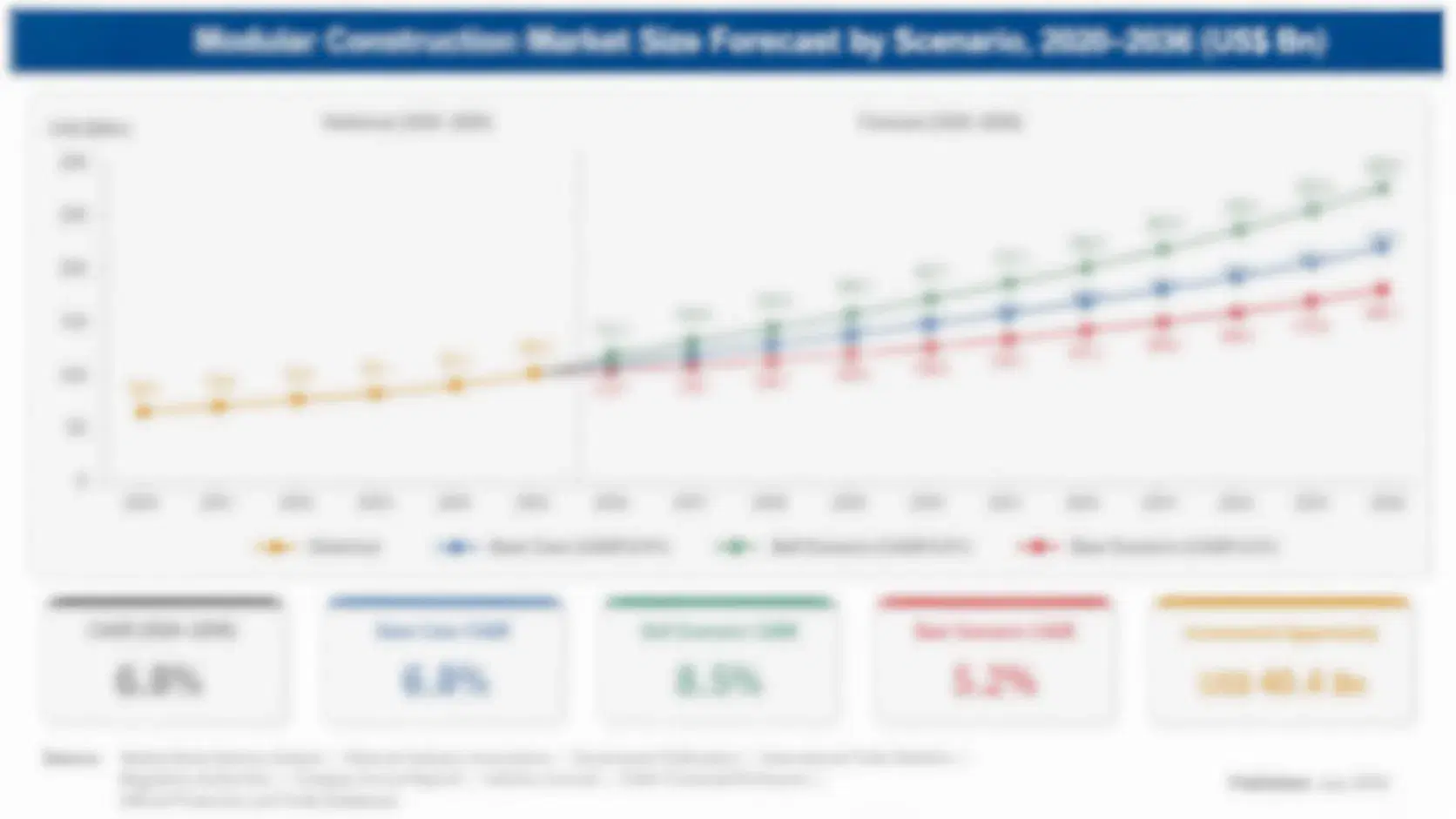
Graphene Infused Packaging Base, Bull and Bear Cases

graphene-infused-packaging-market-size-forecast-scenario-1791521983931
Between 2020 and 2025, graphene-infused packaging demand grew steadily as early barrier-film pilots expanded alongside gradual food-brand interest in extended-shelf-life technology. The historical pace trailed the current forecast, reflecting a market still proving measurable barrier-performance benefit before broader brand standardization began accelerating adoption toward the end of that period, before scaling meaningfully only once major brands finalized barrier-performance validation programs.
The base case assumes continued expansion through three mechanisms: broadening food-brand adoption of graphene-oxide coatings to extend shelf life beyond conventional films, growing pharmaceutical-packaging interest in graphene-enhanced barrier performance for sensitive formulations, and declining per-unit graphene-production costs as manufacturing scale increases. Together these mechanisms support strong double-digit annual growth as graphene coatings become standard premium-packaging practice across multiple categories simultaneously, with East Asian manufacturers moving fastest given established graphene-production infrastructure and proximity to major film-converting customers already in place.
The bull case assumes accelerated adoption if additional major food brands extend graphene-coating deployment across their full premium portfolio ahead of current timelines. The bear case assumes slower uptake if graphene-production cost declines stall longer than expected, limiting premium barrier-film penetration to only the most demanding extended-shelf-life categories for longer than currently expected, a scenario several industry observers consider plausible given.

Barrier Performance Redraws Film Specification

Barrier-performance requirements are redrawing specification requirements across premium packaging films, pushing brands toward graphene-oxide coatings rather than conventional polymer barriers that extended-shelf-life categories increasingly consider insufficient. Validation deadlines tied to major brand shelf-life programs are compressing supplier qualification timelines meaningfully across the industry, a tightening that is pushing even mid-tier brands to invest in graphene-chemistry relationships previously reserved for larger premium producers alone. That demand is tracked in the graphene films market, which MMA expects to expand at 15.2% a year to USD 2.76 billion by 2036.
MARKET CONCENTRATIONCR5 28%Top five material suppliers hold meaningful combined participation share
AVERAGE SELLING PRICEUSD 12/kgGraphene-oxide coated films command substantial sustained price premiums
TOP PRODUCING COUNTRY SHAREChina 26%Concentrated graphene-production scale drives significant domestic manufacturing output
CAPACITY UTILIZATION54%Specialist producers run flexible batches matching irregular brand demand
MATERIAL COST SHARE46% of COGSGraphene nanomaterial and dispersion-chemistry inputs dominate production expense
REPLACEMENT CYCLE LENGTHSingle useCoated films applied fresh to each new packaging production run
Pharmaceutical packagers are increasingly specifying graphene-enhanced barrier films as a contractual requirement in sensitive-formulation packaging agreements, reflecting documented product-degradation cost now appearing in corporate risk disclosures. This shift favors material specialists with established nanomaterial-dispersion depth over general film converters entering the category opportunistically without equivalent graphene-processing qualification history, and several major pharmaceutical companies have begun publishing supplier scorecards that weigh dispersion-chemistry depth alongside cost and delivery performance.
Specification intensity varies by application: pharmaceutical and premium-food categories require the most rigorous graphene-barrier performance, while standard food packaging often accepts lighter nanomaterial treatment sufficient to extend shelf life without full graphene-grade infrastructure across every production line, a tiering that lets suppliers serve both premium and standard customers through differentiated material tiers rather than one uniform formulation.
"Graphene coatings have quietly moved from laboratory promise to commercial barrier solution in barely half a decade. Suppliers who built dispersion-chemistry capability early now hold a qualification advantage competitors cannot easily replicate."
Senior Analyst, Advanced Materials Packaging Practice · MMA Advanced Nanomaterial Barrier Packaging Practice · October 2026

Graphene Infused Packaging Adoption Trends

Graphene Oxide Dispersion Gains Converter Preference

Major film converters are increasingly specifying graphene-oxide dispersion coatings over single-layer graphene deposition, citing documented barrier-consistency advantages referenced in materials-science guidance across several major research programs. The shift favors dispersion-chemistry specialists with coating-uniformity capability over legacy single-layer providers still supplying older-generation deposition formats. Several major converters have already updated supplier qualification standards to require dispersion-grade uniformity for new packaging-film contracts, a change expected to accelerate further as barrier-consistency results become more broadly referenced across competing research programs, a validation step most smaller regional converters still lack the dispersion-chemistry budget to complete quickly.
Market Impact: Adds 13% production-capacity mandate coverage
Pharmaceutical Brands Adopt Antimicrobial Barrier Films

Major pharmaceutical packagers are increasingly adopting graphene-enhanced antimicrobial barrier films that combine oxygen protection with microbial-growth inhibition, citing documented product-stability advantages now appearing in clinical-storage reporting and regulatory submissions. This antimicrobial-barrier approach is expanding the addressable market well beyond standard barrier-only coatings alone, since packagers increasingly pair oxygen protection with microbial resistance. Suppliers able to offer combined antimicrobial-barrier platforms are capturing this expanding pharmaceutical segment faster than those focused solely on barrier protection alone, a gap that is widening as more packagers publish updated stability-performance requirements for their suppliers directly.
Market Impact: Adds 9% unit volume growth yearly

Graphene Infused Packaging Strategic Opportunities

Graphene Production Capacity Expands Rapidly Worldwide

Expanding graphene-production manufacturing capacity across major nanomaterial-producing economies is driving urgent investment in packaging-grade dispersion infrastructure among material suppliers and film converters. Public industry capacity-expansion reporting increasingly names graphene production among the fastest-growing advanced-materials categories, pushing suppliers toward mandatory packaging-grade qualification rather than relying on research-grade material alone. This capacity visibility is accelerating adoption faster than internal corporate research planning alone would have driven, since public expansion data creates competitive pressure difficult for suppliers to defer further, particularly across major producers handling the highest research volume across major producing economies today.
Market Impact: Adds 22% unit material cost premium

Extended Shelf Life Demand Expands Across Categories

Expanding extended-shelf-life demand across premium food and pharmaceutical categories is driving sustained demand for graphene-barrier coatings as more brands seek differentiation beyond conventional packaging. Brands increasingly specify graphene-enhanced films for new premium-packaging programs targeting both shelf-life and sustainability goals simultaneously. This growth is concentrated among large premium food and pharmaceutical companies, where shelf-life performance directly affects waste-reduction metrics tracked closely by investors. Specification volume is accelerating as more brands expand their graphene-coating program scope, a pattern material-technology suppliers are already observing in early procurement documents for next-generation premium programs now.
Market Impact: Adds 9 month regulatory approval delay

What Holds Back Graphene Infused Packaging Growth

Production Cost Limits Standard Category Adoption

Graphene-material production adds meaningful per-unit cost compared with conventional barrier films, a premium root traced to limited global graphene-manufacturing capacity concentrated among a handful of qualified nanomaterial producers. Smaller food brands and independent packagers often cannot justify this investment outside premium categories, which concentrates early adoption among larger, better-capitalized brands. Several graphene producers are now offering volume-tiered pricing programs aimed specifically at smaller brands to broaden addressable adoption across the category over the coming several years, though progress remains gradual given the specialized manufacturing effort involved in each production run.
Market Impact: Adds 10% dispersion-coating format conversion

Regulatory Food Contact Approval Complicates Launch Timelines

Lengthy food-contact-material regulatory approval processes for novel nanomaterials complicate launch timelines for brands, since a graphene formulation approved in one jurisdiction may require separate validation elsewhere. The root cause is that nanomaterial food-contact standards developed independently across national regulators rather than through coordinated international harmonization similar to other advanced-materials categories. Industry trade groups are now pursuing shared-standard discussions among major regulators to reduce duplicate validation requirements for suppliers serving multiple national markets simultaneously, though progress has been slow given differing national regulatory priorities and legacy approval systems already embedded across jurisdictions.
Market Impact: Adds 7% antimicrobial-barrier adoption
3 additional market trends, 4 additional growth drivers, and 3 additional restraints and challenges are covered in the full report. Contact sales@marketmindsadvisory.com to access the complete intelligence.

Graphene Infused Packaging Segment CAGR Comparison

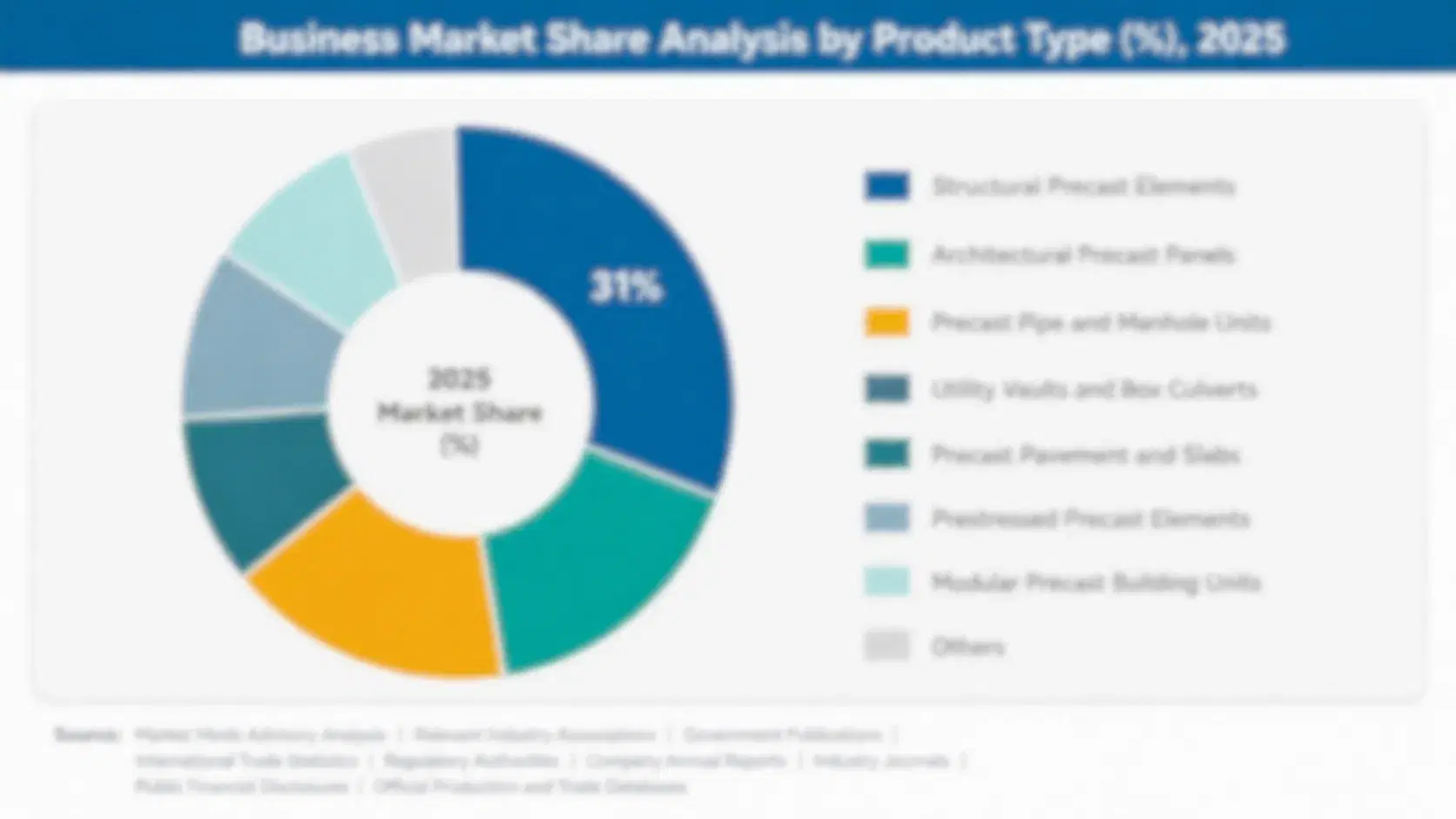
Graphene infused packaging spans five application-defined segments distinguished by functional mechanism rather than packaging format or end-use category. Graphene oxide barrier film coatings and antimicrobial formats are growing fastest as brands prioritize measurable shelf-life extension over conventional barrier films that offer no nanomaterial enhancement, with dispersion-chemistry specialists increasingly capturing premium contracts ahead of legacy barrier-film providers.
graphene-infused-packaging-market-market-share-analysis-1791521984271

Graphene Oxide Barrier Film Coatings

Graphene oxide barrier film coatings apply a thin layer of oxidized graphene nanomaterial to conventional polymer substrates, blocking oxygen and moisture transmission far more effectively than standard barrier layers alone. This segment is growing fastest among the five tracked here as premium food and pharmaceutical brands mandate graphene-grade barrier performance for extended-shelf-life categories. Suppliers with established dispersion-chemistry capability and coating-uniformity expertise are capturing disproportionate new contract volume, since qualifying a new coating formulation requires extensive validation testing that smaller entrants struggle to complete quickly. Average selling prices carry the largest premium of any barrier technology tracked in this analysis, reflecting the depth of nanomaterial expertise required to compete credibly in this top tier.
CAGR 19.1%

Graphene Antimicrobial Coating Formats

Graphene antimicrobial coating formats combine barrier-oxide chemistry with microbial-growth inhibition properties, letting brands address both oxygen protection and contamination resistance within a single coating layer. Growth here trails pure barrier coatings slightly but still outpaces the category average, driven by pharmaceutical and premium-food brands seeking combined functionality without multiple coating layers. Cost remains comparable to standard barrier coatings, though antimicrobial depth is modest by comparison across the most demanding sterile applications. Brands with existing graphene-supplier relationships are adopting this format fastest, since it requires minimal process change relative to current coating procedures already in place, a capability gap narrowing gradually as more brands standardize around shared coating-formulation chemistry and suppliers.
CAGR 15.8%
Full segment breakdown across 7 segments available in the complete report.

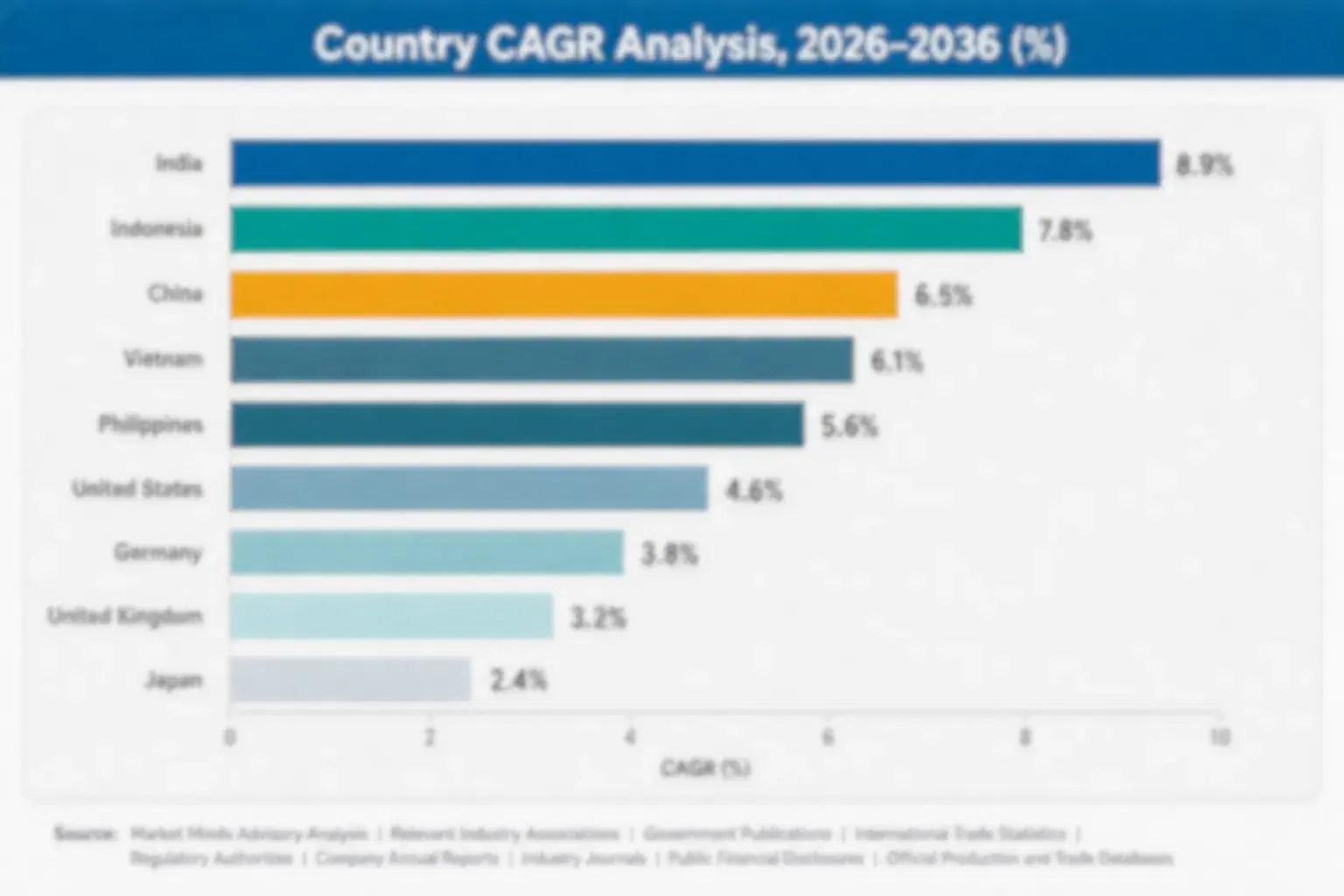
Graphene Infused Packaging Demand by Region

Regional demand concentrates where graphene-production manufacturing capacity and nanomaterial-research investment cluster together. East Asia leads on China's concentrated production scale, ahead of North America's premium-brand adoption. South Asia and Pacific posts the fastest regional growth off a small base now indeed today already indeed now.

North America

North America holds the second-largest share behind East Asia, anchored by concentrated premium food-brand headquarters and pharmaceutical-packaging research investment. The United States accounts for the clear majority of regional volume, driven by major premium-food and pharmaceutical brands headquartered domestically. Directa Plus SpA and First Graphene Ltd maintain research partnerships within the region, giving American brands faster material customization than importing graphene from overseas producers exclusively. Canada contributes meaningful incremental volume through premium food-packaging operations, a trend expected to continue as premium-brand research investment expands nationwide across major categories today, a lead supported by decades of accumulated materials-testing data across major premium categories across commercial and premium-brand programs today now already.
Share: 24% | CAGR: 14.8% (2026 to 2036)

Western Europe

Western Europe trails North America and East Asia, reflecting a nanomaterial-research base that remains substantial but constrained by graphene-production capacity smaller than China's manufacturing scale. Germany, France, and the United Kingdom account for most regional volume through premium food and pharmaceutical packaging operations. Haydale Graphene Industries plc and Versarien plc maintain significant European research and production capacity, supporting regional supply without heavy import dependence. Growth remains positive but consistently below the East Asia and North America pace, a pattern likely to persist given slower graphene-production capacity expansion relative to Chinese manufacturers, a process that has already stretched across several years without full resolution across national research programs already now indeed.
Share: 21% | CAGR: 14.2% (2026 to 2036)
Regional intelligence for 5 additional markets available in the complete report: East Asia, South Asia and Pacific, Latin America, Middle East and Africa, Eastern Europe. Contact sales@marketmindsadvisory.com.
graphene-infused-packaging-market-country-cagr-analysis-1791521984542

Capturing Value Beyond Core Material Sales

Graphene-material suppliers are extending revenue beyond one-time coating sales toward recurring formulation-consulting and performance-monitoring arrangements. Brand owners increasingly pay for ongoing barrier-performance validation alongside material purchases, shifting supplier economics toward multi-year contracted relationships rather than single-batch orders alone this cycle today across major brand and converter contracts worldwide nationwide today indeed now already soon.

Bundled Barrier Performance Validation Service Programs

Suppliers are bundling ongoing barrier-performance validation testing with material sales, letting brands confirm graphene-coating efficacy across new packaging formats without maintaining in-house testing laboratories. This shifts a meaningful share of supplier revenue toward recurring service fees, with early adopters reporting validation-attached contracts carrying margins roughly 9 to 12 percentage points above material-only sales. Brands value the regulatory-defensibility during retailer audits, and suppliers that built validation capability early are now renewing multi-year contracts ahead of material-only competitors, a pattern now shaping procurement evaluation criteria at several major premium brands already now.
Market Impact: Adds roughly 10 percentage points of margin uplift

Nanomaterial Dispersion Consulting Revenue Service Programs

Dispersion-chemistry consulting services for brands transitioning from conventional barriers to graphene-enhanced coatings are becoming a licensable asset, with suppliers packaging on-demand formulation support under separate consulting-service agreements. This creates a secondary revenue stream worth an estimated 9 to 13% of total contract value for suppliers with established nanomaterial expertise. Laboratory-accreditation investment is a prerequisite, limiting this lever mainly to larger suppliers with dedicated formulation teams serving multiple brand customers simultaneously, though smaller suppliers are gradually building equivalent capability through third-party formulation partnerships to stay competitive in this expanding category now.
Market Impact: Adds roughly 11 percentage points in secondary revenue

Graphene Infused Packaging Profit Pools

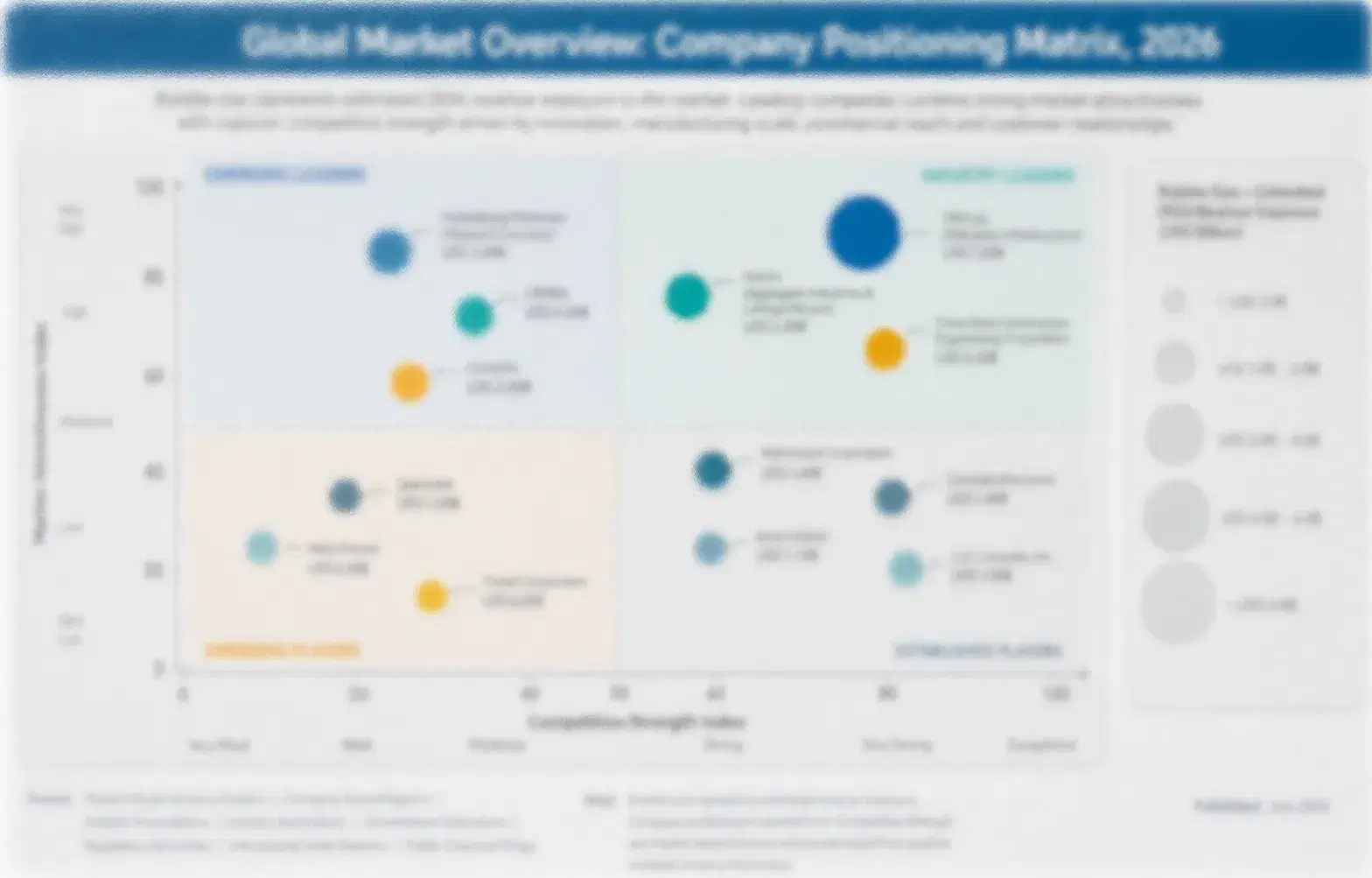
Graphene infused packaging remains fragmented, with the top five suppliers holding roughly three-tenths of global revenue on a comparable-revenue basis. Haydale Graphene Industries plc leads on dispersion-chemistry breadth, followed by Versarien plc and First Graphene Ltd, both competing closely on coating-engineering capability. The gap between the leader and the nearest challenger remains narrow, reflecting a category still young enough that no supplier has locked in a lasting competitive edge.
Current competitive activity centers on dispersion-chemistry investment and food-safety certification partnerships rather than price competition alone. Several suppliers have expanded production capacity in East Asia and Europe to serve rising brand demand, while others are acquiring coating-application specialists to offer broader barrier-film portfolios. Graphenea SA has pursued supply agreements with major premium-food brands to secure multi-year material volume ahead of broader category scaling.

Emerging pressure comes from lower-cost nanomaterial start-ups entering through simplified single-layer deposition rather than full dispersion-coating systems. Directa Plus SpA is applying textile-coating expertise to packaging-barrier formats, a capability incumbent dispersion specialists are now racing to match. Rankings could shift meaningfully if simplified-deposition costs continue falling, since that would erode the dispersion-chemistry advantage current leaders hold over smaller, more agile entrants.
graphene-infused-packaging-market-company-positioning-matrix-1791521984830

How Graphene Infused Packaging Suppliers Compete

HAYDALE GRAPHENE INDUSTRIES PLC

Moat: Dispersion Chemistry Breadth

Haydale's established dispersion-chemistry platform and functionalization-engineering expertise let it serve large multinational brand programs across regions simultaneously, a capability smaller regional converters cannot replicate without years of coating-qualification history, a position reinforced by long-standing procurement relationships across multiple multinational brand accounts today indeed now already.
HAYDALE GRAPHENE INDUSTRIES PLC

Risk: Single Layer Disruption

Falling single-layer deposition costs threaten Haydale's dispersion-coating pricing advantage over time, particularly among mid-market brands weighing cost against the barrier-performance depth that larger customers still value and continue to pay for, a dynamic management is monitoring closely through its own deposition research investment already now.
VERSARIEN PLC

Moat: Coating Engineering Depth

Versarien operates extensive in-house coating-engineering capability, shortening development cycles for next-generation graphene formulations compared with suppliers that must outsource coating work to third-party vendors lacking equivalent in-house capability, a depth advantage built over years of coating-chemistry research and formulation-testing investment already today now indeed today.
VERSARIEN PLC

Risk: Geographic Concentration Risk

Versarien's manufacturing infrastructure remains concentrated primarily in Western Europe, risking slower response for growing North American and East Asian customers relative to competitors with more globally distributed production capacity, a gap the company is now working to close through planned international manufacturing expansion soon now.

Players Tracked

Prominent Players

Haydale Graphene Industries plc
Versarien plc
First Graphene Ltd
Graphenea SA
Directa Plus SpA

Other Key Players

Applied Graphene Materials plc
NanoXplore Inc
Global Graphene Group Inc
XG Sciences Inc
Nanotech Energy Inc
Talga Group Ltd
2D Fluidics Ltd
Grafoid Inc
Cambridge Nanosystems Ltd
Thomas Swan and Co Ltd
Angstron Materials Inc
Avanzare Innovacion Tecnologica SL
Perpetuus Carbon Technologies Ltd
Zentek Ltd
Grafren AB

Recent Developments

MAY 2026

Haydale Graphene Industries plc expanded dispersion-coating manufacturing capacity at a European facility to meet rising brand demand for graphene-barrier packaging, adding dedicated production lines serving multiple multinational customers under existing multi-year agreements, reinforcing the supplier's position with existing European customers across the category today indeed.
Signal: Signals sustained European demand for graphene-barrier packaging manufacturing capacity and continued steadily expanding production facilities nationwide
DECEMBER 2025

Graphenea SA entered a supply agreement with a major premium-food brand to provide graphene-oxide barrier coatings across its extended-shelf-life packaging portfolio, securing contracted volume commitments ahead of broader category adoption across additional premium brands, reinforcing its position with that brand's broader premium-packaging portfolio nationwide indeed.
Signal: Signals brands increasingly locking in long-term graphene-barrier material supply contracts across global commercial channels worldwide today

Graphene Nanomaterial Supply Concentration Risk

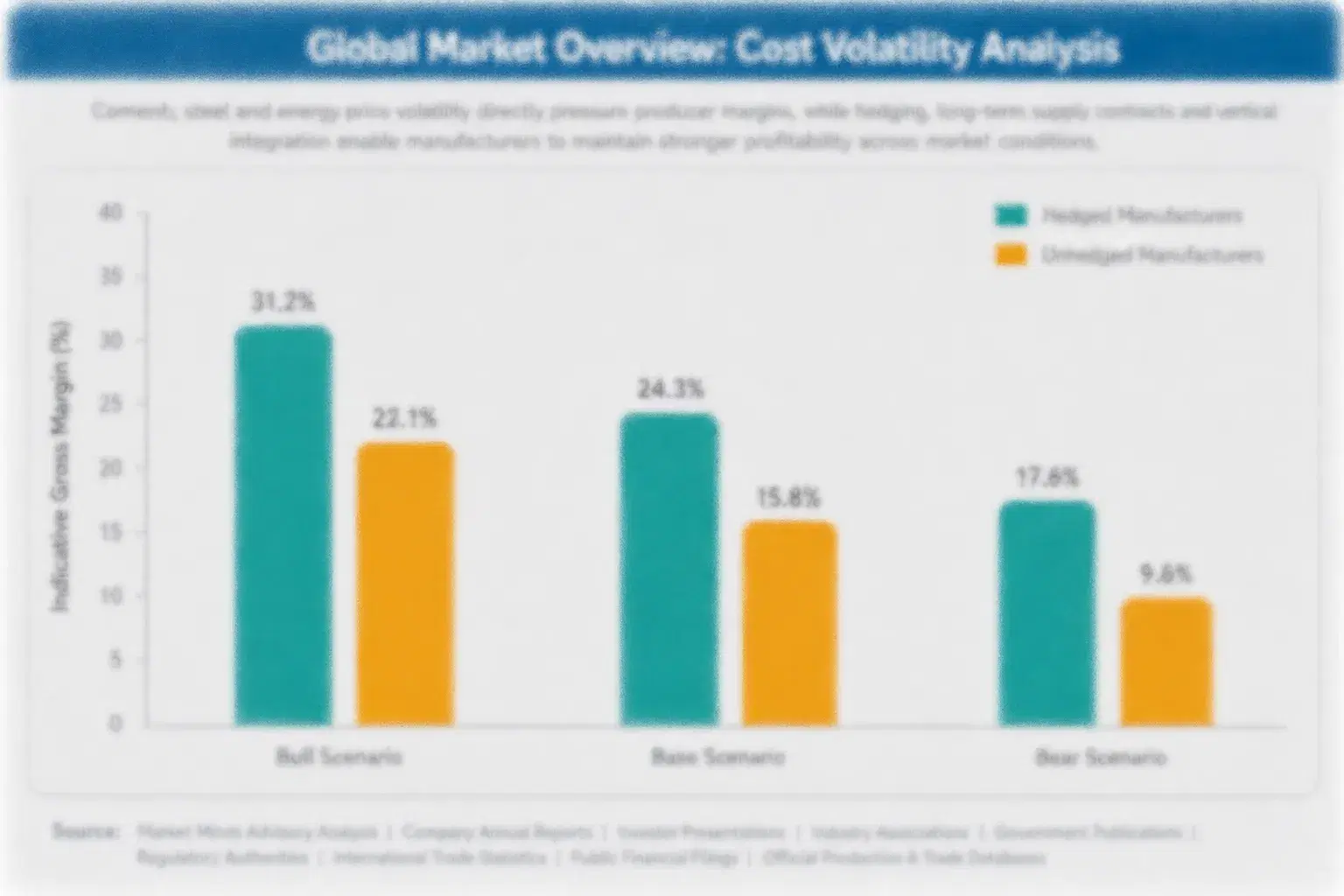
Graphene nanomaterial and dispersion-chemistry feedstock together represent roughly 46% of total production cost for graphene infused packaging, with the remainder split across polymer substrate, coating equipment, and quality-assurance labor. Feedstock supply traces heavily to a small number of graphite-processing and exfoliation facilities concentrated in China, leaving converters dependent on a narrow supplier base for the category's most specialized input.
Graphite feedstock price volatility during 2021 and 2022, documented extensively in company annual reports across the advanced-materials supply chain, demonstrated how quickly raw-material-cost swings can affect graphene-production economics. Several converters reported extended lead times and selective allocation during that period, forcing some to delay new coating-program launches by multiple quarters for later contracts, a disruption still echoing through procurement planning today across several major premium-brand categories.

Smaller converters without direct graphite-processor relationships face meaningfully higher input costs than the largest players, who negotiate volume-based pricing directly with exfoliation facilities. This exposure varies by geography too: North American and European converters generally pay a logistics premium absent for East Asian competitors sourcing graphite domestically, compounding the cost disadvantage smaller regional players already face, particularly for converters lacking direct graphite-processor relationships.
graphene-infused-packaging-market-cost-volatility-analysis-1791521985127

Dual Sourcing Across Multiple Exfoliation Facilities

Leading converters are qualifying second and third graphite-processing suppliers across different exfoliation regions to reduce single-source exposure, a strategy several have already formalized into standing procurement policy to limit allocation-shortage exposure across their core production networks, a strategy expected to expand further as more exfoliation capacity comes online outside current supplier concentration over the next several years.

Single Layer Deposition For Lower Tiers

Suppliers are substituting simplified single-layer graphene deposition for full dispersion-coating formats in lower-cost product tiers, cutting dependence on constrained graphite supply while still delivering credible barrier benefit for price-sensitive mid-market brand customers today, a tradeoff most mid-market brands accept given the meaningful cost savings relative to premium dispersion formats, particularly for everyday barrier applications where premium performance depth adds little.

Portfolio Architecture for Margin Defence

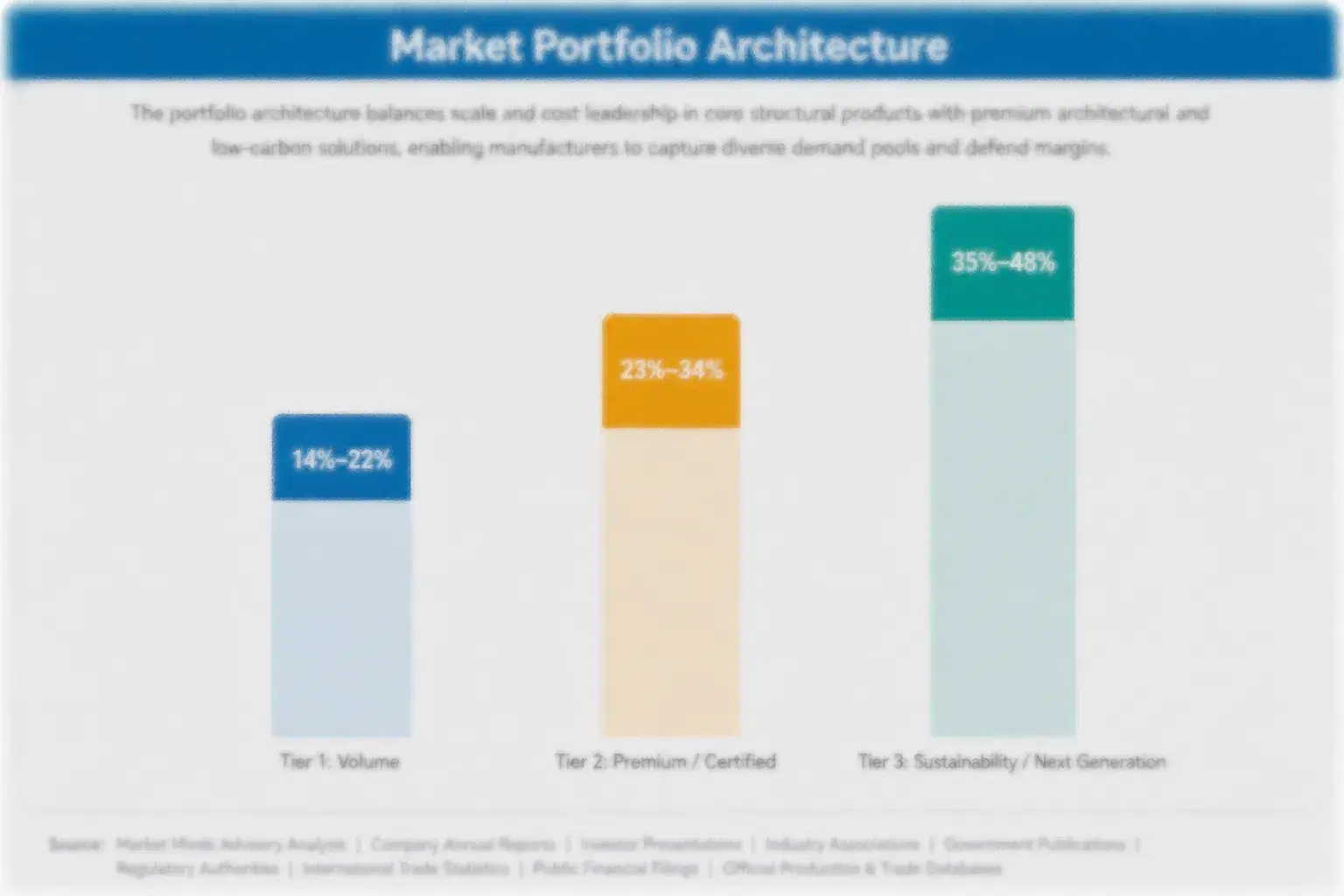
Graphene packaging margin economics split sharply between volume-oriented single-layer formats and premium dispersion-coating tiers. Basic single-layer deposition competes largely on converting efficiency and carries margins closer to standard barrier-film printing. Premium dispersion-coating and antimicrobial formats command meaningfully higher margins, reflecting nanomaterial complexity and validation services that volume-tier suppliers rarely offer at comparable depth, a gap that is widening rather than narrowing as premium customers invest further in barrier differentiation.
The volume-versus-premium tension is intensifying as graphite feedstock costs fall, pressuring dispersion-coating suppliers to differentiate through validation-service breadth rather than material alone. High-value margin pools concentrate among suppliers serving premium food and pharmaceutical customers, where buyers pay premiums for measurable barrier certainty rather than basic deterrence alone, a dynamic favoring suppliers with established relationships across those higher-margin premium accounts.

Pharmaceutical antimicrobial expansion into sensitive-formulation categories represents the clearest next-generation margin pool, since regulatory-driven adoption creates captive demand independent of premium-food budgets alone. Suppliers positioning early for these pharmaceutical categories are securing multi-year contracts ahead of broader platform expansion, locking in premium pricing before competitive entry intensifies further, a positioning advantage likely to compound as more pharmaceutical brands finalize adoption over the coming several years.

Basic single-layer deposition competing on converting efficiency and scale, serving mid-market brands prioritizing cost over dispersion-grade barrier performance nationwide, representing the largest shipment volume across the category despite its comparatively thin per-unit margin structure.
Gross Margin

Dispersion-coating and antimicrobial formats bundled with validation services, serving premium food and pharmaceutical customers paying for measurable barrier certainty today, representing the fastest-growing margin pool as more buyers shift budget toward dispersion-chemistry capability.
Gross Margin

Pharmaceutical antimicrobial formats driven by expanding sensitive-formulation adoption, commanding premium pricing through captive, non-discretionary demand each cycle, with margins expected to remain elevated as adoption expands across several additional therapeutic categories.
Gross Margin
graphene-infused-packaging-market-portfolio-architecture-1791521985423

High-value Sub-segments and Strategic Watch-out

Dispersion Coating Premium Food Programs

Highest value and fastest growth, driven by shelf-life mandates and brand-differentiation investment that favor suppliers with proven dispersion-chemistry platforms, where barrier failure carries direct spoilage cost for brands and retailers alike worldwide, a trend expected to continue as benchmarking reporting remains publicly visible now already.

Pharmaceutical Antimicrobial Barrier Programs

High value with moderate growth, anchored by sensitive-formulation mandates that create durable demand independent of single-category cycles, though implementation timelines vary by brand partnership and regulatory category across different segments, giving suppliers multi-year visibility rare elsewhere in the category across multiple regulated therapeutic jurisdictions worldwide.

Standard Single Layer Barrier Formats

Volume core of the category, competing on converting efficiency and basic barrier functionality for mainstream brands that prioritize cost over dispersion-grade performance or premium validation-service integration in everyday packaging, a position unlikely to shift materially over the near term given cost sensitivity today nationwide now.

Emerging Conductive Packaging Programs

Strategic watch-out segment where electronics-adjacent conductive-packaging applications are beginning to consider graphene formats, though adoption remains slower than food and pharmaceutical given longer procurement cycles and more conservative qualification processes industry-wide, though adoption should accelerate once pilot results prove viable at a handful of pilot programs already.

From Pilot Coating To Standing Program

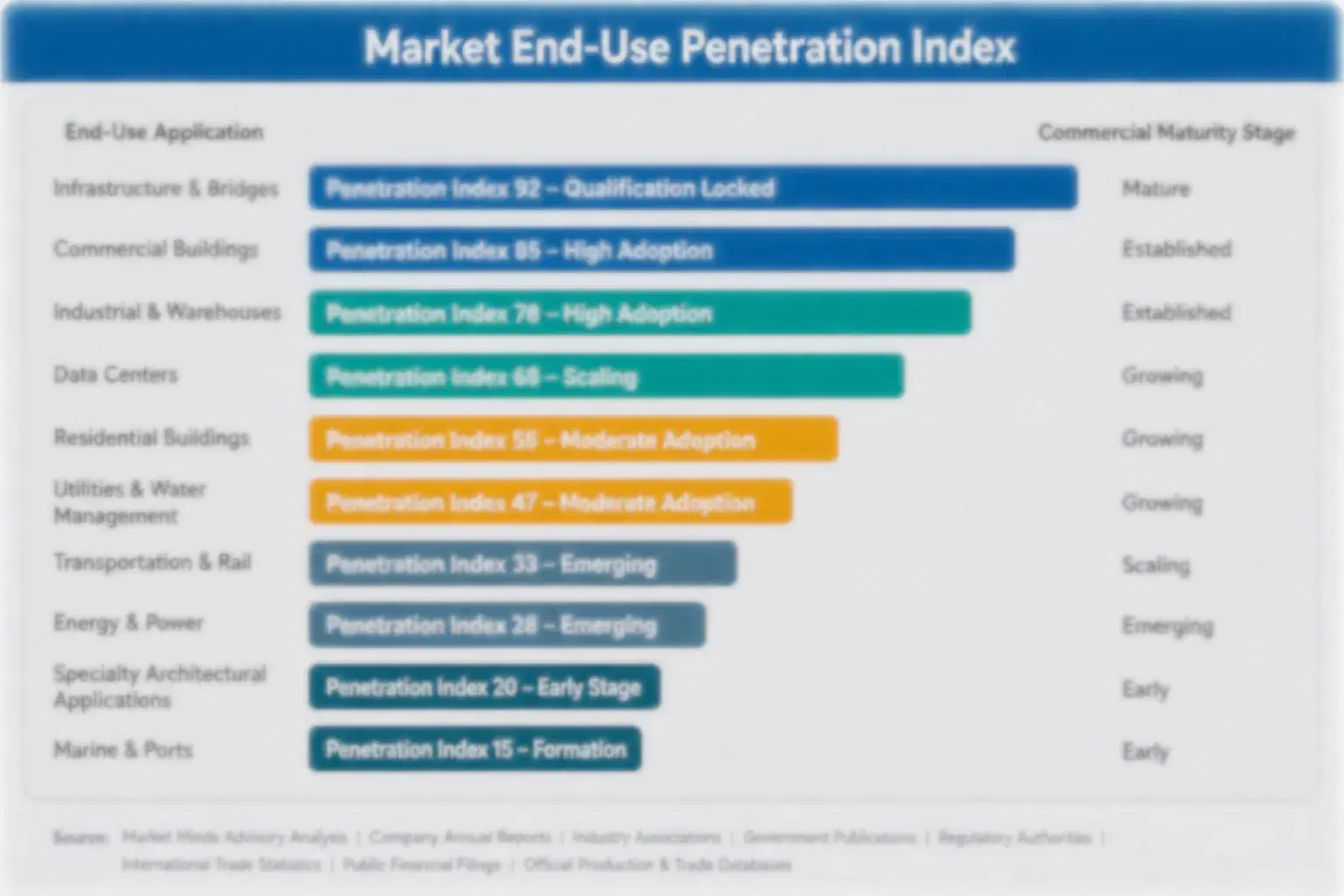
Graphene packaging is shifting from isolated pilot coatings toward standing multi-year material and validation-service contracts, where brands commit ongoing performance-monitoring agreements alongside physical coating orders. This recurring-revenue structure gives suppliers more predictable cash flow than traditional barrier-film sales, which historically closed as one-time batch transactions without ongoing service attachment.
Adoption depth and stickiness vary sharply by end-use vertical. Premium food brands show the deepest commitment, embedding dispersion-coating into core packaging specifications rather than treating it as a pilot experiment, since barrier exposure carries direct spoilage-cost consequences. Pharmaceutical packagers engage more selectively, often limiting antimicrobial coating to highest-sensitivity formulation categories first. Conductive-packaging applications are earlier in adoption but show potential for the deepest eventual stickiness once electronics-adjacent demand fully matures across the category.

A generational shift in buyer profiles is reinforcing this trajectory. Packaging-engineering teams increasingly include dedicated advanced-materials roles that specify graphene coatings as standard practice rather than requesting them only for premium pilots, a change from procurement patterns dominant five years ago. Younger engineers, trained on nanomaterial-performance workflows rather than conventional-barrier assumptions, are driving faster adoption timelines than their predecessors across multiple packaging categories.
graphene-infused-packaging-market-end-use-penetration-index-1791521985736

Where Graphene Packaging Value Concentrates

These are among the four positions where our research anticipates prominent divergence between winners and laggards over the coming forecast period. Each is grounded in the demand model, the regulatory perimeter, and the announced capacity pipeline.
01 / DISPERSION CHEMISTRY INVESTMENT

Back Dispersion Coating Over Single Layer Formats

Suppliers investing in dispersion-chemistry engineering and coating-uniformity testing are capturing disproportionate share of the fastest-growing premium segment, as brands consolidate around proven dispersion partners rather than piloting multiple vendors simultaneously. This rewards suppliers with established qualification histories over newer entrants lacking equivalent validation track records across major brand accounts. Legacy single-layer providers face mounting share pressure as dispersion coating becomes the premium-packaging standard, a trend already visible in recent procurement scorecards, a lead likely to compound as more retailers align qualification requirements.
02 / REGIONAL MANUFACTURING POSITIONING

Prioritize East Asian Fabrication Capacity

China's overwhelming graphene-production scale gives East Asia a durable adoption lead that newer markets cannot replicate quickly, making regional fabrication-capacity investment the single highest-leverage positioning move available to suppliers today. Suppliers without established East Asian production relationships face a widening cost gap against domestic competitors sourcing graphite locally. Early movers expanding regional capacity now will secure preferred-supplier status before competitive entry intensifies further across the region's manufacturing base, a window unlikely to stay open much longer across the category now.
03 / SERVICE REVENUE DIVERSIFICATION

Bundle Validation Services With Material Sales

Recurring validation-service and consulting revenue carries materially higher margins than material sales alone, and brands increasingly expect bundled testing support alongside physical coatings rather than treating the two as separate purchases. Suppliers lacking service capability risk losing contracts to competitors offering integrated solutions, even where their underlying material remains broadly comparable on technical merit. Building or acquiring service capability now is cheaper than catching up later, once brand procurement fully standardizes around bundled expectations, a shift already visible in recent brand procurement requests.
04 / ADJACENT CATEGORY POSITIONING

Position Early For Pharmaceutical Antimicrobial Demand

Pharmaceutical antimicrobial barrier applications represent the clearest non-discretionary demand pool beyond premium food, independent of the brand-budget cycles that drive adoption elsewhere. Suppliers establishing pharmaceutical-grade credentials now will secure multi-year sensitive-formulation contracts before broader adjacent-category rollout attracts additional competitive entry across these expanding regulated markets worldwide. Waiting until adoption matures risks ceding early-mover positioning to competitors already building pharmaceutical relationships today, a lead historically hard to reverse once established across key therapeutic programs nationwide across multiple fiscal cycles indeed now.

Engagement Snapshot From the Field

A live engagement with an industry participant carrying material or product regulatory and market exposure ahead of a defining policy shift, showing how our research translates into a defensible multi-year portfolio strategy.
MARKET MINDS ADVISORY · CLIENT ENGAGEMENT SUMMARY
Graphene Infused Packaging Producer Strategic Portfolio Review and Transition Roadmap 2026·Investment Scenario on Graphene Infused Packaging Exposure Evaluation 2025-26
CLIENT PROFILE
A mid-size premium food brand selling extended-shelf-life products across multiple retail channels approached MMA seeking guidance on which graphene-coating platform to standardize ahead of a planned barrier-performance initiative. The client had faced rising spoilage-related returns and wanted data-driven guidance before committing capital to an unfamiliar nanomaterial category, and the client's leadership wanted an independent view before the next capital cycle.
STRATEGIC CHALLENGE
The client faced a choice between graphene-oxide dispersion coatings and simplified single-layer deposition, with internal quality-assurance and finance teams divided on whether the added per-unit cost would translate into measurable shelf-life extension sufficient to justify standardizing across its full premium category within the planned twelve-month rollout window given limited internal precedent to draw on.
MMA APPROACH
MMA conducted competitive benchmarking across premium food brands already running each coating format, combined with primary interviews among graphene suppliers and materials-science consultants. The analysis quantified shelf-life and spoilage-rate differentials between dispersion-coating and single-layer formats across comparable brand rollouts over the prior two years, supplemented by direct conversations with retail partners overseeing spoilage-return tracking programs.
KEY FINDINGS
  1. Products using dispersion-coated packaging showed measurably longer shelf life than single-layer comparables across the benchmarked brand set over the eighteen-month observation period (client-reported, unverified by MMA).
  2. Spoilage-related return rates fell meaningfully below single-layer formats among premium retail customers during peak seasonal volume (client-reported, unverified by MMA) across multiple retail distribution regions.
  3. Per-unit cost premium for dispersion coating narrowed meaningfully when the client negotiated volume pricing directly with a qualified graphene supplier (client-reported, unverified by MMA).
  4. Phased rollout starting with highest-spoilage-risk product lines produced faster payback than a simultaneous full-category conversion would have given lower upfront capital commitment required (client-reported, unverified by MMA).
RECOMMENDED STRATEGY
Phase 1: Phase one: convert the three highest-spoilage-risk product lines to dispersion coating within six months, establishing supplier relationships and validation protocols. Phase 2: Phase two: extend dispersion coating across the remaining premium category over twelve months, while piloting antimicrobial formats for sensitive product lines. Phase 3: Phase three: evaluate dual-sourcing opportunities across graphene suppliers and renegotiate contract terms at higher committed volume levels as rollout volume continues to scale across the network.
OUTCOME
The client adopted the phased approach, converting highest-risk product lines first and reporting improved shelf-life metrics within the first two quarters of rollout (client-reported, unverified by MMA). The brand has since expanded dispersion coating across its full premium category and is evaluating antimicrobial formats for future resilience.

Frequently Asked Questions

Foundational context covering the market sizes, CAGR, scope, country, region and competition that inform every finding below. This section is provided to cover basics and most often pre-purchase conversations, answered from the MMA Primary Research Dataset.

What is the current size of the Graphene Infused Packaging Market?

The market reached an estimated USD 0.46 billion in 2026, covering graphene-oxide barrier coatings and antimicrobial formats for food and pharmaceutical packaging worldwide. Growth is concentrated in East Asian manufacturing categories.

How large will the Graphene Infused Packaging Market be by 2036?

MMA projects the market will reach approximately USD 1.94 billion by 2036, roughly 4.22 times its 2026 value. This reflects sustained barrier-performance adoption and growing pharmaceutical antimicrobial demand.

What is the CAGR for the Graphene Infused Packaging Market 2026 to 2036?

The market is forecast to grow at a 15.5% compound annual rate through 2036, with bull and bear scenarios ranging from 14.2% to 16.8% depending on production-cost and regulatory-approval developments.

Which segment is growing fastest?

Graphene Oxide Barrier Film Coatings are growing fastest at a 19.1% CAGR, roughly 1.23 times the overall market rate, driven by extended-shelf-life mandates across premium categories.

Who are the major companies in the Graphene Infused Packaging Market?

Leading suppliers include Haydale Graphene Industries plc, Versarien plc, First Graphene Ltd, Graphenea SA, and Directa Plus SpA, together holding roughly three-tenths of global revenue.

Which country is growing fastest?

China is growing fastest at a 17.8% CAGR, driven by its overwhelming graphene-production manufacturing capacity and expanding nanomaterial-research investment today across its manufacturing base nationwide.

Graphene Infused Packaging Market Breakdown

The full report scope spans multiple orthogonal segmentation dimensions, with cross-tabulated demand data provided for each dimension pair. Coverage extends further to regional breakdowns, trend trajectories, and the competitive detail needed to support segment-level decision-making.
  • Graphene Oxide Barrier Film Coatings
  • Graphene Antimicrobial Coating Formats
  • Single Layer Graphene Deposition
  • Conductive Graphene Packaging
  • Graphene Enhanced Laminate Structures
  • Premium Food and Beverage
  • Pharmaceuticals and Biologics
  • Cosmetics and Personal Care
  • Electronics Packaging
  • Industrial Specialty Packaging
  • Brand Barrier Performance Programs
  • Pharmaceutical Regulatory Programs
  • Research Partnership Programs
  • Export Market Compliance

By Region

  • North America
  • Western Europe
  • East Asia
  • South Asia and Pacific
  • Latin America
  • Middle East and Africa
  • Eastern Europe

Scope, Methodology, and Coverage

Every figure in this report is reproducible from documented input assumptions. The scope below maps the historical period, the forecast horizon, the segmentation dimensions, and the countries covered, alongside the underlying primary and qualitative methodology.
Historical Period
2020 to 2025
Forecast Period
2026 to 2036
Base Year
2025 (USD billions; MMA Primary Research Dataset, October 2026)
Market Definition
The Graphene Infused Packaging Market covers packaging films, coatings, and laminates that incorporate graphene or graphene-oxide nanomaterial to enhance barrier performance, antimicrobial properties, or conductivity. It excludes standalone graphene raw-material production sold independently of packaging applications, general nanomaterial research unrelated to packaging, and conventional barrier films lacking graphene content.
Quantitative Units
USD billions
Segmentation Dimensions
Regions Covered
North America, Western Europe, East Asia, South Asia and Pacific, Latin America, Middle East and Africa, Eastern Europe
Countries Covered
Key Companies Profiled
Haydale Graphene Industries plc, Versarien plc, First Graphene Ltd, Graphenea SA, Directa Plus SpA, Applied Graphene Materials plc, NanoXplore Inc, Global Graphene Group Inc, XG Sciences Inc, Nanotech Energy Inc, Talga Group Ltd, 2D Fluidics Ltd, Grafoid Inc, Cambridge Nanosystems Ltd, Thomas Swan and Co Ltd, Angstron Materials Inc, Avanzare Innovacion Tecnologica SL, Perpetuus Carbon Technologies Ltd, Zentek Ltd, Grafren AB
Quantitative Methodology
Primary survey, n=3,800 respondents, Q4 2025, six countries; demand-side model with trade association cross-validation
Qualitative Methodology
47 expert interviews, Q4 2025; applied to validate demand model assumptions, identify emerging dynamics, and assess competitive positioning
Report Format
PDF and XLSX data workbook (Word format preview document)
Publisher
Market Minds Advisory
Report Code
MMA-2026-PAC-704
Published
October 2026
Contact
sales@marketmindsadvisory.com | www.marketmindsadvisory.com

Purchase the full Graphene Infused Packaging Market Report (2026 to 2036).

This report provides a comprehensive assessment of the Graphene Infused Packaging Market through 2036. It covers graphene-oxide barrier coatings, antimicrobial formats, and single-layer deposition across food, pharmaceutical, and specialty end-use categories. The analysis details regional demand patterns, competitive positioning among nanomaterial and coating specialists, and input-cost exposure tied to graphite feedstock concentration. It draws on primary survey data, expert interviews, and company disclosures to quantify segment-level growth and margin architecture across the forecast period Strategic recommendations highlight where suppliers should prioritize dispersion investment, regional positioning, and service-revenue diversification over the coming decade.
Ten-year revenue and unit volume forecasts
Seven-region demand share and CAGR breakdown
Twenty-company competitive benchmarking and positioning profile
Segment-level CAGR and margin tier analysis
Input-cost exposure mapping and mitigation pathways
Anonymized client case study with full strategy roadmap

Built For The People Who Decide

From boardroom strategy to bench-side execution, this report is read cover-to-cover by leaders shaping the next decade of their industry, turning demand scenarios, market dynamics and valuation benchmarks into decisions.
CXOs/ Presidents/ VPs/ Managers
M&A and Corporate Development
Strategy Teams and R&D Heads
Procurement and Product Directors
Regulatory and Compliance Leaders
Investor Relations and Equity Analysts