Market Minds Advisory
Gochugaru Market

Gochugaru Market: Gochugaru Market. Kimchi Demand, Import Dependence and Origin Traceability

Gochugaru demand is spreading from Korean kimchi kitchens into global spice racks and seasoning blends, yet import dependence, weather-driven pepper prices and origin fraud checks decide which processors secure supply and margin.

Lead Analyst

Published

September 2026

Make Smarter Decisions with Customized Research Insights

Request a free sample report and evaluate market opportunities, growth trends, and competitive dynamics relevant to your business needs.

2025 MARKET VALUE$0.9BMarket Size 2025
2036 FORECAST VALUE$1.8BBase Case , 2026 to 2036
CAGR 2026 TO 20366.5 %Bull 7.8% / Bear 5.2%
INCREMENTAL OPPORTUNITY$0.8BNet 10- year value creation
EXPANSION MULTIPLE1.88x2036 value over 2026 base
Strategic Levers
M&A Pipeline
Regional Outlook
Country Rankings
Competitive Intelligence
Segmental Deep-dive
Call-Us : 91 93563 13602

Executive Snapshot and Market Trajectory.

Gochugaru is Korean red pepper flake or powder, dried and ground from mild, fruity chillies, and it colours and flavours kimchi, stews and sauces. Korean kitchens buy it by the kilogram every autumn. Global food trends are now pulling it onto supermarket spice racks.
Blended Kimchi and Seasoning Mixes grow fastest as convenience and global cooking widen use, while coarse flakes for kimchi still carry the largest sales. East Asia leads because Korea consumes most gochugaru and China and Japan add demand and supply. Gross margins run 20% to 44%, and dried pepper cost, weather and import policy shape profit. Margins stay tight. Buyers reward reliable supply. Weather keeps prices volatile. Origin proof shapes every listing. Prices stay firm.
Five groups hold about 31% of value, led by CJ CheilJedang, Daesang and Ottogi, so a few Korean food groups with kimchi brands and sourcing networks compete with many regional spice processors. Food safety limits on aflatoxin and pesticides, origin labelling rules, tariff quotas on imported pepper and retailer audits govern access, and buyers check origin records, testing results and delivery reliability before approving suppliers. Margins stay tight. Trials come first.
Market Definition
The market covers global production and sale of gochugaru, defined as dried, milled Korean-style red pepper in coarse flake, fine powder, sun-dried premium flake, blended kimchi and seasoning mix and extract forms, sold to households, food manufacturers, restaurants and retailers and valued at producer sales revenue. It excludes fresh chillies, gochujang and other fermented pastes, general chilli powder for non-Korean cuisines and capsicum supplements.
Base Year Value
$0.9B in 2025 (MMA Primary Research Dataset, September 2026)
Forecast Period
2026 to 2036, eleven discrete annual values
CAGR
6.5% base case. Bull 7.8%. Bear 5.2%.
Fastest Growth Segment
Blended Kimchi and Seasoning Mixes: 9.1% CAGR
Fastest Growth Country
Vietnam: 9.6% CAGR
Fastest Growth Region
South Asia and Pacific: 8.6% CAGR
Largest Region
East Asia: 62% of 2025 global value
Market Leaders
CJ CheilJedang, Daesang, Ottogi, Sempio Foods, Nongshim. Source: MMA Analysis, company annual reports.
Primary Survey
n=3,800 procurement and R&D decision-makers, Q4 2025, six countries
Methodology
Demand-side build-up, cross-validated against public data, 47 expert interviews

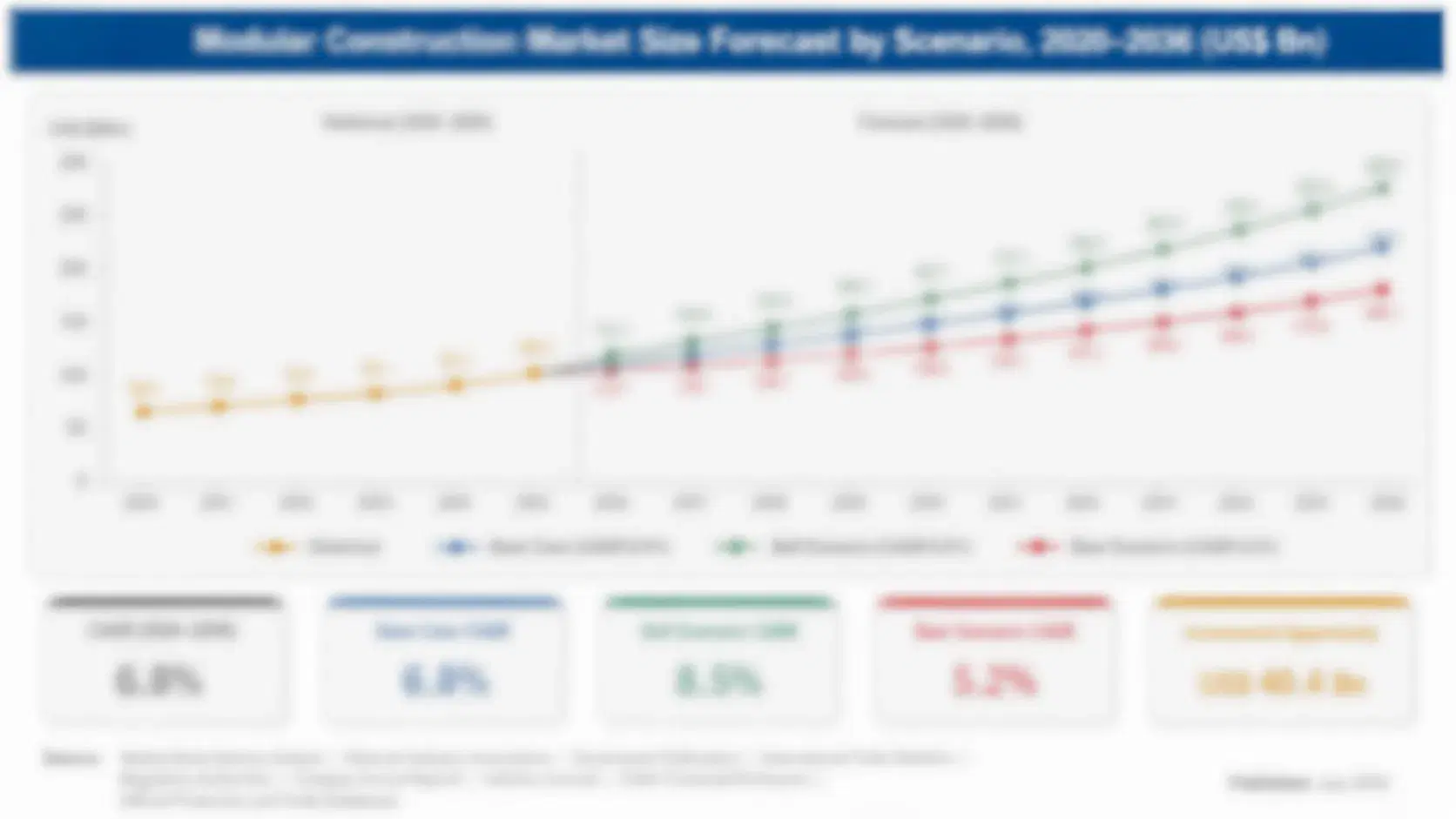
Gochugaru Market Forecast Scenarios

gochugaru-market-size-forecast-scenario-1790021060957
From 2020 to 2025 gochugaru sales grew at about 5.6% a year. Home cooking lifted retail demand in 2020 and 2021, pepper prices jumped in 2022 and 2023 after weather damage and lower Korean plantings, and global interest in Korean food added overseas demand. Coarse flakes dominated volume, while blended seasoning mixes gained share and higher prices.
The base case of 6.5% rests on three named mechanisms. Global adoption of Korean cuisine carries gochugaru into supermarkets across North America, Europe and Southeast Asia. Blended kimchi and seasoning mixes raise price per kilogram and simplify cooking for new users. Premium sun-dried and traceable origin lines earn higher margins as buyers worry about adulteration. Each mechanism is visible in retail range changes, export data and consumer surveys over the last three years.
The bull case reaches 7.8% if Korean food exports keep growing and sourcing stabilises. The bear case falls to 5.2% if weather and import limits push pepper prices up again and shoppers trade down. Both cases assume stable trade rules and no new tariff changes on imported chillies. Neither case assumes a change in Korean tariff quotas or in shipping costs.

Kimchi Demand, Import Reliance and Origin Traceability Set Gochugaru Returns

Growers harvest ripe red chillies, dry them in the sun or in hot air dryers, remove stems and seeds, and mill them into coarse flakes or fine powder, then screen, sterilise and pack the product. Drying method, moisture and colour value decide grade, and sun-dried peppers command higher prices. Aflatoxin and pesticide testing decide market access. Retailers audit plants and lot records every year before renewing listings.
MARKET CONCENTRATION31% CR5Top five groups hold nearly one third of category sales
KOREAN DEMAND SHARE58%Portion of global gochugaru value sold inside Korea
KIMCHI USE SHARE46%Portion of consumption used in commercial and home kimchi making
IMPORT DEPENDENCE55%Portion of Korean supply sourced from Chinese and Indian chilli
RAW CHILLI COST SHARE66% of COGSDried red pepper within total production cost of flakes
TYPICAL HEAT RANGE1,500-10,000 SHUMilder than cayenne, with fruity sweetness and vivid red colour
Value concentrates in five places. Coarse flakes for kimchi carry the largest sales through supermarkets, traditional markets and kimchi factories. Fine powder serves gochujang, sauces and instant noodles. Sun-dried premium flakes command higher prices among quality-conscious buyers. Blended kimchi and seasoning mixes grow fastest, and extract and oleoresin forms serve food makers seeking colour and heat.
Supply combines domestic growers with imports. Korean farms grow premium peppers, but plantings have declined, so processors import large volumes of dried chilli from China, India, Vietnam and Peru. Millers concentrate in Korea, while overseas markets import finished flakes from Korea or use local blends. Retailers rotate ranges often, and qualifying a new supplier takes six to twelve months. Recipe and grade details stay closely guarded within each processor.
"Gochugaru is the rare spice where origin is the whole story. Shoppers pay for the label that says Korea, but Korea grows less each year, so the winners will be the processors who can prove where each flake came from."
Senior Analyst, Spices and Seasonings Practice · MMA Gochugaru Practice · September 2026

Market Trends

Blended Kimchi and Seasoning Mixes Simplify Korean Cooking Abroad

Brands are selling gochugaru blended with garlic, ginger, fish sauce powder and sweeteners as ready kimchi seasoning, and as all-purpose Korean spice mixes for stews and marinades, aimed at shoppers outside Korea who lack expertise. Blended Kimchi and Seasoning Mixes grow about 9.1% a year, and gross margins run 30% to 44%. The trend needs balanced recipes, allergen control and clear labelling, and it rewards makers with brand strength and retailer ties, while blends dilute pepper cost share. Buyers judge suppliers on consistency, documentation and delivery reliability. Makers with scale and clear plans hold the strongest positions.
Market Impact: Korean food exports grow 8% yearly

Traceable Origin and Sun-Dried Premium Claims Command Higher Prices

Shoppers pay more for Korean-grown, sun-dried gochugaru with documented farms, especially after cases of imported pepper being labelled as domestic. Sun-dried premium flakes sell for 40% to 120% above standard imports. The trend needs farm-level records, isotopic or DNA origin tests and packaging that shows harvest year, and it rewards processors with contract farms and audit systems, while domestic supply is limited and premium lines reach only a fraction of demand. Makers with scale and clear plans hold the strongest positions. Early movers set the standard that later entrants must match.
Market Impact: factories supply over 40% of kimchi

Market Opportunities and Growth Drivers

Global Popularity of Korean Food Pulls Gochugaru Into Mainstream Kitchens

Korean food exports have grown steadily as kimchi, fried chicken, ramen and barbecue spread across global menus, and shoppers buy gochugaru to recreate dishes at home. Korean packaged food exports have grown by high single digits annually in recent years. The driver rewards makers with export brands, overseas distribution and authentic recipes, and it supports steady growth in retail and foodservice demand, while shoppers outside Korea prefer milder blends, and local competitors offer cheaper chilli flakes. Early movers set the standard that later entrants must match. Retailers reward suppliers that respond quickly to range changes and promotions.
Market Impact: prices swing 30-60% between years

Commercial Kimchi Production and Convenience Eating Shift Purchases From Homes

Fewer Korean households make kimchi each autumn, so commercial kimchi factories and ready kimchi brands buy more gochugaru in bulk, and instant noodle, sauce and snack makers add steady demand. Commercial sources now account for over 40% of kimchi consumption. The driver rewards processors with bulk supply, consistent grading and certificates, and it supports stable industrial volumes, while home purchases decline, and factories negotiate hard on price and specifications. Retailers reward suppliers that respond quickly to range changes and promotions. Progress should be reviewed every quarter against the agreed targets. Buyers judge suppliers on consistency, documentation and delivery reliability.
Market Impact: testing adds 2-5% to cost

Market Restraints and Challenges

Declining Domestic Pepper Plantings and Import Reliance Increase Price Volatility

Korean red pepper cultivation has shrunk because of ageing farmers, labour shortages and unstable returns, so imports from China, India and Vietnam fill the gap. The root cause is rural depopulation and weather losses. Prices swing by 30% to 60% between years, and quotas and tariffs complicate imports. Processors respond with contract farming, overseas sourcing programmes and inventory, though these steps raise working capital needs. Progress should be reviewed every quarter against the agreed targets. Smaller processors carry the heaviest exposure and have the least room to adjust. Buyers judge suppliers on consistency, documentation and delivery reliability.
Market Impact: blended mixes grow 9.1% yearly

Aflatoxin Limits, Origin Fraud Checks and Testing Raise Compliance Costs

Dried chilli is prone to aflatoxin, pesticide residues and ethylene oxide contamination, and regulators in Korea, the European Union and the United States enforce limits and border checks. Origin mislabelling cases also trigger penalties. The root cause is open drying and fragmented supply chains. Testing and traceability add 2% to 5% to cost, and rejected lots cause losses. Processors respond with sterilisation, testing and farm programmes. Smaller processors carry the heaviest exposure and have the least room to adjust. Buyers judge suppliers on consistency, documentation and delivery reliability. Makers with scale and clear plans hold the strongest positions.
Market Impact: sun-dried premium sells 40-120% higher
3 additional market trends, 2 additional growth drivers, and 4 additional restraints and challenges are covered in the full report. Contact sales@marketmindsadvisory.com to access the complete intelligence.

Segment CAGR and Growth Architecture

The gochugaru market is segmented by product form, which shows where processing, grade and buyer needs differ. Five segments cover coarse flakes, fine powder, sun-dried premium flakes, blended kimchi and seasoning mixes and extract and oleoresin forms. Blended mixes grow fastest, while coarse flakes for kimchi carry the largest sales. Each form serves distinct kitchens and factories.
gochugaru-market-market-share-analysis-1790021061240

Blended Kimchi and Seasoning Mixes

Blended Kimchi and Seasoning Mixes is the fastest-growing segment at 9.1% a year, about 1.40 times the overall market rate. Ready kimchi seasoning and all-purpose Korean spice mixes simplify cooking for new users and lift value per kilogram, and shoppers accept prices 30% to 90% above plain flakes. Gross margins of 30% to 44% reward makers with balanced recipes, allergen control and brand strength. Growth depends on flavour, labelling and retailer range reviews, while pepper cost swings squeeze margins. Makers with strong brands hold the strongest positions. Early movers set the standard that later entrants must match. Retailers reward suppliers that respond quickly to range changes and promotions. Progress should be reviewed every quarter against the agreed targets.
CAGR 9.1%

Sun-Dried Premium Flakes

Sun-Dried Premium Flakes grows at 7.8% a year, about 1.20 times the overall market rate, because quality-conscious shoppers and premium kimchi makers pay for vivid colour, fruity aroma and documented Korean origin. Processors use contract farms and traceable lots to differentiate. Gross margins of 34% to 44% support suppliers with farm relationships and audit systems. Growth depends on harvest weather, aflatoxin control and limited supply, and processors with consistent quality, certified lots and dependable delivery hold the strongest positions with premium retailers and kimchi brands. Retailers reward suppliers that respond quickly to range changes and promotions. Progress should be reviewed every quarter against the agreed targets. Smaller processors carry the heaviest exposure and have the least room to adjust.
CAGR 7.8%
Full segment breakdown across 5 segments available in the complete report.

Regional Architecture and Country Demand Map

East Asia leads at 62% because Korea consumes most gochugaru and China and Japan add supply and demand, while North America holds 14% through Korean communities and mainstream retail. South Asia and Pacific holds 10% through Vietnamese and Indian supply. Western Europe holds 6%. Latin America holds 3%.

North America

North America holds 14% share, below its band, which is justified because gochugaru demand outside Korea rests on Korean communities and a smaller mainstream base, while East Asia holds the kimchi tradition and volume. Growth runs at 6.8%, close to the global rate. CJ Bibigo, Mother-in-Law's Kimchi and Wang Korea supply the market, Korean grocers and mainstream supermarkets expand ranges, and buyers require FDA compliance, allergen labelling and traceable origin before granting listings. Importers also review lot records and aflatoxin test results before every annual contract renewal. Volumes stay modest, and suppliers compete mainly on origin proof, certification and delivery reliability. Traders handle most shipments and set order sizes. Currency moves and freight rates change landed cost each quarter.
Share: 14% | CAGR: 6.8% (2026 to 2036)

Western Europe

Western Europe holds 6% share, below its band, which is justified because gochugaru demand is limited to Korean and Asian communities and a small group of adventurous cooks, while mainstream European cuisine uses paprika and cayenne. Growth of 5.0% trails the global rate. Because East Asia and North America take the top two slots, Western Europe acts as a niche import market. Strict EU contaminant limits, ethylene oxide checks and freight raise cost, and importers value certified lots. Importers also review lot records and aflatoxin test results before every annual contract renewal. Volumes stay modest, and suppliers compete mainly on origin proof, certification and delivery reliability. Traders handle most shipments and set order sizes.
Share: 6% | CAGR: 5.0% (2026 to 2036)
Regional intelligence for 5 additional markets available in the complete report: East Asia, South Asia and Pacific, Latin America, Middle East and Africa, Eastern Europe. Contact sales@marketmindsadvisory.com.
gochugaru-market-country-cagr-analysis-1790021061550

Four Margin Routes for Gochugaru Processors

Margin in gochugaru comes from blended seasonings, traceable premium lines, sourcing security and safety controls rather than volume alone. The routes below apply to Korean food groups, spice processors and importers, and each can start inside one planning cycle, with measures in gross margin points and cost per kilogram. Payback runs two to four years.

Developing Blended Kimchi and Seasoning Mixes for Overseas Retail

Shoppers outside Korea pay for convenience, so makers that develop balanced kimchi seasoning and Korean spice mixes with clear instructions win listings worth 10% to 18% of category volume at gross margins of 30% to 44%. Development costs $0.3 million to $2 million per range. Makers should test flavour with local cooks, control allergens and label clearly, since recipe mistakes damage brands, and retailers drop weak launches quickly. Product teams should track repeat purchase weekly. Results should be reviewed every quarter against the agreed targets. Management should assign one owner to each programme from the start.
Market Impact: blended mixes win listings worth 10-18% of volume

Building Traceable Sun-Dried Premium Lines With Contract Farms

Buyers pay for proven origin, so processors that contract farms, keep lot records and use origin testing earn premiums of 40% to 120% and win listings worth 6% to 12% of category volume. Programmes cost $0.5 million to $3 million. Processors should share premiums with growers, audit drying practice and publish harvest data, since origin fraud cases damage trust across the category, and premium supply is limited to available domestic harvest. Management should assign one owner to each programme from the start. Early results also help persuade sceptical retail buyers. Costs are recovered faster in larger plants.
Market Impact: traceable lots earn premiums of 40-120% for contract farm processors

Securing Diversified Imported Pepper Supply With Sterilisation

Dried pepper makes up about 66% of production cost and domestic supply is limited, so processors that qualify Chinese, Indian, Vietnamese and Peruvian origins, sign contracts and sterilise lots cut cost volatility by 20% to 35%. Programmes cost $1 million to $5 million. Processors should hold buffer stock, test every lot for aflatoxin and review terms yearly, since spikes otherwise compress margins, and finance teams should track landed cost weekly. Early results also help persuade sceptical retail buyers. Costs are recovered faster in larger plants. Results should be reviewed every quarter against the agreed targets.
Market Impact: diversified supply cuts cost volatility by 20-35% across crop years

Investing in Aflatoxin Testing and Steam Sterilisation Capacity

Rejected lots and recalls remove suppliers from approved lists, so processors that install steam sterilisation and rapid aflatoxin testing win approvals from multinational buyers worth 12% to 20% of volume. Upgrades cost $1 million to $6 million per plant. Processors should train staff, document controls and invite buyer audits, since one recall can end relationships, and importers increasingly ask for lot-level testing records during annual supplier reviews. Costs are recovered faster in larger plants. Results should be reviewed every quarter against the agreed targets. Management should assign one owner to each programme from the start.
Market Impact: testing and sterilisation win approvals worth 12-20% of volume

Who Controls the Margin Pool

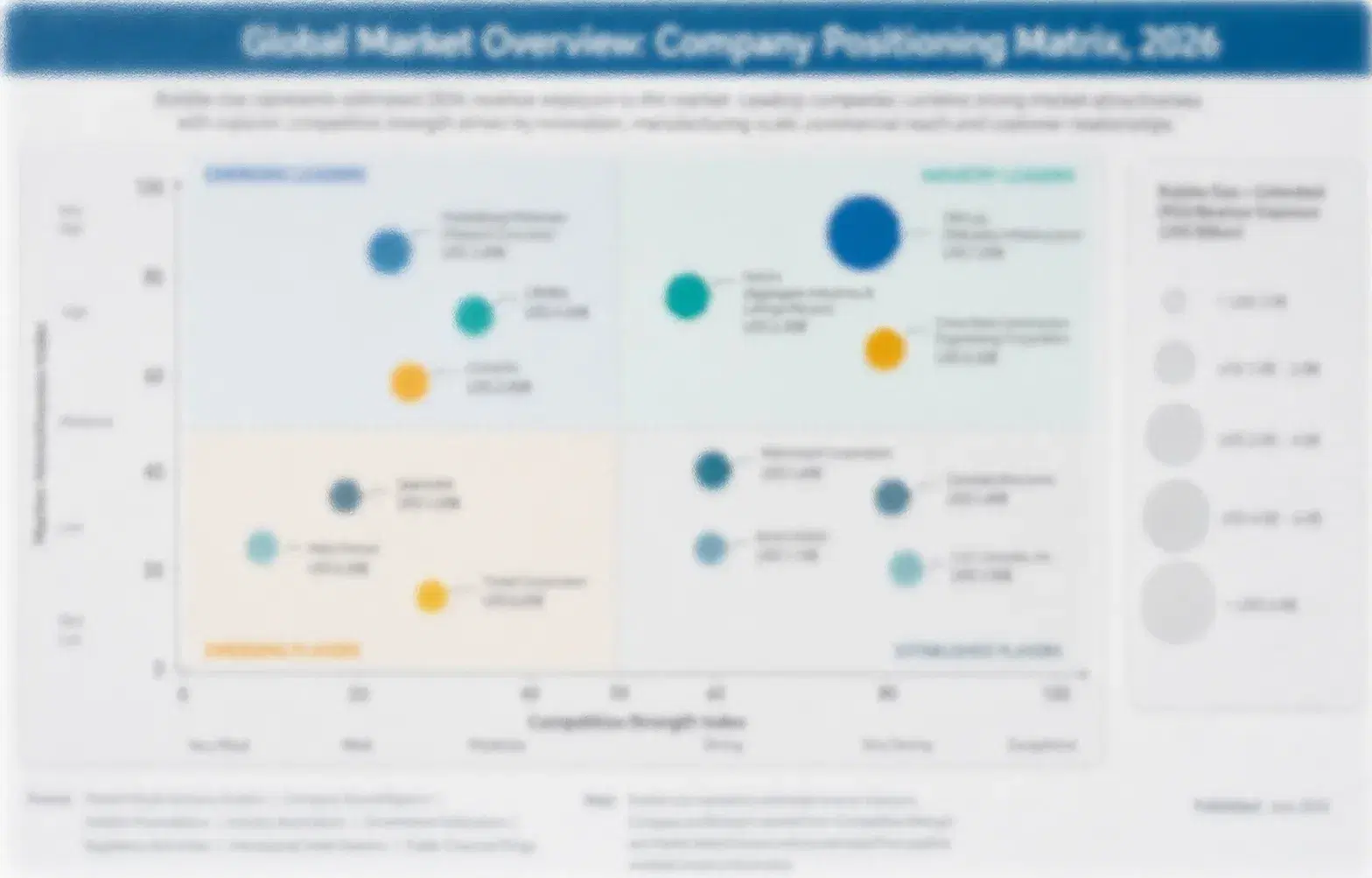
The gochugaru market is moderately concentrated, with a CR5 of 31%, because a few Korean food groups hold kimchi brands, sourcing networks and retail relationships while many regional spice processors and importers serve local buyers. This assessment measures participants on estimated gochugaru and gochugaru-based product sales value, held constant across all players. CJ CheilJedang and Daesang lead through kimchi and seasoning brands, Ottogi, Sempio Foods and Nongshim follow, and the gap between the leader and the fifth player is moderate.
Competition runs on four dimensions today: origin credibility and traceability, pepper sourcing security, brand strength in kimchi and seasonings, and price against imported flakes. Large groups win on scale and brand, regional processors win on cost and speed, and premium producers win on origin stories. Buyers compare grade consistency, contaminant records and delivery reliability.

Emerging pressure comes from Chinese and Vietnamese processors offering lower cost flakes, from overseas Korean food brands localising blends and from traceability start-ups. Rankings shift where a processor secures pepper at stable prices, proves origin or launches a successful blended seasoning, and consolidation continues as smaller processors face testing and sourcing costs.
gochugaru-market-company-positioning-matrix-1790021061823

Competitive Moat and Risk Dimensions

CJ CHEILJEDANG

Moat: Brand and Kimchi Distribution Reach

CJ CheilJedang is a Korean food company whose Bibigo, Haechandle and Baek Seol brands cover kimchi, gochujang, seasonings and packaged foods sold across Korea, the United States, Europe and Asia. Its brand recognition, recipe credibility and global distribution give it durable loyalty, and its scale supports pepper procurement across several origins and investment in overseas plants.
CJ CHEILJEDANG

Risk: Pepper Cost and Origin Exposure

CJ CheilJedang depends on imported pepper supply and swings in Korean prices, so cost spikes squeeze profit. Origin labelling scrutiny can damage trust, rivals in China offer cheaper flakes, and overseas expansion carries execution risk. Investors expect steady returns. Rivals watch every move. Management attention remains the scarcest resource.
DAESANG

Moat: Chungjungone and Jongga Brands

Daesang is a Korean food company whose Chungjungone and Jongga brands lead gochujang, kimchi, seasonings and packaged foods, sold through retail, foodservice and overseas channels. Its brand recognition, kimchi factories and sourcing relationships give it strong loyalty, and its scale supports pepper procurement and investment in overseas kimchi plants in Europe and Asia.
DAESANG

Risk: Mature Domestic Market Pressure

Daesang depends on a mature Korean market where home kimchi making is falling and retailers press on price. Pepper cost swings squeeze profit, and competitors with export strength grow faster overseas. Regulatory scrutiny of origin and additives adds cost. Investors expect steady returns. Rivals watch every move.

Players Tracked

Prominent Players

CJ CheilJedang
Daesang
Ottogi
Sempio Foods
Nongshim

Other Key Players

Pulmuone
Samyang Foods
Wang Korea
Mother-in-Law's Kimchi
McCormick
Huy Fong Foods
Lee Kum Kee
Olam Food Ingredients
Kalsec
Synthite Industries
Everest Spices
Kikkoman
Lotte Wellfood
Ajinomoto
Nissin Foods

Recent Developments

JANUARY 2026

Korean Food Group Launches Ready Kimchi Seasoning Blend for North American Supermarkets

A Korean food group launched a ready kimchi seasoning blend for North American supermarkets, according to company communications. It is a product launch, not an acquisition, and it tests convenience demand. The blend combines gochugaru with garlic and ginger. Sales terms were not disclosed. Rollout follows range reviews.
Signal: Confirms Korean groups are targeting new users because blends lower the skill barrier and lift value per kilogram.
FEBRUARY 2026

Vietnamese Chilli Processor Completes Steam Sterilisation Upgrade After Korean Buyer Audit Requirements

A Vietnamese chilli processor completed a steam sterilisation upgrade after Korean buyer audit requirements, according to company communications. It is an organic plant investment, not an acquisition, and it tests compliance strategy. The upgrade covers one plant. Investment terms were not disclosed. Rollout follows range reviews.
Signal: Shows suppliers are upgrading plants because Korean and export buyers now demand validated controls for approval each year.
MARCH 2026

Korean Regulator Announces Stricter Origin Labelling Inspections for Imported Red Pepper Powder

A Korean regulator announced stricter origin labelling inspections for imported red pepper powder, according to public announcements. It is a regulatory action, not a commercial deal, and it tests compliance. The inspections cover retail and restaurants. Timing of penalties remains open. Industry groups responded. Rollout follows range reviews.
Signal: Indicates authorities are tightening origin checks because mislabelling harms domestic growers and consumer trust in gochugaru.

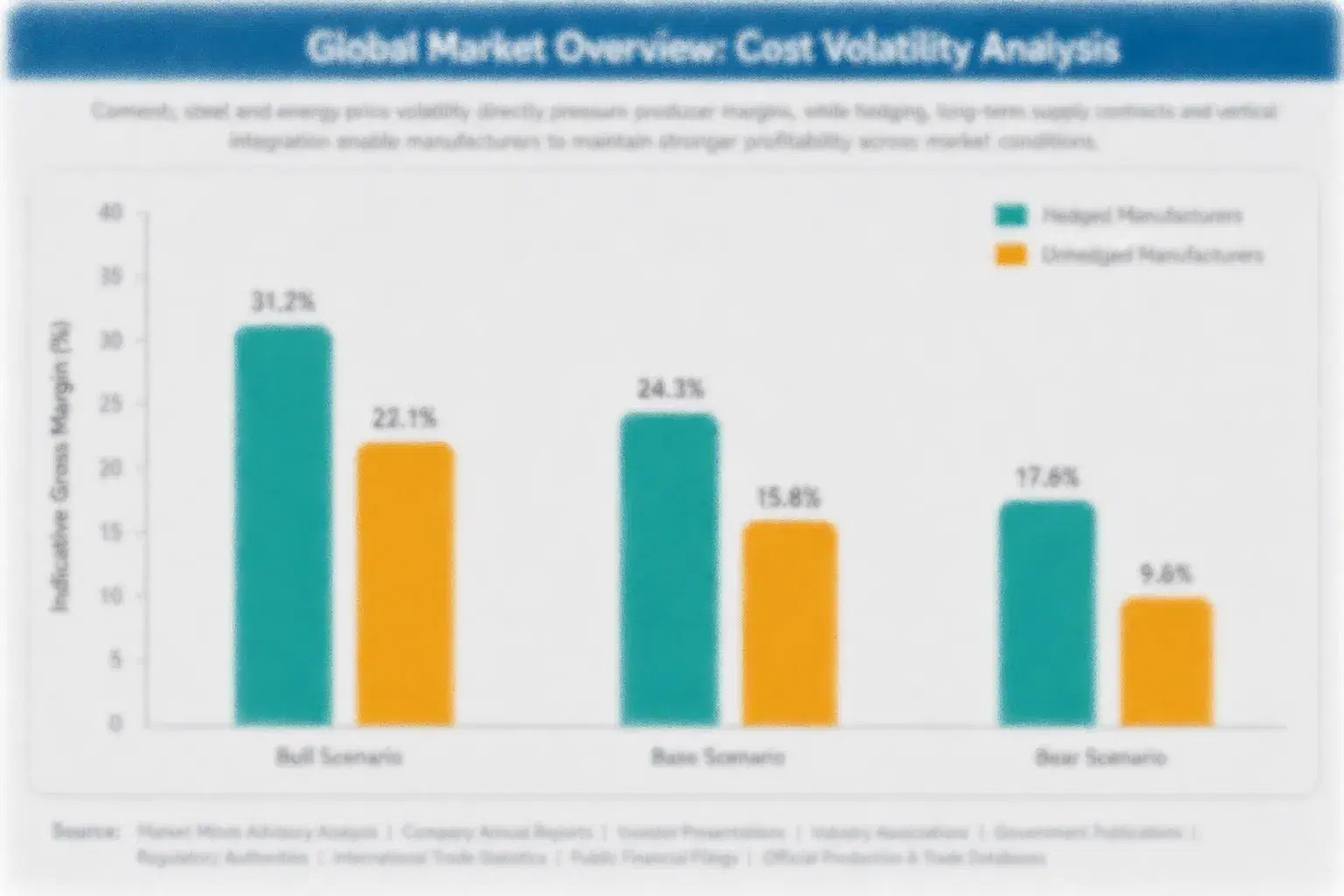
Dried Pepper, Labour and Testing Exposure

Dried red pepper accounts for roughly 66% of production cost for flakes, milling and sterilisation about 8%, packaging about 7%, labour about 6%, testing and compliance about 4%, and logistics and overheads about 9%. Peppers come from Korean farms and from China, India, Vietnam and Peru, and cost differs sharply between premium domestic sun-dried lots and imported dried chilli. Prices differ sharply by weather and harvest.
The clearest recent shock came in 2022 and 2023. Statistics Korea data show red pepper prices rising after weather damage and reduced plantings, while government import quotas and tariff adjustments changed landed costs, and IEA data showed higher energy costs for drying and freight. Processors absorbed part of the increase, passed through prices with a lag and lost margin. Some relief came in 2024 and 2025 as supply improved.

The disadvantage falls on small and mid-sized processors without contract farms, buffer stock or export relationships, because they buy at spot prices and cannot pass through swings quickly. Exposure varies by player type: large groups hold contracts and stock, kimchi factories face retailer price caps, and importers of finished flakes carry currency risk until renewal dates.
gochugaru-market-cost-volatility-analysis-1790021062196

Contract Farming and Forward Purchases

Processors sign contract farming agreements and forward purchases with growers to cut pepper price swings of 30% to 60% between years. The main challenge is side-selling when spot prices rise, so processors share yield data and pay fair premiums. Procurement teams monitor prices each month against budgets, and managers review terms every season. Buyers sign off first.

Diversified Overseas Sourcing and Buffer Stock

Processors qualify chilli from China, India, Vietnam and Peru and hold buffer stock to cut exposure to shortages and spikes of 20% to 40%. The main challenge is duplicate testing and colour matching, so processors stage qualification across products and share results with buyers. Reviews occur every year, and quality managers approve each origin.

Retail Price Formulas and Pack Redesign

Processors negotiate price formulas with retailers that link prices to pepper indices, and redesign packs and sizes to hold price points, recovering 40% to 60% of cost increases. The main challenge is retailer resistance and shopper sensitivity, so processors test changes on small ranges first. Renewals follow published indices every half year. Managers review each quarter.

Portfolio Architecture for Margin Defence

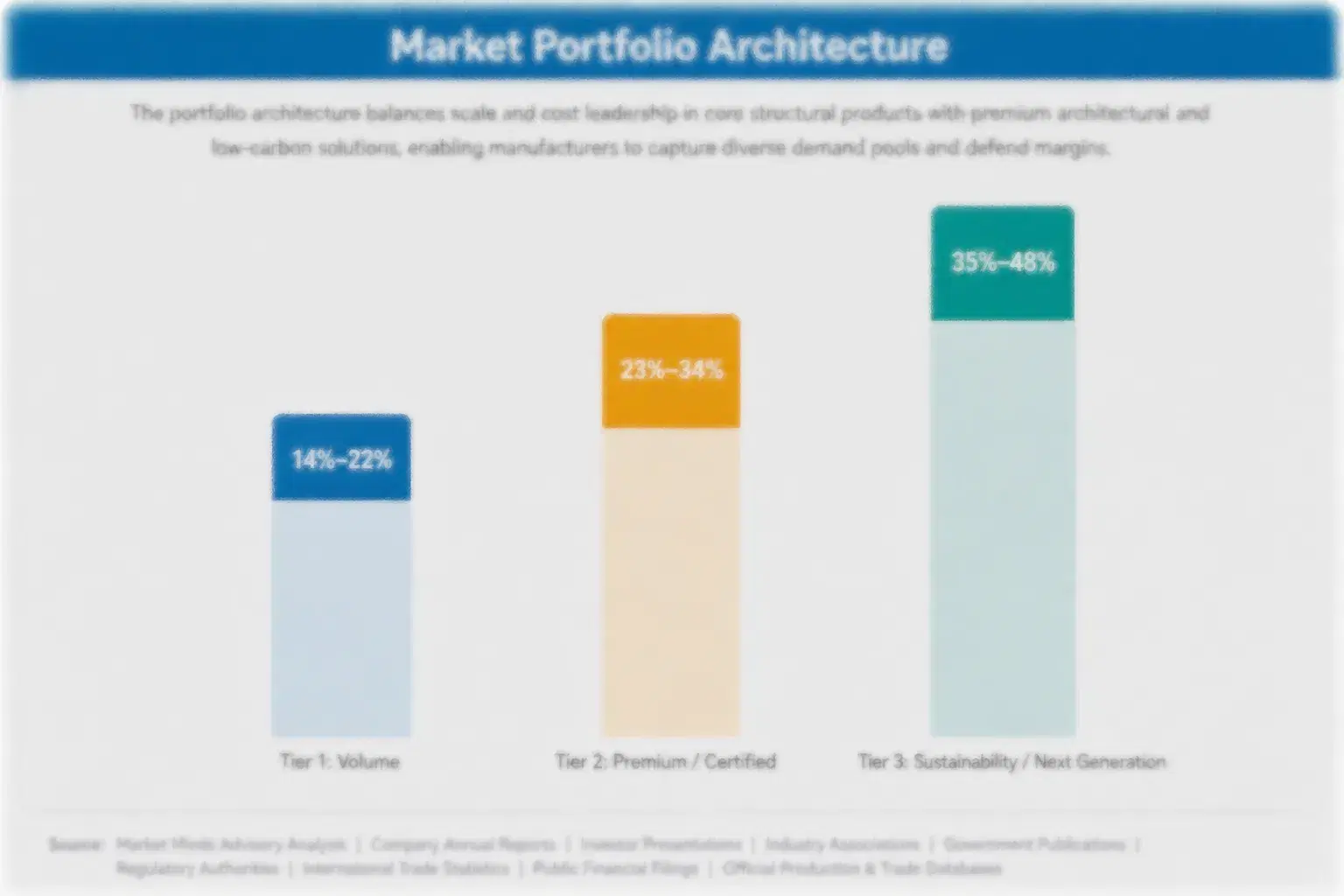
Margins run from modest returns on imported coarse flakes sold in bulk to strong returns on sun-dried premium lots and blended seasonings sold with origin claims and brand support. Three tiers separate volume products, premium certified lines and next-generation solutions, and each draws on different pepper access, traceability credentials and buyer relationships in a moderately concentrated market. Margin gaps between tiers run to 24 points.
The tension between volume and premium is sharp. Imported coarse flakes and fine powder fill industrial and retail orders at low prices and face pepper cost swings, while sun-dried premium and blended seasonings earn higher margins on smaller volumes and depend on farm records, recipe skill and buyer trust. Processors that run only volume suffer when pepper prices spike, while premium-only processors struggle to reach scale beyond specialist retailers and kimchi brands.

High-value pools concentrate in blended kimchi and seasoning mixes for overseas supermarkets and in sun-dried premium flakes for quality-conscious buyers. They gather where buyers pay for convenience, origin proof and flavour, not for volume alone. Extract and oleoresin forms add a smaller industrial pool, and strong processors hold more than one, though each needs different equipment, skills and buyer relationships to serve well.

Volume / Commodity-Adjacent

Imported coarse flakes and fine powder sold in bulk bags to kimchi factories, noodle makers and food manufacturers on price per kilogram. Buyers focus on cost and specification compliance, contracts follow seasonal reviews, and technical differentiation is limited by shared milling equipment.
Gross Margin: 20%-28%

Premium / Certified

Sun-dried premium flakes and branded retail packs with documented Korean origin, lot testing and organic or GAP certification sold through supermarkets, department stores and online channels. Buyers value colour, aroma and traceability, and listings run for years with regular reviews.
Gross Margin: 34%-44%

Sustainability / Regulatory / Next-Generation

Blended seasonings and traceable lots with origin testing, low-contaminant records and sustainable farming claims, sold to brand owners and health-minded shoppers. Contracts depend on recipe credibility, certification and consistent delivery performance across seasons.
Gross Margin: 30%-44%
gochugaru-market-portfolio-architecture-1790021062501

High-value Sub-segments and Strategic Watch-out

Blended Kimchi and Seasoning Mixes

Blended kimchi and seasoning mixes combine the fastest growth with strong pricing, since shoppers accept gross margins of 30% to 44% for convenience and reliable flavour. Recipe skill, allergen control and brand strength form the entry barrier, and makers with retailer ties hold the strongest positions.
Gross Margin: 30%-44%

Sun-Dried Premium Flakes

Sun-dried premium flakes deliver solid growth with premium pricing, since quality-conscious buyers support gross margins of 34% to 44%. Farm relationships and aflatoxin control limit competition, though weather and limited supply add risk. Reviews occur each harvest. Prices follow grade and origin. Buyers renew listings each harvest.
Gross Margin: 34%-44%

Coarse Flakes

Coarse flakes are the volume core, with value growing about 5.6% a year. Pepper cost, scale and specification compliance decide profit, and large Korean groups hold most sales. Kimchi factories renew contracts each season at prices linked to pepper indices across retail and industrial channels.
Gross Margin: 20%-30%

Extract and Oleoresin Forms

Extract and oleoresin forms are the strategic watch-out, since growth of about 6.0% a year trails the leaders, colour and heat can be sourced from other chillies and buyers concentrate on a few large accounts. Processors should manage capacity selectively, avoid heavy capital and steer investment toward blends.
Gross Margin: 22%-32%

Why Kitchens Keep Restocking Gochugaru

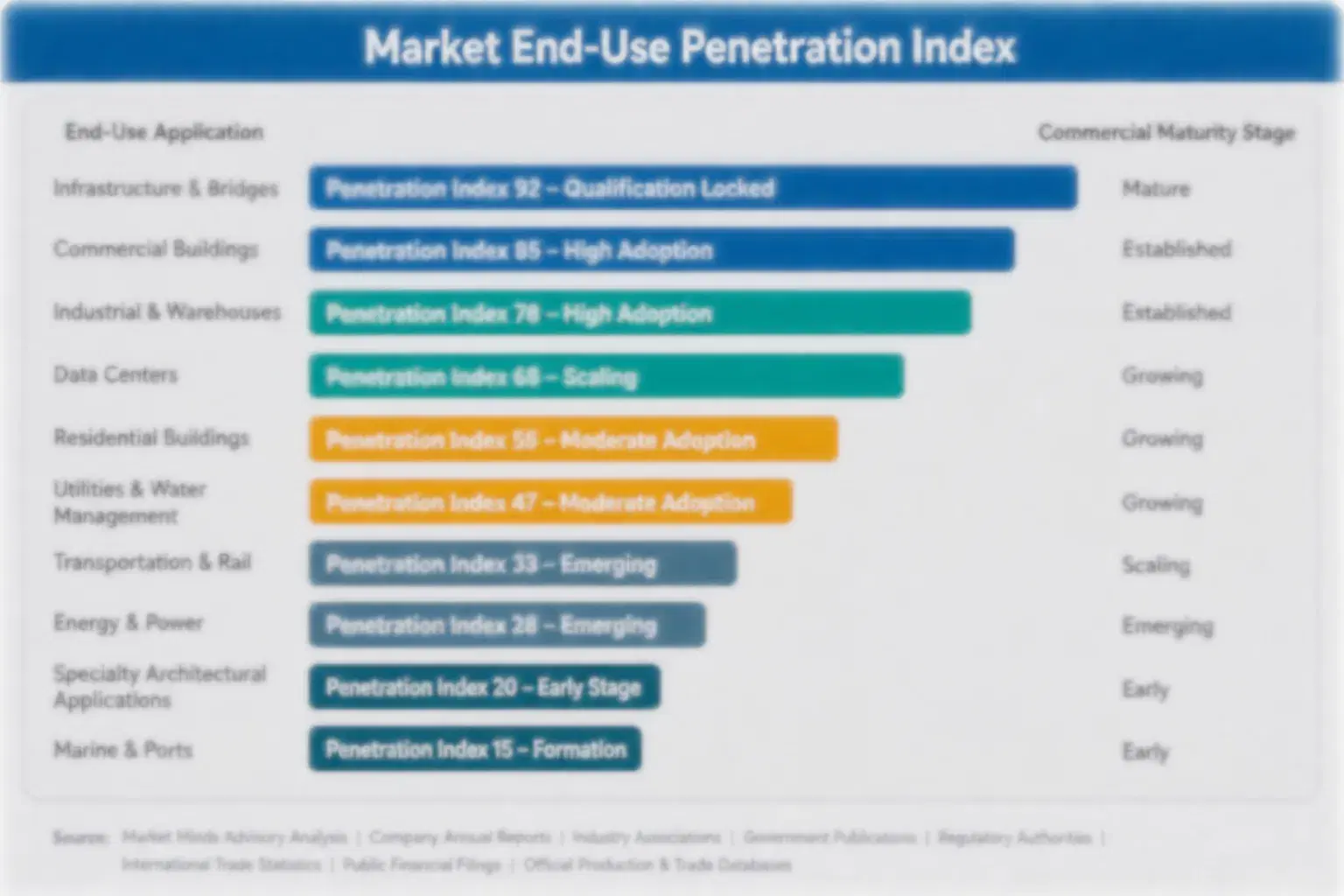
Gochugaru demand behaves like an annuity attached to kimchi seasons and daily Korean cooking. Once a household or factory picks a grade and supplier, orders repeat every year, and switching means retesting colour, heat and safety. Buyers set approved supplier lists after audits and sample tests, so processors with stable specifications and clean lot records earn recurring contracts. Trust, once earned, takes years to lose. Habit protects the specification.
Adoption stickiness differs by end-use vertical. Kimchi factories and food manufacturers are the deepest, since gochugaru grades are written into recipes and specifications. Households are moderately sticky, driven by family taste and origin preferences. Overseas casual users are more fluid, changing brands when a new blend or price appears, though brands with reliable flavour hold repeat purchase for several seasons.

Buyer profiles are shifting between generations. Older Korean buyers bought bulk sun-dried peppers at autumn markets and made kimchi at home, while younger buyers buy packaged flakes and ready kimchi, and ask about origin and additives. Global K-food fans add a third group that wants convenient blends. Processors that publish clear origin and testing records win newer buyers.
gochugaru-market-end-use-penetration-index-1790021062783

MMA Verdict: Gochugaru Strategy

These are among the four positions where our research anticipates prominent divergence between winners and laggards over the coming forecast period. Each is grounded in the demand model, the regulatory perimeter, and the announced capacity pipeline.
01 / BLENDED SEASONING STRATEGY

Develop Kimchi and Seasoning Blends for Overseas Retail Before Rivals Define Shelves

Shoppers outside Korea pay for convenience, and balanced kimchi seasoning and Korean spice mixes win listings worth 10% to 18% of category volume at gross margins of 30% to 44%. Makers should invest $0.3 million to $2 million per range, test flavour with local cooks and control allergens. Those that delay will lose shelf space over the next two years, while early movers hold premium prices, stronger margins and lasting presence across every range review, retailer negotiation and seasonal launch.
02 / ORIGIN TRACEABILITY STRATEGY

Build Traceable Sun-Dried Premium Lines With Contract Farms Before Fraud Rules Tighten

Buyers pay for proven origin, and contract farms with lot records and origin testing earn premiums of 40% to 120% and listings worth 6% to 12% of category volume. Processors should invest $0.5 million to $3 million, share premiums with growers and publish harvest data. Those that delay will lose premium buyers over the next two years, while early movers hold protected premiums, stronger grower loyalty and better margins across every harvest, inspection and annual retailer negotiation with department stores and importers.
03 / PEPPER SOURCING SECURITY

Diversify Imported Pepper Supply and Sterilise Lots Before Price Swings Erase Margins

Dried pepper makes up about 66% of production cost, and diversified origins with contracts and sterilised lots cut cost volatility by 20% to 35%. Processors should invest $1 million to $5 million, hold buffer stock and test every lot for aflatoxin. Those that delay will absorb price spikes of 30% to 60% over the next two years, while early movers hold protected margins, steady supply and stronger negotiating positions across every harvest, quota change and annual budget review with lenders and procurement heads.
04 / FOOD SAFETY INVESTMENT

Install Aflatoxin Testing and Steam Sterilisation Before One Recall Removes Approval

Rejected lots and recalls remove suppliers from approved lists, and steam sterilisation with rapid aflatoxin testing wins approvals worth 12% to 20% of volume from multinational buyers. Processors should invest $1 million to $6 million per plant, train staff and invite buyer audits early. Those that delay will risk losing approvals over the next two years, while early movers hold stronger buyer trust, steady contracts and better margins across every audit cycle and annual supplier review with importers and Korean buyers.

Engagement Snapshot From the Field

A live engagement with an industry participant carrying material or product regulatory and market exposure ahead of a defining policy shift, showing how our research translates into a defensible multi-year portfolio strategy.
MARKET MINDS ADVISORY · CLIENT ENGAGEMENT SUMMARY
Gochugaru Producer Strategic Portfolio Review and Transition Roadmap 2026·Investment Scenario on Gochugaru Exposure Evaluation 2025-26
CLIENT PROFILE
The client is a mid-sized Korean spice processor with annual sales near $70 million (client-reported, unverified by MMA), producing coarse flakes and fine powder for kimchi factories, noodle makers and retailers. About 82% of sales came from imported-pepper flakes, pepper costs had squeezed margins, and management wanted a plan to grow premium and blended lines and secure supply.
STRATEGIC CHALLENGE
Standard flake margins sat near 14% (client-reported, unverified by MMA), pepper cost had risen about 35% over two years and two large buyers had asked for lot testing and origin records. Management had to decide whether to build a blend line, contract domestic farms or upgrade sterilisation, with limited capital and one plant. Key buyers wanted audit results within nine months.
MMA APPROACH
MMA analysed sales, cost and yield data across 20 products, interviewed 12 kimchi makers, retail buyers and food safety auditors, and ran a buyer survey on origin, blend and price across four countries. It modelled margin by product and buyer, compared blend, contract farming and sterilisation options by payback and execution risk, and tested each against pepper price and import quota scenarios.
KEY FINDINGS
  1. A blended seasoning line would win listings worth about 11% of revenue at gross margins above 36% within three years (client-reported, unverified by MMA).
  2. Contract farming with traceable sun-dried lots would earn premiums near 45% on about 10% of volume across three years (client-reported, unverified by MMA).
  3. Diversified imports with buffer stock would cut pepper cost volatility by about 25% across three years and every product line (client-reported, unverified by MMA).
  4. Steam sterilisation and rapid testing would protect approvals from two large buyers worth about 22% of sales across two years (client-reported, unverified by MMA).
CLIENT PROFILE
The client is a mid-sized Korean spice processor with annual sales near $70 million (client-reported, unverified by MMA), producing coarse flakes and fine powder for kimchi factories, noodle makers and retailers. About 82% of sales came from imported-pepper flakes, pepper costs had squeezed margins, and management wanted a plan to grow premium and blended lines and secure supply.
STRATEGIC CHALLENGE
Standard flake margins sat near 14% (client-reported, unverified by MMA), pepper cost had risen about 35% over two years and two large buyers had asked for lot testing and origin records. Management had to decide whether to build a blend line, contract domestic farms or upgrade sterilisation, with limited capital and one plant. Key buyers wanted audit results within nine months.
MMA APPROACH
MMA analysed sales, cost and yield data across 20 products, interviewed 12 kimchi makers, retail buyers and food safety auditors, and ran a buyer survey on origin, blend and price across four countries. It modelled margin by product and buyer, compared blend, contract farming and sterilisation options by payback and execution risk, and tested each against pepper price and import quota scenarios.
KEY FINDINGS
  1. A blended seasoning line would win listings worth about 11% of revenue at gross margins above 36% within three years (client-reported, unverified by MMA).
  2. Contract farming with traceable sun-dried lots would earn premiums near 45% on about 10% of volume across three years (client-reported, unverified by MMA).
  3. Diversified imports with buffer stock would cut pepper cost volatility by about 25% across three years and every product line (client-reported, unverified by MMA).
  4. Steam sterilisation and rapid testing would protect approvals from two large buyers worth about 22% of sales across two years (client-reported, unverified by MMA).
RECOMMENDED STRATEGY
Phase 1: Phase 1 (Months 1-9): Install rapid aflatoxin testing, sign contract farming agreements and pilot a blended kimchi seasoning with two retailers. Phase 2: Phase 2 (Months 10-24): Scale the blend line, add steam sterilisation and retire the weakest low-margin bulk contracts with buyer approval. Phase 3: Phase 3 (Months 25-42): Extend traceability data to all buyers, review contracts yearly and decide on further capacity using margin data.
OUTCOME
Within 42 months, blended and premium products reached 32% of sales, blended margins rose by about seven points and pepper cost volatility fell by about 25% (client-reported, unverified by MMA). Both large buyers renewed approvals, two retailers signed multi-year agreements, and traceable lots widened the customer base.

Frequently Asked Questions

Foundational context covering the market sizes, CAGR, scope, country, region and competition that inform every finding below. This section is provided to cover basics and most often pre-purchase conversations, answered from the MMA Primary Research Dataset.

What is the current size of the Gochugaru Market?

The global gochugaru market was valued at $0.9 billion in 2025 on a producer sales revenue basis. Growth comes from Korean food adoption, blended seasonings and traceable premium lines, and faces pepper price swings and compliance costs.

How large will the Gochugaru Market be by 2036?

The market is projected to reach $1.80 billion by 2036, up from $0.96 billion in 2026. The increase of $0.84 billion reflects blended mixes, premium flakes and overseas Korean food demand.

What is the CAGR for the Gochugaru Market 2026 to 2036?

The market is forecast to grow at a 6.5% CAGR from 2026 to 2036. The bull case reaches 7.8% and the bear case 5.2%, depending on Korean food exports, pepper supply and import policy.

Which segment is growing fastest?

Blended Kimchi and Seasoning Mixes is the fastest-growing segment at 9.1% CAGR, roughly 1.40 times the overall market rate. Sun-Dried Premium Flakes follows at 7.8% CAGR, led by origin-conscious buyers.

Who are the major companies in the Gochugaru Market?

Major companies include CJ CheilJedang, Daesang, Ottogi, Sempio Foods and Nongshim. Pulmuone, Samyang Foods, McCormick, Olam Food Ingredients and Synthite Industries also hold meaningful positions in specific channels.

Which country is growing fastest?

Vietnam is growing fastest at about 9.6% CAGR, because Korean food adoption, Korean communities and chilli supply expand together. India and Thailand follow through spice sourcing and rising demand.

Report Segmentation Architecture

The full report scope spans multiple orthogonal segmentation dimensions, with cross-tabulated demand data provided for each dimension pair. Coverage extends further to regional breakdowns, trend trajectories, and the competitive detail needed to support segment-level decision-making.

By Primary Market Dimension

  • Coarse Flakes
  • Fine Powder
  • Sun-Dried Premium Flakes
  • Blended Kimchi and Seasoning Mixes
  • Extract and Oleoresin Forms

By End-Use Industry

  • Kimchi Manufacturing
  • Sauce and Paste Manufacturing
  • Instant Noodle and Snack Manufacturing
  • Household Consumers

By Commercial Dimension

  • Supermarket and Hypermarket Sales
  • Traditional Markets and Specialty Stores
  • Foodservice Distribution
  • Online Retail
  • Industrial Bulk Supply

By Region

  • North America
  • Western Europe
  • East Asia
  • South Asia and Pacific
  • Latin America
  • Middle East and Africa
  • Eastern Europe

Scope, Methodology, and Coverage

Every figure in this report is reproducible from documented input assumptions. The scope below maps the historical period, the forecast horizon, the segmentation dimensions, and the countries covered, alongside the underlying primary and qualitative methodology.
Historical Period
2020 to 2025
Forecast Period
2026 to 2036
Base Year
2025 (USD billions; MMA Primary Research Dataset, September 2026)
Market Definition
The market covers global production and sale of gochugaru, defined as dried, milled Korean-style red pepper in coarse flake, fine powder, sun-dried premium flake, blended kimchi and seasoning mix and extract forms, sold to households, food manufacturers, restaurants and retailers and valued at producer sales revenue. It excludes fresh chillies, gochujang and other fermented pastes, general chilli powder for non-Korean cuisines and capsicum supplements.
Quantitative Units
USD billions (producer sales revenue); tonnes for volume references
Segmentation Dimensions
By Product Form; By End-Use Industry; By Commercial Dimension; By Region
Regions Covered
North America, Western Europe, East Asia, South Asia and Pacific, Latin America, Middle East and Africa, Eastern Europe
Countries Covered
South Korea, China, Japan, India, Vietnam, Thailand, Indonesia, Australia, United States, Canada, Germany, United Kingdom, France, Netherlands, Poland, Czechia, Russia, Brazil, Mexico, Argentina, Peru, United Arab Emirates, Saudi Arabia, South Africa, Egypt, and additional markets relevant to this sector
Key Companies Profiled
CJ CheilJedang, Daesang, Ottogi, Sempio Foods, Nongshim, Pulmuone, Samyang Foods, Wang Korea, Mother-in-Law's Kimchi, McCormick, Huy Fong Foods, Lee Kum Kee, Olam Food Ingredients, Kalsec, Synthite Industries, Everest Spices, Kikkoman, Lotte Wellfood, Ajinomoto, Nissin Foods
Quantitative Methodology
Primary survey, n=3,800 respondents, Q4 2025, six countries; demand-side model with trade association cross-validation
Qualitative Methodology
47 expert interviews, Q4 2025; applied to validate demand model assumptions, identify emerging dynamics, and assess competitive positioning
Report Format
PDF and XLSX data workbook (Word format preview document)
Publisher
Market Minds Advisory
Report Code
MMA-2026-AGR-266
Published
September 2026
Contact
sales@marketmindsadvisory.com | www.marketmindsadvisory.com

Purchase the full Gochugaru Market Report (2026 to 2036).

The full report delivers a detailed assessment of the global gochugaru market through 2036, covering product form, end-use, channel and regional forecasts, competitive benchmarking of leading Korean food groups, spice processors and importers, and input cost analysis. It combines MMA primary research, including a six-country survey of 3,800 respondents and 47 expert interviews, with public statistical and company data. Analysts also model pepper price, import quota and demand scenarios. Clients receive segment margin ranges, supply maps and a case study on growth strategy. Buyer negotiation frameworks are also included.
Ten-year product form and end-use demand forecasts
Red pepper, energy and testing cost tracking
Competitive benchmarking of leading gochugaru processors
Aflatoxin and origin labelling regulation tracker
Regional comparative analysis and forecasts included
Quarterly primary survey data update access

Built For The People Who Decide

From boardroom strategy to bench-side execution, this report is read cover-to-cover by leaders shaping the next decade of their industry, turning demand scenarios, market dynamics and valuation benchmarks into decisions.
CXOs/ Presidents/ VPs/ Managers
M&A and Corporate Development
Strategy Teams and R&D Heads
Procurement and Product Directors
Regulatory and Compliance Leaders
Investor Relations and Equity Analysts