Market Minds Advisory
Gluten-free Food Market

Gluten-free Food Market: Gluten-free Food Market. Celiac Loyalty, Fad Fatigue, and Rice and Starch Costs Shape Free-From Bakery and Snack Returns.

Gluten-free foods turn on loyal celiac households, fading gluten avoidance by choice, price premiums against wheat products, rice and starch cost swings, snack and ready meal growth, and mainstream brands and private label absorbing dedicated

Lead Analyst

Published

September 2026

Make Smarter Decisions with Customized Research Insights

Request a free sample report and evaluate market opportunities, growth trends, and competitive dynamics relevant to your business needs.

2025 MARKET VALUE$9.5BMarket Size 2025
2036 FORECAST VALUE$18.0BBase Case , 2026 to 2036
CAGR 2026 TO 20366.0 %Bull 7.3% / Bear 4.7%
INCREMENTAL OPPORTUNITY$8.0BNet 10- year value creation
EXPANSION MULTIPLE1.79x2036 value over 2026 base
Strategic Levers
M&A Pipeline
Regional Outlook
Country Rankings
Competitive Intelligence
Segmental Deep-dive
Call-Us : 91 93563 13602

Executive Snapshot and Market Trajectory.

Gluten-free foods include bread and bakery products, pasta and noodles, snacks and bars, cereals and breakfast foods, and ready meals and frozen products made without gluten-containing grains. Value depends on celiac diagnosis, gluten avoidance by choice, price premiums and the ability to match the taste of wheat foods.
Gluten-Free Snacks and Bars grows fastest as shoppers use small, portable, naturally free-from products beyond bread and pasta, while bakery still carries the volume. North America holds the largest share because the United States is the biggest gluten-free market, and Western Europe follows through Italian and British specialists and pharmacies. Buyers review suppliers every season. Supply contracts decide renewal. Delivery reliability decides supplier rankings.
Competition is moderately fragmented among specialists and food groups: an Italian gluten-free specialist, an American cereal and packaged food group, another American frozen food company, an American snack and confectionery group and an Italian pasta maker lead, measured here on estimated gluten-free food sales volume, while retailer brands and small bakers fill gaps. Shoppers judge taste, safety and price. Margins follow process discipline. Trial records protect future sales. Cost control separates leaders from followers.
Market Definition
The market covers global sales of packaged foods labelled gluten-free, valued at manufacturer level, including gluten-free bread and bakery, pasta and noodles, snacks and bars, cereals and breakfast foods, and ready meals and frozen products, sold through grocery, pharmacy, online and food service channels. The scope excludes naturally gluten-free foods sold without a gluten-free claim, gluten-free pizza crusts covered separately, gluten-free flour mixes and supplements.
Base Year Value
$9.5B in 2025 (MMA Primary Research Dataset, September 2026)
Forecast Period
2026 to 2036, eleven discrete annual values
CAGR
6.0% base case. Bull 7.3%. Bear 4.7%.
Fastest Growth Segment
Gluten-Free Snacks and Bars: 8.4% CAGR
Fastest Growth Country
India: 8.7% CAGR
Fastest Growth Region
South Asia and Pacific: 8.0% CAGR
Largest Region
North America: 40% of 2025 global value
Market Leaders
Dr. Schär, General Mills, Conagra Brands, Mondelez International, Barilla. Source: MMA Analysis, company annual reports.
Primary Survey
n=3,800 procurement and R&D decision-makers, Q4 2025, six countries
Methodology
Demand-side build-up, cross-validated against public data, 47 expert interviews

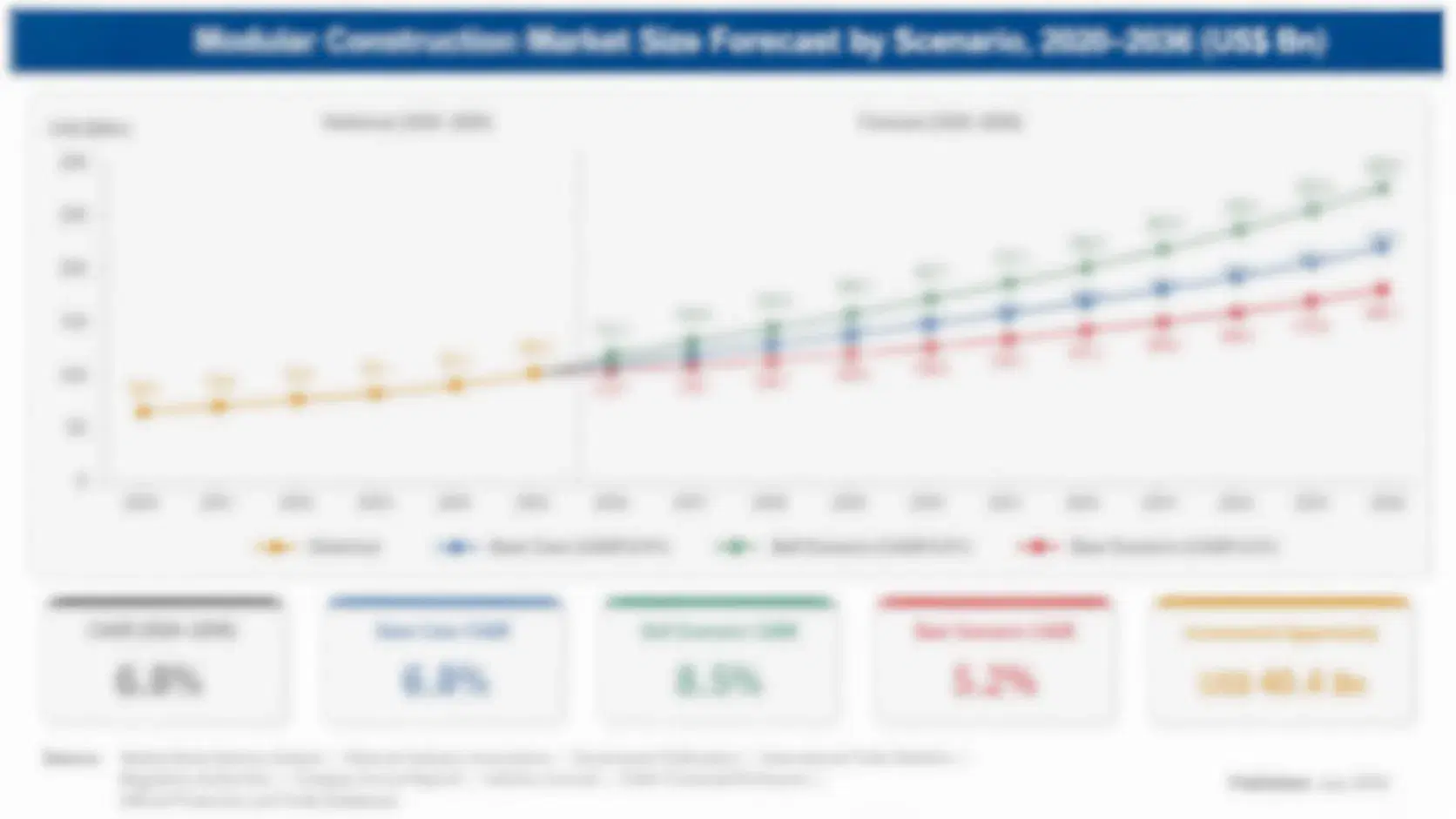
Gluten-free Food Market Forecast Scenarios

gluten-free-food-market-size-forecast-scenario-1789949322809
Between 2020 and 2025, gluten-free food value grew steadily but more slowly than in the previous decade as gluten avoidance by choice cooled and celiac households remained loyal. Rice and starch costs spiked, retailers expanded private label, and gluten-free snacks and ready meals gained ground on bread. Clear specifications build buyer trust. Small suppliers feel every price swing.
The base case rests on three commercial mechanisms. First, rising celiac diagnosis and pharmacy reimbursement keep a loyal core of buyers. Second, snacks, bars and ready meals widen use occasions beyond bread and pasta. Third, growth in Australia, India and Latin America adds new buyers. Suppliers plan dedicated production, texture improvement and private label supply around these three drivers. Scale compounds over time. Audits repeat every year. Buyers review suppliers every season.
The bull case needs better texture and a clearer link to diagnosed demand, which would lift repeat purchase and trust. The bear case is deeper fatigue among choice buyers and a rice and starch cost spike combined with private label price cuts, which would cut margins and slow launches. Supply contracts decide renewal. Delivery reliability decides supplier rankings.

Celiac Loyalty, Fad Fatigue, and Ingredient Costs Set Gluten-Free Food Outcomes

Bakers and food makers replace wheat with rice, corn, tapioca, potato, sorghum, oat and legume flours and add gums to hold structure, then sell breads, pasta, snacks, cereals and meals through grocery, pharmacy and online channels. Gluten-free foods sell at two to three times wheat prices, private label takes about 24% of sales, and pharmacies take about 14%. Safety, texture and price therefore set returns.
MARKET CONCENTRATION29% CR5Top five suppliers hold a modest combined share
CELIAC PREVALENCE1%Approximate share of people living with celiac disease
PRICE PREMIUM OVER WHEAT2-3xPrice multiple of gluten-free foods over wheat equivalents
PHARMACY CHANNEL SHARE14%Portion of sales made through pharmacies and health channels
PRIVATE LABEL SHARE24%Portion of sales made through retailer own brands
GLUTEN LIMIT20 ppmMaximum gluten level permitted for gluten-free labelling claims
Safety, texture, taste, price and label trust decide value. Celiac households judge cross-contact controls, shoppers judge flavour and freshness, retailers judge shelf productivity and private label margin, and regulators check the 20 ppm limit. Dr. Schär wins on dedicated plants and pharmacy trust, General Mills wins on mainstream reach, and Barilla wins on pasta quality. Safety incidents move listings quickly. Margins follow process discipline.
Shoppers judge gluten-free foods on safety, texture, flavour, price and availability. Diagnosed celiac households want certified reliability, choice buyers want convenience, and families want foods that children accept. Price sensitivity is high. Reviews and celiac community advice decide shortlists, and many trial buyers return to wheat foods when they feel no benefit. Trial records protect future sales. Cost control separates leaders from followers.
"One in a hundred people needs gluten-free food, and the rest tried it and drifted. The suppliers that win will serve the one in a hundred with dedicated plants and published test results, and let everybody else buy the private label."
Senior Analyst, Bakery, Snacks, and Free-From Foods Practice · MMA Gluten-free Food Practice · September 2026

Market Trends

Gluten-Free Snacks and Bars Broaden Use Beyond Bread and Pasta

Brands launch gluten-free crackers, chips, bars, cookies and bites that suit on-the-go eating and appeal to celiac households and shoppers who want allergen-friendly options for children. Gluten-Free Snacks and Bars grows about 8.4% a year, and gross margins run 34% to 46% against 22% to 32% for gluten-free bread. The trend needs safe production, good texture and simple labels. Clear specifications build buyer trust. Small suppliers feel every price swing. Scale compounds over time. Audits repeat every year. Buyers review suppliers every season. Supply contracts decide renewal. Delivery reliability decides supplier rankings.
Market Impact: celiac disease affects 1% of people
Ready Meals and Frozen Foods Add Convenience for Celiac Households

Frozen pizzas, pasta bowls, dumplings and meal kits made without gluten save time for celiac families that otherwise cook everything from scratch, and brands sell them through frozen aisles and online. Gluten-Free Ready Meals and Frozen Foods grows about 7.2% a year. The trend needs dedicated production, reliable freezing and clear safety labels, and it rewards brands with frozen distribution and retailer support. Margins follow process discipline. Trial records protect future sales. Cost control separates leaders from followers. Clear specifications build buyer trust. Small suppliers feel every price swing. Scale compounds over time.
Market Impact: private label holds 24% of sales

Market Opportunities and Growth Drivers

Celiac Diagnosis and Reimbursement Sustain a Loyal Buyer Core

About 1% of people live with celiac disease and diagnosis is rising, and Italy and some other countries reimburse gluten-free foods for diagnosed patients. Strict lifelong avoidance is the only treatment. The driver sustains steady demand regardless of trends and rewards brands with certified production, consistent quality and pharmacy and community relationships that diagnosed households trust. Audits repeat every year. Buyers review suppliers every season. Supply contracts decide renewal. Delivery reliability decides supplier rankings. Margins follow process discipline. Trial records protect future sales. Cost control separates leaders from followers. Clear specifications build buyer trust.
Market Impact: mature growth slowed to 3-4%

Mainstream Retailers and Restaurants Widen Access to Gluten-Free Options

Grocers give gluten-free foods wider shelf space and restaurants add gluten-free menus, although many carry cross-contact warnings. Private label already holds about 24% of sales. The driver widens access and lowers prices and rewards suppliers with retailer programmes, contract baking capability and certified production that meets retailer audits. Small suppliers feel every price swing. Scale compounds over time. Audits repeat every year. Buyers review suppliers every season. Supply contracts decide renewal. Delivery reliability decides supplier rankings. Margins follow process discipline. Trial records protect future sales. Cost control separates leaders from followers. Clear specifications build buyer trust.
Market Impact: input spikes cut margin 4-6 points

Market Restraints and Challenges

Fading Gluten Avoidance by Choice and Price Premiums Slow Growth

Shoppers who avoided gluten without a diagnosis are returning to wheat foods as evidence for non-celiac sensitivity stays weak, and gluten-free foods cost two to three times more. The root cause is high price and limited health benefit for most buyers. Brands respond with value ranges and private label, though mature bread and pasta growth has slowed to about 3% to 4% a year. Small suppliers feel every price swing. Scale compounds over time. Audits repeat every year. Buyers review suppliers every season. Supply contracts decide renewal. Delivery reliability decides supplier rankings.
Market Impact: snacks and bars grow 8.4% yearly

Ingredient Cost Swings and Cross-Contact Rules Raise Costs

Rice prices spiked in 2023 after India restricted exports, and purity-protocol oats and dedicated lines cost more than conventional inputs. The root cause is concentrated supply and strict safety rules. Brands respond with price increases and contract baking, though a 25% input cost rise can cut gross margin by four to six points and slow launches. Margins follow process discipline. Trial records protect future sales. Cost control separates leaders from followers. Clear specifications build buyer trust. Small suppliers feel every price swing. Scale compounds over time. Audits repeat every year. Buyers review suppliers every season.
Market Impact: ready meals grow 7.2% yearly
3 additional market trends, 2 additional growth drivers, and 4 additional restraints and challenges are covered in the full report. Contact sales@marketmindsadvisory.com to access the complete intelligence.

Segment CAGR and Growth Architecture

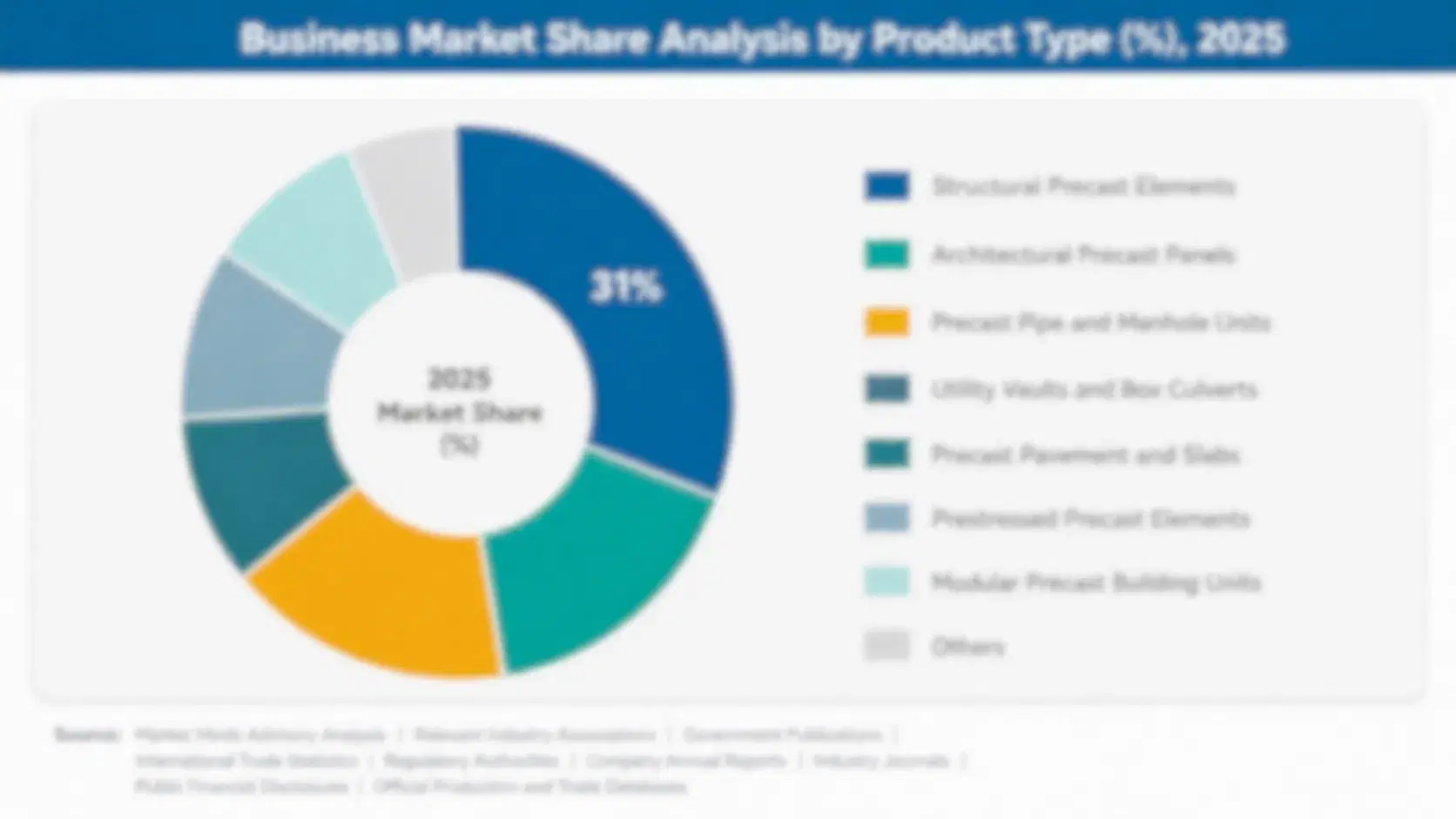
The global gluten-free food market is segmented by product category, which shows where safety, texture and convenience create pricing power in a moderately fragmented supplier base. Five segments cover bread and bakery, pasta and noodles, snacks and bars, cereals and breakfast foods, and ready meals and frozen foods. Snacks and ready meals grow fastest.
gluten-free-food-market-market-share-analysis-1789949323111

Gluten-Free Snacks and Bars

Gluten-Free Snacks and Bars is the fastest-growing segment at 8.4% a year, about 1.40 times the overall market rate, from a mid-sized base. Celiac households and allergen-conscious families pay for safe, portable snacks, so gross margins of 34% to 46% against 22% to 32% for gluten-free bread support formulation and marketing spend. Safe production and texture are the main constraints. Brands with certified lines win. Supply contracts decide renewal. Delivery reliability decides supplier rankings. Margins follow process discipline. Trial records protect future sales. Cost control separates leaders from followers. Clear specifications build buyer trust. Small suppliers feel every price swing. Scale compounds over time. Audits repeat every year. Buyers review suppliers every season.
CAGR 8.4%

Gluten-Free Ready Meals and Frozen Foods

Gluten-Free Ready Meals and Frozen Foods grows at 7.2% a year, about 1.20 times the overall market rate, because celiac families want convenient meals they do not have to cook from scratch, and brands accept gross margins of 32% to 44% for frozen pizzas, pasta and meals with dedicated production. Freezing quality and safety labelling shape entry. Brands with frozen distribution hold price better than bakery sellers. Supply contracts decide renewal. Delivery reliability decides supplier rankings. Margins follow process discipline. Trial records protect future sales. Cost control separates leaders from followers. Clear specifications build buyer trust. Small suppliers feel every price swing. Scale compounds over time. Audits repeat every year. Buyers review suppliers every season.
CAGR 7.2%
Full segment breakdown across 5 segments available in the complete report.

Regional Architecture and Country Demand Map

North America leads at 40% because the United States is the largest gluten-free market, with Western Europe at 30% through Italian reimbursement and specialists. South Asia and Pacific grows fastest as Australian and Indian shoppers add gluten-free foods. Supply contracts decide renewal. Delivery reliability decides supplier rankings.

North America

North America holds 40% share, far above its band, because the United States is the largest gluten-free market and General Mills, Conagra, Mondelez's Enjoy Life and many private label brands sell breads, snacks and meals through grocery, club and online channels under FDA gluten-free rules, which justifies the out-of-band share and puts it ahead of other regions. Growth runs slightly below the global rate. Fad fatigue and private label pressure restrain returns. Margins follow process discipline. Trial records protect future sales. Cost control separates leaders from followers. Clear specifications build buyer trust. Small suppliers feel every price swing. Scale compounds over time. Audits repeat every year. Buyers review suppliers every season. Supply contracts decide renewal.
Share: 40% | CAGR: 5.5% (2026 to 2036)

Western Europe

Western Europe holds 30% share, above its band, because Italy reimburses gluten-free foods and Dr. Schär, Barilla and other specialists sell through pharmacies and supermarkets, and British and German shoppers buy from Warburtons, Doves Farm and Nairn's, which justifies the out-of-band share. Growth trails the global rate. Private label pressure, price sensitivity and mature volumes restrain margins. Delivery reliability decides supplier rankings. Margins follow process discipline. Trial records protect future sales. Cost control separates leaders from followers. Clear specifications build buyer trust. Small suppliers feel every price swing. Scale compounds over time. Audits repeat every year. Buyers review suppliers every season. Supply contracts decide renewal. Delivery reliability decides supplier rankings. Margins follow process discipline.
Share: 30% | CAGR: 4.5% (2026 to 2036)
Regional intelligence for 5 additional markets available in the complete report: East Asia, South Asia and Pacific, Latin America, Eastern Europe, Middle East and Africa. Contact sales@marketmindsadvisory.com.
gluten-free-food-market-country-cagr-analysis-1789949323419

Four Margin Routes for Gluten-Free Food Suppliers

Margin in gluten-free foods comes from snacks, ready meals, dedicated production and private label supply rather than plain bread volume. The routes below apply to specialists, food groups and contract bakers, and each can start inside one planning cycle, with clear measures in gross margin points, listings and repeat purchase. Cost control separates leaders from followers.

Shifting Bread Volume Into Gluten-Free Snacks and Bars

Gluten-free snacks and bars earn gross margins of 34% to 46% against 22% to 32% for gluten-free bread, so suppliers that add safe snack lines, texture work and allergen-friendly positioning to shift 10% of volume into snacks report gross margin gains of two to four points on the mix. Programmes cost $4 million to $12 million. Pilots with five retailers confirm demand. Clear specifications build buyer trust. Small suppliers feel every price swing. Scale compounds over time. Audits repeat every year. Buyers review suppliers every season. Supply contracts decide renewal. Delivery reliability decides supplier rankings.
Market Impact: snack mix shift lifts gross margin by 2-4 points

Investing in Dedicated Production and Published Lot Test Results

Cross-contact worries cap trust among celiac households, so suppliers that run dedicated lines, test every lot below 20 ppm and publish results protect retailer listings and pharmacy accounts worth 8% to 14% of sales. Programmes cost $5 million to $15 million. Suppliers should certify best-selling products first, where celiac households buy most and where one failed test would cause the most damage. Margins follow process discipline. Trial records protect future sales. Cost control separates leaders from followers. Clear specifications build buyer trust. Small suppliers feel every price swing. Scale compounds over time.
Market Impact: dedicated lines protect accounts worth 8-14% of sales

Building Frozen Ready Meal Ranges for Celiac Households

Gluten-free ready meals and frozen foods grow about 7.2% a year and earn gross margins of 32% to 44%, so suppliers that add dedicated frozen lines and safety labels lift qualified accounts by 12% to 20% each year. Programmes cost $5 million to $15 million. Suppliers should target frozen aisles in large grocers first, where celiac households already look for convenient options. Audits repeat every year. Buyers review suppliers every season. Supply contracts decide renewal. Delivery reliability decides supplier rankings. Margins follow process discipline. Trial records protect future sales. Cost control separates leaders from followers.
Market Impact: frozen meal ranges lift accounts by 12-20% annually

Adding Private Label Supply and Contract Baking to Fill Capacity

Private label holds about 24% of sales and dedicated lines need volume, so suppliers that add own-brand supply and contract baking fill capacity and defend volume worth 10% to 16% of sales. Programmes cost $3 million to $9 million. Suppliers should target large grocers with published gluten-free ranges first, where line utilisation improves quickly and where price pressure is already visible. Clear specifications build buyer trust. Small suppliers feel every price swing. Scale compounds over time. Audits repeat every year. Buyers review suppliers every season. Supply contracts decide renewal. Delivery reliability decides supplier rankings.
Market Impact: private label supply defends volume worth 10-16% of sales

Who Controls the Margin Pool

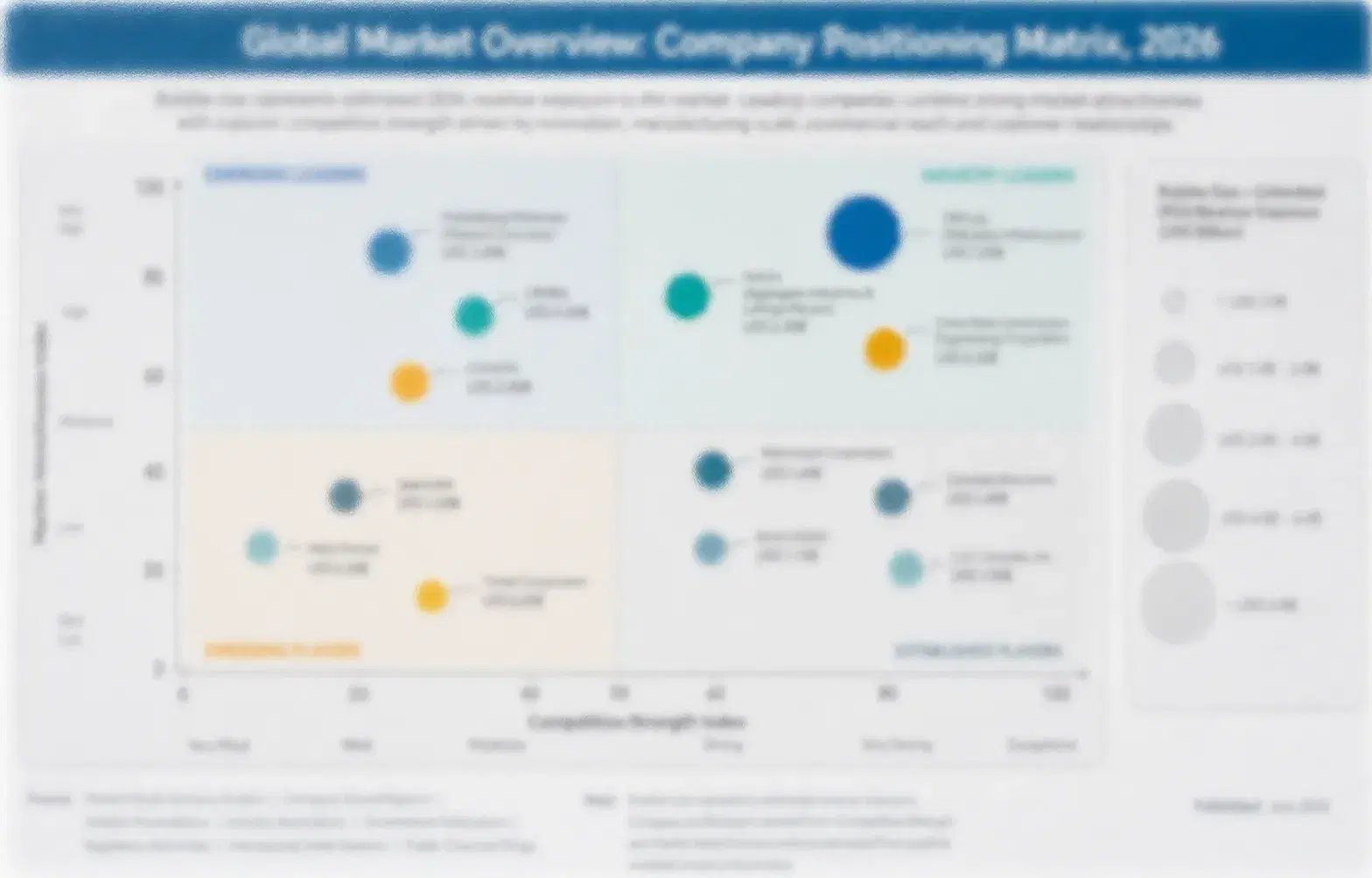
The global gluten-free food market is moderately fragmented, with a CR5 of 29%, and retailer brands, small bakers and regional producers sit outside the leading five. This assessment measures participants on estimated gluten-free food sales volume, held constant across all players. Dr. Schär leads through dedicated plants, while General Mills, Conagra Brands, Mondelez International and Barilla follow, with a narrow gap between the leader and the challengers.
Competition runs on four dimensions today: safety and certification, texture and taste, price against private label, and retail and pharmacy reach. Specialists win on safety, food groups win on mainstream reach, and Italian pasta makers win on quality. Imitators copy popular products quickly, so premiums outside tasty and certified products erode within a season. Margins follow process discipline. Trial records protect future sales. Cost control separates leaders from followers.

Emerging pressure comes from retailer private label lines, mainstream brands that add gluten-free ranges at lower prices, and regulators that police claims. Rankings shift where a brand wins a grocery listing, passes an audit or launches a hit snack. Challengers can move up quickly when leaders face safety incidents or cost spikes. Clear specifications build buyer trust.
gluten-free-food-market-company-positioning-matrix-1789949323724

Competitive Moat and Risk Dimensions

DR. SCHÄR

Moat: Dedicated Plants and Pharmacy Reach

Dr. Schär, an Italian gluten-free specialist, sells bread, pasta, snacks and meals through pharmacies and supermarkets in Europe, North America and Asia, running dedicated gluten-free plants and building celiac community trust and pharmacy relationships. Its dedicated plants, safety record and channel access give it a market advantage, and its position supports premium pricing among diagnosed shoppers.
DR. SCHÄR

Risk: Mainstream and Private Label Pressure

Dr. Schär faces mainstream brands and retailer private label that sell at lower prices, so shoppers who avoid gluten by choice can trade down. Specialists must protect celiac trust to defend premiums. Small suppliers feel every price swing. Scale compounds over time. Audits repeat every year. Buyers review suppliers every season.
GENERAL MILLS

Moat: Mainstream Reach and Cereal Scale

General Mills, an American packaged food group, sells gluten-free Chex cereals, Betty Crocker mixes and other products through grocery and club channels, with large manufacturing scale, established retailer relationships and strong brand recognition. Its scale, mainstream reach and marketing strength give it a market advantage, and its position supports rapid launches across cereals, baking mixes and snacks.
GENERAL MILLS

Risk: Shared Facility Constraints

General Mills relies on labelling and testing rather than dedicated plants for many products, so cross-contact concerns can limit celiac trust. Specialists with dedicated lines can win diagnosed households. Supply contracts decide renewal. Delivery reliability decides supplier rankings. Margins follow process discipline. Trial records protect future sales.

Players Tracked

Prominent Players

Dr. Schär
General Mills
Conagra Brands
Mondelez International
Barilla

Other Key Players

Kellanova
Nestlé
Hain Celestial
Bob's Red Mill
Grupo Bimbo
Pladis
Warburtons
Doves Farm
Amy's Kitchen
Mars
Nairn's Oatcakes
Lundberg Family Farms
Ancient Harvest
Banza
The Simply Good Foods Company

Recent Developments

JANUARY 2026

Dr. Schär Expands Dedicated Gluten-Free Snack and Bakery Capacity Serving North American Retailers

Dr. Schär expanded dedicated gluten-free snack and bakery capacity serving North American retailers, according to company communications. It is an organic capacity expansion, not an acquisition, and it tests demand. Investment terms were not disclosed. Cost control separates leaders from followers. Clear specifications build buyer trust.
Signal: Confirms specialists are investing in dedicated capacity because celiac shoppers trust certified lines over shared production.
FEBRUARY 2026

General Mills Launches Gluten-Free Breakfast and Snack Range With Published Test Protocols

General Mills launched a gluten-free breakfast and snack range with published test protocols, according to company communications. It is a product launch, not an acquisition, and it tests label trust. Sales terms were not disclosed. Small suppliers feel every price swing. Scale compounds over time. Audits repeat every year.
Signal: Suggests mainstream groups are publishing testing to answer celiac concerns about shared facilities and defend labels.
MARCH 2026

Barilla Adds Legume-Based Gluten-Free Pasta Shapes to Meet Protein Demand in European Retail

Barilla added legume-based gluten-free pasta shapes to meet protein demand in European retail, according to company communications. It is a product launch, not an acquisition, and it tests protein demand. Terms were not disclosed. Buyers review suppliers every season. Supply contracts decide renewal. Delivery reliability decides supplier rankings.
Signal: Indicates pasta makers are pairing gluten-free positioning with protein because shoppers want nutrition as well as safety.

What Drives Gluten-Free Food Costs

Rice, corn, tapioca, potato and other starches and flours account for roughly 36% of product cost, purity-protocol oats and legume flours about 10%, gums, oils and sweeteners about 12%, packaging about 14%, and dedicated production, testing, distribution and marketing about 28%. Starches come mainly from Thailand, India and the United States, and oats from Canada and Northern Europe. Small suppliers feel every price swing.
The clearest recent shock came from rice and packaging. FAO reported sharp rice price increases in 2023 after India restricted exports, and General Mills 10-K for fiscal 2024 described inflation in ingredient, packaging and freight costs, so gluten-free makers raised prices by 6% to 12% while shoppers traded toward private label. Scale compounds over time. Audits repeat every year. Buyers review suppliers every season. Supply contracts decide renewal.

The competitive disadvantage falls on small bakers without dedicated lines, starch contracts or private label scale, which cannot pass through cost swings or match retailer prices. Large groups negotiate flour and freight terms. Exposure also varies by product, since bread faces starch costs while snacks face oil and seasoning costs. Delivery reliability decides supplier rankings. Margins follow process discipline.
gluten-free-food-market-cost-volatility-analysis-1789949324036

Multi-Origin Starch and Flour Contracts

Producers sign multi-year contracts for rice, tapioca, potato and corn starches and dual source across regions. Contracts cut exposure to price spikes of 6% to 12%. The main challenge is volume commitment, so larger producers lock terms first, while smaller bakers buy through distributors at a premium. Trial records protect future sales. Cost control separates leaders from followers.

Dedicated Lines and Lot Testing

Producers invest in dedicated lines and test every lot below 20 ppm. Programmes protect accounts worth 8% to 14% of sales. The main challenge is capital, so producers phase investment behind retailer contracts and use contract baking to fill lines. Clear specifications build buyer trust. Small suppliers feel every price swing. Scale compounds over time.

Snack and Frozen Meal Mix Shift

Producers shift range toward snacks and frozen meals that carry higher margins. A shift of 10% of volume lifts gross margin by two to four points. The main challenge is texture, so producers test recipes early and keep bread for core celiac buyers. Audits repeat every year. Buyers review suppliers every season. Supply contracts decide renewal.

Portfolio Architecture for Margin Defence

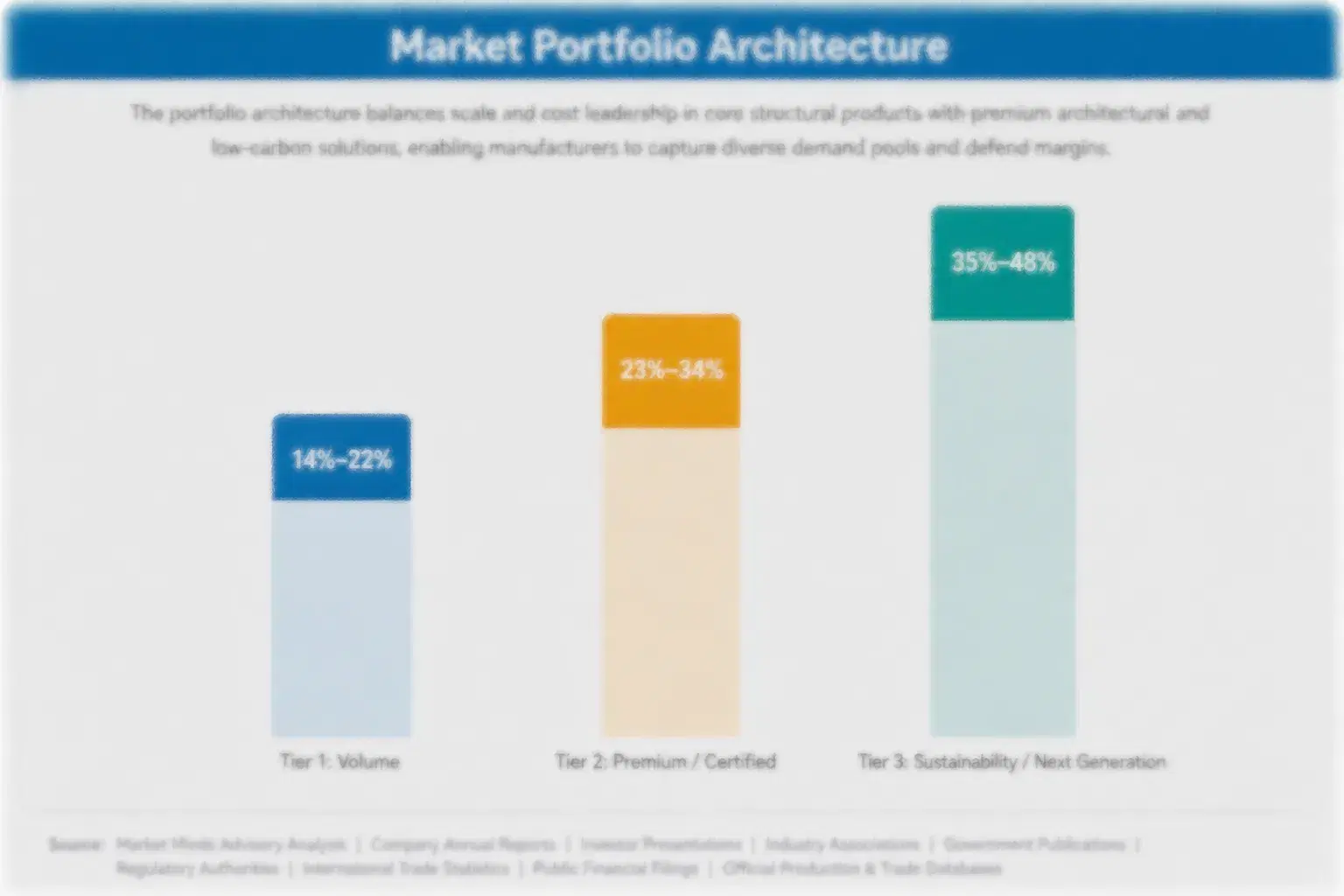
Margins run from moderate returns on bread, bakery and pasta sold in volume to strong returns on snacks, bars and frozen ready meals sold with certified safety and convenience. Three tiers separate volume products, premium certified lines and next-generation convenience solutions, and each tier draws on different flour access, dedicated production and retailer relationships in a moderately fragmented market. Clear specifications build buyer trust.
The tension between volume and premium is sharp. Bread, pasta and cereals fill large grocery and private label orders and serve habit-driven households but face fad fatigue and cost swings, while snacks and ready meals earn higher margins on smaller volumes and depend on texture, certification and brand trust. Suppliers that run only volume struggle when costs rise, while suppliers that run only premium lose early volume. Small suppliers feel every price swing.

High-value pools concentrate in gluten-free snacks and bars sold through grocery and online and in ready meals and frozen foods sold with dedicated production. They gather where buyers pay for safety and convenience rather than the absence of gluten alone. Pasta and noodles add a certified middle pool. Scale compounds over time. Audits repeat every year. Buyers review suppliers every season.

Volume / Commodity-Adjacent Tier

Gluten-free bread and bakery and cereals and breakfast foods sold in volume to grocery and private label buyers at moderate margins. Supply contracts decide renewal. Delivery reliability decides supplier rankings. Margins follow process discipline.
Gross Margin: 22%-32%

Premium / Certified Tier

Gluten-free pasta and noodles with dedicated production, lot testing, certificates and audit files, sold to pharmacies and specialty retailers. Trial records protect future sales. Cost control separates leaders from followers. Clear specifications build buyer trust.
Gross Margin: 28%-40%

Sustainability / Regulatory / Next-Generation Tier

Snacks, bars and frozen ready meals with certified safety, improved texture and convenient formats, sold through grocery, frozen aisles and online. Small suppliers feel every price swing. Scale compounds over time. Audits repeat every year.
Gross Margin: 32%-46%
gluten-free-food-market-portfolio-architecture-1789949324349

High-value Sub-segments and Strategic Watch-out

Gluten-Free Snacks and Bars

Gluten-free snacks and bars combine the fastest growth with strong pricing, since celiac households and allergen-conscious families pay for safe, portable snacks at gross margins of 34% to 46%. Safe production and texture limit competition, and brands with certified lines win. Repeat purchase builds through weekly grocery habits.
Gross Margin: 34%-46%

Gluten-Free Ready Meals and Frozen Foods

Gluten-free ready meals and frozen foods deliver firm growth and pricing, since celiac families want convenient meals they do not have to cook from scratch at gross margins of 32% to 44%. Freezing quality and safety labelling form the entry barrier, and brands with frozen distribution win listings.
Gross Margin: 32%-44%

Gluten-Free Bread and Bakery

Gluten-free bread and bakery are the volume core for bakers with starch contracts and retailer reach. Value grows about 4.5% a year, and starch cost, freshness and delivery reliability decide profit. Bakers anchor sales on long relationships with grocers, pharmacies and celiac households. Buyers review suppliers every season.
Gross Margin: 22%-32%

Gluten-Free Cereals and Breakfast Foods

Gluten-free cereals and breakfast foods are the strategic watch-out, since growth of about 5.0% a year trails the leaders, many cereals are naturally gluten-free and mainstream brands compete on price. Suppliers should manage these lines selectively and steer capacity toward snacks and frozen meals with stronger margins.
Gross Margin: 24%-34%

Why Households Keep Gluten-Free Brands

Gluten-free food demand behaves like an annuity attached to household grocery lists, celiac safety and trusted brand relationships. Once a household finds products that taste good and feel safe, it repeats the purchase every week, and switching means new taste trials, risk of cross-contact and lost confidence. Households use last month's experience to fix renewals, so brands with clean records earn steadier volume. Supply contracts decide renewal.
Adoption stickiness differs by end-use vertical. Diagnosed celiac households are the deepest, since products are written into safe shopping lists and change only when safety or taste fails. Families with children follow trust. Choice buyers are moderate and switch on price, while trend followers are shallow. Delivery reliability decides supplier rankings. Margins follow process discipline. Trial records protect future sales. Cost control separates leaders from followers.

Buyer profiles are shifting between generations. Older shoppers chose gluten-free foods on doctor advice and pharmacy recommendation, while younger shoppers ask for snacks, frozen meals, clean labels, creator recommendations and online ordering. Regulators add a third group that sets labelling rules. Brands that publish test results and safety records win newer buyers and keep them. Clear specifications build buyer trust.
gluten-free-food-market-end-use-penetration-index-1789949324646

MMA Verdict on Gluten-Free Food Strategy

These are among the four positions where our research anticipates prominent divergence between winners and laggards over the coming forecast period. Each is grounded in the demand model, the regulatory perimeter, and the announced capacity pipeline.
01 / SNACK PORTFOLIO STRATEGY

Shift Volume Into Gluten-Free Snacks and Bars Before Mainstream Groups Own Shelves

Gluten-Free Snacks and Bars grows at 8.4% a year, about 1.40 times the overall market rate, and gross margins of 34% to 46% compare with 22% to 32% for gluten-free bread. Suppliers should commit $4 million to $12 million to safe snack lines, texture work and allergen-friendly positioning, and shift 10% of volume into snacks to lift gross margin by two to four points. Those that stay in bread will lose growth, while early movers keep loyalty and premium pricing over time.
02 / CELIAC SAFETY STRATEGY

Invest in Dedicated Lines and Published Test Results Before Cross-Contact Doubts Grow

Cross-contact worries cap trust among celiac households, retailers and pharmacies reward certified supply, and suppliers without dedicated lines and published lot results lose accounts to specialists that publish every result. Suppliers should invest $5 million to $15 million in dedicated production and testing below 20 ppm, certify best-selling products first, and protect accounts worth 8% to 14% of sales. Those without safety proof will lose trust, while prepared suppliers hold premium pricing and long supply agreements across every buying season.
03 / FROZEN MEAL STRATEGY

Build Frozen Ready Meal Ranges Before Celiac Households Choose Rival Convenience Brands

Gluten-free ready meals and frozen foods grow about 7.2% a year, celiac families want convenience they can trust, and suppliers without dedicated frozen lines and safety labels lose these households to rivals. Suppliers should therefore invest $5 million to $15 million in frozen production and labels, target frozen aisles in large grocers first, and lift qualified accounts by 12% to 20% each year. Those without frozen ranges will lose growth, while prepared suppliers hold premium pricing across every buying season.
04 / PRIVATE LABEL CAPACITY STRATEGY

Add Private Label Supply to Fill Dedicated Lines Before Price Fatigue Bites

Private label holds about 24% of sales, dedicated lines need volume to pay back, and suppliers without contract baking programmes leave capacity idle while rivals win retailer accounts. Suppliers should therefore invest $3 million to $9 million in own-brand and contract baking programmes, target large grocers with published gluten-free ranges first, and defend volume worth 10% to 16% of sales. Those without private label will lose utilisation and retailer goodwill, while prepared suppliers hold access and stable pricing across every buying season.

Engagement Snapshot From the Field

A live engagement with an industry participant carrying material or product regulatory and market exposure ahead of a defining policy shift, showing how our research translates into a defensible multi-year portfolio strategy.
MARKET MINDS ADVISORY · CLIENT ENGAGEMENT SUMMARY
Gluten-free Food Producer Strategic Portfolio Review and Transition Roadmap 2026·Investment Scenario on Gluten-free Food Exposure Evaluation 2025-26
CLIENT PROFILE
The client is a mid-sized European gluten-free producer with annual sales near $260 million (client-reported, unverified by MMA), selling bread, pasta and biscuits through pharmacies and supermarkets in six countries. It ran no frozen meals, bought rice and starches on annual terms, and had seen growth slow to 2% as retailer private label ranges expanded. Small suppliers feel every price swing.
STRATEGIC CHALLENGE
Growth slowed, rice prices rose by 20%, supermarkets pushed private label, and rivals launched gluten-free snacks and frozen meals. Management needed to decide whether to launch snacks, build frozen meals, or supply private label, with limited capital and dependence on bread and pasta. Scale compounds over time. Audits repeat every year. Buyers review suppliers every season.
MMA APPROACH
MMA analysed sales, cost and review data across 34 products, interviewed nine dietitians, grocery buyers and celiac advocates, and ran a shopper survey on safety, texture and price across three countries. It modelled margin by range and channel scenario and ranked options by payback and execution risk. Supply contracts decide renewal. Delivery reliability decides supplier rankings.
KEY FINDINGS
  1. A snack range would earn gross margins near 42% against 28% for bread and cost about $5 million to launch (client-reported, unverified by MMA).
  2. A frozen meal line would earn gross margins near 40% and cost about $11 million with dedicated equipment. Margins follow process discipline. Trial records protect future sales.
  3. A private label programme would fill about 14% of idle line capacity. Cost control separates leaders from followers. Clear specifications build buyer trust. Small suppliers feel every price swing.
  4. Multi-year rice and starch contracts would cap ingredient cost increases at about 5% a year. Scale compounds over time. Audits repeat every year. Buyers review suppliers every season.
CLIENT PROFILE
The client is a mid-sized European gluten-free producer with annual sales near $260 million (client-reported, unverified by MMA), selling bread, pasta and biscuits through pharmacies and supermarkets in six countries. It ran no frozen meals, bought rice and starches on annual terms, and had seen growth slow to 2% as retailer private label ranges expanded. Small suppliers feel every price swing.
STRATEGIC CHALLENGE
Growth slowed, rice prices rose by 20%, supermarkets pushed private label, and rivals launched gluten-free snacks and frozen meals. Management needed to decide whether to launch snacks, build frozen meals, or supply private label, with limited capital and dependence on bread and pasta. Scale compounds over time. Audits repeat every year. Buyers review suppliers every season.
MMA APPROACH
MMA analysed sales, cost and review data across 34 products, interviewed nine dietitians, grocery buyers and celiac advocates, and ran a shopper survey on safety, texture and price across three countries. It modelled margin by range and channel scenario and ranked options by payback and execution risk. Supply contracts decide renewal. Delivery reliability decides supplier rankings.
KEY FINDINGS
  1. A snack range would earn gross margins near 42% against 28% for bread and cost about $5 million to launch (client-reported, unverified by MMA).
  2. A frozen meal line would earn gross margins near 40% and cost about $11 million with dedicated equipment. Margins follow process discipline. Trial records protect future sales.
  3. A private label programme would fill about 14% of idle line capacity. Cost control separates leaders from followers. Clear specifications build buyer trust. Small suppliers feel every price swing.
  4. Multi-year rice and starch contracts would cap ingredient cost increases at about 5% a year. Scale compounds over time. Audits repeat every year. Buyers review suppliers every season.
RECOMMENDED STRATEGY
Phase 1: Phase 1 (Months 1-6): Sign rice and starch contracts and launch the snack range. Supply contracts decide renewal. Delivery reliability decides supplier rankings. Phase 2: Phase 2 (Months 7-24): Build the frozen meal line and supply private label to two grocers. Margins follow process discipline. Trial records protect future sales. Phase 3: Phase 3 (Months 25-42): Extend snacks and meals to pharmacies and review terms yearly. Cost control separates leaders from followers. Clear specifications build buyer trust.
OUTCOME
Within 42 months, snacks and frozen meals reached 26% of sales, private label filled idle capacity, and growth recovered to 5% (client-reported, unverified by MMA). Gross margin rose by three points, and profit exceeded plan by about 3%. Small suppliers feel every price swing. Scale compounds over time.

Frequently Asked Questions

Foundational context covering the market sizes, CAGR, scope, country, region and competition that inform every finding below. This section is provided to cover basics and most often pre-purchase conversations, answered from the MMA Primary Research Dataset.

What is the current size of the Gluten-free Food Market?

The global gluten-free food market was valued at $9.50 billion in 2025 on a manufacturer-value basis. Growth is supported by celiac diagnosis and snack and meal launches, offset by fad fatigue and price premiums.

How large will the Gluten-free Food Market be by 2036?

The market is projected to reach $18.03 billion by 2036, up from $10.07 billion in 2026. The increase of $7.96 billion reflects snacks, frozen meals and growth in Australia and India.

What is the CAGR for the Gluten-free Food Market 2026 to 2036?

The market is forecast to grow at a 6.0% CAGR from 2026 to 2036. The bull case reaches 7.3% and the bear case 4.7%, depending on diagnosis, ingredient costs and private label pricing.

Which segment is growing fastest?

Gluten-Free Snacks and Bars is the fastest-growing segment at 8.4% CAGR, roughly 1.40 times the overall market rate. Gluten-Free Ready Meals and Frozen Foods follows at 7.2% CAGR each year.

Who are the major companies in the Gluten-free Food Market?

Major companies include Dr. Schär, General Mills, Conagra Brands, Mondelez International and Barilla. Kellanova, Nestlé, Hain Celestial, Bob's Red Mill and Warburtons also hold positions in gluten-free foods.

Which country is growing fastest?

India is growing fastest at about 8.7% CAGR from a small base, because urban shoppers and a rice-based diet support naturally suitable products. Australia and Brazil follow as awareness grows.

Report Segmentation Architecture

The full report scope spans multiple orthogonal segmentation dimensions, with cross-tabulated demand data provided for each dimension pair. Coverage extends further to regional breakdowns, trend trajectories, and the competitive detail needed to support segment-level decision-making.

By Primary Market Dimension

  • Gluten-Free Bread and Bakery
  • Gluten-Free Pasta and Noodles
  • Gluten-Free Snacks and Bars
  • Gluten-Free Cereals and Breakfast Foods
  • Gluten-Free Ready Meals and Frozen Foods

By End-Use Industry

  • Celiac Households
  • Non-Celiac Gluten Avoiders
  • Allergen-Conscious Families
  • Institutional and School Food Service
  • Travel and Convenience

By Commercial Dimension

  • Grocery and Supermarkets
  • Pharmacies and Health Stores
  • Online and Subscription Sales
  • Food Service Distribution
  • Private Label Programmes

By Region

  • North America
  • Western Europe
  • East Asia
  • South Asia and Pacific
  • Latin America
  • Eastern Europe
  • Middle East and Africa

Scope, Methodology, and Coverage

Every figure in this report is reproducible from documented input assumptions. The scope below maps the historical period, the forecast horizon, the segmentation dimensions, and the countries covered, alongside the underlying primary and qualitative methodology.
Historical Period
2020 to 2025
Forecast Period
2026 to 2036
Base Year
2025 (USD billions; MMA Primary Research Dataset, September 2026)
Market Definition
The market covers global sales of packaged foods labelled gluten-free, valued at manufacturer level, including gluten-free bread and bakery, pasta and noodles, snacks and bars, cereals and breakfast foods, and ready meals and frozen products, sold through grocery, pharmacy, online and food service channels. The scope excludes naturally gluten-free foods sold without a gluten-free claim, gluten-free pizza crusts covered separately, gluten-free flour mixes and supplements.
Quantitative Units
USD billions (manufacturer value); thousand tonnes for volume references
Segmentation Dimensions
By Product Category; By End-Use Industry; By Commercial Dimension; By Region
Regions Covered
North America, Western Europe, East Asia, South Asia and Pacific, Latin America, Eastern Europe, Middle East and Africa
Countries Covered
United States, Canada, Italy, United Kingdom, Germany, France, Spain, Netherlands, Japan, South Korea, China, India, Australia, Brazil, Argentina, Mexico, Saudi Arabia, United Arab Emirates, South Africa, Poland, Turkey, and additional markets relevant to this sector
Key Companies Profiled
Dr. Schär, General Mills, Conagra Brands, Mondelez International, Barilla, Kellanova, Nestlé, Hain Celestial, Bob's Red Mill, Grupo Bimbo, Pladis, Warburtons, Doves Farm, Amy's Kitchen, Mars, Nairn's Oatcakes, Lundberg Family Farms, Ancient Harvest, Banza, The Simply Good Foods Company
Quantitative Methodology
Primary survey, n=3,800 respondents, Q4 2025, six countries; demand-side model with trade association cross-validation
Qualitative Methodology
47 expert interviews, Q4 2025; applied to validate demand model assumptions, identify emerging dynamics, and assess competitive positioning
Report Format
PDF and XLSX data workbook (Word format preview document)
Publisher
Market Minds Advisory
Report Code
MMA-2026-AGR-137
Published
September 2026
Contact
sales@marketmindsadvisory.com | www.marketmindsadvisory.com

Purchase the full Gluten-free Food Market Report (2026 to 2036).

The full report delivers a detailed assessment of the gluten-free food market through 2036, covering product category, end-use and regional forecasts, competitive benchmarking of leading suppliers, and input cost analysis. It combines MMA primary research, including a six-country survey of 3,800 respondents and 47 expert interviews, with public statistical and company data. Analysts also model diagnosis paths, ingredient price scenarios and private label adoption. Clients receive segment margin ranges, supply maps and a case study on portfolio and safety strategy. Supplier programme and contract frameworks are also included for planning.
Ten-year product category demand forecasts by region
Starch, oat, and packaging cost tracking
Competitive benchmarking of leading gluten-free suppliers
Gluten-free labelling and cross-contact rule tracker
Regional market comparative analysis and forecasts included
Quarterly primary survey data update access

Built For The People Who Decide

From boardroom strategy to bench-side execution, this report is read cover-to-cover by leaders shaping the next decade of their industry, turning demand scenarios, market dynamics and valuation benchmarks into decisions.
CXOs/ Presidents/ VPs/ Managers
M&A and Corporate Development
Strategy Teams and R&D Heads
Procurement and Product Directors
Regulatory and Compliance Leaders
Investor Relations and Equity Analysts