Market Minds Advisory
GLP-1 Diet Food Market

GLP-1 Diet Food Market: GLP-1 Diet Food Market. Protein Priorities, Smaller Appetites, and Unproven Claims Shape Food Brand Returns.

GLP-1 diet foods turn on rapid drug adoption, smaller appetites that cut grocery volume, professional advice to protect muscle with protein, unregulated friendly claims, generic semaglutide launches abroad, and food groups racing to label meals

Lead Analyst

Published

September 2026

Make Smarter Decisions with Customized Research Insights

Request a free sample report and evaluate market opportunities, growth trends, and competitive dynamics relevant to your business needs.

2025 MARKET VALUE$2.4BMarket Size 2025
2036 FORECAST VALUE$12.3BBase Case , 2026 to 2036
CAGR 2026 TO 203616.0 %Bull 17.3% / Bear 14.7%
INCREMENTAL OPPORTUNITY$9.5BNet 10- year value creation
EXPANSION MULTIPLE4.41x2036 value over 2026 base
Strategic Levers
M&A Pipeline
Regional Outlook
Country Rankings
Competitive Intelligence
Segmental Deep-dive
Call-Us : 91 93563 13602

Executive Snapshot and Market Trajectory.

GLP-1 diet foods include portion-controlled nutrient-dense meals, small-portion protein snacks and bars, high-protein drinks, fibre and digestive comfort foods and hydration products marketed to people using GLP-1 receptor agonist drugs. Value depends on drug adoption, protein evidence, claims rules and retail shelf space. Buyers review suppliers every season each season.
Portion-Controlled Nutrient-Dense Meals grows fastest as users who eat far less seek meals that pack protein and fibre into small servings, while high-protein drinks still carry the volume. North America holds the largest share because American drug adoption is the highest, and Western Europe and East Asia follow as prescribing widens. Supply contracts decide renewal. Delivery reliability decides supplier rankings. Margins follow process discipline.
Competition is fragmented among food groups and specialists: a Swiss food group, an American frozen meal company, an American healthcare company, an American direct selling nutrition company and a French dairy group lead, measured here on estimated GLP-1 diet food sales volume, while challenger brands and private label enter quickly. Shoppers judge protein, portion size and price, and evidence lags marketing. Trial records protect future sales. Cost control separates leaders from followers.
Market Definition
The market covers global sales of foods and nutrition products marketed for or clearly positioned to people taking GLP-1 receptor agonist medicines, valued at brand level, including portion-controlled nutrient-dense meals, small-portion protein snacks and bars, high-protein drinks, fibre and digestive comfort foods, and hydration and electrolyte products, sold through grocery, online, pharmacy and meal delivery channels. The scope excludes the drugs themselves, general diet foods without a GLP-1 positioning and supplements sold for muscle building.
Base Year Value
$2.4B in 2025 (MMA Primary Research Dataset, September 2026)
Forecast Period
2026 to 2036, eleven discrete annual values
CAGR
16.0% base case. Bull 17.3%. Bear 14.7%.
Fastest Growth Segment
Portion-Controlled Nutrient-Dense Meals: 22.4% CAGR
Fastest Growth Country
India: 19.5% CAGR
Fastest Growth Region
South Asia and Pacific: 18.0% CAGR
Largest Region
North America: 68% of 2025 global value
Market Leaders
Nestlé, Conagra Brands, Abbott, Herbalife, Danone. Source: MMA Analysis, company annual reports.
Primary Survey
n=3,800 procurement and R&D decision-makers, Q4 2025, six countries
Methodology
Demand-side build-up, cross-validated against public data, 47 expert interviews

GLP-1 Diet Food Market Forecast Scenarios

glp-1-diet-food-market-size-forecast-scenario-1789949319264
Between 2020 and 2025, GLP-1 diet foods went from non-existent to a marketing category as semaglutide and tirzepatide reached millions of users. Studies showed households cutting grocery spending, food groups launched friendly labels in 2024 and 2025, and professional advisories urged protein and fibre to protect muscle and digestion. Clear specifications build buyer trust. Small brands feel every price swing.
The base case rests on three commercial mechanisms. First, drug users keep growing as prices fall and oral versions arrive. Second, smaller appetites push spending toward nutrient-dense, protein-rich foods rather than volume. Third, generic semaglutide in India, Canada and Brazil opens new markets. Brands plan protein formulation, portion formats and retail programmes around these three drivers. Scale compounds over time. Audits repeat every year. Buyers review suppliers every season. Supply contracts decide renewal.
The bull case needs faster drug adoption and clear evidence that these foods protect muscle and comfort, which would lift recommendations. The bear case is regulatory action on unproven claims combined with total food volume declines, which would cut spending and shrink margins. Delivery reliability decides supplier rankings. Margins follow process discipline. Trial records protect future sales.

Drug Adoption, Protein Priorities, and Claims Rules Set GLP-1 Diet Food Outcomes

Brands formulate meals, snacks and drinks with high protein, fibre and nutrient density in small portions and label them for people using GLP-1 drugs, then sell them through grocery, online and meal delivery channels. About one in eight American adults has used these drugs, household grocery spending falls about 5.5% after adoption, and online channels take about 26% of sales. Protein, portion size and trust therefore set returns.
MARKET CONCENTRATION19% CR5Top five suppliers hold a small combined share
AMERICAN ADULTS EVER USING1 in 8Approximate share of American adults who have tried these drugs
GROCERY SPENDING CHANGE-5.5%Approximate fall in household grocery spending after drug adoption
PROTEIN PER SERVING20-30 gTypical protein content of products aimed at drug users
PRICE PREMIUM OVER STANDARD1.5-2.5xPrice multiple over comparable standard packaged foods sold
ONLINE AND DELIVERY SHARE26%Portion of sales made through online and meal delivery channels
Protein content, portion size, taste, price and claims credibility decide value. Users judge fullness and nausea, dietitians judge muscle protection, retailers judge shelf productivity, and regulators and lawyers judge claims. Nestlé wins on Vital Pursuit and clinical nutrition credibility, Conagra wins on frozen meal scale, and Abbott wins on protein drinks. Claims scrutiny moves listings quickly. Cost control separates leaders from followers.
Users judge GLP-1 diet foods on protein, taste, portion size, tolerance and price. Many eat less and feel nauseous, so they want small, dense, gentle foods, and dietitians want muscle protection. Price sensitivity is moderate. Recommendations from clinics and creators decide shortlists, and many brands are still testing what these customers actually buy. Clear specifications build buyer trust. Small brands feel every price swing.
"A GLP-1 user eats a third less food and still needs the same protein, so the food industry loses volume and gains a value story. The brands that win will prove the protein and the tolerance, not the slogan on the box."
Senior Analyst, Packaged Foods and Metabolic Health Practice · MMA GLP-1 Diet Food Practice · September 2026

Market Trends

Portion-Controlled Nutrient-Dense Meals Match Smaller Appetites With Higher Protein

Frozen and ready meals of 300 calories or less with 20 to 30 g of protein and fibre appeal to users who eat small portions but need nutrition, and brands add friendly badges and simple labels. Portion-Controlled Nutrient-Dense Meals grows about 22.4% a year, and gross margins run 34% to 46% against 22% to 30% for standard frozen meals. The trend needs taste, tolerance data and honest labels. Scale compounds over time. Audits repeat every year. Buyers review suppliers every season. Supply contracts decide renewal. Delivery reliability decides supplier rankings. Margins follow process discipline.
Market Impact: 1 in 8 adults used drugs

Small-Portion Protein Snacks and Bars Fit Grazing Eating Patterns

Users often eat many small meals because large portions cause nausea, so brands launch protein bars, bites, jerky and cheese snacks in small packs. Small-Portion Protein Snacks and Bars grows about 19.2% a year. The trend needs low sugar, gentle texture and clear protein content, and it rewards brands with retail scale, clean labels and the ability to test products with real users through clinics and online communities. Trial records protect future sales. Cost control separates leaders from followers. Clear specifications build buyer trust. Small brands feel every price swing. Scale compounds over time.
Market Impact: 25-40% of weight lost is lean

Market Opportunities and Growth Drivers

Rapid Drug Adoption Creates a Large New Food Buyer Group

KFF polling in 2024 found about one in eight American adults had used a GLP-1 drug and about 6% were current users, and generic semaglutide arriving in India, Canada and Brazil widens access. Oral versions are expected. The driver creates a large buyer group that changes what it eats and rewards brands that understand these needs and reach users through clinics, telehealth and online communities. Audits repeat every year. Buyers review suppliers every season. Supply contracts decide renewal. Delivery reliability decides supplier rankings. Margins follow process discipline. Trial records protect future sales.
Market Impact: grocery spending falls 5.5%

Professional Advice on Protein and Fibre Steers Users

Clinicians and professional bodies warn that weight loss on GLP-1 drugs includes a large share of lean mass, roughly a quarter to two-fifths in some trials, and advise adequate protein and resistance exercise. Constipation and nausea are also common. The driver supports protein and fibre products and rewards brands with credible dietitian endorsement and tolerance-focused formulas. Cost control separates leaders from followers. Clear specifications build buyer trust. Small brands feel every price swing. Scale compounds over time. Audits repeat every year. Buyers review suppliers every season. Supply contracts decide renewal. Delivery reliability decides supplier rankings.
Market Impact: testing costs $1-4 million per range

Market Restraints and Challenges

Falling Total Food Volumes Among Users Shrink Household Category Spending

A Cornell and Numerator analysis found household grocery spending fell about 5.5% within six months of drug adoption, with the largest cuts in snacks, sweets and bakery. The root cause is suppressed appetite. Brands respond with dense, premium products, though total calorie volume is lower and heavily processed categories lose more than protein products gain. Margins follow process discipline. Trial records protect future sales. Cost control separates leaders from followers. Clear specifications build buyer trust. Small brands feel every price swing. Scale compounds over time. Audits repeat every year. Buyers review suppliers every season.
Market Impact: nutrient-dense meals grow 22.4% yearly

Unregulated Friendly Claims and Thin Evidence Create Risk

No regulator defines a GLP-1 friendly claim, few products have trials in users, and consumer groups and lawyers scrutinise health-adjacent labels. The root cause is a fast-moving market with no standard. Brands respond with dietitian review and modest wording, though a claims dispute can remove products and reformulation and testing can cost $1 million to $4 million per range. Supply contracts decide renewal. Delivery reliability decides supplier rankings. Margins follow process discipline. Trial records protect future sales. Cost control separates leaders from followers. Clear specifications build buyer trust. Small brands feel every price swing.
Market Impact: protein snacks grow 19.2% yearly
3 additional market trends, 2 additional growth drivers, and 4 additional restraints and challenges are covered in the full report. Contact sales@marketmindsadvisory.com to access the complete intelligence.

Segment CAGR and Growth Architecture

The global GLP-1 diet food market is segmented by product type, which shows where portion size, protein density and tolerance create pricing power in a fragmented supplier base. Five segments cover portion-controlled nutrient-dense meals, small-portion protein snacks and bars, high-protein drinks, fibre and digestive comfort foods, and hydration and electrolyte products. Meals and snacks grow fastest.
glp-1-diet-food-market-market-share-analysis-1789949319585

Portion-Controlled Nutrient-Dense Meals

Portion-Controlled Nutrient-Dense Meals is the fastest-growing segment at 22.4% a year, about 1.40 times the overall market rate, from a very small base. Users who eat less pay for meals that pack protein and fibre into small servings, so gross margins of 34% to 46% against 22% to 30% for standard frozen meals support formulation and marketing spend. Taste and evidence are the main constraints. Brands with tolerance data win. Scale compounds over time. Audits repeat every year. Buyers review suppliers every season. Supply contracts decide renewal. Delivery reliability decides supplier rankings. Margins follow process discipline. Trial records protect future sales. Cost control separates leaders from followers. Clear specifications build buyer trust.
CAGR 22.4%

Small-Portion Protein Snacks and Bars

Small-Portion Protein Snacks and Bars grows at 19.2% a year, about 1.20 times the overall market rate, because users graze on small amounts and need protein without sugar, and brands accept gross margins of 32% to 44% for gentle, dense, low-sugar snacks. Texture and label credibility shape entry. Brands with retail scale and creator reach hold price better than niche sellers. Small brands feel every price swing. Scale compounds over time. Audits repeat every year. Buyers review suppliers every season. Supply contracts decide renewal. Delivery reliability decides supplier rankings. Margins follow process discipline. Trial records protect future sales. Cost control separates leaders from followers. Clear specifications build buyer trust. Small brands feel every price swing.
CAGR 19.2%
Full segment breakdown across 5 segments available in the complete report.

Regional Architecture and Country Demand Map

North America leads at 68% because American drug adoption is the highest in the world and food groups launched targeted lines first, with Western Europe at 12%. South Asia and Pacific grows fastest as generic semaglutide reaches India and Australia. Scale compounds over time. Audits repeat every year.

North America

North America holds 68% share, far above its band, because American adoption of semaglutide and tirzepatide is the highest in the world and Nestlé, Conagra, Abbott and Herbalife launched targeted lines through grocery, online and meal delivery channels, which justifies the out-of-band share and puts it far ahead of other regions. Growth runs slightly below the global rate. Claims scrutiny, falling volumes and private label pressure restrain returns. Buyers review suppliers every season. Supply contracts decide renewal. Delivery reliability decides supplier rankings. Margins follow process discipline. Trial records protect future sales. Cost control separates leaders from followers. Clear specifications build buyer trust. Small brands feel every price swing. Scale compounds over time.
Share: 68% | CAGR: 15.5% (2026 to 2036)

Western Europe

Western Europe holds 12% share, below its band, because the United Kingdom, Germany and Nordic countries are widening access to weight loss drugs and dietitian advice is spreading, though EU claims rules restrict friendly labels and reimbursement is limited, which justifies the out-of-band share. Growth trails the global rate. Claims rules, budget limits and cautious retailers restrain volume. Audits repeat every year. Buyers review suppliers every season. Supply contracts decide renewal. Delivery reliability decides supplier rankings. Margins follow process discipline. Trial records protect future sales. Cost control separates leaders from followers. Clear specifications build buyer trust. Small brands feel every price swing. Scale compounds over time. Audits repeat every year. Buyers review suppliers every season.
Share: 12% | CAGR: 14.5% (2026 to 2036)
Regional intelligence for 5 additional markets available in the complete report: East Asia, South Asia and Pacific, Latin America, Eastern Europe, Middle East and Africa. Contact sales@marketmindsadvisory.com.
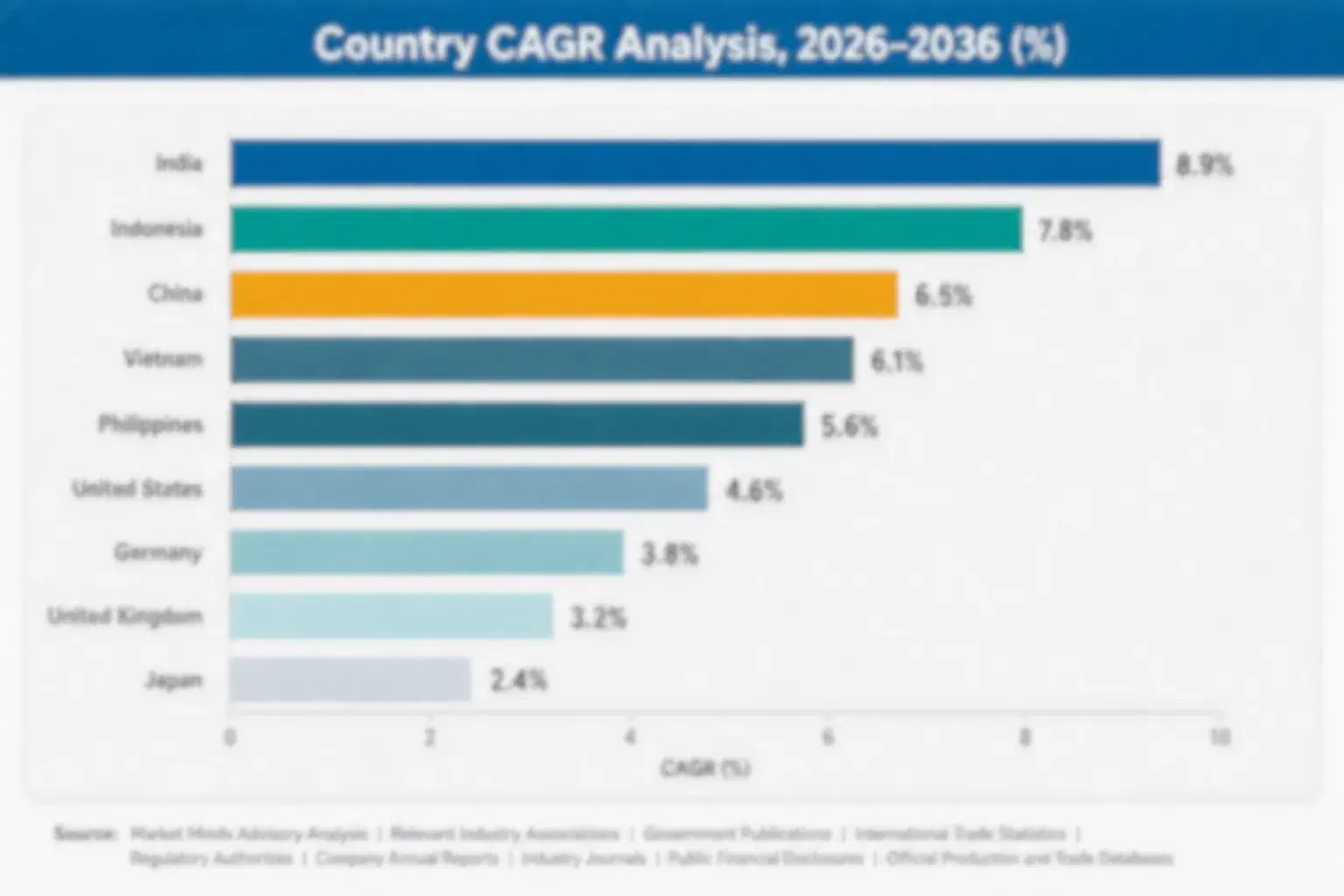
glp-1-diet-food-market-country-cagr-analysis-1789949319892

Four Margin Routes for GLP-1 Diet Food Brands

Margin in GLP-1 diet foods comes from nutrient-dense meals, protein snacks, clinical credibility and channel reach into clinics and telehealth rather than plain protein drink volume. The routes below apply to food groups, nutrition brands and meal delivery companies, and each can start inside one planning cycle, with clear measures in gross margin points, listings and repeat purchase.

Shifting Standard Meal Volume Into Portion-Controlled Nutrient-Dense Ranges

Nutrient-dense meals earn gross margins of 34% to 46% against 22% to 30% for standard frozen meals, so brands that add protein and fibre formulation, small-portion packaging and dietitian review to shift 10% of volume into these ranges report gross margin gains of two to four points on the mix. Programmes cost $8 million to $25 million. Pilots with five grocers confirm demand. Cost control separates leaders from followers. Clear specifications build buyer trust. Small brands feel every price swing. Scale compounds over time. Audits repeat every year. Buyers review suppliers every season.
Market Impact: nutrient-dense mix shift lifts gross margin by 2-4 points

Funding Tolerance and Muscle Protection Studies in Real Drug Users

Few products have trials in users and claims are unregulated, so brands that fund small studies on tolerance, protein intake and satiety in drug users win dietitian and clinic accounts worth 8% to 14% of sales. Programmes cost $1 million to $4 million per range. Brands should study one hero product first, where results can support marketing and retailer confidence. Supply contracts decide renewal. Delivery reliability decides supplier rankings. Margins follow process discipline. Trial records protect future sales. Cost control separates leaders from followers. Clear specifications build buyer trust. Small brands feel every price swing.
Market Impact: user studies win accounts worth 8-14% of sales

Building Clinic, Telehealth, and Pharmacy Channels to Reach Drug Users

Users meet prescribers and pharmacists before shopping, so brands that partner with telehealth platforms, obesity clinics and pharmacies to offer starter packs and nutrition guidance lift qualified accounts by 12% to 20% each year. Programmes cost $2 million to $7 million. Brands should target large telehealth platforms first, where one partnership reaches many new users at low acquisition cost. Scale compounds over time. Audits repeat every year. Buyers review suppliers every season. Supply contracts decide renewal. Delivery reliability decides supplier rankings. Margins follow process discipline. Trial records protect future sales. Cost control separates leaders from followers.
Market Impact: clinic partnerships lift qualified accounts by 12-20% annually

Scaling Formats for India, Canada, and Brazil After Generic Launches

Generic semaglutide arrived in India, Canada and Brazil in 2026, so brands that adapt portion formats, regional protein sources and prices for these markets win early accounts worth 6% to 12% of regional sales. Programmes cost $3 million to $10 million. Brands should target urban supermarkets and online grocers first, where users concentrate and where competition from global groups is still limited. Clear specifications build buyer trust. Small brands feel every price swing. Scale compounds over time. Audits repeat every year. Buyers review suppliers every season. Supply contracts decide renewal. Delivery reliability decides supplier rankings.
Market Impact: generic-market formats win accounts worth 6-12% of sales

Who Controls the Margin Pool

The global GLP-1 diet food market is fragmented, with a CR5 of 19%, and challenger brands, meal delivery firms and private label programmes sit outside the leading five. This assessment measures participants on estimated GLP-1 diet food sales volume, held constant across all players. Nestlé leads through Vital Pursuit and clinical credibility, while Conagra Brands, Abbott, Herbalife and Danone follow, with a narrow gap between the leader and the challengers.
Competition runs on four dimensions today: protein and portion design, tolerance and evidence, clinic and retail reach, and price. Large food groups win on distribution, clinical nutrition brands win on credibility, and challengers win on speed. Imitators copy friendly labels quickly, so premiums outside tested and clearly formulated products erode within a season. Margins follow process discipline. Trial records protect future sales. Cost control separates leaders from followers.

Emerging pressure comes from retailer private label lines, meal delivery brands that tailor menus for users, and regulators and lawyers that scrutinise friendly claims. Rankings shift where a brand wins a telehealth partnership, publishes user data or reaches a new market. Challengers can move up quickly when leaders face claims disputes or volume declines. Clear specifications build buyer trust.
glp-1-diet-food-market-company-positioning-matrix-1789949320171

Competitive Moat and Risk Dimensions

NESTLÉ

Moat: Vital Pursuit and Clinical Credibility

Nestlé, a Swiss food group, launched Vital Pursuit frozen meals for people using GLP-1 drugs and sells clinical nutrition through Nestlé Health Science, with large research teams, frozen meal manufacturing scale and retail relationships. Its early launch, scientific credibility and distribution give it a market advantage, and its position supports quick expansion into snacks, drinks and clinical channels.
NESTLÉ

Risk: Claims and Portfolio Uncertainty

Nestlé faces claims scrutiny on friendly labels and has reviewed parts of its health portfolio, so strategy changes can create uncertainty. Focused challengers can win users with faster launches. Small brands feel every price swing. Scale compounds over time. Audits repeat every year. Buyers review suppliers every season.
CONAGRA BRANDS

Moat: Frozen Meal Scale and Portioning

Conagra Brands, an American packaged food company, sells Healthy Choice and other frozen meals and added GLP-1 friendly badges in 2025, with large frozen manufacturing scale, established retailer relationships and portion-controlled recipes. Its scale, portion expertise and retail reach give it a market advantage, and its position supports rapid rollout of labelled meals across grocery.
CONAGRA BRANDS

Risk: Low Margin Frozen Category

Conagra operates in frozen meals with thin margins and heavy promotion, so cost inflation and price competition can cut returns. Premium specialists with higher protein can win user loyalty. Supply contracts decide renewal. Delivery reliability decides supplier rankings. Margins follow process discipline. Trial records protect future sales.

Players Tracked

Prominent Players

Nestlé
Conagra Brands
Abbott
Herbalife
Danone

Other Key Players

BellRing Brands
The Coca-Cola Company
The Simply Good Foods Company
Orgain
Huel
HelloFresh
Kraft Heinz
General Mills
Kellanova
Hormel Foods
Tyson Foods
Nutrisystem
Kroger
PepsiCo
Unilever

Recent Developments

JANUARY 2026

Nestlé Expands Vital Pursuit Range With Protein-Rich Snacks and Meals for GLP-1 Users

Nestlé expanded its Vital Pursuit range with protein-rich snacks and meals for GLP-1 users, according to company communications. It is a product expansion, not an acquisition, and it tests user demand. Sales terms were not disclosed. Cost control separates leaders from followers. Clear specifications build buyer trust.
Signal: Confirms early movers are widening ranges beyond meals because users want small, dense options across the day.
FEBRUARY 2026

Conagra Brands Adds GLP-1 Friendly Badge to Additional Frozen Meals and Publishes Nutrition Criteria

Conagra Brands added a GLP-1 friendly badge to additional frozen meals and published nutrition criteria, according to company communications. It is a labelling programme, not an acquisition, and it tests claims credibility. Costs were not disclosed. Small brands feel every price swing. Scale compounds over time.
Signal: Suggests food groups are publishing criteria to defend friendly labels against scrutiny while extending them across frozen lines.
MARCH 2026

Abbott Launches High-Protein Nutrition Shake for GLP-1 Users Through Pharmacies and Telehealth Partners

Abbott launched a high-protein nutrition shake for GLP-1 users through pharmacies and telehealth partners, according to company communications. It is a product launch, not an acquisition, and it tests channel reach. Terms were not disclosed. Audits repeat every year. Buyers review suppliers every season. Supply contracts decide renewal.
Signal: Indicates clinical nutrition groups are reaching users through prescribers and pharmacies rather than only grocery aisles.

What Drives GLP-1 Diet Food Costs

Protein ingredients account for roughly 22% to 34% of product cost, meat, dairy and vegetables about 20%, fibre and specialty ingredients about 8%, packaging and cold chain about 18%, and manufacturing, marketing and distribution about 26%. Proteins come mainly from the United States, Europe and New Zealand, and meat from North America and Brazil. Cost control separates leaders from followers.
The clearest recent shock came from protein and beef costs. USDA Dairy Market News reported record whey prices in 2024, and Conagra Brands 10-K for fiscal 2024 described inflation in protein and packaging costs, so brands raised prices by 5% to 10% and leaned on premium positioning to protect margins. Clear specifications build buyer trust. Small brands feel every price swing. Scale compounds over time. Audits repeat every year.

The competitive disadvantage falls on small brands without protein contracts or frozen distribution, which cannot pass through cost swings or match large group promotions. Large groups negotiate protein terms and own cold chains. Exposure also varies by format, since drinks face whey costs while meals face meat and cold chain costs. Buyers review suppliers every season. Supply contracts decide renewal.
glp-1-diet-food-market-cost-volatility-analysis-1789949320464

Multi-Year Protein Contracts and Blended Sources

Brands sign multi-year contracts for whey, milk protein, egg and plant proteins and blend sources. Contracts cut exposure to price spikes of 5% to 10%. The main challenge is volume commitment, so larger brands lock terms first, while smaller brands buy through distributors at a premium. Delivery reliability decides supplier rankings. Margins follow process discipline.

User Studies and Dietitian Review Programmes

Brands run small studies in drug users and use dietitian review for labels. Programmes win accounts worth 8% to 14% of sales. The main challenge is cost, so brands study hero products first and license published data for supporting claims. Trial records protect future sales. Cost control separates leaders from followers. Clear specifications build buyer trust.

Clinic and Telehealth Channel Partnerships

Brands partner with telehealth platforms, clinics and pharmacies to offer starter packs and guidance. Partnerships lift qualified accounts by 12% to 20% each year. The main challenge is compliance, so brands keep claims modest and avoid medical advice. Small brands feel every price swing. Scale compounds over time. Audits repeat every year. Buyers review suppliers every season.

Portfolio Architecture for Margin Defence

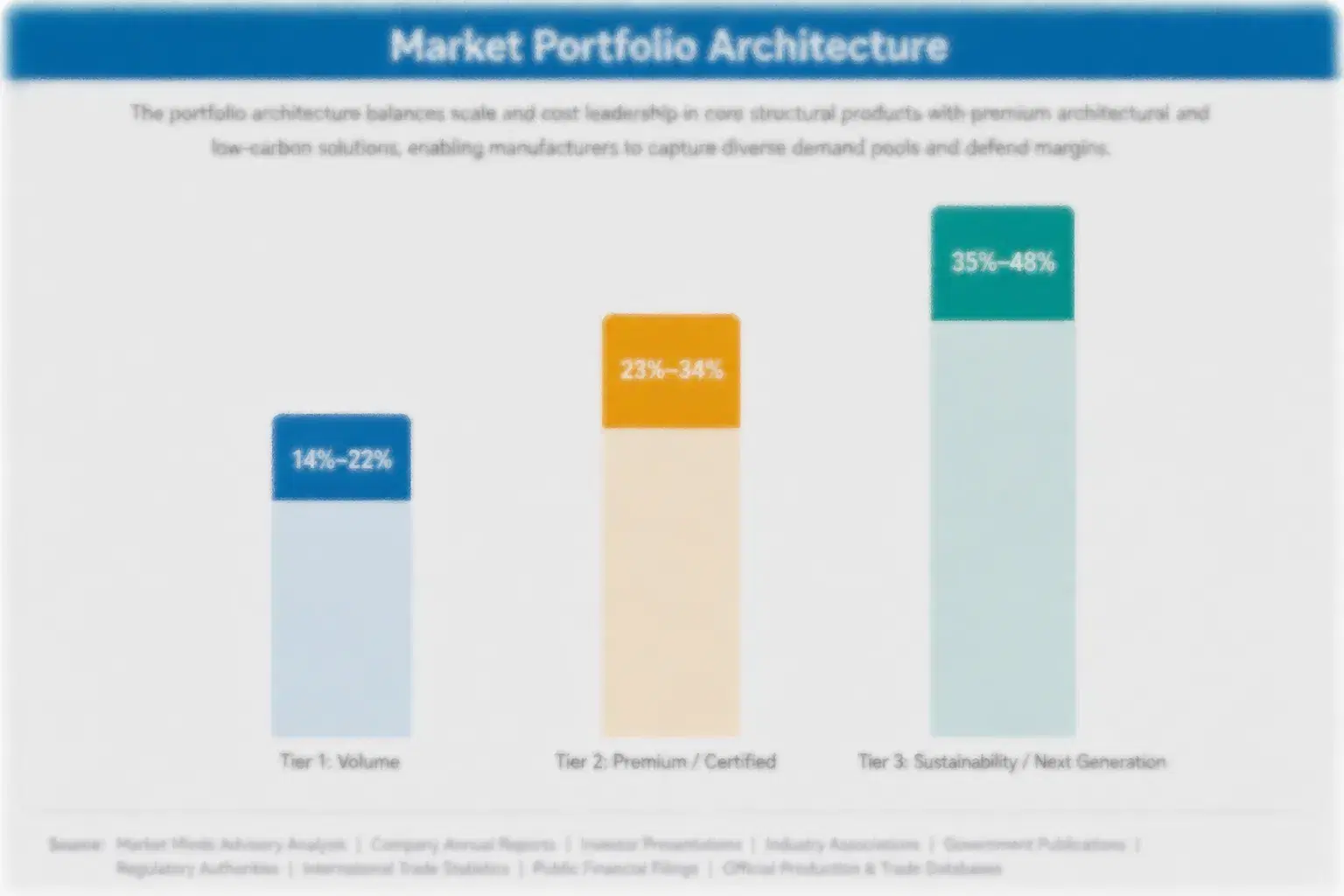
Margins run from moderate returns on high-protein drinks and hydration products sold in volume to strong returns on nutrient-dense meals and small-portion snacks sold with evidence and channel partnerships. Three tiers separate volume products, premium certified lines and next-generation targeted solutions, and each tier draws on different protein access, formulation skill and clinic relationships in a fragmented market. Trial records protect future sales.
The tension between volume and premium is sharp. High-protein drinks and fibre foods fill large grocery and pharmacy orders and serve habit-driven users but face private label pricing and claims scrutiny, while meals and snacks earn higher margins on smaller volumes and depend on taste, tolerance evidence and clinic trust. Brands that run only volume struggle when claims tighten, while brands that run only premium lose early volume. Cost control separates leaders from followers.

High-value pools concentrate in portion-controlled nutrient-dense meals sold through grocery and delivery and in small-portion protein snacks sold to grazing users. They gather where users pay for protein density and tolerance rather than calories. Fibre and digestive comfort foods add a middle pool. Clear specifications build buyer trust. Small brands feel every price swing. Scale compounds over time.

Volume / Commodity-Adjacent Tier

High-protein drinks and hydration and electrolyte products sold in volume to grocery, pharmacy and online buyers at moderate margins. Audits repeat every year. Buyers review suppliers every season. Supply contracts decide renewal. Delivery reliability decides supplier rankings.
Gross Margin: 24%-34%

Premium / Certified Tier

Fibre and digestive comfort foods with dietitian review, clean labels, tested tolerance and audit files, sold to pharmacies and premium grocers. Margins follow process discipline. Trial records protect future sales. Cost control separates leaders from followers.
Gross Margin: 30%-42%

Sustainability / Regulatory / Next-Generation Tier

Nutrient-dense meals and small-portion snacks with protein density, tolerance data and clinic support, sold through grocery, delivery and telehealth. Clear specifications build buyer trust. Small brands feel every price swing. Scale compounds over time.
Gross Margin: 32%-46%
glp-1-diet-food-market-portfolio-architecture-1789949320779

High-value Sub-segments and Strategic Watch-out

Portion-Controlled Nutrient-Dense Meals

Portion-controlled nutrient-dense meals combine the fastest growth with strong pricing, since users who eat less pay for meals that pack protein and fibre into small servings at gross margins of 34% to 46%. Taste and evidence limit competition, and brands with tolerance data win. Repeat purchase builds through weekly
Gross Margin: 34%-46%

Small-Portion Protein Snacks and Bars

Small-portion protein snacks and bars deliver firm growth and pricing, since users graze on small amounts and need protein without sugar at gross margins of 32% to 44%. Texture and label credibility form the entry barrier, and brands with retail scale and creator reach win listings.
Gross Margin: 32%-44%

High-Protein Drinks

High-protein drinks are the volume core for brands with distribution reach and trusted names. Value grows about 13% a year, and whey cost, taste and delivery reliability decide profit. Brands anchor sales on relationships with grocers, pharmacies and clinics that recommend them. Audits repeat every year.
Gross Margin: 24%-34%

Hydration and Electrolyte Products

Hydration and electrolyte products are the strategic watch-out, since growth of about 12% a year trails the leaders, users can buy generic electrolytes and evidence for drug-specific benefit is thin. Brands should manage these lines selectively and steer capacity toward meals and snacks. Buyers review suppliers every season.
Gross Margin: 26%-36%

Why Users Keep Targeted Food Brands

GLP-1 diet food demand behaves like a short annuity attached to drug treatment, meal routines and trusted recommendations. Once a user finds meals and snacks that they tolerate and that supply protein, they repeat the purchase every week for as long as they stay on the drug, and switching means new taste trials and risk of nausea. Users use last week's tolerance to fix renewals.
Adoption stickiness differs by end-use vertical. Users under clinic or dietitian guidance are the deepest, since products are written into meal plans and change only when tolerance or taste fails. Telehealth subscribers follow platform advice. Grocery shoppers are moderate and switch on price, while curious buyers are shallow. Supply contracts decide renewal. Delivery reliability decides supplier rankings. Margins follow process discipline. Trial records protect future sales.

Buyer profiles are shifting between groups. Early users were affluent and highly motivated, while newer users include middle-income and older adults who ask for affordable, familiar foods, small portions and clear protein labels. Regulators and lawyers add a third group that sets claims rules. Brands that publish clear nutrition data win newer buyers and keep them. Cost control separates leaders from followers.
glp-1-diet-food-market-end-use-penetration-index-1789949321084

MMA Verdict on GLP-1 Food Strategy

These are among the four positions where our research anticipates prominent divergence between winners and laggards over the coming forecast period. Each is grounded in the demand model, the regulatory perimeter, and the announced capacity pipeline.
01 / NUTRIENT-DENSE MEAL STRATEGY

Shift Volume Into Nutrient-Dense Portion Meals Before Rivals Own the User Basket

Portion-Controlled Nutrient-Dense Meals grows at 22.4% a year, about 1.40 times the overall market rate, and gross margins of 34% to 46% compare with 22% to 30% for standard frozen meals. Brands should commit $8 million to $25 million to protein and fibre formulation, small-portion packaging and dietitian review, and shift 10% of volume into these ranges to lift gross margin by two to four points. Those that stay in standard meals will lose growth, while early movers keep loyalty.
02 / CLAIMS EVIDENCE STRATEGY

Fund User Studies Before Regulators and Lawyers Challenge Unproven Friendly Claims

No regulator defines a GLP-1 friendly claim, few products have trials in users, and brands without evidence risk disputes that remove products and damage trust. Brands should invest $1 million to $4 million per range in tolerance, protein and satiety studies in drug users, study one hero product first, and win dietitian and clinic accounts worth 8% to 14% of sales. Those without evidence will lose credibility, while prepared brands hold premium pricing and clinician trust across every buying season.
03 / CHANNEL ACCESS STRATEGY

Build Clinic and Telehealth Channels Before Larger Groups Lock Exclusive Partnerships

Users meet prescribers and pharmacists long before they reach the shopping aisle, telehealth platforms shape early choices, and brands without clinic and pharmacy partnerships lose users to rivals that offer starter packs, guidance and easy reordering. Brands should therefore invest $2 million to $7 million in partnerships and starter programmes, target large telehealth platforms first, and lift qualified accounts by 12% to 20% each year. Those without channels will lose growth, while prepared brands hold premium pricing across every buying season.
04 / GENERIC MARKET STRATEGY

Adapt Formats for India, Canada, and Brazil Before Local Competition Matures

Generic semaglutide arrived in India, Canada and Brazil in 2026, users there need affordable protein-dense foods, and brands without local formats and prices lose the earliest accounts to regional competitors that price aggressively. Brands should therefore invest $3 million to $10 million in regional formulation and distribution, target urban supermarkets and online grocers first, and win accounts worth 6% to 12% of regional sales. Those that wait will lose access, while prepared brands hold premium pricing across every buying season.

Engagement Snapshot From the Field

A live engagement with an industry participant carrying material or product regulatory and market exposure ahead of a defining policy shift, showing how our research translates into a defensible multi-year portfolio strategy.
MARKET MINDS ADVISORY · CLIENT ENGAGEMENT SUMMARY
GLP-1 Diet Food Producer Strategic Portfolio Review and Transition Roadmap 2026·Investment Scenario on GLP-1 Diet Food Exposure Evaluation 2025-26
CLIENT PROFILE
The client is a mid-sized American frozen meal brand with annual sales near $600 million (client-reported, unverified by MMA), selling calorie-controlled meals through grocery chains. It ran no protein-focused range, used no GLP-1 positioning, and had seen volume fall 5% as shoppers using weight loss drugs cut purchases and rivals launched labelled lines. Clear specifications build buyer trust.
STRATEGIC CHALLENGE
Volume fell, rivals launched GLP-1 friendly meals with protein claims, and legal advisers warned about unregulated labels. Management needed to decide whether to launch a dense-portion range, fund user studies, or partner with telehealth platforms, with limited capital and dependence on standard calorie-controlled meals. Small brands feel every price swing. Scale compounds over time.
MMA APPROACH
MMA analysed sales, cost and shopper data across 28 products, interviewed eight dietitians, grocery buyers and telehealth managers, and ran a shopper survey on protein, portion size and tolerance across three regions. It modelled margin by range and scenario and ranked options by payback and execution risk. Audits repeat every year. Buyers review suppliers every season.
KEY FINDINGS
  1. A nutrient-dense range would earn gross margins near 40% against 26% for standard meals and need formulation and launch spend of about $9 million (client-reported, unverified by MMA).
  2. A user study in 150 drug users would cost about $1.2 million and support dietitian recommendations. Supply contracts decide renewal. Delivery reliability decides supplier rankings.
  3. A telehealth partnership would cost about $1.5 million and reach about 200,000 users within two years. Margins follow process discipline. Trial records protect future sales.
  4. Protein contracts with two suppliers would cap ingredient cost increases at about 5% a year. Cost control separates leaders from followers. Clear specifications build buyer trust.
CLIENT PROFILE
The client is a mid-sized American frozen meal brand with annual sales near $600 million (client-reported, unverified by MMA), selling calorie-controlled meals through grocery chains. It ran no protein-focused range, used no GLP-1 positioning, and had seen volume fall 5% as shoppers using weight loss drugs cut purchases and rivals launched labelled lines. Clear specifications build buyer trust.
STRATEGIC CHALLENGE
Volume fell, rivals launched GLP-1 friendly meals with protein claims, and legal advisers warned about unregulated labels. Management needed to decide whether to launch a dense-portion range, fund user studies, or partner with telehealth platforms, with limited capital and dependence on standard calorie-controlled meals. Small brands feel every price swing. Scale compounds over time.
MMA APPROACH
MMA analysed sales, cost and shopper data across 28 products, interviewed eight dietitians, grocery buyers and telehealth managers, and ran a shopper survey on protein, portion size and tolerance across three regions. It modelled margin by range and scenario and ranked options by payback and execution risk. Audits repeat every year. Buyers review suppliers every season.
KEY FINDINGS
  1. A nutrient-dense range would earn gross margins near 40% against 26% for standard meals and need formulation and launch spend of about $9 million (client-reported, unverified by MMA).
  2. A user study in 150 drug users would cost about $1.2 million and support dietitian recommendations. Supply contracts decide renewal. Delivery reliability decides supplier rankings.
  3. A telehealth partnership would cost about $1.5 million and reach about 200,000 users within two years. Margins follow process discipline. Trial records protect future sales.
  4. Protein contracts with two suppliers would cap ingredient cost increases at about 5% a year. Cost control separates leaders from followers. Clear specifications build buyer trust.
RECOMMENDED STRATEGY
Phase 1: Phase 1 (Months 1-6): Start the user study and sign protein supply contracts. Small brands feel every price swing. Scale compounds over time. Phase 2: Phase 2 (Months 7-24): Launch the nutrient-dense range with modest, dietitian-reviewed labels. Audits repeat every year. Buyers review suppliers every season. Phase 3: Phase 3 (Months 25-42): Add telehealth partnerships and review terms yearly. Supply contracts decide renewal. Delivery reliability decides supplier rankings. Margins follow process discipline.
OUTCOME
Within 42 months, nutrient-dense meals reached 22% of sales, volume decline slowed, and the range avoided any claims dispute (client-reported, unverified by MMA). Gross margin rose by three points, and profit exceeded plan by about 3%. Trial records protect future sales. Cost control separates leaders from followers. Clear specifications build buyer trust.

Frequently Asked Questions

Foundational context covering the market sizes, CAGR, scope, country, region and competition that inform every finding below. This section is provided to cover basics and most often pre-purchase conversations, answered from the MMA Primary Research Dataset.

What is the current size of the GLP-1 Diet Food Market?

The global GLP-1 diet food market was valued at $2.40 billion in 2025 on a brand-value basis. Growth is supported by rapid drug adoption and protein priorities, offset by falling food volumes and claims uncertainty.

How large will the GLP-1 Diet Food Market be by 2036?

The market is projected to reach $12.28 billion by 2036, up from $2.78 billion in 2026. The increase of $9.50 billion reflects nutrient-dense meals, protein snacks and generic drug markets.

What is the CAGR for the GLP-1 Diet Food Market 2026 to 2036?

The market is forecast to grow at a 16.0% CAGR from 2026 to 2036. The bull case reaches 17.3% and the bear case 14.7%, depending on drug adoption, claims rules and food volumes.

Which segment is growing fastest?

Portion-Controlled Nutrient-Dense Meals is the fastest-growing segment at 22.4% CAGR, roughly 1.40 times the overall market rate. Small-Portion Protein Snacks and Bars follows at 19.2% CAGR each year.

Who are the major companies in the GLP-1 Diet Food Market?

Major companies include Nestlé, Conagra Brands, Abbott, Herbalife and Danone. BellRing Brands, Huel, HelloFresh, Kraft Heinz and General Mills also hold positions in GLP-1 diet foods.

Which country is growing fastest?

India is growing fastest at about 19.5% CAGR from a small base, because generic semaglutide and a large diabetic population are widening drug use. Brazil and Canada follow as generics launch.

Report Segmentation Architecture

The full report scope spans multiple orthogonal segmentation dimensions, with cross-tabulated demand data provided for each dimension pair. Coverage extends further to regional breakdowns, trend trajectories, and the competitive detail needed to support segment-level decision-making.

By Primary Market Dimension

  • Portion-Controlled Nutrient-Dense Meals
  • Small-Portion Protein Snacks and Bars
  • High-Protein Drinks
  • Fibre and Digestive Comfort Foods
  • Hydration and Electrolyte Products

By End-Use Industry

  • Weight Loss Drug Users
  • Type 2 Diabetes Management
  • Muscle Preservation Support
  • Digestive Comfort
  • Maintenance After Treatment

By Commercial Dimension

  • Mass Grocery and Supermarkets
  • Online and Meal Delivery
  • Pharmacies and Telehealth Partners
  • Clinic and Dietitian Channels
  • Club and Convenience Stores

By Region

  • North America
  • Western Europe
  • East Asia
  • South Asia and Pacific
  • Latin America
  • Eastern Europe
  • Middle East and Africa

Scope, Methodology, and Coverage

Every figure in this report is reproducible from documented input assumptions. The scope below maps the historical period, the forecast horizon, the segmentation dimensions, and the countries covered, alongside the underlying primary and qualitative methodology.
Historical Period
2020 to 2025
Forecast Period
2026 to 2036
Base Year
2025 (USD billions; MMA Primary Research Dataset, September 2026)
Market Definition
The market covers global sales of foods and nutrition products marketed for or clearly positioned to people taking GLP-1 receptor agonist medicines, valued at brand level, including portion-controlled nutrient-dense meals, small-portion protein snacks and bars, high-protein drinks, fibre and digestive comfort foods, and hydration and electrolyte products, sold through grocery, online, pharmacy and meal delivery channels. The scope excludes the drugs themselves, general diet foods without a GLP-1 positioning and supplements sold for muscle building.
Quantitative Units
USD billions (brand value); millions of servings for volume references
Segmentation Dimensions
By Product Type; By End-Use Industry; By Commercial Dimension; By Region
Regions Covered
North America, Western Europe, East Asia, South Asia and Pacific, Latin America, Eastern Europe, Middle East and Africa
Countries Covered
United States, Canada, United Kingdom, Germany, France, Italy, Spain, Japan, China, South Korea, India, Australia, Brazil, Mexico, Saudi Arabia, United Arab Emirates, Egypt, Poland, Turkey, and additional markets relevant to this sector
Key Companies Profiled
Nestlé, Conagra Brands, Abbott, Herbalife, Danone, BellRing Brands, The Coca-Cola Company, The Simply Good Foods Company, Orgain, Huel, HelloFresh, Kraft Heinz, General Mills, Kellanova, Hormel Foods, Tyson Foods, Nutrisystem, Kroger, PepsiCo, Unilever
Quantitative Methodology
Primary survey, n=3,800 respondents, Q4 2025, six countries; demand-side model with trade association cross-validation
Qualitative Methodology
47 expert interviews, Q4 2025; applied to validate demand model assumptions, identify emerging dynamics, and assess competitive positioning
Report Format
PDF and XLSX data workbook (Word format preview document)
Publisher
Market Minds Advisory
Report Code
MMA-2026-HLT-134
Published
September 2026
Contact
sales@marketmindsadvisory.com | www.marketmindsadvisory.com

Purchase the full GLP-1 Diet Food Market Report (2026 to 2036).

The full report delivers a detailed assessment of the GLP-1 diet food market through 2036, covering product type, end-use and regional forecasts, competitive benchmarking of leading brands, and input cost analysis. It combines MMA primary research, including a six-country survey of 3,800 respondents and 47 expert interviews, with public statistical and company data. Analysts also model drug adoption scenarios, claims rule paths and generic market entry. Clients receive segment margin ranges, supply maps and a case study on positioning and evidence strategy. Supplier programme and contract frameworks are also included for planning.
Ten-year product type demand forecasts by region
Protein, meat, and packaging cost tracking
Competitive benchmarking of leading targeted food brands
GLP-1 claims and labelling rule tracker
Regional market comparative analysis and forecasts included
Quarterly primary survey data update access

Built For The People Who Decide

From boardroom strategy to bench-side execution, this report is read cover-to-cover by leaders shaping the next decade of their industry, turning demand scenarios, market dynamics and valuation benchmarks into decisions.
CXOs/ Presidents/ VPs/ Managers
M&A and Corporate Development
Strategy Teams and R&D Heads
Procurement and Product Directors
Regulatory and Compliance Leaders
Investor Relations and Equity Analysts