Market Minds Advisory
Food Safety Testing Services Market

Food Safety Testing Services Market: Food Safety Testing Services Market. Microbiological, Chemical Residue, Authentication and Integrated Management Testing

Food safety testing services span every laboratory discipline a manufacturer needs to ship safely, so breadth of accreditation and integrated service bundles decide which providers consolidate client spending as global trade complexity grows.

Lead Analyst

Published

September 2026

Make Smarter Decisions with Customized Research Insights

Request a free sample report and evaluate market opportunities, growth trends, and competitive dynamics relevant to your business needs.

2025 MARKET VALUE$9.5BMarket Size 2025
2036 FORECAST VALUE$19.0BBase Case , 2026 to 2036
CAGR 2026 TO 20366.5 %Bull 7.8% / Bear 5.2%
INCREMENTAL OPPORTUNITY$8.9BNet 10- year value creation
EXPANSION MULTIPLE1.88x2036 value over 2026 base
Strategic Levers
M&A Pipeline
Regional Outlook
Country Rankings
Competitive Intelligence
Segmental Deep-dive
Call-Us : 91 93563 13602

Executive Snapshot and Market Trajectory.

Food safety testing services cover microbiological, chemical residue, authenticity and nutritional label testing that manufacturers need to release products and satisfy regulators. Manufacturers use a single provider relationship to cover multiple disciplines at once. A supplier that bundles every test wins the whole account. Trust decides renewal.
Food Fraud and Species Authentication Testing grows fastest as import complexity and adulteration scandals raise scrutiny, while microbiological safety testing carries the largest volumes. North America leads because dense manufacturing and layered regulatory oversight concentrate demand, with Western Europe close behind. Gross margins run 28% to 56%, and laboratory labour, instrument capital and accreditation costs shape profit. Margins stay tight. Clients reward reliable results. Labour costs stay high.
Five groups hold about 33% of value, led by Eurofins Scientific, SGS and Intertek, so global testing conglomerates compete with discipline-specific specialists and regional laboratories. Food safety law, import certification rules and buyer audits govern positioning, and manufacturers check accreditation breadth, laboratory network reach and turnaround reliability before consolidating spend with one provider. Buyers compare cost per test. Audits decide new contracts. Buyers reward reliable results and clean audit records. Buyers value this.
Market Definition
The market covers global revenue from food safety testing services, defined as laboratory testing and inspection services that verify food safety, authenticity and regulatory compliance across disciplines, in microbiological safety testing, chemical and pesticide residue testing, food fraud and species authentication testing, nutritional and label verification testing, and integrated food safety management services, sold to food manufacturers, retailers, exporters and regulators and valued at provider revenue. It excludes standalone allergen-only and pathogen-only testing providers counted in narrower category reports, and clinical diagnostic testing.
Base Year Value
$9.5B in 2025 (MMA Primary Research Dataset, September 2026)
Forecast Period
2026 to 2036, eleven discrete annual values
CAGR
6.5% base case. Bull 7.8%. Bear 5.2%.
Fastest Growth Segment
Food Fraud and Species Authentication Testing: 9.1% CAGR
Fastest Growth Country
India: 9.8% CAGR
Fastest Growth Region
South Asia and Pacific: 8.3% CAGR
Largest Region
North America: 28% of 2025 global value
Market Leaders
Eurofins Scientific, SGS, Intertek, Bureau Veritas, Merieux NutriSciences. Source: MMA Analysis, company annual reports.
Primary Survey
n=3,800 procurement and R&D decision-makers, Q4 2025, six countries
Methodology
Demand-side build-up, cross-validated against public data, 47 expert interviews

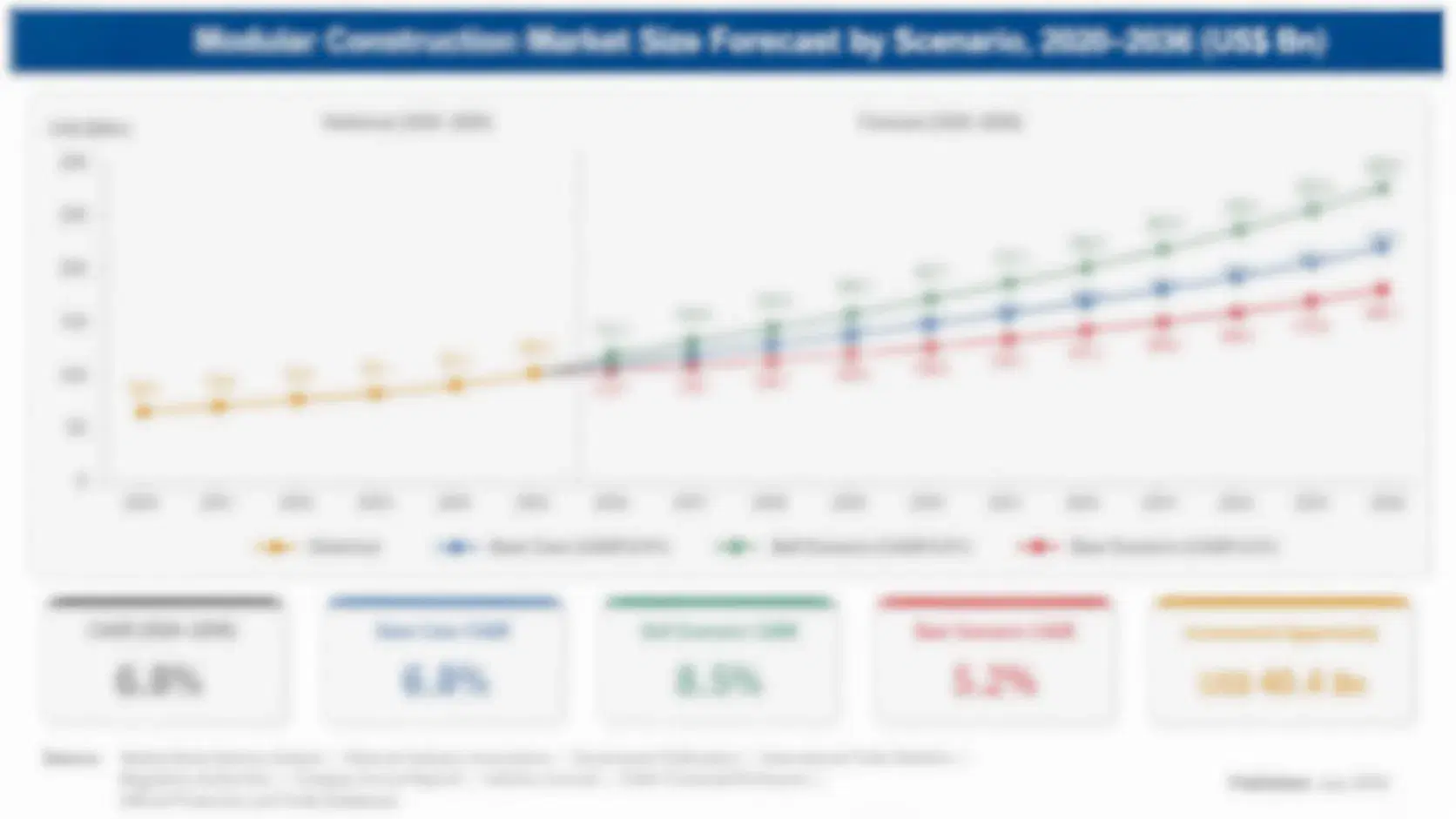
Food Safety Testing Services Market Forecast Scenarios

global-food-safety-testing-services-market-size-forecast-scenario-1790046133142
From 2020 to 2025 food safety testing services revenue grew at about 5.2% a year. Pandemic disruption slowed 2020 testing volumes, global trade recovery and import scrutiny lifted demand in 2021 and 2022, and price competition among commodity testing segments then slowed value growth in 2023 and 2024. Microbiological testing dominated volume, while authentication and integrated management services gained share among sophisticated buyers.
The base case of 6.5% rests on three named mechanisms. Global trade complexity and cross-border sourcing raise import certification and authentication testing needs across supply chains. Retailer and processor consolidation pulls testing spend toward providers offering integrated multi-discipline services rather than single-purpose vendors. Food fraud scandals and adulteration incidents push authentication testing from niche to mainstream compliance practice. Each mechanism is visible in trade data, procurement consolidation and laboratory investment over the last three years.
The bull case reaches 7.8% if trade complexity rises further and integrated service adoption accelerates. The bear case falls to 5.2% if trade stabilises, commodity testing price competition intensifies and manufacturers revert to single-purpose vendor relationships. Both cases assume stable global food safety law and no major systemic contamination event. Neither case assumes a change in client concentration.

Trade Complexity, Service Consolidation and Accreditation Breadth Set Testing Returns

Providers run laboratory networks spanning microbiology, chemistry, molecular biology and sensory science, staff them with accredited analysts, and increasingly bundle multiple disciplines into single client contracts with unified reporting. Accreditation breadth and consistency decide acceptance, and each laboratory must maintain certification across every discipline it offers, since a lapsed accreditation in one area can taint client trust across the whole relationship. Clients audit laboratories and accreditation every year before renewing approvals.
MARKET CONCENTRATION33% CR5Top five participants hold about one third of category value
MICROBIOLOGICAL SHARE38%Portion of revenue from microbiological safety testing services
EXPORT CLIENT SHARE56%Portion of revenue tied to export and import certification needs
LABORATORY LABOUR COST SHARE40% of COGSSkilled analyst labour within total testing service cost
TYPICAL CONTRACT TERM1-3 yearsTypical duration of a manufacturer testing service contract
INTEGRATED SERVICE SHARE31%Portion of revenue from multi-discipline bundled service contracts
Value concentrates in five places. Food fraud and species authentication testing grows fastest. Microbiological safety testing carries the largest volumes, chemical and pesticide residue testing serves regulatory compliance needs, nutritional and label verification testing serves labelling accuracy, and integrated food safety management services bundle testing with consulting and audit support. Method and validation details stay closely guarded within each provider.
Supply combines global testing conglomerates, discipline-specific specialists and regional laboratories. Eurofins, SGS and Intertek run laboratory networks spanning every discipline worldwide, Bureau Veritas and Merieux NutriSciences add certification and food-specific depth, and regional laboratories serve local compliance needs. Manufacturers qualify providers over extended review cycles and consolidate spend where breadth proves reliable. Buyers compare cost per test before awarding contracts.
"A food manufacturer does not want five invoices from five laboratories for five disciplines. The providers that will grow are the ones who can put every test result on one dashboard, because the value is not in any single test, it is in the manufacturer never having to think about where the next one comes from."
Senior Analyst, Food Safety and Quality Testing Practice · MMA Food Safety Testing Services Practice · September 2026

Market Trends

Food Fraud Scandals Push Authentication Testing From Niche to Mainstream

High-profile adulteration and mislabelling scandals involving olive oil, honey, seafood and spices have pushed retailers and brand owners to require species authentication and origin verification testing as standard supply chain practice rather than occasional spot checks, and providers such as Eurofins and SGS now offer dedicated authentication panels. Food Fraud and Species Authentication Testing grows about 9.1% a year, and gross margins run 42% to 56%. The trend needs DNA barcoding and isotope analysis capability, and it rewards providers with credibility. Buyers judge providers on accreditation, breadth and turnaround reliability.
Market Impact: trade volumes rose over 20%
Integrated Multi-Discipline Service Contracts Displace Fragmented Vendor Relationships

Large manufacturers increasingly consolidate microbiological, chemical and authentication testing with a single provider offering unified reporting and account management, rather than maintaining separate vendor relationships for each discipline, and providers now build dedicated key account teams to manage these integrated contracts. Integrated Food Safety Management Services grow about 7.4% a year, and gross margins run 36% to 48%. The trend needs cross-discipline laboratory breadth, and it rewards providers with speed, while smaller specialists struggle to match the range. Providers with scale and clear plans hold the strongest positions. Early movers set the standard that later entrants must match.
Market Impact: over 50% of buyers consolidate

Market Opportunities and Growth Drivers

Global Trade Complexity Raises Import Certification and Testing Requirements

Cross-border food sourcing has grown more complex as supply chains diversify across more countries, and each importing market maintains its own certification, residue limit and labelling requirements, so exporters need testing partners with multi-jurisdictional capability. The World Trade Organization reports steadily rising global agricultural trade volumes. The driver rewards providers with multi-country accreditation and export certification expertise, and it supports steady demand growth, while smaller exporters face proportionally higher compliance cost relative to shipment value. Early movers set the standard that later entrants must match. Clients reward laboratories that respond quickly to recall and audit needs.
Market Impact: labour takes 40% of testing cost

Retailer and Processor Consolidation Pulls Spend Toward Integrated Providers

Retailer and food manufacturer consolidation concentrates purchasing power in fewer, larger buying organisations that prefer single-provider relationships covering multiple testing disciplines rather than managing many specialist vendors, and procurement teams increasingly favour breadth in supplier selection criteria. The driver rewards providers with cross-discipline laboratory networks and account management capability, and it supports demand growth for integrated contracts, though transition from fragmented vendor relationships takes time and disrupts established specialist relationships. Clients reward laboratories that respond quickly to recall and audit needs. Progress should be reviewed every quarter against the agreed targets.
Market Impact: margins stay 5-10 points thinner

Market Restraints and Challenges

Skilled Laboratory Labour Costs and Accreditation Maintenance Squeeze Margins

Skilled analyst labour makes up about 40% of testing service cost, and wages for accredited laboratory scientists have risen sharply across major testing markets, according to national labour statistics, while maintaining accreditation across multiple disciplines simultaneously adds ongoing documentation and audit cost. The root cause is a limited pool of accredited scientific talent relative to expanding testing demand across disciplines. Providers can pass through only part of the increase, so margins fall two to four points. Providers respond with automation and shared laboratory infrastructure. Progress should be reviewed every quarter against the agreed targets.
Market Impact: authentication testing grows 9.1% yearly

Commodity Testing Price Competition Limits Margin on Routine Services

Routine microbiological and chemical testing has become commoditised in many markets, with numerous regional laboratories competing primarily on price for standard tests, according to industry pricing surveys. The root cause is limited differentiation in routine testing methods that have been standardised for decades. Margins on commodity testing stay thin regardless of provider scale. Providers respond by shifting mix toward integrated services and specialised authentication testing that command premium pricing. Smaller laboratories carry the heaviest exposure and have the least room to adjust. Buyers judge providers on accreditation, breadth and turnaround reliability.
Market Impact: integrated services grow 7.4% yearly
3 additional market trends, 2 additional growth drivers, and 4 additional restraints and challenges are covered in the full report. Contact sales@marketmindsadvisory.com to access the complete intelligence.

Segment CAGR and Growth Architecture

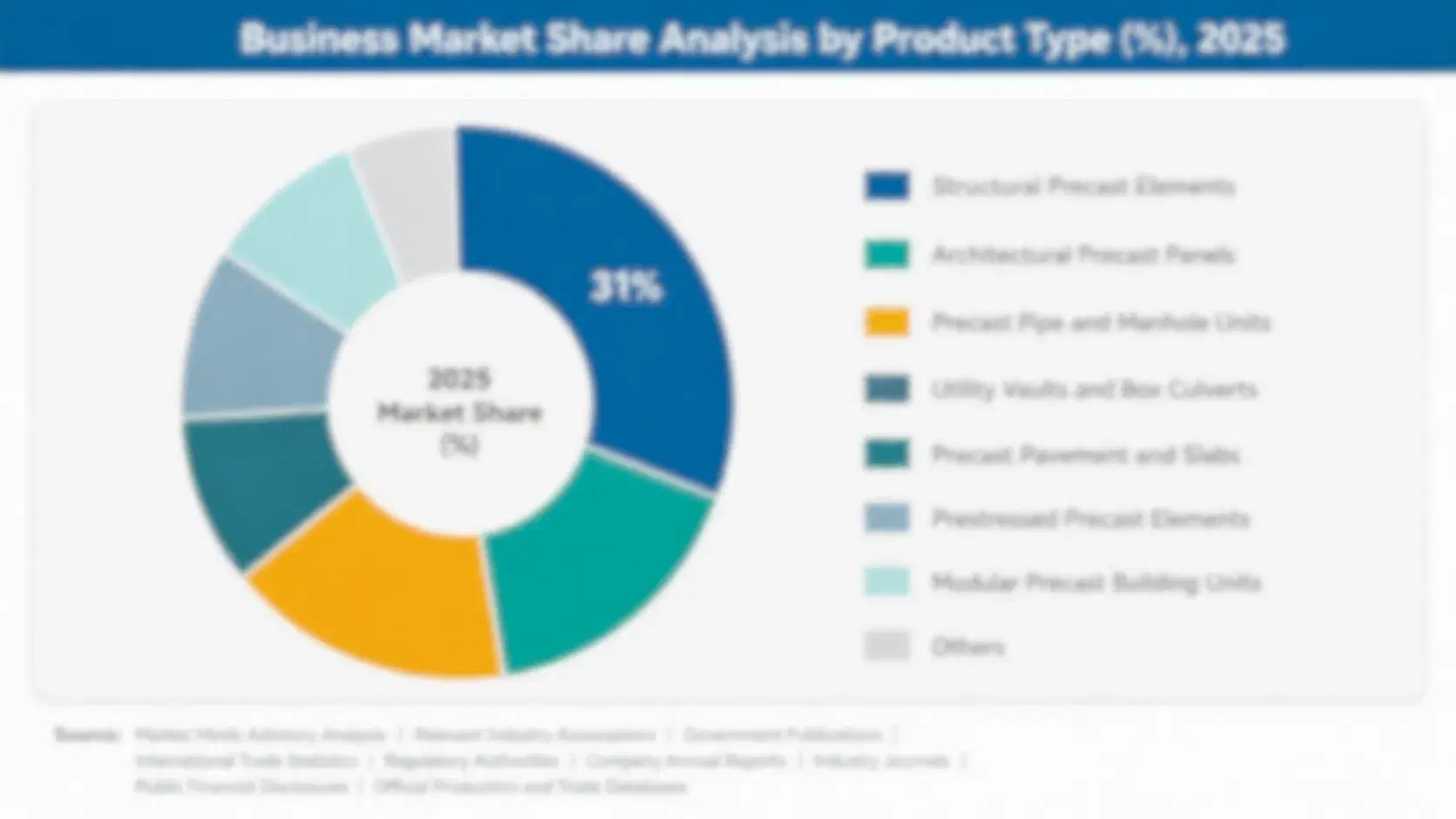
The food safety testing services market is segmented by discipline, which shows where accreditation, margins and buyer use differ. Five segments cover microbiological safety testing, chemical and pesticide residue testing, food fraud and species authentication testing, nutritional and label verification testing and integrated food safety management services. Authentication testing grows fastest, while microbiological testing carries the largest volumes.
global-food-safety-testing-services-market-market-share-analysis-1790046133436

Food Fraud and Species Authentication Testing

Food Fraud and Species Authentication Testing is the fastest-growing segment at 9.1% a year, about 1.40 times the overall market rate. Retailers and brand owners want DNA barcoding, isotope analysis and origin verification to counter adulteration scandals, and prices run 100% to 250% above routine microbiological tests per sample. Gross margins of 42% to 56% reward providers with molecular biology capability and reference databases. Growth depends on fraud scandal frequency, retailer requirements and trial data, while method complexity limits speed of adoption. Early movers set the standard that later entrants must match. Clients reward laboratories that respond quickly to recall and audit needs. Progress should be reviewed every quarter against the agreed targets.
CAGR 9.1%

Integrated Food Safety Management Services

Integrated Food Safety Management Services grows at 7.4% a year, about 1.20 times the overall market rate, because large manufacturers want unified reporting and account management across microbiological, chemical and authentication testing rather than fragmented vendor relationships. Providers use cross-discipline laboratory breadth and dedicated account teams to differentiate. Gross margins of 36% to 48% support providers with capacity and reach. Growth depends on procurement consolidation, service breadth and price, and providers with reliable coverage hold the strongest positions. Clients reward laboratories that respond quickly to recall and audit needs. Progress should be reviewed every quarter against the agreed targets. Smaller laboratories carry the heaviest exposure and have the least room to adjust.
CAGR 7.4%
Full segment breakdown across 5 segments available in the complete report.

Regional Architecture and Country Demand Map

North America leads at 28% through dense manufacturing and layered oversight, while Western Europe holds 24%. East Asia holds 20%. South Asia and Pacific holds 10% and grows fastest. Latin America holds 9%. Middle East and Africa and Eastern Europe hold 5% and 4%. Providers track share shifts each year.

North America

North America holds 28% share, inside its band, and growth of 5.9%, close to the global rate. The United States runs the world's most layered food safety regulatory system across federal and state agencies, and Eurofins, SGS, Intertek and Merieux NutriSciences supply through extensive laboratory networks. Established manufacturers consolidate testing spend steadily, and buyers demand accreditation breadth and reliable turnaround. Importers also review accreditation records and audit results before every annual renewal. Volumes stay steady, and providers compete mainly on accuracy proof, documentation and turnaround reliability. Distributors handle most shipments and set order sizes. Currency moves and freight rates change landed cost each quarter. Providers offering multi-year contracts win repeat volume.
Share: 28% | CAGR: 5.9% (2026 to 2036)

Western Europe

Western Europe holds 24% share, inside its band, and growth of 5.0%, below the global rate. Germany, France, the Netherlands and the United Kingdom run dense testing laboratory networks under strict EU food safety and authenticity rules, and the region hosts Eurofins, SGS and Bureau Veritas production. Mature adoption tempers growth, and buyers demand full accreditation documentation and audit readiness. Importers also review accreditation records and audit results before every annual renewal. Volumes stay steady, and providers compete mainly on accuracy proof, documentation and turnaround reliability. Distributors handle most shipments and set order sizes. Currency moves and freight rates change landed cost each quarter. Providers offering multi-year contracts win repeat volume.
Share: 24% | CAGR: 5.0% (2026 to 2036)
Regional intelligence for 5 additional markets available in the complete report: East Asia, South Asia and Pacific, Latin America, Middle East and Africa, Eastern Europe. Contact sales@marketmindsadvisory.com.
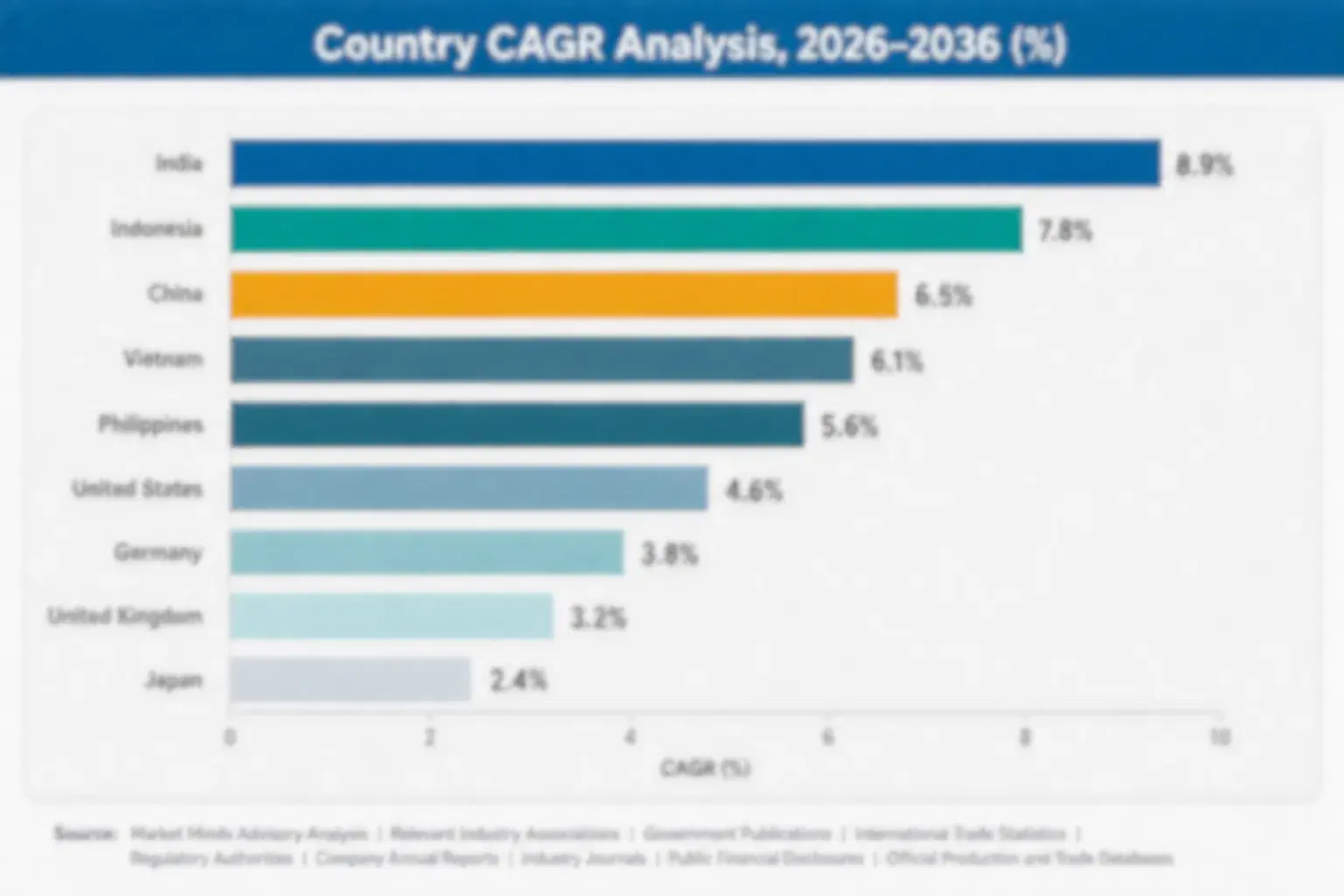
global-food-safety-testing-services-market-country-cagr-analysis-1790046133765

Four Margin Routes for Food Safety Testing Providers

Margin in food safety testing services comes from authentication panels, integrated service bundles, key account consolidation and cost control on laboratory labour rather than routine test sales alone. The routes below apply to global testing conglomerates and discipline specialists, and each can start inside one planning cycle, with measures in gross margin points and cost per test.

Scaling Species Authentication and Origin Verification Testing Panels

Retailers want defensible authenticity claims, so providers that scale DNA barcoding and isotope analysis panels win contracts worth 10% to 18% of revenue at gross margins of 42% to 56%. Capacity costs $2 million to $10 million per laboratory. Providers should build reference databases, train molecular biologists and publish method validation data, since disputed authentication results damage credibility across the whole laboratory network. Management should assign one owner to each programme from the start. Early results also help persuade sceptical buyers. Costs are recovered faster in larger laboratories. Payback runs about three years.
Market Impact: authentication panels win contracts worth 10-18% of revenue

Building Integrated Multi-Discipline Contracts With Dedicated Account Teams

Large manufacturers want unified reporting across disciplines, so providers that build integrated contracts with dedicated key account teams win volume worth 8% to 15% of revenue at gross margins of 36% to 48%. Programmes cost $1 million to $6 million. Providers should train account managers, unify reporting systems and coordinate cross-discipline scheduling, since fragmented service delivery loses accounts to more coordinated competitors. Early results also help persuade sceptical buyers. Costs are recovered faster in larger laboratories. Payback runs about three years. Management should assign one owner to each programme from the start.
Market Impact: integrated contracts win volume worth 8-15% of revenue

Expanding Multi-Jurisdictional Export Certification Capability for Traders

Exporters need testing partners who understand multiple import markets, so providers that expand multi-jurisdictional certification capability win contracts worth 8% to 14% of revenue at premiums of 5% to 12% per test. Programmes cost $1 million to $5 million. Providers should build regulatory expertise across key import markets, train certification specialists and maintain multi-country accreditation, since a single certification gap can block an entire shipment. Costs are recovered faster in larger laboratories. Payback runs about three years. Management should assign one owner to each programme from the start. Early results also help persuade sceptical buyers.
Market Impact: export certification wins contracts worth 8-14% of revenue

Automating Routine Testing to Offset Rising Laboratory Labour Costs

Skilled labour makes up about 40% of cost, so providers that automate routine microbiological and chemical testing cut labour cost per test by 15% to 30% and protect margins worth 5% to 9% of profit. Programmes cost $2 million to $10 million. Providers should stage automation investment, retain skilled analysts for complex work and track productivity, since automation without quality control damages accreditation standing. Payback runs about three years. Management should assign one owner to each programme from the start. Early results also help persuade sceptical buyers. Costs are recovered faster in larger laboratories.
Market Impact: automation cuts labour cost per test by 15-30%

Who Controls the Margin Pool

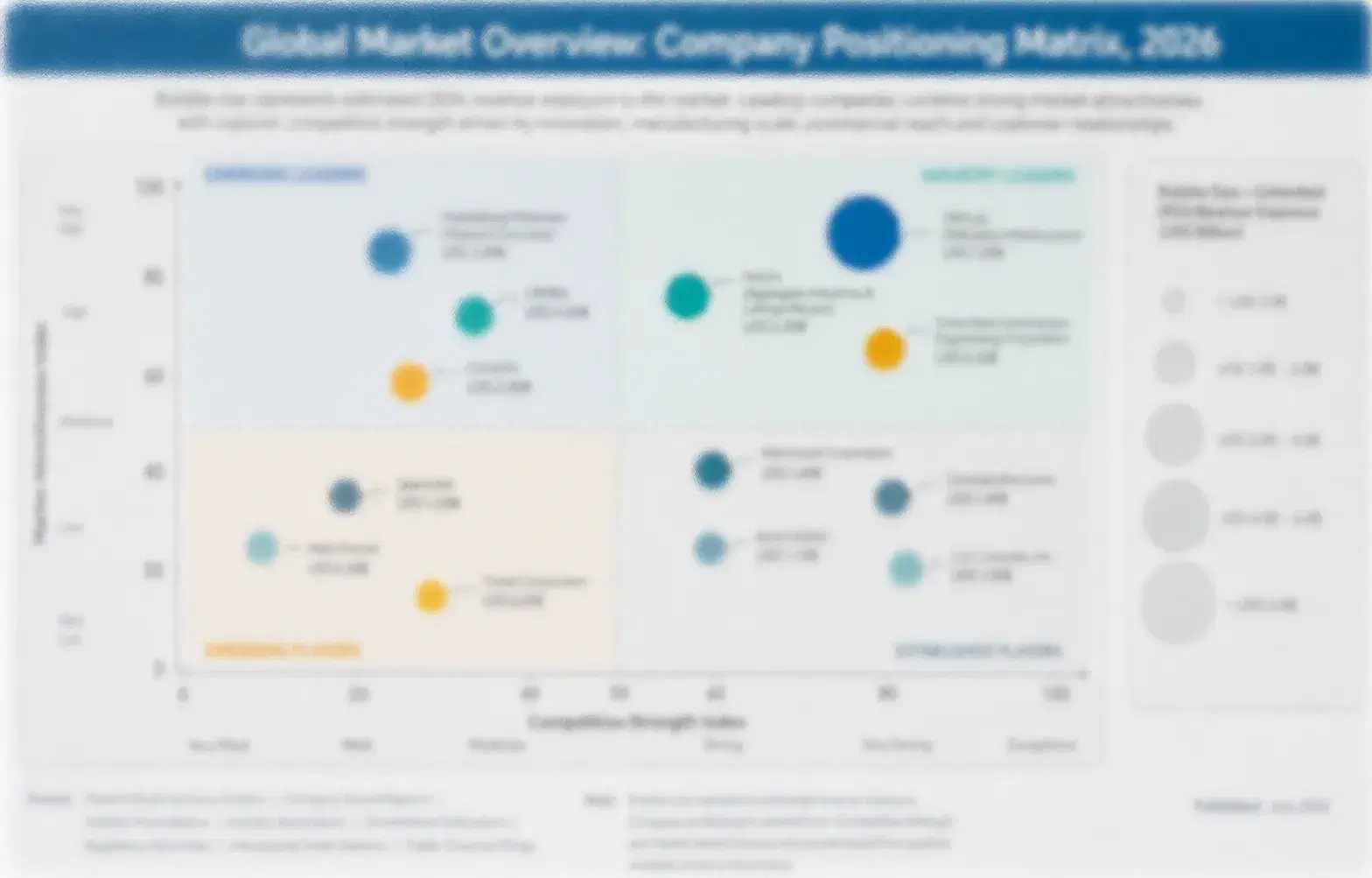
The food safety testing services market is fragmented, with a CR5 of 33%, because global testing conglomerates compete with discipline-specific specialists and thousands of regional laboratories across food categories and jurisdictions. This assessment measures participants on estimated food safety testing revenue, held constant across all players. Eurofins Scientific and SGS lead through laboratory network breadth and accreditation depth, Intertek, Bureau Veritas and Merieux NutriSciences follow, and the gap between the leader and the fifth player is moderate.
Competition runs on four dimensions today: accreditation breadth across disciplines, laboratory network reach and multi-jurisdictional capability, integrated service and account management depth, and price for routine tests. Global conglomerates win on breadth and network scale, discipline specialists win on niche method depth, and regional laboratories win on proximity and price. Buyers compare accreditation, breadth and turnaround reliability.

Emerging pressure comes from food fraud scandals expanding authentication testing beyond niche status, from procurement consolidation favouring integrated multi-discipline providers and from labour costs that favour scale and automation investment. Rankings shift where a provider expands authentication capability, wins integrated key account contracts or builds multi-jurisdictional certification depth, and consolidation continues as small laboratories face accreditation and capital costs.
global-food-safety-testing-services-market-company-positioning-matrix-1790046134050

Competitive Moat and Risk Dimensions

EUROFINS SCIENTIFIC

Moat: Global Network and Discipline Breadth

Eurofins Scientific is a global testing group with a very large laboratory network serving food, feed, environmental and pharmaceutical clients, with broad accreditation across every major testing discipline and sample logistics worldwide. Its network, scientific breadth and continued investment give it strong access to manufacturers and exporters, and its scale supports development of integrated multi-discipline service contracts.
EUROFINS SCIENTIFIC

Risk: Acquisition Debt and Price Competition

Eurofins Scientific has grown through many acquisitions and carries financial leverage and integration risk, while routine tests face price competition from regional laboratories. Labour costs squeeze margins, method disputes can delay approvals, and accreditation problems can damage trust across the whole client relationship. Investors expect steady returns.
SGS

Moat: Inspection Brand and Global Reach

SGS is a Swiss inspection, testing and certification group with laboratories and inspectors in many countries, serving food, agriculture and commodity exporters with sampling, testing and certification across every major discipline. Its brand trust, port presence and global reach give it strong access to exporters and regulators, and its scale supports investment in integrated laboratories and digital reporting.
SGS

Risk: Broad Focus and Margin Pressure

SGS serves many industries, so food safety testing is one part of its business and investment competes with larger markets. Labour costs squeeze margins, discipline specialists compete on niche methods and price, and rule changes can shift demand quickly across jurisdictions. Investors expect steady returns and careful capital use.

Players Tracked

Prominent Players

Eurofins Scientific
SGS
Intertek
Bureau Veritas
Merieux NutriSciences

Other Key Players

ALS
TUV SUD
DNV
Romer Labs
Neogen
Thermo Fisher Scientific
bioMerieux
3M Food Safety
Tentamus Group
Microbac Laboratories
AsureQuality
National Food Laboratory
Silliker Laboratories
Q Laboratories
Covance Food Solutions

Recent Developments

JANUARY 2026

Testing Group Launches Species Authentication Panel Covering Seafood and Meat Origin Verification for Retailers

A testing group launched a species authentication panel covering seafood and meat origin verification for retailers, according to company communications. It is a service launch, not an acquisition, and it tests authentication demand. The panel uses DNA barcoding methods. Sales terms were not disclosed. Rollout follows client reviews.
Signal: Confirms testing groups are widening authentication panels because retailers increasingly require defensible origin claims across categories.
FEBRUARY 2026

Testing Conglomerate Expands Integrated Account Management Capability to Serve Large Manufacturer Consolidation Demand

A testing conglomerate expanded integrated account management capability to serve large manufacturer consolidation demand, according to company communications. It is an organic capability expansion, not an acquisition, and it tests service readiness. The expansion adds account teams. Financial terms were not disclosed. Rollout follows client reviews.
Signal: Shows providers are building account management because manufacturers increasingly prefer single-provider relationships across disciplines. Buyers confirm results.
MARCH 2026

Regulator Announces Updated Food Fraud Vulnerability Assessment Requirements for Import Certification Programmes

A regulator announced updated food fraud vulnerability assessment requirements for import certification programmes, according to public announcements. It is a regulatory action, not a commercial deal, and it tests compliance readiness. The requirements cover several food categories. Timing of enforcement remains open. Rollout follows client reviews.
Signal: Indicates regulators are formalising fraud vulnerability assessments because adulteration incidents increasingly drive import certification scrutiny. Buyers confirm results.

Laboratory Labour, Accreditation and Logistics Cost Exposure

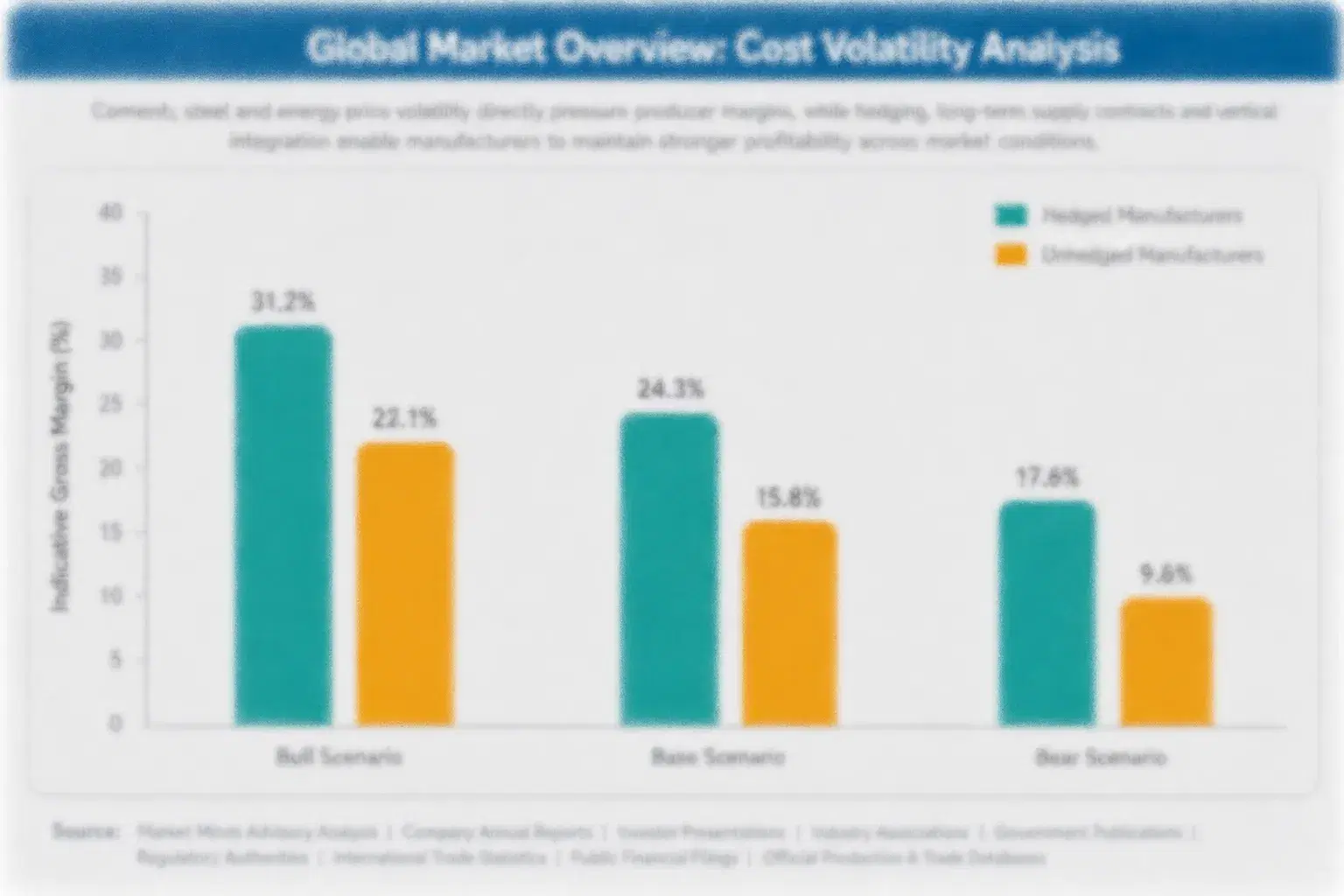
Skilled analyst labour accounts for roughly 40% of testing service cost, instrument depreciation and reagents about 24%, accreditation maintenance and documentation about 12%, sample logistics about 10%, information systems and reporting about 8%, and overheads about 6%. Skilled scientific labour comes from a competitive global talent market, instruments from European, American and Japanese makers, and accreditation bodies operate under national and international standards frameworks.
The clearest recent shock came in 2022 and 2023. Skilled laboratory analyst wages rose sharply across major testing markets, according to national labour statistics, and instrument and reagent costs rose with broader biotechnology input cost inflation. Providers absorbed part of the increase, raised test prices slowly and delayed hiring, which compressed margins. Some relief came in 2024 and 2025 as wage inflation moderated somewhat. Suppliers planned around it.

The disadvantage falls on small laboratories without automation investment, accreditation scale or skilled staff retention, because they pay more per test and cannot spread instrument and accreditation cost across sufficient volume. Exposure varies by player type: global conglomerates hold scale and purchasing power, discipline specialists depend on niche talent, and regional laboratories depend on local labour markets. Pricing power decides who absorbs the shock.
global-food-safety-testing-services-market-cost-volatility-analysis-1790046134375

Automation of Routine Testing and Sample Handling

Providers automate sample preparation, routine microbiological and chemical testing to cut skilled labour cost per test by 15% to 30%. The main challenge is capital of $2 million to $10 million per site and validation time, so providers stage investment carefully. Quality managers approve each change, and analysts check weekly productivity reports. Records stay current.

Shared Laboratory Infrastructure Across Disciplines and Sites

Providers share laboratory infrastructure and accreditation investment across multiple disciplines and sites to cut fixed cost per test by 10% to 20%. The main challenge is coordinating scheduling across disciplines, so providers invest in unified laboratory information systems. Managers review utilisation every quarter. Providers track utilisation weekly, and managers adjust scheduling to keep every laboratory busy across disciplines.

Talent Development Programmes and Retention Investment

Providers invest in scientist training programmes and retention incentives to cut turnover-related cost and quality risk by 15% to 25%. The main challenge is competition for accredited scientific talent across the broader biotechnology sector, so providers build career development pathways. Human resources teams track retention metrics quarterly. Reviews continue yearly, and managers compare retention across sites.

Portfolio Architecture for Margin Defence

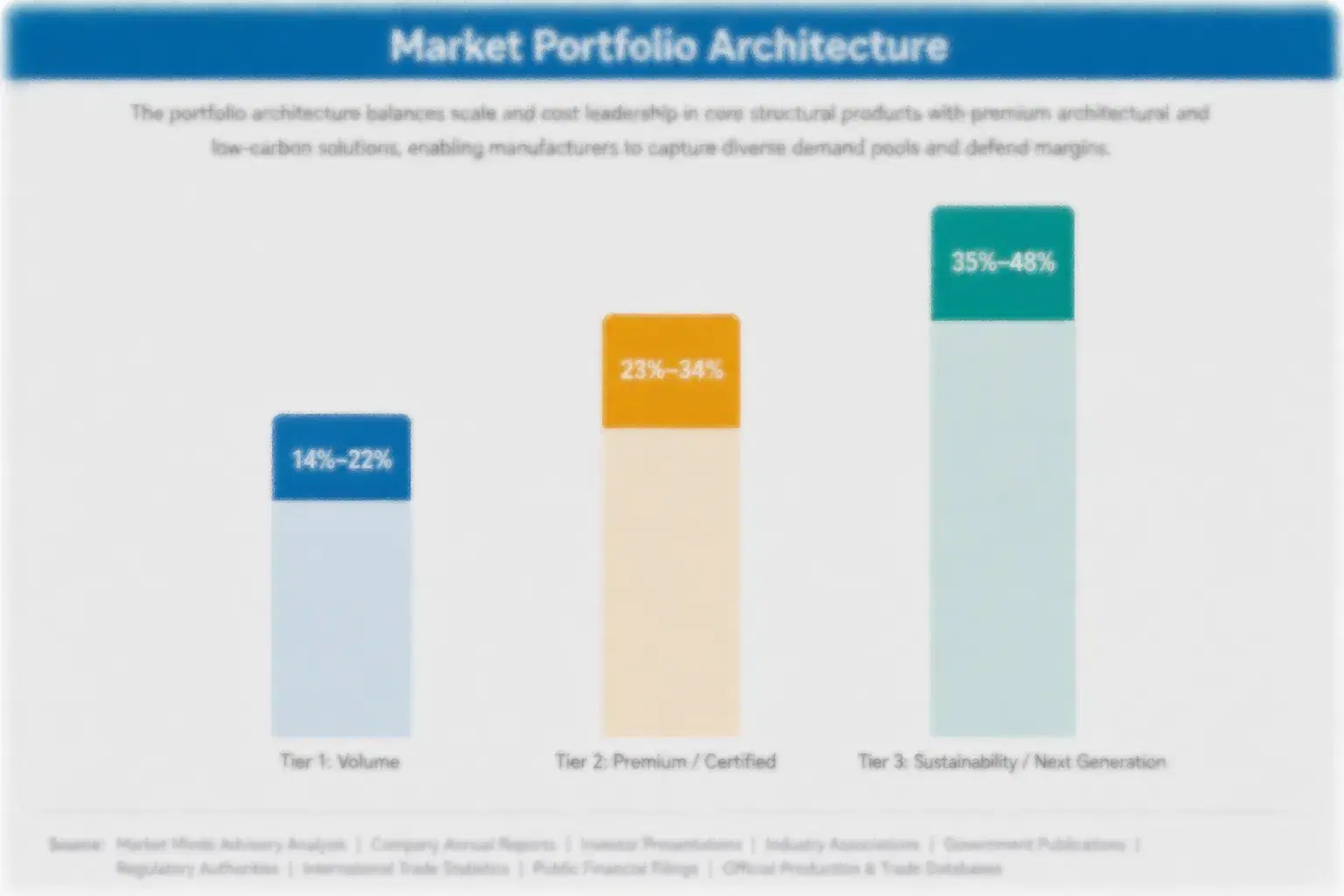
Margins run from moderate returns on routine microbiological and chemical testing to strong returns on authentication panels and integrated management services sold with accreditation breadth and account credibility. Three tiers separate volume services, premium certified services and next-generation solutions, and each draws on different laboratory scale, method validation and client relationships in a fragmented market. Margin gaps between tiers run to 28 points.
The tension between volume and premium is sharp. Routine microbiological and residue tests fill laboratory capacity at moderate prices and face labour and reagent swings, while authentication panels and integrated services earn higher margins on smaller volumes and depend on scientific skill, accreditation breadth and client trust. Providers that run only volume suffer when labour costs rise, while premium-only providers struggle to fund broad laboratory networks.

High-value pools concentrate in food fraud and species authentication testing and in integrated food safety management services for large manufacturers and exporters. They gather where clients pay for defensible results, breadth and credible accreditation, not for sample counts alone. Chemical and residue testing adds a regulatory compliance pool, and strong providers hold more than one, though each needs different scientific skills.

Volume / Commodity-Adjacent

Routine microbiological and residue tests sold on price per sample to manufacturers and retailers. Buyers focus on cost and turnaround, contracts follow annual tenders, and technical differentiation is limited by shared instruments and standard methods.
Gross Margin: 28%-40%

Premium / Certified

Accredited chemical and nutritional testing with audited procedures and broad panels sold to manufacturers and exporters. Buyers value proof of accreditation, accuracy and consistent turnaround, and contracts run for one or more years with regular audits.
Gross Margin: 34%-48%

Sustainability / Regulatory / Next-Generation

Species authentication testing and integrated multi-discipline management services sold to brands, exporters and regulators. Contracts depend on scientific skill, method acceptance and consistent delivery performance across regions, and providers must show reliable capacity.
Gross Margin: 42%-56%
global-food-safety-testing-services-market-portfolio-architecture-1790046134647

High-value Sub-segments and Strategic Watch-out

Food Fraud and Species Authentication Testing

Food fraud and species authentication testing combines the fastest growth with the strongest pricing, since retailers and regulators accept gross margins of 42% to 56% for defensible origin and authenticity results. Molecular biology capability and reference databases form the entry barrier, and providers with credible scientific standing lead.
Gross Margin: 42%-56%

Integrated Food Safety Management Services

Integrated food safety management services deliver solid growth with premium pricing, since manufacturers support gross margins of 36% to 48% for unified reporting across disciplines. Cross-discipline breadth and account management limit competition, though coordination adds risk. Reviews occur each season. Clients renew contracts each year.
Gross Margin: 36%-48%

Microbiological Safety Testing

Microbiological safety testing is the volume core, with value growing about 4.8% a year. Labour cost, instrument cost and price competition decide profit, and global conglomerates and regional laboratories hold most sales. Clients renew contracts yearly at prices linked to competing bids across manufacturers. Clients renew contracts each year.
Gross Margin: 28%-40%

Chemical and Pesticide Residue Testing

Chemical and pesticide residue testing is the strategic watch-out, since growth of about 4.2% a year trails the leaders, standard methods limit differentiation and price competition among regional laboratories caps margin expansion. Providers should manage ranges selectively and steer investment toward authentication and integrated services with clearer buyers.
Gross Margin: 26%-38%

Why Manufacturers Keep Consolidating Testing Spend

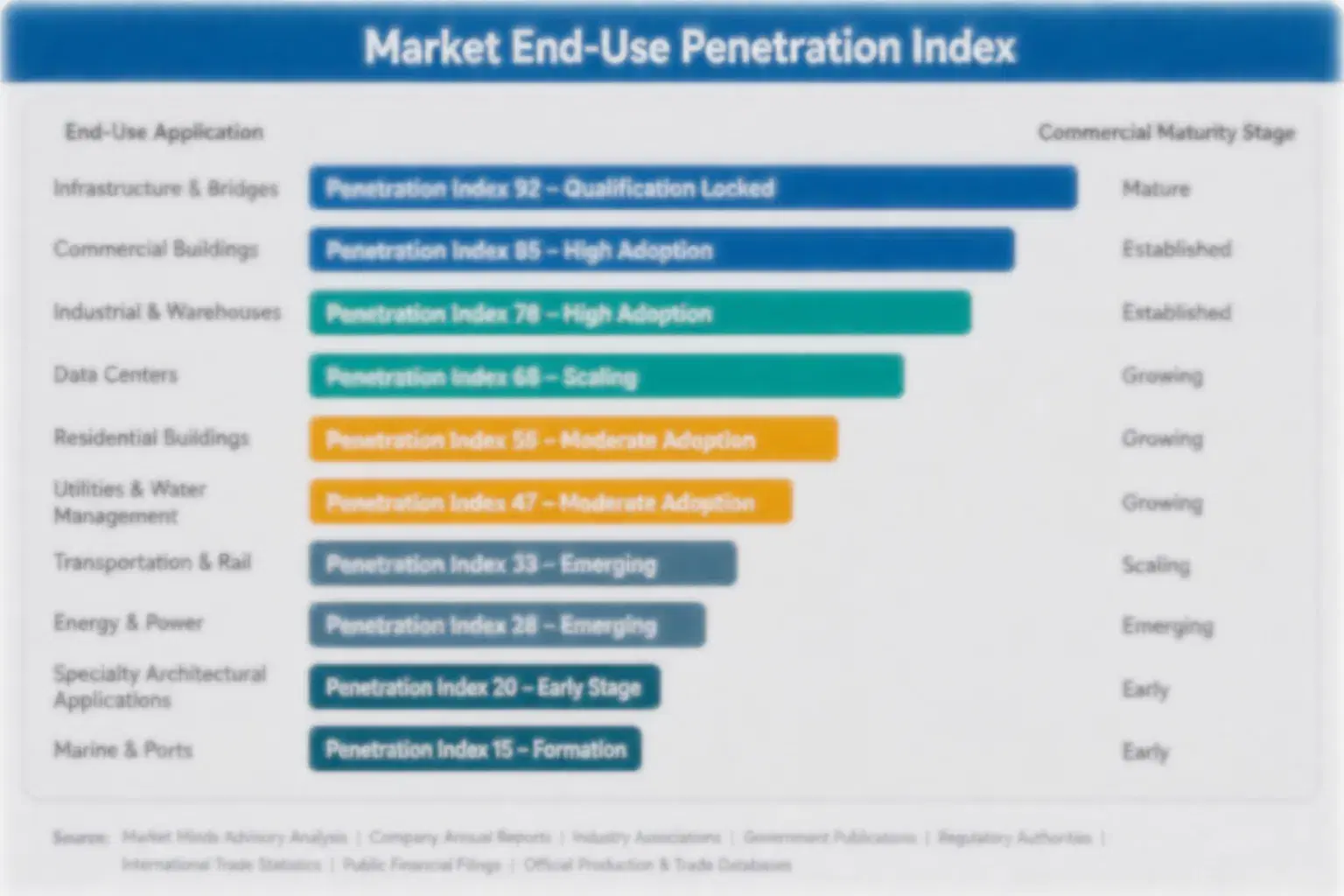
Food safety testing demand behaves like an annuity attached to every production and export cycle. Once a manufacturer qualifies a provider across multiple disciplines, testing repeats with each batch, shipment and audit, and switching means requalifying an entire relationship rather than a single test. Clients set contracts around volume, accreditation breadth and turnaround, so providers with reliable coverage earn recurring revenue. Trust, once earned, takes years to lose. Habit protects the contract.
Adoption stickiness differs by end-use vertical. Large exporters with complex multi-jurisdictional needs are the deepest, since certification requirements are embedded in trade relationships permanently. Retailers and processors are moderately sticky, driven by consolidation trends and general reliability. Small manufacturers are more fluid, buying on price for single-discipline needs, though a fraud scare or import rejection holds interest in broader coverage for years.

Buyer profiles are shifting between generations. Older quality managers maintained separate vendor relationships by discipline, while younger procurement teams actively consolidate spend with fewer, broader providers and compare them on integrated reporting capability. Retailers and regulators add a third group that sets coverage expectations. Providers that publish clear accreditation and coverage data win newer buyers.
global-food-safety-testing-services-market-end-use-penetration-index-1790046134931

MMA Verdict: Food Safety Testing Strategy

These are among the four positions where our research anticipates prominent divergence between winners and laggards over the coming forecast period. Each is grounded in the demand model, the regulatory perimeter, and the announced capacity pipeline.
01 / AUTHENTICATION TESTING STRATEGY

Scale Species Authentication Before Retailers Standardise on Established Testing Providers

Retailers want defensible authenticity claims, and providers that scale DNA barcoding and isotope analysis panels win contracts worth 10% to 18% of revenue at gross margins of 42% to 56%. Providers should invest $2 million to $10 million per laboratory, build reference databases and train molecular biologists. Those that delay will lose contracts over the next two years, while early movers hold clearly higher prices and stronger margins across every renewal cycle, audit, planning stage, season and annual negotiation with clients.
02 / INTEGRATED CONTRACT STRATEGY

Build Integrated Contracts Before Manufacturers Consolidate Spend With Rival Providers

Large manufacturers want unified reporting across disciplines, and providers that build integrated contracts with dedicated key account teams win volume worth 8% to 15% of revenue at gross margins of 36% to 48%. Providers should invest $1 million to $6 million, train account managers and unify reporting systems. Those that delay will lose volume over the next two years, while early movers hold much stronger and durable ties and clearly better margins across every review, season and annual negotiation with manufacturers.
03 / EXPORT CERTIFICATION DISCIPLINE

Expand Multi-Jurisdictional Certification Before Exporters Standardise on Broader Providers

Exporters need testing partners who understand multiple import markets, and providers that expand multi-jurisdictional certification capability win contracts worth 8% to 14% of revenue at premiums of 5% to 12% per test. Providers should invest $1 million to $5 million, build regulatory expertise and train certification specialists. Those that delay will lose contracts over the next two years, while early movers hold clearly and durably stronger loyalty and better margins across every review, season and annual negotiation with major exporters.
04 / LABORATORY AUTOMATION STRATEGY

Automate Routine Testing Before Rising Labour Costs Erode Provider Margins Further

Skilled labour makes up about 40% of cost, and providers that automate routine microbiological and chemical testing cut labour cost per test by 15% to 30% and protect margins worth 5% to 9% of profit. Providers should invest $2 million to $10 million, stage automation and retain skilled analysts for complex work. Those that delay will pay rising wage bills over the next two years, while early movers hold lower costs and stronger margins across every production cycle and annual budget review.

Engagement Snapshot From the Field

A live engagement with an industry participant carrying material or product regulatory and market exposure ahead of a defining policy shift, showing how our research translates into a defensible multi-year portfolio strategy.
MARKET MINDS ADVISORY · CLIENT ENGAGEMENT SUMMARY
Food Safety Testing Services Producer Strategic Portfolio Review and Transition Roadmap 2026·Investment Scenario on Food Safety Testing Services Exposure Evaluation 2025-26
CLIENT PROFILE
The client is a mid-sized European specialty food exporter with annual revenue near $290 million (client-reported, unverified by MMA), shipping olive oil, honey and specialty spice products to 35 countries through 11 different testing vendors managing microbiological, chemical and authentication requirements separately, causing coordination delays and inconsistent documentation across shipments. The board wanted a defensible plan before the next shipment season.
STRATEGIC CHALLENGE
Fragmented vendor relationships caused documentation inconsistencies that delayed two shipments at customs in the prior year (client-reported, unverified by MMA), a major retail customer requested authentication testing following an industry fraud scandal and management had to decide whether to consolidate vendors or add authentication capability separately, with limited procurement bandwidth. Retailers wanted assurance.
MMA APPROACH
MMA analysed testing spend, vendor performance and shipment delay data across 11 current vendors, interviewed 14 procurement staff, customs brokers and testing providers, and ran a vendor comparison on breadth, authentication capability and consolidation potential across six countries. It modelled consolidation savings and risk reduction by approach. It compared vendor options against the fixed retailer deadline.
KEY FINDINGS
  1. Consolidating to two integrated providers would cut documentation coordination time by about 45% and reduce customs delay risk substantially (client-reported, unverified by MMA).
  2. A single provider with authentication capability could satisfy the retail customer's fraud scandal response requirement within the required timeline (client-reported, unverified by MMA).
  3. Consolidated purchasing volume would cut per-test cost by about 14% compared with the fragmented vendor arrangement and simplify procurement significantly (client-reported, unverified by MMA).
  4. Unified reporting dashboards would improve documentation consistency and reduce customs delay incidents going forward and protect retailer trust (client-reported, unverified by MMA).
CLIENT PROFILE
The client is a mid-sized European specialty food exporter with annual revenue near $290 million (client-reported, unverified by MMA), shipping olive oil, honey and specialty spice products to 35 countries through 11 different testing vendors managing microbiological, chemical and authentication requirements separately, causing coordination delays and inconsistent documentation across shipments. The board wanted a defensible plan before the next shipment season.
STRATEGIC CHALLENGE
Fragmented vendor relationships caused documentation inconsistencies that delayed two shipments at customs in the prior year (client-reported, unverified by MMA), a major retail customer requested authentication testing following an industry fraud scandal and management had to decide whether to consolidate vendors or add authentication capability separately, with limited procurement bandwidth. Retailers wanted assurance.
MMA APPROACH
MMA analysed testing spend, vendor performance and shipment delay data across 11 current vendors, interviewed 14 procurement staff, customs brokers and testing providers, and ran a vendor comparison on breadth, authentication capability and consolidation potential across six countries. It modelled consolidation savings and risk reduction by approach. It compared vendor options against the fixed retailer deadline.
KEY FINDINGS
  1. Consolidating to two integrated providers would cut documentation coordination time by about 45% and reduce customs delay risk substantially (client-reported, unverified by MMA).
  2. A single provider with authentication capability could satisfy the retail customer's fraud scandal response requirement within the required timeline (client-reported, unverified by MMA).
  3. Consolidated purchasing volume would cut per-test cost by about 14% compared with the fragmented vendor arrangement and simplify procurement significantly (client-reported, unverified by MMA).
  4. Unified reporting dashboards would improve documentation consistency and reduce customs delay incidents going forward and protect retailer trust (client-reported, unverified by MMA).
RECOMMENDED STRATEGY
Phase 1: Phase 1 (Months 1-4): Select two integrated providers covering all required disciplines and pilot the consolidated relationship on priority export lanes. Phase 2: Phase 2 (Months 5-10): Complete vendor consolidation across all 35 export markets and implement unified reporting dashboards. Retailers reviewed the transition closely. Phase 3: Phase 3 (Months 11-24): Monitor consolidation performance, add authentication testing for the retail customer and review provider performance annually. Results guide future vendor decisions.
OUTCOME
Within 24 months, vendor count fell from 11 to two, customs delays dropped significantly and the retail customer relationship strengthened following authentication testing rollout (client-reported, unverified by MMA). The exporter credited consolidation with restoring documentation consistency across its export network. Retailers noted the improved consistency.

Frequently Asked Questions

Foundational context covering the market sizes, CAGR, scope, country, region and competition that inform every finding below. This section is provided to cover basics and most often pre-purchase conversations, answered from the MMA Primary Research Dataset.

What is the current size of the Food Safety Testing Services Market?

The global food safety testing services market was valued at $9.5 billion in 2025 on a provider revenue basis. Growth comes from trade complexity, procurement consolidation and authentication demand, and faces labour costs and commodity testing price competition.

How large will the Food Safety Testing Services Market be by 2036?

The market is projected to reach $18.99 billion by 2036, up from $10.12 billion in 2026. The increase of $8.87 billion reflects authentication testing, integrated services and Asian export demand.

What is the CAGR for the Food Safety Testing Services Market 2026 to 2036?

The market is forecast to grow at a 6.5% CAGR from 2026 to 2036. The bull case reaches 7.8% and the bear case 5.2%, depending on trade complexity, fraud scandals and commodity price competition.

Which segment is growing fastest?

Food Fraud and Species Authentication Testing is the fastest-growing segment at 9.1% CAGR, roughly 1.40 times the overall market rate. Integrated Food Safety Management Services follows at 7.4% CAGR, led by procurement consolidation.

Who are the major companies in the Food Safety Testing Services Market?

Major companies include Eurofins Scientific, SGS, Intertek, Bureau Veritas and Merieux NutriSciences. ALS, TUV SUD, DNV, Romer Labs and Neogen also hold meaningful positions in specific disciplines.

Which country is growing fastest?

India is growing fastest at about 9.8% CAGR, because packaged food export growth and rising importer testing requirements expand together. Vietnam and Thailand follow through similar export-linked demand.

Report Segmentation Architecture

The full report scope spans multiple orthogonal segmentation dimensions, with cross-tabulated demand data provided for each dimension pair. Coverage extends further to regional breakdowns, trend trajectories, and the competitive detail needed to support segment-level decision-making.

By Primary Market Dimension

  • Microbiological Safety Testing
  • Chemical and Pesticide Residue Testing
  • Food Fraud and Species Authentication Testing
  • Nutritional and Label Verification Testing
  • Integrated Food Safety Management Services

By End-Use Industry

  • Food and Beverage Manufacturers
  • Retailer Private Label Programmes
  • Export and Import Certification
  • Regulatory and Government Testing

By Commercial Dimension

  • Third-Party Laboratory Contracts
  • Integrated Multi-Discipline Contracts
  • Export Certification Bundles
  • Government and Public Tenders
  • Consulting and Audit Support Bundles

By Region

  • North America
  • Western Europe
  • East Asia
  • South Asia and Pacific
  • Latin America
  • Middle East and Africa
  • Eastern Europe

Scope, Methodology, and Coverage

Every figure in this report is reproducible from documented input assumptions. The scope below maps the historical period, the forecast horizon, the segmentation dimensions, and the countries covered, alongside the underlying primary and qualitative methodology.
Historical Period
2020 to 2025
Forecast Period
2026 to 2036
Base Year
2025 (USD billions; MMA Primary Research Dataset, September 2026)
Market Definition
The market covers global revenue from food safety testing services, defined as laboratory testing and inspection services that verify food safety, authenticity and regulatory compliance across disciplines, in microbiological safety testing, chemical and pesticide residue testing, food fraud and species authentication testing, nutritional and label verification testing, and integrated food safety management services, sold to food manufacturers, retailers, exporters and regulators and valued at provider revenue. It excludes standalone allergen-only and pathogen-only testing providers counted in narrower category reports, and clinical diagnostic testing.
Quantitative Units
USD billions (provider revenue); million tests for volume references
Segmentation Dimensions
By Discipline Type; By Client Type; By Commercial Dimension; By Region
Regions Covered
North America, Western Europe, East Asia, South Asia and Pacific, Latin America, Middle East and Africa, Eastern Europe
Countries Covered
United States, Canada, Mexico, Germany, France, Netherlands, United Kingdom, Ireland, Italy, China, Japan, South Korea, India, Vietnam, Thailand, Australia, Brazil, Mexico Central, Argentina, Saudi Arabia, United Arab Emirates, South Africa, Poland, Czechia, and additional markets relevant to this sector
Key Companies Profiled
Eurofins Scientific, SGS, Intertek, Bureau Veritas, Merieux NutriSciences, ALS, TUV SUD, DNV, Romer Labs, Neogen, Thermo Fisher Scientific, bioMerieux, 3M Food Safety, Tentamus Group, Microbac Laboratories, AsureQuality, National Food Laboratory, Silliker Laboratories, Q Laboratories, Covance Food Solutions
Quantitative Methodology
Primary survey, n=3,800 respondents, Q4 2025, six countries; demand-side model with trade association cross-validation
Qualitative Methodology
47 expert interviews, Q4 2025; applied to validate demand model assumptions, identify emerging dynamics, and assess competitive positioning
Report Format
PDF and XLSX data workbook (Word format preview document)
Publisher
Market Minds Advisory
Report Code
MMA-2026-AGR-357
Published
September 2026
Contact
sales@marketmindsadvisory.com | www.marketmindsadvisory.com

Purchase the full Food Safety Testing Services Market Report (2026 to 2036).

The full report delivers a detailed assessment of the global food safety testing services market through 2036, covering discipline type, client type, channel and regional forecasts, competitive benchmarking of leading testing conglomerates and specialists, and input cost analysis. It combines MMA primary research, including a six-country survey of 3,800 respondents and 47 expert interviews, with public statistical and company data. Analysts also model labour, instrument and accreditation cost scenarios. Clients receive segment margin ranges, laboratory maps and a case study on vendor consolidation strategy. Buyer negotiation frameworks are also included.
Ten-year discipline type and client demand forecasts
Laboratory labour and accreditation cost tracking
Competitive benchmarking of leading food safety testing providers
Import certification and food fraud regulation tracker
Regional comparative analysis and forecasts included
Quarterly primary survey data update access

Built For The People Who Decide

From boardroom strategy to bench-side execution, this report is read cover-to-cover by leaders shaping the next decade of their industry, turning demand scenarios, market dynamics and valuation benchmarks into decisions.
CXOs/ Presidents/ VPs/ Managers
M&A and Corporate Development
Strategy Teams and R&D Heads
Procurement and Product Directors
Regulatory and Compliance Leaders
Investor Relations and Equity Analysts