Market Minds Advisory
Glass Container Mold Swabbing Compounds Market

Glass Container Mold Swabbing Compounds Market Analysis 2026-2036

Synthetic formulation shift is colliding with worker safety regulation to reshape mold swabbing compound specification faster than glass manufacturers' existing supplier contracts anticipated nationwide broadly this cycle indeed nationwide today.

Lead Analyst

Bilal Shaikh

Published

November 2026

Make Smarter Decisions with Customized Research Insights

Request a free sample report and evaluate market opportunities, growth trends, and competitive dynamics relevant to your business needs.

2025 MARKET VALUE$0.4BMarket Size 2025
2036 FORECAST VALUE$0.8BBase Case , 2026 to 2036
CAGR 2026 TO 20366.4 %Bull 7.7% / Bear 5.1%
INCREMENTAL OPPORTUNITY$0.4BNet 10- year value creation
EXPANSION MULTIPLE1.86x2036 value over 2026 base
Strategic Levers
M&A Pipeline
Regional Outlook
Country Rankings
Competitive Intelligence
Segmental Deep-dive
Call-Us : 91 93563 13602

Glass Container Mold Swabbing Compounds Market at a Glance

Synthetic silicone-based swabbing compounds are displacing legacy graphite formulations faster than any other force reshaping glass mold maintenance chemistry right now across most major furnace operations, a shift most legacy suppliers are still only beginning to price into their long-term formulation investment roadmaps genuinely today.
Commercial demand is concentrating around three forces: tightening worker safety regulation around graphite dust exposure, glass manufacturer specification shifts toward synthetic and water-based formulations, and steady replacement-cycle demand tied directly to overall glass container production volume. Synthetic silicone-based compounds are growing fastest, while North America concentrates the largest share of global demand given its legacy glass manufacturing base and stringent occupational safety enforcement across most major manufacturing regions broadly this cycle overall now.
Competitive character remains comparatively concentrated at CR5 42 percent, reflecting the specialized formulation expertise and mold compatibility testing required to displace incumbent suppliers successfully at established furnace operations. Regulatory pressure around graphite dust exposure and worker safety standards is reshaping supplier qualification criteria across developed manufacturing regions faster than most participants had planned for this cycle broadly today overall now indeed This dynamic is reshaping supplier qualification priorities across.
Market Definition
The Glass Container Mold Swabbing Compounds Market covers lubricant and release agent formulations applied to blank and blow molds in glass container manufacturing to facilitate glass release, reduce mold wear, and maintain surface finish quality. It excludes finished glass containers of any format, covered under separate reports, and excludes general industrial lubricants not specifically formulated for glass mold application.
Base Year Value
$0.4B in 2025 (MMA Primary Research Dataset, October 2026)
Forecast Period
2026 to 2036, eleven discrete annual values
CAGR
6.4% base case. Bull 7.7%. Bear 5.1%.
Fastest Growth Segment
Synthetic Silicone-Based Swabbing Compounds: 8.9% CAGR
Fastest Growth Country
United States: 7.1% CAGR
Fastest Growth Region
South Asia and Pacific: 8.3% CAGR
Largest Region
North America: 28% of 2025 global value
Market Leaders
Led by Acheson Industries, Miller Thomson Consultants, Stephan Company, PGI (Process Guard Industries), and Chem-Trend. Source: MMA Analysis.
Primary Survey
n=3,800 procurement and R&D decision-makers, Q4 2025, six countries
Methodology
Demand-side build-up, cross-validated against public data, 47 expert interviews

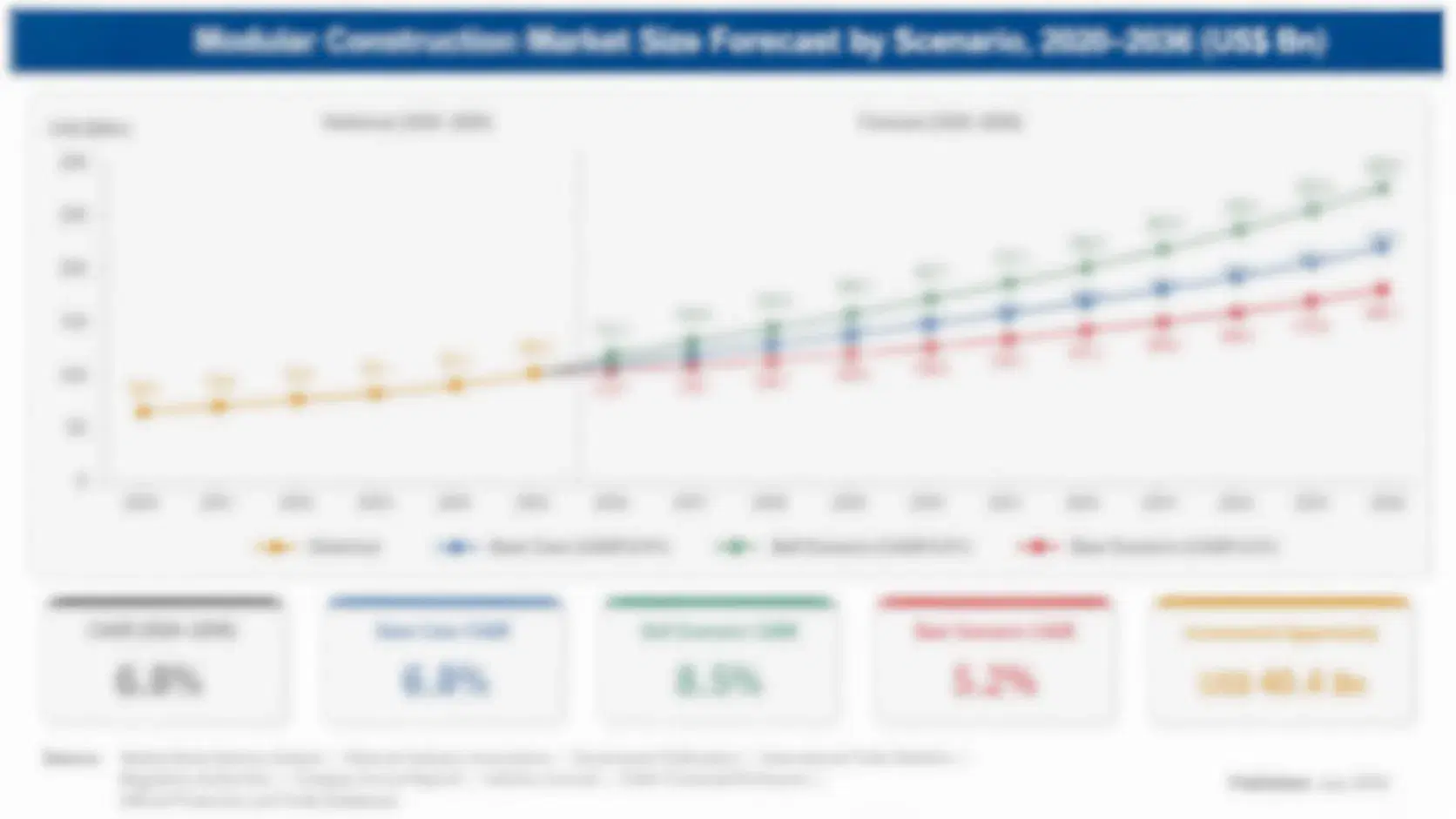
Glass Container Mold Swabbing Compounds Market Forecast Scenarios

glass-container-mold-swabbing-compounds-market-size-forecast-scenario-1791241698118
Between 2020 and 2025, mold swabbing compound demand grew at a comparatively steady 5.4 percent historical CAGR, tracking overall glass container production volume while early synthetic formulation adoption began accelerating across North American and European facilities specifically This acceleration is reshaping where glass manufacturers prioritize supplier qualification decisions broadly today overall industry wide broadly today now.
The base case rests on three commercial mechanisms: continued worker safety regulation tightening around graphite dust exposure in developed manufacturing regions, glass manufacturer specification shifts toward synthetic and water-based formulations offering cleaner application and reduced health risk, and steady replacement-cycle demand tracking overall glass container production growth. Together these mechanisms support six point four percent CAGR through 2036 across most major regional manufacturing markets broadly this cycle overall now now indeed today.
The bull case centers on accelerated regulatory mandates forcing faster graphite phase-out across more manufacturing regions, pushing growth toward 7.7 percent. The bear case centers on slower-than-expected synthetic compound adoption given cost sensitivity among smaller regional glass manufacturers, pulling growth down toward 5.1 percent across most affected regional markets broadly this cycle overall indeed now yet today.

Mold Swabbing Compound Commercial Benchmarks

Mold swabbing compounds occupy a narrow but essential corner of glass manufacturing chemistry, applied periodically to blank and blow molds to ensure consistent glass release and surface finish quality across every production run. Demand tracks glass container production volume closely, but the formulation mix is shifting meaningfully as manufacturers replace legacy graphite compounds with synthetic and water-based alternatives nationwide broadly today overall across most furnace. Buyers can benchmark this against the glass container market, which MMA values at USD 65.0 billion in 2025.
MARKET CONCENTRATIONCR5 42%Share held by the five largest mold swabbing compound suppliers.
AVERAGE SELLING PRICE PREMIUM22%Premium commanded by synthetic formulations over legacy graphite-based compounds currently.
TOP PRODUCING COUNTRY SHAREUnited States 24%Share of global mold swabbing compound manufacturing capacity located domestically.
CAPACITY UTILIZATION74%Average production utilization rate across major specialty chemical manufacturing facilities.
TRADE INTENSITY16%Share of finished swabbing compound volume moving across international borders.
FEEDSTOCK COST SHARE28%Silicone and specialty polymer feedstock share of total production cost.
Synthetic silicone-based compound demand has emerged as the single most dynamic growth driver, with glass manufacturers increasingly specifying these formulations to reduce graphite dust exposure risk and comply with tightening occupational safety standards across developed manufacturing regions. Legacy graphite compound demand continues but growth runs considerably slower given the formulation shift already underway nationwide broadly today overall now This dynamic is reshaping supplier qualification priorities across the category broadly this cycle.
Supplier qualification cycles for swabbing compounds run longer than typical specialty chemical categories, since manufacturers must validate mold compatibility and surface finish consistency before switching suppliers at scale. This qualification friction protects incumbent suppliers meaningfully, even as synthetic formulation specialists gain ground through superior environmental and safety performance characteristics nationwide broadly today overall now.
"Mold swabbing compounds are the kind of category nobody notices until a formulation change disrupts a production line. That invisibility is exactly why the synthetic transition is moving slower than the safety case alone would predict."
Senior Analyst, Specialty Chemicals Practice · MMA Specialty Chemicals Practice · October 2026

What Is Changing in Glass Container Mold Swabbing Compounds

Graphite Dust Exposure Regulation Tightens Rapidly

Occupational safety regulators across North America and Europe are tightening permissible exposure limits for graphite dust in manufacturing environments, forcing glass container manufacturers to accelerate their transition away from legacy graphite-based swabbing compounds toward synthetic alternatives. This regulatory pressure is compressing the timeline for formulation switching that manufacturers had previously planned to spread across several years of gradual supplier qualification. Manufacturers that delay compliance face rising liability exposure and potential production line shutdowns tied to worker safety violations, a risk most are no longer willing to carry nationwide broadly today overall now. Much of this also feeds into the thin wall glass container market, which MMA expects to grow at 9.4% a year through 2036.
Market Impact: Adds 4 percent baseline volume growth
Silicone Performance Breakthrough Accelerates Market Adoption

Specialty chemical formulators have achieved meaningful performance improvements in silicone-based swabbing compounds over the past several years, closing the release consistency gap that previously kept graphite compounds favored for high-volume production runs. These performance gains are accelerating supplier qualification cycles at major glass manufacturers who had previously hesitated to switch given mold compatibility concerns. Several leading glass container manufacturers have now completed full-line qualification trials, opening meaningfully larger addressable demand for synthetic compound suppliers across the broader manufacturing base nationwide broadly today overall now industry wide broadly today now today.
Market Impact: Extends mold life by 15 percent

Glass Container Mold Swabbing Compounds Supplier Priorities

Rising Glass Container Production Volume Growth

Overall glass container production volume continues expanding steadily across most developed and developing manufacturing regions, driving proportional demand for mold swabbing compounds tied directly to furnace and mold operating hours. This baseline demand growth provides a stable foundation beneath the faster-growing synthetic formulation shift, ensuring suppliers of both legacy and synthetic compounds see at least modest volume growth even where formulation mix shifts meaningfully. Manufacturers running higher mold cycle counts per shift are increasing swabbing compound consumption intensity beyond simple production volume growth alone nationwide broadly today overall now now.
Market Impact: Adds 9 months to qualification

Mold Longevity Economics Favor Premium Formulations

Glass manufacturers are increasingly recognizing that premium synthetic swabbing compounds extend mold service life meaningfully compared to legacy graphite formulations, offsetting their higher per-unit cost through reduced mold replacement and maintenance expense over the full equipment lifecycle. This total-cost-of-ownership calculation is shifting purchasing decisions away from lowest-unit-price suppliers toward formulation quality and mold compatibility performance. Procurement teams at major manufacturers are increasingly structuring supplier contracts around demonstrated mold longevity outcomes rather than simple per-unit pricing comparisons nationwide broadly today overall now industry wide broadly today overall now today indeed today.
Market Impact: Delays adoption by 3 years

What Holds Back Glass Container Mold Swabbing Compounds Growth

Long Supplier Qualification Cycles Slow Switching

Glass manufacturers face lengthy supplier qualification cycles before switching swabbing compound formulations, since any change carries real risk of mold damage, surface finish defects, or production line disruption if compatibility testing proves insufficient. The root cause is the high cost of production downtime relative to the comparatively small per-unit cost of swabbing compounds themselves, making manufacturers cautious about switching even when a superior formulation exists. Suppliers are mitigating this friction by offering extended trial periods and technical support during transition, though qualification timelines still routinely run six to twelve months nationwide broadly today overall now.
Market Impact: Tightens exposure limits by 30 percent

Smaller Manufacturers Resist Premium Formulation Pricing

Smaller regional glass manufacturers operating on thinner margins continue favoring legacy graphite compounds over premium synthetic alternatives, resisting the higher per-unit pricing despite documented mold longevity and safety benefits. The root cause is straightforward: smaller manufacturers often lack the capital flexibility to absorb near-term cost increases even where long-term total-cost-of-ownership favors synthetic formulations clearly. Suppliers are mitigating this through tiered pricing programs and financing arrangements specifically targeted at smaller manufacturers, though adoption among this segment still lags larger, better-capitalized competitors nationwide broadly today overall now industry wide broadly today now.
Market Impact: Cuts defect rates by 18 percent
3 additional market trends, 2 additional growth drivers, and 3 additional restraints and challenges are covered in the full report. Contact sales@marketmindsadvisory.com to access the complete intelligence.

Glass Container Mold Swabbing Compounds Segment CAGR Comparison

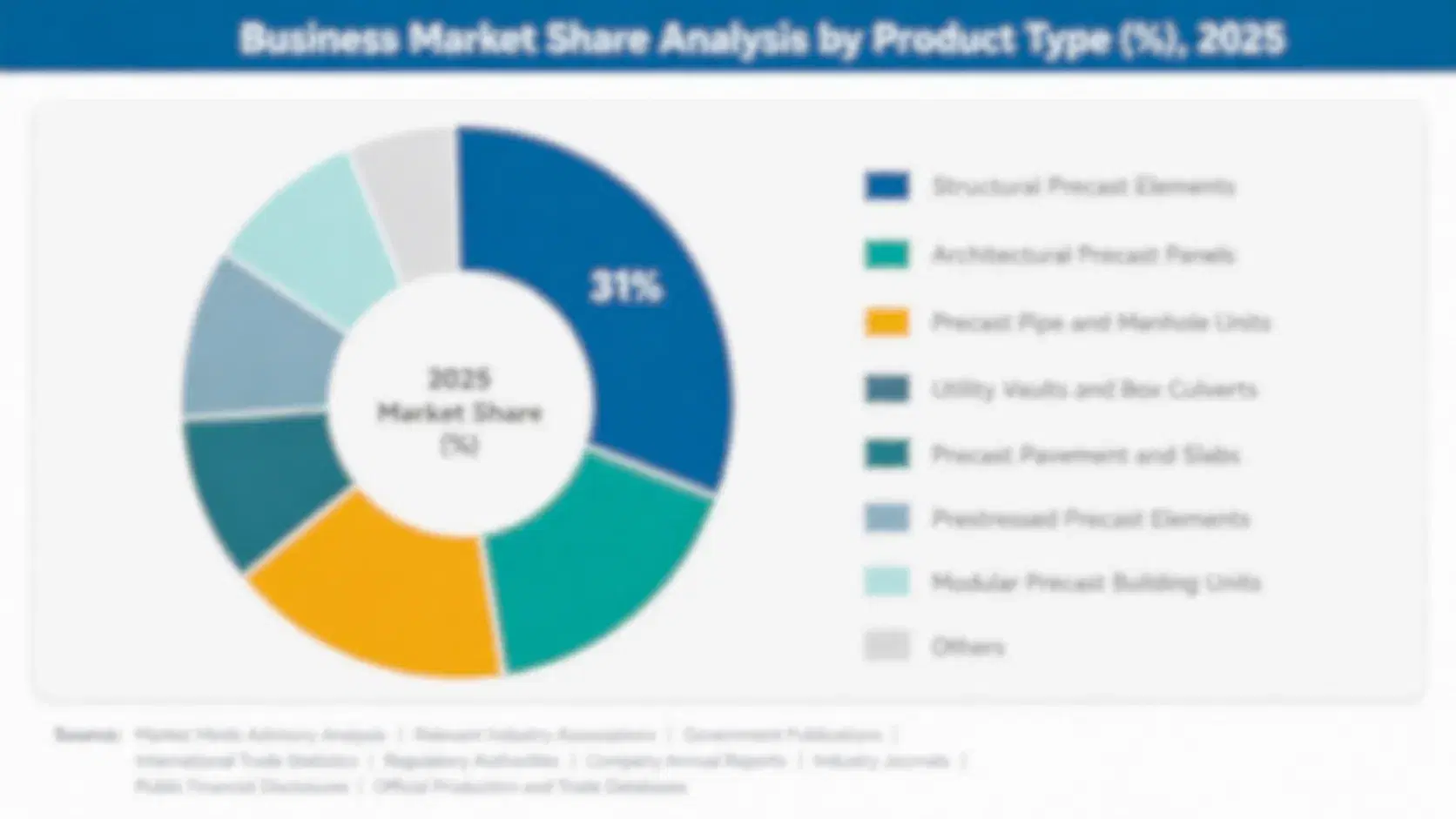
Mold swabbing compound demand splits across five formulation types on a single consistent dimension: graphite-based, synthetic silicone-based, water-based, paste and semi-solid, and aerosol and spray-applied compounds, each suited to different mold configurations and manufacturer preferences nationwide broadly today across most manufacturer purchasing and supplier qualification decisions this cycle broadly overall indeed indeed today now.
glass-container-mold-swabbing-compounds-market-market-share-analysis-1791241698450

Synthetic Silicone-Based Swabbing Compounds

Synthetic silicone-based compounds are the fastest-growing segment, expanding at 8.9 percent CAGR as tightening occupational safety regulation and improving formulation performance accelerate displacement of legacy graphite compounds across developed manufacturing regions. This segment commands meaningful pricing premiums over standard graphite formulations, rewarding suppliers who have invested in mold compatibility testing and technical qualification support capability. Growth is concentrated most heavily in North America and Western Europe, where occupational safety enforcement continues tightening faster than in most developing manufacturing regions nationwide broadly today overall now Several leading glass manufacturers have already shifted meaningful volume toward synthetic formulations across their flagship North American production lines currently industry wide broadly today overall now.
CAGR 8.9%

Water-Based Swabbing Compounds

Water-based compounds form the second-fastest segment, growing at 7.6 percent CAGR as manufacturers seek formulations offering both improved worker safety profiles and lower environmental disposal burden compared to legacy solvent-based alternatives. This segment rewards suppliers offering demonstrated environmental compliance credentials, and it is reshaping purchasing criteria across manufacturers facing tightening wastewater discharge regulation specifically. Growth here tracks closely with broader industrial sustainability regulation trends, and suppliers serving this segment increasingly compete on environmental certification depth rather than cost alone nationwide broadly today overall now Several leading European manufacturers have already locked multi-year supply agreements to secure water-based compound capacity ahead of tightening discharge rules industry wide broadly today overall now.
CAGR 7.6%
Full segment breakdown across 7 segments available in the complete report.

Glass Container Mold Swabbing Compounds Demand by Region

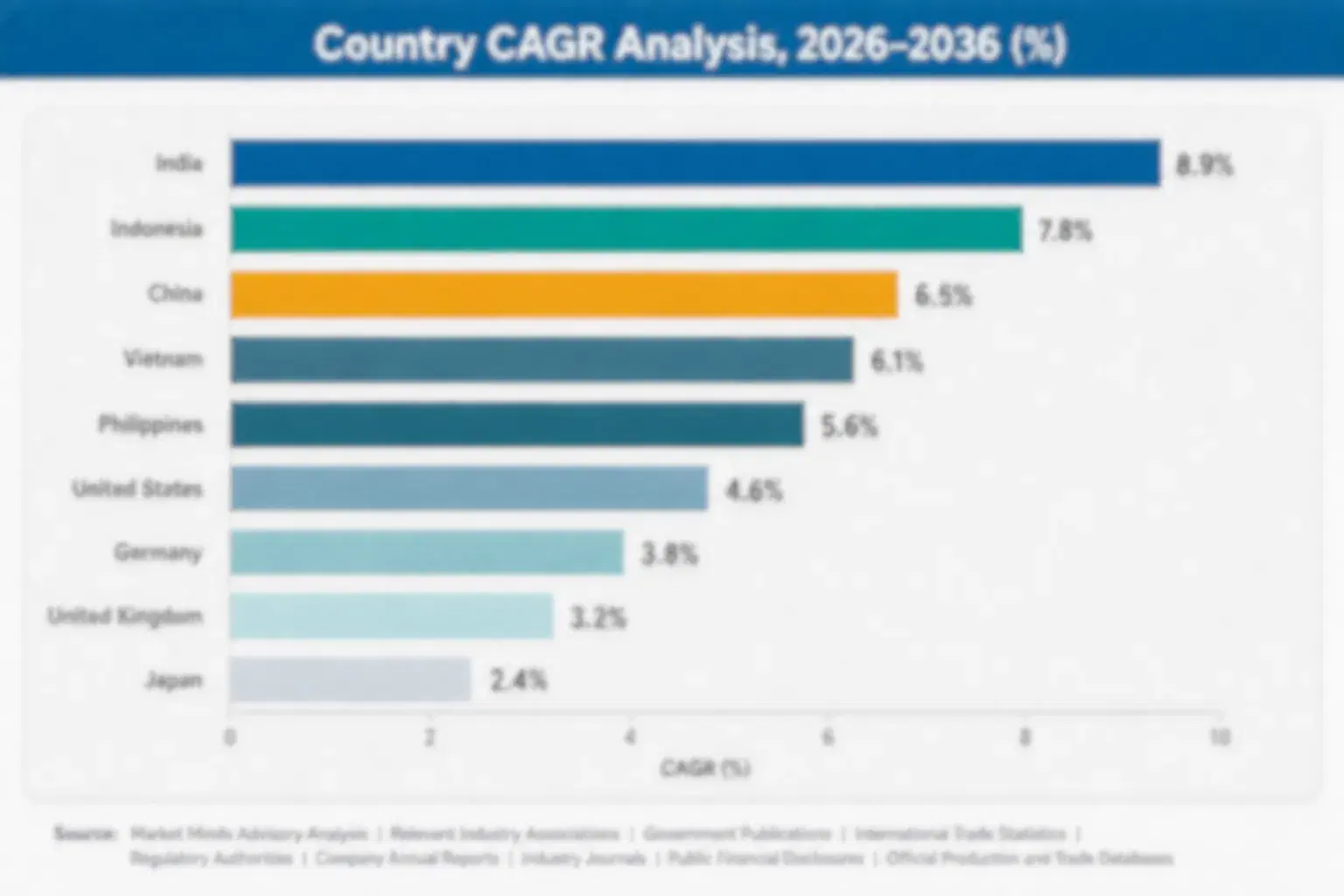
North America leads global mold swabbing compound demand, driven by its legacy glass manufacturing base and stringent occupational safety enforcement, while East Asia follows closely as the largest production-volume region overall across most major glass manufacturing and furnace capacity investment regions globally this cycle broadly.

North America

North America's mold swabbing compound demand centers on its large legacy glass container manufacturing base combined with the most stringent occupational safety enforcement globally, pushing manufacturers toward synthetic formulation adoption faster than most other regions. The United States represents the overwhelming majority of regional demand, driven by both its substantial furnace capacity and aggressive graphite dust exposure regulation enforced by federal and state occupational safety agencies. Mold longevity economics are also pushing procurement toward premium synthetic formulations as manufacturers increasingly structure supplier contracts around total-cost-of-ownership outcomes rather than simple unit pricing. Regional suppliers are investing heavily in technical qualification support to capture this accelerating formulation transition nationwide broadly today overall now.
Share: 28% | CAGR: 6.5% (2026 to 2036)

Western Europe

Western Europe's mold swabbing compound demand reflects a mature, regulation-driven market where occupational safety and environmental discharge standards continue tightening across Germany, France, and the broader European Union specifically. Water-based and synthetic formulation adoption is proceeding fastest here among all regions, as European Union chemical regulation frameworks push manufacturers toward lower-toxicity alternatives systematically. Glass manufacturers across the region are also facing rising energy costs that indirectly favor premium formulations offering extended mold service life and reduced furnace downtime. Overall regional growth runs slightly below the global average given the category's advanced regulatory maturity across most Western European manufacturing facilities nationwide broadly today overall now industry wide broadly today indeed now.
Share: 23% | CAGR: 5.0% (2026 to 2036)
Regional intelligence for 5 additional markets available in the complete report: East Asia, South Asia and Pacific, Latin America, Middle East and Africa, Eastern Europe. Contact sales@marketmindsadvisory.com.
glass-container-mold-swabbing-compounds-market-country-cagr-analysis-1791241698735

Synthetic Transition Monetization Pathways Now

Suppliers are pursuing two distinct revenue levers tied to the synthetic formulation transition: mold longevity performance certification and smaller-manufacturer financing programs, each rewarding suppliers who invest ahead of the accelerating regulatory and total-cost-of-ownership shift nationwide broadly today across most major manufacturing regions now across most major specialty chemical and glass manufacturing markets this cycle, rewarding suppliers that move first.

Certify Mold Longevity Performance Outcomes Early

Suppliers investing in documented mold longevity performance testing are capturing premium pricing from manufacturers increasingly structuring procurement around total-cost-of-ownership rather than per-unit pricing alone. This requires meaningful investment in long-duration mold wear testing and third-party performance validation, a genuinely different process than standard formulation sales. Early movers have already locked preferred-supplier status with several major North American and European manufacturers, adding roughly 22 percent average selling price premium over unvalidated competitors nationwide broadly this cycle overall now This advantage is expected to compound further as regulatory pressure keeps intensifying now.
Market Impact: Adds 22 percent average selling price premium yearly

Offer Tiered Financing For Smaller Manufacturers

Suppliers offering tiered pricing and financing arrangements specifically targeted at smaller, less-capitalized manufacturers are capturing the segment of demand that premium-only competitors cannot reach given near-term cost sensitivity. This requires meaningful investment in flexible contract structuring and extended payment term capability, a genuinely different process than standard upfront pricing. Early movers have already signed multi-year agreements with dozens of smaller regional manufacturers, adding roughly 16 percent incremental volume growth over competitors lacking this flexibility nationwide broadly this cycle overall now This advantage is expected to compound further as smaller manufacturers keep adopting it.
Market Impact: Captures 16 percent order volume growth each year

Glass Container Mold Swabbing Compounds Margin Pool

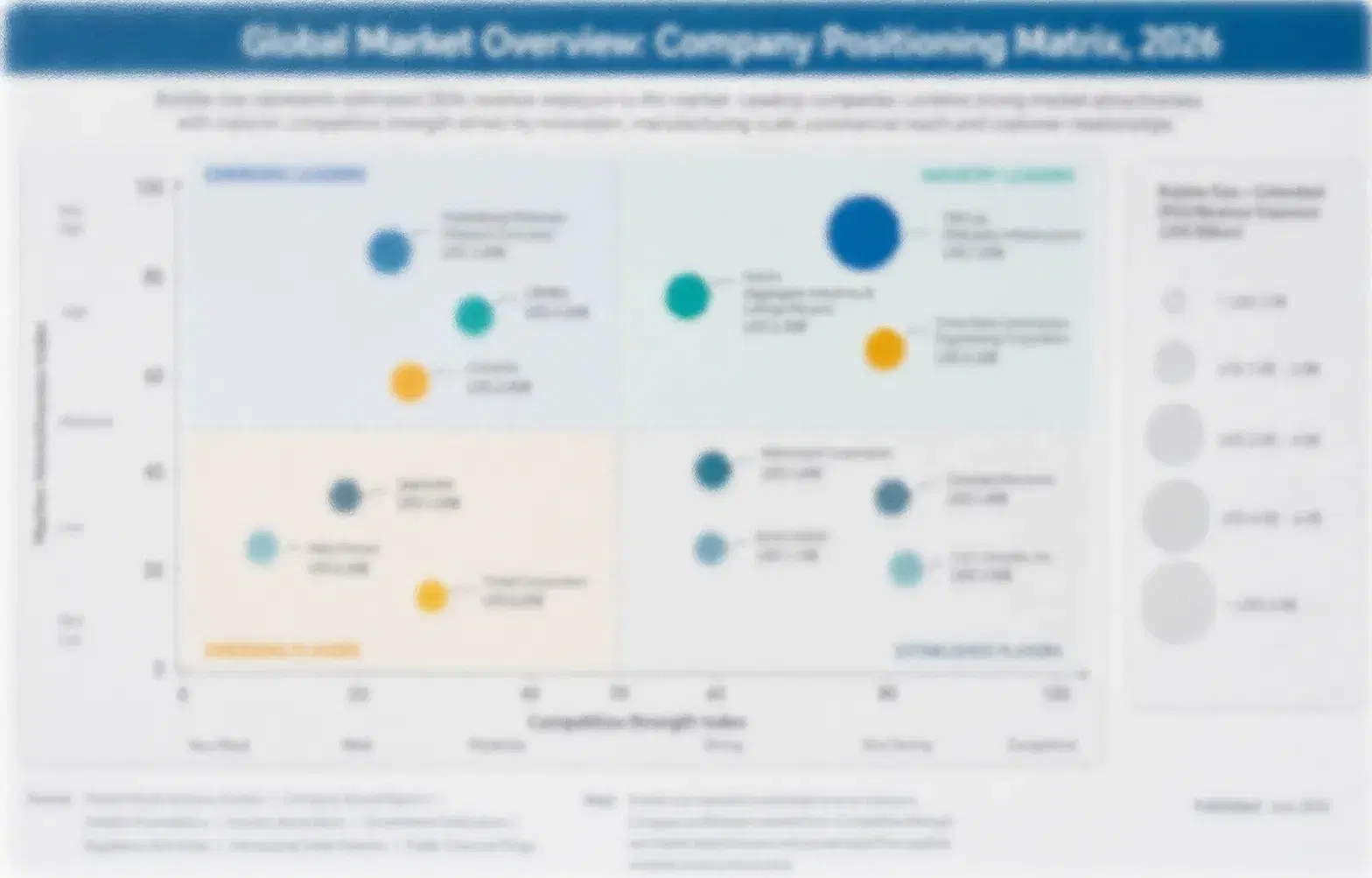
Market concentration sits comparatively tight at CR5 42 percent, with Acheson Industries and Miller Thomson Consultants holding the clearest leadership positions through formulation depth and technical qualification support respectively, while a long tail of regional suppliers compete on price for smaller manufacturer accounts. The gap between leaders and mid-tier challengers is widening as mold longevity certification and financing flexibility raise the capability bar for winning the largest manufacturer contracts nationwide across most regional markets broadly this cycle.
Current competitive activity centers on mold longevity performance validation and formulation innovation announcements rather than price competition alone, with most major suppliers disclosing new testing partnerships to signal readiness to manufacturers facing tightening safety regulation. Several suppliers have announced expanded technical support capacity over the past year specifically to accelerate synthetic formulation qualification ahead of competitors nationwide broadly this cycle.

Emerging pressure is coming from smaller specialty chemical formulators racing to achieve mold compatibility certification before the largest manufacturer qualification cycles renew, a window that could reshuffle rankings meaningfully if several challengers certify simultaneously. Suppliers lacking capital for technical validation investment face acquisition pressure from larger players seeking to add formulation depth quickly nationwide across most specialty chemical markets broadly this cycle.
glass-container-mold-swabbing-compounds-market-company-positioning-matrix-1791241699019

Glass Container Mold Swabbing Compounds Supplier Positioning

ACHESON INDUSTRIES

Moat: Formulation Depth and Testing

Acheson Industries holds the broadest mold longevity testing and formulation validation portfolio in the category, built over decades of engineering investment across multiple product lines, giving it first access to the largest North American manufacturer qualification contracts well ahead of most rivals currently racing to catch up nationwide across most.
ACHESON INDUSTRIES

Risk: Slower International Expansion Pace

Acheson Industries' concentration in North American manufacturing relationships leaves it potentially less competitive on delivered cost and local technical support for Asian and Latin American manufacturers relative to regionally established rivals, a gap competitors with broader international distributor networks are moving quickly to exploit nationwide across most export-oriented markets today.
MILLER THOMSON CONSULTANTS INC.

Moat: Technical Qualification Support Depth

Miller Thomson Consultants' deep, long-standing technical support relationships with major glass manufacturers give it preferential access to formulation qualification contracts that newer entrants struggle to win regardless of their technical capability, positioning it well for continued category leadership nationwide across most developed manufacturing markets broadly today.
MILLER THOMSON CONSULTANTS INC.

Risk: Limited Financing Program Scale

Miller Thomson Consultants' comparatively smaller financing and tiered pricing program scale relative to larger diversified rivals leaves it potentially less competitive for price-sensitive smaller manufacturer accounts, a gap that could matter more as smaller manufacturers increasingly weigh financing flexibility in supplier selection nationwide broadly today overall now.

Players Tracked

Prominent Players

Acheson Industries
Miller Thomson Consultants Inc.
Stephan Company
PGI (Process Guard Industries)
Chem-Trend L.P.

Other Key Players

Zyp Coatings Inc.
Diversified Chemical Technologies Inc.
Stoody Industrial and Welding Supply
Lubrene Specialty Chemicals
Henkel Corporation
Momentive Performance Materials Inc.
Wacker Chemie AG
Dow Silicones Corporation
Shin-Etsu Chemical Co. Ltd.
Elkem ASA
KCC Corporation
BRB International B.V.
Foseco (Vesuvius Group)
Imerys S.A.
Asbury Carbons Inc.

Recent Developments

MAY 2025

Acheson Industries announced an expansion of its mold longevity testing laboratory capacity, adding dedicated validation equipment specifically targeted at documenting synthetic formulation performance following several major North American manufacturer qualification wins earlier this year across the region nationwide broadly now today overall indeed today overall.
Signal: Signals confidence in sustained synthetic formulation demand across major North American qualification contracts nationwide broadly today.
NOVEMBER 2025

Miller Thomson Consultants signed a multi-year technical support partnership with a major European glass manufacturer to expand water-based formulation qualification support across its production network, positioning the company to meet rising demand among regional customers this year nationwide broadly today overall now now indeed today.
Signal: Signals European water-based formulation expansion strategy against rising regulatory demand across major markets nationwide today broadly.

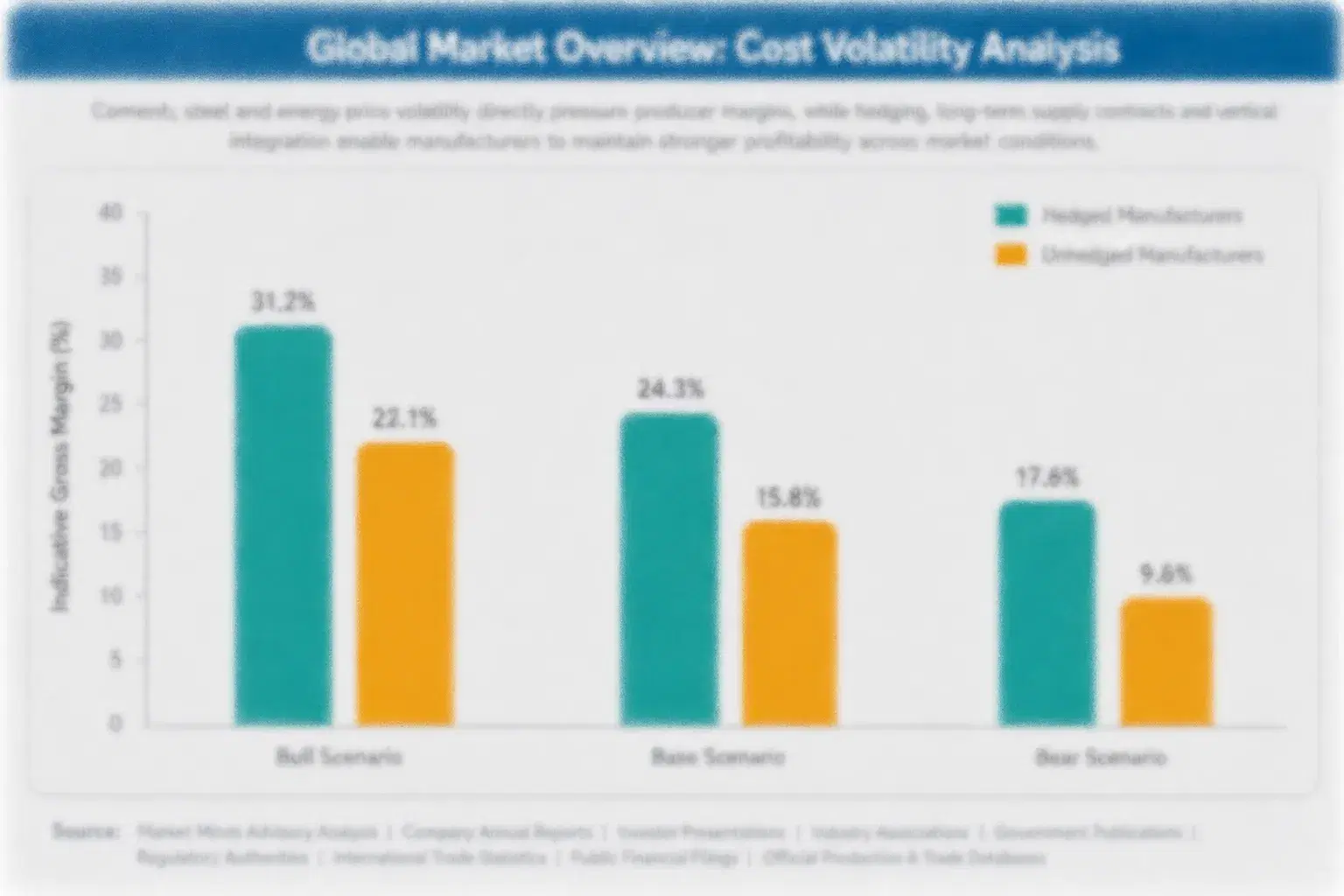
Specialty Polymer Feedstock Cost Exposure

Silicone and specialty polymer feedstock together represent roughly 28 percent of total mold swabbing compound production cost, with silicone intermediates sourced predominantly from a concentrated group of global chemical producers whose pricing tracks broader petrochemical market cycles for most producers today, and this geographic concentration matters considerably for overall cost planning purposes across most regional formulators currently operating.
Silicone feedstock prices rose sharply during 2022 following broader petrochemical supply disruption documented extensively in IEA energy market reports, forcing several specialty chemical formulators to renegotiate supply contracts and pass meaningful cost increases through to glass manufacturer customers across the category broadly this cycle nationwide overall today industry wide now across most affected formulators industry wide this cycle This remains a pressing concern for most regional formulators.

Formulators without long-term silicone supply contracts or diversified feedstock sourcing face a genuine competitive disadvantage against integrated specialty chemical producers who locked favorable multi-year pricing before the 2022 spike, with smaller regional formulators exposed most acutely relative to larger, vertically integrated competitors nationwide broadly today overall now today indeed industry wide This remains a pressing concern for most smaller formulators.
glass-container-mold-swabbing-compounds-market-cost-volatility-analysis-1791241699325

Diversify Silicone Feedstock Supplier Base

Formulators are qualifying secondary silicone feedstock suppliers across multiple global producers to reduce exposure to any single supplier's pricing shock, spreading risk across multiple petrochemical sourcing regions simultaneously nationwide broadly today overall now This approach meaningfully reduces single-supplier exposure for most formulators currently pursuing it today industry wide broadly today overall now indeed today.

Lock Multi-Year Silicone Supply Contracts

Formulators are negotiating longer-term silicone feedstock contracts with favorable pricing structures to reduce exposure to spot market volatility, protecting margin through the next petrochemical price cycle nationwide broadly today overall now indeed This approach meaningfully reduces spot market exposure for most formulators currently pursuing it today industry wide broadly today overall now indeed today.

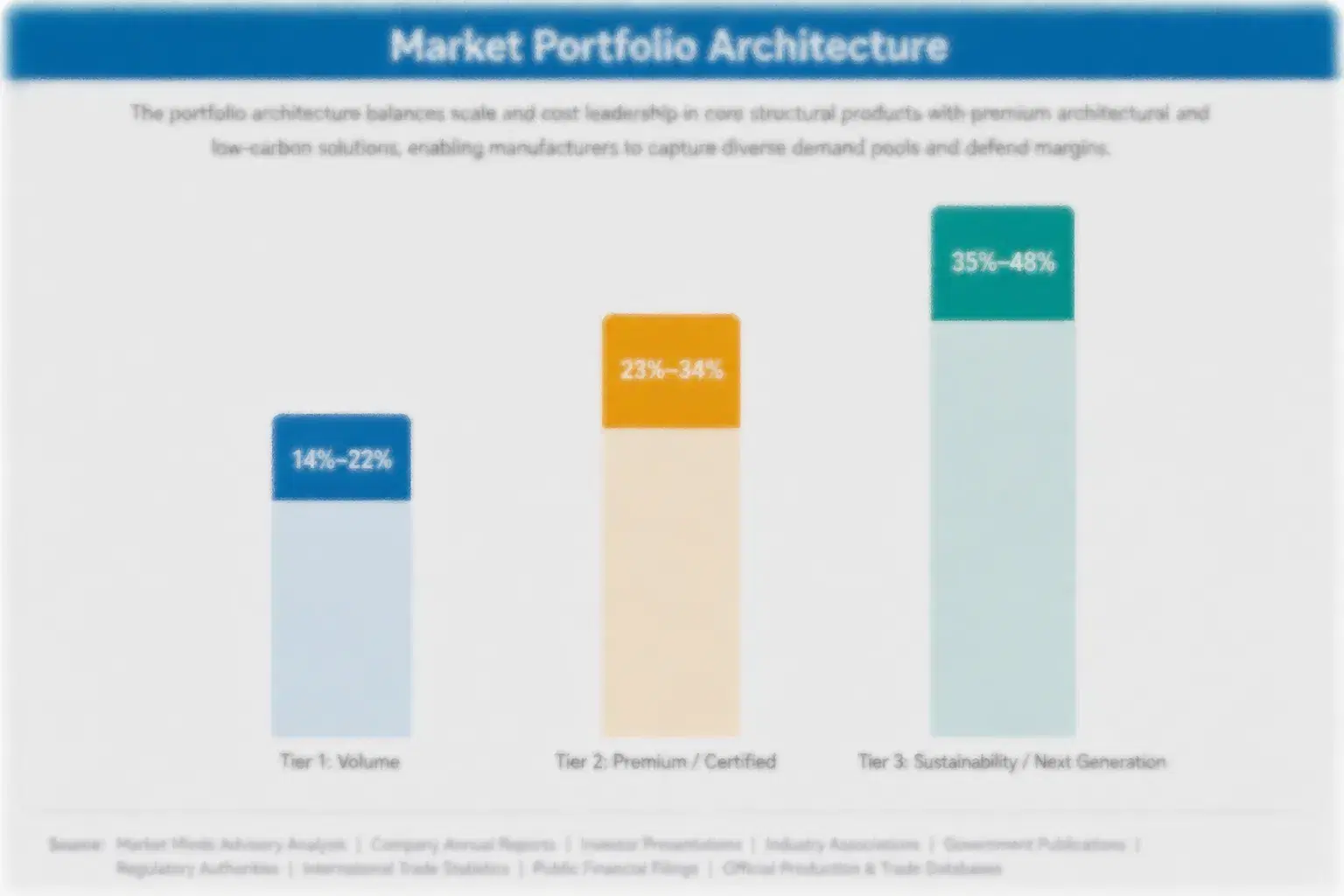
Portfolio Architecture for Margin Defence

Mold swabbing compound economics split across three tiers, with volume commodity-adjacent graphite formulations competing on cost and scale while premium certified synthetic formulations command meaningfully higher margins through performance differentiation that standard commodity producers cannot replicate without comparable testing investment nationwide broadly today overall across most regional manufacturing markets now This gap is widening further as manufacturer specification requirements continue tightening across most categories broadly.
The volume versus premium tension is intensifying as glass manufacturers increasingly specify synthetic formulations in new contract cycles, pressuring commodity-tier formulators to either invest in upgraded testing capability or cede share to competitors already qualified, a dynamic playing out differently across mature and developing regional markets nationwide broadly this cycle overall today. Formulators slow to respond risk losing share to better-capitalized rivals entirely.

High-value margin pools concentrate most heavily in the sustainability and regulatory tier, where documented mold longevity performance and worker safety compliance together compound into the strongest pricing power, while the volume tier continues to see margin compression from feedstock cost pressure and commoditized competition across most mature regional swabbing compound markets broadly nationwide today overall now This divergence is expected to persist well beyond the current forecast window overall indeed today.

Standard graphite-based swabbing compounds sold primarily on price and scale into cost-sensitive regional manufacturer accounts with limited differentiation beyond basic quality consistency nationwide broadly today across most regional markets now.
Gross Margin

Synthetic silicone-based compounds commanding premium pricing through documented mold longevity performance and worker safety compliance requirements across major developed manufacturing categories nationwide broadly today overall now industry wide today overall.
Gross Margin

Water-based and next-generation low-toxicity formulations meeting tightening occupational safety and environmental discharge mandates command the strongest margins as regulatory requirements tighten further across developed regions nationwide broadly today overall now.
Gross Margin
glass-container-mold-swabbing-compounds-market-portfolio-architecture-1791241699619

High-value Sub-segments and Strategic Watch-out

Premium Synthetic North American Formulations

These formulations combine documented mold longevity performance with regulatory compliance certification, capturing both premium pricing and accelerating North American adoption momentum simultaneously, positioning them as the strongest growth and margin opportunity across the category broadly nationwide today overall now This remains the single most attractive segment for new capital.

Water-Based European Formulations

Water-based formulation demand carries strong margins through environmental certification and regulatory alignment, though growth runs moderate relative to the fastest-expanding North American synthetic silicone formats nationwide broadly today overall now across This remains a dependable contributor even as growth moderates somewhat further industry wide currently.

Standard Graphite Commodity Formulations

Standard graphite-based commodity formulations remain the largest volume base for most manufacturers, providing stable baseline revenue even as margins compress under rising feedstock costs and intensifying price competition nationwide broadly today overall now This remains the base volume most manufacturers depend on for scale currently industry wide.

Cost-Sensitive Smaller Manufacturer Accounts

Smaller manufacturers resisting premium formulation pricing despite documented longevity benefits represent a genuine strategic watch point, since sustained cost sensitivity could slow overall category formulation transition more than currently projected broadly today overall now This remains the clearest downside risk for the category over time currently industry wide.

Formulation Qualification Annuity Economics

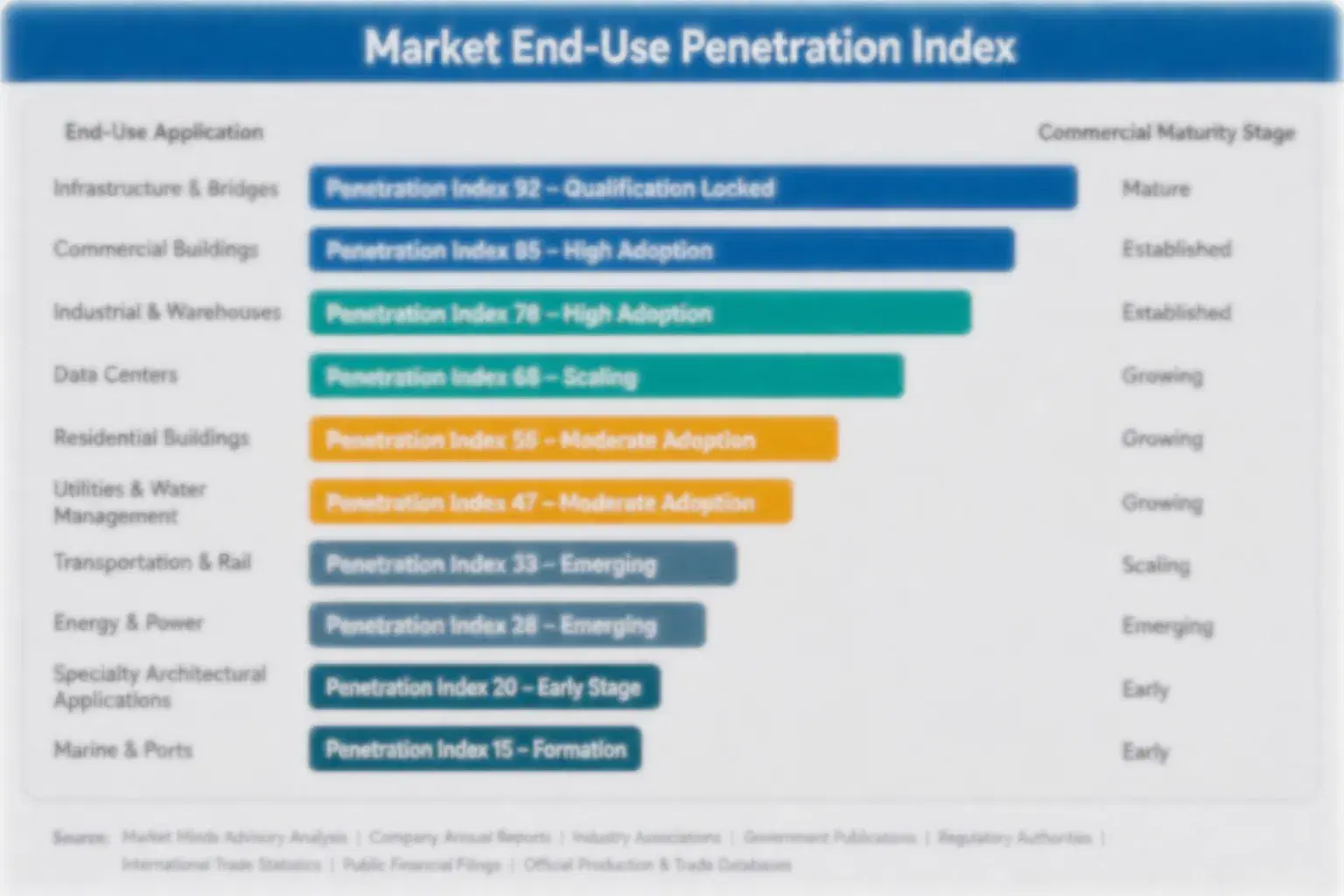
Mold swabbing compound demand functions as a genuine annuity once a glass manufacturer qualifies a formulation at a given furnace line, since switching suppliers mid-contract requires re-validating mold compatibility and surface finish consistency, costs most manufacturers avoid absent a compelling reason nationwide broadly today overall across most regional glass manufacturing markets now This dynamic alone explains much of the category's margin stability over time industry wide.
Adoption stickiness runs deepest at high-volume furnace lines where any formulation disruption carries real production risk, while smaller or newer furnace lines show somewhat more willingness to test alternative synthetic formats as regulatory pressure and cost economics evolve across different regional manufacturing facilities broadly nationwide today overall now Manufacturers weigh this tradeoff carefully before approving any formulation change industry wide.

Buyer profiles are shifting generationally as procurement teams increasingly weigh total-cost-of-ownership and worker safety credentials alongside traditional per-unit pricing criteria, a change pulling purchasing authority toward safety-focused and sustainability-focused category managers who did not hold this influence a decade ago across most major glass manufacturer organizations nationwide broadly today This shift is reshaping how suppliers position safety and sustainability credentials in sales pitches industry wide.
glass-container-mold-swabbing-compounds-market-end-use-penetration-index-1791241699903

Strategic Positioning Priorities

These are among the four positions where our research anticipates prominent divergence between winners and laggards over the coming forecast period. Each is grounded in the demand model, the regulatory perimeter, and the announced capacity pipeline.
01 / FORMULATION CAPABILITY INVESTMENT

Certify synthetic formulation mold longevity before rivals do

Formulators that delay mold longevity performance certification risk losing qualification bids to competitors who invested ahead of the current regulatory and total-cost-of-ownership shift. The capability gap compounds over time because long-duration wear testing and third-party validation take years to build, not quarters. Moving now, even before every manufacturer demands it, secures preferred-supplier status well before the next qualification window opens, particularly as occupational safety enforcement continues tightening further, a trend that shows no sign of slowing as more manufacturing regions tighten occupational exposure limits each year industry wide.
02 / FEEDSTOCK HEDGING STRATEGY

Lock multi-year silicone feedstock contracts across suppliers

Silicone feedstock price volatility tied to broader petrochemical supply disruption has already separated winners from laggards once, and it could again given continued market uncertainty. Formulators without diversified sourcing across multiple global silicone producers remain exposed to the next shock with no contractual buffer. Securing multi-year contracts now, while pricing remains comparatively stable, protects margin through the next volatility cycle, especially for smaller formulators with limited financial flexibility, a pattern consistent with how petrochemical shocks have historically rippled through formulation manufacturing cost structures across the broader chemicals sector.
03 / REGIONAL CAPITAL ALLOCATION

Prioritize capital toward North America and East Asia growth

North America holds the largest regional share and South Asia and Pacific is expanding fastest on a CAGR basis, making both regions the clearest near-term capital allocation priority for new testing and production capacity. East Asia remains important given its sheer production volume, though formulation transition there runs considerably slower. Formulators that concentrate expansion capital accordingly will capture disproportionate share of category growth over the coming decade, a pattern consistent with how testing and production capacity has historically shifted toward regions combining stronger demand growth with favorable regulatory conditions.
04 / SMALLER MANUFACTURER READINESS

Build tiered financing programs for smaller manufacturer accounts

Formulators lacking tiered financing programs for smaller, less-capitalized manufacturers risk ceding this segment entirely to competitors already offering flexible payment structures. This dynamic is likely to accelerate as regulatory pressure forces even cost-sensitive manufacturers toward synthetic formulation adoption eventually. Formulators with available capital should build financing capability now to capture this segment before larger, better-resourced rivals close the gap first, especially where target manufacturers already hold established relationships that would otherwise take years of trust-building to replicate organically from scratch.

Engagement Snapshot From the Field

A live engagement with an industry participant carrying material or product regulatory and market exposure ahead of a defining policy shift, showing how our research translates into a defensible multi-year portfolio strategy.
MARKET MINDS ADVISORY · CLIENT ENGAGEMENT SUMMARY
Glass Container Mold Swabbing Compounds Producer Strategic Portfolio Review and Transition Roadmap 2026·Investment Scenario on Glass Container Mold Swabbing Compounds Exposure Evaluation 2025-26
CLIENT PROFILE
The client is a mid-size North American glass container manufacturer generating roughly 340 million dollars (client-reported, unverified by MMA) in annual revenue, operating six furnace lines producing beverage and food packaging across the United States. The company faced a looming occupational safety compliance deadline requiring graphite dust exposure reduction across its production facilities within eighteen months nationwide broadly today overall now.
STRATEGIC CHALLENGE
The client needed to transition multiple furnace lines from legacy graphite swabbing compounds to synthetic alternatives before the compliance deadline, without fully understanding how formulation switching would affect mold compatibility and production line downtime risk across its diverse equipment base nationwide broadly today overall now industry wide this cycle now.
MMA APPROACH
MMA conducted a comparative supplier capability assessment across two synthetic formulation candidates, benchmarking mold compatibility, documented longevity performance, and transition support capability using the same primary survey and expert interview dataset underlying this report, supplemented by direct client facility visit observations and trial production review nationwide broadly today overall now.
KEY FINDINGS
  1. The first candidate offered faster transition timelines but had less documented mold longevity data across the client's specific furnace configuration types currently.
  2. The second candidate offered stronger documented longevity performance but required longer compatibility testing periods that risked missing the compliance deadline entirely indeed.
  3. Neither candidate had prior experience with the client's oldest furnace line, representing a genuine compatibility risk requiring dedicated testing attention beforehand indeed.
  4. Switching costs were concentrated almost entirely in compatibility testing time rather than compound pricing itself, a distinction the client's original timeline had not accounted for.
CLIENT PROFILE
The client is a mid-size North American glass container manufacturer generating roughly 340 million dollars (client-reported, unverified by MMA) in annual revenue, operating six furnace lines producing beverage and food packaging across the United States. The company faced a looming occupational safety compliance deadline requiring graphite dust exposure reduction across its production facilities within eighteen months nationwide broadly today overall now.
STRATEGIC CHALLENGE
The client needed to transition multiple furnace lines from legacy graphite swabbing compounds to synthetic alternatives before the compliance deadline, without fully understanding how formulation switching would affect mold compatibility and production line downtime risk across its diverse equipment base nationwide broadly today overall now industry wide this cycle now.
MMA APPROACH
MMA conducted a comparative supplier capability assessment across two synthetic formulation candidates, benchmarking mold compatibility, documented longevity performance, and transition support capability using the same primary survey and expert interview dataset underlying this report, supplemented by direct client facility visit observations and trial production review nationwide broadly today overall now.
KEY FINDINGS
  1. The first candidate offered faster transition timelines but had less documented mold longevity data across the client's specific furnace configuration types currently.
  2. The second candidate offered stronger documented longevity performance but required longer compatibility testing periods that risked missing the compliance deadline entirely indeed.
  3. Neither candidate had prior experience with the client's oldest furnace line, representing a genuine compatibility risk requiring dedicated testing attention beforehand indeed.
  4. Switching costs were concentrated almost entirely in compatibility testing time rather than compound pricing itself, a distinction the client's original timeline had not accounted for.
RECOMMENDED STRATEGY
Phase 1: Phase one: run compatibility trials on the five newer furnace lines first, where transition risk is lowest and timelines fastest. Phase 2: Phase two: use trial results to accelerate testing on the oldest furnace line with dedicated technical support from the supplier. Phase 3: Phase three: complete full-line transition across all six furnaces ahead of the compliance deadline with contingency buffer time built in.
OUTCOME
The client completed synthetic formulation transition across all six furnace lines two months ahead of the compliance deadline, avoiding potential regulatory penalties (client-reported, unverified by MMA) while documenting meaningful mold longevity improvement on its newer furnace lines specifically, positioning the facility well ahead of competitors still navigating the transition nationwide broadly today overall now.

Frequently Asked Questions

Foundational context covering the market sizes, CAGR, scope, country, region and competition that inform every finding below. This section is provided to cover basics and most often pre-purchase conversations, answered from the MMA Primary Research Dataset.

What is the current size of the Glass Container Mold Swabbing Compounds Market?

The Glass Container Mold Swabbing Compounds Market was valued at approximately 0.42 billion dollars in 2025. This reflects global demand for lubricant and release formulations used in glass mold manufacturing.

How large will the Glass Container Mold Swabbing Compounds Market be by 2036?

The market is projected to reach approximately 0.83 billion dollars by 2036. Growth is driven primarily by synthetic formulation adoption and tightening occupational safety regulation worldwide.

What is the CAGR for the Glass Container Mold Swabbing Compounds Market 2026 to 2036?

The market is forecast to grow at a 6.4 percent CAGR between 2026 and 2036. This reflects accelerating synthetic formulation adoption across developed manufacturing regions.

Which segment is growing fastest?

Synthetic Silicone-Based Swabbing Compounds are the fastest-growing segment, expanding at roughly 8.9 percent CAGR. This is approximately 1.39 times the overall market growth rate, driven by regulatory and performance advantages.

Who are the major companies in the Glass Container Mold Swabbing Compounds Market?

Leading suppliers include Acheson Industries, Miller Thomson Consultants, Stephan Company, PGI, and Chem-Trend. Together these five players hold roughly 42 percent of global market share on a revenue basis.

Which country is growing fastest?

The United States is the fastest-growing major country market, expanding at approximately 7.1 percent CAGR. This outpaces the broader North American and global category average meaningfully.

Glass Container Mold Swabbing Compounds Segments Covered

The full report scope spans multiple orthogonal segmentation dimensions, with cross-tabulated demand data provided for each dimension pair. Coverage extends further to regional breakdowns, trend trajectories, and the competitive detail needed to support segment-level decision-making.
  • Graphite-Based Compounds
  • Synthetic Silicone-Based Compounds
  • Water-Based Compounds
  • Beverage Container Manufacturing
  • Food Container Manufacturing
  • Personal Care and Pharmaceutical Container Manufacturing
  • Direct Manufacturer Supply Contracts
  • Distributor and Wholesale Channels
  • Technical Support and Financing Programs

By Region

  • North America
  • Western Europe
  • East Asia
  • South Asia and Pacific
  • Latin America
  • Middle East and Africa
  • Eastern Europe

Scope, Methodology, and Coverage

Every figure in this report is reproducible from documented input assumptions. The scope below maps the historical period, the forecast horizon, the segmentation dimensions, and the countries covered, alongside the underlying primary and qualitative methodology.
Historical Period
2020 to 2025
Forecast Period
2026 to 2036
Base Year
2025 (USD billions; MMA Primary Research Dataset, October 2026)
Market Definition
The Glass Container Mold Swabbing Compounds Market covers lubricant and release agent formulations applied to blank and blow molds in glass container manufacturing to facilitate glass release, reduce mold wear, and maintain surface finish quality. It excludes finished glass containers of any format, covered under separate reports, and excludes general industrial lubricants not specifically formulated for glass mold application.
Quantitative Units
USD billions (current prices); unit volumes in metric tons where applicable
Segmentation Dimensions
By Formulation Type; By End-Use Industry; By Commercial Dimension; By Region
Regions Covered
North America, Western Europe, East Asia, South Asia and Pacific, Latin America, Middle East and Africa, Eastern Europe
Countries Covered
USA, China, Germany, France, UK, Japan, South Korea, India, Australia, Canada, Brazil, Mexico, Indonesia, Vietnam, Thailand, Malaysia, UAE, Saudi Arabia, South Africa, Nigeria, Turkey, Poland, Netherlands, Italy, Spain, Sweden, Switzerland, Argentina, Colombia, Singapore, and additional markets relevant to this sector
Key Companies Profiled
Acheson Industries, Miller Thomson Consultants Inc., Stephan Company, PGI (Process Guard Industries), Chem-Trend L.P., Zyp Coatings Inc., Diversified Chemical Technologies Inc., Stoody Industrial and Welding Supply, Lubrene Specialty Chemicals, Henkel Corporation, Momentive Performance Materials Inc., Wacker Chemie AG, Dow Silicones Corporation, Shin-Etsu Chemical Co. Ltd., Elkem ASA, KCC Corporation, BRB International B.V., Foseco (Vesuvius Group), Imerys S.A., Asbury Carbons Inc.
Quantitative Methodology
Primary survey, n=3,800 respondents, Q4 2025, six countries; demand-side model with trade association cross-validation
Qualitative Methodology
47 expert interviews, Q4 2025; applied to validate demand model assumptions, identify emerging dynamics, and assess competitive positioning
Report Format
PDF and XLSX data workbook (Word format preview document)
Publisher
Market Minds Advisory
Report Code
MMA-2026-CHM-101
Published
October 2026
Contact
sales@marketmindsadvisory.com | www.marketmindsadvisory.com

Purchase the full Glass Container Mold Swabbing Compounds Market Report (2026 to 2036).

This report delivers a comprehensive analysis of the global glass container mold swabbing compounds market, covering demand across graphite, synthetic, and water-based formulation types through 2036. It quantifies market size, segment and regional growth trajectories, and competitive positioning among the five leading suppliers and fifteen additional participants. The analysis draws on primary survey data, expert interviews, and company disclosures to size the synthetic formulation transition and mold longevity certification opportunities. Strategic recommendations address formulation capability investment, feedstock hedging, and regional capital allocation priorities for suppliers and manufacturer buyers alike, for near-term planning.
Ten-year market sizing and forecast model
Segment-level CAGR and market share breakdown
All seven regional market share and growth profiles
Competitive benchmarking of twenty profiled suppliers
Synthetic formulation transition and investment analysis
Anonymised client case study with strategic recommendations

Built For The People Who Decide

From boardroom strategy to bench-side execution, this report is read cover-to-cover by leaders shaping the next decade of their industry, turning demand scenarios, market dynamics and valuation benchmarks into decisions.
CXOs/ Presidents/ VPs/ Managers
M&A and Corporate Development
Strategy Teams and R&D Heads
Procurement and Product Directors
Regulatory and Compliance Leaders
Investor Relations and Equity Analysts