Market Minds Advisory
Gingerbread Market

Gingerbread Market: Gingerbread Market. Holiday Seasonality, Gluten-Free Reformulation, and Do-It-Yourself Kits Reshape Spiced Cake and Cookie Supply.

Gingerbread earns most of its revenue in eleven weeks, so holiday planning, tin packaging, spice and sweetener costs, and gluten-free and kit formats decide which bakers protect margin in a one-season market.

Lead Analyst

Published

September 2026

Make Smarter Decisions with Customized Research Insights

Request a free sample report and evaluate market opportunities, growth trends, and competitive dynamics relevant to your business needs.

2025 MARKET VALUE$3.4BMarket Size 2025
2036 FORECAST VALUE$5.3BBase Case , 2026 to 2036
CAGR 2026 TO 20364.2 %Bull 5.5% / Bear 2.9%
INCREMENTAL OPPORTUNITY$1.8BNet 10- year value creation
EXPANSION MULTIPLE1.51x2036 value over 2026 base
Strategic Levers
M&A Pipeline
Regional Outlook
Country Rankings
Competitive Intelligence
Segmental Deep-dive
Call-Us : 91 93563 13602

Executive Snapshot and Market Trajectory.

Gingerbread is one of the oldest baked goods in Europe and one of the most seasonal. Nuremberg Lebkuchen, Swedish pepparkakor, Polish pierniki, and the gingerbread house all share a calendar: most of the year's sales happen between mid-October and Christmas, and the rest of the year is inventory management.
Gluten-free and vegan gingerbread grow fastest, because allergen-aware buyers, plant-based baking trends, and retailer free-from ranges push bakers toward rice, oat, and starch doughs with plant fats, while soft gingerbread cakes and crisp cookies anchor volume in supermarkets and gift shops. Western Europe holds the largest share, since Germany, the Nordics, and the United Kingdom host the oldest gingerbread traditions and largest producers, with North America following. China leads country growth. Kits add volume.
Competition is fragmented among biscuit groups and regional bakers. Lambertz, Lebkuchen Schmidt, Bahlsen, Fazer, and Kopernik lead branded supply, while private label and craft bakeries hold local share. Seasonal planning, tin packaging, and holiday retail access decide margins. Regulation matters through protected origin names such as Nuremberg Lebkuchen, allergen labelling, and food dye rules, and buyers reward soft texture, authentic spice, and giftable packaging.
Market Definition
Gingerbread comprises baked goods made with ginger, cinnamon, cloves, and other spices sweetened with honey, molasses, or sugar, including soft gingerbread cakes and Lebkuchen-style products, crisp gingerbread cookies and biscuits, gingerbread houses and decorating kits, filled and coated gingerbread, gluten-free and vegan gingerbread, and mini and snack-size gingerbread, sold through retail, gift, bakery, and online channels. The scope excludes ginger biscuits without traditional gingerbread character, spice mixes sold alone, and ginger beer or confectionery.
Base Year Value
$3.4B in 2025 (MMA Primary Research Dataset, September 2026)
Forecast Period
2026 to 2036, eleven discrete annual values
CAGR
4.2% base case. Bull 5.5%. Bear 2.9%.
Fastest Growth Segment
Gluten-Free and Vegan Gingerbread: 8.0% CAGR
Fastest Growth Country
China: 6.8% CAGR
Fastest Growth Region
South Asia and Pacific: 6.3% CAGR
Largest Region
Western Europe: 38% of 2025 global value
Market Leaders
Lambertz Group, Lebkuchen Schmidt, Bahlsen, Fazer Group, Kopernik. Source: MMA Analysis, company annual reports.
Primary Survey
n=3,800 procurement and R&D decision-makers, Q4 2025, six countries
Methodology
Demand-side build-up, cross-validated against public data, 47 expert interviews

Gingerbread Market Forecast Scenarios

gingerbread-market-size-forecast-scenario-1789786225437
From 2020 to 2025, gingerbread held steady as home baking, holiday gifting, and social media decorating lifted kits and premium tins. Pandemic baking boosted kit sales, supermarkets extended seasonal ranges earlier each autumn, and prices rose with sugar, flour, and packaging costs. Growth averaged 3.9% a year, though inflation, sugar concerns, and weaker holiday spending in Europe slowed volume in some years.
The base case assumes 4.2% annual growth through 2036, built on three named mechanisms: continued growth of gingerbread house and decorating kits sold through supermarkets, warehouse clubs, and online retailers, gluten-free, vegan, and reduced-sugar launches that reach allergen-aware and health-focused buyers, and expansion of Western-style Christmas retail in China, Japan, and Korea where gingerbread appears in cafes and gift shops. Earlier seasonal launches reinforce each mechanism. Earlier seasonal launches support pricing.
The bull case, at 5.5%, needs sugar and spice costs to ease and kit sales to keep expanding. The bear case, at 2.9%, reflects further inflation, weaker gift budgets, and unsold seasonal stock. Either path leaves the Christmas tradition intact, though mix and pricing would shift. Analysts watch sugar prices and holiday spending most closely, since each moves demand directly.

Seasonal Planning and Gift Packaging Decide Gingerbread Winners

Gingerbread doughs combine flour, honey, molasses, or sugar, spices, fats, and leavening such as potash or baking soda, and are rested for days or weeks to develop flavour. Soft gingerbread and Lebkuchen are baked on wafers or in trays, glazed or coated, while crisp cookies and house pieces are rolled, cut, and baked hard. Shelf life depends on moisture, glaze, and packaging.
MARKET CONCENTRATION26% CR5Leading five brands hold a modest combined share
FINAL QUARTER SALES64%Portion of annual sales concentrated in the final quarter
SWEETENER SHARE OF COGS22%Sugar, honey, and molasses form a large ingredient cost
SPICE SHARE OF COGS8%Ginger, cinnamon, and clove form a small cost share
PACKAGING SHARE OF COGS16%Tins, boxes, and cartons add notable cost per unit
SHELF LIFE9 monthsTypical stable period for packaged soft gingerbread at ambient
Buyers use gingerbread in several ways. Households buy tins and packs as Christmas treats and gifts, families buy house and decorating kits, cafes and coffee chains sell gingerbread men and lattes flavoured with gingerbread syrup, and corporate buyers order gift boxes. Retailers build seasonal displays from October, and pricing follows sugar, spice, and packaging costs with a lag.
Suppliers sit at several levels. Large biscuit groups such as Lambertz, Bahlsen, Fazer, and Lotus Bakeries sell branded gingerbread and Lebkuchen, regional bakers such as Lebkuchen Schmidt and Kopernik lead craft and protected origin products, private-label producers serve retailers, and kit makers assemble houses and decorating sets. Customers judge them on spice, softness, packaging, and delivery timing before the season. Retail buyers ask for proof before listing.
"Gingerbread is a business run on a calendar. The bakers who win are those whose orders, ovens, and packaging all arrive in the same three weeks of September, and whose recipe tastes like childhood without a single day of wasted inventory in January."
Practice Lead, Seasonal Bakery Practice · MMA Spiced Baked Goods Practice · September 2026

Market Trends

Gingerbread House Kits Turn a Cookie Into a Family Activity

Kit makers sell gingerbread house sets with baked pieces, icing, and candy at $10 to $40, and demand rose sharply during pandemic baking and has stayed high as families treat house building as a holiday ritual. Wilton, Lidl, Aldi, Costco, and specialty brands sell kits by the millions each season, and social media contests drive premium sets at $50 to $100. Kits earn gross margins of 40% to 55% because assembly and packaging add value, though breakage, humidity, and unsold stock create risk. Suppliers plan production from spring and ship by September, and retailers order early to secure display space.
Market Impact: 64% of sales in final quarter

Gluten-Free and Vegan Gingerbread Reach Allergen-Aware and Plant-Based Buyers

Bakers now offer gingerbread made with rice, oat, and tapioca flours and plant fats and egg replacers, aimed at celiac, allergic, and vegan shoppers, and retailers list these products in free-from ranges at 30% to 70% above standard gingerbread. Molasses and spice provide strong flavour that masks alternative flours, which makes gingerbread easier to adapt than delicate cakes. The technical challenge is texture, since gluten-free doughs crumble in house pieces, so bakers add hydrocolloids and adjust bake. Dedicated lines or cleaning protocols are needed for allergen claims, which adds cost.
Market Impact: lattes use 20-30 ml syrup

Market Opportunities and Growth Drivers

Holiday Gifting and Retail Displays Concentrate Demand and Premium Tins

Christmas markets, supermarket seasonal aisles, and gift shops feature gingerbread from October, and premium tins of Lebkuchen and gingerbread sell at $12 to $30, roughly three times the price of standard packs. About 64% of annual sales occur in the final quarter, and Nuremberg Lebkuchen with protected geographical indication status carries strong gifting value across Europe. Corporate gifting, advent calendars, and Christmas markets create repeat demand, and premium brands sell through e-commerce and department stores. Retailers plan seasonal ranges months ahead, which gives established suppliers volume visibility and pricing stability.
Market Impact: 64% of sales in one quarter

Coffee Chain Gingerbread Drinks and Cafe Offers Extend the Season

Coffee chains such as Starbucks, Costa, and Tim Hortons sell gingerbread lattes and gingerbread men each winter, and cafes in Asia and the Gulf add gingerbread as part of holiday menus. A gingerbread latte uses 20 to 30 millilitres of syrup, and each store buys gingerbread cookies in cartons of 100 to 200. Chains extend the season from early November to New Year, and social media content around limited editions builds demand. These channels reach shoppers who do not buy tins, and spice syrups and cookie suppliers add volume beyond traditional retail.
Market Impact: sugar prices rose 30-50% since 2022

Market Restraints and Challenges

Extreme Seasonality Creates Inventory, Waste, and Capacity Risk for Bakers

Around 64% of gingerbread sales happen in the final quarter, so plants run at 90% or more of capacity for 10 to 12 weeks and stand mostly idle afterwards, according to producer interviews. The root cause is gifting tradition and retailer display calendars. Bakers hire seasonal labour, build stock from spring, and face write-offs of 3% to 8% of volume when retailers return or discount unsold product. Mitigation includes year-round formats such as snack minis, cafe supply, and export to southern hemisphere markets, though margins remain seasonal, and working capital needs peak in September and October.
Market Impact: kits sell at $10-40 each

Sugar, Spice, Flour, and Packaging Inflation Squeezes Margins

Raw sugar prices rose to multi-year highs in 2023 and 2024, according to United States Department of Agriculture data, and wheat, ginger, and tin plate costs also rose, while European gas prices surged in 2022, according to International Energy Agency data. The root cause is crop shocks and energy costs. Retailers agree seasonal prices months ahead, so bakers absorb costs between contracts. Mitigation includes forward contracts, lighter tins, and index-linked pricing with large retailers, though shoppers resist visible price rises on gift tins, and margin recovery takes several seasons. Retailers review prices each spring.
Market Impact: free-from gingerbread sells 30-70% above standard
3 additional market trends, 2 additional growth drivers, and 3 additional restraints and challenges are covered in the full report. Contact sales@marketmindsadvisory.com to access the complete intelligence.

Segment CAGR and Growth Architecture

Gingerbread is segmented by product type and dietary system, because dough texture, moisture, allergen status, packaging, price, and buyer group differ more between soft gingerbread cakes, crisp cookies and biscuits, houses and kits, filled and coated, gluten-free and vegan, and mini snack gingerbread. Gluten-free and kit formats attract most investment as bakers reach new buyers.
gingerbread-market-market-share-analysis-1789786225718

Gluten-Free and Vegan Gingerbread

Gluten-free and vegan gingerbread are the fastest-growing segment, made with rice, oat, and tapioca flours, plant fats, and egg replacers, and sold to celiac, allergic, vegan, and health-conscious shoppers in free-from ranges. Prices run 30% to 70% above standard gingerbread, and molasses and spice flavour helps mask alternative flours. Growth depends on texture, particularly for house pieces that must hold shape, and on allergen controls and certification. Bakers with dedicated lines, clear labelling, and strong taste scores win listings from supermarkets and online retailers, and gluten-free kits extend the range into decorating occasions. Free-from sections lift basket size during the holiday season, and online retailers list these products beside standard tins to help allergen-aware shoppers find them.
CAGR 8.0%

Gingerbread Houses and Kits

Gingerbread houses and kits are the second-fastest segment, made of baked house pieces, icing, and candy packed in boxes for assembly and decoration by families, schools, and offices. Kits sell at $10 to $40 through supermarkets, warehouse clubs, and online stores, with premium sets at $50 to $100. Growth depends on early retailer planning, packaging that protects fragile pieces, and social media inspiration, and makers with baking capacity for house pieces, kitting lines, and reliable freight win large programmes from Aldi, Lidl, Costco, and Wilton, though breakage and unsold stock are the main risks. Schools and offices buy kits for team events, and warehouse clubs sell multipacks that cut cost per house for large families.
CAGR 6.4%
Full segment breakdown across 6 segments available in the complete report.

Regional Architecture and Country Demand Map

Gingerbread value follows Christmas traditions, biscuit industries, and gifting culture. Western Europe leads through Germany, the Nordics, and the United Kingdom, North America follows through cookies and kits, Eastern Europe holds a deep pierniki tradition, and China is the fastest-growing country as Western-style holiday retail spreads.

North America

North America holds 26% share, with the United States and Canada selling gingerbread cookies, house kits, and holiday tins through supermarkets, warehouse clubs, and cafes, and the house-building tradition is stronger here than almost anywhere. Wilton, Costco, Trader Joe's, Walkers, Annas Pepparkakor, and private label lead, while coffee chains add gingerbread lattes. Sugar concerns, inflation, and seasonal stock risk restrain returns, though kits and free-from launches keep growth near the global rate. North America and Western Europe hold the top two positions because both combine strong Christmas retail with large biscuit industries and gifting habits. Advent calendars and cookie exchanges add volume in November, and supermarkets place gingerbread displays at store entrances from mid-October.
Share: 26% | CAGR: 4.3% (2026 to 2036)

Western Europe

Western Europe holds 38% share, well above its usual band, because Germany, the Nordics, the United Kingdom, France, and the Netherlands have the oldest gingerbread traditions, protected products such as Nuremberg Lebkuchen, and the largest biscuit producers, so per-capita consumption and production capacity exceed other regions. Lambertz, Lebkuchen Schmidt, Bahlsen, Fazer, Lotus Bakeries, and Walkers lead, with Christmas markets and advent calendars driving gifting. Mature volumes, sugar policy, and energy costs hold growth below the global rate, though premium tins and free-from ranges add value. Swedish pepparkakor and Danish pebernodder sustain Nordic demand. Christmas markets in Nuremberg, Stockholm, and Copenhagen sell gingerbread as gifts, and British supermarkets extend seasonal ranges from September.
Share: 38% | CAGR: 2.9% (2026 to 2036)
Regional intelligence for 5 additional markets available in the complete report: East Asia, South Asia and Pacific, Latin America, Middle East and Africa, Eastern Europe. Contact sales@marketmindsadvisory.com.
gingerbread-market-country-cagr-analysis-1789786226037

Four Margin Routes for Gingerbread Bakers

Margin in gingerbread comes from seasonal planning, packaging, and mix rather than volume alone. Bakers that build kit and premium tin programmes, sell gluten-free and vegan lines at premiums, extend the season through cafe and export channels, and pass sugar and packaging costs through index-linked pricing earn more per tonne than those relying on short-season retail volume.

Building Gingerbread House and Kit Programmes With Retailers

Kits earn gross margins of 40% to 55%, and a baker supplying 3 million kits a season can add $15 million to $40 million of revenue. Retailers order in spring for September delivery, and multi-year programmes of two to three years with rebate structures secure shelf space. Kitting lines cost $2 million to $6 million, and protective packaging cuts breakage from 8% to 3%. Early planning avoids unsold stock, which is the main risk, and social media inspiration supports repeat purchase from families who build houses each December. Kits raise basket size.
Market Impact: gingerbread kits earn 40 to 55% gross margin

Selling Gluten-Free and Vegan Gingerbread at Premium Prices

Gluten-free and vegan gingerbread sells at 30% to 70% above standard products, so a baker moving 15% of volume into these lines lifts blended gross margin by 3 to 6 points. Development costs $300,000 to $1 million per range, and dedicated cleaning protocols or lines cost $1 million to $4 million. Retailers list free-from ranges in dedicated sections, and allergen-conscious households buy year-round. Molasses and spice flavour makes taste parity easier than in delicate cakes, which lets bakers win listings that generic rivals cannot serve. Free-from sections list few brands per shelf.
Market Impact: free-from lines lift blended margin 3 to 6 points

Extending the Season Through Cafe, Snack, and Southern Hemisphere Sales

Year-round formats such as mini snack gingerbread and cafe cookies add 10% to 20% of annual volume outside the final quarter, improving plant utilisation from 45% to 60% across the year. Cafe chains order gingerbread cookies and syrups from November to January, and southern hemisphere retailers sell gingerbread in December summer. Export contracts with Australia and New Zealand shift production into off-peak months. Higher utilisation lowers cost per tonne by 5% to 8%, and steadier cash flow reduces seasonal working capital needs and borrowing cost. Southern hemisphere retailers add summer volume.
Market Impact: year-round formats lift utilisation from 45% to 60%

Passing Sugar, Spice, and Packaging Costs Through Index-Linked Retail Pricing

Sugar, honey, spices, and tin plate make up more than 45% of cost of goods, so index-linked pricing with large retailers protects margin from swings of 3 to 6 points in a bad year. Seasonal prices are agreed months ahead, so formulas that link prices to published sugar and resin or steel indices plus a fixed baking margin share volatility. Lighter tins and larger multipacks cut packaging cost by 8% to 12%, and retailers accept changes if presentation stays strong, which helps bakers defend margin in gift ranges. Certainty wins renewals.
Market Impact: index pricing protects 3 to 6 margin points

Who Controls the Margin Pool

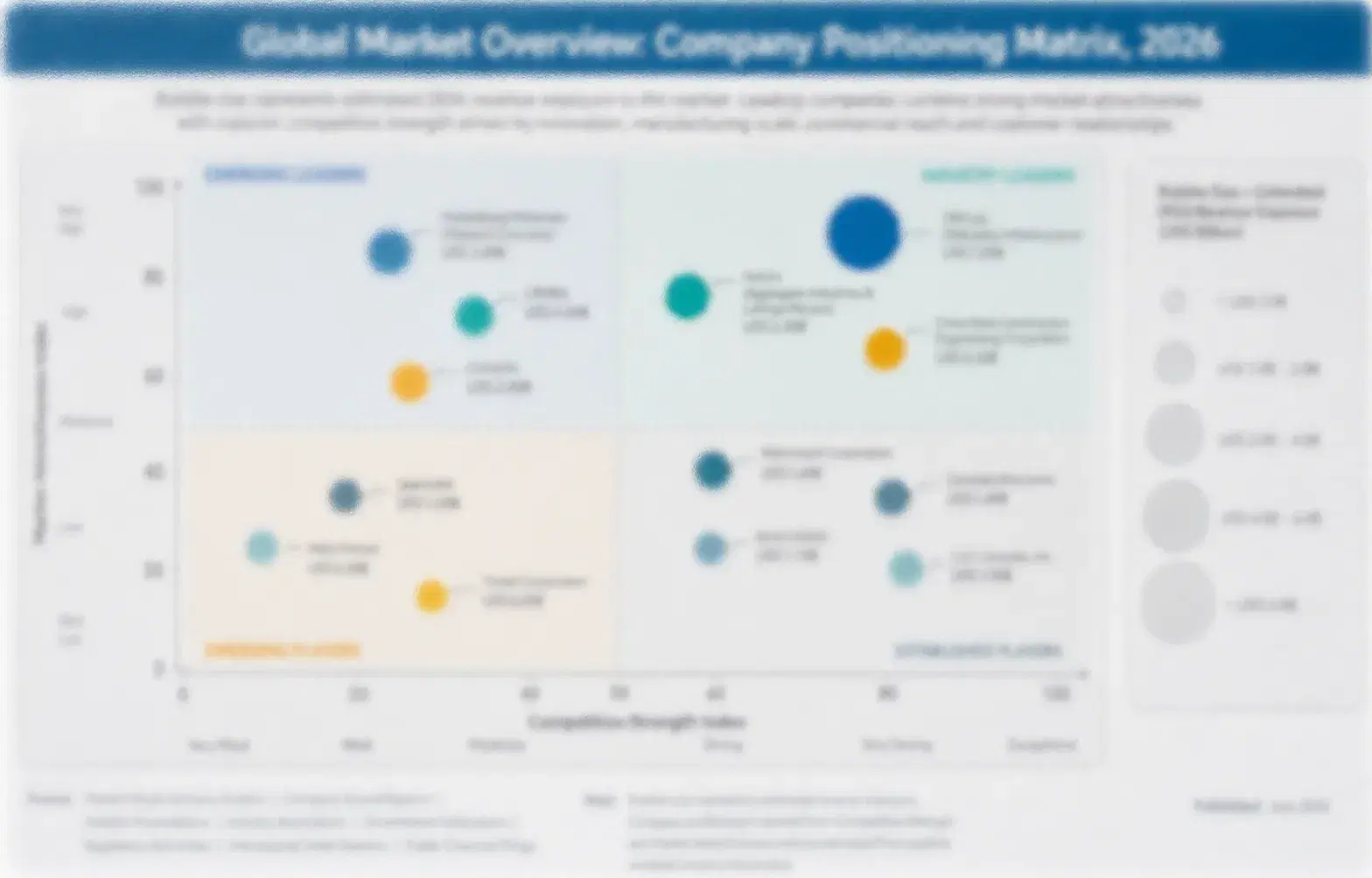
The gingerbread industry is fragmented among biscuit groups, regional bakers, and private-label producers, with the top five brands holding about 26% of global revenue, the basis used throughout this section. Lambertz Group, Lebkuchen Schmidt, Bahlsen, Fazer Group, and Kopernik lead through brands, protected origin products, and holiday retail access, while craft bakeries and private label hold local share through price and proximity to shops.
Competition centers on three dimensions: product authenticity, measured by spice, texture, and protected origin claims; seasonal execution, including forecasting, packaging, and delivery before display dates; and channel reach across supermarkets, gift retail, cafes, and online sales. Leaders invest in premium tins and kits, while challengers compete on price, free-from ranges, and regional recipes that large plants cannot always match.

Emerging pressure comes from private label kits at discounters, from Asian bakers scaling holiday tins, and from sugar policy that raises reformulation cost. Rankings shift where bakers win kit programmes, secure holiday display space, or lose to cheaper supply. Acquisitions of regional bakeries and premium brands will reorder positions faster than organic growth, particularly as inflation and seasonality push smaller bakers toward larger partners with stronger balance sheets.
gingerbread-market-company-positioning-matrix-1789786226373

Competitive Moat and Risk Dimensions

LAMBERTZ GROUP

Moat: Lebkuchen Heritage and Gift Distribution

Lambertz Group, a family-owned German confectionery company based in Aachen, is one of Europe's leading producers of Lebkuchen, printen, and Christmas biscuits, sold through supermarkets, gift shops, and export channels. Its Aachen printen heritage, gift tin design, and large seasonal production capacity, along with relationships with major retailers, give it advantages in holiday ranges and authenticity.
LAMBERTZ GROUP

Risk: Seasonality and Cost Pressure

Lambertz earns most revenue in the final quarter, so holiday demand, energy costs, and retailer orders affect results heavily. Sugar and packaging inflation squeeze margins, and private-label Lebkuchen at discounters can undercut on price. Weather events and shipping delays before display dates can also damage retailer relationships quickly.
LEBKUCHEN SCHMIDT

Moat: Nuremberg Origin and Direct Sales

Lebkuchen Schmidt is a Nuremberg company that bakes protected Nuremberg Lebkuchen and sells directly through its own shops, online store, and gift channels across Germany and export markets. Its protected origin status, premium recipes with high nut content, and direct customer relationships give it pricing power and loyalty among gift buyers who want authentic Nuremberg products.
LEBKUCHEN SCHMIDT

Risk: Scale and Seasonal Concentration

Lebkuchen Schmidt is smaller than the largest biscuit groups and depends on a short holiday season. Rising nut, sugar, and labour costs squeeze margins, and premium positioning limits volume when consumers trade down. Online marketing costs also rise each year, and shipping fragile tins internationally adds cost and breakage risk.

Players Tracked

Prominent Players

Lambertz Group
Lebkuchen Schmidt
Bahlsen
Fazer Group
Kopernik

Other Key Players

Lotus Bakeries
Walkers Shortbread
Mondelez International
Pladis
Wilton Brands
Annas Pepparkakor
Cloetta
Orkla
Aldi
Lidl
Marks and Spencer
IKEA Food
Bauducco
Nestle
Griesson de Beukelaer

Recent Developments

JANUARY 2026

Lambertz Launches Gluten-Free Lebkuchen Range for Christmas Retail

Lambertz launched a gluten-free Lebkuchen range for Christmas retail, using rice and starch flours with the traditional spice mix, aimed at celiac shoppers and free-from sections. It is a product launch. It tests demand for premium gluten-free gingerbread, and gives retailers a branded option that carries the Lambertz heritage.
Signal: Confirms leading bakers now compete on gluten-free gingerbread that keeps traditional spice and gift packaging in retail.
OCTOBER 2025

Wilton Brands Expands Gingerbread House Kit Production for North American Retailers

Wilton Brands expanded gingerbread house kit production, adding baking and kitting capacity to supply North American retailers ahead of the holiday season. This is organic capacity expansion, not an acquisition. It shortens lead times, cuts breakage with new packaging, and supports large programmes at supermarkets and warehouse clubs.
Signal: Shows kit makers now investing in seasonal capacity to serve growing gingerbread house demand each holiday season.
JUNE 2025

Kopernik Signs Export Supply Agreements for Filled Pierniki in Western Europe

Kopernik signed export supply agreements with retailers in Western Europe for filled Torun pierniki, covering pack formats, delivery windows, and price formulas linked to sugar and flour indices. The deals are commercial supply contracts. They widen export reach, share cost risk with retailers, and support year-round demand for filled gingerbread.
Signal: Confirms regional bakers now build export programmes that share ingredient cost volatility with retailers across Europe.

What Drives Gingerbread Costs

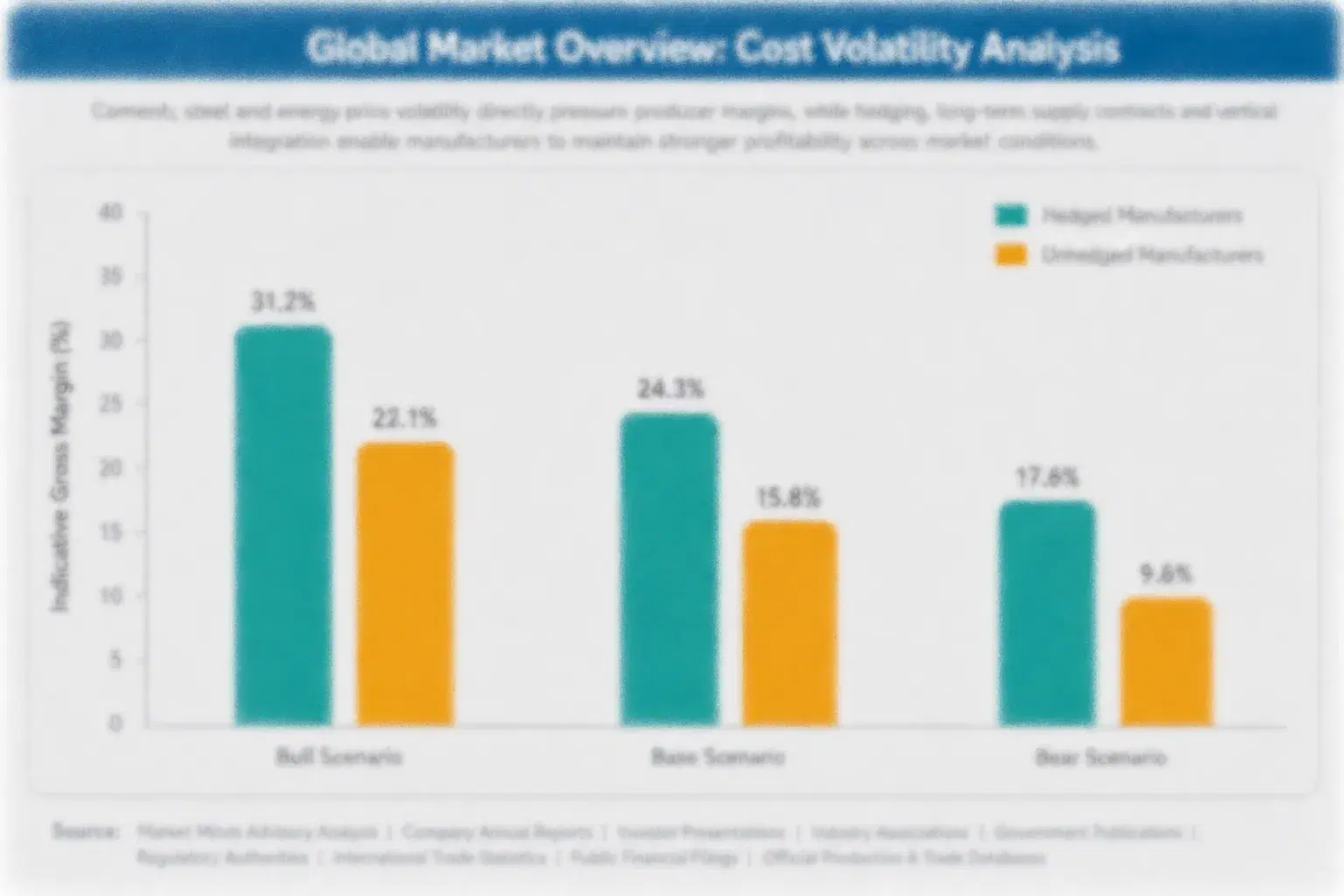
Wheat flour accounts for roughly 26% of cost of goods, sugar, honey, and molasses about 22%, and fats and oils about 10%, with spices such as ginger, cinnamon, and clove adding about 8% and sourced from India, China, Indonesia, and Sri Lanka. Tins, boxes, and cartons add about 16%, and labour, energy, and freight make up the rest.
Raw sugar prices rose to multi-year highs in 2023 and 2024, according to United States Department of Agriculture data, and European gas prices surged in 2022, according to the International Energy Agency, raising oven energy costs by 30% to 60%, while ginger and tin plate costs also rose. Bakers passed increases through at seasonal price negotiations, absorbed part of the rise, and some retailers trimmed range sizes.

The disadvantage falls on bakers without scale or contracts. Large biscuit groups with sugar and flour contracts, multi-plant networks, and year-round plants absorb shocks, while small bakeries buy spot ingredients and run ovens only in season. Exposure varies by product and geography: European bakers face energy costs, kit makers face freight and breakage, and premium tins and free-from lines pass costs through more easily than standard cookies sold on price.
gingerbread-market-cost-volatility-analysis-1789786226645

Contracting Sugar, Flour, and Spices Under Forward Agreements

Bakers sign annual and multi-year agreements for sugar, flour, and spices, mixing fixed and index-linked prices to spread risk. Diversifying spice origins across India, Indonesia, and Sri Lanka reduces exposure to a single crop failure. Forward buying before the autumn build lets bakers plan production and quote retailers with confidence. Terms usually run one year.

Lightweighting Packaging and Improving Seasonal Utilisation

Bakers use lighter tins and larger multipacks that cut packaging cost by 8% to 12%, and shift volume into year-round formats such as minis and cafe supply to raise plant utilisation. These steps protect margin without visible price changes and reduce seasonal working capital. Retailers accept changes if presentation stays strong. Savings compound each year.

Passing Costs Through Index-Linked Pricing With Large Retailers

Large retailers agree to formulas linking gingerbread prices to published sugar and packaging indices plus a fixed baking margin, so cost swings are shared rather than absorbed. Seasonal price setting in spring keeps buyers informed and reduces disputes. Premium tins and free-from ranges use annual pricing, since shoppers value stable quality and gift presentation.

Portfolio Architecture for Margin Defence

Margins run from thin returns on standard gingerbread cookies sold in bulk to strong profits on kits, premium tins, and free-from ranges sold with gift positioning, with gross margin roughly doubling between the volume tier and the top tier. Heritage, seasonal execution, and packaging create pricing power, and shoppers pay more for an authentic recipe in a tin that looks like a gift.
Volume and premium pull in different directions. Standard cookies and cakes sell in large lots to price-driven retailers at thin margins and face sugar and energy swings, while kits, tins, and free-from lines sell in smaller lots at higher margins but need packaging, allergen controls, and early planning. Bakers must decide how much capital to commit to premium ranges and how quickly to move, since one bad season is costly.

High-value pools concentrate in gluten-free and vegan gingerbread for allergen-aware buyers, house and decorating kits for families and schools, and premium protected origin tins for gifting. These segments benefit from repeat purchase, documented positioning, and limited competition from generic biscuit makers. Bakers that combine heritage, kitting capacity, and retailer relationships hold advantages that rivals cannot copy quickly.

Volume / Commodity-Adjacent Tier

Standard gingerbread cookies and cakes sold in bulk to supermarkets and discounters at seasonal price points, with thin margins, sugar and energy cost exposure, and constant price competition from private label and regional bakers, where retailers switch on price and delivery timing.
Gross Margin: 18%-28%

Premium / Certified Tier

Lebkuchen and gingerbread with protected origin claims, premium ingredients, and gift tins, sold under seasonal contracts to retailers and gift shops that require documented quality, allergen controls, and reliable delivery before display dates each autumn.
Gross Margin: 30%-44%

Sustainability / Regulatory / Next-Generation Tier

Gluten-free, vegan, and reduced-sugar gingerbread and decorating kits with certification, clear labelling, and clean ingredient lists, sold through free-from sections and online channels to buyers who pay premiums for dietary safety, family activities, and giftable presentation.
Gross Margin: 36%-56%
gingerbread-market-portfolio-architecture-1789786226971

High-value Sub-segments and Strategic Watch-out

Gluten-Free and Vegan Gingerbread

Gluten-free and vegan gingerbread combine the fastest growth with strong pricing, since allergen-aware and plant-based shoppers pay 30% to 70% premiums. Certification and texture know-how limit competition, and bakers with strong reviews win free-from listings. Repeat purchase extends beyond the Christmas season. Prices hold well overall.
Gross Margin: 36%-56%

Gingerbread Houses and Kits

Gingerbread houses and kits offer high value with solid growth, because families and schools pay $10 to $40 per kit and 40% to 55% margins reward makers. Breakage and unsold stock limit scale, though bakers with early planning and protective packaging defend margin. Retail programmes renew each spring.
Gross Margin: 40%-55%

Soft Gingerbread Cakes and Lebkuchen

Soft gingerbread cakes and Lebkuchen form the volume core, sold to households and gift buyers who want authentic spiced cakes at moderate prices. Margins are moderate and exposed to sugar and energy swings, but steady demand supports scale, and bakers with protected origin and gift tins hold pricing advantages.
Gross Margin: 24%-38%

Mini and Snack-Size Gingerbread

Mini and snack-size gingerbread is a strategic watch-out, valued for year-round use and cafe supply but limited by small volumes, packaging cost, and competition from other biscuits. Snacking trends could expand or restrict demand, so bakers should track cafe adoption and margins before committing capital to dedicated minis lines.
Gross Margin: 28%-46%

Why Retailers and Families Return

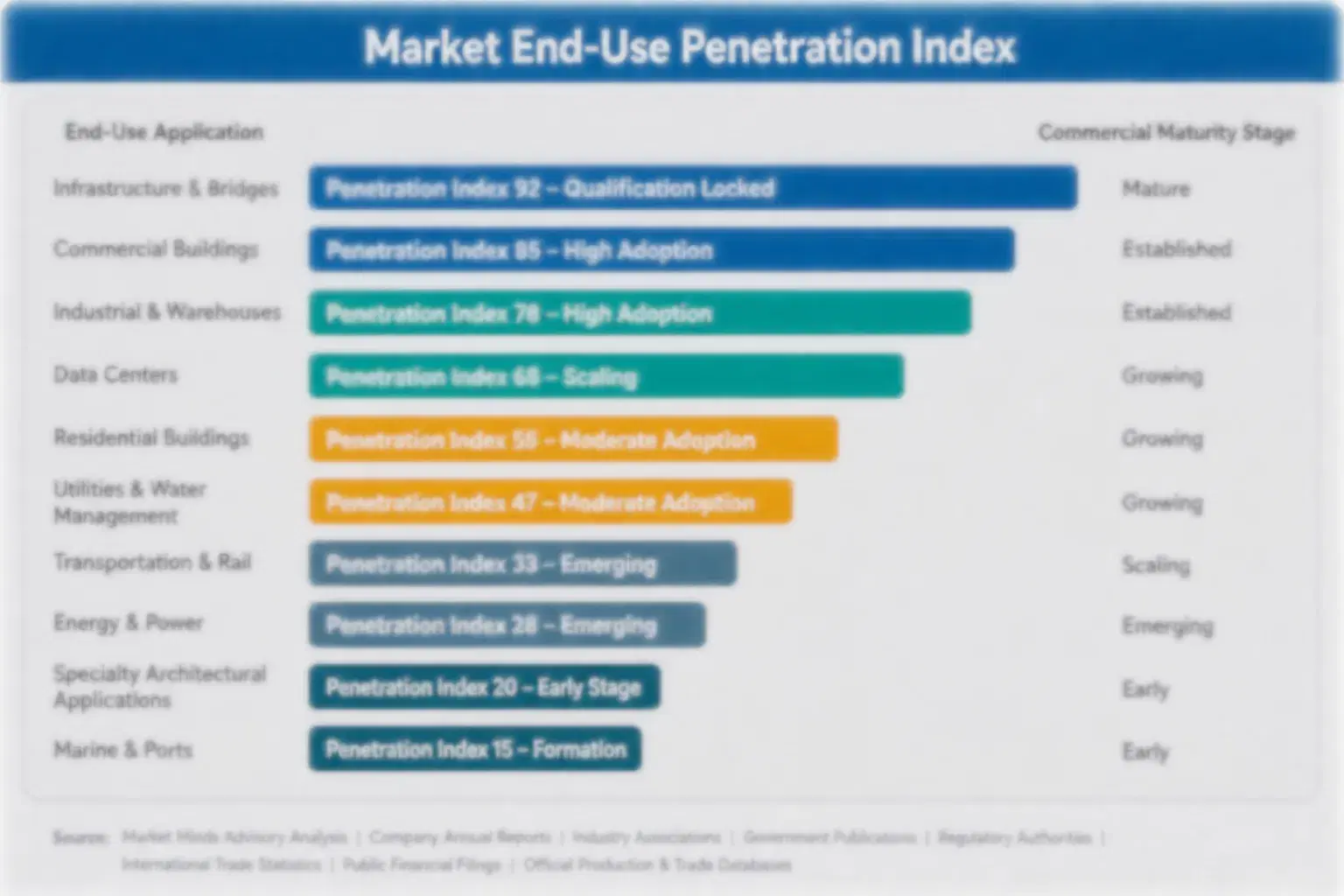
Gingerbread demand behaves like an annuity once a retailer or family adopts a supplier. Seasonal ranges are planned every spring, kits are bought every December, and tins are given at the same holidays. Bakers that hold a retailer relationship for years earn steady volume, and renewals follow price and delivery reliability rather than tenders, because a change of supplier risks late delivery, a recipe surprise, or a gap in a display that cannot be refilled in December.
Stickiness varies by vertical. Retailers with fixed seasonal programmes are deepest, since planograms and marketing are built around one supplier. Families with holiday rituals are next, because recipes and brands are remembered from childhood. Cafes and coffee chains are moderate, tied to distributors, while corporate gift buyers are shallower, choosing on price and packaging.

Buyer profiles are shifting. Older shoppers bought the same brand of tin every year and baked from family recipes, while younger households buy kits, look for gluten-free and vegan options, and share decorating projects online. They compare labels, follow bakers on social media, and switch quickly if a product arrives broken, so bakers that publish ingredients, protect packaging, and offer free-from options keep loyalty across generations.
gingerbread-market-end-use-penetration-index-1789786227281

MMA Verdict on Gingerbread Strategy

These are among the four positions where our research anticipates prominent divergence between winners and laggards over the coming forecast period. Each is grounded in the demand model, the regulatory perimeter, and the announced capacity pipeline.
01 / KIT PROGRAMME STRATEGY

Build House and Decorating Kit Programmes With Retailers Before Spring Ordering Closes

Kits earn 40% to 55% gross margin and sell at $10 to $40, and gingerbread houses and kits grow at 6.4% a year. Kitting lines cost $2 million to $6 million. MMA recommends signing three multi-year retailer programmes by March each year and adding protective packaging that cuts breakage from 8% to 3%, because retailers order early and rarely change suppliers mid-programme, and early kit makers hold display space that later entrants struggle to secure, and each successful season builds retailer trust for larger orders next year.
02 / FREE-FROM RANGE STRATEGY

Launch Gluten-Free and Vegan Gingerbread Before Free-From Sections Fill With Rival Lines

Gluten-free and vegan gingerbread grow at 8.0% a year, about 1.90 times the market rate, and sell 30% to 70% above standard products. Development costs $300,000 to $1 million per range. MMA advises launching two certified lines within 18 months and pitching them to two retailers, because free-from sections list limited brands, and early bakers with proven texture hold space and reviews that later entrants find costly to displace through promotions, especially once reviews and repeat purchase data accumulate for leading free-from lines.
03 / SEASONAL UTILISATION STRATEGY

Extend Utilisation Through Cafe, Snack, and Southern Hemisphere Sales Beyond December

Year-round formats add 10% to 20% of annual volume and lift utilisation from 45% to 60%, lowering cost per tonne by 5% to 8%. MMA recommends signing two cafe chain programmes and one southern hemisphere retailer within 24 months, because off-peak volume smooths working capital and reduces write-off risk, and bakers with steadier plants absorb cost shocks better than rivals that sit idle for nine months of the year. Steadier cash flow also cuts seasonal borrowing, which matters when interest costs rise across the sector.
04 / INPUT COST STRATEGY

Contract Sugar and Spices Forward and Lighten Tins Before Costs Spike Again

Sugar, honey, spices, and tin plate make up more than 45% of cost of goods, and sugar rose 30% to 50% since 2022. Lighter tins cut packaging cost by 8% to 12%. MMA advises contracting 60% of sugar and spice needs and moving 30% of tins to lighter formats within two years, because bakers that hold margins through commodity shocks retain retailer programmes that rivals lose, and lenders reward that stability with lower borrowing costs, which helps them fund kitting lines ahead of demand peaks.

Engagement Snapshot From the Field

A live engagement with an industry participant carrying material or product regulatory and market exposure ahead of a defining policy shift, showing how our research translates into a defensible multi-year portfolio strategy.
MARKET MINDS ADVISORY · CLIENT ENGAGEMENT SUMMARY
Gingerbread Producer Strategic Portfolio Review and Transition Roadmap 2026·Investment Scenario on Gingerbread Exposure Evaluation 2025-26
CLIENT PROFILE
The client is a mid-sized European seasonal bakery with two plants and roughly EUR 84 million in annual revenue (client-reported, unverified by MMA), selling gingerbread, Lebkuchen, and Christmas biscuits to supermarkets, gift shops, and online customers. Gross margin sat near 25% (client-reported, unverified by MMA), and 71% of revenue came in the final quarter. Utilisation averaged 58% (client-reported, unverified by MMA).
STRATEGIC CHALLENGE
Sugar and energy costs had risen sharply, plants ran at 92% in autumn and 28% in spring, unsold stock reached 6% of volume, two retailers asked for gluten-free ranges, and discounters launched cheaper house kits. Leadership needed a plan that cut seasonality, added free-from and kit lines, and improved cost pass-through.
MMA APPROACH
MMA interviewed 45 retail buyers and gift shop owners, analysed sales, stock, and cost data across 60 products, benchmarked five bakeries on seasonality and format mix, and modeled economics for kits, free-from lines, and year-round supply under high, base, and low sugar scenarios. Analysts also visited both plants. Findings were validated with client managers.
KEY FINDINGS
  1. Cafe and southern hemisphere sales could lift annual utilisation from 48% to 61% and cut cost per tonne by 6% (client-reported, unverified by MMA).
  2. Gluten-free gingerbread could reach 9% of sales within two years at margins 11 points above standard products, based on interviews with six retailers.
  3. House and decorating kits could add sales worth 12% of revenue at margins 12 points above cookies, based on buyer discussions and competitor data.
  4. Index-linked pricing with three retailers would cut margin volatility by four points, according to scenario modeling and contract reviews with three large retailers.
CLIENT PROFILE
The client is a mid-sized European seasonal bakery with two plants and roughly EUR 84 million in annual revenue (client-reported, unverified by MMA), selling gingerbread, Lebkuchen, and Christmas biscuits to supermarkets, gift shops, and online customers. Gross margin sat near 25% (client-reported, unverified by MMA), and 71% of revenue came in the final quarter. Utilisation averaged 58% (client-reported, unverified by MMA).
STRATEGIC CHALLENGE
Sugar and energy costs had risen sharply, plants ran at 92% in autumn and 28% in spring, unsold stock reached 6% of volume, two retailers asked for gluten-free ranges, and discounters launched cheaper house kits. Leadership needed a plan that cut seasonality, added free-from and kit lines, and improved cost pass-through.
MMA APPROACH
MMA interviewed 45 retail buyers and gift shop owners, analysed sales, stock, and cost data across 60 products, benchmarked five bakeries on seasonality and format mix, and modeled economics for kits, free-from lines, and year-round supply under high, base, and low sugar scenarios. Analysts also visited both plants. Findings were validated with client managers.
KEY FINDINGS
  1. Cafe and southern hemisphere sales could lift annual utilisation from 48% to 61% and cut cost per tonne by 6% (client-reported, unverified by MMA).
  2. Gluten-free gingerbread could reach 9% of sales within two years at margins 11 points above standard products, based on interviews with six retailers.
  3. House and decorating kits could add sales worth 12% of revenue at margins 12 points above cookies, based on buyer discussions and competitor data.
  4. Index-linked pricing with three retailers would cut margin volatility by four points, according to scenario modeling and contract reviews with three large retailers.
RECOMMENDED STRATEGY
Phase 1: Phase 1 (Months 1-6): Sign index-linked pricing with three retailers, contract sugar and spices, and begin gluten-free recipe trials this spring. Phase 2: Phase 2 (Months 7-18): Launch two gluten-free lines, build a kitting line, and sign two cafe chains and one southern hemisphere retailer. Phase 3: Phase 3 (Months 19-30): Extend kits to warehouse clubs, review pricing each spring, and evaluate a third plant for growth.
OUTCOME
Within 30 months, kits, free-from, and year-round products reached about 27% of revenue, and gross margin rose from 25% to about 31% (client-reported, unverified by MMA). Annual utilisation reached 60%, unsold stock fell to 3%, and the board approved a kitting line expansion for the following year.

Frequently Asked Questions

Foundational context covering the market sizes, CAGR, scope, country, region and competition that inform every finding below. This section is provided to cover basics and most often pre-purchase conversations, answered from the MMA Primary Research Dataset.

What is the current size of the Gingerbread Market?

The global gingerbread market was valued at $3.4 billion in 2025. This covers soft gingerbread, cookies, house kits, filled and coated, and free-from gingerbread sold through retail, gift, bakery, and online channels.

How large will the Gingerbread Market be by 2036?

MMA projects the market will reach approximately $5.3 billion by 2036. This represents cumulative growth of roughly $1.8 billion over the full ten-year forecast window.

What is the CAGR for the Gingerbread Market 2026 to 2036?

The market is forecast to grow at a 4.2% compound annual rate between 2026 and 2036. The bull case reaches 5.5% while the bear case falls to 2.9%.

Which segment is growing fastest?

Gluten-Free and Vegan Gingerbread is the fastest-growing segment at 8.0% CAGR, roughly 1.90 times the overall market rate. Gingerbread Houses and Kits follows as the second-fastest segment at 6.4% CAGR each year.

Who are the major companies in the Gingerbread Market?

Leading companies include Lambertz Group, Lebkuchen Schmidt, Bahlsen, Fazer Group, and Kopernik. These five brands together hold an estimated 26% of total global market revenue, based on MMA analysis of company disclosures.

Which country is growing fastest?

China is the fastest-growing major market, expanding at approximately 6.8% CAGR each year. Western-style Christmas retail, cafe growth, and imported gift tins are driving this above-market growth across the country.

Report Segmentation Architecture

The full report scope spans multiple orthogonal segmentation dimensions, with cross-tabulated demand data provided for each dimension pair. Coverage extends further to regional breakdowns, trend trajectories, and the competitive detail needed to support segment-level decision-making.

By Primary Market Dimension

  • Gluten-Free and Vegan Gingerbread
  • Gingerbread Houses and Kits
  • Soft Gingerbread Cakes and Lebkuchen
  • Crisp Gingerbread Cookies and Biscuits
  • Filled and Coated Gingerbread
  • Mini and Snack-Size Gingerbread

By End-Use Industry

  • Household Consumption
  • Gift and Corporate Buyers
  • Cafes and Coffee Chains
  • Schools and Family Activities
  • Hotels and Catering

By Commercial Dimension

  • Supermarket and Discount Retail
  • Gift Shops and Department Stores
  • Online and Direct Sales
  • Export and Seasonal Distribution

By Region

  • North America
  • Western Europe
  • East Asia
  • South Asia and Pacific
  • Latin America
  • Middle East and Africa
  • Eastern Europe

Scope, Methodology, and Coverage

Every figure in this report is reproducible from documented input assumptions. The scope below maps the historical period, the forecast horizon, the segmentation dimensions, and the countries covered, alongside the underlying primary and qualitative methodology.
Historical Period
2020 to 2025
Forecast Period
2026 to 2036
Base Year
2025 (USD billions; MMA Primary Research Dataset, September 2026)
Market Definition
Gingerbread comprises baked goods made with ginger, cinnamon, cloves, and other spices sweetened with honey, molasses, or sugar, including soft gingerbread cakes and Lebkuchen-style products, crisp gingerbread cookies and biscuits, gingerbread houses and decorating kits, filled and coated gingerbread, gluten-free and vegan gingerbread, and mini and snack-size gingerbread, sold through retail, gift, bakery, and online channels. The scope excludes ginger biscuits without traditional gingerbread character, spice mixes sold alone, and ginger beer or confectionery.
Quantitative Units
USD billions (current prices); kilotonnes for volume references
Segmentation Dimensions
By Product Type and Dietary System; By End-Use Industry; By Commercial Dimension; By Region
Regions Covered
North America, Western Europe, East Asia, South Asia and Pacific, Latin America, Middle East and Africa, Eastern Europe
Countries Covered
USA, Canada, Mexico, Brazil, Argentina, Chile, UK, Germany, Sweden, Denmark, Finland, France, Netherlands, Poland, Czechia, Hungary, Ukraine, South Africa, UAE, Japan, South Korea, China, India, Australia, and additional markets relevant to this sector
Key Companies Profiled
Lambertz Group, Lebkuchen Schmidt, Bahlsen, Fazer Group, Kopernik, Lotus Bakeries, Walkers Shortbread, Mondelez International, Pladis, Wilton Brands, Annas Pepparkakor, Cloetta, Orkla, Aldi, Lidl, Marks and Spencer, IKEA Food, Bauducco, Nestle, Griesson de Beukelaer
Quantitative Methodology
Primary survey, n=3,800 respondents, Q4 2025, six countries; demand-side model with trade association cross-validation
Qualitative Methodology
47 expert interviews, Q4 2025; applied to validate demand model assumptions, identify emerging dynamics, and assess competitive positioning
Report Format
PDF and XLSX data workbook (Word format preview document)
Publisher
Market Minds Advisory
Report Code
MMA-2026-AGR-364
Published
September 2026
Contact
sales@marketmindsadvisory.com | www.marketmindsadvisory.com

Purchase the full Gingerbread Market Report (2026 to 2036).

The full report delivers a detailed assessment of global gingerbread demand, product types, and competitive positioning through 2036. It includes segment forecasts by product type, country-level data for all seven world regions, and profiles of the twenty companies most relevant to gingerbread supply. Analysts also receive input cost modeling and portfolio margin benchmarking built from MMA's primary research dataset. A scenario planning module lets subscribers stress-test bull and bear assumptions against sugar prices, holiday spending, and kit adoption. Quarterly updates keep the whole dataset current throughout the subscription year for every subscriber.
Ten-year segment and regional demand forecasts
Sugar, spice, and packaging cost tracking
Competitive benchmarking of top twenty bakers
Protected origin and allergen rule tracker
Regional demand mechanism comparative analysis included
Quarterly primary survey data update access

Built For The People Who Decide

From boardroom strategy to bench-side execution, this report is read cover-to-cover by leaders shaping the next decade of their industry, turning demand scenarios, market dynamics and valuation benchmarks into decisions.
CXOs/ Presidents/ VPs/ Managers
M&A and Corporate Development
Strategy Teams and R&D Heads
Procurement and Product Directors
Regulatory and Compliance Leaders
Investor Relations and Equity Analysts