Market Minds Advisory
Gamma-Stable Bio-Based Medical Trays Market

Gamma-Stable Bio-Based Medical Trays Market Growth Outlook, 2026-2036

Medical device manufacturers are qualifying bio-based tray formulations engineered to withstand gamma sterilization without embrittlement, as hospital sustainability scorecards push sterile packaging toward renewable content conventional polystyrene trays cannot offer today.

Lead Analyst

Bilal Shaikh

Published

November 2026

Make Smarter Decisions with Customized Research Insights

Request a free sample report and evaluate market opportunities, growth trends, and competitive dynamics relevant to your business needs.

2025 MARKET VALUE$0.6BMarket Size 2025
2036 FORECAST VALUE$1.7BBase Case , 2026 to 2036
CAGR 2026 TO 20369.6 %Bull 10.8% / Bear 8.3%
INCREMENTAL OPPORTUNITY$1.0BNet 10- year value creation
EXPANSION MULTIPLE2.50x2036 value over 2026 base
Strategic Levers
M&A Pipeline
Regional Outlook
Country Rankings
Competitive Intelligence
Segmental Deep-dive
Call-Us : 91 93563 13602

Gamma-Stable Bio-Based Medical Trays Market Outlook

Gamma-stable bio-based medical trays are moving from device-manufacturer pilot lines into standard sterile packaging specification, as formulators finally engineer bio-based resins that hold dimensional stability and barrier integrity through gamma irradiation doses that once degraded every renewable alternative to conventional polystyrene across most major sterile device categories today.
Commercial pressure comes from three directions: hospital systems scoring device suppliers on packaging sustainability as part of broader procurement contracts, implant and surgical instrument manufacturers facing extended producer responsibility fees tied to non-recyclable sterile trays, and diagnostic kit makers seeking bio-based formats that satisfy both biocompatibility and radiation-stability requirements simultaneously. Implant trays are the fastest-growing of six tracked applications, serving a device category where packaging failure carries the highest clinical consequence.
Competitively, diversified sterile barrier material majors with deep gamma-dose validation science are defending share against pure-play medical packaging specialists who built their entire business around device-tray qualification. Regulatory tailwinds keep building on two fronts: expanding hospital system sustainability procurement scorecards that increasingly weight packaging material alongside clinical performance, and extended producer responsibility rules in Europe reaching into medical device packaging categories regulators once treated as exempt now.
Market Definition
The gamma-stable bio-based medical trays market covers thermoformed and molded sterile packaging trays derived from renewable feedstock engineered to withstand gamma irradiation sterilization without loss of barrier integrity, used for surgical instruments, implants, diagnostic kits, and related sterile medical device packaging. It excludes conventional petroleum-based sterile trays and bio-based trays not validated for gamma-sterilization compatibility.
Base Year Value
$0.6B in 2025 (MMA Primary Research Dataset, October 2026)
Forecast Period
2026 to 2036, eleven discrete annual values
CAGR
9.6% base case. Bull 10.8%. Bear 8.3%.
Fastest Growth Segment
Implant Packaging Trays: 11.5% CAGR
Fastest Growth Country
China: 10.8% CAGR
Fastest Growth Region
South Asia and Pacific: 11.5% CAGR
Largest Region
North America: 30% of 2025 global value
Market Leaders
DuPont de Nemours Inc., Oliver Healthcare Packaging, Placon Corporation, Tekni-Plex Inc., Amcor plc. Source: MMA Analysis based on company annual reports.
Primary Survey
n=3,800 procurement and R&D decision-makers, Q4 2025, six countries
Methodology
Demand-side build-up, cross-validated against public data, 47 expert interviews

Gamma-Stable Bio-Based Medical Trays Revenue Scenarios

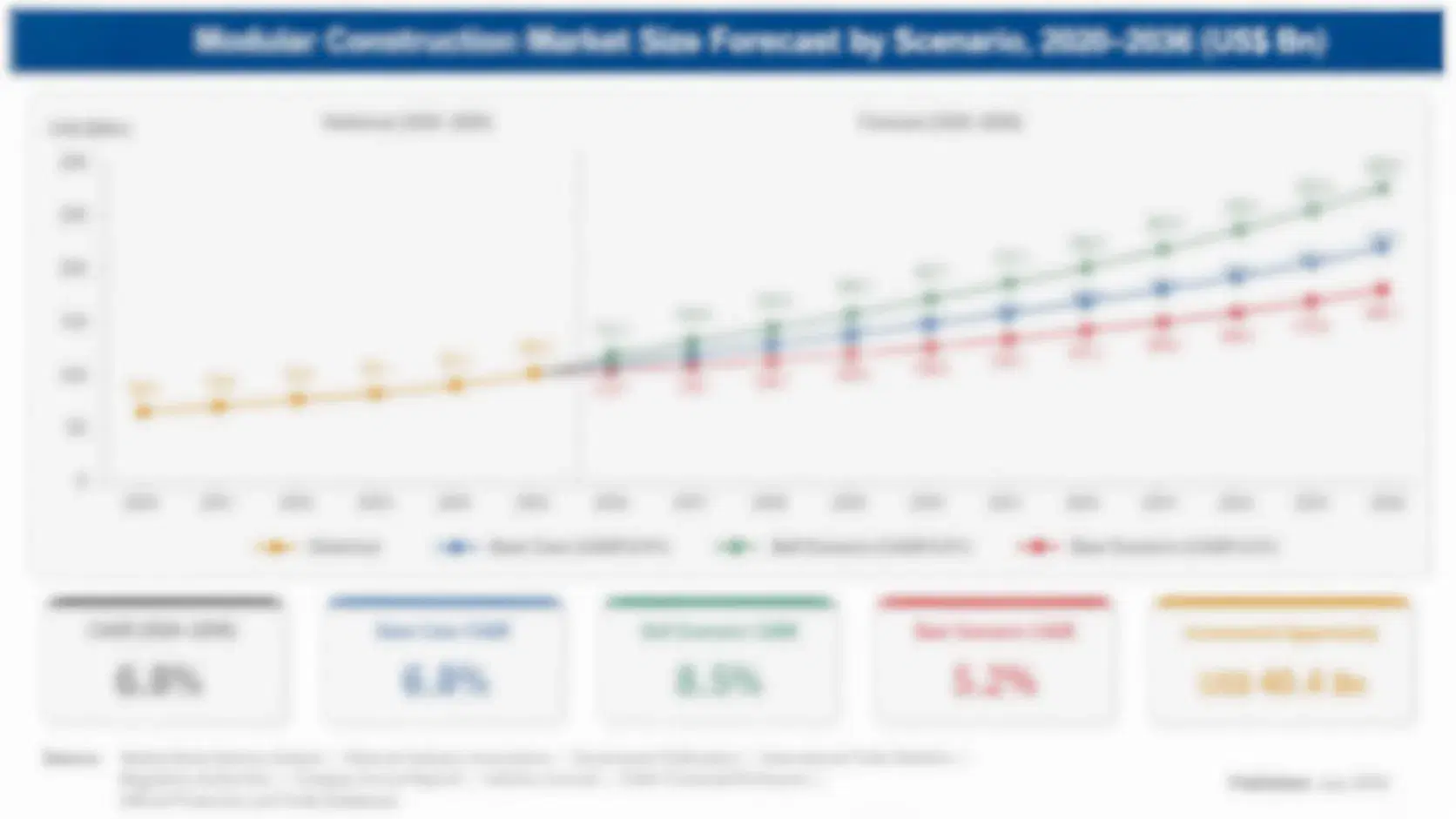
gamma-stable-bio-based-medical-trays-market-size-forecast-scenario-1791565290202
Between 2020 and 2025, gamma-stable bio-based medical trays grew steadily as a handful of device manufacturers piloted bio-based formulations on lower-risk diagnostic packaging lines, while most surgical and implant packaging continued relying on conventional polystyrene given the clinical stakes of any sterilization-compatibility failure, a gradual build that set the stage for the faster qualification activity now underway across the category.
The base case assumes three mechanisms hold through 2036: hospital sustainability procurement scorecards keep expanding to weight packaging material more heavily across device categories, bio-based resin formulations keep closing the remaining gap with conventional polystyrene on gamma-dose stability and clarity, and extended producer responsibility rules keep reaching further into medical device packaging exemptions across European markets. Together these push gamma-stable bio-based trays from a diagnostic-packaging niche into a standard specification across most major sterile device categories within the forecast window.
The bull case assumes a major hospital group procurement network mandates bio-based sterile packaging across its full device supplier base within three years, pulling category volume sharply higher industry-wide. The bear case assumes gamma-dose validation costs stay high enough that device manufacturers delay broader qualification, limiting adoption to diagnostic and lower-risk categories that can absorb validation investment more easily.

Why Sterilization Compatibility Is the New Bottleneck

Gamma-stable bio-based medical trays sit downstream of three converging forces: hospital procurement systems scoring device suppliers on packaging sustainability, device manufacturers facing extended producer responsibility exposure tied to non-recyclable sterile packaging, and resin formulators finally closing the gamma-dose stability gap that long confined bio-based materials to non-sterile applications. Manufacturers that once thermoformed only conventional polystyrene trays are now qualifying bio-based resin lines, a step that requires radiation-dose validation testing legacy tray operations never needed. Seen at market level, the medical device trays market rises from USD 2.4 billion in 2025 to USD 4.65 billion by 2036 in MMA's base case.
TOP PRODUCING COUNTRY SHARE29%United States anchors the largest share of qualified production
MARKET CONCENTRATION (CR5)34%Top five manufacturers hold under half the market
AVERAGE SELLING PRICE$2.60 per trayGamma-stable bio-based trays price above conventional polystyrene equivalents
CAPACITY UTILIZATION74%Validated thermoforming lines run near full qualified capacity
FEEDSTOCK SHARE OF COGS42%Bio-based resin and stabilizer additives dominate conversion cost
TRADE INTENSITY51% cross-borderMost finished trays cross borders before final device assembly
Commercially, this remains a specialty materials market rather than a broad commodity one. A handful of diversified sterile barrier majors and pure-play medical packaging specialists dominate qualified volume, while generalist thermoformers compete for lower-risk, non-sterile tray categories outside this validated niche. Average selling prices for gamma-stable bio-based trays run above conventional polystyrene equivalents, and radiation-dose validation data, not unit price alone, increasingly determines which suppliers win device-manufacturer qualification.
Over the next decade, expect gamma-stable bio-based trays to move from a diagnostic-packaging specialty into a default specification across most major sterile device categories. Regulatory convergence between hospital sustainability scorecards and expanding European extended producer responsibility rules will likely standardize bio-based validation requirements faster than device manufacturers currently expect.
"A bio-based tray that looks perfect on day one and turns brittle after the gamma dose is worse than no innovation at all, because now the device recall risk sits on top of the sustainability failure."
Director, Medical Device Packaging and Sterile Barrier Practice · MMA Medical Device Packaging & Sterile Barrier Systems Practice · October 2026

Gamma-Stable Bio-Based Medical Trays Technology Trends

Hospital Systems Score Suppliers on Packaging Sustainability

Several large hospital procurement networks have begun formally scoring device suppliers on packaging sustainability as part of broader vendor contracts, extending sustainability criteria that previously applied mainly to capital equipment into the disposable sterile packaging accompanying every device shipment. This is pulling device-manufacturer tray selection toward suppliers who can supply validated bio-based formulations across multiple device categories simultaneously, since a single underperforming packaging line could affect a hospital's overall supplier sustainability score. Device manufacturers that completed bio-based qualification are now citing it directly in hospital contract renewal conversations, reinforcing the case for extending bio-based trays across additional product lines.
Market Impact: Expands fee exposure across 8+ markets
Bio-Based Resins Close the Gamma-Dose Stability Gap

Bio-based resin formulations for sterile trays have improved meaningfully over the past several years, closing much of the embrittlement and discoloration gap that previously limited bio-based materials to non-sterile or low-dose applications while leaving gamma-sterilized surgical and implant trays to conventional polystyrene. This improvement is broadening the addressable market beyond early-adopter diagnostic-kit manufacturers who already tolerated earlier-generation performance limitations, into surgical and implant categories requiring the highest dose tolerance and longest post-sterilization shelf stability. Manufacturers who can demonstrate gamma-dose stability matching conventional polystyrene are winning accounts that previously defaulted to conventional materials on performance grounds alone.
Market Impact: Lifts demand by 18%

Gamma-Stable Bio-Based Medical Trays Supplier Priorities

Extended Producer Responsibility Reaches Medical Packaging

European extended producer responsibility rules have begun reaching into medical device packaging categories regulators previously treated as exempt given the clinical-safety rationale for conventional sterile materials, creating direct fee exposure for device manufacturers still relying on non-recyclable conventional trays. This is pushing manufacturers to evaluate bio-based alternatives across sterile categories the earliest extended producer responsibility rules did not originally target directly, since compliance reporting increasingly covers a manufacturer's full packaging portfolio rather than isolated product lines. Manufacturers facing the highest fee exposure are moving fastest to qualify bio-based trays ahead of further anticipated rule tightening across additional European markets.
Market Impact: Adds roughly 30% validation cost burden

Implant Volume Growth Lifts Premium Tray Demand

Global implant procedure volume has climbed steadily as aging populations drive higher rates of orthopedic, cardiovascular, and other implant surgeries across most major healthcare systems, and each incremental implant procedure requires a validated sterile tray before the device reaches the operating room. Bio-based formulations are capturing a growing share of this expanding volume as implant manufacturers, who already command premium device pricing, find it easier to absorb the added packaging cost than lower-margin surgical-instrument categories. This procedure-driven demand is becoming durable rather than purely cyclical, giving manufacturers a predictable baseline to plan validated capacity investment against.
Market Impact: Varies shelf-life performance by roughly 14%

Gamma-Stable Bio-Based Medical Trays Market Restraints

Validation Cost Still Limits Smaller Manufacturer Adoption

Gamma-dose validation testing for a new bio-based tray formulation carries a substantial cost and timeline burden that smaller device manufacturers find harder to absorb than large diversified device companies able to spread validation cost across many product lines. The root cause is regulatory rigor, not materials cost alone: every new tray-device combination requires its own radiation-dose validation study before commercial use, and this burden does not scale down proportionally. This keeps adoption concentrated among large manufacturers. Suppliers mitigate this with pre-validated standard platforms that reduce the burden for manufacturers adopting a common format.
Market Impact: Covers 150+ hospital procurement networks

Post-Sterilization Shelf Life Still Varies by Formulation

Bio-based tray formulations, even with improved gamma-dose stability, still show variable post-sterilization shelf-life performance across different formulations, since each bio-based resin chemistry ages somewhat differently after irradiation exposure compared to the well-characterized long-term aging behavior of conventional polystyrene. The underlying cause is limited long-term field data: bio-based formulations have not yet accumulated the multi-year real-world aging history that conventional materials have, leaving device manufacturers to rely on accelerated-aging studies rather than confirmed field performance. This slows adoption among manufacturers requiring the longest shelf-life claims. Suppliers mitigate this by publishing accelerated-aging data alongside ongoing stability studies.
Market Impact: Cuts post-sterilization failure by 28%
3 additional market trends, 4 additional growth drivers, and 2 additional restraints and challenges are covered in the full report. Contact sales@marketmindsadvisory.com to access the complete intelligence.

Gamma-Stable Bio-Based Medical Trays Growth by Segment

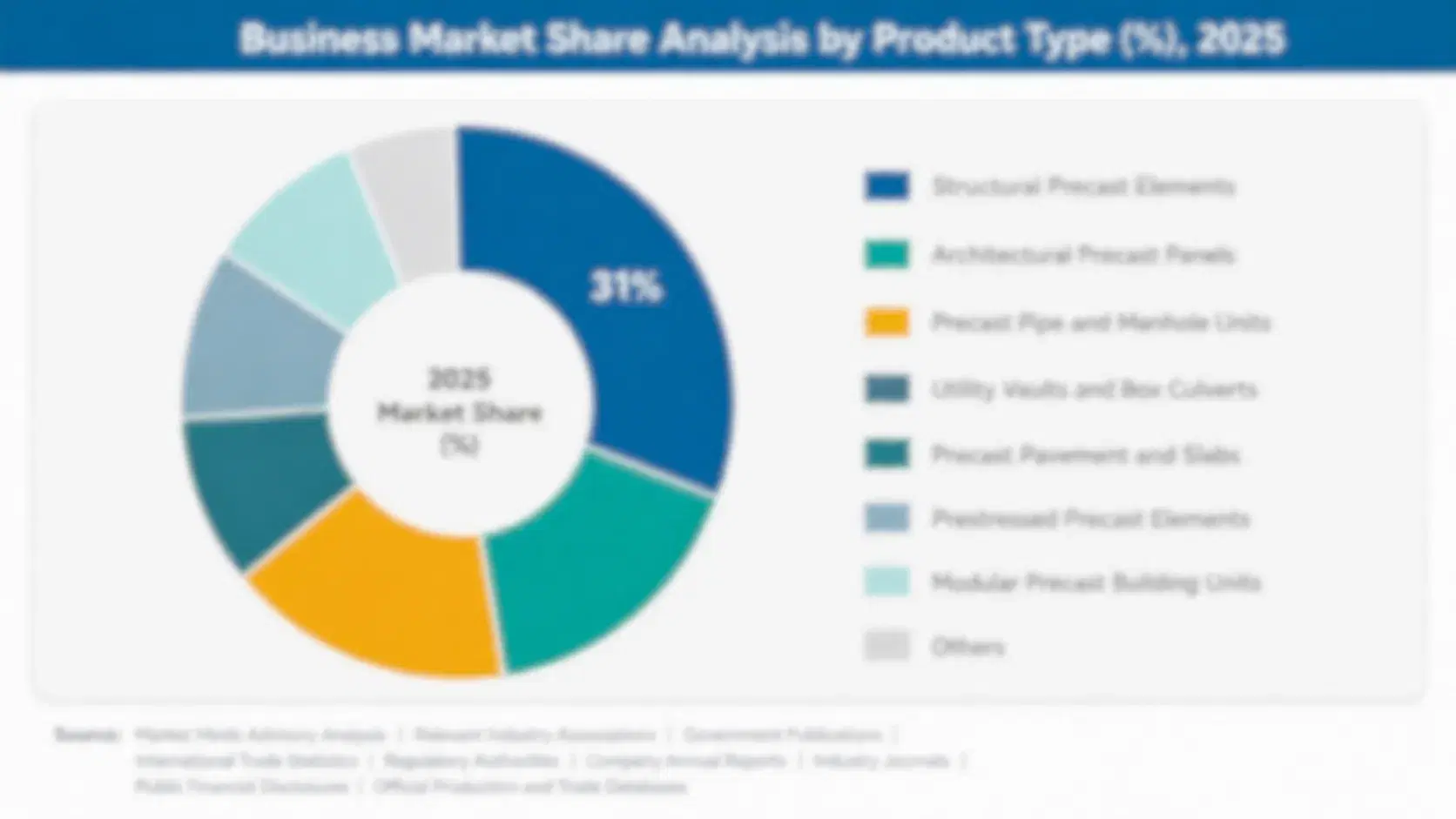
MMA segments the gamma-stable bio-based medical trays market by device application rather than by resin chemistry, since the same gamma-stable formulation platform serves multiple device categories once a manufacturer completes radiation-dose validation. Six applications are tracked; implant and pharmaceutical vial trays are growing fastest as premium device categories scale together across the full device-manufacturing landscape industry-wide.
gamma-stable-bio-based-medical-trays-market-market-share-analysis-1791565290444

Implant Packaging Trays

Implant packaging trays hold orthopedic, cardiovascular, and other implantable devices through sterilization and storage, serving a device category where packaging failure carries the highest clinical and regulatory consequence of any tray application tracked. Demand concentrates among implant manufacturers who already command premium device pricing and can more readily absorb the added bio-based material and validation cost than lower-margin device categories. Growth runs well ahead of every other tracked application as procedure-volume growth and hospital sustainability scoring both intensify simultaneously, a combination pulling investment from both clinical-volume and procurement-policy directions at once. Manufacturers who can demonstrate validated gamma-dose stability across extended shelf-life claims are winning the largest multi-year implant-manufacturer contracts as adoption scales beyond early diagnostic-category pilots. The same pull shows up in the medical diagnostic packaging market, where MMA projects a 9.1% CAGR through 2036.
CAGR 11.5%

Pharmaceutical Vial and Syringe Trays

Pharmaceutical vial and syringe trays hold prefilled syringes, vials, and related injectable packaging through sterilization and distribution, serving a category where biologic drug manufacturers increasingly want packaging sustainability credentials matching their own corporate commitments. Demand concentrates among biologic and specialty pharmaceutical manufacturers facing both device-adjacent extended producer responsibility exposure and growing payer and provider scrutiny of total supply-chain sustainability. Growth trails implant trays only slightly and remains well above the category average as more pharmaceutical manufacturers extend bio-based specifications from secondary packaging into the sterile tray layer itself. Manufacturers with pharmaceutical-grade validation experience are winning multi-year contracts from manufacturers consolidating their sterile packaging vendor base on validation timelines across every new pharmaceutical account they pursue. MMA's outlook for the syringe trays market points to USD 3.42 billion by 2036, a 6.0% annual growth rate.
CAGR 10.5%
Full segment breakdown across 6 segments available in the complete report.

Gamma-Stable Bio-Based Medical Trays Demand by Region

Demand concentrates where medical device manufacturing scale and hospital sustainability procurement both converge. North America leads on device manufacturing volume and procurement-scorecard adoption, East Asia follows on rapidly scaling device manufacturing capacity, and South Asia and Pacific is expanding fastest as regional device manufacturing modernizes.

North America

The United States drives the overwhelming majority of North American demand, reflecting both its position as the largest medical device manufacturing and consumption market globally and the earliest hospital sustainability procurement scorecards anywhere in the world tying packaging material to supplier contract terms. Major device manufacturers with large-scale sterile packaging operations across the US have been first to qualify gamma-stable bio-based trays at commercial volume, driven by both procurement scorecard pressure and extended producer responsibility exposure in several states. Canada's contribution is smaller but growing, generally following US specifications given integrated device supply chains. Manufacturers with proven validation track records are winning the bulk of new contracts as scorecard requirements keep expanding into additional categories.
Share: 30% | CAGR: 9.8% (2026 to 2036)

Western Europe

Regulatory convergence, more than pure device-volume growth, defines Western Europe's position in this market. Germany and Ireland host the largest concentration of medical device manufacturing and packaging validation infrastructure managing extended producer responsibility compliance, which has tightened faster here than in most other major markets' equivalent frameworks. The United Kingdom's separate post-Brexit medical device framework adds a further specification layer manufacturers selling into both markets must accommodate within their validation strategy. Growth here trails East Asia and North America because unit volumes are smaller and regulatory compliance work consumes validation capacity that would otherwise go toward new gamma-stable formulation development across additional device categories across additional device categories each year.
Share: 23% | CAGR: 8.0% (2026 to 2036)
Regional intelligence for 5 additional markets available in the complete report: East Asia, South Asia and Pacific, Latin America, Middle East and Africa, Eastern Europe. Contact sales@marketmindsadvisory.com.
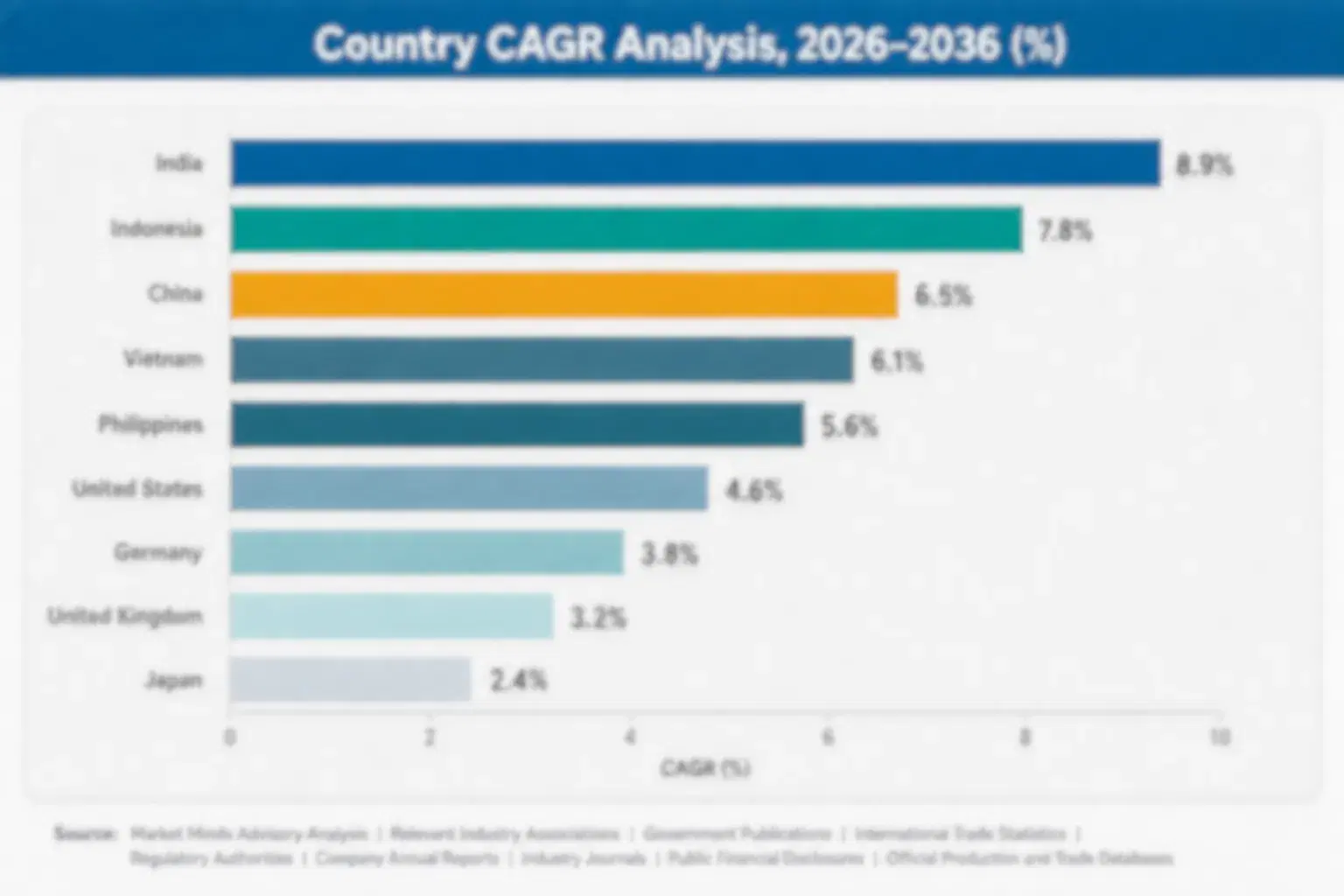
gamma-stable-bio-based-medical-trays-market-country-cagr-analysis-1791565290628

Where Packaging Makers Can Capture Margin

Manufacturers compete on radiation-dose validation data and hospital-procurement relationships more than on unit price alone, which opens several routes to margin above the category average. The clearest paths run through pre-validated platform licensing, hospital scorecard partnerships, multi-device validation bundling, and extended shelf-life data services, each commanding a premium customers pay to simplify qualification across every account they serve.

License Pre-Validated Standard Tray Platforms Now

Manufacturers that develop pre-validated standard tray platforms, already carrying completed gamma-dose validation data across common device geometries, capture smaller device manufacturers who cannot absorb the full cost of independent validation studies for a custom tray design. This platform-licensing approach typically prices at roughly 20% above fully custom tray development, reflecting the value manufacturers place on skipping months of independent validation work entirely. Manufacturers who built these platforms earliest are capturing the majority of smaller-manufacturer accounts entering the category for the first time Several manufacturers have expanded these platforms into additional device geometries recently.
Market Impact: Prices platform licensing 20% higher right now today

Partner Directly With Hospital Procurement Scorecards

Manufacturers that build direct data-sharing relationships with hospital procurement networks running sustainability scorecard programmes can price verified bio-based content as part of a bundled compliance-reporting service rather than a standalone tray sale, capturing margin on both the material and the verification data hospitals increasingly require from device suppliers. Early entrants into these partnerships have priced the combined offering at roughly 18% above standalone tray sales, reflecting the value hospitals place on verified, audit-ready documentation. This positions manufacturers as compliance partners rather than commodity tray vendors Several manufacturers have expanded these partnerships into additional hospital networks recently.
Market Impact: Commands roughly an 18% scorecard premium right now

Bundle Multi-Device Validation Studies Together Now

Manufacturers that bundle gamma-dose validation studies across multiple device geometries for the same manufacturer client, rather than running separate studies for each product line, capture cost efficiencies that translate into a premium service offering device manufacturers are willing to pay for directly. This bundled validation service prices at roughly 15% above running separate individual validation studies, reflecting the time and coordination savings manufacturers realize from a single consolidated validation programme. Manufacturers who offer this bundled approach are winning multi-product-line contracts competitors offering only single-product validation cannot match Several manufacturers have expanded this bundled approach into additional product categories recently.
Market Impact: Commands roughly a 15% bundling premium right now

Offer Extended Shelf-Life Data as a Service

Manufacturers that maintain ongoing real-time stability studies and publish extended shelf-life data as a continuously updated service, rather than a one-time accelerated-aging report, capture device manufacturers who need the strongest possible shelf-life claims for regulatory submissions. This data-as-a-service offering commands a premium of roughly 12% over manufacturers providing only initial accelerated-aging data, since device manufacturers value the ongoing confidence this ongoing data stream provides for long-term regulatory filings. Manufacturers who built this capability earliest are winning the most demanding long-shelf-life device contracts Several have since expanded this service into additional device categories.
Market Impact: Commands roughly a 12% data service premium today

Gamma-Stable Bio-Based Medical Trays Value Chain and Margins

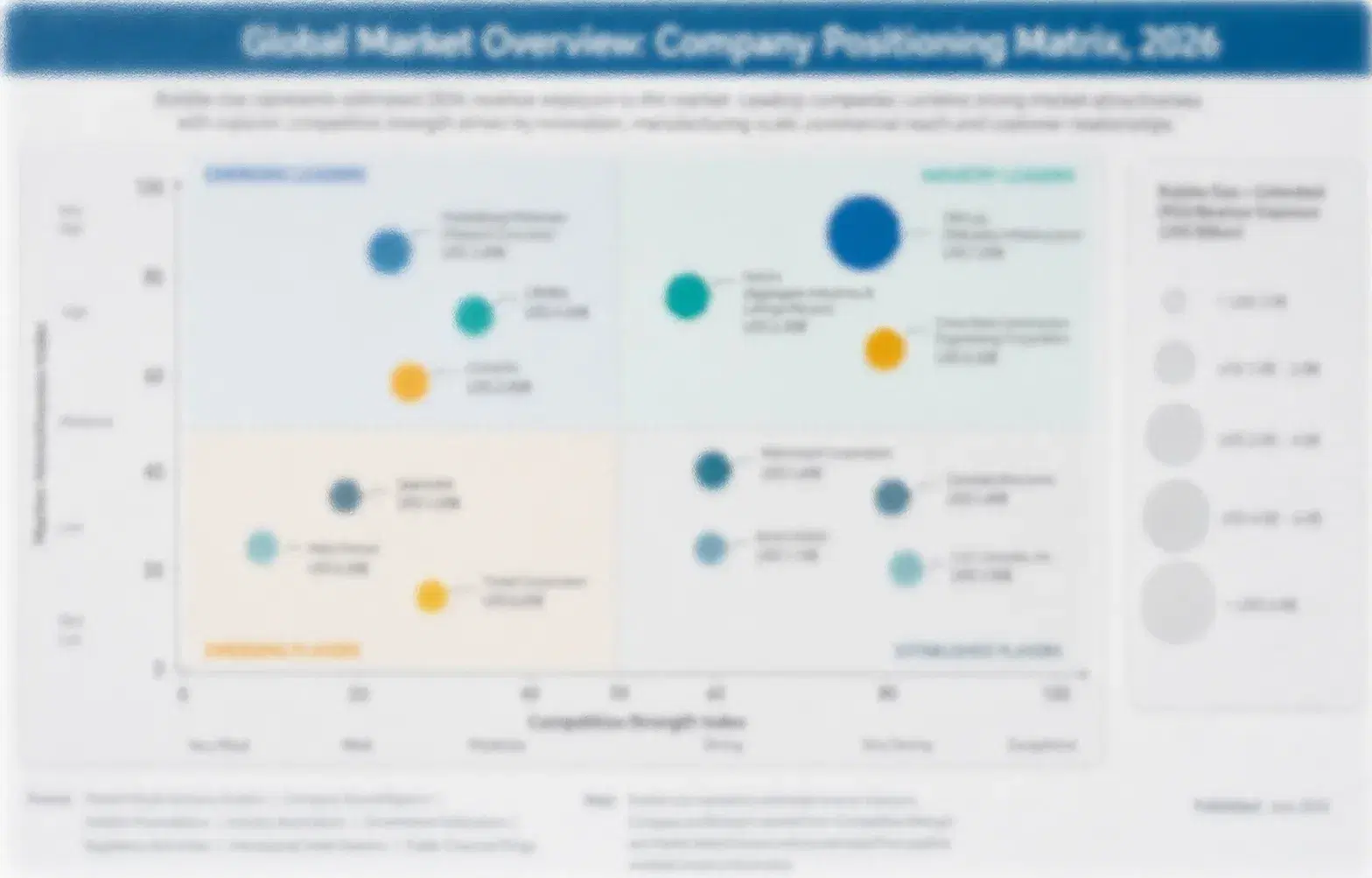
The competitive set is moderately concentrated around a handful of diversified sterile barrier majors and pure-play medical packaging specialists. CR5 sits at 34%, with DuPont and Oliver Healthcare Packaging holding the leading qualified positions, while a long tail of regional converters compete for remaining lower-risk tray volume. The gap between the leaders and the next tier is widening as radiation-dose validation expertise matters more than basic thermoforming scale alone.
Current competitive activity centers on three fronts: pre-validated platform licensing that converts manufacturers into default infrastructure for smaller device companies, hospital scorecard partnerships that open procurement-driven demand, and bundled multi-device validation studies that reduce qualification friction for manufacturer clients. Several mid-size manufacturers have also begun offering extended shelf-life data services as a standalone capability, treating ongoing stability data as a competitive differentiator.

Emerging pressure comes from pure-play medical packaging specialists who built validation expertise first, competing against diversified sterile barrier majors adding bio-based formulation capability from the other direction. Expect consolidation over the next several years as these approaches converge, rather than either side building the other's core competency from scratch on a timeline neither can afford given how quickly hospital procurement mandates are expanding.
gamma-stable-bio-based-medical-trays-market-company-positioning-matrix-1791565290808

How Gamma-Stable Bio-Based Medical Trays Suppliers Compete

DUPONT DE NEMOURS INC.

Moat: Tyvek Sterile Barrier Leadership

DuPont's Tyvek sterile barrier material carries decades of regulatory recognition and clinical trust across the medical device industry, giving its bio-based tray formulations a credibility advantage that newer entrants without comparable material heritage must work much harder to establish with risk-averse device manufacturers This trust took decades to build and is difficult to replicate quickly.
DUPONT DE NEMOURS INC.

Risk: Exposure to Polymer Feedstock Costs

DuPont's bio-based tray operations carry direct exposure to bio-based polymer feedstock price swings tied to agricultural commodity cycles, a volatility source its conventional Tyvek business does not face to the same degree, creating a margin dynamic unique to its bio-based product lines specifically, a gap it is working to narrow through long-term supply agreements.
OLIVER HEALTHCARE PACKAGING

Moat: Pure-Play Medical Packaging Focus

Oliver Healthcare Packaging's exclusive focus on medical device sterile packaging, without the distraction of broader industrial packaging lines, lets it concentrate validation and regulatory expertise entirely on this category, giving it a depth of specialization diversified competitors managing multiple industries cannot easily match This focused depth is difficult for diversified rivals to replicate quickly.
OLIVER HEALTHCARE PACKAGING

Risk: Smaller Scale Than Diversified Rivals

Oliver Healthcare Packaging's narrower scale relative to diversified sterile barrier majors limits its ability to absorb large capital investments in new validated capacity as quickly as larger competitors can, potentially constraining its ability to capture rapidly scaling demand across multiple device categories simultaneously, a limitation it is addressing through targeted capital investment.

Players Tracked

Prominent Players

DuPont de Nemours Inc.
Oliver Healthcare Packaging
Placon Corporation
Tekni-Plex Inc.
Amcor plc

Other Key Players

WestRock Healthcare
Sonoco ThermoSafe
Gerresheimer AG
Schott Pharma AG & Co. KGaA
Westfield Medical Ltd
Beacon Converters Inc.
Wipak Group
Constantia Flexibles Group GmbH
Nelipak Healthcare Packaging
Caplugs LLC
Cardinal Health Inc.
Winpak Ltd.
Fresenius Kabi AG
Multi-Packaging Solutions International Limited
Vanguard Packaging LLC

Recent Developments

FEBRUARY 2025

DuPont Expands Bio-Based Tyvek Production Capacity

DuPont commissioned additional bio-based sterile barrier production capacity at a US facility, responding to qualification requests from multiple device manufacturers scaling bio-based tray programmes ahead of hospital procurement scorecard deadlines. The expansion followed eighteen months of capacity planning across multiple production shifts across its broader customer base.
Signal: Signals that bio-based sterile barrier capacity itself is becoming a competitive bottleneck across manufacturers across the broader industry currently.
SEPTEMBER 2024

Oliver Healthcare Packaging Launches Pre-Validated Tray Platform

Oliver Healthcare Packaging introduced a pre-validated standard tray platform carrying completed gamma-dose validation data across common surgical instrument geometries, targeting smaller device manufacturers unable to fund independent validation studies. Several manufacturer clients began qualifying products on the platform within the following quarter across additional device categories.
Signal: Signals that pre-validated platforms, not custom validation, may define the next competitive wave across the wider competitive set now.
JUNE 2025

Major Hospital Network Expands Sustainability Scorecard to Packaging

A major US hospital procurement network expanded its supplier sustainability scorecard to formally cover sterile packaging material, creating a direct mechanism tying bio-based tray verification to contract renewal terms across its device supplier base. Multiple manufacturers are adjusting their validation roadmaps in response across its broader supplier base.
Signal: Signals that bio-based packaging verification is becoming a formal, scored part of hospital vendor relationships across the industry overall now.

Feedstock and Validation Costs Drive Margin

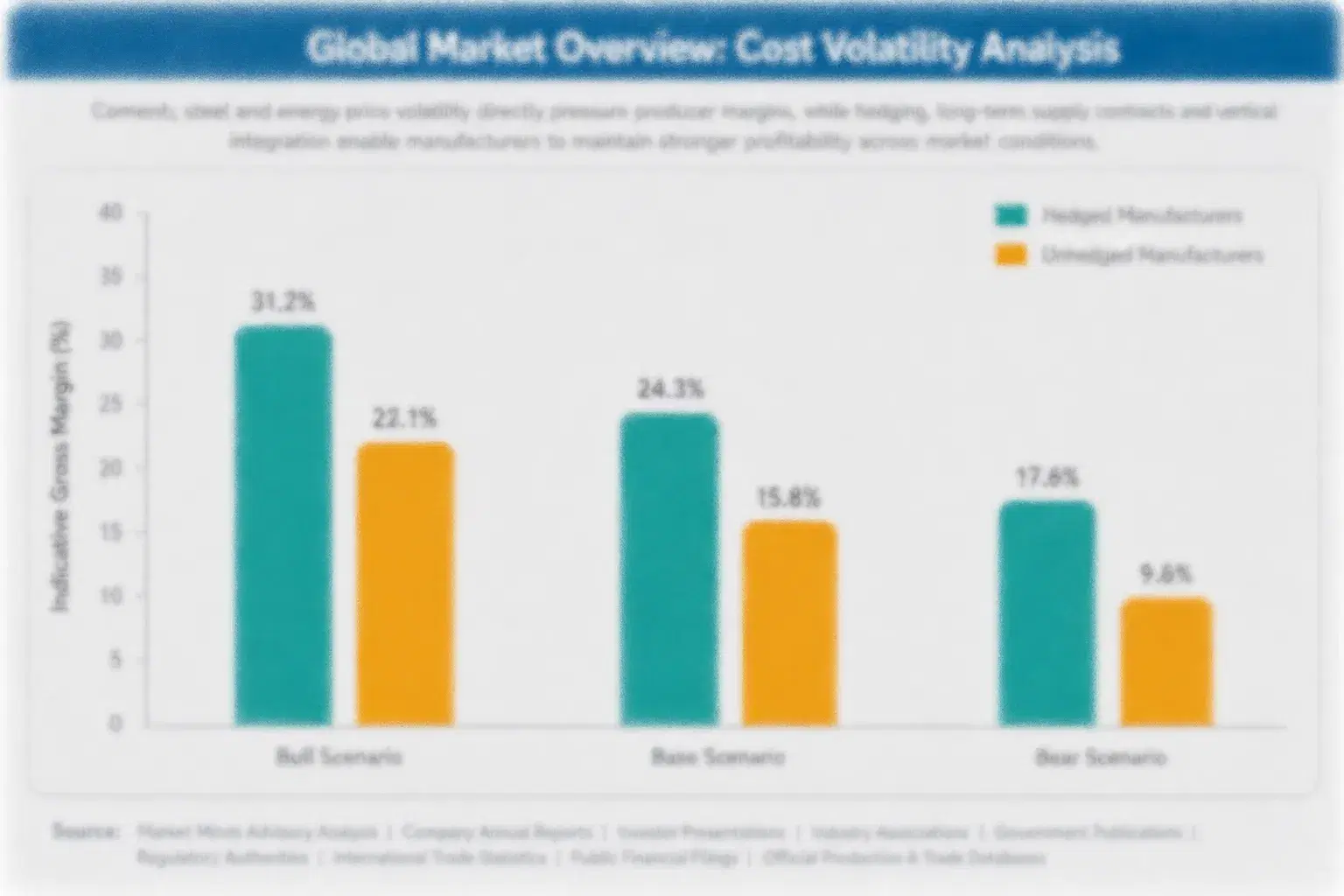
Bio-based resin and stabilizer additives together account for roughly 42% of converted tray cost, with bio-based resin sourced predominantly from US and European specialty chemical suppliers and radiation-stabilizer additives sourced from a smaller group of specialty formulation houses. Thermoforming and validation testing costs remain a secondary but meaningful input, meaning feedstock and additive sourcing is the dominant cost variable manufacturers actively manage across their production base.
Specialty resin and additive costs have fluctuated meaningfully with broader specialty chemical commodity cycles over the past several years, a trend the US Department of Commerce has tracked in its specialty chemicals price indices through long-term index-linked data. Manufacturers who locked in multi-year supply agreements early captured more predictable cost structures than manufacturers still negotiating spot purchases during elevated volatility across most major specialty chemical supply regions tracked.

Smaller regional manufacturers without direct specialty chemical supplier relationships face a meaningful cost disadvantage, since they typically source resin and additives through distributors at a markup larger manufacturers avoid through direct volume agreements. This gap is most pronounced during periods of specialty chemical supply constraints, when smaller manufacturers competing for limited available material face sharper price spikes than larger manufacturers with secured multi-year contracts can avoid.
gamma-stable-bio-based-medical-trays-market-cost-volatility-analysis-1791565290994

Lock in Multi-Year Resin and Additive Agreements Early

Larger manufacturers increasingly negotiate multi-year resin and stabilizer-additive supply agreements directly with specialty chemical suppliers rather than relying on spot purchasing, capturing predictable pricing ahead of commodity volatility that spot-market buyers must navigate without contractual protection across their full sourcing footprint across every major sourcing region they currently depend on across every covered sourcing country.

Diversify Specialty Chemical Sourcing Across Suppliers

Several manufacturers are qualifying resin and additive supply from multiple specialty chemical producers simultaneously, specifically to avoid single-supplier exposure to any future production disruption or specialty chemical price spike affecting a single source alone, protecting continuity across the supply chain following one recent regional disruption affecting several competitors directly affecting a single source alone, protecting continuity broadly.

Invest in Shared Validation Infrastructure Across Lines

Manufacturers are investing in shared validation testing infrastructure capable of supporting multiple device-tray combinations simultaneously, reducing the per-product validation cost burden and allowing faster qualification turnaround as device manufacturers bring new tray formats to market This infrastructure investment has already shortened qualification timelines meaningfully for early adopters for manufacturers who invested in it early.

Portfolio Architecture for Margin Defence

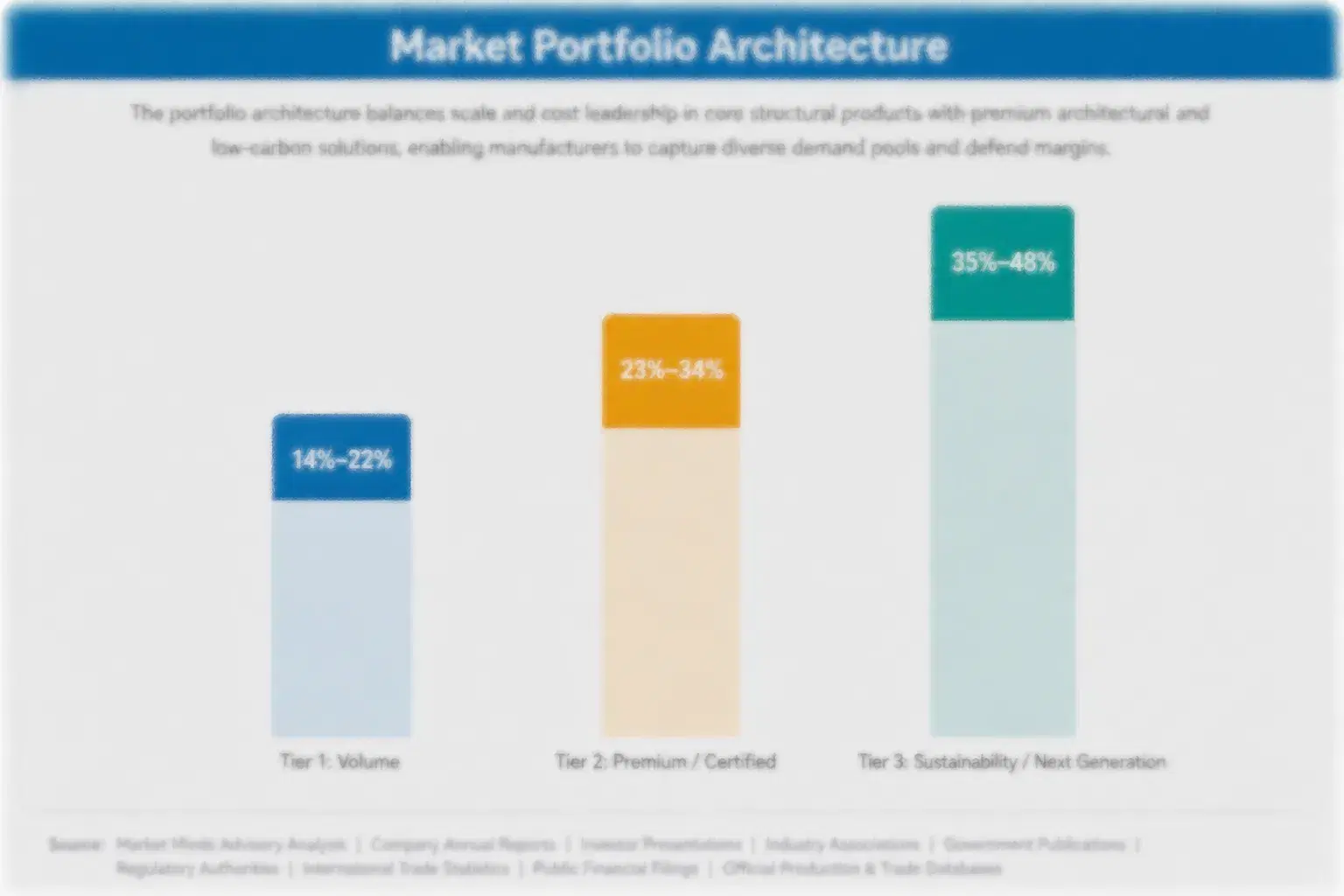
Gamma-stable bio-based medical trays split into three commercial tiers with sharply different margin profiles. Volume commodity-adjacent trays, standard diagnostic and lower-risk formats sold largely on price, carry gross margins typical of mature medical packaging. Premium certified trays, covering implant and pharmaceutical vial formats, command gross margins meaningfully above that. Sustainability and next-generation formats, including bundled platform-and-data service offerings, sit at the top of the margin range as customers pay for validated reliability alongside the material itself.
The tension running through this architecture is capacity allocation. Manufacturers that invested early in pre-validated platforms and extended data services can redirect production toward premium accounts paying meaningfully higher margin, while generalist manufacturers remain confined to the lower-margin diagnostic tier competing primarily on price. Several mid-size manufacturers are deliberately shrinking their standard diagnostic-tray commodity book to free capacity for premium implant and pharmaceutical work as those categories scale faster than diagnostic volume.

High-value margin pools concentrate in implant packaging trays and in bundled platform-and-data service offerings, both growing faster than the category average. Manufacturers positioned in both pools simultaneously, rather than just one, are capturing the largest share of new premium contract wins as device manufacturers consolidate toward fewer, more capable packaging partners overall.

Volume / Commodity-Adjacent Tier

Standard diagnostic and lower-risk sterile trays sold primarily on price with minimal differentiation, serving device categories where buyers compete mainly on unit cost and supply reliability rather than added features.
Gross Margin: 20-24%

Premium / Certified Tier

Implant and pharmaceutical vial trays serving high-value device categories, where radiation-dose validation data and extended shelf-life evidence, not price, determine which manufacturers win and retain the account across most renewal cycles each year.
Gross Margin: 34-40%

Sustainability / Regulatory / Next-Generation Tier

Bundled pre-validated platform and ongoing data-service offerings commanding the highest margins in the category as device manufacturers prefer one accountable partner over separately sourced components across their full product portfolio.
Gross Margin: 40-46%
gamma-stable-bio-based-medical-trays-market-portfolio-architecture-1791565291184

High-value Sub-segments and Strategic Watch-out

Implant Packaging Trays for High-Value Devices

Implant packaging trays for orthopedic and cardiovascular devices are both the highest-margin and fastest-growing segment tracked, as procedure-volume growth and hospital sustainability scoring intensify simultaneously, pulling investment from both clinical-volume and procurement-policy directions across the forecast period today across most premium accounts currently today now.
Gross Margin: 36-42%

Pre-Validated Platform Licensing for Smaller Manufacturers

Pre-validated tray platform licensing carries strong margin from validation-data overhead, but unit-volume growth is moderate relative to implant trays because adoption depends on smaller manufacturers first evaluating whether a standard platform fits their specific device geometry at this stage of broader category rollout industry-wide now.
Gross Margin: 32-38%

Standard Diagnostic and Lower-Risk Trays

The largest unit-volume segment by far, serving diagnostic kit and lower-risk device categories on thin, price-competitive margins, remains the revenue base most manufacturers depend on even as they reinvest proceeds into higher-margin implant and platform categories each year as implant volume keeps climbing steadily each year.
Gross Margin: 20-24%

Manufacturers Without Extended Shelf-Life Data

Manufacturers still offering only initial accelerated-aging data without ongoing real-time stability studies face a slow-motion competitive squeeze as device manufacturers increasingly favor suppliers who can support the strongest possible regulatory shelf-life claims before signing new multi-year supply agreements each cycle at every opportunity each cycle.
Gross Margin: 22-28%

Why Validation Relationships Outlast Device Cycles

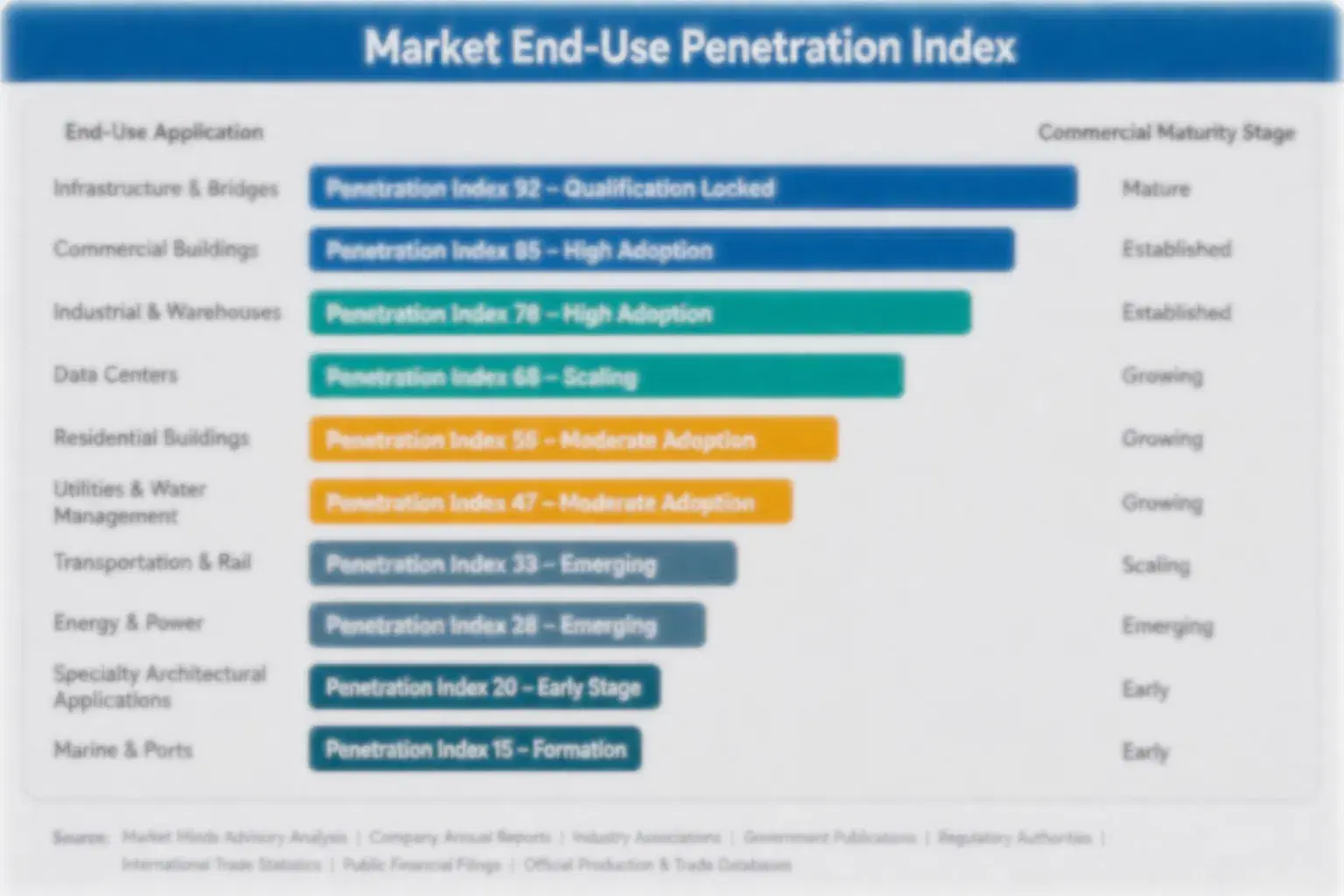
Once a manufacturer wins gamma-dose validation qualification with a device manufacturer, the relationship behaves like an annuity rather than a one-time sale. Re-qualifying a new supplier mid-device-cycle carries regulatory and supply-continuity risk device manufacturers rarely accept once a validated tray is running in full production, so the incumbent manufacturer captures recurring volume across the device's full commercial life without needing to rebid the business.
Depth of adoption varies sharply by device category and manufacturer scale. Large implant and pharmaceutical manufacturers lock in the deepest packaging relationships because validation requalification is expensive and slow, while smaller diagnostic-kit manufacturers see more frequent price-driven resourcing on commodity trays where switching cost is comparatively low. Mid-size manufacturers sit in between, with growing sustainability interest but thinner validation budgets than major device companies.

Buyer profiles are shifting as packaging decisions move earlier into device development cycles. A decade ago, sterile tray material was specified late in the regulatory submission process; today, bio-based validation increasingly factors into device development planning from the earliest stages, giving manufacturers with proven platform and data-service capability a seat earlier than commodity tray vendors traditionally occupied.
gamma-stable-bio-based-medical-trays-market-end-use-penetration-index-1791565291368

Where to Place Bets Now

These are among the four positions where our research anticipates prominent divergence between winners and laggards over the coming forecast period. Each is grounded in the demand model, the regulatory perimeter, and the announced capacity pipeline.
01 / PLATFORM LICENSING PRIORITY

Build pre-validated platforms before smaller rivals catch up

Smaller device manufacturers cannot absorb the full cost of independent gamma-dose validation studies, and manufacturers without a pre-validated platform cannot capture this growing segment of the market at all. Manufacturers who have already built these platforms are pricing licensing twenty percent above fully custom development, capturing margin that competitors still requiring custom validation cannot access. This advantage should widen as more smaller manufacturers enter bio-based tray qualification for the first time, a trust advantage proving difficult for later entrants to close quickly.
02 / HOSPITAL SCORECARD PARTNERSHIP

Build hospital scorecard partnerships before they consolidate

Hospital procurement networks are expanding sustainability scorecards to formally cover packaging material, and manufacturers without a direct scorecard partnership are losing contract-renewal advantages to competitors who already supply verified compliance documentation. The pricing premium for scorecard-partner positioning is wide enough that leading manufacturers have priced it roughly eighteen percent above standalone tray sales. Waiting until hospital programmes consolidate further risks ceding this relationship permanently to manufacturers who already hold procurement trust, and that advantage should widen further as more hospital networks finalize scorecard programmes.
03 / IMPLANT CATEGORY FOCUS

Prioritize implant tray validation given premium economics

Implant manufacturers already command premium device pricing and can more readily absorb bio-based material and validation cost than lower-margin device categories, making this the segment where validation investment pays back fastest. Manufacturers who have already completed implant-specific validation are capturing the largest share of new premium contracts as procedure volume continues climbing steadily. This advantage should widen as more implant manufacturers face hospital sustainability scoring pressure directly, a dynamic that should strengthen further as more implant manufacturers face scoring pressure directly.
04 / EXTENDED DATA SERVICE INVESTMENT

Build ongoing stability data services ahead of demand

Device manufacturers needing the strongest possible shelf-life claims for regulatory submissions increasingly value ongoing real-time stability data over a one-time accelerated-aging report alone, and manufacturers without this ongoing data service cannot fully serve these demanding accounts. Manufacturers who built this capability early are commanding a twelve percent premium while competitors catch up on data infrastructure. This advantage should persist as more device manufacturers pursue the longest possible shelf-life claims for their regulatory filings, a gap that should widen further as more manufacturers pursue the longest shelf-life claims available.

Engagement Snapshot From the Field

A live engagement with an industry participant carrying material or product regulatory and market exposure ahead of a defining policy shift, showing how our research translates into a defensible multi-year portfolio strategy.
MARKET MINDS ADVISORY · CLIENT ENGAGEMENT SUMMARY
Gamma-Stable Bio-Based Medical Trays Producer Strategic Portfolio Review and Transition Roadmap 2026·Investment Scenario on Gamma-Stable Bio-Based Medical Trays Exposure Evaluation 2025-26
CLIENT PROFILE
The client is a mid-size orthopedic implant manufacturer selling primarily through North American and European hospital channels, reporting approximately $540 million in annual revenue (client-reported, unverified by MMA). The client faced growing hospital procurement scorecard pressure tied to its existing conventional polystyrene sterile trays and sought an independent assessment of whether gamma-stable bio-based trays could satisfy both sustainability scoring and its demanding shelf-life requirements without raising per-unit packaging cost materially.
STRATEGIC CHALLENGE
The client needed to determine whether bio-based trays could match its existing shelf-life and gamma-dose stability performance across its full implant product line, and whether the validation work could be completed ahead of a major hospital customer's procurement scorecard deadline without disrupting ongoing device shipments at this stage of its planning cycle.
MMA APPROACH
MMA conducted a structured supplier assessment benchmarking gamma-dose validation data, extended shelf-life evidence, and volume pricing across four qualified manufacturers, modeling the validation timeline and cost against the client's existing packaging spend to identify a path forward before the scorecard deadline arrived in full ahead of the scorecard deadline closing in full.
KEY FINDINGS
  1. Only two of the four manufacturers assessed could provide validated extended shelf-life data matching the client's current five-year claim without additional testing.
  2. Projected hospital scorecard benefit from switching to bio-based trays was expected to support contract renewal across the client's largest accounts across its largest accounts.
  3. Pre-validated platform licensing reduced the client's validation timeline by roughly 40% relative to pursuing fully custom tray development independently for the client's team.
  4. The client's original cost assumptions understated bio-based tray pricing by roughly 15%, a gap the assessment surfaced before the supplier contract was finalized.
CLIENT PROFILE
The client is a mid-size orthopedic implant manufacturer selling primarily through North American and European hospital channels, reporting approximately $540 million in annual revenue (client-reported, unverified by MMA). The client faced growing hospital procurement scorecard pressure tied to its existing conventional polystyrene sterile trays and sought an independent assessment of whether gamma-stable bio-based trays could satisfy both sustainability scoring and its demanding shelf-life requirements without raising per-unit packaging cost materially.
STRATEGIC CHALLENGE
The client needed to determine whether bio-based trays could match its existing shelf-life and gamma-dose stability performance across its full implant product line, and whether the validation work could be completed ahead of a major hospital customer's procurement scorecard deadline without disrupting ongoing device shipments at this stage of its planning cycle.
MMA APPROACH
MMA conducted a structured supplier assessment benchmarking gamma-dose validation data, extended shelf-life evidence, and volume pricing across four qualified manufacturers, modeling the validation timeline and cost against the client's existing packaging spend to identify a path forward before the scorecard deadline arrived in full ahead of the scorecard deadline closing in full.
KEY FINDINGS
  1. Only two of the four manufacturers assessed could provide validated extended shelf-life data matching the client's current five-year claim without additional testing.
  2. Projected hospital scorecard benefit from switching to bio-based trays was expected to support contract renewal across the client's largest accounts across its largest accounts.
  3. Pre-validated platform licensing reduced the client's validation timeline by roughly 40% relative to pursuing fully custom tray development independently for the client's team.
  4. The client's original cost assumptions understated bio-based tray pricing by roughly 15%, a gap the assessment surfaced before the supplier contract was finalized.
RECOMMENDED STRATEGY
Phase 1: Phase 1 (Months 1 to 4): Qualify the pre-validated platform on the client's highest-volume implant product line ahead of the scorecard deadline. Phase 2: Phase 2 (Months 5 to 10): Expand validation to remaining implant product lines based on confirmed shelf-life and gamma-dose performance. Phase 3: Phase 3 (Month 11 onward): Finalize a multi-year supply contract once full product-line qualification is validated across all regions across every covered product line.
OUTCOME
The client completed platform qualification ahead of the hospital scorecard deadline, and the new bio-based specification matched shelf-life performance across its full implant product line without raising net packaging cost after accounting for scorecard-linked contract benefits. The client reported no shelf-life or sterility complaints during its first two quarters on the new packaging (client-reported, unverified by MMA).

Frequently Asked Questions

Foundational context covering the market sizes, CAGR, scope, country, region and competition that inform every finding below. This section is provided to cover basics and most often pre-purchase conversations, answered from the MMA Primary Research Dataset.

What is the current size of the Gamma-Stable Bio-Based Medical Trays Market?

The global market was valued at approximately $0.62 billion in 2025. This reflects sterile packaging trays derived from renewable feedstock and validated for gamma-sterilization compatibility across surgical, implant, and diagnostic device applications.

How large will the Gamma-Stable Bio-Based Medical Trays Market be by 2036?

MMA projects the market will reach approximately $1.7 billion by 2036, nearly three times its 2025 starting base. Growth is driven by hospital sustainability procurement and implant procedure volume growth.

What is the CAGR for the Gamma-Stable Bio-Based Medical Trays Market 2026 to 2036?

The market is projected to grow at a compound annual growth rate of 9.6% between 2026 and 2036. Bull and bear scenarios range from roughly 8.3% to 10.8%.

Which segment is growing fastest?

Implant packaging trays are the fastest-growing segment, expanding at approximately 11.5% annually, well above the category average. This reflects procedure-volume growth converging with hospital sustainability scoring pressure.

Who are the major companies in the Gamma-Stable Bio-Based Medical Trays Market?

Leading companies include DuPont, Oliver Healthcare Packaging, Placon Corporation, Tekni-Plex, and Amcor. These five manufacturers hold the leading qualified positions in the category, spanning both commodity and premium certified product lines.

Which country is growing fastest?

China is the fastest-growing major country, expanding at approximately 10.8% annually as its medical device manufacturing sector scales rapidly. Export-oriented production is accelerating bio-based tray adoption.

Gamma-Stable Bio-Based Medical Trays Market Breakdown

The full report scope spans multiple orthogonal segmentation dimensions, with cross-tabulated demand data provided for each dimension pair. Coverage extends further to regional breakdowns, trend trajectories, and the competitive detail needed to support segment-level decision-making.

By Device Application

  • Surgical Instrument Sterile Trays
  • Implant Packaging Trays
  • Diagnostic Kit and IVD Trays
  • Pharmaceutical Vial and Syringe Trays
  • Dental Instrument Trays
  • Custom Molded Procedure Kit Trays

By End-Use Manufacturer Type

  • Implant and Orthopedic Device Manufacturers
  • Surgical Instrument Manufacturers
  • Diagnostic and IVD Manufacturers
  • Pharmaceutical and Biologic Manufacturers
  • Dental Device Manufacturers

By Commercial Dimension

  • Direct Manufacturer Supply
  • Pre-Validated Platform Licensing
  • Hospital Scorecard-Linked Supply
  • Distributor and Wholesale Supply

By Region

  • North America
  • Western Europe
  • East Asia
  • South Asia and Pacific
  • Latin America
  • Middle East and Africa
  • Eastern Europe

Scope, Methodology, and Coverage

Every figure in this report is reproducible from documented input assumptions. The scope below maps the historical period, the forecast horizon, the segmentation dimensions, and the countries covered, alongside the underlying primary and qualitative methodology.
Historical Period
2020 to 2025
Forecast Period
2026 to 2036
Base Year
2025 (USD billions; MMA Primary Research Dataset, October 2026)
Market Definition
The gamma-stable bio-based medical trays market covers thermoformed and molded sterile packaging trays derived from renewable feedstock engineered to withstand gamma irradiation sterilization without loss of barrier integrity, used for surgical instruments, implants, diagnostic kits, and related sterile medical device packaging. It excludes conventional petroleum-based sterile trays and bio-based trays not validated for gamma-sterilization compatibility.
Quantitative Units
USD billions (current prices); unit volumes in million trays where cited
Segmentation Dimensions
By Device Application; By End-Use Manufacturer Type; By Commercial Dimension; By Region
Regions Covered
North America, Western Europe, East Asia, South Asia and Pacific, Latin America, Middle East and Africa, Eastern Europe
Countries Covered
USA, China, Germany, France, UK, Japan, South Korea, India, Australia, Canada, Brazil, Mexico, Indonesia, Vietnam, Thailand, Malaysia, UAE, Saudi Arabia, South Africa, Nigeria, Turkey, Poland, Netherlands, Italy, Spain, Sweden, Switzerland, Argentina, Colombia, Singapore, and additional markets relevant to this sector
Key Companies Profiled
DuPont de Nemours Inc., Oliver Healthcare Packaging, Placon Corporation, Tekni-Plex Inc., Amcor plc, WestRock Healthcare, Sonoco ThermoSafe, Gerresheimer AG, Schott Pharma AG & Co. KGaA, Westfield Medical Ltd, Beacon Converters Inc., Wipak Group, Constantia Flexibles Group GmbH, Nelipak Healthcare Packaging, Caplugs LLC, Cardinal Health Inc., Winpak Ltd., Fresenius Kabi AG, Multi-Packaging Solutions International Limited, Vanguard Packaging LLC
Quantitative Methodology
Primary survey, n=3,800 respondents, Q4 2025, six countries; demand-side model with trade association cross-validation
Qualitative Methodology
47 expert interviews, Q4 2025; applied to validate demand model assumptions, identify emerging dynamics, and assess competitive positioning
Report Format
PDF and XLSX data workbook (Word format preview document)
Publisher
Market Minds Advisory
Report Code
MMA-2026-MED-101
Published
October 2026
Contact
sales@marketmindsadvisory.com | www.marketmindsadvisory.com

Purchase the full Gamma-Stable Bio-Based Medical Trays Market Report (2026 to 2036).

The full report delivers a complete market model spanning 2020 to 2036, with segment-level and regional revenue breakdowns across all seven tracked geographies. It includes detailed profiles of twenty companies, competitive benchmarking on a revenue basis, and an independent assessment of moat durability and risk exposure for the two leading manufacturers. Buyers receive the complete regional dataset beyond the two regions shown in this summary, along with extended commentary on feedstock and validation cost exposure. A dedicated appendix covers hospital scorecard case examples, pre-validated platform benchmarking, and extended shelf-life data strategies across the competitive set. Custom segment cuts and company-specific data extensions are available on request.
Twenty-company competitive benchmarking on a consistent basis
Full seven-region revenue and CAGR dataset
Segment-level margin and growth analysis across six applications
Feedstock and validation cost exposure and mitigation appendix
Hospital scorecard and platform licensing benchmarking data
Custom segment and company-specific data extensions available

Built For The People Who Decide

From boardroom strategy to bench-side execution, this report is read cover-to-cover by leaders shaping the next decade of their industry, turning demand scenarios, market dynamics and valuation benchmarks into decisions.
CXOs/ Presidents/ VPs/ Managers
M&A and Corporate Development
Strategy Teams and R&D Heads
Procurement and Product Directors
Regulatory and Compliance Leaders
Investor Relations and Equity Analysts