Market Minds Advisory
GABA-Infused Drinks Market

GABA-Infused Drinks Market: GABA-Infused Drinks Market. Function Claims, Evidence Gaps, and Evening Occasions Shape Relaxation Beverage Value.

GABA-infused drinks sell calm without alcohol, but mixed clinical evidence, regulatory grey zones, ingredient sourcing, and crowded relaxation launches decide which brands turn evening curiosity into repeat purchase as Asian leaders meet Western start-ups.

Lead Analyst

Published

September 2026

Make Smarter Decisions with Customized Research Insights

Request a free sample report and evaluate market opportunities, growth trends, and competitive dynamics relevant to your business needs.

2025 MARKET VALUE$0.8BMarket Size 2025
2036 FORECAST VALUE$3.1BBase Case , 2026 to 2036
CAGR 2026 TO 203612.4 %Bull 13.7% / Bear 11.1%
INCREMENTAL OPPORTUNITY$2.1BNet 10- year value creation
EXPANSION MULTIPLE3.22x2036 value over 2026 base
Strategic Levers
M&A Pipeline
Regional Outlook
Country Rankings
Competitive Intelligence
Segmental Deep-dive
Call-Us : 91 93563 13602

Executive Snapshot and Market Trajectory.

GABA drinks sell a mood, not a nutrient. Buyers want the pause after a hard day without the alcohol, and the brands that win give that pause a flavour and a bedtime. The science is still arguing, but the shelf is not waiting for any verdict.
Relaxation tonics and sparkling drinks grow fastest, since buyers want an evening drink that signals calm, tastes like a treat, and carries no alcohol. East Asia holds the largest share, because Japan, South Korea, and Taiwan have the oldest stress-relief drink habits and clear function claim systems, with North America and Western Europe following. South Korea leads country growth. Claims set trust. Flavour sets repeat. Regulation sets pace.
Competition is concentrated in Japan and fragmented elsewhere, with three Japanese beverage groups, a pharmaceutical-linked drinks maker, and a global soft drink group competing alongside start-ups in North America on claims, flavour, and distribution. Ingredient supply, regulatory status, and evidence of effect shape margins, while retailers demand clear labels and cautious claims. Big groups own shelf space. Start-ups own storytelling. Regulators own the wording. Small brands win niches but rarely hold national shelves.
Market Definition
GABA-infused drinks comprise ready-to-drink non-alcoholic beverages fortified with gamma-aminobutyric acid as a defining functional ingredient for relaxation, stress, or sleep positioning, including tonics, sparkling drinks, sleep drinks, teas, waters, and dairy or plant-based drinks, sold through retail, foodservice, and online channels. The scope excludes GABA supplements in capsule or powder form, alcoholic beverages, and drinks that use GABA only as a minor unlabelled additive.
Base Year Value
$0.8B in 2025 (MMA Primary Research Dataset, September 2026)
Forecast Period
2026 to 2036, eleven discrete annual values
CAGR
12.4% base case. Bull 13.7%. Bear 11.1%.
Fastest Growth Segment
Relaxation Tonics and Sparkling Drinks: 16.0% CAGR
Fastest Growth Country
South Korea: 14.6% CAGR
Fastest Growth Region
South Asia and Pacific: 14.4% CAGR
Largest Region
East Asia: 40% of 2025 global value
Market Leaders
Suntory Beverage and Food, Asahi Group Holdings, Kirin Holdings, Otsuka Holdings, PepsiCo. Source: MMA Analysis, company annual reports.
Primary Survey
n=3,800 procurement and R&D decision-makers, Q4 2025, six countries
Methodology
Demand-side build-up, cross-validated against public data, 47 expert interviews

GABA-Infused Drinks Market Forecast Scenarios

gaba-infused-drinks-market-size-forecast-scenario-1789807488099
From 2020 to 2025, GABA-infused drinks grew from a small base as Japanese and Korean brands scaled stress-relief and sleep drinks, and Western start-ups launched relaxation tonics as a non-alcoholic evening option. Ingredient and packaging costs rose from 2021, and brands raised prices in small steps. Growth ran a little below the forecast pace as some buyers tried a drink once and saw no clear effect.
The base case rests on three commercial mechanisms. First, buyers who cut alcohol seek non-alcoholic evening drinks that signal calm, lifting relaxation tonic volumes. Second, stress and sleep concerns among working adults sustain demand for bedtime drinks in Asia and North America. Third, regulators in Japan, South Korea, and Taiwan continue to clear function claims, giving brands credible labels. Each mechanism compounds slowly, and none needs a breakout year. Buyers reward consistency over novelty.
The bull case needs independent trials that support mood and sleep claims and clearer regulatory routes in the United States and Europe, which would lift premium volumes and let brands raise prices. The bear case is a run of warning letters combined with negative studies, which would squeeze volumes, delay launches, and push buyers toward magnesium and herbal alternatives.

Claims, Evidence, and Evening Occasions Decide GABA Drink Winners

GABA-infused drinks span several production models. Ingredient makers ferment natural GABA with lactic acid bacteria or synthesise it chemically, beverage makers dose it with L-theanine, magnesium, botanicals, and flavours into still, sparkling, tea, or dairy bases, and fillers pack the drink in cans, PET, and cartons. Each format follows national rules on ingredient status, claims, and labelling. Shelf placement decides renewal. Ingredient reliability decides brand rankings.
MARKET CONCENTRATION38% CR5Leading five groups hold a sizeable combined share
TYPICAL GABA DOSE100 mgCommon active dose promised in a single serving bottle
AVERAGE BOTTLE PRICE$2.6Typical shelf price for a single serving bottle
EVENING OCCASION SHARE58%Portion of consumption occurring after late afternoon hours
INGREDIENT COST SHARE14%Portion of goods cost taken by GABA actives
LAUNCH CYCLE12 monthsTypical time from concept to national retail launch
Claims, evidence, and evening occasions decide value. Buyers judge GABA drinks by flavour, price per serving, and whether they feel calmer, so a brand needs a credible function claim, a proven dose, and marketing that fits evening rituals. Large groups own claim filings and distribution, while start-ups win on storytelling. Brands with clear regulatory status, modest claims, and good taste win because trust builds slowly.
Buyers judge GABA drinks on taste, dose, claim credibility, price per serving, and where they can buy. Working adults want a bedtime or after-work drink, while non-drinkers and sober-curious buyers want a social alternative. Price sensitivity is moderate, since buyers compare with tea, magnesium, and alcohol, which pushes brands toward single-serve bottles, multipacks, and clear dose labelling on the front of the pack.
"GABA drinks are sold on a feeling that lasts an hour and a claim that has to last a regulatory cycle. The brands that win will promise a little, deliver a little, and taste good enough to be bought again on Thursday. Overclaiming, not competition, is the category's real threat."
Senior Analyst, Beverages and Functional Foods Practice · MMA GABA-Infused Relaxation and Sleep Functional Beverages Practice · September 2026

Market Trends

Non-Alcoholic Relaxation Tonics Replace Evening Alcohol Occasions

Buyers cutting alcohol for health, cost, and lifestyle reasons seek evening drinks that signal calm, and brands launch GABA tonics with L-theanine, magnesium, and botanical flavours in premium cans and bottles. Tonics price 40% to 90% above functional waters and sell through supermarkets, bars, restaurants, and online subscriptions. Buyers aged 25 to 45, sober-curious drinkers, and remote workers drive growth. The trend needs credible taste and modest claims, since overpromising erodes repeat purchase, and it rewards brands with strong communities, retailer relationships, and flavour rotation. Margins follow sourcing discipline. Retail buyers review ranges every season.
Market Impact: stress and sleep buyers grow 10%
Sleep and Stress Function Claims Expand Across Asian Markets

Japan's foods with function claims system, and similar frameworks in South Korea and Taiwan, allow brands to file claims on stress relief and sleep quality for ingredients such as GABA when supported by evidence. Large groups file notices and build labels around them, and convenience stores give shelf space to claim-backed bottles. Claim-backed drinks price 15% to 30% above generic functional drinks and win repeat purchase. The trend rewards suppliers with research teams and fermentation supply, and it pushes small brands to license evidence packages from ingredient makers. Trial data protects future sales.
Market Impact: non-alcoholic evening drinks add 8-12% volume

Market Opportunities and Growth Drivers

Rising Stress and Sleep Concerns Among Working Adults Sustain Demand

Surveys of workers in Japan, South Korea, the United States, and the United Kingdom show growing stress and sleep complaints, and adults look for low-effort products that fit evening routines. GABA drinks appeal because they are easy to use, alcohol-free, and available in supermarkets and convenience stores. Employers, gyms, and wellness apps reinforce interest, and retailers create relaxation aisles. The driver expands the buyer base beyond supplement users, and it favours brands that combine clear dose labelling with pleasant flavours and small formats for bedtime and afternoon breaks. Cost control separates leaders from followers.
Market Impact: trials cost $200,000+ per study

Falling Alcohol Consumption Among Younger Adults Opens Evening Occasions

Adults under 35 in North America, Europe, and Asia drink less alcohol than earlier generations, and bars, restaurants, and retailers expand non-alcoholic ranges for social and evening occasions. Relaxation drinks fit as an alternative that carries a functional story, and premium cans and cocktail-style serves attract buyers who want ritual without hangover. Retailers give shelf space to non-alcoholic sections, and restaurants add zero-proof menus. The driver adds volume growth of 8% to 12% a year in Western markets and supports higher prices for well-branded tonics. Clear labelling builds buyer trust. Small brands feel every claim challenge.
Market Impact: GABA actives take 14% of cost

Market Restraints and Challenges

Mixed Clinical Evidence and Regulatory Grey Zones Limit Claims

Evidence that oral GABA crosses the blood-brain barrier is mixed, and small studies at 100 milligrams show modest stress effects, while regulators in the United States require GRAS determinations or supplement-style labelling and the European Union treats novel ingredients cautiously. The root cause is limited clinical data and rules written for supplements, not beverages. Brands risk warning letters and delistings for loose claims. Mitigation includes independent trials, GRAS notices, function claim filings in Japan and Korea, and modest wording, though these steps cost $200,000 or more per study. Distribution reach compounds over time.
Market Impact: relaxation tonics price 40-90% higher

Ingredient Supply Concentration and Price Swings Raise Costs

GABA actives take about 14% of cost of goods, and supply is concentrated in Chinese synthetic producers and a few Japanese fermentation suppliers whose prices differ by 30% to 60%. The root cause is limited capacity for fermented natural GABA and trade exposure for synthetic supply. Clean-label buyers prefer fermented sources, which cost more and face limited supply. Mitigation includes dual sourcing, multi-year price bands, and formulas that combine GABA with lower-cost supporting ingredients, though these steps take time and small brands lack purchasing scale. Buyers reward consistency over novelty. Shelf placement decides renewal.
Market Impact: claim-backed drinks price 15-30% higher
3 additional market trends, 2 additional growth drivers, and 4 additional restraints and challenges are covered in the full report. Contact sales@marketmindsadvisory.com to access the complete intelligence.

Segment CAGR and Growth Architecture

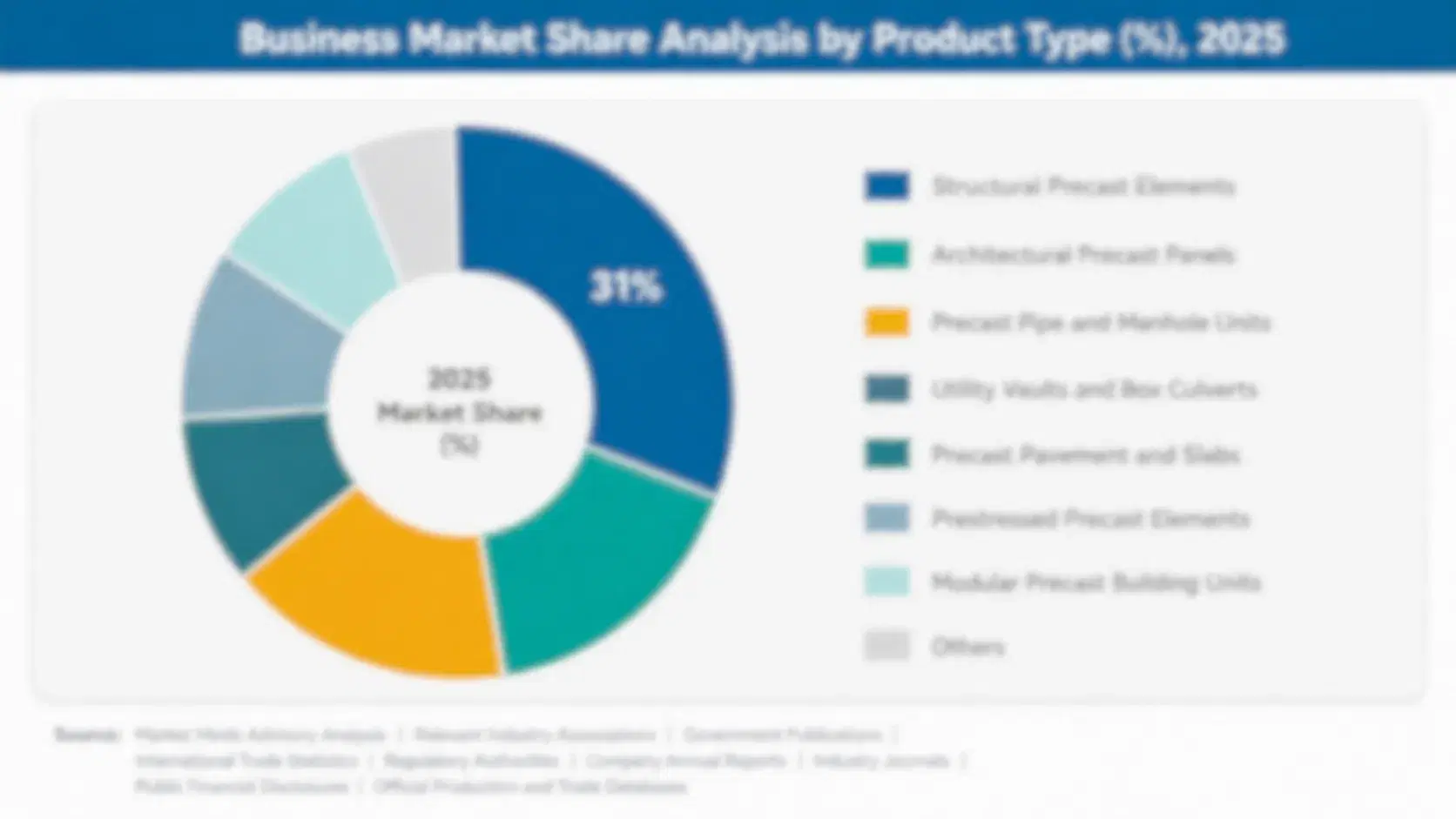
GABA-infused drinks are segmented by product type, which shows where relaxation demand, claims, and pricing power sit. Five segments cover relaxation tonics and sparkling drinks, sleep and bedtime drinks, GABA-fortified teas and herbal drinks, functional waters, and dairy and plant-based drinks. Two segments grow fastest on evening occasion demand. Ingredient reliability decides brand rankings.
gaba-infused-drinks-market-market-share-analysis-1789807488373

Relaxation Tonics and Sparkling Drinks

Relaxation Tonics and Sparkling Drinks is the fastest-growing segment at 16.0% a year, about 1.29 times the overall market rate. Brands pair GABA with L-theanine, magnesium, and treat-like flavours in premium cans, targeting adults who cut alcohol and want an evening ritual. Cans price 40% to 90% above functional waters and sell through supermarkets, bars, restaurants, and subscriptions. Taste and credibility are the main constraints, since overclaiming erodes repeat purchase and dozens of brands launch similar formats. Large groups with distribution win, while start-ups with strong communities hold price better than followers. Margins follow sourcing discipline. Retail buyers review ranges every season. Trial data protects future sales. Cost control separates leaders from followers.
CAGR 16.0%

Sleep and Bedtime Drinks

Sleep and Bedtime Drinks grow at 14.2% a year, because adults with sleep concerns seek an easy evening habit, and GABA blends with magnesium, glycine, and chamomile appeal as gentler alternatives to sleep aids. Japanese and Korean brands file function claims for sleep quality and sell through convenience stores and pharmacies, while Western brands sell through online subscriptions and health retailers. Evidence and regulation are the main constraints, since sleep claims draw scrutiny and buyers who feel nothing leave. Producers with trials and modest wording hold repeat rates above rivals that overpromise. Clear labelling builds buyer trust. Small brands feel every claim challenge. Distribution reach compounds over time. Buyers reward consistency over novelty.
CAGR 14.2%
Full segment breakdown across 5 segments available in the complete report.

Regional Architecture and Country Demand Map

GABA drink value follows function claim systems and evening occasion habits. East Asia leads through Japanese and Korean stress-relief drink traditions, North America follows through relaxation tonics, Western Europe holds a smaller share, and South Asia and Pacific grows fastest. Shelf placement decides renewal. Ingredient reliability decides brand rankings.

East Asia

East Asia holds 40% share, far above its usual band, because Japan, South Korea, and Taiwan have the oldest stress-relief drink habits, clear function claim systems, and dense convenience store distribution, so GABA drinks have decades of consumer familiarity. Suntory Beverage and Food, Asahi Group Holdings, Kirin Holdings, Otsuka Holdings, and Lotte Chilsung Beverage lead. Growth runs above the global rate as claim-backed bottles and new formats expand. Evidence requirements, price competition, and ingredient costs restrain margins, and Chinese rules on health claims limit mainland growth. Margins follow sourcing discipline. Retail buyers review ranges every season. Trial data protects future sales. Cost control separates leaders from followers. Clear labelling builds buyer trust.
Share: 40% | CAGR: 13.4% (2026 to 2036)

North America

North America holds 24% share, with the United States and Canada leading through relaxation tonics, sober-curious drinking trends, and wellness retail, sold as beverages with supplement-style labelling. Recess, Kin Euphorics, PepsiCo, Cann, and a long tail of start-ups lead, and supermarkets, bars, and online channels carry the range. Growth runs slightly below the global rate as new entrants crowd shelves. Food and Drug Administration status for GABA, warning letters, and claim scrutiny restrain margins, and retailers reward brands with clear labels and modest claims. Small brands feel every claim challenge. Distribution reach compounds over time. Buyers reward consistency over novelty. Shelf placement decides renewal. Ingredient reliability decides brand rankings. Margins follow sourcing discipline.
Share: 24% | CAGR: 12.0% (2026 to 2036)
Regional intelligence for 5 additional markets available in the complete report: Western Europe, South Asia and Pacific, Latin America, Middle East and Africa, Eastern Europe. Contact sales@marketmindsadvisory.com.
gaba-infused-drinks-market-country-cagr-analysis-1789807488721

Four Margin Routes for GABA Drink Brands

Margin in GABA-infused drinks comes from relaxation tonic pricing, credible claims, ingredient security, and evening channel programmes rather than volume alone. The routes below apply to Asian beverage groups, Western start-ups, and ingredient partners, and each can start inside one planning cycle, with clear measures in gross margin points, repeat rates, and claim approvals.

Pricing Relaxation Tonics as Premium Non-Alcoholic Evening Drinks

Relaxation tonics price 40% to 90% above functional waters, and brands that pair GABA with L-theanine, magnesium, and treat-like flavours report gross margin gains of 6 to 10 points on those lines. Producers that use premium cans, bar and restaurant listings, and modest claims avoid the discounting that hits generic functional drinks. Sober-curious buyers add volume. Pilot launches in two restaurant groups and one retailer typically confirm demand within one quarter, before wider distribution follows. Buyers reward consistency over novelty. Shelf placement decides renewal. Ingredient reliability decides brand rankings. Margins follow sourcing discipline.
Market Impact: tonic pricing lifts gross margin by 6-10 points

Funding Independent Trials and Filing Function Claims Where Allowed

Evidence is mixed, and independent trials cost $200,000 or more, but brands that fund studies and file function claims in Japan and Korea price 15% to 30% above generic functional drinks and hold repeat rates above rivals. Filings in the United States need GRAS notices. Small brands can license evidence packages from ingredient suppliers. Brands should use modest wording, review rules each quarter, and avoid disease or sleep-disorder language in markets without clear claim routes. Retail buyers review ranges every season. Trial data protects future sales. Cost control separates leaders from followers.
Market Impact: claim-backed drinks price 15-30% above generic functional drinks

Dual-Sourcing GABA Actives and Fixing Multi-Year Price Bands

GABA actives take about 14% of cost of goods, and Chinese synthetic and Japanese fermented supply differ by 30% to 60% in price, so brands that qualify two suppliers, use fermented GABA in premium lines, and fix multi-year price bands cut cost volatility by roughly half. Suppliers accept longer terms for volume commitments. Retailers accept price rises slowly, so contracts matter more than list price increases. Brands that skip planning absorb 12% more cost in volatile years. Clear labelling builds buyer trust. Small brands feel every claim challenge. Distribution reach compounds over time.
Market Impact: dual sourcing cuts cost volatility by roughly 50%

Building Evening Channel Programmes Through Bars, Restaurants, and Subscriptions

Evening drinks sell 58% of volume after late afternoon, and brands that build programmes with bars, restaurants, and online subscriptions lift repeat rates from about 25% to above 45% and volume by 15% to 25% within a year. Zero-proof menus give tonics a natural home. Small brands can start with one restaurant group and one subscription platform. Contracts should fix listing periods, promotion funding, and return terms, and brands should track repeat rates each month. Buyers reward consistency over novelty. Shelf placement decides renewal. Ingredient reliability decides brand rankings. Margins follow sourcing discipline.
Market Impact: evening programmes lift repeat rates from 25% to above 45%

Who Controls the Margin Pool

The GABA-infused drinks market is concentrated in Japan and fragmented elsewhere, with a CR5 of 38%, and start-ups, regional beverage makers, and private label suppliers sit outside the leading five. This assessment measures participants on estimated GABA drink sales value, held constant across all players. Suntory Beverage and Food leads through convenience store reach and claim filings, while Asahi Group Holdings, Kirin Holdings, Otsuka Holdings, and PepsiCo follow.
Competition runs on four dimensions today: claim credibility and evidence, flavour and format, ingredient sourcing, and channel reach. Large groups win on claim filings, research teams, and convenience store distribution, while start-ups win on storytelling and community. Imitators copy popular flavours and formats quickly, so premiums outside credible claims erode within a season, and price competition appears in retailer promotions. Retail buyers review ranges every season.

Emerging pressure comes from magnesium and herbal relaxation drinks, cannabis and hemp-derived drinks, and supplement makers moving into ready-to-drink formats. Rankings shift where a brand wins a function claim, secures a national retailer, or launches a standout evening format. Regional brands in South Korea and India can move up quickly, since local trust and price matter more than
gaba-infused-drinks-market-company-positioning-matrix-1789807489027

Competitive Moat and Risk Dimensions

SUNTORY BEVERAGE AND FOOD

Moat: Claim Filings and Convenience Reach

Suntory Beverage and Food sells functional drinks through dense convenience store, vending, and supermarket networks in Japan and Asia, and its research teams file function claims that give its bottles credible labels. Its scale in packaging and distribution lowers cost per bottle, and its marketing budgets support seasonal launches that smaller brands cannot match.
SUNTORY BEVERAGE AND FOOD

Risk: Evidence Scrutiny and Ageing

Suntory depends heavily on Japan, where population ageing limits volume growth and competition from tea, water, and other functional drinks is strong. Evidence requirements for function claims add cost, and a challenged claim can damage credibility, while Western start-ups with modern branding attract younger buyers abroad. Trial data protects future sales.
ASAHI GROUP HOLDINGS

Moat: Health Positioning and Retail Ties

Asahi Group Holdings sells health-oriented drinks including lactic acid bacteria beverages through convenience stores, supermarkets, and vending machines, and its research on stress and sleep supports credible function claims. Its long relationships with retailers give it dependable placement, and its scale lets it hold price steady across seasons.
ASAHI GROUP HOLDINGS

Risk: Claim Costs and Portfolio Focus

Asahi depends on function claims that require evidence and filing costs, and a rejected or challenged claim can delay launches. Its GABA range is small next to its beer and soft drink lines, so management attention is limited, and ingredient cost swings squeeze margins while start-ups move faster on flavour.

Players Tracked

Prominent Players

Suntory Beverage and Food
Asahi Group Holdings
Kirin Holdings
Otsuka Holdings
PepsiCo

Other Key Players

Pokka Sapporo Food and Beverage
Ito En
Meiji Holdings
Lotte Chilsung Beverage
Dongwon F&B
Uni-President Enterprises
Recess
Kin Euphorics
Cann
Pharma Foods International
Kyowa Hakko Bio
Ajinomoto
Nestlé
The Coca-Cola Company
Yakult Honsha

Recent Developments

JANUARY 2026

Suntory Beverage and Food Launches Claim-Backed GABA Stress Relief Drink in Convenience Stores

Suntory Beverage and Food launched a GABA stress relief drink with a filed function claim for convenience stores in Japan, aimed at working adults. It is a product launch, and it tests whether claim-backed bottles can hold price against generic functional drinks. Sales volumes were not disclosed.
Signal: Confirms that leading Japanese groups are using filed function claims to differentiate GABA drinks from generic relaxation products.
FEBRUARY 2026

Asahi Group Holdings Signs Co-Development Agreement With Fermented GABA Supplier

Asahi Group Holdings signed a co-development agreement with a fermented GABA supplier to secure natural-source ingredient supply and evidence for new sleep drinks. It is a co-development agreement, not an acquisition, and it tests whether long ties can stabilise cost and quality. Terms were not disclosed.
Signal: Suggests beverage groups are locking in fermented GABA supply and evidence through co-development to protect claims and margins.
MARCH 2026

Kirin Holdings Expands Sleep Drink Distribution Through Convenience Stores in South Korea

Kirin Holdings expanded distribution of its sleep drink range through convenience stores in South Korea, adding evening-focused displays and multipacks. It is a distribution expansion, not an acquisition, and it tests whether Japanese brands can win Korean buyers against local rivals. Terms were not disclosed. Shelf placement decides renewal.
Signal: Indicates Japanese groups are exporting claim-backed sleep drinks into Korea where evening occasion demand is growing.

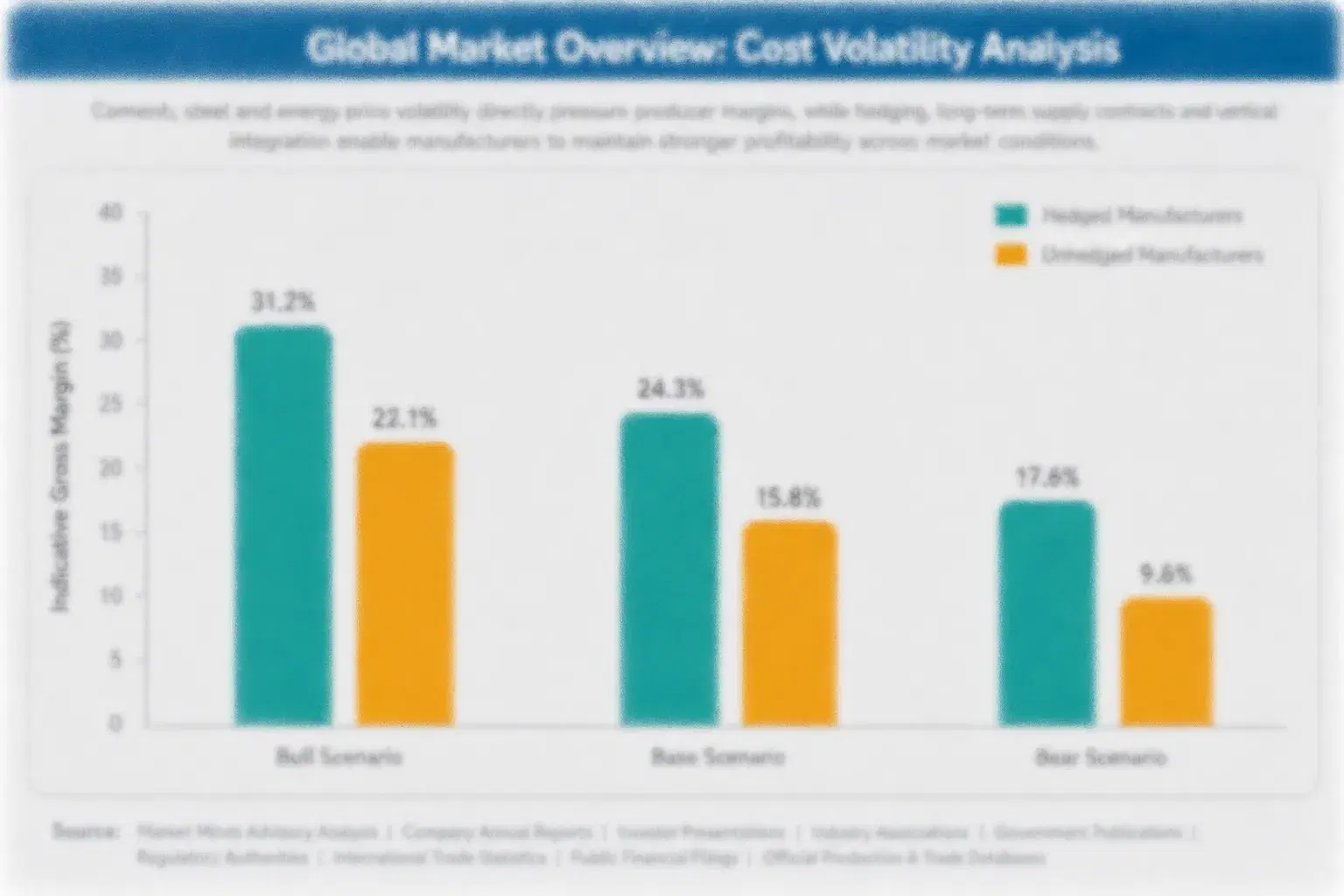
What Drives GABA Drink Production Costs

Packaging including cans, PET, and cartons accounts for roughly 26% of cost of goods, GABA actives about 14%, logistics about 14%, botanicals and supporting actives such as L-theanine and magnesium about 12%, base ingredients including sweeteners and flavours about 12%, co-packing and manufacturing about 12%, and quality testing and compliance about 10%. GABA comes from Chinese synthetic producers and Japanese and Korean fermentation suppliers.
The clearest recent shock came from packaging and freight. The International Energy Agency reported energy price spikes in 2021 and 2022 that lifted aluminium and resin costs, while Suntory Beverage and Food and Otsuka Holdings reported in annual documents that packaging and logistics inflation weighed on margins. Brands raised prices by 5% to 9%, shrank packs, and delayed launches, which squeezed gross margin by several points until contracts reset.

The competitive disadvantage falls on small brands, which buy actives, cans, and co-packing in small lots at spot prices and cannot fund evidence or filings across markets. Large groups own filling plants, sign long contracts, and spread costs across many drinks. Exposure also varies by geography, since Japanese brands face yen-linked import costs while Western brands face supplement-style regulatory risk.
gaba-infused-drinks-market-cost-volatility-analysis-1789807489405

Dual-Sourcing GABA Actives and Fixing Price Bands

Brands qualify two GABA suppliers, use fermented natural GABA in premium lines, and fix multi-year price bands. Dual sourcing reduces supply risk by roughly half, though it needs volume commitments and working capital that only larger brands usually provide. Terms often run two years, delivery reliability matters, and buyers should approve early. Retail buyers review ranges every season.

Licensing Evidence Packages From Ingredient Suppliers

Small brands license clinical evidence and regulatory dossiers from GABA suppliers rather than funding trials alone, cutting evidence cost by 30% to 50%. Licensing supports function claims in Japan and Korea and GRAS filings elsewhere. The main risk is dependence on one supplier, so brands negotiate access rights and keep alternative ingredients ready for new formulas.

Using Co-Packers to Avoid Capital Costs

Small brands use co-packers and contract fillers rather than building plants, avoiding capital costs of $1 million or more. Contract services add cost per can but lower risk and handle seasonal peaks around new year wellness campaigns. The main challenge is scheduling, since slots fill early, so brands book capacity months ahead and agree penalties for late delivery.

Portfolio Architecture for Margin Defence

Margins run from thin returns on generic functional waters and private label relaxation drinks sold in multipacks to strong returns on relaxation tonics, sleep drinks, and claim-backed bottles sold through convenience stores, bars, and subscriptions. Three tiers separate volume products, certified premium lines, and next-generation formats, and each tier draws on different buyer groups, claims, and channel terms. Trial data protects future sales.
The tension between volume and premium is sharp. Volume lines protect plant utilisation and retailer relationships but face constant price pressure from imitators and promotions, while premium lines earn higher margins on smaller volumes and depend on claim evidence, flavour pipelines, and evening channel placement. Brands that run only volume struggle to fund evidence, while brands that run only premium lack the scale to hold distribution and absorb ingredient shocks.

High-value pools concentrate in relaxation tonics and claim-backed sleep drinks sold through convenience stores, bars, restaurants, and subscriptions. They gather where buyers pay for calm, credible labels, and evening occasion fit rather than volume. Sober-curious drinkers, shift workers, and wellness subscribers add further value, since these buyers ask for reliable supply and consistent effect, and they reorder without shopping on price.

Volume / Commodity-Adjacent Tier

Generic GABA-fortified waters and private label relaxation drinks sold in multipacks to supermarkets and convenience stores, with thin margins, ingredient and can cost exposure, and constant price competition, where buyers switch on price and promotion.
Gross Margin: 22%-34%

Premium / Certified Tier

Claim-backed GABA drinks with filed function claims, documented dose, and premium packaging, sold through convenience stores, supermarkets, and pharmacies that require reliable supply, clear labelling, and stable pricing across seasons. Cost control separates leaders from followers.
Gross Margin: 38%-52%

Sustainability / Regulatory / Next-Generation Tier

Fermented natural GABA tonics, low-sugar sparkling drinks, and lighter recyclable packaging with clear sourcing, sold through bars, online platforms, and wellness retail to buyers who pay premiums for natural sources and evidence-backed positioning.
Gross Margin: 42%-58%
gaba-infused-drinks-market-portfolio-architecture-1789807489693

High-value Sub-segments and Strategic Watch-out

Relaxation Tonics and Sparkling Drinks

Relaxation tonics and sparkling drinks combine the fastest growth with strong pricing, since adults cutting alcohol pay 40% to 90% premiums for a calm evening ritual. Flavour and community limit competition, and brands with bar and restaurant ties win listings. Volume compounds as zero-proof menus and retail ranges expand.
Gross Margin: 40%-56%

Sleep and Bedtime Drinks

Sleep and bedtime drinks deliver solid growth and healthy pricing, since adults with sleep concerns pay for an easy evening habit and function-claim brands price 15% to 30% above generic drinks. Evidence forms the entry barrier, and brands with trials win pharmacy and convenience placement. Repeat purchase builds through
Gross Margin: 38%-52%

GABA-Fortified Teas and Herbal Drinks

GABA-fortified teas and herbal drinks form the volume core, sold through supermarkets and convenience stores at moderate margins. Growth is steady, at about 10.8% a year, as buyers seek familiar formats with added function. Tea base cost, retailer negotiation, and claim credibility decide profit, and brands use the segment
Gross Margin: 28%-42%

GABA Dairy and Plant-Based Drinks

GABA dairy and plant-based drinks are the strategic watch-out, since taste conflicts, cold chain needs, and regulatory limits keep growth near 9.2% a year and margins tight. Brands should test ambient formats and clear claims before scaling, because retailer delisting and ingredient cost swings can erode margin quickly.
Gross Margin: 22%-34%

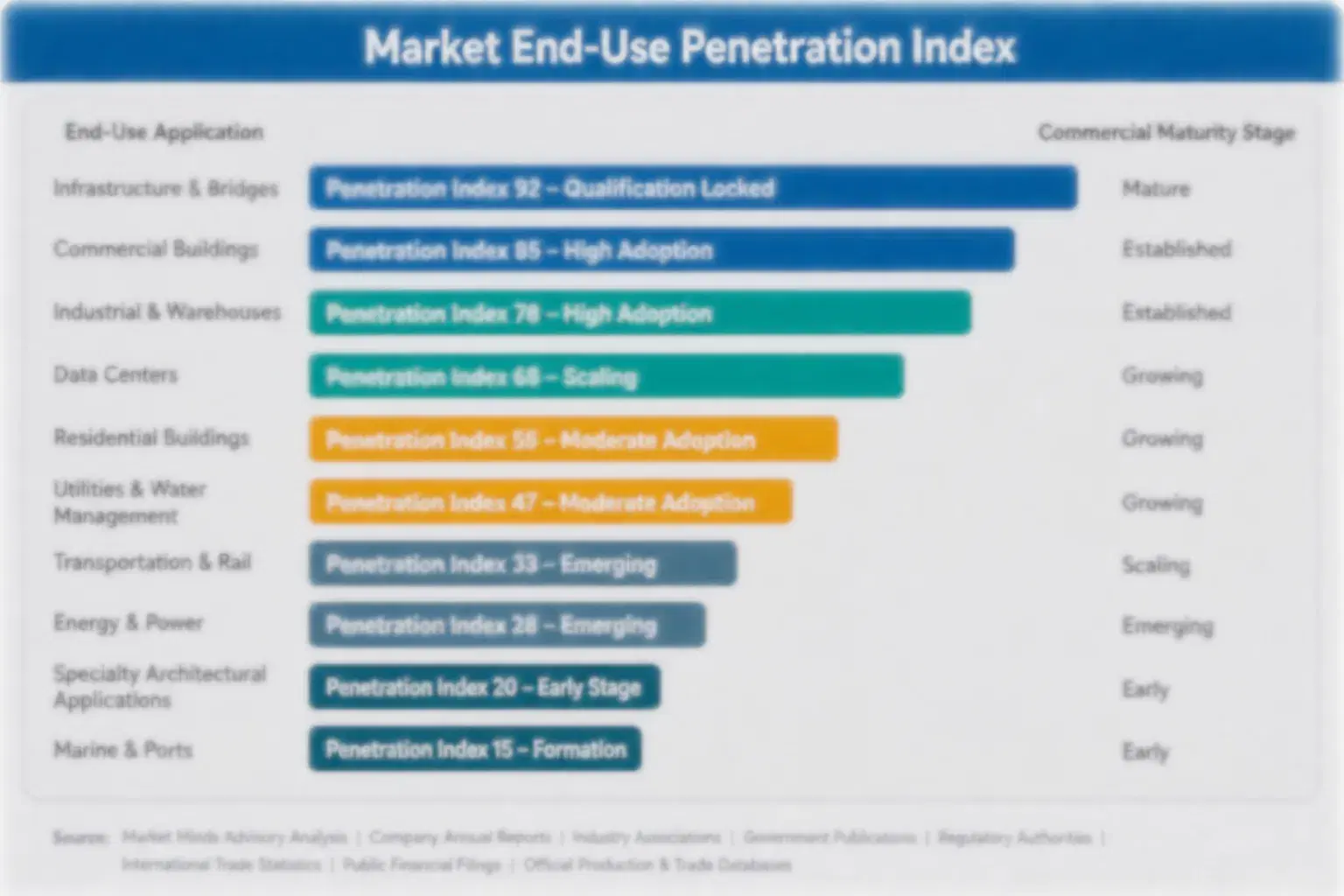
Why Buyers Keep Reaching for Calm

GABA drink demand behaves like an annuity of evening routines. Buyers pick the same can from the same fridge after work or before bed because it is familiar, and a satisfied buyer often steps up to a multipack or subscription. Retailers use last month's sell-through to fix ranges, and subscription platforms use churn data to plan restocks, so successful brands earn steadier volume than launches driven by novelty alone.
Adoption stickiness differs by end-use vertical. Bedtime and shift-worker buyers are the deepest, since habit and perceived effect drive repeat purchase, and they change only when supply, taste, or trust fails. Zero-proof bar and restaurant buyers are almost as loyal once flavours become menu staples. Supermarket buyers are shallower and switch on price, while gift buyers follow promotions. Clear labelling builds buyer trust.

Buyer profiles are shifting between generations. Older buyers choose GABA drinks for sleep and stress and trust established Japanese brands, while younger buyers care about non-alcoholic rituals, clean labels, and social proof shared online. Wellness-focused professionals add a third group that wants evidence and modest claims. Brands that publish dose and trial data and use social media for evening ritual ideas win
gaba-infused-drinks-market-end-use-penetration-index-1789807490025

MMA Verdict on GABA Drink Strategy

These are among the four positions where our research anticipates prominent divergence between winners and laggards over the coming forecast period. Each is grounded in the demand model, the regulatory perimeter, and the announced capacity pipeline.
01 / RELAXATION TONIC POSITIONING

Build Premium Relaxation Tonics Before Generic Functional Waters Erode Evening Margin

Relaxation tonics and sparkling drinks grow at 16.0% a year, about 1.29 times the overall market rate, and brands that pair GABA with L-theanine, magnesium, and a treat-like flavour earn gross margins of 40% to 54% against 28% to 36% for plain functional waters. Winners will invest in flavour development, evening occasion marketing, and clear dose labelling that sets honest expectations. Brands that promise medical outcomes will draw regulators and returns, and rivals with credible, modest claims will take the premium evening shelf.
02 / CLAIM COMPLIANCE STRATEGY

Clarify Regulatory Status Before Warning Letters and Delistings Remove Loose Claims

GABA in conventional beverages sits in a regulatory grey zone, since the United States requires a GRAS determination or supplement-style labelling, the European Union treats novel ingredients cautiously, and only Japan and a few Asian markets have clear function claim routes. Brands should file GRAS notices, register function claims where allowed, and avoid disease or sleep-disorder language elsewhere. Those that rely on loose claims will face warning letters and delistings, and rivals with clear regulatory status will win national retailers as scrutiny rises across markets.
03 / EVIDENCE AND EXPECTATION DISCIPLINE

Fund Independent Trials and Set Honest Expectations Before Buyers Abandon the Category

Clinical evidence that oral GABA crosses the blood-brain barrier is mixed, and small studies at 100 milligrams show modest stress effects, so buyers who feel nothing after two servings often leave the category. Brands should fund independent trials, combine GABA with better-supported ingredients such as L-theanine and magnesium, and set honest expectations on the pack. Those that market miracle results will see repeat rates fall below 25%, and rivals with modest, evidence-backed positioning will build the loyal evening habit that sustains the category.
04 / INGREDIENT SOURCING SECURITY

Dual-Source GABA Actives Before Supply Concentration Erodes Margin and Clean-Label Claims

GABA actives take about 14% of cost of goods, and Chinese synthetic and Japanese fermented supply differ by 30% to 60% in price and clean-label acceptance, so brands with one source face cost swings and claim risk. Brands should qualify at least two suppliers, use fermented natural GABA for premium lines, and negotiate multi-year price bands. Those that rely on one synthetic source will absorb volatility and lose clean-label listings, and rivals with dual sources and natural options will hold margin and premium positioning through every supply cycle.

Engagement Snapshot From the Field

A live engagement with an industry participant carrying material or product regulatory and market exposure ahead of a defining policy shift, showing how our research translates into a defensible multi-year portfolio strategy.
MARKET MINDS ADVISORY · CLIENT ENGAGEMENT SUMMARY
GABA-Infused Drinks Producer Strategic Portfolio Review and Transition Roadmap 2026·Investment Scenario on GABA-Infused Drinks Exposure Evaluation 2025-26
CLIENT PROFILE
The client is a mid-sized United States functional beverage brand with annual sales near $48 million (client-reported, unverified by MMA), a portfolio of relaxation tonics and adaptogen sodas sold through supermarkets, natural retailers, and online subscriptions. It used synthetic GABA from one supplier, relied on supplement-style claims, and had no independent trial data. Small brands feel every claim challenge.
STRATEGIC CHALLENGE
A retailer had questioned two label claims, synthetic GABA cost had risen by 22%, and repeat rates were falling as new entrants launched similar tonics. Management needed to decide whether to fund trials, switch to fermented GABA, or expand into bars and restaurants, with limited capital and a single co-packer. Distribution reach compounds over time.
MMA APPROACH
MMA analysed sales and subscription data across 14 products, interviewed 10 retail buyers, six ingredient suppliers, and five bar and restaurant operators, and ran a buyer survey on taste, dose, and claim credibility across three regions. It modelled margin by product and channel, tested ingredient and claim scenarios, and ranked options by payback period and execution risk.
KEY FINDINGS
  1. Fermented natural GABA from a second supplier could cut clean-label risk and hold cost within 8% of synthetic supply at scale (client-reported, unverified by MMA).
  2. An independent trial costing about $250,000 could support modest claim wording and protect retailer listings worth 28% of sales. Buyers reward consistency over novelty.
  3. Bar and restaurant listings in three cities could add 9% of sales and lift repeat rates from 26% to about 42%. Shelf placement decides renewal.
  4. A GRAS notice for the core blend could reduce warning letter risk and open two national retailers that require regulatory clarity. Ingredient reliability decides brand rankings.
CLIENT PROFILE
The client is a mid-sized United States functional beverage brand with annual sales near $48 million (client-reported, unverified by MMA), a portfolio of relaxation tonics and adaptogen sodas sold through supermarkets, natural retailers, and online subscriptions. It used synthetic GABA from one supplier, relied on supplement-style claims, and had no independent trial data. Small brands feel every claim challenge.
STRATEGIC CHALLENGE
A retailer had questioned two label claims, synthetic GABA cost had risen by 22%, and repeat rates were falling as new entrants launched similar tonics. Management needed to decide whether to fund trials, switch to fermented GABA, or expand into bars and restaurants, with limited capital and a single co-packer. Distribution reach compounds over time.
MMA APPROACH
MMA analysed sales and subscription data across 14 products, interviewed 10 retail buyers, six ingredient suppliers, and five bar and restaurant operators, and ran a buyer survey on taste, dose, and claim credibility across three regions. It modelled margin by product and channel, tested ingredient and claim scenarios, and ranked options by payback period and execution risk.
KEY FINDINGS
  1. Fermented natural GABA from a second supplier could cut clean-label risk and hold cost within 8% of synthetic supply at scale (client-reported, unverified by MMA).
  2. An independent trial costing about $250,000 could support modest claim wording and protect retailer listings worth 28% of sales. Buyers reward consistency over novelty.
  3. Bar and restaurant listings in three cities could add 9% of sales and lift repeat rates from 26% to about 42%. Shelf placement decides renewal.
  4. A GRAS notice for the core blend could reduce warning letter risk and open two national retailers that require regulatory clarity. Ingredient reliability decides brand rankings.
RECOMMENDED STRATEGY
Phase 1: Phase 1 (Months 1-6): Qualify a fermented GABA supplier, commission the independent trial, and rewrite label claims with counsel. Margins follow sourcing discipline. Phase 2: Phase 2 (Months 7-18): File the GRAS notice, launch zero-proof serves with bar and restaurant partners in three cities, and add a second co-packer. Phase 3: Phase 3 (Months 19-30): Expand to two national retailers, add a subscription tier, and review repeat rates and margin quarterly. Retail buyers review ranges every season.
OUTCOME
Within 30 months, bar and restaurant sales reached 11% of revenue, repeat rates rose to 41%, and gross margin on the range rose to 47% (client-reported, unverified by MMA). The client cleared retailer claim reviews, added two national listings, and buyers named its tonic a preferred non-alcoholic evening drink.

Frequently Asked Questions

Foundational context covering the market sizes, CAGR, scope, country, region and competition that inform every finding below. This section is provided to cover basics and most often pre-purchase conversations, answered from the MMA Primary Research Dataset.

What is the current size of the GABA-Infused Drinks Market?

The global GABA-infused drinks market was valued at $0.85 billion in 2025. Growth is supported by relaxation tonics, sleep drinks, and non-alcoholic evening occasions despite mixed clinical evidence and regulatory grey zones.

How large will the GABA-Infused Drinks Market be by 2036?

The market is projected to reach $3.08 billion by 2036, up from $0.95 billion in 2026. The increase of $2.12 billion reflects relaxation tonics, sleep drinks, and wider function claim routes.

What is the CAGR for the GABA-Infused Drinks Market 2026 to 2036?

The market is forecast to grow at a 12.4% CAGR from 2026 to 2036. The bull case reaches 13.7% and the bear case 11.1%, depending on evidence and regulatory clarity.

Which segment is growing fastest?

Relaxation Tonics and Sparkling Drinks is the fastest-growing segment at 16.0% CAGR, roughly 1.29 times the overall market rate. Sleep and Bedtime Drinks follows as the second-fastest segment at 14.2% CAGR each year.

Who are the major companies in the GABA-Infused Drinks Market?

Major companies include Suntory Beverage and Food, Asahi Group Holdings, Kirin Holdings, Otsuka Holdings, and PepsiCo. Pokka Sapporo, Ito En, Recess, Kin Euphorics, and Kyowa Hakko Bio also hold meaningful positions.

Which country is growing fastest?

South Korea is the fastest-growing country at a 14.6% CAGR, driven by stress and sleep concerns, convenience store reach, and clear function claim routes. Taiwan and India follow through wellness retail growth and urban health awareness.

Report Segmentation Architecture

The full report scope spans multiple orthogonal segmentation dimensions, with cross-tabulated demand data provided for each dimension pair. Coverage extends further to regional breakdowns, trend trajectories, and the competitive detail needed to support segment-level decision-making.

By Primary Market Dimension

  • Relaxation Tonics and Sparkling Drinks
  • Sleep and Bedtime Drinks
  • GABA-Fortified Teas and Herbal Drinks
  • GABA Functional Waters
  • GABA Dairy and Plant-Based Drinks

By End-Use Industry

  • Evening Relaxation Use
  • Sleep Support Use
  • Workplace Stress Relief Use
  • Social Non-Alcoholic Use
  • Gifting and Wellness Use

By Commercial Dimension

  • Convenience Stores and Vending
  • Supermarkets and Hypermarkets
  • Bars and Restaurants
  • Pharmacies and Health Stores
  • Online and Subscription

By Region

  • East Asia
  • North America
  • Western Europe
  • South Asia and Pacific
  • Latin America
  • Middle East and Africa
  • Eastern Europe

Scope, Methodology, and Coverage

Every figure in this report is reproducible from documented input assumptions. The scope below maps the historical period, the forecast horizon, the segmentation dimensions, and the countries covered, alongside the underlying primary and qualitative methodology.
Historical Period
2020 to 2025
Forecast Period
2026 to 2036
Base Year
2025 (USD billions; MMA Primary Research Dataset, September 2026)
Market Definition
GABA-infused drinks comprise ready-to-drink non-alcoholic beverages fortified with gamma-aminobutyric acid as a defining functional ingredient for relaxation, stress, or sleep positioning, including tonics, sparkling drinks, sleep drinks, teas, waters, and dairy or plant-based drinks, sold through convenience stores, supermarkets, bars, pharmacies, and online channels. The scope excludes GABA supplements in capsule or powder form, alcoholic beverages, and drinks that use GABA only as a minor unlabelled additive.
Quantitative Units
USD billions (retail sales value); million units for volume references
Segmentation Dimensions
By Product Type; By End-Use Occasion; By Commercial Dimension; By Region
Regions Covered
East Asia, North America, Western Europe, South Asia and Pacific, Latin America, Middle East and Africa, Eastern Europe
Countries Covered
Japan, South Korea, Taiwan, China, United States, Canada, United Kingdom, Germany, France, Netherlands, India, Australia, Singapore, Brazil, Mexico, United Arab Emirates, South Africa, Poland, and additional markets relevant to this sector
Key Companies Profiled
Suntory Beverage and Food, Asahi Group Holdings, Kirin Holdings, Otsuka Holdings, PepsiCo, Pokka Sapporo Food and Beverage, Ito En, Meiji Holdings, Lotte Chilsung Beverage, Dongwon F&B, Uni-President Enterprises, Recess, Kin Euphorics, Cann, Pharma Foods International, Kyowa Hakko Bio, Ajinomoto, Nestlé, The Coca-Cola Company, Yakult Honsha
Quantitative Methodology
Primary survey, n=3,800 respondents, Q4 2025, six countries; demand-side model with trade association cross-validation
Qualitative Methodology
47 expert interviews, Q4 2025; applied to validate demand model assumptions, identify emerging dynamics, and assess competitive positioning
Report Format
PDF and XLSX data workbook (Word format preview document)
Publisher
Market Minds Advisory
Report Code
MMA-2026-AGR-437
Published
September 2026
Contact
sales@marketmindsadvisory.com | www.marketmindsadvisory.com

Purchase the full GABA-Infused Drinks Market Report (2026 to 2036).

The full report delivers a detailed assessment of global GABA-infused drinks through 2036, covering segment, regional, and country forecasts, competitive benchmarking of leading brands, and input cost analysis. It combines MMA primary research, including a six-country survey of 3,800 respondents and 47 expert interviews, with public regulatory and company data. Analysts also model claim scenarios, ingredient cost paths, and non-alcoholic evening adoption. Clients receive segment margin ranges, channel maps, and a case study on regulatory strategy. Retailer and distributor contact frameworks are also included for negotiation planning.
Ten-year segment and regional demand forecasts
GABA, can, and freight cost tracking
Competitive benchmarking of top twenty GABA drink brands
Function claim and GRAS status tracker with updates
Regional demand mechanism comparative analysis included
Quarterly primary survey data update access

Built For The People Who Decide

From boardroom strategy to bench-side execution, this report is read cover-to-cover by leaders shaping the next decade of their industry, turning demand scenarios, market dynamics and valuation benchmarks into decisions.
CXOs/ Presidents/ VPs/ Managers
M&A and Corporate Development
Strategy Teams and R&D Heads
Procurement and Product Directors
Regulatory and Compliance Leaders
Investor Relations and Equity Analysts