

Market Minds Advisory
Fruit Vinegar Market

Fruit Vinegar Market: Fruit Vinegar Market. Wellness Drinks and Raw Apple Cider Demand Reshape a Traditional Fermented Product.

Wellness beverages, raw apple cider vinegar with the mother, and Asian drinking vinegar traditions are turning a cooking acid into a functional drink ingredient, while slow fermentation, fruit costs, and health claim rules test producers.

Lead Analyst

Published

September 2026

Make Smarter Decisions with Customized Research Insights

Request a free sample report and evaluate market opportunities, growth trends, and competitive dynamics relevant to your business needs.

2025 MARKET VALUE$3.4BMarket Size 2025
2036 FORECAST VALUE$6.9BBase Case , 2026 to 2036
CAGR 2026 TO 20366.6 %Bull 7.8% / Bear 5.4%
INCREMENTAL OPPORTUNITY$3.2BNet 10- year value creation
EXPANSION MULTIPLE1.89x2036 value over 2026 base
Strategic Levers
M&A Pipeline
Regional Outlook
Country Rankings
Competitive Intelligence
Segmental Deep-dive
Call-Us : 91 93563 13602

Executive Snapshot and Market Trajectory.

Fruit vinegar is moving out of the pantry and into the refrigerator door. Apple cider vinegar shots, sparkling vinegar tonics, and Asian drinking vinegars are sold as daily wellness drinks, and producers are shifting from bulk cooking acid toward branded, raw, and flavored products with health-oriented positioning today.
Ready-to-drink vinegar beverages and raw apple cider vinegar are growing fastest, helped by gut health trends and social media, while filtered and grape-based vinegars supply cooking and food manufacturing. East Asia leads value through Korean, Japanese, and Chinese drinking vinegar traditions, North America drives raw apple cider vinegar demand, and Europe supplies premium balsamic and cider vinegars. Fruit sourcing in Poland, Turkey, and China supports export supply of cider and juice bases.
Competition rests on fruit sourcing, fermentation capacity, and brand credibility, because vinegar takes weeks or months to mature and quality varies with raw material and process. Health claim rules restrict marketing, and buyers ask for acidity and acetic acid testing, so integrated producers with orchards, acetators, and beverage brands hold advantages over small blenders. Private label copies of raw cider vinegar are spreading quickly across grocers.
Market Definition
Fruit vinegar comprises vinegar produced by acetic fermentation of fruit juice, cider, wine, or fruit mash, including apple cider vinegar, grape and balsamic vinegar, and berry, persimmon, and other fruit vinegars, sold as condiments, ingredients, beverages, and supplements. The scope excludes grain, rice, malt, and spirit vinegars, synthetic acetic acid, and finished salad dressings and sauces.
Base Year Value
$3.4B in 2025 (MMA Primary Research Dataset, September 2026)
Forecast Period
2026 to 2036, eleven discrete annual values
CAGR
6.6% base case. Bull 7.8%. Bear 5.4%.
Fastest Growth Segment
Ready-to-Drink Vinegar Beverages: 9.5% CAGR
Fastest Growth Country
South Korea: 9.6% CAGR
Fastest Growth Region
South Asia and Pacific: 8.8% CAGR
Largest Region
East Asia: 32% of 2025 global value
Market Leaders
Mizkan Group, Bragg Live Food Products, Kraft Heinz, Fleischmann's Vinegar, Acetum. Source: MMA Analysis, company annual reports.
Primary Survey
n=3,800 procurement and R&D decision-makers, Q4 2025, six countries
Methodology
Demand-side build-up, cross-validated against public data, 47 expert interviews

Fruit Vinegar Market Forecast Scenarios

fruit-vinegar-market-size-forecast-scenario-1789749937603
Between 2020 and 2025, fruit vinegar demand rose steadily as apple cider vinegar became a mainstream wellness ingredient and Asian drinking vinegars entered international retail. Growth averaged 6.1% a year, with beverage and supplement formats outperforming condiment vinegar, though apple and grape crop shortfalls in 2022 and 2023 raised raw material costs and delayed some product launches.
The base case assumes 6.6% annual growth through 2036, built on three mechanisms: continued adoption of ready-to-drink vinegar beverages and shots in North America and Europe, expansion of Korean, Japanese, and Chinese drinking vinegar consumption and export, and rising use of fruit vinegar in food manufacturing for clean-label acidity and preservation. Improved acetator technology shortens fermentation times and supports scale. Improved supply chains and lower packaging costs would also help brands reach mainstream shoppers.
The bull case, reaching 7.8%, needs stronger clinical evidence for gut and metabolic benefits and wider retail listings of vinegar drinks. The bear case, falling to 5.4%, reflects regulatory limits on health claims, consumer fatigue with sour tonics, and fruit crop failures that raise costs, plus competition from kombucha, probiotic drinks, and other functional beverages.

Wellness Positioning Turns Cooking Acid Into Drink Ingredient

Fruit vinegar is a two-step fermentation business. Yeast first turns fruit sugars into alcohol, and acetic acid bacteria then convert alcohol into vinegar, either in fast industrial acetators over days or in slow barrels and vats over months. Speed lowers cost but can reduce flavor, so the market splits between industrial cooking vinegar and slower, raw, or aged products that carry higher prices. Speed lowers cost.
MARKET CONCENTRATION29% CR5Top five producers hold a sizable combined market share
AVERAGE SELLING PRICE$3.30 per literDrinking and raw grades sell above cooking vinegar
TOP PRODUCING COUNTRY26% shareLeading producer supplies about a quarter of global output
BEVERAGE FORMAT SHARE21%Drinkable vinegar is a growing minority of value sales
FRUIT COST SHARE38% of COGSFruit juice or cider dominates cost before fermentation
FERMENTATION CYCLE LENGTH6 weeksTraditional aging still takes many weeks before bottling begins
Wellness positioning drives value. Raw, unfiltered apple cider vinegar with the cloudy mother is marketed for digestion and metabolic health, and shots, gummies, tonics, and sparkling drinks extend use. Regulators limit medical claims and research on benefits is mixed, so brands rely on tradition, acidity content, and consumer testimonials, while responsible producers publish acetic acid levels and avoid unsupported promises. Trust decides repeat purchase.
Asia adds a second demand pillar. Korean cho drinks, Japanese kurozu and fruit vinegar beverages, and Chinese black and fruit vinegars are long-established, sold as concentrated bases diluted with water or as ready-to-drink bottles. Their fruit varieties include persimmon, plum, pomegranate, and citrus, and exporters are now reaching Western retailers, widening the range beyond apple and grape. Exports are widening choice.
"Vinegar is one of the oldest fermented foods, and the newest wellness fad is really an old drinking habit rediscovered. The producers who own orchards and fermentation know-how are best placed to profit."
Practice Lead, Functional Foods and Fermented Ingredients Practice · MMA Functional Foods and Fermented Ingredients Practice · September 2026

Market Trends

Ready-to-Drink Vinegar Tonics Move Into Refrigerated Wellness Aisles

Beverage brands are launching sparkling vinegar tonics, ginger and turmeric vinegar shots, and lightly sweetened drinking vinegars sold in cans, bottles, and single-serve shots. Supermarkets place them in refrigerated wellness aisles beside kombucha, and cafes add vinegar sodas to menus. Producers are adding flavor systems, lower acidity formulations, and carbonation capability, and demand is strongest among younger consumers seeking daily wellness rituals and low-sugar alternatives to soft drinks. Cafes and convenience stores also stock chilled vinegar drinks near checkout, and brands use sampling and social media challenges to introduce the taste to newcomers.
Market Impact: cider vinegar sales up 18%

Faster Acetator Technology Cuts Fermentation Time and Unit Cost

Modern acetators, controlled temperature systems, and improved starter cultures let producers cut fermentation time from months to weeks while keeping flavor and controlling acidity. Some premium makers combine fast primary fermentation with barrel aging, and others invest in continuous fermentation to raise throughput. These technologies reduce cost per liter and support scale, but they also require capital and skilled operators, favoring larger producers and integrated brands over small artisanal makers. Continuous systems also reduce labor and allow tighter acidity control, which matters for beverage customers who require consistent taste and stable shelf life across batches.
Market Impact: Korean drinking vinegar growing 10% yearly

Market Opportunities and Growth Drivers

Gut Health and Metabolic Wellness Trends Lift Cider Vinegar Demand

Consumers associate apple cider vinegar and fruit vinegars with digestion, blood sugar management, and weight control, and social media, influencers, and wellness retailers amplify these beliefs. Brands offer shots, gummies, and tonics, and retailers give them premium shelf space and promotional support. Although clinical evidence is limited and mixed, the ingredient's familiarity, low cost, and natural image drive repeat purchasing among health-conscious households in North America and Europe. Retailers report that wellness shelves for vinegar products have expanded, and warehouse clubs sell large multipacks, which shows that interest has moved beyond boutique stores into mainstream grocery baskets.
Market Impact: claims restricted in 30 major markets

Asian Drinking Vinegar Traditions Support Premium Fruit Flavors

Drinking vinegar is a daily ritual in Korea, Japan, and China, with retailers stocking dozens of fruit vinegar flavors, and rising incomes and health concerns support premium versions. Exporters are marketing persimmon, pomegranate, and citrus vinegar drinks in Western supermarkets and specialty stores, and Asian food manufacturers use fruit vinegar as a flavoring and preservative in sauces and snacks. This deep base of demand provides stable volume and innovation that spreads to global markets. Younger consumers abroad are also drawn to the colorful fruit flavors and low-sugar positioning, which helps Asian brands expand into Western wellness retail.
Market Impact: apple prices swung 40% in 2023

Market Restraints and Challenges

Regulatory Limits on Health Claims Constrain Brand Marketing

Health claims for vinegar are tightly limited by regulators in Europe, the United States, and Asia, and marketing that implies treatment of disease can trigger enforcement. The root cause is limited and inconsistent clinical evidence combined with rising consumer interest. Brands must rely on general wellness statements, which weakens differentiation. Mitigation includes funding studies, focusing on taste and lifestyle positioning, and publishing acetic acid and mother content. Some brands have received warning letters for implying medical benefits, and retailers have removed products with aggressive claims, so marketing teams now rely on flavor, ritual, and ingredient transparency instead of promises.
Market Impact: beverage launches up 24% in 2025

Fruit Crop Variability Raises Raw Material Cost and Uncertainty

Apple and grape crop yields swing with frost, hail, and drought, and quality varies with fruit sugar levels, so raw material prices and vinegar quality fluctuate. The root cause is climate variability combined with concentrated orchard regions. Poor harvests raise costs and delay production because fermentation cannot be rushed. Producers respond with contract orchards, juice concentrate storage, fruit sourcing across regions, and blending to maintain consistent acidity and flavor. Smaller producers without storage or contracts often buy at peak prices, while larger groups keep juice concentrate inventory and negotiate orchard agreements that limit exposure to poor harvests.
Market Impact: fermentation cut to 6 weeks
3 additional market trends, 4 additional growth drivers, and 3 additional restraints and challenges are covered in the full report. Contact sales@marketmindsadvisory.com to access the complete intelligence.

Segment CAGR and Growth Architecture

Fruit vinegar is segmented by product format and processing, because beverage readiness, raw or filtered status, and ingredient use determine price, channel, and buyer type more directly than fruit variety does. Ready-to-drink and raw apple cider products are attracting most investment as consumers use vinegar as a daily wellness ingredient. Buyers therefore pay for format.
fruit-vinegar-market-market-share-analysis-1789749937964

Ready-to-Drink Vinegar Beverages

Ready-to-drink vinegar beverages are the fastest-growing segment, including sparkling tonics, drinking vinegars, and shots in bottles and cans sold in refrigerated and ambient aisles. They combine vinegar with fruit juice, botanicals, and sweeteners to soften acidity, and brands position them as low-sugar alternatives to soda and kombucha. Producers need flavor development, blending, and bottling capacity, and beverage-focused firms with distribution scale are launching lines, while traditional vinegar makers partner with beverage companies to enter the segment and use their fruit fermentation expertise. Shelf life is a technical hurdle because carbonation and fruit juice can restart fermentation, so producers use pasteurization or careful filtration, and beverage buyers audit filling lines for consistent quality.
CAGR 9.5%

Raw Unfiltered Apple Cider Vinegar

Raw unfiltered apple cider vinegar with the mother is the second-fastest segment, prized by shoppers who believe live cultures and cloudy sediment carry wellness benefits. Brands such as Bragg built strong recognition, and private label and specialty brands are expanding shelf presence. Producers require cider or juice, careful fermentation, and minimal filtration, and quality varies widely, so testing acidity and mother content matters. Sales are strongest in North America and Europe, with e-commerce and warehouse clubs driving large pack growth. Private label versions are spreading in warehouse clubs, so leading brands emphasize education, mother content, and trusted heritage to defend premium pricing, and retailers ask suppliers to provide acidity certificates for every production lot.
CAGR 8.0%
Full segment breakdown across 6 segments available in the complete report.

Regional Architecture and Country Demand Map

Fruit vinegar value follows fermentation traditions and orchard geography. East Asia leads through deep drinking vinegar culture, North America drives raw cider vinegar growth, Europe supplies premium and industrial vinegar, and emerging regions adopt wellness formats from smaller bases. Emerging regions are growing fastest from small bases.

North America

North America holds 22% share, driven by United States demand for raw apple cider vinegar, gummies, and vinegar shots sold through supermarkets, warehouse clubs, and online channels. Bragg leads recognized brands, while private label expands fast, and beverage startups are launching sparkling vinegar tonics. Retailers ask for acidity testing and clear labels, and consumers respond to influencer and wellness marketing, though claim enforcement and product quality variation remain concerns. Supermarkets and natural food chains stock shots and sparkling tonics beside kombucha, and online subscriptions sell gummies and capsules. Regulators and retailers scrutinize claims, so leading brands publish acidity and mother content, while private label programs in warehouse clubs pressure prices on plain raw cider vinegar.
Share: 22% | CAGR: 7.0% (2026 to 2036)

Western Europe

Western Europe holds 20% share, with Italy's balsamic and wine-based vinegars, Spain's sherry vinegar, and cider vinegars from the United Kingdom and France serving culinary and premium gift markets. Organic and raw cider vinegar sales are rising among wellness shoppers, and German and Nordic retailers list drinking vinegars. European Union claim rules and geographic indication protections shape marketing, and premium provenance supports pricing over industrial products. Retail shelves feature protected-origin balsamic vinegars, sherry vinegars, and craft cider vinegars, and German and Nordic shoppers are steadily adding drinking vinegars to health sections. Sustainability and packaging rules shape formats, and premium provenance lets producers defend prices against industrial vinegar imported from lower-cost regions.
Share: 20% | CAGR: 5.0% (2026 to 2036)
Regional intelligence for 5 additional markets available in the complete report: East Asia, South Asia and Pacific, Latin America, Middle East and Africa, Eastern Europe. Contact sales@marketmindsadvisory.com.
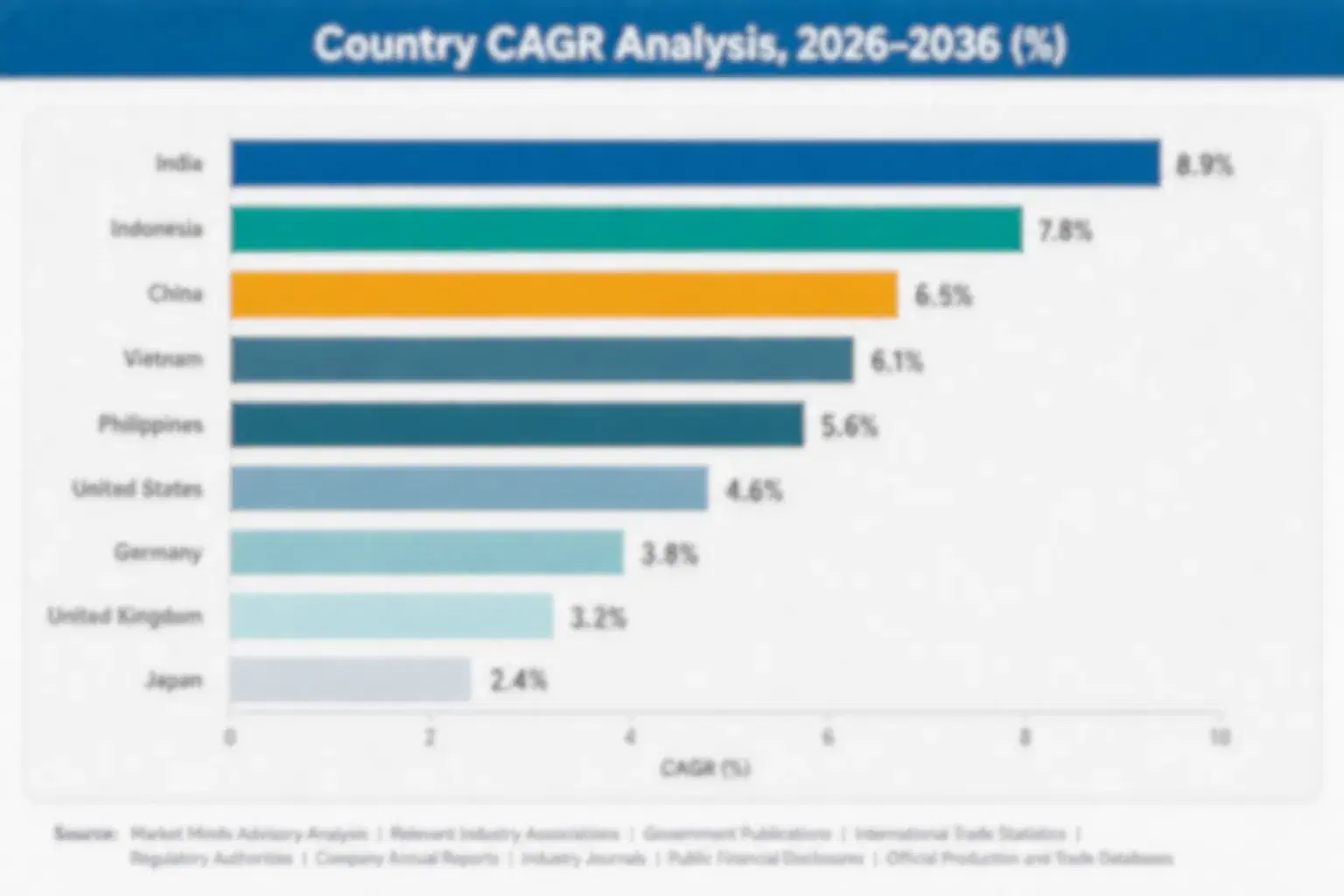
fruit-vinegar-market-country-cagr-analysis-1789749938244

Four Margin Levers Behind Fruit Vinegar Profits

Margin in fruit vinegar comes from format, fermentation efficiency, and brand credibility rather than raw liter volume, since bulk cooking vinegar competes mainly on price. Producers that move toward ready-to-drink and raw products, cut fermentation cost, secure fruit early, and build trusted brands earn returns well above bulk suppliers. Testing and trust matter throughout each season.

Shifting Mix Toward Ready-to-Drink Vinegar Beverages

Ready-to-drink vinegar beverages sell at three to five times the price per liter of cooking vinegar, because consumers pay for flavor, convenience, and wellness positioning, and brands can charge premiums in refrigerated aisles. Producers must invest in blending, bottling, and marketing, and partner with beverage firms for distribution. Early movers secure shelf space and retailer relationships that later entrants will struggle to win as more brands launch. Retailers report that beverage shelf space can lift brand revenue by 15% within a year, and successful launches often trigger listings across several grocery chains and convenience banners.
Market Impact: beverage formats earn 3 to 5 times price

Cutting Fermentation Time With Modern Acetator Systems

Modern acetators reduce fermentation cycles from about twelve weeks to about six, cutting inventory carrying cost and raising throughput by up to 50%, which lowers cost per liter and lets producers respond faster to demand. Investment in acetators, temperature control, and starter cultures needs capital and skilled operators, but paybacks typically arrive within a few years. Premium ranges may still use slow barrel aging to protect flavor and justify higher prices. Shorter cycles also reduce spoilage risk and let producers respond to seasonal spikes in demand without holding large volumes of aged product for months.
Market Impact: faster fermentation raises throughput by up to 50%

Securing Orchard and Cider Supply Through Multi-Year Contracts

Fruit accounts for roughly 38% of cost of goods and cider prices can swing by 40% between harvests, so multi-year agreements with orchards and juice suppliers, and storage of juice concentrate, protect margin. Producers with contracted supply buy at lower average cost and secure quality. Working capital and storage are needed, but larger vinegar makers can spread costs and negotiate better terms than small blenders, which improves resilience in short crop years. Producers with storage tanks can also buy at harvest and ferment through the year, which smooths costs and helps them serve beverage customers that need steady volumes.
Market Impact: contracted fruit cuts cost swings by roughly 40%

Building Trusted Brands With Published Acidity and Mother Content

Buyers reward brands that publish acetic acid levels, mother content, and third-party test results, since quality varies widely and unsupported claims draw regulatory attention. Documented lots earn contracts priced roughly 8% higher and reduce recall and complaint risk. Testing costs a few percent of revenue, but it shortens retailer audits and protects premium pricing against cheaper private label imitations that lack any verification or transparent sourcing. Published results also shorten retailer audits and protect brands from complaints, since consumers increasingly ask how much acetic acid and mother a bottle contains before buying a premium vinegar product.
Market Impact: documented lots earn roughly 8% higher prices overall

Who Controls the Margin Pool

Fruit vinegar is moderately concentrated, with the top five producers holding about 29% of global revenue, the basis used throughout this section. Mizkan leads globally, Bragg dominates raw apple cider vinegar in North America, Kraft Heinz, Fleischmann's, and Acetum hold strong culinary positions, and many regional producers supply private label and local brands. Consolidation remains limited so far.
Competitive activity centers on three fronts: launching ready-to-drink and flavored vinegar beverages, adding fast fermentation and bottling capacity, and securing orchard supply through contracts. Large groups acquire wellness brands and partner with beverage companies, while producers invest in acidity testing and clear labeling to satisfy retailers, and private label expands rapidly in raw apple cider vinegar. Certification costs favor larger producers.

Emerging pressure comes from Korean and Japanese drinking vinegar brands expanding internationally, private label programs copying premium recipes, and beverage companies entering vinegar through acquisitions. Regulators may tighten claims and labeling. Rankings shift most through acquisitions of wellness brands and regional fermenters, which give buyers new fruit sourcing, beverage capability, and retailer relationships, and allow sellers to exit low-margin commodity vinegar. Fruit access decides winners here.
fruit-vinegar-market-company-positioning-matrix-1789749938538

Competitive Moat and Risk Dimensions

MIZKAN GROUP

Moat: Fermentation Scale and Global Distribution

Mizkan is one of the world's largest vinegar makers, with acetators, fruit sourcing, and brand portfolios across Asia, Europe, and the Americas, giving it cost efficiency and retailer relationships that small producers cannot match. Its research capability and long history support new fruit vinegar beverages and flavors, while purchasing scale spreads fruit and packaging costs across many product lines.
MIZKAN GROUP

Risk: Heavy Reliance on Condiment Heritage

Mizkan's core business is culinary vinegar and sauces, which grow slowly and face private label pressure, so its wellness beverage push must compete against beverage-native brands with stronger consumer marketing. Currency exposure and cost swings in fruit and packaging affect margins, and internal capital may favor higher-return categories.
BRAGG LIVE FOOD PRODUCTS

Moat: Iconic Raw Apple Cider Brand

Bragg built the best-known raw apple cider vinegar brand in North America, with decades of consumer recognition, wellness credibility, and strong presence in health food stores and mainstream grocers. Its focus on raw unfiltered product and educational marketing supports premium pricing, and loyal repeat buyers give it steady volume and bargaining power with retailers.
BRAGG LIVE FOOD PRODUCTS

Risk: Narrow Portfolio Invites Copying

Bragg depends heavily on a small range of apple cider vinegar products, so private label copies and new beverage brands can erode share quickly. Regulatory action on health claims or a quality problem would hit the whole brand, and limited scale in beverages leaves it exposed as competitors launch ready-to-drink tonics.

Players Tracked

Prominent Players

Mizkan Group
Bragg Live Food Products
Kraft Heinz
Fleischmann's Vinegar
Acetum

Other Key Players

Aspall Cyder
Kuhne Company
Ottogi
CJ CheilJedang
Pulmuone
Hengshun Vinegar Industry
Shanxi Aged Vinegar Group
Kikkoman Corporation
Marukan Vinegar
Ritchie Products
Eden Foods
Spectrum Organics
Vinagres de Yema
Acetificio Ponti
Heinz Wattie's

Recent Developments

MARCH 2026

Mizkan Expands Fruit Vinegar Beverage Production

Mizkan completed an organic capacity expansion at a fruit vinegar plant, adding bottling and blending lines for ready-to-drink vinegar beverages. The project is internal capital spending, not an acquisition. It supports growing demand from retailers for refrigerated vinegar drinks and shortens lead times for export customers.
Signal: Shows leading vinegar makers investing in beverage capacity to serve growing wellness demand across most major markets.
OCTOBER 2025

Bragg Signs Multi-Year Cider Supply Agreement

Bragg signed a multi-year supply agreement with a group of apple growers and cider producers to secure raw materials for unfiltered apple cider vinegar, fixing volumes and quality specifications. The deal is a supply contract, not an equity transaction. It gives Bragg predictable fruit supply and growers stable demand.
Signal: Confirms multi-year fruit supply agreements are becoming standard among leading raw apple cider vinegar producers across the industry.
JANUARY 2026

Kraft Heinz Acquires Wellness Vinegar Beverage Brand

Kraft Heinz completed the acquisition of a wellness vinegar beverage brand sold through natural and mainstream grocers. The purchase adds tonic recipes, refrigerated distribution, and consumer following in the drinkable vinegar segment. The brand will keep its identity while gaining Kraft Heinz's retail relationships and purchasing scale.
Signal: Reflects large food companies buying wellness vinegar brands to enter fast-growing drinkable formats quickly across major retail channels.

What Drives Fruit Vinegar Costs

Fruit juice, cider, or wine base accounts for roughly 35% to 40% of cost of goods, sourced from orchards and juice concentrate suppliers in North America, Europe, Turkey, and China. Fermentation energy, glass and plastic packaging, labor, and testing make up most of the remainder, while long aging inventories tie up working capital for premium raw and barrel-aged products. Aging adds carrying cost.
Apple prices rose sharply in 2022 and 2023 after frost and adverse weather cut crops in parts of Europe and North America, according to USDA Foreign Agricultural Service reports on apples and fruit markets. Mizkan Holdings' fiscal 2023 annual report cited higher raw material, packaging, and energy costs as pressures across its vinegar and sauce businesses, and producers responded with price increases and contract orchard purchases.

Exposure varies by player type and geography. Integrated producers with contracted orchards and juice concentrate storage absorb shocks better than small blenders buying spot cider. Producers near fruit-growing regions in Poland, Turkey, and China benefit from lower fruit and transport costs, while Western brands face higher labor, packaging, and freight costs and rely on premium mix to defend margins.
fruit-vinegar-market-cost-volatility-analysis-1789749938874

Signing Multi-Year Orchard and Cider Contracts

Producers agree volumes and price bands with orchards and cider makers before harvest, securing quality and reducing exposure to crop swings. This requires financing growers and quality monitoring, and price risk remains if spot prices fall below contracted levels. Larger producers benefit most because they can commit to substantial volumes and use storage to smooth supply across seasons.

Storing Juice Concentrate to Smooth Supply

Producers buy and store juice concentrate at harvest so fermentation can continue through poor crop years and price spikes. Concentrate storage requires tanks, cold chain, and working capital, but it lets producers plan production and negotiate better terms. Quality control matters because concentrate composition affects flavor and acidity, and testing is needed for each lot.

Diversifying Fruit Sourcing Across Regions

Producers buy fruit or cider from several regions, such as Poland, Turkey, and Chile, so frost or drought in one orchard area does not halt fermentation. Diversification adds complexity in flavor consistency and testing because each origin has different sugar and acid profiles, but it protects continuity and supports marketing of geographically varied supply for premium brands.

Portfolio Architecture for Margin Defence

Fruit vinegar margins run from thin spreads on bulk cooking vinegar to rich returns on ready-to-drink beverages, raw apple cider vinegar, and premium aged products, with gross margin roughly tripling between the volume tier and the top tier. Fermentation quality, brand credibility, and format add pricing power over the same underlying fruit, and buyers pay for trust because wellness claims and product quality are scrutinized closely. Mix decides returns.
Volume and premium pull in different directions. Bulk vinegar sold to food manufacturers and private label fills acetators but earns thin margins and exposes producers to fruit price swings, while beverages and raw products earn better returns on smaller volumes yet need marketing, blending, and testing investment. Producers must balance the two so idle fermentation capacity does not erode overall returns.

High-value pools concentrate in ready-to-drink vinegar tonics, raw unfiltered apple cider vinegar, and premium regional fruit vinegars sold through wellness retail, specialty grocers, and online channels. These segments benefit from brand loyalty, documented quality, and limited competition from small blenders. Producers that combine orchard supply, fast fermentation, and beverage brands hold advantages that are hard to replicate.

Volume / Commodity-Adjacent Tier

Bulk cooking and industrial fruit vinegar sold in large containers to food manufacturers and private label bottlers on price, with thin spreads and exposure to fruit and energy costs across regions worldwide today.
Gross Margin: 10%-16%

Premium / Certified Tier

Raw unfiltered, organic, and protected-origin fruit vinegars with certification, acidity testing, and provenance stories, sold through grocers and specialty retailers that require documented quality and consistent delivery across the year.
Gross Margin: 24%-32%

Sustainability / Regulatory / Next-Generation Tier

Ready-to-drink vinegar beverages and shots with low-sugar formulations, recyclable packaging, and claim-compliant labeling, positioned ahead of stricter health claim enforcement and rising retailer demand for verified quality worldwide across markets.
Gross Margin: 30%-40%
fruit-vinegar-market-portfolio-architecture-1789749939198

High-value Sub-segments and Strategic Watch-out

Ready-to-Drink Vinegar Beverages

Ready-to-drink vinegar beverages combine the fastest growth in the category with strong pricing power, because consumers pay for flavor, convenience, and wellness positioning in refrigerated aisles. Beverage-native brands and vinegar makers are racing to secure shelf space, though blending, bottling, and marketing costs require sustained investment and disciplined product development.
Gross Margin: 30%-40%

Raw Unfiltered Apple Cider Vinegar

Raw apple cider vinegar with the mother offers strong growth and durable premiums among wellness shoppers, though private label copying and quality variation limit pricing power. Brands with trusted names, published acidity and mother content, and warehouse club or online distribution capture the best returns and repeat purchasing.
Gross Margin: 24%-32%

Bulk Cooking and Industrial Vinegar

Bulk cooking and industrial fruit vinegar remains the volume core of the category, moving the largest volumes to manufacturers, bottlers, and foodservice. Margins are thin and volatile because pricing follows fruit and energy costs, and buyers switch readily, so returns depend on fermentation scale, orchard access, and logistics discipline.
Gross Margin: 10%-14%

Competing Functional Beverage Substitution

Kombucha, probiotic drinks, and other functional beverages compete for the same wellness spending and may draw consumers away if vinegar fatigue sets in or claim enforcement tightens. Sour taste limits mass-market adoption, and beverage companies with larger marketing budgets could out-compete vinegar specialists in ready-to-drink formats.
Gross Margin: n/a (substitution risk)

Why Wellness Buyers Keep Vinegar Brands

Fruit vinegar demand behaves like an annuity for brands that earn consumer trust. Once a household adopts a daily vinegar drink or a raw cider vinegar it likes, switching risks taste changes and quality doubts, so repeat purchases follow. Subscription sales, warehouse club packs, and annual retailer programs reinforce this pattern, and buyers often accept modest price increases to protect their routine. Repeat purchases follow easily.
Stickiness varies by end-use vertical. Daily wellness drinkers show the deepest loyalty because taste and ritual matter, and they trust established names. Food manufacturers using vinegar as an acidulant switch suppliers less often once specifications are validated, while casual cooking buyers purchase mainly on price and promotions, making that segment more volatile for producers to plan around. Bulk buyers switch fastest.

Buyer profiles are shifting generationally. Younger shoppers discover fruit vinegar through social media, favor flavored drinks and gummies, and expect transparent sourcing, while older buyers use raw cider vinegar as a traditional home remedy and buy it from established brands. Producers must serve both cohorts, but growth is concentrated in beverages and convenient formats aimed at younger consumers. Younger shoppers drive discovery.
fruit-vinegar-market-end-use-penetration-index-1789749939484

MMA Verdict on Fruit Vinegar Strategy

These are among the four positions where our research anticipates prominent divergence between winners and laggards over the coming forecast period. Each is grounded in the demand model, the regulatory perimeter, and the announced capacity pipeline.
01 / BEVERAGE PORTFOLIO INVESTMENT

Build Ready-to-Drink Vinegar Beverages Before Shelves Fill

Ready-to-drink vinegar beverages grow about 1.4 times faster than the market and sell at three to five times the price per liter of cooking vinegar, yet retailers are allocating refrigerated space now. Producers that develop credible flavors and secure listings early will hold positions later entrants find hard to displace. MMA recommends launching or partnering within the next two years while shelf space remains open, because retailers are allocating refrigerated space now and early listings tend to renew for several seasons.
02 / FERMENTATION EFFICIENCY UPGRADE

Modernize Acetators to Cut Time and Unit Cost

Modern acetators cut fermentation from about twelve weeks to about six and lift throughput by up to 50%, lowering inventory carrying cost and improving responsiveness to demand. Producers relying on slow legacy fermentation carry higher cost per liter and struggle to fill beverage orders. MMA advises treating acetator investment as a core capacity decision, while preserving barrel aging only for premium ranges where slow maturation supports pricing, particularly for beverage customers that expect identical taste and acidity from every bottle across the whole year.
03 / ORCHARD SUPPLY SECURITY

Contract Orchards and Store Juice Concentrate Early

Fruit is roughly 38% of cost, and apple prices swung 40% in 2023, so producers without contracts or storage bear repeated shocks that retailers rarely relieve. Multi-year orchard agreements and juice concentrate storage stabilize supply and protect margin in short crop years. MMA views fruit security as the most durable cost advantage in the category, since it is hard for late entrants to replicate quickly, and integrated producers with storage can keep fermenting through poor harvests while competitors wait for prices to fall.
04 / CLAIM COMPLIANCE DISCIPLINE

Publish Acidity and Mother Content and Avoid Disease Claims

Regulators restrict health claims in most major markets, and unsupported promises invite enforcement and retailer delisting. Brands that publish acetic acid levels, mother content, and third-party test results earn contracts about 8% higher in price and reduce complaint risk. MMA regards transparent testing and careful wording as the cheapest insurance against category-wide credibility problems, especially as more beverage entrants make bolder claims, because retailers and regulators are watching the category more closely as beverage companies enter and make bolder promises to shoppers.

Engagement Snapshot From the Field

A live engagement with an industry participant carrying material or product regulatory and market exposure ahead of a defining policy shift, showing how our research translates into a defensible multi-year portfolio strategy.
MARKET MINDS ADVISORY · CLIENT ENGAGEMENT SUMMARY
Fruit Vinegar Producer Strategic Portfolio Review and Transition Roadmap 2026·Investment Scenario on Fruit Vinegar Exposure Evaluation 2025-26
CLIENT PROFILE
The client is a North American beverage start-up with roughly $24 million in annual revenue (client-reported, unverified by MMA), selling sparkling apple cider vinegar tonics through natural grocers and online channels. It sourced vinegar from two traders under annual purchase orders, with limited control over acidity consistency and no direct relationship with cider producers. The firm operates from one facility.
STRATEGIC CHALLENGE
Batch-to-batch acidity swings caused flavor complaints, and a poor apple harvest raised vinegar cost sharply, squeezing margin as retailers pushed for national distribution. Leadership needed a sourcing strategy that secured consistent quality, stabilized cost, and supported claim-compliant labeling as the brand scaled beyond specialty channels. Investors also asked for supply security.
MMA APPROACH
MMA mapped the vinegar supply chain, benchmarked eight suppliers on acidity control, fermentation capability, and testing practices, and interviewed retail buyers about documentation requirements. The engagement also modeled the economics of contracting directly with a vinegar producer, storing concentrate, and adding a second supplier from a different fruit region. Findings were shared with management.
KEY FINDINGS
  1. Only three of the eight suppliers assessed published lot-level acidity and mother content results, and all three already supplied premium wellness brands.
  2. A direct multi-year contract with one producer could secure roughly 70% of projected volume at prices about 11% below recent spot levels.
  3. Adding a second supplier from a different fruit region reduced single-source exposure from 100% to about 55% at a blended cost increase of only 3%.
  4. Retail buyers at two national chains said they would expand listings only if acidity certificates accompanied every production lot during quarterly business reviews.
CLIENT PROFILE
The client is a North American beverage start-up with roughly $24 million in annual revenue (client-reported, unverified by MMA), selling sparkling apple cider vinegar tonics through natural grocers and online channels. It sourced vinegar from two traders under annual purchase orders, with limited control over acidity consistency and no direct relationship with cider producers. The firm operates from one facility.
STRATEGIC CHALLENGE
Batch-to-batch acidity swings caused flavor complaints, and a poor apple harvest raised vinegar cost sharply, squeezing margin as retailers pushed for national distribution. Leadership needed a sourcing strategy that secured consistent quality, stabilized cost, and supported claim-compliant labeling as the brand scaled beyond specialty channels. Investors also asked for supply security.
MMA APPROACH
MMA mapped the vinegar supply chain, benchmarked eight suppliers on acidity control, fermentation capability, and testing practices, and interviewed retail buyers about documentation requirements. The engagement also modeled the economics of contracting directly with a vinegar producer, storing concentrate, and adding a second supplier from a different fruit region. Findings were shared with management.
KEY FINDINGS
  1. Only three of the eight suppliers assessed published lot-level acidity and mother content results, and all three already supplied premium wellness brands.
  2. A direct multi-year contract with one producer could secure roughly 70% of projected volume at prices about 11% below recent spot levels.
  3. Adding a second supplier from a different fruit region reduced single-source exposure from 100% to about 55% at a blended cost increase of only 3%.
  4. Retail buyers at two national chains said they would expand listings only if acidity certificates accompanied every production lot during quarterly business reviews.
RECOMMENDED STRATEGY
Phase 1: Phase 1 (Months 1-3): Qualify two suppliers with published acidity data and negotiate multi-year contracts with price bands with legal review. Phase 2: Phase 2 (Months 4-9): Reformulate the flagship tonic around consistent acidity specifications and validate flavor and shelf life with sensory panel tests. Phase 3: Phase 3 (Months 10-15): Add a second fruit region, publish lot certificates online, and pursue national retail expansion with distributor support.
OUTCOME
Within fifteen months, the client secured two national retail expansions and reduced vinegar cost per bottle by an estimated 12% (client-reported, unverified by MMA) through contracted pricing and concentrate purchasing. Flavor complaints fell sharply, acidity specifications were met on every lot, and the published testing program supported premium pricing across channels.

Frequently Asked Questions

Foundational context covering the market sizes, CAGR, scope, country, region and competition that inform every finding below. This section is provided to cover basics and most often pre-purchase conversations, answered from the MMA Primary Research Dataset.

What is the current size of the Fruit Vinegar Market?

The global fruit vinegar market was valued at $3.4 billion in 2025. This covers apple cider, grape, and other fruit vinegars sold as condiments, ingredients, beverages, and supplements.

How large will the Fruit Vinegar Market be by 2036?

MMA projects the market will reach approximately $6.9 billion by 2036. This represents cumulative growth of roughly $3.2 billion over the full ten-year forecast window.

What is the CAGR for the Fruit Vinegar Market 2026 to 2036?

The market is forecast to grow at a 6.6% compound annual rate between 2026 and 2036. The bull case reaches 7.8% while the bear case falls to 5.4%.

Which segment is growing fastest?

Ready-to-Drink Vinegar Beverages is the fastest-growing segment at 9.5% CAGR, roughly 1.4 times the overall market rate. Raw Unfiltered Apple Cider Vinegar follows as the second-fastest segment at 8.0%.

Who are the major companies in the Fruit Vinegar Market?

Leading companies include Mizkan Group, Bragg Live Food Products, Kraft Heinz, Fleischmann's Vinegar, and Acetum. These five players together hold an estimated 29% of total global market revenue today.

Which country is growing fastest?

South Korea is the fastest-growing major market, expanding at approximately 9.6% CAGR each year. Its established drinking vinegar culture and premium fruit flavors are driving this above-market growth.

Report Segmentation Architecture

The full report scope spans multiple orthogonal segmentation dimensions, with cross-tabulated demand data provided for each dimension pair. Coverage extends further to regional breakdowns, trend trajectories, and the competitive detail needed to support segment-level decision-making.

By Primary Market Dimension

  • Ready-to-Drink Vinegar Beverages
  • Raw Unfiltered Apple Cider Vinegar
  • Filtered Apple Cider Vinegar
  • Grape-Based Fruit Vinegar
  • Black and Specialty Fruit Vinegars
  • Vinegar Ingredients for Food Manufacturing

By End-Use Industry

  • Beverages and Wellness Drinks
  • Household Cooking and Condiments
  • Food Manufacturing and Preservation
  • Dietary Supplements
  • Foodservice and Catering

By Commercial Dimension

  • Branded Retail Sales
  • Private Label Supply Contracts
  • Industrial Ingredient Contracts
  • Online and Direct-to-Consumer Sales

By Region

  • North America
  • Western Europe
  • East Asia
  • South Asia and Pacific
  • Latin America
  • Middle East and Africa
  • Eastern Europe

Scope, Methodology, and Coverage

Every figure in this report is reproducible from documented input assumptions. The scope below maps the historical period, the forecast horizon, the segmentation dimensions, and the countries covered, alongside the underlying primary and qualitative methodology.
Historical Period
2020 to 2025
Forecast Period
2026 to 2036
Base Year
2025 (USD billions; MMA Primary Research Dataset, September 2026)
Market Definition
Fruit vinegar comprises vinegar produced by acetic fermentation of fruit juice, cider, wine, or fruit mash, including apple cider vinegar, grape and balsamic vinegar, and berry, persimmon, and other fruit vinegars, sold as condiments, ingredients, beverages, and supplements. The scope excludes grain, rice, malt, and spirit vinegars, synthetic acetic acid, and finished salad dressings and sauces.
Quantitative Units
USD billions (current prices); liters for volume references
Segmentation Dimensions
By Product Format and Processing; By End-Use Industry; By Commercial Dimension; By Region
Regions Covered
North America, Western Europe, East Asia, South Asia and Pacific, Latin America, Middle East and Africa, Eastern Europe
Countries Covered
USA, China, Germany, France, UK, Japan, South Korea, India, Australia, Canada, Brazil, Mexico, Argentina, Chile, Indonesia, Vietnam, Thailand, Malaysia, UAE, Saudi Arabia, South Africa, Egypt, Turkey, Poland, Netherlands, Italy, Spain, Ukraine, Switzerland, Singapore, and additional markets relevant to this sector
Key Companies Profiled
Mizkan Group, Bragg Live Food Products, Kraft Heinz, Fleischmann's Vinegar, Acetum, Aspall Cyder, Kuhne Company, Ottogi, CJ CheilJedang, Pulmuone, Hengshun Vinegar Industry, Shanxi Aged Vinegar Group, Kikkoman Corporation, Marukan Vinegar, Ritchie Products, Eden Foods, Spectrum Organics, Vinagres de Yema, Acetificio Ponti, Heinz Wattie's
Quantitative Methodology
Primary survey, n=3,800 respondents, Q4 2025, six countries; demand-side model with trade association cross-validation
Qualitative Methodology
47 expert interviews, Q4 2025; applied to validate demand model assumptions, identify emerging dynamics, and assess competitive positioning
Report Format
PDF and XLSX data workbook (Word format preview document)
Publisher
Market Minds Advisory
Report Code
MMA-2026-AGR-240
Published
September 2026
Contact
sales@marketmindsadvisory.com | www.marketmindsadvisory.com

Purchase the full Fruit Vinegar Market Report (2026 to 2036).

The full report delivers a detailed assessment of global fruit vinegar supply, fermentation technology, and competitive positioning through 2036. It includes segment forecasts by product format, country-level data for all seven world regions, and profiles of the twenty companies most relevant to fermentation and beverage supply. Analysts also receive input cost modeling and portfolio margin benchmarking built from MMA's primary research dataset. A scenario planning module lets subscribers stress-test bull and bear assumptions against their own sourcing plans. Quarterly updates keep the whole dataset current throughout.
Ten-year segment and regional demand forecasts
Beverage launch and fermentation capacity tracking
Competitive benchmarking of top twenty producers
Fruit and energy cost sensitivity modeling tools
Regional demand mechanism comparative analysis included
Quarterly primary survey data update access

Built For The People Who Decide

From boardroom strategy to bench-side execution, this report is read cover-to-cover by leaders shaping the next decade of their industry, turning demand scenarios, market dynamics and valuation benchmarks into decisions.
CXOs/ Presidents/ VPs/ Managers
M&A and Corporate Development
Strategy Teams and R&D Heads
Procurement and Product Directors
Regulatory and Compliance Leaders
Investor Relations and Equity Analysts