Market Minds Advisory
Fresh Fruits & Vegetables Market

Fresh Fruits & Vegetables Market: Fresh Fruits & Vegetables Market. Cold Chain Investment and Controlled Environment Growing Reshape Global Produce Supply.

Rising labor and water costs, climate volatility, and retailer waste targets are forcing fresh produce growers toward cold chain investment, controlled environment production, and direct retailer programs, while berries and salads outgrow staples.

Lead Analyst

Published

September 2026

Make Smarter Decisions with Customized Research Insights

Request a free sample report and evaluate market opportunities, growth trends, and competitive dynamics relevant to your business needs.

2025 MARKET VALUE$1650MMarket Size 2025
2036 FORECAST VALUE$2540MBase Case , 2026 to 2036
CAGR 2026 TO 20364.0 %Bull 5.2% / Bear 2.8%
INCREMENTAL OPPORTUNITY$824.1BNet 10- year value creation
EXPANSION MULTIPLE1.48x2036 value over 2026 base
Strategic Levers
M&A Pipeline
Regional Outlook
Country Rankings
Competitive Intelligence
Segmental Deep-dive
Call-Us : 91 93563 13602

Executive Snapshot and Market Trajectory.

Fresh produce is a huge, perishable, and highly fragmented business in which spoilage, labor, and weather decide margins. Consumers want year-round availability of berries, salad greens, and exotic fruit, so growers and distributors are investing in cold chains, protected cultivation, and retailer partnerships to control quality and reduce waste.
Berries and packaged leafy greens are growing fastest, helped by health trends and convenience, while citrus, apples, roots, and staple vegetables anchor volume. East Asia grows and eats the most produce, led by China, India is the fastest expanding large market, and North America and Europe drive premium demand through year-round imports from Latin America, Africa, and the Mediterranean. Online grocery and quick-commerce platforms are expanding reach for fresh items too.
Competition rests on land and labor access, post-harvest handling, and retailer relationships more than brands, since most produce is sold as an unbranded commodity. Water scarcity, labor shortages, and food safety rules raise costs, and large retailers concentrate buying power, so scale, cold chain assets, and supply diversification separate resilient growers from marginal producers. Climate shocks now quickly reshuffle supplier rankings within a single growing season.
Market Definition
Fresh fruits and vegetables comprise uncooked, unprocessed edible plant produce harvested for direct consumption and sold chilled or ambient through retail, foodservice, and wholesale channels. The scope excludes frozen, canned, dried, and juiced products, as well as potatoes sold for processing, nuts, herbs sold as dried seasoning, and fresh-cut products transformed into prepared meals.
Base Year Value
$1650M in 2025 (MMA Primary Research Dataset, September 2026)
Forecast Period
2026 to 2036, eleven discrete annual values
CAGR
4.0% base case. Bull 5.2%. Bear 2.8%.
Fastest Growth Segment
Berries: 7.0% CAGR
Fastest Growth Country
India: 6.6% CAGR
Fastest Growth Region
South Asia and Pacific: 6.0% CAGR
Largest Region
East Asia: 30% of 2025 global value
Market Leaders
Dole Food Company, Fresh Del Monte Produce, Chiquita Brands, Driscoll's, Greenyard. Source: MMA Analysis, company annual reports.
Primary Survey
n=3,800 procurement and R&D decision-makers, Q4 2025, six countries
Methodology
Demand-side build-up, cross-validated against public data, 47 expert interviews

Fresh Fruits & Vegetables Market Forecast Scenarios

fresh-fruits-vegetables-market-size-forecast-scenario-1789749928438
Between 2020 and 2025, fresh produce demand grew steadily as health awareness, home cooking, and retail expansion lifted per-capita consumption, especially of berries, salad kits, and tropical fruit. Growth averaged 3.6% a year, though inflation, labor shortages, and weather shocks in 2022 and 2023 raised prices, cut volumes in some categories, and squeezed grower margins in Europe and North America.
The base case assumes 4.0% annual growth through 2036, built on three mechanisms: rising incomes and urbanization in India, Southeast Asia, and Africa that lift produce consumption and modern retail listings, continued premium growth in berries, packaged greens, and controlled environment produce in North America and Europe, and cold chain investment that cuts spoilage and widens the reach of fresh supply. Trade agreements and improved logistics also support export volumes.
The bull case, reaching 5.2%, needs faster cold chain build-out in emerging markets and stable weather across major growing regions. The bear case, falling to 2.8%, reflects repeated droughts and heat waves, labor shortages, higher freight and energy costs, and consumer trade-down toward cheaper frozen or canned alternatives when food inflation stays high for several seasons.

Cold Chain and Retail Power Shape Produce Economics

Fresh produce is farming, logistics, and retail combined. Crops are grown in dozens of climates, harvested by hand or machine, cooled within hours, and moved by truck, ship, or air to shelves within days, so margins depend as much on handling and speed as on yield. Because most items are sold unbranded, price, quality, and reliability decide who wins retailer programs. Timing is everything.
MARKET CONCENTRATION8% CR5Top five suppliers hold a very small combined share
AVERAGE SELLING PRICE$1.60 per kgBerries and greens sell far above staple roots and fruit
TOP PRODUCING COUNTRY31% shareLeading producer supplies nearly a third of world volume
POST-HARVEST LOSS RATE14%Roughly one seventh of produce spoils before reaching consumers
LABOR COST SHARE36% of COGSHarvest and packing labor remain the largest single expense
MODERN RETAIL SHARE46%Supermarkets now sell almost half of global fresh produce
Retail power shapes the chain. Large supermarkets and discounters buy through annual programs with strict specifications on size, color, residue limits, and delivery windows, and they pass waste and price risk upstream. Growers with cold storage, packing houses, and diversified sourcing regions can meet these programs, while small farmers selling through traders or wholesale markets face volatile prices and limited bargaining power.
Technology is changing supply. Greenhouses, vertical farms, and protected cultivation deliver consistent quality with less water, while modified atmosphere packaging, ethylene control, and sensors extend shelf life and cut waste. Adoption is uneven, since capital costs and energy prices matter, but berries, tomatoes, cucumbers, and leafy greens are moving toward controlled environments in both mature and emerging markets. Adoption remains uneven.
"In fresh produce the crop is the easy part. The money is made or lost between the farm gate and the shelf, in the hours after harvest and in the trucks that carry it."
Practice Lead, Agricultural Commodities and Fresh Produce Practice · MMA Agricultural Commodities and Fresh Produce Practice · September 2026

Market Trends

Controlled Environment Growing Expands Beyond Leafy Greens

Growers and retailers are investing in greenhouses, vertical farms, and tunnel systems that produce tomatoes, cucumbers, peppers, berries, and leafy greens year-round with less water and predictable quality. Retailers sign long-term programs with controlled environment suppliers to reduce weather risk and shrink, and technology providers sell climate control, lighting, and automation systems. Energy cost, capital intensity, and skilled labor requirements limit speed, but protected cultivation is expanding steadily in Europe, North America, and the Gulf. Contracts with retailers often run several years and specify volumes and quality, which helps growers finance greenhouse construction and equipment upgrades.
Market Impact: berry volumes growing 7% annually
Food Waste Targets Drive Cold Chain and Packaging Investment

Retailers and governments are setting food waste targets, and produce companies respond with better cold chains, modified atmosphere packaging, ethylene management, and demand forecasting tools. Investments in refrigerated trucks, cold storage hubs, and traceability software cut spoilage between farm and shelf, especially in emerging markets where losses can exceed twenty percent. Retailers also use imperfect produce programs and dynamic pricing to move surplus items, which helps growers recover value from cosmetic rejects. Data-driven ordering and markdown tools are also improving sell-through, and some retailers share sales forecasts with growers so harvests match demand more closely week by week.
Market Impact: modern retail growing 9% in India

Market Opportunities and Growth Drivers

Health-Driven Eating Lifts Berries and Packaged Salad Demand

Consumers are eating more fruit and vegetables for health and are switching to convenient formats, including washed salad kits, snack-size fruit, and berries eaten fresh. Dietary guidelines, wellness marketing, and rising awareness of chronic disease encourage higher produce intake, and retailers expand fresh sections to draw traffic. Berries, avocados, and packaged salads outgrow staple produce because they combine health credentials with convenience, and premium pricing supports better margins for growers and packers. Retailers respond by expanding organic and ready-to-eat fresh ranges, and health campaigns promoting daily produce intake support steady volume growth in mature markets as well.
Market Impact: harvest wages up 20% since 2021

Emerging Market Retail and Cold Chain Investment Widens Access

Rising incomes, urbanization, and modern retail expansion in India, Southeast Asia, and Africa are increasing produce purchases through supermarkets, online grocers, and quick-commerce platforms that guarantee freshness and cold storage. Governments are funding cold chain, packhouse, and export infrastructure, and international retailers are building supply programs with local growers. These changes bring more farmers into organized supply chains and raise per-capita consumption, adding large volumes beyond mature Western markets. Foreign retailers and investors are also partnering with local growers, providing seed, training, and contracts that raise yields and quality and bring more produce into formal supply chains.
Market Impact: drought cut some yields by 25%

Market Restraints and Challenges

Seasonal Labor Shortages Raise Harvest Costs and Leave Crops Unpicked

Harvesting, sorting, and packing produce remains labor intensive, and shortages of seasonal workers have raised wages and left crops unpicked in Europe, North America, and Australia. The root cause is aging rural populations, tighter migration rules, and physically demanding work with low pay. Costs rise and volumes fall. Mitigation includes mechanical harvesters, robotic sorting, guest worker programs, better housing, and shifting to protected crops that offer steadier conditions. Employers are raising pay and improving housing, yet vacancy rates stay high during peak picking weeks, so some farms have reduced acreage of hand-picked crops like berries and stone fruit.
Market Impact: protected cultivation growing 8% yearly

Water Scarcity and Extreme Weather Destabilize Yields

Climate change is increasing droughts, heat waves, floods, and pest pressure, and water scarcity limits irrigation in key regions such as California, Spain, and Morocco. The root cause is warming and changing rainfall combined with heavy water use in horticulture. Yields, quality, and prices swing widely. Growers respond with drip irrigation, drought-tolerant varieties, protected cultivation, geographic diversification, and crop insurance, though these steps raise cost and complexity. Extreme events can destroy entire seasons, as shown by floods in Spain and drought in California, and insurance coverage is uneven, leaving smaller growers with little protection when yields collapse.
Market Impact: cold chain capacity up 9% annually
3 additional market trends, 4 additional growth drivers, and 3 additional restraints and challenges are covered in the full report. Contact sales@marketmindsadvisory.com to access the complete intelligence.

Segment CAGR and Growth Architecture

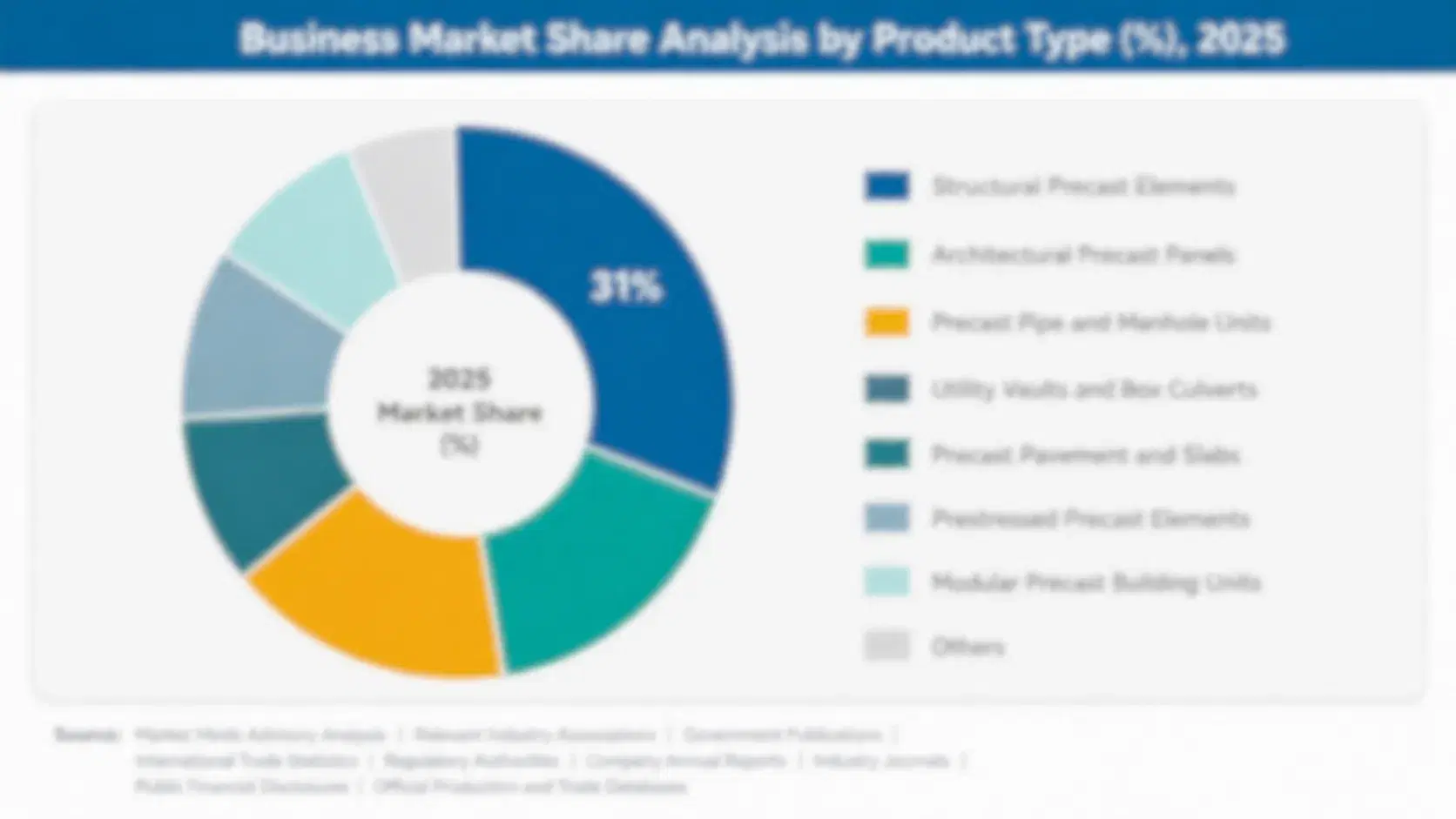
Fresh produce is segmented by product family, because crop biology, shelf life, seasonality, and consumer use differ sharply between berries, greens, tropical fruit, and staple roots. Berries and packaged leafy greens are growing fastest as health and convenience trends reward high-value, high-quality items over traditional staple produce. Buyers therefore pay premiums for quality and freshness.
fresh-fruits-vegetables-market-market-share-analysis-1789749928716

Berries

Berries are the fastest-growing segment, covering strawberries, blueberries, raspberries, and blackberries, which consumers buy for health, taste, and snacking convenience. Supply has expanded through new varieties, protected cultivation, and production in Mexico, Peru, Morocco, and Spain that supplies Northern Hemisphere retailers year-round. Berries are delicate, need rapid cooling, and require careful labor, so margins depend on yield, shelf life, and retailer programs. Large grower groups with breeding programs and global sourcing hold advantages over small farms. Breeding programs focus on firmness, flavor, and extended seasons, and retailers reward suppliers that deliver consistent sweetness and shelf life across the year. Disease pressure, heat, and labor availability remain the main risks, so leading groups spread plantings across several countries and hemispheres.
CAGR 7.0%

Leafy Greens and Salad Kits

Leafy greens and packaged salad kits are the second-fastest segment, driven by convenience, health messaging, and foodservice demand. Growers in California, Arizona, Spain, and the Netherlands supply chilled bagged salads and baby leaf mixes, and controlled environment farms add pesticide-free and consistent supply. Food safety is critical because pathogen outbreaks can damage the whole category, so processors invest in washing, testing, and traceability, and retailers favor suppliers with strong safety records and reliable year-round delivery. Retailers demand consistent washing quality, low bacterial counts, and clear traceability, and suppliers invest in cold chain and rapid testing to protect reputations. Hydroponic and vertical farms supply premium herbs and baby greens near cities, reducing transport time and giving retailers stable, pesticide-free options.
CAGR 6.0%
Full segment breakdown across 6 segments available in the complete report.

Regional Architecture and Country Demand Map

Fresh produce value follows growing scale and consumption. Asia produces and eats the most, while North America and Europe pay premium prices and rely on imports, and Latin America and Africa supply counter-seasonal exports that fill Northern Hemisphere gaps across the year across the forecast period.

North America

North America holds 20% share, below its usual band, because the region has high per-capita spending on fresh produce but relatively small growing volumes compared with Asia, where large populations and cultivated area dominate global tonnage. California, Florida, and Mexico supply much of the region's fruit and vegetables, and imports from Chile, Peru, and Guatemala fill counter-seasonal gaps. Retail consolidation and labor costs squeeze grower margins, while berries, avocados, and packaged salads drive premium growth. Growers in Mexico, Peru, and Chile fill counter-seasonal gaps through year-round retailer programs. Labor shortages, immigration policy, and water limits in California and Arizona raise costs, which pushes investment in automation and protected cultivation across the region.
Share: 20% | CAGR: 3.6% (2026 to 2036)

Western Europe

Western Europe holds 15% share, below its usual band, because production is limited by land and climate and consumers rely heavily on imports from Spain, Morocco, South Africa, and Latin America, so value in global terms is split across growing regions. The Netherlands and Spain lead protected cultivation, and retailers in the United Kingdom, Germany, and France impose strict standards on residues and sustainability. Labor and energy costs are pushing consolidation among growers. Retailers in the United Kingdom and Germany set demanding specifications on residues, packaging, and sourcing, and they favor suppliers with certified supply chains. Energy and labor costs are pushing consolidation among Dutch and Spanish growers, while drought and heat waves are prompting investment in water-saving greenhouses.
Share: 15% | CAGR: 2.3% (2026 to 2036)
Regional intelligence for 5 additional markets available in the complete report: East Asia, South Asia and Pacific, Latin America, Middle East and Africa, Eastern Europe. Contact sales@marketmindsadvisory.com.
fresh-fruits-vegetables-market-country-cagr-analysis-1789749929002

Four Margin Levers Behind Fresh Produce Profits

Margin in fresh produce comes from cutting waste, controlling handling, and shifting mix toward higher-value items rather than raw volume growth, since most crops sell as unbranded commodities. Growers and distributors that invest in cold chain, protected cultivation, and direct retailer programs earn returns well above those selling spot volumes through wholesale markets in most seasons.

Cutting Post-Harvest Loss Through Cold Chain Investment

Growers and distributors that cool produce within hours of harvest and maintain temperature control through transport reduce losses that average roughly 14% of volume, and in emerging markets often exceed 20%. Every point of loss recovered flows to margin because growing costs are already spent. Investments in cold rooms, refrigerated trucks, and sensors require capital, but paybacks typically arrive within a few seasons, and retailers reward reliable freshness with larger programs. Retailers reward reliable freshness with larger programs and fewer rejections, and improved shelf life also allows growers to reach distant export markets that were previously uneconomic.
Market Impact: waste reduction adds 3 to 5 margin points

Shifting Mix Toward Berries and Packaged Salad Products

Berries and packaged salad kits sell at two to four times the price per kilogram of staple fruit and root vegetables, and they grow faster than the market. Growers that add berry acreage, protected cultivation, or washing and packing lines capture this premium, though margins depend on yield, shelf life, and labor. Successful producers pair new varieties with retailer programs that guarantee volume, which reduces price risk and supports investment in specialized handling. Retailers report that berries deliver about 15% of produce sales in many chains, so growers with reliable supply win larger programs.
Market Impact: berries earn 2 to 4 times staple prices

Signing Direct Retailer Programs With Volume Commitments

Growers that sell through annual retailer programs, rather than spot wholesale markets, secure more stable pricing and reduce the risk of dumping surplus at low prices. Programs typically fix volume bands and specifications, and suppliers report price premiums of 5% to 10% for reliable year-round delivery. The approach requires food safety certification, packhouse capacity, and geographic diversification, but it builds sticky relationships that competitors struggle to displace. Direct programs also give growers earlier visibility into promotions and demand changes, which reduces overplanting and the dumping of surplus volumes at distress prices in wholesale markets.
Market Impact: direct programs add 5% to 10% price premium

Adopting Mechanization and Automation to Offset Labor Cost

Harvest and packing labor is roughly 36% of cost of goods, so mechanical harvesters, optical sorters, and automated packing lines directly protect margin when wages rise. Automation can reduce packing labor by 20% to 40%, and robotic harvesting is advancing for strawberries and tomatoes. Capital cost and crop suitability limit adoption, but growers that invest gain resilience against labor shortages and can maintain output when seasonal workers are scarce. Payback typically arrives within four seasons for larger packhouses, and automation also improves consistency, which cuts retailer rejections and improves negotiating position on price and volume.
Market Impact: automation cuts packing labor by 20% to 40%

Who Controls the Margin Pool

Fresh produce is extremely fragmented, with the top five suppliers holding about 8% of global revenue, the basis used throughout this section. Dole and Fresh Del Monte lead among global fruit and vegetable companies, Chiquita, Driscoll's, and Greenyard hold strong positions in bananas, berries, and distribution, and millions of small farms and traders supply the rest. Consolidation remains limited so far.
Competitive activity centers on three fronts: securing land and grower networks across multiple hemispheres, investing in cold chain and packhouse capacity, and building direct retailer programs with year-round supply. Large groups are expanding into berries, avocados, and packaged salads, while several add controlled environment farms, and consolidation of packers and distributors continues as retailers demand fewer, larger, more reliable suppliers. Certification costs favor larger suppliers.

Emerging pressure comes from retailers building private label supply chains and buying direct from growers, from vertical farming and greenhouse companies offering local supply, and from regional exporters in Africa, Peru, and India scaling up quickly. Climate shocks can reshuffle rankings, and rankings shift most through acquisitions of growers, packers, and distributors that add sourcing regions, counter-seasonal supply, and retailer relationships.
fresh-fruits-vegetables-market-company-positioning-matrix-1789749929195

Competitive Moat and Risk Dimensions

DOLE FOOD COMPANY

Moat: Global Sourcing and Brand Recognition

Dole grows, packs, and ships bananas, pineapples, berries, avocados, and fresh vegetables from many countries, giving it year-round supply, logistics assets, and a widely recognized brand that retailers trust. This scale spreads weather and political risk, supports investment in packhouses and cold chain, and lets Dole offer retailers a broad, reliable assortment through a single supplier relationship.
DOLE FOOD COMPANY

Risk: Commodity Exposure and Logistics Complexity

Dole's large banana and pineapple business is exposed to weather, disease, labor issues, and price pressure from retailers, and its global logistics network is vulnerable to freight disruption. Thin margins in commodity fruit can limit funds for innovation in berries and packaged salads, where specialized competitors may move faster.
FRESH DEL MONTE PRODUCE

Moat: Vertical Integration Across Fresh Categories

Fresh Del Monte owns farms, packing facilities, shipping, and distribution across bananas, pineapples, melons, avocados, and fresh-cut products, giving it cost control and consistent quality. Its integrated model supports direct retailer programs, allows quick response to demand shifts, and provides ripening and fresh-cut capacity that pure growers and traders cannot easily replicate.
FRESH DEL MONTE PRODUCE

Risk: Capital Intensity and Commodity Volatility

Owning farms and infrastructure ties up capital and exposes Fresh Del Monte to weather, disease, and input cost swings that asset-light distributors avoid. Concentration in a few tropical fruits means shocks to banana or pineapple markets can quickly affect earnings, and shifting retailer demand toward berries and salads requires new investment.

Players Tracked

Prominent Players

Dole Food Company
Fresh Del Monte Produce
Chiquita Brands
Driscoll's
Greenyard

Other Key Players

Mission Produce
Calavo Growers
Limoneira Company
Naturipe Farms
Taylor Farms
Oppy
The Wonderful Company
Sunkist Growers
Zespri International
Hortifrut
SanLucar
Fyffes
Seald Sweet International
Alpine Fresh
Well-Pict Berries

Recent Developments

APRIL 2026

Driscoll's Expands Protected Berry Production

Driscoll's completed an organic expansion of protected berry production in Mexico and Morocco, adding high-tunnel and greenhouse acreage with new varieties for year-round supply. The project is internal capital spending, not an acquisition. It increases counter-seasonal volumes for North American and European retailers and improves yield and quality consistency.
Signal: Shows leading berry companies investing in protected cultivation to secure year-round supply for retailers across all major markets.
OCTOBER 2025

Fresh Del Monte Signs Multi-Year Retailer Program

Fresh Del Monte signed a multi-year supply program with a large European grocery retailer covering bananas, pineapples, and fresh-cut fruit, fixing volume bands and specifications across several regions. The agreement is a supply contract, not an equity transaction. It gives the retailer reliable supply and Fresh Del Monte predictable volumes.
Signal: Confirms multi-year retailer programs are becoming the standard route to stable volume for large fresh produce suppliers.
JANUARY 2026

Greenyard Acquires Fresh Produce Distributor

Greenyard completed the acquisition of a regional fresh produce distributor to strengthen its logistics network and customer base in Northern Europe. The purchase adds cold storage, delivery routes, and retailer relationships. Management said the aim is faster delivery of berries and salad ingredients to supermarkets and foodservice customers.
Signal: Reflects consolidation of distribution assets as produce suppliers seek control of cold chain and retailer access.

What Drives Fresh Produce Costs

Labor accounts for roughly 30% to 40% of cost of goods for hand-harvested crops, while packaging, freight, and cold storage add another 25%. Land, water, fertilizer, crop protection, and energy make up most of the remainder, with inputs bought from global suppliers of fertilizer, seed, and chemicals and freight bought from shipping lines and trucking companies. Water costs vary widely by region.
Fertilizer and energy prices surged after 2021 and 2022, and labor costs rose sharply as shortages spread, according to USDA Economic Research Service reports on farm input costs. Fresh Del Monte's fiscal 2022 annual report cited higher fuel, freight, and fertilizer costs as major pressures on margins, and produce companies responded with price increases, contract surcharges, and efficiency programs across farms and packing facilities. Prices stayed elevated.

Exposure varies by player type and geography. Integrated growers with own farms and diversified sourcing absorb shocks better than traders buying spot volumes. Producers in countries with lower labor costs and stable climates hold advantages, while growers in high-wage regions such as California, Spain, and the Netherlands rely on mechanization and protected cultivation to defend margins. Freight rates add further differences.
fresh-fruits-vegetables-market-cost-volatility-analysis-1789749929380

Investing in Mechanization to Offset Labor Costs

Growers install mechanical harvesters, optical sorters, and automated packing lines that reduce labor per unit and improve consistency, especially in packhouses where tasks are repetitive. These investments require capital and crop suitability, but savings of 20% or more on packing labor are common, and automation makes operations less vulnerable to seasonal worker shortages and wage inflation.

Diversifying Sourcing Across Hemispheres and Countries

Produce companies source from several countries and growing seasons so weather, disease, or political disruption in one region does not interrupt supply. Diversification raises complexity in quality control and logistics because varieties and standards differ, but it protects retailer programs and lets suppliers offer year-round availability that single-region growers cannot match. Suppliers therefore hold more buffer stock.

Signing Index-Linked Retailer Contracts With Cost Pass-Through

Suppliers negotiate retailer programs with price adjustment clauses linked to fuel, freight, and labor indices, so cost swings are shared rather than absorbed entirely by growers. This reduces surprise margin losses when inputs spike, though it limits gains when costs fall. Large suppliers with strong retailer relationships achieve better terms, while small growers often lack negotiating leverage.

Portfolio Architecture for Margin Defence

Fresh produce margins run from thin spreads on staple fruit and vegetables sold as commodities to richer returns on berries, packaged salads, and protected-cultivation products, with gross margin roughly doubling between the volume tier and the top tier. Cold chain reliability, food safety certification, and retailer programs add pricing power over the same underlying crops, and buyers pay for consistency because waste and stockouts are costly.
Volume and premium pull in different directions. Staple produce fills packhouses and supply programs but earns thin margins and exposes growers to weather, labor, and price swings, while berries and packaged salads earn better returns on smaller volumes yet need more capital, labor, and food safety systems. Growers must balance the two so that idle capacity and seasonal risk do not erode overall returns.

High-value pools concentrate in berries, packaged leafy greens, and controlled environment tomatoes, cucumbers, and herbs sold through annual retailer programs, and in certified organic and traceable supply. These segments benefit from documented quality, consistent delivery, and limited competition from small growers. Suppliers that combine geographic diversification, cold chain assets, and direct retailer relationships hold advantages that are difficult to replicate.

Volume / Commodity-Adjacent Tier

Staple fruit and vegetables such as apples, citrus, onions, potatoes, and bananas sold mainly on price through wholesale markets and retailer programs, with thin spreads and heavy exposure to weather and labor costs worldwide.
Gross Margin: 8%-14%

Premium / Certified Tier

Berries, avocados, packaged salads, and organic or certified produce sold under annual retailer programs that require food safety certification, consistent quality, cold chain control, and reliable year-round delivery across markets.
Gross Margin: 16%-24%

Sustainability / Regulatory / Next-Generation Tier

Controlled environment and protected cultivation produce with low water use, traceability, and low-residue claims, positioned ahead of stricter sustainability rules, retailer waste targets, and climate-driven supply volatility over the coming decade.
Gross Margin: 20%-30%
fresh-fruits-vegetables-market-portfolio-architecture-1789749929570

High-value Sub-segments and Strategic Watch-out

Berries

Berries combine the fastest growth in the market with strong pricing power, because consumers buy them for health, taste, and snacking convenience, and retailers give them prominent space. Protected cultivation and new varieties extend seasons, though labor intensity and rapid spoilage require heavy cold chain investment.
Gross Margin: 20%-28%

Leafy Greens and Salad Kits

Packaged leafy greens and salad kits offer strong growth and healthy premiums driven by convenience and health messaging, though food safety incidents, short shelf life, and retailer price pressure limit returns. Suppliers with washing lines, testing, and traceability and controlled environment growing capacity gain durable retailer relationships.
Gross Margin: 16%-24%

Staple Fruit and Root Vegetables

Staple fruit and root vegetables remain the volume core of the market, moving the largest tonnage through wholesale channels and retailer programs. Margins are thin and volatile because pricing follows weather and oversupply, and buyers switch suppliers readily, so returns depend on scale, storage, and cost discipline rather than differentiation.
Gross Margin: 8%-12%

Frozen and Processed Substitution

Frozen, canned, and dried produce represent the main strategic watch-out, since consumers trading down during food inflation or seeking convenience may substitute them for fresh items that carry high waste and price volatility. Improving frozen quality and longer shelf life could weigh on fresh volumes in mature markets.
Gross Margin: n/a (substitution risk)

Why Retailers Stay With Produce Suppliers

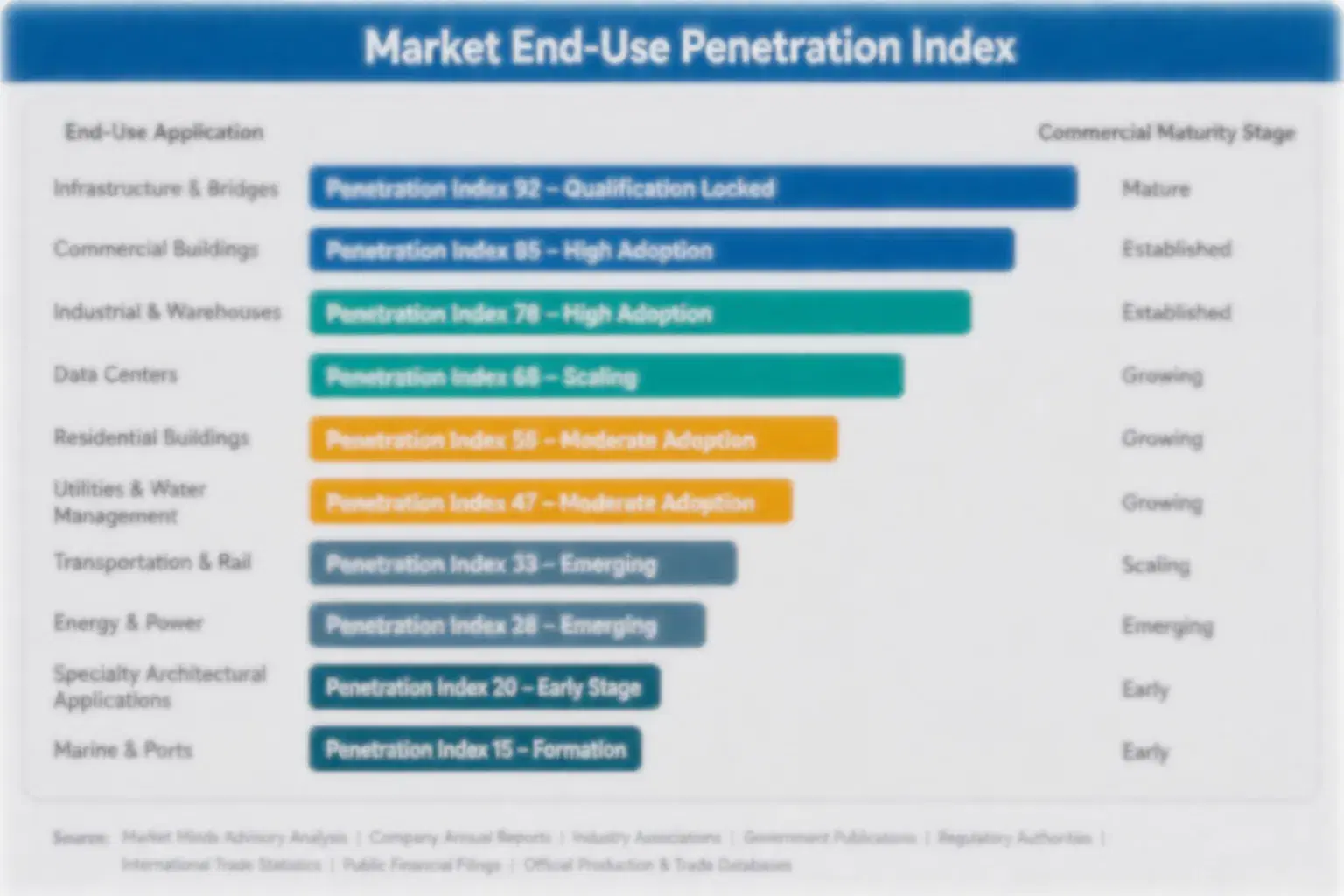
Fresh produce demand behaves like an annuity for suppliers that hold retailer programs. Once a grower qualifies on quality, food safety, and delivery reliability, retailers prefer to keep the relationship because switching risks stockouts and quality problems, so annual programs renew. Weekly ordering cycles reinforce repeat purchasing, and retailers often accept modest price increases when weather shocks affect supply. Programs are usually renewed each season.
Stickiness varies by end-use vertical. Supermarket buyers show the deepest loyalty to reliable suppliers because consistent freshness protects sales, and they audit growers closely. Foodservice distributors are also loyal when specifications are met, while wholesale market buyers and small independent retailers switch suppliers readily on price and availability, making that segment more volatile for growers to plan around. Discounters buy heavily on price and availability.

Buyer profiles are shifting generationally. Younger shoppers buy more berries, salad kits, and convenience packs, expect transparent origin and sustainability information, and use online grocery and quick-commerce platforms, while older shoppers still favor loose staples in traditional markets. Suppliers must serve both cohorts, but growth is concentrated in convenience formats and premium items sold through modern retail. Online grocers accelerate this shift.
fresh-fruits-vegetables-market-end-use-penetration-index-1789749929755

MMA Verdict on Fresh Produce Strategy

These are among the four positions where our research anticipates prominent divergence between winners and laggards over the coming forecast period. Each is grounded in the demand model, the regulatory perimeter, and the announced capacity pipeline.
01 / COLD CHAIN INVESTMENT

Invest in Cold Chain to Cut Waste and Win Programs

Post-harvest losses average about 14% of volume and often exceed 20% in emerging markets, so every point recovered flows straight to margin. Growers and distributors that cool produce within hours and maintain temperature control through transport earn larger retailer programs and premium pricing. MMA recommends prioritizing cold chain and packhouse investment over further acreage expansion, since it raises returns on existing crops and reduces exposure to weather-driven price swings, especially as retailers tighten waste targets and reward suppliers with proven temperature records.
02 / MIX SHIFT STRATEGY

Shift Acreage Toward Berries and Convenience Formats

Berries grow about 1.75 times faster than the market and sell at two to four times staple fruit prices, while packaged salads add convenience premiums. Growers that add berry acreage, protected cultivation, or washing lines will capture faster growth than those remaining in staple crops. MMA advises moving within the next two seasons, before new supply narrows premiums and retailers lock in preferred suppliers, and berries in particular reward growers who secure varieties and retailer programs early before competing acreage matures.
03 / LABOR AUTOMATION PRIORITY

Automate Packing and Harvest to Offset Labor Shortages

Labor is roughly 36% of cost of goods, and shortages and wage inflation are eroding margins in Europe, North America, and Australia. Mechanical harvesters, optical sorters, and automated packing lines cut packing labor by 20% to 40% and make operations resilient during seasonal shortages. MMA sees automation as a defensive necessity for growers in high-wage regions, and recommends targeting repetitive packhouse tasks first where returns are highest, particularly for berries, tomatoes, and stone fruit where hand labor is a large share of cost.
04 / SUPPLY DIVERSIFICATION DISCIPLINE

Diversify Sourcing Across Hemispheres to Manage Climate Risk

Droughts, heat waves, and floods now cause regular supply shocks, and growers concentrated in one region face volatile yields and lost retailer programs. Sourcing across hemispheres and countries protects year-round supply and lets suppliers offer retailers reliable assortments. MMA recommends building at least two additional origins for core items, since qualification and food safety certification take many months and cannot be rushed once a shortage has already arrived, which is why leading groups already hold plantings in both hemispheres and several climate zones.

Engagement Snapshot From the Field

A live engagement with an industry participant carrying material or product regulatory and market exposure ahead of a defining policy shift, showing how our research translates into a defensible multi-year portfolio strategy.
MARKET MINDS ADVISORY · CLIENT ENGAGEMENT SUMMARY
Fresh Fruits & Vegetables Producer Strategic Portfolio Review and Transition Roadmap 2026·Investment Scenario on Fresh Fruits & Vegetables Exposure Evaluation 2025-26
CLIENT PROFILE
The client is a mid-sized European grocery chain with roughly 300 stores and about $4.2 billion in annual revenue (client-reported, unverified by MMA), operating in three countries. Fresh produce represented around 16% of sales, but shrink losses ran high and the chain relied on wholesalers and spot purchases for most fruit and vegetables with limited direct grower relationships.
STRATEGIC CHALLENGE
Rising produce prices, inconsistent quality, and shrink of about 11% of produce volume were eroding category margin, while competitors expanded berries, salads, and organic ranges with direct supplier programs. Leadership needed a sourcing and supply chain strategy that cut waste, improved freshness, and secured supply without disrupting existing wholesaler relationships abruptly.
MMA APPROACH
MMA benchmarked the client's produce shrink, quality scores, and margins against six peers, mapped its supply base by category, and interviewed store managers and suppliers. The engagement also modeled the economics of direct grower programs for berries and salads, cold chain upgrades in distribution centers, and phased reductions of spot purchasing over two years.
KEY FINDINGS
  1. Peers running direct programs for berries and salads achieved shrink rates about four points lower than the client, mainly through faster delivery and tighter temperature control.
  2. Cold chain gaps in two distribution centers caused an estimated 3 points of avoidable shrink, and correcting them required moderate refrigeration and monitoring investment.
  3. Shifting 30% of berry and salad volume to direct programs could improve category margin by about 2 points and improve shelf freshness scores.
  4. Growers interviewed said multi-year volume commitments would justify investment in protected cultivation dedicated to the client's specifications over several years of steady production.
CLIENT PROFILE
The client is a mid-sized European grocery chain with roughly 300 stores and about $4.2 billion in annual revenue (client-reported, unverified by MMA), operating in three countries. Fresh produce represented around 16% of sales, but shrink losses ran high and the chain relied on wholesalers and spot purchases for most fruit and vegetables with limited direct grower relationships.
STRATEGIC CHALLENGE
Rising produce prices, inconsistent quality, and shrink of about 11% of produce volume were eroding category margin, while competitors expanded berries, salads, and organic ranges with direct supplier programs. Leadership needed a sourcing and supply chain strategy that cut waste, improved freshness, and secured supply without disrupting existing wholesaler relationships abruptly.
MMA APPROACH
MMA benchmarked the client's produce shrink, quality scores, and margins against six peers, mapped its supply base by category, and interviewed store managers and suppliers. The engagement also modeled the economics of direct grower programs for berries and salads, cold chain upgrades in distribution centers, and phased reductions of spot purchasing over two years.
KEY FINDINGS
  1. Peers running direct programs for berries and salads achieved shrink rates about four points lower than the client, mainly through faster delivery and tighter temperature control.
  2. Cold chain gaps in two distribution centers caused an estimated 3 points of avoidable shrink, and correcting them required moderate refrigeration and monitoring investment.
  3. Shifting 30% of berry and salad volume to direct programs could improve category margin by about 2 points and improve shelf freshness scores.
  4. Growers interviewed said multi-year volume commitments would justify investment in protected cultivation dedicated to the client's specifications over several years of steady production.
RECOMMENDED STRATEGY
Phase 1: Phase 1 (Months 1-6): Upgrade cold chain monitoring in distribution centers and launch direct programs for berries with three growers. Phase 2: Phase 2 (Months 7-12): Extend direct programs to packaged salads and tomatoes while trimming spot purchasing on core categories with two suppliers. Phase 3: Phase 3 (Months 13-24): Sign multi-year contracts with protected-cultivation growers and integrate demand forecasting into ordering and review supplier performance annually.
OUTCOME
Within twenty-four months, the client reduced produce shrink from 11% to an estimated 7.5% (client-reported, unverified by MMA) and lifted category margin by about 2.5 points. Freshness scores rose in store audits, direct programs covered 35% of berry and salad volume, and wholesaler relationships remained intact through the phased transition.

Frequently Asked Questions

Foundational context covering the market sizes, CAGR, scope, country, region and competition that inform every finding below. This section is provided to cover basics and most often pre-purchase conversations, answered from the MMA Primary Research Dataset.

What is the current size of the Fresh Fruits & Vegetables Market?

The global fresh fruits and vegetables market was valued at $1,650.0 billion in 2025. This covers uncooked, unprocessed produce sold chilled or ambient through retail, foodservice, and wholesale channels.

How large will the Fresh Fruits & Vegetables Market be by 2036?

MMA projects the market will reach approximately $2,540.1 billion by 2036. This represents cumulative growth of roughly $824.1 billion over the full ten-year forecast window.

What is the CAGR for the Fresh Fruits & Vegetables Market 2026 to 2036?

The market is forecast to grow at a 4.0% compound annual rate between 2026 and 2036. The bull case reaches 5.2% while the bear case falls to 2.8%.

Which segment is growing fastest?

Berries is the fastest-growing segment at 7.0% CAGR, roughly 1.75 times the overall market rate. Leafy Greens and Salad Kits follows as the second-fastest segment at 6.0%.

Who are the major companies in the Fresh Fruits & Vegetables Market?

Leading companies include Dole Food Company, Fresh Del Monte Produce, Chiquita Brands, Driscoll's, and Greenyard. These five players together hold an estimated 8% of total global market revenue.

Which country is growing fastest?

India is the fastest-growing major market, expanding at approximately 6.6% CAGR each year. Rising incomes, modern retail expansion, and cold chain investment are driving this above-market growth.

Report Segmentation Architecture

The full report scope spans multiple orthogonal segmentation dimensions, with cross-tabulated demand data provided for each dimension pair. Coverage extends further to regional breakdowns, trend trajectories, and the competitive detail needed to support segment-level decision-making.

By Primary Market Dimension

  • Berries
  • Leafy Greens and Salad Kits
  • Tropical Fruits
  • Fruiting Vegetables
  • Citrus, Pome, and Stone Fruits
  • Roots, Tubers, and Alliums

By End-Use Industry

  • Retail Supermarkets and Grocers
  • Foodservice and Catering
  • Wholesale Markets
  • Food Processing Feedstock
  • Online and Quick-Commerce Grocery

By Commercial Dimension

  • Direct Retailer Supply Programs
  • Wholesale Market Sales
  • Export and Import Trade Contracts
  • Contract Farming Agreements

By Region

  • North America
  • Western Europe
  • East Asia
  • South Asia and Pacific
  • Latin America
  • Middle East and Africa
  • Eastern Europe

Scope, Methodology, and Coverage

Every figure in this report is reproducible from documented input assumptions. The scope below maps the historical period, the forecast horizon, the segmentation dimensions, and the countries covered, alongside the underlying primary and qualitative methodology.
Historical Period
2020 to 2025
Forecast Period
2026 to 2036
Base Year
2025 (USD billions; MMA Primary Research Dataset, September 2026)
Market Definition
Fresh fruits and vegetables comprise uncooked, unprocessed edible plant produce harvested for direct consumption and sold chilled or ambient through retail, foodservice, and wholesale channels. The scope excludes frozen, canned, dried, and juiced products, as well as potatoes sold for processing, nuts, herbs sold as dried seasoning, and fresh-cut products transformed into prepared meals.
Quantitative Units
USD billions (current prices); metric tons for volume references
Segmentation Dimensions
By Product Family; By End-Use Industry; By Commercial Dimension; By Region
Regions Covered
North America, Western Europe, East Asia, South Asia and Pacific, Latin America, Middle East and Africa, Eastern Europe
Countries Covered
USA, China, Germany, France, UK, Japan, South Korea, India, Australia, Canada, Brazil, Mexico, Indonesia, Vietnam, Thailand, Malaysia, UAE, Saudi Arabia, South Africa, Egypt, Morocco, Kenya, Turkey, Poland, Netherlands, Italy, Spain, Peru, Chile, Colombia, and additional markets relevant to this sector
Key Companies Profiled
Dole Food Company, Fresh Del Monte Produce, Chiquita Brands, Driscoll's, Greenyard, Mission Produce, Calavo Growers, Limoneira Company, Naturipe Farms, Taylor Farms, Oppy, The Wonderful Company, Sunkist Growers, Zespri International, Hortifrut, SanLucar, Fyffes, Seald Sweet International, Alpine Fresh, Well-Pict Berries
Quantitative Methodology
Primary survey, n=3,800 respondents, Q4 2025, six countries; demand-side model with trade association cross-validation
Qualitative Methodology
47 expert interviews, Q4 2025; applied to validate demand model assumptions, identify emerging dynamics, and assess competitive positioning
Report Format
PDF and XLSX data workbook (Word format preview document)
Publisher
Market Minds Advisory
Report Code
MMA-2026-AGR-237
Published
September 2026
Contact
sales@marketmindsadvisory.com | www.marketmindsadvisory.com

Purchase the full Fresh Fruits & Vegetables Market Report (2026 to 2036).

The full report delivers a detailed assessment of global fresh fruit and vegetable supply, cold chain technology, and competitive positioning through 2036. It includes segment forecasts by product family, country-level data for all seven world regions, and profiles of the twenty companies most relevant to growing and distribution. Analysts also receive input cost modeling and portfolio margin benchmarking built from MMA's primary research dataset. A scenario planning module lets subscribers stress-test bull and bear assumptions against their own sourcing plans. Quarterly updates keep the whole dataset current throughout.
Ten-year segment and regional demand forecasts
Cold chain and packhouse capacity tracking
Competitive benchmarking of top twenty suppliers
Labor and input cost sensitivity modeling tools
Regional demand mechanism comparative analysis included
Quarterly primary survey data update access

Built For The People Who Decide

From boardroom strategy to bench-side execution, this report is read cover-to-cover by leaders shaping the next decade of their industry, turning demand scenarios, market dynamics and valuation benchmarks into decisions.
CXOs/ Presidents/ VPs/ Managers
M&A and Corporate Development
Strategy Teams and R&D Heads
Procurement and Product Directors
Regulatory and Compliance Leaders
Investor Relations and Equity Analysts