Market Minds Advisory
Fresh Figs Market

Fresh Figs Market: Fresh Figs Market. Perishability Economics, Mediterranean Export Corridors, and Premium Retail Demand Reshape Fig Supply Chains.

Fresh figs are moving from a seasonal Mediterranean treat into a premium year-round fruit, while three-day shelf life, air freight costs, and Egyptian and Turkish export growth decide which packers win retailer programs.

Lead Analyst

Published

September 2026

Make Smarter Decisions with Customized Research Insights

Request a free sample report and evaluate market opportunities, growth trends, and competitive dynamics relevant to your business needs.

2025 MARKET VALUE$3.6BMarket Size 2025
2036 FORECAST VALUE$5.8BBase Case , 2026 to 2036
CAGR 2026 TO 20364.4 %Bull 5.7% / Bear 3.1%
INCREMENTAL OPPORTUNITY$2.0BNet 10- year value creation
EXPANSION MULTIPLE1.54x2036 value over 2026 base
Strategic Levers
M&A Pipeline
Regional Outlook
Country Rankings
Competitive Intelligence
Segmental Deep-dive
Call-Us : 91 93563 13602

Executive Snapshot and Market Trajectory.

A ripe fig bruises when it is picked and spoils within days, so the business is really about speed. Growers, packers, and airlines compete against the clock, and the fruit that survives the trip to a distant shelf earns a premium. Speed is the product.
Dark-skinned figs grow fastest, driven by premium retail, foodservice, and health-focused shoppers, while green and brown cultivars anchor volume through Mediterranean home markets and regional exports. Middle East and Africa holds the largest share because Turkey, Egypt, and Morocco grow and consume the most fresh figs, and Western Europe follows through Spanish, Italian, and Portuguese production and demand. India leads country growth as orchard area and cold chain expand.
Competition is fragmented, with thousands of growers, regional packers, and a few produce marketers sharing supply. Advantage comes from orchard access, cold chain speed, and retailer program relationships rather than price alone. Regulation and quality rules drive change, since pesticide residue limits and phytosanitary controls push buyers toward audited exporters. Buyers reward firm fruit, consistent sugar levels, and reliable delivery across a short season. Buyers audit every lot. Origin records decide renewals quickly.
Market Definition
Fresh figs are the unprocessed, ripe fruit of Ficus carica sold whole through retail, wholesale, and foodservice channels, including dark-skinned, green, brown, Smyrna-type, and specialty heritage cultivars, conventional and organic. The scope excludes dried figs, fig paste, jam, and other processed products, fig leaves and extracts, and fruit sold to processors for drying.
Base Year Value
$3.6B in 2025 (MMA Primary Research Dataset, September 2026)
Forecast Period
2026 to 2036, eleven discrete annual values
CAGR
4.4% base case. Bull 5.7%. Bear 3.1%.
Fastest Growth Segment
Dark-Skinned Figs: 6.8% CAGR
Fastest Growth Country
India: 6.8% CAGR
Fastest Growth Region
South Asia and Pacific: 6.5% CAGR
Largest Region
Middle East and Africa: 42% of 2025 global value
Market Leaders
Fresh Del Monte Produce, Greenyard, Dole Food Company, Fyffes, Mission Produce. Source: MMA Analysis, company annual reports.
Primary Survey
n=3,800 procurement and R&D decision-makers, Q4 2025, six countries
Methodology
Demand-side build-up, cross-validated against public data, 47 expert interviews

Fresh Figs Market Forecast Scenarios

fresh-figs-market-size-forecast-scenario-1789764300764
Between 2020 and 2025, fresh figs grew steadily as retailers added premium fruit ranges, Egyptian and Moroccan exports to Europe and the Gulf rose, and health-focused shoppers linked figs to fiber and antioxidants. Growth averaged 3.8% a year, with dark-skinned and specialty cultivars outpacing green figs, though heat waves and freight disruptions in 2022 and 2023 cut yields and raised spoilage losses for exporters.
The base case assumes 4.4% annual growth through 2036, built on three named mechanisms: wider retailer listings of premium fresh figs in Europe, North America, and the Gulf as shoppers seek fresh specialty fruit, expansion of orchards and cold chain capacity in Egypt, Morocco, India, and Peru that lengthens the supply season, and improved packaging and modified atmosphere systems that extend shelf life beyond five days. Air freight remains a swing cost. Each mechanism reinforces the others.
The bull case, at 5.7%, needs faster adoption of shelf-life technology and strong retailer promotion of figs as a year-round fruit. The bear case, at 3.1%, reflects repeated heat waves, high air freight costs, and shoppers shifting toward cheaper berries and stone fruit. Either scenario leaves the underlying demand base intact, though pricing and mix would differ noticeably.

Cold Chain Speed and Orchard Access Decide Fresh Fig Winners

Figs are soft, sugary fruits that ripen fully on the tree and are picked by hand, often several times a week. Skin type ranges from thin dark Black Mission to green Kadota and bronze Brown Turkey. Growers pack into single-layer trays, pre-cool within hours, and ship by refrigerated truck, sea freight, or air. Ripeness at harvest decides quality. Firm fruit ships farthest. Growers cull soft fruit early.
MARKET CONCENTRATION15% CR5Leading five marketers hold a small combined share
AVERAGE WHOLESALE PRICE$5.80 per kgFresh figs sell at a premium to common orchard fruit
TOP PRODUCER SHARE22%Turkey alone supplies a large portion of global harvests
SHELF LIFE CHILLED7 daysCold storage extends freshness only briefly after harvest
POSTHARVEST LOSS25%A large share of picked fruit spoils before reaching shoppers
LABOR SHARE OF COGS35%Hand picking dominates cost for most fig growers
Buyers use fresh figs in different ways. Retailers sell them as premium punnets, foodservice chefs use them in salads, cheese boards, and desserts, wholesalers supply ethnic and Mediterranean markets, and online grocers deliver to urban shoppers. Specifications cover size, firmness, sugar level, skin color, defects, and pesticide residue on every consignment, and retailers often set strict maximum bruising limits.
The industry is fragmented and origin-dependent. Global produce marketers such as Fresh Del Monte, Greenyard, and Dole distribute fruit in Europe and North America, regional packers in Turkey, Egypt, and Morocco handle export supply, and specialist growers in California and Spain sell direct. Harvest results, freight costs, and residue rules shape investment, and retailer programs are widening the buyer base for premium fruit.
"Fresh figs are a race between ripeness and rot, and the winner is whoever controls the first 24 hours. The packers that will earn retailer trust are the ones who treat pre-cooling and packaging as seriously as farming."
Practice Lead, Agricultural Products and Fresh Produce Practice · MMA Agricultural Products and Fresh Produce Practice · September 2026

Market Trends

Modified Atmosphere Packaging Extends Fresh Fig Shelf Life for Export

Packers are using modified atmosphere liners, ethylene absorbers, and humidity control to extend fresh fig shelf life from about three days to seven to ten days under proper cold chain, which lets ships and trucks replace some air freight. Trials in Egypt, Turkey, and Spain report reductions in decay losses of 30% to 50%, and retailers accept the packaging when quality holds. Suppliers provide liners, absorbers, and technical support, and exporters that adopt them can reach Northern European and Gulf shelves with firmer fruit. Adoption requires pre-cooling within hours of harvest and consistent temperature.
Market Impact: figs provide about 3 g fiber
Premium Punnets and Specialty Cultivars Lift Retail Fig Value

Retailers in Europe, North America, and the Gulf are listing fresh figs in premium punnets, gift packs, and organic ranges, and specialty cultivars such as Black Mission, Brown Turkey, and Sultane earn higher prices for color and flavor. Premium fresh figs sell at 30% to 60% above standard loose fruit, and brand owners promote origin, sweetness, and harvest date. Growers with controlled irrigation, canopy management, and fruit sorting produce more uniform lots, and packers that can guarantee sugar levels above 16 degrees Brix win listings. Online grocers add subscription boxes that build repeat purchases and reduce shrink.
Market Impact: Egypt exports to 30 plus countries

Market Opportunities and Growth Drivers

Health Perceptions Around Fiber and Antioxidants Raise Fresh Fig Demand

Figs are marketed as a source of dietary fiber, potassium, calcium, and polyphenols, and health-focused shoppers add them to breakfast bowls, salads, and cheese boards. A 100 gram serving of fresh figs provides about three grams of fiber, according to USDA FoodData Central, and retailers highlight natural sweetness in an era of sugar reduction. Nutrition and wellness media amplify seasonal fig stories, and restaurants add fig dishes during the season. Premium retailers stock organic figs, and shoppers show willingness to pay higher prices for fresh specialty fruit that fits healthy lifestyle trends.
Market Impact: postharvest losses reach 25% or more

Expanding Mediterranean and Indian Orchards Raise Export Supply Capacity

Egypt, Morocco, Turkey, and India are expanding fig orchards with government support and export incentives, and new plantings reach commercial yield within two to three years. Egypt exports fresh figs to the European Union and the Gulf during a window when European supply is limited, according to Egyptian agricultural export council reports. Indian growers in Maharashtra and Karnataka plant Poona fig and Deanna cultivars for domestic and Gulf markets. Better cold storage, packing houses, and pre-cooling equipment reduce spoilage, and exporters that invest can supply retailers for longer seasonal windows.
Market Impact: heat waves cut yields 15-30%

Market Restraints and Challenges

Extreme Perishability and Cold Chain Gaps Drive High Postharvest Losses

Fresh figs have thin skins, high sugar, and a high respiration rate, so they decay quickly, and postharvest losses can reach 25% or more in supply chains without pre-cooling, according to FAO postharvest studies. The root cause is fruit biology combined with weak cold chain infrastructure in many producing regions. Losses raise cost per kilogram sold and limit export reach. Mitigation includes pre-cooling within hours, modified atmosphere packaging, single-layer trays, and air freight for premium lots, though small growers often lack packing houses and refrigerated transport. Losses fall hardest on small exporters.
Market Impact: modified atmosphere cuts decay 30-50%

Heat Waves and Climate Variability Reduce Yield and Fruit Quality

Fig trees tolerate heat, but extreme temperatures during fruit set and ripening cause fruit drop, sunburn, and splitting, and irregular rainfall raises disease pressure, according to national agricultural ministry reports in Turkey, Spain, and Egypt. The root cause is warming and rainfall shifts across Mediterranean growing areas. Poor seasons raise prices and squeeze exporters on fixed programs. Mitigation includes drip irrigation, shade nets, heat-tolerant cultivars, and geographic diversification across countries, though these measures need capital and technical help that small growers often lack. Insurance and irrigation finance remain scarce for smallholders.
Market Impact: premium punnets sell 30-60% above loose
3 additional market trends, 4 additional growth drivers, and 2 additional restraints and challenges are covered in the full report. Contact sales@marketmindsadvisory.com to access the complete intelligence.

Segment CAGR and Growth Architecture

Fresh figs are segmented by cultivar group, because skin color, flavor, shelf life, and price differ more sharply between dark-skinned, green, brown, Smyrna-type, and specialty cultivars than they do by end use. Dark-skinned figs attract the most investment as retailers convert premium punnet and flavor goals into programs with packers and growers. Specialty cultivars follow closely behind.
fresh-figs-market-market-share-analysis-1789764301049

Dark-Skinned Figs

Dark-skinned figs are the fastest-growing segment, covering Black Mission, Sultane, and similar cultivars with purple to black skin and deep red flesh that shoppers associate with rich flavor. Retailers list them in premium punnets, and chefs value their color on plates. They are more delicate than green figs, so pre-cooling and careful handling matter, and prices are higher. Growers in California, Spain, Egypt, and Turkey are expanding plantings, and packers with modified atmosphere packaging and fast air or sea freight reach distant markets. Retailers run two to three seasons of trials before committing to full seasonal programs. Trials show modified atmosphere liners keep fruit firm for up to ten days under steady cold.
CAGR 6.8%

Specialty and Heritage Cultivars

Specialty and heritage cultivars are the second-fastest segment, covering varieties such as Brunswick, Panache, Violette de Bordeaux, and local landraces with distinctive flavors and appearance. Farmers' markets, gourmet grocers, and restaurants pay premiums for novelty and provenance, and growers in France, Italy, Portugal, and Greece market them with regional identity. Volumes are small and seasons are short, so supply is limited and prices are high. Suppliers with traceable origins and gentle handling win premium accounts, while protected origin labels and direct-to-consumer sales help small orchards capture higher margins and build loyalty. Roadside stands and specialty importers in Paris, London, and New York also take small lots, and buyers value harvest date labels on every tray.
CAGR 6.2%
Full segment breakdown across 6 segments available in the complete report.

Regional Architecture and Country Demand Map

Fresh fig value follows orchard geography, cold chain capacity, and premium retail demand. Middle East and Africa leads through Turkish, Egyptian, and Moroccan production and consumption, Western Europe follows through Spanish, Italian, and Portuguese supply and demand, and India is the fastest-growing country as orchards and cold chain expand.

North America

North America holds 12% share, below its usual band, because fresh figs are a niche fruit in the United States and Canada, with California's San Joaquin Valley growing most domestic supply for a short summer season, while imports from Mexico, Peru, and the Mediterranean extend availability. Retailers list figs in premium punnets, and farmers' markets and specialty grocers drive sales. Growers such as those in Fresno and Madera counties rely on hand picking and limited shelf life. High labor cost, short season, and limited consumer familiarity restrain growth, though gourmet and organic demand keep the region slightly ahead of the global rate. Natural grocers also feature organic fig punnets in late summer.
Share: 12% | CAGR: 4.9% (2026 to 2036)

Western Europe

Western Europe holds 20% share, with Spain, Italy, Portugal, Greece, and France combining production and consumption, and Spain's Extremadura and Andalusia growing much of the continent's fresh fruit. Retailers in Germany, the United Kingdom, and the Netherlands import premium figs from Egypt, Turkey, and Morocco during shoulder months, and specialty markets sell heritage cultivars. Strict residue rules, protected origin labels, and organic standards shape purchasing, while labor cost and heat waves hold growth below the global rate. Growing interest in Mediterranean diets and premium fruit adds steady demand, and cheese and charcuterie trends support foodservice use. Italian growers in Puglia and Calabria add local supply, and Portuguese producers sell to British and French markets.
Share: 20% | CAGR: 3.0% (2026 to 2036)
Regional intelligence for 5 additional markets available in the complete report: East Asia, South Asia and Pacific, Latin America, Middle East and Africa, Eastern Europe. Contact sales@marketmindsadvisory.com.
fresh-figs-market-country-cagr-analysis-1789764301438

Four Margin Routes for Fresh Fig Suppliers

Margin in fresh figs comes from moving beyond loose commodity fruit toward premium punnets, extended shelf life, and program-based supply that retailers and foodservice buyers cannot easily replace. Growers and packers that invest in pre-cooling, adopt modified atmosphere packaging, plant premium cultivars, and tie supply to retailer programs earn more per kilogram than sellers competing on price alone.

Investing in Rapid Pre-Cooling and Cold Chain Continuity

Postharvest losses reach 25% or more without pre-cooling, so packers that install forced-air coolers and maintain refrigerated transport cut waste by 10 to 15 points and raise the share of fruit that reaches shelves in prime condition. Pre-cooling units cost $50,000 to $250,000 per packing house and pay back within two seasons on export programs. Retailers reward consistent arrival quality with repeat orders, and packers that record temperature logs from orchard to store reduce disputes and claims. Buyers audit annually and validate practices through pilot shipments. Contracts renew every season.
Market Impact: pre-cooling cuts waste by 10 to 15 points

Adopting Modified Atmosphere Packaging for Longer Shelf Life

Modified atmosphere liners and ethylene absorbers extend shelf life from three days to seven to ten days and cut decay by 30% to 50%, letting exporters replace some air freight with sea and truck. Packaging adds $0.10 to $0.30 per kilogram but saves several times that in avoided losses and lower freight cost. Retailers accept liners when fruit quality holds, and technical teams that share trial data speed listings and repeat orders. Validated systems raise switching costs, and payback improves with premium accounts and longer export seasons. Trials run each season.
Market Impact: modified atmosphere cuts decay by 30% to 50%

Planting Premium Cultivars for Retail Punnet Programs

Premium dark-skinned and specialty cultivars sell at 30% to 60% above standard loose fruit, so growers that plant Black Mission, Sultane, and heritage varieties and manage sugar levels above 16 degrees Brix capture higher margin per kilogram. New plantings cost $8,000 to $15,000 per hectare and reach commercial yield within two to three years. Retailers pay for consistent color, size, and flavor, and multi-year programs protect volume from lower-cost imports. Growers that offer traceable orchards and harvest dates also win organic and gift pack listings, and contracts renew annually. Reviews stay annual.
Market Impact: premium cultivars earn 30% to 60% price premiums

Building Direct Retailer and Online Grocery Programs

Direct programs with retailers and online grocers earn gross margins of 25% to 40%, well above wholesale market sales at 10% to 18%, and buyers want reliable weekly volumes during a short season. Packers that offer branded punnets, private label, and subscription boxes gain volume commitments across the season. Packaging and marketing cost 8% to 12% of sales, but retail buyers pay for consistent quality and origin. Recipe cards and digital promotion help shoppers use figs more often, and repeat purchase rates rise with consistent supply. Retailers also require weekly forecasts.
Market Impact: direct programs earn 25% to 40% gross margins

Who Controls the Margin Pool

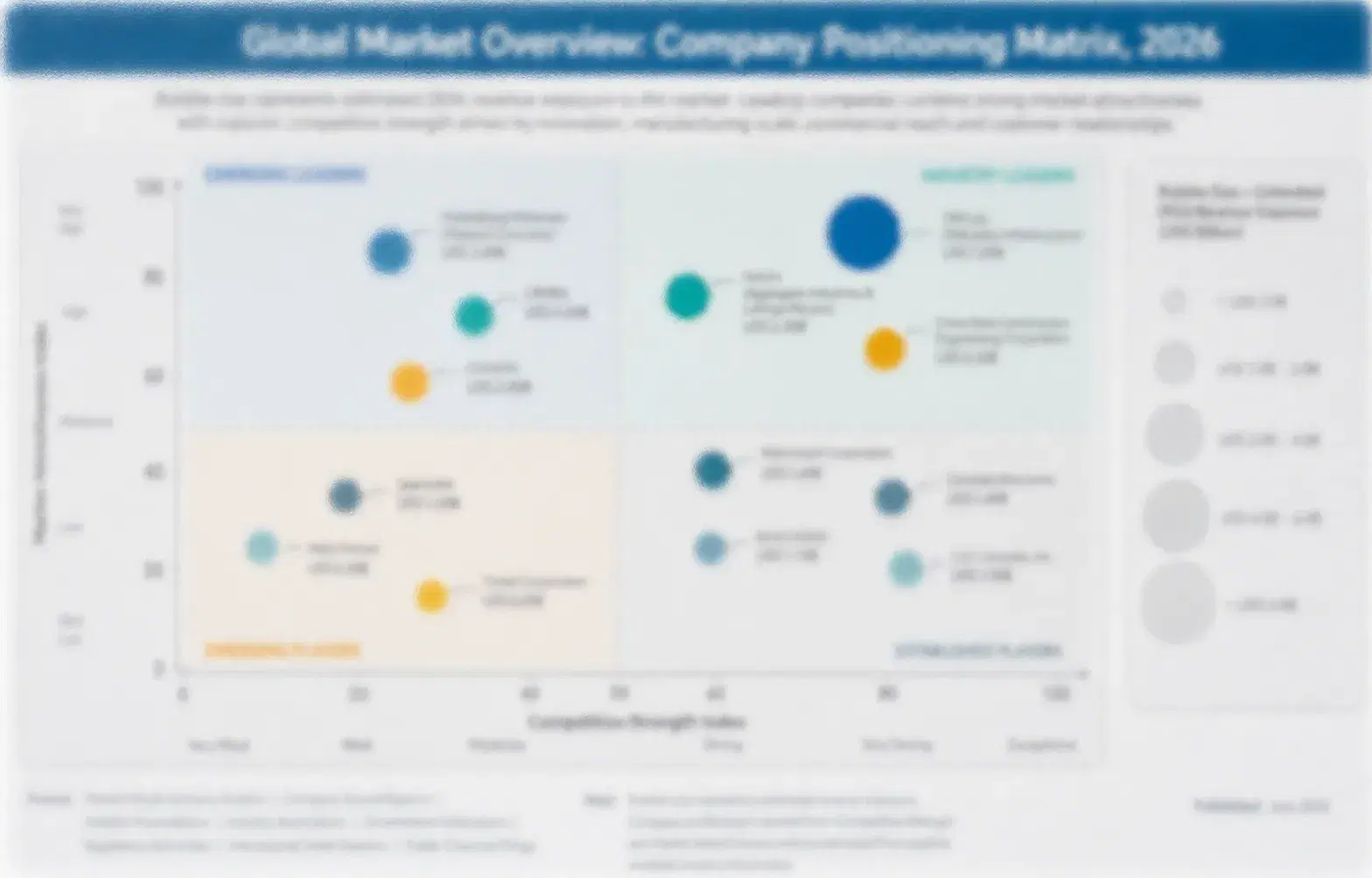
The fresh fig industry is fragmented, with the top five marketers holding about 15% of global revenue, the basis used throughout this section. Fresh Del Monte Produce, Greenyard, Dole Food Company, Fyffes, and Mission Produce lead through distribution, retailer relationships, and cold chain, while thousands of growers and regional packers serve local markets. The gap between leaders and challengers is small. Concentration reflects retail access, not orchard ownership.
Competition centers on three dimensions: secure orchard supply through grower programs and packing capacity, cold chain speed and packaging quality that protect fruit, and retailer relationships that deliver programs and promotion. Leaders sign seasonal agreements with major retailers, while challengers compete on price and local service. Organic and premium cultivar claims add another layer of differentiation. Consistency decides listings across a very short season.

Emerging pressure comes from Egyptian and Moroccan exporters selling direct to European retailers, from online grocers sourcing straight from growers, and from berry marketers adding figs to premium ranges. Rankings shift where marketers secure orchard supply, win retailer programs, or lose to lower-cost exporters. Acquisitions of regional packers and grower partnerships will reorder positions faster than organic growth, especially as buyers look for supply that lengthens the season.
fresh-figs-market-company-positioning-matrix-1789764301735

Competitive Moat and Risk Dimensions

FRESH DEL MONTE PRODUCE

Moat: Global Distribution and Retailer Reach

Fresh Del Monte Produce is one of the world's largest fresh produce companies, with sourcing across many countries, a global cold chain network, and long relationships with major retailers. Its scale in logistics and ripening lets it place premium fruit reliably, and its brand recognition and technical teams support programs for seasonal specialty fruit such as figs.
FRESH DEL MONTE PRODUCE

Risk: Small Category Within Broad Portfolio

Figs are a very small part of Fresh Del Monte's portfolio, so they receive less management attention than pineapples, bananas, and avocados. Regional specialists in Turkey, Egypt, and California may offer deeper orchard knowledge and faster response, and retailers can source direct from growers if they want lower prices or unique cultivars.
GREENYARD

Moat: European Fresh Produce Network Strength

Greenyard is a leading European fresh and frozen produce supplier with distribution, sorting, and packing operations across Belgium, the Netherlands, the United Kingdom, and other markets. Its long relationships with supermarkets, quality control systems, and import expertise allow it to supply figs from Turkey, Egypt, Spain, and Peru, and its ripening and repacking sites help it deliver consistent quality.
GREENYARD

Risk: Thin Margins and Sourcing Volatility

Greenyard operates on thin margins in a competitive European retail market, and fig supply depends on weather and freight in several origins. Poor harvests or air freight spikes can hurt profitability, while direct sourcing by large retailers and specialist importers may erode its role in premium fig programs.

Players Tracked

Prominent Players

Fresh Del Monte Produce
Greenyard
Dole Food Company
Fyffes
Mission Produce

Other Key Players

Seald Sweet International
Nature's Pride
Sunkist Growers
Naturipe Farms
Sun-Maid Growers of California
Wonderful Company
Al Dahra
Hortifrut
The Oppenheimer Group
Total Produce
Costco
Tesco
Carrefour
Aldi
Lidl

Recent Developments

MARCH 2026

Greenyard Expands Fresh Fig Sourcing and Ripening Capacity in Northern Europe

Greenyard completed an organic expansion of its European packing and ripening operations, adding modified atmosphere packing lines for figs and other delicate fruit. The project is internal capital spending, not an acquisition or joint venture. It raises capacity for premium punnets and reduces spoilage losses during peak import months.
Signal: Shows European produce marketers investing in packaging and cold chain to grow premium fresh fig programs for retailers.
OCTOBER 2025

Al Dahra Signs Multi-Year Fresh Fruit Supply Agreements With Egyptian Growers

Al Dahra signed multi-year fruit supply agreements with growers in Egypt, covering figs, with volumes, quality specifications, and price formulas. The deals are commercial contracts, not equity stakes. They give its export business predictable supply, share harvest risk with growers, and support investment in pre-cooling and packing.
Signal: Confirms exporters are locking in Egyptian fruit supply through multi-year agreements to serve European and Gulf retailers.
JANUARY 2026

Mission Produce Launches Premium Fresh Fig Punnet Program for United States Retailers

Mission Produce launched a premium fresh fig punnet program for American retailers, sourcing from California and Peru to extend the season and sold with modified atmosphere liners. The launch is a product introduction, not an acquisition. It extends its specialty offering beyond avocados and tests demand for premium figs.
Signal: Shows produce marketers using counter-seasonal sourcing and packaging to build fresh fig programs beyond the short domestic season.

What Drives Fresh Fig Costs

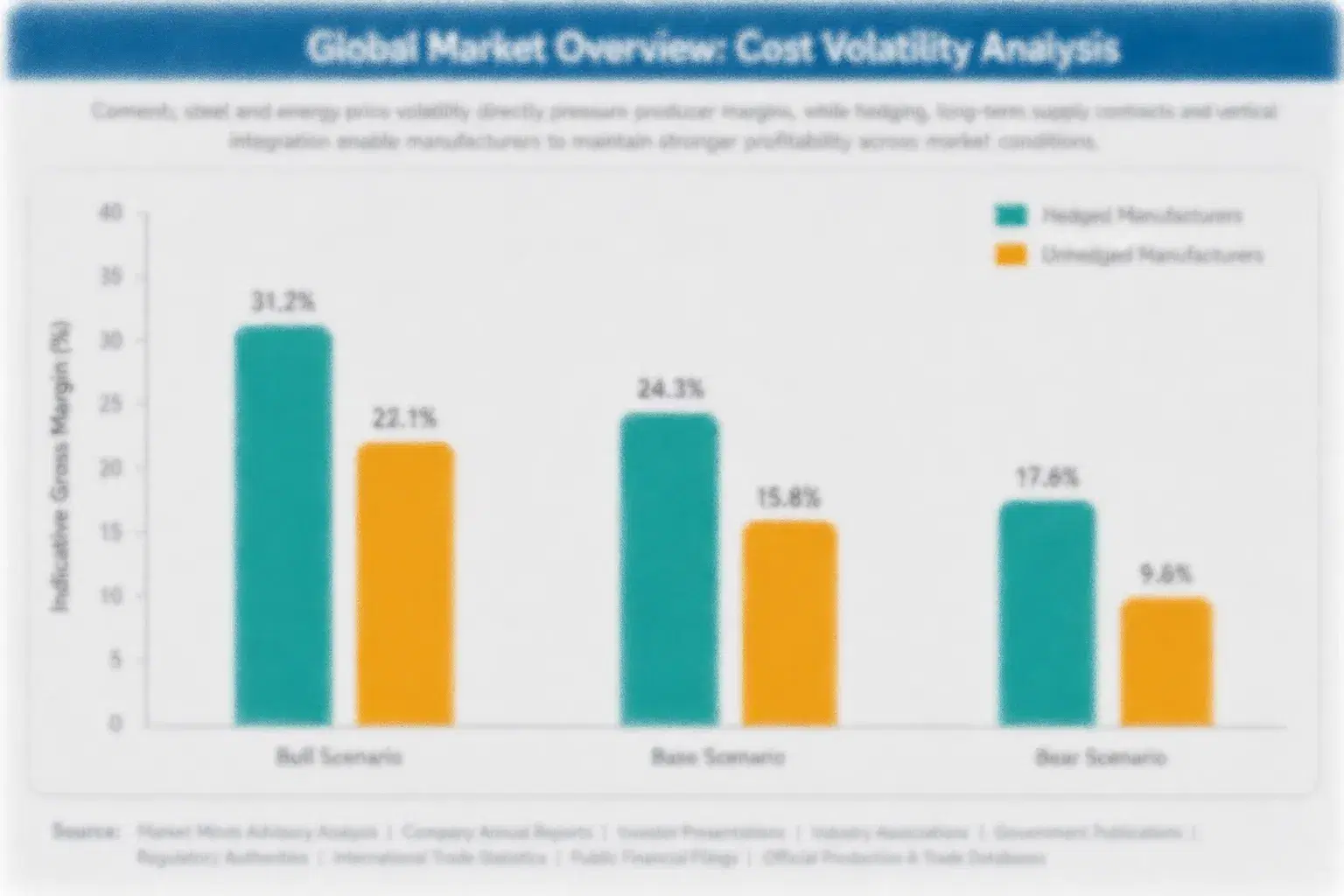
Hand labor for picking, sorting, and packing accounts for roughly 35% of cost of goods, and orchard costs, packaging, cooling, and transport add most of the remainder. Fruit is sourced mainly from Turkey, Egypt, Morocco, Spain, and California, with growing volumes from India and Peru, so labor rates, postharvest loss near 25%, and air freight cost together determine gross margin for growers and marketers.
Air freight and energy costs spiked in 2021 and 2022, according to International Air Transport Association cargo reports and International Energy Agency electricity data, as belly capacity shrank and fuel costs rose, while heat waves cut Mediterranean fig yields. Exporters with fixed-price programs absorbed losses, others added surcharges, and some retailers cut promotions or switched temporarily to berries and stone fruit. Margins narrowed noticeably as buyers negotiated harder on renewals.

Exposure varies by player type and geography. Integrated growers with packing houses, cold chain, and multiple origins absorb shocks better than small growers selling into wholesale markets. Turkish and Egyptian exporters face currency and freight risk, Californian growers face labor and water risk, and premium organic and punnet lines pass costs through more easily than loose commodity fruit sold at wholesale.
fresh-figs-market-cost-volatility-analysis-1789764302133

Signing Seasonal Grower Programs Across Several Origins

Marketers negotiate seasonal agreements with growers in Turkey, Egypt, Morocco, Spain, and Peru, mixing fixed and harvest-linked prices to spread risk across geographies. Diversifying origins reduces exposure to any single heat wave or strike, and quality clauses secure firmness, size, and sugar levels. Contracted supply also lets packers plan labor and cut spot purchases during price spikes.

Shifting Volume From Air Freight to Sea and Truck With Better Packaging

Exporters use modified atmosphere liners, pre-cooling, and temperature monitoring to extend shelf life and move part of their volume from air to sea and truck, cutting freight cost per kilogram by up to half. Lower freight exposure protects margin from fuel spikes, though capital cost and quality risk require trials. Payback often runs two seasons.

Passing Costs Through Program Pricing With Major Retailers

Large retailers agree to seasonal price bands linked to published freight and labor indices plus a fixed handling margin, so cost swings are shared rather than absorbed by suppliers. Weekly resets keep buyers informed and reduce disputes. Premium punnet and organic lines use seasonal pricing, since retailers value stable supply and accept modest increases.

Portfolio Architecture for Margin Defence

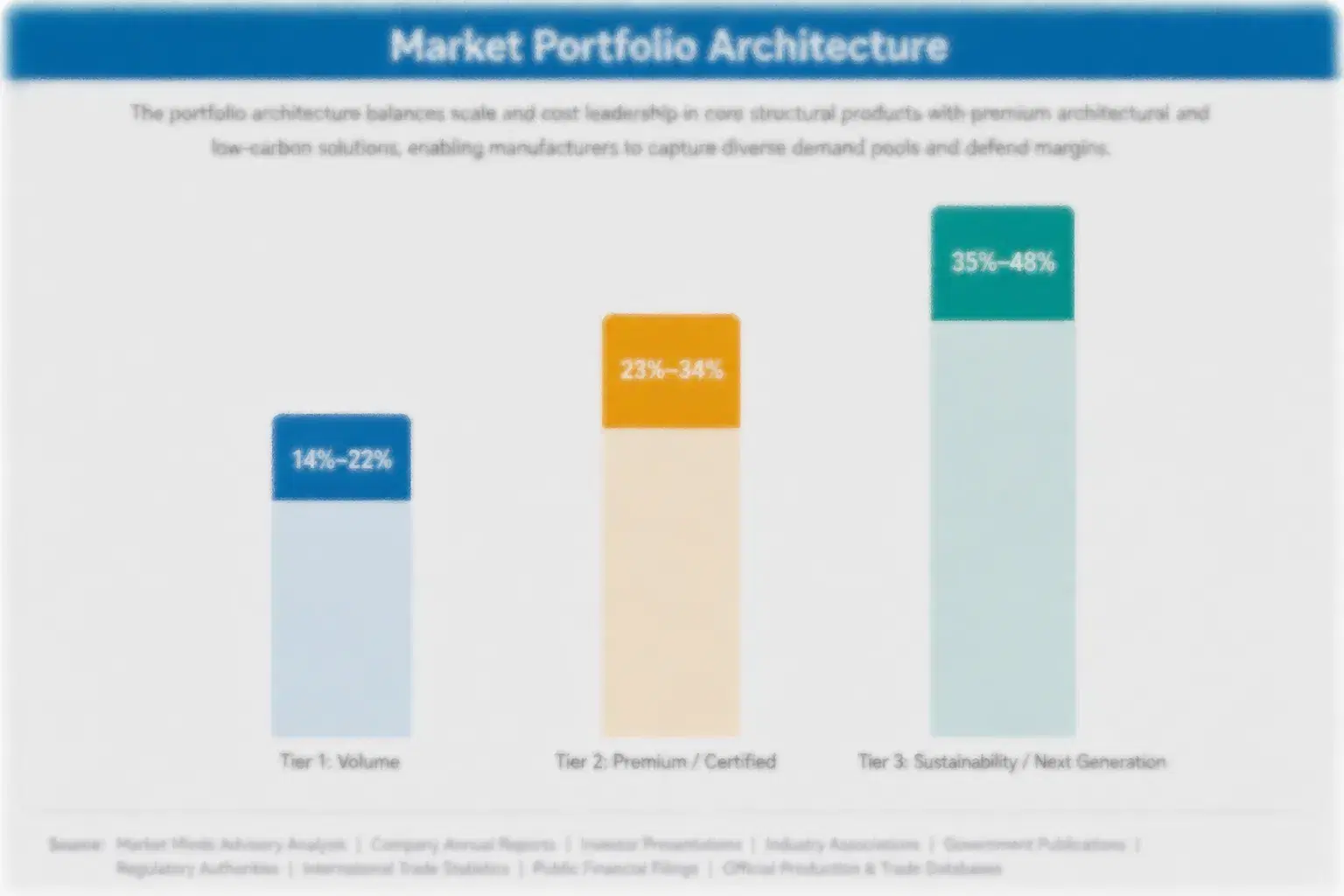
Margins run from thin returns on loose commodity figs sold at wholesale to strong profits on premium punnets, organic fruit, and program-based supply sold with cold chain guarantees, with gross margin roughly doubling between the volume tier and the top tier. Fast cooling, quality control, and documented origin add pricing power over the same fruit, and retailers pay for reliability because a spoiled shipment can wipe out a week's margin.
Volume and premium pull in different directions. Loose green and brown figs sell in large lots to price-driven wholesale markets at thin margins and face constant pressure from local growers and cheaper fruit. Premium punnets, organic figs, and specialty cultivars sell in smaller lots at much higher margins but need pre-cooling, packaging, and retailer programs, so suppliers must choose how much capital to commit to premium positioning.

High-value pools concentrate in dark-skinned figs for premium punnets, specialty cultivars for gourmet retail, and organic fruit for natural grocers. These segments benefit from repeat orders, documented quality, and limited competition from small growers. Suppliers combining orchard contracts, cold chain, and retailer relationships hold advantages that are difficult to replicate quickly, especially as residue rules and sustainability requirements tighten.

Volume / Commodity-Adjacent Tier

Loose green and brown figs sold in bulk through wholesale markets and regional distributors, with thin margins, spoilage and freight exposure, and competition from local growers and cheaper stone fruit worldwide.
Gross Margin: 10%-18%

Premium / Certified Tier

Graded and residue-tested figs packed in trays and punnets under seasonal agreements with retailers that require documented quality, consistent firmness and sugar levels, temperature records, and reliable delivery through each short season.
Gross Margin: 20%-32%

Sustainability / Regulatory / Next-Generation Tier

Organic, heritage, and modified atmosphere packed figs with traceable orchards and shelf-life guarantees, positioned for premium retail, gift packs, and online grocers across major markets, supported by trials, certification, and retailer program support.
Gross Margin: 28%-45%
fresh-figs-market-portfolio-architecture-1789764302468

High-value Sub-segments and Strategic Watch-out

Dark-Skinned Figs

Dark-skinned figs combine the fastest growth with strong pricing, as retailers and chefs pay premiums for color, flavor, and reliable supply. Delicate handling and pre-cooling limit competition, and suppliers with modified atmosphere packaging and retailer programs win seasonal contracts from large grocers and premium foodservice accounts.
Gross Margin: 28%-45%

Specialty and Heritage Cultivars

Specialty and heritage cultivars offer high value with moderate growth, since gourmet retailers, farmers' markets, and restaurants pay steady premiums for provenance and flavor. Volumes are small and seasons short, though protected origin labels help, and direct-to-consumer sales are widening the premium buyer base. Prices stay high.
Gross Margin: 26%-42%

Green-Skinned Figs

Green-skinned figs form the volume core, sold through wholesale markets, supermarkets, and regional exporters that want a sturdy, mild fruit. Margins are thin and exposed to spoilage and freight swings, but steady demand supports scale, and growers with packing houses and cold chain hold cost advantages.
Gross Margin: 10%-18%

Smyrna-Type Figs

Smyrna-type figs are a strategic watch-out, requiring pollination by fig wasps and mostly grown for drying rather than fresh sale, with limited fresh volume, inconsistent supply, and competition from self-fertile cultivars. Changing orchard plans could shift volume, so growers should track buyer demand carefully. Margins stay uncertain.
Gross Margin: 12%-24%

Why Retailers Stay With Fig Suppliers

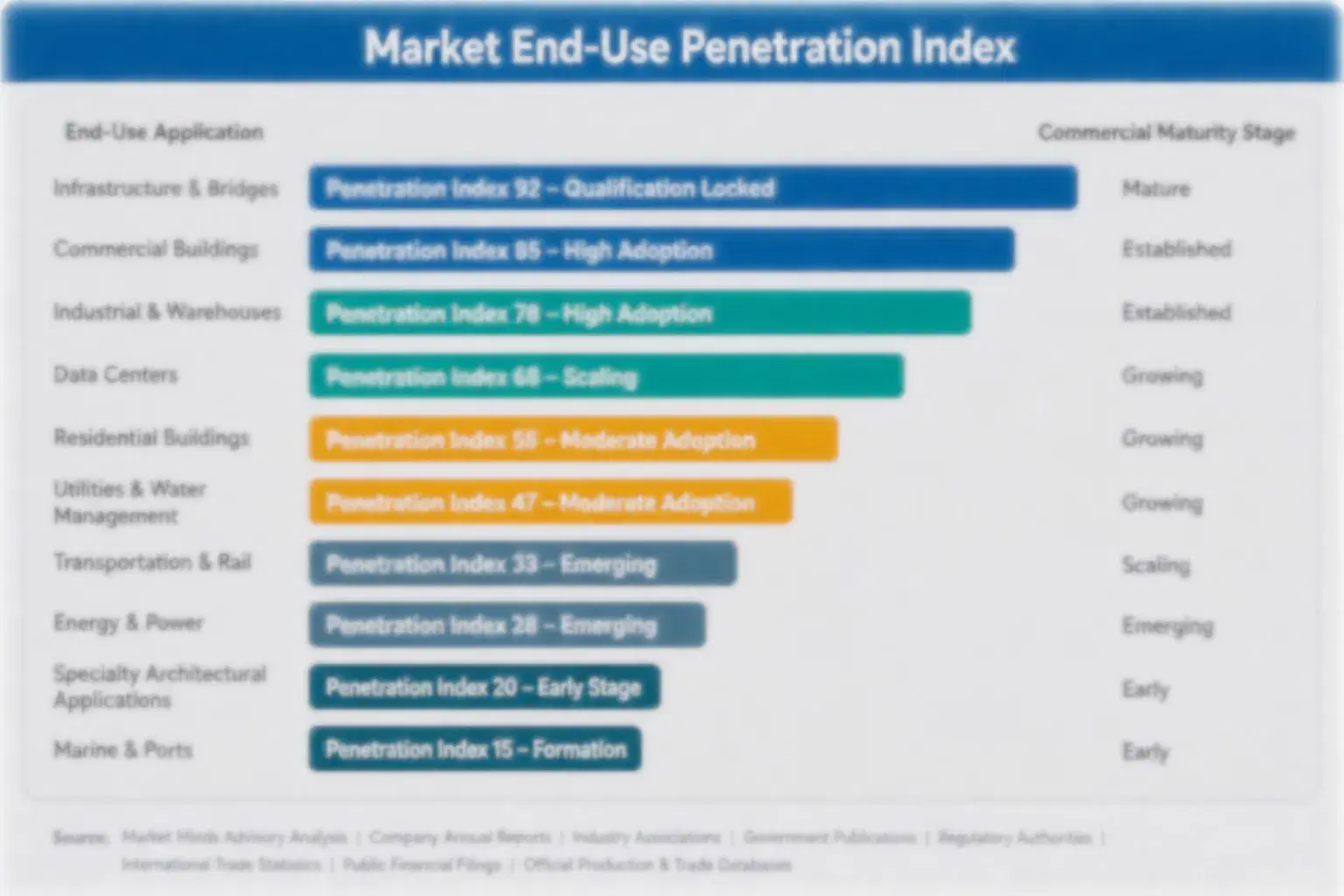
Fresh fig demand behaves like an annuity once a retailer approves a supplier for a seasonal program. Size, firmness, sugar level, and packaging are tied to a specific origin and packer, so switching means new samples, possible line adjustments, and risk of quality complaints during a short season. Suppliers that serve the same retailer for years earn steady volume, and seasonal agreements renew at modest price changes.
Stickiness varies by vertical. Premium retailers with fig programs are the deepest, since quality consistency drives shopper trust. Foodservice chefs are next, because menu planning depends on reliable delivery. Wholesale market buyers are shallower, moving between suppliers when price or availability changes, and discount retailers rotate suppliers every season, though those relationships remain cautious after quality incidents.

Buyer profiles are shifting. Older buyers focused on tradition, price, and familiar green figs, while younger shoppers and category managers look for dark-skinned, organic, and traceable fruit with better packaging and digital ordering. Online grocers let small growers reach urban consumers, and food media amplifies seasonal demand, so suppliers that answer with clear labeling and reliable cold chain keep loyalty across generations.
fresh-figs-market-end-use-penetration-index-1789764302794

MMA Verdict on Fresh Fig Strategy

These are among the four positions where our research anticipates prominent divergence between winners and laggards over the coming forecast period. Each is grounded in the demand model, the regulatory perimeter, and the announced capacity pipeline.
01 / COLD CHAIN INVESTMENT

Install Pre-Cooling Before Retailers Tighten Quality Rules

Postharvest losses reach 25% or more without pre-cooling, and forced-air units cost $50,000 to $250,000 per packing house. Packers with proper cooling cut waste by 10 to 15 points. MMA recommends installing pre-cooling at the largest packing houses first and logging temperatures from orchard to store within two years, because retailers reward arrival quality with repeat orders, and packers that avoid claims win permanent programs from rivals that cannot, while consistent records also cut disputes, and buyers also learn which packers can be trusted in peak weeks.
02 / PACKAGING TECHNOLOGY ADOPTION

Adopt Modified Atmosphere Packaging to Move Freight Off Air

Modified atmosphere liners extend shelf life to seven to ten days and cut decay by 30% to 50%, while adding $0.10 to $0.30 per kilogram. Air freight remains the largest swing cost. MMA advises trialing liners on two export routes within 18 months and shifting a portion of volume to sea and truck, since validated systems cut freight cost by up to half, protect margin during fuel spikes, and give sales teams a credible answer when buyers compare suppliers on arrival quality.
03 / PREMIUM CULTIVAR DEVELOPMENT

Plant Dark-Skinned Cultivars Before Retail Punnet Programs Lock In

Dark-skinned figs earn 30% to 60% above loose fruit and grow at 6.8% a year, about 1.55 times the market rate. New plantings cost $8,000 to $15,000 per hectare. MMA recommends planting premium cultivars on 20% of orchard area within two years with retailer programs in hand, because retailers that qualify one premium supplier rarely add a second, and early entrants gain reference customers that late entrants struggle to match in a short season, and growers also gain leverage when negotiating seasonal price bands.
04 / DIRECT RETAIL PROGRAM BUILDING

Build Direct Programs With Retailers and Online Grocers

Direct programs earn gross margins of 25% to 40% against 10% to 18% for wholesale market sales. Online grocers and premium retailers are expanding fig ranges. MMA advises pursuing seasonal agreements with two national retailers and one online grocer over the next two years, since multi-season listings secure volume, and suppliers that serve these programs also gain shelf visibility, reliable demand signals, and better data on shopper preferences and repeat purchase behavior, and stronger data helps growers plan planting and harvest labor more accurately.

Engagement Snapshot From the Field

A live engagement with an industry participant carrying material or product regulatory and market exposure ahead of a defining policy shift, showing how our research translates into a defensible multi-year portfolio strategy.
MARKET MINDS ADVISORY · CLIENT ENGAGEMENT SUMMARY
Fresh Figs Producer Strategic Portfolio Review and Transition Roadmap 2026·Investment Scenario on Fresh Figs Exposure Evaluation 2025-26
CLIENT PROFILE
The client is a mid-sized Egyptian fruit exporter with two packing houses and a fresh fig business generating roughly $18 million in annual revenue (client-reported, unverified by MMA), selling loose figs to European wholesalers and Gulf importers. Gross margin on figs sat near 12% (client-reported, unverified by MMA), and spoilage claims and air freight cost had erased profit in one of the last three seasons.
STRATEGIC CHALLENGE
Claims for decay on arrival were rising, air freight cost climbed, larger competitors were selling premium punnets to European retailers, and two supermarket buyers asked for temperature-logged shipments the client could not provide. Leadership needed a plan that cut losses, justified new packing investment, and lifted margin without overextending capital. The board wanted a decision within nine months, before the next season.
MMA APPROACH
MMA benchmarked 10 exporters on cold chain, packaging, and product mix, interviewed European retailers, Gulf importers, and online grocers about premium willingness, and modeled the economics of pre-cooling, modified atmosphere packaging, dark-skinned cultivars, and direct retailer programs under bull, base, and bear freight scenarios. Analysts also reviewed the client's customer mix and claims history.
KEY FINDINGS
  1. Forced-air pre-cooling and temperature logging would cut decay claims from about 8% to 3% of shipments, according to the quality model, and protect roughly four points of margin.
  2. Modified atmosphere liners costing about $0.20 per kilogram (client-reported, unverified by MMA) would let 40% of volume move by sea, cutting freight cost by roughly one third.
  3. Dark-skinned premium punnets could sell at 45% above loose fruit and take 20% of volume within three seasons, since interviewed retailers confirmed willingness to pay.
  4. Direct retailer programs would raise average margin by six points but needed weekly forecasting and longer credit terms from supermarket buyers in the first two years.
CLIENT PROFILE
The client is a mid-sized Egyptian fruit exporter with two packing houses and a fresh fig business generating roughly $18 million in annual revenue (client-reported, unverified by MMA), selling loose figs to European wholesalers and Gulf importers. Gross margin on figs sat near 12% (client-reported, unverified by MMA), and spoilage claims and air freight cost had erased profit in one of the last three seasons.
STRATEGIC CHALLENGE
Claims for decay on arrival were rising, air freight cost climbed, larger competitors were selling premium punnets to European retailers, and two supermarket buyers asked for temperature-logged shipments the client could not provide. Leadership needed a plan that cut losses, justified new packing investment, and lifted margin without overextending capital. The board wanted a decision within nine months, before the next season.
MMA APPROACH
MMA benchmarked 10 exporters on cold chain, packaging, and product mix, interviewed European retailers, Gulf importers, and online grocers about premium willingness, and modeled the economics of pre-cooling, modified atmosphere packaging, dark-skinned cultivars, and direct retailer programs under bull, base, and bear freight scenarios. Analysts also reviewed the client's customer mix and claims history.
KEY FINDINGS
  1. Forced-air pre-cooling and temperature logging would cut decay claims from about 8% to 3% of shipments, according to the quality model, and protect roughly four points of margin.
  2. Modified atmosphere liners costing about $0.20 per kilogram (client-reported, unverified by MMA) would let 40% of volume move by sea, cutting freight cost by roughly one third.
  3. Dark-skinned premium punnets could sell at 45% above loose fruit and take 20% of volume within three seasons, since interviewed retailers confirmed willingness to pay.
  4. Direct retailer programs would raise average margin by six points but needed weekly forecasting and longer credit terms from supermarket buyers in the first two years.
RECOMMENDED STRATEGY
Phase 1: Phase 1 (Months 1-6): Install forced-air pre-cooling at both packing houses, start temperature logging, and trial modified atmosphere liners on two export routes. Phase 2: Phase 2 (Months 7-18): Plant dark-skinned cultivars on 20% of area, launch punnet packs, and pilot direct programs with two European retailers. Phase 3: Phase 3 (Months 19-30): Scale punnet volume, shift more shipments to sea freight, and review pricing bands with anchor retailers every season.
OUTCOME
Within 30 months, premium punnets and program supply reached about 30% of volume, and gross margin rose from 12% to about 22% (client-reported, unverified by MMA). Decay claims fell by more than half after cooling investment, two European retailers signed three-year programs, and the board approved a third packing line for the following year.

Frequently Asked Questions

Foundational context covering the market sizes, CAGR, scope, country, region and competition that inform every finding below. This section is provided to cover basics and most often pre-purchase conversations, answered from the MMA Primary Research Dataset.

What is the current size of the Fresh Figs Market?

The global fresh figs market was valued at $3.6 billion in 2025. This covers dark-skinned, green, brown, Smyrna-type, and specialty fresh fig cultivars sold through retail, wholesale, and foodservice.

How large will the Fresh Figs Market be by 2036?

MMA projects the market will reach approximately $5.8 billion by 2036. This represents cumulative growth of roughly $2.0 billion over the full ten-year forecast window.

What is the CAGR for the Fresh Figs Market 2026 to 2036?

The market is forecast to grow at a 4.4% compound annual rate between 2026 and 2036. The bull case reaches 5.7% while the bear case falls to 3.1%.

Which segment is growing fastest?

Dark-Skinned Figs is the fastest-growing segment at 6.8% CAGR, roughly 1.55 times the overall market rate. Specialty and Heritage Cultivars follows as the second-fastest segment at 6.2%.

Who are the major companies in the Fresh Figs Market?

Leading companies include Fresh Del Monte Produce, Greenyard, Dole Food Company, Fyffes, and Mission Produce. These five suppliers together hold an estimated 15% of total global market revenue, based on MMA analysis of company disclosures.

Which country is growing fastest?

India is the fastest-growing major market, expanding at approximately 6.8% CAGR each year. New orchard plantings and expanding cold chain capacity are driving this above-market growth across the country.

Report Segmentation Architecture

The full report scope spans multiple orthogonal segmentation dimensions, with cross-tabulated demand data provided for each dimension pair. Coverage extends further to regional breakdowns, trend trajectories, and the competitive detail needed to support segment-level decision-making.

By Primary Market Dimension

  • Dark-Skinned Figs
  • Specialty and Heritage Cultivars
  • Green-Skinned Figs
  • Brown and Bronze Figs
  • Smyrna-Type Figs
  • Early Breba Crop Figs

By End-Use Industry

  • Retail and Supermarkets
  • Foodservice and Restaurants
  • Wholesale Markets
  • Online Grocery
  • Export Marketing

By Commercial Dimension

  • Retailer Seasonal Programs
  • Wholesale Market Sales
  • Private Label Programs
  • Direct and Online Channels

By Region

  • North America
  • Western Europe
  • East Asia
  • South Asia and Pacific
  • Latin America
  • Middle East and Africa
  • Eastern Europe

Scope, Methodology, and Coverage

Every figure in this report is reproducible from documented input assumptions. The scope below maps the historical period, the forecast horizon, the segmentation dimensions, and the countries covered, alongside the underlying primary and qualitative methodology.
Historical Period
2020 to 2025
Forecast Period
2026 to 2036
Base Year
2025 (USD billions; MMA Primary Research Dataset, September 2026)
Market Definition
Fresh figs are the unprocessed, ripe fruit of Ficus carica sold whole through retail, wholesale, and foodservice channels, including dark-skinned, green, brown, Smyrna-type, and specialty heritage cultivars, conventional and organic. The scope excludes dried figs, fig paste, jam, and other processed products, fig leaves and extracts, and fruit sold to processors for drying.
Quantitative Units
USD billions (current prices); tonnes of fresh fruit for volume references
Segmentation Dimensions
By Cultivar Group; By End-Use Industry; By Commercial Dimension; By Region
Regions Covered
North America, Western Europe, East Asia, South Asia and Pacific, Latin America, Middle East and Africa, Eastern Europe
Countries Covered
USA, Canada, Mexico, Brazil, Peru, Chile, Argentina, Spain, Italy, Portugal, Greece, France, UK, Germany, Bulgaria, Romania, Ukraine, Turkey, Egypt, Morocco, Algeria, Iran, UAE, China, Japan, India, Australia, and additional markets relevant to this sector
Key Companies Profiled
Fresh Del Monte Produce, Greenyard, Dole Food Company, Fyffes, Mission Produce, Seald Sweet International, Nature's Pride, Sunkist Growers, Naturipe Farms, Sun-Maid Growers of California, Wonderful Company, Al Dahra, Hortifrut, The Oppenheimer Group, Total Produce, Costco, Tesco, Carrefour, Aldi, Lidl
Quantitative Methodology
Primary survey, n=3,800 respondents, Q4 2025, six countries; demand-side model with trade association cross-validation
Qualitative Methodology
47 expert interviews, Q4 2025; applied to validate demand model assumptions, identify emerging dynamics, and assess competitive positioning
Report Format
PDF and XLSX data workbook (Word format preview document)
Publisher
Market Minds Advisory
Report Code
MMA-2026-AGR-283
Published
September 2026
Contact
sales@marketmindsadvisory.com | www.marketmindsadvisory.com

Purchase the full Fresh Figs Market Report (2026 to 2036).

The full report delivers a detailed assessment of global fresh fig demand, cultivar mix, and competitive positioning through 2036. It includes segment forecasts by cultivar group, country-level data for all seven world regions, and profiles of the twenty companies most relevant to fresh fig supply. Analysts also receive input cost modeling and portfolio margin benchmarking built from MMA's primary research dataset. A scenario planning module lets subscribers stress-test bull and bear assumptions against freight and harvest outcomes. Quarterly updates keep the whole dataset current throughout the subscription year.
Ten-year segment and regional demand forecasts
Orchard area and price tracking by origin
Competitive benchmarking of top twenty suppliers
Freight and shelf-life sensitivity modeling tools
Regional demand mechanism comparative analysis included
Quarterly primary survey data update access

Built For The People Who Decide

From boardroom strategy to bench-side execution, this report is read cover-to-cover by leaders shaping the next decade of their industry, turning demand scenarios, market dynamics and valuation benchmarks into decisions.
CXOs/ Presidents/ VPs/ Managers
M&A and Corporate Development
Strategy Teams and R&D Heads
Procurement and Product Directors
Regulatory and Compliance Leaders
Investor Relations and Equity Analysts