Market Minds Advisory
France Baguette Market

France Baguette Market: France Baguette Market. Tradition Standards, Boulangerie Closures, and Frozen Export Formats Reshape French Baguette Supply.

The baguette is a national symbol and a UNESCO-listed craft, but energy bills, baker shortages, and supermarket loss leaders squeeze boulangeries, so wholegrain tradition loaves, frozen par-baked formats, and chain scale decide who protects margin.

Lead Analyst

Published

September 2026

Make Smarter Decisions with Customized Research Insights

Request a free sample report and evaluate market opportunities, growth trends, and competitive dynamics relevant to your business needs.

2025 MARKET VALUE$6.2BMarket Size 2025
2036 FORECAST VALUE$8.6BBase Case , 2026 to 2036
CAGR 2026 TO 20363.0 %Bull 4.3% / Bear 1.7%
INCREMENTAL OPPORTUNITY$2.2BNet 10- year value creation
EXPANSION MULTIPLE1.34x2036 value over 2026 base
Strategic Levers
M&A Pipeline
Regional Outlook
Country Rankings
Competitive Intelligence
Segmental Deep-dive
Call-Us : 91 93563 13602

Executive Snapshot and Market Trajectory.

France sells about six billion baguettes a year, and most are bought fresh, daily, within a few hundred metres of the oven. That habit is legally protected for the tradition loaf, culturally protected by UNESCO, and economically fragile, because neighbourhood boulangeries are closing.
Wholegrain and organic baguettes grow fastest, because health-focused shoppers, sourdough interest, and organic retail expansion favour heavier, more flavourful loaves, while tradition and standard baguettes anchor volume in boulangeries, supermarkets, and cafes. Western Europe holds nearly all of the market, since France consumes most of what French bakers make, with Belgium, Switzerland, and Spain taking exports. Japan leads country growth. Frozen formats add reach. Reliable delivery beats headline price.
Competition is fragmented. Independent boulangeries hold the largest share, while Marie Blachere, Boulangerie Ange, Groupe Holder through Paul, Groupe Le Duff, and La Mie Caline lead chains. Flour, energy, and skilled labour decide margins. Regulation matters through the 1993 bread decree defining pain de tradition francaise, artisan labelling, and hygiene rules, and buyers reward crust crackle, open crumb, and prices that stay close to a habitual coin. Supply stays tight. Reliable delivery beats headline price.
Market Definition
France baguette comprises long, narrow wheat breads made in France under standard, tradition, wholegrain, organic, industrial, and frozen par-baked formats, and sold through boulangeries, chains, supermarkets, cafes, and foodservice in France or exported to Europe and beyond. The scope excludes other bread shapes such as pain de campagne and ficelle, viennoiserie, sandwiches sold as prepared meals, and imported baguettes sold in France.
Base Year Value
$6.2B in 2025 (MMA Primary Research Dataset, September 2026)
Forecast Period
2026 to 2036, eleven discrete annual values
CAGR
3.0% base case. Bull 4.3%. Bear 1.7%.
Fastest Growth Segment
Wholegrain and Organic Baguettes: 5.8% CAGR
Fastest Growth Country
Japan: 5.0% CAGR
Fastest Growth Region
South Asia and Pacific: 5.0% CAGR
Largest Region
Western Europe: 90% of 2025 global value
Market Leaders
Marie Blachere, Boulangerie Ange, Groupe Holder, Groupe Le Duff, La Mie Caline. Source: MMA Analysis, company annual reports.
Primary Survey
n=3,800 procurement and R&D decision-makers, Q4 2025, six countries
Methodology
Demand-side build-up, cross-validated against public data, 47 expert interviews

France Baguette Market Forecast Scenarios

france-baguette-market-size-forecast-scenario-1789786221786
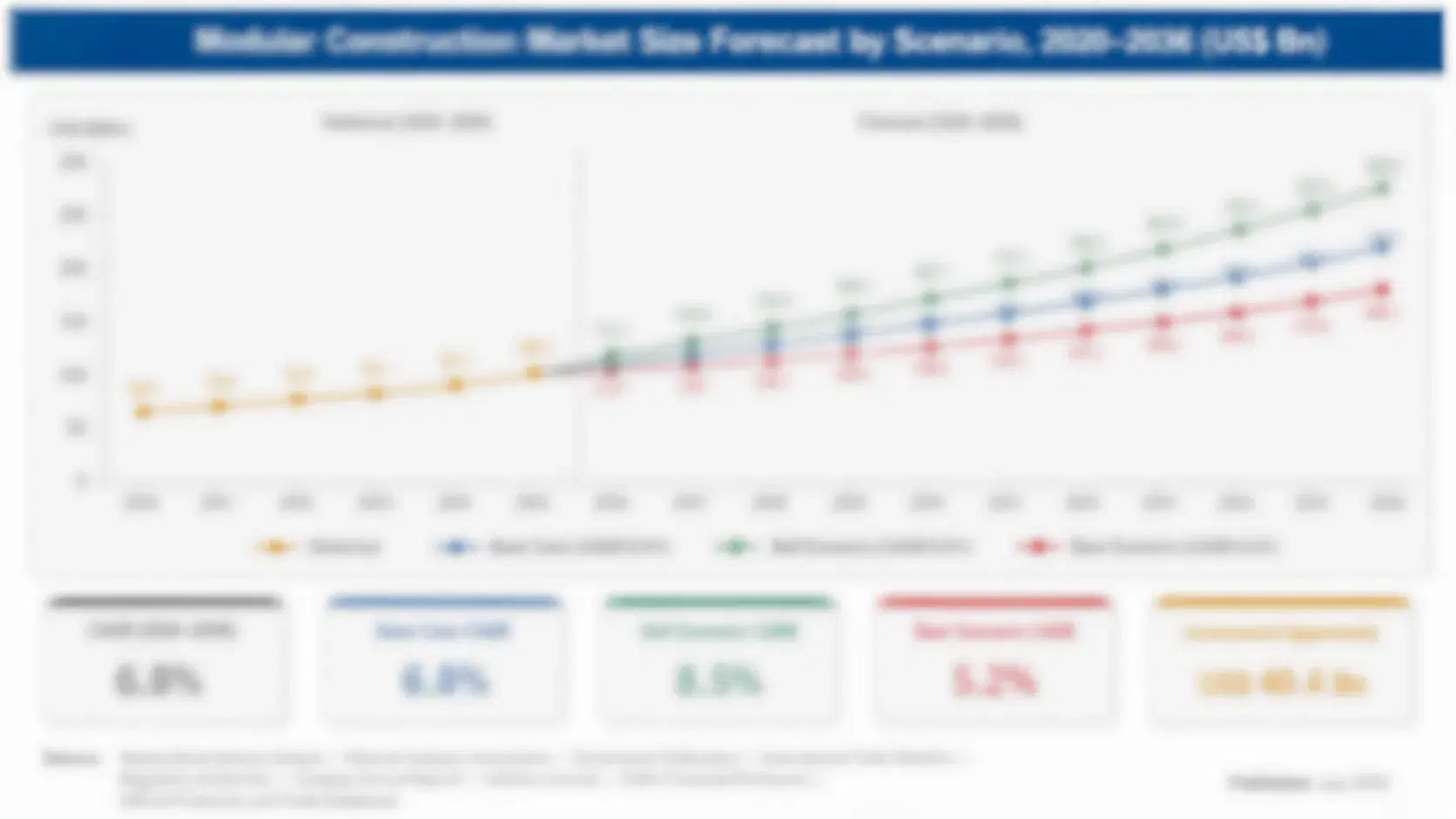
From 2020 to 2025, the baguette held its place in French daily life while the businesses that bake it struggled. UNESCO listing in 2022 raised pride and tourist demand, supermarkets and chains expanded bake-off, and inflation lifted prices. Growth averaged 2.8% a year in dollar terms, though energy bills, flour costs, and baker shortages closed many independent shops and slowed volume growth.
The base case assumes 3.0% annual growth through 2036, built on three named mechanisms: growth of chain and supermarket bake-off baguettes that hold volume as independents close, wholegrain, organic, and sourdough baguettes that lift price per loaf, and frozen par-baked exports to Europe, Japan, and the Gulf where French bakery brands expand. Automation and shared production reinforce each mechanism as labour stays scarce. Automation and shared production also help margins.
The bull case, at 4.3%, needs energy costs to ease and export listings to grow faster. The bear case, at 1.7%, reflects further boulangerie closures, weaker household spending, and price pressure from supermarkets. Either path leaves the daily baguette habit intact, though mix and channel would shift. Analysts watch energy prices and boulangerie closures most closely, since each moves supply directly.

Skilled Labour and Energy Cost Decide French Baguette Winners

A tradition baguette is made from wheat flour, water, salt, and yeast or sourdough only, with no additives, kneaded, fermented for several hours, shaped by hand or machine, scored, and baked with steam at 240 degrees Celsius for about 25 minutes. The crust should crackle and the crumb should be open and creamy. Industrial and frozen versions use improvers and controlled proofing to standardise output.
MARKET CONCENTRATION22% CR5Leading five chains hold a small combined share
ANNUAL BAGUETTE VOLUME6 billionEstimated number of baguettes sold each year across France
ARTISAN BAKERY SHARE56%Portion of baguette value sold through independent bakeries
STANDARD LOAF PRICE$1.10Typical retail price of a standard tradition baguette
LABOUR SHARE OF COGS38%Skilled labour is the largest single bakery cost
FLOUR SHARE OF COGS18%Wheat flour is a modest share of bakery costs
Buyers use baguettes in several ways. Households buy one or two loaves daily from a boulangerie or supermarket, cafes and restaurants serve them with meals and sandwiches, sandwich shops and chains use them for jambon-beurre and other fillings, and tourists buy from artisan shops. Retailers use baguettes as traffic drivers, and pricing follows habitual thresholds, so bakers adjust weight and quality rather than price.
The industry sits on several levels. Independent boulangeries bake on site, chains such as Marie Blachere, Boulangerie Ange, Paul, and La Mie Caline run central dough and bake-off, supermarkets bake in-store from frozen or fresh dough, and industrial groups such as Le Duff's Bridor supply frozen baguettes. Flour millers and improver suppliers support all levels, and labour and energy dominate cost.
"The baguette is protected by law, loved by everyone, and priced by habit, which is a poor combination for anyone who has to pay a baker's wage and a gas bill. The winners will be those who find scale without losing the crust that made the loaf famous."
Practice Lead, French Bakery Practice · MMA Artisan and Industrial Bread Practice · September 2026

Market Trends

Wholegrain, Organic, and Sourdough Baguettes Lift Price per Loaf

Bakers are adding wholegrain, spelt, seeded, organic, and sourdough baguettes to counters, priced at 20% to 60% above standard tradition loaves, as health-focused shoppers and organic retail expand. Boulangeries such as Poilane and craft bakers, and chains such as Paul, Boulangerie Ange, and Marie Blachere, sell wholegrain and seeded baguettes, and organic flour from Grands Moulins de Paris and Moulins Soufflet supports supply. Heavier flours need longer fermentation and skilled handling, so labour cost rises, and organic wheat costs 30% to 60% more than conventional. Premium baguettes protect margin against supermarket pricing, though they need customer education and clear labelling.
Market Impact: baguettes are 70% of bakery bread

Frozen Par-Baked Baguettes Extend French Bakery Reach Abroad

Industrial bakers such as Bridor and Vandemoortele freeze par-baked baguettes that are finished in local ovens, which lets supermarkets, cafes, and hotels serve fresh baguettes without skilled bakers and lets French brands export. A par-baked baguette costs 15% to 30% more than dough but saves labour of 25% to 35%, and shelf life extends to six to 12 months. Exports to Japan, the Gulf, and the United States grow as French bakery chains such as Paul open stores. Freezing needs cold chain, and crust quality after finishing depends on oven steam, so suppliers provide training and equipment specifications.
Market Impact: boulangeries fell from 55,000 to 33,000

Market Opportunities and Growth Drivers

UNESCO Heritage Listing and Tradition Standards Support Daily Baguette Consumption

UNESCO added the artisanal know-how and culture of baguette bread to its intangible cultural heritage list in 2022, and French law protects the name pain de tradition francaise for loaves made from flour, water, salt, and yeast or sourdough without additives, under a 1993 decree. French consumers eat about 110 grams of bread a day per person, according to Federation des Entrepreneurs de la Boulangerie estimates, and baguettes account for around 70% of bread sold in bakeries. Heritage status supports tourism, artisan pride, and willingness to pay for quality, though it does not solve labour or energy problems.
Market Impact: energy bills rose 2-5 times

Chain and Supermarket Bake-Off Growth Holds Volume as Independents Close

France had about 55,000 boulangeries in the 1970s and roughly 33,000 today, according to national bakery federation data, and closures continue as owners retire and costs rise. Chains such as Marie Blachere and Boulangerie Ange open hundreds of stores, and supermarkets bake baguettes in-store from frozen or fresh dough as traffic drivers priced at $0.30 to $0.60. This shift keeps volume steady but changes the channel mix and average price, as consumers accept slightly lower quality for convenience. Chains benefit from central dough production, which reduces skilled labour needs in each store.
Market Impact: supermarkets sell baguettes at $0.30-0.60

Market Restraints and Challenges

Energy Costs and Skilled Baker Shortages Squeeze Independent Boulangeries

French bakers reported electricity and gas bills rising by two to five times in 2022 and 2023, according to national bakery federation statements, and some shops closed or cut hours. The root cause is exposure to wholesale energy prices and reliance on electric ovens. Skilled bakers are scarce, apprenticeships have low completion, and early-morning hours deter recruits. Labour represents 35% to 40% of cost. Mitigation includes government aid, fixed energy contracts, efficient ovens, and shared production, though small shops lack capital, and closures reduce the supply of authentic tradition baguettes in villages.
Market Impact: premium baguettes sell 20-60% above standard

Supermarket Price Competition and Habitual Price Points Limit Bakers

Supermarkets sell baguettes at very low prices as traffic builders, and consumers anchor on a price near $1, according to INSEE consumer price data. The root cause is retail competition and consumer sensitivity to bread as a staple. Independent bakers cannot raise prices quickly without losing customers, so they adjust weight, add premium loaves, or accept lower margins. Mitigation includes premium lines, sandwiches, and viennoiserie that carry higher margins, though these need more labour, and government price pressure, political attention on bread prices, and inflation coverage limit how far bakers can move.
Market Impact: par-baked baguettes save 25-35% of labour
3 additional market trends, 2 additional growth drivers, and 3 additional restraints and challenges are covered in the full report. Contact sales@marketmindsadvisory.com to access the complete intelligence.

Segment CAGR and Growth Architecture

France baguette is segmented by product type and process, because flour system, additives, production method, shelf life, price, and buyer group differ more between tradition, standard, industrial packaged, frozen par-baked, wholegrain and organic, and flavoured and filled baguettes than they do by length. Wholegrain and frozen formats attract most investment as bakers protect margin and widen reach.
france-baguette-market-market-share-analysis-1789786222052

Wholegrain and Organic Baguettes

Wholegrain and organic baguettes are the fastest-growing segment, made with wholemeal, spelt, seeded, or certified organic flour and often with sourdough, sold at 20% to 60% above standard tradition loaves through boulangeries, organic retailers, and premium supermarkets. Shoppers link them with fibre, flavour, and provenance, and chains add seeded and wholegrain baguettes to counters. Growth depends on organic wheat supply, which costs 30% to 60% more than conventional, and on skilled fermentation for heavier doughs. Bakers with certified flour, sourdough know-how, and clear labelling win premium customers, and organic retailers give them dedicated shelf space beside conventional baguettes. Health retailers give organic loaves dedicated shelf space beside conventional bread, and chains add seeded baguettes to counters.
CAGR 5.8%

Frozen Par-Baked Baguettes

Frozen par-baked baguettes are the second-fastest segment, baked to 80% and frozen for finishing at supermarkets, cafes, hotels, and export customers. Bridor, Vandemoortele, and other industrial groups supply them, and prices run 15% to 30% above dough with labour savings of 25% to 35% for buyers. Growth depends on cold chain, crust quality after finishing, and export logistics, and suppliers with steam oven guidance, training, and consistent supply win multi-year contracts from chains and hotels. Exports to Japan, the Gulf, and the United States use the same format, so producers gain scale beyond the domestic market. Hotel groups value the format because trained staff are not needed to finish loaves in busy kitchens.
CAGR 4.6%
Full segment breakdown across 6 segments available in the complete report.

Regional Architecture and Country Demand Map

France baguette value is concentrated where the bread is baked and eaten. Western Europe holds nearly all of it through France, Belgium, Switzerland, and neighbouring countries, while Japan and the Gulf take frozen exports, and Japan is the fastest-growing country as French bakery chains expand.

North America

North America holds 3% share, below its usual band, because French baguettes reach the United States and Canada mainly as frozen par-baked loaves for French bakery chains, hotels, and specialty grocers, while local artisan bakers make most fresh baguettes, so exports are a small niche. Paul, Le Pain Quotidien, and supermarkets such as Whole Foods finish imported par-baked baguettes, and Bridor supplies chains through distributors. Freight costs, tariffs, and competition from domestic bakers restrain returns, though French bakery expansion keeps growth near the global rate. Online sellers ship frozen loaves to households. Canadian bakeries in Quebec bake French-style baguettes locally, so imports are mostly frozen for chains and hotel kitchens in major cities.
Share: 3% | CAGR: 3.2% (2026 to 2036)

Western Europe

Western Europe holds 90% share, far above its usual band, because France bakes and eats about six billion baguettes a year and nearly all of them are made and sold in France, with Belgium, Switzerland, Luxembourg, and Spain adding cross-border demand, so the region carries the market in a way no other does. Marie Blachere, Boulangerie Ange, Paul, Le Duff, La Mie Caline, and tens of thousands of independent bakers lead. Energy costs, closures, and habitual price points restrain returns, though chain growth and premium loaves keep growth in line with the domestic outlook. Rural departments have lost many village bakers, so mobile vans and vending machines now supply some communes with fresh baguettes.
Share: 90% | CAGR: 2.0% (2026 to 2036)
Regional intelligence for 5 additional markets available in the complete report: East Asia, South Asia and Pacific, Latin America, Middle East and Africa, Eastern Europe. Contact sales@marketmindsadvisory.com.
france-baguette-market-country-cagr-analysis-1789786222404

Four Margin Routes for French Baguette Bakers

Margin in baguettes comes from labour productivity, format mix, and channel choice rather than loaf price alone. Bakers that par-bake and centralise dough, sell wholegrain and organic loaves at premiums, add sandwich and viennoiserie sales, and fix energy costs earn more per hour of skilled labour than single-shop bakers relying on overnight shifts. Execution matters.

Centralising Dough and Using Bake-Off to Cut Skilled Labour Hours

A chain producing dough centrally for 100 shops can cut labour per baguette by 25% to 35% and let untrained staff bake off loaves that stay fresh, saving $2 million to $6 million a year in labour. Central kitchens cost $5 million to $20 million and pay back in four to six years at 80% utilisation. Bake-off keeps the bread fresh in store, which supports the same price as a traditional loaf, and consistent dough improves quality across shops. Franchise models spread capital cost and give franchisees a training path.
Market Impact: central dough cuts labour per baguette by 25 to 35%

Selling Wholegrain, Organic, and Sourdough Baguettes at Premium Prices

Wholegrain, organic, and sourdough baguettes sell at 20% to 60% above standard tradition loaves, so a bakery moving 15% of volume into these lines lifts revenue per loaf by 4% to 8%. Certified organic flour costs 30% to 60% more, but shoppers pay for provenance and flavour. Longer fermentation needs skilled staff, so bakers should limit ranges to three or four signature loaves. Chains that add seeded and wholegrain baguettes protect margin against supermarket pricing and win health-focused customers who visit more than once a week. Signature loaves keep training simple.
Market Impact: premium loaves lift average revenue per loaf 4-8%

Adding Sandwiches, Viennoiserie, and Snacking to Lift Basket Value

Baguettes anchor traffic, but sandwiches and viennoiserie earn gross margins of 60% to 70% against 35% to 45% on plain baguettes, so a bakery that raises the share of sandwiches from 15% to 30% of sales lifts blended margin by 5 to 8 points. Sandwich production needs labour and fillings, and food safety rules apply to prepared foods. Chains use central kitchens for fillings, and lunchtime demand from office workers supports volume, which helps independents compete with supermarkets on convenience rather than price alone. Lunch traffic from offices supports steady weekday demand.
Market Impact: sandwiches lift blended margin by 5 to 8 points

Fixing Energy Costs and Installing Efficient Ovens With Heat Recovery

Energy is 9% to 12% of bakery cost, so fixed-price energy contracts and efficient ovens with heat recovery cut energy per baguette by 20% to 30% and protect shops from price spikes that hit in 2022 and 2023. An efficient oven costs $40,000 to $120,000 per shop and pays back in three to five years, and government aid can cover part of the cost. Shared production and off-peak baking reduce peak demand charges, and lenders reward stable margins with lower borrowing costs, which helps small shops invest in equipment. Savings compound yearly.
Market Impact: efficient ovens cut energy per baguette by 20 to 30%

Who Controls the Margin Pool

The French baguette industry is fragmented among independent boulangeries, with the top five chains holding about 22% of category revenue, the basis used throughout this section. Marie Blachere, Boulangerie Ange, Groupe Holder through Paul, Groupe Le Duff, and La Mie Caline lead through central dough production, store networks, and brand recognition, while tens of thousands of independent bakers hold local share through craft and neighbourhood loyalty.
Competition centers on three dimensions: quality perception, measured by crust, crumb, and tradition labelling; labour productivity, including central dough, bake-off, and automation; and channel reach across boulangeries, chains, supermarkets, foodservice, and export. Leaders invest in store expansion and central kitchens, while independents compete on craft, sourdough, and personal service that chains cannot always replicate in villages and neighbourhoods.

Emerging pressure comes from supermarket bake-off, from frozen exporters scaling abroad, and from labelling debates that could reward authentic tradition loaves. Rankings shift where chains open stores faster than independents close, secure flour and energy contracts, or lose skilled staff. Acquisitions of independent bakeries and franchise expansion will reorder positions faster than organic growth, particularly as energy and wage costs push owners to sell or franchise their shops.
france-baguette-market-company-positioning-matrix-1789786222690

Competitive Moat and Risk Dimensions

MARIE BLACHERE

Moat: Chain Scale and Central Dough

Marie Blachere, part of the family-owned Groupe Blachere, operates hundreds of bakery shops across France with bread and pastries baked in store from dough produced in central plants. Its central production, purchasing scale in flour and energy, and low-price positioning let it hold baguette prices near supermarket levels while keeping freshness.
MARIE BLACHERE

Risk: Quality Perception and Expansion Pace

Marie Blachere faces criticism from artisan bakers who question industrial dough, and rapid expansion can strain quality control and staffing. Energy and labour costs squeeze its low-price model, and premium chains can win health-focused customers. Shortages of trained bakers for central plants may also slow store openings.
GROUPE HOLDER

Moat: Premium Brand and Export Reach

Groupe Holder, a French family-owned bakery and food group, operates the Paul bakery chain in France and abroad, alongside Ladurée-linked and industrial bakery businesses, selling baguettes, sandwiches, and pastries through shops, airports, and hotels. Its premium brand recognition, sandwich and snacking strength, and international presence give it pricing power and export reach that domestic chains lack.
GROUPE HOLDER

Risk: Premium Exposure and Cost Pressure

Groupe Holder depends on urban and travel locations that are sensitive to tourism and commuting cycles. Energy and rent costs squeeze margins, and low-price chains and supermarkets can win price-sensitive shoppers. Airport and hotel volumes may also fall sharply during travel downturns, which would reduce demand for frozen and premium baguettes.

Players Tracked

Prominent Players

Marie Blachere
Boulangerie Ange
Groupe Holder
Groupe Le Duff
La Mie Caline

Other Key Players

Harry's France
Vandemoortele
Lantmannen Unibake
Europastry
Aryzta
Grands Moulins de Paris
Vivescia
Soufflet Group
Grands Moulins de Strasbourg
Puratos
Lesaffre
Brioche Pasquier
Carrefour
E.Leclerc
Intermarche

Recent Developments

MARCH 2026

Groupe Le Duff Expands Bridor Frozen Baguette Capacity in France

Groupe Le Duff expanded Bridor frozen baguette and par-baked bread capacity at a French plant, adding shaping, freezing, and packing lines to serve supermarkets, chains, and export customers. It is organic. It shortens lead times, supports growth in Japan and the Gulf, and gives customers consistent crust quality after finishing.
Signal: Shows French industrial bakers now investing in frozen baguette capacity to serve supermarket and export demand.
OCTOBER 2025

Marie Blachere Opens New Central Dough Plant to Support Store Expansion

Marie Blachere opened a new central dough plant to supply additional bakery shops across France, adding kneading, cutting, and freezing lines for baguettes and viennoiserie. It is organic. It lowers labour needs in shops, supports new store openings, and improves cost per loaf amid high energy costs.
Signal: Confirms leading chains now scale central dough plants to hold baguette prices while expanding store networks.
JUNE 2025

Paul Signs Master Franchise Agreements for Bakery Stores in Asia

Paul signed master franchise agreements for bakery stores in East Asia and the Gulf, covering frozen baguette supply, training, and store design. The deals are commercial franchise agreements, not acquisitions. They widen the brand's international reach, create demand for frozen French baguettes, and support Groupe Holder's export strategy.
Signal: Shows French bakery brands now grow abroad through franchise agreements that pull frozen baguette exports across Asia.

What Drives French Baguette Costs

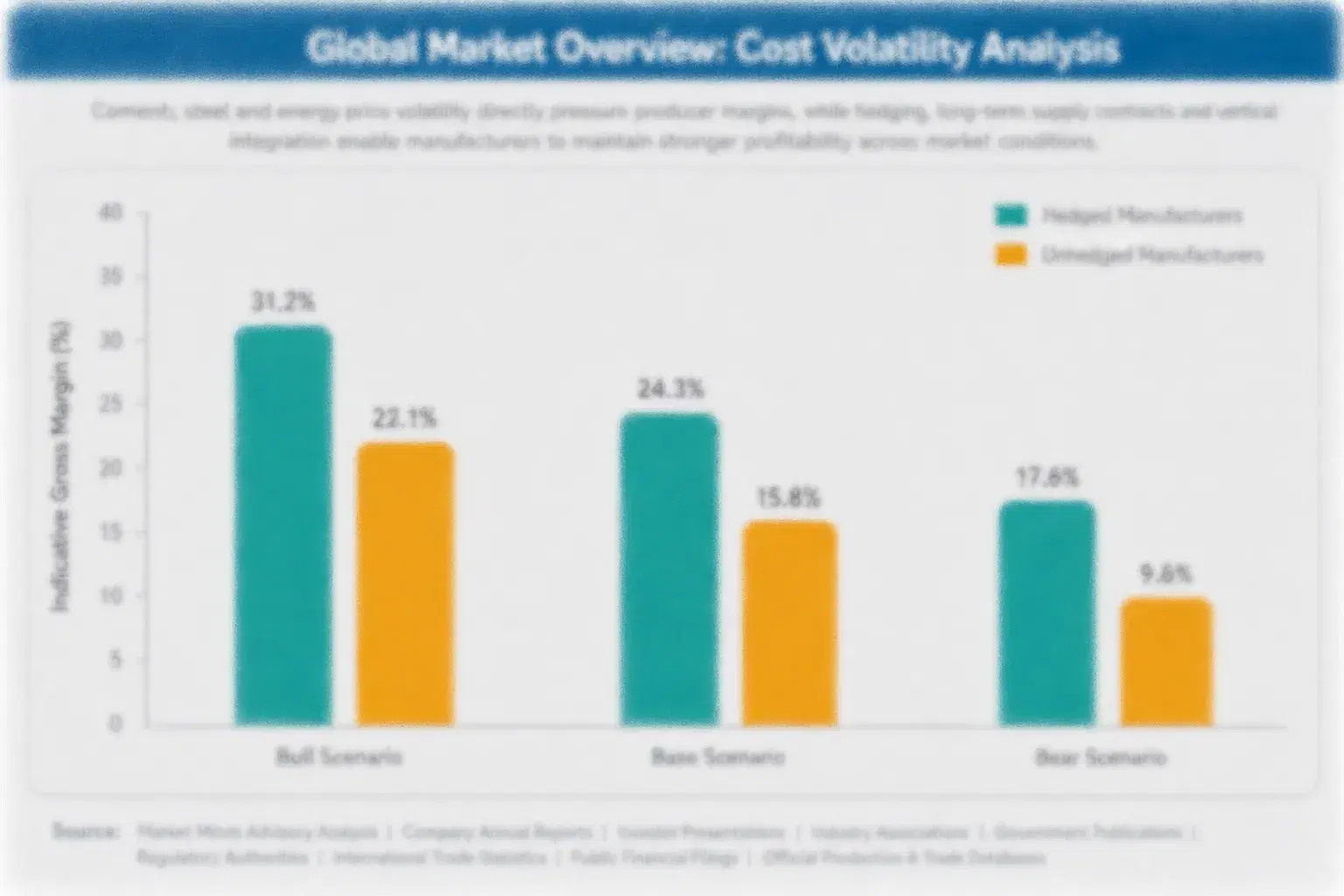
Skilled labour accounts for roughly 38% of cost of goods for independent bakers, wheat flour about 18%, and energy about 10%, with flour milled in France from French wheat by mills such as Grands Moulins de Paris and Soufflet. Rent, packaging, delivery, and taxes make up the rest, so wages, energy, and flour together determine margin, and labour is the hardest input to scale in a craft trade.
Electricity and gas prices spiked in 2022 and 2023, according to the International Energy Agency, and French bakery federation reports cited bills rising two to five times for some shops, while wheat and flour costs rose after Black Sea disruption. Bakers raised baguette prices by 10% to 15%, and government aid covered part of the increase. Several small bakeries closed. Margins narrowed for several quarters.

The disadvantage falls on independent bakers without scale or contracts. Chains with central dough, fixed energy contracts, and franchise support absorb shocks, while small shops buy energy at variable rates and rely on ageing owners. Exposure varies by shop type and geography: urban bakers face high rent, and chains and premium formats pass costs through more easily than standard baguettes sold at habitual prices.
france-baguette-market-cost-volatility-analysis-1789786223062

Fixing Energy Prices and Investing in Efficient Ovens

Bakers negotiate fixed-price electricity and gas contracts and install efficient ovens with heat recovery to cut energy per baguette by 20% to 30%. Government aid and regional programmes can cover part of the cost. These steps need capital and technical training, though payback runs three to five years, and lower energy intensity supports sustainability claims.

Contracting Flour Through Cooperatives and Regional Mills

Bakers and buying groups sign annual flour agreements with French mills and cooperatives such as Vivescia, mixing fixed and index-linked prices to spread risk. Short supply chains from French wheat reduce exposure to imports, and quality clauses secure protein and falling number specifications. Forward buying lets bakers plan production and hold baguette prices. Terms usually run one year.

Shifting Toward Central Dough, Bake-Off, and Premium Product Mix

Bakers and chains centralise dough production, use bake-off in shops, and add premium loaves, sandwiches, and viennoiserie that carry higher margins. The shift needs capital of $2 million to $20 million for central plants, but it cuts labour per baguette by 25% to 35% and lowers exposure to skilled labour shortages, which supports both cost and quality across many shops.

Portfolio Architecture for Margin Defence

Margins run from thin returns on standard and supermarket baguettes sold at habitual prices to strong profits on wholegrain, sandwich, and frozen export formats sold with craft positioning and service, with gross margin roughly doubling between the volume tier and the top tier. Fermentation skill, brand trust, and format mix create pricing power, and shoppers pay more for a loaf that tastes fresh and shows real craft.
Volume and premium pull in different directions. Standard and bake-off baguettes sell in large lots to price-driven shoppers at thin margins and face energy and wage swings, while wholegrain, sourdough, and frozen export lines sell in smaller lots at higher margins but need skilled labour, cold chain, and brand storytelling. Bakers must decide how much capital to commit to premium capacity and how quickly to move, since skilled staff take years to train.

High-value pools concentrate in wholegrain and organic baguettes for health-focused shoppers, frozen par-baked baguettes for exports and foodservice, and sandwich and snacking formats for office workers. These segments benefit from recurring orders, documented quality, and limited competition from supermarket bake-off. Bakers that combine fermentation skill, central production, and distribution hold advantages that rivals cannot copy quickly.

Volume / Commodity-Adjacent Tier

Standard and supermarket baguettes sold at habitual price points, with thin margins, flour and energy cost exposure, and constant price competition from bake-off and chains, where shoppers switch when prices move by a few cents or when promotions change across nearby stores.
Gross Margin: 18%-28%

Premium / Certified Tier

Tradition baguettes made under the 1993 decree with local flour, artisan labelling, and consistent crust and crumb, sold through boulangeries and chains to households and cafes that require reliable daily supply, quality ingredients, and dependable early-morning delivery and service.
Gross Margin: 28%-40%

Sustainability / Regulatory / Next-Generation Tier

Wholegrain, organic, and frozen par-baked baguettes supported by certified flour, cold chain, and export documentation, positioned for health-focused shoppers, hotels, and international bakery chains seeking French quality without skilled labour on site.
Gross Margin: 36%-54%
france-baguette-market-portfolio-architecture-1789786223439

High-value Sub-segments and Strategic Watch-out

Wholegrain and Organic Baguettes

Wholegrain and organic baguettes combine the fastest growth with strong pricing, since health-focused shoppers pay 20% to 60% premiums for fibre and provenance. Certified flour and sourdough skill limit competition, and bakers with clear labelling win loyal customers. Repeat purchase compounds across weekly visits. Prices hold.
Gross Margin: 36%-54%

Frozen Par-Baked Baguettes

Frozen par-baked baguettes offer high value with solid growth, because hotels, cafes, and export buyers pay 15% to 30% premiums for labour savings and consistency. Cold chain and crust quality limit scale, though suppliers with training and technical support defend margin. Multi-year contracts renew as venues expand.
Gross Margin: 30%-46%

Standard Baguettes

Standard baguettes form the volume core, sold to households who want an everyday loaf at low prices. Margins are thin and exposed to energy and wage swings, but steady demand supports scale, and bakers with central dough and fixed energy contracts hold cost advantages, though supermarket pricing limits gains.
Gross Margin: 18%-30%

Flavoured and Filled Baguettes

Flavoured and filled baguettes are a strategic watch-out, valued for snacking and lunch occasions but limited by labour, food safety rules, and short shelf life. Consumer trends could expand or restrict demand, so bakers should track sandwich sales, waste, and margins carefully before committing capital to dedicated preparation areas.
Gross Margin: 40%-62%

Why French Households Stay Loyal

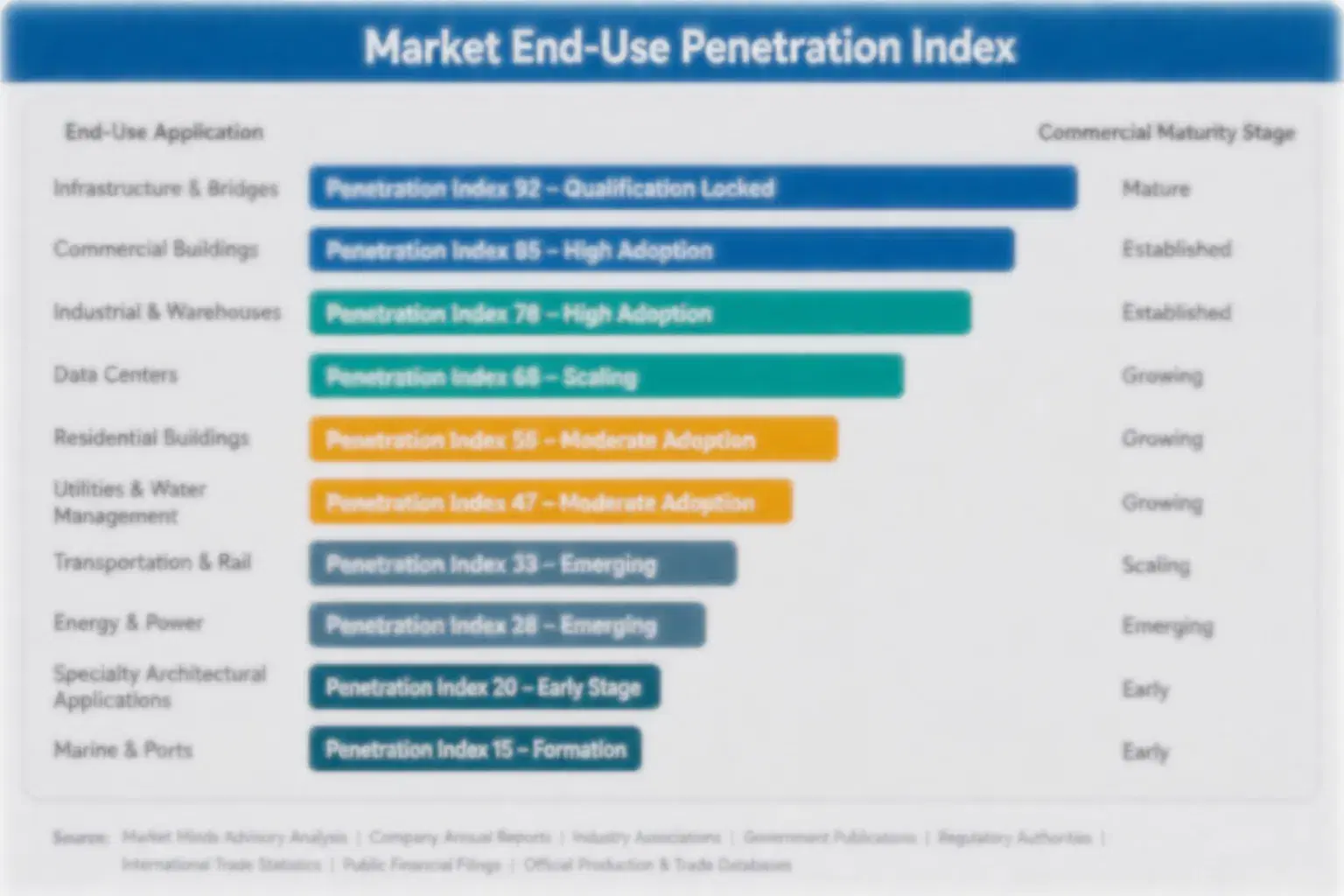
Baguette demand behaves like an annuity once a household adopts a baker. Loaves are bought daily, often on the walk home, and shoppers repeat the same route for years. Bakers that hold a customer's habit earn steady volume, and loyalty follows quality and convenience rather than promotions, because a change of baker risks a pale crust, a tough crumb, or a loaf that goes stale before dinner.
Adoption stickiness varies by vertical. Neighbourhood households with a habitual boulangerie are deepest, since personal relationships form around a shop. Cafes and restaurants are next, because menus and daily delivery are built around one supplier. Supermarket shoppers are moderate, driven by convenience and price, while tourists and occasional buyers are shallower, choosing on reputation and location, and chains rotate suppliers when a cheaper flour lot appears.

Buyer profiles are shifting. Older shoppers bought a tradition baguette every day from a trusted baker, while younger households buy from chains and supermarkets, use apps, and look for organic and wholegrain loaves. They compare quality, follow bakers on social media, and switch if freshness slips, so bakers that publish flour origin, explain fermentation, and keep quality steady keep loyalty across generations.
france-baguette-market-end-use-penetration-index-1789786223752

MMA Verdict on Baguette Strategy

These are among the four positions where our research anticipates prominent divergence between winners and laggards over the coming forecast period. Each is grounded in the demand model, the regulatory perimeter, and the announced capacity pipeline.
01 / CENTRAL PRODUCTION STRATEGY

Centralise Dough and Use Bake-Off Before Skilled Labour Shortages Close More Shops

Central dough cuts labour per baguette by 25% to 35% and saves $2 million to $6 million a year across 100 shops. Central kitchens cost $5 million to $20 million. MMA recommends building one central dough plant and converting 30 shops to bake-off within 24 months, because skilled baker shortages will persist, and chains that centralise early hold locations and staff that struggling independents cannot replace when owners retire, and shared production also gives chains buying power that lowers flour and energy cost per loaf.
02 / PREMIUM LOAF STRATEGY

Add Wholegrain, Organic, and Sourdough Baguettes While Health Demand Supports Premiums

Wholegrain and organic baguettes grow at 5.8% a year, about 1.93 times the market rate, and sell 20% to 60% above standard loaves. Certified organic flour costs 30% to 60% more. MMA advises limiting the range to three signature loaves and securing organic flour contracts within 18 months, because health-focused shoppers reward clear labelling and repeat purchase, and early bakers with certified supply hold customers that later entrants find costly to win, and repeat purchase data quickly shows which signature loaves earn their place.
03 / EXPORT GROWTH STRATEGY

Certify Frozen Par-Baked Plants and Sign Agreements With Japan and Gulf Chains

Frozen par-baked baguettes save buyers 25% to 35% of labour and Japan grows at 5.0% a year. Certification and cold chain cost $1 million to $3 million. MMA recommends signing two chain or hotel agreements within 24 months, because franchise chains and hotels rarely change suppliers once crust performance is proven, and early exporters capture repeat orders and stable working capital while later rivals face months of oven trials, which clearly favours suppliers with training teams and detailed steam oven specifications.
04 / ENERGY COST STRATEGY

Fix Energy Prices and Install Efficient Ovens Before the Next Price Spike

Energy is 10% of cost of goods, and 2022 and 2023 bills rose two to five times for some shops. Efficient ovens cut energy per baguette by 20% to 30% and pay back in three to five years. MMA advises fixing 60% of energy use and installing heat recovery on the largest ovens within two years, because bakers that hold margins through energy shocks survive while others close, and lenders reward that stability with cheaper capital, which helps small bakeries fund ovens that would otherwise wait for years.

Engagement Snapshot From the Field

A live engagement with an industry participant carrying material or product regulatory and market exposure ahead of a defining policy shift, showing how our research translates into a defensible multi-year portfolio strategy.
MARKET MINDS ADVISORY · CLIENT ENGAGEMENT SUMMARY
France Baguette Producer Strategic Portfolio Review and Transition Roadmap 2026·Investment Scenario on France Baguette Exposure Evaluation 2025-26
CLIENT PROFILE
The client is a regional French bakery group with one central bakery and 24 retail shops, generating roughly EUR 46 million in annual revenue (client-reported, unverified by MMA), selling baguettes, sandwiches, and viennoiserie. Baguettes made up 34% of sales with gross margin near 26% (client-reported, unverified by MMA), and labour was 40% of cost of goods.
STRATEGIC CHALLENGE
Energy bills had risen sharply, skilled bakers were hard to hire, supermarkets sold baguettes at very low prices, two hotel groups asked for par-baked supply the client could not provide, and a Japanese distributor requested export-grade frozen loaves. Leadership needed a plan that cut labour and energy cost, added frozen and premium lines, and protected quality.
MMA APPROACH
MMA interviewed 40 shop managers, hotel buyers, and distributors, analysed cost and sales data across 50 products, benchmarked five bakery groups on labour productivity and format mix, and modeled economics for central dough, par-baking, and export under high, base, and low energy and wage scenarios. Analysts also visited the central bakery.
KEY FINDINGS
  1. Central dough for 24 shops would cut labour per baguette by 27% and save about EUR 3 million a year (client-reported, unverified by MMA).
  2. A freezing line costing about EUR 2.5 million would open hotel and export sales worth 12% of revenue at margins 8 points above retail.
  3. Fixed-price energy and heat recovery would cut oven cost by 22% and reduce margin volatility by three points, based on supplier quotes.
  4. Wholegrain and organic baguettes could reach 10% of baguette sales within two years at price premiums of 30%, according to customer surveys in eight shops.
CLIENT PROFILE
The client is a regional French bakery group with one central bakery and 24 retail shops, generating roughly EUR 46 million in annual revenue (client-reported, unverified by MMA), selling baguettes, sandwiches, and viennoiserie. Baguettes made up 34% of sales with gross margin near 26% (client-reported, unverified by MMA), and labour was 40% of cost of goods.
STRATEGIC CHALLENGE
Energy bills had risen sharply, skilled bakers were hard to hire, supermarkets sold baguettes at very low prices, two hotel groups asked for par-baked supply the client could not provide, and a Japanese distributor requested export-grade frozen loaves. Leadership needed a plan that cut labour and energy cost, added frozen and premium lines, and protected quality.
MMA APPROACH
MMA interviewed 40 shop managers, hotel buyers, and distributors, analysed cost and sales data across 50 products, benchmarked five bakery groups on labour productivity and format mix, and modeled economics for central dough, par-baking, and export under high, base, and low energy and wage scenarios. Analysts also visited the central bakery.
KEY FINDINGS
  1. Central dough for 24 shops would cut labour per baguette by 27% and save about EUR 3 million a year (client-reported, unverified by MMA).
  2. A freezing line costing about EUR 2.5 million would open hotel and export sales worth 12% of revenue at margins 8 points above retail.
  3. Fixed-price energy and heat recovery would cut oven cost by 22% and reduce margin volatility by three points, based on supplier quotes.
  4. Wholegrain and organic baguettes could reach 10% of baguette sales within two years at price premiums of 30%, according to customer surveys in eight shops.
RECOMMENDED STRATEGY
Phase 1: Phase 1 (Months 1-6): Fix energy prices, install heat recovery on the largest ovens, and begin design of central dough production. Phase 2: Phase 2 (Months 7-18): Build central dough, install the freezing line, launch two wholegrain baguettes, and sign two hotel groups on annual supply. Phase 3: Phase 3 (Months 19-30): Ship first Japanese containers, extend bake-off to more shops, and review pricing each quarter with major customers.
OUTCOME
Within 30 months, wholegrain, frozen, and export products reached about 21% of baguette revenue, and gross margin rose from 26% to about 32% (client-reported, unverified by MMA). Labour per baguette fell by 25%, two hotel groups signed annual agreements, and the board approved a second central dough plant for the following year.

Frequently Asked Questions

Foundational context covering the market sizes, CAGR, scope, country, region and competition that inform every finding below. This section is provided to cover basics and most often pre-purchase conversations, answered from the MMA Primary Research Dataset.

What is the current size of the France Baguette Market?

The France baguette market was valued at $6.2 billion in 2025. This covers tradition, standard, wholegrain, organic, industrial, and frozen baguettes made in France and sold domestically or exported.

How large will the France Baguette Market be by 2036?

MMA projects the market will reach approximately $8.6 billion by 2036. This represents cumulative growth of roughly $2.2 billion over the full ten-year forecast window.

What is the CAGR for the France Baguette Market 2026 to 2036?

The market is forecast to grow at a 3.0% compound annual rate between 2026 and 2036. The bull case reaches 4.3% while the bear case falls to 1.7%.

Which segment is growing fastest?

Wholegrain and Organic Baguettes is the fastest-growing segment at 5.8% CAGR, roughly 1.93 times the overall market rate. Frozen Par-Baked Baguettes follows as the second-fastest segment at 4.6% CAGR each year.

Who are the major companies in the France Baguette Market?

Leading participants include Marie Blachere, Boulangerie Ange, Groupe Holder, Groupe Le Duff, and La Mie Caline. These five chains together hold an estimated 22% of total category revenue, based on MMA analysis of company disclosures.

Which country is growing fastest?

Japan is the fastest-growing major market, expanding at approximately 5.0% CAGR each year. French bakery chain expansion, hotel demand, and frozen baguette imports are driving this above-market growth across the country.

Report Segmentation Architecture

The full report scope spans multiple orthogonal segmentation dimensions, with cross-tabulated demand data provided for each dimension pair. Coverage extends further to regional breakdowns, trend trajectories, and the competitive detail needed to support segment-level decision-making.

By Primary Market Dimension

  • Wholegrain and Organic Baguettes
  • Frozen Par-Baked Baguettes
  • Tradition Baguettes
  • Standard Baguettes
  • Industrial Packaged Baguettes
  • Flavoured and Filled Baguettes

By End-Use Industry

  • Household Consumption
  • Cafes and Restaurants
  • Hotels and Catering
  • Sandwich and Snacking Outlets
  • Travel and Institutional Catering

By Commercial Dimension

  • Independent Boulangeries
  • Bakery Chains and Franchises
  • Supermarket In-Store and Packaged
  • Export and Frozen Distribution

By Region

  • North America
  • Western Europe
  • East Asia
  • South Asia and Pacific
  • Latin America
  • Middle East and Africa
  • Eastern Europe

Scope, Methodology, and Coverage

Every figure in this report is reproducible from documented input assumptions. The scope below maps the historical period, the forecast horizon, the segmentation dimensions, and the countries covered, alongside the underlying primary and qualitative methodology.
Historical Period
2020 to 2025
Forecast Period
2026 to 2036
Base Year
2025 (USD billions; MMA Primary Research Dataset, September 2026)
Market Definition
France baguette comprises long, narrow wheat breads made in France under standard, tradition, wholegrain, organic, industrial, and frozen par-baked formats, and sold through boulangeries, chains, supermarkets, cafes, and foodservice in France or exported to Europe and beyond. The scope excludes other bread shapes such as pain de campagne and ficelle, viennoiserie, sandwiches sold as prepared meals, and imported baguettes sold in France.
Quantitative Units
USD billions (current prices); billion baguettes for volume references
Segmentation Dimensions
By Product Type and Process; By End-Use Industry; By Commercial Dimension; By Region
Regions Covered
North America, Western Europe, East Asia, South Asia and Pacific, Latin America, Middle East and Africa, Eastern Europe
Countries Covered
France, Belgium, Switzerland, Luxembourg, Spain, Germany, UK, Poland, Romania, USA, Canada, Japan, South Korea, China, Singapore, Australia, Vietnam, UAE, Morocco, Brazil, and additional markets relevant to this sector
Key Companies Profiled
Marie Blachere, Boulangerie Ange, Groupe Holder, Groupe Le Duff, La Mie Caline, Harry's France, Vandemoortele, Lantmannen Unibake, Europastry, Aryzta, Grands Moulins de Paris, Vivescia, Soufflet Group, Grands Moulins de Strasbourg, Puratos, Lesaffre, Brioche Pasquier, Carrefour, E.Leclerc, Intermarche
Quantitative Methodology
Primary survey, n=3,800 respondents, Q4 2025, six countries; demand-side model with trade association cross-validation
Qualitative Methodology
47 expert interviews, Q4 2025; applied to validate demand model assumptions, identify emerging dynamics, and assess competitive positioning
Report Format
PDF and XLSX data workbook (Word format preview document)
Publisher
Market Minds Advisory
Report Code
MMA-2026-AGR-363
Published
September 2026
Contact
sales@marketmindsadvisory.com | www.marketmindsadvisory.com

Purchase the full France Baguette Market Report (2026 to 2036).

The full report delivers a detailed assessment of the France baguette market, product types, and competitive positioning through 2036. It includes segment forecasts by product type, regional data anchored on France and its export destinations across all seven world regions, and profiles of the twenty companies most relevant to baguette supply. Analysts also receive input cost modeling and portfolio margin benchmarking built from MMA's primary research dataset. A scenario planning module lets subscribers stress-test bull and bear assumptions against energy, wages, and export outcomes. Quarterly updates keep the whole dataset current throughout the subscription year for every subscriber.
Ten-year segment and regional demand forecasts
Flour, wage, and energy cost tracking
Competitive benchmarking of top twenty bakers
Tradition loaf labelling and heritage rule tracker
Export destination demand comparative analysis included
Quarterly primary survey data update access

Built For The People Who Decide

From boardroom strategy to bench-side execution, this report is read cover-to-cover by leaders shaping the next decade of their industry, turning demand scenarios, market dynamics and valuation benchmarks into decisions.
CXOs/ Presidents/ VPs/ Managers
M&A and Corporate Development
Strategy Teams and R&D Heads
Procurement and Product Directors
Regulatory and Compliance Leaders
Investor Relations and Equity Analysts