
Market Minds Advisory
Food Grade Glass Market

Food Grade Glass Market 2026-2036: Segments, Regions and Key Players

Italy and France's glass manufacturing heritage is pulling food-contact specification toward validated baby food formats that conventional sauce jars increasingly cannot match on safety compliance across the broader food retail sector.

Lead Analyst

Bilal Shaikh

Published

November 2026

Make Smarter Decisions with Customized Research Insights

Request a free sample report and evaluate market opportunities, growth trends, and competitive dynamics relevant to your business needs.

2025 MARKET VALUE$16.5BMarket Size 2025
2036 FORECAST VALUE$25.9BBase Case , 2026 to 2036
CAGR 2026 TO 20364.2 %Bull 5.5% / Bear 2.9%
INCREMENTAL OPPORTUNITY$8.8BNet 10- year value creation
EXPANSION MULTIPLE1.51x2036 value over 2026 base
Strategic Levers
M&A Pipeline
Regional Outlook
Country Rankings
Competitive Intelligence
Segmental Deep-dive
Call-Us : 91 93563 13602

Food Grade Glass Market Snapshot

Italy and France's glass manufacturing heritage, facing mounting safety compliance demand, forms the single most important dynamic reshaping food-contact glass demand right now, as brands push converters toward validated baby food formats across growing premium categories this cycle this cycle overall indeed, a shift reshaping purchasing decisions worldwide now.
Baby food containers are growing fastest as infant nutrition brands specify validated safety compliance, with condiment and sauce jars following close behind as gourmet brands scale across expanding artisanal categories worldwide this cycle. Western Europe anchors the largest regional share given its glass manufacturing concentration, with North America following as the second-largest contributor, and East Asia close behind both today today.
Competitive character remains concentrated among a handful of established glass packaging specialists, with Verallia and Vidrala holding the broadest combined production capacity ahead of mid-tier challengers like O-I Glass and Ardagh Group across most regions tracked today. Smaller regional converters increasingly struggle to match the safety-validation scale required to compete credibly, a gap widening steadily each cycle as retail specification requirements harden further across premium categories, and the gap is widening fast across every region.
Market Definition
The food grade glass market covers food jars, food bottles, baby food containers, condiment and sauce jars, and preserve or pickling jars manufactured from food-contact glass. This report excludes the Glass Decanters Market, a distinct sibling category covering decorative serving glassware rather than commercial food-contact packaging. On MMA's numbers, the glass decanters market stands at USD 0.8 billion in 2025 and is on track for USD 1.44 billion by 2036.
Base Year Value
$16.5B in 2025 (MMA Primary Research Dataset, October 2026)
Forecast Period
2026 to 2036, eleven discrete annual values
CAGR
4.2% base case. Bull 5.5%. Bear 2.9%.
Fastest Growth Segment
Baby Food Containers: 5.6% CAGR
Fastest Growth Country
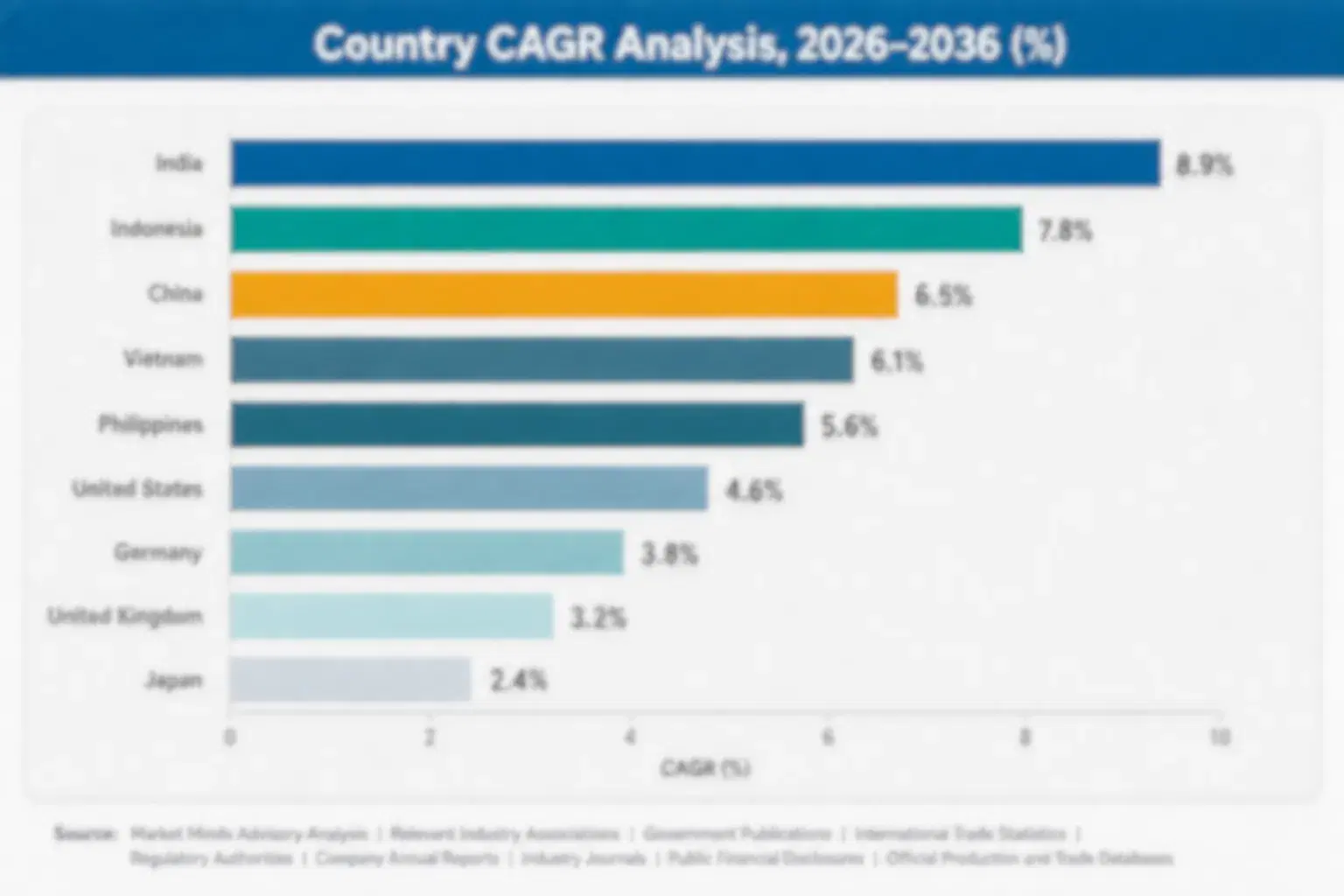
India: 6.7% CAGR
Fastest Growth Region
South Asia and Pacific: 6.2% CAGR
Largest Region
Western Europe: 26% of 2025 global value
Market Leaders
Verallia, Vidrala, O-I Glass, Ardagh Group, and Vetropack Holding lead by production capacity. Source: MMA Analysis based on company annual reports.
Primary Survey
n=3,800 procurement and R&D decision-makers, Q4 2025, six countries
Methodology
Demand-side build-up, cross-validated against public data, 47 expert interviews

Food Grade Glass Revenue Scenarios

food-grade-glass-market-size-forecast-scenario-1791597072900
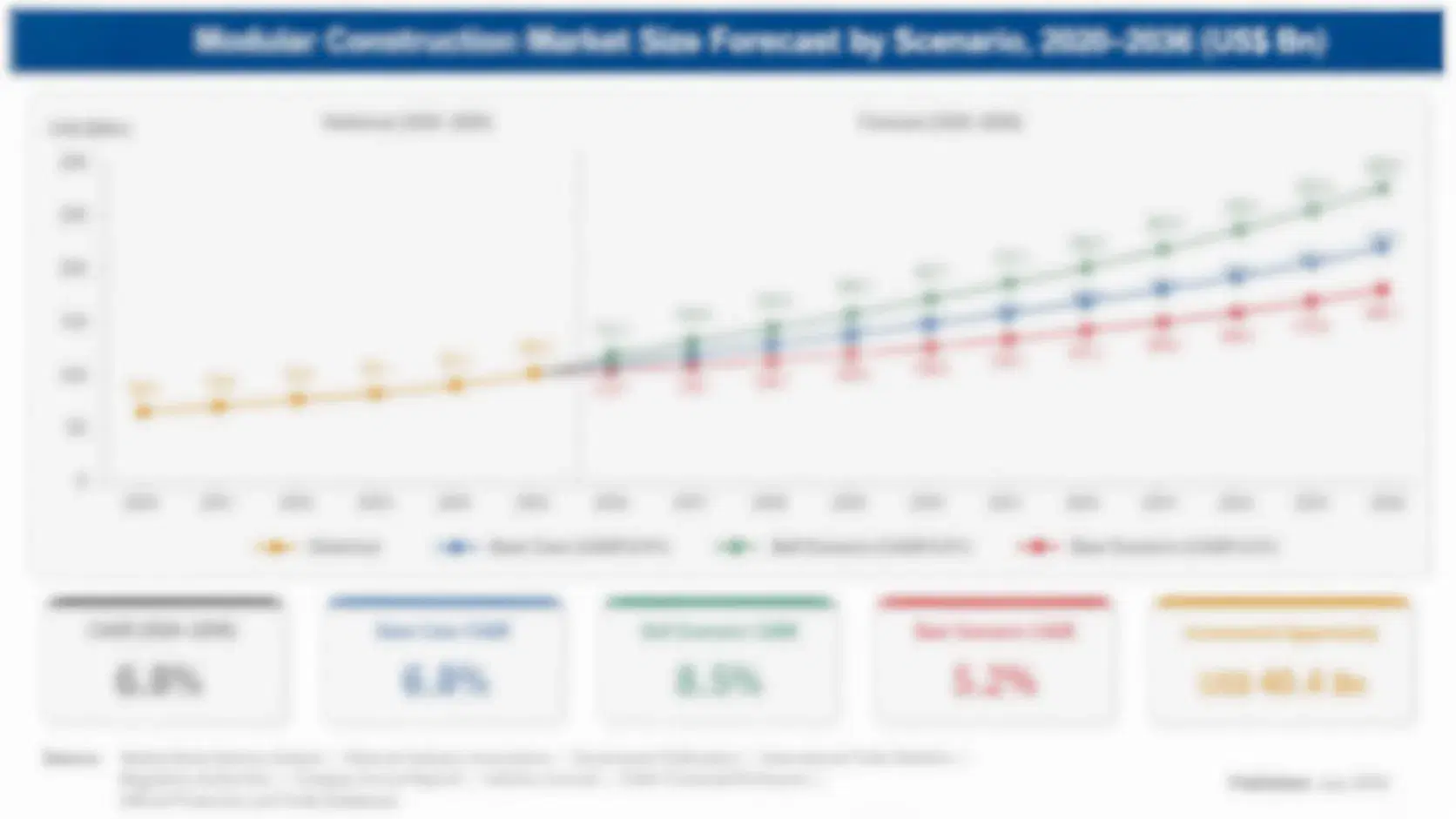
Between 2020 and 2025 the market grew at an estimated 3.7% annually, a period shaped by steady sauce jar demand before baby food and condiment formats broadened meaningfully during the final two years, as infant nutrition brands and gourmet brands both expanded specification across growing premium categories worldwide during this period overall. Momentum broadened steadily throughout. Momentum broadened meaningfully across the final two years tracked.
The base case assumes 4.2% compound growth through 2036, driven by three reinforcing mechanisms: first, infant nutrition brands specifying validated baby food glass as safety compliance becomes a retail standard across growing categories; second, gourmet brands adopting validated condiment jars as artisanal positioning requirements harden across expanding distribution lines; and third, Indian glass manufacturers continuing to scale export capacity across expanding categories nationwide. Adoption continues widening steadily each year today.
The bull case rests on baby food adoption accelerating faster than expected as more brands adopt validated safety programs across broader premium categories and geographic markets. The bear case centers on continued reliance on conventional sauce jars among cost-sensitive mass-market categories, even as overall food-contact glass demand keeps building toward broader adoption across most categories tracked worldwide.

Safety Compliance Decides the Premium Standard

Safety compliance, once a secondary consideration behind basic jar cost and molding speed, has become a primary criterion brand owners use to evaluate competing food-contact glass manufacturers, since an infant nutrition brand running a high-volume premium launch recovers a credible manufacturer's price premium through improved regulatory compliance and reduced recall exposure that conventional sauce jars increasingly cause at scale across major retail channels. That gap widens with every regulatory review cycle. Readers tracking this shift may also follow the glass growlers market, which MMA sizes at USD 0.4 billion in 2025, growing at 5.6% a year.
MARKET CONCENTRATION (CR5)38%Top five glass packaging specialists hold this share
AVERAGE SELLING PRICE$0.42Cost a validated food-contact glass unit typically carries today
TOP PRODUCING COUNTRY SHARE14%Italy leads global premium production output by value today
CAPACITY UTILIZATION77%Food-contact glass molding and annealing plants run near capacity
BREAKAGE AND DEFECT RATE0.2-0.5%Typical rate of compromised units from annealing or seal defects
RAW MATERIAL COST SHARE34-42%Typical silica sand and soda ash share of production cost
Commercially, the market increasingly rewards manufacturers who can validate consistent annealing precision and seal integrity across varied food formulations and fill-line configurations, since a brand running several product lines avoids costly requalification by standardizing packaging specification across a shared manufacturer relationship rather than qualifying separate formats per collection. This standardization advantage is becoming a genuine competitive moat for established manufacturers facing growing entry from regional specialists.
Over the next decade, expect continued expansion toward baby food and condiment formats, Indian export capacity deepening further, and growing demand for suppliers capable of serving multiple food categories on shared molding platforms rather than category-specific capital investment. Manufacturers slow to diversify their format portfolio risk losing share to more flexible competitors across several regions.
"A brand owner used to pick food-contact glass mainly on basic jar cost and molding reliability. Now a single infant nutrition safety regulation requiring validated annealing precision can trigger a full packaging redesign across a brand's entire portfolio, and that shift is reshaping which manufacturers win the next generation of food-contact glass contracts."
Director, Food-Contact Glass Packaging Practice · MMA Food Jar Practice · October 2026

Food Grade Glass Adoption Trends

Infant Nutrition Brands Rapidly Adopt Validated Baby Food Formats

Infant nutrition brands pursuing safety compliance and recall risk reduction are increasingly specifying validated baby food glass containers with documented annealing precision and seal integrity testing, rather than the conventional sauce jar that dominated the category when specialty annealing tooling costs were less competitive in prior years. This shift commands meaningfully higher unit cost than conventional format given the enhanced testing and certification requirements involved. Manufacturers report baby food orders now outpacing sauce jar orders across several major infant nutrition brand accounts tracked this cycle, a clear reversal from just a few years earlier across the sector. The same pressures carry over to the food grade sodium carbonate market, where MMA forecasts USD 1.18 billion by 2036 at a 3.6% CAGR.
Market Impact: Drives roughly 3% of demand
Gourmet Brands Expand Validated Condiment Formats

Gourmet brands scaling artisanal positioning requirements across growing premium and export categories are increasingly specifying validated condiment and sauce jars with documented clarity and seal integrity testing, rather than the conventional jars that dominated condiment retail when clarity validation was less of a competitive priority in prior years. This capability matters most for brands serving expanding, scrutiny-sensitive categories facing rising consumer expectations across several retail channels. Manufacturers are responding with dedicated molding lines that let brands transition without a full packaging redesign for every new formulation introduced across their portfolio.
Market Impact: Adds roughly 2% baseline volume

Where the Food Grade Glass Opportunity Lies

European Glass Manufacturing Scale Sharply Lifts Demand

Western Europe's deeply established glass manufacturing base, continuing to scale baby food adoption across growing premium and export categories, is turning safety validation into a genuine purchasing requirement rather than an optional packaging upgrade for brands serving premium-positioned categories with strict retail compliance expectations. This shift has made safety validation a competitive necessity rather than a differentiator for manufacturers serving multiple brand accounts simultaneously across several regions worldwide. MMA estimates this validation-driven segment will continue outpacing overall market growth by a meaningful margin through the remainder of the forecast period.
Market Impact: Cuts addressable volume by 3%

Indian Glass Manufacturing Growth Lifts Baseline Demand

India's expanding glass manufacturing export base, continuing to standardize packaging specifications across domestic and export-focused categories, is lifting baseline packaging demand independent of any single European retail trend, as manufacturers expand regional capacity to handle rising validated packaging volumes across diverse categories requiring consistent seal reliability across several production lines and shift patterns nationwide. Manufacturers slow to standardize risk losing accounts to better-prepared competitors across the region, and that gap is widening each cycle as specifications harden further across both premium and mid-tier categories alike this forecast period. Regional capacity additions continue at a steady pace.
Market Impact: Adds 2-5 percent order delay risk

Food Grade Glass Challenges and Constraints

Conventional Sauce Jar Substitution Steadily Slows Growth

Brands serving mass-market categories facing lower per-unit costs from conventional sauce jars not requiring specialty annealing tooling or safety validation are increasingly delaying conversion for routine, price-sensitive food categories, creating a genuine growth ceiling for manufacturers facing the same substitution pressure as larger competitors but lacking comparable budgets to differentiate through annealing innovation. The root cause is conventional jars offering comparable basic containment function at lower unit cost in less safety-sensitive applications. Manufacturers are mitigating the pressure by emphasizing premium and safety-sensitive categories where validated demand remains durable today overall.
Market Impact: Adds 7% baby food order share

Specialty Silica Sand and Soda Ash Volatility Complicates Planning

Manufacturers sourcing specialty silica sand and soda ash for food-contact glass production across multiple categories face a genuinely complex production planning challenge, since specialty material availability and pricing vary meaningfully across mineral supplier regions and cycles, sometimes requiring real-time sourcing adjustment to maintain consistent delivery commitments across a production run. The root cause is that specialty premium silica and soda ash markets remain more concentrated than commodity markets given their dependence on a small number of qualified suppliers. Manufacturers are mitigating the constraint by developing flexible multi-region sourcing agreements that adjust automatically as availability varies across regions.
Market Impact: Adds 5% condiment order share
4 additional market trends, 4 additional growth drivers, and 3 additional restraints and challenges are covered in the full report. Contact sales@marketmindsadvisory.com to access the complete intelligence.

Food Grade Glass Segment Growth Rates

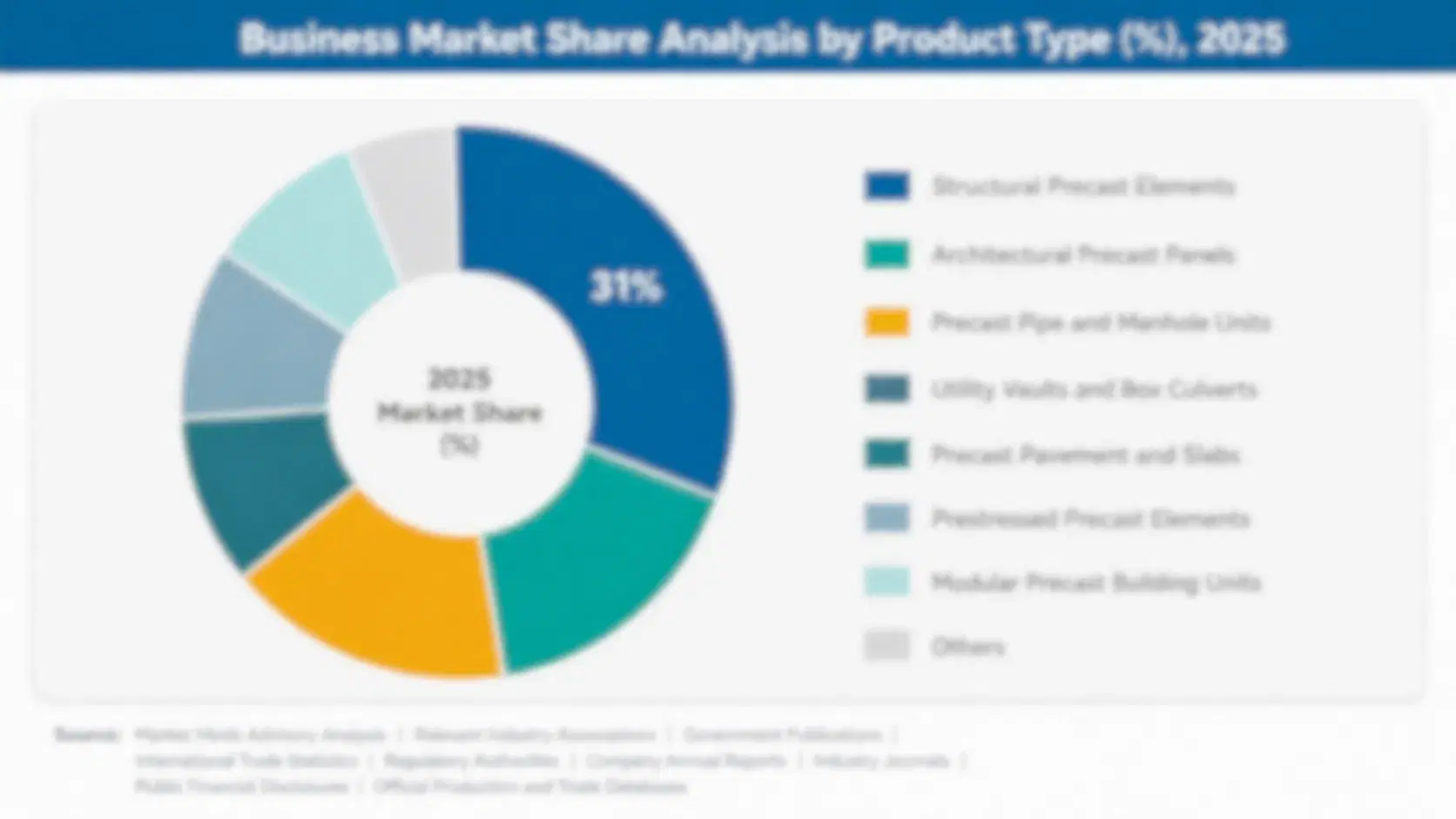
The market segments by food category rather than by container shape configuration, since jar, bottle, baby food, condiment, and preserve categories each carry distinct molding and annealing requirements regardless of the underlying container shape served across plants. Brand owners organize purchasing decisions along this category framework today, and converters increasingly structure sales teams around it too.
food-grade-glass-market-market-share-analysis-1791597073189

Baby Food Containers

Baby food containers carry documented annealing precision and seal integrity validation for safety-sensitive infant nutrition applications, representing the fastest-growing and most innovation-intensive category given the rapid tightening of infant safety and recall regulations across brands worldwide. Infant nutrition brands scaling validated baby food programs are the primary buyers, typically justifying the packaging premium through improved regulatory compliance that recovers investment through reduced recall exposure across growing retail cycles. Growth here outpaces every other segment because safety commitments continue broadening across new product lines and geographic markets worldwide. Manufacturers investing early in dedicated annealing technology are capturing accounts before competitors respond with comparable validated capacity of their own design and scale across several regions this cycle.
CAGR 5.6%

Condiment and Sauce Jars

Condiment and sauce jars combine documented clarity performance with seal integrity validation for positioning-sensitive gourmet applications, delivering a shelf differentiation advantage that conventional jars cannot match for brands serving expanding, scrutiny-critical categories facing rising retail competition across several regions. Gourmet brands scaling validated programs are significant buyers, typically justifying the modest price premium through improved consumer trust that recovers packaging cost through retained shelf placement and renewal cycles. Growth here reflects genuine premiumization-driven demand spreading across categories, as brands increasingly treat validated condiment formats as a baseline requirement rather than an optional upgrade. Manufacturers report this segment increasingly commands dedicated molding lines as brands standardize specifications across their broader retail portfolios this cycle.
CAGR 5.0%
Full segment breakdown across 5 segments available in the complete report.

Food Grade Glass Regional Outlook

Western Europe anchors the largest regional share given its glass manufacturing heritage concentration, while South Asia and Pacific posts the fastest regional growth rate tracked anywhere. North America follows as the second-largest contributor, with East Asia close behind, trailing further steadily each year this cycle.

North America

The United States food and beverage retail sector, among the largest in the world, drives substantial continuing demand for food-contact glass across jar, bottle, and baby food categories simultaneously, with several major manufacturers operating dedicated molding plants near key distribution hubs across the country. Growing demand from infant nutrition brands scaling validated baby food commitments contributes meaningful additional demand as these categories expand retail requirements across their product programs each year. Canada contributes a smaller but steady volume base tied to its own food retail sector, while Mexico's growing contract manufacturing base increasingly serves North American brands through nearshored production arrangements expanding steadily, with brands increasingly consolidating converter relationships across the region.
Share: 25% | CAGR: 4.2% (2026 to 2036)

Western Europe

Italy, France, and Germany anchor Western European demand both as leading glass manufacturing heritage markets and as established food-contact innovation centers in their own right, giving the region unmatched depth on both the supply and demand side of this market simultaneously across several molding hubs. Italy's concentration of specialist glass developers is the single clearest supply mechanism, pushing baby food and condiment innovation faster than almost anywhere else in the world today. France and Germany contribute meaningful additional demand tied to their own substantial food manufacturing sectors, while regional manufacturers benefit from close proximity to major testing facilities, shortening lead times for new product launches considerably across the continent. Regional manufacturers increasingly pursue joint ventures to accelerate validated.
Share: 26% | CAGR: 3.2% (2026 to 2036)
Regional intelligence for 5 additional markets available in the complete report: East Asia, South Asia and Pacific, Latin America, Middle East and Africa, Eastern Europe. Contact sales@marketmindsadvisory.com.
food-grade-glass-market-country-cagr-analysis-1791597073493

Capturing Share as Safety Reshapes Demand

Conventional sauce jar margin has compressed as basic packaging becomes commoditized among mass-market brands, so the real commercial opportunity sits in baby food conversion capture, condiment expansion, and flexible material sourcing innovation across several categories tracked. Manufacturers treating conversion and safety innovation as core strategy capture disproportionate new volume early in each cycle, well ahead of slower-moving rivals.

Capturing Early Baby Food Conversion Supply Contracts

Manufacturers that win a brand's baby food conversion decision early typically lock in a multi-year supply relationship worth meaningfully more than a comparable sauce jar contract, since the brand rarely revisits packaging specification again absent a major regulatory decision affecting its broader product line. Verallia and Vidrala have both built dedicated conversion sales teams specifically to identify brands expanding baby food commitments across several categories, and early movers report winning conversion accounts at close rates roughly 11% higher than their broader new-account win rate this cycle. Brands increasingly reward this early engagement with longer contract terms.
Market Impact: Wins conversion accounts at an 11 percent higher rate

Expanding Dedicated Annealing Precision Testing Programs

Manufacturers offering dedicated annealing precision and seal integrity consistency testing programs alongside standard packaging supply contracts are winning brand accounts that value this faster approval path above a marginally lower upfront price from a competitor offering only basic packaging supply and no testing support. This expanded service commands a meaningful premium over standard contracts across several categories tracked, and brands report this capability improving their own time-to-launch timelines by roughly 9% compared with brands using conventional jars across comparable product programs this cycle. Brands citing this speed advantage increasingly renew these service contracts well ahead of expiration dates.
Market Impact: Improves brand time-to-launch timelines by roughly 9 percent

Developing Flexible Multi-Region Material Sourcing Technology

Manufacturers developing flexible multi-region specialty silica sand and soda ash sourcing arrangements that accommodate varied feedstock availability across mineral supplier regions while maintaining consistent delivery commitments are capturing brands who want reliable supply without committing to single-region agreements regardless of actual conditions facing any one supplier region. This sourcing innovation commands a meaningful premium over conventional single-region agreements across several contract types, and brands report this capability cutting their own supply disruption risk by roughly 7% compared with conventional sourcing alternatives this cycle. Brands facing past disruption are especially receptive to this pitch and renew quickly.
Market Impact: Cuts supply disruption risk by roughly 7 percent

Offering Phased Conversion Pricing for Smaller Brands

Manufacturers offering phased conversion pricing programs specifically for smaller emerging food brands facing the same safety pressure as larger competitors but lacking comparable testing budgets are capturing accounts that would otherwise delay baby food conversion or continue sourcing conventional jars across their product programs. This phased pricing approach converts smaller brand accounts at rates roughly 8% higher than requiring full upfront capital investment, since the phased structure lets a smaller brand access validated pricing closer to large-account rates over time. Several manufacturers report these phased accounts eventually upgrading to full-scale contracts within just two years.
Market Impact: Converts smaller brand accounts at an 8 percent higher rate

Food Grade Glass Value Chain and Margins

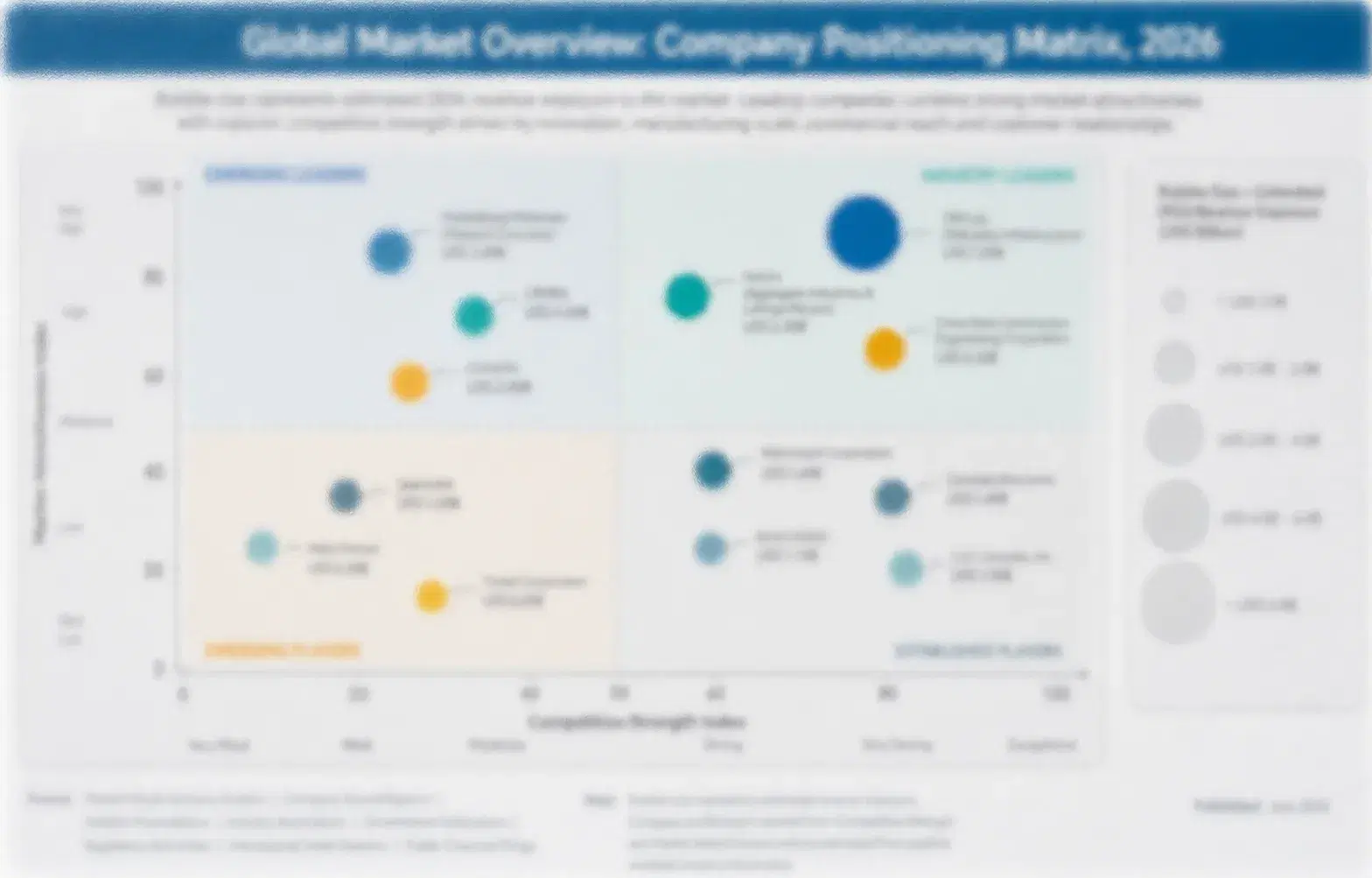
Market concentration sits at a moderately high CR5 of 38%, reflecting a producer base spanning established glass packaging specialists and a large number of regional converters, with Verallia and Vidrala holding the broadest combined production range and distribution networks ahead of mid-tier challengers like O-I Glass and Ardagh Group across most regions tracked today. That gap reflects decades of accumulated molding engineering investment smaller producers cannot replicate quickly.
Current competitive activity centers on three fronts: baby food conversion sales racing to capture brands expanding safety specifications, annealing precision testing service expansion responding to rising premium demand, and flexible material sourcing development responding to variable mineral conditions. Manufacturers increasingly compete on documented annealing reliability and supply consistency rather than per-unit price alone each cycle.

Emerging pressure comes from regional converters offering lower-cost conventional sauce jars without the decades of molding engineering pedigree incumbents rely on for premium margin, appealing to mass-market brands across less demanding applications and emerging markets. Rankings could shift if a challenger develops comparable annealing reliability at lower unit cost before incumbents fully capture the conversion wave they are currently pursuing. Incumbents cannot assume today's ranking holds steady.
food-grade-glass-market-company-positioning-matrix-1791597073808

Food Grade Glass Competitive Landscape

VERALLIA

Moat: Deepest Molding Technology Depth

Verallia's decades of food-contact glass molding engineering across jar, bottle, and baby food formats give it a genuine credibility advantage with brands evaluating conversion decisions, a trust advantage newer entrants without comparable validation depth struggle to match quickly, built over years of deployment experience worldwide.
VERALLIA

Risk: Premium Pricing Exposure Risk

Verallia's premium molding pricing leaves it more exposed to accelerating price competition from lower-cost regional converters than competitors with a higher share of validated commodity-tier capacity already converted, a lasting mismatch that could compress margin further if mass-market demand accelerates faster than currently projected overall.
VIDRALA

Moat: Broad Multi-Format Converting Range

Vidrala's combined jar, bottle, and condiment format range lets it serve brands across varied applications from a single supplier relationship, a breadth that competitors offering only one format cannot easily match for brands running varied product programs across regions. This breadth increasingly wins multi-year supply contracts from clients consolidating suppliers.
VIDRALA

Risk: Narrower Baby Food Format Presence

Vidrala holds a smaller presence in the fast-growing baby food container segment than competitors focused primarily on that category, leaving more of its revenue mix concentrated in slower-growing conventional applications. That concentration leaves it more exposed to any acceleration in baby food format adoption overall across its broader portfolio.

Players Tracked

Prominent Players

Verallia
Vidrala
O-I Glass
Ardagh Group
Vetropack Holding

Other Key Players

BA Glass
Saverglass
Encirc
Allied Glass Containers
Stölzle Glass Group
Gerresheimer
Piramal Glass
Hindustan National Glass
Consol Glass
Zignago Vetro
Bormioli Luigi
Beatson Clark
Nihon Yamamura Glass
Toyo Glass
Owens-Illinois de Mexico

Recent Developments

MAY 2026

Vidrala Expands Baby Food Capacity in India

Vidrala completed a capacity expansion of validated baby food production at one of its largest Indian plants, responding directly to accelerating premium export demand across major brand accounts this cycle, a move expected to reduce regional lead times. The expansion reinforces Vidrala's positioning as the clear capacity leader.
Signal: Signals accelerating capacity reallocation toward Indian premium export demand across major incumbent manufacturer networks this cycle today.
FEBRUARY 2026

Verallia Forms Italian Distribution Joint Venture

Verallia announced a joint venture with an Italian glass packaging converter to localize production and distribution support for its validated baby food formats across European food markets this cycle, a move expected to shorten regional lead times. The arrangement strengthens Verallia's distribution footprint across several adjacent European food markets.
Signal: Signals regional localization strategy expanding further into Italy and neighboring glass heritage growth markets broadly worldwide.
SEPTEMBER 2025

O-I Glass Secures Multi-Year Premium Supply Agreement

O-I Glass signed a multi-year supply agreement with a major European gourmet food brand to deliver validated condiment packaging across its production network starting this year, reinforcing its growing premium account base across the broader region today. The agreement extends O-I Glass's reach into one of the fastest-growing.
Signal: Signals supplier consolidation accelerating as brands increasingly prioritize validated multi-year agreements over spot sourcing arrangements broadly worldwide.

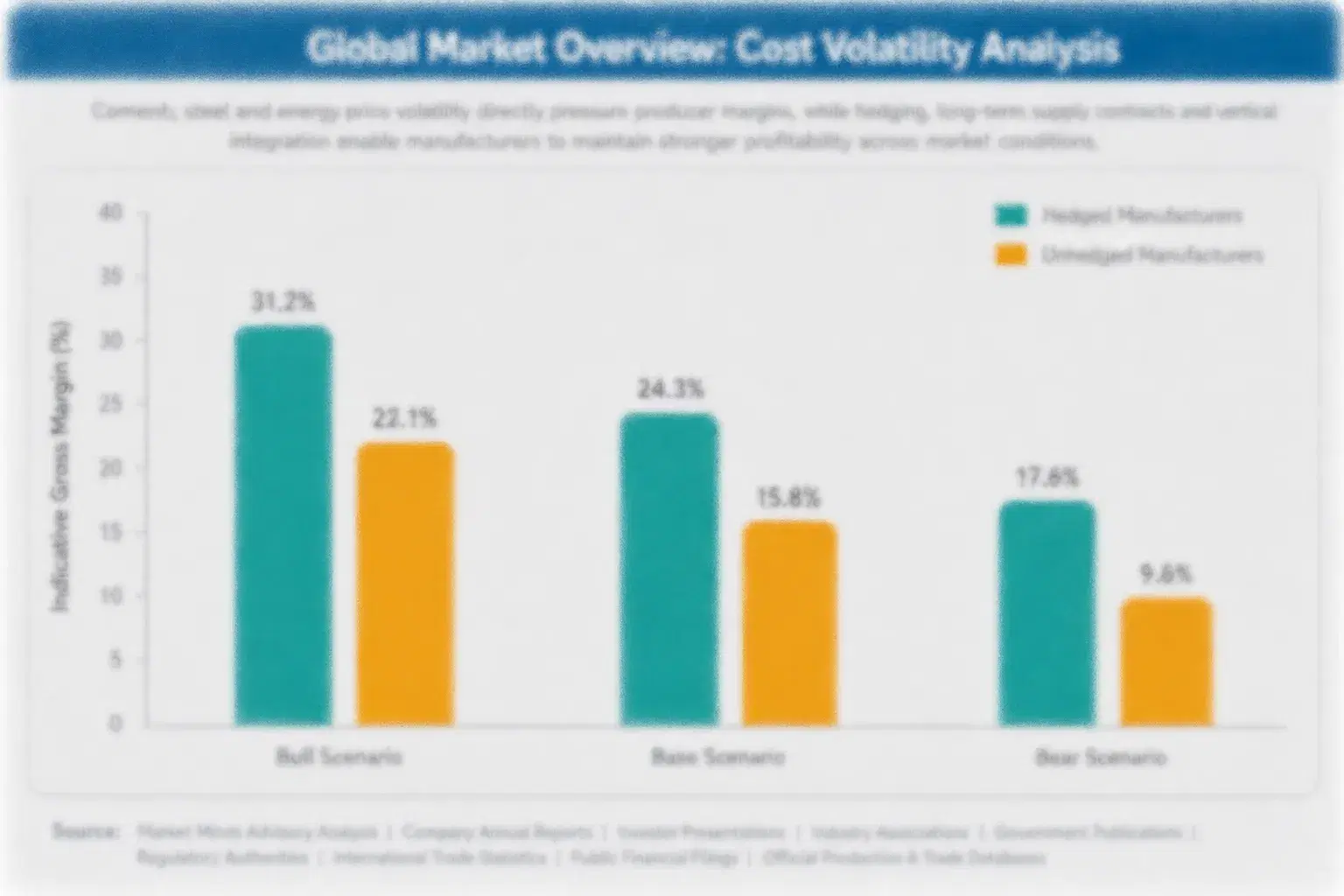
Specialty Silica and Soda Ash Cost Exposure

Specialty premium silica sand and soda ash together account for roughly 34% to 42% of total material cost of goods sold, sourced from a concentrated group of mineral supplier networks located across North America, Western Europe, and East Asia, limiting manufacturer bargaining power on pricing across most contract negotiations and renewal cycles each year across the sector overall nationwide today.
The 2022 global energy and mineral price spike, driven by energy cost inflation and supply disruption across major producing regions, pushed food-contact glass production costs up significantly, compressing manufacturer margin industrywide and forcing several producers to renegotiate fixed-price contracts mid-term during the disruption period, according to EIA commentary and company annual report disclosures documenting the episode's severity across glass packaging manufacturers broadly across regions worldwide overall today.

Manufacturers concentrated in conventional sauce jar applications carry less direct exposure to that specific mineral price cycle than diversified manufacturers sourcing across jar, bottle, and baby food categories simultaneously, since a diversified manufacturer can shift sourcing and production emphasis toward whichever category currently offers the more favorable margin position across its full product range and regional footprint more consistently overall each cycle.
food-grade-glass-market-cost-volatility-analysis-1791597074127

Index-Linked Contract Pricing Against Published Mineral Benchmarks

Larger producers increasingly structure supply contracts with pricing tied to published silica sand and energy price indices, passing cost changes through on a lagged quarterly basis rather than absorbing the full volatility themselves or attempting to renegotiate fixed-price agreements mid-term during a sudden disruption event affecting their broader network. This approach has become standard practice among the largest.

Multi-Region Silica and Soda Ash Sourcing Diversification

Producers are diversifying specialty premium silica sand and soda ash sourcing across multiple regions and mineral supplier networks, reducing dependence on any single supply chain and simplifying inventory management considerably across their broader production operations and global distribution networks served worldwide each year across several business units. This diversification has become a competitive necessity for producers facing continued volatility.

Portfolio Architecture for Margin Defence

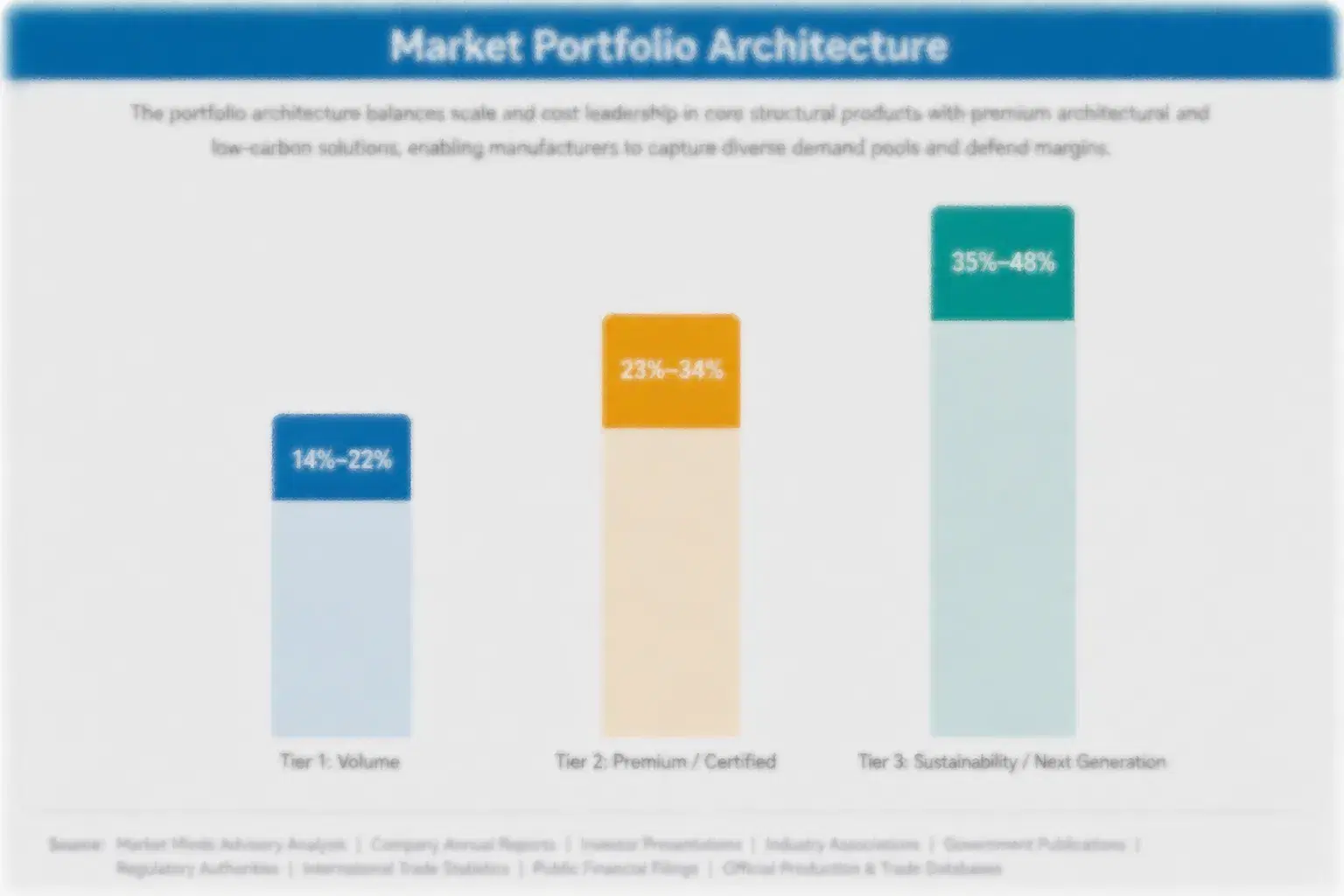
The market organizes into three tiers: a volume tier built on conventional sauce jars sold on price, a premium tier built on validated standard food bottle and preserve formats that command a performance-driven price premium, and a next-generation tier built on baby food and condiment formats expanding beyond the largest early-adopter brand accounts. Gross margin in the next-generation tier runs meaningfully above the volume tier's level across comparable accounts today.
Volume tier competition remains intensely price-driven, with producers competing on reliability and upfront cost, leaving little room for margin expansion absent a shift in customer brand priorities. Premium tier demand is growing meaningfully faster as safety and premiumization requirements both push specification toward validated formats, creating real tension for producers deciding how quickly to shift production allocation. Few producers operate credibly across all three tiers simultaneously at scale today.

High-value margin pools concentrate specifically around baby food and condiment formats sold under bundled testing and sourcing service agreements to brands facing active regulatory scrutiny, a pool that rewards producers with broad molding technology and service capability and penalizes standard-format-only specialists regardless of shipment volume across accounts tracked closely this cycle.

Volume / Commodity-Adjacent Tier

Conventional sauce jars sold largely on price and basic containment to brands not yet facing safety pressure. This tier remains sizable by shipment volume even as its revenue share declines steadily each year.
Gross Margin: 8-14%

Premium / Certified Tier

Validated standard food bottle and preserve formats commanding a performance-driven price premium, serving brands under active regulatory scrutiny across growing categories and several geographic markets where molding reliability has become an explicit requirement.
Gross Margin: 16-23%

Sustainability / Regulatory / Next-Generation Tier

Baby food and condiment formats bundling safety performance with premiumization support for the largest premium brand accounts, commanding the highest margin in the category. Adoption concentrates among the largest brands facing the most acute regulatory scrutiny today.
Gross Margin: 18-25%
food-grade-glass-market-portfolio-architecture-1791597074407

High-value Sub-segments and Strategic Watch-out

Baby Food Formats With Flexible Material Sourcing

Combines the fastest unit growth with the strongest account retention in the category, as safety mandates and flexible sourcing accelerate conversion across major infant nutrition brand accounts worldwide this cycle. Pricing power continues strengthening as demand widens across newly expanding categories and geographic markets each year.
Gross Margin: 16-23%

Annealing Precision Testing Service Programs

Commands strong margin and growing account retention together as brands increasingly value the approval-speed advantage from dedicated testing across varied formulation categories served across several regions worldwide. Manufacturers report brands rarely revert once satisfied with a validated program today at scale today Brands rarely revert.
Gross Margin: 13-20%

Legacy Conventional Sauce Jars

Represents meaningful shipment volume today but carries the thinnest margin in the category, facing continuous downward price pressure and gradual, multi-year volume loss across most mass-market accounts tracked. Margin expansion depends mainly on volume scale rather than differentiation here, and volume stays sizable even so today.
Gross Margin: 5-10%

Single-Format Supplier Concentration

A genuine strategic watch-out as producers offering only conventional sauce jars face mounting pressure from baby food conversion accelerating across nearly every premium food and infant nutrition category today and across several regions. Producers slow to diversify risk losing accounts to better-positioned rivals quickly within just a few cycles.

Molding Relationships Anchor Long Brand Accounts

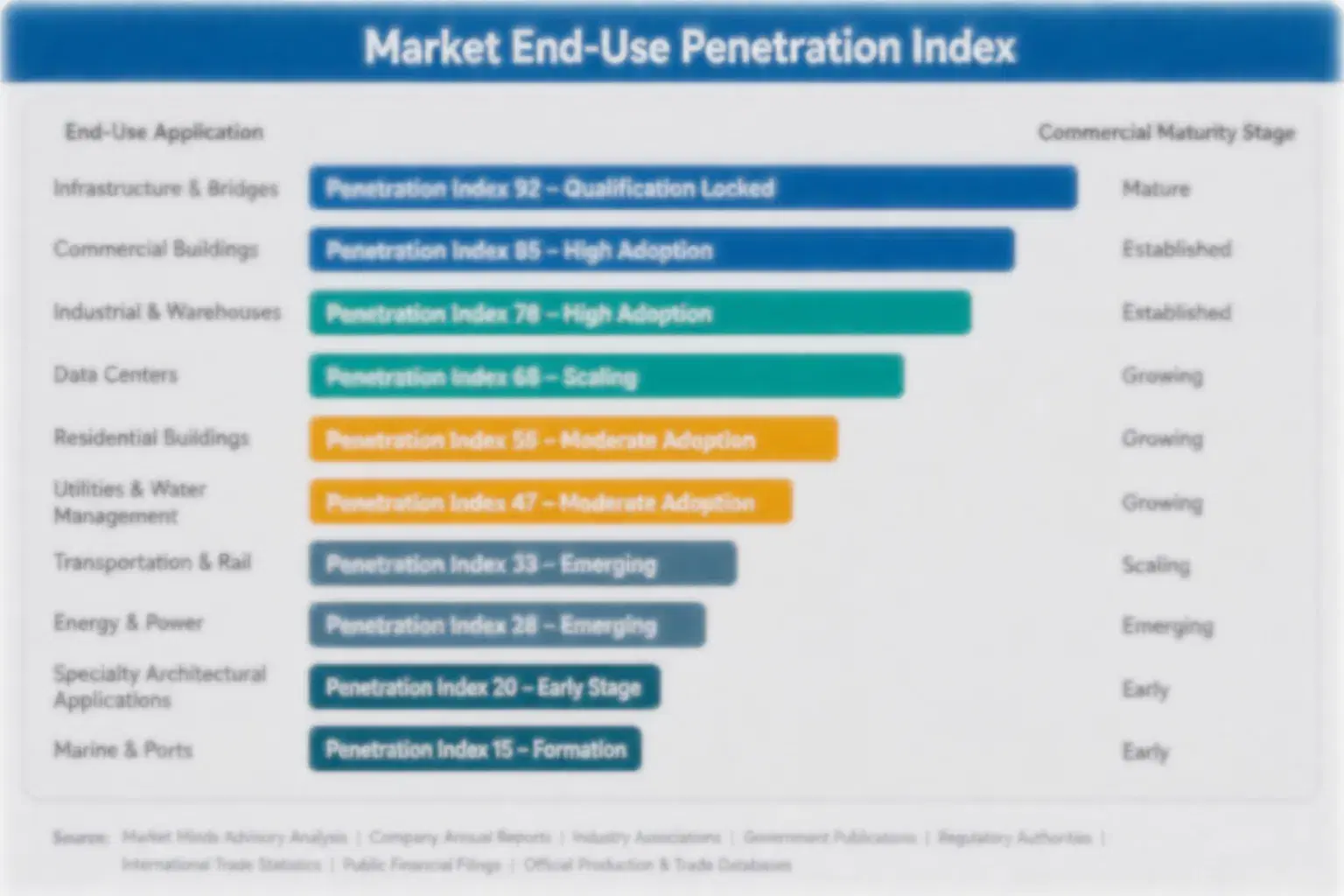
Once a brand adopts a validated food-contact glass specification, the resulting manufacturer relationship behaves like an annuity for many years afterward, since switching manufacturers requires requalifying annealing reliability and seal compatibility against internal safety standards, a costly process most brands avoid absent a serious quality failure prompting reconsideration of their packaging supplier. Few brands revisit this decision casually once it is made, given the operational cost of requalification.
Adoption depth varies by end-use vertical: large multinational infant nutrition and gourmet brands facing acute regulatory scrutiny adopt validated baby food and condiment formats comprehensively across their entire product program, mid-size regional brands adopt selectively for their highest-volume products, and smaller independent emerging brands remain price-driven and slower to convert absent direct consumer pressure of their own driving the purchasing decision. Manufacturers that misjudge this variation risk mismatched.

Buyer profiles are shifting as packaging purchasing decisions move from pure procurement authority toward brand safety and regulatory compliance teams who weigh safety exposure and documented annealing certification alongside raw packaging price, a change that rewards manufacturers able to speak credibly to both molding engineering innovation and regulatory compliance economics in the same conversation today.
food-grade-glass-market-end-use-penetration-index-1791597074687

Where MMA Sees the Opportunity

These are among the four positions where our research anticipates prominent divergence between winners and laggards over the coming forecast period. Each is grounded in the demand model, the regulatory perimeter, and the announced capacity pipeline.
01 / BABY FOOD CONVERSION CAPTURE

Back manufacturers capturing baby food conversion early

Baby food conversion is becoming the clearest growth opportunity in a market where documented annealing reliability determines which manufacturer wins a brand's long-term relationship across its full product program. Manufacturers with dedicated conversion sales teams are identifying and winning these accounts faster than rivals waiting for brands to initiate the conversation themselves. We expect this advantage to compound further as safety demand broadens, with the largest remaining accounts going to manufacturers who invested earliest in validated molding capability, a pattern suppliers report holding steady across most tracked accounts today.
02 / CONDIMENT FORMAT EXPANSION

Prioritize annealing testing ahead of rivals

Annealing precision and seal integrity consistency testing programs are shifting from a niche offering into an explicit purchasing requirement as brands face expanding safety-sensitive categories they increasingly serve across both developed and emerging markets alike. Verallia and Vidrala already treat this testing capability as a core differentiator in their commercial pitch to infant nutrition brands. Manufacturers investing early in this service capability are capturing accounts before competitors can match the documented advantage with comparable offerings, a pattern suppliers report holding steady across most tracked accounts today.
03 / FLEXIBLE MATERIAL SOURCING

Expand flexible multi-region sourcing across accounts

Flexible multi-region specialty silica sand and soda ash sourcing arrangements are becoming an explicit purchasing requirement as manufacturers increasingly want reliable supply without committing to single-region agreements regardless of actual regional mineral conditions they face each production cycle. Manufacturers investing early in this sourcing innovation are capturing accounts before competitors can match the technical achievement with comparable arrangements of their own design and scale. Suppliers report this result holding steady across most tracked regions this cycle, and we expect the gap to keep widening.
04 / SMALLER BRAND PHASED CONVERSION

Expand phased conversion pricing to capture smaller brands

Phased conversion pricing programs targeting smaller emerging food brands facing the same safety pressure as larger competitors but lacking comparable testing budgets represent a reliable and growing opportunity as this pressure continues spreading across the broader brand base worldwide. O-I Glass and Ardagh Group have both begun piloting these phased structures with selected regional accounts already underway. Manufacturers offering flexible phased pricing are converting these accounts faster than those requiring full upfront capital investment, a pattern suppliers report holding steady across most tracked accounts today.

Engagement Snapshot From the Field

A live engagement with an industry participant carrying material or product regulatory and market exposure ahead of a defining policy shift, showing how our research translates into a defensible multi-year portfolio strategy.
MARKET MINDS ADVISORY · CLIENT ENGAGEMENT SUMMARY
Food Grade Glass Producer Strategic Portfolio Review and Transition Roadmap 2026·Investment Scenario on Food Grade Glass Exposure Evaluation 2025-26
CLIENT PROFILE
The client operates a regional infant nutrition brand group across two product lines in Western Europe, sourcing conventional sauce jars from several regional manufacturers of varying safety capability (client-reported, unverified by MMA). The client faced mounting regulatory pressure to upgrade packaging safety ahead of an approaching infant safety standard revision affecting several of its largest product lines.
STRATEGIC CHALLENGE
Leadership needed to decide whether standardizing on validated baby food formats across its full product line ahead of the revision would strengthen its regulatory position cost-effectively, or whether a phased, slower transition limited to its highest-priority lines remained the more prudent near-term path forward given current budget limits and timing constraints.
MMA APPROACH
MMA conducted a regulatory safety audit across the client's packaging portfolio benchmarked against comparable infant nutrition brands already standardizing on validated baby food formats, modeled projected compliance cost under current and projected regulatory trajectories, and built a product-line-by-product-line conversion sequencing plan prioritizing the highest-priority lines first throughout the engagement, concluding with a final leadership readout session.
KEY FINDINGS
  1. The client's existing sauce jars faced a measurable safety compliance gap across one of its two product lines compared with competitors already using validated baby food formats.
  2. Projected compliance cost avoidance and competitive positioning gains tied to the client's highest-priority product line alone exceeded the projected annual packaging cost premium of full baby food conversion.
  3. Supplier consolidation reduced the client's total sourcing complexity and improved negotiating position, cutting per-unit cost by roughly 6% despite the premium packaging specification adopted.
  4. Sequencing conversion by regulatory exposure rather than product line size captured the largest early compliance improvement well before the final product line completed its own conversion process.
RECOMMENDED STRATEGY
Phase 1: Phase 1 (Months 1 to 4): Convert the highest-regulatory-exposure product line to baby food formats using the supplier consolidation structure identified during diligence. Phase 2: Phase 2 (Months 5 to 8): Convert the remaining product line while renegotiating packaging supply into a single bundled multi-year agreement. Phase 3: Phase 3 (Months 9 to 12): Complete optimization and document compliance outcomes for marketing and leadership review ahead of the next regulatory standard revision cycle.
OUTCOME
Within twelve months the client completed conversion across its full product line, strengthening its regulatory position and reporting successful compliance outcomes across its largest product lines within the first year of baby food adoption (client-reported, unverified by MMA). Leadership credits the phased sequencing with avoiding disruption to ongoing distribution operations.

Frequently Asked Questions

Foundational context covering the market sizes, CAGR, scope, country, region and competition that inform every finding below. This section is provided to cover basics and most often pre-purchase conversations, answered from the MMA Primary Research Dataset.

What is the current size of the Food Grade Glass Market?

The market reached an estimated $16.5 billion globally in 2025, covering jar, bottle, baby food, condiment, and preserve formats manufactured for food-contact glass applications worldwide.

How large will the Food Grade Glass Market be by 2036?

MMA projects the market will reach approximately $25.94 billion by 2036, roughly 1.51 times its 2026 base of $17.19 billion as baby food and condiment demand both continue expanding steadily each year.

What is the CAGR for the Food Grade Glass Market 2026 to 2036?

The market is projected to grow at a 4.2% compound annual growth rate between 2026 and 2036, with a bull case of 5.5% and a bear case of 2.9% depending on adoption pace.

Which segment is growing fastest?

Baby food containers are growing fastest at a 5.6% CAGR, roughly 1.33 times the overall market rate, as infant nutrition brands expand validated safety specification across collections worldwide.

Who are the major companies in the Food Grade Glass Market?

Verallia, Vidrala, O-I Glass, Ardagh Group, and Vetropack Holding lead the market, together holding an estimated 38% combined production share across major categories tracked, spanning jar, bottle, and baby food categories tracked worldwide.

Which country is growing fastest?

India is growing fastest at an estimated 6.7% CAGR as its glass manufacturing base expands rapidly across both domestic and export-focused categories this cycle overall.

Food Grade Glass Segmentation by Type and Use

The full report scope spans multiple orthogonal segmentation dimensions, with cross-tabulated demand data provided for each dimension pair. Coverage extends further to regional breakdowns, trend trajectories, and the competitive detail needed to support segment-level decision-making.

By Food Category

  • Food Jars
  • Food Bottles
  • Baby Food Containers
  • Condiment and Sauce Jars
  • Preserve and Pickling Jars

By End-Use Industry

  • Infant Nutrition
  • Gourmet and Artisanal Food
  • Mass-Market Packaged Food
  • Specialty and Export Food

By Commercial Dimension

  • Direct Brand Supply Contracts
  • Contract Manufacturing Agreements
  • Private Label Supply Agreements
  • Index-Linked Pricing Contracts

By Region

  • North America
  • Western Europe
  • East Asia
  • South Asia and Pacific
  • Latin America
  • Middle East and Africa
  • Eastern Europe

Scope, Methodology, and Coverage

Every figure in this report is reproducible from documented input assumptions. The scope below maps the historical period, the forecast horizon, the segmentation dimensions, and the countries covered, alongside the underlying primary and qualitative methodology.
Historical Period
2020 to 2025
Forecast Period
2026 to 2036
Base Year
2025 (USD billions; MMA Primary Research Dataset, October 2026)
Market Definition
This report covers food jars, food bottles, baby food containers, condiment and sauce jars, and preserve or pickling jars manufactured from food-contact glass. This report excludes the Glass Decanters Market, a distinct sibling category covering decorative serving glassware rather than commercial food-contact packaging.
Quantitative Units
USD billions (current prices); shipment volume in billions of units; typical breakage and defect rate by percent of shipments
Segmentation Dimensions
By Food Category; By End-Use Industry; By Commercial Dimension; By Region
Regions Covered
North America, Western Europe, East Asia, South Asia and Pacific, Latin America, Middle East and Africa, Eastern Europe
Countries Covered
USA, Canada, Mexico, Italy, France, Germany, China, Japan, South Korea, Taiwan, India, Vietnam, Indonesia, Australia, Brazil, Argentina, Colombia, UAE, Saudi Arabia, South Africa, Poland, Romania, Czech Republic, and additional markets relevant to this sector
Key Companies Profiled
Verallia, Vidrala, O-I Glass, Ardagh Group, Vetropack Holding, BA Glass, Saverglass, Encirc, Allied Glass Containers, Stölzle Glass Group, Gerresheimer, Piramal Glass, Hindustan National Glass, Consol Glass, Zignago Vetro, Bormioli Luigi, Beatson Clark, Nihon Yamamura Glass, Toyo Glass, Owens-Illinois de Mexico
Quantitative Methodology
Primary survey, n=3,800 respondents, Q4 2025, six countries; demand-side model with trade association cross-validation
Qualitative Methodology
47 expert interviews, Q4 2025; applied to validate demand model assumptions, identify emerging dynamics, and assess competitive positioning
Report Format
PDF and XLSX data workbook (Word format preview document)
Publisher
Market Minds Advisory
Report Code
MMA-2026-PAC-650
Published
October 2026
Contact
sales@marketmindsadvisory.com | www.marketmindsadvisory.com

Purchase the full Food Grade Glass Market Report (2026 to 2036).

This report delivers a complete market model for the food grade glass market, including segment-level and regional forecasts through 2036 alongside the five-year historical base across infant nutrition, gourmet, and mass-market food categories. It profiles twenty glass packaging suppliers, benchmarking competitive positioning on molding technology depth, manufacturing capability, and shipment volume. The report quantifies the safety-driven conversion opportunity by region and models bundled testing and sourcing service contract economics against conventional sauce jars. A dedicated chapter models molding lock-in dynamics by brand account type, with quantified retention estimates by account tier.
Segment and regional forecasts through 2036
Twenty-supplier competitive benchmarking on molding technology depth
Safety-driven conversion opportunity sizing by region
Bundled testing and sourcing service contract economics modeling
Silica sand and soda ash cost chapter
Downloadable data workbook with full regional detail

Built For The People Who Decide

From boardroom strategy to bench-side execution, this report is read cover-to-cover by leaders shaping the next decade of their industry, turning demand scenarios, market dynamics and valuation benchmarks into decisions.
CXOs/ Presidents/ VPs/ Managers
M&A and Corporate Development
Strategy Teams and R&D Heads
Procurement and Product Directors
Regulatory and Compliance Leaders
Investor Relations and Equity Analysts