Market Minds Advisory
Foam Bricks Market

Foam Bricks Market Forecast 2026-2036 by Segment and Region

Foam brick manufacturers chase insulated concrete form adoption as green building codes push construction operators toward lightweight, energy-efficient foam blocks over conventional masonry and formwork methods across residential and commercial projects.

Lead Analyst

Bilal Shaikh

Published

November 2026

Make Smarter Decisions with Customized Research Insights

Request a free sample report and evaluate market opportunities, growth trends, and competitive dynamics relevant to your business needs.

2025 MARKET VALUE$0.9BMarket Size 2025
2036 FORECAST VALUE$1.8BBase Case , 2026 to 2036
CAGR 2026 TO 20366.2 %Bull 7.4% / Bear 5.0%
INCREMENTAL OPPORTUNITY$0.8BNet 10- year value creation
EXPANSION MULTIPLE1.82x2036 value over 2026 base
Strategic Levers
M&A Pipeline
Regional Outlook
Country Rankings
Competitive Intelligence
Segmental Deep-dive
Call-Us : 91 93563 13602

Foam Bricks Market Outlook

Foam bricks are quietly displacing conventional masonry and wood formwork across residential and commercial construction, as green building codes increasingly reward the insulation performance and labor efficiency that insulated concrete form blocks deliver over traditional building methods across most major construction markets. Few expect that balance to shift back soon.
Insulated concrete form blocks lead growth as builders chase faster wall assembly and superior energy performance that satisfies tightening building codes, while landscape and slope stabilization blocks follow closely as civil engineers specify lightweight fill to reduce foundation loading on soft soils, a demand mix reshaping where manufacturers invest their limited molding capacity each year across the industry. Few other categories show such a visible fork in demand.
BASF SE and Nudura Corporation anchor a fragmented field built on decades of expanded polystyrene chemistry and building systems expertise accumulated across multiple generations of construction technology, but specialty regional converters are winning share in lightweight fill and landscape applications faster than either established leader anticipated when planning current production capacity several years ago, reshaping competitive rankings across the industry. Mid-tier players lacking formulation depth face by far the sharpest ranking risk.
Market Definition
This report covers expanded polystyrene and related foam block products used in construction for insulated concrete forms, lightweight fill, insulation, and landscape stabilization applications. It excludes conventional concrete masonry units, spray foam insulation products, and fully integrated prefabricated wall panel systems sold as complete standalone units. The same pull shows up in the spray foam insulation market, where MMA projects a 6.7% CAGR through 2036.
Base Year Value
$0.9B in 2025 (MMA Primary Research Dataset, October 2026)
Forecast Period
2026 to 2036, eleven discrete annual values
CAGR
6.2% base case. Bull 7.4%. Bear 5.0%.
Fastest Growth Segment
Insulated Concrete Form Blocks: 8.5% CAGR
Fastest Growth Country
Saudi Arabia: 7.8% CAGR
Fastest Growth Region
South Asia and Pacific: 8.2% CAGR
Largest Region
North America: 27% of 2025 global value
Market Leaders
BASF SE, Nudura Corporation, Owens Corning, Knauf Insulation, ACH Foam Technologies LLC. Source: MMA Primary Research Dataset, July 2026.
Primary Survey
n=3,800 procurement and R&D decision-makers, Q4 2025, six countries
Methodology
Demand-side build-up, cross-validated against public data, 47 expert interviews

Foam Bricks Market Forecast to 2036

foam-bricks-market-size-forecast-scenario-1791458474029
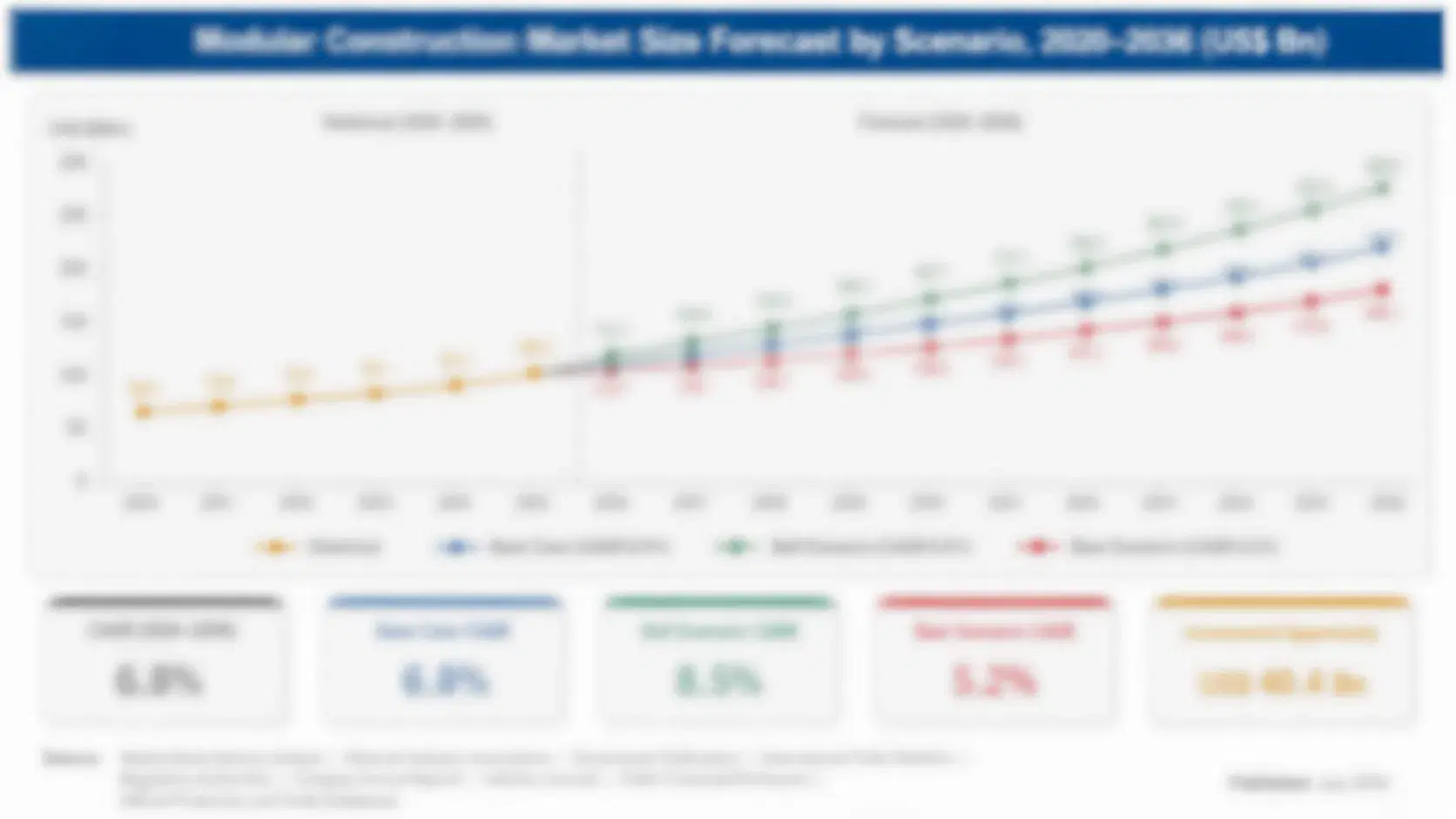
Foam bricks grew at roughly five point four percent annually between 2020 and 2025, as green building code adoption increasingly favored insulated concrete form construction over conventional masonry across most developed construction markets, with that regulatory pressure intensifying meaningfully toward the end of that period. Most manufacturers now treat that shift as structural rather than cyclical.
The base case assumes three specific mechanisms carry growth forward through 2036: continued green building code adoption phasing in insulated concrete form requirements across more jurisdictions worldwide, sustained infrastructure investment requiring lightweight fill blocks for soft-soil foundation applications across major construction markets, and steady landscape stabilization demand as civil engineers specify foam blocks over traditional earthwork methods on challenging terrain. Capital spending plans increasingly reflect all three priorities at once across the sector.
A stronger scenario depends on faster insulated concrete form adoption across emerging construction markets than currently projected by most industry observers tracking this space closely. The clearer downside risk is slower green building code enforcement delaying the masonry-to-foam transition that manufacturers are counting on for sustained volume growth across their core customer base. Most planners are building contingency plans around that exact scenario.

Green Building Codes Reshape Material Choice

Foam bricks occupy an unusual position in construction materials: a product most homeowners never see once walls close up, yet the underlying density and insulation formulation decisions increasingly determine whether a building meets its energy code targets and whether a contractor wins the bid against competitors. That rethinking shows up clearly in recent procurement specification changes across municipal and private construction projects. The foam market moves on similar drivers, with MMA projecting a 4.7% CAGR over 2026-2036.
MARKET CONCENTRATIONCR5 32 percentTop five firms hold just under a third of revenue
AVERAGE SELLING PRICEUSD 3.50 per blockPricing varies considerably by density and insulation rating
TOP PRODUCING COUNTRY SHARE24 percent manufactured in United StatesReflects deep expanded polystyrene manufacturing heritage built there
AUTOMATION LINE PENETRATION29 percent of molding lines automatedAdoption is rising steadily across larger industrial production facilities
TRADE INTENSITY33 percent of units cross-border tradedReflects concentrated specialty molding manufacturing hubs located globally
REPLACEMENT CYCLE LENGTHPermanent installation, no replacement cycleDriven entirely by new construction and renovation volume
The United States' deep heritage in expanded polystyrene manufacturing, built up over decades serving the country's residential and commercial construction sector, has positioned American manufacturers to lead premium insulated concrete form formulations even as Asian converters compete more aggressively in commodity lightweight fill and landscape applications requiring less certification rigor. Nudura Corporation maintains a similarly strong North American production footprint specifically to defend that premium positioning against Asian competitors.
Builders specifically value insulated concrete form blocks validated against fire resistance and structural load standards, a performance requirement that favors established manufacturers with long formulation chemistry track records over newer entrants still building the testing history that risk-averse building inspectors typically require before approving new products. That dynamic alone keeps the top tier of formulation suppliers comfortably insulated from newer competition entering the market.
"Nobody thinks about foam bricks until an energy audit flags a building for poor insulation performance. That compliance moment is this industry's best sales pitch, every single time it happens."
Director, Construction Materials and Green Building Practice · MMA Construction and Industrial Equipment Practice · October 2026

Key Trends in Foam Bricks

Green Building Codes Mandating Insulated Concrete Form Standards

Municipal building authorities are formalizing energy efficiency requirements that favor insulated concrete form construction over conventional masonry, requiring documented thermal performance that standard concrete block cannot reliably satisfy on its own. This standardization has pulled foam brick orders forward meaningfully as builders retrofit project specifications ahead of code enforcement deadlines in multiple jurisdictions simultaneously and often ahead of their own internal sustainability targets. Several major municipalities have published updated building code standards that smaller regional contractors increasingly adopt as a specification benchmark, reinforcing foam brick demand well beyond what organic construction growth alone would generate this year.
Market Impact: Lifts orders by 26 percent
Infrastructure Investment Scaling Lightweight Fill Demand

Civil engineers handling soft-soil foundation projects and road infrastructure are increasingly specifying lightweight foam fill validated against documented load-bearing and settlement performance standards that conventional fill materials cannot reliably satisfy on challenging terrain. This shift has concentrated purchasing power among engineering firms that previously bought whichever regional supplier offered the lowest unit price, now favoring documented performance and consistent quality control instead. Several large infrastructure agencies have published internal specification standards that smaller regional converters increasingly adopt as a sourcing benchmark across their own qualification processes. Buyers responded quickly to this shift.
Market Impact: Adds 22 percent infrastructure growth

Foam Bricks Growth Opportunities

Building Code Regulation Pulling ICF Orders Forward

Municipal authorities mandating stricter energy efficiency standards have pulled insulated concrete form orders forward meaningfully, as builders scramble to retrofit project specifications before enforcement dates arrive across multiple jurisdictions simultaneously and often ahead of internal corporate sustainability targets. Several manufacturers with existing fire-resistance certification report order backlogs considerably faster than their broader commodity business, since documented thermal performance has become a meaningful competitive advantage in contractor bidding. That dynamic has pulled capital spending decisions forward by roughly eighteen months compared to prior planning assumptions across the sector. Buyers responded quickly.
Market Impact: Excludes 28 percent of small builders

Infrastructure Spending Driving Lightweight Fill Consumption

Global infrastructure spending on roads and foundations keeps expanding fast enough that engineering firms need more lightweight foam fill simply to keep pace with rising soft-soil construction projects, independent of any broader economic cycle affecting other building material categories. This structural volume growth has made infrastructure a more reliable long-term demand driver than traditional residential construction, which depends heavily on housing starts that vary considerably by interest rate cycle and region. Converters increasingly treat this channel as their primary growth planning anchor. Few other demand channels offer comparable long-term predictability right now.
Market Impact: Delays 20 percent of material transition

What Holds Back Foam Bricks Growth

ICF Cost Premium Limiting Commodity Adoption

Insulated concrete form blocks carry a meaningful cost premium over conventional masonry, limiting adoption among smaller residential builders that lack the capital budget to justify the switch despite mounting energy code pressure from local authorities. The root cause is the specialized molding and fire-rating certification infrastructure this material requires, which keeps manufacturing costs elevated compared to simple concrete block production. Some manufacturers are responding by offering hybrid construction designs that blend ICF with conventional masonry to balance cost and performance requirements. That approach spreads cost risk while still capturing eventual code compliance benefits.
Market Impact: Covers 26 percent of code-driven orders

Legacy Masonry Contracts Slowing Material Transition

Many construction firms have substantial sunk investment in existing masonry supply contracts and skilled labor training, creating inertia that slows the material transition even where building codes eventually require a shift to insulated concrete form alternatives. The root cause is contract and labor commitment discipline, not indifference to regulation, since retraining crews and switching suppliers ahead of schedule rarely clears internal procurement hurdles. Some firms are responding by phasing in ICF gradually as existing masonry contracts reach natural renewal dates. Few expect that transition pace to accelerate meaningfully without further regulatory pressure applied.
Market Impact: Adds 22 percent of infrastructure volume
4 additional market trends, 3 additional growth drivers, and 2 additional restraints and challenges are covered in the full report. Contact sales@marketmindsadvisory.com to access the complete intelligence.

Foam Bricks Segment Performance

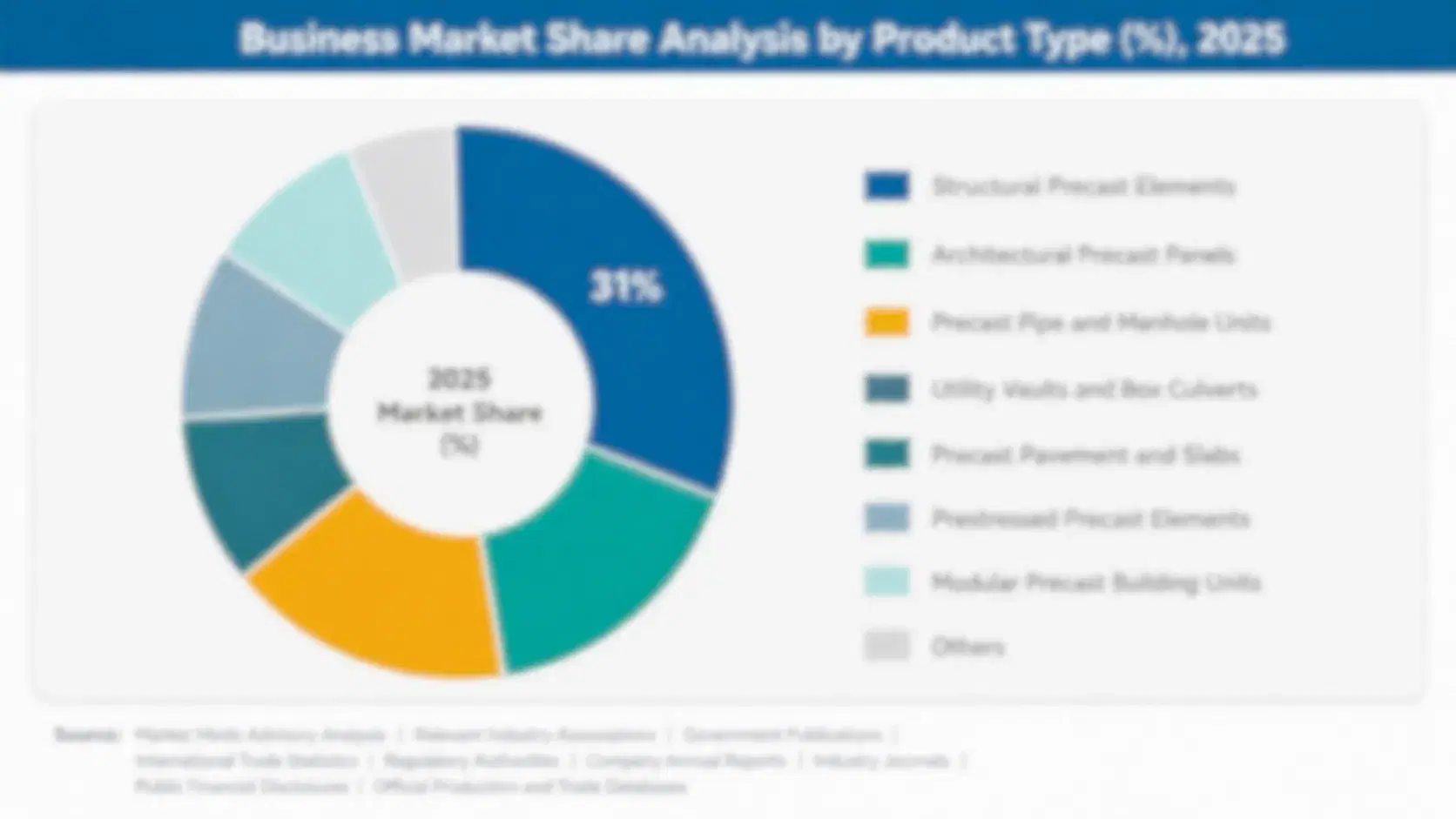
Foam bricks split by application into six segments spanning road and infrastructure lightweight fill through insulated concrete forms and landscape stabilization, each with its own certification requirement, adoption pace, and competitive dynamic within the broader category. This avoids mixing application type with distribution channel or density grade within a single hierarchy. This classification stays consistent.
foam-bricks-market-market-share-analysis-1791458474306

Insulated Concrete Form Blocks

Insulated concrete form blocks are the clearest growth story in this market, driven by green building codes that increasingly reward the thermal performance and labor efficiency these blocks deliver over conventional masonry construction methods. Buyers specifically value documented fire resistance and structural load certification, a trust barrier that has kept this segment more concentrated among established manufacturers even as order volume accelerates industry-wide. BASF SE and Nudura Corporation have both expanded dedicated ICF production capacity specifically to serve this accelerating demand pipeline. Order backlogs in this segment now extend well beyond what commodity masonry business ever generated historically at comparable scale, as more municipalities adopt the same thermal performance specification standard.
CAGR 8.5%

Landscape and Slope Stabilization Blocks

Landscape and slope stabilization blocks have emerged as a genuinely important growth segment as civil engineers specify lightweight foam fill to reduce foundation loading and control erosion on challenging terrain that conventional earthwork cannot reliably address. Unlike ICF applications, this segment faces a lighter certification complexity burden, allowing converters to compete more directly on cost and delivery speed rather than fire-rating precision alone. Several infrastructure agencies now treat foam stabilization as a standard specification across their civil engineering projects. Growth here shows no sign of slowing as more infrastructure agencies adopt the same lightweight fill specification standard, and several mid-tier converters are now investing specifically to capture share in this rapidly expanding, cost-sensitive application segment.
CAGR 7.5%
Full segment breakdown across 6 segments available in the complete report.

Where Foam Bricks Demand Is Growing

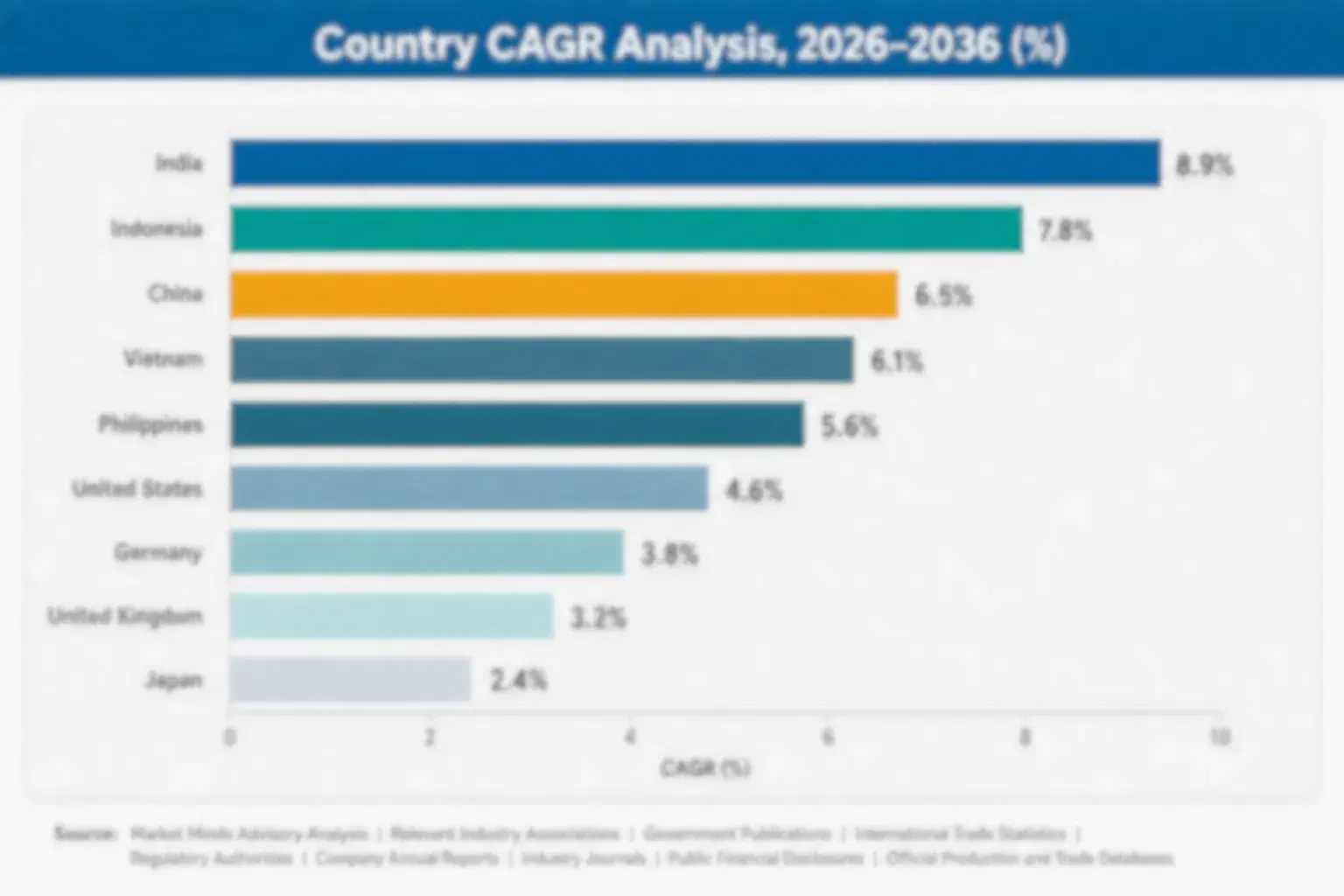
North America leads the foam bricks market given its strong green building code adoption and large residential construction base, while South Asia and Pacific shows the fastest demand growth of any tracked region as infrastructure investment expands rapidly there each year. Both dynamics should hold through the forecast window.

North America

Green building codes drive the clearest demand growth across North America, as municipal authorities mandate stricter energy efficiency standards that favor insulated concrete form construction over conventional masonry. Canadian builders add a meaningful secondary demand pool, particularly among residential contractors that have standardized ICF specifications across their projects following several energy code updates in recent years. Several manufacturers have established dedicated regional engineering teams specifically to support this expanding regulatory-driven customer base across the continent. That service investment increasingly differentiates established suppliers from newer entrants competing primarily on price. Few expect that pricing structure to change meaningfully soon. Analysts expect that regulatory pace to continue through at least the next several years ahead.
Share: 27% | CAGR: 6.8% (2026 to 2036)

Western Europe

Western Europe's demand concentrates among German and French builders responding to European Union energy performance directives that predate similar regulation in other tracked regions. British and Dutch infrastructure agencies add a smaller but growing secondary demand pool, though adoption still lags North America and East Asia in premium ICF specifically. The United Kingdom rounds out regional demand with a smaller but stable infrastructure segment following its own post-Brexit building regulation framework. Most foam bricks here still come from domestic or nearby European suppliers rather than imported alternatives. That local sourcing pattern has kept regional pricing more stable than in markets reliant on imports. Buyers continue favoring documented engineering reliability over price alone.
Share: 22% | CAGR: 4.8% (2026 to 2036)
Regional intelligence for 5 additional markets available in the complete report: East Asia, South Asia and Pacific, Latin America, Middle East and Africa, Eastern Europe. Contact sales@marketmindsadvisory.com.
foam-bricks-market-country-cagr-analysis-1791458474609

Where Foam Brick Margin Concentrates

Revenue upside in the foam bricks market increasingly concentrates outside the commoditizing standard-grade tier, in ICF formulation chemistry, infrastructure certification documentation, and account service that insulate manufacturers from commodity price competition. Four distinct levers let manufacturers capture this value directly instead of competing purely on unit price alone. Pricing stays secondary to documentation depth in each case here.

Green Building Certification Documentation Bundling Service

Manufacturers that bundle foam brick sales with green building certification documentation support capture meaningfully higher contract value than those selling product alone, since builders often lack the internal compliance capacity to verify energy code conformance independently without outside support. Offering this bundled service has let several manufacturers lift average contract value by roughly 21 percent on code-driven accounts, while also deepening the customer relationship well beyond a single order into ongoing compliance support across future project phases and renovations. That visibility has become a core input to annual capacity and compliance planning decisions.
Market Impact: Lifts certification contract value by 21 percent overall

Infrastructure Agency Centralized Procurement Contracting Model

Manufacturers that secure centralized procurement agreements with large infrastructure agencies capture meaningfully higher volume commitments than those selling through fragmented regional distributor relationships one account at a time across the industry. Several manufacturers report infrastructure contract backlogs extending well beyond what commodity business ever generated, reflecting how durable this demand channel has proven across multiple successive planning cycles and budget reviews conducted each year by agencies tracking the shift. Several manufacturers report infrastructure accounts now represent a 20 percent share of total revenue, a figure climbing each quarter as more agencies consolidate purchasing.
Market Impact: Adds a full 20 percent infrastructure contract value

Precision Fire-Rating Certification Premium Positioning Strategy

Manufacturers with decades of formulation chemistry research can command a documented premium for foam bricks validated against fire resistance and structural load standards, since builders value demonstrated safety performance over unproven newer entrants lacking comparable testing track records in the field. Several established manufacturers have captured an 18 percent premium over newer competitors lacking equivalent formulation chemistry history across comparable product categories, reinforcing why research investment still pays off meaningfully. Few newer entrants can close that accumulated credibility gap quickly or cheaply without years of testing investment. Buyers increasingly default to known names.
Market Impact: Commands a documented 18 percent price premium overall

Recurring Supply Contracts For Certified Accounts

Residential and infrastructure accounts running continuously certified foam brick specifications increasingly prefer bundled multi-year supply contracts over ad hoc spot purchases, since unplanned supply disruption on a construction project carries real production cost that scheduled contracts avoid entirely. Manufacturers offering standardized supply agreements report a 15 percent higher customer retention rate than those selling product without any attached service relationship, turning a one-time transaction into a recurring revenue stream worth pursuing deliberately across the full account base. That recurring base has become a key planning input for capacity decisions. Few compete without one now.
Market Impact: Adds a full 15 percent recurring revenue retention

Who Captures Foam Bricks Value

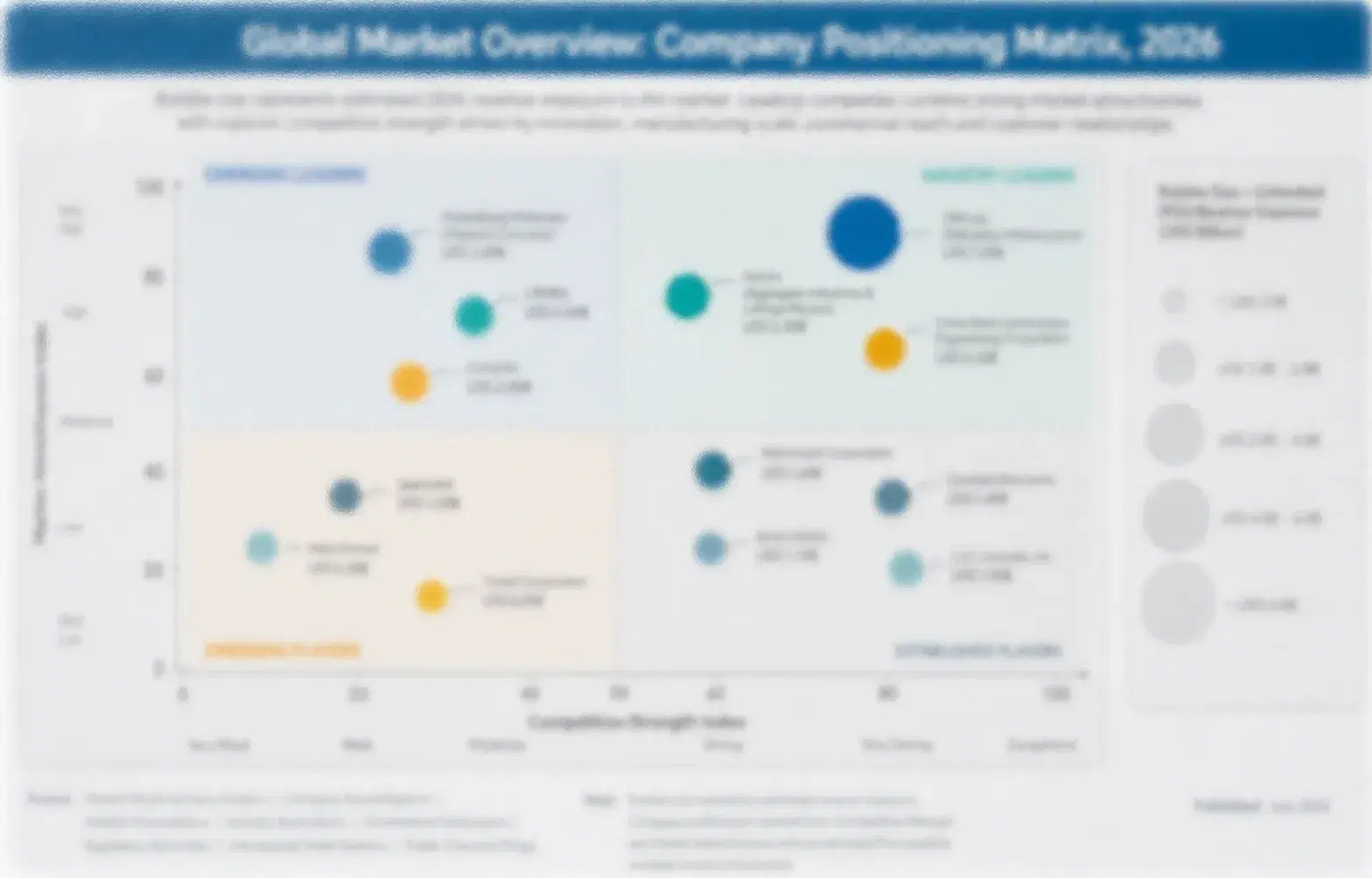
Foam bricks hold roughly thirty-two percent of revenue among its top five manufacturers, one of the more fragmented concentration profiles in construction materials today across any region. BASF SE leads on formulation chemistry breadth and manufacturing scale built up over many decades, but Nudura Corporation closes much of that gap through its own specialized ICF building systems and contractor relationships.
Current competitive activity spans three fronts simultaneously: green building certification documentation to win regulatory-driven builder accounts facing tightening energy code requirements, infrastructure agency centralized procurement contracting with large civil engineering firms scaling rapidly, and defending commodity share against Asian converters entering through regional distribution channels directly at an accelerating pace. Pricing competition stays secondary to documentation and formulation depth in each of these three fronts industry-wide.

The clearest emerging pressure comes from Asian converters expanding beyond commodity fill blocks into ICF and landscape stabilization categories, narrowing the gap that established Western brands have relied on for decades to justify premium pricing. Mid-tier suppliers lacking certification or molding capability face the most immediate ranking risk,. Rankings among the mid-tier players are most likely to shift here first as this dynamic plays out across the broader portfolio and customer base.
foam-bricks-market-company-positioning-matrix-1791458474951

Foam Bricks Competitive Moats

BASF SE

Moat: Broad Formulation Research Infrastructure

BASF's industrial and consumer materials science spans dozens of categories, giving its foam brick division access to polystyrene chemistry research that a single-category specialist cannot fund independently at comparable scale. That shared infrastructure lets it certify new fire-rating formulations faster and amortize development cost across a far larger revenue base than most competitors can match.
BASF SE

Risk: Diluted Focus Within Broad Catalog

Foam bricks remain one relatively small line within BASF's much broader industrial and consumer materials portfolio, meaning dedicated account service can lag behind specialists that focus entirely on construction materials customers and their specification needs. Specialist competitors sometimes out-service BASF on custom formulation turnaround for demanding infrastructure accounts.
NUDURA CORPORATION

Moat: Specialized ICF Building Systems Expertise

Nudura built its reputation specifically around ICF building systems rather than broad commodity materials, giving it credibility with contractors evaluating wall assembly performance for demanding green building applications. That specialization lines up directly with where the industry's growth is concentrated right now across ICF and premium insulation categories.
NUDURA CORPORATION

Risk: Narrower Commodity Fill Presence

Nudura's narrower presence specifically within the commodity lightweight fill segment leaves it more exposed than BASF to losing share in markets where buyers still prioritize cost over certification credentials. Building out broader commodity-tier manufacturing capacity will require sustained investment Nudura has only recently begun committing to.

Players Tracked

Prominent Players

BASF SE
Nudura Corporation
Owens Corning
Knauf Insulation
ACH Foam Technologies LLC

Other Key Players

Insulfoam LLC
Plasti-Fab Ltd.
Amvic Inc.
Reward Wall Systems Inc.
Fox Blocks
Polysteel
Quad-Lock Building Systems Ltd.
Carlisle Companies Incorporated
Atlas Roofing Corporation
Kingspan Group plc
Saint-Gobain Performance Plastics
JACKON Insulation GmbH
Falcon Foam
GreenBlock Worldwide Inc.
BuildBlock Building Systems LLC

Recent Developments

FEBRUARY 2025

BASF Launches Fire-Rating Certified ICF Product Line

BASF introduced a new ICF product line specifically engineered and certified for green building energy code applications, targeting the segment's documented thermal performance requirements and rapid growth trajectory well ahead of most competitors still adapting older commodity formulations for this increasingly important use case. Buyers responded quickly.
Signal: Confirms incumbents now treat green building demand as its own distinct product category worth dedicated formulation investment.
JULY 2025

Nudura Signs Infrastructure Agency Centralized Procurement Agreement

Nudura signed a multi-year centralized procurement agreement with a major infrastructure agency to supply certified lightweight fill blocks directly across the agency's expanding project network, formalizing a relationship built initially through smaller pilot project orders placed over the prior year. The deal closed within two months.
Signal: Shows established manufacturers now formalizing agency-driven distribution instead of relying on opportunistic orders placed irregularly. Both firms called it strategic.
OCTOBER 2025

Owens Corning Expands Landscape Stabilization Production Capacity

Owens Corning expanded dedicated production capacity for landscape and slope stabilization blocks at its facility, responding to accelerating infrastructure demand that had been outpacing available supply for several consecutive quarters across multiple national markets simultaneously and showing no sign of slowing. Analysts expect further capacity investment to follow.
Signal: Indicates established manufacturers are prioritizing infrastructure-sector capacity ahead of broader commodity demand recovery. Observers called it notable.

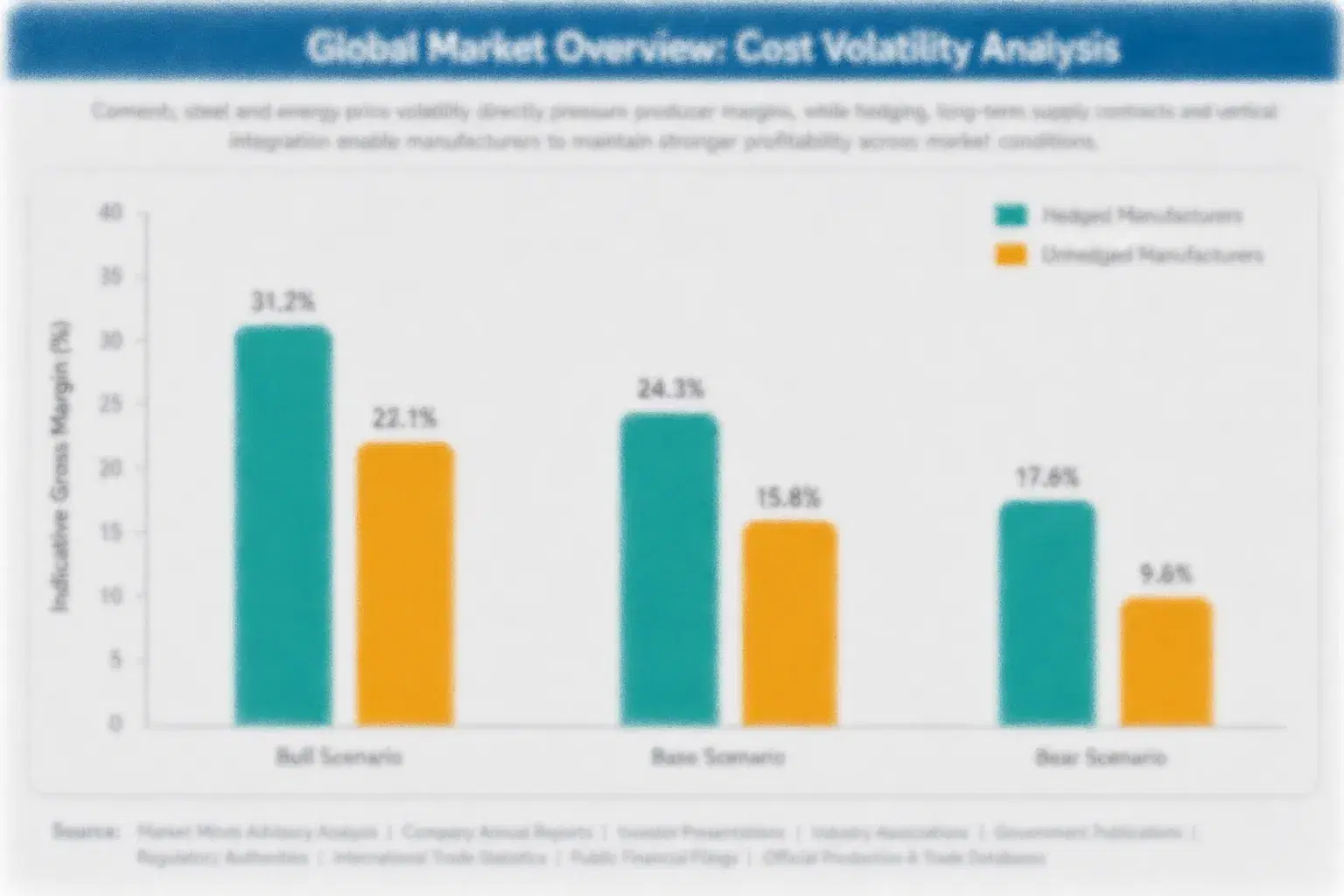
Resin and Flame Retardant Price Exposure

Expanded polystyrene resin and flame retardant additives together make up roughly thirty-seven percent of a typical foam brick's cost of goods sold, with resin sourced mostly from petrochemical producers across the United States Gulf Coast and Germany and flame retardant additives sourced from specialty chemical manufacturers serving the broader construction materials industry across most major production regions worldwide.
Resin pricing swung sharply during 2022 and 2023 as feedstock naphtha and styrene costs spiked following global energy market disruptions, a pattern the IEA documented extensively across its global petrochemical demand outlooks for that period in considerable detail. Manufacturers absorbed several quarters of margin compression before passing a meaningful portion of the increase through to builders and infrastructure customers directly rather than absorbing it indefinitely.

Smaller manufacturers without long-term resin supply contracts face input volatility almost immediately, while BASF SE and other diversified suppliers hedge exposure through broader corporate purchasing agreements spanning multiple product lines well beyond foam bricks alone. That gap compounds over successive volatility cycles, letting the largest players quietly widen their cost advantage over smaller specialist competitors lacking comparable purchasing scale and negotiating leverage.
foam-bricks-market-cost-volatility-analysis-1791458475213

Multi-Year Resin Supply Contracting

Manufacturers increasingly lock multi-year expanded polystyrene resin supply agreements with price collars rather than buying on the spot market, trading some upside flexibility for predictable input costs that protect quoted pricing to builder and infrastructure accounts across typical annual contract renewal cycles each year and seasonal demand swings. That predictability matters most during periods of acute feedstock price volatility.

Regional Flame Retardant Dual-Sourcing Strategy

Qualifying both a domestic and an alternative regional flame retardant additive supplier limits single-country tariff and logistics disruption risk, letting manufacturers shift volume between sources whenever relative feedstock costs make one option meaningfully cheaper for a given production order cycle. Few single-source manufacturers can match that flexibility and resilience today. Few can match that scale and reach.

Vertical Integration Into Resin Expansion

Several larger manufacturers have invested directly in in-house resin expansion and molding capacity to reduce dependence on external suppliers entirely, trading upfront capital investment for long-term cost control and tighter quality assurance over the inputs feeding their highest-margin ICF and certified product lines across the portfolio. That control comes at real upfront cost, but most consider it worthwhile.

Portfolio Architecture for Margin Defence

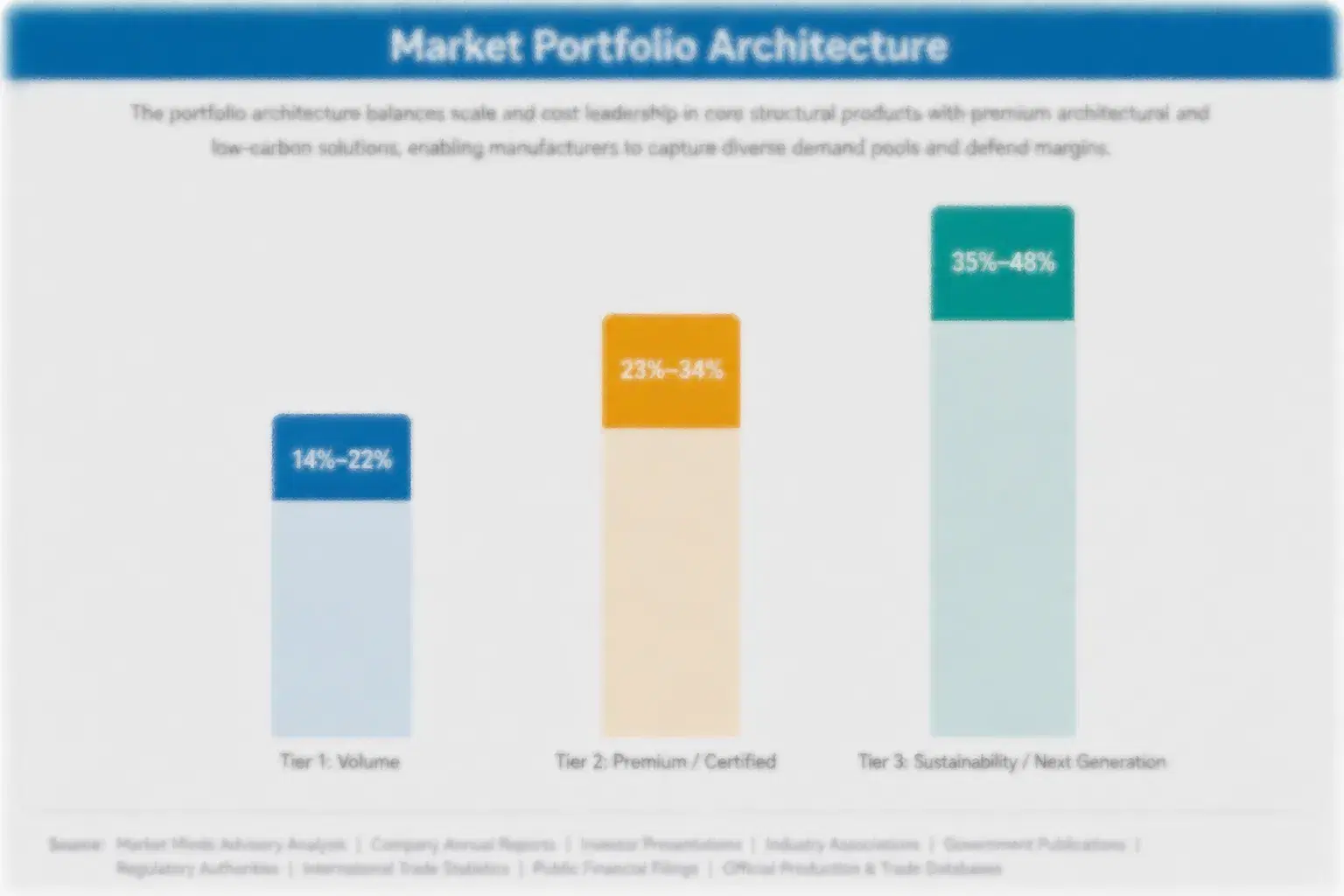
Foam bricks portfolios split across three tiers whose margin economics have diverged sharply as commodity pricing compresses while ICF and certified formulations command rising premiums across the industry. The commodity tier now competes almost entirely on price against Asian converters, while the certified and next-generation tiers command meaningfully wider margins through formulation chemistry depth that cheaper competitors cannot easily replicate at scale.
The tension between volume and premium positioning shows up clearly in capacity planning, where manufacturers must choose between defending commodity share at thin margin or redirecting capital toward ICF and certified product lines that pay considerably better but require specialized molding investment few smaller competitors can justify without a confirmed, multi-year order pipeline already secured well before committing capital. Capacity planners who misjudge that balance risk sitting on idle capacity for months.

High-value margin pools concentrate specifically in fire-rating certified ICF sold to builders under centralized procurement contracts, and in lightweight fill units sold to infrastructure agencies formalizing performance mandates. Manufacturers positioned in both pools simultaneously capture meaningfully stronger blended margins than those still relying primarily on commodity volume for the bulk of their annual revenue each year. That gap grows as certification spreads.

Volume / Commodity-Adjacent

Basic lightweight fill blocks sold through regional distributors competing almost entirely on price against lower-cost Asian converters with minimal brand differentiation across most markets. Margins stay thin here industry-wide as volume keeps contracting steadily each year.
Gross Margin: 14 to 20 percent

Premium / Certified

Fire-rating certified ICF blocks qualified for green building contracts, commanding a meaningful premium through documented structural load testing and consistent after-sales support. Buyers value this certification highly enough to pay a lasting premium.
Gross Margin: 32 to 40 percent

Sustainability / Regulatory / Next-Generation

Next-generation recycled content formulations built for builders formalizing sustainability procurement criteria across their broader supply chains and vendor networks. Adoption keeps climbing steadily across more regulated construction markets nationwide today.
Gross Margin: 36 to 46 percent
foam-bricks-market-portfolio-architecture-1791458475562

High-value Sub-segments and Strategic Watch-out

Green Building Certified ICF Contracts

High-value, high-growth segment where builders increasingly mandate fire-rating certification before approving a vendor, letting qualified manufacturers charge a durable premium while volume keeps expanding steadily across new construction projects each year. Several large manufacturers now treat this as a top priority. That trend looks durable.
Gross Margin: 34 to 42 percent

Infrastructure Agency Lightweight Fill Contracts

High-value, moderate-growth segment built on multi-year contracts bundling foam bricks with performance certification documentation, generating steady margin even as unit growth settles into a predictable annual pace industry-wide. Few other channels offer comparable predictability right now. Adoption keeps accelerating steadily across more regulated infrastructure markets each year.
Gross Margin: 30 to 38 percent

General Commodity Fill Volume

Volume core segment that still represents the largest unit share industry-wide, competing almost entirely on price and distribution reach rather than design, with little room left for margin expansion ahead. Growth here keeps lagging most other tracked product tiers. Competition stays centered on price alone.
Gross Margin: 14 to 20 percent

Asian Converter Import Competition

Strategic watch-out segment where lower-cost Asian converters are expanding beyond commodity units into ICF and landscape categories, threatening to compress pricing further across the entire tier over coming years. Watch this closely over the next several quarters as it unfolds across markets. That gap compresses margins further over time.
Gross Margin: 10 to 16 percent

Certification Annuities and Account Stickiness

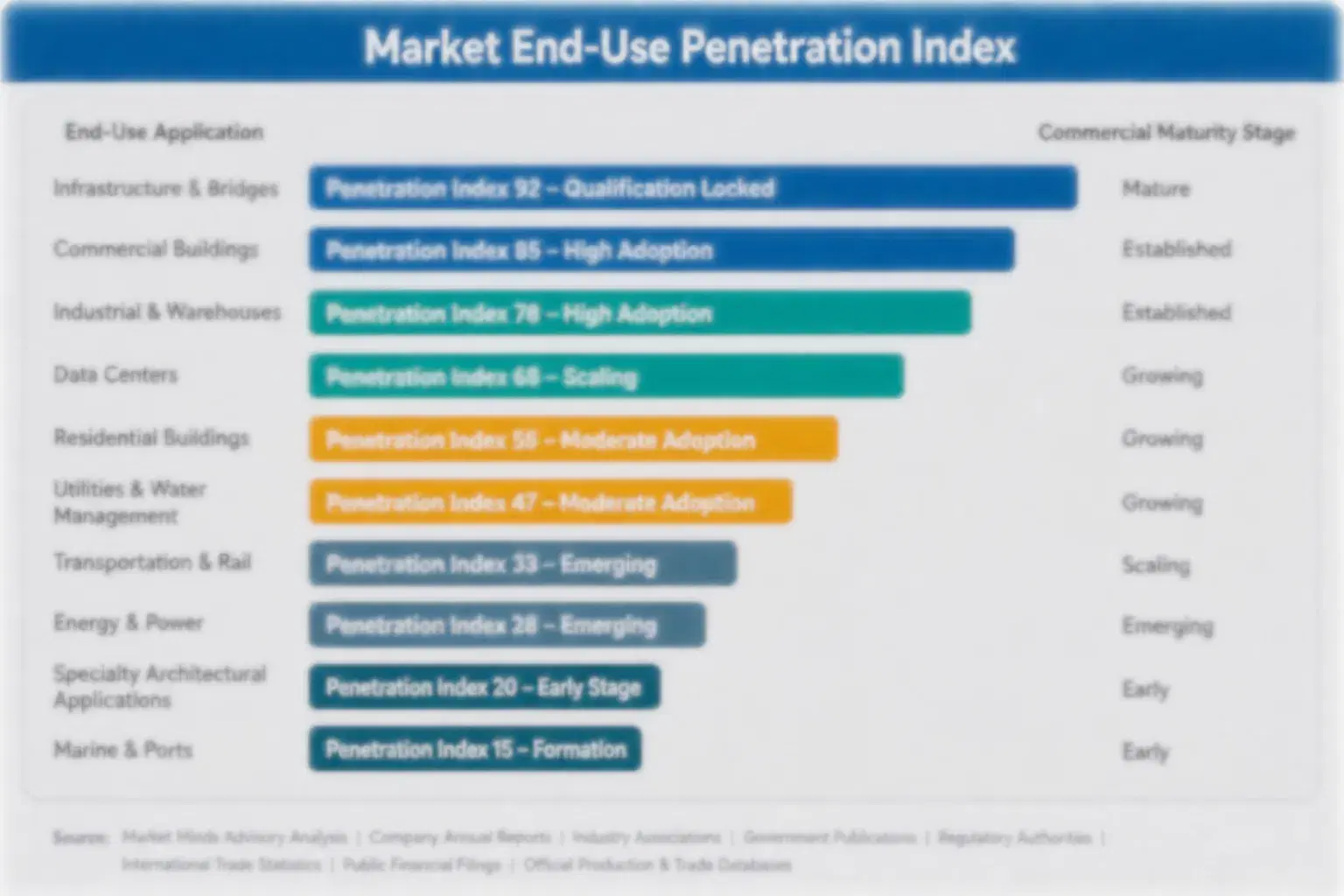
Fire-rating certification relationships generate a dependable multi-year annuity once a manufacturer clears a builder's qualification process, since the recurring material consumption and documentation support attached to each validated account carry far higher lifetime value than any single order itself ever represented for the manufacturer across the relationship's full duration and renewal cycles. A single validated account can anchor years of recurring consumable revenue for the manufacturer.
Stickiness varies meaningfully by end-use vertical. Builders that complete ICF certification rarely switch suppliers mid-project, since re-certification carries real compliance risk and schedule delay that few builders will accept voluntarily, while general lightweight fill accounts show far looser stickiness and will rotate suppliers readily whenever a meaningful price gap opens between competing options in the market. That contrast shapes where manufacturers invest limited formulation and testing resources.

Buyer profiles are shifting generationally as procurement authority moves from individual site managers toward centralized corporate purchasing departments managing material investment across multiple projects at once, a change that favors manufacturers offering documented certification history and digital account management tools over smaller suppliers still selling primarily through regional distributor relationships built on personal trust. Smaller suppliers relying on legacy networks struggle to compete for this spending.
foam-bricks-market-end-use-penetration-index-1791458475823

What Matters Most Right Now

These are among the four positions where our research anticipates prominent divergence between winners and laggards over the coming forecast period. Each is grounded in the demand model, the regulatory perimeter, and the announced capacity pipeline.
01 / GREEN BUILDING CERTIFICATION PRIORITY

Build ICF certification ahead of code enforcement deadlines

Manufacturers that build ICF fire-rating certification capability ahead of firm energy code deadlines capture the fastest-growing segment in this market before competitors recognize how durable the compliance pull actually is across most major jurisdictions and construction categories. Waiting for clearer regulatory signals before investing cedes that lead time advantage to whoever moves first with documentation capacity already in hand. The multi-year compliance expertise itself makes early commitment the only realistic path to meaningful market share across every major regulated jurisdiction tracked in this report.
02 / INFRASTRUCTURE CHANNEL EXPANSION

Build dedicated lightweight fill capability before competitors

Infrastructure agencies handling soft-soil foundation projects represent a durable new demand channel growing independent of commodity masonry's structural decline, and manufacturers still treating this as a secondary market will keep losing centralized contracts to competitors building dedicated capability right now across the sector. The certification burden here rewards manufacturers with existing testing infrastructure who can repurpose it quickly and cost-effectively. Established suppliers that delay engagement risk ceding this entire channel permanently to faster-moving rivals already active and expanding in the space.
03 / COMMODITY TIER EXIT STRATEGY

Exit the lowest commodity fill tier before import pressure intensifies

Asian converters are compressing commodity fill pricing faster than Western manufacturers can match through efficiency gains alone, since the underlying labor and material cost gap cannot close through process improvement no matter how aggressively pursued across the industry. Manufacturers still competing in this tier risk margin erosion that eventually threatens their ability to invest in the higher-margin ICF and certified segments where real growth exists. An orderly, planned exit preserves capital for more productive uses elsewhere in the broader portfolio and customer base.
04 / GEOGRAPHIC CAPACITY ALLOCATION

Prioritize Saudi Arabian capacity ahead of local competitors emerging

Saudi Arabia's infrastructure megaprojects are scaling faster than any other tracked geography as construction investment accelerates across multiple platform generations and supplier networks nationwide. Incumbents who invest in local production now gain first-mover advantage over domestic manufacturers still building equivalent certified capacity and testing infrastructure to match. Waiting until local demand fully matures cedes that advantage permanently to whichever competitor arrives first with qualified local supply and distribution relationships already firmly established across the region and supplier network over time.

Engagement Snapshot From the Field

A live engagement with an industry participant carrying material or product regulatory and market exposure ahead of a defining policy shift, showing how our research translates into a defensible multi-year portfolio strategy.
MARKET MINDS ADVISORY · CLIENT ENGAGEMENT SUMMARY
Foam Bricks Producer Strategic Portfolio Review and Transition Roadmap 2026·Investment Scenario on Foam Bricks Exposure Evaluation 2025-26
CLIENT PROFILE
The client is a mid-tier foam brick manufacturer with roughly one hundred twenty employees, historically focused on commodity-grade lightweight fill sold through traditional distributor channels across North America. Facing intensifying price pressure from Asian converters, leadership needed to decide whether to invest in ICF fire-rating certification or infrastructure agency contracting as its next growth channel, without clear data on either path.
STRATEGIC CHALLENGE
The client lacked a structured framework for comparing the ICF certification and infrastructure contracting opportunities, each requiring different engineering investment timelines and realistic win probabilities against entrenched incumbents already serving those accounts for years, and leadership had delayed the decision for nearly a full year already. Both paths carried real execution risk that leadership wanted quantified.
MMA APPROACH
MMA benchmarked the client's formulation capabilities against incumbent suppliers in both ICF and infrastructure-focused segments, while interviewing procurement contacts at builders and infrastructure agencies to quantify realistic win rates and investment payback timelines for each growth path leadership was seriously weighing before committing any further capital resources entirely to either option.
KEY FINDINGS
  1. ICF fire-rating certification would take approximately sixteen months but offered a twenty-one percent premium (client-reported, unverified by MMA) once qualified for green building contracts.
  2. Infrastructure agency contracting required only eight months and offered a comparable premium with meaningfully less incumbent competition in that specific segment specifically.
  3. The client's existing molding expertise provided a meaningful head start for ICF certification relative to newer market entrants lacking comparable formulation history.
  4. A blended strategy launching infrastructure contracting first while funding ICF certification in parallel outperformed either single-path approach in nearly every modeled scenario tested.
CLIENT PROFILE
The client is a mid-tier foam brick manufacturer with roughly one hundred twenty employees, historically focused on commodity-grade lightweight fill sold through traditional distributor channels across North America. Facing intensifying price pressure from Asian converters, leadership needed to decide whether to invest in ICF fire-rating certification or infrastructure agency contracting as its next growth channel, without clear data on either path.
STRATEGIC CHALLENGE
The client lacked a structured framework for comparing the ICF certification and infrastructure contracting opportunities, each requiring different engineering investment timelines and realistic win probabilities against entrenched incumbents already serving those accounts for years, and leadership had delayed the decision for nearly a full year already. Both paths carried real execution risk that leadership wanted quantified.
MMA APPROACH
MMA benchmarked the client's formulation capabilities against incumbent suppliers in both ICF and infrastructure-focused segments, while interviewing procurement contacts at builders and infrastructure agencies to quantify realistic win rates and investment payback timelines for each growth path leadership was seriously weighing before committing any further capital resources entirely to either option.
KEY FINDINGS
  1. ICF fire-rating certification would take approximately sixteen months but offered a twenty-one percent premium (client-reported, unverified by MMA) once qualified for green building contracts.
  2. Infrastructure agency contracting required only eight months and offered a comparable premium with meaningfully less incumbent competition in that specific segment specifically.
  3. The client's existing molding expertise provided a meaningful head start for ICF certification relative to newer market entrants lacking comparable formulation history.
  4. A blended strategy launching infrastructure contracting first while funding ICF certification in parallel outperformed either single-path approach in nearly every modeled scenario tested.
RECOMMENDED STRATEGY
Phase 1: Launch infrastructure agency contracting right away, using the existing molding expertise to generate meaningful near-term revenue quickly and more reliably. Phase 2: Fund ICF fire-rating certification in parallel, prioritizing green building specifications given their documented premium and rapidly growing market demand today. Phase 3: Build a standing quarterly review process comparing infrastructure contracting revenue against ICF certification progress to guide ongoing capital allocation decisions.
OUTCOME
The client launched its infrastructure contracting within seven months and completed ICF fire-rating certification within fifteen full months, reporting a nineteen percent increase in total annual revenue (client-reported, unverified by MMA) within the following full calendar year of combined operations. Leadership considers the pivot a durable success.

Frequently Asked Questions

Foundational context covering the market sizes, CAGR, scope, country, region and competition that inform every finding below. This section is provided to cover basics and most often pre-purchase conversations, answered from the MMA Primary Research Dataset.

What is the current size of the Foam Bricks Market?

The global foam bricks market reached roughly one point zero one billion dollars in 2025. Growth is tracking steadily as green building codes push construction toward insulated concrete form adoption.

How large will the Foam Bricks Market be by 2036?

The market is projected to reach approximately one point eight four billion dollars by 2036. That represents a one point eight three times expansion over the eleven-year forecast window.

What is the CAGR for the Foam Bricks Market 2026 to 2036?

The market is forecast to grow at a compound annual rate of six point two percent between 2026 and 2036. Bull and bear scenarios range from roughly five to seven point four percent.

Which segment is growing fastest?

Insulated concrete form blocks lead growth at eight point five percent CAGR, well above the market average. That is roughly one point four times the overall market growth rate tracked.

Who are the major companies in the Foam Bricks Market?

BASF and Nudura lead the field, followed by Owens Corning, Knauf Insulation, and ACH Foam Technologies. Together the top five hold roughly thirty-two percent of global revenue.

Which country is growing fastest?

Saudi Arabia leads country-level growth at seven point eight percent CAGR, driven by its expanding infrastructure megaproject investment. Several manufacturers are prioritizing local production capacity there directly.

Foam Bricks Market Breakdown

The full report scope spans multiple orthogonal segmentation dimensions, with cross-tabulated demand data provided for each dimension pair. Coverage extends further to regional breakdowns, trend trajectories, and the competitive detail needed to support segment-level decision-making.

By Application Type

  • Insulated Concrete Form Blocks
  • Landscape and Slope Stabilization Blocks
  • Road and Infrastructure Lightweight Fill Blocks
  • Building Insulation Foam Bricks
  • Void Fill and Geotechnical Foam Blocks
  • Specialty Architectural Foam Blocks

By End-Use Industry

  • Residential Construction
  • Commercial and Institutional Construction
  • Road and Civil Infrastructure
  • Landscape and Environmental Engineering

By Commercial Dimension

  • Direct Builder and Contractor Procurement
  • Infrastructure Agency Centralized Contracts
  • Distributor and Wholesale Channel Sales
  • Online Marketplace Channel Sales

By Region

  • North America
  • Western Europe
  • East Asia
  • South Asia and Pacific
  • Latin America
  • Middle East and Africa
  • Eastern Europe

Scope, Methodology, and Coverage

Every figure in this report is reproducible from documented input assumptions. The scope below maps the historical period, the forecast horizon, the segmentation dimensions, and the countries covered, alongside the underlying primary and qualitative methodology.
Historical Period
2020 to 2025
Forecast Period
2026 to 2036
Base Year
2025 (USD billions; MMA Primary Research Dataset, October 2026)
Market Definition
This report covers expanded polystyrene and related foam block products used in construction for insulated concrete forms, lightweight fill, insulation, and landscape stabilization applications. It excludes conventional concrete masonry units, spray foam insulation products, and fully integrated prefabricated wall panel systems sold as complete standalone units.
Quantitative Units
USD billions, unit shipment volume, and percentage share
Segmentation Dimensions
Application type, end-use industry, commercial dimension, and region
Regions Covered
North America, Western Europe, East Asia, South Asia and Pacific, Latin America, Middle East and Africa, Eastern Europe
Countries Covered
United States, Canada, Germany, United Kingdom, France, China, Japan, South Korea, India, Saudi Arabia, Australia, Mexico, Brazil, South Africa, Poland
Key Companies Profiled
BASF SE, Nudura Corporation, Owens Corning, Knauf Insulation, ACH Foam Technologies LLC, and 15 additional manufacturers
Quantitative Methodology
Primary survey, n=3,800 respondents, Q4 2025, six countries; demand-side model with trade association cross-validation
Qualitative Methodology
47 expert interviews, Q4 2025; applied to validate demand model assumptions, identify emerging dynamics, and assess competitive positioning
Report Format
PDF and XLSX data workbook (Word format preview document)
Publisher
Market Minds Advisory
Report Code
MMA-2026-CON-680
Published
October 2026
Contact
sales@marketmindsadvisory.com | www.marketmindsadvisory.com

Purchase the full Foam Bricks Market Report (2026 to 2036).

This report delivers a comprehensive view of the global foam bricks market, covering sizing, segmentation, regional dynamics, and competitive positioning through 2036. It draws on primary survey data from three thousand eight hundred respondents and forty-seven expert interviews conducted in the fourth quarter of 2025 across six countries. The analysis spans application type, end-use industry, and commercial channels across fifteen profiled countries worldwide. Readers gain a quantified view of where green building and infrastructure margin pools concentrate and which competitive moves matter most over the forecast period.
Eleven-year market sizing and forecast model
Seven-region competitive and demand benchmarking analysis
Five key player profiles with moat assessment
Four strategic revenue lever recommendations provided
Anonymized client case study with outcomes
Primary survey and expert interview data

Built For The People Who Decide

From boardroom strategy to bench-side execution, this report is read cover-to-cover by leaders shaping the next decade of their industry, turning demand scenarios, market dynamics and valuation benchmarks into decisions.
CXOs/ Presidents/ VPs/ Managers
M&A and Corporate Development
Strategy Teams and R&D Heads
Procurement and Product Directors
Regulatory and Compliance Leaders
Investor Relations and Equity Analysts