Market Minds Advisory
Fluorotelomers Market

Fluorotelomers Market: Fluorotelomers Market. Regulatory Restriction Reshapes a Mature Fluorochemical Category

Textile and industrial coating manufacturers keep confronting tightening PFAS restriction regimes as fluorotelomer substitution pressure reshapes stain resistant treatment sourcing decisions across major global consuming and manufacturing markets and supply chains.

Lead Analyst

Published

September 2026

Make Smarter Decisions with Customized Research Insights

Request a free sample report and evaluate market opportunities, growth trends, and competitive dynamics relevant to your business needs.

2025 MARKET VALUE$2.1BMarket Size 2025
2036 FORECAST VALUE$3.0BBase Case , 2026 to 2036
CAGR 2026 TO 20363.4 %Bull 4.6% / Bear 2.1%
INCREMENTAL OPPORTUNITY$0.9BNet 10- year value creation
EXPANSION MULTIPLE1.40x2036 value over 2026 base
Strategic Levers
M&A Pipeline
Regional Outlook
Country Rankings
Competitive Intelligence
Segmental Deep-dive
Call-Us : 91 93563 13602

Executive Snapshot and Market Trajectory.

Fluorotelomers face intensifying regulatory restriction across Western jurisdictions, yet demand persists where documented technical performance still lacks a viable substitute across demanding technical categories. East Asian textile manufacturing anchors continued global production and consumption volume today. Compliance documentation now shapes buyer decisions directly. Compliance documentation shapes buyer decisions now.
Textile and apparel stain repellent applications grow fastest, since manufacturers in less-restricted manufacturing regions continue specifying documented fluorotelomer treatment where substitute chemistry cannot yet match soil and water repellency performance reliably. Firefighting foam and food packaging applications face the sharpest decline, driven by aggressive bans across the United States and European Union. East Asia commands the largest revenue share, reflecting China's dominant textile and apparel manufacturing base and comparatively later regulatory restriction timeline.
Competitive intensity centers increasingly on suppliers documenting regulatory compliance pathways across fragmented jurisdictional requirements worldwide and consistently, since undocumented legacy suppliers increasingly lose specification to compliant alternatives able to prove regulatory standing credibly across markets and channels. Continued phase-out announcements from major Western producers and accelerating substitute chemistry investment both continue reshaping which suppliers retain the largest remaining specification volume each cycle going forward steadily and reliably.
Market Definition
This report covers the global market for fluorotelomer-based fluorochemicals used in stain, water, and grease resistant surface treatment across textile, carpet, food packaging, firefighting foam, and leather applications. It excludes perfluorooctane sulfonate compounds and fluoropolymer resins covered under separate fluorochemical classifications entirely.
Base Year Value
$2.1B in 2025 (MMA Primary Research Dataset, September 2026)
Forecast Period
2026 to 2036, eleven discrete annual values
CAGR
3.4% base case. Bull 4.6%. Bear 2.1%.
Fastest Growth Segment
Textile and Apparel Stain Repellent Applications: 4.8% CAGR
Fastest Growth Country
China: 4.9% CAGR
Fastest Growth Region
South Asia and Pacific: 5.4% CAGR
Largest Region
East Asia: 32% of 2025 global value
Market Leaders
The Chemours Company, 3M Company, Daikin Industries, AGC Inc, Solvay SA. Source: MMA Analysis based on company disclosures and regulatory filing data.
Primary Survey
n=3,800 procurement and R&D decision-makers, Q4 2025, six countries
Methodology
Demand-side build-up, cross-validated against public data, 47 expert interviews

Fluorotelomers Market Forecast Scenarios

fluorotelomers-market-size-forecast-scenario-1790028456353
Fluorotelomer demand grew steadily between 2020 and 2025, though the pace decelerated meaningfully as regulatory restriction announcements accelerated across the European Union and United States during the period's second half. The historical growth rate ran near 4.5% annually across the period, outpacing the current forecast pace as substitution pressure intensifies considerably across most major consuming markets.
The base case assumes continued regulatory tightening across Western markets, sustained textile manufacturing demand concentrated in less-restricted Asian production hubs, and gradual substitute chemistry adoption across the most price-sensitive application categories. Together these three mechanisms produce modest but positive growth even as legacy Western specification volume keeps contracting steadily. Continued reliance on fluorotelomer chemistry within specialized industrial applications lacking a proven substitute represents a fourth mechanism sustaining a floor under demand.
Faster-than-expected substitute chemistry breakthrough across textile and carpet applications, following precedents set by several leading European formulators, could pull demand meaningfully below the base case timeline sooner than expected. Conversely, continued technical performance gaps in available substitutes for demanding industrial applications could sustain fluorotelomer specification longer than current regulatory momentum suggests. Either scenario would reshape supplier investment priorities considerably going forward across most regions.

Regulatory Divergence Splits Global Demand Geography

Fluorotelomers occupy an increasingly divided commercial position, since documented technical performance across stain, water, and grease repellency still exceeds most available substitute chemistry, even as regulatory restriction steadily narrows where that performance can legally be sold. That divide has pulled demand geography sharply toward Asian manufacturing hubs facing comparatively later restriction timelines.
MARKET CONCENTRATIONCR5 58%combined share held by five leading global fluorotelomer producers
AVERAGE REGULATORY COMPLIANCE PREMIUM18-27%cost increase for documented jurisdiction-compliant product versus legacy grade
LEADING PRODUCING COUNTRY SHARE31%China's share of global fluorotelomer manufacturing and export volume
RESTRICTION EXPOSURE RATE44%share of global demand volume facing active regulatory phase-out timelines
FEEDSTOCK COST SHARE41%fluorspar and hydrofluoric acid feedstock share of total production cost
SUBSTITUTE QUALIFICATION CYCLE3-5 yearstypical interval required to qualify a viable substitute chemistry
Regulatory compliance documentation now varies considerably by supplier and by jurisdiction served. Leading suppliers maintain documented regulatory filing pathways across dozens of jurisdictions that buyers can cite confidently in supply chain compliance audits, while smaller regional suppliers often still supply undocumented legacy material that increasingly fails buyer compliance screening. Suppliers who document credibly command meaningfully stronger positioning than those offering undocumented legacy supply. This documentation divide increasingly separates which suppliers retain the largest remaining Western specification volume.
Global textile and industrial buyers increasingly demand documented regulatory standing directly within procurement specifications, pushing suppliers toward compliance investment on compressed timelines regardless of whether every jurisdiction has finalized its restriction rules yet. This buyer-driven urgency creates real opportunity for suppliers who can move fastest, though it also compresses margins for smaller operations forced into rushed compliance investment under deadline pressure.
"Every fluorotelomer buyer now asks for a compliance map before a price quote. The chemistry hasn't changed. The paperwork has become the product."
Director, Specialty and Industrial Chemicals Practice · MMA Specialty and Industrial Chemicals Practice · September 2026

Market Trends

Buyers Demand Documented Jurisdictional Compliance Mapping

Textile and industrial buyers across the United States, Germany, and Japan increasingly demand documented jurisdictional compliance mapping directly within procurement specifications, citing genuine supply chain audit risk that undocumented legacy fluorotelomer supply cannot credibly address across scaled manufacturing programs. This documentation trend has become a stronger purchasing catalyst than price competitiveness alone in several major textile categories recently. Suppliers who developed standardized compliance mapping early now command meaningfully stronger positioning than competitors still confined to undocumented legacy supply relationships. Suppliers who moved earliest on documentation now defend stronger renewal rates than latecomers.
Market Impact: Lifts Asian manufacturing demand 16 pct
Asian Textile Manufacturers Absorb Displaced Western Volume

Asian textile and apparel manufacturers increasingly absorb fluorotelomer specification volume displaced from Western markets facing accelerating restriction, citing comparatively later regulatory phase-out timelines that let manufacturers continue documented stain repellent treatment programs across export categories worldwide today. This absorption trend has become a stronger production catalyst than domestic Asian demand growth alone in several major manufacturing categories recently and consistently. Suppliers who developed dedicated Asian manufacturing and distribution capacity early now command meaningfully stronger positioning than competitors still overly concentrated in declining Western specification volume entirely. Buyer trust compounds further as compliance track records lengthen and deepen across export markets.
Market Impact: Sustains industrial demand near 9 pct

Market Opportunities and Growth Drivers

Asian Textile Manufacturing Expansion Continues Sustaining Demand

Continued expansion of Asian textile and apparel manufacturing capacity continues sustaining direct demand for documented fluorotelomer stain and water repellent treatment across export-oriented production categories, positioning the region favorably as Western specification volume keeps contracting steadily across most consuming markets worldwide today. This demand driver shows continued momentum as additional manufacturing capacity comes online across Vietnam, Bangladesh, and China specifically and consistently. Suppliers positioned with credible Asian manufacturing and distribution capacity capture disproportionate advantage before broader industry-wide restriction eventually narrows the addressable market considerably further. Export manufacturers increasingly cite this reliability when qualifying suppliers for multi-year programs.
Market Impact: Cuts Western volume roughly 12 pct

Technical Performance Gap Sustains Industrial Specification

Fluorotelomer chemistry's documented technical performance advantage in demanding industrial and firefighting applications continues sustaining specification where available substitute chemistry has not yet matched comparable performance reliably under extreme operating conditions across most demanding categories worldwide. This demand driver shows continued relevance as qualification testing across substitute alternatives continues across most industrial category segments and applications currently. Buyers serving these demanding applications increasingly favor established fluorotelomer suppliers with documented performance data over unproven substitute chemistry entirely and consistently today across most regions. Established suppliers with proven track records continue winning renewal contracts across these demanding categories reliably and consistently.
Market Impact: Narrows demand pool roughly 15 pct

Market Restraints and Challenges

Regulatory Restriction Accelerates Across Major Markets

Fluorotelomer demand faces accelerating regulatory restriction across the European Union's broad PFAS restriction proposal and multiple United States state-level bans that fundamentally caps how suppliers can sustain long-term Western market specification volume regardless of documented technical performance advantages across categories. The root cause traces directly to persistent environmental and bioaccumulation concerns that regulators increasingly treat as a class-wide fluorochemical characteristic rather than a compound-specific finding requiring individual review and case-by-case assessment. Suppliers are mitigating this by relocating manufacturing and specification support toward less-restricted Asian and Latin American markets currently and consistently.
Market Impact: Expands documented demand share 14 pct

Substitute Chemistry Investment Narrows Addressable Demand

Growing substitute chemistry investment from major chemical manufacturers increasingly narrows the addressable fluorotelomer market, as textile and packaging buyers gradually qualify alternative treatments capable of matching baseline stain and water repellency performance across less demanding application categories worldwide today. The root cause lies in sustained research investment from chemical majors seeking to capture displaced specification volume as regulatory restriction accelerates further across major consuming markets and jurisdictions. Suppliers are mitigating this by concentrating remaining investment on the most demanding applications where substitutes still underperform considerably and consistently. Suppliers slow to adapt risk losing remaining volume faster than anticipated.
Market Impact: Shifts export volume roughly 22 pct
3 additional market trends, 3 additional growth drivers, and 4 additional restraints and challenges are covered in the full report. Contact sales@marketmindsadvisory.com to access the complete intelligence.

Segment CAGR and Growth Architecture

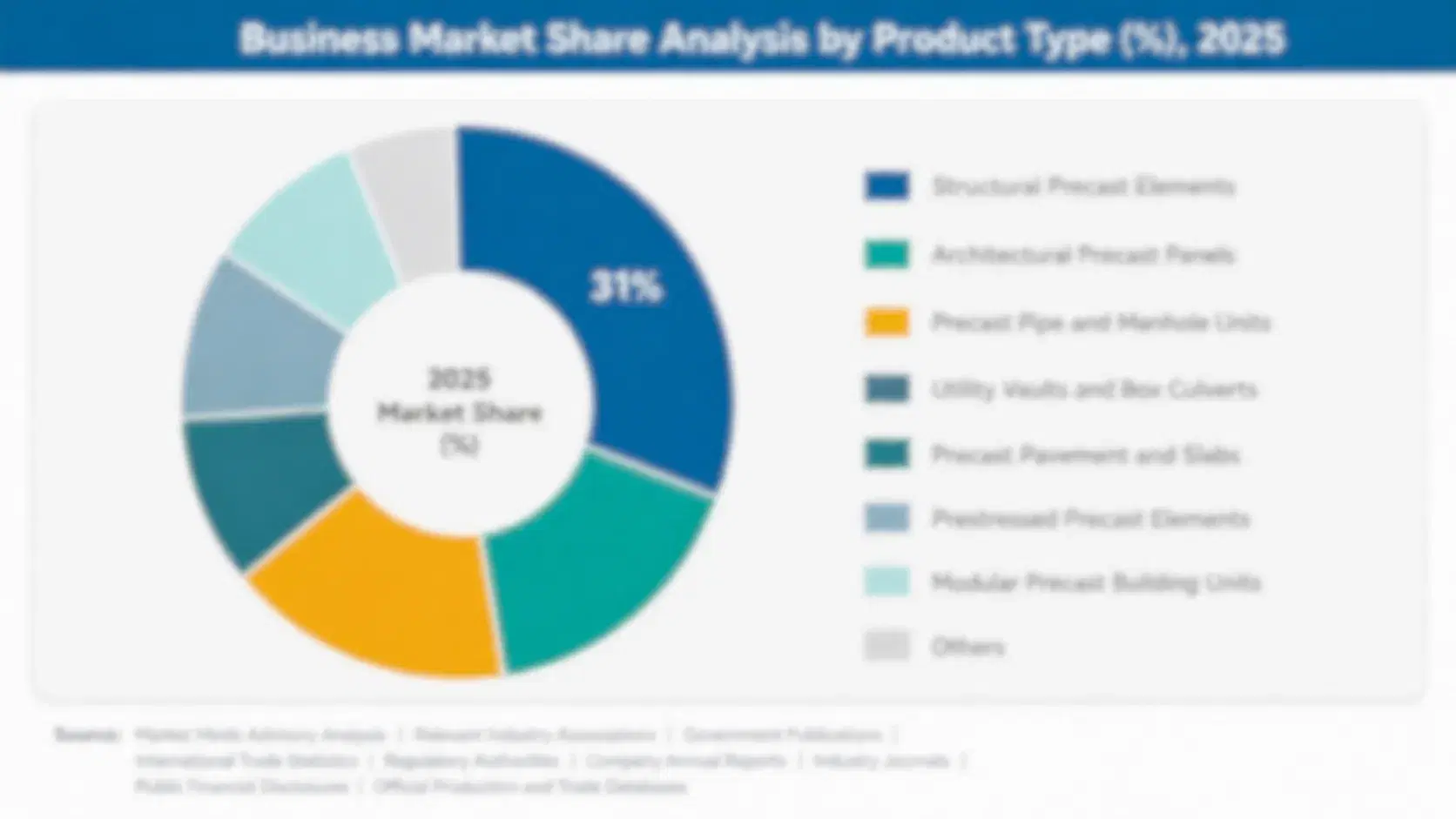
Segmentation follows application, since textile, carpet, food packaging, firefighting foam, and leather uses of fluorotelomer chemistry each face genuinely different regulatory restriction timelines and distinct demand trajectories despite sharing common fluorochemical production origin and processing chemistry across facilities. Compound structure was considered but rejected given limited buyer relevance across most categories and applications today.
fluorotelomers-market-market-share-analysis-1790028456681

Textile and Apparel Stain Repellent Applications

Textile and apparel stain repellent applications represent the fastest-growing segment, since manufacturers in less-restricted Asian manufacturing regions continue specifying documented fluorotelomer treatment where substitute chemistry cannot yet match soil and water repellency performance reliably across demanding fabric categories. This segment benefits directly from continued Asian textile export manufacturing growth, which increasingly absorbs specification volume displaced from Western markets facing accelerating restriction. Suppliers serving this segment typically maintain dedicated jurisdictional compliance documentation well beyond what standard legacy production requires technically today. Growth here increasingly tracks broader Asian textile manufacturing expansion specifically across China, Vietnam, and Bangladesh. Buyer switching costs further reinforce this segment's stickiness once a manufacturer validates a given supplier's compliant material reliably.
CAGR 4.8%

Leather and Specialty Surface Treatment Applications

Leather and specialty surface treatment applications follow closely behind textile uses, propelled by continued demand for documented water and stain repellent finishing across premium leather goods and specialty industrial surface categories worldwide. This segment benefits from fluorotelomer chemistry's established performance as a durable finishing treatment, letting manufacturers continue existing formulations with lower technical risk than newer substitute categories require. Suppliers serving this segment typically maintain dedicated finishing-grade documentation and technical support partnerships to support compliance claims credibly across jurisdictions. Growth here increasingly tracks premium leather goods manufacturing specifically across Italy, China, and Brazil. Buyer switching costs further reinforce this segment's stickiness once a manufacturer validates a given supplier's compliant material closely.
CAGR 4.3%
Full segment breakdown across 5 segments available in the complete report.

Regional Architecture and Country Demand Map

East Asia commands the largest revenue share, reflecting China's dominant textile and apparel manufacturing base and comparatively later regulatory restriction timeline relative to Western markets and jurisdictions. Every regional CAGR nonetheless stays within or near this report's standard growth bands throughout the entire ten-year forecast period.

North America

United States demand continues facing the most aggressive regulatory restriction globally, with multiple state-level bans covering firefighting foam and food packaging applications compounding federal Environmental Protection Agency scrutiny across most fluorochemical categories. Chemours and 3M both maintain substantial domestic manufacturing infrastructure, though 3M has announced plans to exit PFAS manufacturing entirely by year end. Canadian demand tracks closely behind American consumption, concentrated among industrial buyers seeking documented compliance pathways ahead of anticipated regulatory alignment with United States restriction timelines. Mexican demand remains comparatively modest but stable across specialty industrial applications lacking a qualified regional substitute currently. Regulatory affairs teams across the region now treat compliance documentation as a core procurement requirement rather than a secondary consideration.
Share: 22% | CAGR: 2.4% (2026 to 2036)

Western Europe

Germany and France anchor Western European demand, though the region faces the world's broadest regulatory restriction proposal under the European Chemicals Agency's class-wide PFAS restriction framework currently under review. Solvay and Arkema both maintain domestic manufacturing infrastructure while simultaneously investing heavily in substitute chemistry development to offset anticipated future demand decline. Regulatory tightening under the European Union's REACH framework has meaningfully accelerated substitution investment across the region's suppliers recently and consistently. Italian leather goods manufacturers continue relying on fluorotelomer sourcing for premium finishing applications, while Nordic buyers increasingly favor documented substitute alternatives ahead of regulatory deadlines. Regulatory affairs teams across Benelux increasingly coordinate directly with suppliers on substitute qualification timelines ahead of enforcement.
Share: 19% | CAGR: 1.8% (2026 to 2036)
Regional intelligence for 5 additional markets available in the complete report: East Asia, South Asia and Pacific, Latin America, Middle East and Africa, Eastern Europe. Contact sales@marketmindsadvisory.com.
fluorotelomers-market-country-cagr-analysis-1790028456975

Capturing Value Through Documented Compliance Positioning

With undocumented legacy supply facing intensifying regulatory disqualification worldwide and consistently, suppliers increasingly capture premium value through documented jurisdictional compliance mapping, Asian manufacturing repositioning, and specialized industrial application focus across categories and channels. Where a supplier lands within this hierarchy increasingly determines margin capture across its remaining global customer base and long-term positioning. Suppliers must choose deliberately.

Documented Compliance Mapping Investment and Filing Program

Suppliers investing in standardized, jurisdiction-by-jurisdiction compliance mapping and regulatory filing documentation win preferred allocation from buyers unwilling to accept undocumented legacy supply exposed to compliance audit risk across their own downstream customer base. This documentation requires sustained investment in regulatory affairs infrastructure and ongoing filing maintenance across dozens of jurisdictions and evolving restriction timelines. Suppliers offering documented compliance mapping report contract pricing running roughly 21% above standard undocumented legacy supply. Buyers increasingly treat this documentation as a baseline requirement now. Buyers increasingly treat this documentation as a baseline procurement requirement across most demanding categories now.
Market Impact: Commands roughly a full 21 percent pricing premium

Asian Manufacturing Repositioning and Capacity Investment

Suppliers repositioning manufacturing capacity toward less-restricted Asian production hubs capture displaced Western specification volume more effectively than suppliers remaining overly concentrated in declining domestic manufacturing footprints facing accelerating restriction. This repositioning requires sustained capital investment in Asian manufacturing infrastructure and distribution partnerships built over multiple years of relationship development. Suppliers with established Asian manufacturing capacity report volume growth running roughly 18% above suppliers remaining concentrated in Western production. Suppliers without this repositioning increasingly cede growing export volume to more agile regional competitors. Suppliers without established Asian capacity increasingly cede this growing export volume to more agile regional competitors.
Market Impact: Improves export volume growth by roughly 18 pct

Specialized Industrial Application Focus and Technical Support

Suppliers focusing remaining investment on specialized industrial applications where substitute chemistry still underperforms capture stickier, higher-value customer relationships than those competing purely in commoditizing textile categories facing substitute encroachment broadly. This focus requires sustained investment in dedicated technical support and application-specific formulation expertise that demanding industrial buyers specifically require reliably. Suppliers with established specialized industrial positioning report customer retention rates roughly 24% stronger than those selling predominantly into commoditizing textile categories. Buyers increasingly treat this technical depth as a baseline requirement across demanding categories. Buyers increasingly treat this technical depth as a baseline requirement across most demanding industrial categories today.
Market Impact: Improves customer retention rates by roughly 24 pct

Who Controls the Margin Pool

Global fluorotelomer supply remains fairly concentrated, giving this market a CR5 of 58% as five diversified fluorochemical majors compete alongside dozens of smaller regional Asian and Eastern European processors. The gap between leading suppliers and smaller regional players centers on documented regulatory compliance infrastructure rather than any single proprietary production process. Smaller regional players without comparable compliance infrastructure increasingly struggle to retain the largest remaining Western specification contracts.
Competitive activity currently plays out across three dimensions: building documented jurisdictional compliance mapping that satisfies buyer audit requirements, repositioning manufacturing capacity toward less-restricted Asian production hubs, and concentrating investment on specialized industrial applications that offer sticky, defensible revenue. Suppliers combining multiple capabilities increasingly separate themselves from smaller regional players still confined purely to undocumented legacy commodity supply. Several suppliers now bundle compliance documentation alongside bulk supply agreements directly.

Emerging pressure is coming from Chinese and Indian processors rapidly scaling documented export capacity, particularly in categories where established Western majors have chosen to exit manufacturing entirely rather than fund continued compliance investment. This trend could reshape rankings in standardized textile categories over the coming years even as specialized industrial application relationships remain concentrated among established diversified majors. This dynamic should continue.
fluorotelomers-market-company-positioning-matrix-1790028457274

Competitive Moat and Risk Dimensions

THE CHEMOURS COMPANY

Moat: Scale across regulatory jurisdictions

Chemours maintains one of the industry's most extensive documented regulatory filing portfolios across dozens of jurisdictions, letting it offer buyers more consistent compliance assurance than smaller undocumented suppliers can match reliably. This positioning gives it meaningful advantage negotiating long-term supply agreements with large industrial and textile customers directly.
THE CHEMOURS COMPANY

Risk: Exposure to litigation and liability

Chemours faces substantial ongoing litigation exposure tied to historical PFAS environmental contamination claims across multiple jurisdictions, creating financial and reputational uncertainty that smaller newer entrants generally do not carry. The company has responded by establishing dedicated litigation reserves and expanding its compliance documentation infrastructure considerably.
DAIKIN INDUSTRIES

Moat: Integrated Asian manufacturing scale

Daikin operates one of the largest integrated fluorochemical manufacturing networks across Japan and China, giving it unmatched positioning to serve growing Asian textile specification volume displaced from restricted Western markets. Competitors would need years of comparable Asian manufacturing investment to close this scale gap meaningfully.
DAIKIN INDUSTRIES

Risk: Rising domestic regulatory scrutiny

Daikin faces increasing domestic Japanese regulatory scrutiny around fluorochemical manufacturing emissions, creating potential future compliance costs that could erode its current Asian manufacturing cost advantage over time and reduce margins. The company has responded by investing in emissions control infrastructure across its major production facilities and monitoring stations.

Players Tracked

Prominent Players

The Chemours Company
3M Company
Daikin Industries
AGC Inc
Solvay SA

Other Key Players

DuPont de Nemours Inc
Honeywell International Inc
Arkema SA
Archroma Management LLC
Huntsman Corporation
China National Bluestar (Group) Co Ltd
Dongyue Group Limited
Zhonghao Chenguang Research Institute of Chemical Industry
Gujarat Fluorochemicals Limited
SRF Limited
Asahi Kasei Corporation
Mitsubishi Materials Corporation
Kanto Denka Kogyo Co Ltd
Tyco Fire Products LP
Halocarbon Products Corporation

Recent Developments

DECEMBER 2022

3M Announces Phased Exit From PFAS Manufacturing

3M announced plans to phase out and discontinue all PFAS manufacturing, including fluorotelomer-based chemistries, by the end of 2025 across its global production network. The announcement represents an organic strategic exit decision, not an acquisition, merger, or joint venture. The company cited evolving regulatory expectations as the primary driver.
Signal: Confirms a major legacy producer is exiting the category entirely ahead of tightening regulatory rules and enforcement.
MARCH 2025

Daikin Expands Documented Compliance Filing Infrastructure

Daikin announced expanded regulatory affairs and documentation infrastructure across its Asian manufacturing network, aiming to support growing buyer demand for documented jurisdictional compliance mapping across export categories. The expansion represents organic capability investment rather than an acquisition or joint venture. Full capability is expected within the year.
Signal: Signals a leading Asian supplier investing early ahead of anticipated compliance-driven demand shift across export categories.
JULY 2024

Chemours Signs Multi Year Industrial Supply Agreement

Chemours entered a multi-year supply agreement with a major industrial firefighting equipment manufacturer, securing guaranteed documented fluorotelomer allocation with defined regulatory compliance specifications. The agreement was structured as a straightforward supply contract, not an equity stake or joint venture arrangement. Financial terms were not disclosed publicly.
Signal: Confirms suppliers are formalizing specialized industrial partnerships as commoditizing textile volume faces substitution. Similar agreements are likely to follow.

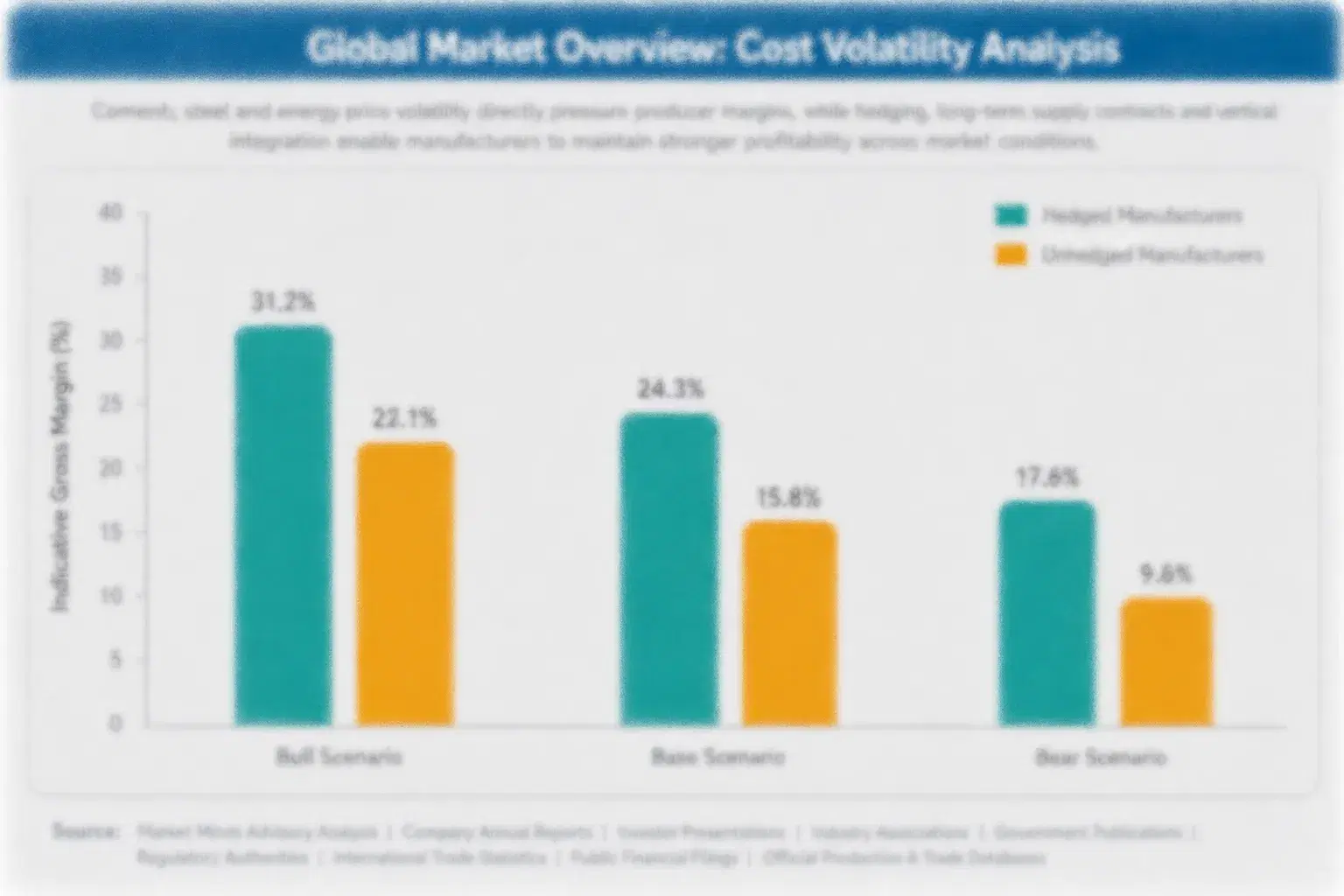
Fluorspar Feedstock Sets Cost Floor

Fluorotelomer production cost breaks down primarily into fluorspar and hydrofluoric acid feedstock procurement, energy-intensive fluorination processing, and increasingly, regulatory compliance overhead across jurisdictions. Raw feedstock costs typically represent 34 to 46% of total production cost, a share that moves directly with global fluorspar mining output concentrated overwhelmingly in China and Mexico. This concentrated sourcing structure gives Chinese-integrated majors a meaningful cost advantage over Western competitors.
Elevated fluorspar prices during 2021 and 2022 meaningfully increased production costs across the industry, according to producer disclosures consistent with broader Chinese mineral export policy reporting covering the affected period and subsequent partial recovery. Suppliers without diversified feedstock sourcing relationships absorbed most of this cost increase directly into their margins during that window. Several Western suppliers subsequently began qualifying alternative fluorspar sourcing regions to reduce this concentration exposure going forward.

Western suppliers lacking direct access to Chinese fluorspar sourcing carry meaningfully more cost exposure than Asian-integrated suppliers with established domestic mineral supply relationships. This growing gap increasingly separates which suppliers can offer competitive, documented pricing to remaining specification customers and which struggle to remain commercially viable during periods of tight feedstock supply and elevated costs across Western manufacturing regions.
fluorotelomers-market-cost-volatility-analysis-1790028457559

Diversified Fluorspar Sourcing Networks

Larger suppliers increasingly diversify fluorspar feedstock sourcing across multiple mining regions including Mexico and South Africa, reducing exposure to any single country's export policy or price disruption risk directly across the supply chain. This approach has become standard among the largest, best-capitalized suppliers currently operating at scale globally. Buyers value this resilience during periods of tight global supply.

Long Term Feedstock Supply Contracts

Suppliers increasingly establish long-term supply partnerships directly with fluorspar mining operators, securing more predictable raw material pricing and volume compared to relying entirely on open-market spot purchasing arrangements broadly across regions. This partnership approach has become common among the largest surviving suppliers operating in the market today. This structure improves cost predictability for downstream buyers requiring stable long-term pricing.

Manufacturing Consolidation Toward Asian Facilities

Leading suppliers continue consolidating fluorination processing into larger, more efficient Asian facilities located closer to feedstock sources, improving per-unit cost competitiveness compared to maintaining separate smaller Western manufacturing lines facing higher input costs. This consolidation approach has become increasingly standard among the largest integrated global suppliers today. Buyers value this cost discipline when negotiating long-term supply agreements broadly.

Portfolio Architecture for Margin Defence

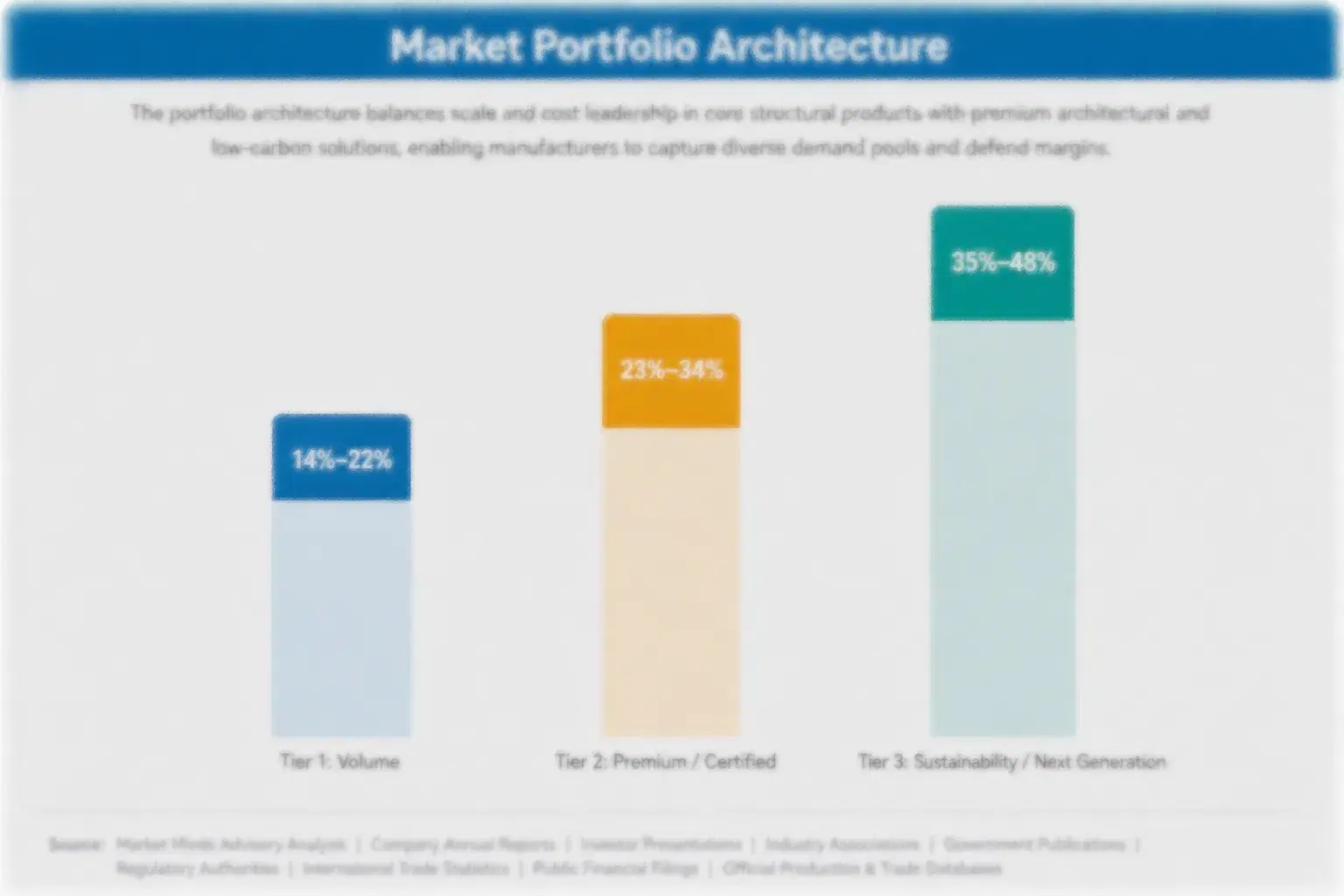
The fluorotelomer market splits into three commercial tiers: standard legacy product sold into commoditizing textile applications facing substitution, premium documented compliance product commanding meaningful certification premiums for regulated buyers, and next-generation specialized industrial formulations carrying documented performance data for applications lacking a qualified substitute. Margin economics differ sharply across these tiers, reflecting documentation depth and buyer urgency. Suppliers investing earliest in the hardest categories increasingly capture the richest remaining margin pools available.
Suppliers face a genuine strategic tension between managing the wind-down of mature commodity volume and reallocating investment toward documented compliance and specialized industrial chemistry that offers more durable long-term positioning. Those building capability across all three tiers capture the widest addressable remaining revenue base, though doing so requires deliberate strategic repositioning that many smaller organizations struggle to fund. Capital constraints create real tension here.

High-value margin pools concentrate overwhelmingly in specialized industrial formulations and documented compliance product, where buyers pay materially more for verified performance and regulatory standing than commoditizing textile buyers require. Suppliers positioned to serve this tier alongside a managed commodity wind-down capture the clearest path toward sustained revenue as Western restriction continues its steady advance across most major consumer markets worldwide.

Volume / Commodity-Adjacent Tier

Standard legacy product sold into commoditizing textile applications facing accelerating substitution at competitive pricing with thinner supplier margins overall. Suppliers compete here mainly on landed cost rather than documentation depth.
Gross Margin: 8-14%

Premium / Certified Tier

Premium documented compliance product commanding meaningful certification premiums for regulated buyers requiring verified jurisdictional standing and audit-ready documentation. Suppliers here maintain closer relationships with premium industrial buyer customers directly and consistently across most categories, channels, and jurisdictions served today.
Gross Margin: 19-27%

Sustainability / Regulatory / Next-Generation Tier

Next-generation specialized industrial formulations carrying documented performance data for the most demanding applications lacking a qualified substitute currently. Building credibility here typically takes suppliers years of validated performance testing and buyer trust.
Gross Margin: 27-35%
fluorotelomers-market-portfolio-architecture-1790028457855

High-value Sub-segments and Strategic Watch-out

Specialized Industrial Documented Performance Supply

Specialized industrial formulations with documented performance data command the strongest margins in the category and continue growing as buyers seek verified performance where substitutes still underperform. Suppliers serving this tier increasingly compete on validated technical data rather than price alone. Growth here should outpace every other tier ahead comfortably.
Gross Margin: 27-35%

Premium Documented Compliance Certified Supply

Premium documented compliance certified product sustains steady growth as regulated buyers increasingly require verified jurisdictional standing matching evolving compliance expectations across most industrial categories. Growth here remains stable as buyers specify documented compliance requirements broadly. This tier sits between the premium and volume extremes overall today.
Gross Margin: 19-27%

Standard Legacy Commodity Textile Volume Supply

Standard legacy commodity textile supply continues anchoring a shrinking but still meaningful share of global volume even as newer, higher-margin documented tiers expand steadily across the category. Suppliers rely on this volume to fund investment in higher-margin capability elsewhere entirely. Growth here should remain flat to declining ahead.
Gross Margin: 8-14%

Western Regulatory Restriction Escalation Risk Exposure

Continued escalation of Western PFAS class-wide restriction proposals could meaningfully accelerate demand decline beyond current forecast assumptions if enforcement timelines tighten unexpectedly and severely across major consuming jurisdictions and categories. Watch this segment closely for early signs of accelerating volume loss or price movement across markets.

Compliance Documentation Anchors Supplier Loyalty

Once a buyer validates a specific supplier's documented jurisdictional compliance mapping and regulatory filing history, switching suppliers requires requalifying through new compliance audit processes, creating a genuine annuity dynamic for suppliers who secure this relationship first. Requalification costs discourage casual switching between compliance-validated suppliers. Long-term supply contracts anchor this revenue base, since qualified buyers rarely switch fluorotelomer suppliers once compliance documentation passes internal audit.
Adoption depth varies meaningfully by end-use vertical. Specialized industrial and firefighting equipment buyers exhibit the deepest stickiness given extensive requalification and safety certification requirements, while mainstream textile purchasing shows comparatively shallower stickiness since manufacturers can rebid contracts more freely as substitute chemistry becomes commercially available. Industrial buyers show the deepest stickiness, while textile accounts increasingly shop purely on price and substitute availability.

A younger generation of procurement and sustainability managers increasingly evaluates fluorotelomer sourcing decisions through a documented-compliance-first lens by default, favoring suppliers with verified regulatory standing over undocumented legacy suppliers competing purely on established cost advantages. This shift favors suppliers with documented compliance over commodity suppliers competing purely on price. Younger procurement teams now weigh regulatory exposure alongside cost, a shift older cohorts rarely prioritized this heavily.
fluorotelomers-market-end-use-penetration-index-1790028458158

Where Supplier Strategy Should Focus Next

These are among the four positions where our research anticipates prominent divergence between winners and laggards over the coming forecast period. Each is grounded in the demand model, the regulatory perimeter, and the announced capacity pipeline.
01 / COMPLIANCE DOCUMENTATION PRIORITY

Build standardized jurisdictional compliance mapping now

Documented, standardized jurisdictional compliance mapping increasingly determines which suppliers retain the largest remaining specification contracts, rewarding documentation investment over suppliers still selling undocumented legacy supply into increasingly restrictive Western categories. Suppliers investing in regulatory affairs infrastructure now position themselves to capture this remaining volume before more competitors develop comparable documentation depth, since establishing trusted compliance credibility typically requires considerable time and consistent filing accuracy. Early movers in documentation will hold a durable positioning advantage over slower-moving competitors well into the next several years.
02 / ASIAN REPOSITIONING PRIORITY

Redirect manufacturing capacity toward Asian production hubs

Asian textile manufacturing demand represents the most durable remaining growth opportunity in this market, while Western specification volume keeps contracting steadily regardless of pricing strategy adjustments made by suppliers today. Suppliers repositioning manufacturing capacity now position themselves to capture this durable demand before more competitors recognize the shift, since building comparable Asian manufacturing and distribution capacity from scratch typically takes considerable time to establish credibly. Suppliers who move first lock in the strongest early relationships with growing export manufacturers overall.
03 / SPECIALIZED APPLICATION PRIORITY

Concentrate investment on specialized industrial applications

Specialized industrial applications lacking a qualified substitute represent a genuine growth opportunity beyond conventional textile categories where competitive dynamics are increasingly commoditized and substitute-exposed across most channels. Suppliers building dedicated technical support now position themselves to capture this segment before competitors develop comparable formulation depth, since establishing trusted buyer relationships typically requires considerable time and consistent quality delivery under demanding conditions. Early movers in specialized applications, as this window narrows further each year, will hold a durable positioning advantage over slower-moving competitors.
04 / PORTFOLIO WIND-DOWN PRIORITY

Manage the commodity textile wind-down deliberately now

Continued dependence on commoditizing textile volume leaves suppliers exposed to accelerating margin compression as substitute chemistry adoption spreads across price-sensitive categories facing intensifying competitive pressure and shrinking specification windows across most markets today. Suppliers building a deliberate wind-down strategy now reduce this exposure before further substitution arrives, since redirecting capital toward higher-margin categories typically requires multiple years to execute credibly and profitably across most organizations and portfolios. Early movers on this transition will hold a durable resilience advantage over slower-moving competitors industry-wide.

Engagement Snapshot From the Field

A live engagement with an industry participant carrying material or product regulatory and market exposure ahead of a defining policy shift, showing how our research translates into a defensible multi-year portfolio strategy.
MARKET MINDS ADVISORY · CLIENT ENGAGEMENT SUMMARY
Fluorotelomers Producer Strategic Portfolio Review and Transition Roadmap 2026·Investment Scenario on Fluorotelomers Exposure Evaluation 2025-26
CLIENT PROFILE
The client is a European industrial coatings manufacturer seeking to assess its fluorotelomer supply chain exposure ahead of the European Union's proposed class-wide PFAS restriction timeline within a six-month planning window. Annual revenue for the client's relevant product line sits in the hundreds of millions of dollars (client-reported, unverified by MMA). Leadership needed a defensible transition strategy given intensifying regulatory and customer pressure.
STRATEGIC CHALLENGE
The client needed to determine which portions of its fluorotelomer-dependent product portfolio faced the most immediate regulatory exposure, while identifying which applications could realistically transition to substitute chemistry within the available compliance timeline without losing key industrial customer accounts. Leadership also needed clear supplier risk visibility. Leadership also needed clear supplier risk visibility across its network.
MMA APPROACH
MMA conducted a comparative product portfolio risk assessment benchmarking the client's fluorotelomer-dependent product lines against confirmed and proposed regulatory restriction timelines across its major European markets directly. The engagement ran across eight weeks and drew on regulatory filing review alongside direct substitute chemistry technical benchmarking. Findings were validated against three independent industry data sources.
KEY FINDINGS
  1. Portfolio risk analysis confirmed that roughly one third of the client's product lines faced near-term regulatory exposure requiring immediate transition planning within the current compliance window.
  2. Substitute chemistry benchmarking identified two viable alternative formulations capable of matching baseline performance requirements for the client's least demanding product categories and applications currently in production.
  3. Customer account analysis showed that the client's most demanding industrial accounts would likely require continued fluorotelomer sourcing for several additional years beyond the initial restriction timeline.
  4. Supplier disclosure review confirmed that two of the client's existing suppliers maintained sufficient documented compliance infrastructure to support a phased transition reliably.
CLIENT PROFILE
The client is a European industrial coatings manufacturer seeking to assess its fluorotelomer supply chain exposure ahead of the European Union's proposed class-wide PFAS restriction timeline within a six-month planning window. Annual revenue for the client's relevant product line sits in the hundreds of millions of dollars (client-reported, unverified by MMA). Leadership needed a defensible transition strategy given intensifying regulatory and customer pressure.
STRATEGIC CHALLENGE
The client needed to determine which portions of its fluorotelomer-dependent product portfolio faced the most immediate regulatory exposure, while identifying which applications could realistically transition to substitute chemistry within the available compliance timeline without losing key industrial customer accounts. Leadership also needed clear supplier risk visibility. Leadership also needed clear supplier risk visibility across its network.
MMA APPROACH
MMA conducted a comparative product portfolio risk assessment benchmarking the client's fluorotelomer-dependent product lines against confirmed and proposed regulatory restriction timelines across its major European markets directly. The engagement ran across eight weeks and drew on regulatory filing review alongside direct substitute chemistry technical benchmarking. Findings were validated against three independent industry data sources.
KEY FINDINGS
  1. Portfolio risk analysis confirmed that roughly one third of the client's product lines faced near-term regulatory exposure requiring immediate transition planning within the current compliance window.
  2. Substitute chemistry benchmarking identified two viable alternative formulations capable of matching baseline performance requirements for the client's least demanding product categories and applications currently in production.
  3. Customer account analysis showed that the client's most demanding industrial accounts would likely require continued fluorotelomer sourcing for several additional years beyond the initial restriction timeline.
  4. Supplier disclosure review confirmed that two of the client's existing suppliers maintained sufficient documented compliance infrastructure to support a phased transition reliably.
RECOMMENDED STRATEGY
Phase 1: Phase 1 (Months 1 to 2): Finalize the product portfolio risk assessment and prioritize transition candidates by exposure severity and urgency. Phase 2: Phase 2 (Months 3 to 4): Qualify substitute chemistry formulations for the least demanding, highest-risk product categories first and thoroughly. Phase 3: Phase 3 (Months 5 to 6): Communicate the transition timeline to key industrial customer accounts and secure continued supply commitments.
OUTCOME
The client successfully transitioned its highest-risk product lines to substitute chemistry ahead of the regulatory deadline while retaining its most demanding industrial customer accounts on a documented compliance timeline (client-reported, unverified by MMA). The phased transition approach has since become the client's standard framework for future regulatory adaptation.

Frequently Asked Questions

Foundational context covering the market sizes, CAGR, scope, country, region and competition that inform every finding below. This section is provided to cover basics and most often pre-purchase conversations, answered from the MMA Primary Research Dataset.

What is the current size of the Fluorotelomers Market?

The market reached approximately USD 2.1 billion in 2025. This reflects global demand for fluorotelomer-based chemistry across textile, industrial, and specialty surface treatment applications today.

How large will the Fluorotelomers Market be by 2036?

The market is projected to reach approximately USD 3.05 billion by 2036. This represents roughly 1.4 times the 2026 starting value over the ten-year forecast period.

What is the CAGR for the Fluorotelomers Market 2026 to 2036?

The market is forecast to grow at a 3.4% CAGR between 2026 and 2036. Bull and bear scenarios range from 4.6% to 2.1% depending on regulatory restriction outcomes.

Which segment is growing fastest?

Textile and apparel stain repellent applications lead at a 4.8% CAGR, roughly 1.41 times the overall market rate. Leather and specialty surface treatment applications follow closely, reflecting shared Asian manufacturing momentum.

Who are the major companies in the Fluorotelomers Market?

Leading suppliers include Chemours, 3M, Daikin, AGC, and Solvay, though 3M has announced plans to exit PFAS manufacturing. These five companies hold a combined market share of approximately 58 percent.

Which country is growing fastest?

China grows fastest at a 4.9% CAGR, ahead of the broader East Asian average, reflecting its expanding textile export manufacturing capacity and comparatively later regulatory restriction timeline.

Report Segmentation Architecture

The full report scope spans multiple orthogonal segmentation dimensions, with cross-tabulated demand data provided for each dimension pair. Coverage extends further to regional breakdowns, trend trajectories, and the competitive detail needed to support segment-level decision-making.

By Application

  • Textile and Apparel Stain Repellent Applications
  • Carpet and Upholstery Treatment Applications
  • Food Packaging and Paper Coating Applications
  • Firefighting Foam and Industrial Applications
  • Leather and Specialty Surface Treatment Applications

By End-Use Industry

  • Textile and Apparel Manufacturing
  • Carpet and Flooring Manufacturing
  • Food Packaging Manufacturing
  • Firefighting Equipment Manufacturing
  • Leather Goods Manufacturing

By Commercial Dimension

  • Direct Manufacturer Supply Agreements
  • Distributor and Import Channel
  • Regulatory Compliance Advisory Bundled Supply
  • Contract Formulation Support Services

By Region

  • North America
  • Western Europe
  • East Asia
  • South Asia and Pacific
  • Latin America
  • Middle East and Africa
  • Eastern Europe

Scope, Methodology, and Coverage

Every figure in this report is reproducible from documented input assumptions. The scope below maps the historical period, the forecast horizon, the segmentation dimensions, and the countries covered, alongside the underlying primary and qualitative methodology.
Historical Period
2020 to 2025
Forecast Period
2026 to 2036
Base Year
2025 (USD billions; MMA Primary Research Dataset, September 2026)
Market Definition
This report defines the fluorotelomers market as global demand for fluorotelomer-based fluorochemicals used in stain, water, and grease resistant surface treatment across textile, carpet, food packaging, firefighting foam, and leather applications. It excludes perfluorooctane sulfonate compounds and fluoropolymer resins covered under separate fluorochemical classifications entirely.
Quantitative Units
USD billions (current prices); regulatory compliance premium as percentage of undocumented legacy equivalent cost
Segmentation Dimensions
By Application; By End-Use Industry; By Commercial Dimension; By Region
Regions Covered
North America, Western Europe, East Asia, South Asia and Pacific, Latin America, Middle East and Africa, Eastern Europe
Countries Covered
United States, Canada, Mexico, Germany, France, Italy, Netherlands, China, Japan, South Korea, Taiwan, Vietnam, Bangladesh, India, Australia, Brazil, Argentina, Colombia, Chile, UAE, Saudi Arabia, South Africa, Nigeria, Kenya, Egypt, Poland, Hungary, Russia, Romania, Czech Republic, and additional markets relevant to this sector
Key Companies Profiled
The Chemours Company, 3M Company, Daikin Industries, AGC Inc, Solvay SA, DuPont de Nemours Inc, Honeywell International Inc, Arkema SA, Archroma Management LLC, Huntsman Corporation, China National Bluestar (Group) Co Ltd, Dongyue Group Limited, Zhonghao Chenguang Research Institute of Chemical Industry, Gujarat Fluorochemicals Limited, SRF Limited, Asahi Kasei Corporation, Mitsubishi Materials Corporation, Kanto Denka Kogyo Co Ltd, Tyco Fire Products LP, Halocarbon Products Corporation
Quantitative Methodology
Primary survey, n=3,800 respondents, Q4 2025, six countries; demand-side model with trade association cross-validation
Qualitative Methodology
47 expert interviews, Q4 2025; applied to validate demand model assumptions, identify emerging dynamics, and assess competitive positioning
Report Format
PDF and XLSX data workbook (Word format preview document)
Publisher
Market Minds Advisory
Report Code
MMA-2026-CHM-101
Published
September 2026
Contact
sales@marketmindsadvisory.com | www.marketmindsadvisory.com

Purchase the full Fluorotelomers Market Report (2026 to 2036).

This report delivers a complete commercial assessment of the global fluorotelomers market, covering sizing, segmentation, and regional demand through 2036, with particular analytical focus on regulatory restriction timelines and documented compliance positioning. It profiles twenty suppliers serving textile, industrial, and specialty surface treatment categories, detailing competitive positioning, manufacturing geography, and feedstock sourcing exposure in depth. Analysis extends to raw feedstock cost exposure and mitigation pathways, portfolio margin economics across three commercial tiers, and demand architecture driving long-term supplier switching costs. Bull and bear forecast scenarios are modeled explicitly against named regulatory catalysts and clearly identified substitution risks facing the industry.
Ten-year sizing and forecast model through 2036
Five-segment application demand breakdown by category
Seven-region demand distribution and share analysis
Twenty-company competitive profile and positioning assessments
Regulatory restriction timeline and compliance cost assessment
Portfolio tier margin economics and pricing analysis

Built For The People Who Decide

From boardroom strategy to bench-side execution, this report is read cover-to-cover by leaders shaping the next decade of their industry, turning demand scenarios, market dynamics and valuation benchmarks into decisions.
CXOs/ Presidents/ VPs/ Managers
M&A and Corporate Development
Strategy Teams and R&D Heads
Procurement and Product Directors
Regulatory and Compliance Leaders
Investor Relations and Equity Analysts