Market Minds Advisory
Flax Milk Market

Flax Milk Market: Omega-3 Wellness Positioning, Production Scale-Up, and Competitive Dynamics Through 2036.

Health-conscious consumers seeking omega-3 fortified dairy alternatives are pulling flax milk beyond niche natural food stores into mainstream grocery chains, pushing North American processors to scale dedicated production capacity nationwide this decade.

Lead Analyst

Published

September 2026

Make Smarter Decisions with Customized Research Insights

Request a free sample report and evaluate market opportunities, growth trends, and competitive dynamics relevant to your business needs.

2025 MARKET VALUE$0.2BMarket Size 2025
2036 FORECAST VALUE$0.8BBase Case , 2026 to 2036
CAGR 2026 TO 203613.5 %Bull 14.8% / Bear 12.2%
INCREMENTAL OPPORTUNITY$0.6BNet 10- year value creation
EXPANSION MULTIPLE3.54x2036 value over 2026 base
Strategic Levers
M&A Pipeline
Regional Outlook
Country Rankings
Competitive Intelligence
Segmental Deep-dive
Call-Us : 91 93563 13602

Executive Snapshot and Market Trajectory.

Flax milk demand is expanding beyond niche natural food retail into mainstream grocery chains nationwide, as consumers managing dairy sensitivities and seeking documented omega-3 nutritional benefits drive category growth, pushing North American processors to expand dedicated production capacity nationwide this current cycle and beyond.
North America supplies the largest share of global demand, anchored by Good Karma Foods' established brand position and Canada's status as the world's dominant flaxseed producing country, while fortified flax milk grows fastest as wellness-focused consumers seek added calcium and vitamin D beyond the crop's naturally occurring omega-3 content, and Western European processors sustain a distinct, steadily growing contribution through expanding plant-based retail categories, specialty grocery chains, and e-commerce platforms nationwide and abroad.
The supply base mixes dedicated flax milk specialists against diversified plant-based beverage brands, with Good Karma Foods and Natur-a commanding meaningful branded retail volume while Hain Celestial manages broader distribution through its established plant-based portfolio and retail relationships nationwide. That split is widening as retail chains' documentation requirements for allergen labeling and nutritional claims become considerably harder for smaller regional processors to satisfy consistently without dedicated compliance investment.
Market Definition
This market covers flax milk, a plant-based dairy alternative produced from flaxseed, sold as plain, flavored, organic, fortified, and creamer formats into natural food and mainstream grocery retail. It excludes other plant-based milk categories such as oat, almond, soy, and pea milk, and flaxseed oil or ground flaxseed sold as a standalone culinary ingredient.
Base Year Value
$0.2B in 2025 (MMA Primary Research Dataset, September 2026)
Forecast Period
2026 to 2036, eleven discrete annual values
CAGR
13.5% base case. Bull 14.8%. Bear 12.2%.
Fastest Growth Segment
Fortified Flax Milk: 17.0% CAGR
Fastest Growth Country
Canada: 15.0% CAGR
Fastest Growth Region
South Asia and Pacific: 15.5% CAGR
Largest Region
North America: 43% of 2025 global value
Market Leaders
Good Karma Foods, Natur-a Nutrition Products, Hain Celestial Group, Three Farmers Foods, Linwoods Health Foods. Source: MMA Analysis based on company disclosures and trade reports.
Primary Survey
n=3,800 procurement and R&D decision-makers, Q4 2025, six countries
Methodology
Demand-side build-up, cross-validated against public data, 47 expert interviews

Flax Milk Market Forecast Scenarios

flax-milk-market-size-forecast-scenario-1789899027384
Global flax milk demand grew from a small wellness-community base between 2020 and 2025, expanding as consumers managing dairy sensitivities and seeking documented omega-3 nutritional benefits discovered the category through natural food retail and social media wellness content, with historical growth running near twelve percent annually across most retail channels nationwide throughout the period and into the current cycle.
The base case assumes continued wellness-community advocacy sustains fortified and organic flax milk demand across natural food and mainstream grocery retail, growing North American production capacity gradually expands availability beyond current specialty retail into broader supermarket chains, and expanding plant-based beverage category shelf space in Western Europe accelerates trial among new consumers, collectively supporting steady demand growth across fortified, organic, and creamer product categories through the coming decade and well beyond current forecasts.
A bull scenario hinges on mainstream grocery chains adding flax milk to permanent plant-based beverage shelf sets well ahead of current assumptions as consumer awareness accelerates further nationwide, while the bear risk centers on continued category fragmentation among oat, almond, and pea milk alternatives limiting flax milk's ability to capture meaningful shelf space nationwide and abroad.

Omega-3 Positioning Meets Niche Production Scale

Flax milk occupies a genuinely specific niche within the broader plant-based dairy alternative category: a documented omega-3 nutritional story that oat, almond, and soy milk simply cannot replicate, sold at premium prices that reflect limited production scale rather than deliberate luxury positioning across most retail categories nationwide. That positioning shapes almost every aspect of how brands market and distribute the product, from packaging language emphasizing nutritional science to the specialty retail channels they prioritize over mainstream grocery placement.
MARKET CONCENTRATIONCR5 58%highly concentrated among a handful of dedicated brands nationwide
AVERAGE RETAIL PRICE$4.50-$6.50/half-gallonpremium positioning reflects genuinely limited production scale currently
TOP PRODUCING COUNTRY SHARECanada, ~42%domestic flaxseed cultivation anchors regional supply chains overall
RETAIL SHELF PLACEMENT RATE18-25%specialty and natural food stores dominate current distribution channels
FLAXSEED COST SHARE38-46%raw flaxseed procurement dominates total processing cost base
DIRECT-TO-CONSUMER CHANNEL SHARE35-45%e-commerce and subscription models supplement limited retail distribution
Distribution strategy varies sharply by retail channel. Natural food stores and specialty grocery chains remain the primary channel given established trust relationships with health-conscious consumers built over many years, while mainstream supermarkets increasingly test flax milk within broader plant-based beverage sets as category shelf space expands, and direct-to-consumer subscription models reach consumers in markets lacking physical retail distribution entirely.
Production scale increasingly determines which brands can compete nationally over the next decade. Processors investing early in dedicated flax milk manufacturing capacity are capturing retail placement that smaller co-packed competitors cannot access consistently, a gap likely to widen as mainstream retailers grow more selective about plant-based beverage shelf allocation.
"Flax milk does not need to beat oat milk on taste. It only needs to remind consumers that omega-3 exists outside a fish oil capsule."
Director, Plant-Based Beverages and Wellness Foods Practice · MMA Agriculture and Food Practice · September 2026

Market Trends

Mainstream Grocery Chains Test Flax Milk Shelf Sets

Major mainstream grocery chains are dedicating limited shelf space within broader plant-based beverage sets to fortified flax milk, tracked through retailer category management disclosures and specialty food industry trade publications, as consumer search volume and wellness-community engagement continue growing steadily nationwide across most major metropolitan markets. This channel expansion is directly increasing product discoverability for consumers who previously had to seek out specialty natural food stores or direct-to-brand websites, meaningfully lowering the customer acquisition cost brands face when launching new flax milk product lines across major metropolitan markets and suburban retail chains.
Market Impact: Adds 9% incremental allergen-conscious demand

Canadian Flaxseed Processors Expand Dedicated Milk Production

Canadian flaxseed processors are investing in dedicated flax milk manufacturing capacity, tracked through Statistics Canada agricultural processing investment data, aiming to capture more downstream value from the country's dominant global flaxseed cultivation position rather than exporting raw seed alone across most producing provinces, export terminals, and processing hubs nationwide and abroad. This capacity expansion is measurable in growing branded flax milk export volume reaching American and European specialty retail channels, reducing reliance on smaller co-packing arrangements that previously constrained production scale and consistency across most established brands and regional distributors nationwide.
Market Impact: Lifts trial-driven demand by 7 percent

Market Opportunities and Growth Drivers

Rising Dairy and Nut Allergy Diagnoses Expand Audience

Growing rates of diagnosed dairy sensitivity, lactose intolerance, and tree nut allergies among consumers, tracked through national health survey data, are expanding the addressable audience for flax milk marketed specifically as a seed-based alternative that avoids both dairy proteins and common nut allergens present in almond and cashew milk across most retail categories and distribution channels nationwide. This demand shift is measurable in packaged goods sales data showing steady unit growth in flax milk lines specifically among consumers seeking allergen-conscious dairy alternatives across major specialty retail chains nationwide this cycle.
Market Impact: Runs 20 to 30 percent higher

Documented Omega-3 Health Positioning Drives Trial

Flax milk's documented omega-3 fatty acid content, derived naturally from flaxseed rather than added supplementation, gives brands a genuine scientific basis for heart-health and inflammation-reduction claims that other plant-based milk alternatives cannot make as directly or as credibly to health-conscious buyers seeking documented nutritional science and clinical backing for their purchasing decisions. This positioning is measurable in wellness media coverage and nutritionist recommendations that increasingly single out flax milk among plant-based options, driving trial among health-conscious consumers seeking documented functional benefits beyond basic dairy avoidance across most specialty retail channels nationwide.
Market Impact: Limits shelf access to 15 percent

Market Restraints and Challenges

Limited Production Scale Keeps Retail Pricing High

Flax milk retail prices run considerably higher than more established plant-based alternatives like oat and soy milk, a premium rooted in genuinely smaller production volume and limited co-packing infrastructure dedicated to the category rather than deliberate premium positioning alone. The root cause traces to the category's comparatively recent commercial emergence, which has not yet attracted the manufacturing investment that oat milk received during its own rapid growth phase. Brands are exploring shared co-packing arrangements and concentrated product formats as mitigation pathways to lower the effective price barrier, though neither fully closes the gap with established alternatives.
Market Impact: Adds 10% incremental mainstream retail volume

Category Fragmentation Limits Retail Shelf Space

The plant-based milk category has fragmented considerably across oat, almond, soy, pea, and coconut alternatives, limiting how much shelf space retailers allocate to newer entrants like flax milk regardless of nutritional differentiation across most retail formats. This crowding effect is particularly acute in mainstream supermarkets with genuinely limited plant-based beverage shelf sections, where established oat and almond brands already command the majority of available space. Some flax milk brands are addressing this through direct-to-consumer subscription models that bypass retail shelf competition entirely, a mitigation pathway that reduces dependence on scarce physical retail placement.
Market Impact: Expands dedicated production capacity by 12%
3 additional market trends, 4 additional growth drivers, and 3 additional restraints and challenges are covered in the full report. Contact sales@marketmindsadvisory.com to access the complete intelligence.

Segment CAGR and Growth Architecture

Segmentation follows product form, the dimension that most directly determines shelf life, distribution channel, and nutritional positioning across plain, flavored, organic, fortified, and creamer formats of flax milk sold into the natural food and mainstream grocery market, reflecting how differently each format is manufactured, marketed, priced, and positioned relative to conventional dairy across most retail categories nationwide.
flax-milk-market-market-share-analysis-1789899027556

Fortified Flax Milk

Fortified flax milk is growing fastest as wellness-focused consumers seek added calcium, vitamin D, and B12 beyond the crop's naturally occurring omega-3 content, positioning the category as a genuine dairy replacement rather than a specialty supplement beverage sold only to committed wellness enthusiasts and niche specialty buyers. Brands increasingly formulate fortification profiles specifically to match conventional dairy milk's nutritional label, a formulation discipline pushing suppliers toward more sophisticated blending capability than plain flax milk requires. Growth concentrates among brands targeting mainstream grocery shelf placement rather than specialty natural food stores, since fortified positioning resonates more directly with everyday household dairy replacement purchasing decisions made by parents and health-conscious adults alike.
CAGR 17.0%

Flax Milk Creamers and Beverages

Flax milk creamers and beverages represent the second-fastest-growing segment, as expanding plant-based coffee creamer demand pulls flax milk toward formulations optimized for coffee whitening and frothing rather than standalone drinking milk alone across most convenience, grocery, and specialty retail channels nationwide and abroad. Creamer manufacturers increasingly work directly with flax processors to customize fat content and emulsification specifications for specific product lines, a shift raising average contract value even as unit volumes grow steadily across the category. Growth concentrates among independent coffee culture brands rather than mainstream dairy creamer manufacturers, who remain more attached to oat and almond base formulations for their existing plant-based lines and established supplier relationships built over time.
CAGR 16.0%
Full segment breakdown across 6 segments available in the complete report.

Regional Architecture and Country Demand Map

Regional shares reflect where flax milk demand and production concentrate globally, with North America leading given Canada's status as the world's dominant flaxseed producing country and the United States' established wellness-driven retail infrastructure, followed by Western Europe as a growing secondary demand center worldwide this cycle.

North America

The United States anchors regional demand through its established wellness-driven retail infrastructure and dominant plant-based beverage category, with Good Karma Foods commanding meaningful branded shelf presence across natural food chains and increasingly mainstream supermarkets nationwide and across most major metropolitan markets, secondary cities, and their surrounding suburban retail networks and e-commerce channels alike. Canada contributes substantial additional volume and production capacity given its position as the world's dominant flaxseed cultivating country, concentrated primarily across Saskatchewan and Manitoba, where processors including Natur-a increasingly convert domestic seed supply into finished branded flax milk products rather than exporting raw seed for processing elsewhere across international markets, neighboring trade partners, and overseas distribution channels.
Share: 43% | CAGR: 14.5% (2026 to 2036)

Western Europe

Germany and the Netherlands anchor Western European demand through well-established plant-based beverage retail infrastructure and growing consumer familiarity with seed-based dairy alternatives beyond the more established oat and almond categories dominant across most supermarket chains and specialty grocery formats nationwide and abroad currently. The United Kingdom contributes additional demand through its expanding specialty and natural food retail sector, where flax milk increasingly appears alongside other niche plant-based options targeting wellness-focused consumers across major urban centers and their surrounding suburbs and commuter towns. Regional growth remains steady though considerably smaller in absolute volume than North America, reflecting the category's more recent commercial introduction across most European specialty retail chains and distribution networks.
Share: 18% | CAGR: 12.0% (2026 to 2036)
Regional intelligence for 5 additional markets available in the complete report: East Asia, South Asia and Pacific, Latin America, Middle East and Africa, Eastern Europe. Contact sales@marketmindsadvisory.com.
flax-milk-market-country-cagr-analysis-1789899027734

Where Flax Milk Brands Can Capture Margin

Margin expansion concentrates around three commercial mechanisms: dedicated production capacity investment that reduces reliance on constrained co-packing arrangements, fortified formulation that positions flax milk as a genuine dairy replacement rather than a specialty beverage, and coffee-creamer application expansion that captures higher contract value than standalone drinking milk across the coming decade and well beyond current forecasts.

Dedicated Production Capacity Investment and Scale-Up Program

Processors investing in dedicated flax milk manufacturing capacity, rather than relying on shared co-packing arrangements that constrain production scale and consistency, capture retail placement that smaller undercapitalized competitors cannot guarantee to retailers requiring reliable supply across most contract categories and delivery schedules nationwide. This investment pathway typically reduces per-unit production cost by 12 to 18 percent compared to co-packed alternatives, reflecting the manufacturing efficiency gains from dedicated equipment and processing lines. Building this capability requires meaningful upfront capital that smaller regional brands often struggle to secure independently at meaningful scale.
Market Impact: Cuts production cost by 12 to 18 percent

Fortified Dairy-Replacement Positioning and Marketing Strategy

Brands formulating fortified flax milk specifically to match conventional dairy milk's nutritional label capture mainstream grocery shelf placement that plain, unfortified flax milk struggles to access given retailers' preference for category-comparable products across most established grocery chains and supermarket categories nationwide and abroad. This positioning pathway typically commands a 10 to 15 percent price premium over plain formulations, reflecting the added ingredient cost and marketing investment required to substantiate nutritional equivalency claims. Building credible fortified positioning requires nutritional science expertise that smaller brands often lack the resources to develop independently.
Market Impact: Commands a 10 to 15 percent price premium

Coffee Creamer Application Formulation Expansion Strategy

Processors developing formulations specifically optimized for coffee whitening and frothing capture higher contract value from creamer manufacturers and coffee shop chains than standard drinking-milk product specifications allow across most retail and foodservice categories nationwide and abroad currently and consistently. This specialization pathway typically commands a 15 to 20 percent price premium over standard commodity-grade product, reflecting the formulation expertise and technical support creamer manufacturers require to hit precise frothing and emulsification specifications. Building this capability requires dedicated technical formulation staff that smaller regional processors often lack the resources to maintain.
Market Impact: Commands a 15 to 20 percent price premium

Building a Direct-to-Consumer Subscription Distribution Model

Brands building subscription-based direct-to-consumer distribution capture meaningfully higher customer lifetime value than one-time retail purchasers, since flax milk's premium pricing and limited retail availability favor repeat relationships over impulse retail purchasing behavior across most demographic segments and household types nationwide and abroad. Subscription customers typically generate 25 to 35 percent higher annual revenue per customer than single-purchase retail buyers, justifying the logistics investment required to build reliable home delivery infrastructure in markets lacking physical retail distribution. This model works particularly well for brands still building broader retail presence and consumer awareness.
Market Impact: Generates 25 to 35 percent higher revenue per customer

Who Controls the Margin Pool

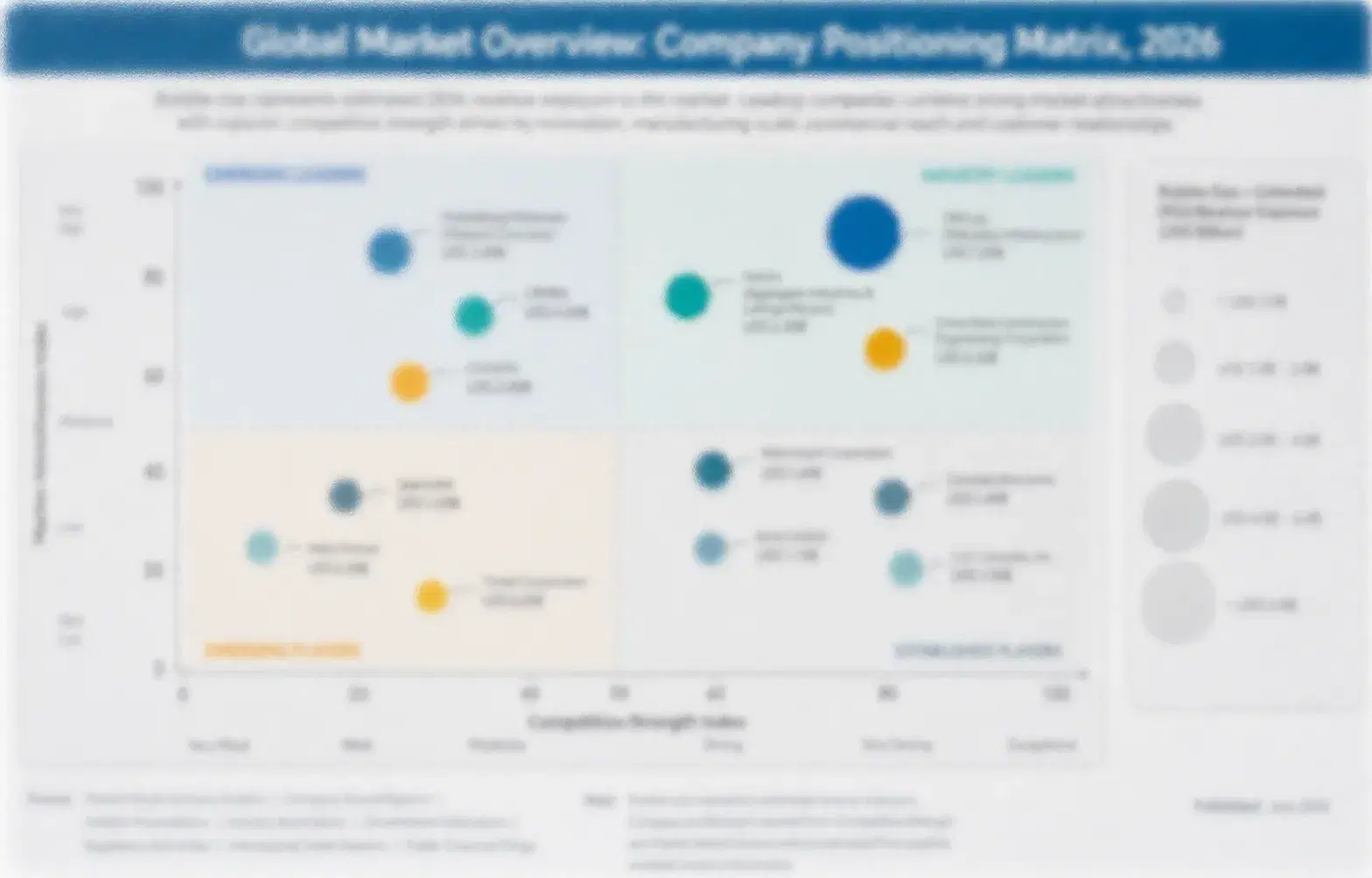
The global flax milk market is highly concentrated relative to broader plant-based dairy alternative categories, with the top five participants holding well over half of measured branded retail volume, and a meaningful gap separates Good Karma Foods' established American brand position from smaller regional entrants still building distribution and production capacity. That gap reflects genuine production economics rather than marketing spend alone, and it has widened as retail documentation requirements raise the bar for smaller entrants.
Current competitive activity concentrates around three dimensions: dedicated production capacity investment to reduce reliance on constrained co-packing arrangements, fortified formulation to position flax milk as a genuine dairy replacement, and coffee-creamer application expansion that captures higher contract value across most retail categories. Brands competing purely on plain unfortified formulations increasingly struggle against differentiated and fortified competitors offering documented nutritional equivalency.

Emerging pressure is coming from independent coffee-culture creamer brands entering the category faster than the sector's original drinking-milk pioneers, a shift that could reshuffle where category revenue concentrates over the next several years across most major consuming markets. Canadian flaxseed processors expanding into dedicated milk manufacturing are also beginning to capture share previously held entirely by American branded specialists, a trend worth monitoring closely.
flax-milk-market-company-positioning-matrix-1789899027913

Competitive Moat and Risk Dimensions

GOOD KARMA FOODS, INC.

Moat: Established brand recognition and distribution

Good Karma Foods' first-mover position and years of natural food retail relationships give it shelf access and consumer trust that newer entrants cannot replicate quickly, letting it maintain category leadership even as larger diversified plant-based beverage companies begin exploring flax milk product lines and formulation strategies.
GOOD KARMA FOODS, INC.

Risk: Limited scale versus category leaders

Good Karma Foods operates at meaningfully smaller production scale than diversified plant-based beverage giants, leaving it more exposed to cost disadvantages and distribution constraints than competitors able to use broader manufacturing infrastructure across multiple plant-based product categories simultaneously and at considerably lower marginal cost per unit.
NATUR-A NUTRITION PRODUCTS INC.

Moat: Direct flaxseed production integration

Natur-a's Canadian operations benefit from proximity to the world's dominant flaxseed growing region, giving it raw material cost and quality advantages that processors sourcing seed from more distant origins cannot easily replicate, a genuine input-cost advantage in a category where flaxseed represents a meaningful cost share.
NATUR-A NUTRITION PRODUCTS INC.

Risk: Limited brand recognition outside Canada

Natur-a carries considerably less brand recognition in the United States and broader international markets than American competitors like Good Karma Foods, limiting its ability to command premium retail placement in the largest addressable market for flax milk products outside its home country and established Canadian distribution network.

Players Tracked

Prominent Players

Good Karma Foods, Inc.
Natur-a Nutrition Products Inc.
Hain Celestial Group, Inc.
Three Farmers Foods Inc.
Linwoods Health Foods Ltd.

Other Key Players

Bob's Red Mill Natural Foods Inc.
Manitoba Harvest (Tilray Brands Inc.)
Nutiva Inc.
Spectrum Organic Products LLC
Viterra Inc.
Richardson International Limited
Archer-Daniels-Midland Company
Bunge Limited
Cargill Incorporated
Pizey Solutions LLC
Glanbia plc
Danone S.A.
Blue Diamond Growers
SunOpta Inc.
Elmhurst 1925

Recent Developments

FEBRUARY 2026

Good Karma Foods Launches Fortified Product Line

Good Karma Foods announced expanded fortified flax milk product lines targeting mainstream supermarket placement nationwide, aiming to position the category as a genuine dairy replacement rather than a specialty beverage. The launch includes calcium and vitamin D fortification designed to match conventional dairy milk nutritional labeling this fiscal year.
Signal: Signals growing brand investment in fortified mainstream dairy-replacement positioning across most grocery categories nationwide this cycle.
OCTOBER 2025

Natur-a Expands Canadian Manufacturing Capacity

Natur-a expanded its dedicated flax milk manufacturing capacity at its Canadian processing facility, aiming to reduce reliance on shared co-packing arrangements and capture more downstream value from domestic flaxseed cultivation. The expansion reflects growing confidence in sustained North American demand for branded flax milk products.
Signal: Confirms Canadian processors are investing ahead of demand rather than waiting for fully proven volume nationwide.
JUNE 2025

Specialty Brand Launches Dedicated Flax Milk Creamer

A specialty coffee creamer brand launched a dedicated flax milk creamer line formulated specifically for coffee whitening and frothing applications, targeting independent coffee shops and specialty retail channels. The launch represents one of the first dedicated flax milk creamer brands built specifically for foodservice use.
Signal: Indicates creamer entrants are moving considerably faster into flax milk than established drinking-milk pioneers nationwide currently.

Flaxseed Procurement and Processing Cost Drivers

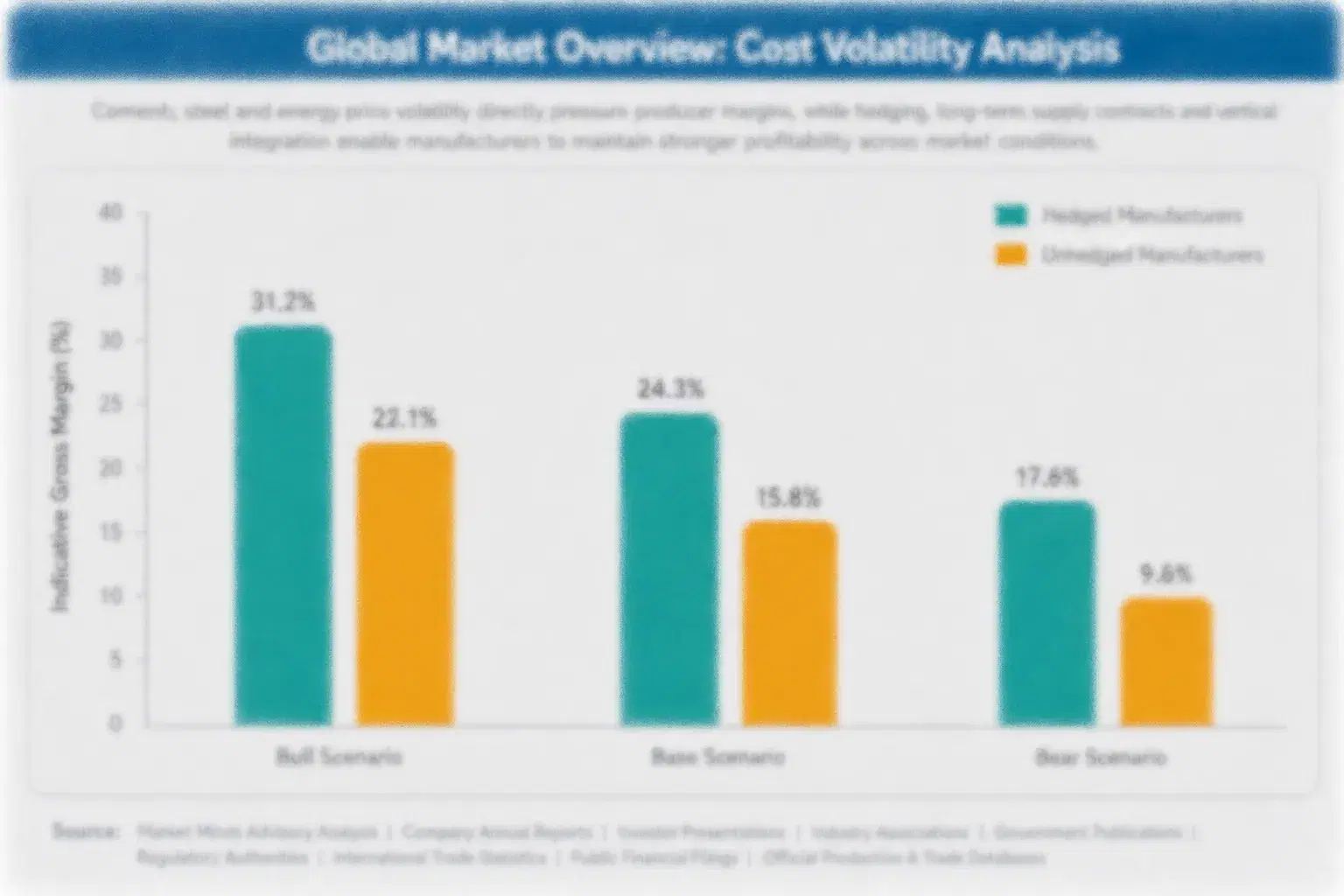
Raw flaxseed represents 38 to 46 percent of total production cost for flax milk, sourced primarily from Canadian growing regions given the country's dominant global cultivation position and established grain handling infrastructure, with the remainder split across processing, fortification ingredients, packaging, and logistics required to deliver finished product to retail and direct-to-consumer buyers across most markets and regions nationwide.
Flaxseed prices rose meaningfully during 2023 amid drought conditions affecting Canadian prairie growing regions and reduced planting acreage in subsequent seasons, a volatility event documented in Statistics Canada agricultural commodity reports and confirmed by rising futures prices tracked on major grain exchanges, compressing margins across processors who could not immediately pass costs through to price-sensitive specialty retail buyers operating under existing supply contracts signed before the disruption began.

Cost exposure varies meaningfully by player type. Processors with direct sourcing relationships with Canadian flaxseed cooperatives absorb volatility more evenly than smaller brands reliant on spot-market purchases through intermediary traders, a disadvantage particularly acute for newer entrants competing against established processors with longer-term forward contracts and diversified growing-region relationships across multiple prairie provinces, export terminals, and grain handling facilities.
flax-milk-market-cost-volatility-analysis-1789899028102

Multi-Region Flaxseed Sourcing Diversification

Larger processors are diversifying flaxseed sourcing across multiple Canadian prairie provinces rather than depending on a single growing region, reducing exposure to any one area's weather-driven yield disruption, and providing more predictable input cost planning across annual contract negotiation cycles with major distributors and regional retail buyers nationwide and across established export markets currently.

Long-Term Cooperative Supply Agreements

Processors are locking in multi-year supply agreements directly with Canadian flaxseed cooperatives, reducing spot-market exposure and providing more predictable cost forecasting for annual pricing and product development planning cycles across plain, fortified, and creamer product categories nationwide, while also stabilizing supplier relationships and production planning over time and across most market cycles currently underway.

Concentrated Formulation to Reduce Flaxseed Input

Some processors are developing more concentrated formulation techniques that reduce the volume of raw flaxseed required per unit of finished flax milk, preserving margin without passing full cost increases through to price-sensitive consumers immediately during periods of tight flaxseed availability and elevated pricing across most producing regions, distribution channels, and retail categories nationwide currently.

Portfolio Architecture for Margin Defence

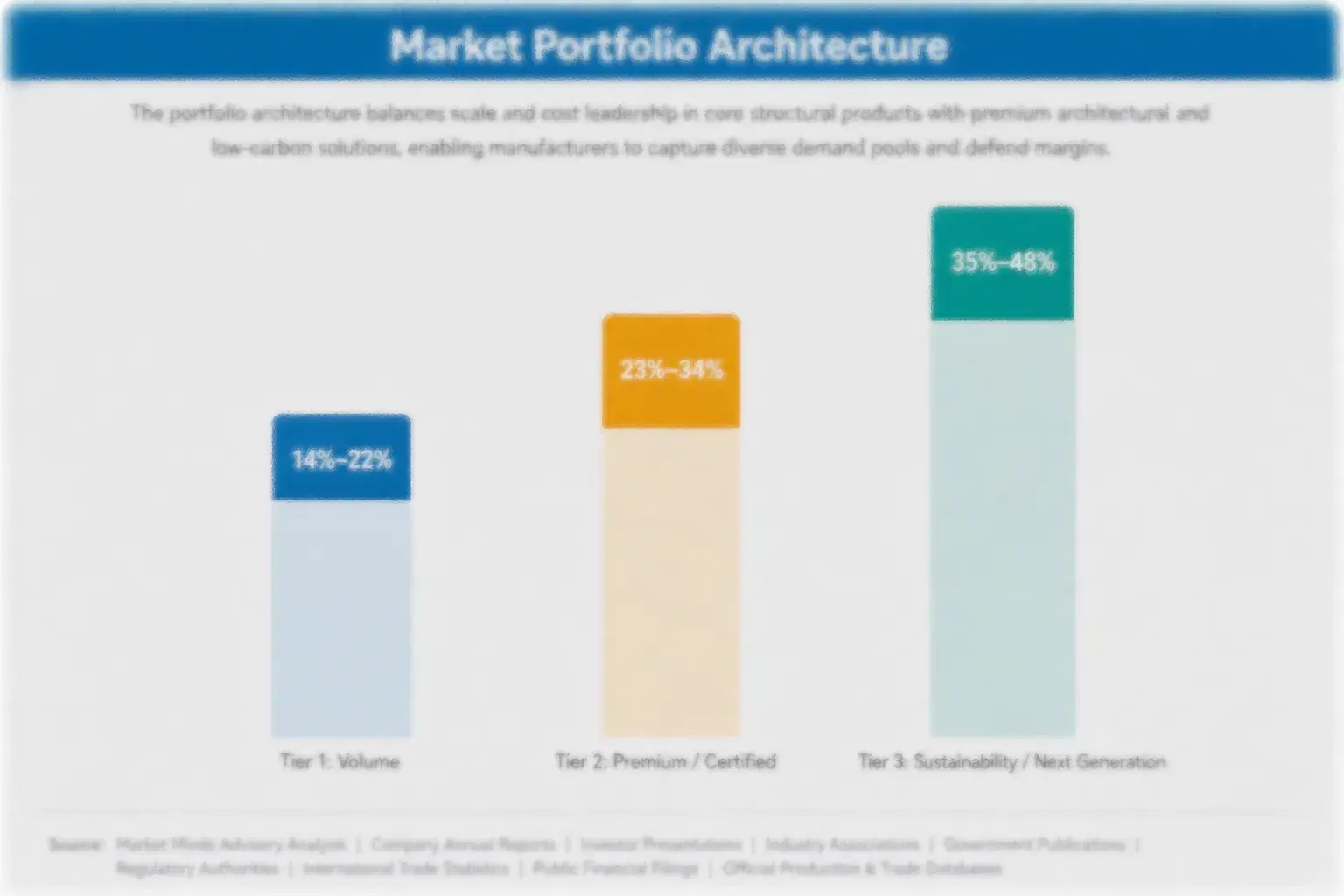
Flax milk's portfolio economics span a range from thin-margin plain unfortified products competing on price against established oat and almond alternatives to meaningfully higher-margin fortified and creamer-application formulations commanding premium contract pricing, creating a three-tier architecture where processors decide how much capital to commit to specialized formulation capability versus defending existing commodity volume. Margin economics differ sharply by tier, with fortified and creamer formats commanding roughly two times the gross margin of plain product.
The volume versus premium tension is sharpest for brands serving price-sensitive natural food retail channels, where raising prices to fund fortification investment risks losing share to lower-cost unfortified competitors, while brands serving mainstream grocery and foodservice buyers face considerably less of that constraint given the premium those buyers already pay for dairy-comparable nutrition and specialized formulation. Balancing both channels separates resilient brands from those exposed to a single demand pattern.

High-value margin pools concentrate clearly in fortified dairy-replacement and coffee-creamer formulations, where nutritional science investment and technical differentiation limit competitive entry and support pricing that plain unfortified flax milk simply cannot sustain given its fundamentally different buyer positioning and purchasing occasion.

Volume / Commodity-Adjacent Tier

Plain unfortified flax milk sold primarily through natural food stores on standardized specifications, competing largely on price and distribution reach rather than nutritional differentiation, specialized formulation, or premium packaging design.
Gross Margin: 10%-16%

Premium / Certified Tier

Fortified and organic flax milk formulations sold directly to mainstream grocery and specialty retail buyers requiring dairy-comparable nutritional labeling, commanding meaningfully higher prices than plain unfortified product across most contract negotiations.
Gross Margin: 22%-30%

Sustainability / Regulatory / Next-Generation Tier

Coffee-creamer and next-generation functional formulations targeting foodservice and specialty beverage applications, requiring higher upfront formulation investment but capturing considerably more retail and contract value than commodity trading alone typically allows.
Gross Margin: 26%-34%
flax-milk-market-portfolio-architecture-1789899028293

High-value Sub-segments and Strategic Watch-out

Fortified Dairy-Replacement Formulations

Fortified flax milk capturing premium contract value across expanding mainstream grocery placement, combining high growth with meaningfully elevated margin versus plain unfortified product as dairy-comparable nutritional labeling investment continues deepening across most major brands and specialty retailers nationwide this cycle and well beyond current forecasts.
Gross Margin: 24%-30%

Coffee Creamer Formulations

Coffee-creamer formulations capturing incremental margin as independent coffee culture brands enter faster than established drinking-milk pioneers, growing steadily though constrained by limited formulation expertise among smaller regional processors and specialty ingredient suppliers nationwide currently and well beyond current market forecasts, projections, expectations, and industry estimates.
Gross Margin: 26%-34%

Plain Unfortified Commodity Milk

Plain unfortified flax milk representing the volume core of the category, generating the bulk of total category revenue despite thin per-unit margins through natural food retail channel scale across most established consuming markets nationwide this cycle and well beyond current forecasts, projections, and industry expectations.
Gross Margin: 10%-15%

Diversified Beverage Giant Entry

A strategic watch-out segment where diversified plant-based beverage giants entering flax milk could pull meaningful share away from established specialists faster than currently assumed, though commercial traction remains genuinely uncertain given existing brand loyalty and limited category awareness across most consuming markets nationwide currently and going forward.
Gross Margin: 16%-24%

Why Nutritional Story Sustains Repeat Purchase

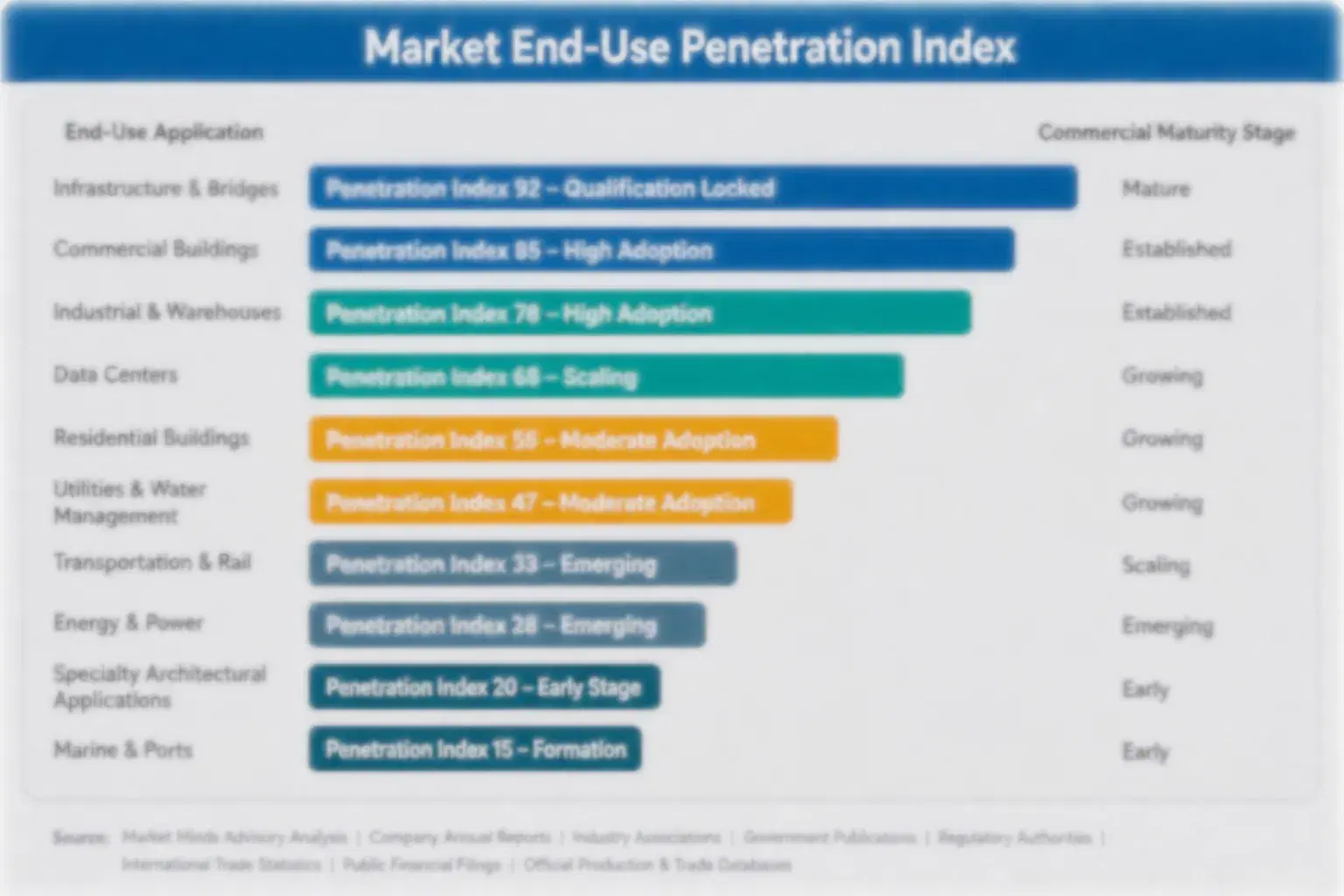
Flax milk generates genuine annuity-style demand among health-conscious consumers once they experience documented digestive tolerability or omega-3 benefits firsthand, since switching back to conventional dairy or other plant-based alternatives means giving up the specific nutritional story that originally drove trial and continued purchase, a retention mechanism most commodity beverage categories lack entirely. This dynamic explains why repeat-purchase rates among converted consumers run considerably higher than typical wellness product categories overall.
Adoption depth varies sharply by end-use vertical. Natural food retail consumption runs deepest given established wellness-community trust built over years of shared testimonials and word-of-mouth referrals, while mainstream grocery adoption is still building depth against entrenched oat and almond milk competition, and coffee-creamer application adoption remains earliest-stage among the tracked verticals given limited specialized formulation availability nationwide.

Generational shifts are most visible among younger wellness-focused consumers discovering flax milk through social media nutrition content rather than traditional grocery shopping habits passed down through many generations, a buyer profile shift pulling incremental demand toward fortified and creamer formats marketed specifically around documented functional benefits rather than plain unfortified positioning that older consumers might default to instead.
flax-milk-market-end-use-penetration-index-1789899028476

Fortification and Scale Decide Winners

These are among the four positions where our research anticipates prominent divergence between winners and laggards over the coming forecast period. Each is grounded in the demand model, the regulatory perimeter, and the announced capacity pipeline.
01 / FORTIFICATION INVESTMENT PRIORITY

Dairy-comparable fortification will separate mainstream brands from niche players

Mainstream grocery retailers increasingly favor plant-based beverages formulated to match conventional dairy milk's nutritional label, a bar plain unfortified flax milk struggles to clear regardless of its documented omega-3 content. Brands that invest early in dairy-comparable fortification capture mainstream shelf placement that anecdote-reliant competitors cannot access, converting flax milk from a specialty supplement beverage into a genuine dairy replacement. This gap will widen further as retailers grow more selective about plant-based beverage shelf allocation over the coming several years nationwide.
02 / PRODUCTION SCALE INVESTMENT

Dedicated manufacturing capacity will separate winners from co-packed competitors

Flax milk's genuinely small production scale relative to oat and almond milk keeps most brands dependent on shared co-packing arrangements that constrain both cost efficiency and supply consistency across most established brands and regional distributors. Processors investing in dedicated manufacturing capacity now are building a cost and reliability advantage that later entrants will find considerably harder to replicate once favorable co-packing slots and raw material relationships become scarcer. Expect continued capital investment in dedicated production capacity over the coming decade nationwide.
03 / COFFEE CREAMER EXPANSION VALUE

Creamer applications represent an underexploited margin opportunity

Coffee-creamer formulations command meaningfully higher contract value than standard drinking-milk specifications, yet most flax milk brands remain focused on standalone beverage sales rather than dedicated creamer product development and formulation investment strategies of their own. Independent coffee-culture brands entering this space are capturing margin that established drinking-milk pioneers have largely left uncontested, given their historical focus on natural food retail rather than foodservice channels. Expect continued creamer-application entry from brands outside the traditional flax milk category over the coming several years nationwide.
04 / CATEGORY FRAGMENTATION RISK

Crowded plant-based shelf space limits flax milk's mainstream retail ceiling

The plant-based milk category's fragmentation across oat, almond, soy, and pea alternatives genuinely limits how much shelf space mainstream retailers allocate to newer entrants like flax milk, regardless of nutritional differentiation or documented health benefits. Brands lacking a distribution strategy beyond crowded physical retail shelves face a meaningfully harder path to scale than those building direct-to-consumer and foodservice channels that bypass shelf competition entirely. Expect continued reliance on alternative distribution channels as retail shelf space remains genuinely constrained over the coming decade nationwide.

Engagement Snapshot From the Field

A live engagement with an industry participant carrying material or product regulatory and market exposure ahead of a defining policy shift, showing how our research translates into a defensible multi-year portfolio strategy.
MARKET MINDS ADVISORY · CLIENT ENGAGEMENT SUMMARY
Flax Milk Producer Strategic Portfolio Review and Transition Roadmap 2026·Investment Scenario on Flax Milk Exposure Evaluation 2025-26
CLIENT PROFILE
The client is an early-stage American coffee creamer brand preparing to launch a dedicated flax milk creamer line, with founder-led marketing experience but limited relationships with flaxseed processors or established distribution channels. Annual revenue across the founder's existing creamer portfolio was reported at approximately $4.5 million (client-reported, unverified by MMA), with flax milk representing an entirely new category expansion.
STRATEGIC CHALLENGE
The brand sought to launch a credible flax milk creamer product but lacked established supplier relationships with dedicated processors, faced uncertainty over sourcing between co-packing arrangements and direct processor relationships, and needed a distribution strategy that could reach coffee shops and specialty retail without the marketing budget of larger established plant-based beverage competitors.
MMA APPROACH
MMA conducted primary research combining processor landscape mapping, competitive benchmarking against established plant-based creamer brands, and coffee shop channel interviews to identify the most viable sourcing and go-to-market pathway given the client's limited capital and need for rapid, credible market entry within a competitive and still-nascent flax milk creamer category.
KEY FINDINGS
  1. Direct processor relationships offered stronger cost and quality consistency than shared co-packing arrangements despite meaningfully higher minimum order commitments for the client.
  2. Independent coffee shop channels required considerably less upfront investment than pursuing mainstream grocery placement immediately at launch, preserving scarce early-stage capital reserves for future growth.
  3. Competing plant-based creamer brands already dominated oat and almond formulations, leaving clear differentiation opportunity for a dedicated flax-based creamer product and marketing narrative.
  4. Foodservice-grade bulk packaging formats aligned better with the client's target coffee shop customer base than standard retail carton sizes sold through grocery channels.
CLIENT PROFILE
The client is an early-stage American coffee creamer brand preparing to launch a dedicated flax milk creamer line, with founder-led marketing experience but limited relationships with flaxseed processors or established distribution channels. Annual revenue across the founder's existing creamer portfolio was reported at approximately $4.5 million (client-reported, unverified by MMA), with flax milk representing an entirely new category expansion.
STRATEGIC CHALLENGE
The brand sought to launch a credible flax milk creamer product but lacked established supplier relationships with dedicated processors, faced uncertainty over sourcing between co-packing arrangements and direct processor relationships, and needed a distribution strategy that could reach coffee shops and specialty retail without the marketing budget of larger established plant-based beverage competitors.
MMA APPROACH
MMA conducted primary research combining processor landscape mapping, competitive benchmarking against established plant-based creamer brands, and coffee shop channel interviews to identify the most viable sourcing and go-to-market pathway given the client's limited capital and need for rapid, credible market entry within a competitive and still-nascent flax milk creamer category.
KEY FINDINGS
  1. Direct processor relationships offered stronger cost and quality consistency than shared co-packing arrangements despite meaningfully higher minimum order commitments for the client.
  2. Independent coffee shop channels required considerably less upfront investment than pursuing mainstream grocery placement immediately at launch, preserving scarce early-stage capital reserves for future growth.
  3. Competing plant-based creamer brands already dominated oat and almond formulations, leaving clear differentiation opportunity for a dedicated flax-based creamer product and marketing narrative.
  4. Foodservice-grade bulk packaging formats aligned better with the client's target coffee shop customer base than standard retail carton sizes sold through grocery channels.
RECOMMENDED STRATEGY
Phase 1: Phase 1 (Months 1-4): Establish direct flaxseed processor sourcing relationships and finalize creamer formulation specifications and packaging well ahead of launch. Phase 2: Phase 2 (Months 5-9): Launch through independent coffee shop channels and build foodservice-grade bulk packaging distribution and reliable delivery logistics. Phase 3: Phase 3 (Months 10-15): Evaluate expansion into mainstream grocery placement based on the coffee shop channel traction and revenue already achieved.
OUTCOME
Within fifteen months of implementing the phased strategy, the client reported creamer revenue growth of approximately 280% (client-reported, unverified by MMA), driven primarily by independent coffee shop adoption and direct processor sourcing credibility, while customer acquisition cost remained meaningfully below the founder's original grocery-focused launch projections.

Frequently Asked Questions

Foundational context covering the market sizes, CAGR, scope, country, region and competition that inform every finding below. This section is provided to cover basics and most often pre-purchase conversations, answered from the MMA Primary Research Dataset.

What is the current size of the Flax Milk Market?

The global flax milk market was valued at approximately $210 million in 2025. North America accounts for the largest share given Canada's dominant flaxseed production.

How large will the Flax Milk Market be by 2036?

The market is projected to reach approximately $850 million by 2036, roughly 3.54 times its 2026 value, driven largely by fortification and mainstream retail expansion.

What is the CAGR for the Flax Milk Market 2026 to 2036?

The market is forecast to grow at a compound annual growth rate of 13.5% between 2026 and 2036, supported by wellness advocacy and dedicated production capacity.

Which segment is growing fastest?

Fortified flax milk is the fastest-growing segment, expanding at 17.0% annually, roughly 1.26 times the overall market rate, driven by rising dairy-comparable nutritional positioning nationwide.

Who are the major companies in this market?

Leading participants include Good Karma Foods, Natur-a, Hain Celestial, Three Farmers Foods, and Linwoods Health Foods, spanning dedicated specialists and larger diversified plant-based beverage brands.

Which country is growing fastest?

Canada is the fastest-growing major sourcing country, expanding at approximately 15.0% annually as domestic flaxseed processors increasingly convert seed supply into finished branded milk nationwide.

Report Segmentation Architecture

The full report scope spans multiple orthogonal segmentation dimensions, with cross-tabulated demand data provided for each dimension pair. Coverage extends further to regional breakdowns, trend trajectories, and the competitive detail needed to support segment-level decision-making.

By Product Form

  • Plain Unsweetened Flax Milk
  • Flavored and Sweetened Flax Milk
  • Organic Flax Milk
  • Fortified Flax Milk
  • Flax Milk Creamers and Beverages
  • Flax Milk for Foodservice and Culinary Use

By End-Use Industry

  • Household Retail Consumption
  • Foodservice and Coffee Shop Channels
  • Bakery and Culinary Manufacturing
  • Specialty Beverage Manufacturing
  • Direct-to-Consumer Subscription

By Commercial Dimension

  • Natural Food and Specialty Retail
  • Mainstream Grocery Retail
  • Foodservice and Coffee Shop Supply
  • E-Commerce and Subscription Delivery

By Region

  • North America
  • Western Europe
  • East Asia
  • South Asia and Pacific
  • Latin America
  • Middle East and Africa
  • Eastern Europe

Scope, Methodology, and Coverage

Every figure in this report is reproducible from documented input assumptions. The scope below maps the historical period, the forecast horizon, the segmentation dimensions, and the countries covered, alongside the underlying primary and qualitative methodology.
Historical Period
2020 to 2025
Forecast Period
2026 to 2036
Base Year
2025 (USD billions; MMA Primary Research Dataset, September 2026)
Market Definition
This market covers flax milk, a plant-based dairy alternative produced from flaxseed, sold as plain, flavored, organic, fortified, and creamer formats into natural food and mainstream grocery retail. It excludes other plant-based milk categories such as oat, almond, soy, and pea milk, and flaxseed oil or ground flaxseed sold as a standalone culinary ingredient.
Quantitative Units
USD millions (current prices); volume in metric tons where applicable
Segmentation Dimensions
By Product Form; By End-Use Industry; By Commercial Dimension; By Region
Regions Covered
North America, Western Europe, East Asia, South Asia and Pacific, Latin America, Middle East and Africa, Eastern Europe
Countries Covered
USA, China, Germany, France, UK, Japan, South Korea, India, Australia, Canada, Brazil, Mexico, Indonesia, Vietnam, Thailand, Malaysia, UAE, Saudi Arabia, South Africa, Nigeria, Turkey, Poland, Netherlands, Italy, Spain, Sweden, Switzerland, Argentina, Colombia, Singapore, and additional markets relevant to this sector
Key Companies Profiled
Good Karma Foods, Inc., Natur-a Nutrition Products Inc., Hain Celestial Group, Inc., Three Farmers Foods Inc., Linwoods Health Foods Ltd., Bob's Red Mill Natural Foods Inc., Manitoba Harvest (Tilray Brands Inc.), Nutiva Inc., Spectrum Organic Products LLC, Viterra Inc., Richardson International Limited, Archer-Daniels-Midland Company, Bunge Limited, Cargill Incorporated, Pizey Solutions LLC, Glanbia plc, Danone S.A., Blue Diamond Growers, SunOpta Inc., Elmhurst 1925
Quantitative Methodology
Primary survey, n=3,800 respondents, Q4 2025, six countries; demand-side model with trade association cross-validation
Qualitative Methodology
47 expert interviews, Q4 2025; applied to validate demand model assumptions, identify emerging dynamics, and assess competitive positioning
Report Format
PDF and XLSX data workbook (Word format preview document)
Publisher
Market Minds Advisory
Report Code
MMA-2026-AGR-105
Published
September 2026
Contact
sales@marketmindsadvisory.com | www.marketmindsadvisory.com

Purchase the full Flax Milk Market Report (2026 to 2036).

The full report delivers a comprehensive assessment of the global flax milk market, spanning product form segmentation, regional demand architecture, and competitive benchmarking across dedicated specialists and diversified plant-based brands worldwide. It includes detailed forecast modeling through 2036, input cost sensitivity analysis, and portfolio margin benchmarking across plain, fortified, and creamer product tiers. The analysis also covers production capacity dynamics shaping brand market access nationwide. Buyers receive full access to underlying primary survey data and expert interview transcripts supporting every quantitative claim in the analysis.
Ten-year volume and value forecasts by segment
Seven-region sourcing origin and CAGR breakdown
Competitive benchmarking of top 20 brands
Input cost sensitivity and mitigation analysis
Portfolio margin tiering by product category
Primary survey and expert interview data access

Built For The People Who Decide

From boardroom strategy to bench-side execution, this report is read cover-to-cover by leaders shaping the next decade of their industry, turning demand scenarios, market dynamics and valuation benchmarks into decisions.
CXOs/ Presidents/ VPs/ Managers
M&A and Corporate Development
Strategy Teams and R&D Heads
Procurement and Product Directors
Regulatory and Compliance Leaders
Investor Relations and Equity Analysts