Market Minds Advisory
Flavour Capsule Cigarette Market

Flavour Capsule Cigarette Market: Flavour Capsule Cigarette Market. Jurisdiction Rules, Asian Demand Concentration, and Compliant Capsule Design Shape Value.

Global capsule cigarette value now depends on jurisdiction: bans in the EU and other markets shrink flavoured formats, while Asian, Middle Eastern, and Eastern European demand and compliant capsule designs hold the remaining growth.

Lead Analyst

Published

September 2026

Make Smarter Decisions with Customized Research Insights

Request a free sample report and evaluate market opportunities, growth trends, and competitive dynamics relevant to your business needs.

2025 MARKET VALUE$8.5BMarket Size 2025
2036 FORECAST VALUE$10.1BBase Case , 2026 to 2036
CAGR 2026 TO 20361.6 %Bull 2.9% / Bear 0.2%
INCREMENTAL OPPORTUNITY$1.5BNet 10- year value creation
EXPANSION MULTIPLE1.17x2036 value over 2026 base
Strategic Levers
M&A Pipeline
Regional Outlook
Country Rankings
Competitive Intelligence
Segmental Deep-dive
Call-Us : 91 93563 13602

Executive Snapshot and Market Trajectory.

A capsule cigarette holds a small bead in the filter that the smoker crushes to change the taste. It is a regulated product in a shrinking, fragmented legal map. Where flavour bans apply, capsules move to compliant designs, and where they do not, Asia holds most of the volume.
Non-characterising filter capsule cigarettes grow fastest, since manufacturers redesign capsules for filtration or draw effects that stay lawful under flavour rules. East Asia holds the largest share as Chinese, Korean, and Japanese smokers use capsule formats widely, while South Asia and Pacific follows and grows fastest. Law sets the map. Design sets survival. Excise sets price. Compliance records protect future sales. Supply contracts decide renewal.
Competition is highly concentrated, with a Swiss-American multinational, a British multinational, a Japanese multinational, a British-based tobacco group, and a Chinese state monopoly leading alongside regional makers and filter suppliers on legal capacity, portfolio adaptation, and cost. Regulation covers flavour bans, ingredient reporting, and excise. Suppliers own dossiers. Legal review governs every product. Compliance records protect future sales. Supply contracts decide renewal. Delivery reliability decides supplier rankings. Margins follow cost discipline.
Market Definition
The flavour capsule cigarette market covers cigarettes with a flavour or non-flavour capsule in the filter that are lawful for sale in their jurisdiction, valued at manufacturer level, including single-capsule menthol-type cigarettes, fruit and confectionery-type capsule cigarettes, dual and multi-capsule cigarettes, non-characterising filter capsule cigarettes, and capsule heated tobacco consumables. The scope excludes products prohibited in their jurisdiction, illicit trade, cigarettes without capsules, e-cigarettes, oral nicotine, and loose tobacco.
Base Year Value
$8.5B in 2025 (MMA Primary Research Dataset, September 2026)
Forecast Period
2026 to 2036, eleven discrete annual values
CAGR
1.6% base case. Bull 2.9%. Bear 0.2%.
Fastest Growth Segment
Non-Characterising Filter Capsule Cigarettes: 5.2% CAGR
Fastest Growth Country
Indonesia: 4.0% CAGR
Fastest Growth Region
South Asia and Pacific: 3.6% CAGR
Largest Region
East Asia: 40% of 2025 global value
Market Leaders
Philip Morris International, British American Tobacco, Japan Tobacco International, Imperial Brands, China National Tobacco Corporation. Source: MMA Analysis, company annual reports.
Primary Survey
n=3,800 procurement and R&D decision-makers, Q4 2025, six countries
Methodology
Demand-side build-up, cross-validated against public data, 47 expert interviews

Flavour Capsule Cigarette Market Forecast Scenarios

flavour-capsule-cigarette-market-size-forecast-scenario-1789835856540
From 2020 to 2025, global capsule cigarette value grew slowly as Asian, Middle Eastern, and Eastern European demand offset bans in the EU, the United Kingdom, Canada, and other markets. Manufacturers withdrew flavoured lines where required and redesigned others, and leaf and energy costs rose sharply from 2022. Growth ran slightly above the forecast pace in Asia and below it
The base case rests on three commercial mechanisms. First, Asian and Middle Eastern smoker bases hold capsule use while premiumisation lifts price per pack. Second, manufacturers move to compliant non-characterising capsule designs where flavour rules tighten. Third, regulation spreads gradually to more jurisdictions, trimming flavoured formats. Suppliers plan filter capacity, dossiers, and regional portfolios around all three, and legal review governs every launch decision. Compliance records protect future sales. Supply contracts decide renewal.
The bull case needs slower regulatory spread and stable leaf costs, which would hold value. The bear case is new flavour bans in a large Asian market combined with higher excise, which would cut value and volumes quickly. Compliance records protect future sales. Supply contracts decide renewal. Delivery reliability decides supplier rankings. Margins follow cost discipline. Batch records support audits.

Jurisdiction Rules, Asian Demand, and Compliant Design Decide Global Capsule Cigarette Outcomes

The capsule cigarette market spans a supply chain from filter and capsule production to tobacco blending and retail. Specialist suppliers make capsules and filter rods, manufacturers assemble and pack cigarettes, and wholesalers distribute to licensed retailers. State monopolies and multinationals run the largest plants, and most output is sold under excise-stamped, restricted packaging. Cost control separates leaders from followers. Clear specifications build buyer trust.
MARKET CONCENTRATION82% CR5Leading five manufacturers hold a very high combined share
JURISDICTIONS RESTRICTING FLAVOURS40+Countries applying flavour restrictions to cigarettes in some form
CAPSULE PRODUCT PENETRATION18%Portion of lawful cigarette sales carrying a capsule format
EXCISE WEIGHT60-80%Typical portion of retail price taken by excise and tax
COMPLIANCE LEAD TIME12 monthsTypical time to redesign and complete regulatory notification
CAPSULE COST PREMIUM5-10%Typical extra manufacturing cost of a capsule filter
Legal position, cost, and design decide value. Manufacturers must show that a capsule complies with local flavour rules, and authorities and courts may test that claim, so a supplier needs regulatory teams, sensory panels, and documented ingredients. Large manufacturers own dossiers and legal capacity, while small suppliers carry higher risk. Firms with clean records, reliable delivery, and early notification win because retailers avoid any supplier that risks a
Manufacturers judge capsule designs on legal safety, cost, and filter performance. Price sensitivity is high because excise and tax take most of the retail price, which leaves little margin for design cost. Format decisions therefore favour simple capsules in permissive markets and non-characterising designs in regulated ones, while heated tobacco capsules face the sharpest legal exposure. Small suppliers feel every rule change.
"This is a category whose map is drawn by regulators, not consumers. The same capsule is a growth product in one country and a legal liability in the next. Manufacturers that plan by jurisdiction, not by global brand, will keep value as the map keeps changing."
Senior Analyst, Tobacco and Regulated Products Practice · MMA Flavour Capsule Cigarettes Practice · September 2026

Market Trends

Compliant Non-Characterising Capsule Designs Spread as Flavour Rules Tighten

As flavour restrictions reach more jurisdictions, manufacturers redesign capsules for filtration, draw, or tobacco-neutral effects that do not create a characterising flavour. Non-characterising filter capsule cigarettes grow about 5.2% a year, from a small base. The trend needs sensory evidence and legal review, and it rewards manufacturers with dossiers, panels, and early notification records across several jurisdictions. Regulatory reach compounds over time. Compliance records protect future sales. Supply contracts decide renewal. Delivery reliability decides supplier rankings. Margins follow cost discipline. Legal review shapes every launch. Batch records support audits. Cost control separates leaders from followers.
Market Impact: China holds about 33% of cigarettes
Premiumisation in Asia Lifts Price Per Pack for Capsule Formats

In Korea, Japan, China, and Southeast Asia, capsule formats carry price premiums of 5% to 15% over standard filters as smokers trade up within a stable volume base. Capsule product penetration reaches about 18% of lawful cigarette sales. The trend needs local brand strength and legal clearance, and it rewards manufacturers with strong distribution and regional portfolios adapted to local rules. Clear specifications build buyer trust. Small suppliers feel every rule change. Regulatory reach compounds over time. Compliance records protect future sales. Supply contracts decide renewal. Delivery reliability decides supplier rankings. Margins follow cost discipline.
Market Impact: capsule filters add 5-10% to cost

Market Opportunities and Growth Drivers

Large Asian and Middle Eastern Smoker Bases Sustain Capsule Demand

Asia and the Middle East hold most of the world's smokers, and capsule formats remain lawful and popular in several large markets. China alone accounts for roughly a third of global cigarette consumption. The driver sustains volume and rewards manufacturers with strong local brands, state licences or distribution reach, and plants that meet local filter and packaging rules. Legal review shapes every launch. Batch records support audits. Cost control separates leaders from followers. Clear specifications build buyer trust. Small suppliers feel every rule change. Regulatory reach compounds over time. Compliance records protect future sales.
Market Impact: 40+ jurisdictions restrict cigarette flavours

Format Differentiation Supports Price Premiums Inside Mature Cigarette Markets

Manufacturers use capsules and filter technology to differentiate products in mature markets, and premiums of 5% to 15% over standard filters hold where legal risk is low. Capsule filters add 5% to 10% to manufacturing cost. The driver supports margin in compliant formats and rewards manufacturers with brand strength, legal clearance, and disciplined portfolio management across national markets. Supply contracts decide renewal. Delivery reliability decides supplier rankings. Margins follow cost discipline. Legal review shapes every launch. Batch records support audits. Cost control separates leaders from followers. Clear specifications build buyer trust. Small suppliers feel every rule change.
Market Impact: global volumes fall about 2% yearly

Market Restraints and Challenges

Flavour Bans and Restrictions Spread Across More Jurisdictions Each Year

More than 40 jurisdictions now restrict flavours in cigarettes, including the EU, the United Kingdom, Canada, Brazil, and several US states, and the WHO Framework Convention on Tobacco Control guidelines encourage further bans. The root cause is public health policy. Manufacturers respond with non-characterising redesigns and regional portfolios, though borderline designs face testing and possible withdrawal. Regulatory reach compounds over time. Compliance records protect future sales. Supply contracts decide renewal. Delivery reliability decides supplier rankings. Margins follow cost discipline. Legal review shapes every launch. Batch records support audits. Cost control separates leaders from followers.
Market Impact: non-characterising designs grow about 5.2% yearly

Excise Increases and Retail Restrictions Push Volumes Down Steadily

Excise and tax already take 60% to 80% of retail price in many markets, and governments raise rates while display bans and plain packaging limit visibility. The root cause is fiscal and health policy. Manufacturers respond with price tiering and cost cuts, though global cigarette volumes still fall by about 2% a year. Clear specifications build buyer trust. Small suppliers feel every rule change. Regulatory reach compounds over time. Compliance records protect future sales. Supply contracts decide renewal. Delivery reliability decides supplier rankings. Margins follow cost discipline. Legal review shapes every launch.
Market Impact: capsules carry premiums of 5-15%
3 additional market trends, 2 additional growth drivers, and 4 additional restraints and challenges are covered in the full report. Contact sales@marketmindsadvisory.com to access the complete intelligence.

Segment CAGR and Growth Architecture

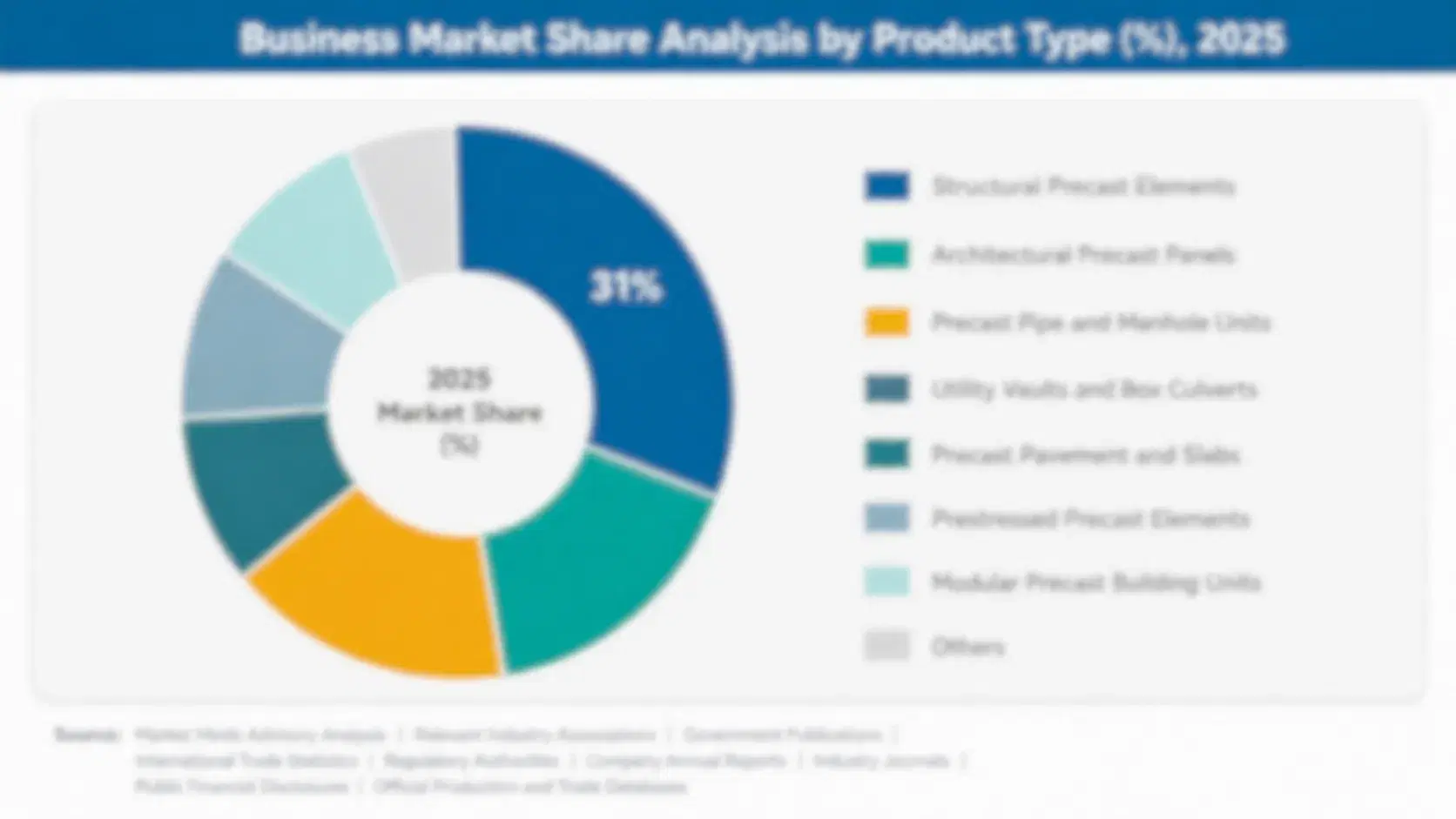
The flavour capsule cigarette market is segmented by capsule design and compliance position, which shows where lawful demand survives and grows. Five segments cover single-capsule menthol-type, fruit and confectionery-type, dual and multi-capsule, non-characterising filter capsule, and capsule heated tobacco consumables. Two segments grow fastest as compliant designs and smoke-free formats move into permissive markets.
flavour-capsule-cigarette-market-market-share-analysis-1789835856824

Non-Characterising Filter Capsule Cigarettes

Non-Characterising Filter Capsule Cigarettes is the fastest-growing segment at 5.2% a year, about 3.25 times the overall market rate, from a small base. Capsules here change filtration or draw and do not create a characterising flavour, and premiums of 5% to 15% over standard filters support gross margins of 30% to 40%. Legal testing across jurisdictions is the main constraint. Manufacturers with dossiers win. Batch records support audits. Cost control separates leaders from followers. Clear specifications build buyer trust. Small suppliers feel every rule change. Regulatory reach compounds over time. Compliance records protect future sales. Supply contracts decide renewal. Delivery reliability decides supplier rankings. Margins follow cost discipline. Legal review shapes every launch.
CAGR 5.2%

Capsule Heated Tobacco Consumables

Capsule Heated Tobacco Consumables grows at 4.0% a year, because Japan, Korea, and several Asian and Middle Eastern markets allow flavoured heated tobacco products and adult users adopt them, and buyers accept premiums of 10% to 30% over standard consumables. Legal exposure and device dependence are the main constraints, since the EU banned flavours in this category in 2023. Manufacturers with regional portfolios hold value better than followers. Batch records support audits. Cost control separates leaders from followers. Clear specifications build buyer trust. Small suppliers feel every rule change. Regulatory reach compounds over time. Compliance records protect future sales. Supply contracts decide renewal. Delivery reliability decides supplier rankings. Margins follow cost discipline.
CAGR 4.0%
Full segment breakdown across 5 segments available in the complete report.

Regional Architecture and Country Demand Map

East Asia holds an unusually large share because Chinese, Korean, and Japanese smokers use lawful capsule formats widely, and South Asia and Pacific follows. Western Europe and North America sit below their usual bands because flavour rules restrict capsule formats, while Middle East and Africa and Eastern Europe sit

East Asia

East Asia holds 40% share, far above its usual band, because China, South Korea, and Japan combine very large smoker bases with widespread lawful capsule formats, and China National Tobacco Corporation, KT&G, Japan Tobacco, and Philip Morris International lead. Growth exceeds the global rate as premiumisation continues. Excise, plain packaging trends, and legal reviews restrain margins, and manufacturers adapt portfolios by jurisdiction. Legal review shapes every launch. Batch records support audits. Cost control separates leaders from followers. Clear specifications build buyer trust. Small suppliers feel every rule change. Regulatory reach compounds over time. Compliance records protect future sales. Supply contracts decide renewal. Delivery reliability decides supplier rankings. Margins follow cost discipline. Legal review shapes every launch.
Share: 40% | CAGR: 2.4% (2026 to 2036)

South Asia and Pacific

South Asia and Pacific holds 18% share, above its usual band, because Indonesia, Vietnam, the Philippines, and Malaysia combine large smoker bases with capsule formats that remain lawful in many markets, and Gudang Garam, Djarum, Philip Morris International, and British American Tobacco compete there. Growth exceeds the global rate as incomes rise. Excise reform, legal change, and price sensitivity restrain margins. Batch records support audits. Cost control separates leaders from followers. Clear specifications build buyer trust. Small suppliers feel every rule change. Regulatory reach compounds over time. Compliance records protect future sales. Supply contracts decide renewal. Delivery reliability decides supplier rankings. Margins follow cost discipline. Legal review shapes every launch. Batch records support audits.
Share: 18% | CAGR: 3.6% (2026 to 2036)
Regional intelligence for 5 additional markets available in the complete report: Western Europe, Latin America, Middle East and Africa, Eastern Europe, North America. Contact sales@marketmindsadvisory.com.
flavour-capsule-cigarette-market-country-cagr-analysis-1789835857133

Four Margin Routes for Compliant Capsule Manufacturers

Margin in regulated capsule cigarettes comes from compliance evidence, regional portfolio design, cost discipline, and price tiering rather than volume. The routes below apply to manufacturers, filter suppliers, and contract producers, and each can start inside one planning cycle, with clear measures in gross margin points, dossier cost, and lawful volume retained. Supply contracts decide renewal.

Building Jurisdiction Dossiers Proving Capsules Create No Characterising Flavour

Manufacturers with sensory panels, ingredient dossiers, and early notification records keep lawful products on shelves while rivals face withdrawal, holding gross margins of 30% to 40% against 22% to 30% for untested lines. Dossier and panel costs run $0.3 million to $1.5 million per platform. Suppliers should test every design before notification and review evidence yearly to defend up to 15% of margin. Delivery reliability decides supplier rankings. Margins follow cost discipline. Legal review shapes every launch. Batch records support audits. Cost control separates leaders from followers. Clear specifications build buyer trust.
Market Impact: dossiers protect lawful volume worth 15% of margin

Designing Regional Portfolios That Match Each Jurisdiction's Capsule Rules

With more than 40 jurisdictions restricting flavours, manufacturers that map formats by country and design regional portfolios avoid withdrawals and hold price premiums of 5% to 15% where lawful. Portfolio mapping costs $0.5 million to $2 million. Suppliers should review rule changes quarterly, retire at-risk formats early, and shift 20% of capsule capacity toward permissive markets in three years. Small suppliers feel every rule change. Regulatory reach compounds over time. Compliance records protect future sales. Supply contracts decide renewal. Delivery reliability decides supplier rankings. Margins follow cost discipline. Legal review shapes every launch.
Market Impact: regional portfolios shift 20% of capacity to permissive markets

Pruning Low-Margin Formats to Protect Gross Margin in Shrinking Markets

Fruit-type and multi-capsule formats face the highest legal risk and decline in regulated markets, so manufacturers that prune weak lines, consolidate rods, and cut complexity keep unit cost stable and protect gross margin. Pruning saves 3% to 6% of operating cost. Firms that keep every format will carry falling volume across fixed plant, which erodes margin by about four points. Batch records support audits. Cost control separates leaders from followers. Clear specifications build buyer trust. Small suppliers feel every rule change. Regulatory reach compounds over time. Compliance records protect future sales. Supply contracts decide renewal.
Market Impact: pruning saves 3-6% of operating cost every year

Using Price Tiering and Excise Pass-Through Clauses to Hold Margin

Excise takes 60% to 80% of retail price, so manufacturers and suppliers that write excise pass-through and price tiering into trade contracts hold margin when tax rises. Retailers accept price changes slowly, so contract terms matter more than list prices. Suppliers that skip planning absorb 2% to 4% lower margins in years with excise changes, and can lose shelf position. Delivery reliability decides supplier rankings. Margins follow cost discipline. Legal review shapes every launch. Batch records support audits. Cost control separates leaders from followers. Clear specifications build buyer trust. Small suppliers feel every rule change.
Market Impact: pass-through clauses protect margin worth 2-4 points yearly

Who Controls the Margin Pool

The market is highly concentrated, with a CR5 of 82%, and regional makers, filter suppliers, and contract producers sit outside the leading five. This assessment measures participants on estimated capsule cigarette sales value in lawful jurisdictions, held constant across all players. China National Tobacco Corporation leads through its domestic base, while Philip Morris International, British American Tobacco, Japan Tobacco International, and Imperial Brands follow, with a clear gap between the
Competition runs on four dimensions today: legal capacity and compliance evidence, portfolio adaptation by jurisdiction, cost and excise pass-through, and retail relationships. Large manufacturers win on dossiers and scale, while regional makers win on price and local distribution. Because regulation keeps spreading, competition is a fight for lawful share, and price competition appears in trade-down segments. Regulatory reach compounds over time. Compliance records protect future sales.

Emerging pressure comes from new flavour bans in large Asian markets, higher excise minimums, and national authorities testing borderline designs. Rankings shift where a manufacturer loses a legal test, sells a plant, or exits a format. Regional makers can gain share if larger firms withdraw lines, since retailers value stable supply and clean compliance records over brand.
flavour-capsule-cigarette-market-company-positioning-matrix-1789835857399

Competitive Moat and Risk Dimensions

CHINA NATIONAL TOBACCO CORPORATION

Moat: Domestic Monopoly and Scale

China National Tobacco Corporation, a Chinese state monopoly, controls the world's largest cigarette market and runs large domestic plants and distribution. Its scale, state licences, and domestic brands give it a stable volume base, and its capsule formats are widely sold in a market where they remain lawful and popular.
CHINA NATIONAL TOBACCO CORPORATION

Risk: Policy Change and Limited Exports

China National Tobacco Corporation depends on domestic policy and has limited export presence. A change in Chinese flavour rules or excise could cut capsule value quickly, and international rivals hold more experience adapting portfolios to many jurisdictions. Supply contracts decide renewal. Delivery reliability decides supplier rankings. Margins follow cost discipline.
PHILIP MORRIS INTERNATIONAL

Moat: Legal Capacity and Regional Portfolios

Philip Morris International, a Swiss-American tobacco multinational, has legal teams, sensory panels, and plants across many jurisdictions, and adapts capsule formats to local rules quickly. Its scale supports dossier costs that smaller firms struggle to fund, and its breadth across combustible and smoke-free products spreads regulatory risk.
PHILIP MORRIS INTERNATIONAL

Risk: Regulatory Exposure and Volume Decline

Philip Morris International faces falling cigarette volumes in many markets, rising excise, and scrutiny of borderline designs. A withdrawal of one format can cut revenue quickly, and public health policy could tighten further with each new jurisdiction. Legal review shapes every launch. Batch records support audits. Cost control separates leaders from followers.

Players Tracked

Prominent Players

China National Tobacco Corporation
Philip Morris International
British American Tobacco
Japan Tobacco International
Imperial Brands

Other Key Players

KT&G
Gudang Garam
Djarum
Scandinavian Tobacco Group
Karelia Tobacco Company
Landewyck Tobacco
Von Eicken Group
Essentra
Cerdia
Eastman Chemical
Universal Corporation
Pyxus International
Symrise
Takasago International
Mane

Recent Developments

OCTOBER 2023

Delegated Directive Extends Characterising Flavour Prohibition to Heated Tobacco Products in EU

Delegated Directive (EU) 2022/2100 took effect for heated tobacco products, removing the exemption that had applied to them and ending characterising flavours in the category across the EU. It is a regulatory decision, not a market transaction, and it forced manufacturers to withdraw flavoured heated tobacco capsule lines.
Signal: Confirms that the flavour prohibition now reaches heated tobacco products in the EU, closing a category that had been exempt.
JANUARY 2025

Philip Morris International Redirects Capsule Filter Capacity Toward Non-Flavour Components and Export Customers

Philip Morris International redirected part of its EU capsule filter capacity toward non-flavour components and export customers, according to its annual disclosures. It is an organic capacity reallocation, not an acquisition, and it tests whether export demand can absorb capacity. Volumes were not disclosed. Clear specifications build buyer trust.
Signal: Indicates leading manufacturers are reallocating capsule filter capacity toward markets where capsule formats remain lawful and demand holds.
JULY 2025

European Commission Proposes Revised Tobacco Excise Directive With Higher Minimum Rates

The European Commission proposed a revised Tobacco Excise Directive with higher minimum rates and wider product coverage. It is a legislative proposal, not an adopted law, and it tests member state appetite for tax increases. Adoption needs unanimity in the Council, so timing remains uncertain. Supply contracts decide renewal.
Signal: Shows fiscal policy is moving alongside product rules, adding price pressure to a category already restricted by flavour prohibitions.

What Drives Capsule Cigarette Production Costs

Tobacco leaf accounts for roughly 25% of cost of goods before excise, filter rods and tow about 12%, capsule materials and fills about 6%, packaging about 10%, and energy, labour, freight, and compliance about 47%. Leaf comes from Brazil, India, China, Zimbabwe, and the United States, and filter tow from acetate producers in Asia, Europe, and the United States. Margins follow cost discipline.
The clearest recent shock came from energy and leaf. Eurostat energy price data showed industrial electricity and gas prices rising sharply after 2021, and Imperial Brands reported in its annual report that input and energy cost inflation shaped margins. Manufacturers raised list prices by 5% to 10% and some closed plants. Legal review shapes every launch. Batch records support audits. Cost control separates leaders from followers. Clear specifications build buyer trust.

The competitive disadvantage falls on small plants, which buy leaf on spot terms, lack dossier teams, and carry fixed cost across falling volume. Large manufacturers hold long leaf contracts, own compliance teams, and spread fixed cost across many markets. Exposure also varies by geography, since energy cost is highest in Western Europe while leaf and labour cost favour Asian plants.
flavour-capsule-cigarette-market-cost-volatility-analysis-1789835857705

Contracting Leaf and Filter Tow Supply Early

Manufacturers sign multi-year leaf and filter tow contracts, fix part of annual needs at agreed prices, and hold buffer stock. Contracts cut spot purchases by roughly half, though they need working capital and volume forecasts that fall each year. Supplier loyalty improves supply reliability in shortages and price spikes. Small suppliers feel every rule change.

Writing Excise Pass-Through Clauses Into Trade Contracts

Manufacturers write excise and cost pass-through clauses into trade contracts that follow tax and input indices with caps and floors. Clauses cut margin swings by 10% to 20% in volatile years. The main challenge is retailer acceptance, so firms publish index sources, offer volume terms, and pair pricing with supply guarantees. Regulatory reach compounds over time.

Consolidating Plants and Cutting Format Complexity

Manufacturers consolidate plants and cut low-volume formats to hold unit cost as volumes fall. Consolidation lowers unit cost by 6% to 12% and reduces compliance workload. The main challenge is severance and restructuring cost, so firms sequence closures, transfer lines to lower-cost plants, and retire formats with the weakest margins first. Compliance records protect future sales.

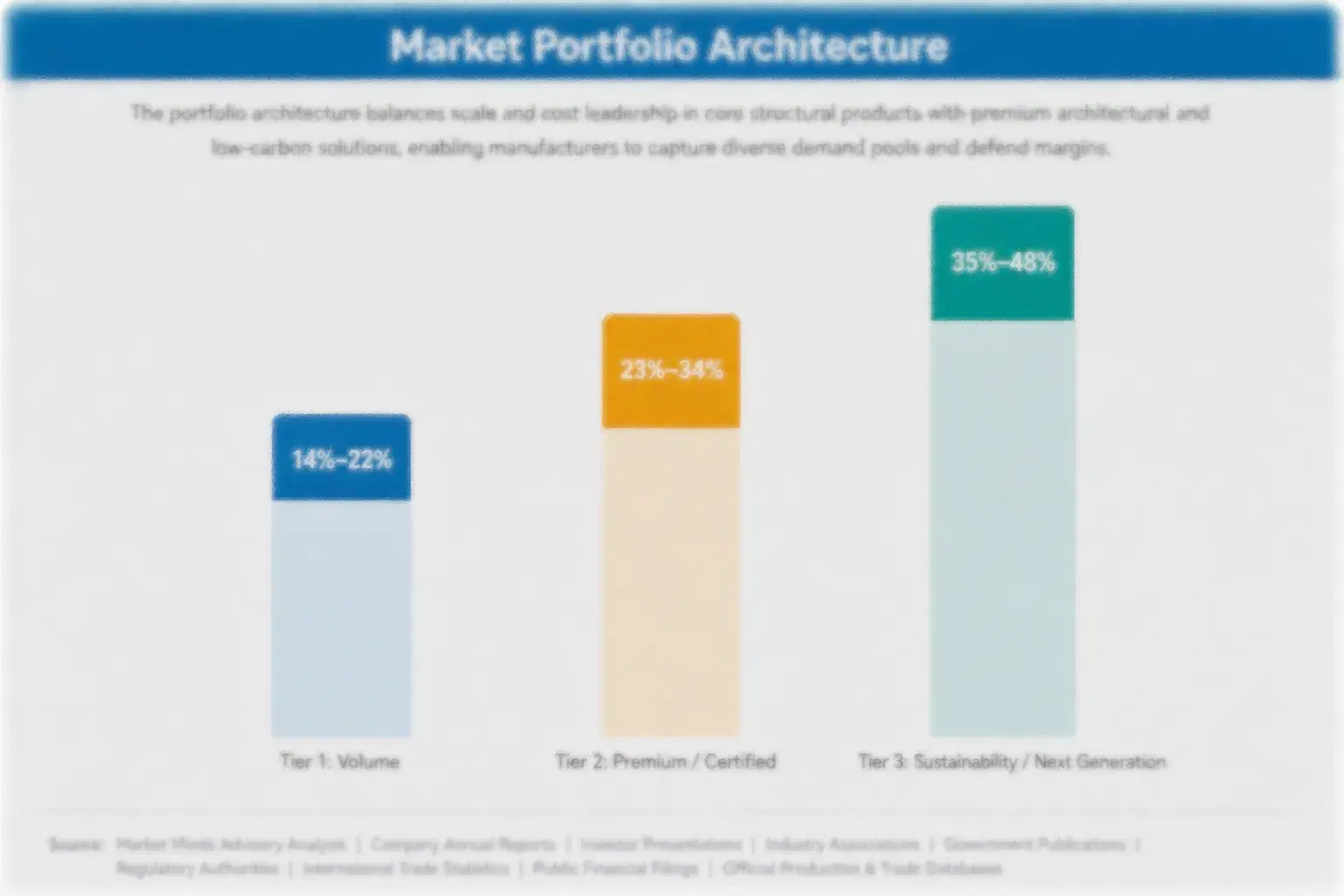
Portfolio Architecture for Margin Defence

Margins run from thin returns on standard capsule filter cigarettes to stronger returns on compliant differentiated formats supported by dossiers. Three tiers separate volume products, certified premium lines, and next-generation formats, and each tier draws on different legal risk, excise exposure, and contract terms in a market whose map changes every year. Delivery reliability decides supplier rankings. Margins follow cost discipline.
The tension between volume and premium is sharp. Volume formats protect plant utilisation and retailer relationships but face constant price pressure from excise and trade-down, while compliant premium formats earn higher margins on smaller volumes and depend on dossiers, testing, and legal clearance. Manufacturers that run only volume struggle to fund compliance, while manufacturers that run only premium lack the scale to cover fixed plant cost. Legal review shapes every launch.

High-value pools concentrate in non-characterising filter capsule cigarettes with full compliance evidence and in capsule heated tobacco consumables sold in permissive markets. They gather where buyers pay for legal certainty and reliable supply rather than novelty. Single-capsule menthol-type cigarettes add steady value, since Asian smokers ask for familiar, tested formats. Batch records support audits. Cost control separates leaders from followers.

Volume / Commodity-Adjacent Tier

Single-capsule menthol-type and standard capsule cigarettes sold under annual contracts at low margins, with high excise exposure, price competition, and retailers that switch supplier on cost and delivery reliability. Clear specifications build buyer trust.
Gross Margin: 18%-26%

Premium / Certified Tier

Non-characterising capsule cigarettes with dossiers, sensory panel evidence, and early notification records, sold to retailers that require legal certainty, stable supply, and technical support across multi-market production. Small suppliers feel every rule change.
Gross Margin: 28%-36%

Sustainability / Regulatory / Next-Generation Tier

Biodegradable filter capsules and compliance-led designs with documented ingredients, low waste, and regulatory clarity, sold to manufacturers that pay premiums for legal safety and stronger environmental performance. Regulatory reach compounds over time. Compliance records protect future sales.
Gross Margin: 24%-34%
flavour-capsule-cigarette-market-portfolio-architecture-1789835858012

High-value Sub-segments and Strategic Watch-out

Non-Characterising Filter Capsule Cigarettes

Non-characterising filter capsule cigarettes combine the fastest growth with pricing support, since premiums of 5% to 15% over standard filters survive where legal risk is low. Dossiers and testing limit competition, and manufacturers with evidence win. Value grows as flavour rules tighten and manufacturers redesign formats.
Gross Margin: 30%-40%

Capsule Heated Tobacco Consumables

Capsule heated tobacco consumables deliver solid growth and healthy pricing in permissive markets, since adult users pay 10% to 30% premiums over standard consumables. Legal exposure and device dependence form the entry barrier, and manufacturers with regional portfolios win. The EU ban shows the downside if rules change.
Gross Margin: 28%-38%

Single-Capsule Menthol-Type Cigarettes

Single-capsule menthol-type cigarettes form the volume core, sold in bulk through national retail channels at thin margins. Volumes are stable in Asia, and value grows about 1.4% a year through premiumisation. Leaf cost, plant utilisation, and legal testing decide profit, and manufacturers anchor plant utilisation on the segment.
Gross Margin: 18%-26%

Fruit and Confectionery-Type Capsule Cigarettes

Fruit and confectionery-type capsule cigarettes are the strategic watch-out, since they carry the highest legal risk, growth of about 0.8% a year is below the market, and more jurisdictions restrict them each year. Manufacturers should manage these lines for cash and prepare exits before bans arrive.
Gross Margin: 14%-22%

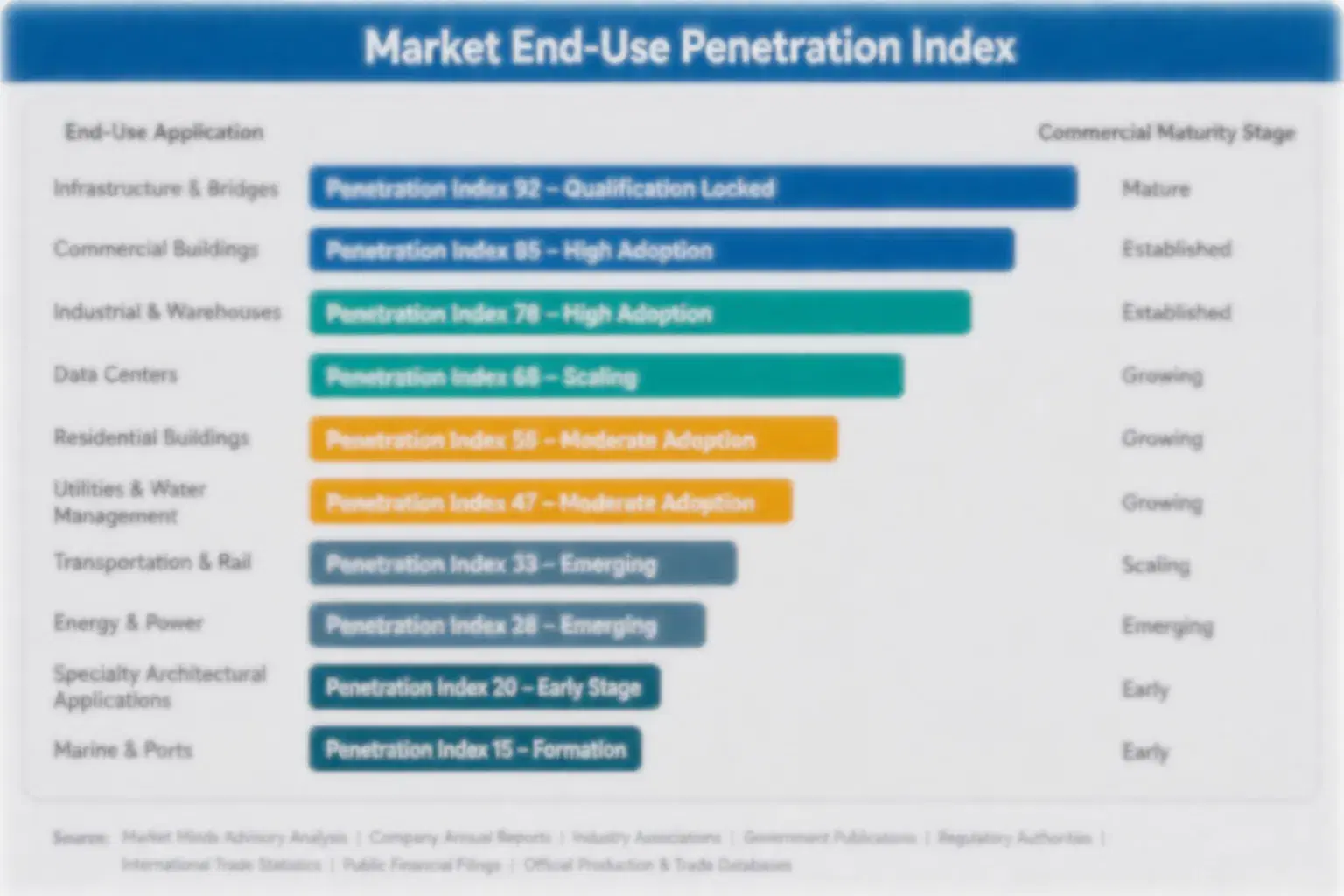
Why Lawful Capsule Demand Persists

Lawful capsule demand behaves like a declining annuity attached to a large adult smoker base. Once an adult smoker settles on a lawful format, they repeat purchase weekly, and switching means new taste trials and price comparison. Retailers use last quarter's sell-through and legal record to fix ranges, so manufacturers with clean compliance histories earn steadier volume than sellers reliant on new launches alone. Supply contracts decide renewal.
Adoption stickiness differs by market and consumer vertical. Habitual daily smokers in Asia are the deepest, since brand and filter feel are part of the habit, and they change only when price or availability fails. Roll-your-own users follow loose tobacco prices. Occasional smokers are shallower and switch on price, while cross-border shoppers buy opportunistically. Delivery reliability decides supplier rankings. Margins follow cost discipline.

Buyer profiles are shifting between generations. Older smokers bought brands on habit and loyalty, while younger adults, where they smoke at all, move to smoke-free products or cheaper loose tobacco. Retail buyers add a third group that demands documentation and low legal risk. Manufacturers that publish compliance evidence and hold stable supply keep shelf space as the smoker base shrinks.
flavour-capsule-cigarette-market-end-use-penetration-index-1789835858403

MMA Verdict on Capsule Cigarette Strategy

These are among the four positions where our research anticipates prominent divergence between winners and laggards over the coming forecast period. Each is grounded in the demand model, the regulatory perimeter, and the announced capacity pipeline.
01 / COMPLIANCE EVIDENCE STRATEGY

Build Dossiers Proving No Characterising Flavour Before Enforcement Reaches Every Product

Non-Characterising Filter Capsule Cigarettes grows at 5.2% a year, about 3.25 times the overall market rate, and manufacturers with dossiers and panels hold gross margins of 30% to 40% against 22% to 30% for untested lines. Winners will fund dossier and panel work costing $0.3 million to $1.5 million per platform and file early notifications. Manufacturers without evidence will face withdrawal risk, and rivals with clean legal records will keep retailer shelf space and margin through each enforcement cycle in every region.
02 / JURISDICTION PORTFOLIO STRATEGY

Match Capsule Portfolios to Each Jurisdiction Before New Flavour Bans Reach Asia

More than 40 jurisdictions restrict flavours, while Asia holds most remaining lawful demand and rules keep spreading. Manufacturers should invest $0.5 million to $2 million in portfolio mapping, review rule changes quarterly, retire at-risk formats early, and shift 20% of capsule capacity toward permissive markets in three years, holding premiums of 5% to 15%. Those that ignore jurisdiction will face withdrawals and stranded plant, and rivals with mapped portfolios will hold value, margin, and retailer trust as rules keep changing across the region.
03 / PORTFOLIO PRUNING DISCIPLINE

Prune Low-Margin Capsule Formats Early to Protect Gross Margin as Rules Tighten

Fruit-type and multi-capsule formats face the highest legal risk, while fixed plant cost stays constant as regulated volumes fall. Manufacturers should consolidate rods, cut complexity, and retire the weakest formats first, saving 3% to 6% of operating cost every year. Those that keep every format will carry falling volume across fixed plant, which erodes margin by about four points, and rivals with lean portfolios will hold price and supply in every remaining market and retail channel across the years ahead.
04 / EXCISE PASS-THROUGH CONTRACTS

Write Excise and Cost Pass-Through Clauses Before Tax Revisions Reach Trade Contracts

Excise takes 60% to 80% of retail price and governments keep raising rates, while retailers accept price changes slowly. Manufacturers should write pass-through clauses with caps and floors, publish index sources, and pair pricing with supply guarantees, protecting margin worth two to four points. Those that skip planning will absorb the increase or lose shelf position, and rivals with clauses will hold margin through every excise change in every market they serve, protecting returns for shareholders, lenders, and employees alike.

Engagement Snapshot From the Field

A live engagement with an industry participant carrying material or product regulatory and market exposure ahead of a defining policy shift, showing how our research translates into a defensible multi-year portfolio strategy.
MARKET MINDS ADVISORY · CLIENT ENGAGEMENT SUMMARY
Flavour Capsule Cigarette Producer Strategic Portfolio Review and Transition Roadmap 2026·Investment Scenario on Flavour Capsule Cigarette Exposure Evaluation 2025-26
CLIENT PROFILE
The client is a mid-sized Asian filter and capsule supplier with annual sales near $220 million (client-reported, unverified by MMA), serving cigarette manufacturers in several countries. It had two plants, made flavour capsules mainly for menthol-type lines, and had three customers accounting for 58% of capsule revenue. Delivery reliability decides supplier rankings. Margins follow cost discipline.
STRATEGIC CHALLENGE
Flavour restrictions were spreading to more of its export markets, remaining orders in regulated markets were falling about 10% a year, and customers asked for evidence that new designs were lawful. Management needed to decide whether to build compliance capability, redesign portfolios by market, or exit capsules, with limited capital. Legal review shapes every launch.
MMA APPROACH
MMA analysed sales, cost, and order data across 20 products, interviewed 10 manufacturer buyers and legal advisers, five regulators and testing experts, and four distributors, and ran a buyer survey on compliance, price, and supply across three countries. It modelled margin by product and customer, tested regulation scenarios, and ranked options by payback and legal risk.
KEY FINDINGS
  1. A compliance dossier service could protect 30% of capsule orders and lift margin on those lines to near 34% (client-reported, unverified by MMA). Batch records support audits.
  2. Redesigning portfolios by market would shift 20% of capacity toward permissive markets and lift plant utilisation. Cost control separates leaders from followers. Clear specifications build buyer trust.
  3. Pruning six low-volume formats could cut operating cost by about 5% and simplify legal review. Small suppliers feel every rule change. Regulatory reach compounds over time.
  4. Excise and cost pass-through clauses could protect margin worth two points in each price revision. Compliance records protect future sales. Supply contracts decide renewal.
CLIENT PROFILE
The client is a mid-sized Asian filter and capsule supplier with annual sales near $220 million (client-reported, unverified by MMA), serving cigarette manufacturers in several countries. It had two plants, made flavour capsules mainly for menthol-type lines, and had three customers accounting for 58% of capsule revenue. Delivery reliability decides supplier rankings. Margins follow cost discipline.
STRATEGIC CHALLENGE
Flavour restrictions were spreading to more of its export markets, remaining orders in regulated markets were falling about 10% a year, and customers asked for evidence that new designs were lawful. Management needed to decide whether to build compliance capability, redesign portfolios by market, or exit capsules, with limited capital. Legal review shapes every launch.
MMA APPROACH
MMA analysed sales, cost, and order data across 20 products, interviewed 10 manufacturer buyers and legal advisers, five regulators and testing experts, and four distributors, and ran a buyer survey on compliance, price, and supply across three countries. It modelled margin by product and customer, tested regulation scenarios, and ranked options by payback and legal risk.
KEY FINDINGS
  1. A compliance dossier service could protect 30% of capsule orders and lift margin on those lines to near 34% (client-reported, unverified by MMA). Batch records support audits.
  2. Redesigning portfolios by market would shift 20% of capacity toward permissive markets and lift plant utilisation. Cost control separates leaders from followers. Clear specifications build buyer trust.
  3. Pruning six low-volume formats could cut operating cost by about 5% and simplify legal review. Small suppliers feel every rule change. Regulatory reach compounds over time.
  4. Excise and cost pass-through clauses could protect margin worth two points in each price revision. Compliance records protect future sales. Supply contracts decide renewal.
RECOMMENDED STRATEGY
Phase 1: Phase 1 (Months 1-6): Build dossier templates, map formats by jurisdiction, and select formats for retirement. Delivery reliability decides supplier rankings. Phase 2: Phase 2 (Months 7-24): Launch compliant designs with evidence and redirect capacity toward permissive markets. Margins follow cost discipline. Legal review shapes every launch. Phase 3: Phase 3 (Months 25-42): Prune remaining formats, extend clauses, and review margin and legal risk quarterly. Batch records support audits. Cost control separates leaders from followers.
OUTCOME
Within 42 months, compliant and permissive-market ranges reached 60% of capsule revenue, plant utilisation rose to 82%, and gross margin on the remaining range rose to 31% (client-reported, unverified by MMA). The client cut operating cost by 6%, closed one line, and held two of its three largest customers.

Frequently Asked Questions

Foundational context covering the market sizes, CAGR, scope, country, region and competition that inform every finding below. This section is provided to cover basics and most often pre-purchase conversations, answered from the MMA Primary Research Dataset.

What is the current size of the Flavour Capsule Cigarette Market?

The global capsule cigarette market was valued at $8.50 billion in 2025 on a manufacturer-value basis. Growth in Asia and the Middle East offsets flavour bans in the EU, Canada, and other markets.

How large will the Flavour Capsule Cigarette Market be by 2036?

The market is projected to reach $10.12 billion by 2036, up from $8.64 billion in 2026. The increase of $1.49 billion reflects compliant designs, Asian demand, and heated tobacco formats in permissive markets.

What is the CAGR for the Flavour Capsule Cigarette Market 2026 to 2036?

The market is forecast to grow at a 1.6% CAGR from 2026 to 2036, well below typical consumer markets. The bull case reaches 2.9% and the bear case 0.2%, depending on regulation and excise.

Which segment is growing fastest?

Non-Characterising Filter Capsule Cigarettes is the fastest-growing segment at 5.2% CAGR, roughly 3.25 times the overall market rate, from a small base. Capsule Heated Tobacco Consumables follows at 4.0% CAGR each year.

Who are the major companies in the Flavour Capsule Cigarette Market?

Major companies include China National Tobacco Corporation, Philip Morris International, British American Tobacco, Japan Tobacco International, and Imperial Brands. KT&G, Gudang Garam, and Djarum also hold meaningful positions in regional markets.

Which country is growing fastest?

Indonesia is the fastest-growing country in this market at a 4.0% CAGR, driven by a large smoker base and lawful capsule formats. China and South Korea remain among the largest markets.

Report Segmentation Architecture

The full report scope spans multiple orthogonal segmentation dimensions, with cross-tabulated demand data provided for each dimension pair. Coverage extends further to regional breakdowns, trend trajectories, and the competitive detail needed to support segment-level decision-making.

By Primary Market Dimension

  • Single-Capsule Menthol-Type Cigarettes
  • Fruit and Confectionery-Type Capsule Cigarettes
  • Dual and Multi-Capsule Cigarettes
  • Non-Characterising Filter Capsule Cigarettes
  • Capsule Heated Tobacco Consumables

By End-Use Industry

  • Combustible Cigarette Manufacturing
  • Heated Tobacco Product Manufacturing
  • Contract Filter Manufacturing
  • State Monopoly Manufacturing
  • Wholesale and Retail Distribution

By Commercial Dimension

  • Direct Manufacturer Supply Contracts
  • Wholesale Distribution
  • Licensed Retail Sales
  • Contract Manufacturing Arrangements
  • Duty-Paid Cross-Border Sales

By Region

  • East Asia
  • South Asia and Pacific
  • Western Europe
  • Latin America
  • Middle East and Africa
  • Eastern Europe
  • North America

Scope, Methodology, and Coverage

Every figure in this report is reproducible from documented input assumptions. The scope below maps the historical period, the forecast horizon, the segmentation dimensions, and the countries covered, alongside the underlying primary and qualitative methodology.
Historical Period
2020 to 2025
Forecast Period
2026 to 2036
Base Year
2025 (USD billions; MMA Primary Research Dataset, September 2026)
Market Definition
The flavour capsule cigarette market covers cigarettes with a flavour or non-flavour capsule in the filter that are lawful for sale in their jurisdiction, valued at manufacturer level, including single-capsule menthol-type cigarettes, fruit and confectionery-type capsule cigarettes, dual and multi-capsule cigarettes, non-characterising filter capsule cigarettes, and capsule heated tobacco consumables. The scope excludes products prohibited in their jurisdiction, illicit trade, cigarettes without capsules, e-cigarettes, oral nicotine, and loose tobacco.
Quantitative Units
USD billions (manufacturer value); billion sticks for volume references
Segmentation Dimensions
By Capsule Design and Compliance Position; By End-Use Industry; By Commercial Dimension; By Region
Regions Covered
East Asia, South Asia and Pacific, Western Europe, Latin America, Middle East and Africa, Eastern Europe, North America
Countries Covered
China, South Korea, Japan, Indonesia, Vietnam, Turkey, Russia, Mexico, Egypt, United States, Germany, and additional markets relevant to this sector
Key Companies Profiled
China National Tobacco Corporation, Philip Morris International, British American Tobacco, Japan Tobacco International, Imperial Brands, KT&G, Gudang Garam, Djarum, Scandinavian Tobacco Group, Karelia Tobacco Company, Landewyck Tobacco, Von Eicken Group, Essentra, Cerdia, Eastman Chemical, Universal Corporation, Pyxus International, Symrise, Takasago International, Mane
Quantitative Methodology
Primary survey, n=3,800 respondents, Q4 2025, six countries; demand-side model with trade association cross-validation
Qualitative Methodology
47 expert interviews, Q4 2025; applied to validate demand model assumptions, identify emerging dynamics, and assess competitive positioning
Report Format
PDF and XLSX data workbook (Word format preview document)
Publisher
Market Minds Advisory
Report Code
MMA-2026-AGR-555
Published
September 2026
Contact
sales@marketmindsadvisory.com | www.marketmindsadvisory.com

Purchase the full Flavour Capsule Cigarette Market Report (2026 to 2036).

The full report delivers a detailed assessment of the flavour capsule cigarette market through 2036, covering capsule design, end-use, and channel forecasts, competitive benchmarking of leading manufacturers, and input cost analysis. It combines MMA primary research, including a six-country survey of 3,800 respondents and 47 expert interviews, with public statistical and company data. Analysts also model excise scenarios, enforcement paths, and jurisdiction changes. Clients receive segment margin ranges, supply chain maps, and a case study on portfolio transition. Regulatory tracking and legal review frameworks are also included for planning.
Ten-year design and channel demand forecasts
Leaf, filter tow, and energy cost tracking
Competitive benchmarking of top twenty suppliers
Flavour restriction rule tracker updates quarterly
Regional value chain comparative analysis included
Quarterly primary survey data update access

Built For The People Who Decide

From boardroom strategy to bench-side execution, this report is read cover-to-cover by leaders shaping the next decade of their industry, turning demand scenarios, market dynamics and valuation benchmarks into decisions.
CXOs/ Presidents/ VPs/ Managers
M&A and Corporate Development
Strategy Teams and R&D Heads
Procurement and Product Directors
Regulatory and Compliance Leaders
Investor Relations and Equity Analysts