Market Minds Advisory
Flat Bottom Pouch Market

Flat Bottom Pouch Market Report 2026-2036: Size, Segments and Leaders

China's expanding specialty coffee retail scale and rising pet food treat premiumization are pulling flat bottom pouch specification past rigid cans and side-gusset bags across coffee, pet food, and snack packaging lines worldwide.

Lead Analyst

Bilal Shaikh

Published

November 2026

Make Smarter Decisions with Customized Research Insights

Request a free sample report and evaluate market opportunities, growth trends, and competitive dynamics relevant to your business needs.

2025 MARKET VALUE$8.6BMarket Size 2025
2036 FORECAST VALUE$18.9BBase Case , 2026 to 2036
CAGR 2026 TO 20367.4 %Bull 8.7% / Bear 6.1%
INCREMENTAL OPPORTUNITY$9.6BNet 10- year value creation
EXPANSION MULTIPLE2.04x2036 value over 2026 base
Strategic Levers
M&A Pipeline
Regional Outlook
Country Rankings
Competitive Intelligence
Segmental Deep-dive
Call-Us : 91 93563 13602

Flat Bottom Pouch Market at a Glance

Coffee and roasted beverage pouches are growing fastest right now, as specialty roasters increasingly favor flat bottom formats with degassing valves over rigid cans for shelf presentation and freshness retention. This format switch is reshaping how roasters specify packaging across most new product launches today nationwide.
Pet food and treat pouches remain the largest format by volume across global co-packing networks, while coffee and roasted beverage formats carry the fastest proportional growth of any covered segment tracked in this report. China's expanding specialty coffee manufacturing base is reshaping where qualified flat bottom pouch converting capacity concentrates, and roasters increasingly treat degassing valve reliability as a measurable freshness economics question rather than a packaging afterthought entirely across their flagship product lines.
A moderately concentrated field of five converters holds roughly twenty-nine percent of global volume, built on valve-fitment expertise and box-pouch forming line capability, while Chinese manufacturing scale and rising specialty coffee retail premiumization keep reshaping which converters win long-term roaster supply agreements across this expanding category. Rankings are shifting as regional converters add valve-fitment tooling quickly across several specialty coffee export markets this cycle today.
Market Definition
The flat bottom pouch market covers stand-up flexible pouches with a rectangular box-like base formed from multiple film panels, spanning valved, zippered, and heat-sealed closure variants across coffee, pet food, snack, and powder applications. It excludes doy-style oval-gusset pouches, clipless pillow pouches, and rigid cans or cartons, which are addressed under separate dedicated coverage.
Base Year Value
$8.6B in 2025 (MMA Primary Research Dataset, October 2026)
Forecast Period
2026 to 2036, eleven discrete annual values
CAGR
7.4% base case. Bull 8.7%. Bear 6.1%.
Fastest Growth Segment
Coffee and Roasted Beverage Pouches: 12.0% CAGR
Fastest Growth Country
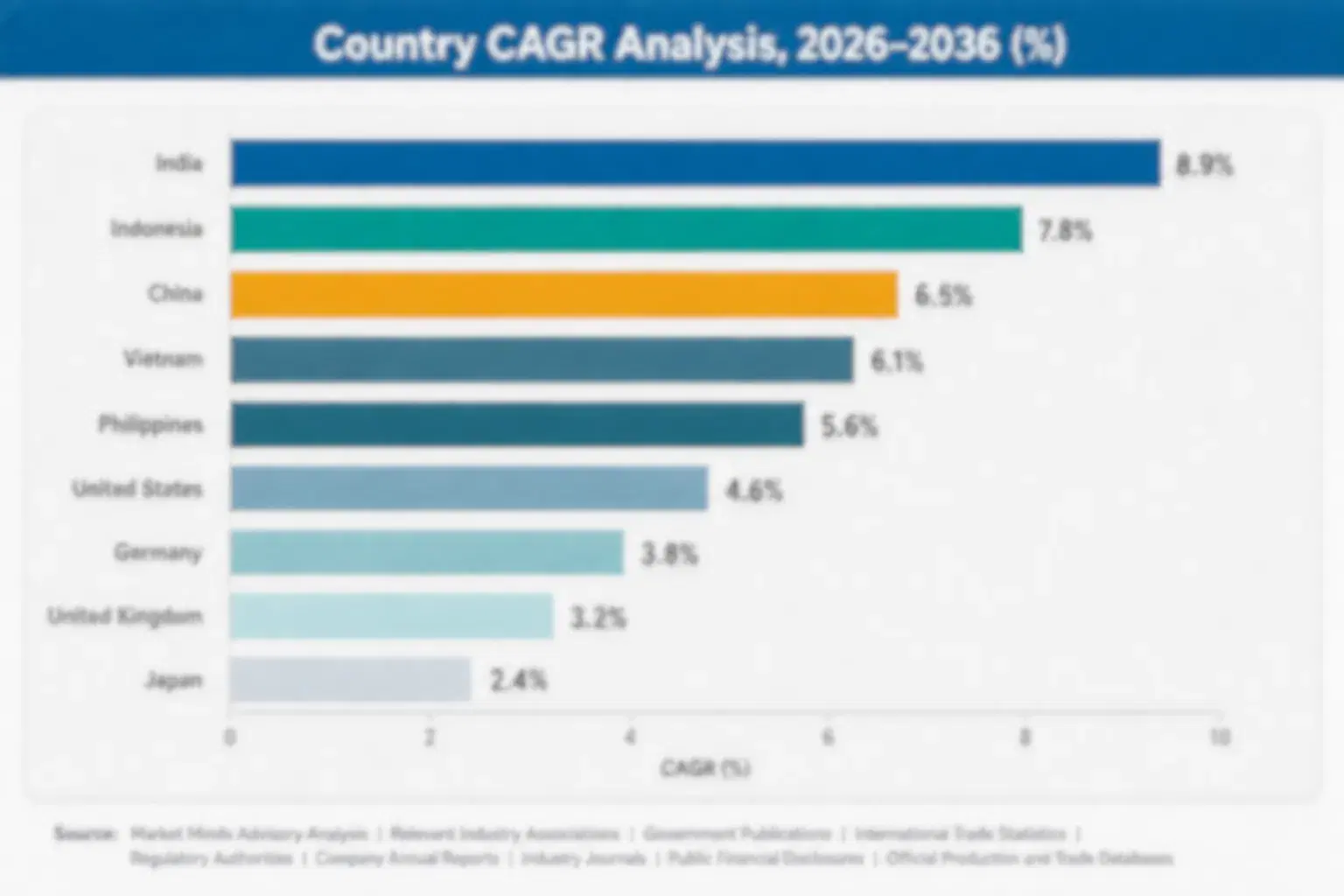
India: 11.2% CAGR
Fastest Growth Region
South Asia and Pacific: 9.5% CAGR
Largest Region
East Asia: 30% of 2025 global value
Market Leaders
Goglio Group, Amcor plc, Mondi Group, ProAmpac, Huhtamaki Oyj. Source: MMA Analysis based on company annual reports.
Primary Survey
n=3,800 procurement and R&D decision-makers, Q4 2025, six countries
Methodology
Demand-side build-up, cross-validated against public data, 47 expert interviews

Flat Bottom Pouch Growth Scenarios to 2036

flat-bottom-pouch-market-size-forecast-scenario-1791402626743
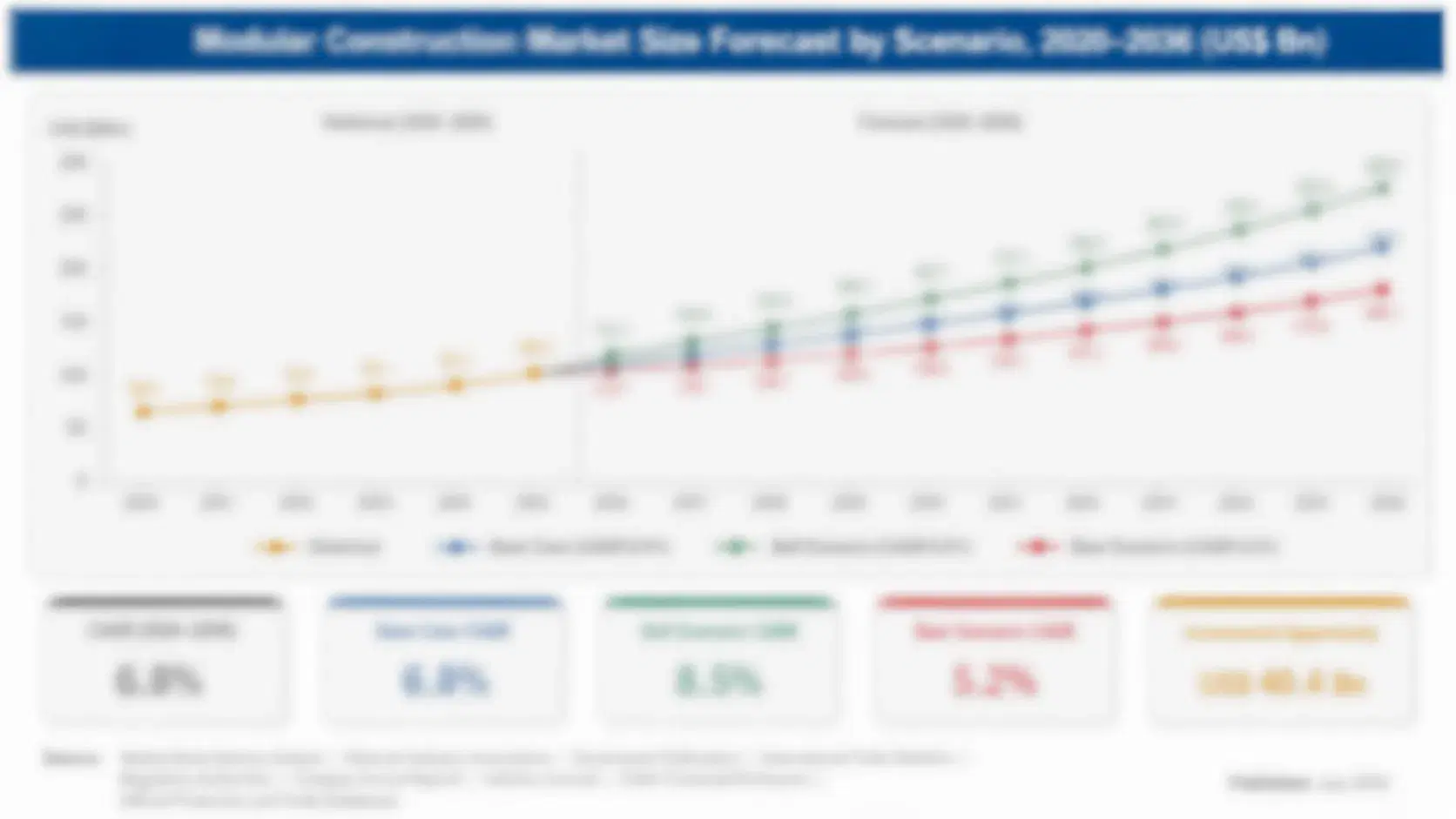
Between 2020 and 2025 the market grew at a historical rate near 6.2 percent as coffee roasters and pet food brand owners steadily converted rigid cans and side-gusset bags toward flat bottom pouches across both specialty and mainstream retail channels, with pandemic-driven at-home coffee consumption providing an early volume lift. Chinese specialty coffee retail growth sustained volume through the slower years.
The base case assumes three mechanisms carry demand through 2036: expanding Chinese and broader Asian specialty coffee retail penetration tied to rising at-home brewing occasions, accelerating pet food brand owner conversion from rigid tubs tied to documented freshness and shelf-presentation advantages, and steady premium snack pouch growth tied to resealable zipper convenience. This lifts the market from 9.24 billion dollars in 2026 toward 18.86 billion dollars by 2036 across these converging demand channels.
The bull case rests on faster than expected specialty coffee roaster conversion toward valved flat bottom formats across North American and Asian retail networks. The bear case centers on rigid can cost reductions sustaining demand in price-sensitive bulk coffee and pet food applications longer than current pouch conversion trends anticipate across developing retail markets broadly.

Degassing Valve Reliability Reshapes Pouch Specification

Flat bottom pouches occupy an increasingly default packaging specification role within specialty coffee and pet food retail, since the format's rigid box-like shelf presence and degassing valve options directly determine freshness and shelf standout in ways roasters increasingly treat as measurable commercial requirements across coffee, pet food, and snack categories, regardless of roaster scale or geography. The degassing valves market is already worth USD 1.4 billion in 2025, and MMA expects a 6.8% CAGR from here to 2036.
MARKET CONCENTRATIONCR5 29%top five converters hold roughly three tenths share
AVERAGE SELLING PRICE$0.04-$0.25/unitprice scales with valve fitment and barrier film grade
TOP PRODUCING COUNTRYChina, 22% sharelargest box-pouch forming line manufacturing base found worldwide today
CAPACITY UTILIZATION83% averageutilization climbs during peak coffee gifting holiday season
FILM INPUT COST39% of COGSpolyethylene and barrier laminate dominate converting input cost
EXPORT TRADE INTENSITY17% of volume exportedcross-border shipment share reflects roaster plant proximity needs
Commercially this market rewards valve-fitment depth and box-pouch forming line capability over pure converting capacity alone, since coffee and pet food brand owners demand documented valve and seal integrity that a generalist converter cannot deliver as reliably as an established flat bottom pouch specialist with dedicated forming tooling. Valve reliability has become a genuine differentiator in roaster shortlisting, and procurement teams increasingly request documented degassing performance data before extending multi-year supply agreements. MMA's outlook for the coffee pouch market points to USD 10.9 billion by 2036, a 6.2% annual growth rate.
Over the next decade, Chinese manufacturing scale and specialty coffee retail premiumization will likely keep pulling specification toward valved and zippered formats, even as standard heat-sealed flat bottom pouches remain the preferred choice for cost-sensitive bulk snack and powder applications where valve fitment cost is not yet justified by consumer demand or retail price sensitivity across emerging markets.
"A good degassing valve is invisible until it fails, and then it's the only thing the retailer remembers about your brand."
Director, Packaging and Materials Practice · MMA Flexible Packaging and Films Practice · October 2026

What Is Changing in Flat Bottom Pouch

Degassing Valve Automation Across Coffee Pouch Lines

Specialty coffee roasters are converting from manually inserted one-way degassing valves toward fully automated inline valve-welding systems capable of running at higher line speeds with lower reject rates. MMA Estimate puts automated valve-fitment adoption at roughly sixteen percent of new box-pouch forming line installations globally over the forecast period, concentrated among converters serving large multinational coffee roasters. Converters without automated valve capability increasingly lose consideration for large-volume specialty coffee programs, where valve consistency directly affects freshness retention and retail shelf complaints. Regional converters are investing in this automation specifically to retain multinational roaster accounts. MMA projects the box pouch market to grow at an 8.2% CAGR through 2036, reaching USD 7.61 billion.
Market Impact: Adds 14% Chinese coffee volume yearly
Recyclable Mono-Material Box Pouch Conversion Grows

The European Union's Packaging and Packaging Waste Regulation requires all packaging placed on the EU market to be recyclable by 2030, pushing coffee and pet food brand owners to replace multi-material foil laminate flat bottom pouches with mono-material polyethylene or polypropylene structures that curbside recycling streams can process. Specialty coffee roasters are leading conversion since their volumes justify new tooling investment fastest, while smaller snack and powder brand owners lag given tighter per-unit cost sensitivity in price-driven categories. Converters that qualified mono-material structures early are capturing disproportionate new roaster contract volume across European markets this cycle.
Market Impact: Converts 11% of treat format volume

Where the Flat Bottom Pouch Opportunity Lies

Specialty Coffee Retail Expansion Across China

China's specialty coffee retail sector, led by rapidly expanding domestic chains and independent roasters, is pulling flat bottom valved pouch volume into a category that barely existed a decade ago. MMA Estimate puts Chinese specialty coffee pouch volume growing at roughly fourteen percent annually through the forecast period, as urban consumers shift from instant coffee sachets toward freshly roasted whole bean and ground formats sold in valved retail bags. Multinational and domestic roasters alike are standardizing flat bottom pouch specifications to capture this shared manufacturing and retail scale efficiently and quickly. On MMA's numbers, the flat bottom bags market stands at USD 1.8 billion in 2025 and is on track for USD 3.79 billion by 2036.
Market Impact: Raises reject rates by 3%

Pet Food Brand Owners Exit Rigid Tubs

Pet food and treat brand owners are converting resealable treat and topper lines from rigid plastic tubs to flat bottom pouches, with MMA Estimate putting the conversion rate at roughly eleven percent of mid-size treat format volume annually as brand owners chase shelf standout and lighter-weight shipping economics. Premium and subscription-channel pet food brands are converting fastest since their customer base already pays a premium that absorbs the incremental pouch tooling cost easily. Co-packers serving multiple pet food brands are standardizing box-pouch forming tooling across product lines to capture this shift efficiently.
Market Impact: Limits bulk-format share to 8%

Flat Bottom Pouch Market Restraints

Valve Weld Failures Under Degassing Pressure

Flat bottom pouches with one-way degassing valves depend entirely on the weld bond between the valve and the film body, and the root cause of most field failures is thermal inconsistency during the valve-welding process combined with film thickness variability across different film supplier batches. The commercial impact shows up as costly in-line rejects and, in the worst cases, retail shelf complaints about stale or over-pressurized coffee that damage roaster brand trust. Producers are mitigating this through tighter valve-welding temperature control and in-line leak detection systems, while some are shifting toward redundant double-weld designs on premium coffee lines specifically.
Market Impact: Cuts valve weld rejects by 4%

Price Competition From Rigid Can Incumbents

Rigid metal and composite can producers continue defending volume in bulk coffee and powder categories through aggressive price competition, a root cause tied to decades of amortized rigid-format tooling investment that keeps their per-unit cost meaningfully lower than newer box-pouch tooling in high-volume bulk applications. The commercial impact falls hardest on pouch converters targeting bulk commodity coffee and powder categories, where brand owners remain reluctant to pay a pouch format premium absent a clear consumer convenience benefit. Pouch converters are mitigating this by targeting specialty and premium occasions where rigid cans compete poorly on shelf standout instead.
Market Impact: Shifts 6% of volume to mono-material
4 additional market trends, 3 additional growth drivers, and 2 additional restraints and challenges are covered in the full report. Contact sales@marketmindsadvisory.com to access the complete intelligence.

Flat Bottom Pouch Segment CAGR Comparison

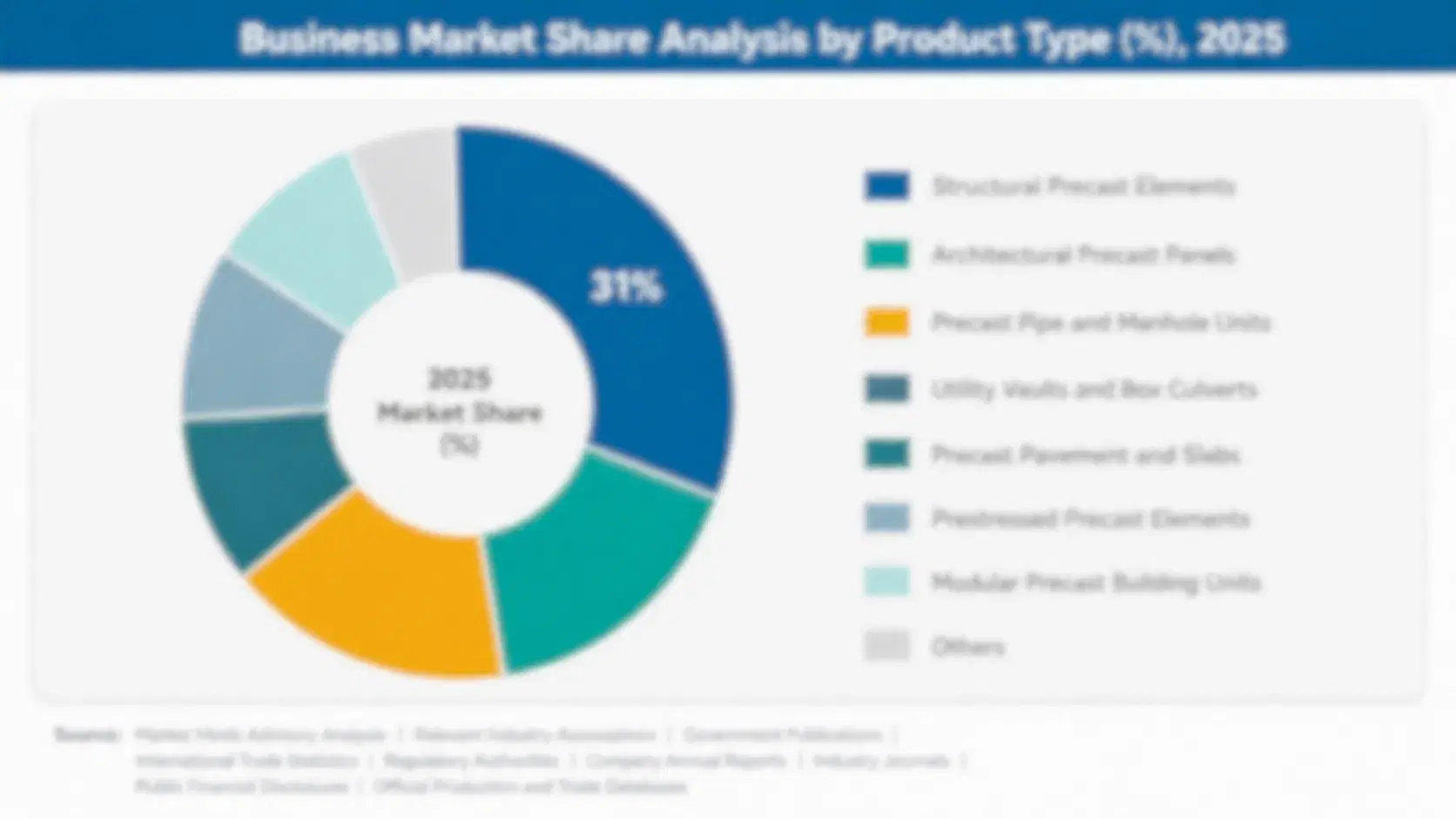
This report segments the flat bottom pouch market by application, the dimension that best captures how valve fitment, closure type, and barrier requirements diverge across coffee, pet food, snack, grain, personal care, and industrial end uses. Retail shelf presentation and freshness requirements vary meaningfully by application, making it the clearest lens for tracking specification depth.
flat-bottom-pouch-market-market-share-analysis-1791402627055

Coffee and Roasted Beverage Pouches

Coffee and roasted beverage pouches are converting from rigid cans toward valved flat bottom formats as specialty roasters increasingly favor degassing valve technology and rigid box-like shelf standout over traditional packaging. Premium and specialty roasters are converting fastest since their customer base already pays a premium that absorbs the incremental valve-fitment tooling cost easily, while mainstream instant coffee brands lag given tighter per-unit cost sensitivity. MMA Estimate puts coffee and roasted beverage pouch volume growing at roughly 12.0 percent annually through 2036, well above the market average, as more regional roasters follow multinational leaders into valved formats. Converters serving multiple roaster brands are standardizing valve-fitment tooling to reduce changeover costs between brand programs.
CAGR 12.0%

Pet Food and Treat Pouches

Pet food and treat pouches are growing as pet owners increasingly favor rigid box-like shelf standout and resealable zipper closures over multiwall bags and rigid tubs for treats and toppers, valuing freshness retention and portion control between feedings. Premium and subscription-channel pet food brands are converting fastest since direct-to-consumer economics absorb the incremental packaging cost more easily than bulk retail formats. MMA Estimate puts this segment's flat bottom pouch volume growing at roughly 10.6 percent annually through 2036, the second-fastest rate tracked in this report, as more regional pet food brands expand resealable formats across their treat lines. Regional converters serving pet food brand owners are adding box-pouch forming tooling to serve this format proliferation profitably.
CAGR 10.6%
Full segment breakdown across 6 segments available in the complete report.

Flat Bottom Pouch Regional Outlook

East Asia leads on China's expanding specialty coffee retail scale and dense box-pouch forming manufacturing base, while South Asia and Pacific carries the fastest regional growth on emerging specialty coffee and pet food premiumization. North America follows closely on established coffee and pet food brand owner conversion.

North America

North America's demand reflects the specialty coffee industry's sustained conversion from rigid cans to valved flat bottom pouches, a shift multinational and craft roasters alike have led across both grocery and direct-to-consumer subscription channels nationwide. United States pet food brand owners are separately expanding resealable treat and topper pouch formats aimed at premiumization and portion control occasions. Canadian co-packers serving cross-border coffee and pet food brands add a meaningful secondary demand stream tied to shared North American retail specifications. Capacity investment remains concentrated near major coffee roasting and pet food manufacturing hubs in the Pacific Northwest and Midwest, where valve-fitment tooling expertise runs deepest across the industry today and beyond.
Share: 24% | CAGR: 7.9% (2026 to 2036)

Western Europe

Western Europe's demand reflects the European Union's Packaging and Packaging Waste Regulation, which is pushing coffee and pet food brand owners across Germany, Italy, and France to replace multi-material laminate flat bottom pouches with mono-material structures ahead of the 2030 recyclability deadline across the entire bloc. Italian and German specialty coffee roasters lead on early mono-material qualification given the region's dense roasting infrastructure and export-oriented manufacturing base. French and Dutch pet food brand owners are separately expanding resealable treat formats tied to premiumization trends. Several regional converters now bundle recyclability compliance documentation with pouch supply specifically to retain large multinational brand owner accounts facing these regulatory deadlines across the region.
Share: 18% | CAGR: 5.9% (2026 to 2036)
Regional intelligence for 5 additional markets available in the complete report: East Asia, South Asia and Pacific, Latin America, Middle East and Africa, Eastern Europe. Contact sales@marketmindsadvisory.com.
flat-bottom-pouch-market-country-cagr-analysis-1791402627340

Where Flat Bottom Pouch Margin Concentrates

Margin in this category concentrates less in base film conversion and more in specification depth: valve-fitment reliability, mono-material compliance documentation, and box-pouch forming precision for premium applications. Roasters increasingly pay for certainty on freshness retention and valve failure rates rather than raw material cost alone, creating meaningful room for converters willing to invest beyond commodity converting standards.

Automated Valve-Fitment Welding As a Service

Converters that operate automated inline valve-welding systems with documented weld-strength testing are capturing premium pricing from specialty coffee roasters managing freshness complaints and retail returns. MMA Estimate puts this capability commanding a premium of roughly 7 to 9 percent over standard converting pricing, since roasters would otherwise need to fund in-house quality testing capability separately. Mid-size converters without automated valve capability are increasingly losing shortlist consideration on multinational coffee programs, regardless of their base converting price competitiveness, pushing several to invest in this equipment quickly through new capital expenditure or partnership.
Market Impact: Commands a 7 to 9 percent pricing premium

Box-Pouch Forming Precision For Premium Pet Food

Converters investing in high-precision box-pouch forming tooling capable of running tight dimensional tolerances are capturing disproportionate volume from premium pet food and specialty coffee brand owners expanding shelf-standout packaging programs. MMA Estimate puts premium box-pouch forming pricing running roughly 12 to 18 percent higher per unit of film than standard flat bottom pouches, reflecting the tighter tolerance and slower line speed these precision formats require. Converters without this tooling are effectively excluded from an increasingly important growth category, even when their standard-format pricing remains fully competitive, making this a genuine capability gate rather than simply a pricing choice.
Market Impact: Commands a 12 to 18 percent price premium

Flat Bottom Pouch Margin Pool

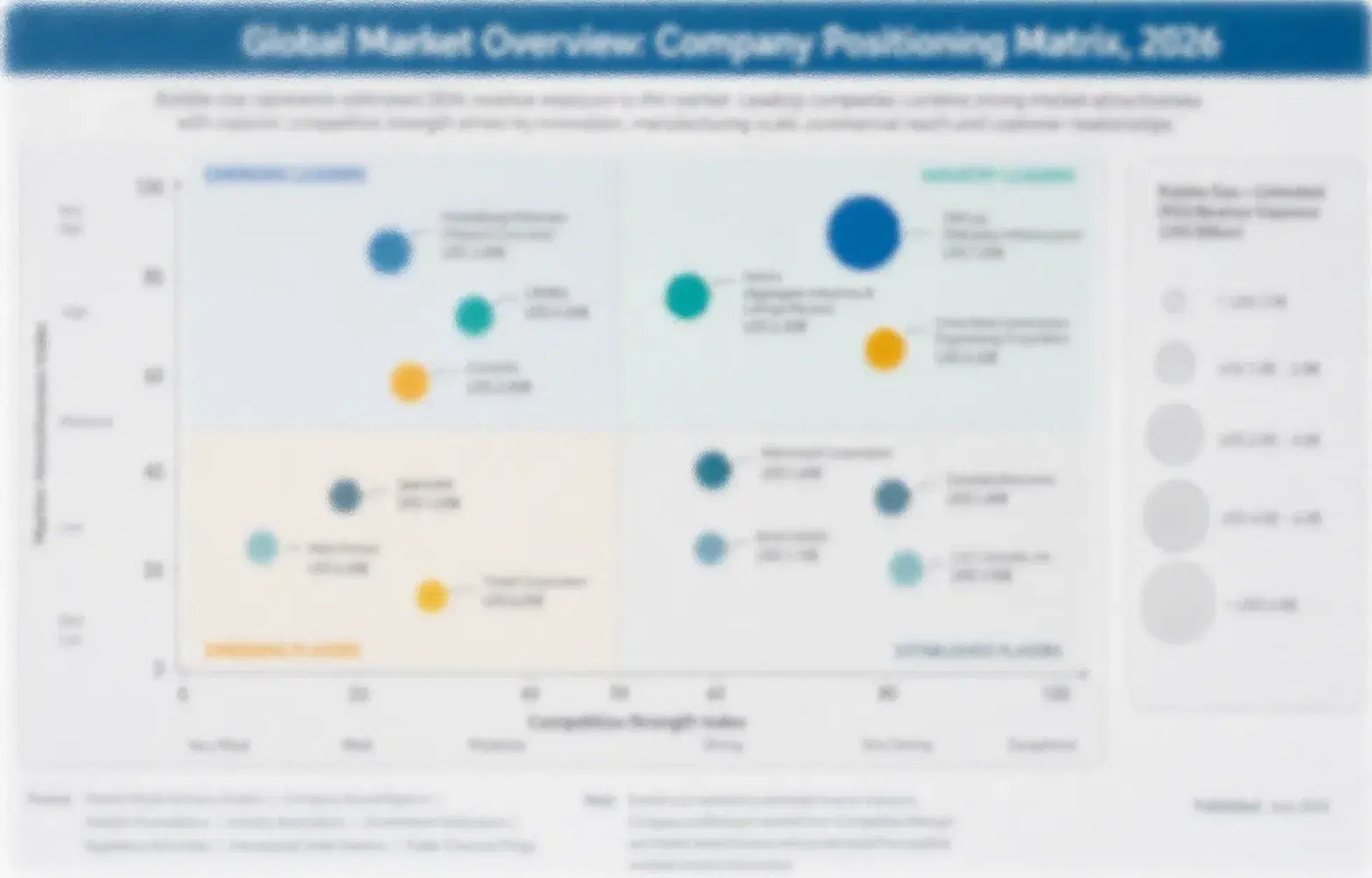
The top five converters hold roughly twenty-nine percent of global volume, a moderately concentrated market reflecting the valve-fitment engineering barrier that separates specialty coffee converting from generic flexible packaging work. This concentration leaves a meaningful gap between the five scaled multinational leaders and a long tail of regional converters competing primarily on price and lead time for standard snack and powder applications.
Current competitive activity centers on three fronts: expanded automated valve-fitment welding capacity aimed at serving multinational specialty coffee roaster programs, growing box-pouch forming precision investment targeting premium pet food shelf-standout packaging, and selective mono-material lamination capacity expansion meeting European recyclability deadlines. Several mid-size converters are following a similar automation-and-tooling expansion playbook simultaneously, betting roasters will pay for both capabilities together rather than sourcing them separately.

Emerging pressure comes from Chinese and Vietnamese converters who have built meaningful box-pouch forming capability over the past several years and are increasingly competing for both domestic specialty coffee volume and export orders in standard snack categories. Rankings could shift over the next several years if these challengers successfully extend their cost advantage into valve-fitment automation and mono-material compliance, where documentation and engineering depth currently favor established Italian and European converters.
flat-bottom-pouch-market-company-positioning-matrix-1791402627630

Flat Bottom Pouch Supplier Positioning

GOGLIO GROUP

Moat: One-Way Valve Patent Heritage

Goglio Group's foundational role in inventing the one-way degassing valve for coffee packaging gives it decades of accumulated valve-welding expertise that newer entrants cannot replicate quickly. This matters most to specialty coffee roasters managing freshness complaints, where valve failure directly damages the sensory experience customers associate with a premium brand.
GOGLIO GROUP

Risk: Narrower Pet Food Category Presence

Goglio's converting strength concentrates heavily in coffee applications rather than the fast-growing pet food and snack categories driving much of this market's broader segment growth. Without faster capability building in box-pouch forming tooling for non-coffee applications, Goglio risks ceding disproportionate share of the category's highest-growth volume to generalist converters.
AMCOR PLC

Moat: Global Multi-Category Converting Scale

Amcor operates box-pouch forming capacity across every major region and application this report covers, letting it serve coffee, pet food, and snack brand owners from a single standardized platform. This breadth matters most to multinational brand owners running programs across multiple categories simultaneously, a coordination advantage specialist converters cannot match.
AMCOR PLC

Risk: Slower Valve-Fitment Specialization Pace

Amcor's breadth across multiple applications means it invests less intensively in valve-fitment specialization than coffee-focused specialists like Goglio Group. As specialty coffee roasters increasingly demand documented valve performance data, this gap risks becoming a meaningful share loss in the category's fastest-growing segment specifically over the next several years.

Players Tracked

Prominent Players

Goglio Group
Amcor plc
Mondi Group
ProAmpac
Huhtamaki Oyj

Other Key Players

Glenroy Inc
Constantia Flexibles
Sonoco Products Company
Winpak Ltd
Berry Global Group
Coveris Holdings
ePac Flexible Packaging
Uflex Ltd
Cosmo Films Ltd
TC Transcontinental
Printpack Inc
Sealed Air Corporation
Clondalkin Group Holdings
Scholle IPN
American Packaging Corporation

Recent Developments

MARCH 2025

Goglio Group Installs Automated Valve-Fitment Welding Line

Goglio Group completed an automated valve-fitment welding line installation at its Italian converting facility, adding capacity specifically to serve multinational specialty coffee roasters managing freshness complaints and retail returns directly. The expansion targets both premium whole bean and ground coffee customers simultaneously across several accounts.
Signal: Signals converters are front-loading automated valve-quality capacity ahead of expected specialty coffee retail scrutiny nationwide today.
SEPTEMBER 2025

Amcor Acquires Chinese Box-Pouch Forming Converter

Amcor acquired a majority stake in a Chinese box-pouch forming converter, merging the two companies' Asian specialty coffee operations into a single combined entity. This was an acquisition, not a joint venture or minority equity stake, giving Amcor full operating control over the combined Chinese business.
Signal: Signals established converters see full ownership as the preferred route into China's specialty coffee retail economy.
JUNE 2025

ProAmpac Forms Joint Venture With Vietnamese Converter

ProAmpac formed a joint venture with a Vietnamese flexible packaging converter to build dedicated box-pouch forming capacity near Ho Chi Minh City serving both domestic and regional export demand. The joint venture splits ownership and operating control jointly rather than ProAmpac acquiring the Vietnamese partner outright.
Signal: Signals multinational converters prefer shared-risk structures when entering unfamiliar high-growth Southeast Asian coffee markets directly today.

Resin and Valve Component Exposure

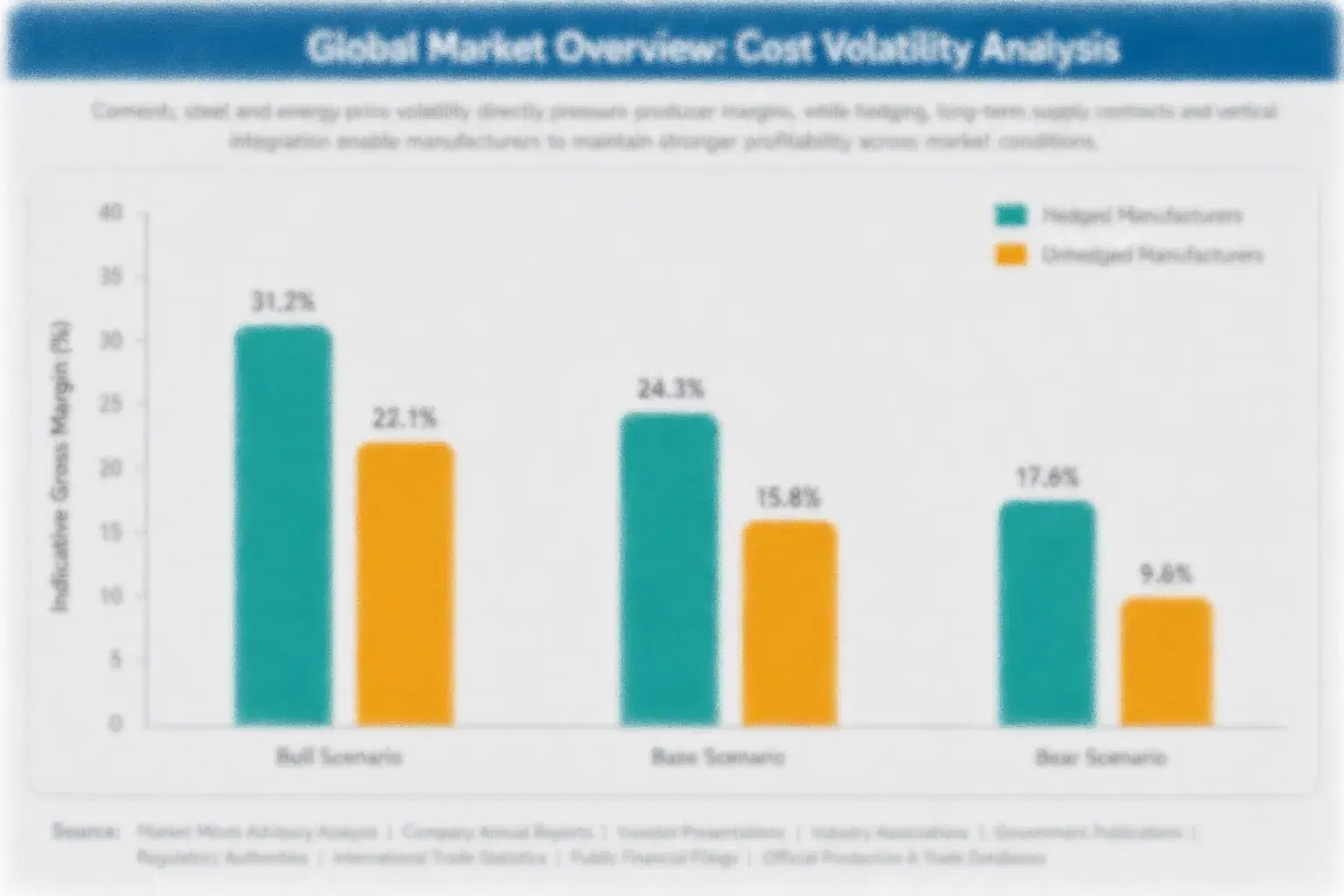
Polyethylene and polypropylene resin and the laminated barrier films converted from them together account for roughly thirty-nine percent of a flat bottom pouch's production cost, with valve fitment components, converting line labor, and inks making up most of the remainder. Most resin supply originates from large petrochemical producers in the United States, Saudi Arabia, and increasingly China itself.
Polyethylene resin prices rose sharply during 2022 as natural gas feedstock costs spiked following the disruption to European gas supply, according to EIA data tracking US ethylene feedstock costs, before easing through 2023 and 2024 as new US Gulf Coast ethylene capacity came online steadily nationwide. Converters holding fixed-price annual contracts signed before the spike absorbed meaningful margin compression during the affected period across their portfolios.

The competitive disadvantage this creates falls hardest on smaller converters without the purchasing volume to negotiate resin and valve-fitment component supply contracts directly with producers, forcing them through distributors at a markup. Larger converters increasingly lock in annual volume commitments tied to confirmed roaster order backlog. Geography matters too, since Asian converters face different valve component sourcing constraints than Italian or American converters.
flat-bottom-pouch-market-cost-volatility-analysis-1791402627908

Dual Resin Supplier Qualification Across Regions

Larger converters increasingly qualify two or more resin suppliers across different geographies specifically to avoid single-source exposure during regional feedstock disruptions. This adds qualification cost upfront but meaningfully reduces allocation risk during supply shocks, letting converters maintain roaster commitments even when one supply region faces temporary constraint or pricing spikes that smaller competitors relying on single sourcing cannot easily absorb.

Resin Cost Pass-Through Contract Clauses

Many converters now negotiate resin cost pass-through clauses directly into multi-year roaster supply agreements, indexing pouch pricing to published resin benchmark costs rather than holding fixed pricing for the full contract term. This protects converter margin during volatility periods, though it shifts cost uncertainty onto roasters who must then manage their own packaging budget volatility separately each quarter.

Backward Integration Into Valve Fitment Manufacturing

Some of the largest converters have backward-integrated into their own valve-fitment component manufacturing rather than purchasing finished valves from third-party suppliers, capturing margin previously paid to intermediaries. This requires meaningful capital investment and scale to justify, which is why it remains a strategy mostly available to the five largest multinational converters rather than the broader regional converter base.

Portfolio Architecture for Margin Defence

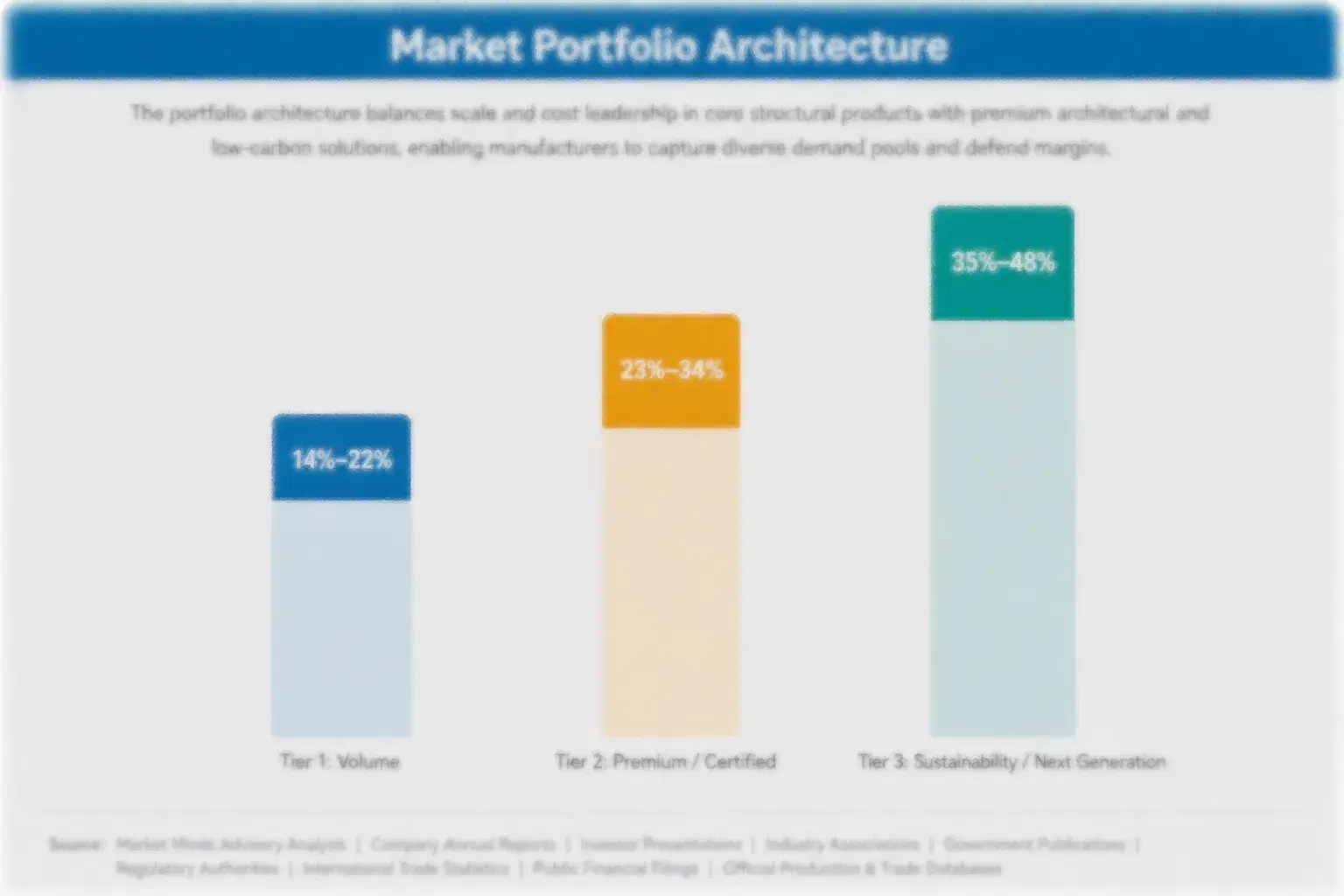
Flat bottom pouch economics split across three tiers: a volume tier competing mainly on price and lead time for bulk snack and powder applications, a premium tier commanding higher margin through valve-fitment reliability and box-pouch forming precision, and an emerging sustainability tier built around mono-material recyclable structures. Gross margins range from roughly fourteen to eighteen percent in the volume tier up toward twenty-six to thirty-two percent in the sustainability tier.
The tension between volume and premium positioning shows up most clearly in coffee and pet food categories, where roasters increasingly pay for documented valve reliability and shelf-standout forming precision rather than treating pouches as a pure commodity input. Standard snack and powder applications remain far more price competitive, where converters compete mainly on lead time and base converting cost rather than specification depth.

High-value margin pools concentrate in automated valve-fitment welding services and box-pouch forming precision for premium coffee and pet food applications, both of which command meaningfully higher margin than standard snack-format converting. Converters without exposure to either pool remain confined to the volume tier's comparatively thin margin structure regardless of their overall production scale and geographic footprint today.

Volume / Commodity-Adjacent Tier

Standard heat-sealed flat bottom pouches for bulk snack, grain, and powder applications, sold primarily on price and lead time, where numerous regional converters compete credibly against multinational suppliers on common film specifications and routine high-volume reorder business.
Gross Margin: 14-18%

Premium / Certified Tier

Documented valve-fitment reliability and box-pouch forming precision for premium coffee, pet food, and personal care applications, increasingly required by brand owners managing freshness risk and premium shelf positioning across multiple retail categories simultaneously.
Gross Margin: 20-26%

Sustainability / Regulatory / Next-Generation Tier

Mono-material recyclable laminate structures meeting European Union recyclability requirements, commanding the richest margins given the compliance documentation and qualification testing burden converters must absorb before roasters will specify these structures broadly.
Gross Margin: 26-32%
flat-bottom-pouch-market-portfolio-architecture-1791402628219

High-value Sub-segments and Strategic Watch-out

Coffee and Roasted Beverage Pouches

Coffee and roasted beverage pouches combine the fastest segment growth tracked in this report with meaningfully higher margin than standard snack formats, as rigid can conversion and premiumization continue across both multinational and regional roasters. Converters with valve-fitment automation are capturing disproportionate new program volume specifically.
Gross Margin: 22-28%

Pet Food and Treat Pouches

Pet food and treat pouches carry strong margin from box-pouch forming precision requirements, though growth runs moderately behind coffee given a narrower addressable brand owner base overall. Subscription-channel pet food brands are gaining ground as direct-to-consumer economics absorb the incremental packaging cost readily and consistently.
Gross Margin: 18-23%

Snack and Confectionery Pouches

Snack and confectionery pouches remain a large volume category anchoring converter capacity utilization even as margin stays comparatively thin given intense price competition among numerous qualified regional and multinational converters serving this moderate-growth application across nearly every geography this report covers consistently and quite reliably.
Gross Margin: 13-17%

Industrial and Chemical Pouches

Industrial and chemical pouches carry the slowest growth and thinnest margin of any covered application, as commoditized specifications and intense regional price competition leave little room for differentiation. Converters overexposed to this category without diversification into faster-growing applications risk margin erosion as volume growth decelerates further.
Gross Margin: 9-13%

Where Flat Bottom Pouch Demand Compounds

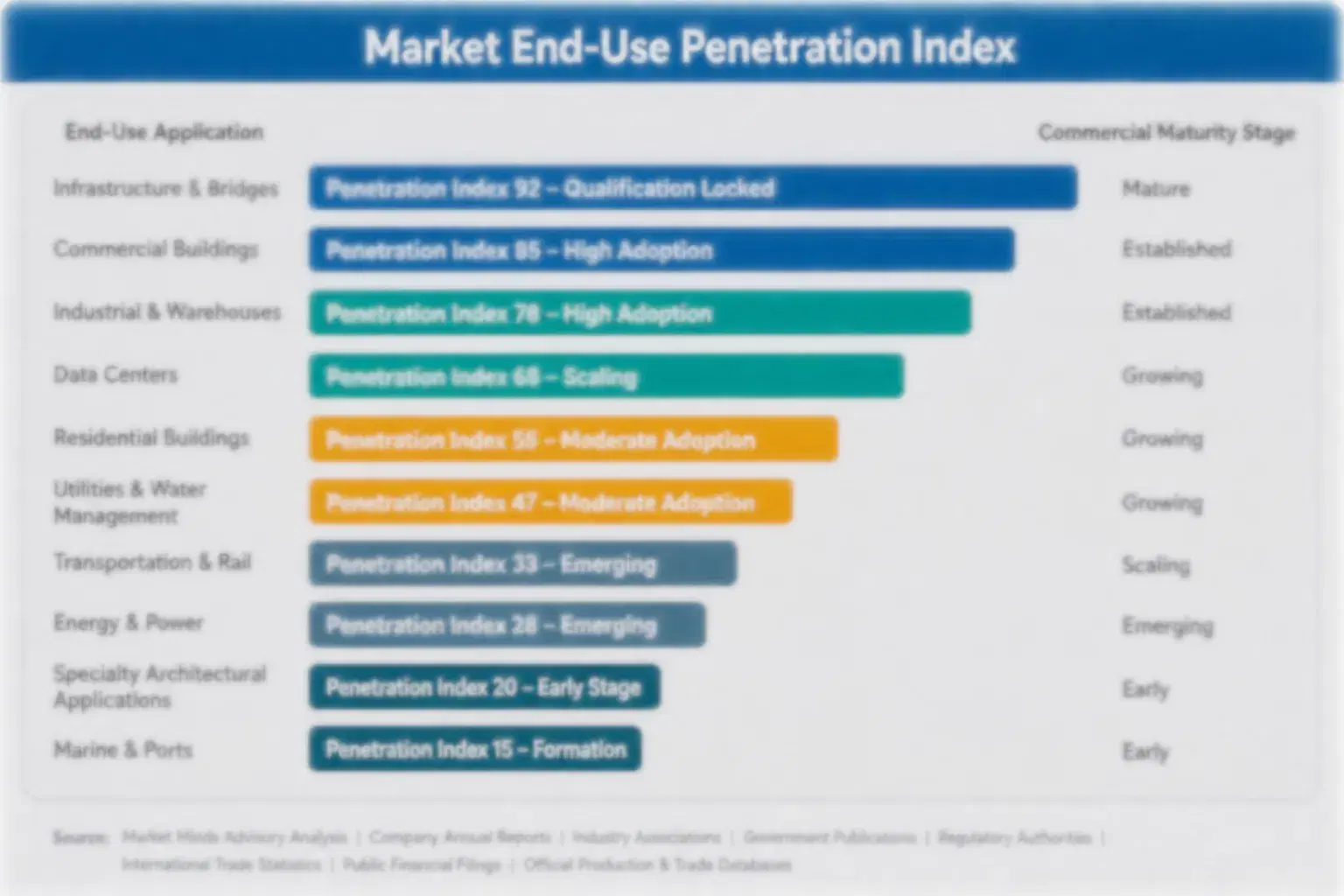
Flat bottom pouch demand compounds through repeat roaster reorder cycles rather than one-time program wins, since once a brand owner qualifies a converter's valve-fitment weld specification on a running filling line, switching converters requires requalifying tooling and weld specification, a cost most roasters avoid absent a clear performance or price failure across their supply base.
Adoption depth varies by end-use vertical. Large multinational coffee and pet food brand owners convert to new formats fastest once documented valve performance and line-speed compatibility are proven, while smaller regional snack and powder brand owners move more cautiously, often retaining established converter relationships through multiple reorder cycles given switching cost sensitivity. Personal care brand owners sit between the two, adopting new formats deliberately once consumer-facing freshness claims are validated.

A generational shift in buyer profiles is underway as pouch procurement increasingly involves quality assurance and sustainability specialists evaluating documented valve reliability and recyclability performance alongside traditional purchasing teams focused on unit cost and lead time. This changes how programs are won, rewarding converters who can demonstrate measurable compliance and documentation value over those competing on base converting cost alone.
flat-bottom-pouch-market-end-use-penetration-index-1791402628587

Where Flat Bottom Pouch Value Concentrates

These are among the four positions where our research anticipates prominent divergence between winners and laggards over the coming forecast period. Each is grounded in the demand model, the regulatory perimeter, and the announced capacity pipeline.
01 / VALVE-FITMENT CAPABILITY INVESTMENT

Invest in automated valve-fitment welding before freshness scrutiny tightens

Converters with automated valve-fitment welding and documented weld-strength data are already commanding meaningful pricing premiums over standard converting, and that gap will widen as specialty coffee roasters face increasing freshness complaint scrutiny from retailers. Mid-size converters without this capability risk losing shortlist consideration entirely on multinational coffee programs, regardless of how competitive their base converting price remains against established rivals. Building this capability now, ahead of the scrutiny curve, costs less than scrambling for it later once every competitor races for the same qualified testing labs.
02 / COFFEE FORMAT CONVERSION TIMING

Prioritize specialty coffee roaster conversion away from rigid cans now

Coffee and roasted beverage pouches carry both the fastest segment growth and meaningfully higher margin than standard snack-format converting in this market. Converters without valve-fitment automation capability are effectively locked out of premium coffee programs, even when their standard-format converting price remains fully competitive against established rivals in the category today. Investing in this capability now, while multinational roasters are still actively qualifying new converter partners across their growing programs, captures share before regional competitors catch up and compress the advantage.
03 / ASIAN COFFEE CAPACITY TIMING

Build box-pouch forming capacity near India's emerging coffee clusters early

South Asia and Pacific carries the fastest regional growth in this report, anchored by India's rapidly expanding specialty coffee and premium pet food retail categories scaling off a comparatively small existing base. Converters that establish box-pouch forming capacity near these clusters now will capture formalization-driven volume before multinational converters with deeper pockets enter directly and compress the early-mover pricing advantage further. Waiting until regional demand is fully visible in reported volume data means arriving after local converters have already captured the most favorable long-term supply contracts.
04 / RESIN EXPOSURE MANAGEMENT

Lock in dual-source resin contracts before the next feedstock price spike

Resin and barrier film costs account for roughly thirty-nine percent of production cost in this category, leaving converters without negotiated supply contracts exposed to feedstock price swings outside their control entirely. The 2022 natural gas driven resin spike showed how quickly margin compression can hit converters holding only fixed-price roaster contracts without matching resin cost protection in place. Converters that qualify two or more resin suppliers across different geographies now will absorb the next volatility cycle far better than competitors relying on a single source.

Engagement Snapshot From the Field

A live engagement with an industry participant carrying material or product regulatory and market exposure ahead of a defining policy shift, showing how our research translates into a defensible multi-year portfolio strategy.
MARKET MINDS ADVISORY · CLIENT ENGAGEMENT SUMMARY
Flat Bottom Pouch Producer Strategic Portfolio Review and Transition Roadmap 2026·Investment Scenario on Flat Bottom Pouch Exposure Evaluation 2025-26
CLIENT PROFILE
The client is a mid-size North American specialty coffee roaster generating an estimated 70 million dollars in annual revenue (client-reported, unverified by MMA), selling whole bean and ground coffee through both grocery retail and direct-to-consumer subscription channels. The client had historically packaged its premium lines in rigid cans and was evaluating full conversion to valved flat bottom pouches across its fastest-growing product lines.
STRATEGIC CHALLENGE
The client needed to determine whether converting its premium coffee lines from rigid cans to valved flat bottom pouches would justify the valve-fitment tooling and weld qualification investment required, given uncertainty about whether the format switch would meaningfully improve freshness retention or simply add packaging cost without a corresponding consumer-facing benefit worth the price difference.
MMA APPROACH
MMA benchmarked freshness retention and packaging cost data across comparable specialty coffee roasters that had already converted similar product lines, then modeled the expected shelf-life extension and retail standout lift against the client's own retail distribution footprint and existing co-packer valve-fitment tooling constraints across its primary roasting facility and regional distribution centers.
KEY FINDINGS
  1. Comparable roasters that converted premium lines to valved flat bottom pouches saw shelf-life extend by roughly 8 weeks on average, driven largely by improved degassing and oxygen barrier performance.
  2. Retail sell-through improved by an estimated 10 percent after conversion, meaningfully boosting the client's grocery channel revenue across its premium product line specifically within the first year.
  3. Packaging cost per unit increased by only 6 percent following conversion, well below the client's internal planning assumption for valved pouch format premium pricing across its product lines.
  4. The sell-through gains alone offset the higher packaging cost within the first 5 months of implementation, before counting any shelf-life extension benefit at all.
CLIENT PROFILE
The client is a mid-size North American specialty coffee roaster generating an estimated 70 million dollars in annual revenue (client-reported, unverified by MMA), selling whole bean and ground coffee through both grocery retail and direct-to-consumer subscription channels. The client had historically packaged its premium lines in rigid cans and was evaluating full conversion to valved flat bottom pouches across its fastest-growing product lines.
STRATEGIC CHALLENGE
The client needed to determine whether converting its premium coffee lines from rigid cans to valved flat bottom pouches would justify the valve-fitment tooling and weld qualification investment required, given uncertainty about whether the format switch would meaningfully improve freshness retention or simply add packaging cost without a corresponding consumer-facing benefit worth the price difference.
MMA APPROACH
MMA benchmarked freshness retention and packaging cost data across comparable specialty coffee roasters that had already converted similar product lines, then modeled the expected shelf-life extension and retail standout lift against the client's own retail distribution footprint and existing co-packer valve-fitment tooling constraints across its primary roasting facility and regional distribution centers.
KEY FINDINGS
  1. Comparable roasters that converted premium lines to valved flat bottom pouches saw shelf-life extend by roughly 8 weeks on average, driven largely by improved degassing and oxygen barrier performance.
  2. Retail sell-through improved by an estimated 10 percent after conversion, meaningfully boosting the client's grocery channel revenue across its premium product line specifically within the first year.
  3. Packaging cost per unit increased by only 6 percent following conversion, well below the client's internal planning assumption for valved pouch format premium pricing across its product lines.
  4. The sell-through gains alone offset the higher packaging cost within the first 5 months of implementation, before counting any shelf-life extension benefit at all.
RECOMMENDED STRATEGY
Phase 1: Phase 1 (Months 1-2): Pilot valved flat bottom pouch conversion on the highest-volume premium line first, tracking sell-through and freshness closely. Phase 2: Phase 2 (Months 3-4): Expand conversion across remaining premium and specialty lines based on pilot program performance results and customer feedback. Phase 3: Phase 3 (Months 5-6): Finalize co-packer tooling investment and updated packaging specifications across the client's full premium product portfolio nationwide.
OUTCOME
The client reported an estimated annual revenue and packaging cost benefit worth approximately 1.1 million dollars across its retail and direct-to-consumer distribution network following full conversion (client-reported, unverified by MMA), alongside measurably improved shelf-life and retail sell-through on converted product lines. The client has since begun evaluating valved conversion for its remaining decaf and flavored lines.

Frequently Asked Questions

Foundational context covering the market sizes, CAGR, scope, country, region and competition that inform every finding below. This section is provided to cover basics and most often pre-purchase conversations, answered from the MMA Primary Research Dataset.

What is the current size of the Flat Bottom Pouch Market?

The flat bottom pouch market was valued at approximately 8.6 billion dollars in 2025. This covers stand-up pouches with a rectangular box-like base used across coffee, pet food, snack, and powder applications.

How large will the Flat Bottom Pouch Market be by 2036?

The market is projected to reach approximately 18.9 billion dollars by 2036. This represents roughly a 2.04 times expansion from the 2026 base value over the full forecast decade.

What is the CAGR for the Flat Bottom Pouch Market 2026 to 2036?

The market is expected to grow at a compound annual growth rate of 7.4 percent between 2026 and 2036. The bull case reaches 8.7 percent, while the bear case falls to 6.1.

Which segment is growing fastest?

Coffee and roasted beverage pouches are the fastest growing segment at a 12.0 percent CAGR, roughly 1.62 times the overall market rate. This reflects accelerating conversion away from rigid cans.

Who are the major companies in the Flat Bottom Pouch Market?

Leading producers include Goglio Group, Amcor, Mondi Group, ProAmpac, and Huhtamaki. Together these five producers hold roughly 29 percent of global volume, competing primarily on valve-fitment depth and forming precision.

Which country is growing fastest?

India is the fastest growing country at an 11.2 percent CAGR, supported by its rapidly expanding specialty coffee and premium pet food retail categories scaling off a small base.

Flat Bottom Pouch Market Segmentation

The full report scope spans multiple orthogonal segmentation dimensions, with cross-tabulated demand data provided for each dimension pair. Coverage extends further to regional breakdowns, trend trajectories, and the competitive detail needed to support segment-level decision-making.

By Primary Market Dimension

  • Coffee and Roasted Beverage Pouches
  • Pet Food and Treat Pouches
  • Snack and Confectionery Pouches
  • Grain, Cereal, and Powder Pouches
  • Personal Care and Cosmetics Pouches
  • Industrial and Chemical Pouches

By End-Use Industry

  • Coffee and Beverage Roasting
  • Pet Food and Animal Feed Manufacturing
  • Food and Snack Manufacturing
  • Personal Care and Cosmetics Manufacturing
  • Industrial and Chemical Manufacturing

By Commercial Dimension

  • Brand Owner Direct Procurement
  • Co-Packer and Contract Manufacturer Supply
  • Distributor and Converter Supply
  • Retail Private Label Procurement

By Region

  • North America
  • Western Europe
  • East Asia
  • South Asia and Pacific
  • Latin America
  • Middle East and Africa
  • Eastern Europe

Scope, Methodology, and Coverage

Every figure in this report is reproducible from documented input assumptions. The scope below maps the historical period, the forecast horizon, the segmentation dimensions, and the countries covered, alongside the underlying primary and qualitative methodology.
Historical Period
2020 to 2025
Forecast Period
2026 to 2036
Base Year
2025 (USD billions; MMA Primary Research Dataset, October 2026)
Market Definition
The flat bottom pouch market covers stand-up flexible pouches with a rectangular box-like base formed from multiple film panels, spanning valved, zippered, and heat-sealed closure variants across coffee, pet food, snack, and powder applications. It excludes doy-style oval-gusset pouches, clipless pillow pouches, and rigid cans or cartons.
Quantitative Units
USD billions (current prices); pouch volume in billion units by segment category where disclosed
Segmentation Dimensions
By Primary Market Dimension; By End-Use Industry; By Commercial Dimension; By Region
Regions Covered
North America, Western Europe, East Asia, South Asia and Pacific, Latin America, Middle East and Africa, Eastern Europe
Countries Covered
USA, China, Germany, France, UK, Japan, South Korea, India, Australia, Canada, Brazil, Mexico, Indonesia, Vietnam, Thailand, Malaysia, UAE, Saudi Arabia, South Africa, Nigeria, Turkey, Poland, Netherlands, Italy, Spain, Sweden, Switzerland, Argentina, Colombia, Singapore, and additional markets relevant to this sector
Key Companies Profiled
Goglio Group, Amcor plc, Mondi Group, ProAmpac, Huhtamaki Oyj, Glenroy Inc, Constantia Flexibles, Sonoco Products Company, Winpak Ltd, Berry Global Group, Coveris Holdings, ePac Flexible Packaging, Uflex Ltd, Cosmo Films Ltd, TC Transcontinental, Printpack Inc, Sealed Air Corporation, Clondalkin Group Holdings, Scholle IPN, American Packaging Corporation
Quantitative Methodology
Primary survey, n=3,800 respondents, Q4 2025, six countries; demand-side model with trade association cross-validation
Qualitative Methodology
47 expert interviews, Q4 2025; applied to validate demand model assumptions, identify emerging dynamics, and assess competitive positioning
Report Format
PDF and XLSX data workbook (Word format preview document)
Publisher
Market Minds Advisory
Report Code
MMA-2026-PAC-275
Published
October 2026
Contact
sales@marketmindsadvisory.com | www.marketmindsadvisory.com

Purchase the full Flat Bottom Pouch Market Report (2026 to 2036).

This report delivers a complete market intelligence package covering the global flat bottom pouch market from 2026 through 2036, built on primary survey data spanning 3,800 respondents across six countries and 47 expert interviews with converters, roasters, and resin suppliers. It includes detailed segmentation across six application categories, competitive profiling of twenty named converters, and regional analysis spanning all seven world regions. Buyers receive the full dataset behind every figure referenced in this summary, along with editable charts and a dedicated analyst briefing call. The report publishes in July 2026 and is updated as material market developments warrant.
Full segmentation data across six application categories
Competitive profiles of twenty named converters
Seven-region demand and CAGR breakdown with narrative
Primary survey data from 3,800 respondents
47 expert interviews with converters and roasters
One dedicated analyst briefing call included

Built For The People Who Decide

From boardroom strategy to bench-side execution, this report is read cover-to-cover by leaders shaping the next decade of their industry, turning demand scenarios, market dynamics and valuation benchmarks into decisions.
CXOs/ Presidents/ VPs/ Managers
M&A and Corporate Development
Strategy Teams and R&D Heads
Procurement and Product Directors
Regulatory and Compliance Leaders
Investor Relations and Equity Analysts