Market Minds Advisory
Fibroblast Derived Protein Market

Fibroblast Derived Protein Market: Fibroblast Derived Protein Market. Regenerative Skincare, Advanced Wound Care, and Cell Culture Cost and Regulatory Divergence Shape Global Supply.

Global fibroblast derived protein supply spans growth factors, collagen and elastin matrix proteins, conditioned media and secretome ingredients, dermal matrix materials, and research reagents sold into regenerative skincare, wound care, and research.

Lead Analyst

Published

September 2026

Make Smarter Decisions with Customized Research Insights

Request a free sample report and evaluate market opportunities, growth trends, and competitive dynamics relevant to your business needs.

2025 MARKET VALUE$1.2BMarket Size 2025
2036 FORECAST VALUE$4.0BBase Case , 2026 to 2036
CAGR 2026 TO 203611.5 %Bull 12.8% / Bear 10.2%
INCREMENTAL OPPORTUNITY$2.6BNet 10- year value creation
EXPANSION MULTIPLE2.97x2036 value over 2026 base
Strategic Levers
M&A Pipeline
Regional Outlook
Country Rankings
Competitive Intelligence
Segmental Deep-dive
Call-Us : 91 93563 13602

Executive Snapshot and Market Trajectory.

Fibroblast derived proteins are growth factors, matrix proteins, and secreted protein mixtures obtained from cultured fibroblast cells, sold to regenerative skincare, advanced wound care, and research buyers. Aesthetic medicine growth and chronic wound burden lift demand, while donor variability, cell culture cost, and regulatory divergence restrain scale.
Fibroblast-Conditioned Media and Secretome Ingredients grow fastest as regenerative skincare brands and clinics adopt cell-derived actives, while fibroblast-derived matrix materials follow in wound care. North America holds the largest share because research reagent spend and regulated wound care products concentrate there, while East Asia follows on aesthetic medicine demand. Regulation sets timing. Cell culture cost sets price. Buyers review suppliers every season. Supply contracts decide renewal.
Competition is moderately concentrated, with life science reagent groups, a regenerative wound care company, and a bioprocess supplier leading on cell banks, quality systems, and regulatory files, while cosmetic specialists and Asian start-ups serve secretome niches. Biologics, tissue, and cosmetic rules govern use. Documentation wins research accounts. Clinical evidence wins wound care. Delivery reliability decides supplier rankings. Margins follow sourcing discipline. Batch records protect future sales. Cost control separates leaders from followers.
Market Definition
The market covers global sales of proteins obtained from cultured fibroblast cells, valued at producer level, including fibroblast growth factor proteins, fibroblast-derived collagen and elastin matrix proteins, conditioned media and secretome ingredients, fibroblast-derived matrix and dermal substitute materials, and research-grade reagents. The scope excludes recombinant proteins made in non-fibroblast hosts unless sold as fibroblast growth factors, plant-derived collagen, and finished skincare or wound products.
Base Year Value
$1.2B in 2025 (MMA Primary Research Dataset, September 2026)
Forecast Period
2026 to 2036, eleven discrete annual values
CAGR
11.5% base case. Bull 12.8%. Bear 10.2%.
Fastest Growth Segment
Fibroblast-Conditioned Media and Secretome Ingredients: 15.9% CAGR
Fastest Growth Country
South Korea: 14.2% CAGR
Fastest Growth Region
South Asia and Pacific: 13.5% CAGR
Largest Region
North America: 30% of 2025 global value
Market Leaders
Bio-Techne, Thermo Fisher Scientific, Merck KGaA, Lonza, Organogenesis. Source: MMA Analysis, company annual reports.
Primary Survey
n=3,800 procurement and R&D decision-makers, Q4 2025, six countries
Methodology
Demand-side build-up, cross-validated against public data, 47 expert interviews

Fibroblast Derived Protein Market Forecast Scenarios

fibroblast-derived-protein-market-size-forecast-scenario-1789873669038
Between 2020 and 2025, fibroblast derived protein demand grew as aesthetic clinics adopted regenerative products, advanced wound care companies expanded cell-based matrices, and research groups bought more growth factors for tissue models. Serum and consumable supply strains in 2021 and 2022 raised costs, and producers passed on price changes unevenly to buyers. Clear specifications build buyer trust. Small buyers feel every input swing.
The base case rests on three commercial mechanisms. First, ageing populations and diabetes keep raising chronic wound volumes that use cell-derived matrices. Second, aesthetic medicine and regenerative skincare pull secretome and growth factor ingredients into clinics and brands. Third, tissue engineering and cultivated food research buy more matrix proteins. Producers plan cell banks, serum-free media, and regulatory files around all three. Technical reach compounds over time. Audits repeat every year. Buyers review suppliers every season.
The bull case needs faster approvals and cheaper serum-free culture, which would lift volumes and prices. The bear case is a regulatory crackdown on human-cell-derived cosmetic ingredients combined with a media cost spike, which would squeeze margins. Supply contracts decide renewal. Delivery reliability decides supplier rankings. Margins follow sourcing discipline. Batch records protect future sales. Cost control separates leaders from followers.

Aesthetic Medicine, Wound Care Burden, and Cell Culture Costs Set Fibroblast Derived Protein Outcomes

Fibroblast derived protein supply starts with qualified donor cell banks, often dermal fibroblasts from neonatal foreskin or adult skin, expanded in bioreactors or culture vessels on media with or without serum. Producers harvest secreted proteins or matrix, then purify, test, and freeze or dry them as growth factors, matrix proteins, conditioned media, or scaffold sheets for buyers. Clear specifications build buyer trust.
MARKET CONCENTRATION44% CR5Leading five producers hold a moderate combined share
RESEARCH USE SHARE36%Portion of global value sold as research reagents
CELL CULTURE COST SHARE47%Portion of goods cost taken by media, serum, and consumables
WOUND CARE USE SHARE24%Portion of global value sold into wound care products
BATCH CYCLE TIME2-6 weeksUsual time from cell thaw to released protein lot
CLINICAL GRADE PREMIUM100-300%Typical price gap between clinical and research grade material
Cell line quality, purity, activity, endotoxin control, and regulatory documentation decide value. Buyers run activity and safety checks, and clinical grade material earns premiums of 100% to 300% over research grade. Reagent groups win on catalogue reach and quality systems, while wound care firms win on clinical files. Cell culture costs are high, so scale matters. Audits repeat yearly. Small buyers feel every input swing.
Buyers judge fibroblast derived proteins on biological activity, purity, lot consistency, donor traceability, endotoxin level, and price stability. Researchers want reproducible reagents, cosmetic brands want claims support and safe sourcing, and wound care makers want clinical grade supply and regulatory files. Price sensitivity is low in clinical use. Lot data and dossiers decide shortlists. Technical reach compounds over time. Audits repeat every year.
"Cell-derived proteins sell a promise of regeneration, but customers audit them like pharmaceuticals. The suppliers who invest in donor traceability and lot consistency before the claims hit the market will keep their licences when regulators tighten."
Senior Analyst, Regenerative Biomaterials and Actives Practice · MMA Fibroblast Derived Protein Practice · September 2026

Market Trends

Secretome and Conditioned Media Ingredients Enter Regenerative Skincare Formulations

Aesthetic clinics and skincare brands use fibroblast-conditioned media and secretome ingredients, mixtures of growth factors and cytokines secreted by cells, in serums, post-procedure care, and hair products, especially in Korea and Japan. Fibroblast-Conditioned Media and Secretome Ingredients grow about 15.9% a year, and gross margins run 42% to 62% against 20% to 32% for research reagents. The trend needs safety evidence and lot control, and it rewards producers with cell banks. Buyers review suppliers every season. Supply contracts decide renewal. Delivery reliability decides supplier rankings. Margins follow sourcing discipline. Batch records protect future sales.
Market Impact: diabetic ulcers affect 6% of patients
Fibroblast-Derived Matrices Support Chronic Wound and Dermal Substitute Products

Wound care companies use cell-derived matrices and living dermal substitutes made with human fibroblasts for diabetic foot ulcers and venous leg ulcers that fail standard care, and payers reimburse them in selected cases. Fibroblast-Derived Matrix and Dermal Substitute Materials grow about 13.2% a year. The trend needs clinical evidence and reimbursement, and it rewards producers with regulatory approvals, manufacturing consistency, and clinical support teams across several countries. Cost control separates leaders from followers. Clear specifications build buyer trust. Small buyers feel every input swing. Technical reach compounds over time. Audits repeat every year.
Market Impact: aesthetic procedures grow 8-10% yearly

Market Opportunities and Growth Drivers

Chronic Wound Prevalence Sustains Advanced Wound Care Protein Demand

About 6% of people with diabetes develop foot ulcers, according to clinical estimates, and ageing populations add venous and pressure ulcers that heal slowly. Health systems seek products that shorten healing. The driver sustains steady demand for cell-derived matrices and growth factors and rewards producers with clinical trial data, reimbursement support, and dependable supply of clinical grade material for hospitals and wound care centres. Buyers review suppliers every season. Supply contracts decide renewal. Delivery reliability decides supplier rankings. Margins follow sourcing discipline. Batch records protect future sales. Cost control separates leaders from followers.
Market Impact: batch variation reaches 20-30%

Aesthetic Medicine Growth Lifts Regenerative Cosmetic Ingredient Demand

Aesthetic procedures grow about 8% to 10% a year in many markets, and clinics sell post-procedure and regenerative products that promise faster recovery and skin quality gains. Consumers in Korea, Japan, China, and the United States pay premiums for cell-derived actives. The driver sustains demand for secretome and growth factor ingredients and rewards producers with claims evidence, safe sourcing, and clinic training. Clear specifications build buyer trust. Small buyers feel every input swing. Technical reach compounds over time. Audits repeat every year. Buyers review suppliers every season. Supply contracts decide renewal. Delivery reliability decides supplier rankings.
Market Impact: approvals take 24-60 months

Market Restraints and Challenges

Batch Variability and Donor Cell Sourcing Limit Standardisation

Cell-derived products vary with donor, passage number, and culture conditions, so lots differ in activity and composition. The root cause is biological complexity. Producers respond with master cell banks, defined media, and potency assays, though batch variation reaches 20% to 30% in some conventional processes, which frustrates buyers and raises testing costs for producers and regulators. Margins follow sourcing discipline. Batch records protect future sales. Cost control separates leaders from followers. Clear specifications build buyer trust. Small buyers feel every input swing. Technical reach compounds over time. Audits repeat every year. Buyers review suppliers every season.
Market Impact: secretome ingredients grow 15.9% yearly

Regulatory Divergence Delays Human-Cell-Derived Product Approvals

Regulators classify cell-derived products differently across markets, as biologics, tissues, drugs, devices, or cosmetics, and several jurisdictions restrict human-cell-derived cosmetic ingredients. The root cause is limited precedent and safety concerns. Producers respond with regional dossiers and regulator dialogue, though approvals take 24 to 60 months for clinical products and slow launches across markets. Supply contracts decide renewal. Delivery reliability decides supplier rankings. Margins follow sourcing discipline. Batch records protect future sales. Cost control separates leaders from followers. Clear specifications build buyer trust. Small buyers feel every input swing. Technical reach compounds over time.
Market Impact: matrix materials grow 13.2% yearly
3 additional market trends, 2 additional growth drivers, and 4 additional restraints and challenges are covered in the full report. Contact sales@marketmindsadvisory.com to access the complete intelligence.

Segment CAGR and Growth Architecture

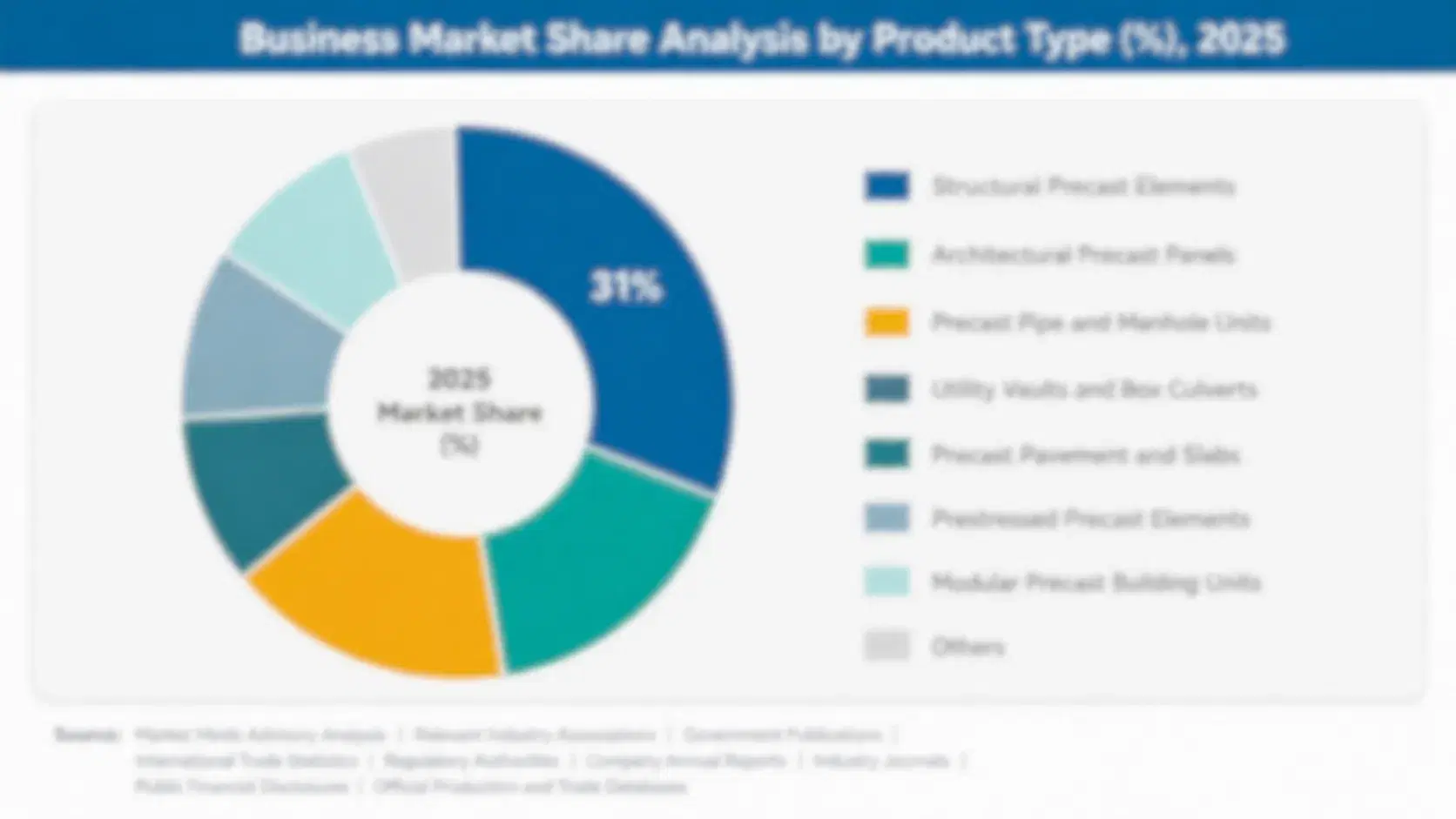
The global fibroblast derived protein market is segmented by product type, which shows where cell banks, purification, and regulatory files create pricing power in a moderately concentrated market. Five segments cover growth factor proteins, collagen and elastin matrix proteins, conditioned media and secretome ingredients, matrix and dermal substitute materials, and research reagents. Secretome ingredients and matrix materials grow
fibroblast-derived-protein-market-market-share-analysis-1789873669342

Fibroblast-Conditioned Media and Secretome Ingredients

Fibroblast-Conditioned Media and Secretome Ingredients is the fastest-growing segment at 15.9% a year, about 1.38 times the overall market rate, from a small base. Clinics and skincare brands adopt cell-derived actives for regeneration claims, so gross margins of 42% to 62% against 20% to 32% for research reagents support cell culture investment. Safety evidence and lot control are the main constraints. Producers with cell banks win. Audits repeat every year. Buyers review suppliers every season. Supply contracts decide renewal. Delivery reliability decides supplier rankings. Margins follow sourcing discipline. Batch records protect future sales. Cost control separates leaders from followers. Clear specifications build buyer trust. Small buyers feel every input swing. Technical reach compounds over time.
CAGR 15.9%

Fibroblast-Derived Matrix and Dermal Substitute Materials

Fibroblast-Derived Matrix and Dermal Substitute Materials grows at 13.2% a year, about 1.15 times the overall market rate, because wound care companies use cell-derived matrices and living dermal substitutes for chronic ulcers that fail standard care, with payers accepting gross margins of 40% to 58% for proven clinical results. Reimbursement and manufacturing consistency shape supply. Producers with approvals hold price better than followers. Audits repeat every year. Buyers review suppliers every season. Supply contracts decide renewal. Delivery reliability decides supplier rankings. Margins follow sourcing discipline. Batch records protect future sales. Cost control separates leaders from followers. Clear specifications build buyer trust. Small buyers feel every input swing. Technical reach compounds over time.
CAGR 13.2%
Full segment breakdown across 5 segments available in the complete report.

Regional Architecture and Country Demand Map

North America leads at 30% because research reagent spend and regulated wound care products concentrate in the United States. East Asia follows at 28% through Korean and Japanese aesthetic medicine, Western Europe adds research and wound care value, and South Asia and Pacific grows fastest as Indian clinics and

North America

North America holds 30% share, at the upper end of its band, and leads because research reagent spend, regulated wound care products, and reimbursement concentrate in the United States, where Bio-Techne, Thermo Fisher, and Organogenesis operate and where the Food and Drug Administration sets clear biologics pathways. Growth runs slightly below the global rate. Reimbursement scrutiny and media costs restrain margins. Audits repeat every year. Buyers review suppliers every season. Supply contracts decide renewal. Delivery reliability decides supplier rankings. Margins follow sourcing discipline. Batch records protect future sales. Cost control separates leaders from followers. Clear specifications build buyer trust. Small buyers feel every input swing. Technical reach compounds over time. Audits repeat every year.
Share: 30% | CAGR: 11.2% (2026 to 2036)

East Asia

East Asia holds 28% share, at the upper end of its band, and value comes from South Korea, Japan, and China, where aesthetic clinics adopt conditioned media and secretome actives at scale and research spending rises. Korea leads product experimentation. Growth exceeds the global rate. Regulatory tightening on human-cell-derived cosmetic ingredients and price competition from local producers restrain margins. Buyers review suppliers every season. Supply contracts decide renewal. Delivery reliability decides supplier rankings. Margins follow sourcing discipline. Batch records protect future sales. Cost control separates leaders from followers. Clear specifications build buyer trust. Small buyers feel every input swing. Technical reach compounds over time. Audits repeat every year. Buyers review suppliers every season.
Share: 28% | CAGR: 12.6% (2026 to 2036)
Regional intelligence for 5 additional markets available in the complete report: Western Europe, South Asia and Pacific, Latin America, Middle East and Africa, Eastern Europe. Contact sales@marketmindsadvisory.com.
fibroblast-derived-protein-market-country-cagr-analysis-1789873669618

Four Margin Routes for Fibroblast Protein Producers

Margin in fibroblast derived proteins comes from secretome and matrix products, clinical documentation, cell culture cost control, and regional regulatory pathways rather than research reagent volume. The routes below apply to reagent groups, wound care firms, and cosmetic specialists, and each can start inside one planning cycle, with clear measures in gross margin points, cost per gram.

Shifting Volume Into Fibroblast Secretome and Conditioned Media Ingredients

Secretome ingredients earn gross margins of 42% to 62% against 20% to 32% for research reagents, so producers that add qualified cell banks, potency assays, and safety dossiers to shift 10% of volume into secretome products report gross margin gains of 8 to 12 points on the mix. Cell banks and assays cost $3 million to $12 million. Pilots with five clinics confirm demand. Clear specifications build buyer trust. Small buyers feel every input swing. Technical reach compounds over time. Audits repeat every year. Buyers review suppliers every season. Supply contracts decide renewal.
Market Impact: secretome mix shift lifts gross margin by 8-12 points

Winning Wound Care Programmes With Clinical and Manufacturing Documentation

Wound care companies and hospitals buy on evidence and reimbursement, so producers that offer clinical data, manufacturing files, and consistent clinical grade supply win multi-year programmes and lift sales per customer by 10% to 18%. Clinical studies cost $1 million to $5 million each. Producers should target diabetic foot ulcer centres first and publish healing data against standard care. Delivery reliability decides supplier rankings. Margins follow sourcing discipline. Batch records protect future sales. Cost control separates leaders from followers. Clear specifications build buyer trust. Small buyers feel every input swing. Technical reach compounds over time.
Market Impact: clinical dossiers lift sales per customer by 10-18%

Securing Qualified Donor Cell Banks and Serum-Free Media

Cell culture media, serum, and consumables take about 47% of cost, so producers that build master cell banks, move to serum-free media, and contract single-use consumables cut batch failure and cost swings. Serum-free conversion costs $2 million to $8 million. Producers should document donor consent and traceability, share potency data with buyers, and hold safety stock of critical consumables. Audits repeat every year. Buyers review suppliers every season. Supply contracts decide renewal. Delivery reliability decides supplier rankings. Margins follow sourcing discipline. Batch records protect future sales. Cost control separates leaders from followers.
Market Impact: qualified cell banks cut batch failure by 20-35% annually

Licensing Regional Manufacturing and Regulatory Pathways in Asia

Regulators in Korea, Japan, and China treat cell-derived products differently, so producers that partner with local manufacturers, file regional dossiers early, and localise supply reach clinics faster and lift regional sales. Partnerships cost $1 million to $4 million. Producers should start in Korea and Japan where aesthetic demand is highest and use those files to support later applications elsewhere. Clear specifications build buyer trust. Small buyers feel every input swing. Technical reach compounds over time. Audits repeat every year. Buyers review suppliers every season. Supply contracts decide renewal. Delivery reliability decides supplier rankings.
Market Impact: regional licensing shortens market entry by 6-12 months

Who Controls the Margin Pool

The global fibroblast derived protein market is moderately concentrated, with a CR5 of 44%, and cosmetic specialists, Asian start-ups, and regional reagent suppliers sit outside the leading five. This assessment measures participants on estimated fibroblast derived protein value supplied, held constant across all players. Bio-Techne leads through growth factor breadth and catalogue reach, while Thermo Fisher Scientific, Merck KGaA, Lonza, and Organogenesis follow, with a modest gap between the leader
Competition runs on four dimensions today: cell bank quality and donor traceability, culture scale and cost, regulatory documentation, and channel reach into clinics and hospitals. Reagent groups win on breadth and distribution, while wound care firms win on clinical files and Asian specialists win on speed to market. Imitators copy basic growth factors quickly, so premiums outside secretome and matrix products erode within a season. Margins follow sourcing discipline.

Emerging pressure comes from recombinant collagen and growth factors made in microbial hosts, exosome products from other cell types, and regulators tightening human-cell-derived cosmetic rules. Rankings shift where a producer secures approval, cuts culture cost, or wins a clinic network. Specialists can move up quickly when they document safety, since evidence can outweigh catalogue breadth. Batch records protect future sales.
fibroblast-derived-protein-market-company-positioning-matrix-1789873669903

Competitive Moat and Risk Dimensions

BIO-TECHNE

Moat: Growth Factor Breadth and Quality

Bio-Techne, an American life science tools company, supplies growth factors, cytokines, and antibodies through R&D Systems and related brands to research, diagnostic, and biopharma customers worldwide, with strong quality documentation. Its breadth, citation record, and catalogue reach give it credibility with researchers, and its position supports premium pricing for validated reagents and a path into clinical grade supply.
BIO-TECHNE

Risk: Recombinant Alternatives and Price Pressure

Bio-Techne faces microbial-host recombinant alternatives and Chinese suppliers with lower prices in basic growth factors, so margin depends on validation and mix. Specialists can win cosmetic and clinical niches. Cost control separates leaders from followers. Clear specifications build buyer trust. Small buyers feel every input swing. Technical reach compounds over time.
ORGANOGENESIS

Moat: Cell-Based Wound Care Regulatory Files

Organogenesis, an American regenerative medicine company, makes living cell-based and matrix wound care products using human fibroblasts and other cells, with manufacturing sites, clinical evidence, and reimbursement experience in the United States. Its regulatory files, manufacturing consistency, and clinician relationships give it credibility with wound care centres, and its position supports premium pricing for proven products.
ORGANOGENESIS

Risk: Reimbursement Dependence and Concentration

Organogenesis depends on United States reimbursement decisions and a narrow product range, so policy changes can affect earnings. Competitors with broader portfolios can win hospital accounts. Audits repeat every year. Buyers review suppliers every season. Supply contracts decide renewal. Delivery reliability decides supplier rankings. Margins follow sourcing discipline.

Players Tracked

Prominent Players

Bio-Techne
Thermo Fisher Scientific
Merck KGaA
Lonza
Organogenesis

Other Key Players

Smith+Nephew
Integra LifeSciences
PromoCell
Corning
Cytiva
Sartorius
STEMCELL Technologies
Advanced BioMatrix
Sino Biological
ACROBiosystems
Croda
Evonik
Cosmo Bio
Abcam
ProSpec-Tany TechnoGene

Recent Developments

JANUARY 2026

Bio-Techne Expands Clinical Grade Growth Factor Manufacturing Capacity for Cell Therapy Customers

Bio-Techne expanded clinical grade growth factor manufacturing capacity for cell therapy customers, according to company communications. It is an organic capacity expansion, not an acquisition, and it tests whether regulated buyers pay for documented supply. Investment terms were not disclosed. Batch records protect future sales. Audits repeat every year.
Signal: Suggests reagent leaders are moving toward clinical grade supply as buyers demand documented, regulator-ready proteins for therapy and regenerative products.
FEBRUARY 2026

Organogenesis Announces Clinical Study for Cell-Based Matrix in Diabetic Foot Ulcers

Organogenesis announced a clinical study of a cell-based matrix in diabetic foot ulcers, according to company communications. It is an evidence programme, not a launch, and it tests reimbursement support for cell-based products. Study costs were not disclosed. Buyers review suppliers every season. Supply contracts decide renewal.
Signal: Indicates wound care producers are investing in evidence to protect reimbursement and defend premium pricing against cheaper alternatives.
MARCH 2026

Lonza Signs Cell Banking and Manufacturing Agreement With Asian Regenerative Skincare Company

Lonza signed a cell banking and manufacturing agreement with an Asian regenerative skincare company, aimed at securing qualified donor cell supply. It is a services agreement, not an acquisition, and it tests contract manufacturing models. Terms were not disclosed. Delivery reliability decides supplier rankings. Margins follow sourcing discipline.
Signal: Confirms contract manufacturers are entering cosmetic-adjacent cell-derived products, which raises quality expectations for skincare ingredient suppliers.

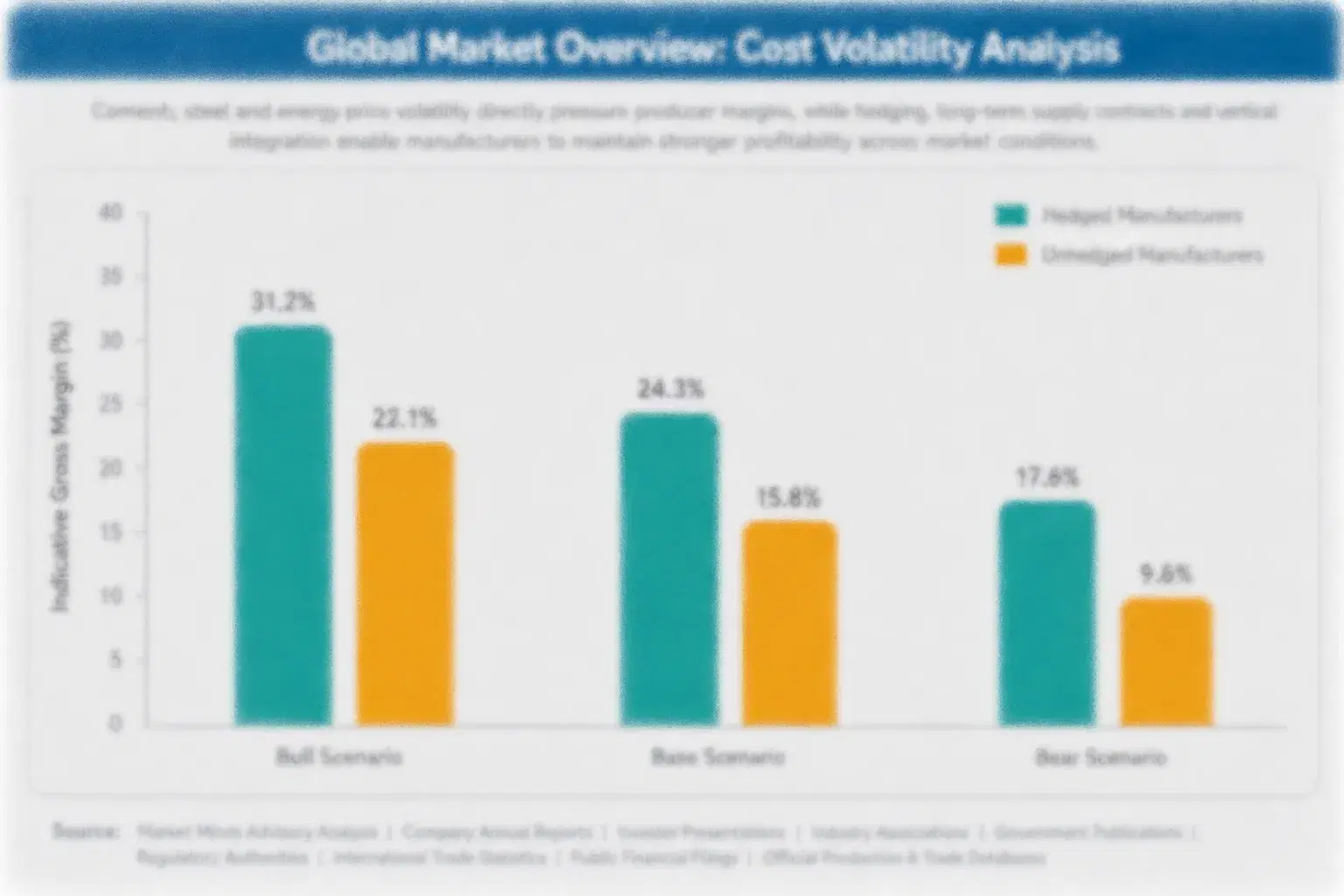
What Drives Fibroblast Protein Production Costs

Cell culture media, serum, growth supplements, and single-use consumables account for roughly 47% of cost of goods, cleanroom energy and utilities about 14%, purification resins, filters, and testing about 15%, and labour, quality control, packaging, and cold chain about 24%. Media and consumables come from a small group of bioprocess suppliers in the United States and Europe. Clear specifications build buyer trust.
The clearest recent shock came from serum, consumable, and energy supply. Fetal bovine serum prices rose sharply in 2021 and 2022 and single-use consumables faced shortages, as bioprocess suppliers reported, energy prices surged, as the IEA reported, and Sartorius noted in its Annual Report 2022 that supply chains normalised after earlier bottlenecks. Producers raised prices by 8% to 20%. Small buyers feel every input swing. Technical reach compounds over time.

The competitive disadvantage falls on small producers and start-ups without media contracts or in-house culture scale, which cannot pass costs on quickly. Large groups hold multi-source contracts, own bioreactors, and spread cost across many proteins. Exposure also varies by segment, since secretome and matrix products carry higher margins that absorb cost swings better than research reagents. Audits repeat every year.
fibroblast-derived-protein-market-cost-volatility-analysis-1789873670194

Serum-Free Media Conversion and Multi-Source Contracts

Producers convert cultures to defined serum-free media and sign multi-season contracts with several media and consumable suppliers, indexing selling prices where possible. Conversion cuts serum exposure and batch variation by 10% to 25%. The main challenge is revalidation, so producers plan conversions with regulators and customers. Buyers review suppliers every season. Supply contracts decide renewal.

Mix Shift Toward Secretome and Matrix Products

Producers shift capacity toward secretome and matrix products that carry higher margins and absorb cost swings. A shift of 10% of volume lifts gross margin by 8 to 12 points. The main challenge is qualification time, so producers run safety and potency studies early and keep reagent lines for core customers. Delivery reliability decides supplier rankings.

Single-Use Bioreactor Scale-Up and Utilisation

Producers add larger single-use bioreactors and improve scheduling to lower cost per gram and raise utilisation. Scale-up cuts culture cost by 15% to 30% per gram in some processes. The main challenge is capital and validation, so larger producers invest first, while smaller firms use contract manufacturers. Margins follow sourcing discipline. Batch records protect future sales.

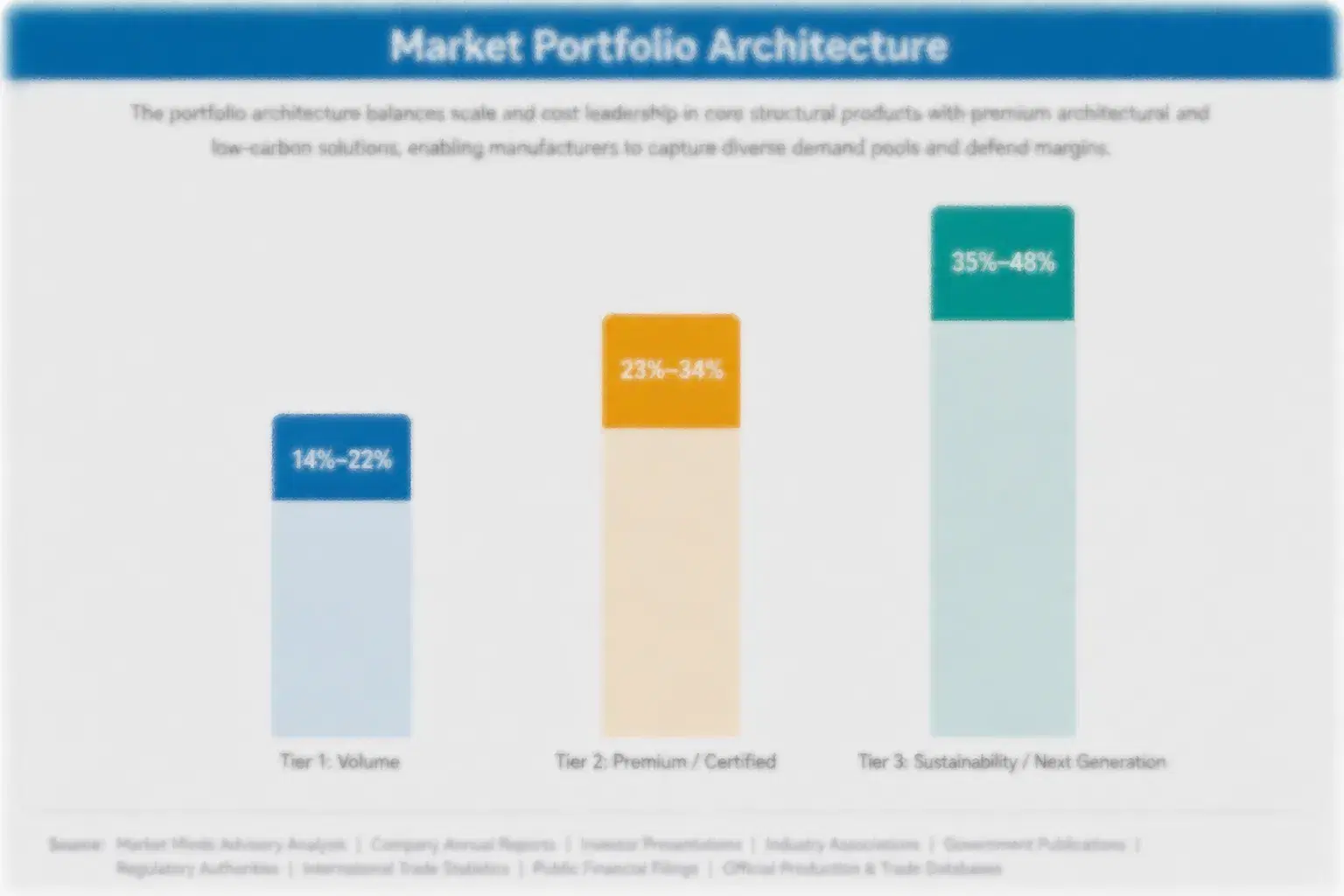
Portfolio Architecture for Margin Defence

Margins run from moderate returns on research grade growth factors sold through catalogues to strong returns on secretome and matrix products sold with clinical and safety documentation. Three tiers separate volume products, certified premium lines, and next-generation formats, and each tier draws on different customer groups, cell bank positions, and culture platforms in a moderately concentrated market. Clear specifications build buyer trust.
The tension between volume and premium is sharp. Research reagents fill bioreactors and build catalogue reach but face recombinant alternatives and price pressure, while secretome and matrix products earn higher margins on smaller volumes and depend on approvals, donor traceability, and buyer trust. Producers that run only reagents struggle when media rises, while producers that run only clinical products lose scale. Small buyers feel every input swing. Technical reach compounds over time.

High-value pools concentrate in secretome ingredients sold to regenerative skincare brands and clinics and in matrix and dermal substitute materials sold to wound care centres. They gather where buyers pay for evidence and regulatory files rather than milligrams. Collagen and elastin matrix proteins add a steady pool in tissue engineering. Audits repeat every year. Buyers review suppliers every season.

Volume / Commodity-Adjacent Tier

Research grade fibroblast growth factors and reagents sold through catalogues and distributors at moderate margins, with media cost pass-through and price competition from recombinant suppliers in Asia. Supply contracts decide renewal. Delivery reliability decides supplier rankings.
Gross Margin: 20%-32%

Premium / Certified Tier

Collagen and elastin matrix proteins and clinical grade growth factors with donor traceability, endotoxin specifications, and audit records, sold to tissue engineering and therapy developers that require documented supply. Margins follow sourcing discipline.
Gross Margin: 32%-48%

Sustainability / Regulatory / Next-Generation Tier

Conditioned media, secretome ingredients, and dermal matrix materials with safety dossiers, clinical data, and technical service, sold to clinics, brands, and wound care centres that pay for regenerative claims. Batch records protect future sales.
Gross Margin: 42%-62%
fibroblast-derived-protein-market-portfolio-architecture-1789873670517

High-value Sub-segments and Strategic Watch-out

Fibroblast-Conditioned Media and Secretome Ingredients

Fibroblast-conditioned media and secretome ingredients combine the fastest growth with strong pricing, since clinics and skincare brands pay for cell-derived regenerative actives at gross margins of 42% to 62%. Safety evidence and lot control limit competition, and producers with qualified cell banks win. Repeat supply builds through long programmes.
Gross Margin: 42%-62%

Fibroblast-Derived Matrix and Dermal Substitute Materials

Fibroblast-derived matrix and dermal substitute materials deliver firm growth and pricing, since wound care centres pay for products that help chronic ulcers heal at gross margins of 40% to 58%. Reimbursement and manufacturing consistency form the entry barrier, and producers with clinical approvals win. Clear specifications build buyer trust.
Gross Margin: 40%-58%

Fibroblast Growth Factor Proteins

Fibroblast growth factor proteins are the steady core, sold to researchers, cell therapy developers, and tissue engineers under catalogue and contract terms. Value grows about 10.4% a year, and activity, purity, and delivery reliability decide profit. Producers anchor sales on long relationships with laboratories and biopharma groups.
Gross Margin: 24%-40%

Research-Grade Fibroblast Protein Reagents

Research-grade fibroblast protein reagents are the volume core and strategic watch-out, since growth of about 8.6% a year trails the market, recombinant and Asian suppliers compete on price, and differentiation is limited. Producers should manage this line for cash and steer capacity toward secretome and matrix products.
Gross Margin: 18%-30%

Why Regenerative Buyers Keep Reordering

Fibroblast derived protein demand behaves like an annuity attached to approved protocols and validated product files. Once a research group, clinic, or wound care maker qualifies a protein whose activity, lot consistency, and documentation it trusts, it repeats the order every quarter, and switching means new validation, safety checks, and possible regulatory variation. Buyers use last year's lot data to fix renewals, so producers with clean records earn
Adoption stickiness differs by end-use vertical. Wound care and clinical buyers are the deepest, since the material is written into regulatory files and changes only when quality fails. Cell therapy developers follow protocols. Cosmetic brands are moderate and switch on claims, while academic laboratories are shallow and buy on price and citations. Small buyers feel every input swing. Technical reach compounds over time.

Buyer profiles are shifting between generations. Older researchers bought reagents on citations and habit, while younger teams ask for defined media, donor traceability, sustainability proof, and fast custom production. Clinics and influencers add a third group that shapes cosmetic demand. Producers that publish lot data and offer fast custom runs win younger buyers and keep them as regenerative categories widen.
fibroblast-derived-protein-market-end-use-penetration-index-1789873670814

MMA Verdict on Fibroblast Protein Strategy

These are among the four positions where our research anticipates prominent divergence between winners and laggards over the coming forecast period. Each is grounded in the demand model, the regulatory perimeter, and the announced capacity pipeline.
01 / SECRETOME MIX STRATEGY

Shift Volume Into Secretome Ingredients Before Regulators and Rivals Close the Window

Fibroblast-Conditioned Media and Secretome Ingredients grows at 15.9% a year, about 1.38 times the overall market rate, and gross margins of 42% to 62% compare with 20% to 32% for research reagents. Producers should invest $3 million to $12 million in qualified cell banks, potency assays, and safety dossiers, shift 10% of volume into secretome products, and lift gross margin by 8 to 12 points. Those that stay in reagents will lose margin as media costs rise, while producers with secretome products keep premium accounts.
02 / WOUND CARE STRATEGY

Secure Clinical Evidence and Reimbursement Support Before Rivals Lock Wound Care Centres

Fibroblast-Derived Matrix and Dermal Substitute Materials grows at 13.2% a year, about 1.15 times the overall market rate, and gross margins of 40% to 58% reflect payer acceptance of proven clinical results. Producers should invest in clinical studies, manufacturing files, and consistent clinical grade supply, target diabetic foot ulcer centres first, and publish healing data, lifting sales per customer by 10% to 18%. Those without evidence will lose programmes, and early movers hold premiums for years, and producers that publish healing data early also attract the largest hospital networks.
03 / CULTURE COST STRATEGY

Convert to Serum-Free Media and Contract Consumables Before Culture Costs Erase Margins

Cell culture media, serum, and consumables take about 47% of cost, serum prices rose sharply in recent years, and lagged pass-through cut margins for smaller producers. Producers should convert to defined serum-free media, contract consumables from several suppliers, add cell bank redundancy, and cut batch failure by 20% to 35%. Those that stay on serum will absorb every swing, while producers with defined media will hold margin, volume, and buyer confidence through the next cycle of supply shocks, and buyers reward that reliability with longer terms.
04 / REGULATORY PATHWAY STRATEGY

File Regional Dossiers Early Before Regulatory Divergence Delays Human-Cell-Derived Product Launches

Regulators in Korea, Japan, China, the United States, and Europe classify cell-derived products differently, and approvals take 24 to 60 months for clinical products, so late filers lose launch windows. Producers should partner with local manufacturers, file regional dossiers early, and start in Korea and Japan where aesthetic demand is highest, cutting market entry time by 6 to 12 months at a cost of $1 million to $4 million. Those that ignore regulation will lose access, and producers with regional files hold premium positions.

Engagement Snapshot From the Field

A live engagement with an industry participant carrying material or product regulatory and market exposure ahead of a defining policy shift, showing how our research translates into a defensible multi-year portfolio strategy.
MARKET MINDS ADVISORY · CLIENT ENGAGEMENT SUMMARY
Fibroblast Derived Protein Producer Strategic Portfolio Review and Transition Roadmap 2026·Investment Scenario on Fibroblast Derived Protein Exposure Evaluation 2025-26
CLIENT PROFILE
The client is a mid-sized Korean regenerative skincare company with annual sales near $210 million (client-reported, unverified by MMA), selling clinic-grade serums and post-procedure products in Korea, Japan, and Southeast Asia. It bought fibroblast-conditioned media from one domestic supplier, held 45 days of stock, and planned export to the United States and Europe. Small buyers feel every input swing.
STRATEGIC CHALLENGE
The client's supplier could not document donor traceability to the level requested by export regulators, batch variation caused complaints, and a rival launched a serum with clinical data. Management needed to decide whether to add a qualified second supplier, fund its own cell bank, or drop conditioned media for recombinant actives, with limited capital and a launch date.
MMA APPROACH
MMA analysed batch, complaint, and cost data across 18 lots, interviewed eight regenerative cosmetics and regulatory experts and four suppliers, and reviewed regulatory pathways in four markets. It modelled cost by sourcing scenario, tested batch and price cases, and ranked options by payback and execution risk. Technical reach compounds over time. Audits repeat every year.
KEY FINDINGS
  1. A second supplier with documented donor consent and defined media would add about 12% to active cost but meet export documentation needs (client-reported, unverified by MMA).
  2. Building an in-house cell bank would cost about $4 million and pay back in about five years at current volumes. Buyers review suppliers every season.
  3. Recombinant actives cut cost by about 30% but weakened the regenerative claims that clinics valued most. Supply contracts decide renewal. Delivery reliability decides supplier rankings.
  4. United States and European export required separate dossiers, and Europe restricted human-cell-derived cosmetic ingredients. Margins follow sourcing discipline. Batch records protect future sales. Cost control separates leaders from followers.
CLIENT PROFILE
The client is a mid-sized Korean regenerative skincare company with annual sales near $210 million (client-reported, unverified by MMA), selling clinic-grade serums and post-procedure products in Korea, Japan, and Southeast Asia. It bought fibroblast-conditioned media from one domestic supplier, held 45 days of stock, and planned export to the United States and Europe. Small buyers feel every input swing.
STRATEGIC CHALLENGE
The client's supplier could not document donor traceability to the level requested by export regulators, batch variation caused complaints, and a rival launched a serum with clinical data. Management needed to decide whether to add a qualified second supplier, fund its own cell bank, or drop conditioned media for recombinant actives, with limited capital and a launch date.
MMA APPROACH
MMA analysed batch, complaint, and cost data across 18 lots, interviewed eight regenerative cosmetics and regulatory experts and four suppliers, and reviewed regulatory pathways in four markets. It modelled cost by sourcing scenario, tested batch and price cases, and ranked options by payback and execution risk. Technical reach compounds over time. Audits repeat every year.
KEY FINDINGS
  1. A second supplier with documented donor consent and defined media would add about 12% to active cost but meet export documentation needs (client-reported, unverified by MMA).
  2. Building an in-house cell bank would cost about $4 million and pay back in about five years at current volumes. Buyers review suppliers every season.
  3. Recombinant actives cut cost by about 30% but weakened the regenerative claims that clinics valued most. Supply contracts decide renewal. Delivery reliability decides supplier rankings.
  4. United States and European export required separate dossiers, and Europe restricted human-cell-derived cosmetic ingredients. Margins follow sourcing discipline. Batch records protect future sales. Cost control separates leaders from followers.
RECOMMENDED STRATEGY
Phase 1: Phase 1 (Months 1-6): Qualify a second supplier with documented donor traceability and define lot release specifications. Clear specifications build buyer trust. Phase 2: Phase 2 (Months 7-24): File Japan and Southeast Asia dossiers, convert to defined media lots, and sign multi-year supply contracts. Small buyers feel every input swing. Phase 3: Phase 3 (Months 25-42): Assess a co-owned cell bank, pursue United States filing, and keep recombinant options for Europe. Technical reach compounds over time.
OUTCOME
Within 42 months, all serums used documented lots, complaints fell by 40%, and sales in Japan and Southeast Asia rose by 15% (client-reported, unverified by MMA). Gross margin held within 0.5 points, a co-owned cell bank entered planning, and a United States filing was submitted. Audits repeat every year.

Frequently Asked Questions

Foundational context covering the market sizes, CAGR, scope, country, region and competition that inform every finding below. This section is provided to cover basics and most often pre-purchase conversations, answered from the MMA Primary Research Dataset.

What is the current size of the Fibroblast Derived Protein Market?

The global fibroblast derived protein market was valued at $1.20 billion in 2025 on a producer-value basis. Growth is supported by aesthetic medicine and wound care, offset by donor variability and regulatory divergence.

How large will the Fibroblast Derived Protein Market be by 2036?

The market is projected to reach $3.97 billion by 2036, up from $1.34 billion in 2026. The increase of $2.64 billion reflects secretome ingredients, matrix materials, and growth factors.

What is the CAGR for the Fibroblast Derived Protein Market 2026 to 2036?

The market is forecast to grow at an 11.5% CAGR from 2026 to 2036. The bull case reaches 12.8% and the bear case 10.2%, depending on regulatory outcomes, culture costs, and clinical evidence.

Which segment is growing fastest?

Fibroblast-Conditioned Media and Secretome Ingredients is the fastest-growing segment at 15.9% CAGR, roughly 1.38 times the overall market rate. Fibroblast-Derived Matrix and Dermal Substitute Materials follows at 13.2% CAGR each year.

Who are the major companies in the Fibroblast Derived Protein Market?

Major companies include Bio-Techne, Thermo Fisher Scientific, Merck KGaA, Lonza, and Organogenesis. Smith+Nephew, Integra LifeSciences, Corning, and Sartorius also hold meaningful positions in cell-derived proteins and culture supply.

Which country is growing fastest?

South Korea is growing fastest at about 14.2% CAGR, because aesthetic clinics adopt conditioned media and secretome actives at scale. Japan and China follow as regenerative skincare and research spending rise.

Report Segmentation Architecture

The full report scope spans multiple orthogonal segmentation dimensions, with cross-tabulated demand data provided for each dimension pair. Coverage extends further to regional breakdowns, trend trajectories, and the competitive detail needed to support segment-level decision-making.

By Primary Market Dimension

  • Fibroblast Growth Factor Proteins
  • Fibroblast-Derived Collagen and Elastin Matrix Proteins
  • Fibroblast-Conditioned Media and Secretome Ingredients
  • Fibroblast-Derived Matrix and Dermal Substitute Materials
  • Research-Grade Fibroblast Protein Reagents

By End-Use Industry

  • Regenerative Skincare and Cosmetics
  • Advanced Wound Care
  • Tissue Engineering and Cell Therapy
  • Academic and Pharmaceutical Research
  • Cultivated Food Research

By Commercial Dimension

  • Catalogue and Distributor Sales
  • Direct Clinical Supply Contracts
  • Contract Manufacturing Services
  • Private Label Supply
  • Co-Development Agreements

By Region

  • North America
  • East Asia
  • Western Europe
  • South Asia and Pacific
  • Latin America
  • Middle East and Africa
  • Eastern Europe

Scope, Methodology, and Coverage

Every figure in this report is reproducible from documented input assumptions. The scope below maps the historical period, the forecast horizon, the segmentation dimensions, and the countries covered, alongside the underlying primary and qualitative methodology.
Historical Period
2020 to 2025
Forecast Period
2026 to 2036
Base Year
2025 (USD billions; MMA Primary Research Dataset, September 2026)
Market Definition
The market covers global sales of proteins obtained from cultured fibroblast cells, valued at producer level, including fibroblast growth factor proteins, fibroblast-derived collagen and elastin matrix proteins, conditioned media and secretome ingredients, fibroblast-derived matrix and dermal substitute materials, and research-grade reagents. The scope excludes recombinant proteins made in non-fibroblast hosts unless sold as fibroblast growth factors, plant-derived collagen, and finished skincare or wound products.
Quantitative Units
USD billions (producer value); grams and units for volume references
Segmentation Dimensions
By Product Type; By End-Use Industry; By Commercial Dimension; By Region
Regions Covered
North America, East Asia, Western Europe, South Asia and Pacific, Latin America, Middle East and Africa, Eastern Europe
Countries Covered
United States, Canada, Mexico, Germany, France, United Kingdom, Switzerland, Poland, China, Japan, South Korea, India, Singapore, Australia, Brazil, Argentina, Turkey, Saudi Arabia, United Arab Emirates, South Africa, and additional markets relevant to this sector
Key Companies Profiled
Bio-Techne, Thermo Fisher Scientific, Merck KGaA, Lonza, Organogenesis, Smith+Nephew, Integra LifeSciences, PromoCell, Corning, Cytiva, Sartorius, STEMCELL Technologies, Advanced BioMatrix, Sino Biological, ACROBiosystems, Croda, Evonik, Cosmo Bio, Abcam, ProSpec-Tany TechnoGene
Quantitative Methodology
Primary survey, n=3,800 respondents, Q4 2025, six countries; demand-side model with trade association cross-validation
Qualitative Methodology
47 expert interviews, Q4 2025; applied to validate demand model assumptions, identify emerging dynamics, and assess competitive positioning
Report Format
PDF and XLSX data workbook (Word format preview document)
Publisher
Market Minds Advisory
Report Code
MMA-2026-HLT-715
Published
September 2026
Contact
sales@marketmindsadvisory.com | www.marketmindsadvisory.com

Purchase the full Fibroblast Derived Protein Market Report (2026 to 2036).

The full report delivers a detailed assessment of the global fibroblast derived protein market through 2036, covering product type, end-use, and regional forecasts, competitive benchmarking of leading producers, and input cost analysis. It combines MMA primary research, including a six-country survey of 3,800 respondents and 47 expert interviews, with public statistical and company data. Analysts also model culture cost scenarios, regulatory paths, and secretome adoption. Clients receive segment margin ranges, facility location maps, and a case study on regenerative ingredient strategy. Producer programme and contract frameworks are also included for planning.
Ten-year product type and end-use demand forecasts
Media, serum, and consumable cost tracking
Competitive benchmarking of top twenty producers
Cell-derived product regulatory pathway tracker included
Regional market comparative analysis and forecasts included
Quarterly primary survey data update access

Built For The People Who Decide

From boardroom strategy to bench-side execution, this report is read cover-to-cover by leaders shaping the next decade of their industry, turning demand scenarios, market dynamics and valuation benchmarks into decisions.
CXOs/ Presidents/ VPs/ Managers
M&A and Corporate Development
Strategy Teams and R&D Heads
Procurement and Product Directors
Regulatory and Compliance Leaders
Investor Relations and Equity Analysts