Market Minds Advisory
Feed Palatability Enhancers Market

Feed Palatability Enhancers Market: Feed Palatability Enhancers Market. Digests, Flavor Compounds and Coating Technology for Pet Food and Livestock Feed

Palatability enhancers decide whether an animal actually eats a reformulated diet, so pet food digests and livestock attractants compete on measured intake data as protein swaps and cost cuts spread across formulas.

Lead Analyst

Published

September 2026

Make Smarter Decisions with Customized Research Insights

Request a free sample report and evaluate market opportunities, growth trends, and competitive dynamics relevant to your business needs.

2025 MARKET VALUE$1.3BMarket Size 2025
2036 FORECAST VALUE$2.7BBase Case , 2026 to 2036
CAGR 2026 TO 20367.0 %Bull 8.3% / Bear 5.7%
INCREMENTAL OPPORTUNITY$1.3BNet 10- year value creation
EXPANSION MULTIPLE1.97x2036 value over 2026 base
Strategic Levers
M&A Pipeline
Regional Outlook
Country Rankings
Competitive Intelligence
Segmental Deep-dive
Call-Us : 91 93563 13602

Executive Snapshot and Market Trajectory.

Feed palatability enhancers are additives that make animal feed and pet food more appealing to eat, covering digests, flavor compounds, sweeteners and aromatic coatings. Formulators add them when reformulation risks intake. An animal that refuses a bowl costs a brand far more than the additive that would have fixed it.
Pet Food Palatant Coatings and Digests grow fastest as reformulation to alternative proteins raises the need for palatability cover, while livestock feed attractants carry the largest volumes. North America leads because premium pet food reformulation concentrates spending, with Western Europe close behind. Gross margins run 30% to 58%, and protein digest inputs and processing technology shape profit. Margins stay firm. Formulators reward reliable results. Digest costs stay high. Trial records shape every contract.
Five groups hold about 45% of value, led by Kemin, Darling Ingredients and AFB International, so specialist palatant makers compete with flavor houses and pet food group in-house units. Pet food and feed safety law, labelling rules and buyer audits govern positioning, and formulators check intake trial data, consistency and coating technology before adding a palatant to a diet or renewing supply contracts. Buyers compare cost per tonne.
Market Definition
The market covers global manufacturer revenue from feed palatability enhancers, defined as additives used to increase feed or pet food acceptance and intake, in pet food palatant coatings and digests, livestock feed attractants and sweeteners, aromatic and flavor compound blends, functional umami and savory enhancers, and application and coating technology services, sold to pet food manufacturers, feed mills and premix makers and valued at manufacturer revenue. It excludes complete pet foods, complete compound feed, preservatives and colorants sold independently.
Base Year Value
$1.3B in 2025 (MMA Primary Research Dataset, September 2026)
Forecast Period
2026 to 2036, eleven discrete annual values
CAGR
7.0% base case. Bull 8.3%. Bear 5.7%.
Fastest Growth Segment
Pet Food Palatant Coatings and Digests: 9.8% CAGR
Fastest Growth Country
China: 10.5% CAGR
Fastest Growth Region
South Asia and Pacific: 8.5% CAGR
Largest Region
North America: 32% of 2025 global value
Market Leaders
Kemin, Darling Ingredients, AFB International, Kent Corporation, Symrise Pet Food. Source: MMA Analysis, company annual reports.
Primary Survey
n=3,800 procurement and R&D decision-makers, Q4 2025, six countries
Methodology
Demand-side build-up, cross-validated against public data, 47 expert interviews

Feed Palatability Enhancers Market Forecast Scenarios

feed-palatability-enhancers-market-size-forecast-scenario-1790046110886
From 2020 to 2025 palatability enhancer revenue grew at about 5.8% a year. Pandemic pet adoption lifted 2020 and 2021 pet food demand, protein and ingredient cost inflation pushed reformulation in 2022 and 2023, and alternative protein trials then raised palatant use further. Livestock attractants dominated volume, while pet food digests gained share among premium brands.
The base case of 7.0% rests on three named mechanisms. Alternative protein and reduced-meat pet food reformulation raises palatant dependence to preserve intake. Livestock feed cost pressure pushes formulators toward cheaper, less palatable ingredients that need coverage. Premium pet food brands compete on measured intake performance rather than ingredient claims alone. Each mechanism is visible in reformulation launches, trial data and supplier investment over the last three years. Together they support steady adoption across major markets.
The bull case reaches 8.3% if alternative protein adoption accelerates and pet humanisation spending stays strong. The bear case falls to 5.7% if pet food volumes slow, livestock margins compress reformulation budgets and brands trade down. Both cases assume stable feed and pet food safety rules. Neither case assumes a change in brand concentration. Both assume steady feed and pet food safety rules.

Reformulation Pressure, Trial Proof and Digest Costs Set Palatant Returns

Suppliers hydrolyse animal or plant proteins into digests, blend them with flavor compounds and sweeteners, then spray or coat the mixture onto kibble, pellets or wet food. Measured intake and consistency decide acceptance, and each batch must survive processing heat, since a palatant that degrades in the extruder wastes its purpose entirely. Formulators audit suppliers and trial records every year before renewing contracts. Freight and storage add cost.
MARKET CONCENTRATION45% CR5Top five participants hold under half of category value
LIVESTOCK SHARE52%Portion of category revenue sold into livestock feed
WET PET FOOD SHARE41%Portion of pet food palatant revenue from wet food coatings
PROTEIN DIGEST COST SHARE36% of COGSAnimal protein digest inputs within total manufacturing cost
TYPICAL INCLUSION RATE1-3%Typical dose of palatant added to finished feed
INTAKE IMPROVEMENT RANGE10-40%Typical improvement in measured intake from palatant inclusion
Value concentrates in five places. Pet food palatant coatings and digests grow fastest. Livestock feed attractants and sweeteners carry the largest volumes, aromatic and flavor compound blends serve targeted species preferences, functional umami and savory enhancers serve premium wet pet food, and application and coating technology services serve manufacturers needing dosing precision. Formula and processing details stay closely guarded within each supplier.
Supply combines specialist palatant makers, flavor houses and pet food groups. Kemin, AFB International and Darling run dedicated palatant research and production, Symrise and Kent add flavor science depth, and large pet food groups run in-house palatant units for proprietary formulas. Formulators qualify suppliers over feeding trials and review contracts every year. Buyers compare cost per tonne before awarding contracts.
"A palatant is invisible on the label and decisive in the bowl. The suppliers that will grow are the ones whose intake data survives an independent feeding trial, because a brand that reformulates and loses appetite share never gets a second chance with that customer."
Senior Analyst, Feed and Pet Food Palatability Practice · MMA Feed Palatability Enhancers Practice · September 2026

Market Trends

Alternative Protein Reformulation Drives Digest and Coating Demand Higher

Pet food brands and livestock formulators are shifting toward alternative and reduced-meat proteins for cost and sustainability reasons, and these formulations often taste less appealing to animals than traditional recipes, so suppliers such as Kemin and AFB International develop digest and coating systems specifically for plant-based and insect-based diets. Pet Food Palatant Coatings and Digests grow about 9.8% a year, and gross margins run 46% to 58%. The trend needs species-specific trial data and coating technology, and it rewards suppliers with credibility. Buyers judge suppliers on palatability trial data, consistency and technical support.
Market Impact: pet food spending exceeds $60 billion

Functional Umami Enhancers Target Premium Wet Pet Food Segments

Premium wet pet food brands now specify umami and savory flavor systems that mimic fresh meat sensory profiles, and suppliers develop nucleotide and amino acid-based enhancers that boost perceived meatiness without adding actual protein cost. Functional Umami and Savory Enhancers grow about 7.6% a year, and gross margins run 40% to 54%. The trend needs sensory science and consumer trial validation, and it rewards suppliers with speed, while cost limits uptake in mainstream tiers. Suppliers with scale and clear plans hold the strongest positions. Early movers set the standard that later entrants must match.
Market Impact: substitution tracks 10% feed cost jumps

Market Opportunities and Growth Drivers

Pet Humanisation and Premium Reformulation Raise Palatant Sophistication Needs

Owners scrutinise pet food ingredient lists closely, and brands reformulate toward novel proteins, limited ingredient diets and functional claims that often reduce natural palatability, so premium brands invest heavily in palatant systems to protect repeat purchase. The American Pet Products Association reports US pet food spending exceeding 60 billion dollars annually. The driver rewards suppliers with proven trial data and species-specific formulations, and it supports steady growth, while cost-conscious mainstream brands adopt more slowly. Early movers set the standard that later entrants must match. Formulators reward suppliers that respond quickly to intake and audit needs.
Market Impact: digest inputs take 36% of cost

Livestock Feed Cost Pressure Pushes Formulators Toward Attractant-Dependent Ingredients

Feed formulators substitute cheaper, less palatable ingredients such as alternative protein meals and by-products when grain and soybean meal prices rise, and these substitutions often reduce intake unless covered by attractants and flavor systems. The driver rewards suppliers with proven attractant formulations across species, and it supports steady demand growth tied to ingredient substitution cycles, though attractant cost itself limits uptake when feed margins are already thin. Formulators reward suppliers that respond quickly to intake and audit needs. Progress should be reviewed every quarter against the agreed targets. Buyers judge suppliers on palatability trial data, consistency and technical support.
Market Impact: trials take 12-18 months

Market Restraints and Challenges

Protein Digest Input Costs and Rendering Supply Volatility Squeeze Margins

Animal protein digest inputs make up about 36% of manufacturing cost, and prices track broader rendering and protein meal markets that spiked in 2022, according to USDA price data, while disease-related supply disruptions add volatility. The root cause is dependence on animal by-product supply chains shared with other industries. Suppliers can pass through only part of the increase, so margins fall two to four points. Suppliers respond with multi-source contracts and plant-based digest alternatives. Progress should be reviewed every quarter against the agreed targets. Smaller suppliers carry the heaviest exposure and have the least room to adjust.
Market Impact: palatant coatings grow 9.8% yearly

Trial Cost and Species-Specific Validation Slow New Product Development

Palatability claims require controlled feeding trials with statistically reliable panels, and these trials cost significant sums and take months to complete across multiple species and life stages, according to industry association guidance. The root cause is the inherently subjective nature of palatability requiring behavioural measurement rather than chemical assay. Development cycles stretch to 12 to 18 months per major product. Suppliers respond with standardised trial protocols and shared testing infrastructure. Smaller suppliers carry the heaviest exposure and have the least room to adjust. Buyers judge suppliers on palatability trial data, consistency and technical support.
Market Impact: umami enhancers grow 7.6% yearly
3 additional market trends, 2 additional growth drivers, and 4 additional restraints and challenges are covered in the full report. Contact sales@marketmindsadvisory.com to access the complete intelligence.

Segment CAGR and Growth Architecture

The feed palatability enhancers market is segmented by product type, which shows where formulation science, margins and buyer use differ. Five segments cover pet food palatant coatings and digests, livestock feed attractants and sweeteners, aromatic and flavor compound blends, functional umami and savory enhancers and application and coating technology services. Pet food palatants grow fastest.
feed-palatability-enhancers-market-market-share-analysis-1790046111061

Pet Food Palatant Coatings and Digests

Pet Food Palatant Coatings and Digests is the fastest-growing segment at 9.8% a year, about 1.40 times the overall market rate. Manufacturers apply hydrolysed protein digests and coatings to kibble and treats to preserve intake through alternative protein reformulation, and prices run 40% to 80% above basic flavor blends per tonne. Gross margins of 46% to 58% reward suppliers with species-specific trial data and coating technology. Growth depends on reformulation pace, premium positioning and trial evidence, while trial cost limits speed. Early movers set the standard that later entrants must match. Formulators reward suppliers that respond quickly to intake and audit needs. Progress should be reviewed every quarter against the agreed targets.
CAGR 9.8%

Functional Umami and Savory Enhancers

Functional Umami and Savory Enhancers grows at 7.6% a year, about 1.20 times the overall market rate, because premium wet pet food brands want measurable meatiness perception without the cost of additional animal protein, using nucleotide and amino acid-based flavor systems. Suppliers use sensory science and consumer trial validation to differentiate. Gross margins of 40% to 54% support suppliers with technical service and reach. Growth depends on premium positioning, trial evidence and price, and suppliers with reliable consistency hold the strongest positions. Formulators reward suppliers that respond quickly to intake and audit needs. Progress should be reviewed every quarter against the agreed targets. Smaller suppliers carry the heaviest exposure and have the least room to adjust.
CAGR 7.6%
Full segment breakdown across 5 segments available in the complete report.

Regional Architecture and Country Demand Map

North America leads at 32% because reformulation and livestock volumes concentrate spending, and Western Europe holds 23% through premium culture. East Asia holds 17%. South Asia and Pacific holds 9%. Latin America holds 10% and grows fastest. Middle East and Africa holds 5%. Eastern Europe holds 4%.

North America

North America holds 32% share, above its band, and growth of 6.7%, close to the global rate. The United States runs the world's most reformulation-intensive premium pet food sector alongside enormous livestock feed volumes, which justifies the out-of-band share, and Kemin, AFB International and Kent Corporation supply from domestic production. Buyers demand trial data, consistency and species-specific formulation support. Formulators also review trial records and audit results before every annual contract renewal. Volumes stay steady, and suppliers compete mainly on intake proof, documentation and delivery reliability. Distributors handle most shipments and set order sizes. Currency moves and freight rates change landed cost each quarter. Suppliers offering multi-year terms win repeat volume.
Share: 32% | CAGR: 6.7% (2026 to 2036)

Western Europe

Western Europe holds 23% share, inside its band, and growth of 5.7%, below the global rate. Germany, France, the Netherlands and the United Kingdom combine premium pet food culture with intensive livestock feed formulation, and Symrise, Kemin and regional flavor houses supply. Mature reformulation cycles temper growth, and buyers demand trial proof and sustainability-linked sourcing claims. Formulators also review trial records and audit results before every annual contract renewal. Volumes stay steady, and suppliers compete mainly on intake proof, documentation and delivery reliability. Distributors handle most shipments and set order sizes. Currency moves and freight rates change landed cost each quarter. Suppliers offering multi-year terms win repeat volume. Distributors set order sizes.
Share: 23% | CAGR: 5.7% (2026 to 2036)
Regional intelligence for 5 additional markets available in the complete report: East Asia, South Asia and Pacific, Latin America, Middle East and Africa, Eastern Europe. Contact sales@marketmindsadvisory.com.
feed-palatability-enhancers-market-country-cagr-analysis-1790046111240

Four Margin Routes for Palatability Enhancer Suppliers

Margin in palatability enhancers comes from alternative protein coverage, umami systems, trial-backed positioning and cost control on digest inputs rather than volume alone. The routes below apply to specialist palatant makers and flavor houses, and each can start inside one planning cycle, with measures in gross margin points and cost per tonne. Reviews are quarterly.

Scaling Digest and Coating Systems for Alternative Protein Reformulations

Brands need palatability coverage for novel proteins, so suppliers that scale digest and coating systems validated across alternative protein formulations win sales worth 10% to 18% of revenue at gross margins of 46% to 58%. Programmes cost $2 million to $10 million. Suppliers should run species-specific trials, secure digest input supply and publish intake data, since unproven coatings lose brands after one poor launch. Management should assign one owner to each programme from the start. Early results also help persuade sceptical buyers. Costs are recovered faster in larger groups. Payback runs about three years.
Market Impact: digest systems add sales worth 10-18% of revenue

Launching Umami Systems for Premium Wet Pet Food

Premium brands want measurable meatiness without added protein cost, so suppliers that launch nucleotide-based umami systems with consumer trial validation win volume worth 8% to 15% of revenue at gross margins of 40% to 54%. Programmes cost $1 million to $8 million. Suppliers should fund sensory trials, secure premium brand contracts and protect formulations, since generic flavor houses copy successful systems quickly. Early results also help persuade sceptical buyers. Costs are recovered faster in larger groups. Payback runs about three years. Management should assign one owner to each programme from the start.
Market Impact: umami systems win volume worth 8-15% of revenue

Building Species-Specific Trial Databases That Formulators Trust Completely

Formulators only switch on proven data, so suppliers that build extensive species-specific trial databases across life stages lift formulator confidence and win contracts worth 8% to 14% of revenue at premiums of 5% to 12% per tonne. Programmes cost $1 million to $6 million. Suppliers should fund independent trials, publish methodology and update data regularly, since stale or disputed data loses formulator trust fast. Costs are recovered faster in larger groups. Payback runs about three years. Management should assign one owner to each programme from the start. Early results also help persuade sceptical buyers.
Market Impact: trial databases win contracts worth 8-14% of revenue

Diversifying Digest Input Supply Across Protein Sources and Regions

Protein digest inputs make up about 36% of cost, so suppliers that diversify sourcing across animal and plant protein sources and multiple regions cut cost swings by 15% to 30% and protect margins worth 5% to 9% of profit. Programmes cost $1 million to $6 million. Suppliers should qualify multiple input sources, test plant-based alternatives and monitor rendering markets closely, since single-source dependence raises risk. Payback runs about three years. Management should assign one owner to each programme from the start. Early results also help persuade sceptical buyers. Costs are recovered faster in larger groups.
Market Impact: diversified sourcing cuts cost swings by 15-30% yearly

Who Controls the Margin Pool

The feed palatability enhancers market is fragmented, with a CR5 of 45%, because specialist palatant makers compete with flavor houses and pet food groups running in-house palatant units across many species and applications. This assessment measures participants on estimated palatability enhancer revenue, held constant across all players. Kemin and Darling Ingredients lead through dedicated research and production scale, AFB International, Kent Corporation and Symrise Pet Food follow, and the gap between the leader and the fifth player is moderate. Regional flavor houses and in-house units fill much of the remaining value.
Competition runs on four dimensions today: intake trial evidence, species-specific formulation depth, coating and application technology, and price per tonne. Specialist makers win on dedicated research and trial credibility, flavor houses win on sensory science breadth, and in-house units win on proprietary formula control. Buyers compare measured intake, consistency and technical support.

Emerging pressure comes from alternative protein reformulation raising palatant dependence, from premium umami systems commanding brand-level differentiation and from digest input costs that favour diversified sourcing. Rankings shift where a supplier proves species-specific efficacy, wins premium brand contracts or builds resilient digest supply, and consolidation continues as small flavor houses face trial and research costs.
feed-palatability-enhancers-market-company-positioning-matrix-1790046111420

Competitive Moat and Risk Dimensions

KEMIN

Moat: Research Depth and Species Breadth

Kemin is a privately held global ingredient company with dedicated palatability research spanning pet food and livestock feed applications across many species and life stages. Its research depth, trial infrastructure and species-specific formulation library give it strong access to premium pet food brands and feed formulators, and its scale supports continued innovation in digest and coating technology.
KEMIN

Risk: Private Disclosure and Trial Costs

Kemin discloses limited financial detail as a private company, making its performance harder for buyers to benchmark against competitors. Trial and research costs stay high to maintain credibility, digest input costs squeeze margins, and rule changes can shift demand quickly. Investors expect steady returns and disciplined capital use.
DARLING INGREDIENTS

Moat: Rendering Integration and Scale

Darling Ingredients integrates palatability enhancer production within its broader global rendering operations, giving it direct access to protein digest raw materials and logistics scale across multiple continents. Its rendering integration, feedstock access and diversified by-products portfolio give it strong access to formulators, and its scale supports investment in digest processing capacity.
DARLING INGREDIENTS

Risk: Broad Focus and Margin Pressure

Darling Ingredients treats palatability enhancers as one product line within a much broader rendering business, so investment and management attention compete with larger categories. Specialist makers compete on dedicated trial credibility and species depth, protein input costs squeeze margins, and rule changes can shift demand quickly. Investors expect steady returns.

Players Tracked

Prominent Players

Kemin
Darling Ingredients
AFB International
Kent Corporation
Symrise Pet Food

Other Key Players

Diana Pet Food
ADM Pet Nutrition
Wilbur-Ellis
Scoular
Balchem
Novus International
Lucta
Nutreco
APC
Griffin Industries
Essentia Protein Solutions
Sensient Technologies
IFF Pet Nutrition
Frutarom
Huvepharma

Recent Developments

JANUARY 2026

Palatant Maker Launches Digest System Validated for Insect and Plant Protein Pet Food Formulas

A palatant maker launched a digest system validated for insect and plant protein pet food formulas, according to company communications. It is a product launch, not an acquisition, and it tests alternative protein demand. The system uses species-specific trials. Sales terms were not disclosed. Rollout follows formulator reviews.
Signal: Confirms palatant makers are widening coverage because alternative protein reformulation increasingly requires dedicated palatability solutions. Buyers confirm early results.
FEBRUARY 2026

Flavor House Expands Digest Processing Capacity in North America to Serve Pet Food Demand

A flavor house expanded digest processing capacity in North America to serve pet food demand, according to company communications. It is an organic capacity expansion, not an acquisition, and it tests supply readiness. The facility adds processing lines. Financial terms were not disclosed. Rollout follows formulator reviews.
Signal: Shows suppliers are adding digest capacity because premium pet food reformulation outpaces available palatant production steadily.
MARCH 2026

Pet Food Industry Group Announces Updated Palatability Trial Protocol Standards Across Member Companies

A pet food industry group announced updated palatability trial protocol standards across member companies, according to public announcements. It is a standards action, not a commercial deal, and it tests trial consistency. The protocol covers panel size requirements. Timing of adoption remains open. Rollout follows formulator reviews.
Signal: Indicates industry groups are standardising trial protocols because brands increasingly compare palatant performance claims across suppliers.

Protein Digest and Processing Cost Exposure

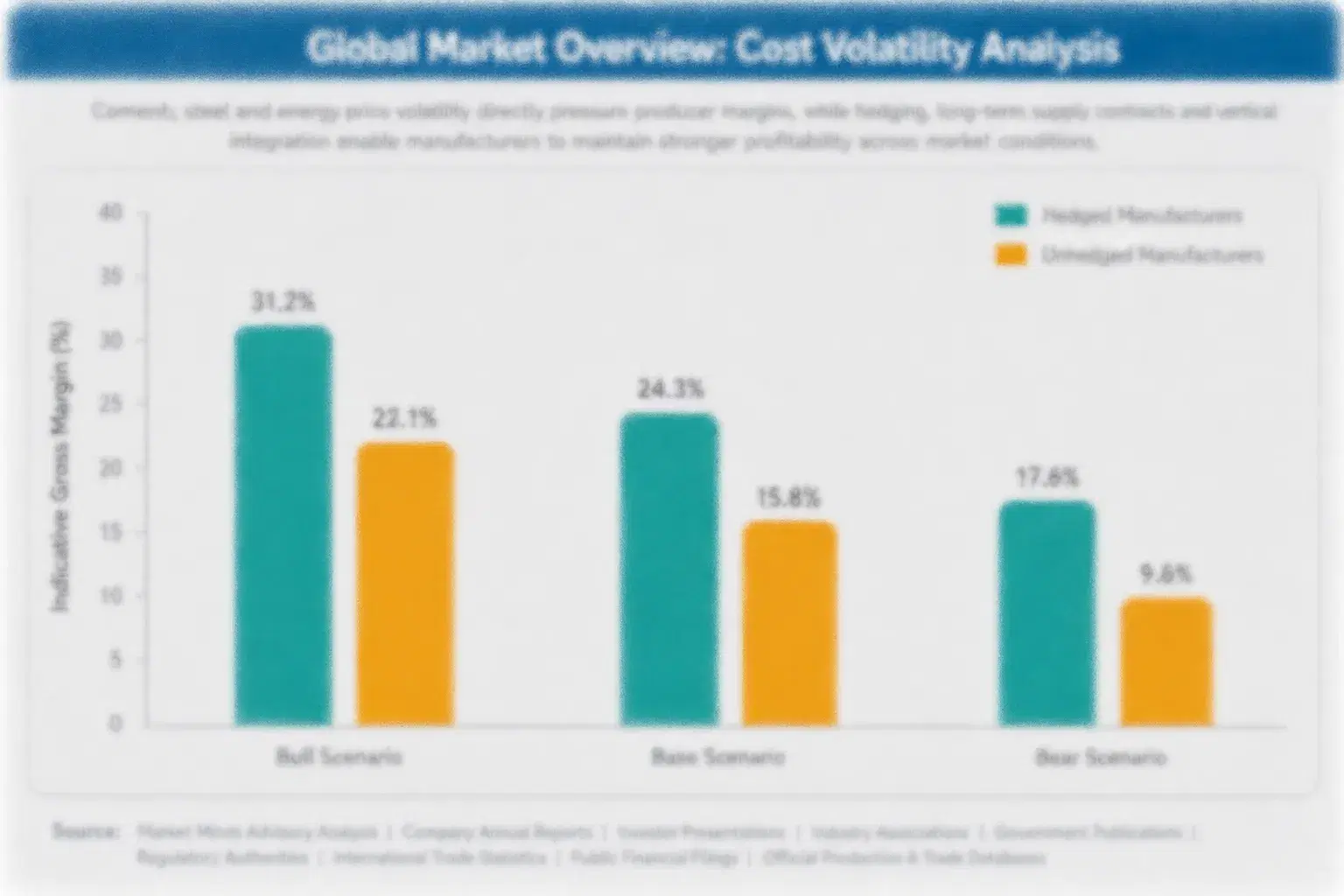
Animal protein digest inputs account for roughly 36% of manufacturing cost, flavor compounds and aromatics about 18%, sweeteners and functional additives about 12%, processing and coating energy about 10%, labour and quality control about 14%, and packaging and logistics about 10%. Protein digest inputs come from rendering operations in the United States, Europe and Brazil, and flavor compounds from specialist chemical producers.
The clearest recent shock came in 2022. USDA data show rendering and protein meal prices rising sharply after grain markets spiked, avian influenza and African swine fever outbreaks disrupted supply in some regions, and IEA data show energy costs affecting processing operations. Suppliers absorbed part of the increase, raised prices gradually and diversified digest sourcing, which compressed margins. Some relief came in 2023 and 2024 as protein markets stabilised.

The disadvantage falls on small suppliers without diversified sourcing, processing scale or formulator relationships, because they pay spot prices and cannot spread trial and research cost. Exposure varies by player type: integrated groups hold feedstock access and scale, specialist makers depend on external digest supply, and flavor houses depend on chemical input markets. Diversification decides who absorbs the shock.
feed-palatability-enhancers-market-cost-volatility-analysis-1790046111606

Diversified Digest Sourcing Across Protein Types and Regions

Suppliers diversify digest sourcing across animal and plant protein types and multiple geographic regions to cut supply disruption risk by 20% to 35%. The main challenge is validating new sources against palatability standards, so suppliers test alternatives gradually. Procurement teams monitor rendering markets each week, and managers review sourcing mix every year. Managers approve each shift.

Shared Trial Infrastructure and Standardised Testing Protocols

Suppliers invest in shared trial infrastructure and standardised testing protocols to cut trial cost per product by 15% to 25%. The main challenge is capital of $2 million to $8 million and panel recruitment time, so suppliers stage investment by product priority. Scientists review trial data every month and report to management. Scientists track progress.

Energy Efficient Processing and Coating Equipment Investment

Suppliers invest in efficient processing and coating equipment to cut energy cost per tonne by 10% to 20%. The main challenge is capital of $2 million to $10 million per facility, so suppliers stage investment by facility volume. Engineers monitor energy use each week against targets, and managers review results yearly. Reviews continue yearly.

Portfolio Architecture for Margin Defence

Margins run from moderate returns on basic livestock attractants to strong returns on pet food digests and umami systems sold with trial data and species-specific credibility. Three tiers separate volume products, premium certified products and next-generation solutions, and each draws on different digest access, formulation science and brand relationships in a fragmented market. Margin gaps between tiers run to 24 points.
The tension between volume and premium is sharp. Basic attractants and sweeteners fill production capacity at moderate prices and face digest input swings, while premium coatings and umami systems earn higher margins on smaller volumes and depend on trial data, sensory science and brand trust. Suppliers that run only volume suffer when digest costs rise, while premium-only suppliers struggle to reach cost-conscious livestock formulators.

High-value pools concentrate in pet food palatant coatings and digests and in functional umami and savory enhancers, sold to premium brands protecting intake through reformulation. They gather where formulators pay for measured intake and species-specific evidence, not for flavor volume alone. Aromatic blends add a targeted preference pool, and strong suppliers hold more than one, though each needs different formulation skills.

Volume / Commodity-Adjacent

Basic livestock attractants and sweeteners sold on price per tonne to feed mills and premix makers. Buyers focus on cost and availability, contracts follow annual reviews, and differentiation is limited by shared formulations and standard flavor blends.
Gross Margin: 30%-42%

Premium / Certified

Aromatic and flavor compound blends with trial data and species-specific formulation sold to commercial pet food and feed manufacturers. Buyers value proof of measured intake, consistency and technical service, and contracts run for one or more years with regular reviews.
Gross Margin: 38%-52%

Sustainability / Regulatory / Next-Generation

Pet food palatant coatings, digests and functional umami systems sold to premium brands managing alternative protein reformulation. Sales depend on trial evidence, coating technology and sensory science across regions, and suppliers must show reliable capacity and clean quality records to hold accounts.
Gross Margin: 44%-58%
feed-palatability-enhancers-market-portfolio-architecture-1790046111796

High-value Sub-segments and Strategic Watch-out

Pet Food Palatant Coatings and Digests

Pet food palatant coatings and digests combine the fastest growth with the strongest pricing, since premium brands accept gross margins of 46% to 58% for measured intake protection through reformulation. Species-specific trial data and coating technology form the entry barrier, and suppliers with credible evidence lead.
Gross Margin: 46%-58%

Functional Umami and Savory Enhancers

Functional umami and savory enhancers deliver solid growth with premium pricing, since premium wet pet food brands support gross margins of 40% to 54% for measurable meatiness perception. Sensory science and consumer trial validation limit competition, though cost adds risk. Reviews occur each season. Buyers renew contracts each year.
Gross Margin: 40%-54%

Livestock Feed Attractants and Sweeteners

Livestock feed attractants and sweeteners are the volume core, with value growing about 5.0% a year. Digest input cost, formulation cycles and price competition decide profit, and specialist makers and flavor houses hold most sales. Mills renew contracts yearly at prices linked to feed reformulation cycles and competing bids.
Gross Margin: 30%-42%

Aromatic and Flavor Compound Blends

Aromatic and flavor compound blends are the strategic watch-out, since growth of about 4.4% a year trails the leaders, targeted preference applications serve narrower niches and generic flavor houses compete on price. Suppliers should manage ranges selectively and steer investment toward pet food digests and umami systems with clearer buyers.
Gross Margin: 32%-44%

Why Formulators Keep Buying Palatants

Palatability enhancer demand behaves like an annuity attached to every reformulation cycle. Once a formulator validates a palatant against a specific recipe and species, dosing repeats with every production batch, and switching means re-running feeding trials and risking measured intake performance. Contracts run around formulation cycles and trial validation, so suppliers with reliable results earn recurring revenue. Trust, once earned, takes years to lose. Habit protects the contract.
Adoption stickiness differs by end-use vertical. Premium pet food brands are the deepest, since palatant systems are validated against specific recipes and switching risks brand reputation on intake. Livestock formulators are moderately sticky, driven by cost and general attractant performance. Mainstream pet food brands are more fluid, buying on price and switching more readily, though trial evidence holds repeat use for several seasons.

Buyer profiles are shifting between generations. Older formulators bought palatants on supplier recommendation and rough cost per tonne, while younger brand managers demand documented trial data, ask about species-specific validation and compare suppliers on sensory science. Retailers and premium brands add a third group that sets performance expectations. Suppliers that publish clear trial and consistency data win newer buyers.
feed-palatability-enhancers-market-end-use-penetration-index-1790046111979

MMA Verdict: Palatability Enhancer Strategy

These are among the four positions where our research anticipates prominent divergence between winners and laggards over the coming forecast period. Each is grounded in the demand model, the regulatory perimeter, and the announced capacity pipeline.
01 / ALTERNATIVE PROTEIN COVERAGE STRATEGY

Scale Digest Systems Before Reformulation Brands Lock In Rival Palatant Suppliers

Brands need palatability coverage for novel proteins, and suppliers that scale digest and coating systems validated across alternative protein formulations win sales worth 10% to 18% of revenue at gross margins of 46% to 58%. Suppliers should invest $2 million to $10 million, run species-specific trials and secure digest input supply. Those that delay will lose brands over the next two years, while early movers hold higher prices, stronger margins and lasting presence across every annual contract review and buyer audit.
02 / UMAMI SYSTEM STRATEGY

Launch Umami Systems Before Premium Brands Standardise on Rival Flavor Suppliers

Premium brands want measurable meatiness without added protein cost, and suppliers that launch nucleotide-based umami systems with consumer trial validation win volume worth 8% to 15% of revenue at gross margins of 40% to 54%. Suppliers should invest $1 million to $8 million, fund sensory trials and secure premium brand contracts. Those that delay will lose brands over the next two years, while early movers hold stronger ties, steady demand and better margins across every season, review and annual negotiation.
03 / TRIAL DATABASE DISCIPLINE

Build Trial Databases Before Formulators Standardise on Suppliers With Deeper Evidence

Formulators only switch on proven data, and suppliers that build extensive species-specific trial databases across life stages lift formulator confidence and win contracts worth 8% to 14% of revenue at premiums of 5% to 12% per tonne. Suppliers should invest $1 million to $6 million, fund independent trials and publish methodology. Those that delay will lose formulators over the next two years, while early movers hold stronger loyalty and better margins across every review, season, audit, planning stage and annual negotiation.
04 / DIGEST SUPPLY STRATEGY

Diversify Digest Sourcing Before Rendering Disruptions Erode Palatant Supplier Margins

Protein digest inputs make up about 36% of cost, and suppliers that diversify sourcing across animal and plant protein sources and multiple regions cut cost swings by 15% to 30% and protect margins worth 5% to 9% of profit. Suppliers should invest $1 million to $6 million, qualify multiple input sources and test plant-based alternatives. Those that delay will pay rising input bills over the next two years, while early movers hold lower costs and stronger margins across every production cycle and annual budget review.

Engagement Snapshot From the Field

A live engagement with an industry participant carrying material or product regulatory and market exposure ahead of a defining policy shift, showing how our research translates into a defensible multi-year portfolio strategy.
MARKET MINDS ADVISORY · CLIENT ENGAGEMENT SUMMARY
Feed Palatability Enhancers Producer Strategic Portfolio Review and Transition Roadmap 2026·Investment Scenario on Feed Palatability Enhancers Exposure Evaluation 2025-26
CLIENT PROFILE
The client is a mid-sized North American premium pet food brand with annual revenue near $220 million (client-reported, unverified by MMA), reformulating three flagship kibble lines toward insect and plant protein sources to meet sustainability commitments while facing early consumer feedback suggesting reduced palatability in initial trial batches. The board wanted a defensible plan before the fixed launch date arrived.
STRATEGIC CHALLENGE
Early trial batches showed intake declines of about 25% compared with the legacy meat-based formulas (client-reported, unverified by MMA), the reformulation launch date was fixed for competitive reasons and management worried that poor intake would damage the brand's premium reputation. Management had to decide between palatant suppliers, coating technologies and trial timelines, with limited runway before launch. Retailers wanted assurance.
MMA APPROACH
MMA analysed intake trial data across four candidate palatant systems, interviewed 13 formulators, veterinary nutritionists and retail buyers, and ran a controlled feeding trial comparing coating technologies across three life stages and breed sizes. It modelled cost and intake trade-offs by system and compared launch timeline options against trial completion schedules.
KEY FINDINGS
  1. A digest coating system matched to the insect protein base recovered intake to within 5% of the legacy formula across all tested breed sizes (client-reported, unverified by MMA).
  2. Plant protein lines needed a different coating chemistry than insect protein lines to achieve comparable intake results and required separate validation work (client-reported, unverified by MMA).
  3. Extending the trial period by six weeks allowed statistically reliable validation across all three reformulated lines and improved confidence significantly (client-reported, unverified by MMA).
  4. Retailer confidence improved measurably once independent trial data was shared ahead of the reformulated launch and supported the delayed timeline (client-reported, unverified by MMA).
CLIENT PROFILE
The client is a mid-sized North American premium pet food brand with annual revenue near $220 million (client-reported, unverified by MMA), reformulating three flagship kibble lines toward insect and plant protein sources to meet sustainability commitments while facing early consumer feedback suggesting reduced palatability in initial trial batches. The board wanted a defensible plan before the fixed launch date arrived.
STRATEGIC CHALLENGE
Early trial batches showed intake declines of about 25% compared with the legacy meat-based formulas (client-reported, unverified by MMA), the reformulation launch date was fixed for competitive reasons and management worried that poor intake would damage the brand's premium reputation. Management had to decide between palatant suppliers, coating technologies and trial timelines, with limited runway before launch. Retailers wanted assurance.
MMA APPROACH
MMA analysed intake trial data across four candidate palatant systems, interviewed 13 formulators, veterinary nutritionists and retail buyers, and ran a controlled feeding trial comparing coating technologies across three life stages and breed sizes. It modelled cost and intake trade-offs by system and compared launch timeline options against trial completion schedules.
KEY FINDINGS
  1. A digest coating system matched to the insect protein base recovered intake to within 5% of the legacy formula across all tested breed sizes (client-reported, unverified by MMA).
  2. Plant protein lines needed a different coating chemistry than insect protein lines to achieve comparable intake results and required separate validation work (client-reported, unverified by MMA).
  3. Extending the trial period by six weeks allowed statistically reliable validation across all three reformulated lines and improved confidence significantly (client-reported, unverified by MMA).
  4. Retailer confidence improved measurably once independent trial data was shared ahead of the reformulated launch and supported the delayed timeline (client-reported, unverified by MMA).
RECOMMENDED STRATEGY
Phase 1: Phase 1 (Months 1-3): Select matched coating chemistries for each protein base and extend trials by six weeks to validate results properly. Phase 2: Phase 2 (Months 4-9): Launch reformulated lines with published intake data shared directly with retail buyers and consumers. Retailers reviewed the data closely. Phase 3: Phase 3 (Months 10-18): Monitor repeat purchase data and refine coating formulations using ongoing consumer feedback and sales data. Results guide future launches.
OUTCOME
Within 18 months, reformulated lines reached intake parity with legacy formulas, retailer listings expanded by two major chains and repeat purchase rates held steady through the transition (client-reported, unverified by MMA). The brand credited early palatant investment with protecting its premium reputation. Suppliers noted the shift toward evidence.

Frequently Asked Questions

Foundational context covering the market sizes, CAGR, scope, country, region and competition that inform every finding below. This section is provided to cover basics and most often pre-purchase conversations, answered from the MMA Primary Research Dataset.

What is the current size of the Feed Palatability Enhancers Market?

The global feed palatability enhancers market was valued at $1.3 billion in 2025 on a manufacturer revenue basis. Growth comes from alternative protein reformulation, premium pet food competition and feed cost substitution, and faces digest input costs and trial expense.

How large will the Feed Palatability Enhancers Market be by 2036?

The market is projected to reach $2.74 billion by 2036, up from $1.39 billion in 2026. The increase of $1.34 billion reflects pet food digests, umami systems and alternative protein demand.

What is the CAGR for the Feed Palatability Enhancers Market 2026 to 2036?

The market is forecast to grow at a 7.0% CAGR from 2026 to 2036. The bull case reaches 8.3% and the bear case 5.7%, depending on reformulation pace, pet food volumes and livestock margins.

Which segment is growing fastest?

Pet Food Palatant Coatings and Digests is the fastest-growing segment at 9.8% CAGR, roughly 1.40 times the overall market rate. Functional Umami and Savory Enhancers follows at 7.6% CAGR, led by premium wet food positioning.

Who are the major companies in the Feed Palatability Enhancers Market?

Major companies include Kemin, Darling Ingredients, AFB International, Kent Corporation and Symrise Pet Food. Diana Pet Food, ADM Pet Nutrition, Novus International and Lucta also hold meaningful positions in specific segments.

Which country is growing fastest?

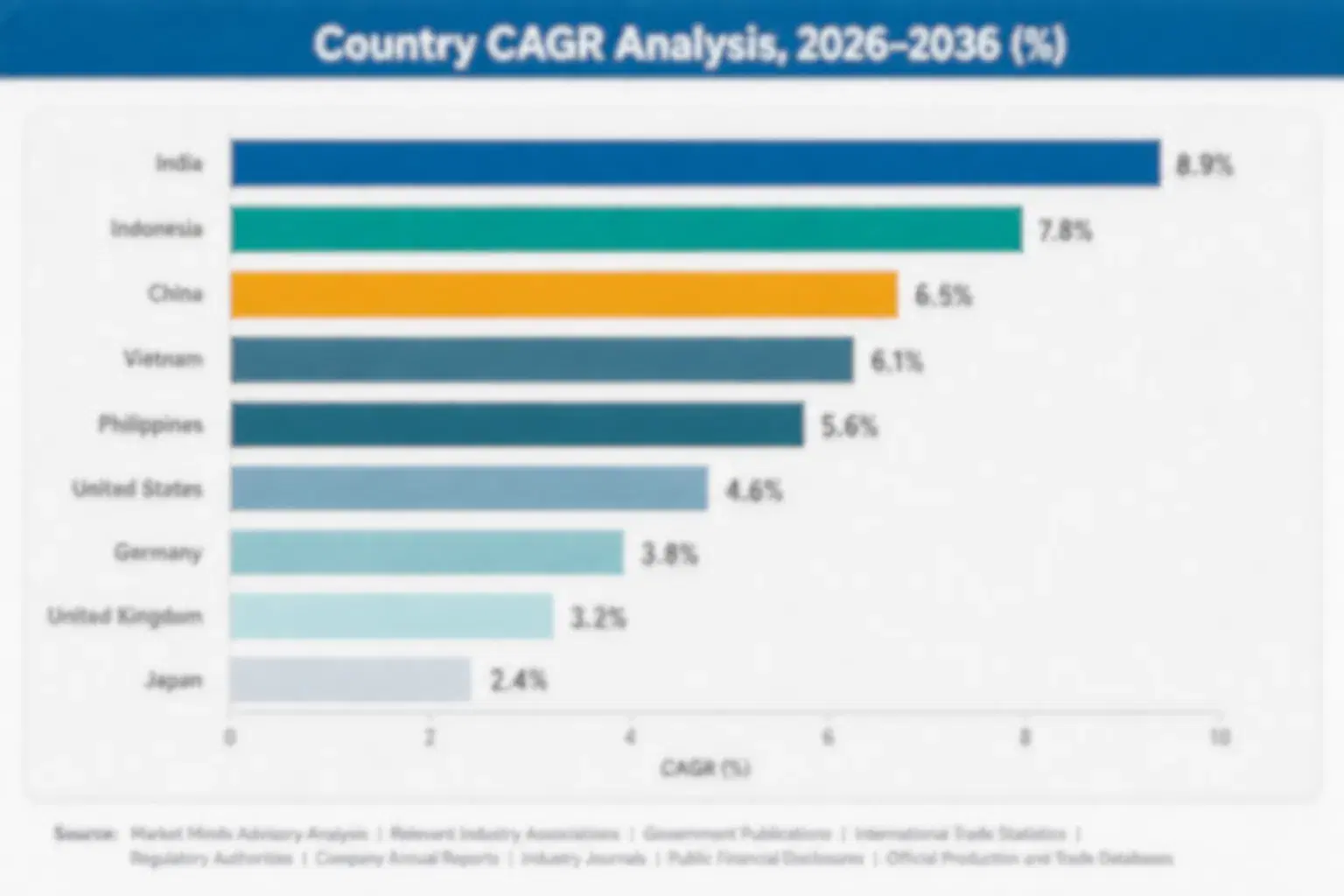
China is growing fastest at about 10.5% CAGR, because rapid premium pet food adoption, e-commerce growth and rising livestock feed sophistication expand together. Brazil and India follow through similar reformulation dynamics.

Report Segmentation Architecture

The full report scope spans multiple orthogonal segmentation dimensions, with cross-tabulated demand data provided for each dimension pair. Coverage extends further to regional breakdowns, trend trajectories, and the competitive detail needed to support segment-level decision-making.

By Primary Market Dimension

  • Pet Food Palatant Coatings and Digests
  • Livestock Feed Attractants and Sweeteners
  • Aromatic and Flavor Compound Blends
  • Functional Umami and Savory Enhancers
  • Application and Coating Technology Services

By End-Use Industry

  • Premium Pet Food Manufacturers
  • Mainstream Pet Food Manufacturers
  • Livestock Feed Mills
  • Aquaculture Feed Producers

By Commercial Dimension

  • Direct Sales to Manufacturers
  • Premix and Feed Mill Sales
  • Distributor Networks
  • Trial and Technical Service Bundles
  • Formulation Partnership Contracts

By Region

  • North America
  • Western Europe
  • East Asia
  • South Asia and Pacific
  • Latin America
  • Middle East and Africa
  • Eastern Europe

Scope, Methodology, and Coverage

Every figure in this report is reproducible from documented input assumptions. The scope below maps the historical period, the forecast horizon, the segmentation dimensions, and the countries covered, alongside the underlying primary and qualitative methodology.
Historical Period
2020 to 2025
Forecast Period
2026 to 2036
Base Year
2025 (USD billions; MMA Primary Research Dataset, September 2026)
Market Definition
The market covers global manufacturer revenue from feed palatability enhancers, defined as additives used to increase feed or pet food acceptance and intake, in pet food palatant coatings and digests, livestock feed attractants and sweeteners, aromatic and flavor compound blends, functional umami and savory enhancers, and application and coating technology services, sold to pet food manufacturers, feed mills and premix makers and valued at manufacturer revenue. It excludes complete pet foods, complete compound feed, preservatives and colorants sold independently.
Quantitative Units
USD billions (manufacturer revenue); thousand tonnes for volume references
Segmentation Dimensions
By Product Type; By End-Use Industry; By Commercial Dimension; By Region
Regions Covered
North America, Western Europe, East Asia, South Asia and Pacific, Latin America, Middle East and Africa, Eastern Europe
Countries Covered
United States, Canada, Mexico, Germany, France, Netherlands, United Kingdom, Spain, Italy, China, Japan, South Korea, India, Australia, New Zealand, Vietnam, Brazil, Argentina, Chile, Saudi Arabia, United Arab Emirates, South Africa, Poland, Czechia, and additional markets relevant to this sector
Key Companies Profiled
Kemin, Darling Ingredients, AFB International, Kent Corporation, Symrise Pet Food, Diana Pet Food, ADM Pet Nutrition, Wilbur-Ellis, Scoular, Balchem, Novus International, Lucta, Nutreco, APC, Griffin Industries, Essentia Protein Solutions, Sensient Technologies, IFF Pet Nutrition, Frutarom, Huvepharma
Quantitative Methodology
Primary survey, n=3,800 respondents, Q4 2025, six countries; demand-side model with trade association cross-validation
Qualitative Methodology
47 expert interviews, Q4 2025; applied to validate demand model assumptions, identify emerging dynamics, and assess competitive positioning
Report Format
PDF and XLSX data workbook (Word format preview document)
Publisher
Market Minds Advisory
Report Code
MMA-2026-AGR-350
Published
September 2026
Contact
sales@marketmindsadvisory.com | www.marketmindsadvisory.com

Purchase the full Feed Palatability Enhancers Market Report (2026 to 2036).

The full report delivers a detailed assessment of the global feed palatability enhancers market through 2036, covering product type, end-use industry, channel and regional forecasts, competitive benchmarking of leading palatant makers and flavor houses, and input cost analysis. It combines MMA primary research, including a six-country survey of 3,800 respondents and 47 expert interviews, with public statistical and company data. Analysts also model protein digest, flavor input and processing cost scenarios. Clients receive segment margin ranges, formulation trend trackers and a case study on reformulation strategy. Buyer negotiation frameworks are also included.
Ten-year product type and end-use demand forecasts
Protein digest and flavor input cost tracking
Competitive benchmarking of leading palatability suppliers
Pet food and feed safety regulation tracker
Regional comparative analysis and forecasts included
Quarterly primary survey data update access

Built For The People Who Decide

From boardroom strategy to bench-side execution, this report is read cover-to-cover by leaders shaping the next decade of their industry, turning demand scenarios, market dynamics and valuation benchmarks into decisions.
CXOs/ Presidents/ VPs/ Managers
M&A and Corporate Development
Strategy Teams and R&D Heads
Procurement and Product Directors
Regulatory and Compliance Leaders
Investor Relations and Equity Analysts