Market Minds Advisory
Feed Grain Market

Feed Grain Market: Feed Grain Market. Sourcing Diversification Reshapes Global Trade

Feed grain trade is being reshaped by China's compound feed demand outpacing domestic harvest capacity, forcing ADM, Cargill, and Bunge to compete for export contracts as sorghum gains ground as a drought-resistant substitute.

Lead Analyst

Published

September 2026

Make Smarter Decisions with Customized Research Insights

Request a free sample report and evaluate market opportunities, growth trends, and competitive dynamics relevant to your business needs.

2025 MARKET VALUE$142.0BMarket Size 2025
2036 FORECAST VALUE$220.9BBase Case , 2026 to 2036
CAGR 2026 TO 20364.1 %Bull 5.2% / Bear 3.0%
INCREMENTAL OPPORTUNITY$73.1BNet 10- year value creation
EXPANSION MULTIPLE1.49x2036 value over 2026 base
Strategic Levers
M&A Pipeline
Regional Outlook
Country Rankings
Competitive Intelligence
Segmental Deep-dive
Call-Us : 91 93563 13602

Executive Snapshot and Market Trajectory.

Feed grain remains the foundational input for global livestock and poultry production, and the trading houses that dominate its movement built their position on decades of logistics infrastructure that newer regional players still struggle to replicate at comparable scale, cost efficiency, and reliability worldwide today.
Sorghum is outgrowing every other grain type as drought-resistant cultivation expands across water-constrained producing regions and blends more easily into existing corn-based feed formulations without requiring costly reformulation across most livestock feeding operations tracked closely. East Asia anchors category demand through China's massive compound feed industry, while South Asia and Pacific posts the fastest regional growth as livestock production scales rapidly across the region's expanding middle class, rising protein consumption, and growing import dependence.
Five companies handle well under half of globally traded volume, a fragmented picture reflecting how deeply regional cooperative and state-owned grain infrastructure still shapes this commodity trade compared to more consolidated agricultural input categories elsewhere in the sector and industry. Export competition among major grain trading houses is intensifying fastest around Black Sea and South American origination points as buyers diversify sourcing relationships beyond traditional single-origin dependency.
Market Definition
The feed grain market covers corn, wheat, barley, sorghum, oats, and other grains produced and traded specifically for livestock and poultry feed use, including both domestically consumed and internationally traded volume. It excludes food-grade grain destined for direct human consumption and grain used primarily for industrial or biofuel purposes.
Base Year Value
$142.0B in 2025 (MMA Primary Research Dataset, September 2026)
Forecast Period
2026 to 2036, eleven discrete annual values
CAGR
4.1% base case. Bull 5.2%. Bear 3.0%.
Fastest Growth Segment
Sorghum Feed Grain: 5.8% CAGR
Fastest Growth Country
Argentina: 6.5% CAGR
Fastest Growth Region
South Asia and Pacific: 6.0% CAGR
Largest Region
East Asia: 27% of 2025 global value
Market Leaders
ADM, Cargill, Bunge, Louis Dreyfus Company, and COFCO Corporation lead by traded volume. Source: MMA Analysis based on company annual reports.
Primary Survey
n=3,800 procurement and R&D decision-makers, Q4 2025, six countries
Methodology
Demand-side build-up, cross-validated against public data, 47 expert interviews

Feed Grain Market Forecast Scenarios

feed-grain-market-size-forecast-scenario-1790362487679
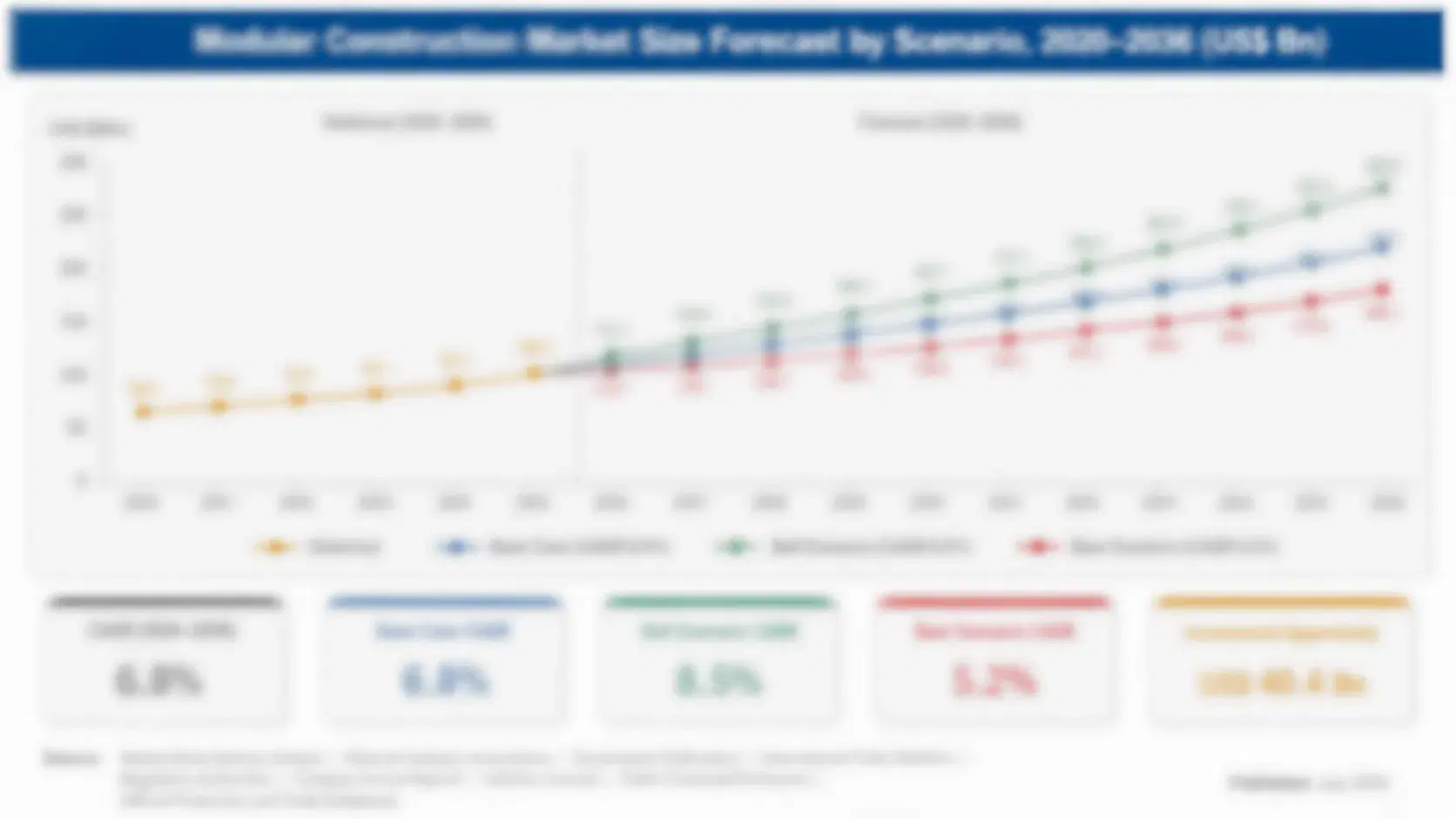
Feed grain trade grew at a measured pace between 2020 and 2025, expanding at roughly a 3.3 percent historical annual rate as global livestock production scaled steadily and Black Sea export disruption forced meaningful sourcing diversification across most importing regions tracked. Growth accelerated modestly after 2022 as buyers sought alternative origination points beyond traditional single-source dependency relationships.
The base case rests on three mechanisms: continued Chinese compound feed demand outpacing domestic harvest capacity and requiring sustained import volume, sorghum cultivation expansion across drought-resistant producing regions displacing a meaningful share of traditional corn-based feed formulations, and South Asian and Pacific livestock production scaling rapidly enough to require growing import dependence beyond domestic grain supply. Export infrastructure investment across South American producing regions continues widening available supply beyond traditional North American and Black Sea sources.
The bull case turns on accelerating Chinese livestock herd rebuilding sustaining import demand well above current projections, pulling growth toward the high single digits. The bear case is a genuine breakthrough in alternative protein feed substitutes reducing traditional grain feed dependency meaningfully across major livestock-producing regions, slowing overall growth toward the low single digits as feed formulation shifts.

Logistics Scale Defines Competitive Advantage

Feed grain trade has always been a story about logistics rather than genuine product differentiation, since the underlying commodity is largely interchangeable within grain classes, and the trading houses that dominate the category built their advantage through decades of port infrastructure, storage capacity, and origination relationships that newer entrants cannot replicate quickly at comparable scale, reliability, or overall cost efficiency across most major producing and importing regions tracked.
MARKET CONCENTRATION28% CR5well under half held by five trading houses today
AVERAGE SELLING PRICE$210/toncorn commands a benchmark price across most global markets
TOP PRODUCING COUNTRYUSA, 31%leads global feed grain production and export capacity
CAPACITY UTILIZATION81%storage and export terminals running near their operating ceiling
TRADE INTENSITY34% cross-bordergrain volume moves across borders to serve import demand
FERTILIZER INPUT COST SHARE35% of production costnitrogen sourcing dominates total grower production cost base
Commercially, the category still behaves like a scale-driven commodity business where the largest trading houses compete primarily on logistics efficiency and origination diversity rather than product differentiation, with China's compound feed industry now the single largest demand driver shaping global sourcing patterns and forcing exporters to diversify supply chains beyond any single dependent region or origination point entirely across the wider trade.
The next decade will be shaped by sorghum's continued expansion as a drought-resistant substitute grain, South American export infrastructure investment widening available supply beyond traditional origins, and growing Chinese import dependence as domestic compound feed demand continues outpacing what domestic harvest capacity alone can reliably supply across most producing seasons and years ahead for the category overall.
"Feed grain used to be a bulk commodity you moved and forgot about. Now sourcing diversification is a board-level risk conversation for anyone buying at scale."
Director, Agriculture and Commodities Practice · MMA Agriculture: Animal Feed and Grain Trade Practice · September 2026

Market Trends

China Compound Feed Demand Outpaces Domestic Harvest

China's compound feed industry has grown to become the world's largest, and domestic corn and soybean harvest capacity increasingly cannot keep pace with livestock feed demand driven by the country's massive hog and poultry production sectors. This gap between domestic production and consumption has made China the single largest swing factor in global feed grain trade flows, with import volume decisions shaping price dynamics across every major exporting region simultaneously. Chinese state grain buyers have diversified import sourcing beyond traditional US dependence toward South American and Black Sea origins since 2022, a shift that continues reshaping global trade patterns meaningfully.
Market Impact: Adds import demand across 3 countries
Sorghum Expands as Drought-Resistant Corn Substitute

Sorghum cultivation is expanding meaningfully across water-constrained producing regions as growers seek a genuinely drought-resistant alternative that requires meaningfully less irrigation than corn while delivering comparable feed nutritional value in most livestock formulations. This agronomic advantage is becoming increasingly commercially relevant as water scarcity concerns intensify across major producing regions in the US, China, and parts of Africa simultaneously. Feed formulators have found sorghum blends easily into existing corn-based rations without requiring costly reformulation, letting the grain gain share incrementally rather than through a disruptive formulation change requiring new capital investment.
Market Impact: Expands export capacity by roughly 18%

Market Opportunities and Growth Drivers

South Asian Livestock Production Scales Rapidly

Livestock and poultry production across South Asia and Pacific is scaling faster than domestic feed grain harvest capacity can reliably support, driven by rising protein consumption tied to expanding middle-class populations across India, Vietnam, and Indonesia simultaneously. This growing production base is pulling import volume from traditional exporting regions at a pace that has surprised several trading houses who initially projected slower regional livestock sector growth. Manufacturers establishing forward supply relationships with regional livestock producers early are capturing a disproportionate share of this expanding import demand as the region's own agricultural capacity struggles to keep pace with consumption growth.
Market Impact: Creates price swings up to 20%

South American Export Infrastructure Investment Expands

Major grain trading houses and government agencies across Brazil and Argentina are investing meaningfully in port and logistics infrastructure to expand export capacity beyond current constraints that have historically limited how quickly the region could respond to shifting global demand patterns. This infrastructure investment is letting South American origination compete more directly with traditional US and Black Sea supply on both price and delivery reliability, a competitive shift that has accelerated meaningfully since 2023. Buyers diversifying away from single-origin dependency are increasingly building direct sourcing relationships with South American exporters rather than relying solely on established trading house intermediaries.
Market Impact: Could displace up to 8% share

Market Restraints and Challenges

Black Sea Export Disruption Remains a Persistent Risk

Ongoing geopolitical instability affecting Black Sea grain export routes continues to create genuine supply planning uncertainty for buyers who historically relied on Ukrainian and Russian origination for a meaningful share of global feed grain trade volume. The root cause is that Black Sea ports remain vulnerable to disruption that neither buyers nor exporters can fully control or predict with confidence across planning cycles. Manufacturers are mitigating this through diversified multi-origin sourcing agreements that reduce dependency on any single supply corridor, though this diversification adds coordination cost and cannot fully eliminate the price volatility such disruptions still periodically create.
Market Impact: Shifts import mix across 3 origins

Alternative Protein Feed Substitutes Threaten Long-Term Demand

Emerging alternative protein feed substitutes, including insect meal and single-cell protein, represent a genuine long-term threat to traditional grain-based feed formulation even though current commercial adoption remains limited relative to conventional feed grain volume. The root cause is that these alternatives promise meaningfully lower land and water intensity than traditional grain cultivation, an environmental advantage that is attracting sustained investor and regulatory interest despite current cost disadvantages. Manufacturers are mitigating this long-term risk by monitoring alternative protein cost curves closely and maintaining formulation flexibility rather than assuming traditional grain feed dependency will persist indefinitely across all livestock categories.
Market Impact: Expands cultivation across 3 continents
3 additional market trends, 4 additional growth drivers, and 2 additional restraints and challenges are covered in the full report. Contact sales@marketmindsadvisory.com to access the complete intelligence.

Segment CAGR and Growth Architecture

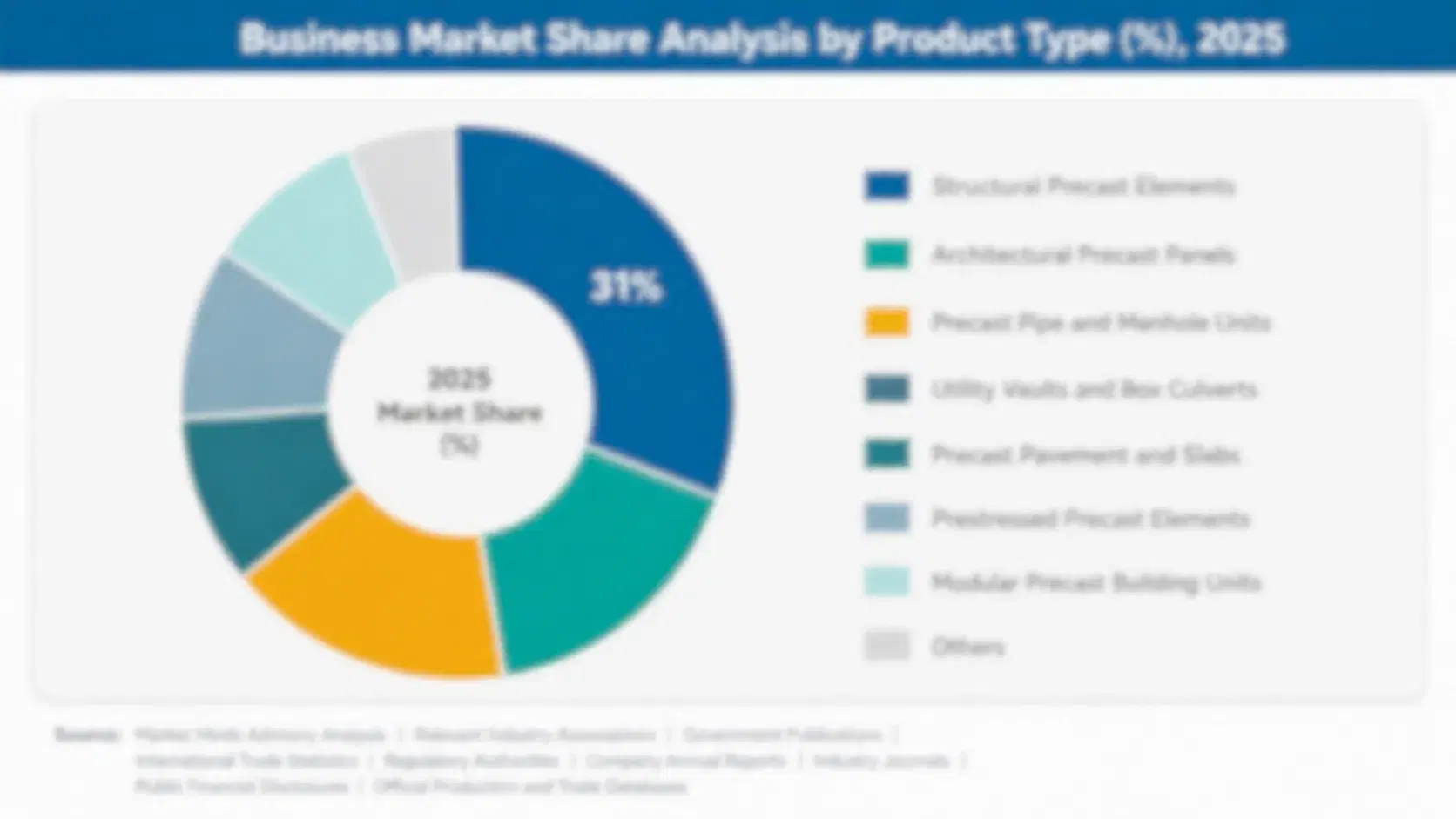
MMA segments the feed grain market by grain type, the dimension that most directly determines cultivation region, nutritional feed value, and the trade relationships that govern how volume moves between exporting and importing countries worldwide and across seasons. Grain type drives sourcing strategy far more than end-use livestock category does across the wider global commodity trade.
feed-grain-market-market-share-analysis-1790362487951

Sorghum Feed Grain

Sorghum is the fastest-growing feed grain type because its drought-resistant cultivation profile makes it increasingly commercially attractive as water scarcity concerns intensify across major producing regions in the US, China, and parts of Africa simultaneously. This grain blends easily into existing corn-based feed formulations without requiring costly reformulation, letting adoption scale incrementally across livestock operations rather than through a disruptive capital-intensive formulation change. Chinese import demand for sorghum has grown meaningfully faster than for traditional corn since 2022, as buyers diversify sourcing beyond single-grain dependency, and exporting regions with strong sorghum cultivation capacity are capturing a disproportionate share of this shifting demand pattern relative to traditional corn-focused exporters still adjusting their production mix.
CAGR 5.8%

Other Feed Grains

Other feed grains, including rye, triticale, and byproduct grains from ethanol and brewing production, are the second-fastest growing category as manufacturers increasingly value the cost efficiency these secondary grain streams offer relative to primary feed corn and wheat purchased at full commodity price. This category benefits from genuine circular economy appeal, since byproduct grains from ethanol distillation and brewing represent an already-produced input that would otherwise require separate disposal management rather than commanding a real commercial value of its own. Manufacturers with formalized supply relationships to ethanol and brewing facilities are capturing a disproportionate share of this growth as these secondary grain streams scale alongside the broader biofuel and beverage industries generating them as byproducts.
CAGR 5.2%
Full segment breakdown across 6 segments available in the complete report.

Regional Architecture and Country Demand Map

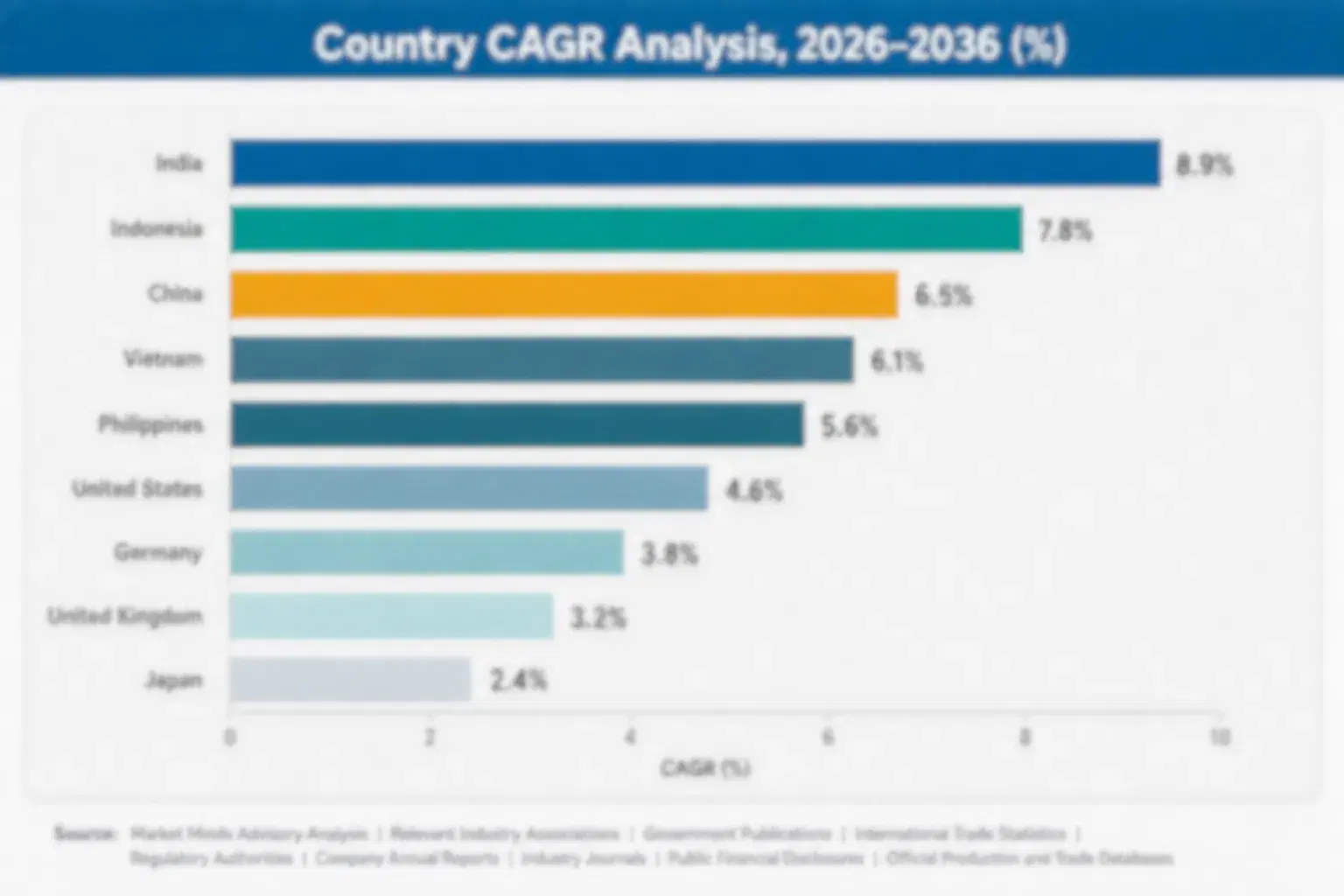
East Asia leads on category demand given China's massive compound feed industry and growing import dependence, while South Asia and Pacific is growing fastest as livestock production scales rapidly, and North America anchors much of global export origination and trading infrastructure worldwide today and beyond.

North America

North America anchors much of global feed grain export origination, with vast Midwest corn and sorghum production supplying both domestic livestock feed demand and meaningful export volume to importing regions worldwide through established trading house infrastructure, logistics networks, and port capacity. ADM, Cargill, and Bunge all run extensive US grain elevator and export terminal networks that smaller regional competitors cannot easily replicate at comparable scale or logistics efficiency. Domestic livestock feed demand remains substantial given the country's large poultry, hog, and cattle production sectors, competing directly with export volume for available harvest supply each season. Canada's smaller but meaningful wheat and barley export capacity supplements broader North American origination volume.
Share: 25% | CAGR: 4.5% (2026 to 2036)

Western Europe

Western Europe's feed grain demand centers on domestic livestock feed consumption across Germany, France, and the UK, with the region's own wheat and barley production supplying most domestic requirements without heavy reliance on imported grain relative to other importing regions tracked closely by MMA analysts. EU agricultural policy and domestic production quotas shape regional supply availability more directly than global trade dynamics do for most Western European buyers. France's position as a major domestic wheat producer gives the region meaningful export capacity of its own alongside substantial domestic livestock feed consumption. Growth here trails faster-growing importing regions because domestic production already meets most regional demand without requiring significant import volume growth.
Share: 19% | CAGR: 2.6% (2026 to 2036)
Regional intelligence for 5 additional markets available in the complete report: East Asia, South Asia and Pacific, Latin America, Middle East and Africa, Eastern Europe. Contact sales@marketmindsadvisory.com.
feed-grain-market-country-cagr-analysis-1790362488263

Sourcing Diversification and Logistics Playbook

Feed grain economics reward trading houses who can diversify origination while defending logistics cost advantages that smaller regional competitors cannot easily replicate. Four levers separate durable trading margin from commodity price exposure: multi-origin sourcing diversification, sorghum cultivation investment, South American export infrastructure development, and direct livestock producer relationship building that bypasses traditional intermediary layers.

Diversifying Sourcing Across Multiple Grain Origins

Trading houses building formalized sourcing relationships across North American, South American, and Black Sea origination points simultaneously are reducing exposure to any single region's supply disruption that could otherwise halt volume entirely during a geopolitical or weather-driven crisis. One major trading house's 2024 diversification initiative reportedly reduced single-origin dependency by roughly 30 percent relative to its prior sourcing concentration, evidence that diversification investment converts directly into supply reliability rather than remaining a risk management talking point alone. This lever requires genuine relationship investment across multiple regions rather than opportunistic single-origin purchasing.
Market Impact: Cuts single-origin dependency by roughly 30 percent total

Investing in Sorghum Cultivation and Trading Capability

Trading houses building dedicated sorghum sourcing and trading capability are positioning themselves to capture the grain type's fastest-growing demand segment before competitors fully consolidate that opportunity themselves as Chinese import diversification continues favoring sorghum meaningfully across most recent purchasing cycles. Companies that expanded sorghum trading desks since 2023 report capturing a disproportionately larger share of Chinese import volume growth than competitors still focused primarily on traditional corn trading relationships and infrastructure. This lever requires genuine cultivation region relationship investment rather than treating sorghum as an incidental secondary grain trading line.
Market Impact: Captures a larger share of 25 percent import growth

Building South American Export Infrastructure Capacity

Trading houses investing directly in Brazilian and Argentine port and logistics infrastructure are capturing origination cost advantages that competitors relying purely on existing third-party infrastructure cannot match at comparable scale or reliability during peak shipping seasons each year. Companies that invested in South American infrastructure since 2023 report meaningfully lower per-unit logistics costs than competitors still dependent on shared port capacity during peak export windows each harvest season nationwide. This lever requires substantial capital investment but builds a durable cost advantage that compounds as export volume scales over successive years.
Market Impact: Cuts logistics costs by roughly 15 percent yearly

Building New Direct Livestock Producer Relationships

Trading houses building direct supply relationships with large-scale livestock and compound feed producers, bypassing traditional multi-layer intermediary distribution, are capturing margin that would otherwise be shared across additional trading layers between origination and final consumption across the supply chain and its many intermediaries. Brands with established direct producer relationships report holding roughly 10 percent better margin per traded ton than competitors relying primarily on traditional intermediary distribution channels for the same volume and grain quality. This lever requires sustained relationship investment with major livestock producers rather than transactional spot-market trading alone.
Market Impact: Improves margin per ton by roughly 10 percent

Who Controls the Margin Pool

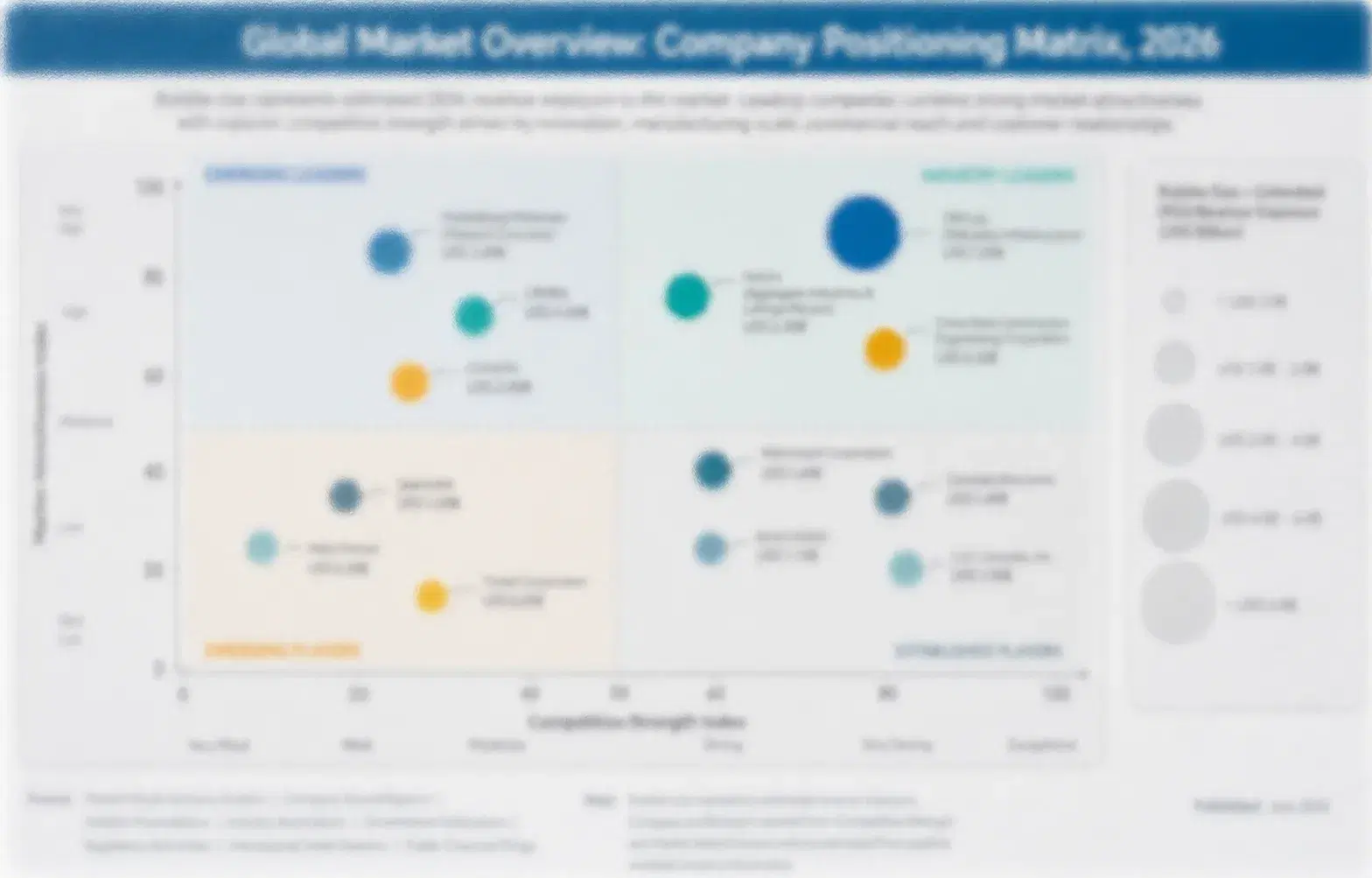
Five companies handle well under half of globally traded volume, a fragmented picture reflecting how deeply regional cooperative and state-owned grain infrastructure still shapes this commodity trade compared to more consolidated agricultural input categories elsewhere in the sector overall. The gap between ADM and Cargill's combined scale and smaller regional trading houses remains substantial, though state-owned entities like COFCO command meaningful influence within their home markets.
Current competitive activity centers on three fronts: multi-origin sourcing diversification reducing single-region supply dependency, sorghum trading capability expansion capturing China's shifting import mix, and South American export infrastructure investment capturing origination cost advantages across the industry. Direct livestock producer relationship building is becoming a meaningful differentiator as large-scale compound feed operations seek to bypass traditional intermediary distribution layers.

Pressure is building from state-owned grain entities using policy support and domestic infrastructure advantages that purely commercial trading houses cannot always match on equal competitive terms across most markets. Rankings could shift meaningfully if Chinese import diversification continues favoring South American and sorghum-focused origination over traditional North American corn dependency, a trend that already appears to be reshaping trade flow patterns meaningfully.
feed-grain-market-company-positioning-matrix-1790362488575

Competitive Moat and Risk Dimensions

ARCHER-DANIELS-MIDLAND COMPANY

Moat: Global logistics and storage scale

ADM's extensive global grain elevator, storage, and export terminal network gives it origination and logistics scale that smaller regional trading houses cannot easily replicate, letting it move volume across multiple origins and destinations more efficiently than competitors dependent on shared third-party infrastructure and export capacity.
ARCHER-DANIELS-MIDLAND COMPANY

Risk: Commodity price exposure and volatility

ADM's business remains fundamentally exposed to commodity price volatility that trading margin alone cannot fully offset, meaning broader agricultural commodity price swings driven by weather, geopolitics, or demand shifts can meaningfully affect profitability regardless of operational efficiency improvements the company makes internally each fiscal year.
CARGILL INCORPORATED

Moat: Private ownership and long-term flexibility

Cargill's private ownership structure gives it flexibility to make long-term infrastructure and relationship investments without the quarterly earnings pressure public competitors face, letting it pursue multi-year origination diversification and capacity-building strategies that publicly traded rivals cannot easily justify to shareholders quickly, confidently, or without hesitation.
CARGILL INCORPORATED

Risk: Limited public transparency and disclosure

Cargill's private ownership also means less public financial disclosure than publicly traded competitors provide, making it genuinely harder for buyers and analysts to benchmark its performance and strategic direction against public peers with comparable scale and overall market position today, tomorrow, and going forward confidently.

Players Tracked

Prominent Players

Archer-Daniels-Midland Company
Cargill Incorporated
Bunge Global SA
Louis Dreyfus Company B.V.
COFCO Corporation

Other Key Players

Viterra Limited
CHS Inc.
Wilmar International Limited
Olam Agri
Marubeni Corporation
Mitsui & Co. Ltd.
Sumitomo Corporation
Nidera B.V.
The Andersons Inc.
Land O'Lakes Inc.
Zen-Noh
GrainCorp Limited
Kernel Holding S.A.
Glencore Agriculture Ltd.
Nutrien Ag Solutions

Recent Developments

MARCH 2025

ADM Expands Sorghum Trading Desk Capacity

ADM expanded its dedicated sorghum trading desk in March 2025, adding personnel and origination relationships across US and African growing regions to capture growing Chinese import demand for the drought-resistant grain as diversification away from traditional corn dependency continues across most major global commodity markets.
Signal: Signals major trading houses now see sorghum as a strategically important grain category rather than a secondary trading line.
OCTOBER 2024

Cargill Signs Multi-Year Brazilian Port Agreement

Cargill signed a multi-year port capacity agreement with a Brazilian export terminal operator in October 2024, a supply arrangement rather than an acquisition, securing dedicated export capacity to support growing South American origination volume as global buyers diversify sourcing relationships further across most major markets.
Signal: Indicates major trading houses are locking South American export capacity ahead of anticipated demand growth today.
JANUARY 2025

COFCO Expands Direct Import Sourcing Diversification

COFCO announced expanded direct sourcing agreements with South American and African grain exporters in January 2025, reducing reliance on traditional trading house intermediaries as China continues diversifying import origination beyond historical single-region dependency patterns nationwide, internationally, and across many well-established major global trade routes today.
Signal: Shows Chinese state buyers are building direct exporter relationships that bypass traditional trading house layers entirely.

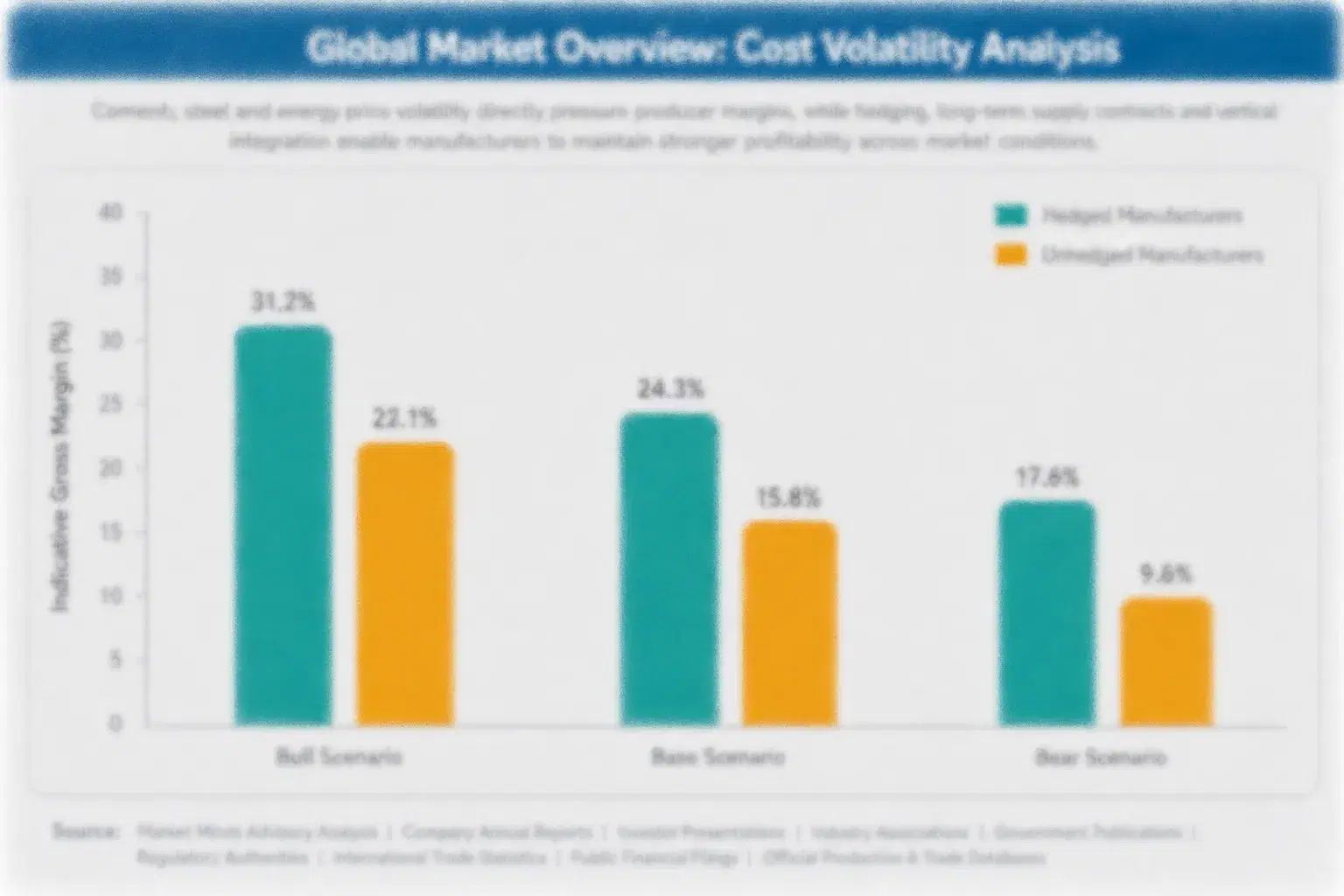
Fertilizer and Land Costs Set Price Floor

Fertilizer, seed, and land or lease costs represent roughly thirty-five percent of total production cost for a typical feed grain crop, meaningfully higher than the harvesting and transportation costs that follow across most producing regions tracked. Nitrogen fertilizer costs in particular carry outsized influence over corn and sorghum production economics given the nutrient intensity these grain crops require relative to other agricultural commodities.
Fertilizer prices rose sharply through 2022 as natural gas price spikes following geopolitical disruption raised nitrogen fertilizer production costs globally, a volatility event documented in USDA and IEA agricultural input reporting, before easing through 2023 and 2024 as natural gas markets normalized across most major producing and consuming regions. That price spike forced several smaller growers to temporarily reduce fertilizer application rates, affecting regional yield outcomes.

Larger commercial growers and trading houses with forward-purchase fertilizer contracts absorbed the 2022 price spike without major production cost increases, protecting margin during the disruption, while smaller independent growers more often paid spot-market fertilizer prices, risking the economic viability of their operations at exactly the moment global grain demand was accelerating fastest across most major importing regions.
feed-grain-market-cost-volatility-analysis-1790362488928

Forward Contracting Fertilizer and Input Supply

Growers and cooperatives are locking multi-season pricing agreements directly with fertilizer suppliers, reducing spot-market exposure and giving procurement teams cost visibility roughly two to three seasons ahead rather than negotiating shipment by shipment against volatile natural gas-linked fertilizer pricing each purchasing cycle throughout most of the growing year, each season, and even well beyond that.

Diversifying Grain Production Across Multiple Regions

Trading houses sourcing grain from multiple production regions simultaneously rather than a single country spread weather and input cost risk across markets that rarely face identical growing conditions or fertilizer cost pressures in the same season, reducing the impact of any single region's cost spike on total sourcing cost relative to concentrated regional dependency.

Investing in Precision Fertilizer Application Technology

Growers adopting precision fertilizer application technology are reducing total nitrogen input requirements per harvested ton without sacrificing yield, cutting exposure to fertilizer price volatility while also reducing environmental impact that increasingly draws regulatory attention across major producing regions and jurisdictions worldwide, a meaningful advantage as sustainability compliance costs continue rising steadily each passing year.

Portfolio Architecture for Margin Defence

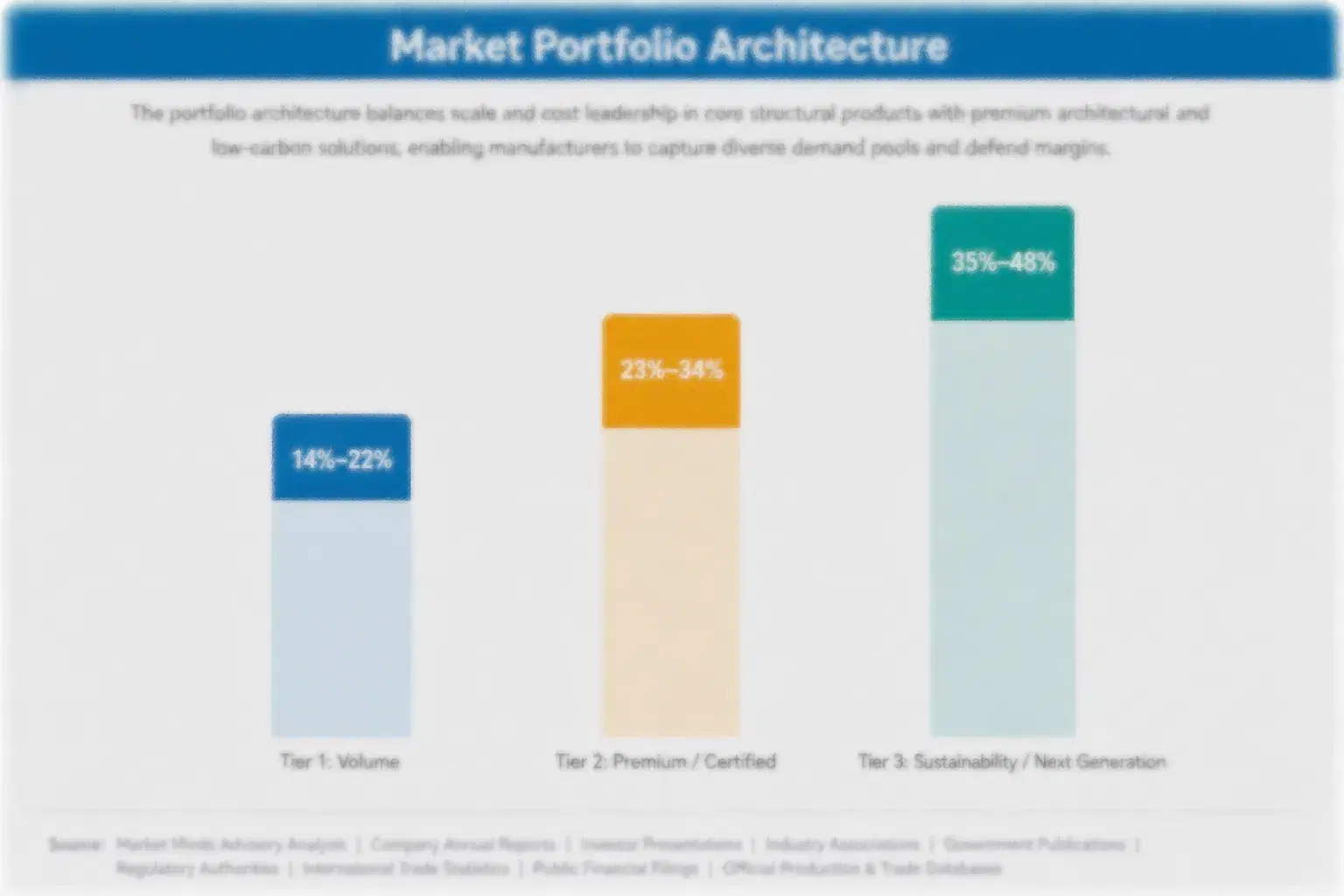
The category organizes into three commercial tiers. A volume and commodity tier competes on price through standard spot-market grain trading, a premium and certified tier commands a real price premium tied to identity-preserved or non-GMO certification, and a smaller sustainability and next-generation tier built around regenerative agriculture and traceable sourcing claims commands the strongest per-unit margin despite representing the smallest current volume base across the category overall today.
Spot-market commodity trading still anchors the vast majority of total traded volume, since most livestock feed formulation does not require certified or traceable grain sourcing, though certified and sustainability-tier volume is growing meaningfully faster as buyers increasingly value supply chain transparency and environmental credentials tied to specific sourcing programs. Volume-tier trading remains the primary revenue base for most trading houses despite carrying thinner margins than certified programs.

High-value margin pools concentrate in the sustainability and next-generation tier, where regenerative agriculture certification and traceable sourcing programs support the strongest pricing power available today, and in direct producer relationship channels that bypass traditional intermediary distribution layers entirely, capturing margin that would otherwise be shared across additional trading tiers between origination and final consumption.

Volume / Commodity-Adjacent Tier

Standard spot-market feed grain trading competing purely on price and delivery reliability, distributed broadly across global commodity exchanges with minimal certification or traceability claims attached to each individual sale made.
Gross Margin: 8-14%

Premium / Certified Tier

Identity-preserved and non-GMO certified grain carrying formal traceability documentation, commanding a meaningful price premium over standard commodity grain within the same broader trading market and overall global buyer base today.
Gross Margin: 16-22%

Sustainability / Regulatory / Next-Generation Tier

Regenerative agriculture and traceable sourcing programs aimed at the most engaged, sustainability-focused buyers, commanding the category's strongest per-unit margin despite still-limited volume relative to standard commodity trading currently observed worldwide.
Gross Margin: 24-30%
feed-grain-market-portfolio-architecture-1790362489242

High-value Sub-segments and Strategic Watch-out

Sorghum Trading and Origination Format

This high-value, high-growth format is expanding fastest as Chinese import diversification favors drought-resistant grain types, and trading houses are building dedicated origination capability for it faster than for any other grain type tracked, making it the clearest near-term margin opportunity for manufacturers with established capability.
Gross Margin: 12-18%

South American Export Origination Channel

High-value but moderate-growth today, South American origination commands meaningful cost advantages as infrastructure investment scales, though volume remains constrained relative to established North American origination by the pace of continued port and logistics capacity expansion across the region's growing export network, capabilities, and infrastructure overall.
Gross Margin: 10-16%

Standard North American Corn Origination

The volume core of the category, standard North American corn origination anchors total traded volume and remains the primary supply source most buyers rely on first, even as sorghum and South American origination capture a growing share of category volume growth elsewhere in the trade.
Gross Margin: 8-14%

Black Sea Origination Dependency

The strategic watch-out segment, buyers still dependent on Black Sea origination face meaningfully higher supply disruption risk than diversified competitors, and their continued exposure could compress reliability meaningfully if geopolitical instability affecting the region intensifies further without any real warning or advance notice given at all.
Gross Margin: 9-15%

From Spot Trade to Contracted Supply

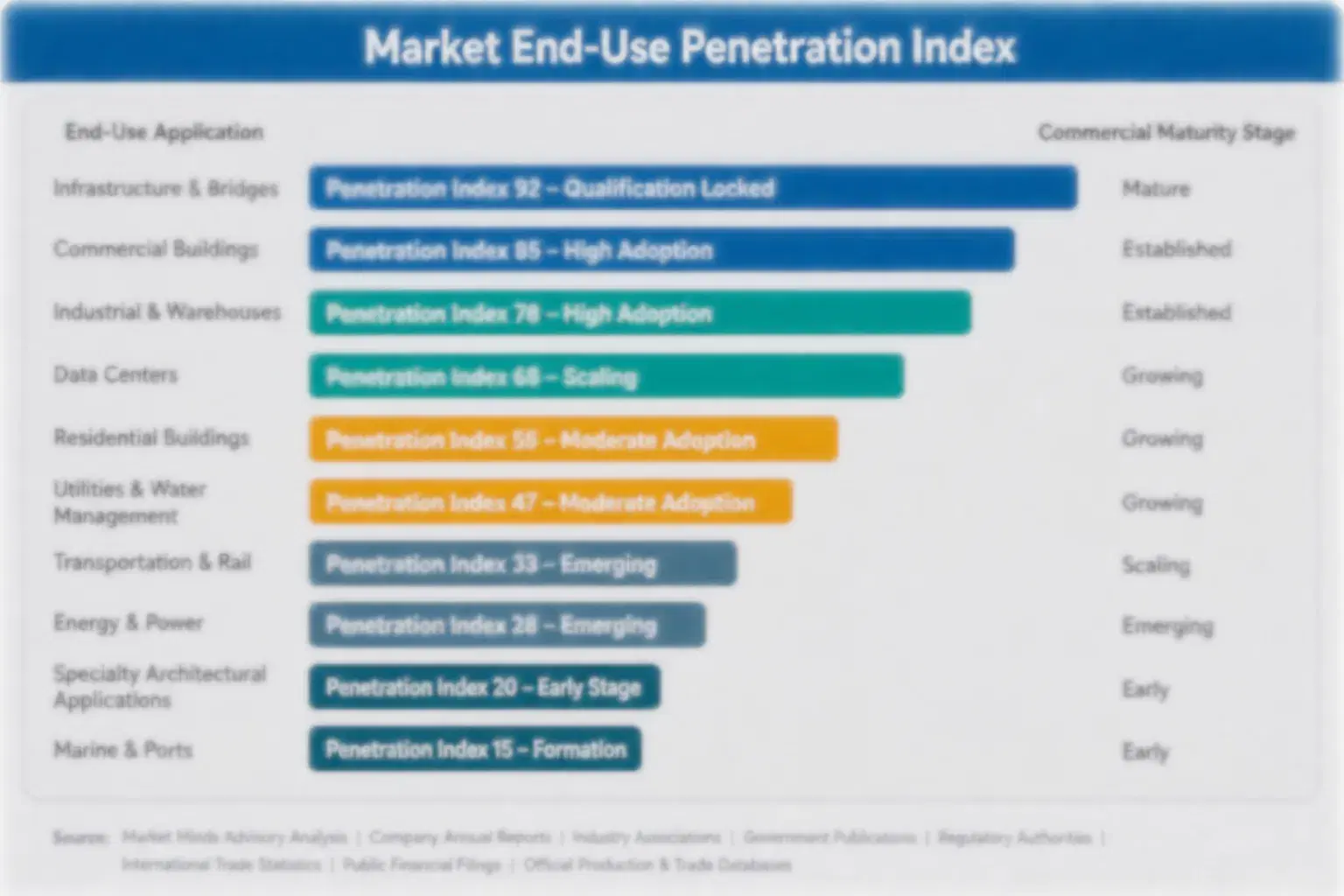
Feed grain trade behaves more like an annuity relationship once a buyer moves from opportunistic spot-market purchasing into a formalized multi-season supply contract, since contracted volume carries meaningfully more predictable pricing and delivery than spot trading, giving trading houses a more stable revenue base than the category's underlying commodity price volatility alone might otherwise suggest across most major producing and consuming regions tracked closely by MMA analysts and category buyers.
Adoption depth varies by buyer type: large-scale compound feed operations and state grain buyers show the deepest contracted relationship formation and highest volume predictability, mid-sized livestock operations rely on a rotation of spot and contracted purchasing depending on price conditions each season, and smaller independent buyers remain most dependent on spot-market trading given limited capital available for forward contracting commitments and relationships.

Younger agricultural buyers entering procurement roles show meaningfully more comfort with data-driven sourcing diversification strategies than an older generation of buyers who relied primarily on established single-region relationships built over decades, a generational shift reshaping how trading houses structure origination partnerships and long-term supply agreements across the industry and its many regional markets worldwide.
feed-grain-market-end-use-penetration-index-1790362489540

Where MMA Sees the Real Opportunity

These are among the four positions where our research anticipates prominent divergence between winners and laggards over the coming forecast period. Each is grounded in the demand model, the regulatory perimeter, and the announced capacity pipeline.
01 / SOURCING DIVERSIFICATION PRIORITY

Diversify origination before the next disruption hits

Single-origin dependency remains the single biggest risk factor in feed grain sourcing, and trading houses diversifying across multiple origination regions now will hold a durable resilience advantage as competitors relying on concentrated sourcing face genuine supply disruption risk during the next geopolitical or weather-driven crisis affecting any single region. Diversification takes meaningful time and relationship investment to build properly across new regions and origination points. Trading houses that delay risk losing buyer trust to more diversified competitors during the next disruption event.
02 / SORGHUM TRADING INVESTMENT

Build sorghum trading capability ahead of demand

Chinese import diversification is favoring sorghum meaningfully faster than traditional corn, and trading houses building dedicated sorghum origination and trading capability now will capture this shifting demand before competitors fully consolidate the opportunity themselves across the broader market. This capability requires genuine cultivation region relationship investment that takes real time and sustained effort to build properly across multiple growing regions. Trading houses without sorghum capability risk losing meaningful Chinese import volume to competitors who moved first into this fast-growing segment.
03 / SOUTH AMERICAN INFRASTRUCTURE TIMING

Invest in Brazilian and Argentine port capacity now

South American export infrastructure investment is creating a genuine cost and reliability advantage over traditional origination points, and trading houses investing directly in port and logistics capacity now will capture this advantage before competitors fully consolidate the opportunity themselves as the region's export share continues growing steadily each year. This window will not remain open indefinitely as infrastructure investment scales across the region. Trading houses still relying purely on third-party infrastructure risk ceding this cost advantage to faster-moving competitors already active there.
04 / DIRECT PRODUCER RELATIONSHIP STRATEGY

Build direct livestock producer relationships now

Large-scale compound feed operations increasingly prefer direct trading relationships that bypass traditional intermediary layers, and trading houses building these relationships now will capture margin that would otherwise be shared across additional distribution tiers between origination and final consumption entirely. This requires sustained relationship investment with major livestock producers rather than transactional spot-market trading alone across most regions and grain types. Trading houses that delay building direct producer relationships risk losing this margin opportunity to competitors already active in this space today.

Engagement Snapshot From the Field

A live engagement with an industry participant carrying material or product regulatory and market exposure ahead of a defining policy shift, showing how our research translates into a defensible multi-year portfolio strategy.
MARKET MINDS ADVISORY · CLIENT ENGAGEMENT SUMMARY
Feed Grain Producer Strategic Portfolio Review and Transition Roadmap 2026·Investment Scenario on Feed Grain Exposure Evaluation 2025-26
CLIENT PROFILE
The client is a mid-sized Southeast Asian compound feed producer with growing livestock customer demand, reporting roughly 210 million dollars in annual revenue (client-reported, unverified by MMA) concentrated in domestic poultry and swine feed production facing rising import cost volatility. The company approached MMA to assess whether diversifying grain sourcing beyond its historical single-origin dependency represented a durable risk reduction strategy worth the added procurement complexity involved.
STRATEGIC CHALLENGE
Leadership needed to determine which alternative origination regions offered the best combination of cost, reliability, and logistics feasibility for its specific import infrastructure, and how to structure supply agreements that balanced diversification benefits against the added complexity of managing multiple simultaneous supplier relationships across different regions and time zones effectively.
MMA APPROACH
MMA combined primary survey data with grain trading house interviews to benchmark realistic diversification scenarios, modeled landed cost and reliability tradeoffs across three alternative origination combinations, and produced a phased sourcing diversification sequence tailored to the client's existing import infrastructure, working capital constraints, and broader long-term procurement strategy goals and priorities.
KEY FINDINGS
  1. South American origination offered meaningfully better landed cost economics than initially expected once new port infrastructure investments were factored into the delivery timeline analysis.
  2. Blending sorghum into existing corn-based feed formulations required minimal recipe adjustment, easing the operational transition to diversified grain sourcing considerably for the client.
  3. Multi-origin contracting reduced the client's exposure to single-region price spikes meaningfully during the engagement's modeled stress-test scenarios covering several recent disruption events.
  4. Direct grower cooperative relationships in the client's preferred alternative origin offered better pricing than intermediary trading house purchasing for comparable volume commitments.
CLIENT PROFILE
The client is a mid-sized Southeast Asian compound feed producer with growing livestock customer demand, reporting roughly 210 million dollars in annual revenue (client-reported, unverified by MMA) concentrated in domestic poultry and swine feed production facing rising import cost volatility. The company approached MMA to assess whether diversifying grain sourcing beyond its historical single-origin dependency represented a durable risk reduction strategy worth the added procurement complexity involved.
STRATEGIC CHALLENGE
Leadership needed to determine which alternative origination regions offered the best combination of cost, reliability, and logistics feasibility for its specific import infrastructure, and how to structure supply agreements that balanced diversification benefits against the added complexity of managing multiple simultaneous supplier relationships across different regions and time zones effectively.
MMA APPROACH
MMA combined primary survey data with grain trading house interviews to benchmark realistic diversification scenarios, modeled landed cost and reliability tradeoffs across three alternative origination combinations, and produced a phased sourcing diversification sequence tailored to the client's existing import infrastructure, working capital constraints, and broader long-term procurement strategy goals and priorities.
KEY FINDINGS
  1. South American origination offered meaningfully better landed cost economics than initially expected once new port infrastructure investments were factored into the delivery timeline analysis.
  2. Blending sorghum into existing corn-based feed formulations required minimal recipe adjustment, easing the operational transition to diversified grain sourcing considerably for the client.
  3. Multi-origin contracting reduced the client's exposure to single-region price spikes meaningfully during the engagement's modeled stress-test scenarios covering several recent disruption events.
  4. Direct grower cooperative relationships in the client's preferred alternative origin offered better pricing than intermediary trading house purchasing for comparable volume commitments.
RECOMMENDED STRATEGY
Phase 1: Phase 1 (Months 1 to 4): Establish initial South American sourcing relationships and begin blending sorghum into existing feed formulations gradually. Phase 2: Phase 2 (Months 5 to 10): Formalize multi-year supply agreements across two additional origination regions to further reduce concentration risk. Phase 3: Phase 3 (Months 11 to 16): Pursue direct grower cooperative relationships once diversified sourcing infrastructure proves fully reliable at scale.
OUTCOME
Within one year of implementation, the client's diversified sourcing strategy reportedly reduced landed grain cost volatility by roughly fifteen percent relative to its prior single-origin approach (client-reported, unverified by MMA), supporting a decision to formalize the diversification strategy permanently ahead of the original eighteen-month timeline MMA had modeled.

Frequently Asked Questions

Foundational context covering the market sizes, CAGR, scope, country, region and competition that inform every finding below. This section is provided to cover basics and most often pre-purchase conversations, answered from the MMA Primary Research Dataset.

What is the current size of the Feed Grain Market?

The global feed grain market reached approximately 142.0 billion dollars in 2025. Growth has been driven by China's compound feed demand and sorghum cultivation expansion across drought-resistant producing regions.

How large will the Feed Grain Market be by 2036?

MMA projects the market will reach roughly 220.9 billion dollars by 2036. Growth is supported by continued South Asian livestock production scaling and South American export infrastructure investment.

What is the CAGR for the Feed Grain Market 2026 to 2036?

The market is projected to grow at a 4.1 percent compound annual rate between 2026 and 2036. This reflects steady livestock production growth rather than explosive category-wide expansion.

Which segment is growing fastest?

Sorghum is growing fastest, at roughly a 5.8 percent CAGR. Its drought-resistant cultivation profile makes it increasingly attractive as water scarcity concerns intensify across major producing regions.

Who are the major companies in the Feed Grain Market?

ADM, Cargill, Bunge, Louis Dreyfus, and COFCO lead the global trading landscape. State-owned entities command meaningful influence within their home markets alongside these commercial trading houses.

Which country is growing fastest?

Argentina is the fastest-growing country market, driven by port and logistics infrastructure investment expanding export capacity beyond historical constraints. South American origination broadly shows the fastest regional growth.

Report Segmentation Architecture

The full report scope spans multiple orthogonal segmentation dimensions, with cross-tabulated demand data provided for each dimension pair. Coverage extends further to regional breakdowns, trend trajectories, and the competitive detail needed to support segment-level decision-making.

By Grain Type

  • Corn (Maize)
  • Wheat
  • Barley
  • Sorghum
  • Oats
  • Other Feed Grains

By End-Use Industry

  • Poultry Feed
  • Swine Feed
  • Cattle and Dairy Feed
  • Aquaculture Feed
  • Companion Animal Feed

By Commercial Dimension

  • Spot Market Trading
  • Contracted Supply
  • Direct Producer Sourcing
  • Cooperative and State Distribution

By Region

  • North America
  • Western Europe
  • East Asia
  • South Asia and Pacific
  • Latin America
  • Middle East and Africa
  • Eastern Europe

Scope, Methodology, and Coverage

Every figure in this report is reproducible from documented input assumptions. The scope below maps the historical period, the forecast horizon, the segmentation dimensions, and the countries covered, alongside the underlying primary and qualitative methodology.
Historical Period
2020 to 2025
Forecast Period
2026 to 2036
Base Year
2025 (USD billions; MMA Primary Research Dataset, September 2026)
Market Definition
The feed grain market covers corn, wheat, barley, sorghum, oats, and other grains produced and traded specifically for livestock and poultry feed use, including both domestically consumed and internationally traded volume. It excludes food-grade grain destined for direct human consumption and grain used primarily for industrial or biofuel purposes.
Quantitative Units
USD billions (current prices); metric tons for volume where disclosed
Segmentation Dimensions
By Grain Type; By End-Use Industry; By Commercial Dimension; By Region
Regions Covered
North America, Western Europe, East Asia, South Asia and Pacific, Latin America, Middle East and Africa, Eastern Europe
Countries Covered
USA, China, Brazil, Argentina, India, Ukraine, Russia, France, Germany, Australia, Canada, Mexico, Indonesia, Vietnam, Thailand, UAE, Saudi Arabia, South Africa, Nigeria, Poland, Netherlands, Japan, South Korea, and additional markets relevant to this sector
Key Companies Profiled
Archer-Daniels-Midland Company, Cargill Incorporated, Bunge Global SA, Louis Dreyfus Company B.V., COFCO Corporation, Viterra Limited, CHS Inc., Wilmar International Limited, Olam Agri, Marubeni Corporation, Mitsui & Co. Ltd., Sumitomo Corporation, Nidera B.V., The Andersons Inc., Land O'Lakes Inc., Zen-Noh, GrainCorp Limited, Kernel Holding S.A., Glencore Agriculture Ltd., Nutrien Ag Solutions
Quantitative Methodology
Primary survey, n=3,800 respondents, Q4 2025, six countries; demand-side model with trade association cross-validation
Qualitative Methodology
47 expert interviews, Q4 2025; applied to validate demand model assumptions, identify emerging dynamics, and assess competitive positioning
Report Format
PDF and XLSX data workbook (Word format preview document)
Publisher
Market Minds Advisory
Report Code
MMA-2026-AGR-102
Published
September 2026
Contact
sales@marketmindsadvisory.com | www.marketmindsadvisory.com

Purchase the full Feed Grain Market Report (2026 to 2036).

The full report delivers a complete quantitative and qualitative assessment of the global feed grain market, including ten-year forecasts by grain type, region, and commercial channel through 2036. It profiles twenty companies across the trading house and cooperative competitive set, with detailed moat and risk analysis for the two category leaders. The report includes primary survey data from 3,800 respondents across six countries and 47 expert interviews conducted in the fourth quarter of 2025, alongside fertilizer input cost modeling and channel-specific revenue lever analysis. Buyers receive segmentation data, regional demand architecture, and a strategic verdict section designed to support entry and portfolio decisions.
Ten-year market forecasts by grain type and region
Competitive profiles of twenty trading and cooperative companies
Primary survey data from 3,800 respondents across six countries
Fertilizer input cost modeling and mitigation strategy analysis
Revenue lever analysis across four commercial growth strategies
Regional demand architecture covering all seven global regions

Built For The People Who Decide

From boardroom strategy to bench-side execution, this report is read cover-to-cover by leaders shaping the next decade of their industry, turning demand scenarios, market dynamics and valuation benchmarks into decisions.
CXOs/ Presidents/ VPs/ Managers
M&A and Corporate Development
Strategy Teams and R&D Heads
Procurement and Product Directors
Regulatory and Compliance Leaders
Investor Relations and Equity Analysts