Market Minds Advisory
Fat Free Salad Dressings Market

Fat Free Salad Dressings Market: Fat Free Salad Dressings Market. Weight-Management Demand, Sugar Reduction, and Yoghurt-Based Formulation Reshape Low-Calorie Dressing Supply.

Fat free dressings peaked in the 1990s and now survive on weight-management, diabetic, and appetite-suppressant users, but sugar and sodium scrutiny, packaging cost, and olive oil vinaigrettes decide which brands keep shelf space.

Lead Analyst

Published

September 2026

Make Smarter Decisions with Customized Research Insights

Request a free sample report and evaluate market opportunities, growth trends, and competitive dynamics relevant to your business needs.

2025 MARKET VALUE$2.6BMarket Size 2025
2036 FORECAST VALUE$3.8BBase Case , 2026 to 2036
CAGR 2026 TO 20363.6 %Bull 4.9% / Bear 2.3%
INCREMENTAL OPPORTUNITY$1.1BNet 10- year value creation
EXPANSION MULTIPLE1.42x2036 value over 2026 base
Strategic Levers
M&A Pipeline
Regional Outlook
Country Rankings
Competitive Intelligence
Segmental Deep-dive
Call-Us : 91 93563 13602

Executive Snapshot and Market Trajectory.

Fat carries flavour, mouthfeel, and the emulsion that holds a dressing together, so removing it forces makers to replace three jobs with starch, sugar, and water. Fat free dressings once ruled the supermarket aisle, then lost ground to olive oil vinaigrettes, and now serve a narrower audience.
Yoghurt-based fat-free dressings grow fastest, because protein-focused shoppers, weight-management users, and salad kit makers want creamy texture with fewer calories, while vinaigrette and starch-thickened creamy bases anchor volume in supermarkets and foodservice. North America holds the largest share, since fat-free dressing became a mainstream category in the United States and remains widely stocked, with Western Europe and South Asia and Pacific following. China leads country growth. Salad kits add volume.
Competition is concentrated among condiment majors. Kraft Heinz, Unilever, Clorox, Conagra Brands, and T. Marzetti supply most branded volume, while private label and specialty brands compete on price and clean labels. Regulation matters through fat-free claim rules, added sugar declarations, and sodium targets, and buyers reward creamy texture, low calories, and short ingredient lists at prices close to full-fat dressings. Supply stays tight. Traceability is now expected. Retail buyers ask for proof before listing.
Market Definition
Fat free salad dressings comprise pourable and spoonable dressings, vinaigrettes, and marinades formulated with no more than 0.5 grams of fat per serving and marketed as fat-free or non-fat, including vinaigrette bases, starch-thickened creamy dressings, yoghurt-based dressings, fruit-based dressings, protein and fibre emulsions, and spray formats, sold through retail, foodservice, and online channels. The scope excludes reduced-fat and light dressings that retain oil, mayonnaise, and cooking sauces.
Base Year Value
$2.6B in 2025 (MMA Primary Research Dataset, September 2026)
Forecast Period
2026 to 2036, eleven discrete annual values
CAGR
3.6% base case. Bull 4.9%. Bear 2.3%.
Fastest Growth Segment
Yoghurt-Based Fat-Free Dressings: 6.9% CAGR
Fastest Growth Country
China: 6.4% CAGR
Fastest Growth Region
South Asia and Pacific: 5.6% CAGR
Largest Region
North America: 46% of 2025 global value
Market Leaders
Kraft Heinz, Unilever, Clorox, Conagra Brands, T. Marzetti Company. Source: MMA Analysis, company annual reports.
Primary Survey
n=3,800 procurement and R&D decision-makers, Q4 2025, six countries
Methodology
Demand-side build-up, cross-validated against public data, 47 expert interviews

Fat Free Salad Dressings Market Forecast Scenarios

fat-free-salad-dressings-market-size-forecast-scenario-1789786219172
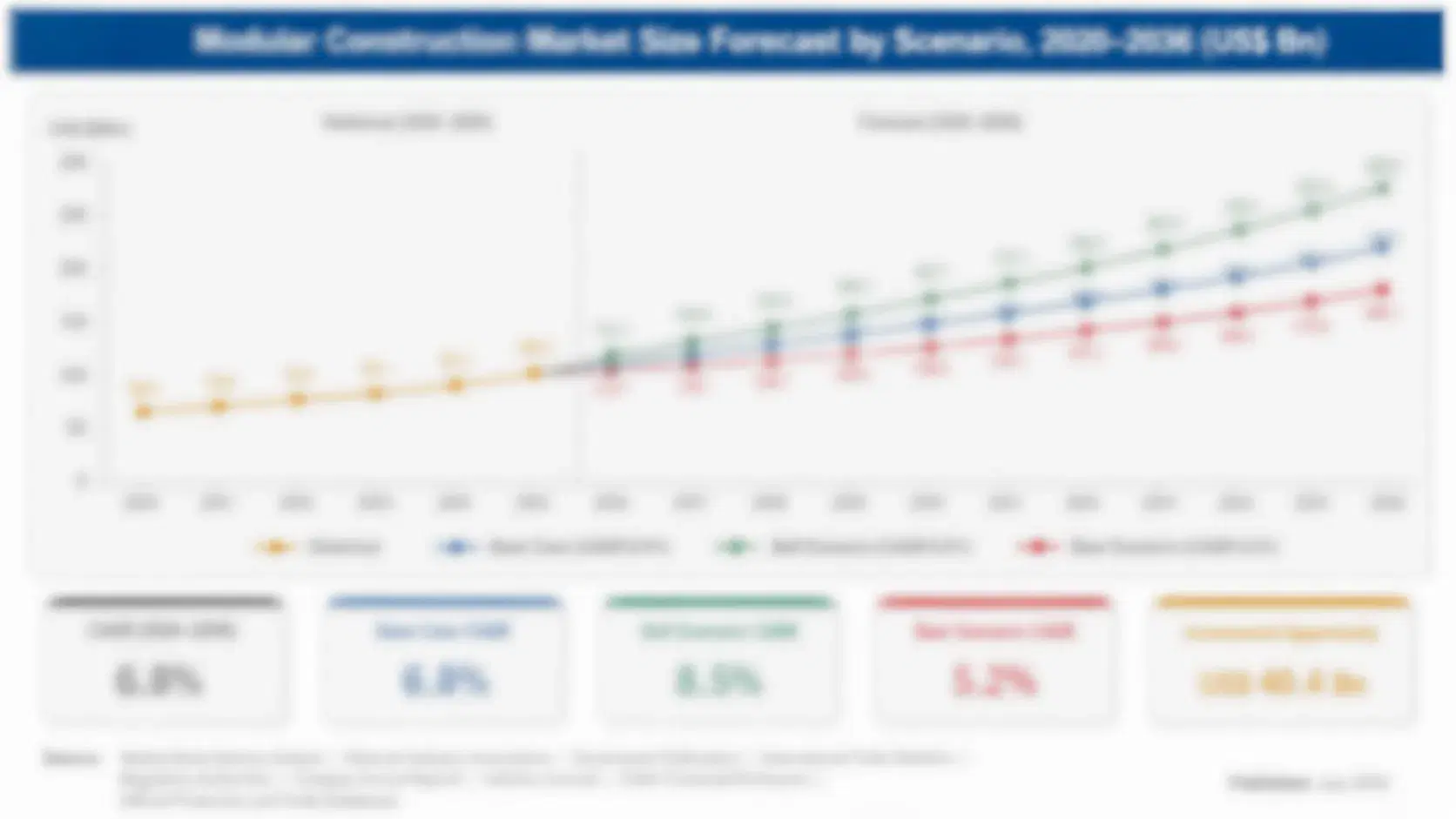
From 2020 to 2025, fat free dressings stabilised after years of decline. Home cooking and salad kits lifted volume, diabetic and weight-management shoppers held loyal, and prices rose with sugar, packaging, and freight costs. Growth averaged 3.3% a year, though olive oil vinaigrettes, clean label brands, and low-fat diet fatigue slowed the category and pushed retailers to trim shelf space for slow-moving fat free lines.
The base case assumes 3.6% annual growth through 2036, built on three named mechanisms: appetite-suppressant medicines and weight-management programmes that lift demand for low-calorie, high-volume foods including salads, yoghurt-based and protein-rich fat-free dressings that improve taste and nutrition, and expansion of salad kits and delivery bowls in Asia and Latin America that use low-calorie dressings. Sugar reduction reinforces each mechanism across brands. Delivery salad bowl chains add steady volume in cities.
The bull case, at 4.9%, needs stronger uptake of weight-management medicines and clearer nutrition labels. The bear case, at 2.3%, reflects continued fat rehabilitation among consumers, sugar and sodium criticism, and shelf space cuts. Either path leaves a dedicated low-calorie audience intact, though mix and pricing would shift. Analysts watch sugar policy and medicine adoption most closely, since each moves demand directly.

Taste Without Fat and Sugar Discipline Decide Dressing Winners

Fat free dressings are made from water, vinegar, sugar or fruit juice, salt, spices, and thickeners such as xanthan gum, modified starch, and pectin that replace the body and cling of oil. Emulsifier-free systems rely on viscosity rather than emulsions, and flavour comes from herbs, garlic, cheese powders, and yoghurt. Hot filling or acidification gives shelf stability, and bottles are shipped ambient.
MARKET CONCENTRATION46% CR5Leading five brands hold a large combined share
FAT PER SERVING0 gRegulatory threshold for a fat-free claim per serving
SUGAR SHARE OF COGS18%Sugar and sweeteners replace fat as the flavour carrier
PACKAGING SHARE OF COGS24%Bottles, caps, and cartons form a large cost share
RETAIL CHANNEL SHARE68%Portion of sales through supermarkets and mass retail
SHELF LIFE12 monthsTypical stable period for unopened bottles at ambient
Buyers use fat free dressings in several ways. Households pour them on salads and use them as marinades and dips, salad bars and restaurants offer them as a light option, salad kit makers pack sachets in bags and bowls, and diet programmes list them as staples. Retailers place them beside regular dressings, and pricing follows sugar, packaging, and freight costs with a lag.
Suppliers sit at several levels. Condiment majors such as Kraft Heinz, Unilever, Clorox, Conagra, and T. Marzetti run national brands and large plants, specialty makers sell clean label and protein versions, and private-label producers supply retailer own brands. Customers judge them on taste, texture, sugar and sodium, and price against full-fat dressings that anchor the aisle. Processors invest ahead of demand quickly.
"A fat free dressing is judged against a full-fat one on every pour. The brands that survive are those that have given up pretending to be identical and instead sell a creamy, high-protein, low-calorie product that stands on its own merits."
Practice Lead, Dressings and Condiments Practice · MMA Dressings and Sauces Practice · September 2026

Market Trends

Yoghurt-Based and Protein Fat-Free Dressings Improve Creaminess and Nutrition

Brands are replacing oil with strained yoghurt, cottage cheese, whey protein, and pea protein to give creamy body and 3 to 8 grams of protein per serving at zero fat, aimed at fitness-focused shoppers and users of appetite-suppressant medicines who need protein-dense foods. Litehouse, Bolthouse Farms, and Kraft Heinz sell yoghurt-based ranch and Caesar styles at 20% to 50% above classic fat-free bottles. The technical challenge is stability and sour notes, since dairy proteins can curdle in acidic dressings, so makers use starches and controlled pH. Chilled distribution adds cost and shortens shelf life to about 60 days.
Market Impact: 42% of US adults have obesity

Sugar and Sodium Reduction Pressure Reformulation of Fat-Free Recipes

Fat-free dressings often replace fat with sugar and salt, and a two-tablespoon serving can contain 4 to 8 grams of sugar and 300 to 450 milligrams of sodium, so health agencies and retailers push reformulation. The United States Food and Drug Administration added-sugar labelling and sodium targets, and United Kingdom front-of-pack rules, encourage cuts of 20% to 40%. Makers use stevia, allulose, vinegar, herbs, and potassium chloride to keep flavour, and spray formats cut serving size sugar. Reformulation needs 12 to 18 months of trials, and taste panels flag bitterness, so brands change gradually and communicate carefully.
Market Impact: kits include 30-50 gram sachets

Market Opportunities and Growth Drivers

Weight-Management Medicines and Calorie Awareness Sustain Low-Calorie Salad Demand

Prescription appetite-suppressant medicines such as semaglutide are used by millions of adults in the United States, and users eat smaller portions and seek high-volume, low-calorie foods such as salads, according to health survey data. About 42% of American adults have obesity, according to Centers for Disease Control and Prevention estimates, and calorie counting remains a common diet method. Fat-free dressings save 70 to 120 calories per serving compared with full-fat versions, so weight-management programmes list them as staples. Retailers and food brands increasingly target these users with protein-focused and low-sugar versions that keep salads appealing.
Market Impact: fat-free holds under 10% of dressings

Salad Kit, Bowl, and Delivery Growth Widens Portioned Dressing Use

Packaged salad kits and delivery bowls have grown steadily in supermarkets and food delivery, and each kit includes a dressing sachet of 30 to 50 grams, often with a fat-free option. Brands such as Taylor Farms, Dole, and Fresh Express sell kits by the hundreds of millions, and delivery chains such as Sweetgreen and Chopt offer light dressings. Fat-free sachets cost 10% to 20% less to produce than full-fat versions and travel well without cold chain in ambient formats. Expansion of salad kits in Asia and Latin America adds new buyers, which supports volume even as bottle sales stay flat.
Market Impact: packaging is 24% of costs

Market Restraints and Challenges

Fat Rehabilitation and Olive Oil Vinaigrettes Pull Shoppers From Fat-Free

Nutrition science has moved away from fat avoidance, and shoppers now prefer olive oil, avocado oil, and full-fat dressings that taste richer, according to consumer trend surveys and retail data. The root cause is public understanding that healthy fats are beneficial and that fat-free foods often add sugar. Fat-free dressing sales have fallen from their 1990s peak, and retailers reduce shelf space. Brands respond with yoghurt-based, protein, and clean label lines, though repositioning takes time, and fat-free share of dressing sales has fallen to below 10%, which limits the category's growth potential in mature markets.
Market Impact: yoghurt-based bottles carry 3-8 grams protein

Sugar, Packaging, and Freight Inflation Squeezes Margins on Low-Price Bottles

Raw sugar prices rose to multi-year highs in 2023 and 2024, and plastic resin, glass, and freight costs rose after 2021, according to United States Department of Agriculture and International Energy Agency data. The root cause is crop shocks, energy costs, and supply chain disruption. Bottles carry low unit prices of $2 to $4, so makers cut fill size or raise prices in small steps, and retailers resist increases. Mitigation includes lighter packaging, sugar reduction, and index-linked pricing with retailers, though private label competes on price, and margin recovery takes several quarters.
Market Impact: servings carry 4-8 grams of sugar
3 additional market trends, 2 additional growth drivers, and 3 additional restraints and challenges are covered in the full report. Contact sales@marketmindsadvisory.com to access the complete intelligence.

Segment CAGR and Growth Architecture

Fat free salad dressings are segmented by base system, because thickener, dairy or plant content, sugar level, storage, price, and buyer group differ more between vinaigrette bases, starch-thickened creamy, yoghurt-based, fruit-based, protein and fibre emulsion, and spray formats than they do by flavour. Yoghurt and protein bases attract most investment as brands chase nutrition and creaminess.
fat-free-salad-dressings-market-market-share-analysis-1789786219345

Yoghurt-Based Fat-Free Dressings

Yoghurt-based fat-free dressings are the fastest-growing segment, using strained yoghurt, cultured dairy, and added proteins to give creamy texture and 3 to 8 grams of protein per serving at zero fat. Litehouse, Bolthouse Farms, Kraft Heinz, and private-label lines sell ranch, Caesar, and cucumber dill styles, often in refrigerated bottles at 20% to 50% above shelf-stable fat-free dressings. Growth depends on flavour and stability, since dairy proteins can curdle in acidic bases, and on cold chain reach, and brands with strong protein claims, clean labels, and reliable refrigerated distribution win space in produce sections and salad kits. Produce section placement lifts visibility beside salad kits, and refrigerated brands report higher repeat purchase than shelf-stable bottles.
CAGR 6.9%

Protein and Fibre Emulsion Fat-Free Dressings

Protein and fibre emulsion fat-free dressings are the second-fastest segment, using pea protein, aquafaba, inulin, and soluble fibres to create creamy body without oil and to add nutrition claims of protein or fibre. Specialty and plant-based brands sell them at 30% to 60% above standard fat-free bottles, aimed at vegan, keto-adjacent, and health-focused shoppers. Growth depends on taste, since plant proteins can add earthy notes, and on ingredient list length, so formulators use flavour masking and clean label systems. Brands with strong plant-based credentials and consistent texture win listings in natural and health sections. Vegan brands also pair these dressings with plant-based bowls, and natural grocers give them shelf tags that highlight protein and fibre claims.
CAGR 5.6%
Full segment breakdown across 6 segments available in the complete report.

Regional Architecture and Country Demand Map

Fat free dressing value follows salad habits, dieting culture, and shelf availability. North America leads through the United States, where the category grew up, Western Europe and South Asia and Pacific follow through supermarkets and salad kits, and China is the fastest-growing country as salad chains and delivery expand.

North America

North America holds 46% share, far above its usual band, because the United States built the fat-free dressing category in the 1990s, and supermarkets, salad bars, and restaurants still stock and serve fat-free options widely, so per-capita consumption is the highest in the world. Kraft Heinz, Ken's Foods, Wish-Bone under Conagra, Hidden Valley under Clorox, and T. Marzetti lead. Fat rehabilitation, sugar concerns, and private label restrain returns, though weight-management medicines and protein launches keep growth near the global rate. North America and Western Europe hold the top two positions because both combine mature supermarket dressing aisles with strong weight-management culture. Salad bars and school lunch programmes add steady volume in sachets.
Share: 46% | CAGR: 3.5% (2026 to 2036)

Western Europe

Western Europe holds 20% share, with the United Kingdom, Germany, France, and the Netherlands selling light and fat-free dressings through supermarkets and salad kits, though olive oil vinaigrettes and mayonnaise-based dressings dominate. Unilever brands, Kraft Heinz, Mizkan's Maille, and private label lead, and Nordic markets show strong low-fat interest. Sugar levies, front-of-pack labelling, and consumer preference for natural oils hold growth below the global rate, though yoghurt-based and protein lines add value. British supermarkets extend low-calorie ranges, and German chains list zero-fat dressings beside salad kits. Dutch and Belgian shoppers buy yoghurt dressings for weight management, and retailers push private-label light ranges at low prices while premium oils win the upper shelf.
Share: 20% | CAGR: 2.2% (2026 to 2036)
Regional intelligence for 5 additional markets available in the complete report: East Asia, South Asia and Pacific, Latin America, Middle East and Africa, Eastern Europe. Contact sales@marketmindsadvisory.com.
fat-free-salad-dressings-market-country-cagr-analysis-1789786219523

Four Margin Routes for Fat-Free Dressing Brands

Margin in fat-free dressings comes from mix, packaging, and channel choice rather than volume alone. Brands that sell yoghurt-based and protein lines at premiums, reduce sugar without losing taste, win salad kit and foodservice sachet programmes, and cut packaging cost earn more per litre than those competing on price with private label bottles. Execution matters.

Selling Yoghurt-Based and Protein Dressings at Premium Prices

Yoghurt-based and protein fat-free dressings sell at 20% to 60% above classic bottles, so a brand moving 15% of volume into these lines lifts blended gross margin by 3 to 6 points. Development costs $400,000 to $1.2 million per range, and refrigerated distribution adds 8% to 12% to cost. Retailers place chilled dressings in produce sections beside salad kits, and protein claims attract fitness-focused and medicine-using shoppers. Brands with reliable cold chain and clean labels win repeat purchase that generic bottles cannot match, which builds barriers. Chilled produce listings also raise visibility.
Market Impact: protein lines lift blended margin 3 to 6 points

Reducing Sugar and Sodium to Protect Shelf Space and Claims

Cutting sugar by 30% and sodium by 20% costs 3% to 6% more in ingredients but protects shelf space as retailers set nutrition targets and health agencies push reformulation. Brands that lead earn premium positioning of 10% to 25% and access to health retailer programmes. Sweetener blends using allulose and stevia cost $0.5 million to $1.5 million to develop, and trials take 12 to 18 months. Consumers notice taste changes, so brands roll out gradual reductions and communicate benefits, which reduces the risk of losing loyal fat-free buyers. Gradual cuts protect loyal buyers.
Market Impact: sugar cuts protect shelf space and earn 10-25% premiums

Winning Salad Kit and Foodservice Sachet Programmes

Salad kit makers and delivery chains buy sachets of 30 to 50 grams by the hundreds of millions, and multi-year programmes of two to three years earn gross margins 3 to 5 points above bottle sales. A kit maker using 200 million sachets a year generates $8 million to $20 million of dressing revenue. Ambient sachets avoid cold chain, and consistent flavour across sites is critical. Suppliers with filling capacity and food safety audits win tenders, and kit brands rarely change dressing partners once recipes and packaging are approved. Approval creates loyalty.
Market Impact: kit programmes earn 3 to 5 more margin points

Lightweighting Packaging and Passing Costs Through Index-Linked Pricing

Packaging is 24% of cost of goods, so lighter bottles, thinner caps, and larger multipacks cut packaging cost by 8% to 15% and save $2 million to $6 million a year for a brand selling 50 million bottles. Index-linked pricing with retailers protects margin from swings of 3 to 6 points in a bad year, using formulas tied to sugar and resin indices. Retailers accept format changes if labelling stays clear, and sustainability targets add support, which lets brands defend price without visible quality loss on shelf. Multipacks also lift basket size.
Market Impact: lighter bottles cut packaging cost per serving 8-15%

Who Controls the Margin Pool

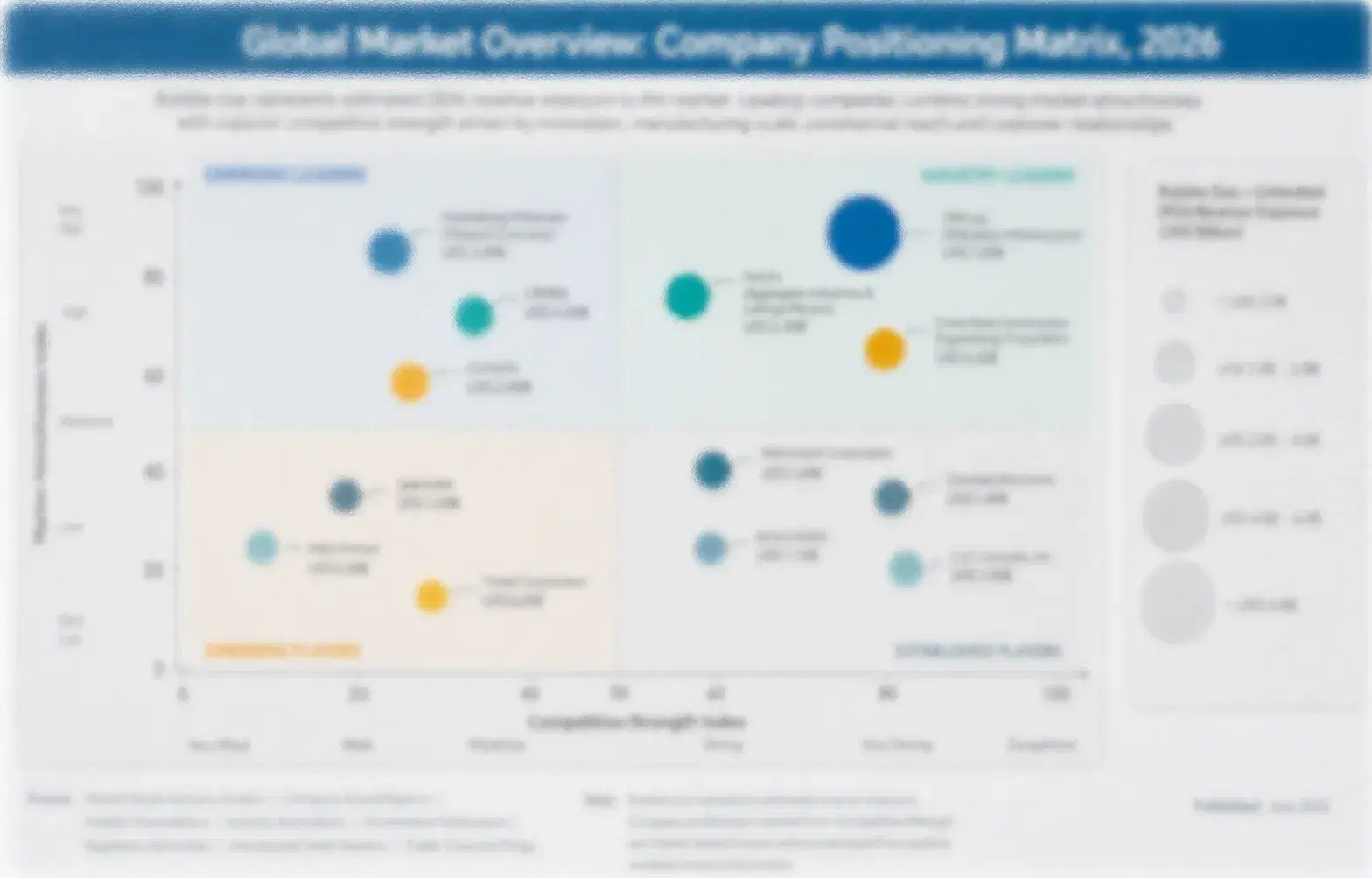
The fat free dressing industry is concentrated among condiment majors, with the top five brands holding about 46% of global revenue, the basis used throughout this section. Kraft Heinz, Unilever, Clorox, Conagra Brands, and T. Marzetti Company lead through national brands, retailer relationships, and large plants, while private label and specialty brands hold share through price, clean labels, and protein or plant-based positioning.
Competition centers on three dimensions: taste and texture, measured by creaminess, sugar level, and consumer panels against full-fat dressings; cost management, including sugar, packaging, and freight; and channel reach across supermarkets, salad kits, foodservice, and online sales. Leaders invest in yoghurt-based and reduced-sugar lines, while challengers compete on clean labels, plant-based systems, and small-batch flavour ranges.

Emerging pressure comes from olive oil and avocado oil vinaigrettes, from private-label light dressings at discounters, and from Asian brands scaling low-calorie sachets. Rankings shift where brands win kit programmes, prove protein performance, or lose shelf space to premium oils. Acquisitions of specialty brands by condiment majors will reorder positions faster than organic growth, particularly as large groups seek credible protein and plant-based portfolios. Regional brands may also gain share if shoppers favour natural oils.
fat-free-salad-dressings-market-company-positioning-matrix-1789786219702

Competitive Moat and Risk Dimensions

KRAFT HEINZ

Moat: Brand Portfolio and Retail Reach

Kraft Heinz owns Kraft dressings, one of the best-known salad dressing brands in the United States, with fat-free and light ranges sold through supermarkets, warehouse clubs, and foodservice. Its brand recognition, retailer relationships, purchasing scale in sugar and packaging, and marketing budget give it a leading shelf position, and its research capacity supports reformulation for sugar reduction and protein lines.
KRAFT HEINZ

Risk: Category Decline and Private Label

Kraft Heinz faces decline in fat-free volumes, private-label competition, and cost inflation in sugar and packaging. Premium oil-based and protein-focused brands can win health-conscious shoppers, and shelf space cuts reduce reach. Younger shoppers also prefer natural oils and may see fat-free labels as dated, which weakens brand pull in the category.
UNILEVER

Moat: Global Condiment Scale

Unilever sells Hellmann's, Wish-Bone in some markets, and regional dressings across Europe, Latin America, and Asia, with light and fat-free options. Its global distribution, purchasing scale, and research in emulsions and sauces support formulation and reach, and its sustainability programmes and brand strength give it credibility with retailers and health-focused shoppers in many countries.
UNILEVER

Risk: Portfolio Reshaping and Focus

Unilever is reshaping its portfolio, and fat-free dressing is a small part of its condiment business. Regional brands can win local tastes, and health-focused specialty brands can take premium share. Local competitors and private label may also undercut its prices in markets where consumers favour familiar regional recipes.

Players Tracked

Prominent Players

Kraft Heinz
Unilever
Clorox
Conagra Brands
T. Marzetti Company

Other Key Players

Ken's Foods
Newman's Own
Kewpie
Mizkan
Litehouse
Annie's
Primal Kitchen
Follow Your Heart
Bolthouse Farms
Sir Kensington's
Walden Farms
Cardini's
Bernstein's
Nestle
Ottogi

Recent Developments

FEBRUARY 2026

Litehouse Extends Yoghurt-Based Fat-Free Dressing Range in North America

Litehouse extended its yoghurt-based fat-free dressing range in North American produce sections, adding protein claims of 6 grams per serving and new ranch and Caesar flavours. It is a product launch. It targets fitness-focused shoppers and users of weight-management medicines, and gives retailers a chilled option.
Signal: Confirms specialty brands now compete on yoghurt-based fat-free dressings that add protein and creamy texture in produce sections.
OCTOBER 2025

Kraft Heinz Reformulates Fat-Free Dressings With Lower Sugar and Sodium

Kraft Heinz reformulated fat-free dressing lines with 25% less sugar and 15% less sodium, using stevia and potassium chloride, and updated labels to highlight nutrition benefits. It is a reformulation. It responds to retailer targets and health rules, and tests whether taste acceptance holds among loyal fat-free buyers.
Signal: Shows leading brands now reformulate fat-free lines to meet sugar and sodium targets without losing loyal buyers.
JUNE 2025

T. Marzetti Signs Sachet Supply Agreements With Salad Kit Makers

T. Marzetti signed multi-year supply agreements with salad kit makers for fat-free and light dressing sachets, covering flavours, filling capacity, and index-linked pricing across North America. They are supply contracts. They give T. Marzetti steadier volume, share input cost risk with kit brands, and support kit expansion into new regions.
Signal: Confirms suppliers now lock in kit demand through multi-year programmes that share ingredient cost volatility across regions.

What Drives Fat-Free Dressing Costs

Packaging accounts for roughly 24% of cost of goods, mainly PET and glass bottles, caps, labels, and cartons, while sugar and sweeteners add about 18%, flavours, herbs, and cheese powders about 14%, and vinegar about 12%. Thickeners, water treatment, energy, labour, and freight make up the rest, so packaging price, sugar cost, and freight together determine margin for dressing makers selling low-price bottles.
Raw sugar prices rose to multi-year highs in 2023 and 2024, according to United States Department of Agriculture data, while plastic resin, glass, and freight costs rose after 2021 and European gas prices surged in 2022, according to the International Energy Agency. Makers passed increases through with lags of two to three months, cut fill sizes, and delayed promotions, and some retailers trimmed shelf space for slow lines.

The disadvantage falls on brands without scale or contracts. Large companies with sugar contracts, packaging agreements, and multi-plant networks absorb shocks, while small brands buy spot ingredients and bottles at high prices. Exposure varies by product and geography: ambient bottles face packaging and freight costs, chilled yoghurt lines face cold chain costs, and protein and specialty lines pass costs through more easily than standard fat-free bottles sold on price.
fat-free-salad-dressings-market-cost-volatility-analysis-1789786219887

Contracting Sugar, Vinegar, and Packaging Under Forward Agreements

Makers sign annual and multi-year agreements for sugar, vinegar, resin, and glass, mixing fixed and index-linked prices to spread risk. Diversifying suppliers across regions reduces exposure to a single shortage. Forward buying lets makers plan production and quote retailers with confidence, and hold shelf prices during commodity peaks without repeated fill size cuts. Terms usually run one year.

Lightweighting Bottles and Optimising Multipack and Sachet Formats

Makers cut bottle weight, use thinner caps, and shift volume toward larger multipacks and sachets that lower packaging cost per serving by 8% to 15%. These steps protect margin without visible price changes, though thinner bottles need line adjustments and retailer approval. Lower plastic use also supports sustainability targets. Savings compound each year. Timing matters.

Passing Costs Through Index-Linked Pricing With Retailers and Kit Makers

Large retailers and salad kit makers agree to formulas linking dressing prices to published sugar and resin indices plus a fixed brand margin, so cost swings are shared rather than absorbed. Quarterly resets keep buyers informed and reduce disputes. Protein and yoghurt lines use annual pricing, since shoppers value stable quality and supply over the year.

Portfolio Architecture for Margin Defence

Margins run from thin returns on standard fat-free bottles sold at fixed price points to strong profits on yoghurt-based, protein, and plant-based ranges sold with nutrition positioning, with gross margin roughly doubling between the volume tier and the top tier. Brand trust, formulation know-how, and packaging efficiency create pricing power, and buyers pay more for a dressing that tastes creamy without the fat.
Volume and premium pull in different directions. Standard fat-free bottles sell in large lots to price-driven retailers at thin margins and face sugar and packaging swings, while yoghurt and protein lines sell in smaller lots at higher margins but need cold chain, clean label sourcing, and marketing. Brands must decide how much capital to commit to premium ranges and how quickly to move, since shoppers change habits slowly.

High-value pools concentrate in yoghurt-based dressings for fitness and medicine-using shoppers, protein and plant-based emulsions for vegan buyers, and sachet programmes for salad kit makers. These segments benefit from repeat purchase, documented nutrition, and limited competition from generic bottles. Brands that combine formulation science, retailer relationships, and kit partnerships hold advantages that rivals cannot copy quickly.

Volume / Commodity-Adjacent Tier

Standard vinaigrette and starch-thickened fat-free bottles sold in bulk to supermarkets and foodservice at fixed price points, with thin margins, sugar and packaging cost exposure, and constant price competition from private label and regional makers, where shoppers switch on price.
Gross Margin: 20%-30%

Premium / Certified Tier

Branded creamy fat-free dressings with allergen controls, batch documentation, and consistent viscosity, sold under annual contracts to retailers and salad kit makers that require documented food safety, reliable delivery, and stable flavour across sites and seasons.
Gross Margin: 30%-42%

Sustainability / Regulatory / Next-Generation Tier

Yoghurt-based, protein, and plant-based fat-free dressings with reduced sugar, clean labels, and nutrition claims, sold through produce sections, natural grocers, and online channels to buyers who pay premiums for protein, taste, and shorter ingredient lists.
Gross Margin: 38%-56%
fat-free-salad-dressings-market-portfolio-architecture-1789786220079

High-value Sub-segments and Strategic Watch-out

Yoghurt-Based Fat-Free Dressings

Yoghurt-based fat-free dressings combine the fastest growth with strong pricing, since fitness and medicine-using shoppers pay 20% to 50% premiums for creamy, protein-rich bottles. Cold chain and dairy know-how limit competition, and brands with strong flavour win produce section space. Volume follows as protein demand grows.
Gross Margin: 38%-56%

Protein and Fibre Emulsion Fat-Free Dressings

Protein and fibre emulsion dressings offer high value with solid growth, because vegan and health-focused shoppers pay 30% to 60% premiums for plant-based creaminess. Taste masking and clean label sourcing limit scale, though brands with strong credentials defend margin. Natural grocers list these products as core sets.
Gross Margin: 34%-50%

Vinaigrette-Base Fat-Free Dressings

Vinaigrette-base fat-free dressings form the volume core, sold to households, salad bars, and diet programmes who want a low-calorie option at moderate prices. Margins are thin and exposed to sugar and packaging swings, but steady demand supports scale, and brands with contracts and large plants hold cost advantages.
Gross Margin: 20%-32%

Spray and Mist Dressings

Spray and mist dressings are a strategic watch-out, valued for portion control and calorie counting but limited by small volumes, packaging cost, and texture gaps. Diet trends could expand or restrict demand, so brands should track retail sales and repeat purchase before committing capital to dedicated spray filling lines.
Gross Margin: 30%-48%

Why Diet Shoppers Keep Their Dressing

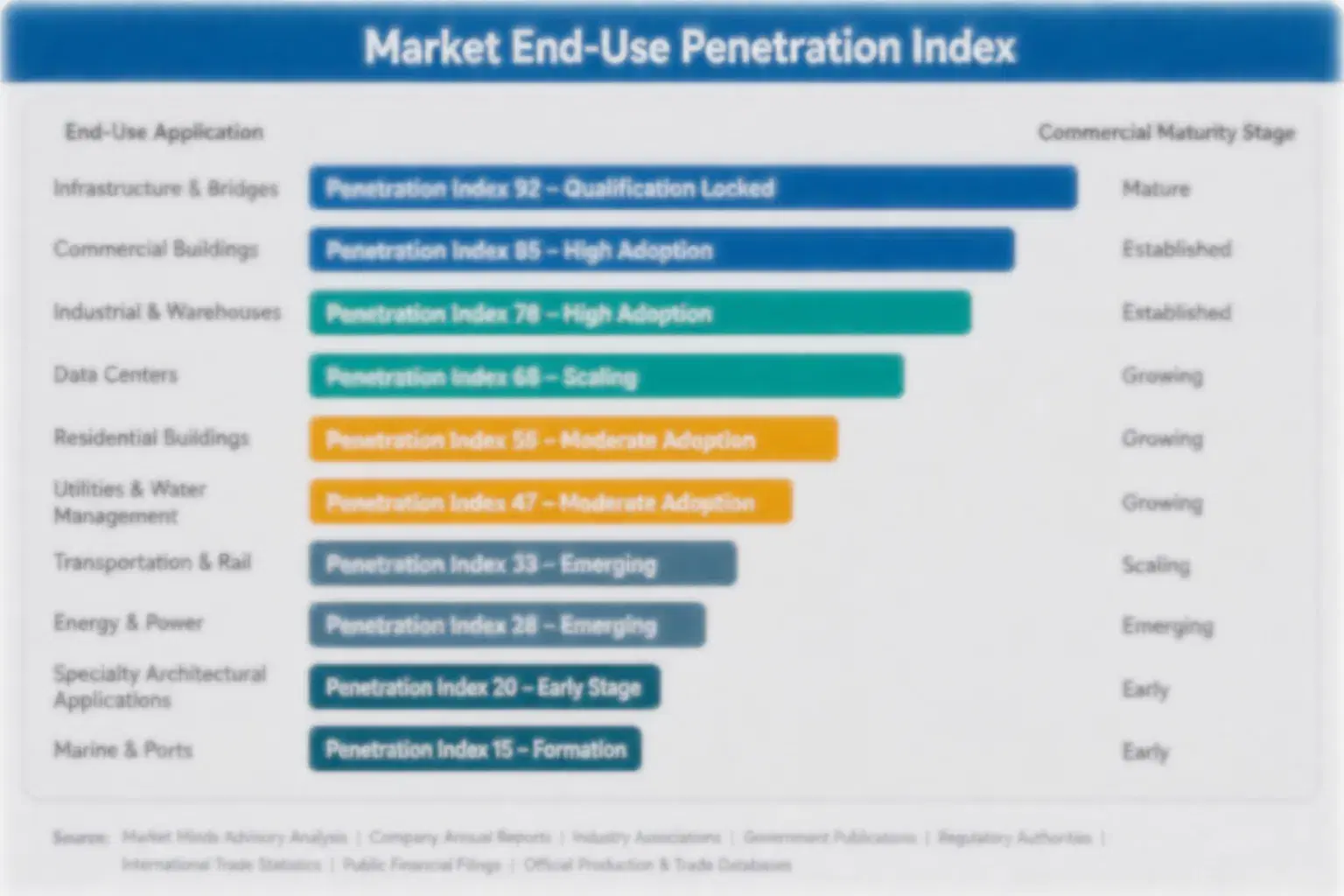
Fat-free dressing demand behaves like an annuity once a shopper finds a bottle that tastes right. Salads are made weekly, diet programmes list the same products, and retailers keep a fixed set of fat-free options. Brands that hold shelf space for years earn steady volume, and renewals follow price and taste rather than tenders, because a change of bottle risks a bland salad, a sugar surprise, or a calorie count that no longer matches the plan.
Stickiness varies by vertical. Diabetic and weight-management shoppers who track calories are deepest, since brand choices are built into meal plans. Salad kit makers are next, because recipes and packaging are approved with one supplier. Restaurants and salad bars are moderate, tied to distributors, while general households are shallower, moving between brands on promotions.

Buyer profiles are shifting. Older shoppers learned to buy fat free in the 1990s and remain loyal to familiar brands, while younger buyers read sugar and ingredient lists, prefer natural oils, and buy protein-rich versions through apps. They compare labels, follow health creators, and switch quickly if a dressing tastes artificial, so brands that publish nutrition, offer protein options, and cut sugar keep loyalty across age groups.
fat-free-salad-dressings-market-end-use-penetration-index-1789786220262

MMA Verdict on Fat-Free Dressing Strategy

These are among the four positions where our research anticipates prominent divergence between winners and laggards over the coming forecast period. Each is grounded in the demand model, the regulatory perimeter, and the announced capacity pipeline.
01 / PROTEIN RANGE STRATEGY

Launch Yoghurt-Based and Protein Dressings Before Produce Sections Fill With Rival Brands

Yoghurt-based fat-free dressings grow at 6.9% a year, about 1.92 times the market rate, and sell 20% to 50% above classic bottles. Development costs $400,000 to $1.2 million per range. MMA recommends launching two chilled protein lines with strong flavour within 18 months and pitching them to two retailers, because produce sections list limited dressing brands, and early suppliers with reliable cold chain hold space that later entrants struggle to win, and retailers seldom reopen a set once chilled protein lines perform.
02 / SUGAR REDUCTION STRATEGY

Cut Sugar and Sodium Gradually to Protect Shelf Space and Loyal Buyers

Fat-free dressings carry 4 to 8 grams of sugar per serving, and retailers set nutrition targets. Reformulation costs $0.5 million to $1.5 million per range. MMA advises cutting sugar by 30% and sodium by 20% over 18 months with blind panels, because brands that lead reformulation earn premium positioning and retailer support, while abrupt changes risk losing the loyal fat-free audience that keeps volume steady during category decline, and gradual changes also give brands time to test flavour with panels.
03 / SALAD KIT STRATEGY

Win Multi-Year Sachet Programmes With Salad Kit Makers and Delivery Chains Early

Kits use 30 to 50 gram sachets by the hundreds of millions, and programmes earn 3 to 5 more margin points than bottles. MMA recommends signing three kit or delivery chain programmes with index-linked pricing within 18 months, because kit makers approve recipes and packaging once, and suppliers with filling capacity and audits hold accounts that rivals cannot easily contest without months of trials and food safety checks. Kit programmes also spread filling cost across larger volumes, which improves margin on each sachet.
04 / ASIAN GROWTH STRATEGY

Build Sachet Supply and Distributors for Salad Chains in China and India

China grows at 6.4% a year and salad and light-meal chains are expanding across Asia. Local filling costs $3 million to $8 million. MMA advises signing two local chain customers and one distributor within 24 months, because Asian chains prefer low-calorie sachets with consistent supply, and the first supplier with local filling and reliable delivery wins repeat business as delivery bowls and salad outlets multiply across cities, while local filling also shortens lead times and avoids import costs that raise landed price.

Engagement Snapshot From the Field

A live engagement with an industry participant carrying material or product regulatory and market exposure ahead of a defining policy shift, showing how our research translates into a defensible multi-year portfolio strategy.
MARKET MINDS ADVISORY · CLIENT ENGAGEMENT SUMMARY
Fat Free Salad Dressings Producer Strategic Portfolio Review and Transition Roadmap 2026·Investment Scenario on Fat Free Salad Dressings Exposure Evaluation 2025-26
CLIENT PROFILE
The client is a mid-sized North American dressing manufacturer with two plants and roughly $340 million in annual revenue (client-reported, unverified by MMA), selling bottled and sachet dressings to supermarkets, salad kit makers, and restaurants. Fat-free products contributed 16% of revenue, with gross margin near 22% (client-reported, unverified by MMA). Utilisation averaged 76% (client-reported, unverified by MMA).
STRATEGIC CHALLENGE
Fat-free volumes were falling by 4% a year, sugar and packaging costs had risen, retailers asked for lower-sugar options, a kit maker requested protein-rich dressings, and competitors launched yoghurt-based lines. Leadership needed a plan that stabilised the fat-free range, added protein and lower-sugar options, and improved packaging economics. Timing was tight.
MMA APPROACH
MMA analysed sales and cost data across 40 products, interviewed retail buyers, kit makers, and shoppers, benchmarked five brands on sugar level and protein claims, and modeled economics for yoghurt-based lines, sugar reduction, and lighter packaging under high, base, and low sugar and resin scenarios. Analysts also ran taste panels with 500 shoppers.
KEY FINDINGS
  1. Yoghurt-based fat-free lines could reach 12% of fat-free sales within two years at margins 10 points above bottles (client-reported, unverified by MMA).
  2. Sugar cuts of 30% held taste scores within two points in blind panels and met retailer targets, based on panels with 500 shoppers.
  3. Lightweight bottles and multipacks would cut packaging cost by 11% and save about $2.4 million a year, based on supplier quotes for three packaging formats.
  4. Sachet programmes with two kit makers would add sales worth 8% of revenue at margins 4 points above bottles, based on buyer discussions.
CLIENT PROFILE
The client is a mid-sized North American dressing manufacturer with two plants and roughly $340 million in annual revenue (client-reported, unverified by MMA), selling bottled and sachet dressings to supermarkets, salad kit makers, and restaurants. Fat-free products contributed 16% of revenue, with gross margin near 22% (client-reported, unverified by MMA). Utilisation averaged 76% (client-reported, unverified by MMA).
STRATEGIC CHALLENGE
Fat-free volumes were falling by 4% a year, sugar and packaging costs had risen, retailers asked for lower-sugar options, a kit maker requested protein-rich dressings, and competitors launched yoghurt-based lines. Leadership needed a plan that stabilised the fat-free range, added protein and lower-sugar options, and improved packaging economics. Timing was tight.
MMA APPROACH
MMA analysed sales and cost data across 40 products, interviewed retail buyers, kit makers, and shoppers, benchmarked five brands on sugar level and protein claims, and modeled economics for yoghurt-based lines, sugar reduction, and lighter packaging under high, base, and low sugar and resin scenarios. Analysts also ran taste panels with 500 shoppers.
KEY FINDINGS
  1. Yoghurt-based fat-free lines could reach 12% of fat-free sales within two years at margins 10 points above bottles (client-reported, unverified by MMA).
  2. Sugar cuts of 30% held taste scores within two points in blind panels and met retailer targets, based on panels with 500 shoppers.
  3. Lightweight bottles and multipacks would cut packaging cost by 11% and save about $2.4 million a year, based on supplier quotes for three packaging formats.
  4. Sachet programmes with two kit makers would add sales worth 8% of revenue at margins 4 points above bottles, based on buyer discussions.
RECOMMENDED STRATEGY
Phase 1: Phase 1 (Months 1-6): Sign packaging contracts, begin sugar reduction trials on the top four bottles, and pilot one yoghurt-based line. Phase 2: Phase 2 (Months 7-18): Launch two chilled protein lines, roll out lighter bottles, and sign two kit makers on sachet supply agreements. Phase 3: Phase 3 (Months 19-30): Extend reduced-sugar recipes across the range, review pricing each quarter, and evaluate a third plant for chilled production.
OUTCOME
Within 30 months, protein and sachet products reached about 21% of fat-free revenue, and gross margin on the range rose from 22% to about 28% (client-reported, unverified by MMA). Packaging savings reached $2.2 million a year, two kit makers renewed contracts, and the board approved a chilled production line for the following year.

Frequently Asked Questions

Foundational context covering the market sizes, CAGR, scope, country, region and competition that inform every finding below. This section is provided to cover basics and most often pre-purchase conversations, answered from the MMA Primary Research Dataset.

What is the current size of the Fat Free Salad Dressings Market?

The global fat free salad dressings market was valued at $2.6 billion in 2025. This covers vinaigrette, creamy, yoghurt-based, and protein fat-free dressings sold through retail, foodservice, and online channels.

How large will the Fat Free Salad Dressings Market be by 2036?

MMA projects the market will reach approximately $3.8 billion by 2036. This represents cumulative growth of roughly $1.1 billion over the full ten-year forecast window.

What is the CAGR for the Fat Free Salad Dressings Market 2026 to 2036?

The market is forecast to grow at a 3.6% compound annual rate between 2026 and 2036. The bull case reaches 4.9% while the bear case falls to 2.3%.

Which segment is growing fastest?

Yoghurt-Based Fat-Free Dressings is the fastest-growing segment at 6.9% CAGR, roughly 1.92 times the overall market rate. Protein and Fibre Emulsion Fat-Free Dressings follows as the second-fastest segment at 5.6% CAGR each year.

Who are the major companies in the Fat Free Salad Dressings Market?

Leading companies include Kraft Heinz, Unilever, Clorox, Conagra Brands, and Marzetti. These five brands together hold an estimated 46% of total global market revenue, based on MMA analysis of company disclosures.

Which country is growing fastest?

China is the fastest-growing major market, expanding at approximately 6.4% CAGR each year. Salad chain expansion, delivery bowls, and diet awareness are driving this above-market growth across the country.

Report Segmentation Architecture

The full report scope spans multiple orthogonal segmentation dimensions, with cross-tabulated demand data provided for each dimension pair. Coverage extends further to regional breakdowns, trend trajectories, and the competitive detail needed to support segment-level decision-making.

By Primary Market Dimension

  • Yoghurt-Based Fat-Free Dressings
  • Protein and Fibre Emulsion Fat-Free Dressings
  • Vinaigrette-Base Fat-Free Dressings
  • Starch-Thickened Creamy Fat-Free Dressings
  • Fruit-Based Fat-Free Dressings
  • Spray and Mist Dressings

By End-Use Industry

  • Household Consumption
  • Salad Kit Manufacturing
  • Restaurants and Salad Bars
  • Weight-Management Programmes
  • Institutional Catering

By Commercial Dimension

  • Supermarket Branded Sales
  • Private-Label Supply
  • Foodservice and Sachet Supply
  • Online and Delivery Sales

By Region

  • North America
  • Western Europe
  • East Asia
  • South Asia and Pacific
  • Latin America
  • Middle East and Africa
  • Eastern Europe

Scope, Methodology, and Coverage

Every figure in this report is reproducible from documented input assumptions. The scope below maps the historical period, the forecast horizon, the segmentation dimensions, and the countries covered, alongside the underlying primary and qualitative methodology.
Historical Period
2020 to 2025
Forecast Period
2026 to 2036
Base Year
2025 (USD billions; MMA Primary Research Dataset, September 2026)
Market Definition
Fat free salad dressings comprise pourable and spoonable dressings, vinaigrettes, and marinades formulated with no more than 0.5 grams of fat per serving and marketed as fat-free or non-fat, including vinaigrette bases, starch-thickened creamy dressings, yoghurt-based dressings, fruit-based dressings, protein and fibre emulsions, and spray formats, sold through retail, foodservice, and online channels. The scope excludes reduced-fat and light dressings that retain oil, mayonnaise, and cooking sauces.
Quantitative Units
USD billions (current prices); million litres for volume references
Segmentation Dimensions
By Base System; By End-Use Industry; By Commercial Dimension; By Region
Regions Covered
North America, Western Europe, East Asia, South Asia and Pacific, Latin America, Middle East and Africa, Eastern Europe
Countries Covered
USA, Canada, Mexico, Brazil, Argentina, Chile, UK, Germany, France, Netherlands, Poland, Romania, Turkey, South Africa, UAE, Japan, South Korea, China, India, Australia, and additional markets relevant to this sector
Key Companies Profiled
Kraft Heinz, Unilever, Clorox, Conagra Brands, T. Marzetti Company, Ken's Foods, Newman's Own, Kewpie, Mizkan, Litehouse, Annie's, Primal Kitchen, Follow Your Heart, Bolthouse Farms, Sir Kensington's, Walden Farms, Cardini's, Bernstein's, Nestle, Ottogi
Quantitative Methodology
Primary survey, n=3,800 respondents, Q4 2025, six countries; demand-side model with trade association cross-validation
Qualitative Methodology
47 expert interviews, Q4 2025; applied to validate demand model assumptions, identify emerging dynamics, and assess competitive positioning
Report Format
PDF and XLSX data workbook (Word format preview document)
Publisher
Market Minds Advisory
Report Code
MMA-2026-AGR-362
Published
September 2026
Contact
sales@marketmindsadvisory.com | www.marketmindsadvisory.com

Purchase the full Fat Free Salad Dressings Market Report (2026 to 2036).

The full report delivers a detailed assessment of global fat free salad dressing demand, base systems, and competitive positioning through 2036. It includes segment forecasts by dressing type, country-level data for all seven world regions, and profiles of the twenty companies most relevant to dressing supply. Analysts also receive input cost modeling and portfolio margin benchmarking built from MMA's primary research dataset. A scenario planning module lets subscribers stress-test bull and bear assumptions against sugar prices, health policy, and weight-management adoption. Quarterly updates keep the whole dataset current throughout the subscription year for every subscriber.
Ten-year segment and regional demand forecasts
Sugar, resin, and freight cost tracking
Competitive benchmarking of top twenty brands
Sugar and sodium labelling rule tracker
Regional demand mechanism comparative analysis included
Quarterly primary survey data update access

Built For The People Who Decide

From boardroom strategy to bench-side execution, this report is read cover-to-cover by leaders shaping the next decade of their industry, turning demand scenarios, market dynamics and valuation benchmarks into decisions.
CXOs/ Presidents/ VPs/ Managers
M&A and Corporate Development
Strategy Teams and R&D Heads
Procurement and Product Directors
Regulatory and Compliance Leaders
Investor Relations and Equity Analysts