Market Minds Advisory
Exhaust Insulation Blankets Market

Exhaust Insulation Blankets Market: Exhaust Insulation Blankets Market. Global Sizing, Segmentation, and Competitive Analysis to 2036

Turbocharger downsizing and tightening underbody fire safety standards are pushing exhaust insulation specification toward engineered silica blankets, away from basic fiberglass wraps that once dominated the category for several decades.

Lead Analyst

Published

October 2026

Make Smarter Decisions with Customized Research Insights

Request a free sample report and evaluate market opportunities, growth trends, and competitive dynamics relevant to your business needs.

2025 MARKET VALUE$0.7BMarket Size 2025
2036 FORECAST VALUE$1.5BBase Case , 2026 to 2036
CAGR 2026 TO 20366.6 %Bull 7.8% / Bear 5.4%
INCREMENTAL OPPORTUNITY$0.7BNet 10- year value creation
EXPANSION MULTIPLE1.89x2036 value over 2026 base
Strategic Levers
M&A Pipeline
Regional Outlook
Country Rankings
Competitive Intelligence
Segmental Deep-dive
Call-Us : 91 93563 13602

Executive Snapshot and Market Trajectory.

Exhaust insulation blanket specification is shifting toward engineered silica-based materials as turbocharger downsizing concentrates heat loads basic fiberglass wraps cannot manage reliably across the compact underbody packaging modern vehicle platforms now require. across most new vehicle platforms entering production today. and sites.
Turbocharger housing and manifold applications drive the largest share of volume, with silica-based blankets capturing disproportionate specification share as automakers chase thermal protection standard fiberglass cannot provide at comparable thickness. China leads global volume through concentrated vehicle production and expanding turbocharged engine adoption, while North America maintains a significant installed base behind established commercial vehicle manufacturing. overall. Lead times for silica-based blankets have lengthened given this surge in automaker demand.
The competitive base remains concentrated among a handful of specialized automotive insulation suppliers, with silica fiber engineering capability increasingly separating leaders who invested early from competitors still selling basic fiberglass products. Automakers increasingly require documented thermal performance and fire safety certification before specifying blankets for new turbocharged platforms, a requirement smaller suppliers have struggled to meet as consistently as established automotive materials specialists. across most regulated vehicle platforms nationwide. This gap keeps widening further.
Market Definition
This market covers thermal insulation blankets installed on automotive exhaust components, including turbocharger housings, manifolds, and catalytic converters, to manage heat dissipation and protect adjacent vehicle systems. It excludes cabin insulation materials and general industrial thermal insulation sold outside automotive exhaust applications.
Base Year Value
$0.7B in 2025 (MMA Primary Research Dataset, October 2026)
Forecast Period
2026 to 2036, eleven discrete annual values
CAGR
6.6% base case. Bull 7.8%. Bear 5.4%.
Fastest Growth Segment
Silica-Based Insulation Blankets for Turbocharger Housings: 9.1% CAGR
Fastest Growth Country
China: 7.6% CAGR
Fastest Growth Region
South Asia and Pacific: 8.7% CAGR
Largest Region
East Asia: 30% of 2025 global value
Market Leaders
Unifrax, Morgan Advanced Materials, 3M, Federal-Mogul Powertrain, Lydall Performance Materials. Source: MMA Primary Research Dataset, July 2026.
Primary Survey
n=3,800 procurement and R&D decision-makers, Q4 2025, six countries
Methodology
Demand-side build-up, cross-validated against public data, 47 expert interviews

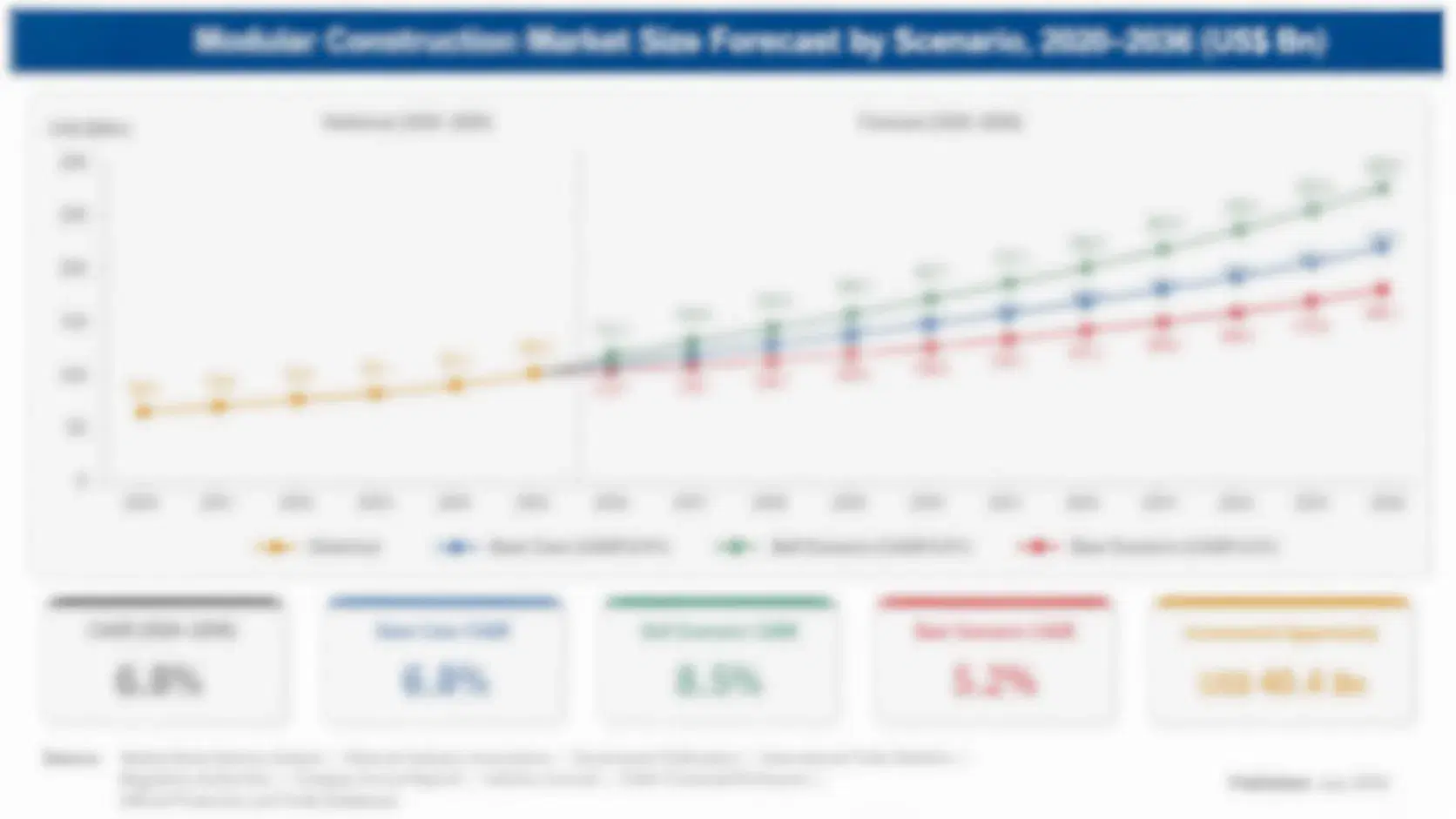
Exhaust Insulation Blankets Market Forecast Scenarios

exhaust-insulation-blankets-market-size-forecast-scenario-1791057130144
Demand between 2020 and 2025 tracked global vehicle production cycles closely, with silica-based blanket orders rising as turbocharger adoption expanded across both passenger and commercial vehicle platforms. Supply chain disruption briefly slowed specialized fiber material delivery in 2021 and 2022, pulling historical growth modestly below the forecast rate now underway as that disruption has fully cleared.
The base case assumes continued turbocharger adoption expansion, tightening underbody fire safety standard enforcement, and gradual replacement of basic fiberglass blankets as the three mechanisms sustaining growth through 2036. Automakers downsizing engines while maintaining power output are specifying silica-based blankets from the outset rather than retrofitting basic materials later, regulators across multiple jurisdictions are tightening underbody fire safety certification requirements meaningfully, and commercial vehicle manufacturers replacing aging exhaust systems increasingly default to engineered insulation materials.
A bull scenario centers on accelerated turbocharger adoption pulling silica-based blanket volume well above base case assumptions across multiple vehicle platforms simultaneously. The bear risk is a broader global vehicle production slowdown that delays component specification decisions, since exhaust insulation orders track overall vehicle manufacturing volume closely with limited independent growth drivers. across most affected manufacturing regions.

Thermal Certification Becomes the Platform Standard

Silica-based insulation blankets are moving from a premium option to the default specification choice for turbocharged engine platforms, displacing basic fiberglass materials that previously dominated the category on lower upfront cost and simpler manufacturing. Automakers now treat documented thermal performance as a genuine procurement criterion rather than a secondary consideration behind basic heat resistance alone. Suppliers unable to demonstrate comparable thermal performance data are increasingly losing bids on new turbocharged platform programs.
MARKET CONCENTRATIONCR5 46%Specialized automotive insulation suppliers dominate certified platform segments
AVERAGE SELLING PRICE$14 per unitSilica-based blankets command meaningful premium over fiberglass alternatives
TOP PRODUCER SHAREChina 27%Concentrated vehicle production drives domestic component manufacturing demand
CAPACITY UTILIZATION73%Suppliers run below peak amid cyclical vehicle order timing
TRADE INTENSITY28% cross-borderSpecialized materials ship globally given limited local manufacturing expertise
FEEDSTOCK COST SHARE44%Silica fiber materials and binding agents dominate input cost
Thermal protection capacity and fire safety certification remain the primary factors separating which suppliers win automaker platform awards, since engineering teams increasingly favor manufacturers with verified performance data over marketing claims alone. Suppliers able to demonstrate consistent thermal performance across realistic underbody operating conditions are winning specification more consistently than those relying on laboratory test conditions.
Replacement demand from legacy platform applications is running alongside new vehicle development, as automakers facing evolving fire safety regulation increasingly standardize entire platform families on engineered insulation regardless of individual model production timing. This replacement wave is expected to continue accelerating as more jurisdictions extend fire safety certification requirements to existing commercial vehicle fleets. Equipment makers are preparing dedicated replacement product lines anticipating this sustained demand across most mature commercial fleets.
"An exhaust blanket used to be the cheapest line item on the component sheet. Turbocharger downsizing has made it the thing that determines whether adjacent systems survive the heat."
Senior Analyst, Automotive Materials and Thermal Systems Practice · MMA Automotive Practice · October 2026

Market Trends

Turbocharger Downsizing Accelerates Silica Blanket Specification

Automakers downsizing engines while maintaining power output through turbocharging are specifying silica-based insulation blankets by default rather than permitting new platforms with basic fiberglass materials that cannot manage concentrated heat loads. This shift has accelerated faster than most suppliers anticipated, catching fiberglass specialists without competitive silica product lines at a disadvantage on bids where thermal performance increasingly determines specification outcomes entirely. Several established suppliers have expanded their silica fiber product lines within the past two years specifically in response to this accelerating downsizing trend. across most regional manufacturing programs today.
Market Impact: Adds 15 percent turbocharged platform volume

Fire Safety Certification Becomes Standard Platform Requirement

Vehicle safety regulators across multiple jurisdictions are mandating documented fire safety certification for exhaust insulation materials, a requirement that previously applied only to commercial vehicles and now extends to passenger platforms facing similar underbody fire risk exposure. This certification requirement is pushing automakers toward suppliers with established fire safety testing capability over smaller manufacturers lacking comparable certification infrastructure. Suppliers offering documented certification are winning specification on the most safety-conscious platforms where automakers previously accepted basic material claims as sufficient. Adoption is expected to broaden beyond the most safety-conscious platforms as certification costs continue declining industry-wide.
Market Impact: Pulls forward 15 percent replacement demand

Market Opportunities and Growth Drivers

Global Turbocharged Vehicle Production Supports Primary Volume

Turbocharged engine adoption continues expanding across both passenger and commercial vehicle platforms globally, as automakers pursue fuel efficiency targets that favor smaller displacement engines boosted to maintain power output, each new platform requiring dedicated exhaust insulation sized to its specific thermal management requirements. Capacity expansion in commercial vehicle manufacturing specifically favors silica-based blankets from project inception, since these platforms operate under sustained high-load conditions that basic fiberglass materials struggle to manage reliably over extended service intervals. Equipment lead times have lengthened accordingly across most affected supply chains serving this expansion wave worldwide.
Market Impact: Adds 40 percent material cost premium

Underbody Fire Incident Awareness Accelerates Replacement

Vehicle manufacturers and fleet operators are increasingly documenting underbody fire incident data, building an internal business case for proactive insulation upgrade that previously struggled to compete against other component priorities requiring capital. This documentation effort is shifting replacement decisions earlier in the vehicle lifecycle than maintenance teams historically scheduled them, pulling demand forward from what pure component age alone would have indicated across most commercial fleet operators nationwide. Suppliers offering fleet-wide bulk pricing and dedicated installation support are winning a disproportionate share of these replacement-driven orders overall. across the broader industry.
Market Impact: Delays platform launch by 4 months

Market Restraints and Challenges

High Silica Material Cost Slows Full Fleet Conversion

Silica-based insulation blankets carry substantially higher material cost than comparable fiberglass alternatives, making some smaller automakers and aftermarket suppliers hesitant to convert fully until fire safety standards or thermal performance requirements force the decision rather than proactive planning. The root cause is that specialized silica fiber materials capable of withstanding concentrated turbocharger heat remain considerably more expensive to manufacture than standard fiberglass at comparable thickness. Suppliers are responding by offering tiered product lines that let customers select thickness and material grade based on actual thermal exposure rather than defaulting to maximum specification.
Market Impact: Cuts underbody temperature 25 percent

Limited Qualified Supplier Base Constrains Platform Timelines

The number of suppliers capable of delivering certified silica-based insulation at automotive platform validation standard remains limited, creating order backlogs that can delay vehicle program timelines automakers had planned around their launch schedules. The root cause is that automotive fire safety certification and thermal validation testing takes years to build, discouraging new entrants from attempting to compete at this qualification standard. Some automakers are responding by qualifying multiple suppliers earlier in their platform development process to avoid dependency on a single vendor's capacity constraints. This qualification effort adds time to project planning schedules upfront across most affected programs.
Market Impact: Cuts fire incident risk 40 percent
4 additional market trends, 3 additional growth drivers, and 2 additional restraints and challenges are covered in the full report. Contact sales@marketmindsadvisory.com to access the complete intelligence.

Segment CAGR and Growth Architecture

Exhaust insulation blankets segment here by fiber material type, since silica-based versus standard fiberglass construction determines thermal protection capacity, certification requirements, and overall cost most directly for automakers specifying components across every platform class and vehicle segment. Silica-based blankets for turbocharger housings are capturing the fastest-growing specification share across most automotive manufacturing regions worldwide.
exhaust-insulation-blankets-market-market-share-analysis-1791057130433

Silica-Based Insulation Blankets for Turbocharger Housings

Silica-based insulation blankets have become the specification default for turbocharger housing applications, as automakers avoid the thermal failure risk standard fiberglass increasingly carries at modern boost pressure and engine downsizing levels. This category is capturing a disproportionate share of new equipment orders as turbocharger adoption expands beyond its initial handful of leading platform classes into broader passenger and commercial vehicle applications. Manufacturers in this category have built dedicated silica fiber and binding agent engineering capability distinct from traditional fiberglass manufacturing, positioning them favorably as more automakers standardize ahead of anticipated regulatory expansion, straining fabricators with limited specialized capacity. Order backlogs now extend well beyond typical lead times as conversion accelerates.
CAGR 9.1%

Standard Fiberglass Blankets with Fire Safety Certification

Standard fiberglass blankets carrying documented fire safety certification continue serving applications where thermal exposure remains moderate and the silica premium does not yet justify itself given lower performance requirements and smaller component budgets. This category benefits from established manufacturing relationships and lower unit cost that keeps it viable for price-sensitive segments of the market even as the overall category share declines relative to silica alternatives. Manufacturers serving this segment increasingly position it as an entry point toward eventual silica upgrade rather than a permanent standalone product line, anticipating gradual platform migration over time. Suppliers maintaining this product line alongside silica offerings benefit from shared manufacturing scale that pure-play silica specialists cannot easily match on comparable unit economics.
CAGR 5.5%
Full segment breakdown across 6 segments available in the complete report.

Regional Architecture and Country Demand Map

Vehicle production scale and turbocharger adoption drive East Asian leadership, while North America maintains a significant installed base behind established commercial vehicle manufacturing and fire safety enforcement activity, keeping regional shares closer together than in many comparable automotive component categories across the broader global market.

North America

Established commercial vehicle manufacturing and growing domestic turbocharged engine production anchor steady demand across the region, with fire safety enforcement activity pushing automakers toward documented certification faster than general vehicle production growth alone would suggest. Several announced commercial vehicle platforms are specifying silica-based insulation directly rather than retrofitting fiberglass equipment later in the development cycle. Equipment suppliers with proven fire safety documentation are winning a disproportionate share of specification across most affected vehicle categories, as replacement demand from aging fleets contributes a steady secondary volume stream independent of new platform development timing. Several additional fire safety rule changes are expected over the next two years, sustaining this favorable specification trend nationwide across most vehicle categories.
Share: 23% | CAGR: 7.0% (2026 to 2036)

Western Europe

Stringent European Union vehicle emissions and fire safety directives have pushed silica-based adoption further here than organic demand alone would suggest, with basic fiberglass increasingly confined to lower-exposure applications still permitted under broader directive frameworks. Germany and France anchor most regional demand through their established automotive manufacturing base and extensive turbocharged engine production. Growth trails East Asia since much of the region's platform fleet already carries some documented fire safety certification from earlier regulatory cycles, leaving a smaller incremental upgrade opportunity than regions building capability from a lower baseline. Domestic manufacturers continue investing in silica capability to serve these increasingly stringent requirements across multiple vehicle categories and platform generations. today.
Share: 20% | CAGR: 5.0% (2026 to 2036)
Regional intelligence for 5 additional markets available in the complete report: East Asia, South Asia and Pacific, Latin America, Middle East and Africa, Eastern Europe. Contact sales@marketmindsadvisory.com.
exhaust-insulation-blankets-market-country-cagr-analysis-1791057130705

Capturing Value Beyond Blanket Delivery

Equipment sale alone leaves meaningful value on the table in a market defined by certification complexity and rising documentation demands, so the strongest suppliers are building testing, certification, and design support revenue streams around the core blanket sale that smaller competitors still treat as a single one-time transaction. rather than an ongoing customer relationship.

Fire Safety Certification Documentation Service Program

Suppliers that offer documented fire safety certification support capture specification on platforms where automakers now require verified compliance across multiple regulatory jurisdictions, a requirement competitors without certification support simply cannot meet. This service commands fees worth 8 to 12 percent of the eventual component order value while locking in specification earlier in the platform development process, since automakers naturally default to the supplier who generated the compliance documentation for their specific platform configuration. Customers rarely switch suppliers once this proprietary certification expertise accumulates across their broader vehicle platform portfolio. overall.
Market Impact: Adds 8 to 12 percent certification service fees

Custom Thermal Engineering Design Support Program

Suppliers that offer custom thermal engineering design support capture specification on platforms where standard blanket configurations do not adequately address unique packaging constraints, a service competitors without dedicated engineering staff simply cannot provide. This design partnership typically extends across multiple platform generations rather than a single transaction, generating lifetime revenue per account worth 2 to 3 times a single component order over the relationship's duration. Several suppliers have built this into a standalone engineering services division separate from core component manufacturing, with design fees billed independently. across most platform categories.
Market Impact: Adds 15 to 20 percent lifetime account revenue

Who Controls the Margin Pool

Concentration is moderate, with the top five firms holding roughly 46 percent of reported equipment revenue, split between specialized automotive insulation suppliers and larger materials conglomerates that entered through silica fiber product lines. The gap between leaders and regional challengers is narrowing as several diversified materials manufacturers invest heavily to catch up on silica fiber engineering capability. Smaller specialists compete mainly on application-specific engineering depth rather than breadth.
Current competitive activity centers on silica fiber product line expansion, as fiberglass specialists race to build comparable thermal performance offerings before customers convert entirely to competitors already positioned there. Several firms have also launched fire safety certification support programs this year, tying documented compliance data to specification wins in a category where certification previously stood as the only meaningful differentiator.

Emerging pressure comes from Chinese equipment manufacturers scaling domestic silica fiber capability quickly, a shift that could compress margins on standard products the way it has in other automotive materials categories. Rankings are most likely to shift among suppliers racing to win specification on the largest multi-platform automaker portfolios, since those relationships tend to carry forward into subsequent platform generation orders.
exhaust-insulation-blankets-market-company-positioning-matrix-1791057130977

Competitive Moat and Risk Dimensions

UNIFRAX

Moat: Decades of Automotive Materials Engineering

Unifrax's decades of specialized high-temperature materials engineering across automotive and industrial applications gives it silica fiber formulation credibility newer entrants struggle to replicate quickly, a capability increasingly central to winning specification on the most demanding turbocharged platforms. This depth translates into default specification status among engineers familiar with its documented track record.
UNIFRAX

Risk: Specialty Materials Concentration Risk

Unifrax's concentrated focus on specialty high-temperature materials means a downturn in global automotive production or a shift away from turbocharged engines could disproportionately affect its revenue relative to diversified competitors with broader product category exposure across multiple industrial sectors. Several specialists have already begun diversifying into adjacent thermal management categories to reduce this exposure.
MORGAN ADVANCED MATERIALS

Moat: Broad Industrial Materials Portfolio Depth

Morgan Advanced Materials' broad portfolio spanning multiple industrial thermal management applications beyond automotive lets it cross-subsidize silica fiber development using steady revenue from adjacent business segments that pure-play automotive insulation specialists cannot access. This flexibility also lets it absorb cyclical automotive demand swings more easily than narrower competitors facing similar downturns.
MORGAN ADVANCED MATERIALS

Risk: Internal Resource Allocation Competition

Morgan Advanced Materials' broader conglomerate structure means automotive insulation competes internally for capital investment against numerous other business segments, potentially disadvantaging it against pure-play automotive materials specialists able to dedicate resources exclusively to this specific category. Competitors with narrower focus face less of this internal allocation constraint overall.

Players Tracked

Prominent Players

Unifrax
Morgan Advanced Materials
3M
Federal-Mogul Powertrain
Lydall Performance Materials

Other Key Players

Zircar Ceramics
ADL Insulflex
Thermo-Tec Automotive
DEI Design Engineering
Heatshield Products
Cerablanket Manufacturing
Isolite Insulating Products
Rath Group Industrial Insulation
Luyang Energy-Saving Materials
Nichias Corporation
Promat Automotive Insulation
Darchem Engineering
Saffil Automotive Materials
Kaiser Premier Insulation
Mat Technologies

Recent Developments

MAY 2026

Unifrax launched a next-generation silica fiber insulation blanket specifically engineered for compact turbocharger housing applications, targeting thermal performance levels beyond what its existing product range could reliably deliver at the packaging density modern downsized engines require. Industry observers noted the timing closely followed several competing compact packaging announcements.
Signal: Signals established suppliers are now racing to prioritize compact packaging solutions well ahead of thermal performance.
NOVEMBER 2025

Morgan Advanced Materials introduced a fire safety certification support program for its automotive insulation product lines, following similar programs several competitors had already launched in response to automaker demand for verified compliance data ahead of major platform decisions. Several large multi-platform automaker accounts have already enrolled in the program.
Signal: Signals certification support is now quickly becoming a standard competitive requirement across the entire broader industry.

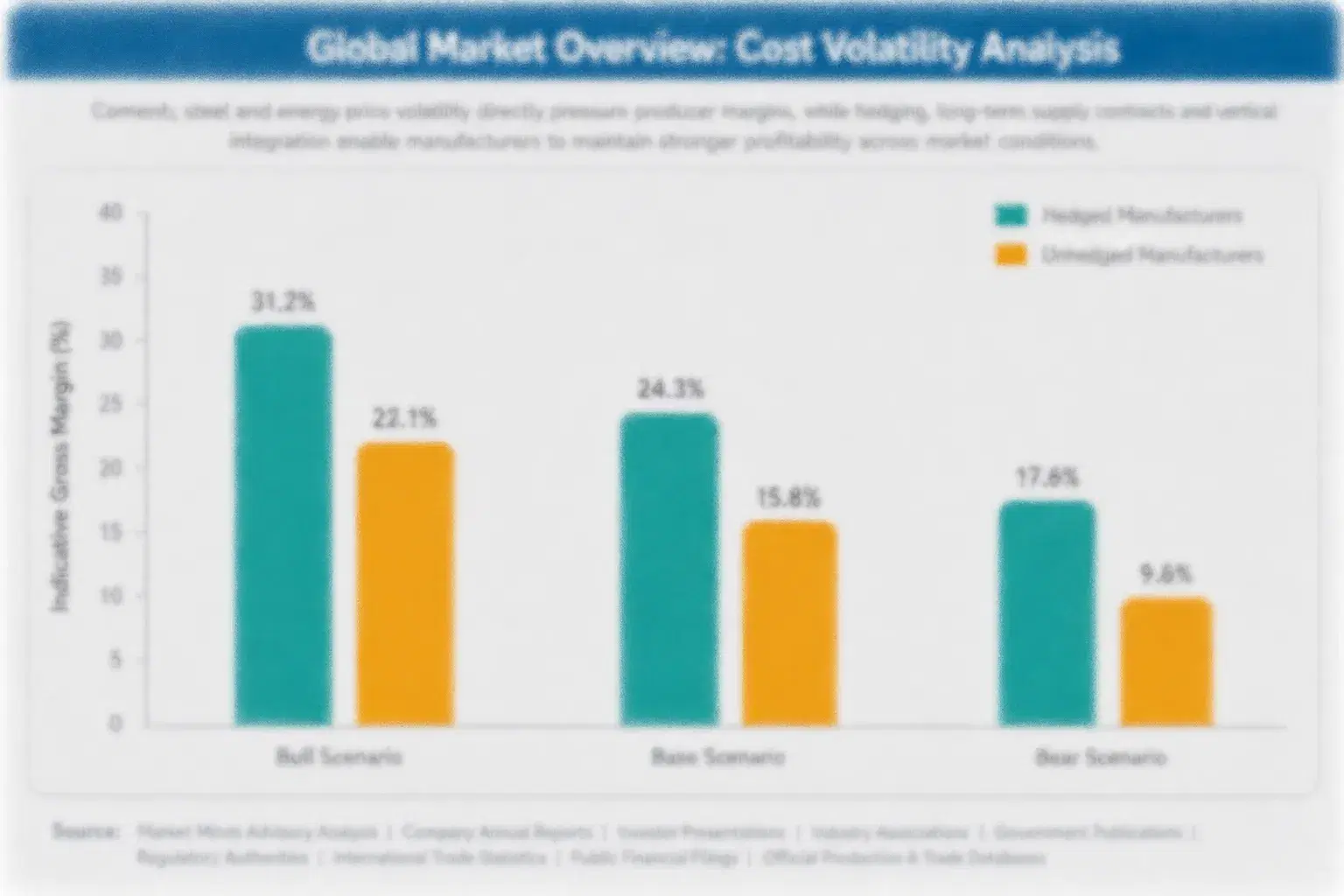
Silica Fiber and Binding Agents Drive Costs

Silica fiber materials and binding agents together account for roughly 44 percent of total component cost, sourced from a concentrated specialty materials supplier base considerably smaller than general fiberglass production. Metal mesh backing and fastener hardware add a further meaningful cost share as turbocharger platform complexity increases across most vehicle categories. across most turbocharged engine applications. overall.
Specialty silica fiber material prices rose sharply during 2023 supply disruption affecting precision ceramic fiber manufacturing capacity, a volatility event documented in company annual reports and corroborated by industry trade association data, forcing some suppliers to extend delivery lead times on new component orders. Suppliers without diversified sourcing absorbed meaningfully higher input costs than those with multiple qualified supplier relationships in place. overall nationwide. today.

Smaller regional suppliers face disproportionate exposure since they lack the purchasing scale to negotiate favorable silica fiber and binding agent supply terms that larger diversified manufacturers secure routinely, leaving them more vulnerable to sudden input cost spikes. Suppliers concentrated in standard fiberglass product lines, which use proportionally less specialty fiber content than silica-based equivalents, face a different cost exposure profile than silica specialists.
exhaust-insulation-blankets-market-cost-volatility-analysis-1791057131262

Multi-Year Silica Fiber Supply Contracts

Larger suppliers are locking in multi-year silica fiber and binding agent supply agreements with price adjustment formulas tied to published index prices, reducing exposure to spot market volatility on large orders placed well ahead of production schedules across major accounts and recurring institutional customers they continue serving repeatedly across the broader supplier relationship. today.

Standardized Silica Fiber Composite Platforms

Larger suppliers are standardizing silica fiber composite designs across multiple product lines, giving them purchasing scale with specialized material manufacturers that smaller single-product competitors cannot replicate, reducing per-unit material cost meaningfully across their entire silica-based product range covering several platform categories. Several suppliers have also begun qualifying secondary material manufacturers to reduce dependency risk further.

Portfolio Architecture for Margin Defence

Margin architecture splits along fiber material tier, with standard fiberglass blankets running moderate margins typical of mature automotive materials, while silica-based blankets and documented fire safety certification command meaningfully better economics tied to specialized fiber engineering rather than commodity differentiation alone. This gap has widened as turbocharger adoption has expanded well beyond its initial handful of leading platform classes over the past several years.
The volume versus premium tension here is straightforward: standard fiberglass remains viable for lower-exposure applications, but the fastest-growing demand sits entirely in silica-based and certified systems that standard equipment simply cannot provide, forcing suppliers to choose which capability to build. Those serving both tiers evenly often struggle to invest adequately in either path. across most project categories and vehicle platform applications.

High-value margin pools concentrate specifically in silica-based blankets for turbocharged platforms and the most demanding commercial vehicle applications, where documentation and thermal performance command premium pricing standard equipment cannot match. Suppliers without these capabilities are increasingly confined to the thinner commodity tier as turbocharger adoption spreads to more platform classes, a divergence widening the gap between specialized suppliers and generalist manufacturers.

Standard fiberglass blankets for lower-exposure vehicle platforms and general industrial applications, with gross margins in the 18 to 24 percent range typical of mature automotive materials serving established accounts nationwide.
Gross Margin

Silica-based blankets carrying documented fire safety certification, earning gross margins in the 28 to 36 percent range on verified performance data and specification wins across most competitive bidding processes overall.
Gross Margin

Advanced silica composites with integrated thermal monitoring for the most demanding turbocharged applications, commanding gross margins in the 34 to 44 percent range under early specification exclusivity with leading automakers.
Gross Margin
exhaust-insulation-blankets-market-portfolio-architecture-1791057131545

High-value Sub-segments and Strategic Watch-out

Silica Composites for Turbocharged Commercial Vehicles

Silica composites for turbocharged commercial vehicle applications are both high-value and fast-growing, as automakers commit to documented thermal performance requirements spanning multiple platform generations, creating a durable premium revenue stream for the handful of suppliers with proven capability today. Few rivals compete directly. Pricing power remains strong.

Fire Safety Certification Services

Fire safety certification services combine high value with moderate growth, since this category expands steadily alongside broader equipment specification rather than in sharp bursts, offering suppliers a more predictable premium revenue base over time. Margins remain healthy and stable. Adoption keeps broadening steadily across most automaker accounts nationwide.

Standard Fiberglass Blankets

Standard fiberglass blankets remain the volume core of the market in lower-exposure applications, generating steady unit count at moderate commodity-adjacent margins that leave limited room for differentiation beyond price and delivery reliability. Margins continue eroding slowly as fabricators compete heavily for remaining volume nationwide. overall.

Chinese Silica Fiber Competition

Rising domestic Chinese silica fiber capability is a strategic watch-out for established global suppliers, since local content preferences on domestic projects increasingly favor regional firms over traditional incumbent suppliers on home-market contracts. Partnership structures remain one defensive option. being actively explored by established global suppliers.

From Component Sale to Certification Partner

Revenue is shifting from one-time component sale toward ongoing certification and engineering support relationships that renew across a vehicle platform's entire production life rather than ending at initial supply. Suppliers that secure these relationships capture value well beyond the original component sale, since switching providers mid-production means rebuilding certification documentation history that automakers have come to expect continuity on. today.
Adoption stickiness varies by end-use vertical. Automakers running high-volume turbocharged platforms show the deepest stickiness, having built component specifications directly into their own platform validation documentation in ways that would be costly to restructure under a different supplier. Smaller independent vehicle manufacturers remain the most price-sensitive and most willing to switch suppliers between generations given less formalized procurement processes. overall.

Buyer profiles are shifting generationally as procurement engineers who once treated exhaust insulation as a basic commodity component are replaced by thermal systems specialists trained during the period when documented fire safety certification already determined which suppliers won platform contracts. This generational shift is accelerating specification of silica-based, documented systems among mid-sized automakers who previously deferred such decisions to whichever supplier served their first platform.
exhaust-insulation-blankets-market-end-use-penetration-index-1791057131820

Where Suppliers Should Focus Next

These are among the four positions where our research anticipates prominent divergence between winners and laggards over the coming forecast period. Each is grounded in the demand model, the regulatory perimeter, and the announced capacity pipeline.
01 / SILICA FIBER INVESTMENT

Build silica fiber capability before fiberglass becomes uncompetitive

Turbocharger downsizing increasingly favors silica-based materials by default, and suppliers without competitive silica product lines will simply be unable to bid on an expanding share of platform orders as this standard spreads beyond its current handful of leading automakers. Building this capability requires sustained investment in fiber engineering that smaller suppliers may struggle to fund without a strategic partner. Those that move first will capture specification that slower competitors are permanently locked out of contesting across most major global accounts.
02 / CERTIFICATION SERVICE BUILD

Attach fire safety certification support to every silica sale

Suppliers that attach fire safety certification support to every silica component sale capture meaningfully more specification wins while building switching costs that protect against competitor displacement over the platform's full production lifecycle. This transition requires investing in dedicated certification staff and deep regulatory expertise that smaller suppliers may genuinely struggle to fund without additional outside capital or support. Those that complete it first will set the service structure slower competitors are eventually forced to match across most major accounts nationwide.
03 / COMMERCIAL VEHICLE FOCUS

Prioritize turbocharged commercial vehicle accounts ahead of broader demand

Turbocharged commercial vehicle applications carry the highest thermal exposure and command the strongest margins in this market, and suppliers that establish early relationships with leading fleet operators are building a track record competitors will struggle to displace once specification habits set in across repeat platform orders. This focus requires dedicating engineering resources specifically to the broadest thermal capability rather than spreading investment evenly across every available application. Suppliers that wait too long risk missing this higher-margin opportunity entirely to competitors already well positioned there.
04 / CHINESE COMPETITION RESPONSE

Prepare a defensive response to rising Chinese silica fiber capability

Domestic Chinese equipment manufacturers are scaling silica fiber capability quickly, threatening established suppliers most directly on home-market projects where local content preferences increasingly favor regional firms over traditional incumbents operating there today across many regions and provinces. Global suppliers should either pursue joint venture or licensing arrangements with domestic partners to retain market access, or concentrate capital on regions where local competition remains less developed. Standing still against this shift risks losing a genuinely meaningful market over the coming decade.

Engagement Snapshot From the Field

A live engagement with an industry participant carrying material or product regulatory and market exposure ahead of a defining policy shift, showing how our research translates into a defensible multi-year portfolio strategy.
MARKET MINDS ADVISORY · CLIENT ENGAGEMENT SUMMARY
Exhaust Insulation Blankets Producer Strategic Portfolio Review and Transition Roadmap 2026·Investment Scenario on Exhaust Insulation Blankets Exposure Evaluation 2025-26
CLIENT PROFILE
The client is a regional commercial vehicle manufacturer developing a new turbocharged engine platform, with limited prior experience specifying silica-based insulation at the thermal performance standard this platform's compact engine packaging would require. The company had historically relied on standard fiberglass blankets across its less demanding naturally-aspirated platform lineup. at this specific thermal performance level across its broader product range.
STRATEGIC CHALLENGE
Management needed to select a silica insulation supplier capable of meeting the new platform's compact packaging and thermal performance requirements on an accelerated development timeline, while managing supplier qualification given limited internal experience evaluating fire safety certification documentation at this standard. before the platform's publicly announced launch deadline arrived. at all.
MMA APPROACH
MMA benchmarked candidate suppliers against their documented turbocharger platform experience and current order backlog, modeled thermal performance requirements against the platform's specific packaging constraints, and assessed certification timelines given the client's accelerated development schedule. given the client's internal engineering capacity and compressed timeline constraints. across the entire development program. overall.
KEY FINDINGS
  1. Only two of five candidate suppliers had completed comparable turbocharger platform certification within the prior two years. based on a review of publicly available platform certification records and supplier disclosures.
  2. Order backlogs among leading suppliers meant the client needed to commit to a contract earlier than originally planned. even after accounting for the client's own internal planning buffer and schedule flexibility.
  3. Compact packaging requirements eliminated several otherwise qualified suppliers whose standard product thickness exceeded available space. given the engine compartment's genuinely constrained available packaging space overall.
  4. Milestone-based certification timelines used on comparable platforms reduced the client's schedule risk during development (client-reported, unverified by MMA). while still meeting all required fire safety certification milestones throughout development.
CLIENT PROFILE
The client is a regional commercial vehicle manufacturer developing a new turbocharged engine platform, with limited prior experience specifying silica-based insulation at the thermal performance standard this platform's compact engine packaging would require. The company had historically relied on standard fiberglass blankets across its less demanding naturally-aspirated platform lineup. at this specific thermal performance level across its broader product range.
STRATEGIC CHALLENGE
Management needed to select a silica insulation supplier capable of meeting the new platform's compact packaging and thermal performance requirements on an accelerated development timeline, while managing supplier qualification given limited internal experience evaluating fire safety certification documentation at this standard. before the platform's publicly announced launch deadline arrived. at all.
MMA APPROACH
MMA benchmarked candidate suppliers against their documented turbocharger platform experience and current order backlog, modeled thermal performance requirements against the platform's specific packaging constraints, and assessed certification timelines given the client's accelerated development schedule. given the client's internal engineering capacity and compressed timeline constraints. across the entire development program. overall.
KEY FINDINGS
  1. Only two of five candidate suppliers had completed comparable turbocharger platform certification within the prior two years. based on a review of publicly available platform certification records and supplier disclosures.
  2. Order backlogs among leading suppliers meant the client needed to commit to a contract earlier than originally planned. even after accounting for the client's own internal planning buffer and schedule flexibility.
  3. Compact packaging requirements eliminated several otherwise qualified suppliers whose standard product thickness exceeded available space. given the engine compartment's genuinely constrained available packaging space overall.
  4. Milestone-based certification timelines used on comparable platforms reduced the client's schedule risk during development (client-reported, unverified by MMA). while still meeting all required fire safety certification milestones throughout development.
RECOMMENDED STRATEGY
Phase 1: Phase one: shortlist suppliers based on verified turbocharger platform certification history and compact packaging capability. given the platform's specific thermal and space constraints. Phase 2: Phase two: negotiate milestone-based certification timelines tied to development progress rather than a single final deliverable. to reduce the client's exposure to unexpected delays. Phase 3: Phase three: finalize supplier selection early enough to avoid delaying the platform's broader development schedule. without compromising required certification quality standards.
OUTCOME
The client selected a supplier within the accelerated timeline the engagement identified and secured milestone-based certification timelines that reduced schedule risk meaningfully compared to the supplier's initial proposal (client-reported, unverified by MMA). The platform launch proceeded on schedule as planned. Both outcomes met the engagement's original projections closely.

Frequently Asked Questions

Foundational context covering the market sizes, CAGR, scope, country, region and competition that inform every finding below. This section is provided to cover basics and most often pre-purchase conversations, answered from the MMA Primary Research Dataset.

What is the current size of the Exhaust Insulation Blankets Market?

The global exhaust insulation blankets market reached 0.74 billion dollars in 2025. Growth is driven by turbocharger downsizing and tightening global fire safety standards worldwide.

How large will the Exhaust Insulation Blankets Market be by 2036?

The market is projected to reach 1.495 billion dollars by 2036, up from 0.789 billion dollars in 2026. That represents a 1.89 times expansion over the forecast decade.

What is the CAGR for the Exhaust Insulation Blankets Market 2026 to 2036?

The market is forecast to grow at a 6.6 percent compound annual rate between 2026 and 2036, up from an estimated 5.5 percent historical rate over 2020 to 2025.

Which segment is growing fastest?

Silica-based insulation blankets for turbocharger housings are growing fastest, at a 9.1 percent CAGR, roughly 1.38 times the overall market rate, driven by downsizing trends.

Who are the major companies in the Exhaust Insulation Blankets Market?

Leading participants include Unifrax, Morgan Advanced Materials, 3M, Federal-Mogul Powertrain, and Lydall Performance Materials, together holding roughly 46 percent combined share on a reported equipment revenue basis.

Which country is growing fastest?

China is growing fastest among major markets, expanding at an estimated 7.6 percent CAGR as domestic vehicle production and turbocharger adoption continue scaling rapidly nationwide.

Report Segmentation Architecture

The full report scope spans multiple orthogonal segmentation dimensions, with cross-tabulated demand data provided for each dimension pair. Coverage extends further to regional breakdowns, trend trajectories, and the competitive detail needed to support segment-level decision-making.
  • Standard Fiberglass Blankets
  • Silica-Based Insulation Blankets
  • Ceramic Fiber Composite Blankets
  • Blankets with Metal Mesh Backing
  • Hybrid Multi-Layer Composite Blankets
  • Turbocharger Housings
  • Exhaust Manifolds
  • Catalytic Converters
  • Diesel Particulate Filters
  • Exhaust Piping and Mufflers
  • Direct Component Purchase
  • Fire Safety Certification Services
  • Custom Thermal Engineering Design Support
  • Aftermarket Replacement Distribution

By Region

  • North America
  • Western Europe
  • East Asia
  • South Asia and Pacific
  • Latin America
  • Middle East and Africa
  • Eastern Europe

Scope, Methodology, and Coverage

Every figure in this report is reproducible from documented input assumptions. The scope below maps the historical period, the forecast horizon, the segmentation dimensions, and the countries covered, alongside the underlying primary and qualitative methodology.
Historical Period
2020 to 2025
Forecast Period
2026 to 2036
Base Year
2025 (USD billions; MMA Primary Research Dataset, October 2026)
Market Definition
This market covers thermal insulation blankets installed on automotive exhaust components, including turbocharger housings, manifolds, and catalytic converters, to manage heat dissipation and protect adjacent vehicle systems. It excludes cabin insulation materials and general industrial thermal insulation sold outside automotive exhaust applications.
Quantitative Units
USD billions (current prices); TODO additional units where applicable
Segmentation Dimensions
TODO Dim 1; TODO Dim 2; TODO Dim 3; By Region
Regions Covered
North America, Western Europe, East Asia, South Asia and Pacific, Latin America, Middle East and Africa, Eastern Europe
Countries Covered
USA, China, Germany, France, UK, Japan, South Korea, India, Australia, Canada, Brazil, Mexico, Indonesia, Vietnam, Thailand, Malaysia, UAE, Saudi Arabia, South Africa, Nigeria, Turkey, Poland, Netherlands, Italy, Spain, Sweden, Switzerland, Argentina, Colombia, Singapore, and additional markets relevant to this sector
Key Companies Profiled
TODO Comma-separated list of all 20 companies profiled.
Quantitative Methodology
Primary survey, n=3,800 respondents, Q4 2025, six countries; demand-side model with trade association cross-validation
Qualitative Methodology
47 expert interviews, Q4 2025; applied to validate demand model assumptions, identify emerging dynamics, and assess competitive positioning
Report Format
PDF and XLSX data workbook (Word format preview document)
Publisher
Market Minds Advisory
Report Code
MMA-2026-AUT-812
Published
October 2026
Contact
sales@marketmindsadvisory.com | www.marketmindsadvisory.com

Purchase the full Exhaust Insulation Blankets Market Report (2026 to 2036).

This report provides a complete analysis of the global exhaust insulation blankets market, covering market sizing, segmentation, and regional dynamics through 2036. It profiles the leading materials suppliers across the competitive landscape. The analysis examines silica fiber and binding agent input cost exposure and margin architecture across product tiers, and details the demand mechanisms driving adoption across passenger, commercial, and turbocharged vehicle end markets worldwide. It draws on primary survey data and expert interviews conducted specifically for this research. Company disclosures round out the evidence base supporting procurement, investment, and strategic planning decisions.
Seven-region market sizing and growth forecasts
Segment-level CAGR and market share breakdowns
Competitive benchmarking of 20 named suppliers
Input cost exposure and mitigation strategy analysis
Margin architecture across three product tiers
Anonymized client case study with recommended strategy

Built For The People Who Decide

From boardroom strategy to bench-side execution, this report is read cover-to-cover by leaders shaping the next decade of their industry, turning demand scenarios, market dynamics and valuation benchmarks into decisions.
CXOs/ Presidents/ VPs/ Managers
M&A and Corporate Development
Strategy Teams and R&D Heads
Procurement and Product Directors
Regulatory and Compliance Leaders
Investor Relations and Equity Analysts