Market Minds Advisory
Evaporated Filled Milk Market

Evaporated Filled Milk Market: Affordability Economics, Foodservice Expansion, and Competitive Dynamics Through 2036.

Coffee, tea, and foodservice manufacturers across Southeast Asia, the Middle East, and Africa continue relying on evaporated filled milk as an affordable, shelf-stable dairy substitute, reshaping regional procurement strategy as fresh milk infrastructure gradually expands.

Lead Analyst

Published

September 2026

Make Smarter Decisions with Customized Research Insights

Request a free sample report and evaluate market opportunities, growth trends, and competitive dynamics relevant to your business needs.

2025 MARKET VALUE$2.6BMarket Size 2025
2036 FORECAST VALUE$4.8BBase Case , 2026 to 2036
CAGR 2026 TO 20365.8 %Bull 7.0% / Bear 4.6%
INCREMENTAL OPPORTUNITY$2.1BNet 10- year value creation
EXPANSION MULTIPLE1.76x2036 value over 2026 base
Strategic Levers
M&A Pipeline
Regional Outlook
Country Rankings
Competitive Intelligence
Segmental Deep-dive
Call-Us : 91 93563 13602

Executive Snapshot and Market Trajectory.

Evaporated filled milk demand remains resilient across price-sensitive markets lacking dependable cold-chain infrastructure, as coffee, tea, and foodservice manufacturers continue favoring its shelf-stable affordability over fresh dairy alternatives, sustaining production investment across Southeast Asian and African processing hubs and export corridors nationwide this current cycle and well beyond.
South Asia and Pacific supplies the largest share of global demand, anchored by Alaska Milk Corporation's dominant Philippine market position and broader Southeast Asian coffee and tea culture, while foodservice and catering applications grow fastest as quick-service restaurant expansion across emerging markets drives bulk institutional purchasing and menu standardization nationwide and abroad, and Middle Eastern and African processors sustain a distinct, steadily growing contribution through established regional tea-culture consumption patterns nationwide.
The supply base mixes large regional dairy processors against multinational brands, with Alaska Milk and Nestlé commanding meaningful branded retail volume while SADAFCO and FrieslandCampina WAMCO Nigeria manage dominant distribution across Middle Eastern and West African markets. That split is widening as food safety labeling requirements distinguishing filled milk from whole evaporated milk become considerably harder for smaller regional processors to satisfy consistently without dedicated compliance investment.
Market Definition
This market covers evaporated filled milk, a shelf-stable canned dairy product made by blending skim milk with vegetable fat and evaporating a portion of the water content, sold into coffee, tea, baking, cooking, and foodservice applications worldwide. It excludes whole evaporated milk made entirely from dairy fat, sweetened condensed milk, and fresh or UHT liquid milk products.
Base Year Value
$2.6B in 2025 (MMA Primary Research Dataset, September 2026)
Forecast Period
2026 to 2036, eleven discrete annual values
CAGR
5.8% base case. Bull 7.0%. Bear 4.6%.
Fastest Growth Segment
Foodservice and Catering Applications: 8.0% CAGR
Fastest Growth Country
Philippines: 7.5% CAGR
Fastest Growth Region
South Asia and Pacific: 7.6% CAGR
Largest Region
South Asia and Pacific: 28% of 2025 global value
Market Leaders
Alaska Milk Corporation, Nestlé S.A., SADAFCO, FrieslandCampina WAMCO Nigeria, Dutch Lady Milk Industries. Source: MMA Analysis based on company annual reports.
Primary Survey
n=3,800 procurement and R&D decision-makers, Q4 2025, six countries
Methodology
Demand-side build-up, cross-validated against public data, 47 expert interviews

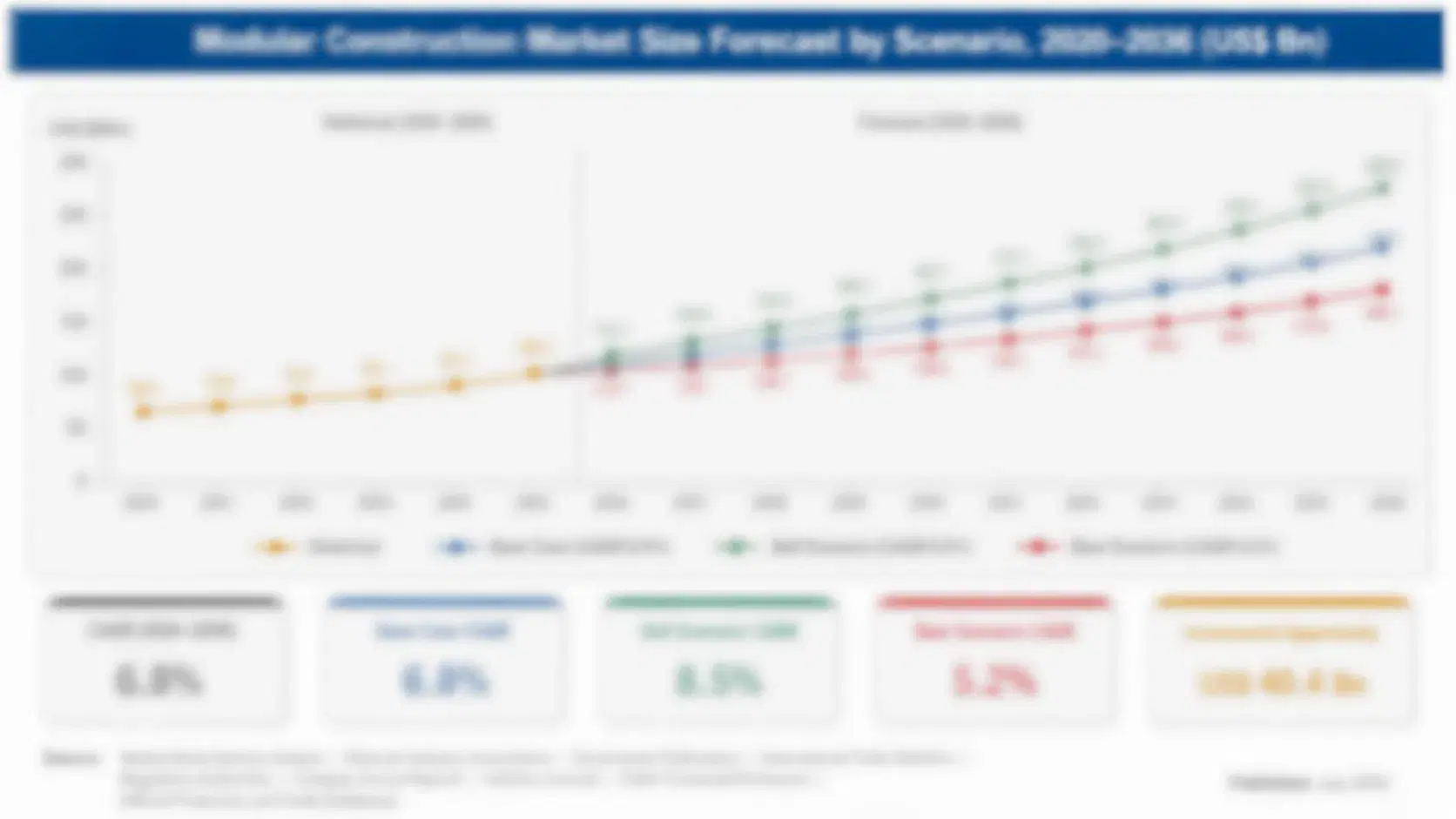
Evaporated Filled Milk Market Forecast Scenarios

evaporated-filled-milk-market-size-forecast-scenario-1789899023979
Global evaporated filled milk demand grew steadily between 2020 and 2025, as coffee, tea, and foodservice manufacturers across price-sensitive markets sought affordable, shelf-stable dairy alternatives amid limited cold-chain infrastructure in many producing and consuming regions alike, with historical growth running near five percent annually across most consuming markets throughout the period and into the current cycle.
The base case assumes continued cost sensitivity in Southeast Asian, Middle Eastern, and African markets sustains evaporated filled milk demand across coffee, tea, and foodservice channels, growing quick-service restaurant expansion across emerging markets drives bulk institutional purchasing meaningfully across most major cities, and gradual cold-chain infrastructure improvement in select markets shifts some volume toward fresh dairy alternatives over time, collectively supporting steady demand growth through the coming decade and well beyond current forecasts.
A bull scenario hinges on accelerated foodservice sector expansion across Sub-Saharan Africa pulling demand well above current projections as regional quick-service chains scale rapidly across major metropolitan markets and secondary cities alike, while the bear risk centers on faster-than-expected cold-chain infrastructure investment displacing evaporated filled milk with fresh dairy alternatives across several key consuming markets nationwide.

Affordability Economics Drive Persistent Regional Demand

Evaporated filled milk occupies a durable niche in global dairy trade: an affordable, shelf-stable substitute for whole evaporated milk, blending skim milk powder with vegetable fat to reach price points conventional dairy simply cannot match in cost-sensitive markets across most consuming regions worldwide. That positioning shapes almost every purchasing decision buyers make, from can-size specification to distribution strategy in regions lacking consistent refrigerated retail infrastructure and reliable cold storage capacity.
MARKET CONCENTRATIONCR5 34%moderately fragmented across regional processors and multinational brands
AVERAGE RETAIL PRICE$1.80-$2.60/canaffordability positioning targets cost-sensitive consumer segments broadly worldwide
TOP CONSUMING COUNTRY SHAREPhilippines, ~18%coffee and tea culture drives outsized per-capita consumption levels
SHELF LIFE UNDER STORAGE9-15 monthsextended shelf stability supports distribution to remote markets
VEGETABLE FAT COST SHARE35-43%palm oil blend inputs dominate total processing cost base
COLD-CHAIN INDEPENDENCEVery Highshelf-stable format eliminates refrigerated distribution infrastructure requirements entirely
Distribution strategy varies sharply by market maturity. Established Southeast Asian and Middle Eastern markets rely on dense retail and informal trade networks built over decades of accumulated commercial relationships and consumer trust, while African markets increasingly depend on regional processors like FrieslandCampina WAMCO Nigeria to reach distribution points beyond major urban centers where cold-chain infrastructure remains genuinely limited and unevenly developed across most rural districts.
Cold-chain infrastructure investment increasingly determines category ceiling over the next decade. Markets where refrigerated retail expands fastest gradually shift volume toward fresh dairy alternatives, while markets with persistent cold-chain gaps sustain evaporated filled milk's affordability advantage indefinitely, particularly across rural and secondary-city retail networks nationwide and beyond current urban distribution centers.
"Evaporated filled milk does not need refrigeration, and neither does the market for it. That is precisely why it keeps outlasting every fresh-dairy prediction meant to replace it."
Director, Dairy Ingredients and Emerging Markets Practice · MMA Agriculture and Food Practice · September 2026

Market Trends

Quick-Service Restaurant Expansion Drives Bulk Purchasing

Quick-service restaurant chains expanding across Southeast Asia, the Middle East, and Sub-Saharan Africa are standardizing evaporated filled milk in coffee and dessert menu items, tracked through foodservice industry supplier disclosures and regional trade publications, as chains prioritize cost consistency across multi-country operations spanning varied dairy infrastructure and supply chain maturity levels across most markets and territories. This standardization is measurable in bulk institutional contract volumes negotiated between regional processors and major restaurant chains, pushing several manufacturers to develop dedicated foodservice-grade packaging formats distinct from retail consumer cans sold across most markets nationwide.
Market Impact: Adds 8% incremental beverage segment demand

Gradual Cold-Chain Expansion Threatens Long-Term Category Ceiling

Cold-chain retail infrastructure is gradually expanding across several major evaporated filled milk consuming markets, tracked through national refrigerated retail investment data and dairy industry trade reports published regularly each year across most tracked regions and countries, enabling fresh milk and UHT alternatives to reach previously underserved secondary cities and rural distribution points across most emerging markets. This infrastructure expansion is measurable in declining evaporated filled milk volume share within specific urban retail categories where refrigerated alternatives have become newly available, though rural and lower-income segments continue favoring the shelf-stable format nationwide.
Market Impact: Adds 6% institutional procurement volume

Market Opportunities and Growth Drivers

Rising Coffee and Tea Consumption Across Emerging Markets

Coffee and tea consumption continues expanding across Southeast Asia, the Middle East, and Sub-Saharan Africa, tracked through national beverage industry statistics and trade association reports published regularly each year across most tracked countries, directly increasing demand for evaporated filled milk as the standard whitening agent in both household and foodservice preparation across most consuming markets. This demand growth is measurable in packaged goods sales data showing steady volume growth across major regional retail chains, particularly in markets where coffee culture is expanding fastest among younger urban consumers seeking affordable daily beverage options nationwide.
Market Impact: Limits premium pricing to 5 percent

Government Food Security Programs Support Affordable Dairy Access

Several national governments across Africa and South Asia have expanded food security and nutrition assistance programs that include evaporated filled milk as an affordable dairy protein source, tracked through published government procurement and distribution program budgets and annual reports covering most participating agencies, regional ministries, and local distribution departments nationwide. These programs specifically target lower-income households lacking regular access to fresh dairy, increasing institutional and bulk purchasing volume that private processors are capturing through dedicated government supply contracts across multiple participating countries and regional distribution networks nationwide currently and consistently.
Market Impact: Erodes urban volume by 3 percent

Market Restraints and Challenges

Consumer Health Perception Limits Premium Retail Positioning

Evaporated filled milk carries a persistent value or budget-product perception among consumers, rooted in its vegetable-fat substitution and lower price point relative to whole evaporated milk, which limits brands' ability to command premium retail positioning even where product quality meets equivalent food safety standards across most retail categories nationwide. The root cause traces to decades of marketing that emphasized affordability over any other product attribute across most established consuming markets. Some processors are exploring premium sub-brand positioning emphasizing nutritional fortification as a mitigation pathway, though consumer perception shifts slowly across established categories.
Market Impact: Adds 9% incremental foodservice segment volume

Cold-Chain Expansion Gradually Erodes Category Volume

Gradual cold-chain retail infrastructure expansion across urban centers in several major consuming markets is slowly shifting middle-income consumers toward fresh milk and UHT alternatives, a persistent headwind that no marketing investment can fully reverse once refrigerated retail becomes reliably available and affordable at meaningful scale. This shift is most pronounced in urban markets where disposable income growth accompanies infrastructure investment. Processors are addressing this through continued focus on rural and lower-income urban segments where cold-chain access remains limited, a mitigation pathway that sustains volume even as urban categories shrink gradually.
Market Impact: Shifts 4% of urban volume nationwide
3 additional market trends, 4 additional growth drivers, and 3 additional restraints and challenges are covered in the full report. Contact sales@marketmindsadvisory.com to access the complete intelligence.

Segment CAGR and Growth Architecture

Segmentation follows end-use application, the dimension that most directly determines can-size specification, buyer procurement pattern, and price sensitivity across coffee, tea, baking, cooking, and institutional applications of evaporated filled milk sold into cost-sensitive global markets, reflecting how differently each application values affordability against functional consistency, packaging format, and distribution reach across most regions worldwide.
evaporated-filled-milk-market-market-share-analysis-1789899024247

Foodservice and Catering Applications

Foodservice and catering applications are growing fastest as quick-service restaurant chains expand rapidly across Southeast Asia, the Middle East, and Sub-Saharan Africa, standardizing evaporated filled milk in coffee and dessert menu items to maintain cost consistency across multi-country operations spanning varied dairy infrastructure and supply chain maturity levels across most franchise networks and territories. Foodservice buyers increasingly specify bulk institutional packaging formats distinct from retail consumer cans, a formulation and packaging discipline pushing suppliers toward dedicated foodservice-grade product lines rather than repackaged retail commodity supply. Growth concentrates among regional quick-service chains rather than global franchise operators, who remain more attached to fresh dairy sourcing in flagship markets with established cold-chain infrastructure.
CAGR 8.0%

Dessert and Ice Cream Applications

Dessert and ice cream applications represent the second-fastest-growing segment, as expanding dessert culture across urban Southeast Asian and Middle Eastern markets pulls evaporated filled milk demand toward formulations optimized for frozen dessert texture and mouthfeel rather than beverage whitening alone across most retail dessert categories, packaged snack lines, and bakery counters nationwide. Dessert manufacturers increasingly work directly with regional processors to customize fat content specifications for specific product lines, a shift raising average contract value even as unit volumes grow steadily across the category. Growth concentrates among independent dessert brands rather than multinational ice cream manufacturers, who remain more attached to whole dairy formulations for premium product positioning in established markets.
CAGR 7.2%
Full segment breakdown across 6 segments available in the complete report.

Regional Architecture and Country Demand Map

Regional shares reflect where evaporated filled milk demand concentrates globally, with South Asia and Pacific leading given Southeast Asian coffee and tea culture and Alaska Milk Corporation's dominant Philippine market position, followed by East Asia and Western Europe as secondary demand centers worldwide across most consuming markets.

North America

The United States contributes a modest and largely declining share of global evaporated filled milk demand, given its well-developed cold-chain infrastructure and consumer preference for fresh dairy and whole evaporated milk over vegetable-fat blended alternatives across most mainstream grocery categories and distribution channels nationwide and beyond current retail formats and store layouts. Canada contributes minimal additional volume through similar market dynamics, with evaporated filled milk occupying a narrow niche among cost-sensitive consumers and specific ethnic grocery segments across major metropolitan areas and immigrant communities. Neither country functions as a significant production hub, since domestic manufacturers focus primarily on whole evaporated milk and other higher-margin dairy categories serving broader consumer demand nationwide.
Share: 22% | CAGR: 4.3% (2026 to 2036)

Western Europe

The United Kingdom and Ireland contribute modest regional demand through historical colonial-era trade connections that established evaporated filled milk consumption patterns still present among older consumers and specific ethnic communities across major metropolitan areas and former colonial trading partners nationwide and beyond. Germany and France contribute minimal direct consumption, given their well-developed dairy processing sectors and consumer preference for fresh and UHT whole milk products over vegetable-fat blended alternatives across most retail categories and supermarket chains nationwide and abroad. The Netherlands contributes modest production and trading capacity through established dairy ingredient export infrastructure, supplying select African and Middle Eastern markets from European processing facilities and distribution hubs built over many decades.
Share: 18% | CAGR: 4.0% (2026 to 2036)
Regional intelligence for 5 additional markets available in the complete report: East Asia, South Asia and Pacific, Latin America, Middle East and Africa, Eastern Europe. Contact sales@marketmindsadvisory.com.
evaporated-filled-milk-market-country-cagr-analysis-1789899024520

Where Evaporated Filled Milk Brands Capture Margin

Margin expansion concentrates around three commercial mechanisms: dedicated foodservice-grade packaging for quick-service restaurant chains prioritizing cost consistency across multi-country operations, premium sub-brand positioning that shifts consumer perception beyond pure affordability considerations entirely, and dessert-application formulation that captures higher contract value than commodity beverage whitening across the coming decade and well beyond current market forecasts.

Dedicated Foodservice-Grade Packaging Development and Investment Program

Processors developing dedicated bulk institutional packaging specifically for quick-service restaurant chains capture contract volume that standard retail consumer cans cannot efficiently serve, given fundamentally different handling and dispensing requirements in commercial kitchens and food preparation areas across most markets and countries. This packaging pathway typically commands a 10 to 15 percent price premium per unit volume compared to standard retail cans, reflecting the specialized packaging engineering and bulk logistics investment required. Building relationships with multi-country restaurant chains requires meaningful minimum order commitments that smaller regional processors often struggle to meet consistently.
Market Impact: Commands a 10 to 15 percent price premium

Premium Sub-Brand Positioning Beyond Pure Affordability

Brands developing premium sub-brand lines emphasizing nutritional fortification and quality certification capture retail placement and pricing that standard value-positioned products cannot access, since some consumers are willing to pay more for evaporated filled milk perceived as higher quality despite similar underlying formulation and ingredient sourcing practices. This positioning pathway typically commands a 15 to 20 percent price premium over standard commodity products, reflecting the marketing investment and packaging redesign required to shift established consumer perception. Building credible premium positioning requires sustained marketing investment that smaller regional brands often cannot justify.
Market Impact: Commands a 15 to 20 percent price premium

Dessert Application Formulation Specialization and Investment Strategy

Processors developing formulations specifically optimized for frozen dessert texture and mouthfeel capture higher contract value from dessert manufacturers than standard beverage-whitening product specifications allow across most retail dessert categories, packaged snack lines, bakery counters, and convenience retail nationwide and well beyond. This specialization pathway typically commands a 12 to 18 percent price premium over standard commodity-grade product, reflecting the formulation expertise and technical support dessert manufacturers require to hit precise texture specifications. Building this capability requires dedicated technical formulation staff that smaller regional processors often lack the resources to maintain consistently.
Market Impact: Commands a 12 to 18 percent price premium

Government Procurement Program Supply Relationship Development

Processors building dedicated supply relationships with government food security and nutrition assistance programs capture stable, predictable institutional volume that private retail sales cannot guarantee given their inherent demand volatility across most retail seasons. These government contracts typically provide multi-year volume commitments at negotiated pricing roughly 8 to 10 percent below open retail rates, reducing the sales and marketing investment required relative to building equivalent volume through fragmented retail channels. Establishing these relationships requires navigating government procurement processes and documentation requirements that smaller processors often find genuinely difficult to complete successfully.
Market Impact: Cuts marketing cost by 8 to 10 percent

Who Controls the Margin Pool

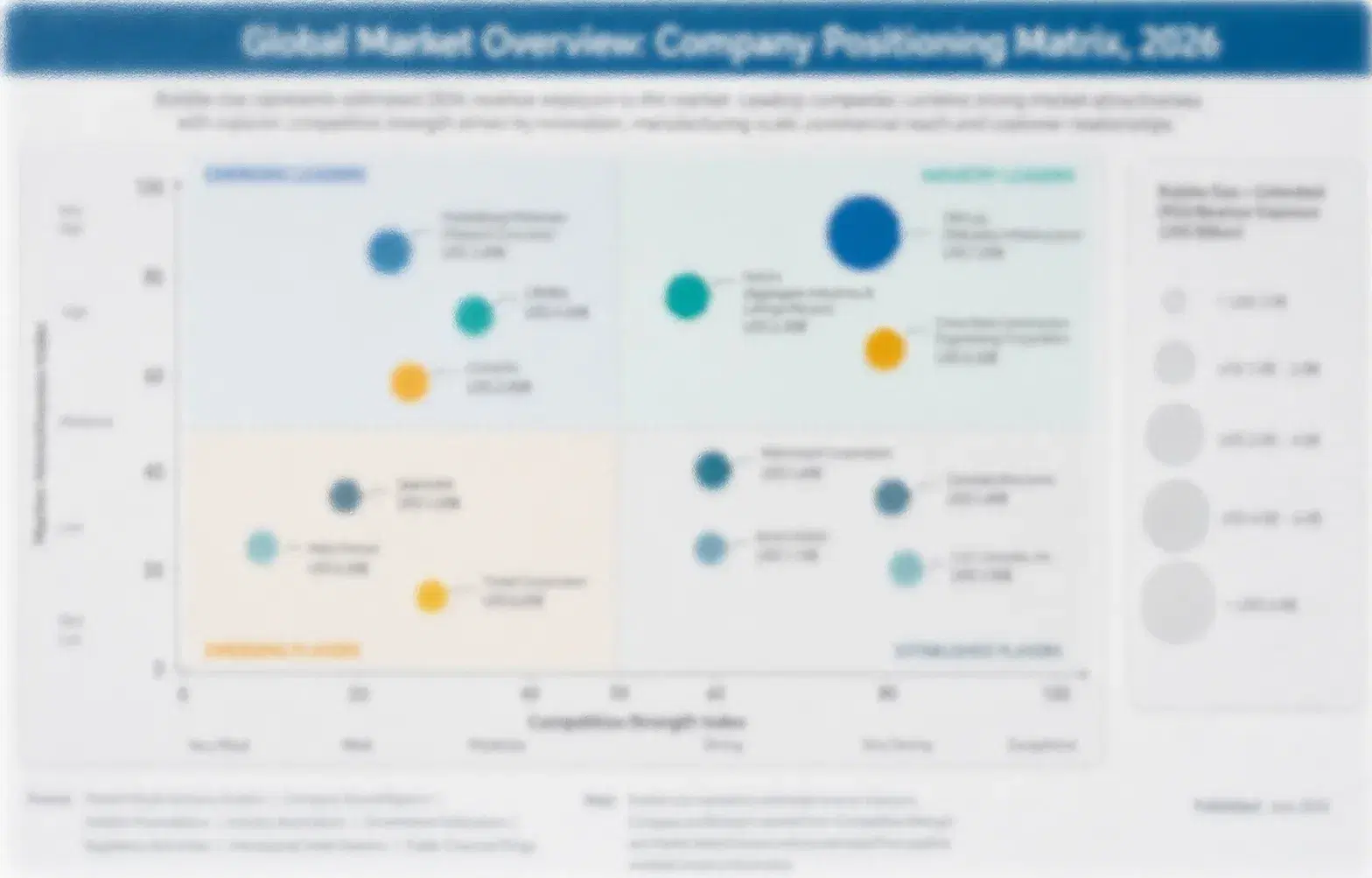
The global evaporated filled milk market is moderately fragmented, with the top five participants holding just over a third of measured production volume on a shipment-tonnage basis, and a meaningful gap separates dominant regional processors like Alaska Milk and SADAFCO from smaller local brands still building distribution beyond their home markets and neighboring territories. That gap reflects genuine distribution and brand recognition advantages rather than marketing spend alone.
Current competitive activity concentrates around three dimensions: dedicated foodservice packaging development to capture quick-service restaurant contracts, premium sub-brand positioning to shift perception beyond pure affordability, and dessert-application formulation specialization that commands higher contract value across most retail categories. Processors competing purely on commodity pricing increasingly struggle against differentiated regional brands with established distribution and consumer trust.

Emerging pressure is coming from quick-service restaurant private-label supply arrangements entering the category faster than traditional branded manufacturers can respond, a shift that could reshuffle where category revenue concentrates over the next several years across most major consuming markets. Regional processors expanding into neighboring countries are also beginning to capture share previously held entirely by established multinational brands, a trend worth monitoring closely.
evaporated-filled-milk-market-company-positioning-matrix-1789899024841

Competitive Moat and Risk Dimensions

ALASKA MILK CORPORATION

Moat: Dominant Philippine market position

Alaska Milk Corporation's decades-long brand dominance in the Philippines gives it distribution relationships and consumer trust that international entrants cannot replicate quickly, letting it maintain pricing power and shelf space that competing brands struggle to challenge even with comparable product quality and sustained marketing investment over time.
ALASKA MILK CORPORATION

Risk: Limited geographic revenue diversification

Alaska Milk's revenue remains heavily concentrated in the Philippines, leaving it more exposed to domestic economic conditions and regulatory shifts than multinational competitors with diversified regional revenue streams, a vulnerability that limits its ability to offset weakness in its core market through other territories and export channels.
SADAFCO

Moat: Established Gulf distribution network

SADAFCO's decades-long presence across Saudi Arabia and the broader Gulf region gives it distribution relationships and retail shelf placement that international entrants cannot easily replicate, letting it maintain dominant market share in a category where established consumer trust matters considerably more than product differentiation or price competition.
SADAFCO

Risk: Geographic concentration risk

SADAFCO's revenue remains heavily concentrated in Saudi Arabia and neighboring Gulf markets, leaving it more exposed to regional economic conditions and shifting government food security policy than multinational competitors with more geographically diversified revenue streams spanning multiple continents and distinct consumer and retail markets worldwide.

Players Tracked

Prominent Players

Alaska Milk Corporation
Nestlé S.A.
SADAFCO
FrieslandCampina WAMCO Nigeria PLC
Dutch Lady Milk Industries Berhad

Other Key Players

National Food Products Company PJSC
Universal Robina Corporation
Magnolia Inc (San Miguel Corporation)
Danone S.A.
Al Safi Danone
Almarai Company
Promasidor Holdings
Fan Milk Limited
Olam Agri
Charoen Pokphand Foods PCL
Nutriops SL
Lactalis Ingredients
Arla Foods amba
Emmi AG
Indofood CBP Sukses Makmur Tbk

Recent Developments

FEBRUARY 2026

Alaska Milk Expands Foodservice-Grade Packaging Capacity

Alaska Milk Corporation announced expanded foodservice-grade packaging production specifically for quick-service restaurant chains, aiming to capture growing institutional demand across Southeast Asian markets and neighboring territories. The expansion adds dedicated bulk packaging lines distinct from retail consumer cans this fiscal year across multiple production facilities.
Signal: Signals growing manufacturer investment in dedicated foodservice packaging capacity across most Southeast Asian markets this current fiscal cycle.
OCTOBER 2025

SADAFCO Secures Expanded Government Supply Agreement

SADAFCO secured an expanded government supply agreement covering multiple food security and nutrition assistance programs across Saudi Arabia, locking in predictable institutional volume over the coming several years across most participating regions. The agreement reflects sustained government reliance on evaporated filled milk as an affordable dairy protein source.
Signal: Confirms government procurement channels are becoming increasingly important revenue sources for major suppliers nationwide this current cycle.
JUNE 2025

FrieslandCampina WAMCO Nigeria Launches Premium Sub-Brand

FrieslandCampina WAMCO Nigeria launched a premium sub-brand extension of its Peak Milk line targeting fortified nutritional positioning beyond standard affordability marketing, aiming to capture middle-income consumers willing to pay more for perceived quality. The launch represents an early test of premium positioning in a historically value-focused category.
Signal: Indicates established brands are increasingly testing premium positioning strategies beyond traditional affordability marketing nationwide currently and consistently.

Vegetable Fat and Skim Milk Cost Drivers

Vegetable fat, primarily palm oil, represents 35 to 43 percent of total production cost for evaporated filled milk, sourced predominantly from Southeast Asian plantation processors and their established trading relationships, with the remainder split across skim milk powder inputs, canning and packaging, and logistics required to distribute finished product across price-sensitive markets nationwide and their secondary cities and rural districts.
Palm oil prices rose sharply during 2024 amid Indonesian export policy shifts and reduced planting following prior weather disruption to plantation yields, a volatility event documented in industry trade reports and confirmed by rising futures prices tracked on major commodity exchanges, compressing margins across processors who could not immediately pass costs through to price-sensitive consumers operating under tight household budgets across most consuming markets and income segments.

Cost exposure varies meaningfully by player type. Vertically integrated processors with direct palm oil and dairy sourcing relationships absorb volatility more evenly than pure trading intermediaries reliant on spot-market purchases, a disadvantage particularly acute for smaller regional brands competing against larger established suppliers with longer-term forward contracts and diversified sourcing geographies across multiple producing countries and continents worldwide.
evaporated-filled-milk-market-cost-volatility-analysis-1789899025165

Multi-Origin Palm Oil Sourcing Diversification

Larger processors are diversifying palm oil sourcing across Malaysia, Indonesia, and secondary Southeast Asian producers rather than depending on a single country, reducing exposure to any one nation's export policy decisions or weather-driven plantation yield disruption, and providing more predictable input cost planning across annual contract negotiation cycles with major distributors and regional buyers.

Long-Term Forward Purchase Contracts

Larger processors are locking in multi-year forward purchase agreements for both vegetable fat and skim milk powder inputs, reducing spot-market exposure and providing more predictable cost forecasting for annual pricing and product development planning cycles across coffee, tea, and foodservice product categories nationwide, while also stabilizing supplier relationships and production planning over time and scale.

Regional Production Localization Investment

Processors are investing in localized production facilities closer to end markets rather than relying entirely on imported finished product, reducing shipping cost exposure and currency fluctuation risk while preserving margin without passing full cost increases through to price-sensitive consumers immediately during periods of tight input availability and elevated global commodity pricing worldwide and regionally.

Portfolio Architecture for Margin Defence

Evaporated filled milk's portfolio economics span a range from thin-margin commodity retail cans to meaningfully higher-margin foodservice and dessert-application formulations commanding premium contract pricing, creating a three-tier architecture where processors decide how much capital to commit to specialized packaging and formulation capability versus defending existing commodity volume. Margin economics differ sharply by tier, with foodservice and dessert formats commanding roughly two times the gross margin of standard retail cans.
The volume versus premium tension is sharpest for processors serving price-sensitive household retail channels, where raising prices to fund packaging innovation risks losing share to lower-cost commodity competitors, while suppliers serving foodservice and dessert manufacturers face considerably less of that constraint given the premium those buyers already pay for specialized formulation. Balancing both channels separates resilient processors from those exposed to a single demand pattern.

High-value margin pools concentrate clearly in foodservice packaging and dessert-application formulations, where technical differentiation and bulk contract relationships limit competitive entry and support pricing that standard retail cans cannot sustain given their different buyer positioning and purchasing occasion. Processors building presence across both foodservice and retail segments are best positioned to fund innovation without depending on either pool alone.

Volume / Commodity-Adjacent Tier

Commodity-grade evaporated filled milk sold primarily to household and small-retail buyers on standardized specifications, competing largely on price and distribution reach rather than functional differentiation, premium positioning, or specialty certification.
Gross Margin: 8%-14%

Premium / Certified Tier

Foodservice-grade and premium sub-brand formulations sold directly to quick-service restaurant chains and quality-conscious retail buyers, commanding meaningfully higher prices than standard commodity cans across most contract negotiations and retail categories.
Gross Margin: 18%-26%

Sustainability / Regulatory / Next-Generation Tier

Next-generation fortified and dessert-optimized formulations targeting nutritional positioning and specialty food manufacturing applications, requiring higher upfront formulation investment but capturing considerably more retail and contract value than commodity trading alone allows.
Gross Margin: 22%-30%
evaporated-filled-milk-market-portfolio-architecture-1789899025483

High-value Sub-segments and Strategic Watch-out

Foodservice-Grade Packaging Formats

Foodservice-grade formulations capturing premium contract value across expanding quick-service restaurant chains, combining high growth with meaningfully elevated margin versus commodity retail cans as packaging specialization investment continues deepening across most major restaurant brands and franchise networks nationwide this cycle and well beyond current forecasts and projections.
Gross Margin: 20%-27%

Dessert-Optimized Formulations

Dessert-optimized formulations capturing incremental margin as dessert culture expands across urban Southeast Asian and Middle Eastern markets, growing steadily though constrained by limited formulation expertise among smaller regional processors and specialty ingredient suppliers nationwide currently and well beyond current market forecasts, projections, expectations, and industry estimates.
Gross Margin: 22%-29%

Commodity Household Retail Cans

Commodity-grade household retail supply representing the volume core of the evaporated filled milk category, generating the bulk of total category revenue despite thin per-unit margins through sheer transaction scale across most established consuming markets nationwide this cycle and well beyond current forecasts, projections, and expectations.
Gross Margin: 8%-13%

Quick-Service Private-Label Disruption

A strategic watch-out segment where quick-service restaurant private-label supply arrangements could pull meaningful share away from established branded manufacturers faster than currently assumed, though commercial traction remains genuinely uncertain given existing brand loyalty and long-standing supplier relationships across most consuming markets nationwide currently and going forward.
Gross Margin: 14%-22%

Why Affordability Sustains Repeat Purchase

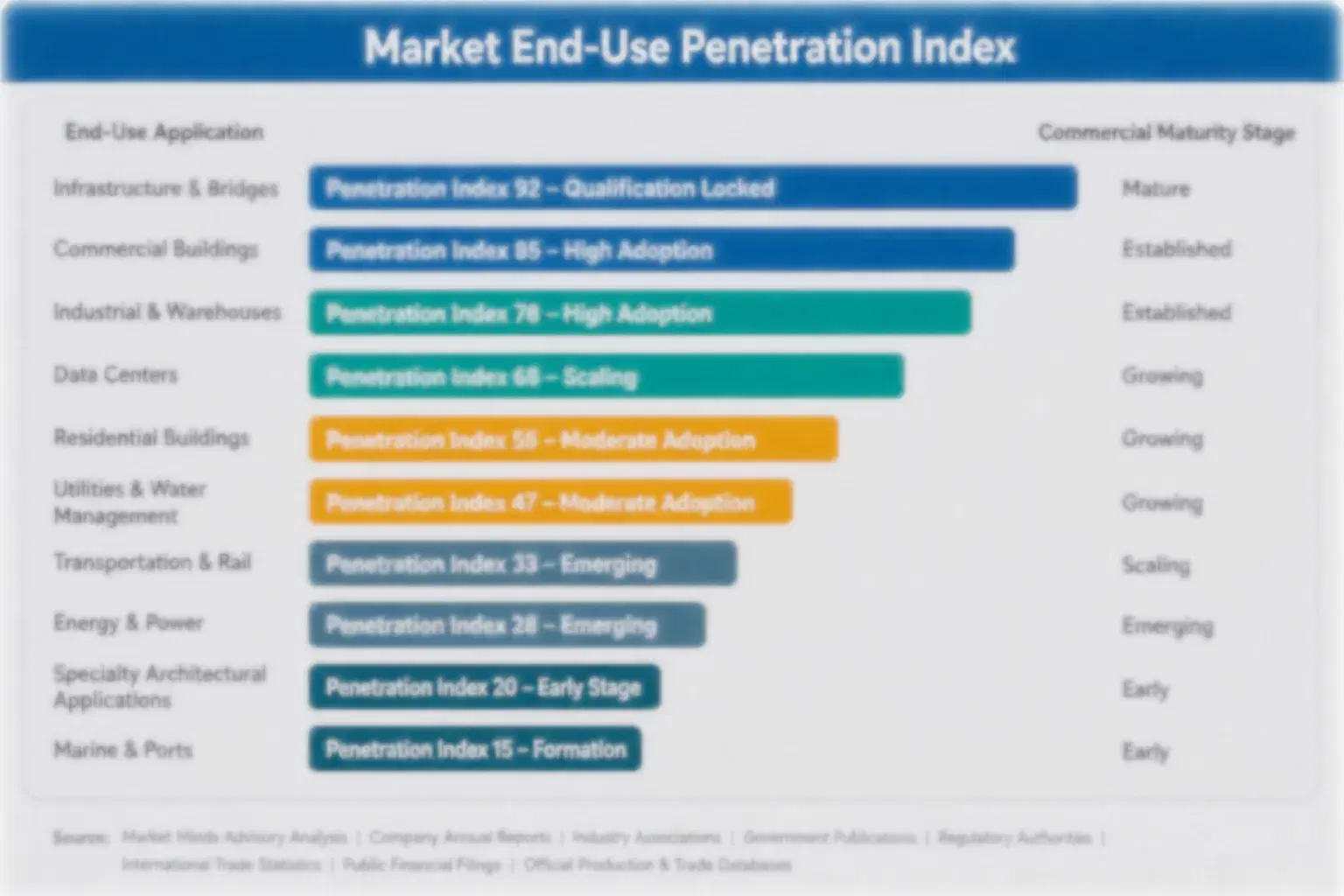
Evaporated filled milk generates genuine annuity-style demand among household and foodservice buyers once daily coffee and tea habits form around its shelf-stable affordability, since switching to costlier fresh dairy alternatives means absorbing a meaningful price increase that many household budgets simply cannot accommodate across most consuming income segments and demographic groups, a powerful retention mechanism most premium dairy categories lack entirely.
Adoption depth varies sharply by end-use vertical. Household beverage consumption runs deepest given decades of embedded daily habit across most price-sensitive markets and their established retail networks and informal trade channels, while foodservice adoption is still deepening as quick-service chains expand into secondary cities and provincial markets, and dessert-application adoption remains earliest-stage among the tracked verticals given limited specialized formulation availability.

Generational shifts are most visible among younger urban consumers in rapidly urbanizing Southeast Asian and African cities, who show growing willingness to pay a premium for fortified or dessert-optimized formulations rather than accepting standard commodity cans their parents relied on for generations, a buyer profile shift pulling incremental demand toward differentiated products marketed specifically around quality positioning, modern packaging design, and nutritional fortification claims.
evaporated-filled-milk-market-end-use-penetration-index-1789899025757

Distribution and Positioning Decide Winners

These are among the four positions where our research anticipates prominent divergence between winners and laggards over the coming forecast period. Each is grounded in the demand model, the regulatory perimeter, and the announced capacity pipeline.
01 / FOODSERVICE PACKAGING PRIORITY

Dedicated foodservice packaging will separate winning suppliers from laggards

Quick-service restaurant chains expanding across Southeast Asia, the Middle East, and Sub-Saharan Africa are standardizing evaporated filled milk in menu items, a shift favoring processors with dedicated bulk institutional packaging over those still selling repackaged retail cans. Suppliers that invest early in foodservice-grade packaging capture disproportionate contract volume relative to competitors lacking specialized formats, given fundamentally different handling requirements in commercial kitchens. This gap will widen further as restaurant chain expansion accelerates across additional emerging markets over the coming several years.
02 / PREMIUM POSITIONING OPPORTUNITY

Premium sub-brand positioning offers a genuine margin expansion pathway

Evaporated filled milk's persistent value-product perception limits pricing power industry-wide, but brands investing in premium sub-brand positioning emphasizing nutritional fortification are beginning to shift consumer willingness to pay beyond pure affordability across most tracked demographic segments and markets. Early movers in this positioning shift are capturing meaningfully higher margins than competitors still selling exclusively on price, a differentiation advantage that compounds as marketing investment builds sustained brand equity. Expect continued premium sub-brand experimentation across major regional markets over the coming decade.
03 / COLD-CHAIN EROSION RISK

Gradual cold-chain expansion represents a genuine long-term category headwind

Cold-chain retail infrastructure is gradually expanding across several major consuming markets, slowly shifting middle-income urban consumers toward fresh milk and UHT alternatives that were previously unavailable at meaningful retail scale or price point. Processors focused exclusively on urban retail channels face the sharpest exposure to this erosion, while those maintaining strong rural and lower-income distribution networks retain a more durable demand base. Expect processors to increasingly prioritize rural and secondary-city distribution investment as urban categories gradually shrink over the coming decade.
04 / GOVERNMENT PROCUREMENT VALUE

Government food security contracts offer a stable, underexploited revenue channel

National food security and nutrition assistance programs across Africa and South Asia increasingly include evaporated filled milk in procurement budgets, representing a stable institutional revenue channel that most processors have not yet fully developed relationships to capture at meaningful scale. Suppliers building dedicated government procurement expertise and documentation capacity are securing multi-year volume commitments that private retail sales cannot match in predictability. Expect continued growth in government-linked procurement volume as food security programs expand across additional participating countries over the coming years.

Engagement Snapshot From the Field

A live engagement with an industry participant carrying material or product regulatory and market exposure ahead of a defining policy shift, showing how our research translates into a defensible multi-year portfolio strategy.
MARKET MINDS ADVISORY · CLIENT ENGAGEMENT SUMMARY
Evaporated Filled Milk Producer Strategic Portfolio Review and Transition Roadmap 2026·Investment Scenario on Evaporated Filled Milk Exposure Evaluation 2025-26
CLIENT PROFILE
The client is a mid-size quick-service restaurant chain operating primarily across Southeast Asia, with established coffee and dessert menu items relying on evaporated filled milk sourced through fragmented regional distributors rather than direct processor relationships. Annual beverage category revenue was reported at approximately $45 million (client-reported, unverified by MMA), with ingredient costs representing a growing share of total menu cost amid recent input price volatility.
STRATEGIC CHALLENGE
The chain sought to reduce ingredient costs and improve supply consistency across its multi-country operations but lacked direct relationships with major evaporated filled milk processors, faced inconsistent product specifications across different national distributors, and needed a sourcing strategy that could standardize quality while reducing per-unit cost meaningfully across all markets served.
MMA APPROACH
MMA conducted primary research combining processor landscape mapping, competitive benchmarking against peer restaurant chains, and direct interviews with regional dairy suppliers to identify viable pathways for establishing direct sourcing relationships given the client's multi-country operational footprint and existing distributor contract obligations across several national markets, franchise territories, and supply zones.
KEY FINDINGS
  1. Fragmented national distributor relationships created meaningful price variation across markets that direct processor sourcing could substantially reduce over time across all national operations.
  2. Major processors required minimum annual volume commitments the client could meet only by consolidating purchasing across its full multi-country restaurant network and franchise operations.
  3. Foodservice-grade packaging formats offered meaningful cost and handling advantages over the repackaged retail cans the client's distributors previously supplied across most markets.
  4. Standardizing product specifications across markets required coordination with processors capable of serving multiple countries under consistent quality documentation and delivery standards nationwide.
CLIENT PROFILE
The client is a mid-size quick-service restaurant chain operating primarily across Southeast Asia, with established coffee and dessert menu items relying on evaporated filled milk sourced through fragmented regional distributors rather than direct processor relationships. Annual beverage category revenue was reported at approximately $45 million (client-reported, unverified by MMA), with ingredient costs representing a growing share of total menu cost amid recent input price volatility.
STRATEGIC CHALLENGE
The chain sought to reduce ingredient costs and improve supply consistency across its multi-country operations but lacked direct relationships with major evaporated filled milk processors, faced inconsistent product specifications across different national distributors, and needed a sourcing strategy that could standardize quality while reducing per-unit cost meaningfully across all markets served.
MMA APPROACH
MMA conducted primary research combining processor landscape mapping, competitive benchmarking against peer restaurant chains, and direct interviews with regional dairy suppliers to identify viable pathways for establishing direct sourcing relationships given the client's multi-country operational footprint and existing distributor contract obligations across several national markets, franchise territories, and supply zones.
KEY FINDINGS
  1. Fragmented national distributor relationships created meaningful price variation across markets that direct processor sourcing could substantially reduce over time across all national operations.
  2. Major processors required minimum annual volume commitments the client could meet only by consolidating purchasing across its full multi-country restaurant network and franchise operations.
  3. Foodservice-grade packaging formats offered meaningful cost and handling advantages over the repackaged retail cans the client's distributors previously supplied across most markets.
  4. Standardizing product specifications across markets required coordination with processors capable of serving multiple countries under consistent quality documentation and delivery standards nationwide.
RECOMMENDED STRATEGY
Phase 1: Phase 1 (Months 1-4): Consolidate purchasing volume across all national operations and approach major regional processors directly for negotiation and pricing. Phase 2: Phase 2 (Months 5-9): Negotiate multi-country supply agreements with standardized foodservice-grade packaging specifications and consistent delivery schedules nationwide and abroad. Phase 3: Phase 3 (Months 10-14): Transition fully to direct sourcing and renegotiate distributor relationships for remaining secondary and smaller regional markets.
OUTCOME
Within fourteen months of implementing the phased strategy, the client reported ingredient cost savings of approximately 16% (client-reported, unverified by MMA), driven primarily by eliminated distributor markups and standardized foodservice packaging, while product consistency across markets improved measurably following direct processor relationship establishment across the full restaurant network.

Frequently Asked Questions

Foundational context covering the market sizes, CAGR, scope, country, region and competition that inform every finding below. This section is provided to cover basics and most often pre-purchase conversations, answered from the MMA Primary Research Dataset.

What is the current size of the Evaporated Filled Milk Market?

The global evaporated filled milk market was valued at approximately $2.6 billion in 2025. South Asia and Pacific accounts for the largest share given Southeast Asian coffee culture.

How large will the Evaporated Filled Milk Market be by 2036?

The market is projected to reach approximately $4.83 billion by 2036, roughly 1.76 times its 2026 value, driven largely by foodservice and dessert demand growth.

What is the CAGR for the Evaporated Filled Milk Market 2026 to 2036?

The market is forecast to grow at a compound annual growth rate of 5.8% between 2026 and 2036, supported by foodservice expansion and coffee culture growth.

Which segment is growing fastest?

Foodservice and catering applications are the fastest-growing segment, expanding at 8.0% annually, roughly 1.38 times the overall market rate, driven by rising quick-service restaurant expansion.

Who are the major companies in this market?

Leading participants include Alaska Milk Corporation, Nestlé, SADAFCO, FrieslandCampina WAMCO Nigeria, and Dutch Lady Milk Industries, spanning large regional processors and established multinational dairy brands.

Which country is growing fastest?

The Philippines is the fastest-growing major country market, expanding at approximately 7.5% annually as Alaska Milk Corporation's domestic market continues deepening consumer penetration across the country nationwide.

Report Segmentation Architecture

The full report scope spans multiple orthogonal segmentation dimensions, with cross-tabulated demand data provided for each dimension pair. Coverage extends further to regional breakdowns, trend trajectories, and the competitive detail needed to support segment-level decision-making.

By End-Use Application

  • Coffee and Tea Whitening
  • Baking and Confectionery
  • Cooking and Culinary Sauces
  • Foodservice and Catering
  • Infant and Household Recombination
  • Dessert and Ice Cream Applications

By End-Use Industry

  • Household Beverage Consumption
  • Foodservice and Quick-Service Restaurants
  • Bakery and Confectionery Manufacturing
  • Dessert and Ice Cream Manufacturing
  • Government and Institutional Procurement

By Commercial Dimension

  • Retail Household Cans
  • Foodservice Bulk Packaging
  • Government Procurement Contracts
  • Informal and Regional Trade Networks

By Region

  • North America
  • Western Europe
  • East Asia
  • South Asia and Pacific
  • Latin America
  • Middle East and Africa
  • Eastern Europe

Scope, Methodology, and Coverage

Every figure in this report is reproducible from documented input assumptions. The scope below maps the historical period, the forecast horizon, the segmentation dimensions, and the countries covered, alongside the underlying primary and qualitative methodology.
Historical Period
2020 to 2025
Forecast Period
2026 to 2036
Base Year
2025 (USD billions; MMA Primary Research Dataset, September 2026)
Market Definition
This market covers evaporated filled milk, a shelf-stable canned dairy product made by blending skim milk with vegetable fat and evaporating a portion of the water content, sold into coffee, tea, baking, cooking, and foodservice applications worldwide. It excludes whole evaporated milk made entirely from dairy fat, sweetened condensed milk, and fresh or UHT liquid milk products.
Quantitative Units
USD billions (current prices); volume in metric tons where applicable
Segmentation Dimensions
By End-Use Application; By End-Use Industry; By Commercial Dimension; By Region
Regions Covered
North America, Western Europe, East Asia, South Asia and Pacific, Latin America, Middle East and Africa, Eastern Europe
Countries Covered
USA, China, Germany, France, UK, Japan, South Korea, India, Australia, Canada, Brazil, Mexico, Indonesia, Vietnam, Thailand, Malaysia, UAE, Saudi Arabia, South Africa, Nigeria, Turkey, Poland, Netherlands, Italy, Spain, Sweden, Switzerland, Argentina, Colombia, Singapore, and additional markets relevant to this sector
Key Companies Profiled
Alaska Milk Corporation, Nestlé S.A., SADAFCO, FrieslandCampina WAMCO Nigeria PLC, Dutch Lady Milk Industries Berhad, National Food Products Company PJSC, Universal Robina Corporation, Magnolia Inc (San Miguel Corporation), Danone S.A., Al Safi Danone, Almarai Company, Promasidor Holdings, Fan Milk Limited, Olam Agri, Charoen Pokphand Foods PCL, Nutriops SL, Lactalis Ingredients, Arla Foods amba, Emmi AG, Indofood CBP Sukses Makmur Tbk
Quantitative Methodology
Primary survey, n=3,800 respondents, Q4 2025, six countries; demand-side model with trade association cross-validation
Qualitative Methodology
47 expert interviews, Q4 2025; applied to validate demand model assumptions, identify emerging dynamics, and assess competitive positioning
Report Format
PDF and XLSX data workbook (Word format preview document)
Publisher
Market Minds Advisory
Report Code
MMA-2026-AGR-104
Published
September 2026
Contact
sales@marketmindsadvisory.com | www.marketmindsadvisory.com

Purchase the full Evaporated Filled Milk Market Report (2026 to 2036).

The full report delivers a comprehensive assessment of the global evaporated filled milk market, spanning end-use application segmentation, regional demand architecture, and competitive benchmarking across regional processors and multinational brands worldwide. It includes detailed forecast modeling through 2036, input cost sensitivity analysis, and portfolio margin benchmarking across commodity, premium, and next-generation product tiers. The analysis also covers cold-chain infrastructure dynamics shaping the long-term category ceiling. Buyers receive full access to underlying primary survey data and expert interview transcripts supporting every quantitative claim in the analysis.
Ten-year volume and value forecasts by segment
Seven-region demand and CAGR breakdown analysis
Competitive benchmarking of top 20 processors
Input cost sensitivity and mitigation analysis
Portfolio margin tiering by product category
Primary survey and expert interview data access

Built For The People Who Decide

From boardroom strategy to bench-side execution, this report is read cover-to-cover by leaders shaping the next decade of their industry, turning demand scenarios, market dynamics and valuation benchmarks into decisions.
CXOs/ Presidents/ VPs/ Managers
M&A and Corporate Development
Strategy Teams and R&D Heads
Procurement and Product Directors
Regulatory and Compliance Leaders
Investor Relations and Equity Analysts