Market Minds Advisory
Europe Vinegar And Vinaigrette Market

Europe Vinegar And Vinaigrette Market: Europe Vinegar And Vinaigrette Market. Balsamic Premiumisation, Cider Vinegar Health Demand and Harvest Volatility

European vinegar and vinaigrette demand is shifting toward protected balsamic, cider vinegar and clean-label dressings, yet grape harvest swings, glass and energy costs and adulteration risk decide which suppliers protect authenticity and margin.

Lead Analyst

Published

September 2026

Make Smarter Decisions with Customized Research Insights

Request a free sample report and evaluate market opportunities, growth trends, and competitive dynamics relevant to your business needs.

2025 MARKET VALUE$5.6BMarket Size 2025
2036 FORECAST VALUE$8.8BBase Case , 2026 to 2036
CAGR 2026 TO 20364.2 %Bull 5.5% / Bear 2.9%
INCREMENTAL OPPORTUNITY$3.0BNet 10- year value creation
EXPANSION MULTIPLE1.51x2036 value over 2026 base
Strategic Levers
M&A Pipeline
Regional Outlook
Country Rankings
Competitive Intelligence
Segmental Deep-dive
Call-Us : 91 93563 13602

Executive Snapshot and Market Trajectory.

Vinegar and vinaigrette are the acid layer of European cooking, from Modena balsamic and sherry vinegar to malt vinegar, cider vinegar and ready-made dressings. Italy, Spain and France built the premium end. Authenticity and grape supply, not consumption volume, decide who earns the margin across the region.
Cider and Fruit Vinegar grows fastest as shoppers link apple cider vinegar to wellness, while balsamic vinegar still carries the largest value and vinaigrette dressings widen use. This lens reads the seven regions as supply-origin regions for European demand, and Western Europe leads because Italian, Spanish, French and German producers make most vinegar sold. Gross margins run 26% to 52%, and wine, must, glass and energy costs shape profit. Margins stay tight.
Five groups hold about 33% of value, led by Mizkan, Acetum and Giuseppe Giusti, so a concentrated field of Italian houses, a Japanese-owned leader and regional producers competes with dressing majors and private label suppliers. Protected geographical indication rules, adulteration controls, health claim limits and retailer audits govern positioning, and buyers check acidity, origin documents and delivery reliability before granting listings. Buyers compare cost per litre.
Market Definition
The market covers European consumption and supply of vinegar and vinaigrette, defined as wine, sherry and balsamic vinegar, cider and fruit vinegar, malt and spirit vinegar and vinegar-based dressings and glazes, in balsamic, wine and sherry, cider and fruit, malt and spirit and vinaigrette and dressing forms, sold through retail, foodservice and industrial channels in Europe and valued at manufacturer sales revenue. It excludes pickles, cooking sauces, mayonnaise and cleaning vinegar sold as a household chemical.
Base Year Value
$5.6B in 2025 (MMA Primary Research Dataset, September 2026)
Forecast Period
2026 to 2036, eleven discrete annual values
CAGR
4.2% base case. Bull 5.5%. Bear 2.9%.
Fastest Growth Segment
Cider and Fruit Vinegar: 5.9% CAGR
Fastest Growth Country
Turkey: 6.2% CAGR
Fastest Growth Region
South Asia and Pacific: 6.0% CAGR
Largest Region
Western Europe: 74% of 2025 global value
Market Leaders
Mizkan, Acetum, Giuseppe Giusti, Casa Rinaldi, Carl Kuhne. Source: MMA Analysis, company annual reports.
Primary Survey
n=3,800 procurement and R&D decision-makers, Q4 2025, six countries
Methodology
Demand-side build-up, cross-validated against public data, 47 expert interviews

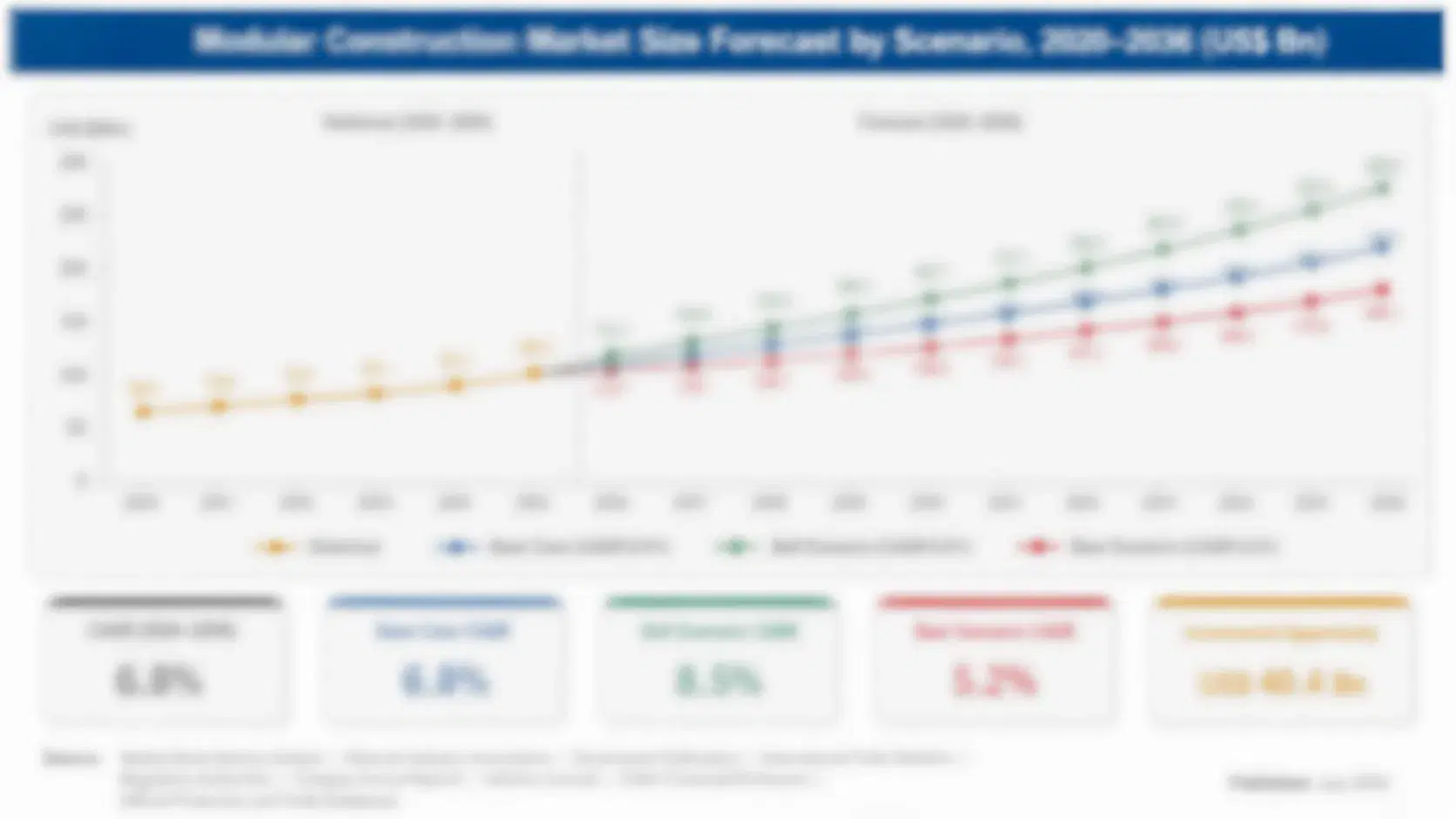
Europe Vinegar And Vinaigrette Market Forecast Scenarios

europe-vinegar-and-vinaigrette-market-size-forecast-scenario-1790028621071
From 2020 to 2025 European vinegar and vinaigrette sales grew at about 3.6% a year. Home cooking lifted retail demand in 2020 and 2021, glass, energy and grape costs pushed prices up in 2022 and 2023, and foodservice recovery restored bulk volumes. Balsamic and cider vinegars gained share steadily, while malt and spirit vinegar grew slowly and private label expanded.
The base case of 4.2% rests on three named mechanisms. Premium protected balsamic and glazes lift price per litre as shoppers pay for origin and ageing. Apple cider vinegar and wellness drinks bring new buyers into the category. Ready-made vinaigrettes and clean-label dressings raise value as salad consumption grows. Each mechanism is visible in retailer range changes, launch data and consumer surveys over the last three years. Together they support steady adoption across major markets.
The bull case reaches 5.5% if wellness vinegar and premium balsamic scale faster. The bear case falls to 2.9% if grape harvests fail, glass and energy costs spike and health claim rules tighten. Both cases assume stable trade rules and no new restrictions on vinegar labelling. Neither case assumes a change in retailer concentration. Both cases assume steady restaurant traffic.

Balsamic Premiumisation, Cider Vinegar Demand and Harvest Volatility Set European Returns

Makers ferment wine, grape must, cider, malt or grain alcohol with acetic acid bacteria, either in slow barrel systems or in fast submerged tanks, then filter, blend and age the vinegar. Balsamic vinegar of Modena blends cooked grape must with wine vinegar and ages in wood. Acidity, colour, sugar and ageing decide grade, and protected names decide price. Retailers audit plants and origin records every year before renewing listings.
MARKET CONCENTRATION33% CR5Top five participants hold about one third of category value
BALSAMIC VALUE SHARE31%Portion of category value made up by balsamic vinegar
RETAIL CHANNEL SHARE62%Portion of category sales made through grocery and online retail
WINE AND MUST COST40% of COGSWine, grape must and cider within total production cost
TYPICAL ACIDITY RANGE4-7%Acetic acid strength across household and culinary vinegars
TYPICAL SHELF LIFE24-60 monthsShelf life of sealed vinegars stored away from light
Value concentrates in five places. Balsamic vinegar carries the largest value through retail and foodservice. Wine and sherry vinegar serves Mediterranean cooking and chefs. Cider and fruit vinegar grows fastest as wellness demand rises, malt and spirit vinegar serves fish and chips and pickling, and vinaigrette and vinegar-based dressings add a growing pool for salad and convenience buyers. Blend and ageing details stay closely guarded within each producer.
Supply combines large Italian and Spanish houses with regional producers. Italy leads balsamic and wine vinegar, Spain sherry vinegar, Germany and Poland spirit and wine vinegar, and the United Kingdom malt and cider vinegar, with grape must and wine coming from Mediterranean vineyards. Retailers rotate ranges rarely, and qualifying a new supplier takes six to twelve months.
"European vinegar has one of the widest gaps between a two-euro bottle and a two-hundred-euro one. The winners are not selling acid, they are selling a protected place name and a story of years in wood, and the shoppers who buy the story will pay for it."
Senior Analyst, Condiments and Culinary Ingredients Practice · MMA Europe Vinegar and Vinaigrette Practice · September 2026

Market Trends

Apple Cider Vinegar and Wellness Drinks Bring New Buyers

Shoppers use apple cider vinegar in drinks, shots and gummies, encouraged by wellness influencers, and brands such as Bragg and Aspall have widened ranges with mother-containing and flavoured vinegars. Cider and Fruit Vinegar grows about 5.9% a year, and gross margins run 36% to 52%. The trend needs raw fermentation skill, consistent mother and clear labelling, and it rewards brands with wellness credibility, while European health claims for vinegar are not authorised, and wording is tightly controlled. Buyers judge suppliers on consistency, documentation and delivery reliability. Makers with scale and clear plans hold the strongest positions.
Market Impact: retail carries 62% of sales
Protected Balsamic and Glazes Lift Value Through Origin Premiums

Aceto Balsamico di Modena holds protected geographical indication status, and traditional balsamic holds protected designation of origin, so shoppers pay for verified origin, ageing and density. Balsamic vinegar carries about 31% of category value. The trend needs certified production, barrel ageing and anti-fraud controls, and it rewards houses with heritage brands and consortium membership, while counterfeit and misleading labels erode trust, and premium bottles cost 200% to 2,000% more than standard vinegar. Makers with scale and clear plans hold the strongest positions. Early movers set the standard that later entrants must match.
Market Impact: premium sells 200-2,000% higher

Market Opportunities and Growth Drivers

Mediterranean Diet Interest and Salad Consumption Sustain Dressing Demand

European shoppers increasingly follow Mediterranean-style eating, using vinegar and olive oil at home, and salad consumption keeps growing with fresh produce and convenience packs. Retail carries about 62% of vinegar and vinaigrette sales. The driver rewards makers with strong brands, convenient dressing formats and reliable retail relationships, and it supports steady volume growth, while private label competes on price, and some shoppers reduce acidic foods. Early movers set the standard that later entrants must match. Retailers reward suppliers that respond quickly to range changes and promotions. Progress should be reviewed every quarter against the agreed targets.
Market Impact: wine takes 40% of cost

Premiumisation and Foodservice Recovery Support Higher Value Per Litre

Restaurants and premium retailers use aged balsamic, sherry vinegar and flavoured vinegars to lift dishes, and foodservice recovered after 2021 as menus reopened. Premium vinegars carry prices 200% to 2,000% above standard grades. The driver rewards makers with certified origin, gift packaging and chef relationships, and it supports value growth ahead of volume, while price sensitivity limits premium adoption, and inflation pushes some buyers to basics. Retailers reward suppliers that respond quickly to range changes and promotions. Progress should be reviewed every quarter against the agreed targets. Buyers judge suppliers on consistency, documentation and delivery reliability.
Market Impact: authentication adds 2-5% to cost

Market Restraints and Challenges

Grape Harvest Swings and Wine Price Volatility Squeeze Margins

Wine and grape must make up about 40% of production cost, and the 2023 Italian grape harvest fell sharply after downy mildew and heavy rain, while drought and heat cut Spanish and French yields. The root cause is climate exposure in Mediterranean vineyards. Producers lose two to five margin points until contracts reset. Producers respond with multi-origin sourcing, stock and price formulas, though premium protected products need local grapes. Progress should be reviewed every quarter against the agreed targets. Smaller makers carry the heaviest exposure and have the least room to adjust.
Market Impact: cider vinegar grows 5.9% yearly

Adulteration Risks, Claim Limits and Glass Costs Raise Operating Expense

Counterfeit balsamic, mislabelled vinegar and cheap caramel-coloured products damage trust, while European rules bar unauthorised health claims for cider vinegar, and glass and energy costs rose after 2022. The root cause is price gaps and regulation. Testing and authentication add 2% to 5% to cost. Producers respond with isotope tests, consortium controls and lighter bottles, though small houses struggle to fund them. Smaller makers carry the heaviest exposure and have the least room to adjust. Buyers judge suppliers on consistency, documentation and delivery reliability. Makers with scale and clear plans hold the strongest positions.
Market Impact: balsamic carries 31% of value
3 additional market trends, 2 additional growth drivers, and 4 additional restraints and challenges are covered in the full report. Contact sales@marketmindsadvisory.com to access the complete intelligence.

Segment CAGR and Growth Architecture

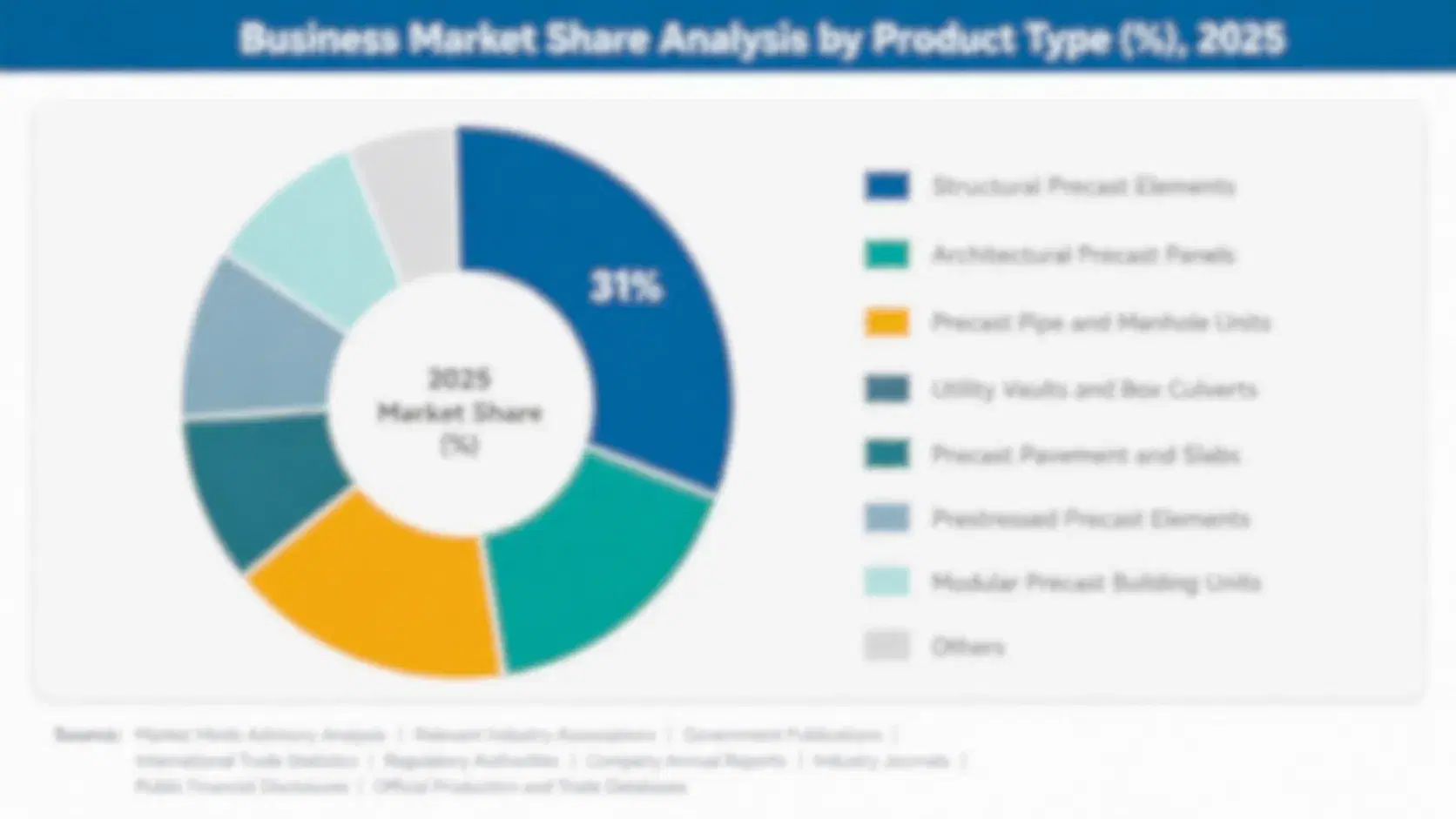
The European vinegar and vinaigrette market is segmented by product type, which shows where origin, acidity and channel needs differ. Five segments cover balsamic vinegar, wine and sherry vinegar, cider and fruit vinegar, malt and spirit vinegar and vinaigrette and dressings. Cider and fruit vinegar grows fastest, while balsamic vinegar carries the largest value. Each type serves distinct kitchens.
europe-vinegar-and-vinaigrette-market-market-share-analysis-1790028621244

Cider and Fruit Vinegar

Cider and Fruit Vinegar is the fastest-growing segment at 5.9% a year, about 1.40 times the overall market rate. Apple cider, raspberry and pomegranate vinegars serve cooking, drinks and wellness use, and shoppers accept prices 30% to 80% above standard malt or spirit vinegar. Gross margins of 36% to 52% reward brands with raw fermentation skill, consistent product and wellness positioning. Growth depends on labelling compliance, taste and retailer range reviews, while apple costs and glass squeeze margins. Brands with strong credibility and retailer ties hold the strongest positions. Early movers set the standard that later entrants must match. Retailers reward suppliers that respond quickly to range changes and promotions. Buyers judge suppliers on consistency, documentation and delivery reliability.
CAGR 5.9%

Vinaigrette and Vinegar-Based Dressings

Vinaigrette and Vinegar-Based Dressings grows at 5.0% a year, about 1.20 times the overall market rate, because shoppers want ready-to-use dressings for salads and marinades, and clean-label and olive oil vinaigrettes raise value. Makers use recipes, premium oils and convenient packs to differentiate. Gross margins of 30% to 44% support brands with retailer ties and flavour research. Growth depends on shelf life, ingredient cost and health scores, and makers with consistent quality, clear labelling and dependable delivery hold the strongest positions with retailers and foodservice buyers. Retailers reward suppliers that respond quickly to range changes and promotions. Progress should be reviewed every quarter against the agreed targets. Buyers judge suppliers on consistency, documentation and delivery reliability.
CAGR 5.0%
Full segment breakdown across 5 segments available in the complete report.

Regional Architecture and Country Demand Map

Western Europe leads at 74% as the supply origin because Italian, Spanish, French and German producers make most vinegar and vinaigrette sold in Europe, while Eastern Europe supplies 8% through Polish and Hungarian producers. North America supplies 6% through cider vinegar. South Asia and Pacific supplies 5%.

North America

North America supplies 6% of European vinegar and vinaigrette value, below its band, which is justified because American supply is limited to cider vinegar, wellness brands such as Bragg and some dressing exports, while European producers make most products. Growth runs at 4.0%, close to the global rate. Freight and health claim rules shape trade, importers value organic and raw certification, and suppliers with EU-compliant labelling and clear origin records hold the strongest positions. Importers also review lot records and acidity results before every annual contract renewal. Volumes stay steady, and suppliers compete mainly on origin proof, documentation and delivery reliability. Distributors handle most shipments and set order sizes. Currency moves and freight rates change landed cost each quarter.
Share: 6% | CAGR: 4.0% (2026 to 2036)

Western Europe

Western Europe supplies 74% of European vinegar and vinaigrette value, above its band, which justifies the out-of-band share: Italy's Modena houses, Spain's sherry vinegar makers, France's Orleans and Dijon producers and Germany's Kuhne and Develey make most vinegar and dressings consumed in Europe, and Mizkan's Ponti and Sarson's brands hold large positions. Growth of 3.0% trails the global rate. Protected origin rules, deep regional heritage and dense retail keep value concentrated in the region. Importers also review lot records and acidity results before every annual contract renewal. Volumes stay steady, and suppliers compete mainly on origin proof, documentation and delivery reliability. Distributors handle most shipments and set order sizes. Currency moves and freight rates change landed cost each quarter.
Share: 74% | CAGR: 3.0% (2026 to 2036)
Regional intelligence for 5 additional markets available in the complete report: East Asia, South Asia and Pacific, Latin America, Middle East and Africa, Eastern Europe. Contact sales@marketmindsadvisory.com.
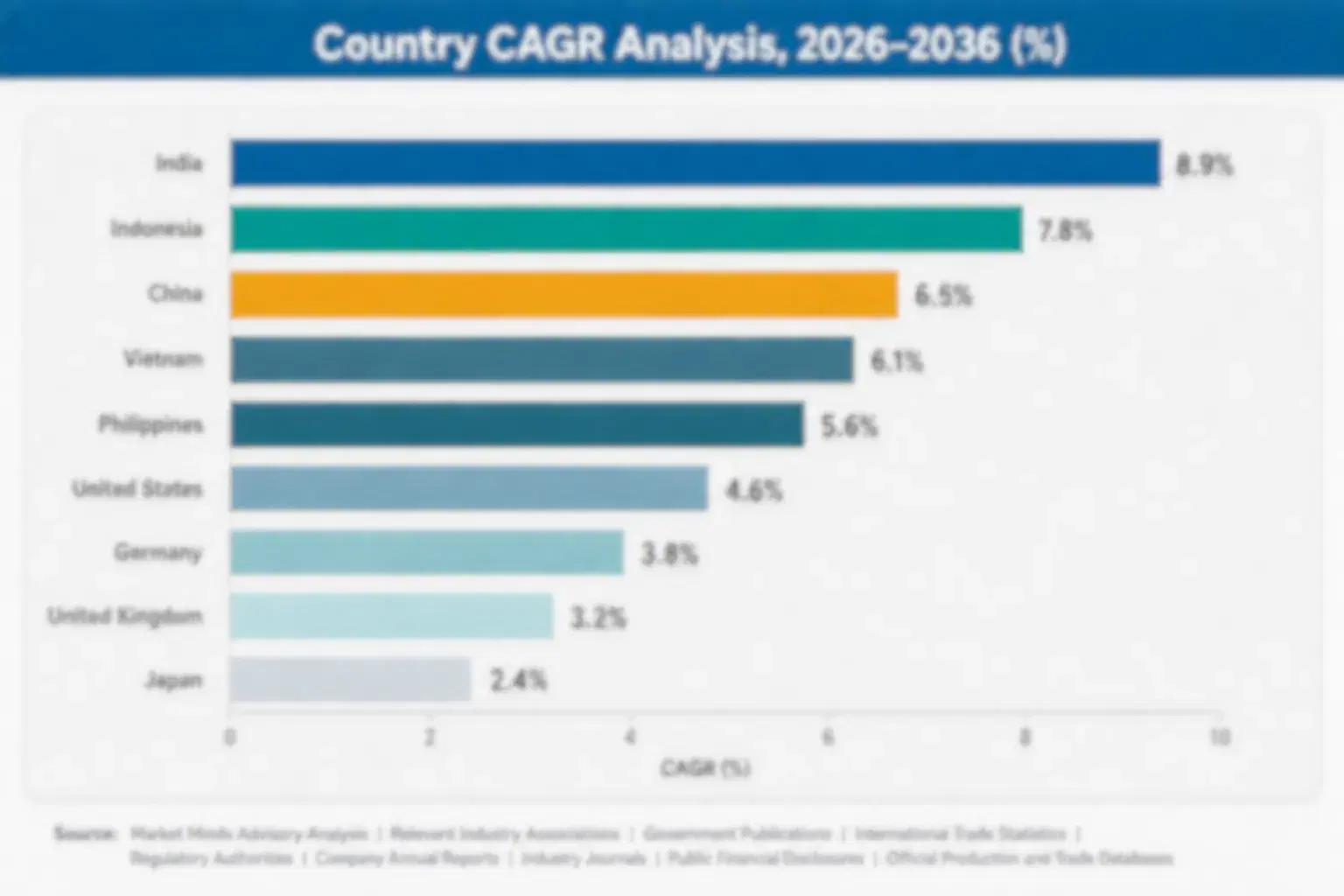
europe-vinegar-and-vinaigrette-market-country-cagr-analysis-1790028621425

Four Margin Routes for European Vinegar Makers

Margin in European vinegar comes from protected balsamic, cider vinegar wellness lines, grape supply security and authentication rather than volume alone. The routes below apply to Italian houses, dressing brands and private label suppliers, and each can start inside one planning cycle, with measures in gross margin points and cost per litre. Payback runs two to four years.

Building Protected Balsamic and Aged Vinegar Ranges With Verified Origin

Shoppers pay for origin and ageing, so houses that develop protected and aged balsamic ranges with barrel ageing, certificates and clear storytelling win listings worth 8% to 15% of category value at gross margins of 40% to 52%. Development costs $0.5 million to $4 million per range. Houses should join consortium controls, publish ageing data and protect packaging design, since counterfeit products erode trust, and premium retailers reward verified origin. Results should be reviewed every quarter against the agreed targets. Management should assign one owner to each programme from the start. Early results also help persuade sceptical retail buyers.
Market Impact: protected ranges win listings worth 8-15% of value

Launching Cider and Fruit Vinegar Wellness Lines With Compliant Claims

Wellness shoppers pay for raw and flavoured vinegars, so brands that develop cider and fruit vinegars with clear mother content and compliant wording win listings worth 10% to 18% of category volume at gross margins of 36% to 52%. Development costs $0.3 million to $3 million per range. Brands should avoid unauthorised health claims, test taste and secure apple and fruit supply, since regulators police wording, and gummies and shots create new channels. Management should assign one owner to each programme from the start. Early results also help persuade sceptical retail buyers.
Market Impact: wellness lines win listings worth 10-18% of volume

Securing Grape and Cider Supply Through Multi-Origin Contracts

Wine and must make up about 40% of production cost and harvests swing, so producers that sign multi-season contracts and qualify several origins cut margin volatility by 25% to 40%. Programmes cost $0.3 million to $3 million in working capital. Producers should hold stock, review terms yearly and pass through index changes with a lag of one to two quarters, since spikes otherwise compress margins, and protected products require documented local grapes. Early results also help persuade sceptical retail buyers. Costs are recovered faster in larger plants. Results should be reviewed every quarter against the agreed targets.
Market Impact: multi-origin contracts cut margin volatility by 25-40% across harvest years

Investing in Authentication and Lightweight Glass Programmes

Counterfeits and glass cost hurt profit, so producers that invest in isotope testing, batch traceability and lighter bottles protect premium contracts worth 10% to 16% of sales and cut packaging cost by 8% to 15%. Programmes cost $0.3 million to $3 million. Producers should train staff, use accredited laboratories and invite buyer audits, since one fraud case can end relationships, and retailers increasingly demand batch-level records. Costs are recovered faster in larger plants. Results should be reviewed every quarter against the agreed targets. Management should assign one owner to each programme from the start.
Market Impact: authentication protects contracts worth 10-16% of sales each year

Who Controls the Margin Pool

The European vinegar and vinaigrette market is moderately concentrated, with a CR5 of 33%, because a few Italian houses and a Japanese-owned leader hold protected brands, retailer relationships and large plants while many regional producers and private label suppliers serve local buyers. This assessment measures participants on estimated vinegar and vinaigrette sales value in Europe, held constant across all players. Mizkan and Acetum lead through balsamic and household brands, Giuseppe Giusti, Casa Rinaldi and Carl Kuhne follow, and the gap between the leader and the fifth player is moderate.
Competition runs on four dimensions today: origin credibility and protected designations, price per litre against private label, wellness and premium range breadth, and supply security on wine and must. Italian houses win on heritage, dressing majors win on retail reach, and regional producers win on cost. Retailers compare sales per shelf metre, authenticity records and delivery reliability.

Emerging pressure comes from private label premium ranges, from wellness brands scaling cider vinegar and from fraud enforcement that favours certified houses. Rankings shift where a producer secures grapes at stable prices, wins wellness listings or proves authenticity, and consolidation continues as smaller houses face glass, energy and testing costs.
europe-vinegar-and-vinaigrette-market-company-positioning-matrix-1790028621604

Competitive Moat and Risk Dimensions

MIZKAN

Moat: Global Portfolio and European Brands

Mizkan is a Japanese vinegar and condiment group that owns European brands such as Ponti in Italy and Sarson's in the United Kingdom, with plants and retail relationships across Europe and Asia. Its scale in fermentation, brand range and distribution give it strong retailer access, and its size supports investment in balsamic, cider vinegar and authenticity systems.
MIZKAN

Risk: Brand Integration and Cost Exposure

Mizkan must integrate acquired European brands and manage grape, glass and energy costs that squeeze margins. Premium Italian houses compete on heritage, private label crowds standard ranges, and fraud scandals could hurt confidence in mass balsamic. Investors expect steady returns. Rivals watch every move. Management attention remains the scarcest resource.
ACETUM

Moat: Modena Heritage and Export Reach

Acetum is an Italian vinegar producer based in Cavezzo near Modena whose balsamic vinegars, glazes and dressings supply retailers, industry and foodservice across Europe, North America and Asia. Its Modena heritage, PGI production capability and large export network give it durable retailer access, and its scale supports private label and premium ranges from ageing cellars and modern bottling plants.
ACETUM

Risk: Private Label and Harvest Exposure

Acetum depends on retailer contracts and private label volumes that press on price, while grape must and glass costs swing with harvests and energy. Counterfeit balsamic undermines premium positioning, and health claim rules limit wellness lines. Investors expect steady returns. Rivals watch every move. Management attention remains the scarcest resource.

Players Tracked

Prominent Players

Mizkan
Acetum
Giuseppe Giusti
Casa Rinaldi
Carl Kuhne

Other Key Players

Develey
Kraft Heinz
Unilever
Bragg Live Food Products
Aspall
Borges
Deoleo
Monini
Colavita
Barilla
Fleischmann's Vinegar
Acetaia Leonardi
Fini Modena
Kikkoman
Mazzetti d'Altavilla

Recent Developments

JANUARY 2026

Modena Balsamic Producer Launches Aged Protected Vinegar Range With Batch Traceability for European Retailers

A Modena balsamic producer launched an aged protected vinegar range with batch traceability for European retailers, according to company communications. It is a product launch, not an acquisition, and it tests premium demand. The range uses barrel ageing records. Sales terms were not disclosed. Rollout follows range reviews.
Signal: Confirms Italian houses are investing in traceability because premium shoppers pay for verified origin and ageing.
FEBRUARY 2026

Cider Vinegar Brand Introduces Flavoured Raw Vinegar Range and Gummy Format Across European Pharmacies and Grocers

A cider vinegar brand introduced a flavoured raw vinegar range and gummy format across European pharmacies and grocers, according to company communications. It is a product launch, not an acquisition, and it tests wellness demand. The range uses compliant wording. Sales terms were not disclosed. Rollout follows range reviews.
Signal: Shows wellness brands are widening formats because shoppers buy vinegar in drinks and gummies beyond salads.
MARCH 2026

European Authorities Report Enforcement Action Against Mislabelled Balsamic Vinegar Sold Under Protected Names

European authorities reported enforcement action against mislabelled balsamic vinegar sold under protected names, according to public announcements. It is a regulatory action, not a commercial deal, and it tests fraud controls. The action covers several retailers. Timing of penalties remains open. Rollout follows range reviews. Early tests came first.
Signal: Indicates authorities are tightening origin enforcement because counterfeits harm certified producers and shopper trust across European markets.

Wine, Must and Glass Cost Exposure

Wine, grape must and cider account for roughly 40% of production cost, energy for fermentation, cooking and bottling about 12%, glass bottles and closures about 20%, ageing barrels and cellar costs about 8% in premium lines, and labour, testing and overheads about 20%. Wine and must come from Italy, Spain, France and Germany, apples from Poland and the United Kingdom, and glass from regional plants. Prices differ sharply by harvest.
The clearest recent shock came in 2022 and 2023. Eurostat data show industrial energy prices surging after the war in Ukraine, while ISTAT reported the Italian grape harvest falling sharply in 2023 after mildew and rain, and IEA data showed higher glass production energy costs. Producers absorbed part of the increase, delayed price rises and reduced promotions, which compressed margins. Some relief came in 2024 and 2025.

The disadvantage falls on small and mid-sized producers without vineyard contracts, glass volume or retailer scale, because they buy in small lots and cannot pass through swings quickly. Exposure varies by player type: large houses hold multi-origin supply, private label suppliers face retailer price caps, and premium producers depend on local grapes. Contract structure decides winners.
europe-vinegar-and-vinaigrette-market-cost-volatility-analysis-1790028621789

Multi-Season Wine and Must Contracts

Producers sign multi-season contracts with wineries and cooperatives, with index-linked pricing, to cut cost swings of 15% to 30% between harvests. The main challenge is contract rigidity and protected-origin rules, so producers split volumes across several sources and review terms each year. Procurement teams monitor positions each quarter against budgets. Buyers sign off first.

Lighter Glass and Alternative Packaging

Producers redesign bottles with lighter glass and add PET and bag-in-box formats to cut packaging cost by 8% to 15% and reduce freight weight. The main challenge is premium perception and recycling rules, so producers test formats on standard ranges first. Reviews occur every year, and quality managers approve each change. Analysts check weekly reports.

Retail Price Formulas and Range Simplification

Producers negotiate price formulas with retailers that link prices to wine and glass indices, and simplify ranges to hold price points, recovering 40% to 60% of cost increases. The main challenge is retailer resistance and shopper sensitivity, so producers test changes on small ranges first. Renewals follow published indices every half year. Managers approve each step.

Portfolio Architecture for Margin Defence

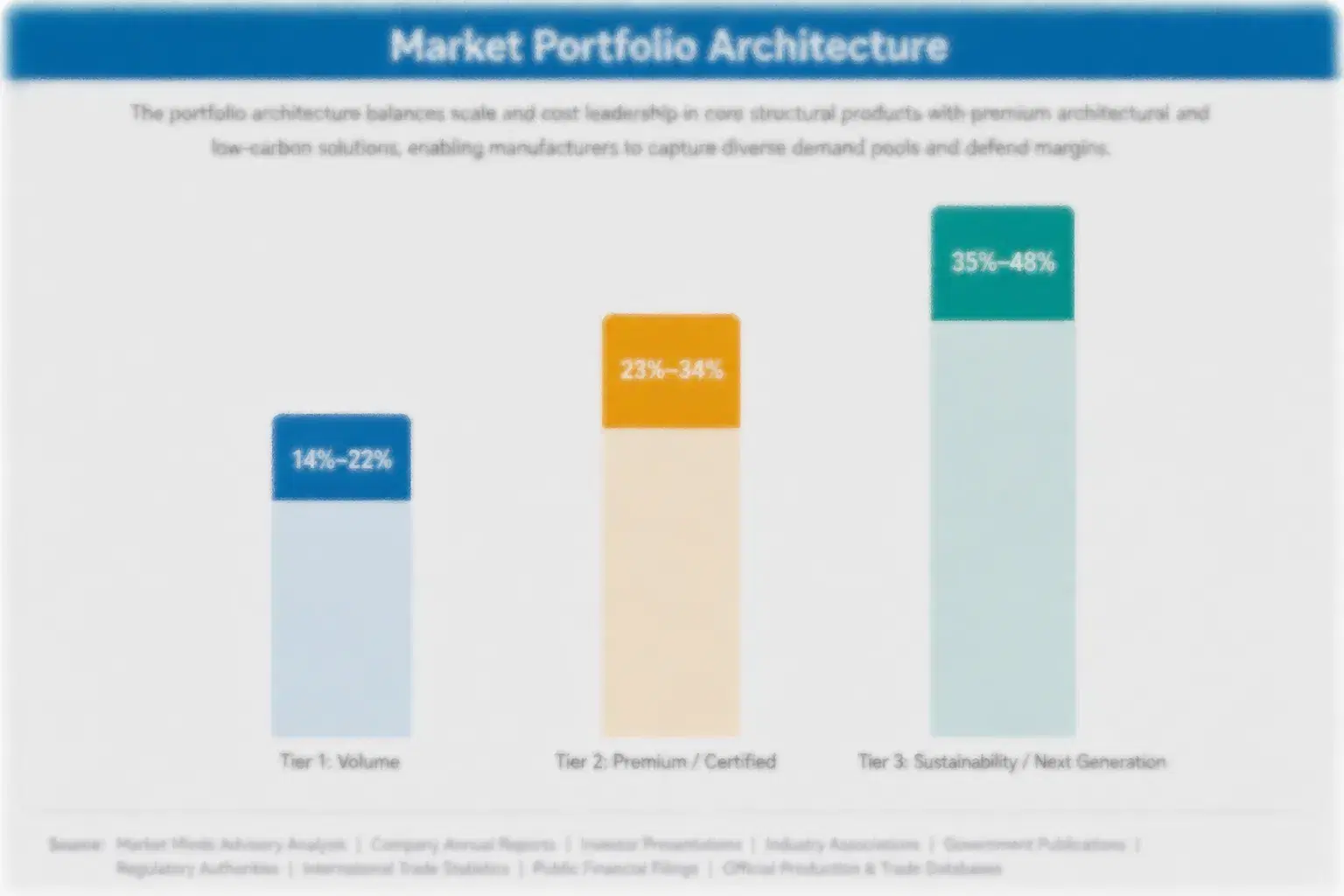
Margins run from modest returns on malt, spirit and standard wine vinegar to strong returns on protected balsamic, cider vinegar and clean-label vinaigrettes sold with authenticity and brand support. Three tiers separate volume products, premium certified lines and next-generation solutions, and each draws on different grape access, origin credentials and retailer relationships in a moderately concentrated market. Margin gaps between tiers run to 26 points.
The tension between volume and premium is sharp. Standard vinegars and private label dressings fill shelves at low prices and face wine, glass and energy cost swings, while protected balsamic, cider vinegar and premium dressings earn higher margins on smaller volumes and depend on origin proof, taste and retailer trust. Producers that run only volume suffer when costs spike, while premium-only producers struggle to reach scale beyond specialty retailers.

High-value pools concentrate in protected balsamic and aged vinegars and in cider and fruit vinegar for premium retail, wellness channels and chefs. They gather where buyers pay for origin, ageing and health positioning, not for volume alone. Vinaigrettes add a growing pool, and strong producers hold more than one, though each needs different skills and relationships to serve well.

Volume / Commodity-Adjacent

Malt, spirit and standard wine vinegar and private label dressings in large bottles sold on price per litre to retailers, chip shops and industry. Buyers focus on cost and acidity, contracts follow annual reviews, and technical differentiation is limited by shared processes and packaging formats.
Gross Margin: 26%-34%

Premium / Certified

Protected balsamic, sherry vinegar and organic vinegars with recognised origin, ageing claims and PGI or PDO certification sold through supermarkets, delicatessens and online channels. Buyers value provenance, taste and brand trust, and listings run for months to years with regular reviews.
Gross Margin: 40%-52%

Sustainability / Regulatory / Next-Generation

Raw cider vinegar, fruit vinegars and clean-label vinaigrettes with verified sourcing, lighter packaging and compliant wellness wording, sold to health-minded shoppers and foodservice. Contracts depend on authenticity, regulatory compliance and consistent delivery performance across channels.
Gross Margin: 34%-50%
europe-vinegar-and-vinaigrette-market-portfolio-architecture-1790028621979

High-value Sub-segments and Strategic Watch-out

Cider and Fruit Vinegar

Cider and fruit vinegar combines the fastest growth with the strongest pricing, since wellness shoppers accept gross margins of 36% to 52% for raw and flavoured vinegar. Fermentation skill, credible labelling and consistent mother form the entry barrier, and brands with strong retailer ties lead.
Gross Margin: 36%-52%

Vinaigrette and Vinegar-Based Dressings

Vinaigrette and vinegar-based dressings deliver solid growth with moderate pricing, since salad and convenience shoppers support gross margins of 30% to 44%. Flavour research and shelf life limit competition, though oil cost adds pressure. Reviews occur each season. Buyers renew listings each year. Buyers renew listings each year.
Gross Margin: 30%-44%

Balsamic Vinegar

Balsamic vinegar is the value core, with value growing about 4.6% a year. Grape must cost, protected origin and ageing decide profit, and Italian houses and Mizkan hold most sales. Retailers renew listings yearly at prices linked to competing brands across supermarket, delicatessen and foodservice channels.
Gross Margin: 38%-52%

Malt and Spirit Vinegar

Malt and spirit vinegar are the strategic watch-out, since growth of about 3.0% a year trails the leaders, private label holds a large share and demand is mature. Producers should manage capacity selectively, avoid heavy capital and steer investment toward balsamic and cider vinegar lines with clearer buyers.
Gross Margin: 22%-32%

Why European Kitchens Keep Restocking Vinegar

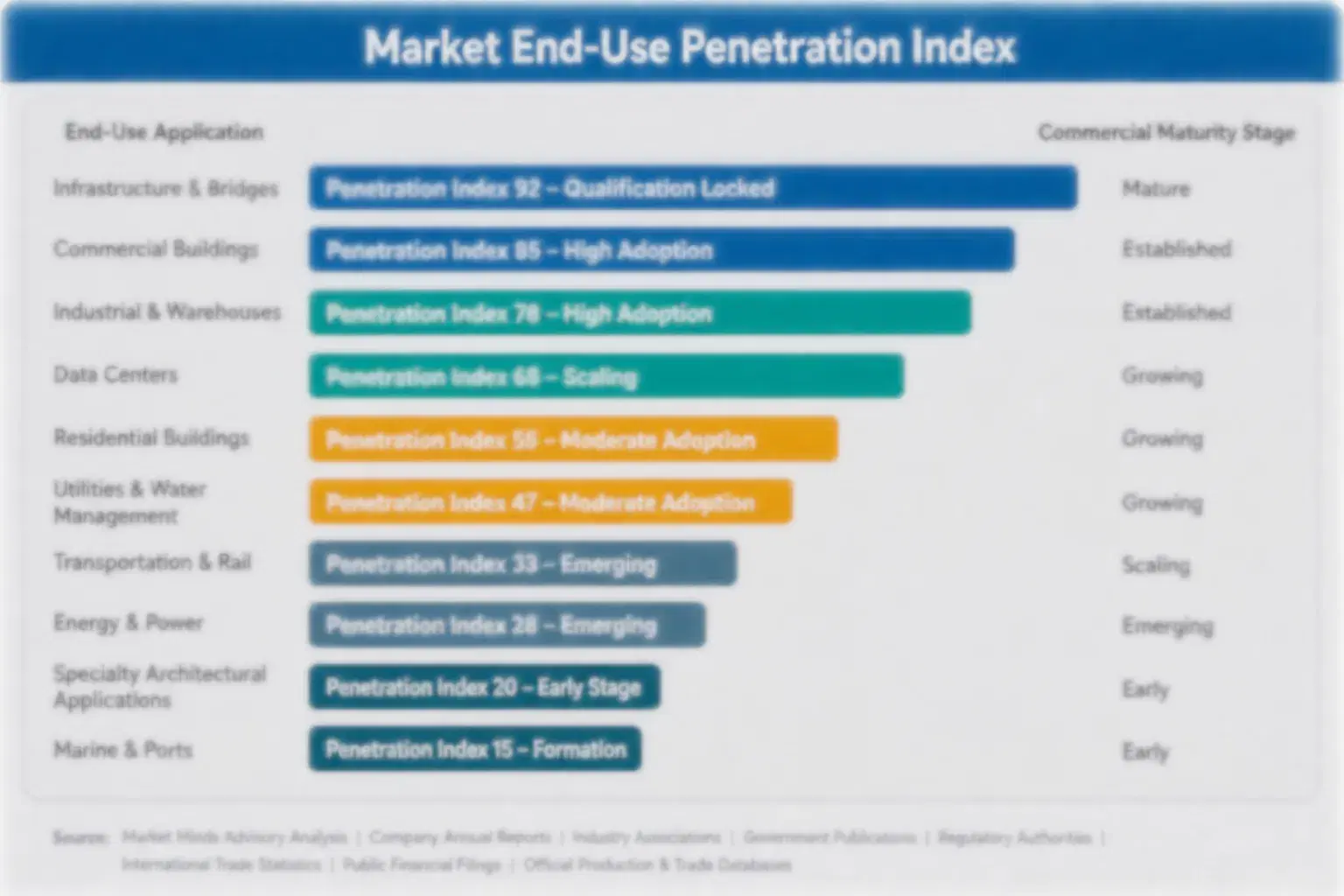
European vinegar and vinaigrette demand behaves like an annuity attached to daily meals. Once a household picks a vinegar or dressing it trusts, bottles are replaced every few months, and switching means risking a different acidity or sweetness. Retailers set shelf plans around sell-through and rotate ranges rarely, so brands with recognised origin and stable quality earn recurring space. Trust, once earned, takes decades to lose.
Adoption stickiness differs by end-use vertical. Restaurants, fish and chip shops and food manufacturers are the deepest, since vinegar is written into recipes and specifications. Households are moderately sticky, driven by cooking habits and brand trust. Wellness and gift buyers are more fluid, changing brands when a new flavour or claim appears, though brands with reliable authenticity hold repeat purchase for several seasons.

Buyer profiles are shifting between generations. Older buyers bought a few trusted vinegars for salads and pickling, while younger buyers ask about raw cider vinegar, flavoured vinegars, sugar and origin, and discover brands through video and wellness channels. Premium home cooks and gift buyers add a third group that pays for aged balsamic. Producers that publish clear origin and ageing information win newer buyers.
europe-vinegar-and-vinaigrette-market-end-use-penetration-index-1790028622162

MMA Verdict: European Vinegar Strategy

These are among the four positions where our research anticipates prominent divergence between winners and laggards over the coming forecast period. Each is grounded in the demand model, the regulatory perimeter, and the announced capacity pipeline.
01 / PROTECTED BALSAMIC STRATEGY

Build Protected Balsamic and Aged Ranges With Verified Origin Before Rules Tighten

Shoppers pay for origin and ageing, and protected and aged balsamic ranges with barrel ageing, certificates and clear storytelling win listings worth 8% to 15% of category value at gross margins of 40% to 52%. Houses should invest $0.5 million to $4 million per range, join consortium controls and publish ageing data. Those that delay will lose premium buyers over the next two years, while early movers hold premium prices, stronger margins and lasting presence across every range review and annual negotiation.
02 / WELLNESS VINEGAR STRATEGY

Launch Cider Vinegar Lines With Compliant Claims Before Wellness Brands Lock Shelves

Wellness shoppers pay for raw and flavoured vinegars, and cider and fruit vinegars with clear mother content and compliant wording win listings worth 10% to 18% of category volume at gross margins of 36% to 52%. Brands should invest $0.3 million to $3 million per range, avoid unauthorised health claims and secure fruit supply. Those that delay will lose shelf space over the next two years, while early movers hold volume, retailer trust and better margins across every launch cycle and annual negotiation.
03 / GRAPE SUPPLY SECURITY

Secure Grape Supply Through Multi-Origin Contracts Before Harvest Swings Erase Margins

Wine and must make up about 40% of production cost and harvests swing, and multi-season contracts with several origins cut margin volatility by 25% to 40%. Producers should invest $0.3 million to $3 million in working capital, hold stock and review terms yearly. Those that delay will absorb spikes over the next two years, while early movers hold protected margins, steady supply and stronger negotiating positions across every harvest, price revision and annual budget review for management, lenders and key retail partners.
04 / ORIGIN AUTHENTICATION DISCIPLINE

Invest in Authentication and Lightweight Glass Before Counterfeits and Costs Erode Trust

Counterfeits and glass cost hurt profit, and isotope testing, batch traceability and lighter bottles protect premium contracts worth 10% to 16% of sales and cut packaging cost by 8% to 15%. Producers should invest $0.3 million to $3 million, train staff and invite buyer audits early. Those that delay will risk losing approvals over the next two years, while early movers hold stronger buyer trust, steady contracts and better margins across every audit cycle, enforcement action and annual supplier review with major retailers.

Engagement Snapshot From the Field

A live engagement with an industry participant carrying material or product regulatory and market exposure ahead of a defining policy shift, showing how our research translates into a defensible multi-year portfolio strategy.
MARKET MINDS ADVISORY · CLIENT ENGAGEMENT SUMMARY
Europe Vinegar And Vinaigrette Producer Strategic Portfolio Review and Transition Roadmap 2026·Investment Scenario on Europe Vinegar And Vinaigrette Exposure Evaluation 2025-26
CLIENT PROFILE
The client is a mid-sized Italian vinegar producer with annual sales near $170 million (client-reported, unverified by MMA), supplying balsamic, wine vinegar and dressings to supermarkets, private label customers and foodservice from two plants. About 68% of sales came from private label and standard grades, grape and glass costs had squeezed margins, and management wanted a plan to grow protected, cider and premium lines.
STRATEGIC CHALLENGE
Private label margins sat near 12% (client-reported, unverified by MMA), grape and glass costs had risen about 26% over two years and counterfeit balsamic was weakening price premiums. Management had to decide whether to build protected aged ranges, launch cider vinegar or invest in authentication, with limited capital and two plants. Key retailers wanted samples within nine months.
MMA APPROACH
MMA analysed sales, cost and utilisation data across 45 products, interviewed 16 retail buyers, chefs and food technologists, and ran a shopper survey on origin, wellness and price across six countries. It modelled margin by product and channel, compared protected ranges, cider vinegar and authentication options by payback and execution risk, and tested each against grape and glass price scenarios.
KEY FINDINGS
  1. A protected and aged balsamic range would win listings worth about 8% of revenue at gross margins above 42% within three years (client-reported, unverified by MMA).
  2. A cider and fruit vinegar line would add volume worth about 9% of revenue at margins near 38% across two years (client-reported, unverified by MMA).
  3. Multi-season grape and must contracts would cut margin volatility by about 27% across three years and every product line sold (client-reported, unverified by MMA).
  4. Authentication and lighter glass would protect contracts worth about 15% of sales and cut packaging cost by about 10% across two years (client-reported, unverified by MMA).
CLIENT PROFILE
The client is a mid-sized Italian vinegar producer with annual sales near $170 million (client-reported, unverified by MMA), supplying balsamic, wine vinegar and dressings to supermarkets, private label customers and foodservice from two plants. About 68% of sales came from private label and standard grades, grape and glass costs had squeezed margins, and management wanted a plan to grow protected, cider and premium lines.
STRATEGIC CHALLENGE
Private label margins sat near 12% (client-reported, unverified by MMA), grape and glass costs had risen about 26% over two years and counterfeit balsamic was weakening price premiums. Management had to decide whether to build protected aged ranges, launch cider vinegar or invest in authentication, with limited capital and two plants. Key retailers wanted samples within nine months.
MMA APPROACH
MMA analysed sales, cost and utilisation data across 45 products, interviewed 16 retail buyers, chefs and food technologists, and ran a shopper survey on origin, wellness and price across six countries. It modelled margin by product and channel, compared protected ranges, cider vinegar and authentication options by payback and execution risk, and tested each against grape and glass price scenarios.
KEY FINDINGS
  1. A protected and aged balsamic range would win listings worth about 8% of revenue at gross margins above 42% within three years (client-reported, unverified by MMA).
  2. A cider and fruit vinegar line would add volume worth about 9% of revenue at margins near 38% across two years (client-reported, unverified by MMA).
  3. Multi-season grape and must contracts would cut margin volatility by about 27% across three years and every product line sold (client-reported, unverified by MMA).
  4. Authentication and lighter glass would protect contracts worth about 15% of sales and cut packaging cost by about 10% across two years (client-reported, unverified by MMA).
RECOMMENDED STRATEGY
Phase 1: Phase 1 (Months 1-9): Sign multi-season grape contracts, join consortium controls and pilot a cider vinegar with two retailers each quarter. Phase 2: Phase 2 (Months 10-24): Launch protected and cider ranges widely, install isotope testing and retire the weakest low-margin private label lines with buyer approval. Phase 3: Phase 3 (Months 25-42): Extend authentication data to all buyers, review contracts yearly and decide on further ageing capacity using margin data.
OUTCOME
Within 42 months, protected, cider and premium products reached 33% of sales, blended margins rose by about six points and packaging cost fell by about 10% (client-reported, unverified by MMA). Two retailers signed multi-year agreements, authentication records supported new listings, and premium ranges strengthened brand equity.

Frequently Asked Questions

Foundational context covering the market sizes, CAGR, scope, country, region and competition that inform every finding below. This section is provided to cover basics and most often pre-purchase conversations, answered from the MMA Primary Research Dataset.

What is the current size of the Europe Vinegar And Vinaigrette Market?

The European vinegar and vinaigrette market was valued at $5.6 billion in 2025 on a manufacturer sales revenue basis. Growth comes from protected balsamic, cider vinegar and dressings, and faces harvest swings and authenticity risks.

How large will the Europe Vinegar And Vinaigrette Market be by 2036?

The market is projected to reach $8.80 billion by 2036, up from $5.83 billion in 2026. The increase of $2.97 billion reflects premium balsamic, wellness vinegar and dressing growth.

What is the CAGR for the Europe Vinegar And Vinaigrette Market 2026 to 2036?

The market is forecast to grow at a 4.2% CAGR from 2026 to 2036. The bull case reaches 5.5% and the bear case 2.9%, depending on wellness demand, harvest outcomes and health claim rules.

Which segment is growing fastest?

Cider and Fruit Vinegar is the fastest-growing segment at 5.9% CAGR, roughly 1.40 times the overall market rate. Vinaigrette and Vinegar-Based Dressings follows at 5.0% CAGR.

Who are the major companies in the Europe Vinegar And Vinaigrette Market?

Major companies include Mizkan, Acetum, Giuseppe Giusti, Casa Rinaldi and Carl Kuhne. Develey, Aspall, Borges, Monini and Unilever also hold meaningful positions in specific countries and channels.

Which country is growing fastest?

Turkey is growing fastest as a supply origin at about 6.2% CAGR, because grape and fruit vinegar exports and nearby European demand expand together. Poland and Hungary follow through contract manufacturing.

Report Segmentation Architecture

The full report scope spans multiple orthogonal segmentation dimensions, with cross-tabulated demand data provided for each dimension pair. Coverage extends further to regional breakdowns, trend trajectories, and the competitive detail needed to support segment-level decision-making.

By Primary Market Dimension

  • Balsamic Vinegar
  • Wine and Sherry Vinegar
  • Cider and Fruit Vinegar
  • Malt and Spirit Vinegar
  • Vinaigrette and Vinegar-Based Dressings

By End-Use Industry

  • Household Consumers
  • Restaurants and Foodservice
  • Food Manufacturing
  • Fish and Chip and Takeaway Outlets

By Commercial Dimension

  • Supermarket and Hypermarket Sales
  • Delicatessen and Specialty Sales
  • Foodservice Distribution
  • Online Retail
  • Private Label Contract Manufacturing

By Region

  • North America
  • Western Europe
  • East Asia
  • South Asia and Pacific
  • Latin America
  • Middle East and Africa
  • Eastern Europe

Scope, Methodology, and Coverage

Every figure in this report is reproducible from documented input assumptions. The scope below maps the historical period, the forecast horizon, the segmentation dimensions, and the countries covered, alongside the underlying primary and qualitative methodology.
Historical Period
2020 to 2025
Forecast Period
2026 to 2036
Base Year
2025 (USD billions; MMA Primary Research Dataset, September 2026)
Market Definition
The market covers European consumption and supply of vinegar and vinaigrette, defined as wine, sherry and balsamic vinegar, cider and fruit vinegar, malt and spirit vinegar and vinegar-based dressings and glazes, in balsamic, wine and sherry, cider and fruit, malt and spirit and vinaigrette and dressing forms, sold through retail, foodservice and industrial channels in Europe and valued at manufacturer sales revenue. It excludes pickles, cooking sauces, mayonnaise and cleaning vinegar sold as a household chemical.
Quantitative Units
USD billions (manufacturer sales revenue); million litres for volume references
Segmentation Dimensions
By Product Type; By End-Use Industry; By Commercial Dimension; By Supply-Origin Region
Regions Covered
North America, Western Europe, East Asia, South Asia and Pacific, Latin America, Middle East and Africa, Eastern Europe
Countries Covered
Italy, Spain, France, Germany, United Kingdom, Netherlands, Belgium, Poland, Hungary, Czechia, Romania, Turkey, Greece, Portugal, United States, Canada, Japan, China, India, Australia, Argentina, Chile, Morocco, Egypt, and additional markets relevant to this sector
Key Companies Profiled
Mizkan, Acetum, Giuseppe Giusti, Casa Rinaldi, Carl Kuhne, Develey, Kraft Heinz, Unilever, Bragg Live Food Products, Aspall, Borges, Deoleo, Monini, Colavita, Barilla, Fleischmann's Vinegar, Acetaia Leonardi, Fini Modena, Kikkoman, Mazzetti d'Altavilla
Quantitative Methodology
Primary survey, n=3,800 respondents, Q4 2025, six countries; demand-side model with trade association cross-validation
Qualitative Methodology
47 expert interviews, Q4 2025; applied to validate demand model assumptions, identify emerging dynamics, and assess competitive positioning
Report Format
PDF and XLSX data workbook (Word format preview document)
Publisher
Market Minds Advisory
Report Code
MMA-2026-AGR-294
Published
September 2026
Contact
sales@marketmindsadvisory.com | www.marketmindsadvisory.com

Purchase the full Europe Vinegar And Vinaigrette Market Report (2026 to 2036).

The full report delivers a detailed assessment of European vinegar and vinaigrette demand through 2036, covering product type, end-use, channel and supply-origin forecasts, competitive benchmarking of leading Italian houses, dressing brands and private label suppliers, and input cost analysis. It combines MMA primary research, including a six-country survey of 3,800 respondents and 47 expert interviews, with public statistical and company data. Analysts also model grape, glass and energy scenarios. Clients receive segment margin ranges, supply maps and a case study on growth strategy. Retailer negotiation frameworks are also included.
Ten-year product type and channel demand forecasts
Wine, must and glass cost tracking
Competitive benchmarking of leading vinegar makers
Protected origin and health claim regulation tracker
Supply-origin regional comparative analysis and forecasts included
Quarterly primary survey data update access

Built For The People Who Decide

From boardroom strategy to bench-side execution, this report is read cover-to-cover by leaders shaping the next decade of their industry, turning demand scenarios, market dynamics and valuation benchmarks into decisions.
CXOs/ Presidents/ VPs/ Managers
M&A and Corporate Development
Strategy Teams and R&D Heads
Procurement and Product Directors
Regulatory and Compliance Leaders
Investor Relations and Equity Analysts