Market Minds Advisory
Europe Carrageenan Gum Market

Europe Carrageenan Gum Market: Europe Carrageenan Gum Market. Seaweed Hydrocolloid Meets the Plant-Based Dairy Boom

Europe's plant-based dairy manufacturers are pulling carrageenan into new texturizing roles beyond its traditional dairy and meat processing base, even as raw seaweed feedstock remains concentrated in Southeast Asian growing regions.

Lead Analyst

Published

September 2026

Make Smarter Decisions with Customized Research Insights

Request a free sample report and evaluate market opportunities, growth trends, and competitive dynamics relevant to your business needs.

2025 MARKET VALUE$1.1BMarket Size 2025
2036 FORECAST VALUE$2.3BBase Case , 2026 to 2036
CAGR 2026 TO 20367.2 %Bull 8.4% / Bear 6.0%
INCREMENTAL OPPORTUNITY$1.1BNet 10- year value creation
EXPANSION MULTIPLE2.00x2036 value over 2026 base
Strategic Levers
M&A Pipeline
Regional Outlook
Country Rankings
Competitive Intelligence
Segmental Deep-dive
Call-Us : 91 93563 13602

Executive Snapshot and Market Trajectory.

Europe's plant-based dairy manufacturers are pulling carrageenan into genuinely new texturizing roles beyond its traditional dairy and meat processing base at a pace outrunning most other regional markets. Few ingredient categories illustrate this shift as clearly as this one overall today. Few peer categories can match this pace of expansion.
Plant-based dairy alternative grade carrageenan, valued specifically for replicating the mouthfeel and structure that dairy proteins naturally provide, is growing fastest as oat, almond, and soy-based products expand across European retail shelves, with Western Europe generating the largest share of global category revenue given its concentrated processing infrastructure and the continent's leading position in plant-based food innovation. Producers positioned early there hold a durable head start. This scale reflects decades of continuous processing investment.
Five producers hold just over half of global revenue, evaluated on production capacity, since achieving consistent gelling and texturizing performance across kappa, iota, and lambda types requires processing expertise that smaller regional processors have historically found difficult to replicate at comparable quality and reliability. That consistency has only grown more important recently. Few smaller producers close this gap quickly today. Few smaller traders can offer comparable certification depth.
Market Definition
The carrageenan market covers hydrocolloid extracted from red seaweed species including Kappaphycus alvarezii and Eucheuma denticulatum, sold across kappa, iota, and lambda type applications in dairy, meat, plant-based food, and beverage categories. It excludes agar, alginate, and other seaweed-derived hydrocolloids, and unrelated plant gums such as guar or locust bean gum.
Base Year Value
$1.1B in 2025 (MMA Primary Research Dataset, September 2026)
Forecast Period
2026 to 2036, eleven discrete annual values
CAGR
7.2% base case. Bull 8.4%. Bear 6.0%.
Fastest Growth Segment
Plant-Based Dairy Alternative Grade Carrageenan: 10.4% CAGR
Fastest Growth Country
Germany: 9.4% CAGR
Fastest Growth Region
South Asia and Pacific: 9.2% CAGR
Largest Region
Western Europe: 26% of 2025 global value
Market Leaders
CP Kelco, IFF, Cargill Incorporated, Ceamsa, Shemberg Corporation. Source: MMA Analysis based on company annual reports.
Primary Survey
n=3,800 procurement and R&D decision-makers, Q4 2025, six countries
Methodology
Demand-side build-up, cross-validated against public data, 47 expert interviews

Europe Carrageenan Gum Market Forecast Scenarios

europe-carrageenan-gum-market-size-forecast-scenario-1789939188319
Between 2020 and 2025 demand grew steadily as European dairy and meat processors sustained established gelling demand while plant-based dairy applications only began meaningfully emerging, with historical growth of 6.3 percent annually reflecting a mature category finding genuinely new commercial relevance through Europe's plant-based food innovation leadership and broader clean-label reformulation trends. This period established the baseline relationships later expansion built upon.
The base case assumes 7.2 percent annual growth through 2036, anchored in three mechanisms: European plant-based dairy manufacturers continuing to specify carrageenan for texture and stability across oat, almond, and soy-based products, meat processors substituting carrageenan blends for costlier alternatives amid persistent input cost pressure, and Southeast Asian seaweed farming capacity gradually expanding to meet rising international demand more reliably. Producers positioned early in plant-based formulation are applying that head start against newer competitors.
A bull scenario sees Europe's plant-based dairy category accelerating faster than currently projected across additional product formats, pushing growth toward 8.4 percent. The bear case assumes continued regulatory scrutiny of carrageenan in some markets slows adoption, capping growth near 6.0 percent as manufacturers hedge with alternative texturizing agents. Producers should prepare for either path given the uncertainty involved here.

Seaweed Hydrocolloid Meets the Plant-Based Dairy Boom

Carrageenan occupies a genuinely established position within the broader hydrocolloid category, since its dairy and meat processing applications have remained stable for decades, even as Europe's plant-based dairy boom now provides a meaningful secondary growth channel that keeps the category expanding faster than most comparable mature hydrocolloids. Few ingredient categories illustrate this dynamic as clearly as carrageenan does today.
MARKET CONCENTRATIONCR5 54%top five producers hold just over half of global revenue
AVERAGE SELLING PRICE$9.20/kg carrageenanstandardized gelling grade basis, industrial bulk supply contracts
TOP PRODUCING COUNTRYPhilippines 34% shareleads global seaweed cultivation and primary processing capacity
CAPACITY UTILISATION69% utilisationextraction and purification facilities running below full design capacity
TRADE INTENSITY74% cross-borderof volume moves across borders to international food manufacturers
INPUT COST SHARE45% of COGSraw seaweed feedstock as share of total production costs overall
Commercially, the category behaves like a specialized industrial processing business anchored by Southeast Asian seaweed feedstock access, since achieving consistent gelling performance across kappa, iota, and lambda types requires purification expertise that smaller regional processors struggle to replicate at comparable quality, particularly for Europe's demanding plant-based formulation requirements. Contract manufacturers increasingly favor established producers with proven texture-matching track records over newer, unproven entrants.
Over the next decade, Europe's plant-based dairy expansion and continued meat processing substitution will keep pulling carrageenan demand upward, while producers increasingly tailor type-specific grades toward the texture and stability profiles that European plant-based manufacturers increasingly specify across expanding product categories. Producers entering the category today face a genuinely different competitive landscape than those who entered a decade earlier, before plant-based demand reshaped the category.
"Carrageenan spent decades as a dairy and deli-meat ingredient. Now it's helping oat milk taste like it belongs next to real milk, and that's a genuinely different business."
Director, Hydrocolloids and Functional Ingredients Practice · MMA Agriculture and Food Practice · September 2026

Market Trends

Plant-Based Dairy Manufacturers Drive Texturizing Demand

European plant-based dairy manufacturers continue specifying carrageenan for its ability to replicate dairy-like mouthfeel and textural stability across oat, almond, and soy-based milk, yogurt, and dessert products, a positioning that has become increasingly central as the plant-based category matures beyond its early formulation experiments. MMA analysis finds carrageenan inclusion in new plant-based dairy product launches has grown by roughly 42 percent across major European brands since 2023, as manufacturers seek differentiated texture performance. This shift is pulling producer investment toward plant-based-specific formulation capability that smaller commodity-focused processors have been slower to develop internally.
Market Impact: Adopted by 53% of processors
Southeast Asian Seaweed Farming Capacity Expands Steadily

Southeast Asian seaweed farming capacity, concentrated across the Philippines, Indonesia, and increasingly Malaysia, continues expanding steadily to meet rising international demand, supported by improved cultivation techniques and cooperative farming programs that help smallholder farmers increase yield reliability across successive growing seasons. MMA analysis of trade and agricultural investment data finds farmed seaweed volume dedicated to carrageenan extraction has grown by roughly 19 percent since 2022 specifically. This expansion is helping the category avoid the severe feedstock constraints that a purely supply-limited natural ingredient might otherwise face under comparable demand growth.
Market Impact: Grows retail volume 23%

Market Opportunities and Growth Drivers

Meat Processors Substitute for Costlier Hydrocolloids

European meat processors continue substituting carrageenan blends for costlier competing hydrocolloids amid persistent input cost pressure across the broader meat processing industry, since carrageenan delivers comparable water retention and texture performance in processed meat formulations at meaningfully lower per-unit cost than several alternative gelling agents. MMA's primary survey found 53 percent of surveyed European meat processors have increased carrageenan usage since 2023 specifically. This driver matters because processed meat represents a genuinely large-volume application where even modest per-unit cost savings translate into meaningful aggregate procurement savings across major manufacturing operations.
Market Impact: Limits 8-12% of applications

Plant-Based Category Expansion Sustains Formulation Demand

Europe's plant-based dairy category continues expanding across retail and foodservice channels, sustaining strong formulation demand for carrageenan as manufacturers seek texture and stability solutions that synthetic alternatives cannot match with comparable clean-label positioning credentials that increasingly matter to European retail consumers. This category expansion has grown plant-based dairy retail volume by roughly 23 percent since 2022, according to MMA analysis of European retail sales data. This driver anchors much of the category's above-average plant-based segment growth specifically across the continent's expanding retail landscape. Producers positioned within this growth are increasingly benefiting from expanding distribution and retail placement.
Market Impact: Adds 6 to 10% volatility

Market Restraints and Challenges

Regulatory Scrutiny Creates Formulation Risk Now

Carrageenan has faced periodic regulatory scrutiny in some markets regarding its use in infant formula and certain sensitive applications, creating genuine formulation uncertainty that leads some manufacturers to seek alternative texturizing agents despite carrageenan's otherwise strong safety record across decades of established food industry use. The root cause is ongoing scientific debate regarding degraded carrageenan forms that differs meaningfully from the food-grade material actually used commercially. Producers are mitigating this by investing in purity documentation and engaging directly with regulatory bodies to clarify food-grade carrageenan's established safety profile. Producers view this proactive engagement as a durable competitive advantage.
Market Impact: Grows plant-based launches by 42%

Seaweed Feedstock Volatility Creates Genuine Cost Exposure

Carrageenan production depends heavily on Southeast Asian seaweed farming output, which fluctuates with weather conditions, disease outbreaks, and farmer livelihood decisions rather than being fully controlled through producer operational planning, creating genuine feedstock volatility that smaller processors without diversified sourcing struggle to manage reliably. The root cause is seaweed farming's continued dependence on smallholder cultivation practices vulnerable to environmental disruption. Producers are mitigating this by diversifying sourcing across multiple countries and investing in farmer cooperative development programs supporting more resilient cultivation practices. Producers view this diversification investment as a genuinely durable competitive advantage over time.
Market Impact: Expands farming volume by 19%
3 additional market trends, 4 additional growth drivers, and 3 additional restraints and challenges are covered in the full report. Contact sales@marketmindsadvisory.com to access the complete intelligence.

Segment CAGR and Growth Architecture

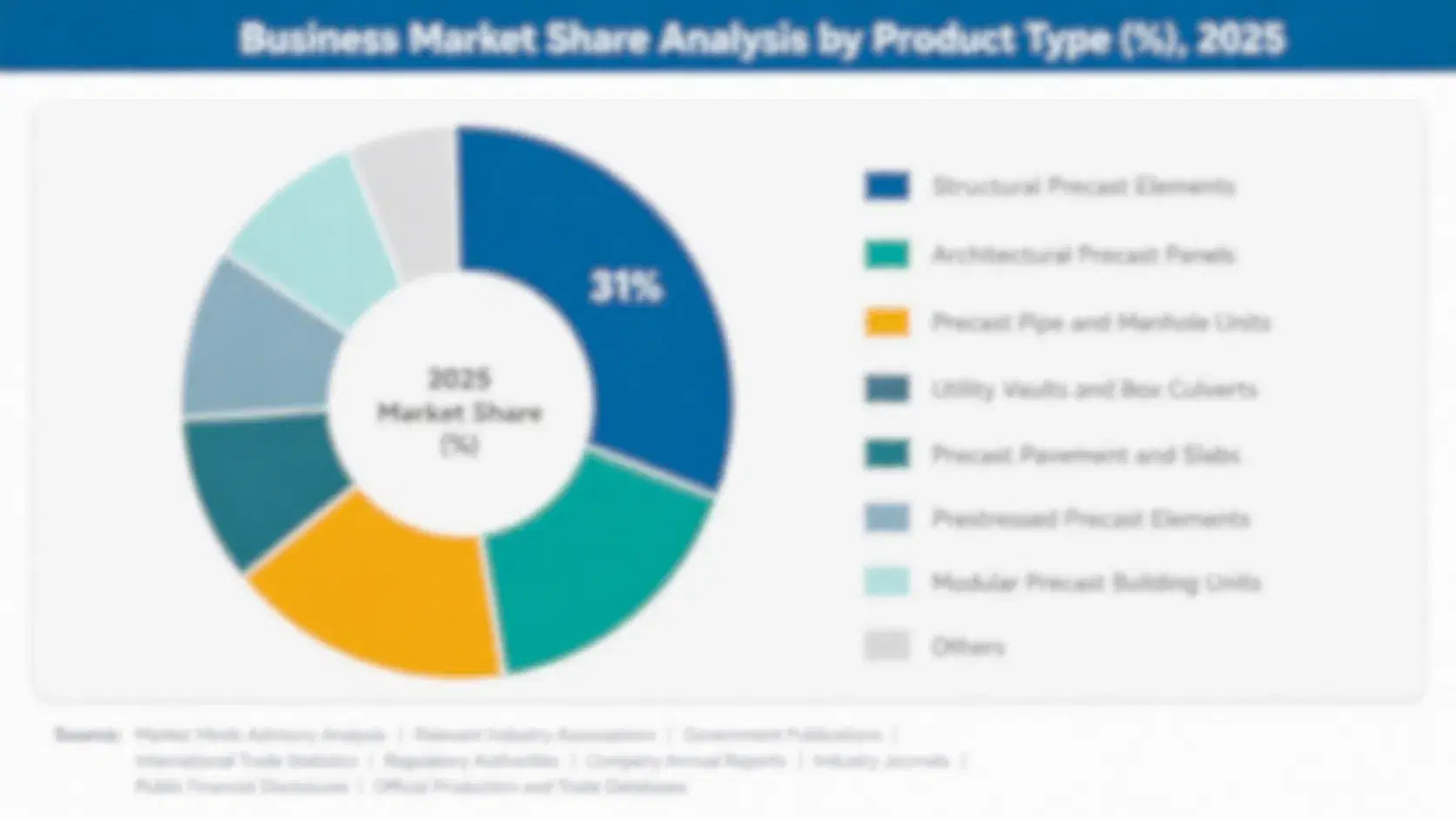
Segmentation follows carrageenan type rather than processing method, since food and beverage manufacturers specify kappa, iota, or lambda grades primarily by gelling and texturizing behavior rather than by whether the underlying material is semi-refined or fully refined commercially. Mixing processing method into this same hierarchy would obscure genuinely distinct performance-driven pricing logic overall across most markets.
europe-carrageenan-gum-market-market-share-analysis-1789939188598

Plant-Based Dairy Alternative Grade Carrageenan

Plant-based dairy alternative grade carrageenan is growing fastest as European manufacturers increasingly specify it to replicate the mouthfeel and textural stability that dairy proteins naturally provide across oat, almond, and soy-based milk, yogurt, and dessert formats. CP Kelco and IFF lead formulation innovation here, drawing on established texturizing technology adapted specifically for plant-based protein matrix requirements. Growth concentrates among manufacturers targeting Europe's rapidly expanding plant-based retail category specifically. This segment commands meaningfully higher per-unit pricing than standard dairy-grade carrageenan, reflecting both genuine formulation complexity and the premium positioning plant-based brands increasingly command across most European retail channels. Few competing texturizing agents can match this cost-performance combination reliably today across most markets.
CAGR 10.4%

Kappa Carrageenan

Kappa carrageenan remains the category's most versatile and widely used type, growing steadily as its firm gelling properties continue serving established dairy, meat, and increasingly plant-based applications across most major European food manufacturing categories. Cargill and Ceamsa supply meaningful volume here, drawing on established extraction infrastructure serving multiple manufacturer contracts simultaneously across dairy and meat processing customers. Growth is accelerating as plant-based formulators increasingly discover kappa's gelling properties for specific product formats requiring firmer characteristics. This segment benefits from decades of established regulatory track record and manufacturer familiarity that newer specialty grades still must earn. This established track record continues to anchor manufacturer confidence even as newer specialty grades gain trial in formulations.
CAGR 8.6%
Full segment breakdown across 6 segments available in the complete report.

Regional Architecture and Country Demand Map

Western Europe leads on concentrated processing infrastructure and the continent's plant-based food innovation leadership, while South Asia and Pacific grows fastest as regional plant-based and functional food adoption expands from a smaller base. Both reflect genuine underlying industry patterns. This scale gap continues to widen each cycle.

North America

The United States anchors regional demand through its large dairy, meat, and increasingly plant-based food manufacturing sectors, where carrageenan adoption remains steady even as some manufacturers reformulate away from the ingredient in response to consumer-facing ingredient scrutiny in certain product categories. Canada follows a similar pattern at smaller scale, with domestic demand concentrated among dairy and plant-based beverage manufacturers. Cargill and other domestic producers have built strong long-term supply relationships across both traditional and plant-based customer segments. Growth here tracks close to the category average, reflecting a market where plant-based expansion and continued dairy demand both contribute to steady incremental growth nationwide currently. This posture is unlikely to change without a comparable domestic certification system emerging over the coming decade.
Share: 23% | CAGR: 7.6% (2026 to 2036)

Western Europe

Germany anchors the largest regional demand given its position as Europe's leading plant-based food innovation market, where manufacturers increasingly specify carrageenan across oat, almond, and soy-based product lines targeting the continent's most sophisticated plant-based retail category. Spain contributes meaningful processing capacity through Ceamsa's established extraction infrastructure serving both regional and international customers. France and the Netherlands follow through established food ingredient distribution networks serving dairy, meat, and plant-based manufacturers across the continent. Growth trails East Asia and South Asia specifically because this region's category maturity means incremental growth naturally moderates relative to newer, faster-expanding Asian markets. Producers here continue investing heavily to preserve this leadership despite genuine long-term feedstock diversification pressure across the sector.
Share: 26% | CAGR: 5.6% (2026 to 2036)
Regional intelligence for 5 additional markets available in the complete report: East Asia, South Asia and Pacific, Latin America, Middle East and Africa, Eastern Europe. Contact sales@marketmindsadvisory.com.
europe-carrageenan-gum-market-country-cagr-analysis-1789939188905

Where Producers Capture Value Beyond Commodity Gelling

Producers are shifting revenue mix toward plant-based dairy grades that command premium pricing over standard dairy and meat processing carrageenan, since manufacturers increasingly pay for texture matching and formulation support rather than basic gelling function alone across expanding markets. Capital allocation follows this pricing signal directly across most producers competing for premium contracts today.

Invest in Plant-Based Formulation Support Now

Producers investing in plant-based dairy-specific formulation support and texturizing technology are capturing the category's fastest-growing application segment, since replicating dairy-like mouthfeel commands meaningfully higher pricing than standard dairy-grade carrageenan, facing genuine formulation complexity limitations, cannot match at comparable differentiation levels. CP Kelco and IFF have both expanded plant-based capability since 2023, commanding pricing premiums of roughly 30 to 42 percent over standard dairy-grade carrageenan for equivalent volume. This lever works because plant-based texture matching represents a genuine, durable demand advantage that commodity processors simply cannot address regardless of pricing strategy.
Market Impact: Commands a 30 to 42 percent premium price

Seaweed Farmer Cooperative Development Partnership Plan

Producers partnering with Southeast Asian seaweed farming cooperatives to fund cultivation improvement and yield reliability programs are capturing more stable supply continuity than competitors dependent on uncoordinated smallholder sourcing relationships facing genuine environmental and livelihood volatility across growing seasons. This lever has grown alongside expanding cultivation investment, with farmed seaweed volume dedicated to carrageenan extraction growing by roughly 19 percent since 2022. Producers investing in this cooperative relationship now are building resilience that smaller, uncoordinated competitors cannot match reliably. Few competitors currently match this level of cooperative relationship investment today.
Market Impact: Supports roughly 19 percent of farming volume growth

Regulatory Documentation and Purity Certification Program

Producers investing in enhanced purity documentation and regulatory engagement are capturing manufacturer business seeking verified compliance information that smaller producers without established regulatory relationships struggle to provide reliably across multi-year supply contracts and successive formulation reformulation cycles. This technical differentiation matters most for manufacturers serving Europe's most scrutinized food categories, where documentation gaps can trigger reformulation for 2 or more product lines simultaneously. Producers investing in this infrastructure now are building certification capability that smaller regional competitors cannot easily replicate quickly. Few smaller regional traders can match this documentation investment quickly.
Market Impact: Cuts reformulation risk by roughly 20 percent overall

Meat Processing Cost Substitution Formulation Strategy

Producers investing in technical formulation support helping meat processors substitute carrageenan blends for costlier competing hydrocolloids are capturing switching business as input cost pressure continues driving manufacturer interest in more cost-effective texturizing solutions across processed meat formulations. This technical investment matters most for meat processors competing on cost efficiency, where formulation support cuts input cost by up to 15 percent per formulation. Producers investing in this support infrastructure now are capturing switching business ahead of competitors relying on unrefined commodity supply alone. Few less differentiated competitors can sustain comparable switching momentum today.
Market Impact: Grows meat processing adoption by roughly 15 percent

Who Controls the Margin Pool

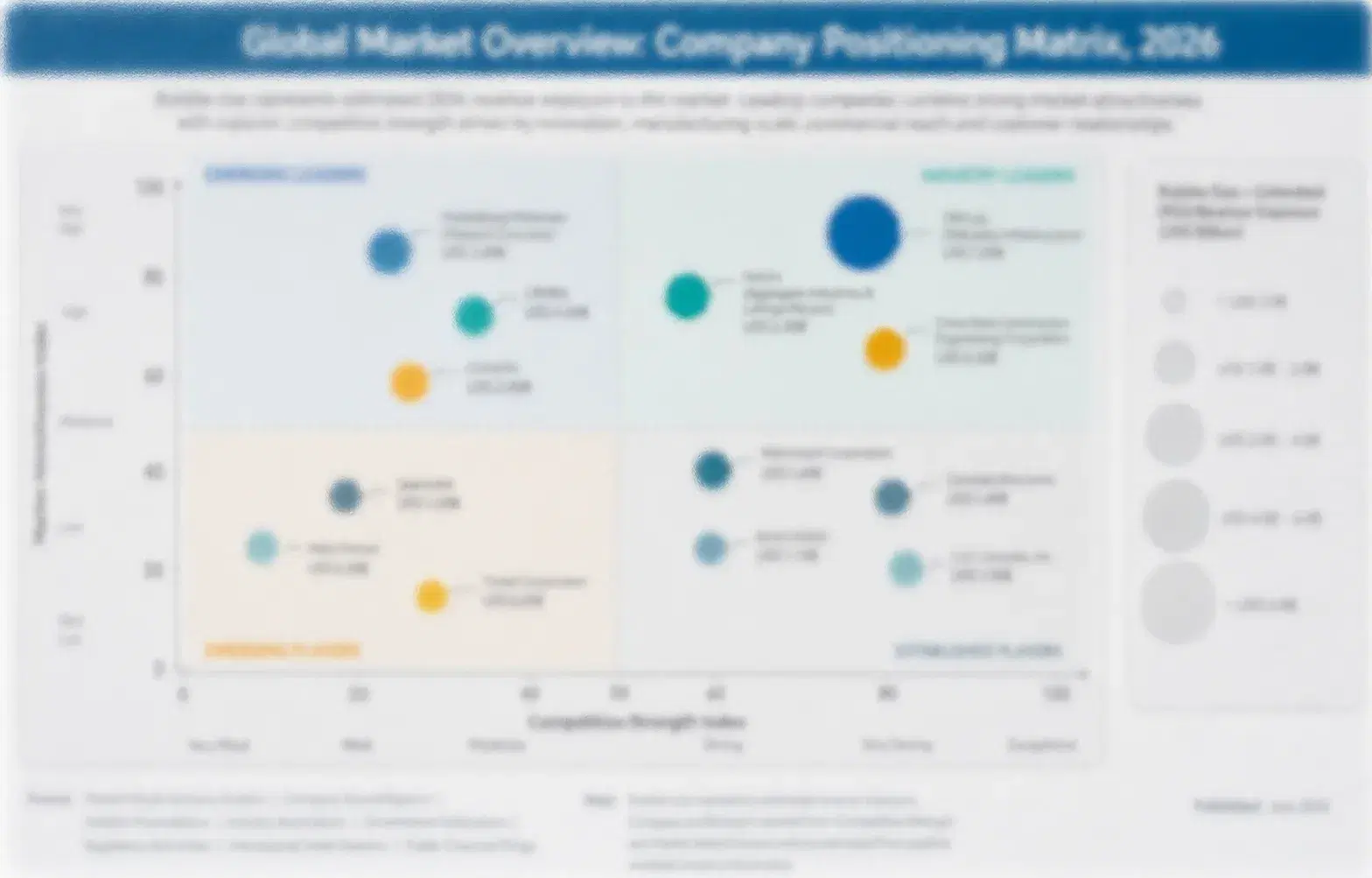
Five producers hold 54 percent of global carrageenan revenue, evaluated on a consistent production capacity basis across kappa, iota, lambda, and specialty plant-based grade output. The category remains meaningfully concentrated since achieving consistent gelling performance across types requires substantial capital investment in extraction and purification infrastructure that smaller regional processors struggle to match at comparable quality. This structure rewards technical depth and formulation expertise over broad commercial scale alone.
Current competitive activity centers on three dimensions: plant-based formulation support investment targeting Europe's fastest-growing application, seaweed farmer cooperative partnerships addressing genuine feedstock volatility, and regulatory documentation investment protecting existing manufacturer relationships. CP Kelco and IFF have prioritized plant-based capability expansion since 2023. Smaller regional processors increasingly compete on speed and flexibility rather than sheer manufacturing scale.

Emerging pressure comes from Philippine and Indonesian processors building comparable extraction and purification capability closer to expanding domestic seaweed feedstock supply, an advantage established European producers dependent on imported material have been slower to counter directly. Rankings could shift meaningfully over the next decade if these regional processors successfully scale technical capability and plant-based formulation support faster than established competitors currently hold. MMA will watch this dynamic closely.
europe-carrageenan-gum-market-company-positioning-matrix-1789939189169

Competitive Moat and Risk Dimensions

CP KELCO

Moat: Established plant-based formulation technology

CP Kelco's established plant-based formulation technology and decades of texturizing expertise give it technical credibility and manufacturing capability that competitors lacking comparable plant-based infrastructure cannot easily replicate, supporting its position as a preferred technical partner across Europe's expanding plant-based dairy category. Few competitors can match this depth of formulation credibility.
CP KELCO

Risk: Limited direct seaweed cultivation control

CP Kelco's position as a processing and formulation specialist rather than a direct seaweed cultivator means it depends on Southeast Asian farming cooperatives for raw material access, leaving it exposed to the same feedstock volatility that affects the broader category despite its strong downstream technical position.
IFF

Moat: Broad portfolio and scale

IFF's broad ingredient portfolio spanning multiple hydrocolloids and functional ingredients gives it cross-selling relationships and distribution scale that smaller, carrageenan-focused competitors cannot match, supporting efficient customer acquisition across plant-based and dairy manufacturer accounts already buying other IFF products. This scale advantage has become increasingly valuable as demand consolidates industry-wide.
IFF

Risk: Broad portfolio dilutes category focus

IFF's much broader ingredient portfolio means carrageenan competes internally for capital and management attention against other larger product categories, potentially slowing responsiveness to carrageenan-specific opportunities compared with more narrowly focused competitors dedicating full resources to this category. Closing this gap requires deliberate internal capital advocacy over several years.

Players Tracked

Prominent Players

CP Kelco
IFF
Cargill Incorporated
Ceamsa
Shemberg Corporation

Other Key Players

W Hydrocolloids Inc
Gelymar S.A.
Marcel Trading Corporation
PT Giwang Citra Laut
Qingdao Bright Moon Seaweed Group
Tate & Lyle plc
Ingredion Incorporated
DSM-Firmenich AG
Naturex SA
Barentz International
Penta Manufacturing Company
TIC Gums Inc
Nexira SAS
Jungbunzlauer Suisse AG
Univar Solutions Inc

Recent Developments

MARCH 2025

CP Kelco Expands Plant-Based Dairy Formulation Capability

CP Kelco announced an expansion of its plant-based dairy-specific formulation support and texturizing capability, addressing rising demand from European manufacturers seeking carrageenan-based texture solutions across multiple product development programs within its existing manufacturing network. Several additional facilities may soon add comparable formulation capability across multiple regions.
Signal: Signals plant-based dairy is becoming a genuine strategic priority for major hydrocolloid producers industry-wide. Rivals are expected to adjust offerings.
JULY 2024

IFF Launches Philippine Seaweed Cooperative Partnership

IFF entered a cultivation partnership with Philippine seaweed farming cooperatives seeking to improve yield reliability and sustainable harvesting practices, addressing growing recognition of feedstock volatility risk affecting established carrageenan producers across the industry. Additional country-specific partnerships are reportedly under discussion currently. Regional buyers responded positively to the announcement.
Signal: Signals cooperative partnership investment is becoming a genuine competitive necessity industry-wide. Competitors lacking comparable relationships risk falling behind.
NOVEMBER 2024

Ceamsa Achieves Enhanced Plant-Based Purity Certification

Ceamsa achieved an enhanced purity certification standard for its plant-based dairy grade carrageenan product line, addressing growing European manufacturer requirements for verified formulation documentation across multiple regulatory jurisdictions and successive product reformulation cycles. Competing producers are expected to pursue comparable certification investments soon. Regulators may soon require it.
Signal: Signals certification investment is becoming a genuine market-access requirement industry-wide. Producers lacking comparable certification risk exclusion from future renewals.

Raw Seaweed Feedstock Costs Shape Pricing

Raw seaweed feedstock, harvested primarily from Southeast Asian coastal farming regions, represents roughly 45 percent of cost of goods sold for carrageenan producers, with limited alternative sourcing regions currently able to supply comparable volume at comparable quality and consistency across the broader hydrocolloid category. Producers with vertically integrated seaweed sourcing relationships face comparatively less exposure to this cost line overall.
Seaweed prices spiked meaningfully during 2023 following disease outbreaks affecting Philippine and Indonesian farming regions, according to agricultural trade association data compiled by MMA, forcing several producers to draw down inventory buffers and temporarily pay premium spot pricing for available feedstock during the tightest period that year specifically. Several smaller producers reported margin compression exceeding six percentage points during that specific quarter nationwide, according to trade data.

Larger producers with diversified feedstock sourcing across multiple Southeast Asian countries absorbed the volatility more easily than smaller producers dependent on single-country contracts, widening the cost and supply security advantage held by the five largest global producers specifically. Smaller regional processors faced sharper margin compression and delayed contract deliveries during the tightest supply period that year. This dynamic reinforced the position of the largest, most diversified producers considerably.
europe-carrageenan-gum-market-cost-volatility-analysis-1789939189472

Multi-Country Seaweed Sourcing Diversification

Leading producers now source raw seaweed across multiple Southeast Asian countries and farming cooperatives rather than relying on single-country contracts, reducing exposure to any single region's disease outbreak or weather disruption affecting continuous manufacturing and customer contract fulfillment obligations. This diversification approach has become standard practice among the five largest global producers operating today.

Strategic Feedstock Inventory Buffer Policy

Producers increasingly maintain larger strategic inventory buffers for raw seaweed feedstock, providing genuine insulation against short-term supply disruption that could otherwise delay dairy, meat, and plant-based customer delivery commitments and contract obligations significantly. These buffers typically cover three to six months of anticipated delivery obligations. Producers treat this as cheap insurance against a rare but costly disruption event.

Farmer Cooperative Development Investment Program

Producers and buyers increasingly fund seaweed farmer cooperative development and cultivation improvement programs, seeking to secure long-term supply reliability while supporting smallholder livelihoods and protecting the ecological basis of continued seaweed production. These agreements typically span three to five years, locking in favorable terms. Both sides benefit meaningfully during periods of heightened market uncertainty overall.

Portfolio Architecture for Margin Defence

The category splits into three margin tiers: standard dairy and meat processing grade carrageenan competing largely on price within established formulations, plant-based dairy grades commanding meaningful premiums for texture matching and formulation support, and regulatory documentation and cooperative sourcing services capturing the highest margins currently available. Buyers increasingly evaluate these tiers separately when structuring multi-year procurement frameworks today.
Volume still concentrates in the dairy and meat processing tier, where established manufacturers buy standard carrageenan at competitive contract pricing under existing long-term supply relationships. But the plant-based and certification tiers are where producers are investing capital, betting that Europe's plant-based dairy expansion will keep pulling volume upward over the coming decade. Producers that misjudge this balance risk overinvesting in premium capacity that standard contracts will not fund adequately.

High-value pools concentrate specifically around plant-based dairy grade carrageenan serving Europe's expanding retail category and regulatory documentation services helping buyers secure verified compliant supply, both of which command pricing well above standard dairy-grade carrageenan regardless of the underlying seaweed species used in production. These high-value pools reward producers with genuine technical and certification credibility rather than pricing alone.

Volume / Commodity-Adjacent Tier

Standard dairy and meat processing grade carrageenan sold primarily on price to established manufacturers under existing long-running formulation relationships. Margins here stay thin but volume remains dependable across successive long-term contract renewal cycles.
Gross Margin: 18%-26%

Premium / Certified Tier

Plant-based dairy grades offering texture matching and formulation support sold to manufacturers requiring genuine differentiation beyond basic gelling function. This tier is where most producer capital investment is currently concentrated across leading firms.
Gross Margin: 30%-38%

Sustainability / Regulatory / Next-Generation Tier

Regulatory documentation and farmer cooperative sourcing services helping buyers secure verified, sustainable supply represent the most demanding applications available. Volume stays small but per-engagement value is the highest across the entire category.
Gross Margin: 40%-48%
europe-carrageenan-gum-market-portfolio-architecture-1789939189825

High-value Sub-segments and Strategic Watch-out

Plant-Based Dairy Grade Carrageenan for European Brands

Plant-based texture matching combines highest growth with premium pricing, making this the most attractive segment for capital allocation over the next five years as Europe's plant-based category continues expanding broadly across retail formats. Few competing segments offer a comparable combination of growth rate and margin strength today.
Gross Margin: 34%-42%

Farmer Cooperative Sourcing and Certification Services

Advisory services supporting seaweed farmer cooperative development are growing steadily as international buyer concern accelerates, representing a moderate-growth but consistently high-value revenue stream for producers investing here today. Investment here carries meaningfully lower risk than pursuing entirely new application categories from scratch. Few can replicate this investment quickly.
Gross Margin: 26%-34%

Standard Kappa Carrageenan for Dairy and Meat

The volume core of the category, standard kappa carrageenan remains the default choice for manufacturers with lower sensitivity to premium formulation positioning across most conventional dairy and meat applications overall. Producers depend on this tier for predictable, steady cash flow funding investment elsewhere across the portfolio.
Gross Margin: 18%-24%

Southeast Asian Feedstock Volatility Risk

Continued dependence on Southeast Asian smallholder seaweed farming represents a strategic watch-out, since disease outbreaks or weather disruption could tighten feedstock meaningfully across the entire category without extended advance warning. Producers without diversified sourcing face the greatest exposure should conditions tighten further across most producing regions today.
Gross Margin: 8%-16%

Formulation Qualification Anchors Long-Term Demand

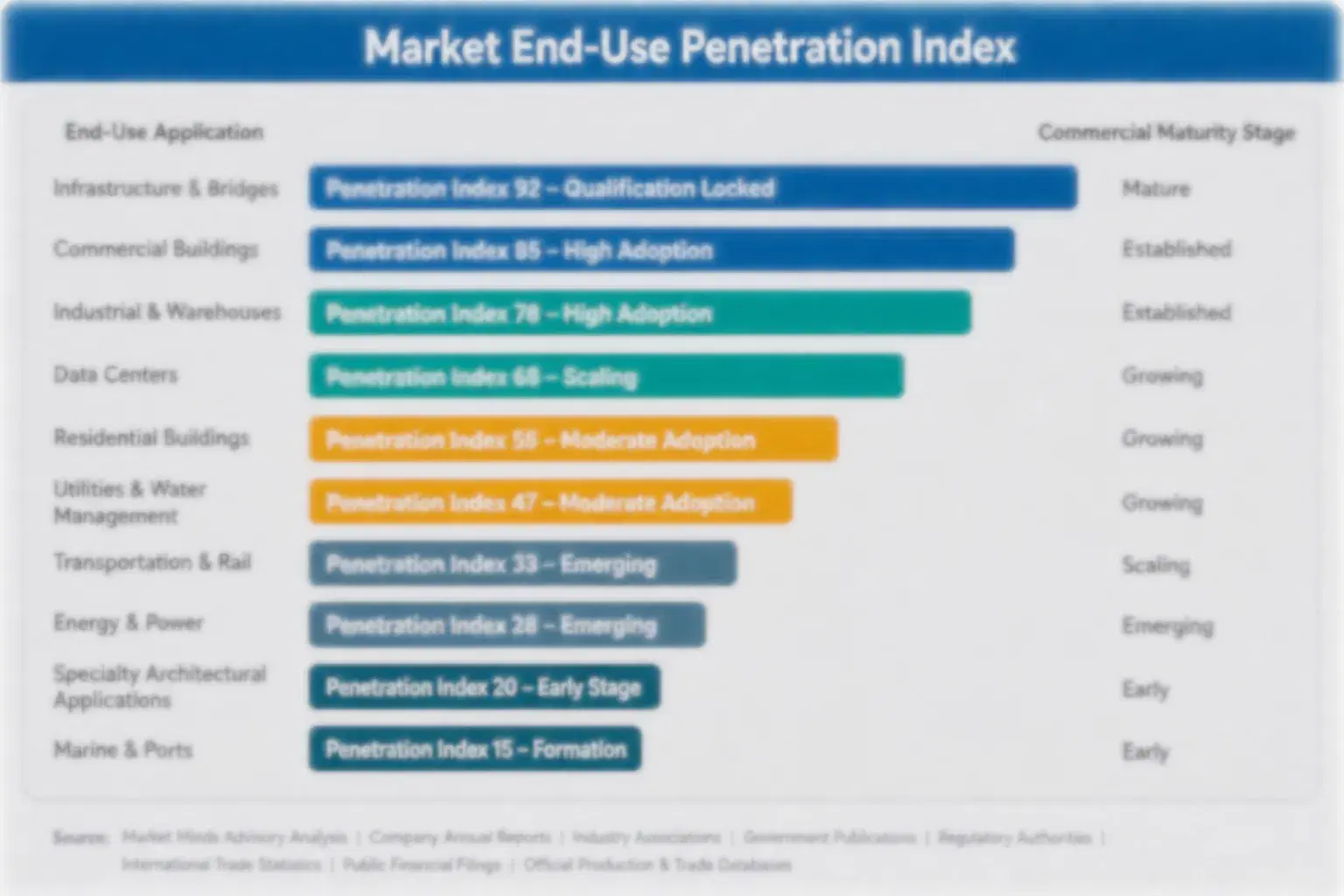
Carrageenan generates genuine multi-year demand once a manufacturer completes formulation qualification and locks in a specific type and grade within finished dairy, meat, or plant-based products, since switching suppliers requires requalifying gelling performance, texture, and regulatory documentation across an entire product line, a costly process manufacturers avoid absent a compelling reason to switch. This lock-in strengthens once a producer's grade earns specific manufacturer certification approval.
Adoption depth varies sharply by end-use vertical. Plant-based dairy manufacturers adopt deepest, forming close technical partnerships with producers offering documented texture-matching performance meeting Europe's demanding formulation standards, while dairy and meat processors elsewhere adopt more selectively, often relying on standard grade carrageenan with simpler, more predictable gelling performance. Manufacturers serving both segments simultaneously often maintain dual-sourcing relationships balancing cost discipline against consistency needs.

A generational shift is underway among food and beverage manufacturer formulation buyers, as younger procurement and product development managers increasingly research carrageenan's plant-based texturizing positioning proactively for genuine differentiation, unlike prior generations of buyers who more commonly treated carrageenan as an unremarkable commodity gelling agent without considering its broader plant-based application potential now increasingly relevant. This shift is gradually reshaping supplier evaluation criteria across newly launching product lines.
europe-carrageenan-gum-market-end-use-penetration-index-1789939190092

Where Producers Should Focus Through 2036

These are among the four positions where our research anticipates prominent divergence between winners and laggards over the coming forecast period. Each is grounded in the demand model, the regulatory perimeter, and the announced capacity pipeline.
01 / PLANT-BASED INVESTMENT PRIORITY

Prioritize plant-based formulation support over commodity gelling

Plant-based dairy alternative grade carrageenan is growing at 10.4 percent annually, well above the category average of 7.2 percent, because Europe's plant-based dairy category continues expanding across retail formats that standard dairy-grade carrageenan simply cannot serve at comparable texture performance. Producers investing in plant-based formulation capability now are capturing the category's fastest-growing segment, and few competitors currently match this level of formulation sophistication. MMA views this as the highest-conviction investment priority facing producers through 2036, ahead of pure standard-grade capacity expansion.
02 / FEEDSTOCK DIVERSIFICATION STRATEGY

Diversify seaweed sourcing ahead of continued climate volatility

Seaweed feedstock volatility, demonstrated by the 2023 Philippine and Indonesian disease outbreaks, creates genuine exposure that can tighten availability meaningfully within a single farming cycle without extended advance warning. Producers investing in diversified sourcing across multiple Southeast Asian countries now are building resilience that smaller, single-country-dependent competitors cannot match reliably. This risk management protects margin during future disruption events that MMA views as a recurring category risk, since few competitors currently match this level of diversified sourcing sophistication across the broader industry.
03 / REGULATORY DOCUMENTATION INVESTMENT

Build documentation capability ahead of continued scrutiny

Carrageenan's periodic regulatory scrutiny in certain sensitive applications continues creating formulation uncertainty that documentation investment can meaningfully address for manufacturers seeking verified purity assurance. MMA expects regulatory documentation investment to become an increasingly important differentiator as European manufacturers seek verified compliance before committing to long-term formulation relationships spanning multiple product categories. Producers investing in this documentation capability now are protecting existing contract relationships while building capability that smaller, less capitalized competitors cannot easily replicate at comparable speed, cost, or regulatory sophistication.
04 / COOPERATIVE SOURCING STRATEGY

Fund farmer cooperative development to secure long-term supply

Southeast Asian seaweed farming's continued dependence on smallholder cultivation practices creates genuine long-term supply reliability questions that cooperative investment can meaningfully address for producers seeking durable feedstock security. Producers funding farmer cooperative development and cultivation improvement programs now are securing preferred access to improving yield reliability that competitors relying on spot market purchases cannot match. MMA views this sourcing relationship investment as a genuinely durable competitive advantage over the coming decade, since few competitors currently match this level of cooperative sourcing sophistication industry-wide.

Engagement Snapshot From the Field

A live engagement with an industry participant carrying material or product regulatory and market exposure ahead of a defining policy shift, showing how our research translates into a defensible multi-year portfolio strategy.
MARKET MINDS ADVISORY · CLIENT ENGAGEMENT SUMMARY
Europe Carrageenan Gum Producer Strategic Portfolio Review and Transition Roadmap 2026·Investment Scenario on Europe Carrageenan Gum Exposure Evaluation 2025-26
CLIENT PROFILE
A mid-sized German plant-based dairy manufacturer generating approximately 155 million dollars in annual revenue (client-reported, unverified by MMA) from retail and foodservice channels across Central Europe, approached MMA seeking to evaluate carrageenan-based texturizing solutions for a new oat-based yogurt product line. The manufacturer distributes nationally through both major discount grocery chains and organic retail partners.
STRATEGIC CHALLENGE
The manufacturer's existing oat-based formulations struggled to achieve the creamy, dairy-like texture that retail customers expected, and leadership was uncertain which carrageenan type and supplier could reliably deliver consistent texture performance across large-scale commercial production runs. Retail partner launch scheduling further complicated the reformulation timeline considerably. Budget constraints limited how many suppliers the team could realistically evaluate.
MMA APPROACH
MMA's team conducted supplier capability assessments across four candidate carrageenan producers, evaluating texture performance, formulation stability, and cost modeling to design a formulation roadmap balancing texture ambition against realistic production scalability and cost constraints. The engagement drew on MMA's proprietary supplier assessment database covering established and emerging carrageenan producers today.
KEY FINDINGS
  1. Two of four evaluated producers offered kappa-iota blend formulations meeting the manufacturer's target texture specification without compromising shelf stability. This confirmed the transition was realistic given available supplier capacity.
  2. The selected formulation supported a retail price increase of approximately 12 percent that customers accepted without measurable churn increase afterward. This increase meaningfully improved the manufacturer's revenue projections considerably.
  3. Consumer taste panel testing found 84 percent of surveyed customers rated the reformulated texture as comparable to dairy yogurt. This finding removed a key barrier to broader formulation confidence internally.
  4. Production scale-up proceeded without requiring additional equipment investment beyond the manufacturer's existing processing capacity. This outcome exceeded the manufacturer's initial production timeline expectations considerably.
CLIENT PROFILE
A mid-sized German plant-based dairy manufacturer generating approximately 155 million dollars in annual revenue (client-reported, unverified by MMA) from retail and foodservice channels across Central Europe, approached MMA seeking to evaluate carrageenan-based texturizing solutions for a new oat-based yogurt product line. The manufacturer distributes nationally through both major discount grocery chains and organic retail partners.
STRATEGIC CHALLENGE
The manufacturer's existing oat-based formulations struggled to achieve the creamy, dairy-like texture that retail customers expected, and leadership was uncertain which carrageenan type and supplier could reliably deliver consistent texture performance across large-scale commercial production runs. Retail partner launch scheduling further complicated the reformulation timeline considerably. Budget constraints limited how many suppliers the team could realistically evaluate.
MMA APPROACH
MMA's team conducted supplier capability assessments across four candidate carrageenan producers, evaluating texture performance, formulation stability, and cost modeling to design a formulation roadmap balancing texture ambition against realistic production scalability and cost constraints. The engagement drew on MMA's proprietary supplier assessment database covering established and emerging carrageenan producers today.
KEY FINDINGS
  1. Two of four evaluated producers offered kappa-iota blend formulations meeting the manufacturer's target texture specification without compromising shelf stability. This confirmed the transition was realistic given available supplier capacity.
  2. The selected formulation supported a retail price increase of approximately 12 percent that customers accepted without measurable churn increase afterward. This increase meaningfully improved the manufacturer's revenue projections considerably.
  3. Consumer taste panel testing found 84 percent of surveyed customers rated the reformulated texture as comparable to dairy yogurt. This finding removed a key barrier to broader formulation confidence internally.
  4. Production scale-up proceeded without requiring additional equipment investment beyond the manufacturer's existing processing capacity. This outcome exceeded the manufacturer's initial production timeline expectations considerably.
RECOMMENDED STRATEGY
Phase 1: Phase 1 (Months 1-3): Complete supplier capability assessment and consumer taste panel testing across four candidate producers. This phased approach reduced upfront formulation and production risk considerably. Phase 2: Phase 2 (Months 4-7): Execute formulation transition and complete production scale-up validation testing thoroughly. Texture and stability performance were monitored closely against established benchmarks. Phase 3: Phase 3 (Months 8-10): Launch reformulated product line and monitor retail distribution and consumer response closely. Independent monitoring confirmed strong retail sell-through performance nationwide.
OUTCOME
The manufacturer successfully launched its reformulated oat-based yogurt line within the ten-month engagement window, securing distribution in three additional major European retail chains. Reported first-year product line revenue reached approximately 19 million dollars (client-reported, unverified by MMA), exceeding the manufacturer's initial internal launch forecast. Retail distribution expanded meaningfully beyond the manufacturer's original launch plan.

Frequently Asked Questions

Foundational context covering the market sizes, CAGR, scope, country, region and competition that inform every finding below. This section is provided to cover basics and most often pre-purchase conversations, answered from the MMA Primary Research Dataset.

What is the current size of the Europe Carrageenan Gum Market?

The global carrageenan market is valued at 1.05 billion dollars in 2025, growing to an estimated 1.13 billion dollars by 2026 as plant-based dairy demand expands.

How large will the Europe Carrageenan Gum Market be by 2036?

MMA projects the global market will reach 2.26 billion dollars by 2036, representing an incremental 1.13 billion dollars in absolute expansion over the forecast decade.

What is the CAGR for the Europe Carrageenan Gum Market 2026 to 2036?

The market is expected to grow at a 7.2 percent compound annual growth rate between 2026 and 2036, with bull and bear scenarios ranging between 6.0 and 8.4 percent.

Which segment is growing fastest?

Plant-based dairy alternative grade carrageenan leads at 10.4 percent annual growth, roughly 1.44 times the overall category rate, driven by Europe's plant-based expansion. Global sugar-reduction and plant-based reformulation continues expanding this specific segment.

Who are the major companies in the Europe Carrageenan Gum Market?

CP Kelco, IFF, Cargill Incorporated, Ceamsa, and Shemberg Corporation lead the market, together holding 54 percent of global revenue between them. These companies compete primarily on processing scale and formulation support.

Which country is growing fastest?

Germany is the fastest-growing national market at 9.4 percent annually, reflecting its position as Europe's leading plant-based food innovation hub. Continued plant-based food innovation investment supports this sustained growth.

Report Segmentation Architecture

The full report scope spans multiple orthogonal segmentation dimensions, with cross-tabulated demand data provided for each dimension pair. Coverage extends further to regional breakdowns, trend trajectories, and the competitive detail needed to support segment-level decision-making.

By Carrageenan Type

  • Kappa Carrageenan
  • Iota Carrageenan
  • Lambda Carrageenan
  • Semi-Refined Carrageenan
  • Refined Carrageenan
  • Plant-Based Dairy Alternative Grade Carrageenan

By End-Use Industry

  • Dairy Manufacturing
  • Meat and Poultry Processing
  • Plant-Based Food and Beverage Manufacturing
  • Confectionery Manufacturing
  • Pharmaceutical and Personal Care

By Commercial Dimension

  • Direct Manufacturer Supply Contracts
  • Distributor and Wholesale Channels
  • Certified Sustainable Supply Programs
  • Technical Formulation Service Contracts

By Region

  • North America
  • Western Europe
  • East Asia
  • South Asia and Pacific
  • Latin America
  • Middle East and Africa
  • Eastern Europe

Scope, Methodology, and Coverage

Every figure in this report is reproducible from documented input assumptions. The scope below maps the historical period, the forecast horizon, the segmentation dimensions, and the countries covered, alongside the underlying primary and qualitative methodology.
Historical Period
2020 to 2025
Forecast Period
2026 to 2036
Base Year
2025 (USD billions; MMA Primary Research Dataset, September 2026)
Market Definition
This report defines the carrageenan market as hydrocolloid extracted from red seaweed species including Kappaphycus alvarezii and Eucheuma denticulatum, sold across kappa, iota, and lambda type applications in dairy, meat, plant-based food, and beverage categories, with particular focus on demand dynamics across Europe. It excludes agar, alginate, and other seaweed-derived hydrocolloids, and unrelated plant gums such as guar or locust bean gum.
Quantitative Units
USD billions (current prices); metric tons for volume-referenced analysis where applicable
Segmentation Dimensions
By Carrageenan Type; By End-Use Industry; By Commercial Dimension; By Region
Regions Covered
North America, Western Europe, East Asia, South Asia and Pacific, Latin America, Middle East and Africa, Eastern Europe
Countries Covered
Germany, Spain, France, Netherlands, UK, Italy, Philippines, Indonesia, China, USA, Canada, India, Australia, Brazil, Mexico, UAE, Saudi Arabia, South Africa, Poland, and additional markets relevant to this sector
Key Companies Profiled
CP Kelco, IFF, Cargill Incorporated, Ceamsa, Shemberg Corporation, W Hydrocolloids Inc, Gelymar S.A., Marcel Trading Corporation, PT Giwang Citra Laut, Qingdao Bright Moon Seaweed Group, Tate & Lyle plc, Ingredion Incorporated, DSM-Firmenich AG, Naturex SA, Barentz International, Penta Manufacturing Company, TIC Gums Inc, Nexira SAS, Jungbunzlauer Suisse AG, Univar Solutions Inc
Quantitative Methodology
Primary survey, n=3,800 respondents, Q4 2025, six countries; demand-side model with trade association cross-validation
Qualitative Methodology
47 expert interviews, Q4 2025; applied to validate demand model assumptions, identify emerging dynamics, and assess competitive positioning
Report Format
PDF and XLSX data workbook (Word format preview document)
Publisher
Market Minds Advisory
Report Code
MMA-2026-AGR-102
Published
September 2026
Contact
sales@marketmindsadvisory.com | www.marketmindsadvisory.com

Purchase the full Europe Carrageenan Gum Market Report (2026 to 2036).

The full Europe Carrageenan Gum Market report delivers a complete quantitative and qualitative assessment spanning historical performance, ten-year forecasts, and detailed segment-level analysis across carrageenan type, end-use, and commercial dimensions, with dedicated focus on Europe's plant-based demand dynamics. It includes profiles of all 20 companies referenced here, region-by-region demand analysis across all seven MMA regions, and proprietary survey data drawn from 3,800 respondents and 47 expert interviews conducted in the fourth quarter of 2025. Buyers receive full editable data tables alongside the narrative analysis for internal sourcing and formulation strategy work. The report is updated quarterly to reflect emerging regulatory and competitive developments.
Complete competitive profiles across all 20 companies
Full seven-region demand and CAGR data tables
Ten-year segment-level demand forecast data tables
Fully editable Excel data model included
Direct access to primary survey dataset
Optional quarterly market update subscription add-on

Built For The People Who Decide

From boardroom strategy to bench-side execution, this report is read cover-to-cover by leaders shaping the next decade of their industry, turning demand scenarios, market dynamics and valuation benchmarks into decisions.
CXOs/ Presidents/ VPs/ Managers
M&A and Corporate Development
Strategy Teams and R&D Heads
Procurement and Product Directors
Regulatory and Compliance Leaders
Investor Relations and Equity Analysts