
Market Minds Advisory
Euro Box Market

Euro Box Market Growth and Demand Outlook, 2026-2036

A pooling operator choosing a Euro box manufacturer is really betting its fleet uptime on dimensional-tolerance consistency, because a nesting failure undermines logistics throughput regardless of cost claims elsewhere. That pattern shows few signs of.

Lead Analyst

Bilal Shaikh

Published

November 2026

Make Smarter Decisions with Customized Research Insights

Request a free sample report and evaluate market opportunities, growth trends, and competitive dynamics relevant to your business needs.

2025 MARKET VALUE$1.9BMarket Size 2025
2036 FORECAST VALUE$3.5BBase Case , 2026 to 2036
CAGR 2026 TO 20365.8 %Bull 7.1% / Bear 4.5%
INCREMENTAL OPPORTUNITY$1.5BNet 10- year value creation
EXPANSION MULTIPLE1.76x2036 value over 2026 base
Strategic Levers
M&A Pipeline
Regional Outlook
Country Rankings
Competitive Intelligence
Segmental Deep-dive
Call-Us : 91 93563 13602

Euro Box Market Overview

European fresh produce distributors keep converting standard Euro box specifications toward recyclable mono-material constructions, as retailer sustainability procurement pushes manufacturers to document pooling-durability performance across logistics networks worldwide. Buyers nationwide now treat that shift as a baseline sourcing standard today, a pattern now visible across most major accounts industry wide.
Next-generation recyclable mono-material Euro boxes are growing fastest as regulatory recycled-content mandates push manufacturers past conventional multi-material formats, closely followed by foldable collapsible Euro boxes as reverse-logistics space efficiency gains importance. Western Europe leads regional demand, reflecting the format's origin and continued concentration within the EU's standardized pooling infrastructure. Manufacturer capacity investment is concentrating accordingly across these fastest growing categories, a shift specialists expect to continue steadily across the next several years.
A highly concentrated group of five manufacturers hold roughly 48% of global revenue, with pooling-durability and nesting-tolerance process depth now separating credible Euro box manufacturers from commodity converters limited to basic injection molding. Retailer sustainability procurement standards across multiple major logistics markets are reshaping specification requirements faster than price alone, and that concentration shows little sign of easing across the coming several reporting cycles ahead.
Market Definition
The Euro box market covers standardized-dimension reusable plastic crates built to the EN 13626 Euro-box footprint, operated within closed-loop pooling logistics networks for fresh produce, retail distribution, and industrial parts handling. It excludes non-standardized stackable bins and generic returnable packaging formats covered under separate MMA reports. Seen at market level, the packaging bins market rises from USD 4.3 billion in 2025 to USD 7.99 billion by 2036 in MMA's base case.
Base Year Value
$1.9B in 2025 (MMA Primary Research Dataset, October 2026)
Forecast Period
2026 to 2036, eleven discrete annual values
CAGR
5.8% base case. Bull 7.1%. Bear 4.5%.
Fastest Growth Segment
Next-Generation Recyclable Mono-Material Euro Box: 8.3% CAGR
Fastest Growth Country
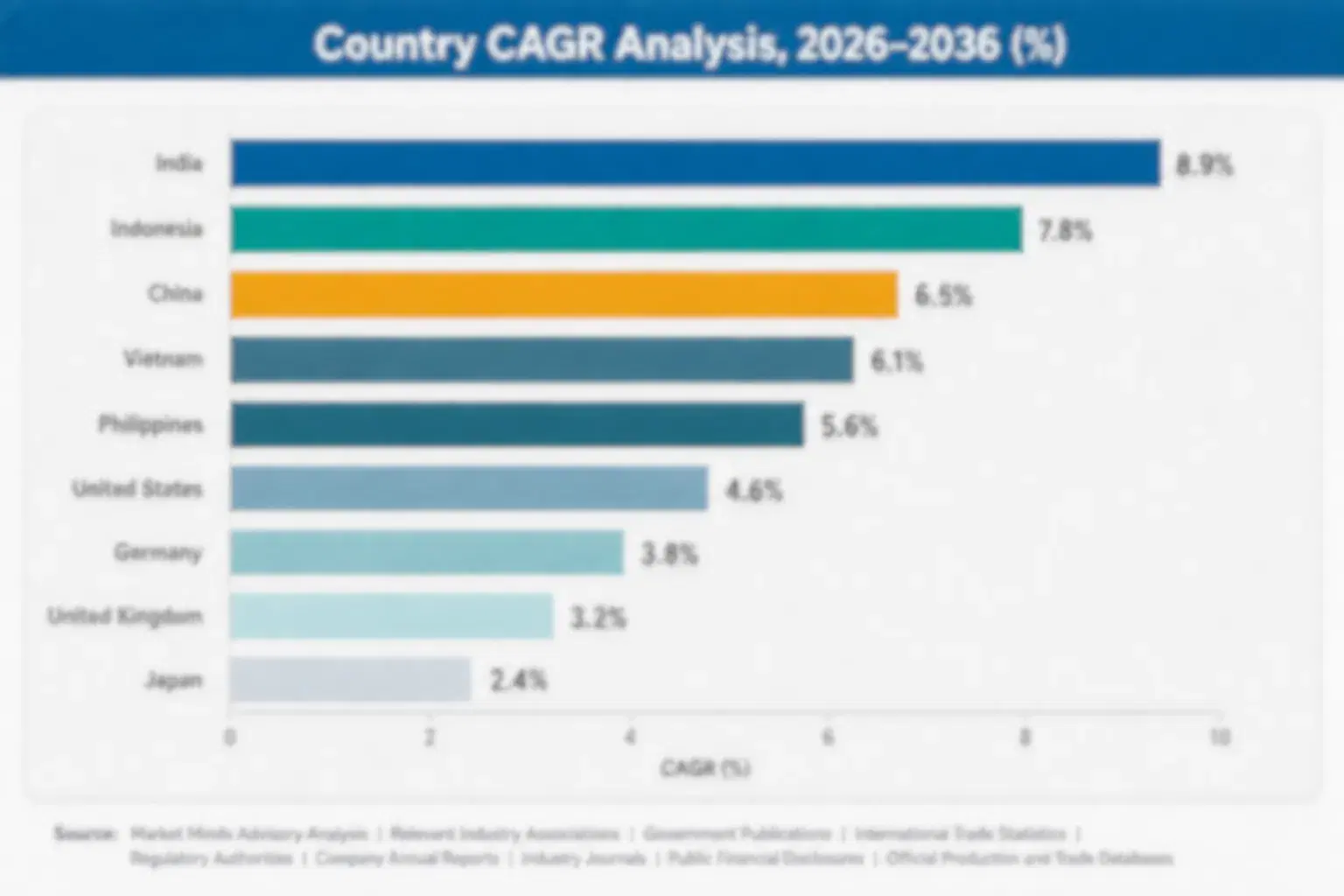
Germany: 7.0% CAGR
Fastest Growth Region
South Asia and Pacific: 7.8% CAGR
Largest Region
Western Europe: 32% of 2025 global value
Market Leaders
Schoeller Allibert Services BV, IFCO Systems GmbH, Georg UTZ Holding AG, CABKA Group GmbH, and Walther Faltsysteme GmbH lead the market. Source: MMA Analysis based on company annual reports and investor filings.
Primary Survey
n=3,800 procurement and R&D decision-makers, Q4 2025, six countries
Methodology
Demand-side build-up, cross-validated against public data, 47 expert interviews

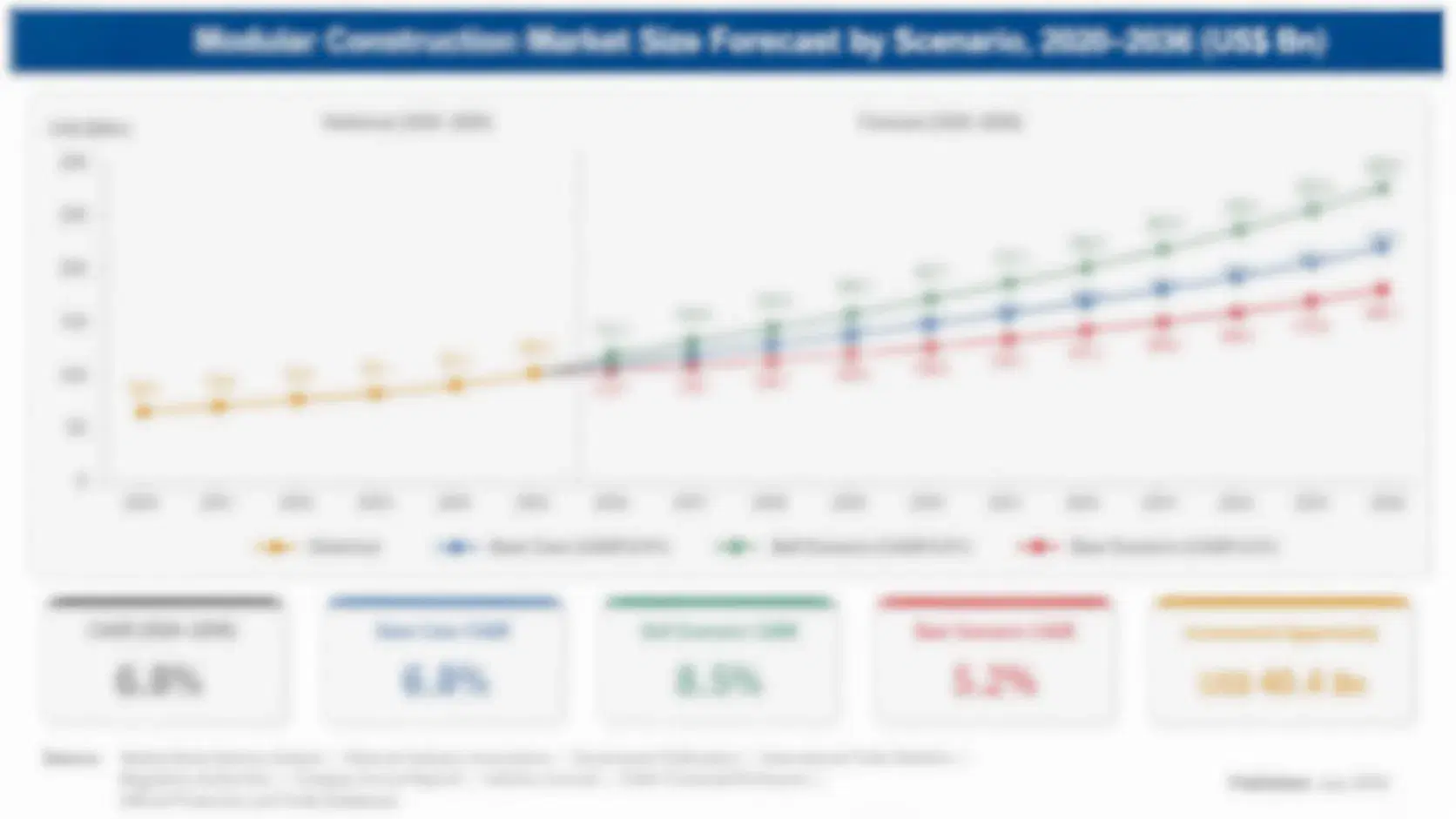
Euro Box Market Forecast Scenarios

euro-box-market-size-forecast-scenario-1791596577106
Euro box demand grew steadily between 2020 and 2025 as fresh produce and retail distribution volumes expanded and pooling operators began phasing in recyclable specifications. The market grew at a historical growth rate of 5.1%, a pace that picked up further as reverse-logistics conversion spread across pooling networks industry wide. That pattern shows few signs of slowing down across most major accounts today.
The base case assumes manufacturers keep expanding recyclable mono-material box production to meet tightening retailer sustainability procurement standards, pooling operators keep converting fleet specifications beyond flagship distribution lines alone, and manufacturers keep investing in nesting-tolerance process consistency to meet increasingly demanding operator pooling-durability requirements across major logistics accounts worldwide. That pattern shows few signs of slowing down across most major accounts today. Specialists report accelerating order volume tied directly to this expanding demand worldwide.
The bull case centers on retailer sustainability mandates tightening faster than expected across additional major logistics markets, pulling conversion demand well beyond current industry assumptions across multiple Euro box platforms simultaneously. The bear case is standard non-standardized bins retaining share in cost-sensitive bulk-handling applications faster than expected, slowing the conversion incentive that drives new order volume.

When Pooling Durability Engineering Decides the Operator Contract

Euro boxes occupy a pooling-durability and nesting-tolerance engineering niche within the broader reusable packaging category, since manufacturers must maintain consistent dimensional-tolerance and stacking-stability performance across fresh produce, retail, and industrial constructions simultaneously in a way generalist injection molders never had to manage historically. Few reusable-packaging categories compete this directly on documented pooling-durability performance relative to cost, and that divergence continues to widen across nearly every major pooling network surveyed. A closely related view comes from the reusable box market, which MMA projects to grow at an 8.6% CAGR to USD 13.4 billion by 2036.
MARKET CONCENTRATION (CR5)48%Top five Euro box manufacturers hold just under half of.
AVERAGE SELLING PRICE$8.40 per Euro box unitBlended average price across standard Euro box configurations today
TOP PRODUCING COUNTRY SHARE23%Germany hosts a leading share of Euro box manufacturing capacity.
FLEET REUSE CYCLE LENGTH140 tripsAverage number of pooling trips a standard Euro box completes.
FEEDSTOCK COST SHARE34%Recycled and virgin polypropylene feedstock dominate manufacturer material cost today
TRADE INTENSITY17%Share of global Euro box volume moving across international trade.
Commercially, the market splits between large pooling operators running formal sustainability-procurement audits across multiple certified constructions, and smaller independent distributors adopting basic conventional formats mainly for low-volume output at modest throughput. Manufacturers serving only small-distributor accounts compete largely on cost rather than documented nesting-tolerance process engineering depth, and this split has held steady across multiple recent procurement cycles broadly.
Over the next decade, the forces reshaping the category center on operators expanding recyclable specification beyond conventional multi-material formats, and on reverse-logistics conversion pulling nesting-tolerance precision into mainstream Euro box production. Both forces are widening the gap between formulation-capable manufacturers and baseline standard-grade competitors considerably, a gap operator buyers now actively monitor closely, and few expect that gap to narrow meaningfully within the forecast window.
"A pooling operator switching Euro box manufacturers is not just changing a crate vendor, it is betting its entire fleet uptime record on dimensional-tolerance consistency holding up across every nesting cycle, and that bet is exactly why durability-engineering depth now separates the manufacturers who win multi-year pooling contracts."
Director, Reusable Packaging Practice · MMA Packaging Practice · October 2026

Euro Box Adoption Trends

Sustainability Procurement Expands Mono Material Use

Pooling operators increasingly specify recyclable mono-material Euro boxes previously limited to small premium pilot programs, applying pooling-durability engineering precision across an expanding list of mid-size regional fleet lines as retailer sustainability procurement increasingly makes documented recyclability a measurable compliance attribute rather than a manageable purchasing detail. This shift is creating substantial new demand beyond the category's traditional multi-material base, giving durability-capable manufacturers a genuine growth avenue tied to procurement-driven adoption rather than pure standard-category volume growth. Manufacturers with established pooling-operator relationships are capturing disproportionate share of this expanding demand across newly converted accounts worldwide.
Market Impact: Sustains 33% of category volume
Reverse Logistics Growth Steadily Lifts Collapsible Demand

Continued foldable collapsible Euro box demand lifts reverse-logistics-driven production sharply, since every major pooling operator crossing competitive logistics markets worldwide increasingly requires functioning space-efficiency compliance regardless of broader standard-category trends occurring elsewhere. Operators depend on reliable nesting-tolerance performance specifically because empty-return volume concerns directly threaten fleet-economics and compliance claims at scale. Manufacturers with established operator relationships benefit from durable, multi-year supply contracts tied to proven collapsibility performance across major accounts worldwide. That pattern shows few signs of slowing down across most major accounts today. Specialists report accelerating order volume tied directly to this expanding demand worldwide.
Market Impact: Adds 4-6% of industrial-driven volume

Euro Box Growth Opportunities

Fresh Produce Distribution Volume Sustains Core Demand

Continued fresh produce Euro box volume sustains predictable baseline demand, since every produce distributor crossing competitive markets worldwide requires functioning Euro box systems regardless of broader mono-material-category trends occurring elsewhere in the category. Distributors depend on reliable pooling-durability performance specifically because inconsistent crate quality directly threatens product-protection and compliance claims at scale. Manufacturers with established operator relationships benefit from durable, multi-year supply contracts tied to proven durability performance across major accounts worldwide. This durability has held steady across multiple pooling cycles without meaningful disruption so far. That pattern shows few signs of slowing down across most major accounts today.
Market Impact: Limits 2-4% of format-substitution exposure

Industrial Parts Handling Demand Further Sustains Growth

Continued industrial parts-handling Euro box demand sustains durable growth that operates somewhat independently of pure mono-material-category trends, since new automated-warehouse and robotics-compatible programs generate fresh fleet demand regardless of existing mono-material-category maturity. This driver gives manufacturers serving industrial accounts a distinct growth mechanism tied to formulation-expansion rather than produce-segment volume alone. Manufacturers with established industrial relationships are capturing disproportionate share of this steadily expanding demand across major accounts worldwide. Few predict this momentum slowing soon worldwide. That pattern shows few signs of slowing down across most major accounts today. Specialists report accelerating order volume tied directly to this expanding demand.
Market Impact: Limits 2-4% of margin stability

Euro Box Challenges and Constraints

Non Standardized Bins Still Limit Growth

Manufacturers face persistent exposure to a meaningful demand-substitution risk relative to non-standardized bin alternatives, since Euro boxes by design cannot generate the same cost economics for the most price-sensitive bulk-handling applications that larger distributors increasingly specify with basic bins once volume thresholds cross a certain point. The underlying cause is that Euro box economics trade off against the lower per-unit cost that non-standardized bins achieve through simpler, non-pooled construction. Manufacturers are mitigating this by developing enhanced value-tier Euro box constructions engineered specifically for demanding bulk-handling applications. That pattern shows few signs of slowing down across most major accounts today.
Market Impact: Adds 6-9 points mono-material share

Polypropylene Price Volatility Still Limits Margin

Manufacturers face persistent exposure to a meaningful margin squeeze during feedstock price spikes, since Euro box economics by design cannot pass through sudden polypropylene cost increases to pooling-operator buyers once contract-price thresholds cross a certain point relative to committed annual volume agreements. The underlying cause is that manufacturer margin economics trade off against the fixed pricing that large pooling operators typically require across multi-year supply agreements. Manufacturers are mitigating this by negotiating resin-indexed pricing clauses engineered specifically for volatile feedstock-cost periods across the industry. That pattern shows few signs of slowing down across most major accounts today.
Market Impact: Lifts collapsible-format demand 6-9%
4 additional market trends, 2 additional growth drivers, and 3 additional restraints and challenges are covered in the full report. Contact sales@marketmindsadvisory.com to access the complete intelligence.

Euro Box Segment Performance

Application dimension, not dimensional-variant classification, is the clearest segmentation lens here, since pooling-durability and nesting requirements vary primarily by the end-use function each application serves. Six applications cover global volume. That pattern shows few signs of slowing down across most major accounts today. Specialists report accelerating order volume tied directly to this expanding demand worldwide.
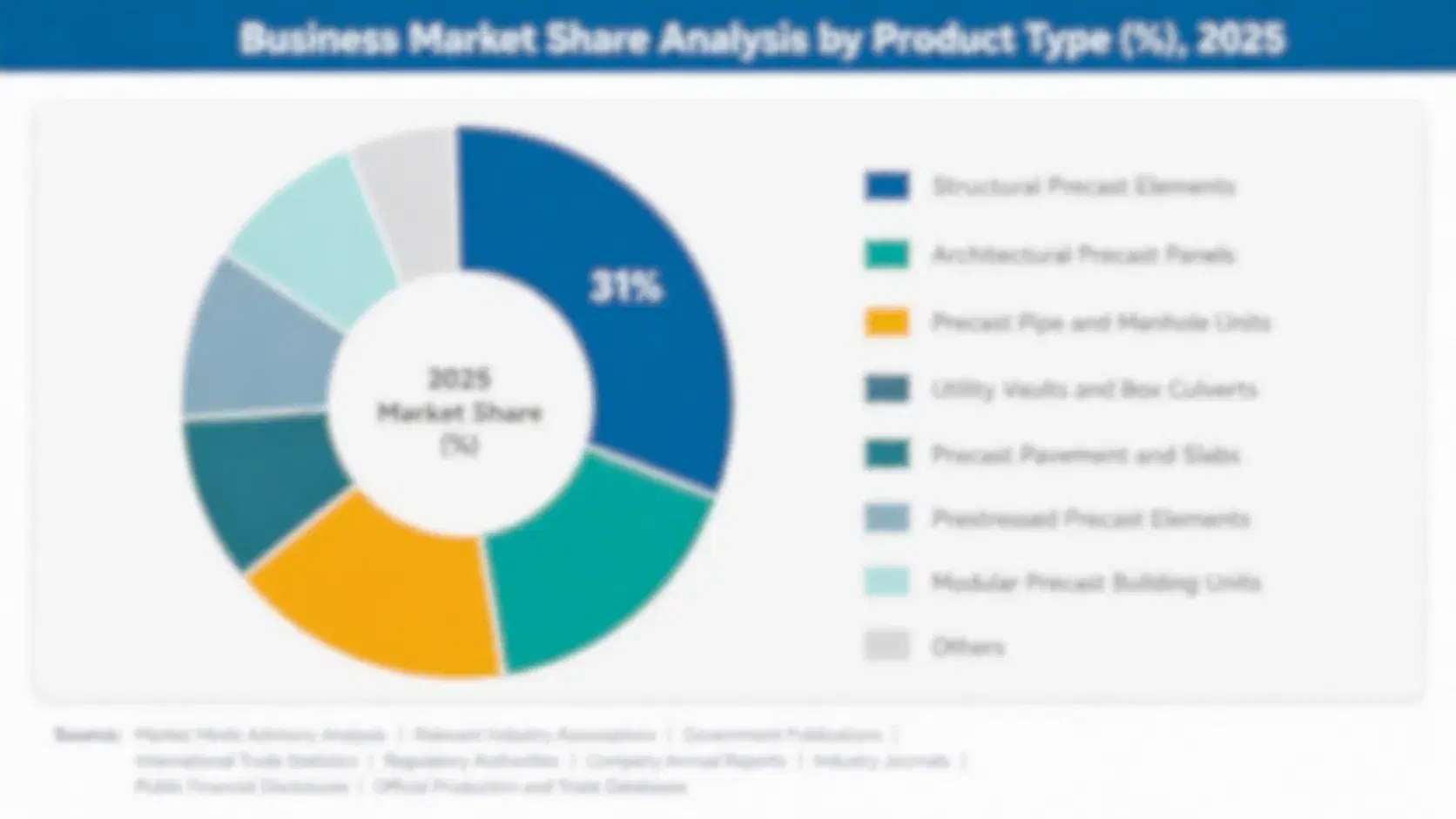
euro-box-market-market-share-analysis-1791596577280

Next-Generation Recyclable Mono-Material Euro Box

Next-generation recyclable mono-material Euro boxes are the fastest-growing segment because pooling operators increasingly respond to retailer sustainability procurement previously addressed only through multi-material formats to meet rising recyclability and compliance requirements across competitive global logistics markets. Manufacturers with established operator relationships are capturing disproportionate share of this procurement-driven demand as more operators expand existing mono-material programs. This segment commands meaningfully higher unit price growth than other categories, reflecting the sheer pooling-durability-engineering and certification complexity of mono-material systems involved. Several major operators have already announced expanded mono-material-conversion targets tied specifically to sustainability programs worldwide. That pattern shows few signs of slowing down across most major accounts today. Specialists report accelerating order volume tied directly to this expanding demand worldwide.
CAGR 8.3%

Foldable Collapsible Euro Box

Foldable collapsible Euro boxes are the second-fastest segment, growing as reverse-logistics space efficiency gains importance across major logistics markets worldwide and operators increasingly require documented collapsibility compliance across competitive distribution networks. Manufacturers with established operator relationships are capturing disproportionate share of this reverse-logistics-driven demand as more operators expand existing collapsible programs. This segment commands meaningfully higher average selling price than standard grades, reflecting the specialty nesting-engineering complexity involved. Pricing for this segment has held firm even as overall reverse-logistics volume keeps expanding steadily worldwide. That pattern shows few signs of slowing down across most major accounts today. Specialists report accelerating order volume tied directly to this expanding demand worldwide. This durability looks unlikely to weaken soon across most major markets.
CAGR 7.4%
Full segment breakdown across 6 segments available in the complete report.

Where Euro Box Demand Is Growing

Western Europe leads regional demand, reflecting the format's origin and continued concentration within the EU's standardized pooling infrastructure. East Asia and North America follow with distinct manufacturing drivers. That pattern shows few signs of slowing down across most major accounts today. Specialists report accelerating order volume tied directly to this.

North America

North America's Euro box demand reflects the region's growing adoption of standardized pooling logistics, operating an installed base supported by established retail-distribution infrastructure across the country. US manufacturers including major crate converters invest heavily in mono-material and durability capacity to serve both domestic pooling operators and export distribution networks nationally. Canada's established fresh produce sector contributes meaningful demand tied to its own expanding conversion pipeline. Mexico anchors a smaller, more mature segment focused on export-assembly demand. That pattern shows few signs of slowing down across most major accounts today. Specialists report accelerating order volume tied directly to this expanding demand worldwide. This durability looks unlikely to weaken soon across most major markets currently.
Share: 22% | CAGR: 6.3% (2026 to 2036)

Western Europe

Western Europe leads global Euro box volume, a position justified by the format's origin under the EN 13626 standard and its continued concentration within the EU's standardized pooling infrastructure, which pulls regional share well outside its standard band. German and Dutch manufacturers including major crate converters operate some of the largest Euro box manufacturing campaigns in the world, serving both domestic pooling operators and extensive export contracts. French manufacturers contribute meaningful demand tied to their own expanding retail-distribution sector. That pattern shows few signs of slowing down across most major accounts today. Specialists report accelerating order volume tied directly to this expanding demand worldwide. This durability looks unlikely to weaken soon across most major markets currently.
Share: 32% | CAGR: 4.3% (2026 to 2036)
Regional intelligence for 5 additional markets available in the complete report: East Asia, South Asia and Pacific, Latin America, Middle East and Africa, Eastern Europe. Contact sales@marketmindsadvisory.com.
euro-box-market-country-cagr-analysis-1791596577458

Where Pooling Durability Engineering Becomes Margin

Manufacturers competing only on basic standard-grade Euro boxes face intensifying margin pressure, so the clearest paths to growth run through pooling-durability capability, operator relationship depth, and reverse-logistics research reach that buyers will pay for directly. Four approaches stand out as genuinely available today. That pattern shows few signs of slowing down across most major accounts today.

Developing Even Deeper Pooling Durability Capability

Manufacturers that develop dedicated deeper pooling-durability and nesting-tolerance capability can win procurement-conversion contracts that basic standard-grade competitors cannot access, since this category increasingly requires documented dimensional-tolerance accuracy most generalist injection molders never built internally across produce, retail, and industrial platforms. This path requires meaningful investment in durability-engineering and testing research capability, but opens a growing, higher-margin volume pool largely closed to generalist competitors across the industry. Manufacturers with existing engineering capability typically win contracts faster, capturing roughly 5 to 8% premium pricing once established with major operator accounts. That pattern shows few signs of slowing down across most major accounts.
Market Impact: Commands roughly a 5 to 8 percent premium

Securing Even Deeper Operator Partnerships Directly

Manufacturers that secure deeper pooling-operator partnerships can win procurement-conversion contracts that less-specialized competitors cannot access, since this category increasingly rewards demonstrated dimensional-tolerance reliability most generalist manufacturers never achieved. This approach requires investment in dedicated compliance testing and integration research, but rewards early movers with durable, recurring operator relationships as procurement-driven volumes continue expanding further. Manufacturers with established operator capability report revenue growing considerably above the category average, often 4 to 7% faster annually across accounts. That pattern shows few signs of slowing down across most major accounts today. Specialists report accelerating order volume tied directly to this expanding demand worldwide.
Market Impact: Grows operator-aligned volume roughly 4 to 7 percent

Further Extending Reverse Logistics Research Depth

Manufacturers that extend reverse-logistics research can capture major fleet-conversion contracts that produce-focused competitors cannot serve as efficiently, since major pooling fleets increasingly require documented collapsibility performance alongside basic Euro box production rather than accepting generic standard grades alone. This approach requires sustained investment in collapsibility-compatibility testing infrastructure, but rewards early movers with durable, recurring relationships as reverse-logistics demands continue increasing. Manufacturers with established research programs report revenue growing considerably above the category average, often 3 to 6% faster annually. That pattern shows few signs of slowing down across most major accounts today.
Market Impact: Grows reverse-logistics-qualified volume roughly 3 to 6 percent

Securing Long Term Resin Supply Agreements

Manufacturers that secure long-term polypropylene supply agreements with major petrochemical suppliers can generate dependable, predictable margin stability that smooths the volatility typical of spot-market purchasing, since these agreements typically run multiple years tied to the supplier's own production-planning cycle once established firmly. This approach suits manufacturers with strong volume-commitment track records that major petrochemical suppliers specifically require in return for price protection. Manufacturers with established supply agreements report margin stability considerably higher, often 3 to 6% more predictable, than peers relying entirely on spot purchasing. That pattern shows few signs of slowing down across most major accounts today.
Market Impact: Adds roughly 3 to 6 percent more stability

Euro Box Margin Pool

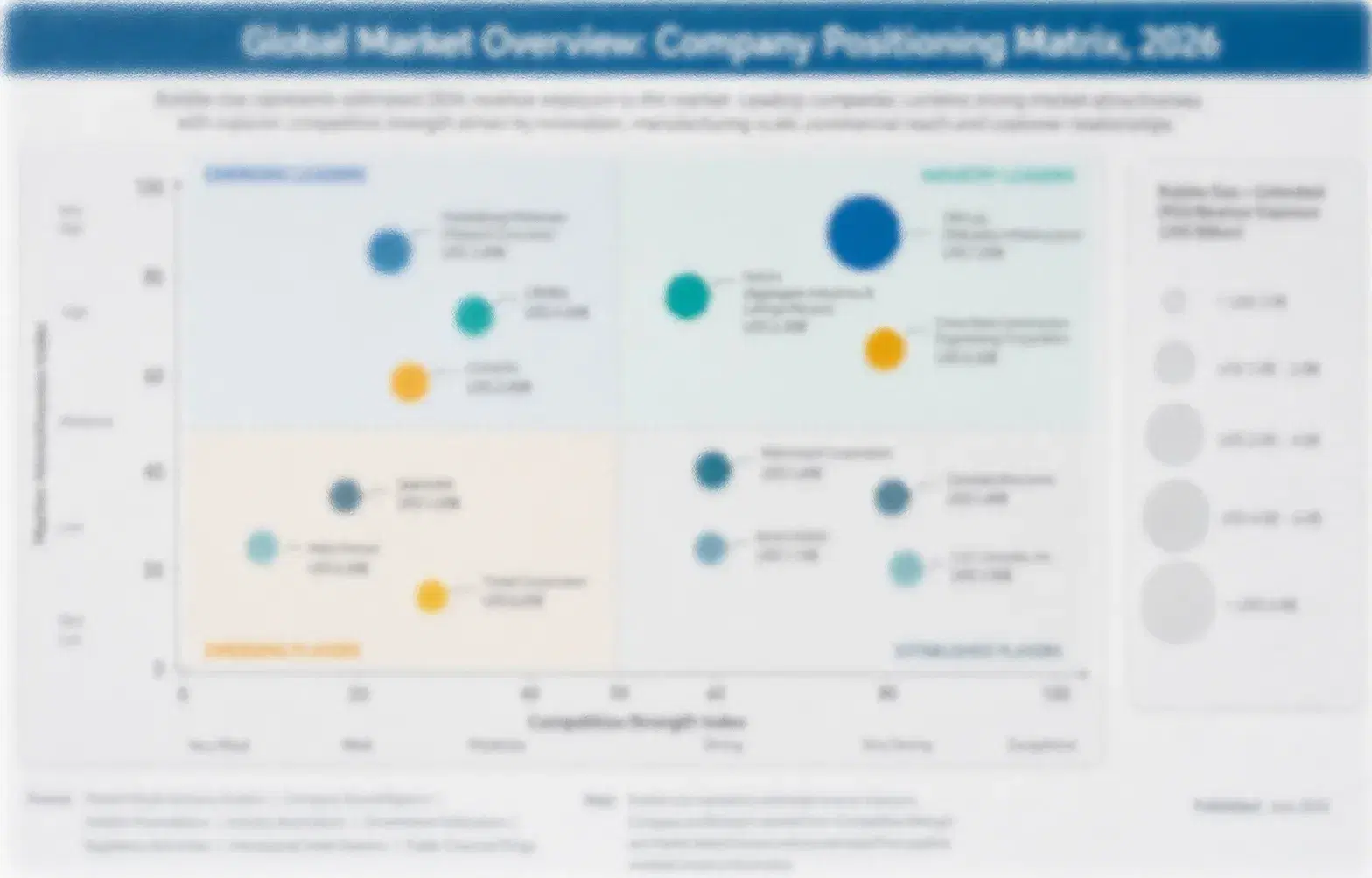
A highly concentrated group of five manufacturers hold roughly 48% of global revenue, with pooling-durability-engineering depth and nesting-tolerance process control now separating credible Euro box manufacturers from commodity converters still limited to basic injection molding. Schoeller Allibert Services BV and IFCO Systems GmbH sit ahead of the next tier on proprietary pooling technology and operator relationship depth respectively, while smaller manufacturers compete for baseline small-distributor accounts.
Competition plays out across three dimensions: pooling-durability engineering that commands premium pricing from compliance-conscious accounts, operator relationship depth that captures procurement-conversion contracts, and reverse-logistics research that opens major fleet-conversion contracts. Manufacturers that can credibly deliver on all three are winning the fastest-growing, highest-margin volume, while those still competing on standard-grade production alone face continuous pressure from better-equipped entrants. That pattern shows few signs of slowing down across most major accounts.

Emerging pressure is coming from specialty corrugated-crate providers entering pooling-adjacent production directly rather than licensing from established manufacturers, aided by their own forming expertise and logistics infrastructure. Large retail distributors themselves are also becoming unexpected competitive factors, since in-house pooling expertise can translate directly into bundled fleet specifications for contract manufacturers. That pattern shows few signs of slowing down across most major accounts today.
euro-box-market-company-positioning-matrix-1791596577639

Euro Box Supplier Positioning

SCHOELLER ALLIBERT SERVICES BV

Moat: Broadest Euro Box Product Range

Schoeller Allibert Services BV holds the broadest Euro box product range of any manufacturer in the category, giving it unmatched capacity to serve major operator contracts consistently across multiple constructions that smaller competitors cannot replicate quickly. This depth has taken years to build. That pattern shows few signs of slowing down across most major accounts today.
SCHOELLER ALLIBERT SERVICES BV

Risk: High Resin Cost Exposure

Schoeller Allibert's high-volume production model leaves it more exposed to polypropylene price swings than smaller specialized competitors with narrower product scope, potentially pressuring margin during periods of rapid feedstock cost advancement across its broader reusable-packaging portfolio. This exposure has grown more pronounced with each successive commodity cycle.
IFCO SYSTEMS GMBH

Moat: Deepest Operator Relationship Depth

IFCO Systems GmbH holds the deepest pooling-operator relationship depth of any Euro box manufacturer in the category, built over years of proven delivery reliability that smaller competitors cannot replicate quickly regardless of their basic pooling capability. Few rivals can match this accumulated relationship depth quickly.
IFCO SYSTEMS GMBH

Risk: Limited Low Cost Format Depth

IFCO's premium-focused production leaves it less specialized in low-cost standard-crate engineering than competitors who invested earlier in dedicated cost-focused infrastructure, potentially limiting its appeal to the budget-conscious segment specifically across those regional accounts. That pattern shows few signs of slowing down across most major accounts today.

Players Tracked

Prominent Players

Schoeller Allibert Services BV
IFCO Systems GmbH
Georg UTZ Holding AG
CABKA Group GmbH
Walther Faltsysteme GmbH

Other Key Players

ORBIS Corporation
Rehrig Pacific Company
SSI Schäfer Group
Bekuplast GmbH
Craemer Group
Loscam Limited
Brambles Limited
Nefab AB
Polymer Logistics BV
Buckhorn Inc
Linpac Packaging Limited
Contraload Kunststofftechnik GmbH
Bito-Lagertechnik Bittmann GmbH
Auer Packaging GmbH
Rotom Group

Recent Developments

FEBRUARY 2025

Schoeller Allibert Expands Mono Material Production Capacity

Schoeller Allibert Services BV expanded its primary manufacturing facility to add high-speed recyclable mono-material Euro box production capacity, responding to sustained growth in procurement-driven volume while also investing in automated durability-testing infrastructure for operator accounts worldwide. That pattern shows few signs of slowing down across most major accounts today.
Signal: Signals established manufacturers are scaling procurement-driven production capacity well ahead of confirmed operator demand right now.
SEPTEMBER 2024

IFCO Acquires Reverse Logistics Technology Developer

IFCO Systems GmbH acquired a specialty reverse-logistics technology developer, strengthening its pooling-durability capability in response to growing operator demand for bundled fleet-tracking contracts across previously underserved mid-scale accounts worldwide. That pattern shows few signs of slowing down across most major accounts today. Specialists report accelerating order volume tied directly to.
Signal: Signals acquisition remains the fastest route into expanded capability for manufacturers lacking it internally right now.
JUNE 2025

Georg UTZ Forms Durability Research Venture

Georg UTZ Holding AG formed a joint venture with a specialty pooling-durability technology specialist to co-develop next-generation recyclable systems for major operator accounts, pooling materials engineering expertise across both organizations rather than developing the capability alone. That pattern shows few signs of slowing down across most major accounts today.
Signal: Signals established manufacturers are partnering directly with durability specialists instead of building the capability alone internally.

Polypropylene Resin Dominates Manufacturer Cost

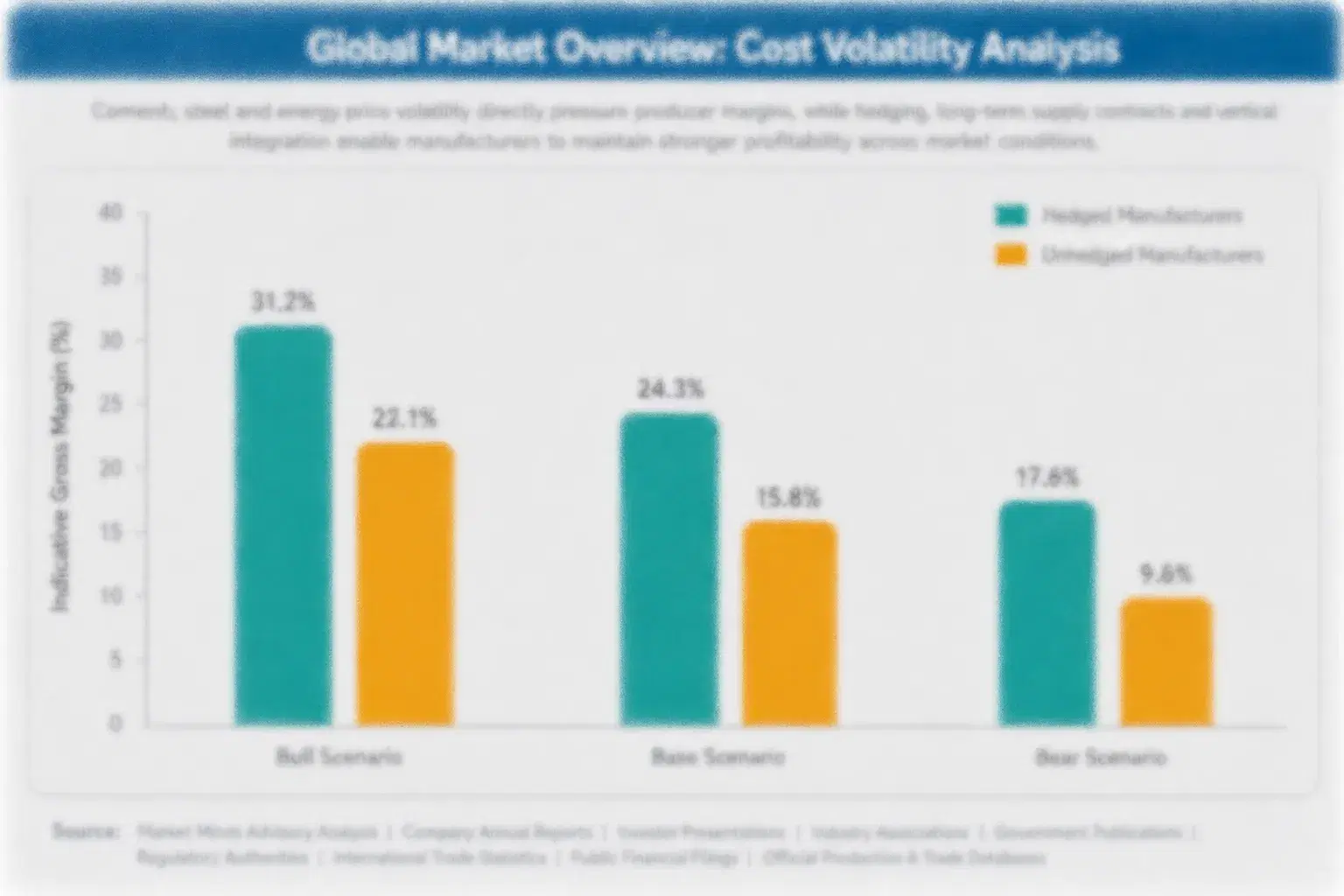
Recycled and virgin polypropylene feedstock account for roughly 29 to 43% of manufacturer cost of goods sold, with mono-material and collapsible-grade constructions carrying a higher engineering cost share than standard grades given the specialty-processing work involved. Input pricing traces back to global polypropylene markets, exposing manufacturer input costs to broader commodity cycles largely disconnected from logistics-industry demand trends directly.
Polypropylene prices rose sharply during 2021 and 2022 as post-pandemic retail and logistics demand surged faster than global petrochemical supply chains could expand amid persistent feedstock-shortage pressure, a disruption documented across manufacturer annual report commentary at the time. Spot prices have since eased somewhat but remain above pre-pandemic baselines across most major markets today overall currently. That pattern shows few signs of slowing down across most major accounts today.

Smaller regional manufacturers typically carry greater exposure to polypropylene price swings than scale leaders, since they lack the purchasing volume to negotiate long-term supply contracts and often buy input materials on shorter-term spot markets instead. This disadvantage compounds during supply constraints, pushing smaller manufacturers toward consolidation, while scale leaders with secured positions gain volume from affected competitors broadly across the industry.
euro-box-market-cost-volatility-analysis-1791596577831

Long-Term Polypropylene Supply Contracts

Manufacturers increasingly negotiate long-term supply contracts with major petrochemical producers, securing committed pricing in exchange for the volume predictability that multi-year operator contracts require. Several large manufacturers have already adopted this structure broadly across their contracts. That pattern shows few signs of slowing down across most major accounts today. Specialists report accelerating order volume tied directly to this expanding demand.

Diversifying Resin Sourcing Across Suppliers

Manufacturers are qualifying polypropylene sources across multiple petrochemical suppliers rather than relying on a single supplier, reducing exposure to the kind of single-source supply constraint that amplified recent price volatility for concentrated buyers. That pattern shows few signs of slowing down across most major accounts today. Specialists report accelerating order volume tied directly to this expanding demand worldwide.

Investing in Molding Yield Efficiency Gains

Manufacturers are investing in precision-molding process engineering that improves material yield per unit produced, reducing effective material cost per unit without requiring additional raw input volume that commodity market constraints would otherwise limit. Early adopters report meaningful efficiency gains worth pursuing. That pattern shows few signs of slowing down across most major accounts today.

Portfolio Architecture for Margin Defence

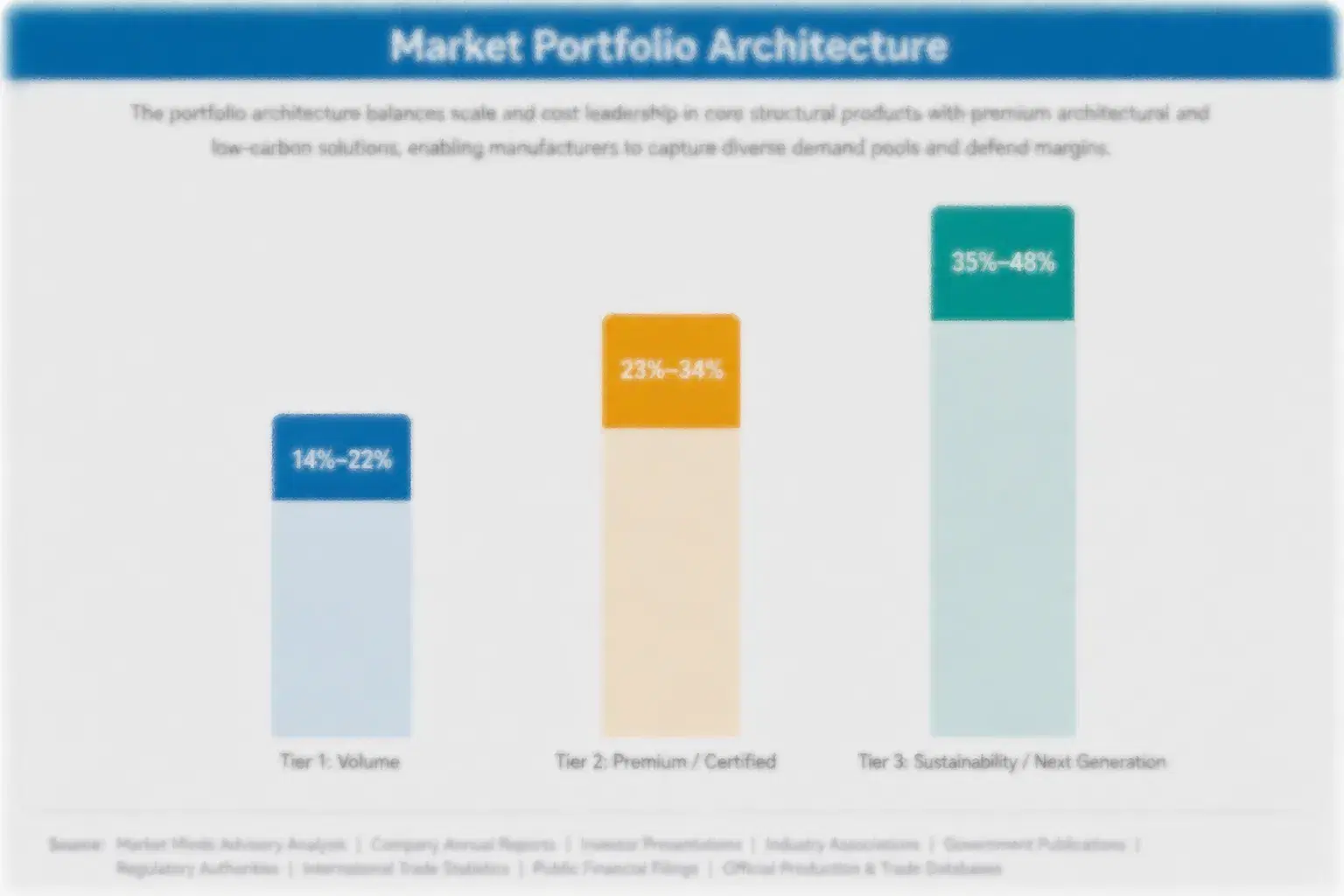
Manufacturers generally run a three-tier portfolio spanning standard-grade Euro boxes sold mainly on price to smaller distributors, recyclable mono-material constructions commanding better economics tied to compliance depth and pooling-durability reliability, and next-generation collapsible-grade and premium formats still scaling toward broader commercial adoption. Gross margin varies substantially across these tiers, with standard-grade production competing hardest on price, a gap that has persisted across multiple recent capital-planning cycles.
The tension between mainstream standard volume and premium mono-material and collapsible-grade tiers shapes manufacturer capital allocation directly, since standard-grade capacity generates important baseline volume but minimal margin, while pooling-durability engineering requires upfront investment before generating comparable returns. Manufacturers without a clear tier strategy risk remaining stuck in commodity pricing while lacking the engineering depth to win premium operator accounts.

High-value margin pools are concentrating in mono-material and collapsible-grade tiers, categories where buyers are willing to pay meaningfully above mainstream pricing for guaranteed pooling-durability reliability and documented recyclability credentials. Manufacturers positioned early in these categories are capturing a disproportionate share of total industry margin growth relative to their volume share today, a gap likely to widen as procurement and reverse-logistics requirements both spread further worldwide.

Volume / Commodity-Adjacent Tier

Standard-grade Euro boxes sold mainly on price to smaller distributors. This tier generates important baseline volume but offers the thinnest margins in the portfolio overall today. That pattern shows few signs of slowing down across most major accounts today.
Gross Margin: 14-20%

Premium / Certified Tier

Recyclable mono-material constructions carrying verified sourcing and compliance credentials, sold to buyers willing to pay for guaranteed compliance. This tier draws the bulk of new capital investment across the industry.
Gross Margin: 21-28%

Sustainability / Regulatory / Next-Generation Tier

Next-generation collapsible-grade and premium formats still scaling toward broader commercial adoption, commanding premium pricing tied to compliance value. Few competitors have matched this positioning so far broadly today. That pattern shows few signs of slowing down across most major accounts today.
Gross Margin: 24-31%
euro-box-market-portfolio-architecture-1791596578023

High-value Sub-segments and Strategic Watch-out

Next-Generation Recyclable Mono-Material Euro Box

Next-generation recyclable mono-material Euro boxes combine the fastest unit growth in the category with premium pricing tied to procurement demand, making this the segment manufacturers are prioritizing most heavily for new capacity investment over the next several years. That pattern shows few signs of slowing down across most major accounts.
Gross Margin: 22-29%

Foldable Collapsible Euro Box

Foldable collapsible Euro boxes command strong pricing tied to reverse-logistics demand, representing the category's clearest path to margin growth beyond mainstream fleet volume today. Manufacturers with established operator relationships are positioned to capture disproportionate share. That pattern shows few signs of slowing down across most major accounts today.

Euro Box for Fresh Produce

Euro boxes for fresh produce remain the format's largest volume base, generating steady revenue even as growth moderates relative to higher-margin mono-material and collapsible-grade tiers across mature pooling markets worldwide. This pattern is expected to persist. That pattern shows few signs of slowing down across most major accounts today.

Euro Box for Industrial Parts Handling

Euro boxes for industrial parts handling face narrower margin expansion limited to specific automation-driven conversions and smaller regional distributors specifically, making this a steady but lower-growth segment within the broader category overall. Few manufacturers view this as a priority. That pattern shows few signs of slowing down across most major.

Why Operator Ties Outlast Pricing

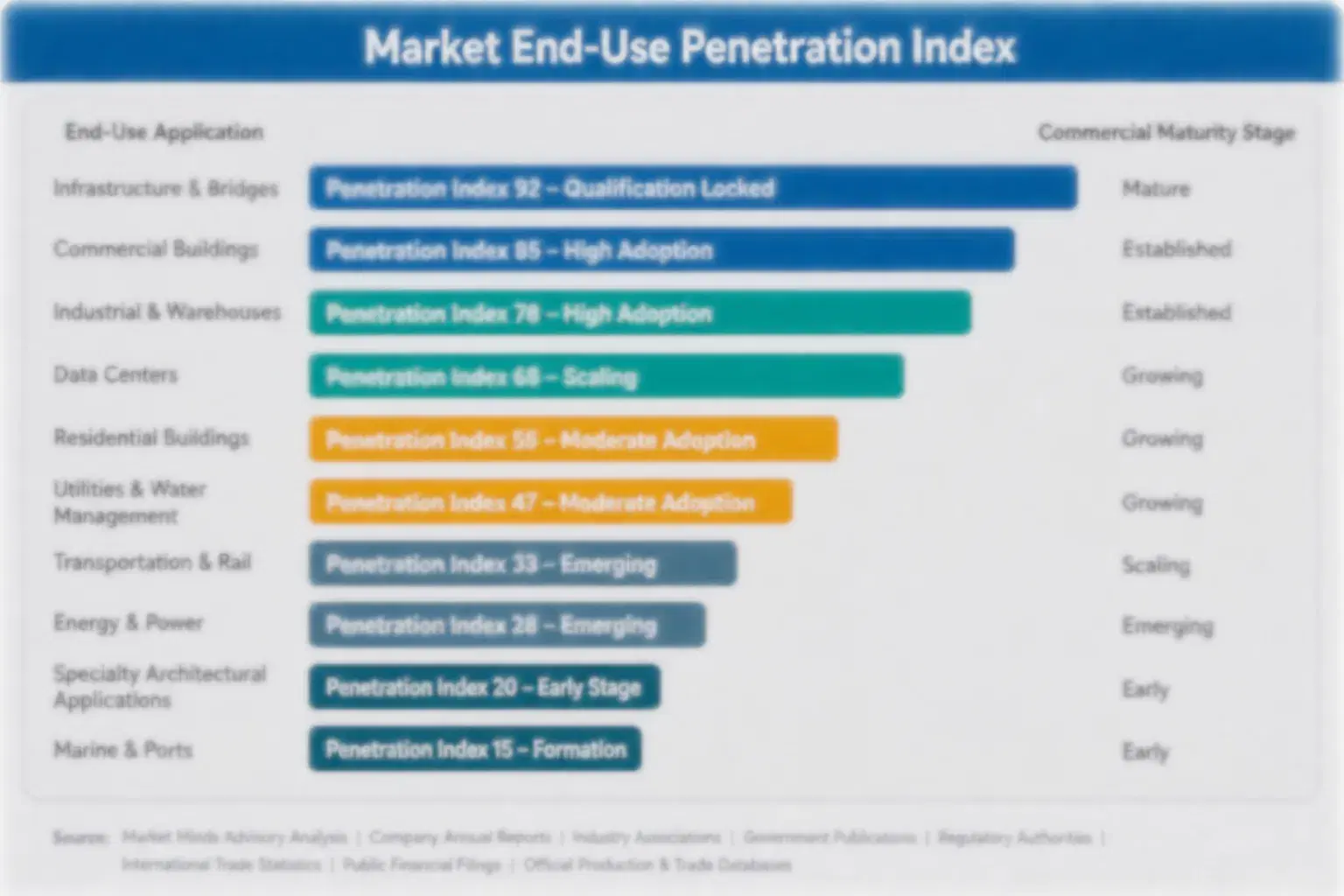
Major pooling-operator relationships function like genuine annuities tied to multi-year validation and specification-qualification cycles, since large operators rarely switch manufacturers mid-cycle given the requalification cost and dimensional-tolerance risk that a manufacturer switch carries, something smaller unproven competitors have struggled to overcome. That pattern shows few signs of slowing down across most major accounts today. Specialists report accelerating order volume tied directly to this expanding demand worldwide.
Adoption depth varies sharply by end-use vertical. Mainstream fresh-produce adoption sits furthest along its curve given years of established pooling practice and multiple completed standard-grade conversions, though it remains far from fully saturated relative to continued mono-material-category expansion. Industrial adoption sits mid-stage, with meaningful remaining potential as more operators formalize collapsible specifications. Retail-distribution adoption is earliest in its curve, with most smaller distributors still using basic standard methods that procurement demand will gradually.

Buyer procurement increasingly separates established mainstream sourcing, handled through flexible manufacturer relationships focused on price, from compliance-focused and formulation-focused sourcing, which emphasizes guaranteed pooling-durability consistency and verified recyclability credentials instead across most major accounts today overall. That pattern shows few signs of slowing down across most major accounts today. Specialists report accelerating order volume tied directly to this expanding demand worldwide.
euro-box-market-end-use-penetration-index-1791596578208

What Manufacturers Should Prioritize

These are among the four positions where our research anticipates prominent divergence between winners and laggards over the coming forecast period. Each is grounded in the demand model, the regulatory perimeter, and the announced capacity pipeline.
01 / POOLING DURABILITY ENGINEERING DEPTH

Build engineering depth ahead of procurement demand

Manufacturers investing in deeper pooling-durability and nesting-tolerance engineering now are capturing meaningfully better pricing and credibility than those still limited to basic standard-grade production, and that gap is widening as operator buyers increasingly treat documented dimensional-tolerance accuracy as a sourcing requirement each year across major procurement-driven accounts. Mainstream standard-grade work still generates useful baseline volume, but it offers little room for margin expansion given the category's highly concentrated, commodity-exposed core. Manufacturers that delay this engineering investment risk ceding the fastest-growing, highest-margin volume to competitors who moved earlier.
02 / OPERATOR RELATIONSHIP DEPTH

Secure operator depth ahead of procurement expansion

Pooling operators are already expanding mono-material adoption faster than the broader market, not waiting for durability engineering to fully mature before generating fresh compliance demand across accounts worldwide. Manufacturers without this operator depth risk exclusion from an expanding share of procurement-conversion contracts entirely, since buyers increasingly screen for proven dimensional-tolerance credibility alongside price before awarding supply agreements. Early movers are capturing meaningfully disproportionate category-driven value as a direct result, a gap likely to widen across the next several reporting cycles.
03 / REVERSE LOGISTICS RESEARCH DEPTH

Build logistics depth ahead of demand

Major pooling fleets are already favoring manufacturers with established collapsibility research capability, not waiting for demand to fully mature before committing to vendors offering documented space-efficiency performance alongside basic crate production directly. Manufacturers without this capability risk exclusion from the category's most reliable recurring revenue entirely, since major pooling fleets strongly prefer vendors offering bundled research and support service. Early positioning is becoming a precondition for winning this business at meaningful scale across the reverse-logistics-driven segment going forward across the sector.
04 / RESIN PROCUREMENT STRATEGY

Secure long-term contracts before the next spike

Polypropylene price volatility hit manufacturers without diversified supply arrangements hardest during the 2021 and 2022 demand surge across the industry. Nothing about current input consumption trends suggests that kind of pressure cannot recur within the forecast period covered by this report, and the risk tends to widen further whenever retail demand outpaces global petrochemical supply capacity. Manufacturers that secure long-term contracts now are trading some short-term flexibility for meaningfully better protection against the next price spike facing the industry Buyers now treat this capability as a baseline requirement going forward.

Engagement Snapshot From the Field

A live engagement with an industry participant carrying material or product regulatory and market exposure ahead of a defining policy shift, showing how our research translates into a defensible multi-year portfolio strategy.
MARKET MINDS ADVISORY · CLIENT ENGAGEMENT SUMMARY
Euro Box Producer Strategic Portfolio Review and Transition Roadmap 2026·Investment Scenario on Euro Box Exposure Evaluation 2025-26
CLIENT PROFILE
The client is a regional pooling operator headquartered in Western Europe with annual packaging procurement spend in the $12 million range (client-reported, unverified by MMA), sourcing Euro boxes across more than five qualified manufacturers worldwide. The client had grown primarily through rapid fleet expansion and was now facing pressure to convert its packaging specifications regionally.
STRATEGIC CHALLENGE
The client needed to qualify a recyclable mono-material Euro box manufacturer ahead of an expanded sustainability procurement compliance rollout, without a clear internal framework for evaluating manufacturer engineering credibility across its fragmented supplier base. Internal procurement teams had limited experience distinguishing genuine pooling-durability depth from marketing claims. That pattern shows few signs of slowing down across most major accounts today.
MMA APPROACH
MMA's team benchmarked pooling-durability and nesting-tolerance capability across five candidate crate manufacturers, modeled realistic qualification timelines based on comparable logistics-industry precedent, and facilitated manufacturer negotiation sessions that clarified delivery commitment and compliance documentation terms available to the client's broader rollout program. That pattern shows few signs of slowing down across most major accounts today.
KEY FINDINGS
  1. Only two of five candidate crate manufacturers had pooling-durability engineering depth sufficient to meet the client's expanded compliance requirements regionally. That pattern shows few signs of slowing down across most major accounts today.
  2. Qualifying the client's recyclable Euro box manufacturer required a four-month phased timeline shorter than the client's original planning assumption had anticipated internally.
  3. One crate manufacturer offered a regional capacity commitment structure that would secure priority delivery ahead of the compliance rollout specifically across all target fleet sites.
  4. The client's existing baseline standard-grade suppliers proved willing to support a transitional bridge arrangement once the conversion plan was finalized formally. That pattern shows few signs of slowing down across most major accounts today.
CLIENT PROFILE
The client is a regional pooling operator headquartered in Western Europe with annual packaging procurement spend in the $12 million range (client-reported, unverified by MMA), sourcing Euro boxes across more than five qualified manufacturers worldwide. The client had grown primarily through rapid fleet expansion and was now facing pressure to convert its packaging specifications regionally.
STRATEGIC CHALLENGE
The client needed to qualify a recyclable mono-material Euro box manufacturer ahead of an expanded sustainability procurement compliance rollout, without a clear internal framework for evaluating manufacturer engineering credibility across its fragmented supplier base. Internal procurement teams had limited experience distinguishing genuine pooling-durability depth from marketing claims. That pattern shows few signs of slowing down across most major accounts today.
MMA APPROACH
MMA's team benchmarked pooling-durability and nesting-tolerance capability across five candidate crate manufacturers, modeled realistic qualification timelines based on comparable logistics-industry precedent, and facilitated manufacturer negotiation sessions that clarified delivery commitment and compliance documentation terms available to the client's broader rollout program. That pattern shows few signs of slowing down across most major accounts today.
KEY FINDINGS
  1. Only two of five candidate crate manufacturers had pooling-durability engineering depth sufficient to meet the client's expanded compliance requirements regionally. That pattern shows few signs of slowing down across most major accounts today.
  2. Qualifying the client's recyclable Euro box manufacturer required a four-month phased timeline shorter than the client's original planning assumption had anticipated internally.
  3. One crate manufacturer offered a regional capacity commitment structure that would secure priority delivery ahead of the compliance rollout specifically across all target fleet sites.
  4. The client's existing baseline standard-grade suppliers proved willing to support a transitional bridge arrangement once the conversion plan was finalized formally. That pattern shows few signs of slowing down across most major accounts today.
RECOMMENDED STRATEGY
Phase 1: Phase 1 (Month 1): Benchmark crate-manufacturer pooling-durability engineering depth across five candidate suppliers and verify documentation. That pattern shows few signs of slowing down across most major accounts today. Phase 2: Phase 2 (Month 2): Qualify fleet specifications starting with the highest-volume distribution sites first while monitoring durability consistency closely. That pattern shows few signs of slowing down across most major. Phase 3: Phase 3 (Month 3): Complete qualification across the full manufacturing network while confirming rollout readiness formally regionally. That pattern shows few signs of slowing down across most major accounts today.
OUTCOME
The client completed its mono-material conversion qualification ahead of the compliance rollout and reported successful dimensional-tolerance verification in line with projections (client-reported, unverified by MMA), while also establishing a standing supply relationship for future procurement decisions. That pattern shows few signs of slowing down across most major accounts today.

Frequently Asked Questions

Foundational context covering the market sizes, CAGR, scope, country, region and competition that inform every finding below. This section is provided to cover basics and most often pre-purchase conversations, answered from the MMA Primary Research Dataset.

What is the current size of the Euro Box Market?

The global Euro box market reached $1.9 billion in base year 2025, driven primarily by fresh produce and retail distribution pooling volumes worldwide. That pattern shows few signs of slowing down across most major accounts today.

How large will the Euro Box Market be by 2036?

MMA projects the market will reach approximately $3.53 billion by 2036, roughly 1.76 times the 2026 figure, reflecting sustained procurement-driven demand across major logistics markets.

What is the CAGR for the Euro Box Market 2026 to 2036?

The market is forecast to grow at a compound annual growth rate of 5.8% between 2026 and 2036, reflecting the category's steady procurement-driven expansion worldwide.

Which segment is growing fastest?

Next-generation recyclable mono-material Euro boxes are the fastest-growing segment, expanding at roughly 1.43 times the overall market CAGR, driven by retailer sustainability procurement across most major markets today.

Who are the major companies in the Euro Box Market?

Schoeller Allibert Services BV, IFCO Systems GmbH, Georg UTZ Holding AG, CABKA Group GmbH, and Walther Faltsysteme GmbH lead the market, together holding roughly 48% of global revenue.

Which country is growing fastest?

Germany is the fastest-growing country market, expanding at roughly 7.0% annually, outpacing most other national markets, supported by its dense pooling-logistics manufacturing base. That pattern shows few signs of slowing down across most major accounts today.

Euro Box Market Breakdown

The full report scope spans multiple orthogonal segmentation dimensions, with cross-tabulated demand data provided for each dimension pair. Coverage extends further to regional breakdowns, trend trajectories, and the competitive detail needed to support segment-level decision-making.

By Primary Market Dimension

  • Euro Box for Fresh Produce
  • Euro Box for Retail Distribution
  • Euro Box for Industrial Parts Handling
  • Nestable Euro Box
  • Foldable Collapsible Euro Box
  • Next-Generation Recyclable Mono-Material Euro Box

By End-Use Industry

  • Fresh Produce and Agriculture
  • Retail and Grocery
  • Industrial and Manufacturing
  • Third-Party Logistics

By Commercial Dimension

  • Direct Manufacturer-to-Operator Sales
  • Pooling-Service Lease Arrangements
  • Private-Label Contract Manufacturing

By Region

  • North America
  • Western Europe
  • East Asia
  • South Asia and Pacific
  • Latin America
  • Middle East and Africa
  • Eastern Europe

Scope, Methodology, and Coverage

Every figure in this report is reproducible from documented input assumptions. The scope below maps the historical period, the forecast horizon, the segmentation dimensions, and the countries covered, alongside the underlying primary and qualitative methodology.
Historical Period
2020 to 2025
Forecast Period
2026 to 2036
Base Year
2025 (USD billions; MMA Primary Research Dataset, October 2026)
Market Definition
The Euro box market covers standardized-dimension reusable plastic crates built to the EN 13626 Euro-box footprint, operated within closed-loop pooling logistics networks for fresh produce, retail distribution, and industrial parts handling. It excludes non-standardized stackable bins and generic returnable packaging formats covered under separate MMA reports.
Quantitative Units
USD billions (current prices); unit shipments of Euro box formats where applicable
Segmentation Dimensions
By Primary Market Dimension; By End-Use Industry; By Commercial Dimension; By Region
Regions Covered
North America, Western Europe, East Asia, South Asia and Pacific, Latin America, Middle East and Africa, Eastern Europe
Countries Covered
Germany, Netherlands, France, United Kingdom, USA, Canada, Mexico, China, Japan, South Korea, India, Australia, Vietnam, Thailand, Brazil, Argentina, Chile, United Arab Emirates, South Africa, Poland, Czech Republic, Hungary, Romania, and additional markets relevant to this sector
Key Companies Profiled
Schoeller Allibert Services BV, IFCO Systems GmbH, Georg UTZ Holding AG, CABKA Group GmbH, Walther Faltsysteme GmbH, ORBIS Corporation, Rehrig Pacific Company, SSI Schäfer Group, Bekuplast GmbH, Craemer Group, Loscam Limited, Brambles Limited, Nefab AB, Polymer Logistics BV, Buckhorn Inc, Linpac Packaging Limited, Contraload Kunststofftechnik GmbH, Bito-Lagertechnik Bittmann GmbH, Auer Packaging GmbH, Rotom Group
Quantitative Methodology
Primary survey, n=3,800 respondents, Q4 2025, six countries; demand-side model with trade association cross-validation
Qualitative Methodology
47 expert interviews, Q4 2025; applied to validate demand model assumptions, identify emerging dynamics, and assess competitive positioning
Report Format
PDF and XLSX data workbook (Word format preview document)
Publisher
Market Minds Advisory
Report Code
MMA-2026-PAC-641
Published
October 2026
Contact
sales@marketmindsadvisory.com | www.marketmindsadvisory.com

Purchase the full Euro Box Market Report (2026 to 2036).

The full report provides detailed market sizing and ten-year forecasts across all six application segments and all seven world regions, supported by manufacturer-level pooling-durability engineering benchmarking and primary interview findings. It includes in-depth competitive profiles of the top five Euro box manufacturers alongside second-tier player coverage. Feedstock cost exposure analysis and procurement and reverse-logistics-driven adoption tracking are covered across major logistics markets worldwide. Segment-specific margin and pricing data is broken out separately from headline market figures to support both strategic planning and tactical sourcing decisions.
Ten-year market sizing across six application segments
Manufacturer capability benchmarking across major logistics markets
Procurement and reverse-logistics-driven adoption tracking worldwide
Feedstock cost exposure and mitigation analysis
Editable data tables alongside the formatted report
Primary interview findings from 47 industry experts

Built For The People Who Decide

From boardroom strategy to bench-side execution, this report is read cover-to-cover by leaders shaping the next decade of their industry, turning demand scenarios, market dynamics and valuation benchmarks into decisions.
CXOs/ Presidents/ VPs/ Managers
M&A and Corporate Development
Strategy Teams and R&D Heads
Procurement and Product Directors
Regulatory and Compliance Leaders
Investor Relations and Equity Analysts