
Market Minds Advisory
ESD Protective Signage Labels Market

ESD Protective Signage Labels Market Forecast 2026-2036

Semiconductor fabrication expansion across new greenfield facilities is pushing ESD signage specification into facility design checklists earlier than ever, forcing converters to match cleanroom compliance documentation standards legacy sign shops rarely maintained.

Lead Analyst

Bilal Shaikh

Published

November 2026

Make Smarter Decisions with Customized Research Insights

Request a free sample report and evaluate market opportunities, growth trends, and competitive dynamics relevant to your business needs.

2025 MARKET VALUE$0.7BMarket Size 2025
2036 FORECAST VALUE$1.3BBase Case , 2026 to 2036
CAGR 2026 TO 20366.4 %Bull 7.7% / Bear 5.1%
INCREMENTAL OPPORTUNITY$0.6BNet 10- year value creation
EXPANSION MULTIPLE1.86x2036 value over 2026 base
Strategic Levers
M&A Pipeline
Regional Outlook
Country Rankings
Competitive Intelligence
Segmental Deep-dive
Call-Us : 91 93563 13602

ESD Protective Signage Labels Demand Outlook

ESD protective signage labels are shifting from a generic facility safety afterthought into a specified compliance line item as semiconductor and electronics assembly facilities expand globally, pushing converters toward documented cleanroom-grade material standards most legacy sign shops never needed to maintain before now, a shift reinforced by rising customer audit.
Semiconductor fabrication and printed circuit board assembly facilities concentrate demand in East Asia's dense electronics manufacturing base, while new fab construction across the United States and parts of Europe under domestic chip incentive programs is pulling signage specification into facility design documentation earlier in the construction process than historical practice allowed, extending demand well beyond simple point-of-use warning placards into comprehensive facility compliance packages across most major semiconductor markets.
Competitive intensity is rising as specialty industrial label converters compete against generic sign shops lacking ESD-rated material certification, while facility compliance software platforms increasingly bundle signage specification directly into cleanroom build-out documentation, pushing converters without certified material supply chains toward partnership or exit decisions across this increasingly technical compliance-driven segment of the broader industrial labeling category, a dynamic already reshaping converter consolidation patterns across this specialized industrial labeling niche broadly across most major accounts today.
Market Definition
This report covers ESD protective signage labels: durable adhesive and rigid signage materials certified to ANSI and IEC electrostatic discharge marking standards, used to designate ESD protected areas within electronics manufacturing and assembly facilities. It excludes general facility safety signage without ESD-specific material certification and ESD protective packaging or wrist strap equipment.
Base Year Value
$0.7B in 2025 (MMA Primary Research Dataset, October 2026)
Forecast Period
2026 to 2036, eleven discrete annual values
CAGR
6.4% base case. Bull 7.7%. Bear 5.1%.
Fastest Growth Segment
Semiconductor Cleanroom ESD Signage: 8.1% CAGR
Fastest Growth Country
Vietnam: 7.6% CAGR
Fastest Growth Region
South Asia and Pacific: 8.4% CAGR
Largest Region
East Asia: 30% of 2025 global value
Market Leaders
Brady Corporation, National Marker Company, Accuform, Seton Identification Products, and LabelMaster lead by shipment volume. Source: MMA Analysis based on company annual reports.
Primary Survey
n=3,800 procurement and R&D decision-makers, Q4 2025, six countries
Methodology
Demand-side build-up, cross-validated against public data, 47 expert interviews

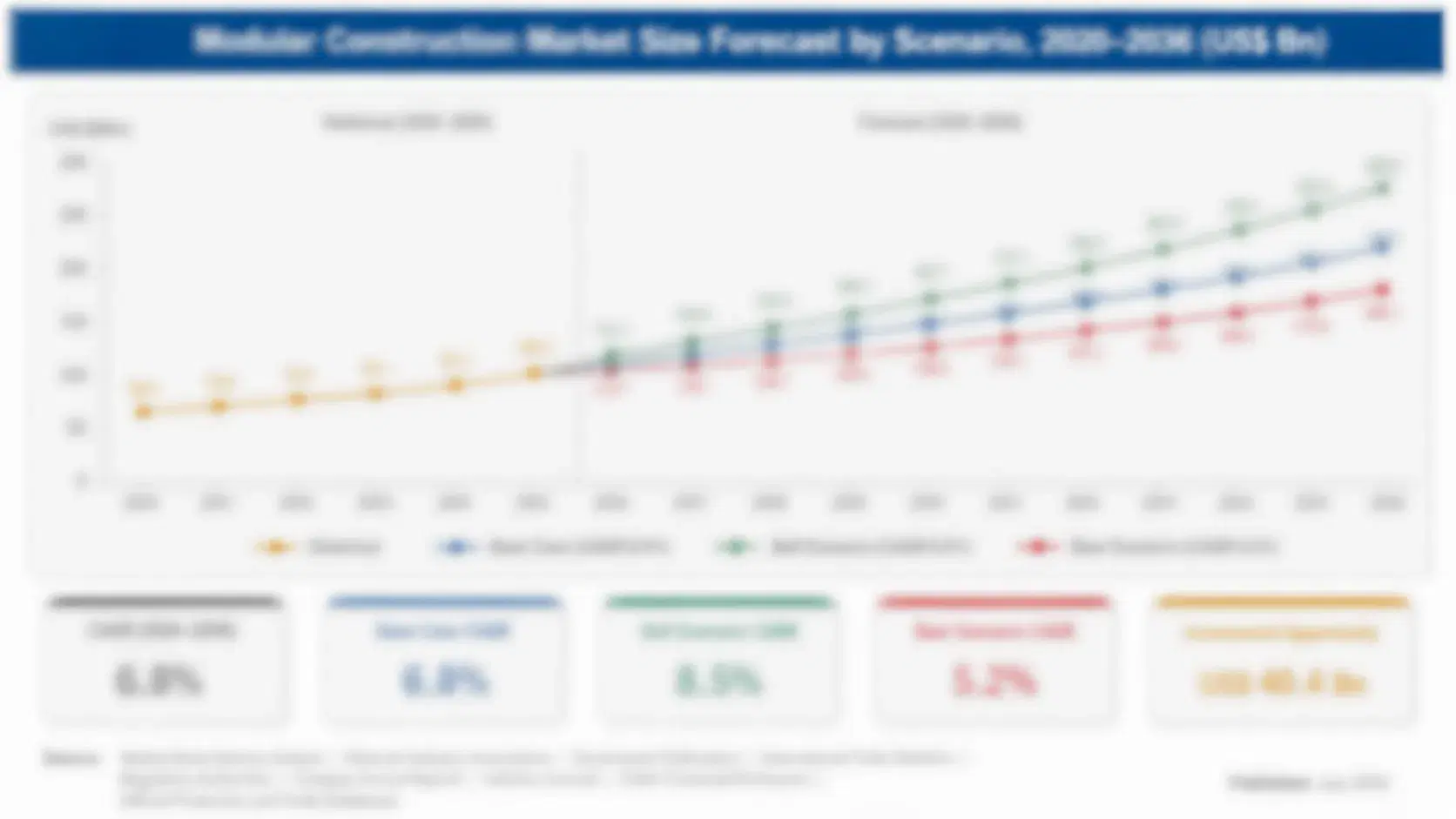
ESD Protective Signage Labels Growth Scenarios to 2036

esd-protective-signage-labels-market-size-forecast-scenario-1791298478012
ESD protective signage demand grew steadily between 2020 and 2025 as semiconductor capacity expansion accelerated globally and new fabrication facilities incorporated electrostatic discharge compliance documentation earlier in construction planning, with growth picking up noticeably once major chip manufacturers announced multi-year greenfield facility investment programs across several key manufacturing regions, setting a firm historical baseline that MMA extrapolates forward for the 2026 to 2036 forecast period specifically.
MMA's base case assumes continued expansion driven by three commercial mechanisms: semiconductor fabrication capacity additions under domestic chip incentive programs, printed circuit board assembly facilities tightening ESD compliance documentation to meet customer audit requirements, and facility compliance software platforms standardizing signage specification across new cleanroom construction projects, with all three mechanisms reinforcing each other through shared facility design and procurement cycles across the industry, a combination MMA views as the most.
The bull case centers on accelerating semiconductor fabrication investment pulling signage demand well ahead of current projections, while the bear case reflects slower-than-expected fab construction timelines amid broader semiconductor capital spending caution, delaying some converters' planned signage material capacity expansion by several quarters in weaker scenarios, a dynamic MMA weights more heavily toward the base case given observed fab construction trends through 2025.

Material Certification Is Becoming the Deciding Factor

Converters with ANSI and IEC certified ESD signage materials are capturing a growing share of new facility contract awards, since semiconductor fabrication customers increasingly treat documented material certification as a baseline procurement requirement rather than a nice-to-have feature across most new cleanroom construction projects, pushing generic sign shops toward partnership or exit decisions. Facility auditors are now writing material certification documentation directly into supplier qualification.
MARKET CONCENTRATION34%Combined share held by top five converters globally
AVERAGE SELLING PRICE$3.20/unitBlended unit price across standard and certified formats
TOP PRODUCING COUNTRY29%Share of global production capacity sited domestically today
CAPACITY UTILIZATION68%Average across certified ESD signage production lines worldwide today
FAB COMPLIANCE ADOPTION SHARE41%Portion of output used in certified cleanroom facility programs now
SUBSTRATE INPUT COST SHARE27%Share of production cost tied to conductive film sourcing
Capacity investment is concentrating among converters already serving semiconductor and electronics assembly accounts, where ESD certification requirements are tightening fastest. Standard facility safety signage accounts remain comparatively price-driven. Converters without certified ESD material supply are increasingly relegated to lower-margin generic signage accounts, where competitive intensity runs highest across the broader category overall. This split is becoming more pronounced each procurement cycle as semiconductor buyers consolidate purchasing toward a smaller certified supplier pool.
Average selling prices are rising gradually as certified ESD formats displace generic facility signage across semiconductor and electronics assembly applications, even as converters serving general industrial accounts continue competing primarily on price and delivery reliability within a comparatively thin-margin segment of the broader category overall. This bifurcation is expected to widen further as fab audit documentation requirements continue tightening. Converters positioned early capture.
"Nobody used to think twice about signage. Now a fab won't pass audit without documented ESD material certification, and that single requirement has turned a commodity product into a specification battle."
Senior Analyst, Industrial Safety Labeling Practice · MMA Electrostatic Discharge Facility Safety Labeling Practice · October 2026

Key Trends in ESD Protective Signage Labels

Facility Compliance Software Bundling Signage Specification Directly

Facility compliance software platforms used by semiconductor fabrication and electronics assembly builders are increasingly bundling ESD signage specification directly into cleanroom build-out documentation, letting facility managers order compliant signage automatically as part of broader construction compliance workflows rather than treating signage as a separate downstream procurement decision. This integration is concentrated among the largest fabrication facility builders first, with smaller electronics assembly operators still relying on manual signage specification processes. Converters partnering with compliance software vendors are capturing a disproportionate share of new facility contract awards, leaving unintegrated competitors increasingly dependent on direct sales relationships to win comparable business. For a connected opportunity, MMA values the labels market at USD 52.0 billion in 2025.
Market Impact: Adds 42 new fabs by 2030
Conductive Substrate Innovation Extending Signage Durability Standards

New conductive substrate formulations are extending ESD signage durability well beyond conventional materials, letting facility operators reduce replacement frequency in high-traffic cleanroom areas where signage degradation previously required frequent reordering cycles. Adoption is concentrated among the largest semiconductor fabrication facilities first, where cleanroom protocol strictness makes signage durability a meaningful operational consideration beyond simple cost. Converters investing in these substrate formulations are winning premium contract pricing from facility operators willing to pay more for reduced replacement frequency across their certified compliance signage programs broadly, a dynamic converters are increasingly emphasizing during facility sales presentations.
Market Impact: Adds 3,100 audited facilities yearly

ESD Protective Signage Labels Supplier Priorities

Semiconductor Fabrication Capacity Expansion Under Chip Incentive Programs

Semiconductor fabrication capacity expansion under domestic chip incentive programs across the United States, Europe, and parts of Asia is directly pulling ESD signage specification into new facility construction scope, since every new fab requires comprehensive compliance signage packages from initial construction through operational certification. This expansion is forcing converters serving semiconductor accounts to add certified material capability or risk losing contracts to competitors already qualified under the stringent documentation requirements major chip manufacturers now demand. Converters with established fab-construction relationships are extending those contracts into new facility projects fastest, capturing early mover advantage across this expanding capacity buildout.
Market Impact: Adds $280,000 average certification cost

Electronics Assembly Audit Requirements Tightening Compliance Documentation

Printed circuit board assembly facilities are tightening ESD compliance documentation requirements to satisfy customer audit expectations, since major electronics brands now require their contract manufacturers to demonstrate certified signage material compliance as part of broader supplier quality assurance programs across their global manufacturing network. This tightening is concentrated among the largest contract manufacturers first, since smaller assembly operators often lack the audit sophistication larger customers now routinely expect from their supply base. Converters serving multiple assembly accounts simultaneously are capturing scale advantages that smaller single-account competitors increasingly struggle to match today.
Market Impact: Varies replacement cycles by 3 years

ESD Protective Signage Labels Challenges and Constraints

Certification Testing Costs Deterring Smaller Converters

Achieving ANSI and IEC ESD material certification requires substantial investment in testing and documentation overhead, a cost burden that disproportionately deters smaller regional converters from entering the category even as demand accelerates across their existing general signage customer base broadly. The root cause is the specialized conductive material science involved, since certified ESD performance must be validated through accredited third-party testing rather than achieved through simple material substitution, requiring dedicated technical expertise most smaller converters lack internally. Some smaller players are mitigating this through licensing certified formulations from specialty material suppliers rather than pursuing independent certification, trading margin for faster.
Market Impact: Adds 1,800 new facility contracts yearly

Facility Signage Replacement Cycles Remaining Inconsistent Across Operators

Facility signage replacement cycles vary considerably across operators, with some fabs maintaining strict periodic replacement schedules while others replace signage only upon visible degradation, creating demand forecasting uncertainty that complicates converter capacity planning across the category broadly. The root cause traces to inconsistent internal facility maintenance budgeting practices, which vary by operator size and corporate ownership structure rather than following any industry-standard replacement interval most converters could reliably plan production around. Leading converters are mitigating this through flexible production scheduling and buffer inventory, though smaller players often lack the capital to maintain.
Market Impact: Extends signage life to 7 years
3 additional market trends, 2 additional growth drivers, and 4 additional restraints and challenges are covered in the full report. Contact sales@marketmindsadvisory.com to access the complete intelligence.

ESD Protective Signage Labels Growth by Segment

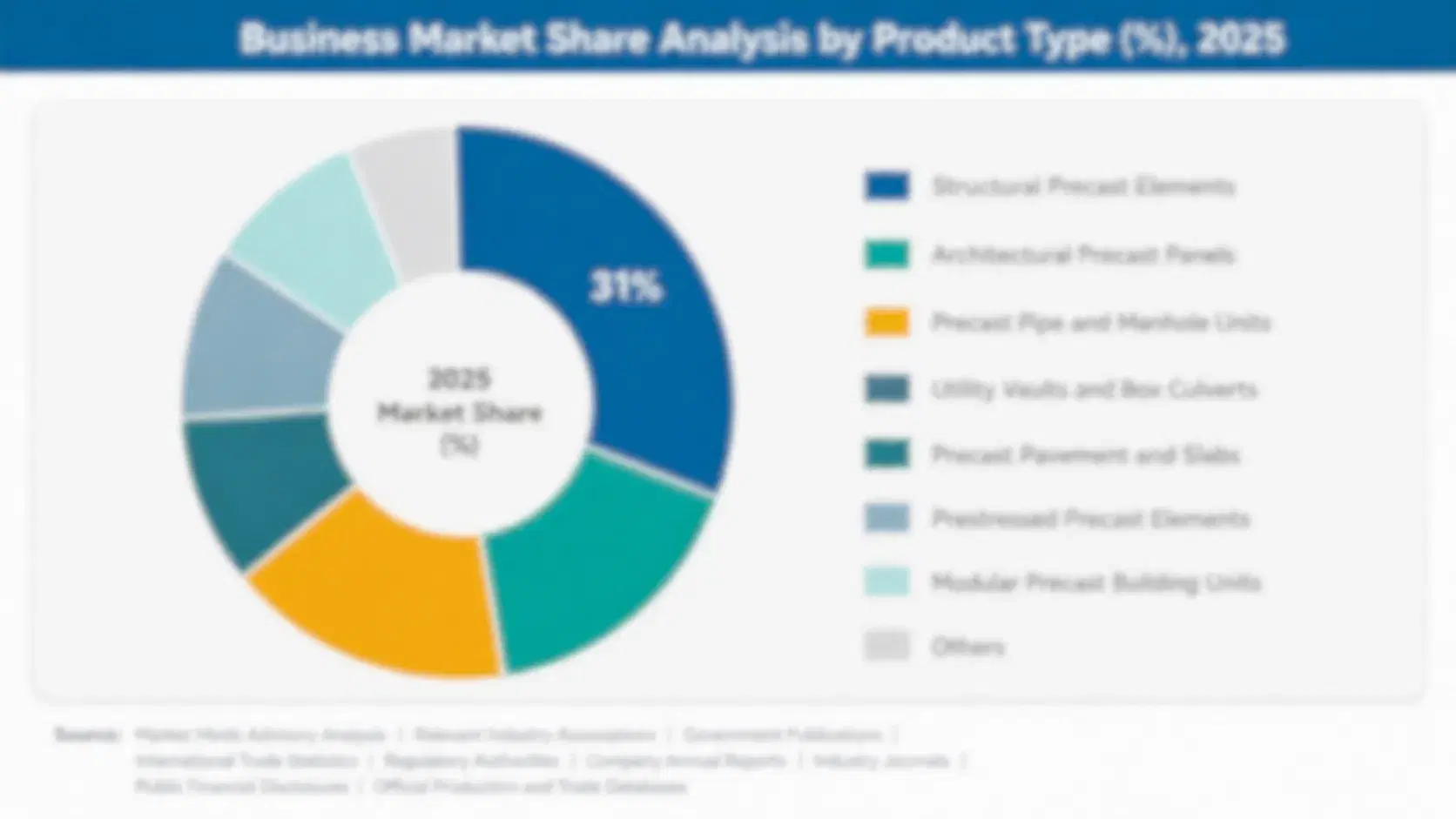
ESD protective signage demand splits across facility application segments shaped by certification stringency and cleanroom protocol requirements. Semiconductor fabrication and electronics assembly applications are pulling capacity investment fastest, while general industrial and warehouse segments add differentiated but steadier volume. Converters are prioritizing capital allocation toward these two growth paths, while monitoring emerging data center ESD mandates closely.
esd-protective-signage-labels-market-market-share-analysis-1791298478292

Semiconductor Cleanroom ESD Signage

Semiconductor cleanroom ESD signage is the fastest-growing segment, used across fabrication facility protected areas, gowning rooms, and equipment zones where contamination and discharge control protocols are strictest across the entire manufacturing campus. Demand is concentrated among the largest chip manufacturers first, who face the steepest facility audit scrutiny and customer compliance documentation requirements across their global fabrication network. Converters serving this segment increasingly pair certified ESD materials with facility compliance software integration, since semiconductor customers now specify both capabilities jointly rather than treating them as separable purchasing decisions. Growth here is expected to stay well ahead of the broader category average through the full forecast window as new fab construction accelerates across several major manufacturing regions.
CAGR 8.1%

Electronics Assembly Facility Signage

Electronics assembly facility signage forms the second-fastest segment, driven by contract manufacturer audit requirements expanding beyond semiconductor fabrication into broader printed circuit board and device assembly operations serving major electronics brands globally. Converters with established semiconductor fabrication relationships are best positioned to extend into this expanding scope, since brand qualification processes favor suppliers with existing regulatory compliance track records over new entrants lacking comparable documentation history. This segment's growth trajectory depends heavily on customer audit implementation timelines, which vary somewhat by brand but are broadly moving in the same expansionary direction across most major electronics assembly markets served by the industry Several contract manufacturers are also requesting bundled compliance documentation covering both signage material and facility audit reporting together.
CAGR 7.5%
Full segment breakdown across 7 segments available in the complete report.

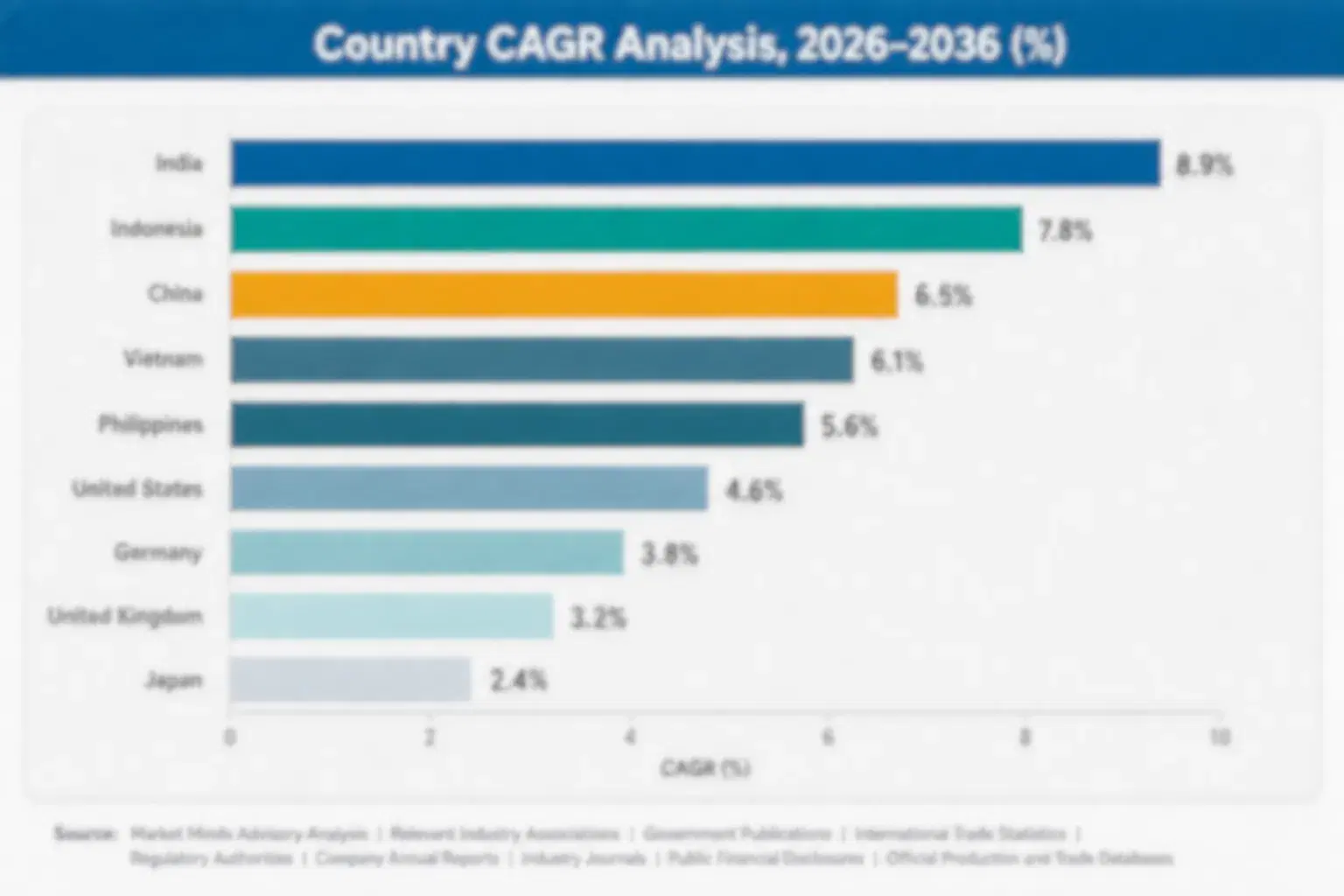
ESD Protective Signage Labels Demand by Region

East Asia leads global ESD protective signage demand on the strength of its dense semiconductor fabrication base, with North America close behind through new domestic fab construction. The remaining five regions show meaningfully different adoption paces tied to electronics manufacturing concentration, shaped largely by fabrication capacity investment and customer audit.

East Asia

Taiwan and South Korea anchor East Asian demand through their concentrated semiconductor fabrication base, where ESD signage certification is specified directly into new fab construction documentation serving the world's largest chip manufacturers. China's expanding domestic semiconductor investment is adding substantial incremental demand as the country builds out fabrication capacity to reduce dependence on imported chips. Japan's electronics assembly sector contributes a complementary demand layer tied to its historically rigorous cleanroom protocol standards across precision manufacturing facilities. Converters across the region are increasingly exporting certified signage to serve smaller Southeast Asian fabrication markets lacking comparable domestic capacity, reinforcing a scale advantage competitors elsewhere find difficult to replicate given the capital intensity of fabrication at this volume.
Share: 30% | CAGR: 7.4% (2026 to 2036)

North America

The United States anchors North American demand through new domestic semiconductor fabrication capacity built under federal chip incentive programs, where ESD signage certification is written directly into facility construction compliance documentation from initial construction forward. Contract electronics assemblers serving major American technology brands add a second demand layer through customer audit requirements tied to supplier quality assurance programs across their manufacturing network. Canada follows a broadly similar adoption trajectory with a modest lag tied to smaller domestic semiconductor investment relative to the United States. Mexico's growing electronics assembly sector is adding incremental demand as nearshoring investment accelerates across the broader region, though both countries continue converging toward comparable certification standards across most major semiconductor categories served.
Share: 24% | CAGR: 6.1% (2026 to 2036)
Regional intelligence for 5 additional markets available in the complete report: Western Europe, South Asia and Pacific, Latin America, Middle East and Africa, Eastern Europe. Contact sales@marketmindsadvisory.com.
esd-protective-signage-labels-market-country-cagr-analysis-1791298478582

Where Converters Can Capture More Margin

Converters hold several commercial levers to capture value beyond standard unit pricing in ESD protective signage. Compliance documentation services, facility software integration, and multi-year fab supply contracts each offer distinct paths to margin expansion as semiconductor certification requirements tighten across global fabrication and assembly accounts, with the most successful converters pursuing more than one lever simultaneously rather than choosing.

Facility Compliance Documentation Bundling Services Program

Converters bundling compliance documentation packages alongside physical ESD signage are capturing service revenue beyond standard unit pricing, since facility operators increasingly prefer a single accountable supplier for both signage hardware and audit-ready documentation rather than managing separate vendor relationships for each function. This bundled approach adds roughly 14 to 19 percent to per-unit contract value compared to standalone signage supply, reflecting the documentation preparation, audit support, and ongoing certification tracking facility operators now expect as part of a complete compliance solution. This approach also strengthens contract renewal rates since switching documentation providers mid-cycle disrupts audit continuity.
Market Impact: Adds 14 to 19 percent to value today

Facility Software Platform Integration Partnership Model

Converters partnering directly with facility compliance software platforms to integrate signage specification into construction documentation workflows are securing exclusive regional supply arrangements that competitors cannot easily replicate, since each integration requires dedicated development work shared between converter and software vendor. These partnerships typically lock in multi-year volume commitments at premium pricing roughly 22 percent above generic signage supply, reflecting the exclusivity and workflow integration brand owners value for large-scale fabrication projects facing the highest compliance scrutiny. Converters without such integration capability increasingly struggle to compete for flagship fabrication accounts where software compatibility has become a specification requirement.
Market Impact: Secures pricing 22 percent above generic signage rates

Who Captures ESD Protective Signage Labels Value

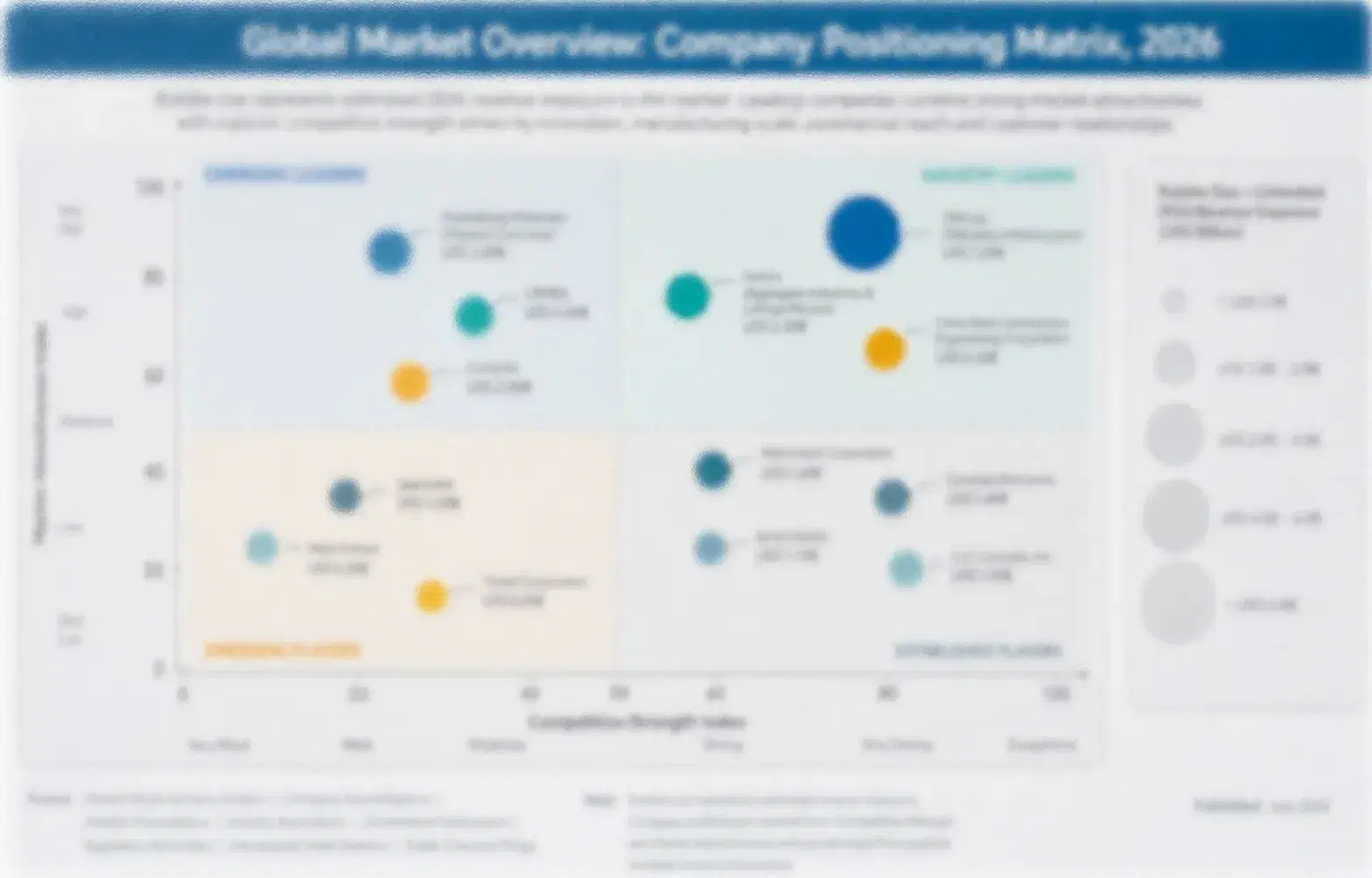
The top five converters hold a combined 34 percent share on a global production volume basis, leaving a meaningfully fragmented field below them where regional specialists compete on certification depth rather than scale. The gap between the leading converter and the nearest challenger reflects roughly four years of accumulated facility compliance software integration experience that smaller competitors are still working to close, a gap that.
Current competitive activity centers on certification licensing deals, facility software integration partnerships, and conductive substrate supplier acquisitions, as diversified industrial label converters race to add ESD capability without building internal material science expertise from scratch. Several mid-tier players have announced capacity expansions specifically targeting semiconductor fabrication demand ahead of expanding compliance specification requirements, signaling that material certification alone is no longer sufficient to compete for the largest fabrication accounts.

Emerging pressure is coming from specialty material science startups entering through licensing partnerships with established converters rather than direct competition, a path that could reshuffle rankings over the next several years as these partnerships mature into broader commercial relationships. Rankings among the top five are likely to shift as certification and software integration capability increasingly separate leaders from followers. Converters watching from the sidelines risk losing.
esd-protective-signage-labels-market-company-positioning-matrix-1791298478862

How ESD Protective Signage Labels Suppliers Compete

BRADY CORPORATION

Moat: Certified Material Science Depth

Brady Corporation's decades of industrial material science research and broad certified product portfolio let it serve multinational semiconductor accounts with consistent ESD compliance performance across every manufacturing region, a capability smaller regional converters cannot easily match given the capital intensity of comparable research investment at global scale.
BRADY CORPORATION

Risk: Commodity Segment Margin Drag

Brady Corporation's exposure to lower-margin general industrial signage accounts alongside its certified ESD portfolio creates margin pressure from investors seeking segment-level profitability disclosure, pushing the company to justify continued investment in a still-developing certified compliance category against more mature core business lines across every major procurement cycle going forward.
NATIONAL MARKER COMPANY

Moat: Regional Distribution Network Depth

National Marker Company operates one of the broadest regional distribution networks in industrial signage, letting it serve facility accounts with fast fulfillment while maintaining consistent certified material standards across its product line, an operational advantage that reduces lead times for facility operators requiring rapid signage replacement.
NATIONAL MARKER COMPANY

Risk: Software Integration Lag Risk

National Marker Company's distribution-focused model has left it comparatively slower to develop facility compliance software integration capability that leading competitors increasingly offer, creating a gap that could widen as semiconductor customers standardize on suppliers offering bundled documentation and software integration services most directly today specifically.

Players Tracked

Prominent Players

Brady Corporation
National Marker Company
Accuform
Seton Identification Products
LabelMaster

Other Key Players

Avery Dennison
3M
Panduit
Grainger Industrial Supply
Compliance Signs
SmartSign
Creative Safety Supply
ClearPoint ESD Solutions
Desco Industries
SCS Static Control
Botron Company
Transforming Technologies
Ted Pella Inc
Charleswater Products
StaticStop

Recent Developments

APRIL 2026

Brady Corporation acquired a conductive substrate material developer to bring specialty ESD film production in house, reducing dependency on third-party material suppliers for its premium semiconductor fabrication signage lines. The acquisition expands Brady Corporation's material science research capacity and secures exclusive access to several proprietary conductive formulations previously licensed only.
Signal: Vertical integration into conductive film signals deeper certification commitment ahead and competitors are taking notice quickly
OCTOBER 2025

National Marker Company entered a joint venture with a facility compliance software provider to offer bundled signage and documentation solutions to semiconductor and electronics accounts across North America and Asia. The joint venture combines National Marker's signage production with the software partner's compliance tracking infrastructure, creating a combined offering neither.
Signal: Joint venture signals converters are racing to bundle signage and compliance software across the industry broadly today

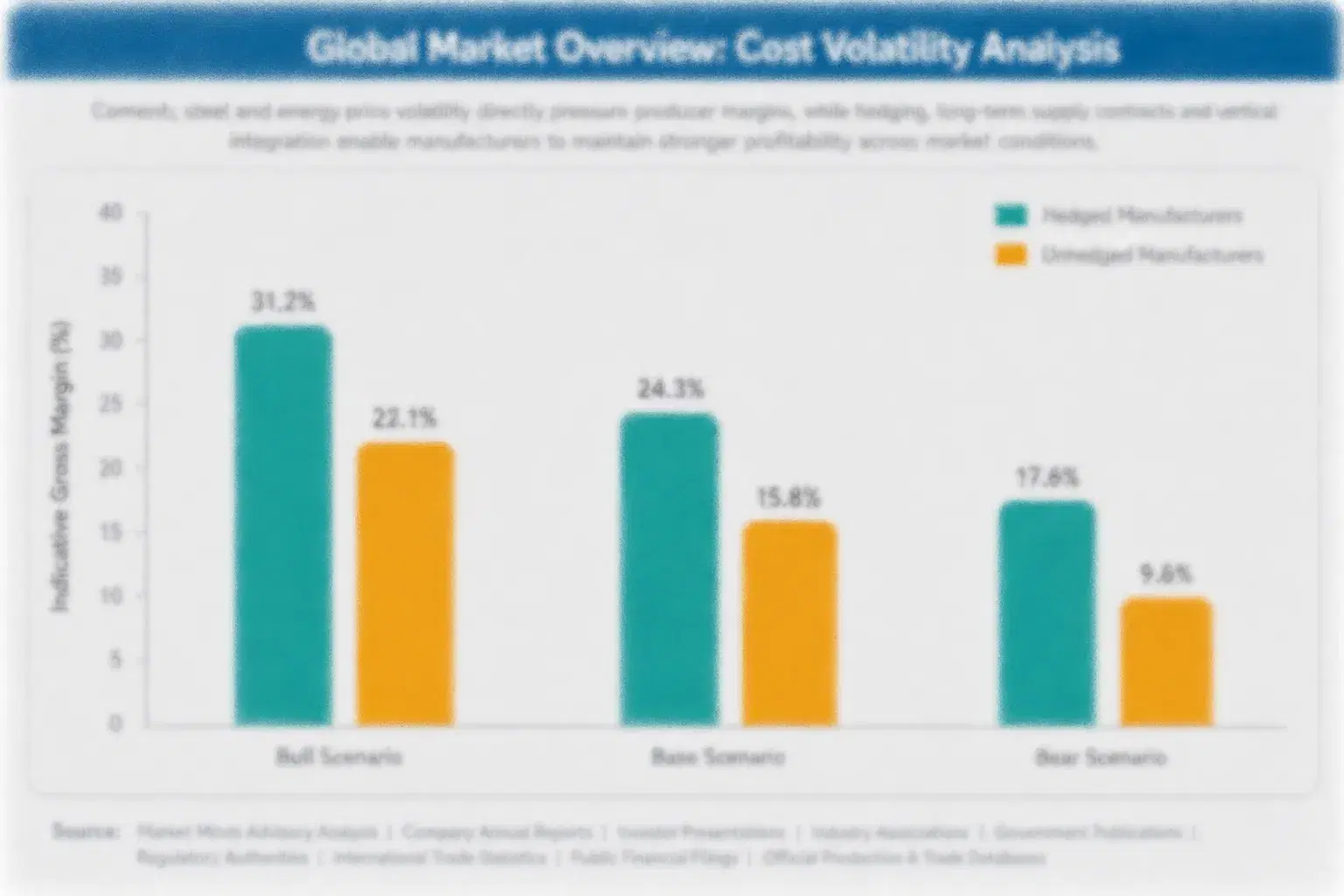
Conductive Substrate Cost Exposure and Volatility

Conductive substrate film and certified adhesive together account for roughly 36 percent of total cost of goods sold for a typical ESD protective signage unit, sourced primarily from specialty material producers concentrated in the United States, Germany, and increasingly Taiwan's expanding conductive film processing capacity serving export-oriented converter operations globally. Precision formulation and accredited third-party testing overhead add a further meaningful share, leaving smaller converters with comparatively.
Specialty conductive film prices spiked sharply during 2021 and 2022 as semiconductor-adjacent material supply disruptions tied to pandemic-era manufacturing constraints rippled through specialty chemical production costs globally, according to IEA and EIA commentary covering related electronics material supply chains during that period. Converters without hedged substrate supply contracts absorbed significant margin compression during this window, forcing several smaller players to pass costs through to semiconductor and.

Converters without long-term substrate supply agreements face a lasting cost disadvantage against larger competitors able to negotiate multi-year fixed pricing directly with specialty material producers, leaving smaller players exposed to spot market volatility during price spikes recurring periodically across broader electronics-adjacent material cycles. This exposure varies meaningfully by geography too, since converters in regions with domestic conductive film production face less currency and shipping risk than those.
esd-protective-signage-labels-market-cost-volatility-analysis-1791298479160

Multi-Year Substrate Supply Contracts

Converters are increasingly locking in multi-year conductive substrate supply contracts with fixed or collared pricing to reduce exposure to spot market volatility during film price spikes. This approach requires sufficient scale to interest producers in long-term commitments, favoring larger converters over smaller independents lacking comparable purchasing volume currently today, though pooled purchasing arrangements can help smaller players access comparable terms.

Accredited Testing Capacity Sharing Arrangements

Some smaller converters are sharing accredited third-party testing capacity through industry consortiums rather than each maintaining separate certification relationships, reducing per-unit testing overhead while still meeting ANSI and IEC accreditation standards across their product lines. This approach adds coordination overhead but meaningfully improves cost efficiency for smaller players, particularly for converters serving multiple geographic markets simultaneously across their customer base.

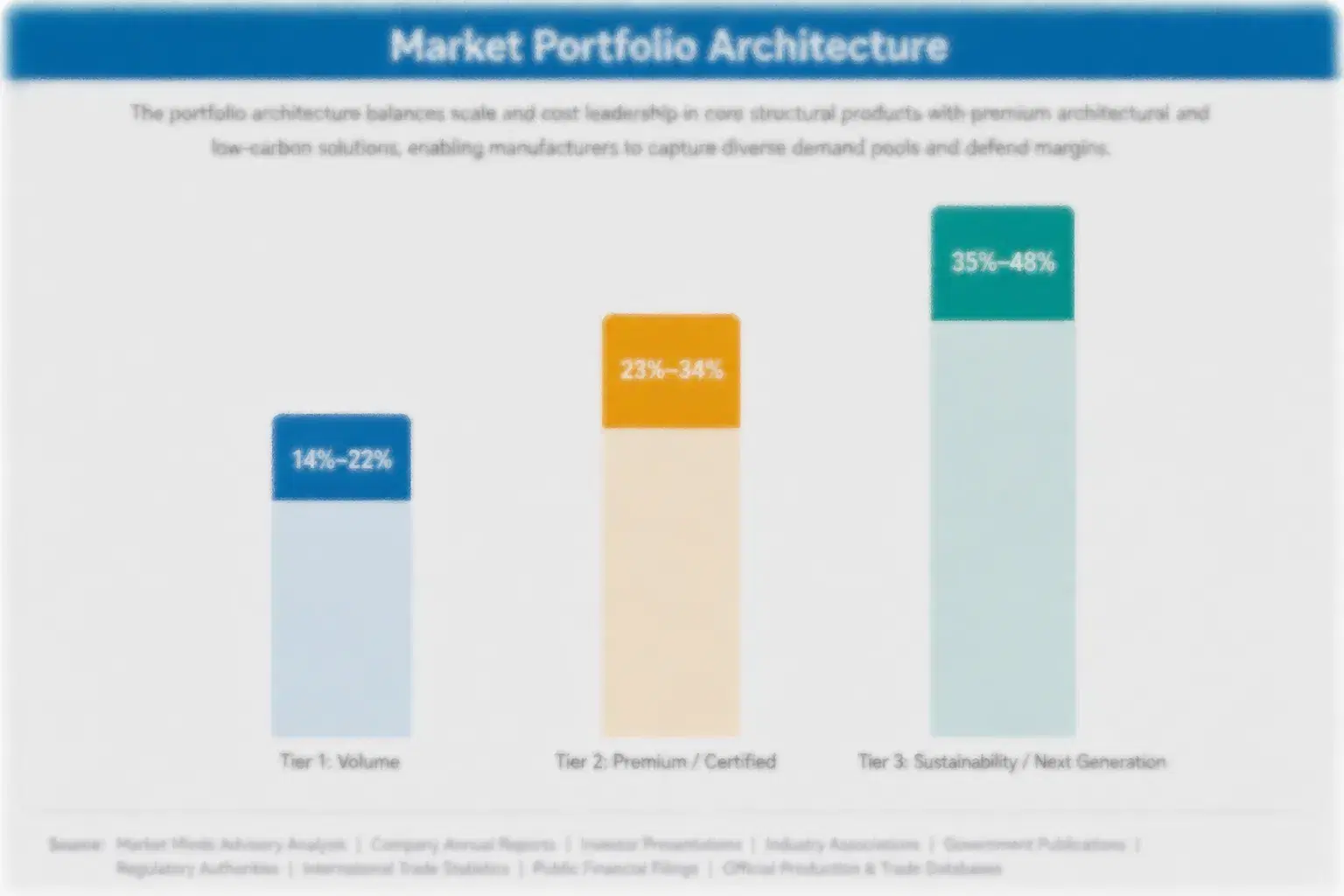
Portfolio Architecture for Margin Defence

ESD protective signage portfolios split across three tiers with meaningfully different margin economics, from commodity general industrial formats through certified ANSI and IEC compliant products to next-generation software-integrated and durability-enhanced designs still gaining commercial traction across most markets served today. Volume tiers compete primarily on price and delivery reliability, while premium certified formats command sustained pricing power through accreditation and material certification barriers that limit new entrant.
The tension between volume and premium positioning is sharpening as semiconductor and electronics assembly accounts increasingly demand certified material compliance and audit documentation across their full supply base, pushing converters to shift production mix toward higher-specification formats even when near-term margin benefits remain uncertain across different accounts served broadly. Converters slow to make this transition risk losing contract renewals to competitors already positioned in the premium tier ahead of them.

High-value margin pools concentrate heavily in semiconductor fabrication and electronics assembly compliance applications, both commanding premiums well above commodity general industrial signage formats across most markets currently served by the industry worldwide. Converters that invest early in these pools are positioning themselves ahead of where premium facility specification requirements are clearly heading across the coming decade of continued fabrication capacity buildout.

Standard general industrial signage formats competing primarily on price and delivery reliability across cost-sensitive accounts, representing the largest volume base but thinnest margins in the category overall, with limited pricing power against larger competitors holding better input cost positions overall.
Gross Margin

ANSI and IEC certified formats meeting stringent semiconductor and electronics assembly specifications, commanding sustained pricing power through accreditation barriers that limit competitive entry meaningfully across this growing tier, a position converters work hard to defend once achieved given the certification investment required to reach it.
Gross Margin

Emerging software-integrated and durability-enhanced formats still gaining commercial traction, positioned to capture outsized margin as fabrication compliance regulation gradually increases across most major markets served, though adoption timelines vary considerably depending on each facility's compliance investment pace specifically.
Gross Margin
esd-protective-signage-labels-market-portfolio-architecture-1791298479442

High-value Sub-segments and Strategic Watch-out

Semiconductor Cleanroom ESD Signage

This fastest-growing segment combines high volume with premium certified pricing, making it the clearest high-value high-growth pool in the category. Converters with early software integration are capturing disproportionate share as fabs consolidate purchasing toward validated suppliers only, a pattern expected to persist, reinforcing its position as the category's clearest growth.

Electronics Assembly Facility Signage

A large, high-value segment growing at a moderate but steady pace, anchored by expanding audit requirements. Margins here remain comparable to the fastest-growing segment given similarly stringent compliance documentation needs across most major assembly markets served by converters globally, particularly as audit mandates extend progressively across additional assembly markets.

General Industrial Facility Signage

A stable segment serving broader industrial facility safety applications beyond electronics manufacturing, currently trailing the category average as adoption remains concentrated among general warehouse and manufacturing operators facing less stringent certification pressure today, with adoption expected to broaden as mid-sized operators face growing insurance documentation pressure too.

Uncertified Legacy Converter Capacity

A strategic watch-out segment where converters lacking ANSI and IEC accreditation face mounting competitive exposure. Continued fabrication audit tightening could force consolidation among smaller uncertified players unable to secure capital for certification upgrades going forward across most categories, especially where converters hold no near-term certification plan currently.

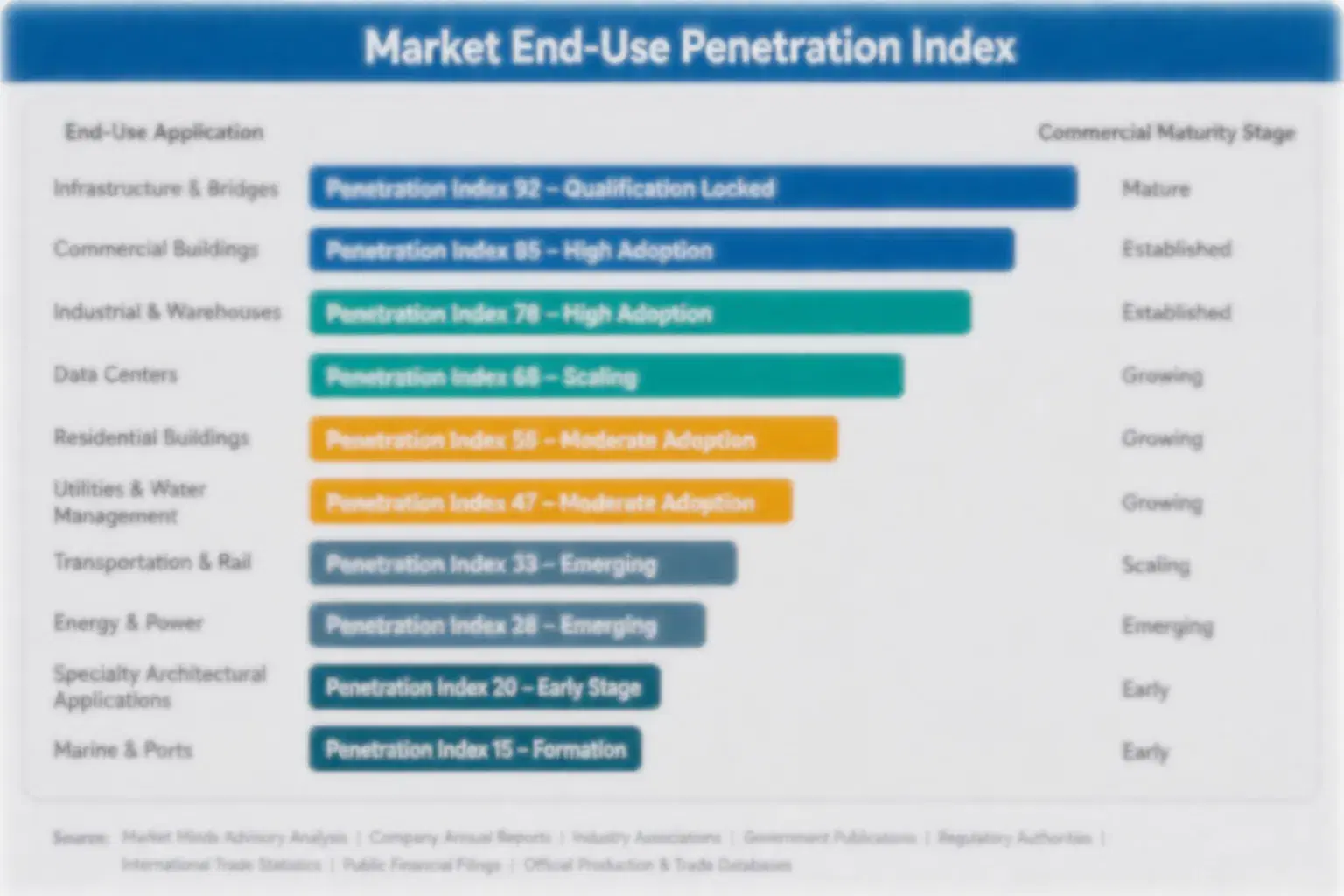
Annuity Demand and Buyer Stickiness

ESD signage supply runs on annuity economics once a converter clears semiconductor or electronics facility certification, since switching qualified material suppliers requires re-validating compliance documentation across an entire facility campus, a costly process most operators avoid repeating often across their global footprint and portfolio across most certified accounts served today, reinforcing the annuity character of this demand.
Adoption stickiness varies meaningfully by end-use vertical, with semiconductor fabrication showing the deepest lock-in given stringent regulatory audit requirements, while electronics assembly facilities show somewhat shallower stickiness as operators occasionally dual-source across certified converters to manage supply risk during periods of elevated substrate price volatility. General industrial facilities sit between these two extremes currently, with adoption still consolidating as safety compliance requirements tighten gradually across major manufacturing regions worldwide.

A generational shift in buyer profiles is underway as facility compliance officers increasingly co-own procurement specification decisions alongside traditional purchasing teams, pushing ESD signage adoption beyond pure cost calculus toward audit readiness scorecards that factor into corporate risk reporting obligations. Younger facility managers entering compliance roles show markedly less resistance to premium certified formats than their predecessors did. This shift is most visible among major semiconductor and electronics brand customers currently reviewing supplier scorecards.
esd-protective-signage-labels-market-end-use-penetration-index-1791298479791

Strategic Priorities for Converters

These are among the four positions where our research anticipates prominent divergence between winners and laggards over the coming forecast period. Each is grounded in the demand model, the regulatory perimeter, and the announced capacity pipeline.
01 / MATERIAL CERTIFICATION INVESTMENT

Prioritize ANSI and IEC certification across core production lines

Converters without validated ANSI and IEC certification are losing semiconductor and electronics contract renewals to competitors already certified across comparable production lines across their full manufacturing footprint. Certification requires upfront capital and multi-quarter validation cycles, but it secures premium tier pricing, multi-year contract commitments, closer technical collaboration with facility customers, and priority access to constrained substrate allocation. Players that delay this investment risk permanent exclusion from the fastest-growing segment as fabs consolidate purchasing toward validated suppliers, while early movers capture outsized share of new contract awards.
02 / SUBSTRATE SUPPLY SECURITY

Secure multi-year conductive substrate contracts before next price cycle

Substrate price volatility tied to electronics-adjacent material cycles has repeatedly compressed converter margins during supply disruptions over the past several years across most regions served by the industry today. Locking in multi-year fixed or collared pricing with established material producers protects margin during the next inevitable volatility event and secures priority allocation when supply tightens unexpectedly during the next cyclical downturn. Smaller converters lacking scale to negotiate favorable terms should consider pooled purchasing arrangements with regional peers facing similar exposure.
03 / REGIONAL CAPACITY EXPANSION

Expand converting capacity in East Asia ahead of demand acceleration

East Asia's semiconductor fabrication concentration and expanding chip incentive programs are driving the fastest regional demand growth across the entire forecast window through 2036 and beyond. Converters without meaningful regional presence risk ceding share to domestic competitors positioned closer to both substrate supply and facility customers across the region's major manufacturing hubs, particularly Taiwan and South Korea. Capacity expansion decisions made over the next several years will likely determine competitive positioning for the following decade, favoring players who move before rivals commit comparable capital to the same expanding regional footprint.
04 / COMPLIANCE SOFTWARE POSITIONING

Align product roadmaps with tightening facility audit disclosure requirements

Facility compliance officers are increasingly co-owning procurement specification decisions, pushing facility operators toward suppliers with credible compliance software integration capability across their full global supply base. Converters that proactively build this capability into their commercial offering gain an edge during facility supplier reviews that increasingly weight integration heavily alongside price, reliability, and prior relationship history across multiple contract cycles. This positioning matters most for semiconductor and electronics accounts facing the strictest near-term regulatory disclosure timelines, where compliant suppliers are already winning disproportionate new volume across most major accounts reviewed.

Engagement Snapshot From the Field

A live engagement with an industry participant carrying material or product regulatory and market exposure ahead of a defining policy shift, showing how our research translates into a defensible multi-year portfolio strategy.
MARKET MINDS ADVISORY · CLIENT ENGAGEMENT SUMMARY
ESD Protective Signage Labels Producer Strategic Portfolio Review and Transition Roadmap 2026·Investment Scenario on ESD Protective Signage Labels Exposure Evaluation 2025-26
CLIENT PROFILE
The client was a mid-sized contract electronics assembler operating across four countries, exploring a transition toward certified ESD signage for its facility expansion program following mounting customer audit pressure and new fabrication client requirements across its manufacturing network. The engagement took place in the second quarter of 2026, commissioned directly by the assembler's facilities and quality assurance leadership jointly.
STRATEGIC CHALLENGE
The client faced a decision between three competing ESD signage suppliers with meaningfully different certification timelines, substrate sourcing geographies, and pricing structures, none of which had been independently benchmarked against each other on a consistent commercial basis previously. The assembler needed an independent, commercially consistent comparison framework before committing to a multi-year supply award covering its full four-country facility footprint.
MMA APPROACH
MMA conducted supplier benchmarking across certification status, substrate sourcing resilience, and contract pricing structure, supplemented by primary interviews with converter technical leads and a review of each supplier's accreditation documentation submitted to the client directly. The assessment weighted certification readiness, sourcing resilience, and pricing structure consistently across all three candidates to produce a single comparable scorecard.
KEY FINDINGS
  1. Supplier A offered the fastest certification timeline but relied on single-region substrate sourcing, creating meaningful supply concentration risk during volatility events specifically.
  2. Supplier B held the strongest multi-year substrate pricing contracts but lagged roughly two quarters behind on compliance software integration for the client's specific facility format.
  3. Supplier C's pricing was most competitive but its accreditation documentation showed gaps against the client's customer audit requirements, requiring additional validation work before any award decision.
  4. None of the three suppliers had previously served a client with the assembler's four-country facility footprint, requiring custom logistics modeling for each candidate evaluated.
RECOMMENDED STRATEGY
Phase 1: Phase one: commission independent accreditation validation testing for Supplier C to close documentation gaps before any award decision directly today. Phase 2: Phase two: negotiate a dual-sourcing arrangement combining Supplier A's speed with Supplier B's pricing security across different facility lines directly. Phase 3: Phase three: build a shared audit disclosure reporting template usable across both awarded suppliers to simplify future compliance audits directly.
OUTCOME
The client awarded a dual-sourcing contract six months after engagement completion, reporting a meaningful reduction in single-supplier dependency risk and improved customer audit scores across its four-country facility footprint (client-reported, unverified by MMA). Projected five-year substrate cost savings versus the original single-supplier path were estimated in the low seven figures (client-reported, unverified by MMA).

Frequently Asked Questions

Foundational context covering the market sizes, CAGR, scope, country, region and competition that inform every finding below. This section is provided to cover basics and most often pre-purchase conversations, answered from the MMA Primary Research Dataset.

What is the current size of the ESD Protective Signage Labels Market?

The global ESD protective signage labels market reached 0.68 billion dollars in 2025. This figure reflects validated converter shipment data across certified semiconductor and electronics applications worldwide.

How large will the ESD Protective Signage Labels Market be by 2036?

MMA projects the market will reach 1.35 billion dollars by 2036. This represents nearly double the 2026 forecast base, driven by fabrication capacity and audit mandates.

What is the CAGR for the ESD Protective Signage Labels Market 2026 to 2036?

The market is forecast to grow at a 6.4 percent compound annual rate between 2026 and 2036. This pace reflects accelerating facility adoption of certified signage formats.

Which segment is growing fastest?

Semiconductor Cleanroom ESD Signage is the fastest-growing segment, expanding at an 8.1 percent CAGR, roughly 1.27 times the overall market rate. Fabrication capacity expansion is the primary driver.

Who are the major companies in the ESD Protective Signage Labels Market?

Leading participants include Brady Corporation, National Marker Company, Accuform, Seton Identification Products, and LabelMaster. These five companies collectively hold roughly 34 percent of global shipment volume.

Which country is growing fastest?

Vietnam is the fastest-growing country market, expanding at a 7.6 percent CAGR as its electronics assembly sector scales facilities relocating from China. Customer audit requirements are accelerating adoption.

ESD Protective Signage Labels Market Breakdown

The full report scope spans multiple orthogonal segmentation dimensions, with cross-tabulated demand data provided for each dimension pair. Coverage extends further to regional breakdowns, trend trajectories, and the competitive detail needed to support segment-level decision-making.
  • Adhesive ESD Warning Labels
  • Rigid ESD Signage Panels
  • Floor-Mounted ESD Markers
  • Semiconductor Fabrication
  • Electronics Assembly
  • General Industrial Manufacturing
  • Direct Facility Procurement
  • Distributor Channel Supply
  • Compliance Software Bundled Sales

By Region

  • North America
  • Western Europe
  • East Asia
  • South Asia and Pacific
  • Latin America
  • Middle East and Africa
  • Eastern Europe

Scope, Methodology, and Coverage

Every figure in this report is reproducible from documented input assumptions. The scope below maps the historical period, the forecast horizon, the segmentation dimensions, and the countries covered, alongside the underlying primary and qualitative methodology.
Historical Period
2020 to 2025
Forecast Period
2026 to 2036
Base Year
2025 (USD billions; MMA Primary Research Dataset, October 2026)
Market Definition
This report defines the ESD protective signage labels market as durable adhesive and rigid signage materials certified to ANSI and IEC electrostatic discharge marking standards, used to designate ESD protected areas within electronics manufacturing and assembly facilities. It excludes general facility safety signage without ESD-specific material certification and ESD protective packaging or wrist strap equipment.
Quantitative Units
USD billions, 2025 to 2036
Segmentation Dimensions
Facility application, end-use industry, commercial channel, region
Regions Covered
North America, Western Europe, East Asia, South Asia and Pacific, Latin America, Middle East and Africa, Eastern Europe
Countries Covered
40+ countries across seven global regions
Key Companies Profiled
20 companies spanning signage converters and material specialists
Quantitative Methodology
Primary survey, n=3,800 respondents, Q4 2025, six countries; demand-side model with trade association cross-validation
Qualitative Methodology
47 expert interviews, Q4 2025; applied to validate demand model assumptions, identify emerging dynamics, and assess competitive positioning
Report Format
PDF and XLSX data workbook (Word format preview document)
Publisher
Market Minds Advisory
Report Code
MMA-2026-PAC-331
Published
October 2026
Contact
sales@marketmindsadvisory.com | www.marketmindsadvisory.com

Purchase the full ESD Protective Signage Labels Market Report (2026 to 2036).

This report gives facility compliance and procurement teams a validated view of the ESD protective signage labels market, combining primary survey data with converter and material supplier interviews conducted during the fourth quarter of 2025. It covers sizing, segmentation, regional dynamics, competitive positioning, and input cost exposure across the full forecast period extending through 2036. The analysis is designed to support sourcing decisions, capacity investment planning, and audit compliance roadmapping for facility owners and converters alike operating across this certification-driven category. It also benchmarks converter sourcing resilience against substrate supply volatility risk.
Validated 2025 to 2036 market sizing and forecast scenarios
Seven-region share and growth rate breakdown
Five-segment MECE market structure with growth rates
Twenty-company competitive benchmarking and moat analysis
Input cost exposure and mitigation pathway assessment
Anonymized client case study with recommended strategy

Built For The People Who Decide

From boardroom strategy to bench-side execution, this report is read cover-to-cover by leaders shaping the next decade of their industry, turning demand scenarios, market dynamics and valuation benchmarks into decisions.
CXOs/ Presidents/ VPs/ Managers
M&A and Corporate Development
Strategy Teams and R&D Heads
Procurement and Product Directors
Regulatory and Compliance Leaders
Investor Relations and Equity Analysts