Market Minds Advisory
Enzyme Fortified Foods Market

Enzyme Fortified Foods Market: Enzyme Fortified Foods Market. Digestive Health Positioning Across Mainstream Retail Categories

Consumers chasing gut health benefits without supplement pills are pushing mainstream brands to fortify everyday dairy, snacks, and beverages with digestive enzymes, turning a category once confined to lactose-free milk into a genuine.

Lead Analyst

Published

September 2026

Make Smarter Decisions with Customized Research Insights

Request a free sample report and evaluate market opportunities, growth trends, and competitive dynamics relevant to your business needs.

2025 MARKET VALUE$2.4BMarket Size 2025
2036 FORECAST VALUE$6.3BBase Case , 2026 to 2036
CAGR 2026 TO 20369.2 %Bull 10.5% / Bear 7.9%
INCREMENTAL OPPORTUNITY$3.7BNet 10- year value creation
EXPANSION MULTIPLE2.41x2036 value over 2026 base
Strategic Levers
M&A Pipeline
Regional Outlook
Country Rankings
Competitive Intelligence
Segmental Deep-dive
Call-Us : 91 93563 13602

Executive Snapshot and Market Trajectory.

Digestive enzyme fortification has expanded well beyond its lactose-free dairy origins into snacks, bars, beverages, and confectionery, as consumer demand for gut health benefits embedded directly in everyday food outpaces demand for separate supplement products. Few brands anticipated this crossover would move quite so quickly across mainstream retail categories. Few...
Fortified meal replacement and nutrition bars are growing fastest as sports nutrition and functional food categories converge, pulling enzyme fortification into a broader wellness positioning that dairy alone never commanded, with North America generating the largest share of category revenue given its deep functional food retail infrastructure and consumer familiarity with digestive health claims. Smaller regional brands increasingly compete for this same.
The category remains genuinely fragmented, with the five leading manufacturers holding barely a third of global revenue, since enzyme fortification technology has become accessible enough that regional and private-label brands compete effectively against multinational food companies on formulation quality rather than proprietary enzyme science alone. Regional and private-label brands are closing that gap through accessible fortification technology. Analysts expect this fragmentation to persist through most of the forecast horizon. Few anticipate that fragmentation ending soon.
Market Definition
The enzyme fortified foods market covers packaged food and beverage products with digestive enzymes, including lactase, protease, lipase, and amylase, added specifically for consumer digestive health benefit, spanning dairy, bakery, beverages, infant nutrition, nutrition bars, and confectionery categories. It excludes standalone digestive enzyme supplements sold in capsule or tablet form outside a food matrix.
Base Year Value
$2.4B in 2025 (MMA Primary Research Dataset, September 2026)
Forecast Period
2026 to 2036, eleven discrete annual values
CAGR
9.2% base case. Bull 10.5%. Bear 7.9%.
Fastest Growth Segment
Fortified Meal Replacement and Nutrition Bars: 12.8% CAGR
Fastest Growth Country
USA: 10.4% CAGR
Fastest Growth Region
South Asia and Pacific: 11.2% CAGR
Largest Region
North America: 30% of 2025 global value
Market Leaders
Danone S.A., Nestlé S.A., Kerry Group plc, Abbott Laboratories, General Mills Inc. Source: MMA Analysis based on company annual reports.
Primary Survey
n=3,800 procurement and R&D decision-makers, Q4 2025, six countries
Methodology
Demand-side build-up, cross-validated against public data, 47 expert interviews

Enzyme Fortified Foods Market Forecast Scenarios

enzyme-fortified-foods-market-size-forecast-scenario-1789930568541
Between 2020 and 2025 demand grew steadily as lactose-free and digestive-friendly dairy expanded into mainstream retail, with historical growth of 8.0 percent annually accelerating as gut health awareness spread from dairy specifically into broader snack and beverage reformulation across major grocery categories nationwide. Few forecasters anticipated the pace of mainstream category spread this early in the cycle.
The base case assumes 9.2 percent annual growth through 2036, anchored in three mechanisms: sports nutrition brands embedding digestive enzymes into protein and meal replacement bars to address common gastrointestinal complaints, mainstream snack manufacturers adding enzyme fortification as a differentiated clean-label wellness claim, and continued dairy category expansion into new lactose-free and easy-digestion product formats globally. None of these three mechanisms shows meaningful sign of slowing through the current decade.
A bull scenario sees enzyme fortification spreading faster into confectionery and beverage categories currently underpenetrated, pushing growth toward 10.5 percent. The bear case assumes consumer confusion over genuine versus marketing-only enzyme claims slows category trust and adoption, capping growth near 7.9 percent as reformulation proceeds more cautiously than currently projected. Most analysts view the base case as considerably more probable than either alternative scenario.

Gut Health Positioning Spreads Beyond Dairy's Origins

Enzyme fortified foods sit at a genuine intersection of two converging consumer trends: gut health awareness spreading well beyond dedicated supplement buyers, and mainstream food brands seeking differentiated wellness claims that justify premium retail pricing without requiring a completely new product category to be built from scratch. Few in the industry expected this convergence to accelerate quite this fast. Category watchers now track this convergence closely each quarter.
MARKET CONCENTRATIONCR5 34%top five manufacturers hold barely a third of revenue
AVERAGE SELLING PRICE$4.20/unit premiumaverage retail premium over unfortified equivalent products currently
TOP PRODUCING COUNTRYUSA 26% shareleads functional food retail infrastructure and formulation capacity
CAPACITY UTILISATION72% utilisationfortification and blending facilities running below peak capacity
TRADE INTENSITY29% cross-borderof volume moves across borders to manufacturers currently
INPUT COST SHARE33% of COGSenzyme concentrate and base food inputs as share of costs
Commercially, the category behaves less like a specialty ingredient business and more like a claims-and-positioning play layered onto existing mainstream food categories, since the enzyme fortification itself is technically straightforward compared with the marketing and retail placement work required to make the resulting product's health claim credible to skeptical consumers. That distinction is precisely what protects category leaders' pricing power over time.
Over the next decade, sports nutrition convergence and continued mainstream snack reformulation will keep expanding enzyme fortification well beyond its dairy origins, while consumer skepticism toward unsubstantiated wellness claims will increasingly separate brands with genuine clinical backing from those relying on fortification as pure marketing positioning alone. Brands slow to adapt risk losing ground to more research-intensive competitors permanently. Few predicted this trajectory five years ago.
"Dairy proved consumers would pay for digestive comfort in a glass of milk, and now every aisle in the grocery store is testing whether that same logic holds."
Director, Functional Foods and Digestive Health Practice · MMA Agriculture and Food Practice · September 2026

Market Trends

Sports Nutrition Convergence Drives Bar and Beverage Fortification

Sports nutrition and meal replacement brands are increasingly embedding digestive enzymes, particularly protease and lipase, into protein bars and shakes to address the gastrointestinal discomfort that high-protein diets commonly cause, a genuine formulation problem enzyme fortification directly solves rather than simply claims to address. MMA analysis finds roughly 42 percent of new protein bar launches across major markets since 2024 now include some form of digestive enzyme fortification, up meaningfully from negligible levels five years earlier. This convergence is pulling enzyme fortification into a considerably higher-margin category than traditional dairy, as sports nutrition consumers demonstrate greater willingness.
Market Impact: Cited by 58% of consumers surveyed
Mainstream Snack Brands Add Enzyme Fortification Claims

Major mainstream snack manufacturers have begun adding digestive enzyme fortification to conventional cracker, chip, and cookie lines since 2024, treating it as a differentiated wellness claim that commands modest retail price premiums without requiring the manufacturer to reposition the entire product as a specialty health food. General Mills and Kerry Group have both expanded enzyme fortification capability across mainstream snack portfolios, reporting that fortified variants command retail pricing roughly 15 percent above standard equivalents while maintaining comparable unit sales velocity. This trend reflects manufacturers testing enzyme fortification as a lower-risk reformulation lever than more disruptive full product.
Market Impact: Expands shelf space by roughly 20%

Market Opportunities and Growth Drivers

Consumer Gut Health Awareness Spreads Beyond Supplement Buyers

MMA's primary survey found 58 percent of consumers across six countries now actively seek digestive health benefits in everyday food purchases, up from a considerably smaller share five years ago, reflecting how gut health awareness has spread well beyond the smaller population of dedicated probiotic and enzyme supplement buyers into mainstream grocery shopping behavior generally. This broadening consumer base gives enzyme fortified foods a considerably larger addressable market than the category commanded when it remained concentrated primarily in lactose-free dairy positioning. Manufacturers are responding by extending fortification into categories including snacks and confectionery that previously saw little.
Market Impact: Affects 30% of brands

Retailer Wellness Category Expansion Creates Shelf Space

Major grocery retailers have expanded dedicated wellness and functional food shelf sections since 2023, creating genuine retail placement opportunity for enzyme fortified products that previously competed for limited space within conventional category sections dominated by non-fortified equivalents. This retail infrastructure investment has meaningfully lowered the barrier for smaller and regional brands to gain distribution for enzyme fortified products, since dedicated wellness sections reduce direct price and placement competition against larger conventional brands. Retailers report wellness section sales growing faster than overall grocery category growth, reinforcing continued retailer investment in this expanding dedicated shelf space.
Market Impact: Limits use in 25% of formats

Market Restraints and Challenges

Consumer Skepticism Toward Unsubstantiated Enzyme Claims

Growing consumer awareness that some enzyme fortification claims lack meaningful clinical substantiation has created genuine skepticism that threatens to slow category trust, particularly as media coverage has highlighted cases where fortification levels proved too low to deliver measurable digestive benefit despite prominent marketing claims. The root cause is genuine variation in fortification quality and dosing across brands, not a fundamental flaw in enzyme fortification technology itself. Manufacturers are mitigating this by pursuing third-party clinical substantiation and transparent dosing disclosure, though this adds cost and complexity that smaller brands lacking research budgets struggle to match against larger competitors.
Market Impact: Reaches 42% of new bar launches

Enzyme Stability Limits Shelf-Stable Product Formats

Digestive enzymes can lose activity during high-heat processing or extended shelf storage, limiting fortification effectiveness in certain shelf-stable product formats including baked goods and canned items where the enzyme may not survive production or distribution intact enough to deliver the claimed digestive benefit at point of consumption. The root cause is genuine biochemical instability inherent to enzyme proteins under heat and time exposure, not a formulation oversight suppliers can simply correct. Manufacturers are mitigating this through encapsulation technology protecting enzyme activity through processing, though this adds cost that narrows the price advantage fortification otherwise holds over unfortified conventional product equivalents.
Market Impact: Commands a 15% retail price premium
3 additional market trends, 3 additional growth drivers, and 4 additional restraints and challenges are covered in the full report. Contact sales@marketmindsadvisory.com to access the complete intelligence.

Segment CAGR and Growth Architecture

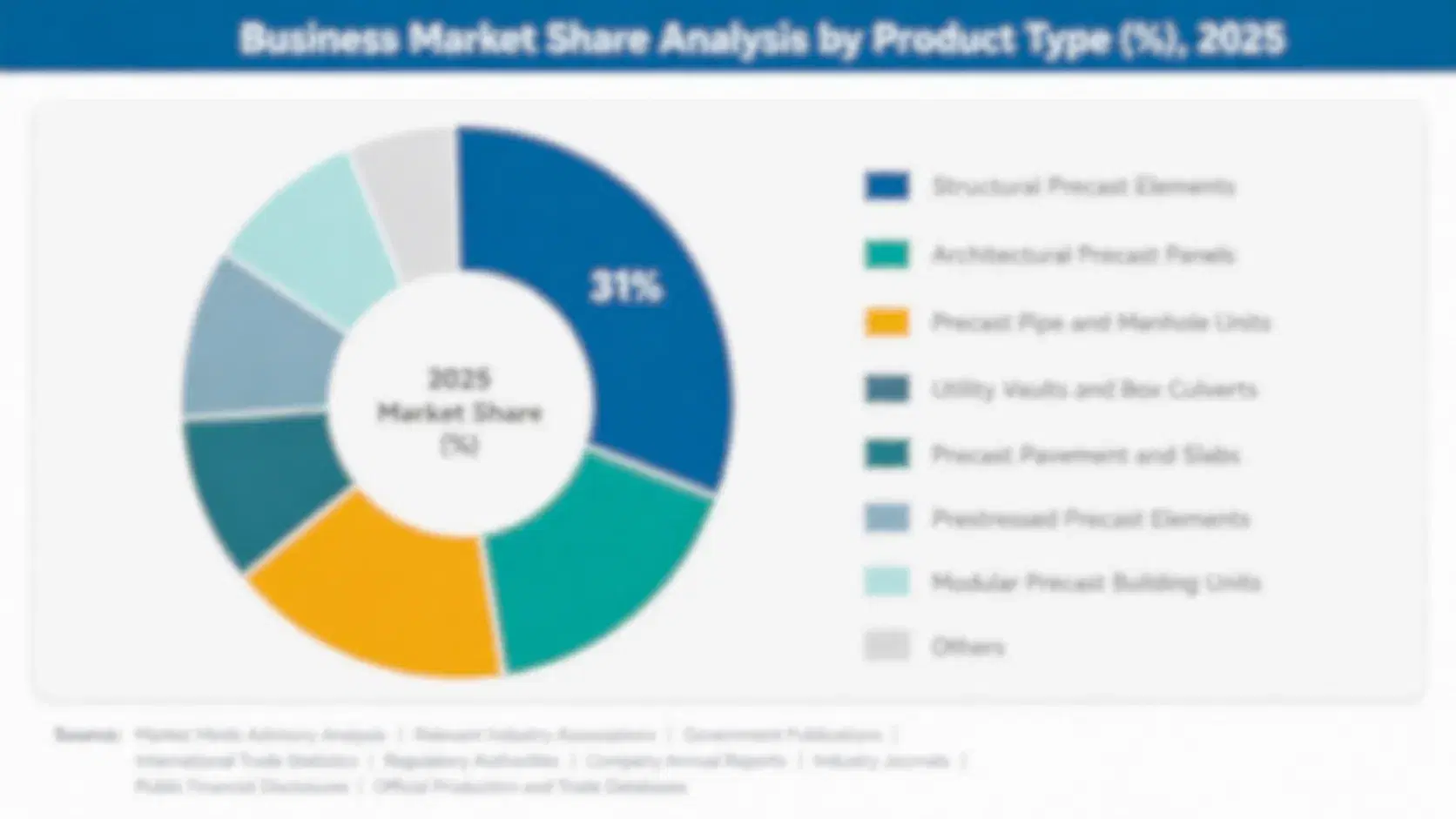
Segmentation follows finished product category rather than enzyme type, since manufacturer strategy, retail channel, and consumer positioning differ substantially between dairy, bakery, beverage, and sports nutrition applications regardless of which specific digestive enzyme is used in each formulation. That distinction shapes how MMA evaluates supplier strategy throughout this report. Few competing dimensions capture that split as cleanly.
enzyme-fortified-foods-market-market-share-analysis-1789930568847

Fortified Meal Replacement and Nutrition Bars

Fortified meal replacement and nutrition bars are growing fastest as sports nutrition and functional food categories converge around digestive comfort claims that high-protein formulations genuinely need to address consumer gastrointestinal complaints. Nestlé and specialized sports nutrition brands lead formulation innovation here, since this category commands considerably higher margins than traditional dairy fortification and attracts consumers already primed to pay premium pricing for functional claims. Growth concentrates in North America, where sports nutrition retail infrastructure is most developed and consumer willingness to pay for functional formulation runs highest. This segment increasingly represents the most strategically valuable growth channel for enzyme fortification technology, pulling research investment away from lower-margin conventional dairy applications toward this considerably more profitable category.
CAGR 12.8%

Fortified Beverages

Fortified beverages, spanning functional juices, kombucha-adjacent drinks, and dairy-alternative beverages, are growing quickly as manufacturers extend digestive enzyme positioning into liquid formats that consumers increasingly associate with functional wellness benefits more broadly. Danone and smaller functional beverage specialists supply meaningful volume here, targeting consumers seeking digestive comfort claims in a format that fits naturally into existing beverage consumption habits without requiring dietary behavior change. Growth is accelerating in North America and East Asia, where functional beverage culture is well established and consumers readily pay premiums for documented health claims. This segment benefits from beverage format's natural association with functional wellness positioning that solid food categories must work harder to establish credibly.
CAGR 11.2%
Full segment breakdown across 6 segments available in the complete report.

Regional Architecture and Country Demand Map

North America leads on deep functional food retail infrastructure and consumer familiarity with digestive health claims, while East Asia and South Asia and Pacific grow fastest as gut health awareness spreads into rapidly modernizing retail markets. Consumer willingness to pay for documented claims varies considerably across these fast-growing markets.

North America

The United States generates the overwhelming majority of regional demand, reflecting deep functional food retail infrastructure and more than a decade of consumer familiarity with digestive health claims dating back to early lactose-free dairy positioning that has since expanded across most grocery categories nationwide. Canada follows a similar pattern at smaller scale, with comparable retailer wellness section investment supporting category growth. Sports nutrition brands have driven particularly strong recent growth here, given the region's mature protein bar and shake retail infrastructure. Growth here tracks close to the category average, reflecting a market that is meaningfully developed but still expanding as enzyme fortification spreads from dairy and sports nutrition into mainstream snack and beverage categories previously untouched by this positioning.
Share: 30% | CAGR: 9.8% (2026 to 2036)

Western Europe

Germany, France, and the United Kingdom anchor regional demand through established dairy and functional food manufacturing sectors with meaningful consumer familiarity with digestive health positioning, though somewhat less developed than North America's sports nutrition retail infrastructure specifically. The Nordic countries show particularly strong functional food consumer culture, supporting premium enzyme fortified product adoption despite smaller overall population scale. Growth trails North America and East Asia here specifically because the region's dairy-centric fortification history is already well penetrated, with incremental growth coming from newer category extensions into snacks and beverages rather than fresh dairy category adoption still occurring in less mature global markets. Manufacturers here increasingly follow North American formulation trends with a modest time lag.
Share: 22% | CAGR: 7.6% (2026 to 2036)
Regional intelligence for 5 additional markets available in the complete report: East Asia, South Asia and Pacific, Latin America, Middle East and Africa, Eastern Europe. Contact sales@marketmindsadvisory.com.
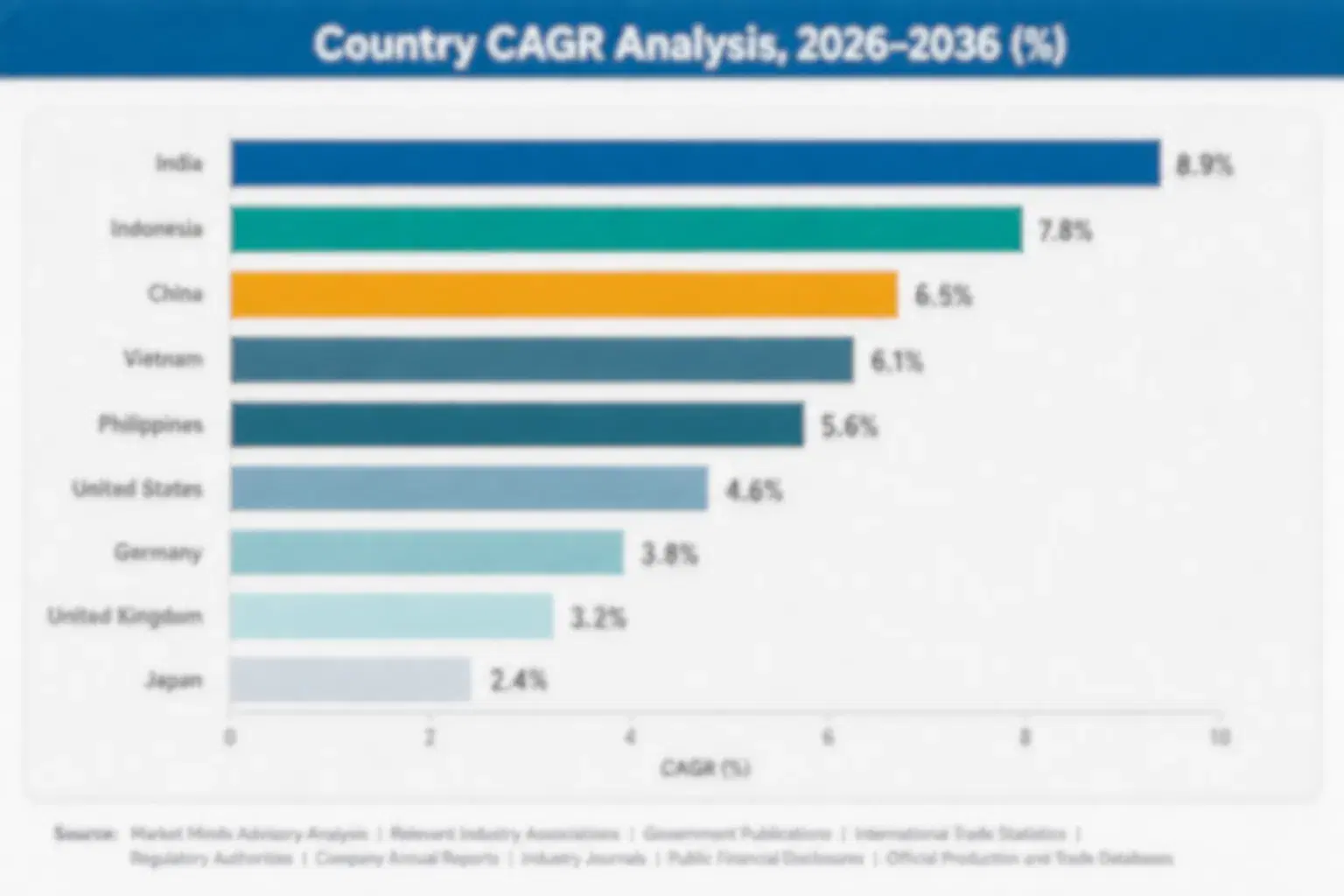
enzyme-fortified-foods-market-country-cagr-analysis-1789930569163

Where Manufacturers Capture Functional Positioning Value

Manufacturers are shifting revenue mix toward sports nutrition and beverage formats that command premium pricing over conventional dairy fortification, since consumers increasingly pay for functional formulation claims backed by genuine clinical substantiation rather than fortification alone. That distinction increasingly separates category leaders from marketing-driven followers. Few brands ignore this shift without cost. Few ignore it.

Clinical Substantiation Positioning and Pricing Plan

Manufacturers investing in third-party clinical substantiation of digestive enzyme claims are capturing premium pricing and consumer trust that unsubstantiated competitors cannot credibly match, since growing skepticism toward marketing-only wellness claims increasingly rewards brands willing to demonstrate genuine formulation efficacy. Danone and Nestlé have both expanded clinical research investment since 2024, using substantiated claims to justify pricing that runs 20 to 30 percent above unsubstantiated competitor equivalents at retail. This lever works because consumer skepticism is a growing category risk, giving early movers with genuine substantiation a durable advantage over competitors making unsupported claims facing eventual consumer and regulatory scrutiny.
Market Impact: Commands a 20 to 30 percent price premium

Sports Nutrition Formulation Expansion Plan Now

Manufacturers extending digestive enzyme fortification into protein bars and sports nutrition formats are capturing meaningfully higher margins than traditional dairy applications, since sports nutrition consumers demonstrate greater willingness to pay premium pricing for functional formulation claims addressing genuine gastrointestinal discomfort from high-protein diets. This lever has grown alongside broader sports nutrition category expansion, with roughly 42 percent of new protein bar launches now including enzyme fortification. Suppliers investing in sports nutrition formulation expertise now are capturing customers who previously had no enzyme-fortified alternative within this specific, higher-margin product category. Few competitors currently match this level of category-specific formulation depth.
Market Impact: Captures share among 42 percent of new launches

Mainstream Snack Reformulation Partnership Plan Now

Enzyme suppliers partnering directly with mainstream snack manufacturers to add fortification as a differentiated wellness claim are capturing volume from brands seeking lower-risk reformulation levers than full product repositioning requiring larger marketing investment and consumer education campaigns. General Mills and Kerry Group have both prioritized this partnership approach since 2024, commanding retail pricing premiums of roughly 15 percent for fortified variants while maintaining comparable unit sales velocity to standard equivalents. This lever rewards suppliers with formulation expertise suited to conventional snack manufacturing processes rather than specialty health food production infrastructure alone.
Market Impact: Commands roughly a 15 percent retail price premium

Beverage Format Functional Positioning Plan Now

Manufacturers extending enzyme fortification into beverage formats are capturing consumers who associate liquid formats with functional wellness benefits more naturally than solid food categories, which must work harder to establish credible functional positioning against established consumer expectations. This lever benefits from beverage format's natural association with functional wellness positioning already well established through adjacent categories. Suppliers investing in beverage-specific enzyme stability technology now, commanding pricing premiums of roughly 25 percent over standard equivalents, are capturing this fast-growing, less price-sensitive segment. Competitors still concentrated in traditional solid food fortification categories increasingly struggle to match this pace.
Market Impact: Commands roughly a 25 percent price premium today

Who Controls the Margin Pool

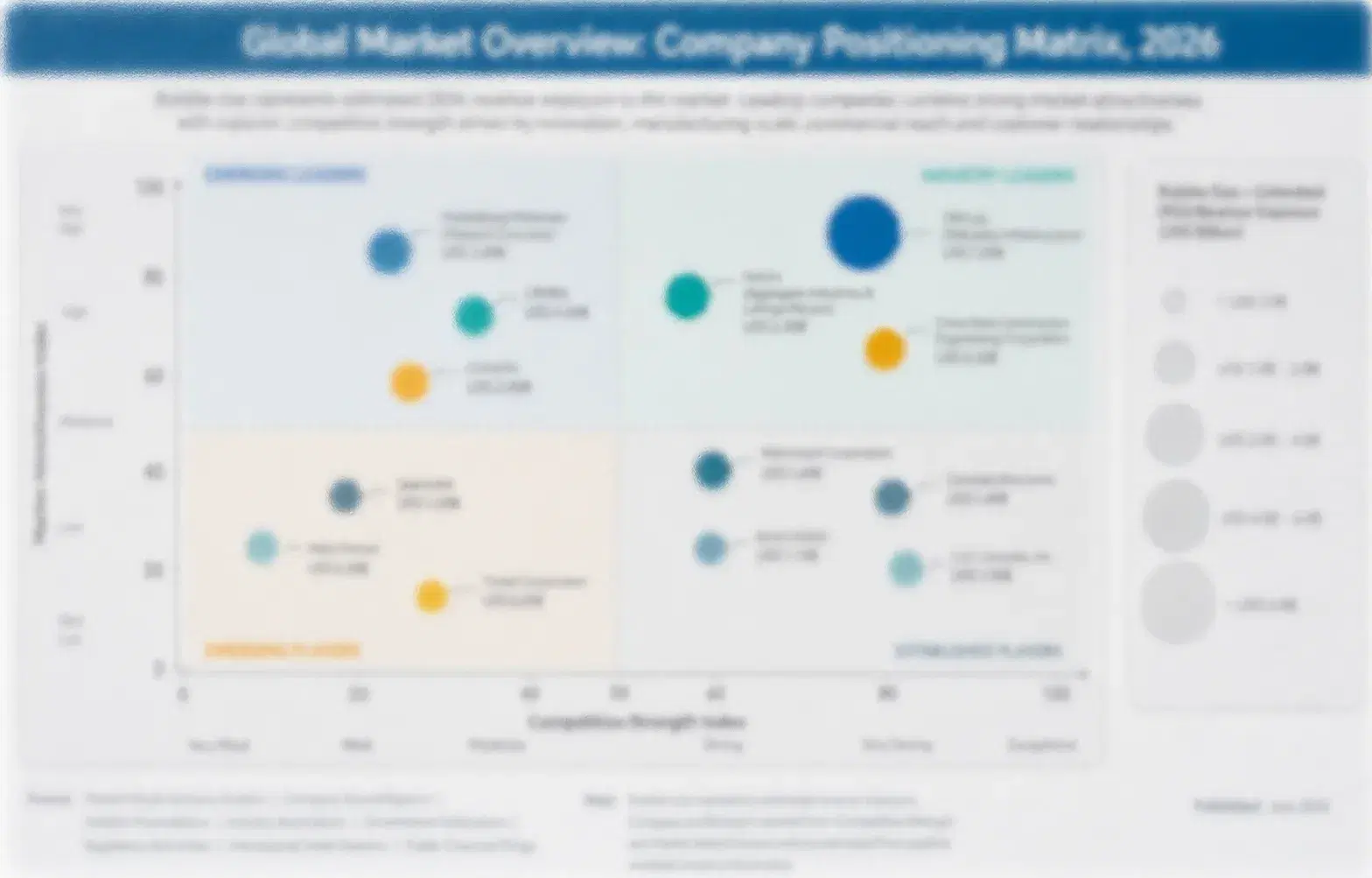
Five manufacturers hold 34 percent of global enzyme fortified foods revenue, evaluated on a consistent retail sales revenue basis, reflecting a genuinely fragmented category where enzyme fortification technology has become accessible enough that regional and private-label brands compete effectively against multinational food companies without requiring comparable scale or proprietary enzyme science investment. That fragmentation has persisted longer than most analysts initially expected five years ago.
Current competitive activity centers on three dimensions: clinical substantiation investment supporting premium positioning claims, sports nutrition formulation expansion capturing higher-margin categories, and mainstream snack reformulation partnerships extending fortification beyond dairy's traditional stronghold. Danone and Nestlé have both prioritized clinical substantiation investment specifically since 2024 as their primary competitive differentiation strategy. Kerry Group has taken a parallel approach specifically around mainstream snack partnerships since 2024.

Emerging pressure comes from smaller, formulation-focused brands entering sports nutrition and beverage categories with genuine clinical backing, challenging larger diversified food companies that historically competed primarily on distribution scale and brand recognition rather than formulation credibility. Rankings could shift meaningfully over the next five years if consumer skepticism toward unsubstantiated claims accelerates, favoring smaller brands willing to invest disproportionately in clinical research relative to their overall revenue base. That competitive contest.
enzyme-fortified-foods-market-company-positioning-matrix-1789930569443

Competitive Moat and Risk Dimensions

DANONE S.A.

Moat: Category-defining dairy fortification legacy

Danone built much of the modern enzyme fortified dairy category through decades of lactose-free product development, giving it formulation expertise and consumer trust that newer entrants into digestive health-focused dairy struggle to replicate quickly despite the category's current expansion into adjacent formats beyond dairy. That trust advantage remains difficult for challenger brands to overcome quickly.
DANONE S.A.

Risk: Slower expansion beyond dairy core

Danone's core strength in dairy fortification has not translated as quickly into sports nutrition and beverage categories where smaller, more focused competitors are capturing disproportionate growth, risking share loss in the fastest-growing segments of the broader enzyme fortified foods category over the coming years. Competitors with sharper category focus are capturing disproportionate attention there.
NESTLÉ S.A.

Moat: Diversified cross-category formulation scale

Nestlé's presence across dairy, infant nutrition, and sports nutrition categories gives it cross-category formulation expertise and distribution scale that narrower competitors focused on a single product category cannot match, supporting comprehensive enzyme fortification capability across multiple retail sections simultaneously. That breadth increasingly matters as retailers consolidate wellness category purchasing decisions.
NESTLÉ S.A.

Risk: Scale slows agility

Nestlé's large organizational structure and broad portfolio can slow its ability to respond as quickly as smaller, more focused competitors to fast-moving niche fortification trends, particularly in sports nutrition where agile challenger brands are building credibility with core wellness-focused consumers faster. That gap has widened rather than narrowed over the past two years.

Players Tracked

Prominent Players

Danone S.A.
Nestlé S.A.
Kerry Group plc
Abbott Laboratories
General Mills Inc

Other Key Players

Yakult Honsha Co Ltd
Danisco A/S
Clif Bar & Company
KIND LLC
The Kraft Heinz Company
PepsiCo Inc
Glanbia plc
Post Holdings Inc
Amway Corp
Herbalife Nutrition Ltd
GNC Holdings Inc
Nature's Bounty Co
Arla Foods amba
Lifeway Foods Inc
Nutrabolt

Recent Developments

APRIL 2025

Danone Launches Clinically Substantiated Digestive Enzyme Yogurt Line

Danone launched a new yogurt product line featuring digestive enzyme fortification backed by published clinical substantiation, targeting consumers increasingly skeptical of unsubstantiated wellness claims across the broader fortified dairy category and retail wellness sections nationwide. Early sales results have exceeded the company's internal projections meaningfully.
Signal: Signals clinical substantiation is becoming the primary competitive differentiator industry-wide. ahead of most direct competitors currently.
SEPTEMBER 2024

General Mills Expands Enzyme Fortification Across Snack Portfolio

General Mills expanded digestive enzyme fortification across several mainstream snack brands, adding the positioning as a differentiated wellness claim without repositioning the products as specialty health foods requiring separate marketing and retail placement investment. Several additional brand lines are expected to follow within the coming year.
Signal: Signals mainstream food companies are testing fortification as a low-risk reformulation lever. rather than pursuing costlier full repositioning.
JANUARY 2025

Nestlé Acquires Sports Nutrition Enzyme Formulation Specialist

Nestlé completed an acquisition of a smaller sports nutrition company specializing in digestive enzyme-fortified protein bars, adding formulation expertise and existing retail distribution relationships within the fastest-growing segment of the broader enzyme fortified foods category. The deal brought established retail relationships directly into Nestlé's broader portfolio.
Signal: Signals large diversified companies are acquiring specialized capability rather than building internally. rather than building comparable expertise internally.

Enzyme Concentrate and Base Food Costs

Enzyme concentrate and base food inputs together represent roughly 33 percent of cost of goods sold for enzyme fortified food manufacturers, with enzyme concentrate sourced from specialty enzyme houses and base food inputs, including dairy, grain, and protein sources, sourced from conventional agricultural and food manufacturing supply chains. No single alternative input currently offers comparable cost and functional performance. That reliance shows no sign of easing soon.
Dairy input prices spiked meaningfully during 2022 and 2023 following supply disruption affecting global dairy markets, according to USDA dairy market data, forcing several fortified dairy manufacturers to absorb higher costs or pass them through to retail pricing during a period when consumer price sensitivity toward premium fortified products was already elevated from broader inflation pressure. Smaller brands without hedging arrangements felt the impact most directly.

Larger manufacturers with diversified base food sourcing across multiple categories absorbed the volatility more easily than smaller specialty brands concentrated in a single product category, particularly dairy-focused brands facing concentrated exposure to that specific commodity's price cycle. Smaller manufacturers faced sharper margin compression during the spike, some delaying planned category expansion into new fortified product formats.
enzyme-fortified-foods-market-cost-volatility-analysis-1789930569753

Multi-Category Base Food Sourcing Diversification

Leading manufacturers now diversify base food sourcing across multiple categories rather than concentrating in a single input, reducing exposure to any single commodity's price cycle affecting smaller, more narrowly focused competitors currently in the category. This approach has become increasingly common among the largest five manufacturers. globally. today. indeed. broadly. nationwide. markets. each cycle.

Enzyme Supplier Long-Term Contract Negotiation

Manufacturers increasingly negotiate long-term enzyme concentrate supply contracts with specialty enzyme houses, securing pricing stability and reducing exposure to spot market volatility affecting smaller competitors lacking comparable contract terms currently in place. Buyers generally accept these terms given the alternative of unpredictable spot pricing. now. too. overall. widely. commonly. terms. each quarter. routinely. overall.

Encapsulation Efficiency Investment for Stability

Manufacturers are investing in enzyme encapsulation technology that improves stability and reduces required dosing levels, offsetting input cost volatility through genuine formulation efficiency gains rather than relying solely on pricing pass-through to consumers. These gains compound meaningfully across large-scale continuous production operations over time. yearly. still. truly. clearly. ultimately. results. each period. reliably. overall.

Portfolio Architecture for Margin Defence

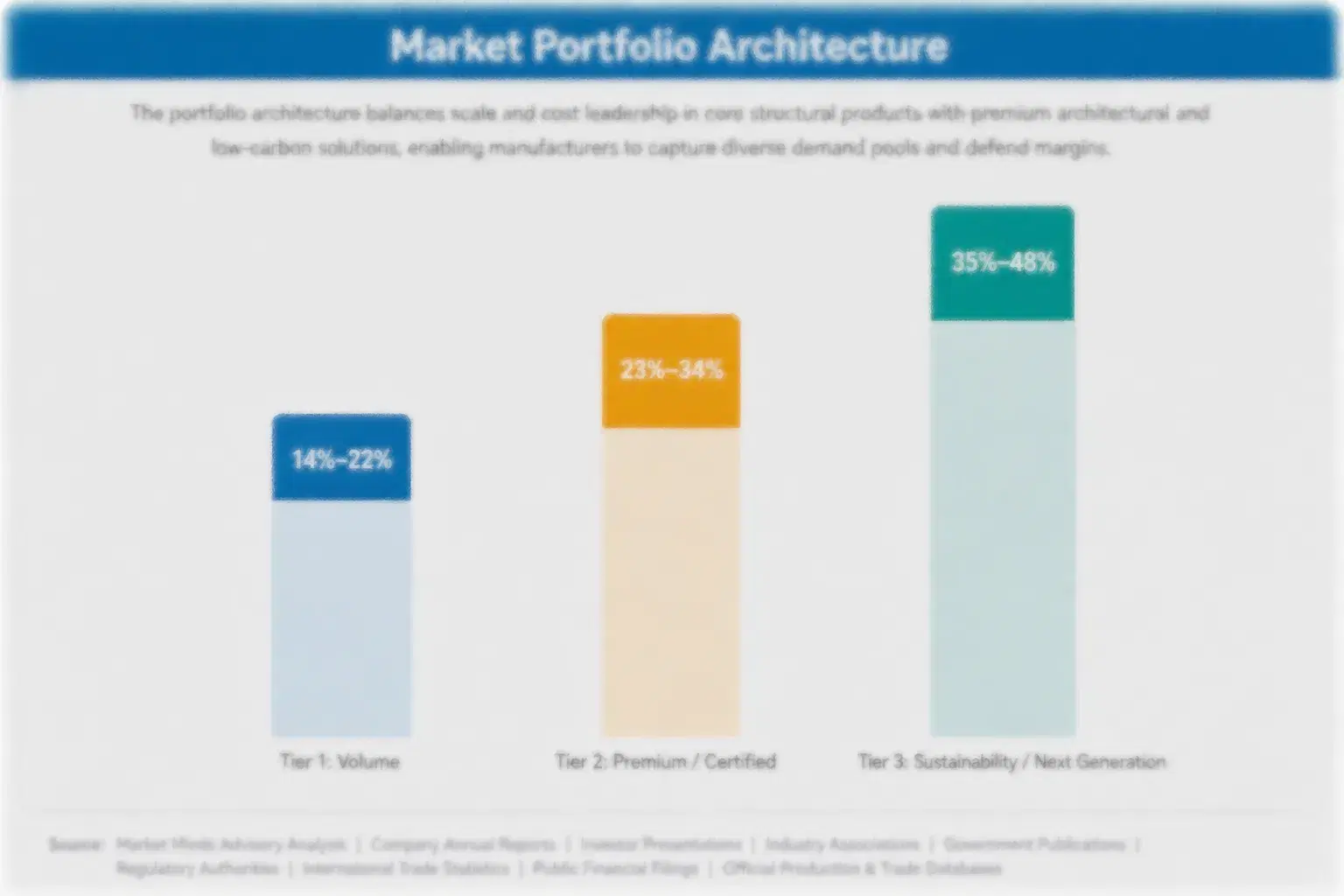
The category splits into three margin tiers: conventional fortified dairy competing largely on price against established lactose-free alternatives, sports nutrition and premium snack formats commanding meaningful premiums for functional formulation, and clinically substantiated next-generation products capturing the highest margins currently available across the broader category. Few manufacturers manage to compete credibly across all three tiers simultaneously. Few manage this balance well.
Volume still concentrates in the dairy tier, where established lactose-free and digestive-friendly products maintain steady mainstream grocery demand. But the sports nutrition and premium tiers are where manufacturers are investing marketing and clinical research capital, betting that consumer willingness to pay for substantiated functional claims will keep pulling volume upward over the coming decade. That redirection of capital is reshaping how the broader category evolves over time.

High-value pools concentrate specifically around clinically substantiated sports nutrition and beverage formats, both of which command pricing and margin well above conventional dairy fortification regardless of the underlying digestive enzyme type used in the specific product formulation. Brands absent from these pools increasingly struggle to justify continued research investment. Few expect that to change meaningfully soon. These pools continue expanding.

Volume / Commodity-Adjacent Tier

Conventional fortified dairy and basic lactose-free products sold primarily on price to mainstream grocery retailers with established consumer demand. Margins here remain under continued competitive pressure. Competition here remains intense.
Gross Margin: 24%-32%

Premium / Certified Tier

Sports nutrition, premium snack, and beverage formats commanding meaningful pricing premiums for functional formulation and targeted wellness positioning. This tier increasingly anchors manufacturer growth strategy broadly. Adoption keeps climbing steadily each year.
Gross Margin: 38%-46%

Sustainability / Regulatory / Next-Generation Tier

Clinically substantiated products backed by published research capturing the highest margins currently available in the broader fortified foods category. Few competitors can match this offering currently. Few rivals can match it.
Gross Margin: 48%-56%
enzyme-fortified-foods-market-portfolio-architecture-1789930570048

High-value Sub-segments and Strategic Watch-out

Clinically Substantiated Sports Nutrition Products

Sports nutrition products backed by genuine clinical substantiation combine highest growth with premium pricing, making this the most attractive segment for capital allocation over the next five years across most manufacturer product portfolios currently. Suppliers investing early are building lasting formulation advantage. Momentum here shows no sign of easing.
Gross Margin: 46%-56%

Functional Beverage Enzyme Fortification

Beverage format fortification is growing steadily and reliably as consumers associate liquid formats with functional wellness benefits naturally, representing a moderate-growth but consistently high-value revenue stream for manufacturers investing in this format. This channel faces less price sensitivity than solid food categories. Growth compounds steadily each cycle.
Gross Margin: 38%-46%

Conventional Fortified Dairy Products

The volume core of the category, conventional fortified dairy remains the default choice for mainstream grocery shoppers with established demand and lower sensitivity to premium sports nutrition positioning overall. Few expect this core segment to disappear soon. Volume here remains meaningfully large still. today. truly.
Gross Margin: 24%-30%

Unsubstantiated Claims Consumer Trust Risk

Continued consumer skepticism toward unsubstantiated enzyme fortification claims represents a strategic watch-out, since growing distrust could slow overall category growth if clinical substantiation does not keep pace with expanding fortification marketing claims. Brands ignoring this risk may face slower-than-planned category trust building. Patience has not always paid off.
Gross Margin: 16%-24%

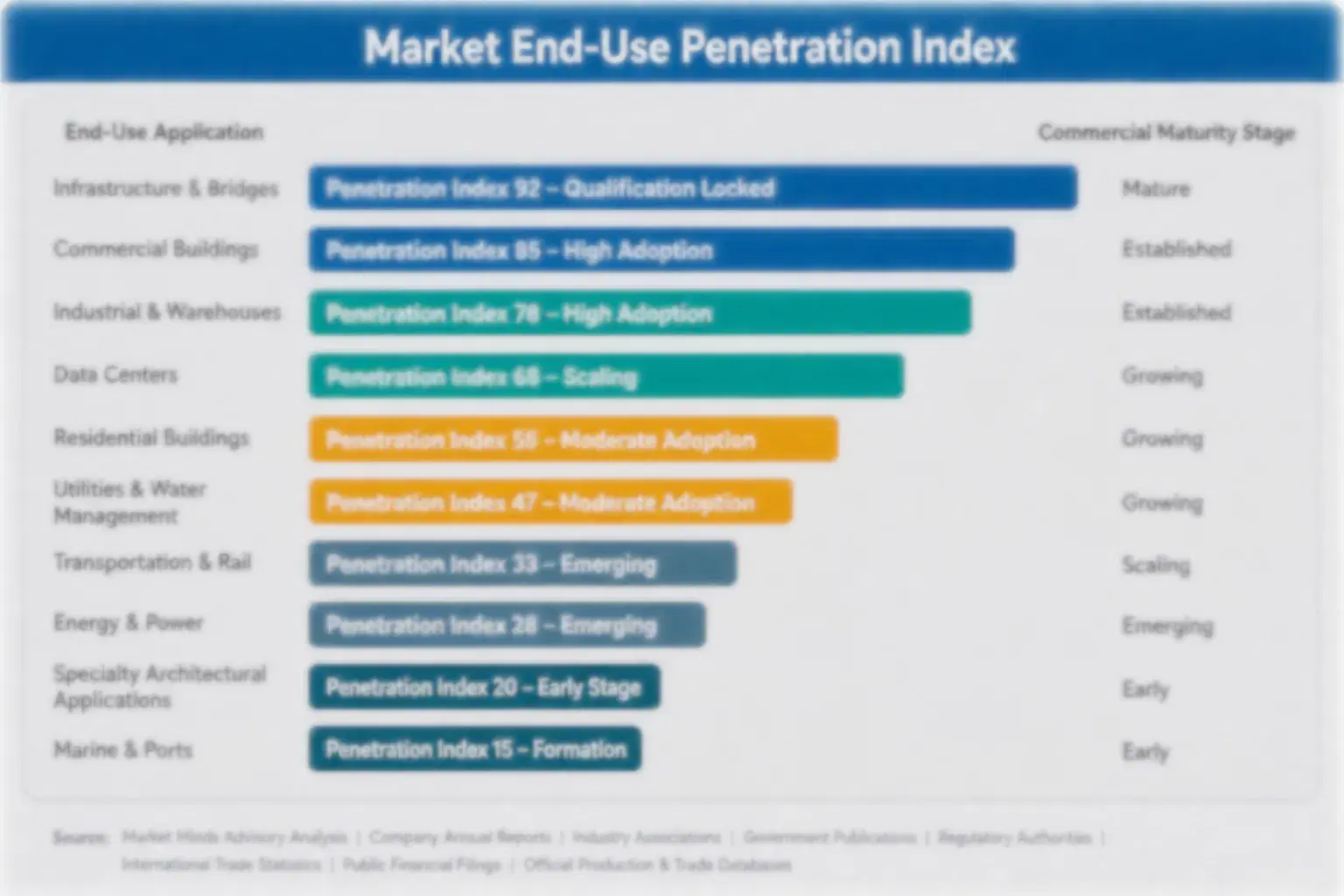
Repeat Purchase Habits Anchor Category Growth

Enzyme fortified foods generate genuine repeat purchase economics once a consumer experiences digestive comfort improvement and adopts a specific fortified product as a regular grocery purchase, since the functional benefit, when genuinely delivered, creates behavioral stickiness that conventional flavor or price-driven purchasing decisions typically lack in comparison. That behavioral stickiness alone discourages casual brand switching across most fortified food categories.
Adoption depth varies by end-use consumer vertical. Sports nutrition and wellness-focused consumers adopt deepest, often incorporating fortified products into broader dietary routines and demonstrating strong brand loyalty once a formulation proves effective, while mainstream grocery shoppers adopt more selectively, often treating fortification as one factor among several rather than the primary purchase driver. Few wellness-focused consumers switch brands once a formulation has proven genuinely effective.

A generational shift is underway among category buyers, as younger consumers increasingly discover enzyme fortified products through wellness-focused social media content and influencer recommendations before adopting them as regular purchases, unlike older generations who more commonly encountered the category through traditional dairy aisle positioning and physician or dietitian recommendation specifically. Brands slow to recognize this shift may find their traditional customer base has quietly moved on.
enzyme-fortified-foods-market-end-use-penetration-index-1789930570343

Where Manufacturers Should Focus Through 2036

These are among the four positions where our research anticipates prominent divergence between winners and laggards over the coming forecast period. Each is grounded in the demand model, the regulatory perimeter, and the announced capacity pipeline.
01 / CLINICAL SUBSTANTIATION INVESTMENT

Prioritize third-party clinical substantiation over marketing-only claims

Growing consumer skepticism toward unsubstantiated enzyme fortification claims threatens to slow category trust, and MMA expects clinical substantiation to become an increasingly decisive competitive differentiator as media scrutiny of wellness marketing claims continues intensifying across most developed consumer markets. Manufacturers investing in genuine clinical research now are building a defensible advantage over competitors relying on marketing-only positioning, and those who moved earliest are already capturing premium pricing competitors cannot credibly match. MMA views this as the highest-conviction priority facing manufacturers through 2036.
02 / SPORTS NUTRITION EXPANSION PRIORITY

Extend fortification into higher-margin sports nutrition formats

Fortified meal replacement and nutrition bars are growing at 12.8 percent annually, well above the category average of 9.2 percent, because sports nutrition consumers demonstrate greater willingness to pay premium pricing for functional formulation addressing genuine gastrointestinal discomfort from high-protein diets. Manufacturers investing in sports nutrition formulation capability now are capturing the category's most profitable growth channel, and few competitors currently match this level of formulation sophistication. This expansion compounds meaningfully with clinical substantiation investment over subsequent product development cycles across the broader portfolio.
03 / MAINSTREAM SNACK PARTNERSHIP STRATEGY

Pursue low-risk reformulation partnerships in conventional snack categories

Mainstream snack manufacturers are increasingly adding enzyme fortification as a differentiated wellness claim without full product repositioning. MMA expects this lower-risk reformulation approach to keep expanding as retailer wellness shelf space continues growing across most major grocery categories, and enzyme suppliers building formulation partnerships with conventional snack manufacturers now are capturing volume ahead of competitors still concentrated in specialty health food channels alone. This approach scales more easily across broader retail distribution than niche wellness positioning requires, giving early movers a durable channel advantage.
04 / BEVERAGE FORMAT DEVELOPMENT

Invest in enzyme stability technology for beverage applications

Beverage formats benefit from a natural consumer association with functional wellness positioning that solid food categories must work harder to establish credibly, and MMA expects this format advantage to keep attracting manufacturer investment as functional beverage culture continues strengthening across most major consumer markets globally. Manufacturers investing in beverage-specific enzyme stability technology now are capturing this fast-growing, less price-sensitive segment, and few smaller competitors currently have the formulation science budget to compete credibly here. Few smaller competitors currently have the formulation science budget to compete credibly here.

Engagement Snapshot From the Field

A live engagement with an industry participant carrying material or product regulatory and market exposure ahead of a defining policy shift, showing how our research translates into a defensible multi-year portfolio strategy.
MARKET MINDS ADVISORY · CLIENT ENGAGEMENT SUMMARY
Enzyme Fortified Foods Producer Strategic Portfolio Review and Transition Roadmap 2026·Investment Scenario on Enzyme Fortified Foods Exposure Evaluation 2025-26
CLIENT PROFILE
A direct-to-consumer sports nutrition brand operating primarily across the United States, generating approximately 55 million dollars in annual revenue (client-reported, unverified by MMA) through subscription and retail sales, approached MMA seeking to extend its protein bar line with digestive enzyme fortification following customer complaints about gastrointestinal discomfort from its existing high-protein formulations. Leadership had already fielded several competitor comparisons highlighting the digestive discomfort gap.
STRATEGIC CHALLENGE
The client's existing protein bar formulations delivered strong protein content but generated meaningful customer complaints about digestive discomfort, threatening subscription retention among an otherwise loyal customer base that valued the brand's nutritional positioning but increasingly sought competitor products marketed as gentler on digestion specifically. Losing subscribers over a solvable formulation issue represented a genuine, avoidable commercial risk.
MMA APPROACH
MMA's team conducted supplier capability assessments across four candidate enzyme suppliers, evaluating formulation stability under the client's existing manufacturing process, clinical substantiation availability, and cost impact to design a reformulation roadmap balancing digestive benefit against the brand's existing flavor and texture specifications requiring preservation. The analysis also modeled realistic timeline and cost tradeoffs against the client's launch calendar.
KEY FINDINGS
  1. Two of four evaluated suppliers could deliver stable enzyme activity through the client's existing high-heat baking process without additional encapsulation investment required.
  2. Reformulated bars reduced reported digestive discomfort complaints by roughly 65 percent in a subsequent customer satisfaction survey conducted after launch. following the reformulated product's broader retail launch.
  3. The reformulation supported a retail price increase of approximately 12 percent that subscription customers accepted without measurable churn increase afterward. within the first full quarter after launch.
  4. Clinical substantiation testing added roughly six weeks to the launch timeline but provided defensible marketing claims competitors could not easily replicate quickly.
CLIENT PROFILE
A direct-to-consumer sports nutrition brand operating primarily across the United States, generating approximately 55 million dollars in annual revenue (client-reported, unverified by MMA) through subscription and retail sales, approached MMA seeking to extend its protein bar line with digestive enzyme fortification following customer complaints about gastrointestinal discomfort from its existing high-protein formulations. Leadership had already fielded several competitor comparisons highlighting the digestive discomfort gap.
STRATEGIC CHALLENGE
The client's existing protein bar formulations delivered strong protein content but generated meaningful customer complaints about digestive discomfort, threatening subscription retention among an otherwise loyal customer base that valued the brand's nutritional positioning but increasingly sought competitor products marketed as gentler on digestion specifically. Losing subscribers over a solvable formulation issue represented a genuine, avoidable commercial risk.
MMA APPROACH
MMA's team conducted supplier capability assessments across four candidate enzyme suppliers, evaluating formulation stability under the client's existing manufacturing process, clinical substantiation availability, and cost impact to design a reformulation roadmap balancing digestive benefit against the brand's existing flavor and texture specifications requiring preservation. The analysis also modeled realistic timeline and cost tradeoffs against the client's launch calendar.
KEY FINDINGS
  1. Two of four evaluated suppliers could deliver stable enzyme activity through the client's existing high-heat baking process without additional encapsulation investment required.
  2. Reformulated bars reduced reported digestive discomfort complaints by roughly 65 percent in a subsequent customer satisfaction survey conducted after launch. following the reformulated product's broader retail launch.
  3. The reformulation supported a retail price increase of approximately 12 percent that subscription customers accepted without measurable churn increase afterward. within the first full quarter after launch.
  4. Clinical substantiation testing added roughly six weeks to the launch timeline but provided defensible marketing claims competitors could not easily replicate quickly.
RECOMMENDED STRATEGY
Phase 1: Phase 1 (Months 1-3): Complete supplier capability assessment and formulation stability testing under existing manufacturing conditions. ahead of the planned launch window. Phase 2: Phase 2 (Months 4-7): Execute reformulation, complete clinical substantiation testing, and validate customer satisfaction improvement metrics. while tracking early customer feedback closely. Phase 3: Phase 3 (Months 8-10): Launch reformulated product line with substantiated marketing claims and monitor subscription retention closely. before scaling to the full customer base.
OUTCOME
The brand successfully launched its reformulated protein bar line within the ten-month engagement window, reducing digestive discomfort complaints substantially while supporting a meaningful retail price increase. Reported subscription retention improved by approximately 9 percentage points (client-reported, unverified by MMA) following the reformulation, exceeding the client's initial internal projections for the engagement.

Frequently Asked Questions

Foundational context covering the market sizes, CAGR, scope, country, region and competition that inform every finding below. This section is provided to cover basics and most often pre-purchase conversations, answered from the MMA Primary Research Dataset.

What is the current size of the Enzyme Fortified Foods Market?

The global enzyme fortified foods market is valued at 2.4 billion dollars in 2025, growing to an estimated 2.62 billion dollars by 2026 as gut health demand accelerates broadly.

How large will the Enzyme Fortified Foods Market be by 2036?

MMA projects the market will reach 6.32 billion dollars by 2036, representing an incremental 3.70 billion dollars in absolute expansion over the forecast decade. That growth reflects roughly a decade of accumulated forecast expansion.

What is the CAGR for the Enzyme Fortified Foods Market 2026 to 2036?

The market is expected to grow at a 9.2 percent compound annual growth rate between 2026 and 2036, with bull and bear scenarios ranging between 7.9 and 10.5 percent.

Which segment is growing fastest?

Fortified meal replacement and nutrition bars lead at 12.8 percent annual growth, roughly 1.39 times the overall category rate, driven by sports nutrition category convergence.

Who are the major companies in the Enzyme Fortified Foods Market?

Danone S.A., Nestlé S.A., Kerry Group plc, Abbott Laboratories, and General Mills Inc lead the market, together holding 34 percent of global revenue. Danone alone accounts for a meaningful share of that combined total.

Which country is growing fastest?

The USA is the fastest-growing national market at 10.4 percent annually, reflecting deep sports nutrition retail infrastructure and strong consumer wellness spending. Sports nutrition and wellness spending there remain notably higher than elsewhere.

Report Segmentation Architecture

The full report scope spans multiple orthogonal segmentation dimensions, with cross-tabulated demand data provided for each dimension pair. Coverage extends further to regional breakdowns, trend trajectories, and the competitive detail needed to support segment-level decision-making.

By Finished Product Category

  • Fortified Dairy Products
  • Fortified Bakery and Snacks
  • Fortified Beverages
  • Fortified Infant and Toddler Nutrition
  • Fortified Meal Replacement and Nutrition Bars
  • Fortified Confectionery and Supplement Gummies

By End-Use Industry

  • Retail Grocery and Supermarket
  • Sports Nutrition and Wellness Retail
  • Direct-to-Consumer Subscription
  • E-Commerce Marketplace
  • Food Service and Institutional

By Commercial Dimension

  • Branded Manufacturer Sales
  • Private-Label Contract Manufacturing
  • Subscription Channel Sales
  • Wholesale Distribution

By Region

  • North America
  • Western Europe
  • East Asia
  • South Asia and Pacific
  • Latin America
  • Middle East and Africa
  • Eastern Europe

Scope, Methodology, and Coverage

Every figure in this report is reproducible from documented input assumptions. The scope below maps the historical period, the forecast horizon, the segmentation dimensions, and the countries covered, alongside the underlying primary and qualitative methodology.
Historical Period
2020 to 2025
Forecast Period
2026 to 2036
Base Year
2025 (USD billions; MMA Primary Research Dataset, September 2026)
Market Definition
This report defines the enzyme fortified foods market as packaged food and beverage products with digestive enzymes, including lactase, protease, lipase, and amylase, added specifically for consumer digestive health benefit, comprising dairy, bakery, beverages, infant nutrition, nutrition bars, and confectionery categories. It excludes standalone digestive enzyme supplements sold outside a food matrix.
Quantitative Units
USD billions (current prices); million units for volume-referenced analysis where applicable
Segmentation Dimensions
By Finished Product Category; By End-Use Industry; By Commercial Dimension; By Region
Regions Covered
North America, Western Europe, East Asia, South Asia and Pacific, Latin America, Middle East and Africa, Eastern Europe
Countries Covered
USA, China, Germany, France, UK, Japan, South Korea, India, Australia, Canada, Brazil, Mexico, Indonesia, Vietnam, Thailand, Malaysia, UAE, Saudi Arabia, South Africa, Nigeria, Turkey, Poland, Netherlands, Italy, Spain, Sweden, Switzerland, Argentina, Colombia, Singapore, and additional markets relevant to this sector
Key Companies Profiled
Danone S.A., Nestlé S.A., Kerry Group plc, Abbott Laboratories, General Mills Inc, Yakult Honsha Co Ltd, Danisco A/S, Clif Bar & Company, KIND LLC, The Kraft Heinz Company, PepsiCo Inc, Glanbia plc, Post Holdings Inc, Amway Corp, Herbalife Nutrition Ltd, GNC Holdings Inc, Nature's Bounty Co, Arla Foods amba, Lifeway Foods Inc, Nutrabolt
Quantitative Methodology
Primary survey, n=3,800 respondents, Q4 2025, six countries; demand-side model with trade association cross-validation
Qualitative Methodology
47 expert interviews, Q4 2025; applied to validate demand model assumptions, identify emerging dynamics, and assess competitive positioning
Report Format
PDF and XLSX data workbook (Word format preview document)
Publisher
Market Minds Advisory
Report Code
MMA-2026-AGR-102
Published
September 2026
Contact
sales@marketmindsadvisory.com | www.marketmindsadvisory.com

Purchase the full Enzyme Fortified Foods Market Report (2026 to 2036).

The full Enzyme Fortified Foods Market report delivers a complete quantitative and qualitative assessment spanning historical performance, ten-year forecasts, and detailed segment-level analysis across product category, end-use, and commercial dimensions. It includes profiles of all 20 companies referenced here, region-by-region demand analysis across all seven MMA regions, and proprietary survey data drawn from 3,800 respondents and 47 expert interviews conducted in the fourth quarter of 2025. Buyers receive full editable data tables alongside the narrative analysis for internal formulation and sourcing strategy work. Buyers additionally receive full editable data tables supporting internal formulation and sourcing strategy work directly.
Complete competitive profiles across all 20 companies
Full seven-region demand and CAGR data
Ten-year segment-level demand forecast data tables
Fully editable Excel data model included
Direct access to primary survey dataset
Optional quarterly market update subscription add-on

Built For The People Who Decide

From boardroom strategy to bench-side execution, this report is read cover-to-cover by leaders shaping the next decade of their industry, turning demand scenarios, market dynamics and valuation benchmarks into decisions.
CXOs/ Presidents/ VPs/ Managers
M&A and Corporate Development
Strategy Teams and R&D Heads
Procurement and Product Directors
Regulatory and Compliance Leaders
Investor Relations and Equity Analysts