Market Minds Advisory
EMC Shielding and Test Equipment Market

EMC Shielding and Test Equipment Market: Selling Into Somebody Else's Launch Date

Nothing ships anywhere without a test report, which makes the EMC laboratory a gatekeeper on product launch and the shielding that gets added after a failure the least negotiable purchase in electronics.

Lead Analyst

Published

September 2026

Make Smarter Decisions with Customized Research Insights

Request a free sample report and evaluate market opportunities, growth trends, and competitive dynamics relevant to your business needs.

2025 MARKET VALUE$10.6BMarket Size 2025
2036 FORECAST VALUE$22.8BBase Case , 2026 to 2036
CAGR 2026 TO 20367.2 %Bull 8.4% / Bear 6.0%
INCREMENTAL OPPORTUNITY$11.4BNet 10- year value creation
EXPANSION MULTIPLE2.00x2036 value over 2026 base
Strategic Levers
M&A Pipeline
Regional Outlook
Country Rankings
Competitive Intelligence
Segmental Deep-dive
Call-Us : 91 93563 13602

Executive Snapshot and Market Trajectory

Shielding is almost always designed in late, after a board fails at the test laboratory with a launch date already announced. That timing is the entire commercial story: nobody negotiates the price of a gasket that stands between them and a shipment. Deadlines rather than performance set the margin here.
East Asia holds 38% of value because electronics assembly and the certification testing that follows it both concentrate there. Shielded enclosures and anechoic chambers grow at 10.8%, half again the market rate of 7.2%, because a chamber built for gigahertz testing cannot certify a 77 gigahertz automotive radar and the whole installed base needs replacing. Chamber lead times now run beyond a year. Test capacity is now the constraint nobody planned for at all.
Concentration is low at 26% because materials suppliers and instrument makers barely overlap and neither competes across the whole market. Electric vehicles created an EMC problem of a different order: high-voltage inverters switching beside safety-critical electronics and radio receivers, all inside one metal box. Automotive test capacity became the bottleneck first, and materials demand followed it. Both halves of this market are now capacity-constrained rather than demand-constrained.
Market Definition
The market covers products that control electromagnetic interference and verify compliance with it, including conductive gaskets and seals, EMI absorbers and ferrites, board-level shields, conductive coatings and films, EMC test instruments and receivers, and shielded enclosures and anechoic chambers. Cable assemblies, general-purpose spectrum analysers sold outside EMC use, filtering components and third-party test laboratory services are excluded. Certification bodies and regulatory approval processes fall outside scope.
Base Year Value
$10.6B in 2025 (MMA Primary Research Dataset, August 2026)
Forecast Period
2026 to 2036, eleven discrete annual values
CAGR
7.2% base case. Bull 8.4%. Bear 6.0%.
Fastest Growth Segment
Shielded Enclosures and Anechoic Chambers: 10.8% CAGR
Fastest Growth Country
China: 10.2% CAGR
Fastest Growth Region
South Asia and Pacific: 9.4% CAGR
Largest Region
East Asia: 38% of 2025 global value
Market Leaders
Parker Hannifin, DuPont, 3M, Rohde and Schwarz, ETS-Lindgren. Source: MMA Analysis based on disclosed EMC and shielding product revenue, company annual reports 2025.
Primary Survey
n=3,800 procurement and R&D decision-makers, Q4 2025, six countries
Methodology
Demand-side build-up, cross-validated against public data, 47 expert interviews

EMC Shielding and Test Equipment Market Forecast Scenarios

emc-shielding-and-test-equipment-market-size-forecast-scenario-1787680692420
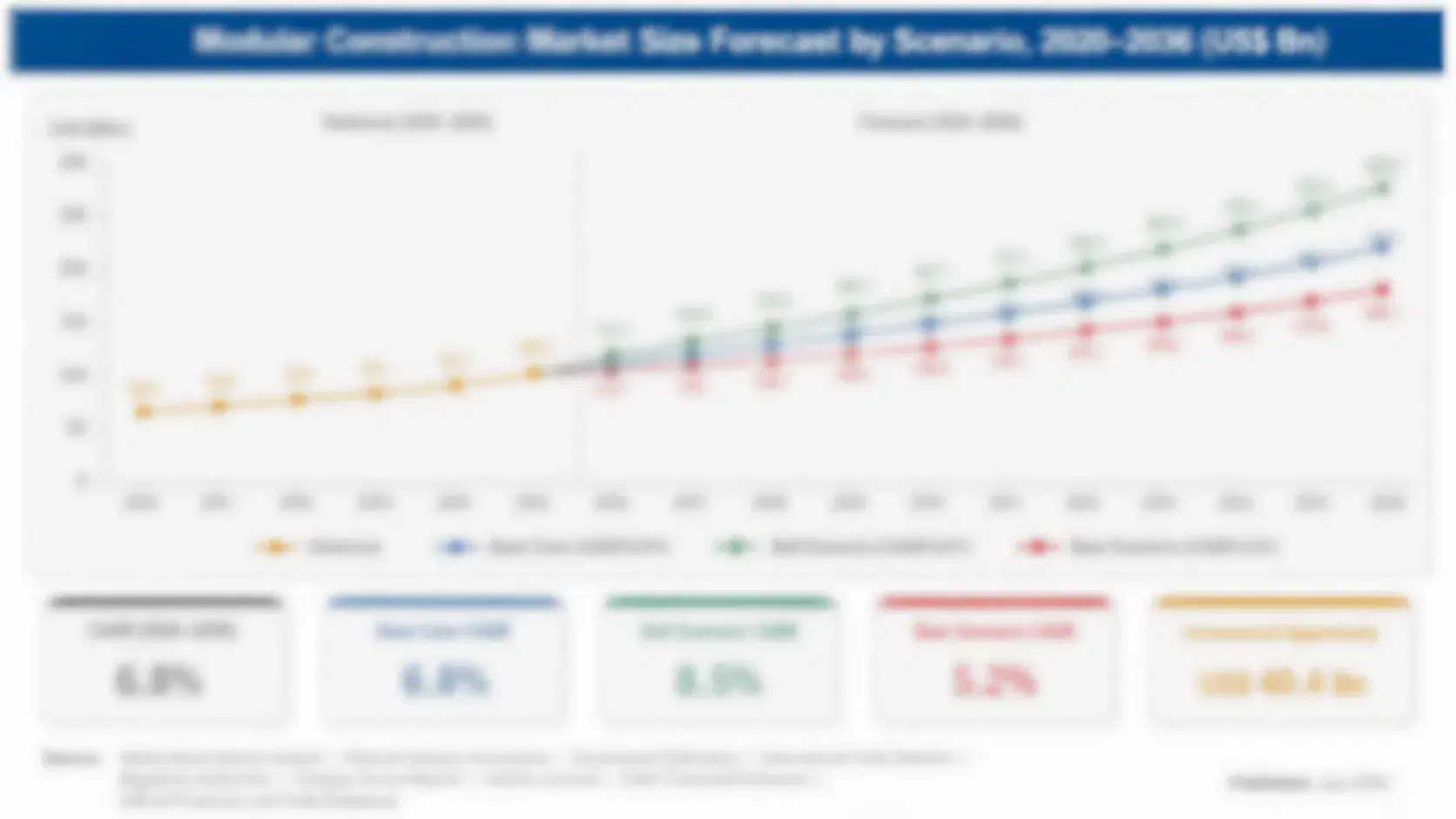
Growth from 2020 to 2025 ran at 6.0% and two things drove it unevenly. Consumer electronics demand spiked and then normalised, taking board-level shielding volume with it in both directions. Automotive electrification added a demand base that had barely existed in 2019 and grew through the entire period without interruption. Test equipment lagged the materials cycle by roughly two years, as capital always does.
The 7.2% base case rests on three mechanisms. Operating frequencies keep climbing, and a chamber or absorber specified for gigahertz testing does not work at the millimetre wave frequencies automotive radar and 5G equipment now use. Electric vehicle content per unit is several times what a combustion vehicle carried, because every high-voltage switching device needs containment. And regulatory scope keeps widening, with medical devices, industrial equipment and consumer products facing requirements that did not previously apply to them.
The bull case at 8.4% turns on automotive test capacity expanding fast enough to clear the backlog, which would release chamber and materials demand currently sitting in a queue. The bear case at 6.0% is consumer electronics volume weakening again, since board-level shielding is the largest unit volume in the market and moves with handset builds.

What Happens After The Board Fails

Roughly 38% of products fail compliance testing on the first attempt, and every one of those failures becomes an urgent shielding purchase. The engineer has a launch date, a chamber booking that costs money by the hour and a board that radiates. What gets bought in that moment is whatever the applications engineer at the materials supplier recommends, at whatever it costs. This is the least price-sensitive purchase in the electronics supply chain.
FIVE-FIRM CONCENTRATION26%Share of EMC product revenue held by leading suppliers
AVERAGE CHAMBER COST$2.4 millionTypical installed cost of an automotive anechoic facility
TOP PRODUCING COUNTRYChina 34%Chinese share of global shielding material unit output
CHAMBER LEAD TIME62 weeksInterval from order to commissioned automotive test facility
EV CONTENT MULTIPLE4.6 timesShielding content per electric vehicle against combustion equivalents
FIRST-PASS TEST FAILURE38%Share of products failing compliance testing on first attempt
Frequency is what changed the equipment side. An anechoic chamber absorbs energy through pyramidal material sized to the wavelength it has to handle, and a chamber built to test at one gigahertz does nothing useful at 77. Automotive radar, millimetre wave communications and satellite terminals all sit up there now. The installed base of test facilities was built for a world that no longer exists.
Electric vehicles compounded both problems at once. A traction inverter switches hundreds of amps at kilohertz rates inside a metal shell full of safety-critical electronics and radio receivers, which is close to a worst case by design. Content per vehicle runs several times combustion equivalents, and automotive test capacity has not kept pace with the vehicles needing it.
"Nobody budgets for shielding. They budget for a launch date, and then they buy whatever it takes to keep it, which is a very different conversation."
Director, Electronics Compliance and Test Practice · MMA Technology Practice · August 2026

Market Trends

Millimetre Wave Testing Obsoletes The Installed Chamber Base

Absorber geometry is a function of wavelength, which means a chamber lined for testing at one gigahertz does not perform at 77. Automotive radar, 5G millimetre wave equipment and satellite user terminals all operate up there, and none of them can be certified in a facility built a decade ago. Replacement is not a retrofit either: the absorber, the antenna positioners, the instrumentation and often the room dimensions all change together. That makes chamber demand a replacement cycle rather than an expansion cycle, which is a far better business for whoever builds them.
Market Impact: Delays launches by 62 weeks
Electric Powertrains Multiply Shielding Content Per Vehicle

A combustion vehicle carried shielding around the radio and the engine control unit and not much else. An electric vehicle carries it around the traction inverter, the onboard charger, the direct current converter, the battery management system and every high-voltage cable connecting them, all in a body shell that acts as a resonant cavity. Content per vehicle runs roughly 4.6 times combustion equivalents. What makes this valuable rather than merely large is that the content is designed in at platform level and stays for the platform's whole life. Nobody revisits it mid-cycle.
Market Impact: Adds 8,400 newly regulated products

Market Opportunities and Growth Drivers

Test Capacity Shortage Delays Product Launches Directly

Automotive EMC chamber lead times run past 60 weeks and independent laboratory bookings run months out, which means a vehicle programme can be held by a test slot rather than by engineering. Manufacturers have responded by building their own capacity, which is expensive and removes the dependency permanently. That decision converts an operating expense into a capital project and pulls a chamber order forward by years. Equipment suppliers with delivery capacity are choosing which customers to serve, a position nobody in this industry occupied a decade ago and one they are enjoying considerably.
Market Impact: Costs 3 times designed-in protection

Regulatory Scope Widens Into Previously Exempt Products

Electromagnetic compatibility requirements have extended steadily into equipment categories that once fell outside them, including medical devices carrying wireless connectivity, industrial machinery with variable speed drives, and consumer products that acquired a radio when nobody asked for one. European Commission directives and FCC rules have both widened, and national requirements in China, India and Brazil have converged toward them. Every widening creates a population of products needing testing and shielding for the first time, from manufacturers who have never done either and do not know what it costs. They find out at the laboratory.
Market Impact: Requires 2.4 million dollar investment

Market Restraints and Challenges

Late Design Integration Wastes Most Shielding Spend

Shielding added after a test failure costs several times what the same protection would have cost designed in at layout, and it usually performs worse. Root cause is organisational: electromagnetic behaviour is invisible until measured, and hardware teams under schedule pressure design for function first and compliance afterward. The commercial effect is a market that sells expensive remediation rather than cheap prevention, which suits suppliers and irritates customers. Simulation tools mitigate it partly, though they require a specialist to run and most design teams do not employ one. That specialist is hard to hire.
Market Impact: Obsoletes 62% of installed chambers

Chamber Capital Costs Exclude Smaller Manufacturers Entirely

An automotive anechoic facility costs around 2.4 million dollars installed and requires a building designed around it, which puts ownership beyond anyone below a certain size. Root cause is physics rather than pricing: absorber volume, shielding effectiveness and antenna distance all scale with the frequencies and vehicle sizes involved. The commercial impact is that smaller manufacturers depend on independent laboratories whose capacity is booked by larger customers first. Shared facility models and regional test consortia are being tried, and neither has solved the queue for anyone yet. The physics does not negotiate.
Market Impact: Multiplies content 4.6 times over
3 additional market trends, 4 additional growth drivers, and 2 additional restraints and challenges are covered in the full report. Contact sales@marketmindsadvisory.com to access the complete intelligence.

Segment CAGR and Growth Architecture

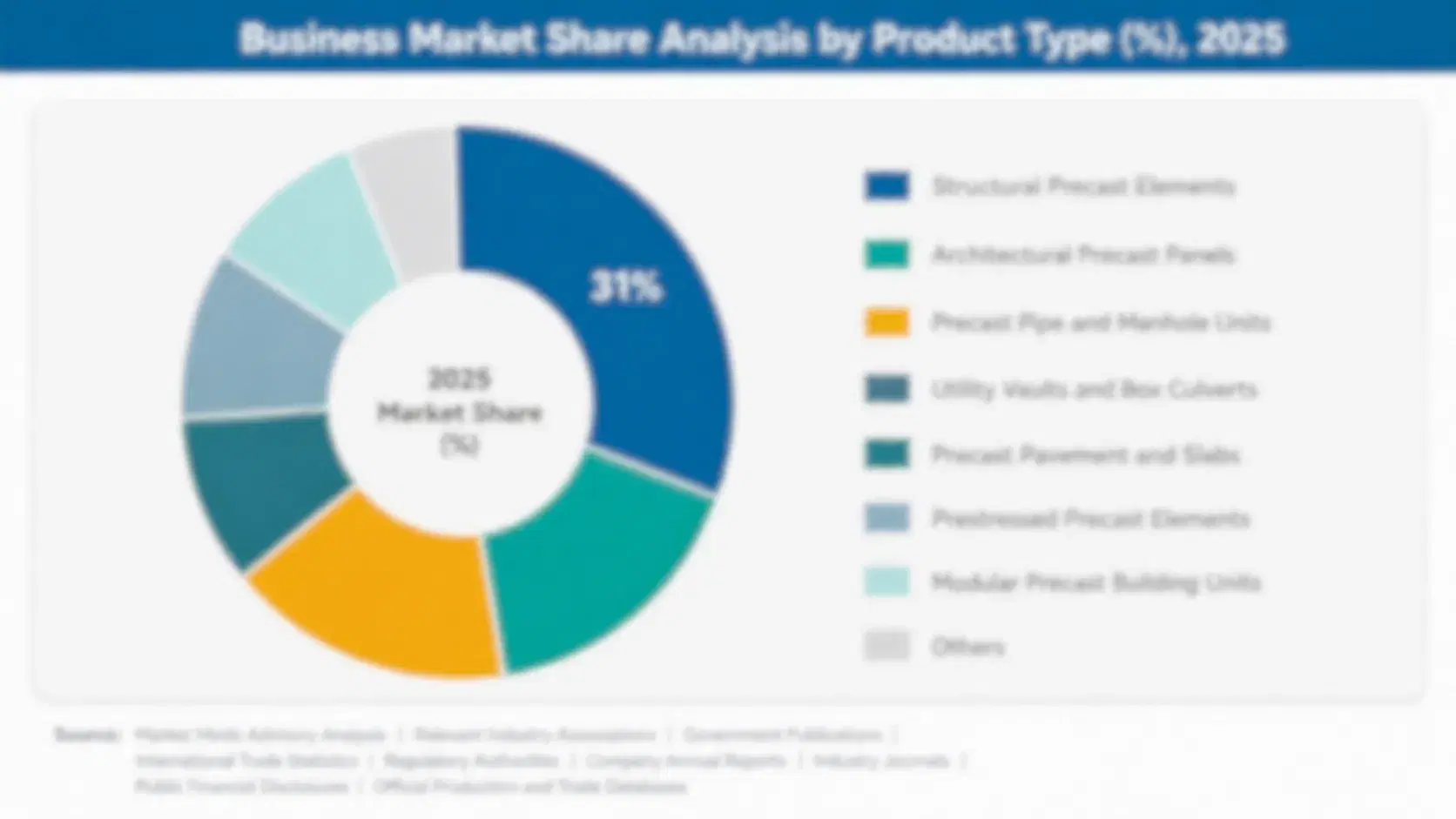
Segmentation follows product type: what the supplier physically delivers, whether that is a material, a component, an instrument or a building. Six types cover the market without overlap, from conductive gaskets through to anechoic chambers. End-use industry and purchase channel are treated separately, because a handset maker and a vehicle manufacturer buy several of these types differently.
emc-shielding-and-test-equipment-market-market-share-analysis-1787680692686

Shielded Enclosures and Anechoic Chambers

A chamber is a building that absorbs radio energy, and its performance is set by absorber geometry matched to the frequencies being tested. Growth at 10.8%, half again the market rate of 7.2%, is a replacement cycle rather than an expansion: facilities lined for gigahertz testing cannot certify millimetre wave products, and retrofitting rarely works because room dimensions and instrumentation change together. Automotive demand dominates current orders, since vehicle manufacturers have decided that owning capacity beats queueing for it. Lead times past 60 weeks mean suppliers are selecting customers rather than competing for them, which is not a situation any of them expected. It will not last, and they know that too.
CAGR 10.8%

EMC Test Instruments and Receivers

EMI receivers, signal generators, amplifiers, antennas and the software that ties them together make up the instrumentation half of a test facility, and they are replaced more often than the room is. Growth at 8.4% follows frequency extension and standards revision rather than any increase in the number of products tested. A receiver qualified to a superseded standard version cannot produce an accepted report, which makes standards committees the effective demand driver. Chinese and Korean instrument makers have improved considerably at the lower frequencies and remain well behind at millimetre wave, where measurement uncertainty is genuinely difficult to control. That gap is where all the remaining margin currently sits. Nobody there competes on price.
CAGR 8.4%
Full segment breakdown across 6 segments available in the complete report.

Regional Architecture and Country Demand Map

Geography follows electronics assembly and the certification testing attached to it, and both concentrate in the same places. East Asia leads on manufacturing volume. North America and Western Europe hold value share through automotive and aerospace testing, while South Asia grows fastest on new assembly capacity.

North America

American demand is weighted toward high-value testing rather than material volume, since most assembly happens elsewhere and most certification decisions do not. Automotive test capacity in Michigan and the Southeast is the largest single investment area, as vehicle manufacturers build their own chambers rather than queue for independent laboratories. Aerospace and defence add a second demand base with requirements far beyond commercial standards and budgets to match. Medical device manufacturers in Minnesota and Massachusetts have entered the market as wireless connectivity brought them into scope. Canadian and Mexican demand is small and follows American specification practice closely. Nobody in either country sets standards independently of what Washington decides first. Everyone follows that lead.
Share: 22% | CAGR: 6.4% (2026 to 2036)

Western Europe

European regulation defines what the rest of the world eventually adopts, and the testing infrastructure supporting it is correspondingly deep. German automotive manufacturers run the most demanding EMC programmes anywhere, testing to internal standards that exceed regulatory requirements by wide margins. French and Italian demand runs through aerospace, rail and industrial equipment. British test laboratories serve a market that now requires separate conformity marking, which added cost without adding technical requirement. Nordic and Dutch demand is concentrated in telecommunications equipment. European chamber builders and instrument makers supply markets far beyond the region, which is where the value actually sits. Exports matter far more here than domestic consumption ever will. Regulation travels with them.
Share: 19% | CAGR: 5.6% (2026 to 2036)
Regional intelligence for 5 additional markets available in the complete report: East Asia, South Asia and Pacific, Latin America, Middle East and Africa, Eastern Europe. Contact sales@marketmindsadvisory.com.
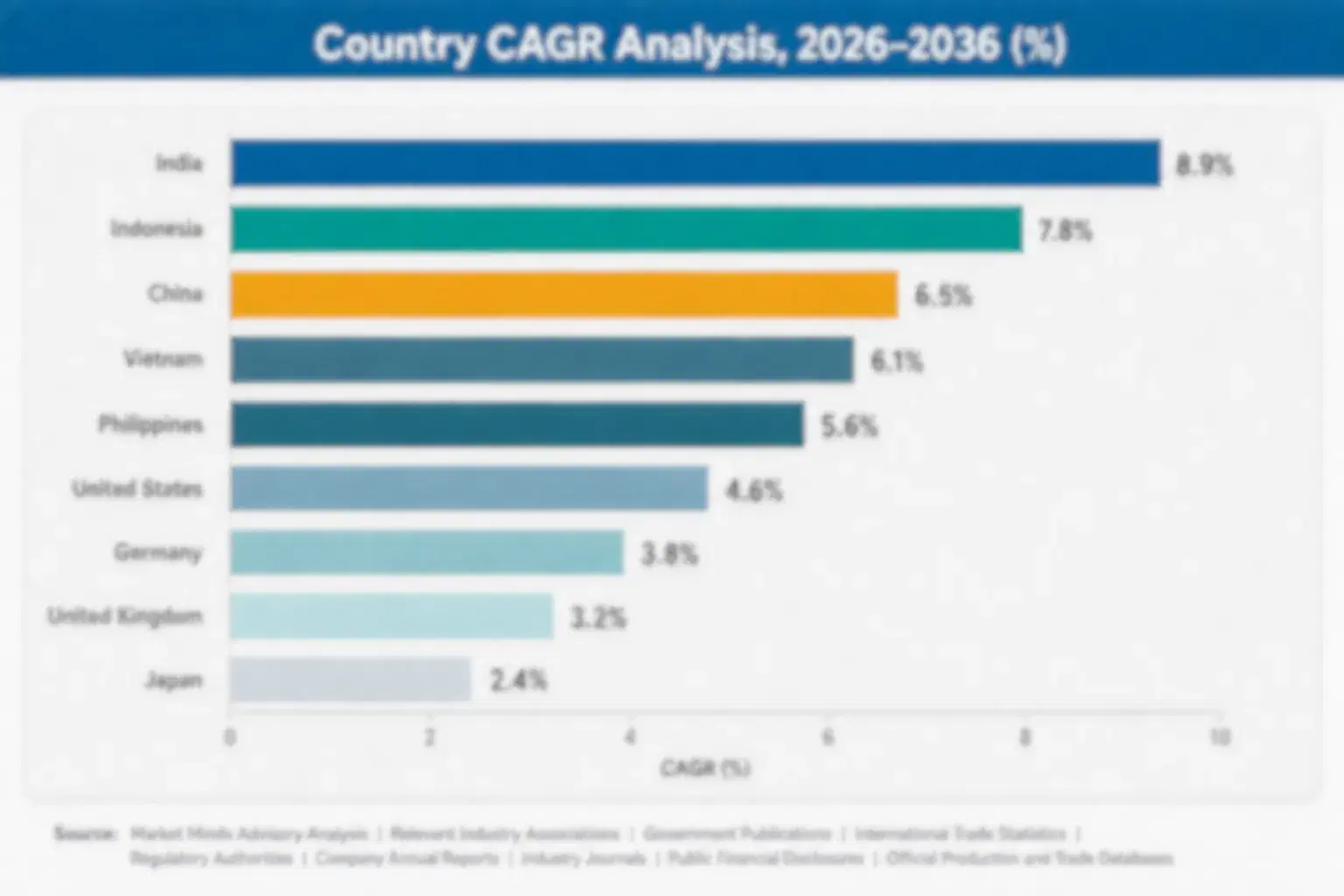
emc-shielding-and-test-equipment-market-country-cagr-analysis-1787680693007

Selling Into Somebody Else's Deadline

An engineer whose product failed compliance testing three weeks before launch is not a price-sensitive buyer, and the suppliers who understand that earn multiples of what a designed-in component returns. Four levers position a business at that moment rather than at the tender it precedes, and each requires spending on capability rather than on selling.

Staff Applications Engineering Where The Failures Happen

Roughly 38% of products fail compliance testing on the first attempt, and every failure is a purchase decision made in a day by an engineer who wants the problem gone. Whoever is technically present at that moment gets the order, at whatever price is quoted. Applications engineers who can diagnose a radiated emissions failure and specify a fix are the sales channel, not a support function. Firms carrying that capability win business their competitors never see quoted, and firms that cut it during cost programmes lose share slowly without understanding why.
Market Impact: Captures the 38% of products that fail first testing

Win Platform Design-In Before The Vehicle Exists

Electric vehicle shielding content runs roughly 4.6 times combustion equivalents and gets specified at platform level, years before production, then stays for the platform's whole life without review. That makes an automotive design-in worth close to a decade of contracted volume from a single decision. Reaching it means engineering relationships with vehicle manufacturers and their tier one suppliers during architecture definition, not commercial calls during sourcing. The investment is technical staff embedded in customer development programmes producing no revenue at all for several years. Very few suppliers fund that patiently.
Market Impact: Locks 4.6 times content for a whole platform life

Build Chamber Capacity Ahead Of The Frequency Shift

Automotive chamber lead times run past 60 weeks, which means the constraint is manufacturing capacity rather than demand and every supplier knows it. Adding capacity now serves a replacement cycle driven by frequency extension that will run for most of a decade. The risk is obvious and worth naming: build too much and the cycle ends with idle capital in an industry where facilities cannot be repurposed easily. Suppliers who added capacity early are currently selecting customers, which is a temporary position and an extremely profitable one while it lasts.
Market Impact: Serves an order backlog running past 60 weeks

Sell Simulation Alongside Materials To Reach Designers Earlier

Shielding added after a failure costs roughly 3 times what designed-in protection would have, and everybody involved knows it while continuing to do it anyway. A supplier offering simulation tools and design review gets into the conversation months before any test booking, which converts remediation revenue into specified content. The catch is that designed-in protection is cheaper, so the supplier is arguing itself into a smaller sale to win a more durable one. Firms that made that trade hold platform positions. Firms that did not are still selling gaskets under deadline pressure.
Market Impact: Trades 3 times pricing for durable platform volume

Who Controls the Margin Pool

Measured on disclosed EMC and shielding product revenue, the five largest suppliers hold a CR5 of 26%, which understates concentration inside each half of the market. Materials suppliers and instrument makers barely compete with each other and rarely appear in the same procurement. Parker Hannifin and Rohde and Schwarz lead their respective halves, and comparing them directly tells you very little about either.
Three contests define activity. Applications engineering presence is the first, contested at the moment of test failure where technical availability decides the order and price never comes up. Platform design-in is the second, fought years ahead of production in automotive architecture reviews. Delivery capacity is the third, since chamber suppliers with slots to sell are choosing customers rather than bidding for them. None of these three is a price contest, which several sales organisations still have not absorbed.

Pressure comes from Chinese instrument makers moving up in frequency and Chinese materials suppliers already dominant in volume. Neither has closed the gap at millimetre wave, where measurement uncertainty is hard to control and reputation matters more than specification. Rankings shift the moment that gap closes, and nobody in the incumbent group is confident about when.
emc-shielding-and-test-equipment-market-company-positioning-matrix-1787680693303

Competitive Moat and Risk Dimensions

PARKER HANNIFIN

Moat: Applications Engineering Field Coverage

Parker's Chomerics operation carries applications engineers close to major electronics design centres worldwide, which puts it in the room when a board fails and a fix has to be specified within days. That presence wins orders competitors never learn were placed. Rebuilding an equivalent field capability takes years of hiring and training in a discipline where experienced people are scarce.
PARKER HANNIFIN

Risk: Diversified Group Capital Competition

EMC materials sit inside a motion and control conglomerate where they compete for capital against aerospace and hydraulics businesses with larger revenue and simpler stories. Applications engineering headcount is exactly the line item a group cost programme targets, and cutting it damages a moat that took years to build. Specialist competitors face no such internal argument.
ROHDE AND SCHWARZ

Moat: Measurement Credibility At High Frequency

Test reports get accepted or rejected on the instrumentation behind them, and Rohde and Schwarz receivers carry a reputation with certification bodies that competitors cannot buy. At millimetre wave frequencies, where measurement uncertainty is genuinely hard to control, that reputation is the product. Building it requires decades of standards committee participation and a metrology capability very few companies have attempted.
ROHDE AND SCHWARZ

Risk: Chinese Instrument Capability Convergence

Chinese instrument makers have closed most of the gap at lower frequencies and are working upward with substantial state support behind them. Price differences at conventional test frequencies are now large enough that laboratories outside the most demanding applications are switching. The defence is millimetre wave measurement credibility, which is real today and narrows every year that competitors keep investing.

Players Tracked

Prominent Players

Parker Hannifin
DuPont
3M
Rohde and Schwarz
ETS-Lindgren

Other Key Players

TDK
Murata Manufacturing
Kitagawa Industries
Tech-Etch
Schaffner Holding
Keysight Technologies
Anritsu
AR RF/Microwave Instrumentation
Frankonia
Albatross Projects
Holland Shielding Systems
Leader Tech
Boyd Corporation
Nolato
Zippertubing

Recent Developments

FEBRUARY 2025

ETS-Lindgren expands anechoic chamber manufacturing capacity

ETS-Lindgren commissioned additional chamber manufacturing and absorber production capacity, an organic investment rather than an acquisition. The company cited automotive test facility demand and lead times that had extended past a year, with vehicle manufacturers ordering their own chambers instead of queueing for independent laboratory capacity that no longer exists.
Signal: Capacity is the binding constraint rather than demand, which is an unusual position for a capital equipment supplier.
JUNE 2025

DuPont expands electromagnetic shielding materials production for automotive applications

DuPont commissioned additional shielding materials capacity aimed at electric vehicle applications, an organic expansion funded from operating cash flow. The company cited content per vehicle running several times combustion equivalents and platform-level design wins that commit volume across a vehicle programme rather than through annual purchase agreements.
Signal: Platform design-in converts a components business into contracted volume for a decade, which changes how capacity gets justified.
OCTOBER 2025

Rohde and Schwarz releases millimetre wave EMI receiver for automotive radar certification

Rohde and Schwarz introduced an EMI receiver extending certified measurement coverage into the millimetre wave frequencies automotive radar occupies, developed organically rather than acquired. The release addresses a gap where existing instrumentation could not produce measurements certification bodies would accept for radar sensors operating in that band.
Signal: Instrument capability at the frequencies products actually use decides which laboratories can certify them at all.

What Goes Into A Shield

Metals dominate the materials side. Silver, nickel, copper and stainless fibre together run 46 to 49% of conductive material cost, with silver-filled elastomers carrying the extreme end and driving most of the volatility. Base elastomer and carrier polymer add roughly 15%. On the equipment side the cost base is entirely different: absorber material, steel panel and instrumentation, none of which behaves like a metals market.
Silver is the input that has genuinely hurt. Prices moved sharply through 2020 and again in 2024, and a silver-filled conductive elastomer carries enough metal that a move of that size rewrites the product's economics within a quarter. Parker Hannifin and 3M annual reports for those periods describe raw material cost pressure and the pass-through mechanisms used to recover it. Customers accepted increases without much argument, because the alternative was requalifying a material inside a compliance-critical application.

Exposure splits by product. Silver-filled elastomer makers carry metals risk directly and pass it through easily, because switching costs the customer a compliance requalification. Nickel-graphite and stainless fibre products carry less exposure and less pricing power. Chamber and instrument suppliers carry none, since their cost base is steel, absorber foam and electronics that move on different cycles.
emc-shielding-and-test-equipment-market-cost-volatility-analysis-1787680693616

Qualify nickel-graphite alternatives to silver-filled grades

Silver-filled elastomers deliver the highest shielding effectiveness and carry all the metals exposure that comes with it. Nickel-graphite alternatives perform adequately for a large share of applications at a fraction of the metal content. Qualifying them requires the customer's agreement and testing time, which is why it has to happen during design rather than after a price increase arrives.

Write metals pass-through into every supply agreement

Compliance-critical materials cannot be switched quickly, which gives suppliers unusual pricing power and customers unusual exposure. Formula pricing tied to published metal benchmarks removes the annual argument from both sides and survives a spike without a renegotiation. Customers accept these terms far more readily here than in ordinary component categories, because they understand the requalification alternative.

Balance the portfolio between materials and equipment

Materials revenue carries metals exposure and equipment revenue does not, and the two move on unrelated cycles. Suppliers holding both smooth a volatility neither half can manage alone. Very few companies span the two, because the customers, the sales models and the engineering disciplines have almost nothing in common beyond the physics involved. That separation is worth studying.

Portfolio Architecture for Margin Defence

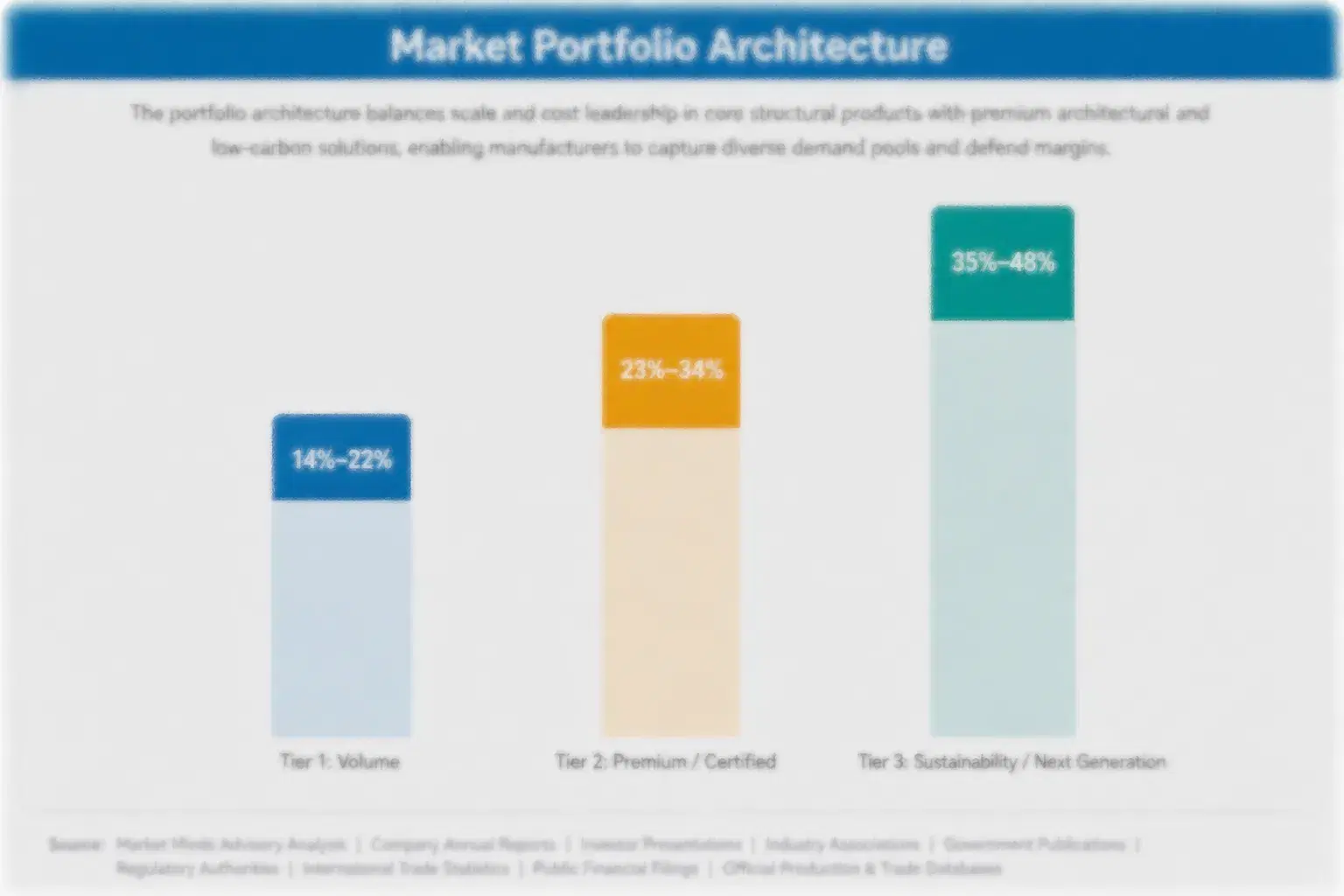
Margin here follows urgency and credibility rather than material content. A conductive gasket sold from a catalogue into a designed-in application earns component margins, because the buyer had time to compare. The identical gasket sold to an engineer whose product failed testing last week earns considerably more, and nobody involved pretends otherwise. Equipment margins work differently again, following delivery capacity rather than anything technical.
The tension is that the profitable sale and the durable sale are opposites. Remediation earns the best margins and produces no repeat business, since the next product is a different design. Designed-in content earns less per unit and commits volume for a platform lifetime. Suppliers pursuing both with one organisation tend to do neither well, because the applications engineer chasing failures is the wrong person to sit in an architecture review two years before production.

High-value pools sit in three places. Millimetre wave instrumentation, where measurement credibility is scarce and certification bodies decide what counts. Automotive platform content, which commits volume across a decade from one engineering decision. And chamber delivery slots, which currently price on scarcity rather than on cost and will not do so indefinitely. None of them is a materials business.

Volume / Commodity-Adjacent

Standard conductive gaskets, board-level shield cans and catalogue absorber parts sold into designed-in consumer electronics applications. The 7-point range separates suppliers with their own material formulation from converters buying compound. Asian manufacturers set pricing at this level and always have.
Gross Margin: 24-31%

Premium / Certified

Silver-filled elastomers, automotive-qualified shielding, EMI receivers and standard test instrumentation sold with measurement traceability. The 7-point spread separates products qualified into automotive platforms from those sold on catalogue specification. Qualification depth rather than material performance holds this pricing in place.
Gross Margin: 38-45%

Sustainability / Regulatory / Next-Generation

Millimetre wave instrumentation, automotive anechoic chambers and simulation software sold alongside materials. The 13-point range is unusually wide because instrumentation prices on measurement credibility while chambers currently price on delivery scarcity, and only one of those two premiums will survive the cycle.
Gross Margin: 48-61%
emc-shielding-and-test-equipment-market-portfolio-architecture-1787680693977

High-value Sub-segments and Strategic Watch-out

Millimetre Wave Test Instrumentation

Highest value and strong growth, protected by measurement credibility that certification bodies recognise and competitors cannot simply claim. Automotive radar and satellite terminals drive the demand. The risk is convergence: Chinese instrument makers have closed the gap at lower frequencies and are working upward with state support behind them.
Gross Margin: 57-60%

Automotive Platform Shielding Content

High value with strong growth, committing volume across a platform lifetime from a single engineering decision taken years before production. Content per vehicle runs several times combustion equivalents. The constraint is reach: winning this work requires embedded technical staff producing no revenue for several years first.
Gross Margin: 41-44%

Standard Board-Level Shielding

The volume core, carrying most units shipped and the least differentiation between suppliers anywhere in the market. Asian manufacturers set pricing and Western suppliers compete on applications support rather than cost. Most established players run this line to hold design centre relationships that carry better work alongside.
Gross Margin: 25-28%

Anechoic Chamber Delivery Backlog

The strategic watch-out. Margins currently rest on a 60 week backlog rather than on any cost or capability advantage, which is a temporary condition every supplier recognises privately. The risk is capacity added at the top of a replacement cycle that leaves idle capital in facilities nobody can repurpose.
Gross Margin: 50-53%

Why Compliance Demand Never Stops

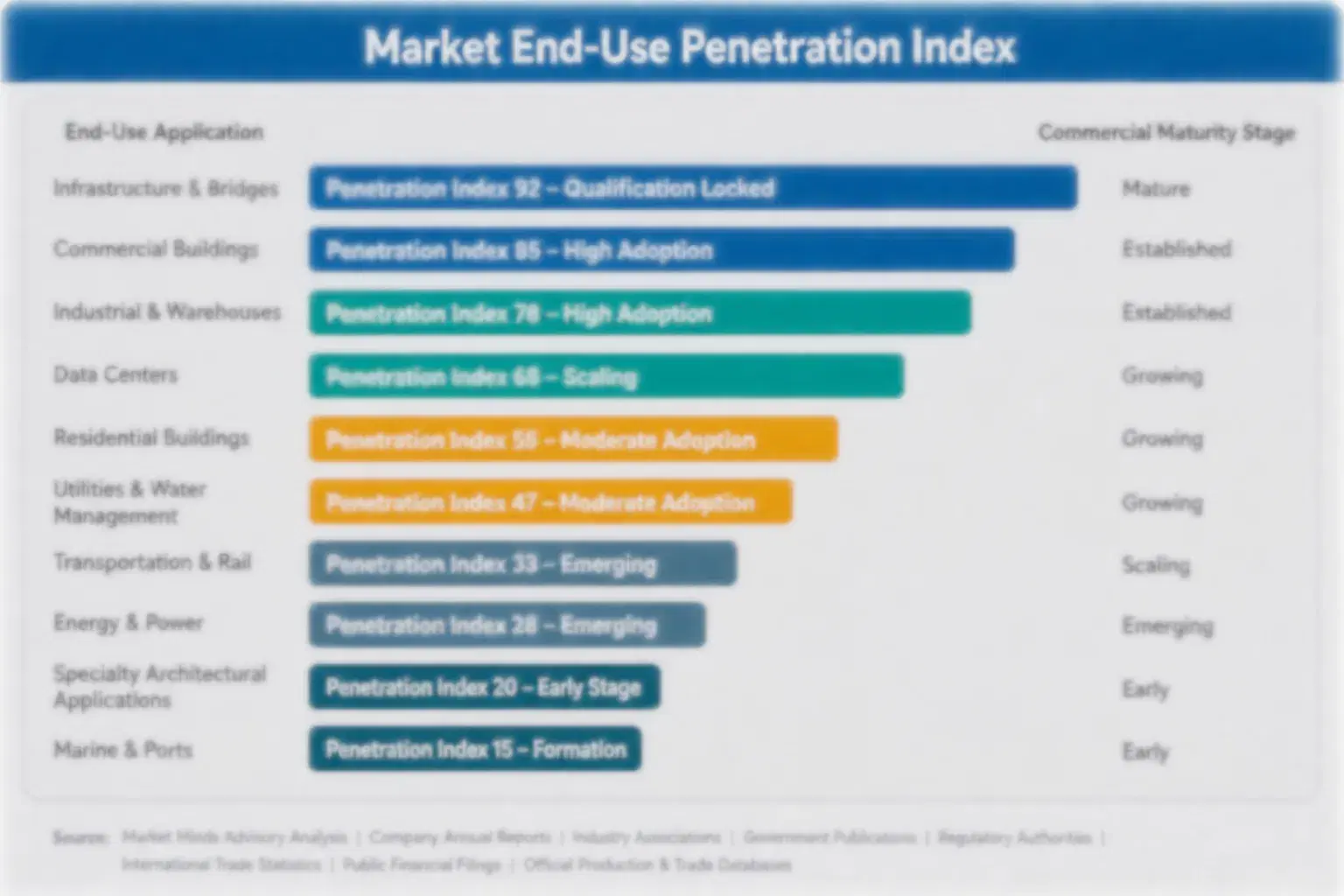
Every product carrying electronics needs a test report before it ships anywhere, and every design revision needs a new one. That produces demand tied to product launch counts rather than to unit volumes, which behaves quite differently through an economic cycle. A manufacturer cutting production still launches products, and each launch generates the same testing and shielding requirement it always did.
Stickiness varies enormously by application. Automotive platform content essentially never changes once qualified, because requalification means retesting a vehicle. Aerospace and defence sit further along the same line, with qualification records that outlast the engineers who created them. Medical devices change on regulatory submission cycles. Consumer electronics changes with every product generation, which is annually, and suppliers there rebuild their position from scratch each time a new design starts.

The buyer changed when electric vehicles arrived. A decade ago a compliance engineer bought shielding after a failure, late and under pressure, with a small budget. Now a vehicle architecture team specifies it during platform definition, alongside thermal and packaging decisions, with capital budget authority and a four year horizon. Suppliers still organised around compliance engineers are calling on people who no longer decide anything that matters.
emc-shielding-and-test-equipment-market-end-use-penetration-index-1787680694310

Where Compliance Money Actually Sits

These are among the four positions where our research anticipates prominent divergence between winners and laggards over the coming forecast period. Each is grounded in the demand model, the regulatory perimeter, and the announced capacity pipeline.
01 / FAILURE MOMENT PRESENCE

Be in the room when the board fails

Roughly 38% of products fail compliance testing on the first attempt, and each failure becomes a purchase decision taken within a day by an engineer with a launch date and no interest in price. Whoever is technically present at that moment writes the order, which makes applications engineering a sales channel rather than a support function that a cost programme should ever touch. Firms carrying that field capability win business competitors never learn was quoted, and the ones who cut it lose share slowly enough that nobody connects the events.
02 / PLATFORM DESIGN-IN INVESTMENT

Fund engineers who generate no revenue for years

Electric vehicle shielding content runs roughly 4.6 times combustion equivalents and gets specified during platform architecture definition, years before production, then holds for the platform's entire life without anyone revisiting it. That makes a single design-in worth close to a decade of contracted volume, which no remediation sale can approach on any measure. Reaching those decisions requires technical staff embedded in customer development programmes producing nothing measurable for several years, and very few suppliers fund that patiently enough to collect.
03 / FREQUENCY CYCLE CAPTURE

Sell into the chamber replacement cycle now

Absorber geometry scales with wavelength, so a chamber lined for gigahertz testing simply cannot certify automotive radar at 77 gigahertz, and retrofitting rarely works because room dimensions and instrumentation change together. That converts chamber demand from an expansion cycle into a replacement cycle covering most of the installed base over roughly a decade. Suppliers with delivery capacity are currently selecting customers against a backlog running past 60 weeks, which is temporary, extremely profitable and worth exploiting while it still lasts.
04 / SIMULATION CHANNEL BUILDING

Argue yourself into a smaller, longer sale

Shielding added after a test failure costs roughly 3 times what designed-in protection would have, which is excellent for the supplier selling it and terrible for the customer paying. Offering simulation tools and design review gets a supplier into the conversation months before any test booking, converting one-off remediation revenue into content specified at design. The trade is deliberate and uncomfortable, because the supplier is arguing itself into a cheaper sale to win a position that lasts a product generation rather than a quarter.

Engagement Snapshot From the Field

A live engagement with an industry participant carrying material or product regulatory and market exposure ahead of a defining policy shift, showing how our research translates into a defensible multi-year portfolio strategy.
MARKET MINDS ADVISORY · CLIENT ENGAGEMENT SUMMARY
EMC Shielding and Test Equipment Producer Strategic Portfolio Review and Transition Roadmap 2026·Investment Scenario on EMC Shielding and Test Equipment Exposure Evaluation 2025-26
CLIENT PROFILE
A European industrial electronics manufacturer producing drives, sensors and connected equipment across four plants, with revenue reported at 780 million euros (client-reported, unverified by MMA). The company launched roughly 40 products a year into markets requiring compliance marking. Its compliance function sat inside quality assurance and was consulted after hardware design freeze on almost every programme.
STRATEGIC CHALLENGE
Product launches were slipping and management attributed it to test laboratory availability. The compliance team believed the problem was late involvement. Nobody had measured how many programmes failed first testing, what remediation cost, or whether the delays traced to laboratory queues or to redesign work after failures. Both explanations were plausible and only one was correct.
MMA APPROACH
MMA reconstructed the previous three years of product programmes by failure point and elapsed delay, separating time lost to laboratory queues from time lost to redesign after failure, which nobody had ever distinguished. Nine expert interviews with test laboratories established realistic booking lead times against what the company assumed. The analysis treated design stage involvement, not test capacity, as the likely explanation.
KEY FINDINGS
  1. Programmes failed first-pass testing 44% of the time, well above the industry norm, and every failure traced to a hardware decision taken before compliance was consulted.
  2. Laboratory booking accounted for 3 weeks of typical delay while redesign after failure accounted for 11 weeks, which reversed management's assumption entirely.
  3. Remediation shielding cost roughly 3 times what designed-in protection would have, and the company had never tracked that spend as a distinct line item.
  4. Moving one compliance engineer into each hardware team modelled a shorter total programme time than any amount of additional test capacity would deliver (client-reported, unverified by MMA).
CLIENT PROFILE
A European industrial electronics manufacturer producing drives, sensors and connected equipment across four plants, with revenue reported at 780 million euros (client-reported, unverified by MMA). The company launched roughly 40 products a year into markets requiring compliance marking. Its compliance function sat inside quality assurance and was consulted after hardware design freeze on almost every programme.
STRATEGIC CHALLENGE
Product launches were slipping and management attributed it to test laboratory availability. The compliance team believed the problem was late involvement. Nobody had measured how many programmes failed first testing, what remediation cost, or whether the delays traced to laboratory queues or to redesign work after failures. Both explanations were plausible and only one was correct.
MMA APPROACH
MMA reconstructed the previous three years of product programmes by failure point and elapsed delay, separating time lost to laboratory queues from time lost to redesign after failure, which nobody had ever distinguished. Nine expert interviews with test laboratories established realistic booking lead times against what the company assumed. The analysis treated design stage involvement, not test capacity, as the likely explanation.
KEY FINDINGS
  1. Programmes failed first-pass testing 44% of the time, well above the industry norm, and every failure traced to a hardware decision taken before compliance was consulted.
  2. Laboratory booking accounted for 3 weeks of typical delay while redesign after failure accounted for 11 weeks, which reversed management's assumption entirely.
  3. Remediation shielding cost roughly 3 times what designed-in protection would have, and the company had never tracked that spend as a distinct line item.
  4. Moving one compliance engineer into each hardware team modelled a shorter total programme time than any amount of additional test capacity would deliver (client-reported, unverified by MMA).
RECOMMENDED STRATEGY
Phase 1: Phase one: move compliance engineers into hardware development teams and give them authority at schematic review rather than after design freeze. Phase 2: Phase two: adopt simulation tools from a shielding supplier willing to provide design review, rather than buying software the company must staff itself. Phase 3: Phase three: track remediation shielding spend separately from designed-in content so the cost of late involvement becomes visible to programme managers.
OUTCOME
First-pass test success rose from 56% to 79% across the following year without any additional test capacity being booked. Average programme delay fell by 9 weeks and remediation shielding spend dropped by roughly half (client-reported, unverified by MMA). The company has stopped tendering for additional laboratory capacity it no longer needs.

Frequently Asked Questions

Foundational context covering the market sizes, CAGR, scope, country, region and competition that inform every finding below. This section is provided to cover basics and most often pre-purchase conversations, answered from the MMA Primary Research Dataset.

What is the current size of the EMC Shielding and Test Equipment Market?

The market was worth 10.6 billion dollars in 2025, covering conductive gaskets, absorbers, board-level shields, coatings, test instruments and anechoic chambers. It reaches 11.4 billion dollars in 2026.

How large will the EMC Shielding and Test Equipment Market be by 2036?

MMA forecasts 22.8 billion dollars by 2036, an increase of 11.4 billion dollars over the 2026 base. That represents an expansion multiple of 2.00 times across the forecast period.

What is the CAGR for the EMC Shielding and Test Equipment Market 2026 to 2036?

The base case compounds at 7.2% annually. MMA's bull case reaches 8.4% if automotive test capacity clears its backlog, while the bear case sits at 6.0% on weaker consumer electronics volume.

Which segment is growing fastest?

Shielded enclosures and anechoic chambers, at 10.8%, half again the market rate of 7.2%. Chambers built for gigahertz testing cannot certify millimetre wave products, which makes this a replacement cycle.

Who are the major companies in the EMC Shielding and Test Equipment Market?

Parker Hannifin, DuPont, 3M, Rohde and Schwarz and ETS-Lindgren lead on disclosed EMC and shielding product revenue. TDK, Murata Manufacturing, Keysight Technologies, Schaffner Holding and Boyd Corporation compete strongly in specific product types.

Which country is growing fastest?

China at 10.2%, driven by electronics assembly concentration and by domestic brands certifying products for export markets. India follows on new manufacturing capacity under incentive schemes.

Report Segmentation Architecture

The full report scope spans multiple orthogonal segmentation dimensions, with cross-tabulated demand data provided for each dimension pair. Coverage extends further to regional breakdowns, trend trajectories, and the competitive detail needed to support segment-level decision-making.

By Product Type

  • Conductive Gaskets and Seals
  • EMI Absorbers and Ferrites
  • Board-Level Shields and Cans
  • Conductive Coatings and Films
  • EMC Test Instruments and Receivers
  • Shielded Enclosures and Anechoic Chambers

By End-Use Industry

  • Consumer Electronics and Handsets
  • Automotive and Electric Vehicles
  • Aerospace and Defence
  • Medical Devices
  • Industrial and Energy Equipment
  • Telecommunications Infrastructure

By Commercial Dimension

  • Direct Manufacturer Supply
  • Distributor and Catalogue Channel
  • Contract Manufacturer Specified
  • Platform Design-In Programme
  • Capital Project Tender
  • Applications Engineering Led

By Region

  • North America
  • Western Europe
  • East Asia
  • South Asia and Pacific
  • Latin America
  • Middle East and Africa
  • Eastern Europe

Scope, Methodology, and Coverage

Every figure in this report is reproducible from documented input assumptions. The scope below maps the historical period, the forecast horizon, the segmentation dimensions, and the countries covered, alongside the underlying primary and qualitative methodology.
Historical Period
2020 to 2025
Forecast Period
2026 to 2036
Base Year
2025 (USD billions; MMA Primary Research Dataset, August 2026)
Market Definition
Scope covers products used to control electromagnetic interference and to verify compliance with electromagnetic compatibility requirements, spanning conductive gaskets and seals, EMI absorbers and ferrite components, board-level shields and cans, conductive coatings and films, EMC test instruments and receivers, and shielded enclosures and anechoic chambers. Cable assemblies, general-purpose spectrum analysers outside EMC use, power line filters and third-party test laboratory services are excluded. Certification bodies, notified body assessment and regulatory approval processes fall outside the boundary.
Quantitative Units
USD billions (current prices); units shipped; chambers commissioned; installed test facilities; shielding content per vehicle
Segmentation Dimensions
By Product Type; By End-Use Industry; By Commercial Dimension; By Region
Regions Covered
North America, Western Europe, East Asia, South Asia and Pacific, Latin America, Middle East and Africa, Eastern Europe
Countries Covered
USA, China, Germany, France, UK, Japan, South Korea, India, Brazil, Mexico, Italy, Spain, Poland, Saudi Arabia, South Africa
Key Companies Profiled
Parker Hannifin, DuPont, 3M, Rohde and Schwarz, ETS-Lindgren, TDK, Murata Manufacturing, Kitagawa Industries, Tech-Etch, Schaffner Holding, Keysight Technologies, Anritsu, AR RF/Microwave Instrumentation, Frankonia, Albatross Projects, Holland Shielding Systems, Leader Tech, Boyd Corporation, Nolato, Zippertubing
Quantitative Methodology
Primary survey, n=3,800 respondents, Q4 2025, six countries; demand-side model with trade association cross-validation
Qualitative Methodology
47 expert interviews, Q4 2025; applied to validate demand model assumptions, identify emerging dynamics, and assess competitive positioning
Report Format
PDF and XLSX data workbook (Word format preview document)
Publisher
Market Minds Advisory
Report Code
MMA-2026-TEC-120
Published
August 2026
Contact
sales@marketmindsadvisory.com | www.marketmindsadvisory.com

Purchase the full EMC Shielding and Test Equipment Market Report (2026 to 2036).

The full report runs to 200 pages and covers all six product type segments, seven regions and 20 profiled companies in detail. It includes the complete segment CAGR set, regional consumption and test capacity data, and frequency coverage analysis across the installed chamber base. Company profiles carry evaluation on disclosed EMC and shielding product revenue, with moat and risk assessment for the top five suppliers. The competitive section extends to 17 tracked corporate developments across 2024 and 2025, each with commercial interpretation. Primary research inputs include a quantitative survey of 3,800 respondents and 47 expert interviews conducted in Q4 2025.
Six product type segments with individual CAGR forecasts
Seven regional markets with consumption and test capacity
Twenty company profiles on consistent revenue evaluation basis
Seventeen tracked corporate developments with commercial interpretation notes
Frequency coverage analysis across the installed chamber base
Shielding content benchmarking by vehicle and product type

Built For The People Who Decide

From boardroom strategy to bench-side execution, this report is read cover-to-cover by leaders shaping the next decade of their industry, turning demand scenarios, market dynamics and valuation benchmarks into decisions.
CXOs/ Presidents/ VPs/ Managers
M&A and Corporate Development
Strategy Teams and R&D Heads
Procurement and Product Directors
Regulatory and Compliance Leaders
Investor Relations and Equity Analysts