Market Minds Advisory
Egg Replacement Ingredient Market

Egg Replacement Ingredient Market: Egg Replacement Ingredient Market. Starch, Legume Protein and Fermentation-Derived Ingredients for Bakery and Food Manufacturing

Egg replacement ingredients let bakers and food makers cut cost, allergen risk and avian influenza exposure, but foaming, binding and colour performance now decide which starch, legume and fermentation-derived systems win recipes.

Lead Analyst

Published

September 2026

Make Smarter Decisions with Customized Research Insights

Request a free sample report and evaluate market opportunities, growth trends, and competitive dynamics relevant to your business needs.

2025 MARKET VALUE$1.3BMarket Size 2025
2036 FORECAST VALUE$3.2BBase Case , 2026 to 2036
CAGR 2026 TO 20368.5 %Bull 9.8% / Bear 7.2%
INCREMENTAL OPPORTUNITY$1.8BNet 10- year value creation
EXPANSION MULTIPLE2.26x2036 value over 2026 base
Strategic Levers
M&A Pipeline
Regional Outlook
Country Rankings
Competitive Intelligence
Segmental Deep-dive
Call-Us : 91 93563 13602

Executive Snapshot and Market Trajectory.

Egg replacement ingredients are powders, liquids and proteins that stand in for hen egg in bakery, sauces, confectionery and processed foods. Food makers buy them to cut cost, avoid egg supply shocks and serve vegan and allergen-free ranges, and they judge success on foam, bind and bake. Shortages drive trials.
Precision Fermentation and Novel Egg Proteins grow fastest as developers pursue animal-free ovalbumin and other egg proteins for high-performance foaming, while starch and hydrocolloid blends still carry the largest sales in industrial bakeries. Western Europe holds the largest share, above its band, because European ingredient groups and industrial bakeries concentrate technical demand. Gross margins run 28% to 50%, and protein cost shapes profit. Buyers also ask for proof.
Five groups hold about 37% of value, led by Puratos, Kerry Group, Ingredion, Cargill and DSM-Firmenich, so a few ingredient companies with bakery application labs shape specifications. Allergen labelling rules, novel food and GRAS approvals for new proteins, clean-label expectations and vegan certification govern positioning, and buyers audit functional performance, cross-contact controls and supply security before approving replacements in recipes. Approval status shapes which proteins bakers trial. Egg prices drive replacement interest.
Market Definition
The market covers global sales of egg replacement ingredients, defined as functional ingredients and blends that replace hen egg in whole or in part, including starch and hydrocolloid blends, legume and pulse protein isolates and liquids, potato, soy and fibre-based replacers and precision-fermentation egg proteins, sold to bakeries, confectioners and food manufacturers. It excludes hen egg products, finished plant-based scramble products sold to consumers, egg-free mayonnaise as a finished condiment and pet food binders.
Base Year Value
$1.3B in 2025 (MMA Primary Research Dataset, September 2026)
Forecast Period
2026 to 2036, eleven discrete annual values
CAGR
8.5% base case. Bull 9.8%. Bear 7.2%.
Fastest Growth Segment
Precision Fermentation and Novel Egg Proteins: 11.9% CAGR
Fastest Growth Country
Singapore: 12.5% CAGR
Fastest Growth Region
South Asia and Pacific: 10.5% CAGR
Largest Region
Western Europe: 30% of 2025 global value
Market Leaders
Puratos, Kerry Group, Ingredion, Cargill, DSM-Firmenich. Source: MMA Analysis, company annual reports.
Primary Survey
n=3,800 procurement and R&D decision-makers, Q4 2025, six countries
Methodology
Demand-side build-up, cross-validated against public data, 47 expert interviews

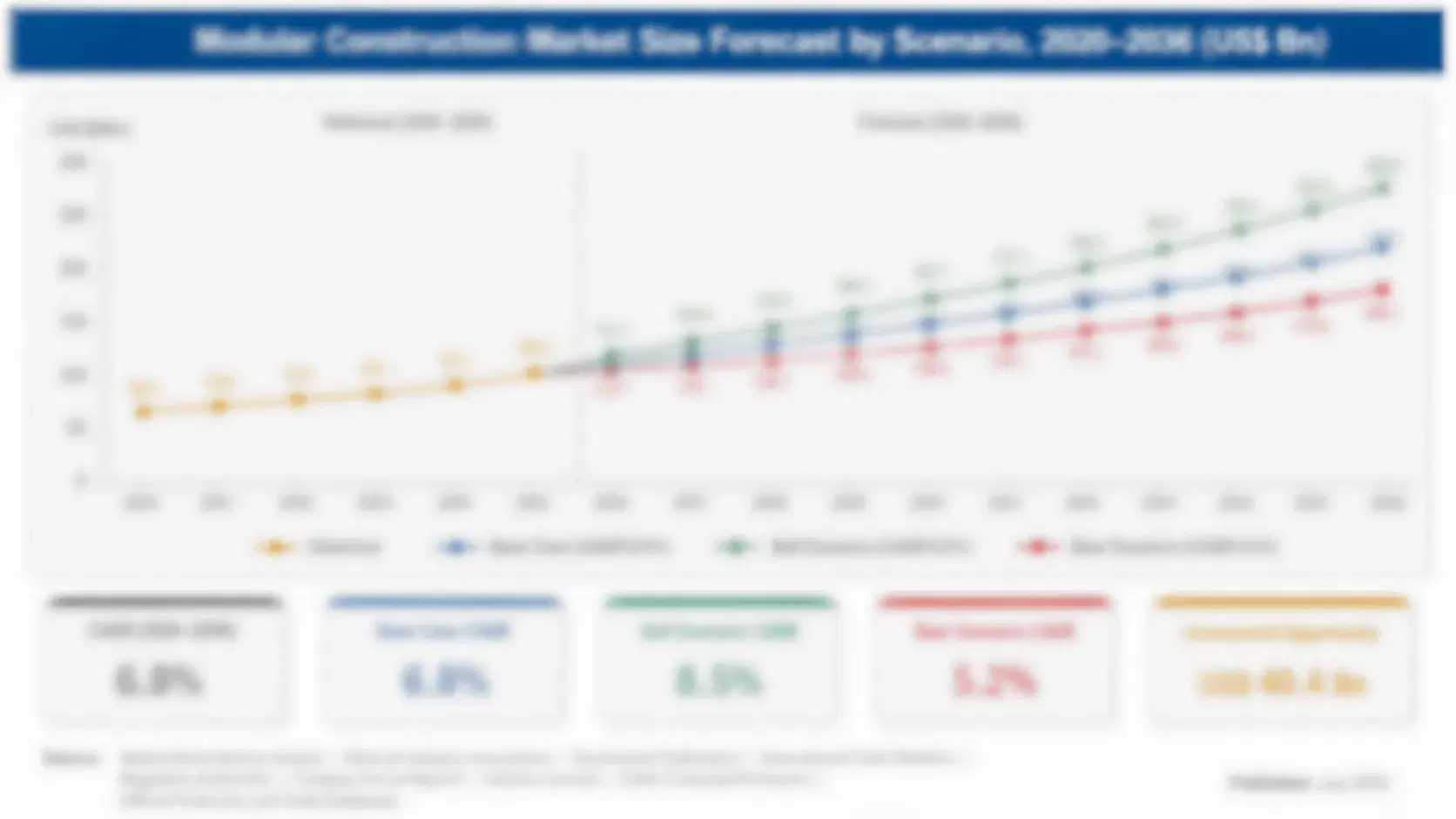
Egg Replacement Ingredient Market Forecast Scenarios

egg-replacement-ingredient-market-size-forecast-scenario-1789975506951
From 2020 to 2025 egg replacement ingredients grew at about 7.5% a year. Vegan and allergen-free product launches lifted sales in 2020 and 2021, and record avian influenza culls in Europe, North America and Japan raised egg prices and prompted bakeries to test partial replacement. Growth strengthened in 2022 and 2023, then eased as egg prices normalised, although interest in resilience stayed high among large food makers.
The base case of 8.5% rests on three named mechanisms. Recurrent egg supply shocks and price swings encourage bakeries and sauce makers to replace part of the egg with lower-cost systems. Vegan, allergen-free and clean-label launches keep expanding, giving retailers and brands reasons to reformulate ranges. New protein technologies, including mung bean isolates and fermentation-derived proteins, improve foaming and gelling. Each mechanism is visible in supplier launches, bakery trials and regulatory filings.
The bull case reaches 9.8% if egg shortages recur, fermentation-derived proteins gain approvals and legume proteins reach cost parity in foaming applications. The bear case falls to 7.2% if egg prices stay low, protein costs rise and bakers reject taste or colour changes. Both cases assume stable supply of legume proteins, starches and hydrocolloids. Neither case assumes new tariffs.

Foam and Bind Performance, Egg Price Cycles and Approval Timelines Set Egg Replacer Returns

Hen egg does several jobs at once: it binds, foams, emulsifies, coagulates and colours. No single plant ingredient does all of them, so egg replacers are blends. Starches and gums provide structure and moisture, legume proteins provide foam and gel, emulsifiers stabilise crumb, and colours such as beta-carotene or turmeric give yolk tones. Fermentation-derived ovalbumin aims to copy egg white foam directly.
MARKET CONCENTRATION37% CR5Top five groups hold under two fifths of category sales
BAKERY SHARE54%Portion of category sales in bread, cake and biscuit recipes
TYPICAL REPLACEMENT LEVEL25-100%Share of hen egg substituted in industrial recipes by weight
STARCH AND HYDROCOLLOID SHARE44%Portion of category value from starch and gum-based blends
PROTEIN AND STARCH COST42% of COGSLegume proteins, starches and gums within total production cost
APPROVAL TIMELINE18-36 monthsTypical time from submission to clearance for new egg proteins
Value concentrates in three places. Starch and hydrocolloid blends carry the largest sales, used for cakes, muffins and breads where partial replacement cuts cost. Legume and pulse protein replacers grow steadily, targeted at foam and gel needs in meringues, mousses and sauces. Precision-fermentation egg proteins grow fastest from a very small base, aimed at premium applications where performance must equal egg, and where supply of approved capacity is scarce.
Supply runs through ingredient groups with starch, protein and hydrocolloid plants and application labs close to bakery customers. Pulse proteins come from Canada, France, China and the United States, starches from Europe and Asia, gums from Asia and Europe, and fermentation proteins from a few pilot plants. Customers hold two to three months of stock, and qualifying a new system takes six to 12 months of bake trials.
"Nobody replaces egg because they love replacers. They replace egg because a recipe needs to survive a bad price year. Suppliers that can show a baker exactly how much egg they can remove without a complaint from the customer will own the recipe."
Senior Analyst, Food Ingredients and Bakery Practice · MMA Egg Replacement Ingredients Practice · September 2026

Market Trends

Precision Fermentation Develops Animal-Free Egg Proteins for High-Performance Foaming

Developers such as EVERY Company and Onego Bio use engineered microbes to make ovalbumin and other egg proteins that copy hen egg foaming and gelling without hens. Precision Fermentation and Novel Egg Proteins grow about 11.9% a year, and gross margins run 34% to 50%. The trend needs regulatory clearance, cost per kilogram near egg white and scalable fermentation, and it rewards developers with strains, partners and application data, while approvals take 18 to 36 months, capacity is scarce and current cost far exceeds egg white. Pilot bakery trials help ingredient buyers judge performance.
Market Impact: free-from launches carry 20-40% premiums
Avian Influenza and Egg Prices Push Bakeries Toward Partial Replacement

Record culls across Europe, North America and Japan during 2022 and 2023 pushed wholesale egg prices up by 30% to 100% in some markets, and bakeries faced shortages of liquid egg. Partial replacement, at 25% to 50% of egg weight, lets bakers cut cost and hold supply. The trend rewards suppliers with tested blends and local stock, while bakers worry about taste and shelf life changes, and demand eases when prices normalise, so contracts and trials must show resilience across price cycles and shortage periods. Bakers also trial replacement in sauces and fillings during shortage periods.
Market Impact: egg prices rose 100%+ in shortages

Market Opportunities and Growth Drivers

Vegan, Allergen-Free and Clean-Label Launches Widen Replacement Demand

Egg is a major allergen and many consumers avoid animal products, so brands launch vegan and egg-free cakes, doughs, mayonnaise-style sauces and confectionery. Retailers extend free-from ranges, and food service adds egg-free options. The driver rewards ingredient suppliers with clean labels, vegan certification and application support, and it supports premium pricing of 20% to 40% over egg-containing recipes, while brands demand simple ingredient lists, which pushes suppliers toward pulse proteins, starches and fibres over synthetic emulsifiers, and away from long chemical names. Retailers reward free-from ranges with shelf space, which encourages reformulation across brands.
Market Impact: development takes 9-15 months

Egg Cost and Supply Insecurity Push Large Makers to Diversify

Hen flocks face avian influenza, feed costs and welfare rule changes, and egg prices in the European Union and the United States moved by more than 100% during the worst shortages. Large food makers with thin margins want alternatives that reduce exposure. The driver rewards suppliers with multi-year supply, price collars and technical service, and it supports partial replacement programmes, while buyers also seek carbon savings because egg production has a higher footprint than pulse protein per kilogram of protein. Multi-year replacement programmes also give buyers a hedge against future price spikes and shortages.
Market Impact: approvals take 18-36 months

Market Restraints and Challenges

Foaming, Gelling and Colour Gaps Limit Full Egg Replacement

Egg proteins form stable foams and gels that plant proteins struggle to match, and colour and flavour differences show up in white cakes, meringues and custards. The root cause is the unique protein structure of ovalbumin and lysozyme. Full replacement stays limited to cakes, cookies and vegan lines, while partial replacement dominates. Suppliers respond with protein modification, enzyme treatment and blends, though development takes nine to 15 months per system and costs $0.3 million to $1 million. Bakers also worry that colour and flavour changes will draw complaints from retailers and shoppers who expect familiar products.
Market Impact: fermentation proteins grow 11.9% yearly

Approvals, Cost Premiums and Capacity Limits Slow New Egg Proteins

Novel proteins need GRAS notices, novel food authorisation or equivalent approvals that take 18 to 36 months and cost $1 million to $5 million per dossier, and fermentation capacity is scarce. The root cause is thorough safety review and limited commercial-scale plants. Fermentation-derived proteins cost several times egg white per kilogram. Developers respond with shared safety data, contract capacity and premium first applications, though timelines slip and bakers wait for price parity before adopting broadly. Bakers also hesitate to commit volumes before capacity is proven, so early contracts stay small and depend on pilot results.
Market Impact: egg prices rose 30-100% in shortages
3 additional market trends, 2 additional growth drivers, and 4 additional restraints and challenges are covered in the full report. Contact sales@marketmindsadvisory.com to access the complete intelligence.

Segment CAGR and Growth Architecture

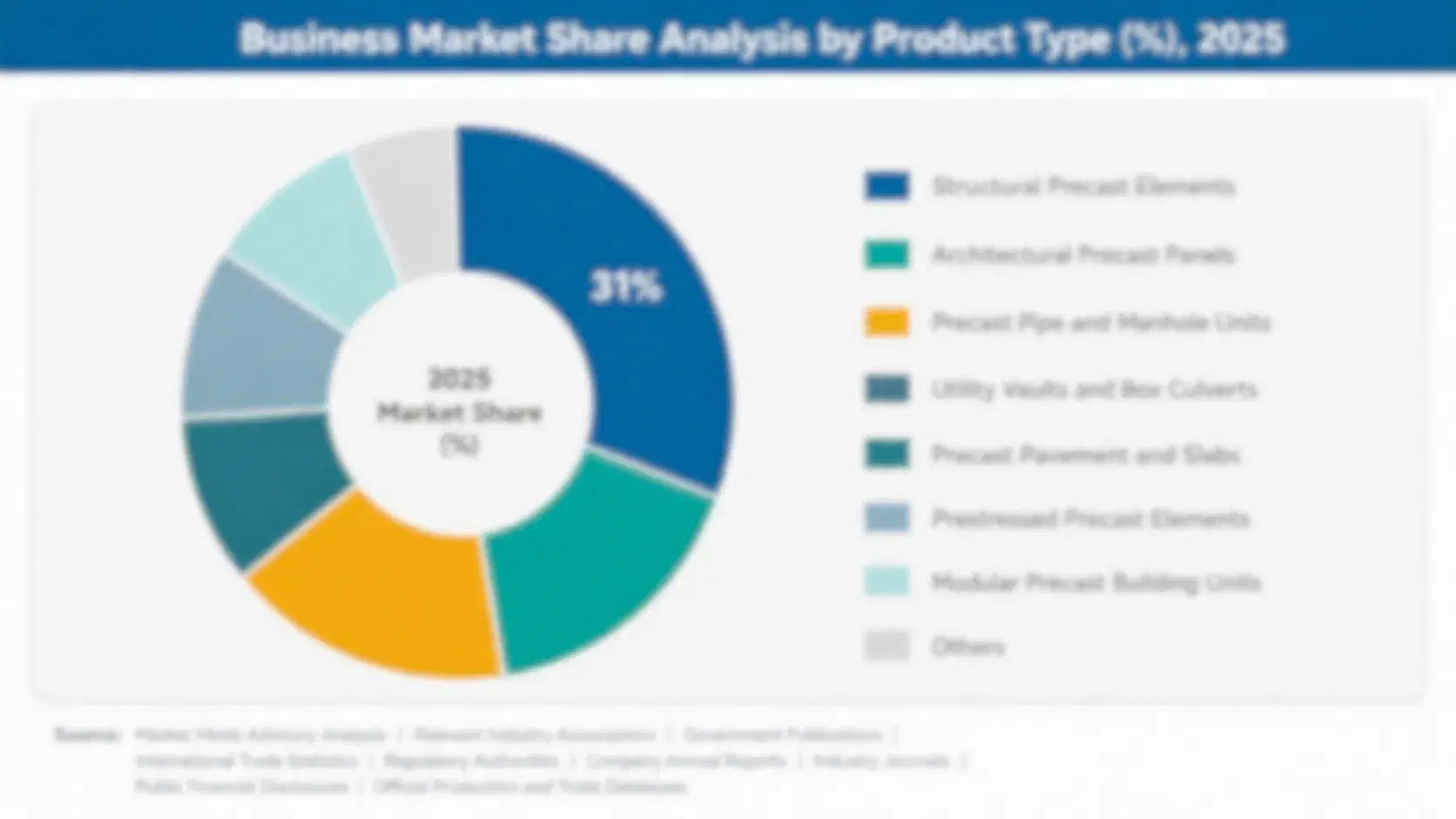
The global egg replacement ingredient market is segmented by ingredient system, which shows where functionality, approval status and price tolerance differ. Five segments cover starch and hydrocolloid blends, legume and pulse protein replacers, precision-fermentation egg proteins, fibre and seed-based replacers and soy and potato protein replacers. Fermentation and legume systems grow fastest, while starch blends carry the largest sales.
egg-replacement-ingredient-market-market-share-analysis-1789975507229

Precision Fermentation and Novel Egg Proteins

Precision Fermentation and Novel Egg Proteins is the fastest-growing segment at 11.9% a year, about 1.40 times the overall market rate, from a very small base. Developers use engineered microbes to make ovalbumin and other egg proteins that copy hen egg foaming and gelling, and premium bakers and food makers test them in meringues, mousses and clear-label products. Gross margins of 34% to 50% reward developers with strains, fermentation partners and application data. Growth depends on approvals in the United States, Singapore and Europe, cost per kilogram and capacity, while pilot trials precede commercial contracts. Suppliers with regulatory clearance and stable supply hold the strongest positions. Buyers wait for price parity before broad adoption.
CAGR 11.9%

Legume and Pulse Protein Egg Replacers

Legume and Pulse Protein Egg Replacers grows at 10.2% a year, about 1.20 times the overall market rate, because mung bean, chickpea, pea and faba isolates offer foaming, gelling and emulsifying at moderate cost and with clean-label appeal. Gross margins of 30% to 46% support brands and ingredient groups that sell liquids and powders to bakeries, sauce makers and plant-based scramble producers. Growth depends on flavour masking, colour control and supply of pulse protein from Canada, France and China, and buyers value simple ingredient lists. Suppliers with tuned grades, application labs and reliable supply hold the strongest positions with industrial bakers and food makers. Application labs help bakers choose grades for each recipe.
CAGR 10.2%
Full segment breakdown across 5 segments available in the complete report.

Regional Architecture and Country Demand Map

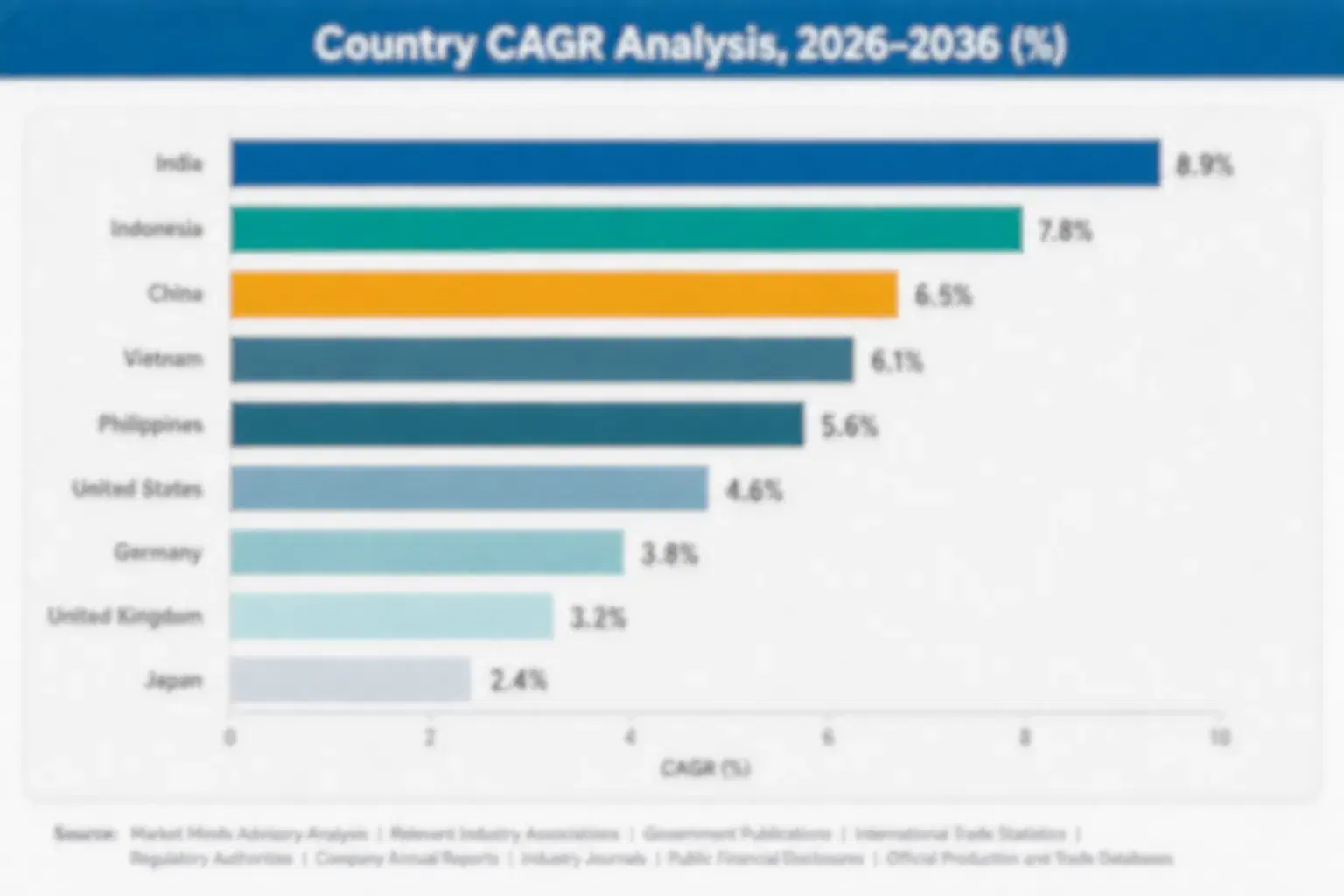
Western Europe leads at 30% because European ingredient groups and industrial bakeries concentrate technical demand, with North America at 27%. South Asia and Pacific grows fastest as bakery output expands. East Asia sits below its band, and Middle East and Africa holds a small share.

North America

North America holds 27% share, inside its band, with growth at the global rate of 8.5%. Ingredion, Cargill, ADM, Kerry and Bob's Red Mill supply bakery blends, while EVERY Company and Eat Just develop egg proteins and mung bean products. Avian influenza pushed United States egg prices to record levels in 2022 and 2023, which lifted trials, and FDA GRAS notices provide a faster route for novel proteins than European rules. Industrial bakeries and food service groups test partial replacement, and Canada supplies pea and faba protein. Mexico is counted in Latin America, and buyers review suppliers every year. Distributors review supplier performance every year, and contracts renew annually with bakeries.
Share: 27% | CAGR: 8.5% (2026 to 2036)

Western Europe

Western Europe holds 30% share, above its band, which justifies the out-of-band share: Europe hosts the largest concentration of egg replacer suppliers and industrial bakeries, with Puratos in Belgium, Palsgaard in Denmark, Kerry and Roquette in Ireland and France, and DSM-Firmenich in the Netherlands developing application-led blends. Because North America and Western Europe take the top two slots, the commercial reason is that both host ingredient groups, large bakeries and retailers with free-from ranges. Growth trails the global rate at 7.0% as the base matures, while novel food rules slow fermentation proteins. Distributors and bakery groups review supplier performance every year, and buyers expect stable specifications, clear allergen documents and local technical support.
Share: 30% | CAGR: 7.0% (2026 to 2036)
Regional intelligence for 5 additional markets available in the complete report: East Asia, South Asia and Pacific, Latin America, Middle East and Africa, Eastern Europe. Contact sales@marketmindsadvisory.com.
egg-replacement-ingredient-market-country-cagr-analysis-1789975507519

Four Margin Routes for Egg Replacer Suppliers

Margin in egg replacement ingredients comes from application performance, price-cycle resilience, novel protein access and technical service rather than volume alone. The routes below apply to ingredient groups, protein developers and blenders, and each can start inside one planning cycle, with clear measures in gross margin points and cost per kilogram. Payback usually runs two to four years.

Building Application Labs and Recipe Libraries for Partial Replacement Programmes

Bakers buy proven recipes, so suppliers that build application labs, run cake, bread and sauce trials and publish replacement levels of 25% to 50% win accounts worth 12% to 20% of category volume and lift service margins by two to four points. Labs cost $1 million to $4 million. Suppliers should offer trial lots, share cost-saving models at several egg prices and provide on-site support, since bakers rarely switch once a blend works, and technical service is the main reason customers stay with a supplier. Results guide which recipes to convert first.
Market Impact: application labs win accounts worth 12-20% of volume

Tuning Legume Protein Grades for Foam, Gel and Colour Performance

Foaming and colour gaps limit replacement, so suppliers that modify mung bean, chickpea and pea proteins with enzymes, control off-flavours and match yolk colour with natural colourants lift usable replacement levels by 15% to 30% and win premium applications. Development costs $0.3 million to $1 million per grade. Suppliers should test in meringues, mousses and sauces, publish foam stability data and hold stability trials across shelf life, since buyers judge performance in the actual product and switch only when results match egg. Buyers also expect consistent lots, so suppliers should publish batch data alongside performance results.
Market Impact: tuned grades lift usable replacement levels by 15-30%

Securing Regulatory Clearance in Sequence for Fermentation-Derived Egg Proteins

Approval is the gating factor for revenue, so developers that file in the United States, Singapore and Europe in a planned sequence, share safety data and meet regulators early cut time to market by six to 12 months. Dossiers cost $1 million to $5 million each. Developers should invest in host characterisation and allergenicity data, since regulators judge each product individually, and delays cost more in lost partner confidence than the dossier itself in a market where funding is selective and buyers list only cleared sources. Early regulator meetings also reduce the risk of avoidable questions.
Market Impact: planned filings cut time to market by 6-12 months

Offering Price-Cycle Contracts and Local Stock to Win Security Accounts

Egg shortages create urgent demand, so suppliers that offer multi-year contracts, price collars and local stock win supply security accounts worth 10% to 18% of category volume. Programmes cost $0.5 million to $3 million in working capital. Suppliers should hold two to three months of stock, agree price formulas linked to protein and starch indices and share forecasts with bakers, since buyers judge reliability by how a supplier behaves in a shortage, and contracts protect volume when egg prices fall again. Suppliers should also keep contracts flexible enough to protect both sides when egg prices fall again.
Market Impact: supply security contracts win 10-18% of category volume

Who Controls the Margin Pool

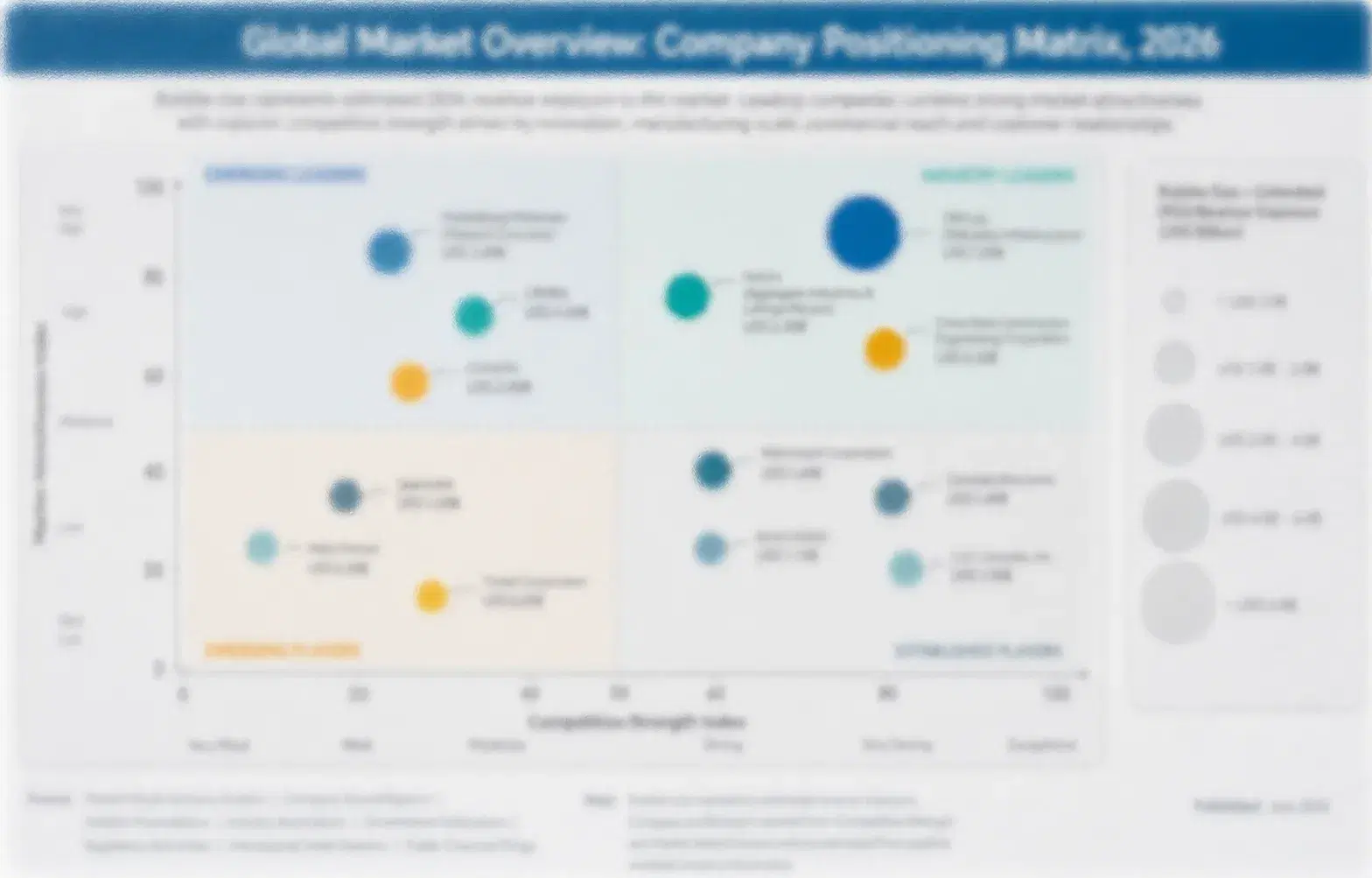
The global egg replacement ingredient market is moderately fragmented, with a CR5 of 37%, because bakery ingredient groups, starch and protein suppliers and fermentation developers compete in different system types. This assessment measures participants on estimated egg replacement ingredient sales value, held constant across all players. Puratos and Kerry Group lead through application labs and bakery relationships, Ingredion, Cargill and DSM-Firmenich follow, and the gap between the leader and the fifth player is moderate.
Competition runs on four dimensions today: functional performance in foam, gel and bind, application support, supply security and clean-label credentials. Large groups win on scale and technical service, specialists win on protein performance, and fermentation developers win on novelty. Buyers compare replacement level, colour and cost per batch, and a failed bake trial or supply gap can remove a supplier from a recipe within one cycle.

Emerging pressure comes from pulse protein producers moving into blends, from fermentation developers signing food group partnerships and from Asian suppliers offering lower cost. Rankings shift where a supplier wins a large bakery, secures a novel protein approval or proves reliability in a shortage, and consolidation continues as large groups buy specialist blenders and developers.
egg-replacement-ingredient-market-company-positioning-matrix-1789975507866

Competitive Moat and Risk Dimensions

PURATOS

Moat: Bakery Application Labs and Reach

Puratos, the Belgian bakery and confectionery ingredient group, operates application centres worldwide and supplies egg replacement systems alongside improvers, fillings and chocolate. Its deep bakery relationships, recipe libraries and technical service teams give it credibility, and its family ownership supports long-term investment in plant-based baking.
PURATOS

Risk: Bakery Sector Exposure

Puratos depends on bakery customers, so weak consumer demand or egg price normalisation reduces urgency for replacement. Larger ingredient groups and protein developers compete on technology, and inflation in raw materials squeezes margins. Private ownership limits disclosure, and investors have limited visibility. Investors expect steady growth.
KERRY GROUP

Moat: Ingredient Breadth and Technology

Kerry Group, the Irish taste and nutrition group, supplies proteins, emulsifiers, enzymes and flavours and offers egg replacement systems within its bakery and food solutions. Its range of ingredients, application labs and global customer base allow it to build complete systems, and its acquisitions in enzymes and proteins support clean-label reformulation.
KERRY GROUP

Risk: Portfolio Breadth and Focus

Kerry Group serves many categories, so egg replacers compete for research and sales resources. Pulse protein cost and competition from specialists press margins, and large customers can negotiate hard on price. Investors expect steady returns and clear progress in plant-based ingredients. Some customers may also dual-source from specialists.

Players Tracked

Prominent Players

Puratos
Kerry Group
Ingredion
Cargill
DSM-Firmenich

Other Key Players

Corbion
Palsgaard
Roquette
ADM
Tate & Lyle
Novonesis
Eat Just
EVERY Company
Onego Bio
Follow Your Heart
Orgran
Ener-G Foods
Avebe
Beneo
Bunge

Recent Developments

JANUARY 2026

Puratos Expands Egg Replacement Application Support With New Bakery Trial Programme Across European Customers

Puratos expanded egg replacement application support with a new bakery trial programme across European customers, according to company communications. It is a technical programme, not an acquisition, and it tests replacement demand. The programme covers cakes and breads. Financial terms were not disclosed. Timing remains open.
Signal: Confirms leading bakery ingredient groups are investing in application support because bakers need proof of performance at several egg prices.
FEBRUARY 2026

Ingredion Launches Pulse Protein and Starch Egg Replacement Blend for Industrial Bakery and Sauce Applications

Ingredion launched a pulse protein and starch egg replacement blend for industrial bakery and sauce applications, according to company communications. It is a product launch, not an acquisition, and it tests partial replacement demand. The blend covers cakes and dressings. Sales terms were not disclosed.
Signal: Shows starch leaders are adding pulse protein because foam and gel performance decide replacement levels in industrial recipes.
MARCH 2026

EVERY Company Announces Commercial Supply Agreement for Precision-Fermentation Egg Protein With Food Manufacturer

EVERY Company announced a commercial supply agreement for precision-fermentation egg protein with a food manufacturer, according to company communications. It is a supply agreement, not an acquisition, and it tests premium application demand. The agreement covers annual volumes and quality audits. Financial terms were not disclosed.
Signal: Indicates fermentation developers are winning commercial customers because premium applications value egg white performance without hens.

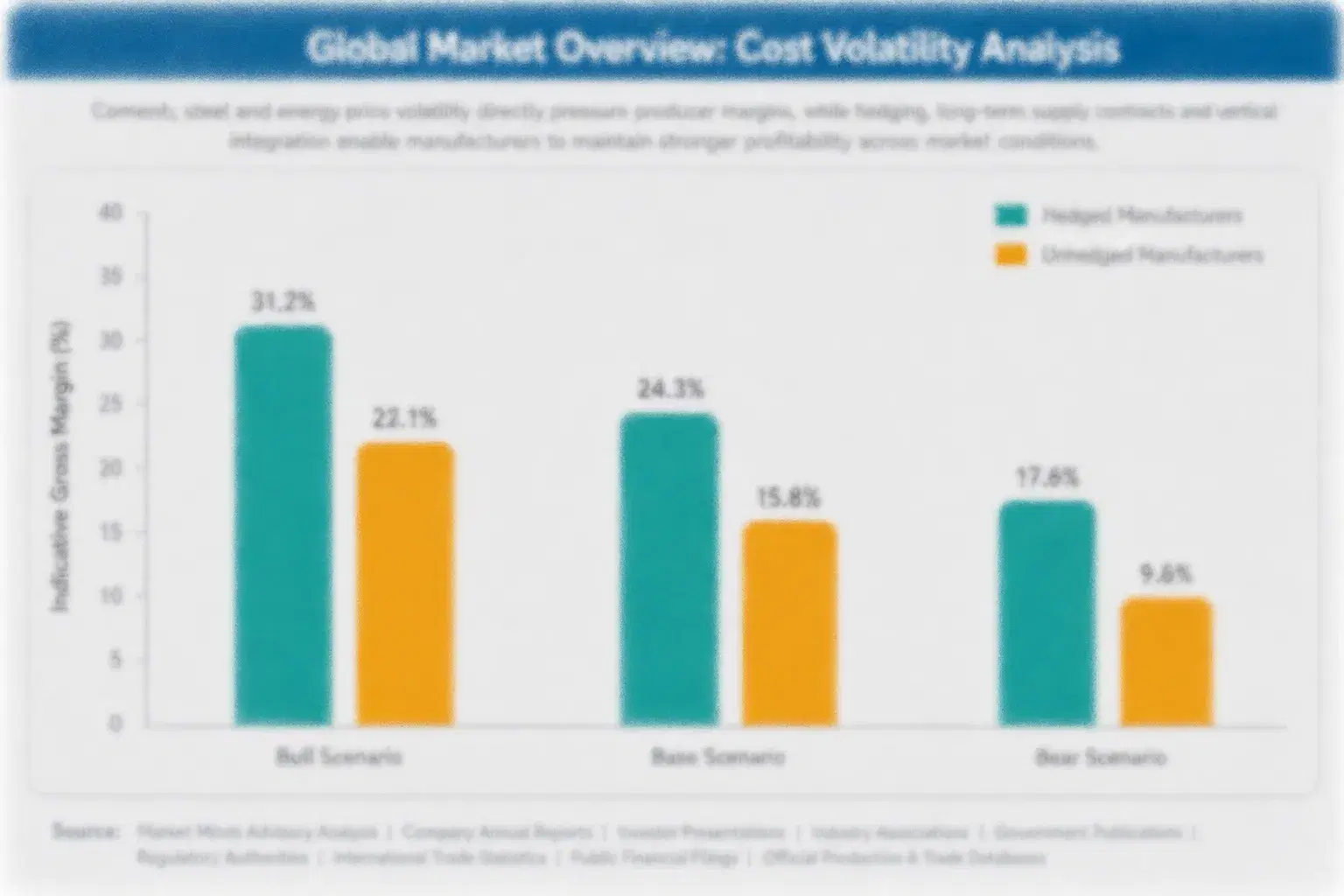
Legume Protein, Starch and Gum Costs

Legume proteins and other proteins account for roughly 24% of production cost, starches and gums about 18%, emulsifiers, colours and flavours about 10%, packaging about 8%, and energy, labour, application support and overheads about 40%. Pulse protein comes from Canada, France, China and the United States, starches from Europe, Thailand and the United States, and gums from Indonesia, India and Europe.
The clearest recent shock came in 2022 and 2023. USDA egg market reports and Eurostat data show wholesale egg prices rising by 30% to 100% in shortage periods, while EIA data show industrial power and natural gas costs surging, and FAO data show cereal and pulse prices at multi-year highs. Suppliers absorbed part of the increase because contracts repriced only at annual resets, which compressed margins on protein-heavy blends.

The disadvantage falls on small blenders without protein or starch contracts, because they cannot pass through swings on annual terms and buy in small lots. Exposure varies by player type: large groups hedge and hold multi-origin supply, specialist blenders face spot protein prices, and fermentation developers face capacity and energy costs with limited pricing power.
egg-replacement-ingredient-market-cost-volatility-analysis-1789975508152

Portfolio Architecture for Margin Defence

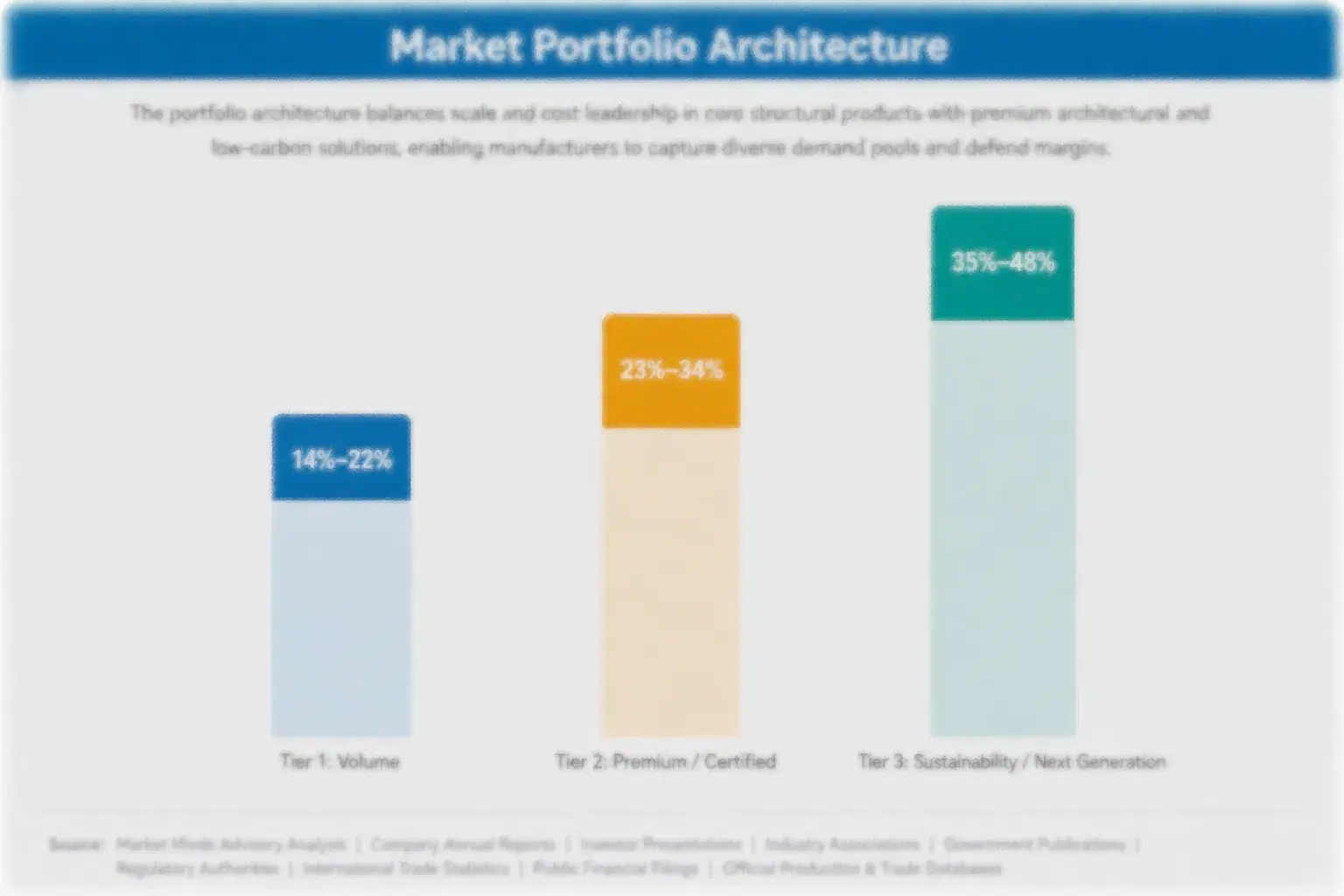
Margins run from moderate returns on starch and hydrocolloid blends sold in bulk to strong returns on tuned legume proteins and novel egg proteins sold with application support. Three tiers separate volume products, premium certified lines and next-generation solutions, and each draws on different protein access, functional tuning and regulatory status in a market where technical service drives loyalty. Margin gaps between tiers run to 16 points.
The tension between volume and premium is sharp. Starch blends fill bakery orders at modest prices and face constant pressure from egg when prices fall, while tuned legume proteins and novel egg proteins earn higher margins on smaller volumes and depend on foam performance, approvals and supply security. Suppliers that run only volume suffer when egg prices ease, while premium-only suppliers struggle to reach the scale that industrial bakers need.

High-value pools concentrate in legume protein systems for foam and gel and in fermentation-derived proteins for premium applications. They gather where buyers pay for performance, clean labels and supply security, not for the replacement claim alone. Fibre and seed-based systems add a smaller pool, and strong suppliers hold more than one, though each needs different technology, approvals and application labs.

Volume / Commodity-Adjacent

Starch and hydrocolloid blends for partial egg replacement in cakes, muffins and breads sold on price per kilogram under annual contracts. Buyers focus on cost and bake performance, technical differentiation is limited by shared starch and gum systems, and egg prices drive trials.
Gross Margin: 28%-38%

Premium / Certified

Legume and pulse protein systems with vegan certification, clean labels and tested foam and gel performance, sold to industrial bakeries and sauce makers. Buyers value performance, technical support and reliable supply, and contracts run for one to two years.
Gross Margin: 36%-48%

Sustainability / Regulatory / Next-Generation

Fermentation-derived egg proteins and tuned protein grades with regulatory clearance, life cycle data and supply guarantees, sold to premium food makers. Contracts depend on approvals, cost per kilogram and partnerships that share capacity risk.
Gross Margin: 40%-52%
egg-replacement-ingredient-market-portfolio-architecture-1789975508496

Why Bakers Keep Egg Replacers

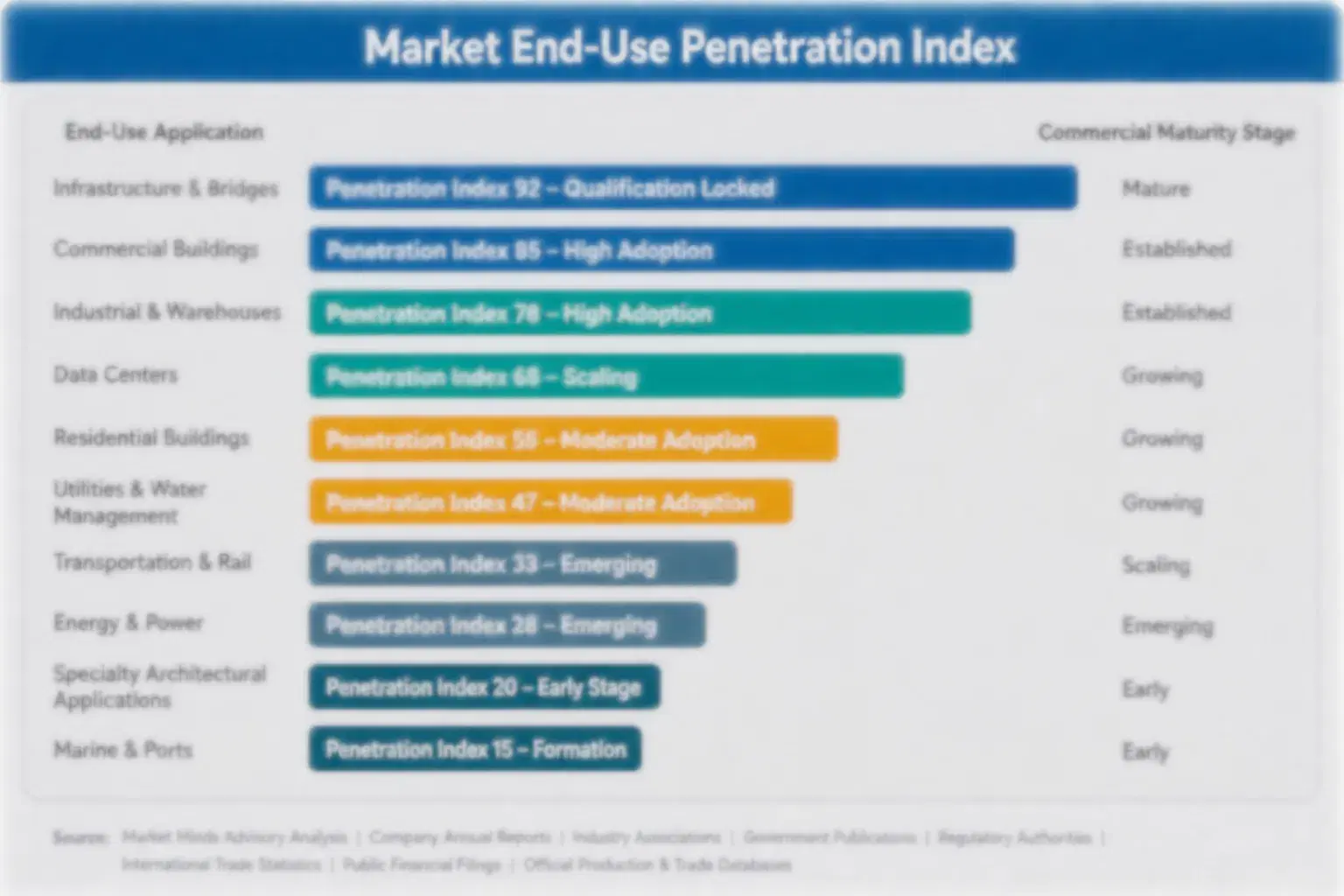
Egg replacement demand behaves like an annuity attached to recipes, specifications and label claims. Once a baker qualifies a replacer through bake trials, shelf life tests and labelling checks, reorders follow every month, and switching means new trials, recipe changes and approvals. Buyers set annual volume plans around production schedules, so suppliers with reliable stock and technical service earn priority allocation. Trust, once earned, takes years to lose.
Adoption stickiness differs by end-use vertical. Vegan and allergen-free product makers are the deepest, since replacement is central to product identity and reformulation is costly. Industrial bakeries using partial replacement are moderately sticky, driven by cost and supply security. Sauce and confectionery makers are more fluid, changing systems when egg prices normalise, though suppliers with proven performance hold contracts for several seasons.

Buyer profiles are shifting between generations. Older purchasing teams saw egg replacers as a niche allergen tool, while newer teams ask for cost resilience, carbon footprint, clean labels and approval status. Retailers and regulators add a third group that sets allergen and labelling expectations. Suppliers that publish performance data and life cycle results win newer buyers.
egg-replacement-ingredient-market-end-use-penetration-index-1789975508813

MMA Verdict on Egg Replacer Strategy

These are among the four positions where our research anticipates prominent divergence between winners and laggards over the coming forecast period. Each is grounded in the demand model, the regulatory perimeter, and the announced capacity pipeline.
01 / APPLICATION SUPPORT STRATEGY

Build Application Labs and Recipe Libraries Before Bakers Lock In Rival Systems

Bakers buy proven recipes, and application labs with published replacement levels of 25% to 50% win accounts worth 12% to 20% of category volume. Suppliers should invest $1 million to $4 million per lab, offer trial lots and share cost-saving models at several egg prices. Those that delay will lose recipe positions over the next two years, while early movers hold lasting customer relationships, stronger margins and steady repeat volume across every bake trial, contract round and annual supplier review.
02 / PROTEIN PERFORMANCE STRATEGY

Tune Legume Protein Grades for Foam and Colour Before Egg Prices Recover

Foaming and colour gaps limit replacement, and tuned mung bean, chickpea and pea grades lift usable replacement levels by 15% to 30%. Suppliers should invest $0.3 million to $1 million per grade, test in meringues, mousses and sauces and publish foam stability data and batch records. Those that delay will lose premium applications over the next two years, while early movers hold lasting performance credibility, premium pricing and stronger customer trust across every bake trial, audit cycle, lot release and annual technical review.
03 / REGULATORY SEQUENCING STRATEGY

File Egg Protein Approvals in Sequence Before Competitors Claim Clearance First

Approval is the gating factor for revenue, and planned filings in the United States, Singapore and Europe cut time to market by six to 12 months. Developers should invest $1 million to $5 million per dossier, characterise hosts thoroughly and share safety data early. Those that delay will miss launch windows over the next two years, while early movers hold clearance, credibility and investor confidence across every funding round, regulator review and annual partner planning cycle, especially when capacity is scarce.
04 / SUPPLY SECURITY STRATEGY

Offer Price-Cycle Contracts and Local Stock Before Buyers Choose Rival Security Suppliers

Egg shortages create urgent demand, and multi-year contracts with local stock win security accounts worth 10% to 18% of category volume. Suppliers should invest $0.5 million to $3 million in working capital, hold two to three months of stock and agree price formulas linked to protein indices. Those that delay will lose shortage-period accounts over the next two years, while early movers hold steady volume, buyer trust and stronger and lasting margins across every shortage, contract round and annual supplier assessment.

Engagement Snapshot From the Field

A live engagement with an industry participant carrying material or product regulatory and market exposure ahead of a defining policy shift, showing how our research translates into a defensible multi-year portfolio strategy.
MARKET MINDS ADVISORY · CLIENT ENGAGEMENT SUMMARY
Egg Replacement Ingredient Producer Strategic Portfolio Review and Transition Roadmap 2026·Investment Scenario on Egg Replacement Ingredient Exposure Evaluation 2025-26
CLIENT PROFILE
The client is a mid-sized European industrial bakery with annual sales near $480 million (client-reported, unverified by MMA), producing cakes, muffins and breads for retail chains and food service. About 8% of sales used egg replacement in vegan lines, egg costs had risen sharply during shortages, and management wanted a plan to reduce egg exposure across mainstream products without hurting quality.
STRATEGIC CHALLENGE
Egg accounted for about 11% of recipe cost in cakes (client-reported, unverified by MMA), a first replacer had left a pale crumb and a fermentation-derived protein trial was too expensive at current prices. Management had to decide whether to adopt partial replacement, test legume proteins or wait for novel proteins, with limited capital and three plants. Key retailers wanted egg-free samples within nine months.
MMA APPROACH
MMA analysed sales, cost and recipe data across 60 products, interviewed 14 bakery managers, retail buyers and ingredient suppliers, and ran a shopper survey on taste, colour and labelling across three countries. It modelled margin by recipe and egg price scenario, compared partial replacement, legume protein and novel protein options by payback and execution risk, and tested each against egg and protein price paths.
KEY FINDINGS
  1. Partial replacement at 35% of egg weight in cakes and muffins would cut recipe cost by about 6% at normal egg prices (client-reported, unverified by MMA).
  2. A tuned pulse protein grade with natural colourant would restore crumb colour and lift taste scores by about 12% (client-reported, unverified by MMA).
  3. Fermentation-derived egg white would cost about seven times egg white and suit only premium meringue lines for now (client-reported, unverified by MMA).
  4. A multi-year supply contract with local stock would secure two months of protein during shortages at a cost of about $0.5 million (client-reported, unverified by MMA).
CLIENT PROFILE
The client is a mid-sized European industrial bakery with annual sales near $480 million (client-reported, unverified by MMA), producing cakes, muffins and breads for retail chains and food service. About 8% of sales used egg replacement in vegan lines, egg costs had risen sharply during shortages, and management wanted a plan to reduce egg exposure across mainstream products without hurting quality.
STRATEGIC CHALLENGE
Egg accounted for about 11% of recipe cost in cakes (client-reported, unverified by MMA), a first replacer had left a pale crumb and a fermentation-derived protein trial was too expensive at current prices. Management had to decide whether to adopt partial replacement, test legume proteins or wait for novel proteins, with limited capital and three plants. Key retailers wanted egg-free samples within nine months.
MMA APPROACH
MMA analysed sales, cost and recipe data across 60 products, interviewed 14 bakery managers, retail buyers and ingredient suppliers, and ran a shopper survey on taste, colour and labelling across three countries. It modelled margin by recipe and egg price scenario, compared partial replacement, legume protein and novel protein options by payback and execution risk, and tested each against egg and protein price paths.
KEY FINDINGS
  1. Partial replacement at 35% of egg weight in cakes and muffins would cut recipe cost by about 6% at normal egg prices (client-reported, unverified by MMA).
  2. A tuned pulse protein grade with natural colourant would restore crumb colour and lift taste scores by about 12% (client-reported, unverified by MMA).
  3. Fermentation-derived egg white would cost about seven times egg white and suit only premium meringue lines for now (client-reported, unverified by MMA).
  4. A multi-year supply contract with local stock would secure two months of protein during shortages at a cost of about $0.5 million (client-reported, unverified by MMA).
RECOMMENDED STRATEGY
Phase 1: Phase 1 (Months 1-9): Adopt partial replacement in three cake lines, test tuned pulse protein grades and prepare updated labels for retailers. Phase 2: Phase 2 (Months 10-24): Extend replacement across muffins and breads, sign the supply contract with local stock and launch an egg-free range. Phase 3: Phase 3 (Months 25-42): Review protein contracts yearly, pilot fermentation-derived egg white in a premium line and decide on further replacement.
OUTCOME
Within 42 months, partial replacement covered 45% of egg use, egg cost exposure fell by about 20% and the egg-free range reached 9% of sales (client-reported, unverified by MMA). Taste scores held, supply continued through a later shortage, and one premium meringue line used novel egg protein.

Frequently Asked Questions

Foundational context covering the market sizes, CAGR, scope, country, region and competition that inform every finding below. This section is provided to cover basics and most often pre-purchase conversations, answered from the MMA Primary Research Dataset.

What is the current size of the Egg Replacement Ingredient Market?

The global egg replacement ingredient market was valued at $1.30 billion in 2025 on an ingredient sales basis. Growth reflects egg price volatility and vegan launches, offset by performance gaps and approval timelines.

How large will the Egg Replacement Ingredient Market be by 2036?

The market is projected to reach $3.19 billion by 2036, up from $1.41 billion in 2026. The increase of $1.78 billion reflects legume proteins, fermentation-derived proteins and Asian growth.

What is the CAGR for the Egg Replacement Ingredient Market 2026 to 2036?

The market is forecast to grow at an 8.5% CAGR from 2026 to 2036. The bull case reaches 9.8% and the bear case 7.2%, depending on egg prices, approvals and protein costs.

Which segment is growing fastest?

Precision Fermentation and Novel Egg Proteins is the fastest-growing segment at 11.9% CAGR, roughly 1.40 times the overall market rate. Legume and Pulse Protein Egg Replacers follows at 10.2% CAGR.

Who are the major companies in the Egg Replacement Ingredient Market?

Major companies include Puratos, Kerry Group, Ingredion, Cargill and DSM-Firmenich. Corbion, Palsgaard, Roquette, EVERY Company and Onego Bio also hold meaningful positions in specific segments.

Which country is growing fastest?

Singapore is growing fastest at about 12.5% CAGR, because early regulatory approvals, development hubs and government support expand together. India and Japan follow as bakery demand and egg shocks raise interest.

Report Segmentation Architecture

The full report scope spans multiple orthogonal segmentation dimensions, with cross-tabulated demand data provided for each dimension pair. Coverage extends further to regional breakdowns, trend trajectories, and the competitive detail needed to support segment-level decision-making.

By Primary Market Dimension

  • Precision Fermentation and Novel Egg Proteins
  • Legume and Pulse Protein Replacers
  • Starch and Hydrocolloid Blends
  • Fibre and Seed-Based Replacers
  • Soy and Potato Protein Replacers

By End-Use Industry

  • Industrial Bakeries
  • Confectionery and Desserts
  • Sauces and Dressings
  • Plant-Based Food Manufacturing

By Commercial Dimension

  • Direct Supply to Food Manufacturers
  • Ingredient Distributors
  • Licence and Co-Development Agreements
  • Contract Manufacturing Supply
  • Trial and Pilot Programmes

By Region

  • North America
  • Western Europe
  • East Asia
  • South Asia and Pacific
  • Latin America
  • Middle East and Africa
  • Eastern Europe

Scope, Methodology, and Coverage

Every figure in this report is reproducible from documented input assumptions. The scope below maps the historical period, the forecast horizon, the segmentation dimensions, and the countries covered, alongside the underlying primary and qualitative methodology.
Historical Period
2020 to 2025
Forecast Period
2026 to 2036
Base Year
2025 (USD billions; MMA Primary Research Dataset, September 2026)
Market Definition
The market covers global sales of egg replacement ingredients, defined as functional ingredients and blends that replace hen egg in whole or in part, including starch and hydrocolloid blends, legume and pulse protein isolates and liquids, potato, soy and fibre-based replacers and precision-fermentation egg proteins, sold to bakeries, confectioners and food manufacturers. It excludes hen egg products, finished plant-based scramble products sold to consumers, egg-free mayonnaise as a finished condiment and pet food binders.
Quantitative Units
USD billions (ingredient sales revenue); tonnes for volume references
Segmentation Dimensions
By Ingredient System; By End-Use Industry; By Commercial Dimension; By Region
Regions Covered
North America, Western Europe, East Asia, South Asia and Pacific, Latin America, Middle East and Africa, Eastern Europe
Countries Covered
United States, Canada, Mexico, Belgium, Denmark, Ireland, France, Netherlands, Germany, United Kingdom, Poland, Japan, China, South Korea, Singapore, Australia, India, Thailand, Brazil, Argentina, Israel, Turkey, South Africa, and additional markets relevant to this sector
Key Companies Profiled
Puratos, Kerry Group, Ingredion, Cargill, DSM-Firmenich, Corbion, Palsgaard, Roquette, ADM, Tate & Lyle, Novonesis, Eat Just, EVERY Company, Onego Bio, Follow Your Heart, Orgran, Ener-G Foods, Avebe, Beneo, Bunge
Quantitative Methodology
Primary survey, n=3,800 respondents, Q4 2025, six countries; demand-side model with trade association cross-validation
Qualitative Methodology
47 expert interviews, Q4 2025; applied to validate demand model assumptions, identify emerging dynamics, and assess competitive positioning
Report Format
PDF and XLSX data workbook (Word format preview document)
Publisher
Market Minds Advisory
Report Code
MMA-2026-AGR-217
Published
September 2026
Contact
sales@marketmindsadvisory.com | www.marketmindsadvisory.com

Purchase the full Egg Replacement Ingredient Market Report (2026 to 2036).

The full report delivers a detailed assessment of the egg replacement ingredient market through 2036, covering ingredient system, end-use and regional forecasts, competitive benchmarking of leading ingredient groups, protein developers and blenders, and input cost analysis. It combines MMA primary research, including a six-country survey of 3,800 respondents and 47 expert interviews, with public statistical and company data. Analysts also model egg price cycles, approval timelines and protein supply scenarios. Clients receive system margin ranges, supply maps and a case study on growth strategy. Supplier programme and contract frameworks are also included.
Ten-year ingredient system and end-use demand forecasts
Protein, starch, and egg price tracking
Competitive benchmarking of leading egg replacer suppliers
GRAS and novel food approval tracker
Regional market comparative analysis and forecasts included
Quarterly primary survey data update access

Built For The People Who Decide

From boardroom strategy to bench-side execution, this report is read cover-to-cover by leaders shaping the next decade of their industry, turning demand scenarios, market dynamics and valuation benchmarks into decisions.
CXOs/ Presidents/ VPs/ Managers
M&A and Corporate Development
Strategy Teams and R&D Heads
Procurement and Product Directors
Regulatory and Compliance Leaders
Investor Relations and Equity Analysts