Market Minds Advisory
Early Growth Nutrition Market

Early Growth Nutrition Market: Early Growth Nutrition Market. Falling Births, Premium Formula Science, and Registration Rules Shape Infant and Toddler Nutrition Returns.

Early growth nutrition turns on falling birth rates in China and East Asia, premium formula science using human milk oligosaccharides, strict Chinese registration rules, safety recall risk after 2022 shortages.

Lead Analyst

Published

September 2026

Make Smarter Decisions with Customized Research Insights

Request a free sample report and evaluate market opportunities, growth trends, and competitive dynamics relevant to your business needs.

2025 MARKET VALUE$85.0BMarket Size 2025
2036 FORECAST VALUE$145.4BBase Case , 2026 to 2036
CAGR 2026 TO 20365.0 %Bull 6.2% / Bear 3.8%
INCREMENTAL OPPORTUNITY$56.1BNet 10- year value creation
EXPANSION MULTIPLE1.63x2036 value over 2026 base
Strategic Levers
M&A Pipeline
Regional Outlook
Country Rankings
Competitive Intelligence
Segmental Deep-dive
Call-Us : 91 93563 13602

Executive Snapshot and Market Trajectory.

Early growth nutrition covers standard infant and follow-on formula, growing-up milks for toddlers, goat milk and organic formulas, functional formulas with human milk oligosaccharides and milk fat globule membrane, and baby cereals and purees for children up to three years. Value depends on births, premiumisation and safety trust.
Goat Milk and Organic Formulas grows fastest as parents in China, Australia and Europe pay for gentler, cleaner positioned products, while standard formula still carries the volume. East Asia holds the largest share because China is the world's biggest formula market and Japan and Korea add premium demand, and Western Europe follows through exports and local brands. Buyers review suppliers every season. Supply contracts decide renewal.
Supply is concentrated among global and Chinese formula groups: a Swiss food group, a Chinese dairy and formula company, a French dairy and nutrition group, an American healthcare company and a British consumer health group lead, measured here on estimated early growth nutrition sales volume, while regional brands and goat milk specialists fill gaps. Parents judge safety, science and price, and registration rules shape access. Delivery reliability decides supplier rankings. Margins follow process discipline.
Market Definition
The market covers global sales of nutrition products for infants and toddlers up to about three years, valued at manufacturer level, including standard infant and follow-on formula, growing-up milks, goat milk and organic formulas, functional formulas with human milk oligosaccharides and milk fat globule membrane, and baby cereals and purees, sold through grocery, pharmacy, online and cross-border channels. The scope excludes medical and anti-regurgitation formulas, enteral products and toddler snack bars covered by separate reports.
Base Year Value
$85.0B in 2025 (MMA Primary Research Dataset, September 2026)
Forecast Period
2026 to 2036, eleven discrete annual values
CAGR
5.0% base case. Bull 6.2%. Bear 3.8%.
Fastest Growth Segment
Goat Milk and Organic Formulas: 7.0% CAGR
Fastest Growth Country
India: 7.6% CAGR
Fastest Growth Region
South Asia and Pacific: 7.0% CAGR
Largest Region
East Asia: 40% of 2025 global value
Market Leaders
Nestlé, Feihe, Danone, Abbott, Reckitt. Source: MMA Analysis, company annual reports.
Primary Survey
n=3,800 procurement and R&D decision-makers, Q4 2025, six countries
Methodology
Demand-side build-up, cross-validated against public data, 47 expert interviews

Early Growth Nutrition Market Forecast Scenarios

early-growth-nutrition-market-size-forecast-scenario-1789947427555
Between 2020 and 2025, early growth nutrition value grew modestly as premiumisation offset falling births in China, Japan, South Korea and Europe. The 2022 United States shortage exposed supply fragility, Chinese domestic brands regained share from imports, and human milk oligosaccharides and goat milk moved from niches into mainstream ranges. Trial records protect future sales. Cost control separates leaders from followers.
The base case rests on three commercial mechanisms. First, higher spending per infant offsets falling birth numbers in most markets. Second, functional science and goat milk lift value per tonne. Third, growth in India, Southeast Asia and Africa adds new volume from a low base. Suppliers plan ingredient science, registrations and regional plants around these three drivers. Clear specifications build buyer trust. Small suppliers feel every price swing. Scale compounds over time.
The bull case needs a birth rate recovery in China and faster premium adoption in Asia and Africa, which would lift volume and value. The bear case is a deeper birth decline or another safety recall combined with a dairy cost spike, which would cut margins and shift buyers to cheaper local brands. Audits repeat every year.

Birth Rates, Formula Science, and Registration Rules Set Early Growth Nutrition Outcomes

Suppliers blend skim milk, whey, lactose, vegetable oils, oligosaccharides and micronutrients into powders and liquids that meet infant formula standards, and add cereals and purees for complementary feeding. Milk ingredients take 45% to 60% of formula cost, China takes about 32% of global value, and online and cross-border channels take about 31%. Safety, science and registration therefore set returns. Buyers review suppliers every season.
MARKET CONCENTRATION58% CR5Top five suppliers hold a majority combined share
MILK INGREDIENT COST SHARE45-60%Portion of formula cost taken by milk based ingredients
EXCLUSIVE BREASTFEEDING RATE48%Share of infants under six months exclusively breastfed worldwide
CHINA SHARE OF DEMAND32%Portion of global formula value sold in China
SUPER-PREMIUM PRICE MULTIPLE1.5-2.5xPrice multiple of premium formulas over standard formulas
ONLINE AND CROSS-BORDER SHARE31%Portion of sales made through online and cross-border channels
Safety, clinical science, registration status, brand trust and price decide value. Paediatricians advise on formula type, parents judge tolerance and cost, retailers judge margin and stock, and regulators inspect plants and approve recipes. Nestlé wins on global scale, Feihe wins on Chinese fresh milk positioning, and Danone wins on paediatric channels. Recalls move recommendations quickly. Supply contracts decide renewal. Delivery reliability decides supplier rankings.
Parents judge early growth products on safety, tolerance, brand trust, price and availability. Paediatricians want evidence, working parents want convenience, and cross-border shoppers want authentic imports. Price sensitivity is moderate for premium formulas and high for standard ones. Reviews and paediatric advice decide shortlists, and most switches happen after a health concern. Margins follow process discipline. Trial records protect future sales. Clear specifications build buyer trust.
"Fewer babies are born every year, so the winners will be the companies that sell each baby more science and more trust. Nobody forgives a recall, and every parent remembers the year the shelves emptied."
Senior Analyst, Infant Nutrition and Paediatric Health Practice · MMA Early Growth Nutrition Practice · September 2026

Market Trends

Goat Milk and Organic Formulas Win Parents Seeking Gentle Positioning

Parents in China, Australia and Europe pay for goat milk and organic formulas that promise gentler digestion and cleaner ingredients, and brands such as Ausnutria, Bubs, HiPP and Holle expand ranges. Goat Milk and Organic Formulas grows about 7.0% a year, and gross margins run 42% to 56% against 30% to 40% for standard formula. The trend needs milk supply, certification and clear evidence. Small suppliers feel every price swing. Scale compounds over time. Audits repeat every year. Buyers review suppliers every season. Supply contracts decide renewal. Delivery reliability decides supplier rankings.
Market Impact: 48% of infants exclusively breastfed

Functional Formulas Add Oligosaccharides and Milk Fat Globule Membrane

Formula makers add human milk oligosaccharides, milk fat globule membrane, probiotics and lactoferrin to bring formula closer to breast milk composition, backed by trials on immunity and cognition. Functional Formulas With HMOs and MFGM grows about 6.0% a year. The trend needs ingredient approvals, trial data and supply of oligosaccharides, and it rewards suppliers with research scale and patents. Margins follow process discipline. Trial records protect future sales. Cost control separates leaders from followers. Clear specifications build buyer trust. Small suppliers feel every price swing. Scale compounds over time. Audits repeat every year.
Market Impact: India records 23 million births yearly

Market Opportunities and Growth Drivers

Low Exclusive Breastfeeding Rates Sustain Formula and Follow-On Demand

The World Health Organization reports that only about 48% of infants under six months are exclusively breastfed worldwide, and working parents and health constraints keep formula use high. Follow-on and toddler products extend use through the second and third years. The driver sustains a large buyer base and rewards suppliers with trusted brands, safe supply and products that suit different feeding needs. Buyers review suppliers every season. Supply contracts decide renewal. Delivery reliability decides supplier rankings. Margins follow process discipline. Trial records protect future sales. Cost control separates leaders from followers. Clear specifications build buyer trust.
Market Impact: China births fell to 9 million

Rising Incomes in India, Southeast Asia, and Africa Add Volume

Urban middle-income families in India, Indonesia, Vietnam, Nigeria and Egypt adopt packaged infant nutrition as incomes rise, and birth numbers remain high. India alone records about 23 million births a year. The driver adds volume outside shrinking markets and rewards suppliers with local plants, affordable ranges, paediatric channels and compliance with local marketing rules. Small suppliers feel every price swing. Scale compounds over time. Audits repeat every year. Buyers review suppliers every season. Supply contracts decide renewal. Delivery reliability decides supplier rankings. Margins follow process discipline. Trial records protect future sales. Cost control separates leaders from followers.
Market Impact: one recall cuts sales 10-20%

Market Restraints and Challenges

Falling Births in China and East Asia Shrink Infant Base

Births in China fell from about 17.9 million in 2016 to about 9 million in 2023, and Japan and South Korea report similar declines. The root cause is later marriage and high child-rearing costs. Suppliers respond with premium products and exports, though a smaller infant base cuts volume and intensifies price competition among domestic and imported brands. Clear specifications build buyer trust. Small suppliers feel every price swing. Scale compounds over time. Audits repeat every year. Buyers review suppliers every season. Supply contracts decide renewal. Delivery reliability decides supplier rankings. Margins follow process discipline.
Market Impact: goat formulas grow 7.0% yearly

Safety Recalls and Strict Registration Rules Raise Supply Risk

The 2022 shutdown of an American plant caused shortages, and China limits each manufacturer to three brand series and nine recipes under registration rules. The root cause is safety concerns and regulatory tightening. Suppliers respond with second sites and safety testing, though a single recall can cut sales by 10% to 20% for months and delay new launches. Trial records protect future sales. Cost control separates leaders from followers. Clear specifications build buyer trust. Small suppliers feel every price swing. Scale compounds over time. Audits repeat every year. Buyers review suppliers every season.
Market Impact: functional formulas grow 6.0% yearly
3 additional market trends, 2 additional growth drivers, and 4 additional restraints and challenges are covered in the full report. Contact sales@marketmindsadvisory.com to access the complete intelligence.

Segment CAGR and Growth Architecture

The global early growth nutrition market is segmented by product type, which shows where science, sourcing and safety trust create pricing power in a concentrated supplier base. Five segments cover standard infant and follow-on formula, growing-up milks, goat milk and organic formulas, functional formulas with oligosaccharides and milk fat globule membrane, and cereals and purees.
early-growth-nutrition-market-market-share-analysis-1789947427830

Goat Milk and Organic Formulas

Goat Milk and Organic Formulas is the fastest-growing segment at 7.0% a year, about 1.40 times the overall market rate, from a mid-sized base. Parents pay for gentler digestion and cleaner ingredients, so gross margins of 42% to 56% against 30% to 40% for standard formula support certification and marketing spend. Milk supply and evidence are the main constraints. Suppliers with certified sourcing win. Supply contracts decide renewal. Delivery reliability decides supplier rankings. Margins follow process discipline. Trial records protect future sales. Cost control separates leaders from followers. Clear specifications build buyer trust. Small suppliers feel every price swing. Scale compounds over time. Audits repeat every year. Buyers review suppliers every season.
CAGR 7.0%

Functional Formulas With HMOs and MFGM

Functional Formulas With HMOs and MFGM grows at 6.0% a year, about 1.20 times the overall market rate, because parents and paediatricians seek formulas closer to breast milk, and suppliers accept gross margins of 40% to 54% for products backed by trials on immunity and cognition. Ingredient approvals and oligosaccharide supply shape entry. Suppliers with research scale hold price better than standard formula sellers. Supply contracts decide renewal. Delivery reliability decides supplier rankings. Margins follow process discipline. Trial records protect future sales. Cost control separates leaders from followers. Clear specifications build buyer trust. Small suppliers feel every price swing. Scale compounds over time. Audits repeat every year. Buyers review suppliers every season.
CAGR 6.0%
Full segment breakdown across 5 segments available in the complete report.

Regional Architecture and Country Demand Map

East Asia leads at 40% because China is the world's largest formula market and Japan and Korea add premium demand, with Western Europe at 16% on local and export supply. South Asia and Pacific grows fastest as Indian and Southeast Asian incomes rise. Supply contracts decide renewal.

East Asia

East Asia holds 40% share, far above its band, because China is the world's largest formula market and Feihe, Yili, Junlebao and Nestlé compete for premium parents, and Japan and South Korea add high-value demand from Meiji and Morinaga, which justifies the out-of-band share and puts it far ahead of other regions. Growth exceeds the global rate. Falling births, registration rules and price competition restrain returns. Delivery reliability decides supplier rankings. Margins follow process discipline. Trial records protect future sales. Cost control separates leaders from followers. Clear specifications build buyer trust. Small suppliers feel every price swing. Scale compounds over time. Audits repeat every year. Buyers review suppliers every season. Supply contracts decide renewal.
Share: 40% | CAGR: 6.0% (2026 to 2036)

Western Europe

Western Europe holds 16% share, below its band, because Danone, Nestlé, HiPP, Arla and FrieslandCampina supply local demand and large export volumes to Asia, while low birth rates limit domestic growth, which justifies the out-of-band share. Growth trails the global rate. Low births, EU composition rules, energy costs and dairy quota politics restrain margins. Delivery reliability decides supplier rankings. Margins follow process discipline. Trial records protect future sales. Cost control separates leaders from followers. Clear specifications build buyer trust. Small suppliers feel every price swing. Scale compounds over time. Audits repeat every year. Buyers review suppliers every season. Supply contracts decide renewal. Delivery reliability decides supplier rankings. Margins follow process discipline. Trial records protect future sales.
Share: 16% | CAGR: 3.5% (2026 to 2036)
Regional intelligence for 5 additional markets available in the complete report: North America, South Asia and Pacific, Latin America, Middle East and Africa, Eastern Europe. Contact sales@marketmindsadvisory.com.
early-growth-nutrition-market-country-cagr-analysis-1789947428188

Four Margin Routes for Early Growth Nutrition Suppliers

Margin in early growth nutrition comes from goat milk and functional formulas, second-site supply resilience, Asian registrations and affordable local ranges rather than plain standard formula volume. The routes below apply to formula makers, dairy suppliers and retailers, and each can start inside one planning cycle, with clear measures in gross margin points, registrations and supply continuity.

Shifting Standard Formula Volume Into Goat Milk and Organic Ranges

Goat milk and organic formulas earn gross margins of 42% to 56% against 30% to 40% for standard formula, so suppliers that add certified milk sourcing, clinical support and premium packaging to shift 10% of volume into these ranges report gross margin gains of two to four points on the mix. Programmes cost $30 million to $90 million. Pilots with five retailers confirm demand. Clear specifications build buyer trust. Small suppliers feel every price swing. Scale compounds over time. Audits repeat every year. Buyers review suppliers every season. Supply contracts decide renewal.
Market Impact: goat mix shift lifts gross margin by 2-4 points

Adding HMO and MFGM Science to Premium Ranges Through Trials

Parents and paediatricians seek formulas closer to breast milk, so suppliers that add HMOs, MFGM and probiotics and fund trials on immunity and cognition win paediatric accounts worth 8% to 14% of sales. Programmes cost $10 million to $30 million per programme. Suppliers should target premium retail and paediatric channels first, where evidence commands higher prices. Delivery reliability decides supplier rankings. Margins follow process discipline. Trial records protect future sales. Cost control separates leaders from followers. Clear specifications build buyer trust. Small suppliers feel every price swing. Scale compounds over time. Audits repeat every year.
Market Impact: functional science wins accounts worth 8-14% of sales

Building Second Manufacturing Sites and Safety Testing to Prevent Recalls

A single recall can cut sales by 10% to 20% for months, so suppliers that qualify second manufacturing sites, expand batch testing and hold safety stock protect contracts and retailer trust worth 6% to 12% of sales. Programmes cost $40 million to $120 million. Suppliers should prioritise plants serving the largest markets first, where a shortage would cause the largest brand damage. Buyers review suppliers every season. Supply contracts decide renewal. Delivery reliability decides supplier rankings. Margins follow process discipline. Trial records protect future sales. Cost control separates leaders from followers. Clear specifications build buyer trust.
Market Impact: second sites protect contracts worth 6-12% of sales

Launching Affordable Local Ranges and Registrations in India and Asia

India records about 23 million births a year and incomes are rising in Indonesia and Vietnam, so suppliers that register affordable local ranges, build regional plants and train paediatric channels lift qualified accounts by 12% to 20% each year. Programmes cost $15 million to $45 million. Suppliers should target urban parents first, where paediatric advice supports packaged nutrition. Small suppliers feel every price swing. Scale compounds over time. Audits repeat every year. Buyers review suppliers every season. Supply contracts decide renewal. Delivery reliability decides supplier rankings. Margins follow process discipline. Trial records protect future sales.
Market Impact: local ranges lift qualified accounts by 12-20% annually

Who Controls the Margin Pool

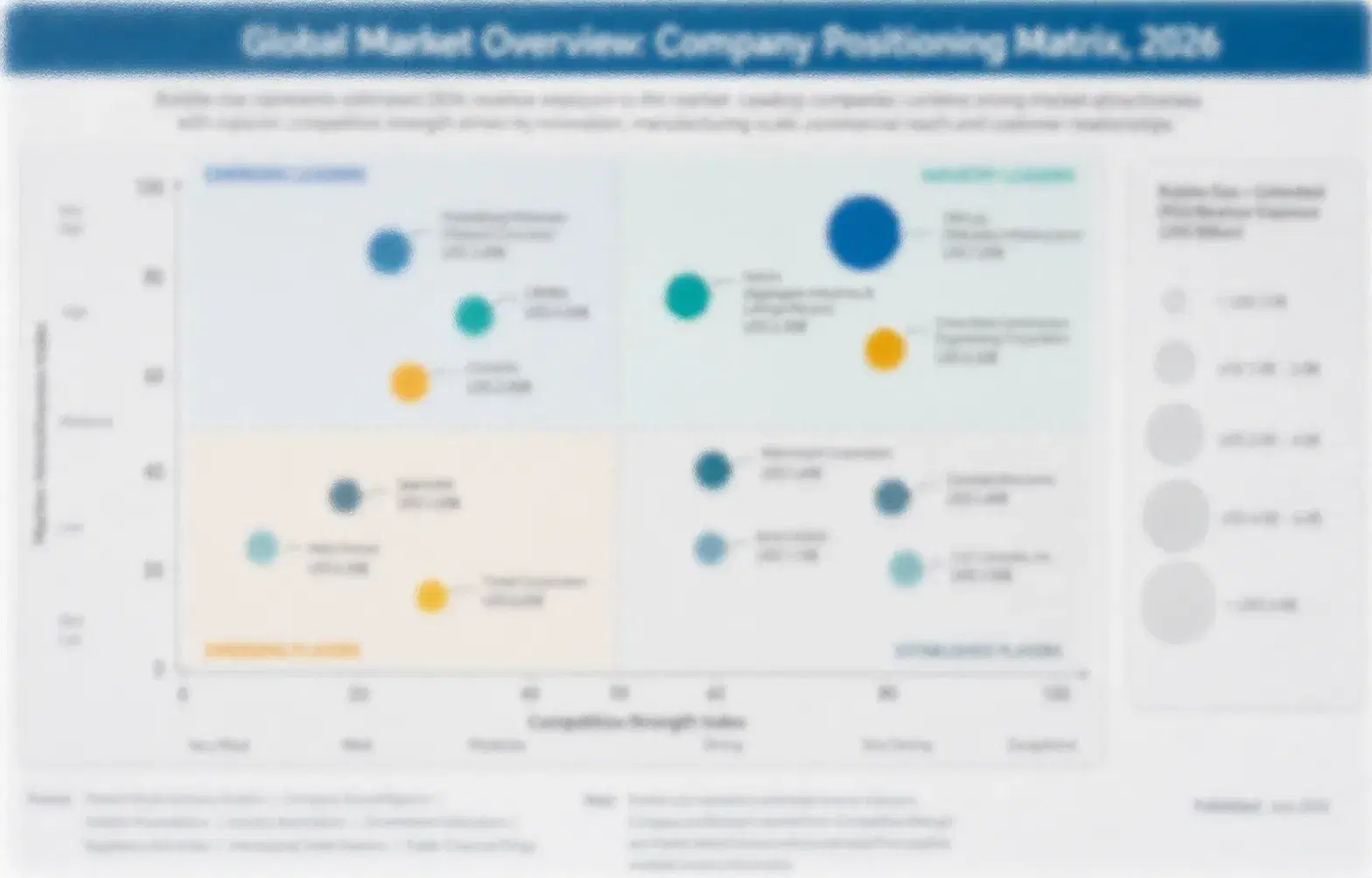
The global early growth nutrition market is concentrated, with a CR5 of 58%, and regional dairies, goat milk specialists and private label programmes sit outside the leading five. This assessment measures participants on estimated early growth nutrition sales volume, held constant across all players. Nestlé leads through global scale, while Feihe, Danone, Abbott and Reckitt follow, with a moderate gap between the leader and the challengers.
Competition runs on four dimensions today: safety record and supply continuity, formula science and ingredient approvals, registration and channel access, and price. Global groups win on scale, Chinese brands win on local trust, and goat milk specialists win on positioning. Imitators copy standard formulas quickly, so premiums outside evidence-backed and safely supplied products erode within a year. Cost control separates leaders from followers. Clear specifications build buyer trust.

Emerging pressure comes from Chinese domestic brands that gain share from imports, direct-to-consumer formula brands in North America, and regulators that tighten safety and nutrient rules. Rankings shift where a supplier wins a registration, avoids a recall or launches a proven functional formula. Challengers can move up quickly when leaders face recalls or supply shortages. Scale compounds over time.
early-growth-nutrition-market-company-positioning-matrix-1789947428506

Competitive Moat and Risk Dimensions

NESTLÉ

Moat: Global Scale and Formula Science

Nestlé, a Swiss food group, sells infant and toddler nutrition under NAN, Gerber, Wyeth and other brands through pharmacies, supermarkets and online channels worldwide, with large research centres, human milk oligosaccharide expertise and manufacturing scale on several continents. Its scale, research depth and brand portfolio give it a market advantage.
NESTLÉ

Risk: Birth Decline and Recall Sensitivity

Nestlé depends on infant volumes in shrinking markets and any safety recall can damage trust quickly. Local brands in China and specialists in goat milk can win parents who question imported formula. Audits repeat every year. Buyers review suppliers every season. Supply contracts decide renewal. Delivery reliability decides supplier rankings.
FEIHE

Moat: Chinese Fresh Milk Positioning

Feihe, a Chinese dairy and infant formula company, sells Feihe and Astrobaby formulas mainly in China with vertically integrated dairy farms, plants and strong local brand trust, and has expanded goat milk and organic ranges. Its integration, local trust and registration position give it a market advantage, and its position supports premium pricing among Chinese parents.
FEIHE

Risk: China Birth Rate Exposure

Feihe depends heavily on China, so falling births and intense price competition can cut sales and margins. Global groups with wider geographic exposure can hold steadier returns. Margins follow process discipline. Trial records protect future sales. Cost control separates leaders from followers. Clear specifications build buyer trust.

Players Tracked

Prominent Players

Nestlé
Feihe
Danone
Abbott
Reckitt

Other Key Players

Yili
Junlebao
Beingmate
FrieslandCampina
Bellamy's
a2 Milk Company
Ausnutria
Arla Foods
HiPP
Meiji Holdings
Morinaga Milk Industry
Lactalis
Perrigo
Bubs Australia
Kendamil

Recent Developments

JANUARY 2026

Nestlé Expands HMO Formula Range Across Asian and Latin American Markets With New Registrations

Nestlé expanded its HMO formula range across Asian and Latin American markets with new registrations, according to company communications. It is a product expansion, not an acquisition, and it tests functional demand. Sales terms were not disclosed. Small suppliers feel every price swing. Scale compounds over time.
Signal: Confirms global groups are rolling out oligosaccharide formulas widely because paediatricians and parents now treat them as a premium standard.
FEBRUARY 2026

Feihe Opens Goat Milk Formula Production Capacity to Serve Chinese and Export Markets

Feihe opened goat milk formula production capacity to serve Chinese and export markets, according to company communications. It is an organic capacity expansion, not an acquisition, and it tests goat milk demand. Investment terms were not disclosed. Audits repeat every year. Buyers review suppliers every season.
Signal: Suggests Chinese leaders are investing in goat milk because premium parents want alternatives to standard cow milk formula.
MARCH 2026

Abbott Completes Manufacturing Upgrades and Second Site Qualification for Infant Formula Supply Resilience

Abbott completed manufacturing upgrades and second site qualification for infant formula supply resilience, according to company communications. It is an operational upgrade, not an acquisition, and it tests supply continuity. Costs were not disclosed. Supply contracts decide renewal. Delivery reliability decides supplier rankings. Margins follow process discipline.
Signal: Indicates suppliers are investing in plant safety and second sites because the 2022 shortage showed how fragile supply can be.

What Drives Early Growth Nutrition Costs

Milk ingredients account for roughly 45% to 60% of formula cost, vegetable oils about 12%, oligosaccharides, vitamins and minerals about 10%, packaging about 10%, and manufacturing, distribution and regulatory costs about 18%. Milk comes mainly from the European Union, New Zealand, Australia and China, and oligosaccharides from Europe, the United States and Asia. Clear specifications build buyer trust. Small suppliers feel every price swing.
The clearest recent shock came from dairy costs and supply. Fonterra Annual Report 2024 described volatile global dairy prices, and Feihe Annual Report 2023 described falling volumes and pricing pressure, so formula makers adjusted prices and mix while dairy input costs swung by 15% to 25% across the cycle. Scale compounds over time. Audits repeat every year. Buyers review suppliers every season. Supply contracts decide renewal. Delivery reliability decides supplier rankings.

The competitive disadvantage falls on small brands without milk contracts, plant scale or registrations, which cannot absorb dairy swings or recall costs. Large groups own dairy sourcing and multiple plants. Exposure also varies by geography, since Chinese brands face registration limits while American brands face WIC contract and recall exposure. Margins follow process discipline. Trial records protect future sales.
early-growth-nutrition-market-cost-volatility-analysis-1789947428837

Multi-Year Milk and Ingredient Contracts

Suppliers sign multi-year contracts for milk, whey and oligosaccharides and dual source across New Zealand, Europe and Australia. Contracts cut exposure to dairy swings of 15% to 25%. The main challenge is volume commitment, so larger suppliers lock terms first, while smaller brands buy through distributors. Cost control separates leaders from followers. Clear specifications build buyer trust.

Second Site and Safety Testing Programmes

Suppliers qualify second sites, expand batch testing and hold safety stock. Programmes protect contracts worth 6% to 12% of sales. The main challenge is capital, so suppliers phase investment behind priority markets and share safety methods with regulators. Small suppliers feel every price swing. Scale compounds over time. Audits repeat every year. Buyers review suppliers every season.

Goat Milk and Functional Mix Shift

Suppliers shift range toward goat milk, organic and functional formulas that carry higher margins. A shift of 10% of volume lifts gross margin by two to four points. The main challenge is evidence, so suppliers fund trials early and keep standard formula for price-led buyers. Supply contracts decide renewal. Delivery reliability decides supplier rankings. Margins follow process discipline.

Portfolio Architecture for Margin Defence

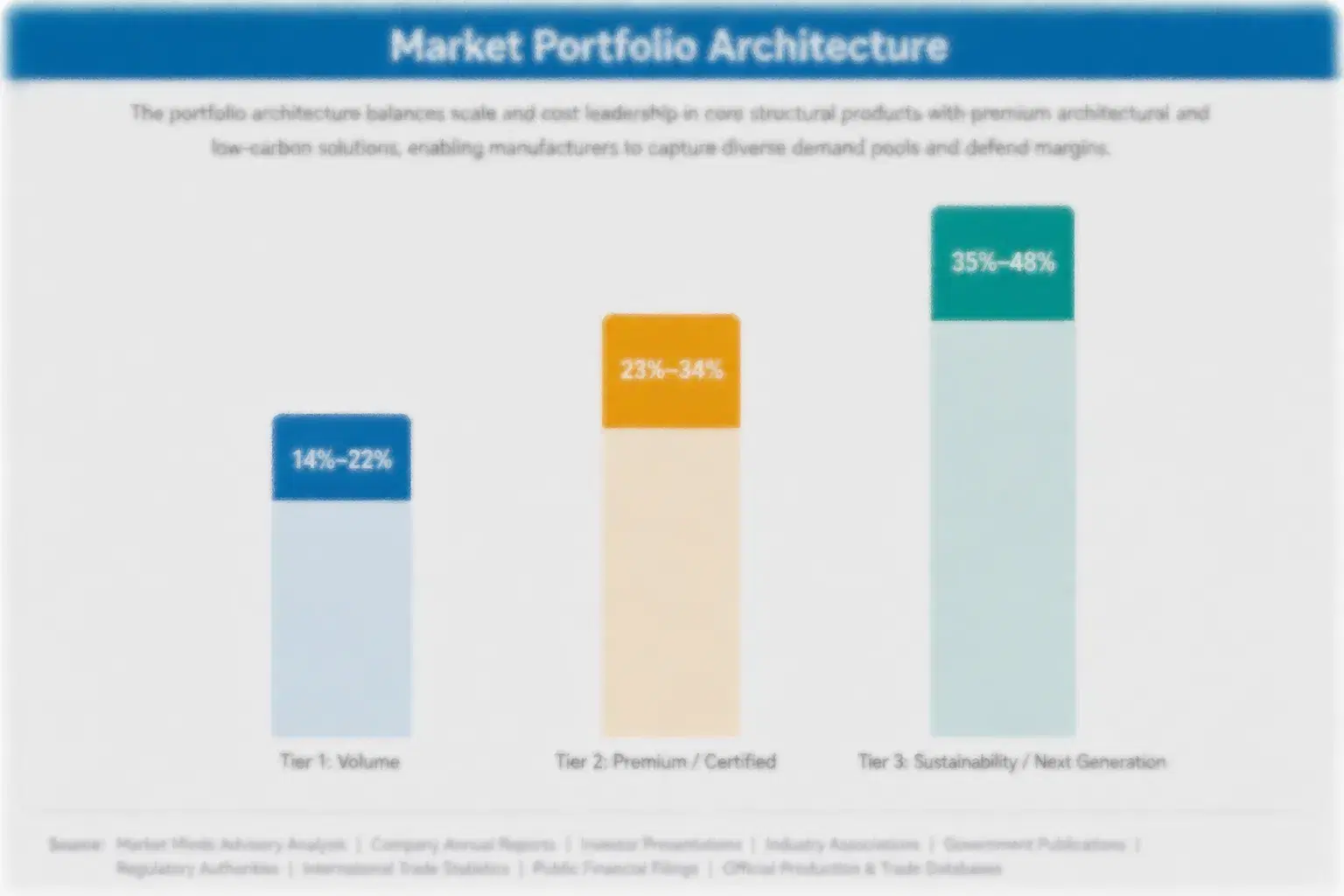
Margins run from moderate returns on standard formula and growing-up milks sold in volume to strong returns on goat milk, organic and functional formulas sold with science and trust. Three tiers separate volume products, premium certified lines and next-generation formulas, and each tier draws on different milk access, research depth and registration rights in a concentrated market. Small suppliers feel every price swing.
The tension between volume and premium is sharp. Standard formula and cereals fill large retail and cross-border orders and serve price-driven parents but face price competition and dairy costs, while goat milk, organic and functional formulas earn higher margins on smaller volumes and depend on evidence, registration and safety trust. Suppliers that run only volume struggle when births fall, while suppliers that run only premium lose early volume. Scale compounds over time.

High-value pools concentrate in goat milk and organic formulas sold to premium parents and in functional formulas with oligosaccharides sold through paediatric channels. They gather where parents pay for science and trust rather than milk powder alone. Growing-up milks add a middle pool. Audits repeat every year. Buyers review suppliers every season. Supply contracts decide renewal. Delivery reliability decides supplier rankings.

Volume / Commodity-Adjacent Tier

Standard infant and follow-on formula and baby cereals and purees sold in volume to retailers and cross-border buyers at moderate margins. Margins follow process discipline. Trial records protect future sales. Cost control separates leaders from followers.
Gross Margin: 30%-40%

Premium / Certified Tier

Growing-up milks with quality certificates, clear nutrient data, tested supply and audit files, sold to supermarkets and premium retailers. Clear specifications build buyer trust. Small suppliers feel every price swing. Scale compounds over time.
Gross Margin: 36%-48%

Sustainability / Regulatory / Next-Generation Tier

Goat milk, organic and functional formulas with certified sourcing, oligosaccharides and paediatric evidence, sold through pharmacies and premium retail. Audits repeat every year. Buyers review suppliers every season. Supply contracts decide renewal. Delivery reliability decides supplier rankings.
Gross Margin: 40%-56%
early-growth-nutrition-market-portfolio-architecture-1789947429177

High-value Sub-segments and Strategic Watch-out

Goat Milk and Organic Formulas

Goat milk and organic formulas combine the fastest growth with strong pricing, since parents pay for gentler digestion and cleaner ingredients at gross margins of 42% to 56%. Milk supply and evidence limit competition, and suppliers with certified sourcing win. Repeat purchase builds through the first years.
Gross Margin: 42%-56%

Functional Formulas With HMOs and MFGM

Functional formulas with HMOs and MFGM deliver firm growth and pricing, since parents and paediatricians seek formulas closer to breast milk at gross margins of 40% to 54%. Ingredient approvals and oligosaccharide supply form the entry barrier, and suppliers with research scale win recommendations. Margins follow process discipline.
Gross Margin: 40%-54%

Standard Infant and Follow-On Formula

Standard infant and follow-on formula is the volume core for suppliers with dairy access and plant scale. Value grows about 4.0% a year, and milk cost, safety records and delivery reliability decide profit. Suppliers anchor sales on long relationships with retailers and paediatric channels. Trial records protect future sales.
Gross Margin: 30%-40%

Growing-Up and Toddler Milk Drinks

Growing-up and toddler milk drinks are the strategic watch-out, since growth of about 3.5% a year trails the leaders, health bodies question their need and regulators restrict marketing. Suppliers should manage these lines selectively and steer capacity toward functional and goat milk formulas. Cost control separates leaders from followers.
Gross Margin: 32%-44%

Why Parents Keep Formula Brands

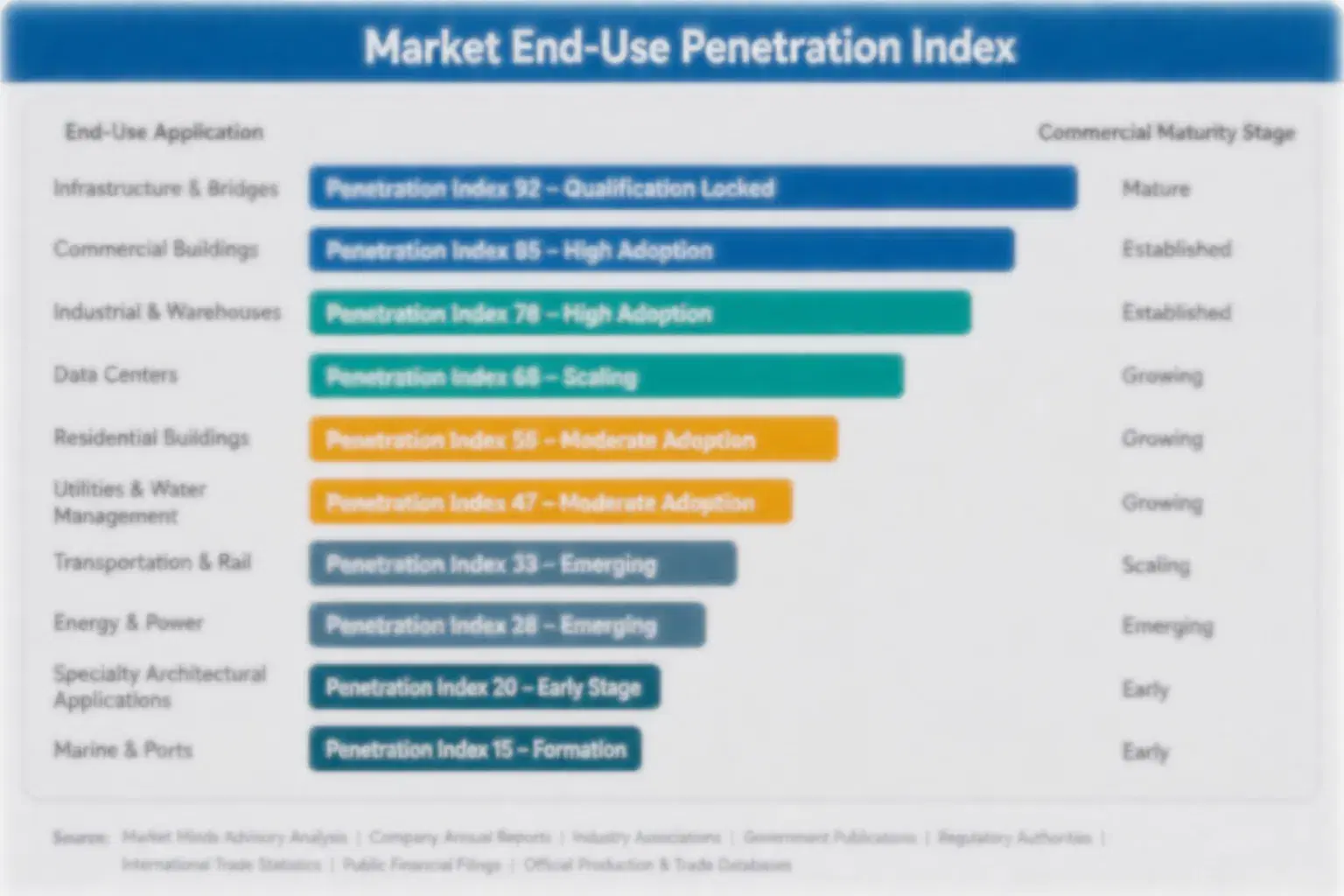
Early growth nutrition demand behaves like an annuity attached to feeding routines, paediatric advice and trusted brand relationships. Once a baby tolerates a formula and a parent trusts the brand, the family repeats the order every week for years, and switching means new trials, digestive risk and worry about safety. Parents use last week's tolerance to fix renewals, so brands with clean records earn steadier volume.
Adoption stickiness differs by end-use vertical. Paediatrician-guided feeding for infants is the deepest, since products are written into feeding plans and change only when tolerance or safety fails. Toddler purchases follow brand habit. Cross-border shoppers are moderate and switch on price, while promotional buyers are shallow. Clear specifications build buyer trust. Small suppliers feel every price swing. Scale compounds over time. Audits repeat every year.

Buyer profiles are shifting between generations. Older parents chose formula on paediatrician advice and brand names, while younger parents ask for oligosaccharide science, organic or goat milk sourcing, online reviews and authentic cross-border supply. Regulators add a third group that sets safety and marketing rules. Suppliers that publish evidence and traceability win newer buyers. Buyers review suppliers every season.
early-growth-nutrition-market-end-use-penetration-index-1789947429500

MMA Verdict on Early Growth Strategy

These are among the four positions where our research anticipates prominent divergence between winners and laggards over the coming forecast period. Each is grounded in the demand model, the regulatory perimeter, and the announced capacity pipeline.
01 / PREMIUM FORMULA STRATEGY

Shift Volume Into Goat Milk and Organic Ranges Before Premium Shelves Fill

Goat Milk and Organic Formulas grows at 7.0% a year, about 1.40 times the overall market rate, and gross margins of 42% to 56% compare with 30% to 40% for standard formula. Suppliers should commit $30 million to $90 million to certified milk sourcing, clinical support and premium packaging, and shift 10% of volume into these ranges to lift gross margin by two to four points. Those that stay in standard formula will lose growth, while early movers keep loyalty.
02 / FUNCTIONAL SCIENCE STRATEGY

Add HMO and MFGM Science Before Paediatricians Standardise on Rival Premium Formulas

Parents and paediatricians seek formulas closer to breast milk, oligosaccharide supply is limited, and suppliers without trial data lose paediatric recommendations to rivals with published results on similar infants. Suppliers should therefore invest $10 million to $30 million per programme in trials on immunity and cognition, target premium retail and paediatric channels first, and win accounts worth 8% to 14% of sales. Those without science will lose accounts, while prepared suppliers hold premium pricing and trust across every buying cycle.
03 / SUPPLY RESILIENCE STRATEGY

Qualify Second Manufacturing Sites Before Another Recall Damages Brand Trust and Listings

A single recall can cut sales by 10% to 20% for months, the 2022 shortage showed how fragile supply can be, and suppliers with one site lose trust after every disruption. Suppliers should invest $40 million to $120 million in second sites, batch testing and safety stock, prioritise plants serving the largest markets first, and protect contracts worth 6% to 12% of sales. Those with a single site will lose access, while prepared suppliers hold premium pricing across every buying cycle.
04 / EMERGING MARKET STRATEGY

Register Affordable Local Ranges in India and Southeast Asia Before Domestic Brands

India records about 23 million births a year, incomes are rising in Indonesia and Vietnam, and suppliers without local registrations and affordable ranges lose the fastest-growing accounts. Suppliers should therefore invest $15 million to $45 million in registrations, regional plants and paediatric channel training, target urban parents first, and lift qualified accounts by 12% to 20% each year. Those that wait for markets to mature will lose access, while prepared suppliers hold premium pricing and long supply agreements across every buying cycle.

Engagement Snapshot From the Field

A live engagement with an industry participant carrying material or product regulatory and market exposure ahead of a defining policy shift, showing how our research translates into a defensible multi-year portfolio strategy.
MARKET MINDS ADVISORY · CLIENT ENGAGEMENT SUMMARY
Early Growth Nutrition Producer Strategic Portfolio Review and Transition Roadmap 2026·Investment Scenario on Early Growth Nutrition Exposure Evaluation 2025-26
CLIENT PROFILE
The client is a mid-sized Australian infant formula brand with annual sales near $380 million (client-reported, unverified by MMA), selling cow milk formula to Chinese cross-border channels and Australian supermarkets. It held two Chinese registrations, no goat milk range, and had seen cross-border volume fall 14% as Chinese domestic brands regained share. Supply contracts decide renewal.
STRATEGIC CHALLENGE
Cross-border volume fell, Chinese registration limits restricted new ranges, and rivals launched goat milk and functional formulas at higher prices. Management needed to decide whether to add goat milk, fund functional science, or enter Southeast Asia, with limited capital and dependence on cross-border sales and cow milk formula. Delivery reliability decides supplier rankings.
MMA APPROACH
MMA analysed sales, cost and registration data across 16 products, interviewed nine paediatricians, retail buyers and dairy suppliers, and ran a parent survey on safety, science and price across three countries. It modelled margin by product and market scenario and ranked options by payback and execution risk. Margins follow process discipline. Trial records protect future sales.
KEY FINDINGS
  1. A goat milk range would earn gross margins near 50% against 34% for cow milk formula and need supply and launch spend of about $25 million (client-reported, unverified by MMA).
  2. Functional science trials would cost about $8 million and support two new registration applications. Cost control separates leaders from followers. Clear specifications build buyer trust.
  3. A Southeast Asian launch in Vietnam and Indonesia would cost about $12 million and open two growth markets. Small suppliers feel every price swing.
  4. A second manufacturing site would cost about $60 million and remove single-plant supply risk. Scale compounds over time. Audits repeat every year. Buyers review suppliers every season.
CLIENT PROFILE
The client is a mid-sized Australian infant formula brand with annual sales near $380 million (client-reported, unverified by MMA), selling cow milk formula to Chinese cross-border channels and Australian supermarkets. It held two Chinese registrations, no goat milk range, and had seen cross-border volume fall 14% as Chinese domestic brands regained share. Supply contracts decide renewal.
STRATEGIC CHALLENGE
Cross-border volume fell, Chinese registration limits restricted new ranges, and rivals launched goat milk and functional formulas at higher prices. Management needed to decide whether to add goat milk, fund functional science, or enter Southeast Asia, with limited capital and dependence on cross-border sales and cow milk formula. Delivery reliability decides supplier rankings.
MMA APPROACH
MMA analysed sales, cost and registration data across 16 products, interviewed nine paediatricians, retail buyers and dairy suppliers, and ran a parent survey on safety, science and price across three countries. It modelled margin by product and market scenario and ranked options by payback and execution risk. Margins follow process discipline. Trial records protect future sales.
KEY FINDINGS
  1. A goat milk range would earn gross margins near 50% against 34% for cow milk formula and need supply and launch spend of about $25 million (client-reported, unverified by MMA).
  2. Functional science trials would cost about $8 million and support two new registration applications. Cost control separates leaders from followers. Clear specifications build buyer trust.
  3. A Southeast Asian launch in Vietnam and Indonesia would cost about $12 million and open two growth markets. Small suppliers feel every price swing.
  4. A second manufacturing site would cost about $60 million and remove single-plant supply risk. Scale compounds over time. Audits repeat every year. Buyers review suppliers every season.
RECOMMENDED STRATEGY
Phase 1: Phase 1 (Months 1-6): Start goat milk supply contracts and functional science trials. Supply contracts decide renewal. Delivery reliability decides supplier rankings. Phase 2: Phase 2 (Months 7-24): Launch goat milk and functional ranges and file registrations. Margins follow process discipline. Trial records protect future sales. Phase 3: Phase 3 (Months 25-42): Enter Southeast Asia and review contract terms yearly. Cost control separates leaders from followers. Clear specifications build buyer trust.
OUTCOME
Within 42 months, goat milk and functional formulas reached 30% of sales, Southeast Asia contributed 12% of revenue, and cross-border decline slowed (client-reported, unverified by MMA). Gross margin rose by four points, and profit exceeded plan by about 3%. Small suppliers feel every price swing. Scale compounds over time.

Frequently Asked Questions

Foundational context covering the market sizes, CAGR, scope, country, region and competition that inform every finding below. This section is provided to cover basics and most often pre-purchase conversations, answered from the MMA Primary Research Dataset.

What is the current size of the Early Growth Nutrition Market?

The global early growth nutrition market was valued at $85.00 billion in 2025 on a manufacturer-value basis. Growth is supported by premiumisation and emerging market demand, offset by falling births and safety risk.

How large will the Early Growth Nutrition Market be by 2036?

The market is projected to reach $145.38 billion by 2036, up from $89.25 billion in 2026. The increase of $56.13 billion reflects goat milk, functional formulas and Asian and African growth.

What is the CAGR for the Early Growth Nutrition Market 2026 to 2036?

The market is forecast to grow at a 5.0% CAGR from 2026 to 2036. The bull case reaches 6.2% and the bear case 3.8%, depending on birth rates, safety and dairy costs.

Which segment is growing fastest?

Goat Milk and Organic Formulas is the fastest-growing segment at 7.0% CAGR, roughly 1.40 times the overall market rate. Functional Formulas With HMOs and MFGM follows at 6.0% CAGR each year.

Who are the major companies in the Early Growth Nutrition Market?

Major companies include Nestlé, Feihe, Danone, Abbott and Reckitt. Yili, FrieslandCampina, a2 Milk Company, Ausnutria, HiPP and Bellamy's also hold positions in early growth nutrition.

Which country is growing fastest?

India is growing fastest at about 7.6% CAGR, because about 23 million births a year and rising urban incomes are widening packaged nutrition use. Indonesia and Vietnam follow as paediatric channels expand.

Report Segmentation Architecture

The full report scope spans multiple orthogonal segmentation dimensions, with cross-tabulated demand data provided for each dimension pair. Coverage extends further to regional breakdowns, trend trajectories, and the competitive detail needed to support segment-level decision-making.

By Primary Market Dimension

  • Standard Infant and Follow-On Formula
  • Growing-Up and Toddler Milk Drinks
  • Goat Milk and Organic Formulas
  • Functional Formulas With HMOs and MFGM
  • Baby Cereals and Purees

By End-Use Industry

  • Infants Up to Six Months
  • Infants Six to Twelve Months
  • Toddlers One to Three Years
  • Premature and Low Birth Weight Follow-Up
  • Complementary Feeding

By Commercial Dimension

  • Supermarkets and Mass Retail
  • Pharmacies and Mother-Baby Stores
  • Online and Cross-Border Sales
  • Hospital and Paediatric Channels
  • Direct-to-Consumer Programmes

By Region

  • East Asia
  • Western Europe
  • North America
  • South Asia and Pacific
  • Latin America
  • Middle East and Africa
  • Eastern Europe

Scope, Methodology, and Coverage

Every figure in this report is reproducible from documented input assumptions. The scope below maps the historical period, the forecast horizon, the segmentation dimensions, and the countries covered, alongside the underlying primary and qualitative methodology.
Historical Period
2020 to 2025
Forecast Period
2026 to 2036
Base Year
2025 (USD billions; MMA Primary Research Dataset, September 2026)
Market Definition
The market covers global sales of nutrition products for infants and toddlers up to about three years, valued at manufacturer level, including standard infant and follow-on formula, growing-up milks, goat milk and organic formulas, functional formulas with human milk oligosaccharides and milk fat globule membrane, and baby cereals and purees, sold through grocery, pharmacy, online and cross-border channels. The scope excludes medical and anti-regurgitation formulas, enteral products and toddler snack bars covered by separate reports.
Quantitative Units
USD billions (manufacturer value); thousand tonnes for volume references
Segmentation Dimensions
By Product Type; By End-Use Industry; By Commercial Dimension; By Region
Regions Covered
East Asia, Western Europe, North America, South Asia and Pacific, Latin America, Middle East and Africa, Eastern Europe
Countries Covered
China, Japan, South Korea, Germany, France, Netherlands, United Kingdom, Ireland, United States, Canada, India, Indonesia, Vietnam, Australia, New Zealand, Brazil, Mexico, Argentina, Saudi Arabia, United Arab Emirates, Egypt, Nigeria, South Africa, Poland, Turkey, and additional markets relevant to this sector
Key Companies Profiled
Nestlé, Feihe, Danone, Abbott, Reckitt, Yili, Junlebao, Beingmate, FrieslandCampina, Bellamy's, a2 Milk Company, Ausnutria, Arla Foods, HiPP, Meiji Holdings, Morinaga Milk Industry, Lactalis, Perrigo, Bubs Australia, Kendamil
Quantitative Methodology
Primary survey, n=3,800 respondents, Q4 2025, six countries; demand-side model with trade association cross-validation
Qualitative Methodology
47 expert interviews, Q4 2025; applied to validate demand model assumptions, identify emerging dynamics, and assess competitive positioning
Report Format
PDF and XLSX data workbook (Word format preview document)
Publisher
Market Minds Advisory
Report Code
MMA-2026-HLT-127
Published
September 2026
Contact
sales@marketmindsadvisory.com | www.marketmindsadvisory.com

Purchase the full Early Growth Nutrition Market Report (2026 to 2036).

The full report delivers a detailed assessment of the early growth nutrition market through 2036, covering product type, end-use and regional forecasts, competitive benchmarking of leading suppliers, and input cost analysis. It combines MMA primary research, including a six-country survey of 3,800 respondents and 47 expert interviews, with public statistical and company data. Analysts also model birth rate scenarios, dairy price paths and registration outcomes. Clients receive segment margin ranges, supply maps and a case study on registration and portfolio strategy. Supplier programme and contract frameworks are also included for planning.
Ten-year product type demand forecasts by region
Milk, oil, and oligosaccharide cost tracking
Competitive benchmarking of leading formula suppliers
Registration and safety rule tracker with updates
Regional market comparative analysis and forecasts included
Quarterly primary survey data update access

Built For The People Who Decide

From boardroom strategy to bench-side execution, this report is read cover-to-cover by leaders shaping the next decade of their industry, turning demand scenarios, market dynamics and valuation benchmarks into decisions.
CXOs/ Presidents/ VPs/ Managers
M&A and Corporate Development
Strategy Teams and R&D Heads
Procurement and Product Directors
Regulatory and Compliance Leaders
Investor Relations and Equity Analysts