Market Minds Advisory
Dynamic Structural Packs Market

Dynamic Structural Packs Market Revenue Forecast 2026-2036

Robotic fulfillment center integration, on-demand box-sizing automation, and void-fill cost pressure are reshaping how e-commerce and industrial shippers source adaptive structural packaging worldwide this cycle across most tracked distribution networks.

Lead Analyst

Bilal Shaikh

Published

November 2026

Make Smarter Decisions with Customized Research Insights

Request a free sample report and evaluate market opportunities, growth trends, and competitive dynamics relevant to your business needs.

2025 MARKET VALUE$0.6BMarket Size 2025
2036 FORECAST VALUE$2.1BBase Case , 2026 to 2036
CAGR 2026 TO 203611.5 %Bull 12.8% / Bear 10.2%
INCREMENTAL OPPORTUNITY$1.4BNet 10- year value creation
EXPANSION MULTIPLE2.97x2036 value over 2026 base
Strategic Levers
M&A Pipeline
Regional Outlook
Country Rankings
Competitive Intelligence
Segmental Deep-dive
Call-Us : 91 93563 13602

Dynamic Structural Packs Market Overview

Dynamic structural packs demand is shifting toward robotic-compatible and on-demand box-sizing systems as e-commerce fulfillment centers automate packaging lines to reduce void-fill waste and shipping cost across most developed logistics markets worldwide this cycle throughout this entire forecast cycle across major producing regions worldwide.
Robotic-compatible structural packs are growing fastest as automated fulfillment centers integrate packaging lines directly into robotic pick-and-pack systems, while North America retains the largest share given its deep automated fulfillment center deployment base, with secondary demand concentrated across East Asia's expanding e-commerce automation investment and Western Europe's logistics efficiency mandates among most tracked manufacturer and converter accounts across this entire category globally throughout the broader forecast window overall.
Competition remains concentrated among a handful of specialized automation equipment and material integrators, with Packsize and Sparck Technologies holding the deepest fulfillment center distribution respectively, while robotic integration certification and on-demand sizing algorithm sophistication are reshaping converter sourcing decisions across most tracked e-commerce logistics supply channels across most tracked distribution networks throughout this entire forecast cycle across major producing regions worldwide among most tracked manufacturer and converter accounts across this entire category globally.
Market Definition
The Dynamic Structural Packs Market covers on-demand box-sizing systems, expandable corrugated packs, and adjustable void-fill integrated packaging engineered to conform to variable product dimensions in automated fulfillment environments. It excludes standard fixed-dimension corrugated boxes, which MMA tracks separately under its dedicated corrugated packaging reports.
Base Year Value
$0.6B in 2025 (MMA Primary Research Dataset, October 2026)
Forecast Period
2026 to 2036, eleven discrete annual values
CAGR
11.5% base case. Bull 12.8%. Bear 10.2%.
Fastest Growth Segment
Robotic-Compatible Structural Packs: 15.2% CAGR
Fastest Growth Country
China: 14.2% CAGR
Fastest Growth Region
South Asia and Pacific: 13.6% CAGR
Largest Region
North America: 30% of 2025 global value
Market Leaders
Packsize International LLC, Sparck Technologies B.V., Quadient S.A., Panotec S.r.l., and Automated Packaging Systems LLC lead the category. Source: MMA Primary Research Dataset, July 2026.
Primary Survey
n=3,800 procurement and R&D decision-makers, Q4 2025, six countries
Methodology
Demand-side build-up, cross-validated against public data, 47 expert interviews

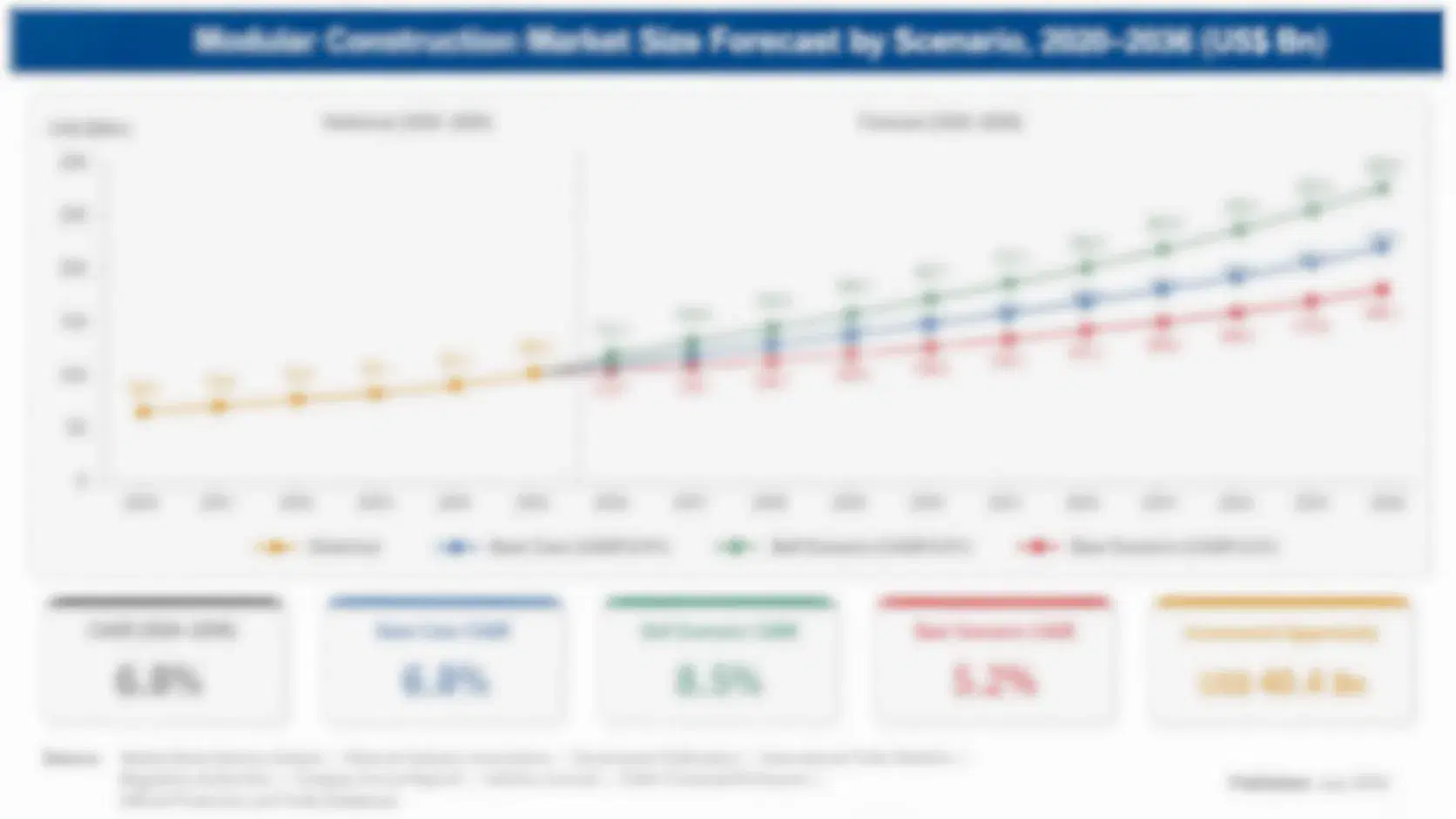
Dynamic Structural Packs Growth Scenarios to 2036

dynamic-structural-packs-market-size-forecast-scenario-1791435818552
Dynamic structural packs demand grew rapidly between 2020 and 2025 as e-commerce fulfillment centers expanded automation investment and on-demand box-sizing systems gained adoption, with robotic-compatible formats gaining share across most tracked developed logistics channels during this historical window overall throughout the broader forecast window overall across most tracked distribution networks throughout this entire forecast cycle across major producing regions worldwide.
The base case assumes continued robotic fulfillment center integration as automated packaging lines expand, rising on-demand box-sizing adoption across major developed e-commerce logistics markets, and steady void-fill cost reduction pressure across developed and emerging fulfillment channels, supporting double-digit growth through the forecast window overall among most tracked manufacturer and converter accounts across this entire category globally throughout the broader forecast window overall across most tracked distribution networks throughout this entire forecast cycle across major producing regions worldwide.
A bull scenario assumes faster robotic integration tied to rising automated fulfillment center investment across major developed logistics markets, while a bear scenario assumes equipment integration costs stall smaller fulfillment operator adoption amid specialty sensor and sizing algorithm cost pressure facing regional system integrators serving logistics accounts among most tracked manufacturer and converter accounts across this entire category globally.

Automation Investment Reshapes Structural Pack Demand

Dynamic structural packs demand sits inside the broader e-commerce logistics automation category, but functions as a distinct purchasing decision since format choice directly affects fulfillment center throughput, void-fill material waste, and whether a pack can integrate with robotic pick-and-pack systems without raising unit costs beyond what cost-sensitive fulfillment operators will absorb throughout the broader forecast window overall across most tracked distribution networks throughout this entire forecast cycle.
MARKET CONCENTRATION38% CR5reflects concentrated specialized automation equipment market leadership today
AVERAGE UNIT PRICE$0.68 per adaptive packvaries meaningfully between standard and robotic-compatible pack formats
TOP COUNTRY SHAREUnited States, 24%reflects deep automated fulfillment center deployment scale nationwide
ROBOTIC INTEGRATION PENETRATION13% of units shippedremains the fastest growing specification tracked in this category
AVERAGE VOID-FILL REDUCTION34% per shipmentreflects material savings driving automated fulfillment center adoption
INPUT COST SHARE29% of unit COGSrecycled corrugated fiber and sensor components dominate overall cost
Large e-commerce fulfillment operators and third-party logistics providers drive the largest single volume pool, favoring on-demand box-sizing systems that conform packaging dimensions directly to product size to reduce shipping cost and void-fill waste, while industrial shippers increasingly favor expandable corrugated packs for variable-dimension bulk shipment protection across developed logistics markets across major producing regions worldwide among most tracked manufacturer and converter accounts across this entire category globally. The void fill packaging systems market is a useful reference point here, growing from USD 2.8 billion in 2025 to USD 5.54 billion by 2036 at a 6.4% CAGR, according to MMA.
Converters compete chiefly on robotic integration certification depth, sizing algorithm sophistication, and reliable high-volume supply to large fulfillment center accounts, with specialty robotic-compatible producers carving out a separate premium niche serving automated fulfillment operators across these expanding e-commerce logistics categories throughout the broader forecast window overall across most tracked distribution networks throughout this entire forecast cycle across major producing regions worldwide among most.
"The box has quietly become a robot's problem to solve, not a warehouse worker's. Fulfillment operators who treat packaging as a fixed line item are leaving real automation savings on the table."
Senior Analyst, Packaging Practice · MMA Packaging Practice · October 2026

Key Trends in Dynamic Structural Packs

Robotic Fulfillment Center Integration Accelerates Across Operators

E-commerce fulfillment operators are integrating structural packaging lines directly into robotic pick-and-pack systems, requiring packs engineered with sensor-compatible geometry and standardized folding mechanisms that robotic arms can handle without manual adjustment. This shift requires equipment integrators to invest in sensor calibration and robotic handshake protocol development, a process several integrators report taking six to ten months per fulfillment center deployment. Packsize and Sparck Technologies have both announced expanded robotic-compatible production lines covering their fulfillment center client ranges, while smaller regional integrators continue testing alternative sensor configurations to match incumbent handling reliability without raising unit costs beyond what cost-sensitive. This dynamic also shapes the shelf-adaptive geometry packs market, valued by MMA at USD 1.6 billion in 2025 and expected to reach USD 4.08 billion by 2036.
Market Impact: adds 16% annual automated fulfillment volume
On-Demand Box-Sizing Adoption Expands Across Operators

Fulfillment operators are expanding on-demand box-sizing systems that measure product dimensions in real time and construct a precisely sized corrugated pack, eliminating standard-size box inventory and reducing void-fill material consumption across high-volume shipping operations. This adoption reduces shipping cost per unit that several operators cite as a meaningful recurring expense tied to oversized box dimensional weight charges. Integrators serving large fulfillment center accounts have expanded on-demand sizing production capacity accordingly, while suppliers lacking comparable real-time sizing algorithm capability risk losing share on new fulfillment center contract tenders across this expanding automation channel.
Market Impact: cuts void-fill material use 22% annually

Dynamic Structural Packs Supplier Priorities

Automated Fulfillment Center Investment Keeps Expanding

E-commerce fulfillment operators continue expanding automated fulfillment center investment across North America, East Asia, and Western Europe, with robotic pick-and-pack systems increasingly requiring compatible structural packaging formats integrated directly into automated production lines. This expansion directly increases dynamic structural pack volume demand, since each newly automated fulfillment center requires ongoing compatible packaging supply across daily shipping operations. Several major e-commerce operators have expanded automated fulfillment center deployment at a meaningful pace over the past three years, and integrators with established robotic compatibility capability have captured a disproportionate share of this incremental demand, reinforcing scale advantages for suppliers already.
Market Impact: excludes 41% of operators from automation

Void-Fill Cost Reduction Pressure Keeps Growing Steadily

Fulfillment operators increasingly prioritize void-fill material cost reduction as dimensional weight shipping charges continue rising across major carrier pricing structures, directly favoring on-demand box-sizing systems that eliminate oversized packaging and reduce shipping cost per unit. This shift is pulling demand toward integrators capable of engineering precise real-time sizing algorithms, a capability traditional fixed-dimension box suppliers struggle to match without substantial technology investment. Several leading fulfillment operators have expanded on-demand sizing deployment meaningfully over recent years, reinforcing this purchasing pattern across the broader e-commerce logistics category worldwide across most tracked distribution networks.
Market Impact: adds 8 weeks to deployment timelines

Dynamic Structural Packs Challenges and Constraints

High Equipment Integration Cost Limits Smaller Operators

Robotic-compatible structural packaging systems require significant upfront equipment integration investment that smaller fulfillment operators often cannot justify against lower shipping volumes, a root cause tied to the fixed cost nature of automation equipment that does not scale down proportionally with order volume. The commercial impact falls hardest on smaller regional fulfillment operators lacking the shipping volume to amortize integration costs across enough units, who must either accept manual packaging processes or absorb a meaningfully higher per-unit automation cost. Several integrators are pursuing modular leasing arrangements that serve multiple smaller operators, spreading equipment investment across a broader customer base.
Market Impact: affects 28% of automated fulfillment lines

Sensor Calibration Complexity Delays Deployment Timelines

Robotic integration requires precise sensor calibration against each fulfillment center's specific product mix and conveyor configuration, a root cause tied to the lack of standardized calibration protocols across different robotic equipment manufacturers and facility layouts. This creates a commercial delay risk for operators planning automation deployment timelines, since calibration complications can extend integration projects well beyond initial contracted schedules. Some integrators have begun developing standardized calibration toolkits to reduce this complexity, though such toolkits remain limited to a small share of total deployment projects completed today throughout this entire forecast cycle.
Market Impact: cuts shipping costs 18% per unit
3 additional market trends, 4 additional growth drivers, and 3 additional restraints and challenges are covered in the full report. Contact sales@marketmindsadvisory.com to access the complete intelligence.

Dynamic Structural Packs Growth by Segment

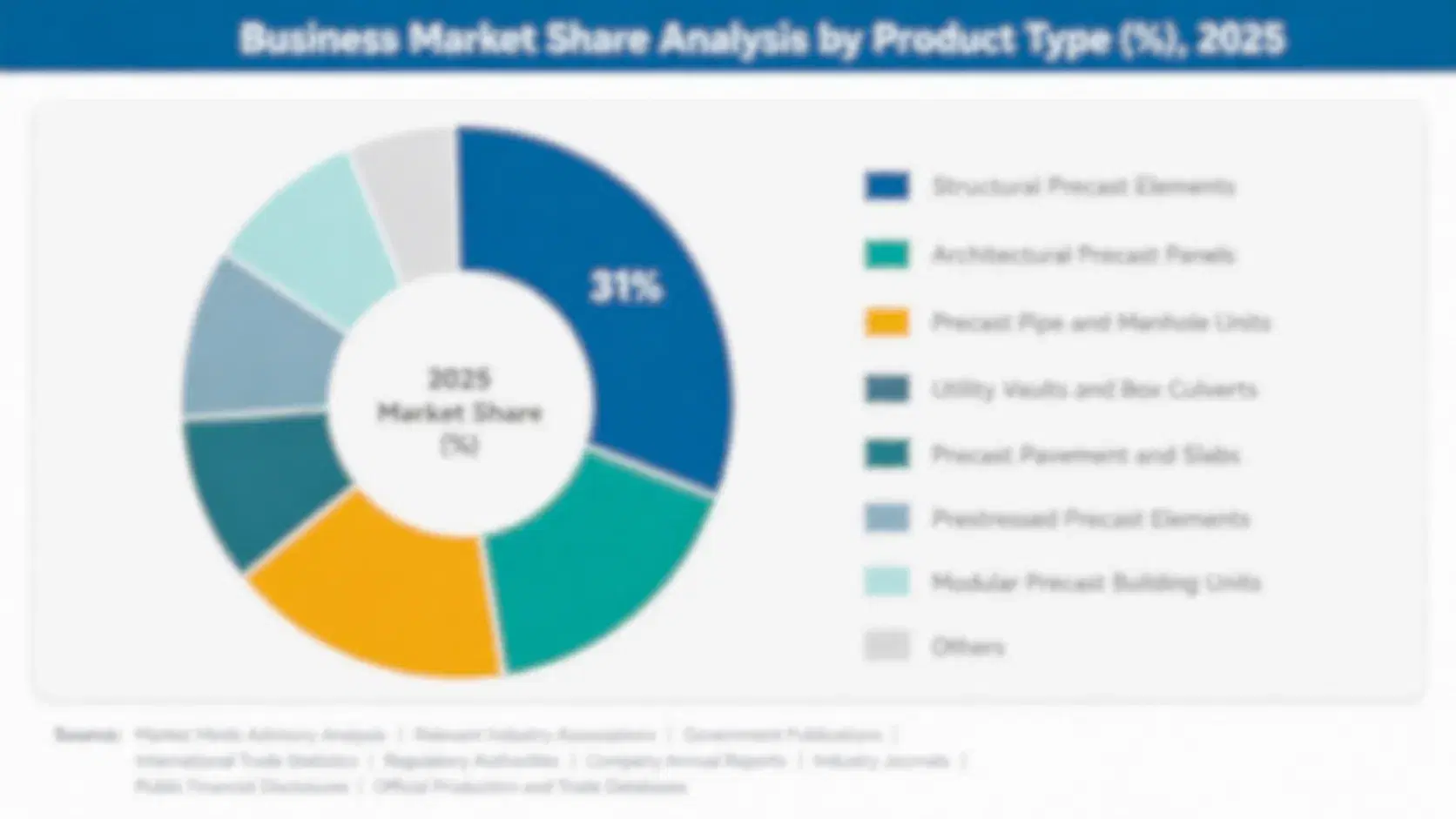
MMA segments the dynamic structural packs market by system type, separating robotic-compatible packs from on-demand box-sizing systems, expandable corrugated packs, adjustable void-fill integrated packs, and modular reusable structural packs, since each system carries distinct automation and integration requirements across fulfillment operator accounts across most tracked distribution networks throughout this entire forecast cycle across major producing regions worldwide.
dynamic-structural-packs-market-market-share-analysis-1791435818859

Robotic-Compatible Structural Packs

Robotic-compatible structural packs are the fastest-growing format as e-commerce fulfillment operators integrate packaging lines directly into robotic pick-and-pack systems, requiring sensor-compatible geometry and standardized folding mechanisms that robotic arms can handle without manual adjustment. Integrators serving major fulfillment center accounts have expanded sensor calibration and robotic handshake capability meaningfully over the past several years, while traditional box suppliers are only beginning to build comparable automation compatibility. Growth concentrates most heavily among large automated fulfillment operators, where robotic integration matters more directly than in smaller manually operated fulfillment centers still dominated by standard fixed-dimension boxes across most tracked channels among most tracked manufacturer and converter accounts across this entire category globally.
CAGR 15.2%

On-Demand Box-Sizing Systems

On-demand box-sizing systems are growing rapidly as fulfillment operators seek to eliminate standard-size box inventory and reduce void-fill material consumption through real-time product measurement and precise corrugated pack construction. Integrators including Packsize and Quadient have invested in real-time sizing algorithm development to serve this demand efficiently across global fulfillment markets. Growth here tracks closely with dimensional weight shipping cost pressure, remaining a steady and expanding commercial category across most tracked logistics automation channels worldwide this cycle overall throughout the broader forecast window overall across comparable markets worldwide today among most tracked brand account relationships across most tracked distribution networks throughout this entire forecast cycle across major producing regions worldwide among most tracked manufacturer and converter accounts.
CAGR 13.8%
Full segment breakdown across 7 segments available in the complete report.

Dynamic Structural Packs Regional and Country Demand

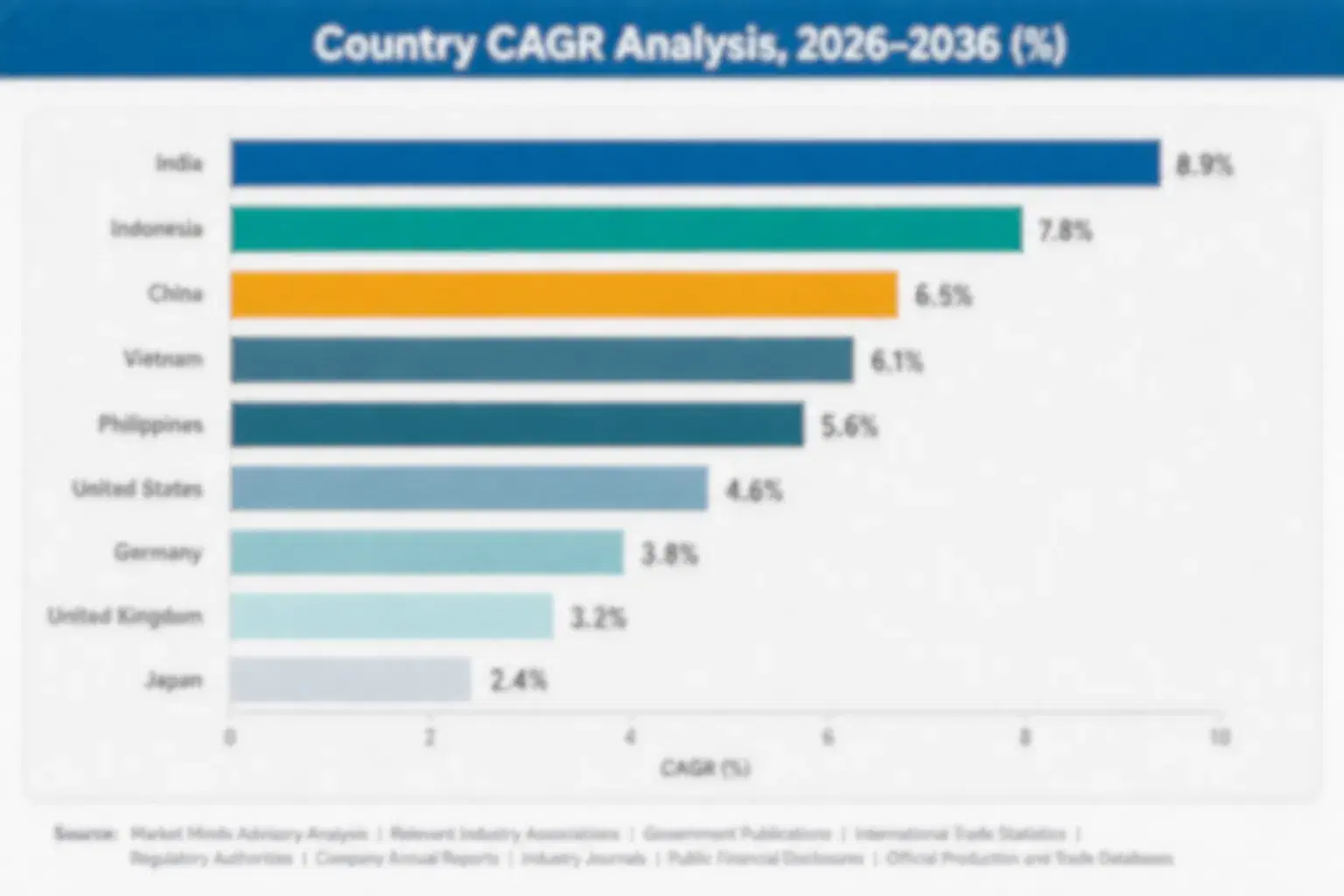
North America leads dynamic structural packs demand on deep automated fulfillment center deployment scale, while China posts the fastest national growth tied to its expanding e-commerce automation investment across this entire category globally throughout the broader forecast window overall across comparable markets worldwide today among most tracked brand account relationships.

North America

The United States and Canada anchor global dynamic structural packs demand through an unusually dense automated fulfillment center network that integrates robotic pick-and-pack systems across thousands of e-commerce distribution facilities. On-demand box-sizing adoption has accelerated meaningfully over the past several years as major e-commerce operators expand automation investment to reduce dimensional weight shipping costs. Robotic-compatible pack adoption is also advancing fastest here, reinforcing North America's position across both automation system categories within this tracked logistics packaging channel overall this cycle across most tracked distribution networks throughout this entire forecast cycle across major producing regions worldwide among most tracked manufacturer and converter accounts across this entire category globally throughout the broader forecast window overall.
Share: 30% | CAGR: 12.4% (2026 to 2036)

Western Europe

Germany, the United Kingdom, and France sustain a steady automated fulfillment base anchored by established e-commerce logistics infrastructure, though growth trails North America given a more mature, slower-expanding automation investment cycle. Regulatory pressure on packaging waste is pushing fulfillment operators toward void-fill-reducing on-demand sizing systems faster than most other regions, a compliance-driven shift reshaping sourcing relationships across the region's logistics automation supply chain. Growth here tracks closely with tightening packaging waste mandates across the region's e-commerce sector across comparable markets worldwide today among most tracked brand account relationships across most tracked distribution networks throughout this entire forecast cycle across major producing regions worldwide among most tracked manufacturer and converter accounts.
Share: 19% | CAGR: 9.8% (2026 to 2036)
Regional intelligence for 5 additional markets available in the complete report: East Asia, South Asia and Pacific, Latin America, Middle East and Africa, Eastern Europe. Contact sales@marketmindsadvisory.com.
dynamic-structural-packs-market-country-cagr-analysis-1791435819173

Where Integrators Capture Automation Margin

Dynamic structural packs integrators are expanding margin through three distinct commercial levers: robotic compatibility certification, on-demand sizing algorithm licensing, and multi-year fulfillment center integration contracts that lock in durable automation equipment relationships across global logistics channels across most tracked distribution networks throughout this entire forecast cycle across most tracked distribution networks throughout this entire forecast cycle.

Robotic Compatibility Certification Premium Growth Pathway

Integrators launching dedicated robotic handshake protocol and sensor calibration capability capture meaningfully higher per-unit margin than legacy fixed-dimension boxes, since certification lets integrators price a premium over commodity packaging for fulfillment operators deploying automated pick-and-pack systems. Several specialty integrators have expanded robotic compatibility capacity by 25 to 35 percent over the past two years specifically to serve this growth segment, reporting unit margins well above their legacy box business. Traditional converters entering robotic compatibility face a real engineering learning curve, but those who successfully transition capture a durable new revenue stream among automated fulfillment accounts.
Market Impact: adds 18-24 percent margin over fixed boxes today

On-Demand Sizing Algorithm Licensing Revenue Program

Integrators offering proprietary real-time sizing algorithms with documented accuracy performance capture a premium over basic measurement systems, particularly among large fulfillment operators pursuing void-fill reduction and dimensional weight cost savings at scale. This requires securing software development capability and measurement sensor integration, a commercial relationship that favors integrators with established fulfillment center distribution over smaller regional players. Several leading integrators have expanded algorithm licensing revenue by 20 to 30 percent over recent years, treating this as a distinct premium category separate from their standard equipment business entirely across most tracked distribution networks.
Market Impact: captures a 20-26 percent licensing margin across accounts

Fulfillment Integration Contract Lock-In Growth Strategy

Integrators investing in long-term fulfillment center integration services capture multi-year supply contracts with major e-commerce operators, since switching suppliers requires requalifying equipment calibration and software compatibility against each facility's specific robotic configuration and product mix. This integration investment creates a genuine switching cost that favors incumbent suppliers once a contract is won, a dynamic several integrators have used to defend share against new entrants lacking comparable fulfillment center integration capability. Securing even one major fulfillment operator account can anchor 5 to 7 years of an integrator's automation revenue base throughout this entire forecast cycle.
Market Impact: locks in multi-year contracts worth 5-7 years overall

Dynamic Structural Packs Pricing and Margins

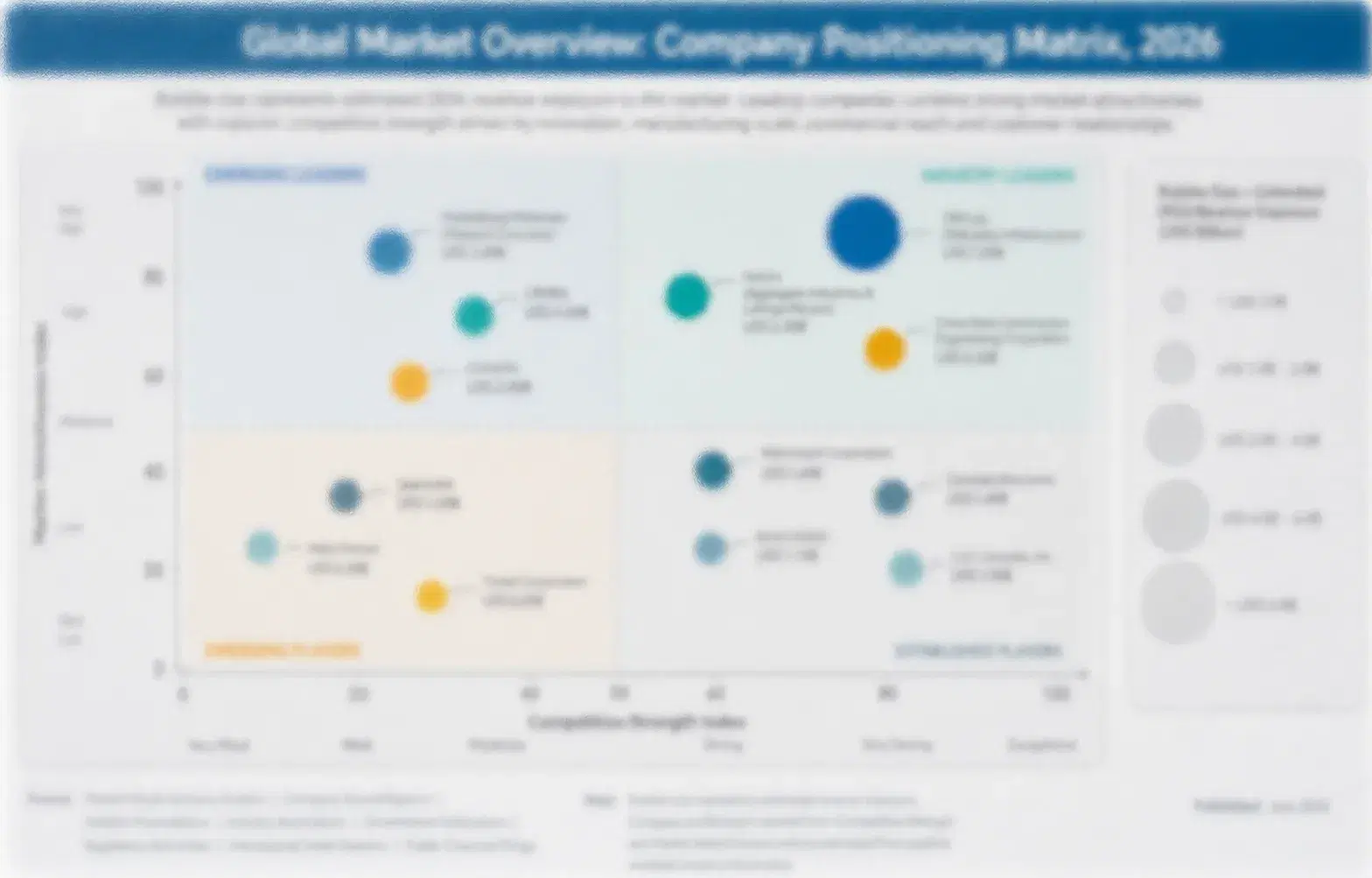
The dynamic structural packs market is moderately concentrated, with a cr5 of roughly 38 percent reflecting the scale advantages of a handful of specialized automation equipment and material integrators evaluated on a shipped-unit-volume basis across robotic-compatible and on-demand sizing channels. Packsize holds the deepest multinational fulfillment center distribution relationships, while Sparck Technologies leads robotic integration engineering scale, leaving a meaningful gap between these two leaders and the fragmented mid-tier of regional integrators competing below them.
Current competitive activity centers on robotic compatibility certification expansion serving automated fulfillment operators, on-demand sizing algorithm development investment among established integrators, and fulfillment center integration services aimed at winning multi-year e-commerce operator contracts. Several mid-tier integrators are also pursuing sensor calibration toolkit partnerships to differentiate their robotic offering beyond plain legacy fixed-dimension formats.

Emerging pressure comes from specialty robotic integration firms expanding beyond their large fulfillment operator niche into broader mid-tier e-commerce accounts, a channel traditionally served by standard box suppliers. Regional integrators in East Asia are also scaling sensor and algorithm manufacturing capacity faster than established Western players, positioning them to compete for contracts as automation investment continues expanding across these faster-growing markets overall.
dynamic-structural-packs-market-company-positioning-matrix-1791435819439

Dynamic Structural Packs Supplier Positioning

PACKSIZE INTERNATIONAL LLC

Moat: Multinational fulfillment center distribution depth

Packsize's decades-long relationships with multinational e-commerce fulfillment operators give it a distribution reach that smaller regional integrators cannot easily replicate, reinforced by on-demand box-sizing equipment and software built specifically to serve large fulfillment center automation volume requirements across global markets across most tracked distribution networks.
PACKSIZE INTERNATIONAL LLC

Risk: Limited robotic integration depth

Packsize's on-demand sizing-focused heritage leaves it comparatively exposed as fully robotic-compatible formats gain share among automated fulfillment operators, since specialty robotic integration firms have built sensor calibration capability more aggressively over recent years across these faster-growing accounts throughout this entire forecast cycle across most tracked distribution networks.
SPARCK TECHNOLOGIES B.V.

Moat: Robotic integration engineering scale

Sparck's decades-long robotic integration and sensor calibration engineering scale gives it demonstrably more reliable automated handling performance than competitors entering the category more recently, a reliability advantage that increasingly matters as fulfillment operators scrutinize automation uptime more closely across major developed logistics markets worldwide across most tracked distribution networks.
SPARCK TECHNOLOGIES B.V.

Risk: Thin fulfillment center distribution reach

Sparck's engineering-focused heritage leaves it comparatively exposed in the broader fulfillment center distribution category, since specialty box-sizing integrators have built deeper multinational operator relationships more aggressively over recent years across these accounts throughout this entire forecast cycle across most tracked distribution networks throughout this entire forecast cycle.

Players Tracked

Prominent Players

Packsize International LLC
Sparck Technologies B.V.
Quadient S.A.
Panotec S.r.l.
Automated Packaging Systems LLC

Other Key Players

CMC Packaging Automation S.r.l.
Marq Packaging Systems LLC
Robopac S.p.A.
Smurfit WestRock plc
International Paper Company
Sealed Air Corporation
Signode Industrial Group LLC
Lantech LLC
Wexxar Bel LLC
Combi Packaging Systems LLC
BluePrint Automation Inc.
Delkor Systems Inc.
Massman Companies Inc.
Pro Mach Inc.
Columbia Machine Inc.

Recent Developments

JANUARY 2026

Packsize International completed an expansion of its robotic compatibility certification program at its North American facility, adding dedicated sensor calibration testing to serve growing automated fulfillment operator contract demand across e-commerce logistics channels across most tracked distribution networks throughout this entire forecast cycle across major producing regions worldwide.
Signal: Major on-demand sizing integrators are investing directly in robotic compatibility rather than ceding that capability to specialty engineering firms
SEPTEMBER 2025

Sparck Technologies expanded fulfillment center integration services capacity at its European facility, adding dedicated calibration and software support teams specifically to serve growing e-commerce operator automation deployment demand across the region among most tracked manufacturer and converter accounts across most tracked distribution networks throughout this entire forecast cycle.
Signal: Robotic integration specialists are front-running fulfillment center automation demand rather than waiting for operators to fully commit

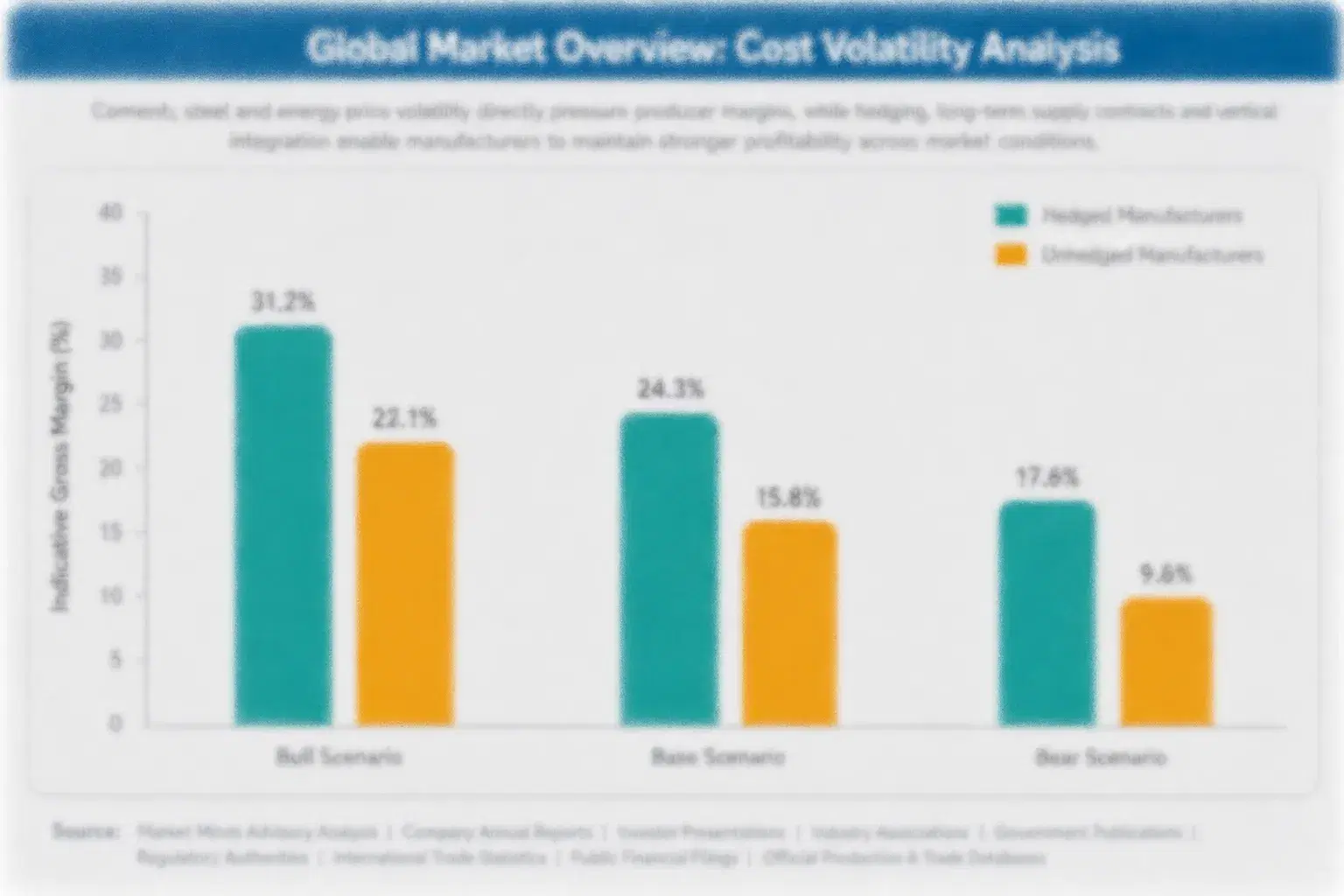
Corrugated Fiber and Sensors Drive Cost

Recycled corrugated fiber and specialty sensor components together account for roughly twenty nine percent of dynamic structural pack unit cost of goods sold, sourced primarily from paper mills across North America and Europe alongside sensor and electronics component suppliers across East Asia serving automation equipment applications worldwide across most tracked distribution networks throughout this entire forecast cycle across major producing regions worldwide.
Sensor component prices rose meaningfully during 2024 amid a documented global semiconductor supply tightening cycle that the US Census Bureau tracked across broader electronics and automation equipment input categories, pushing several integrators to pass through modest price increases to fulfillment operator accounts over multiple consecutive quarters this year among most tracked manufacturer and converter accounts across this entire category globally throughout the broader forecast window overall across most tracked distribution networks.

This cost exposure disadvantages smaller regional integrators lacking long-term sensor supply agreements relative to scale players like Packsize, who secured multi-year contracts ahead of the tightening cycle. Geographic exposure also varies, with Asian integrators generally facing shorter, lower-cost sensor supply chains than North American or European competitors throughout this entire forecast cycle across major producing regions worldwide among most tracked manufacturer and converter accounts.
dynamic-structural-packs-market-cost-volatility-analysis-1791435819736

Long-Term Sensor Component Supply Agreements

Leading integrators are locking in multi-year sensor component supply agreements directly with electronics suppliers, insulating unit costs from near-term spot market volatility while securing priority allocation during future tightening cycles across their primary automation equipment production facilities worldwide this cycle across this entire category globally throughout the broader forecast window overall across most tracked distribution networks.

Shared Calibration Toolkit Development Partnerships

Mid-tier integrators are pooling resources into shared sensor calibration toolkit development programs with specialty electronics suppliers, spreading engineering costs across multiple participants rather than each integrator duplicating the development work independently across this entire automation equipment category throughout this entire forecast cycle across major producing regions worldwide among most tracked manufacturer and converter accounts.

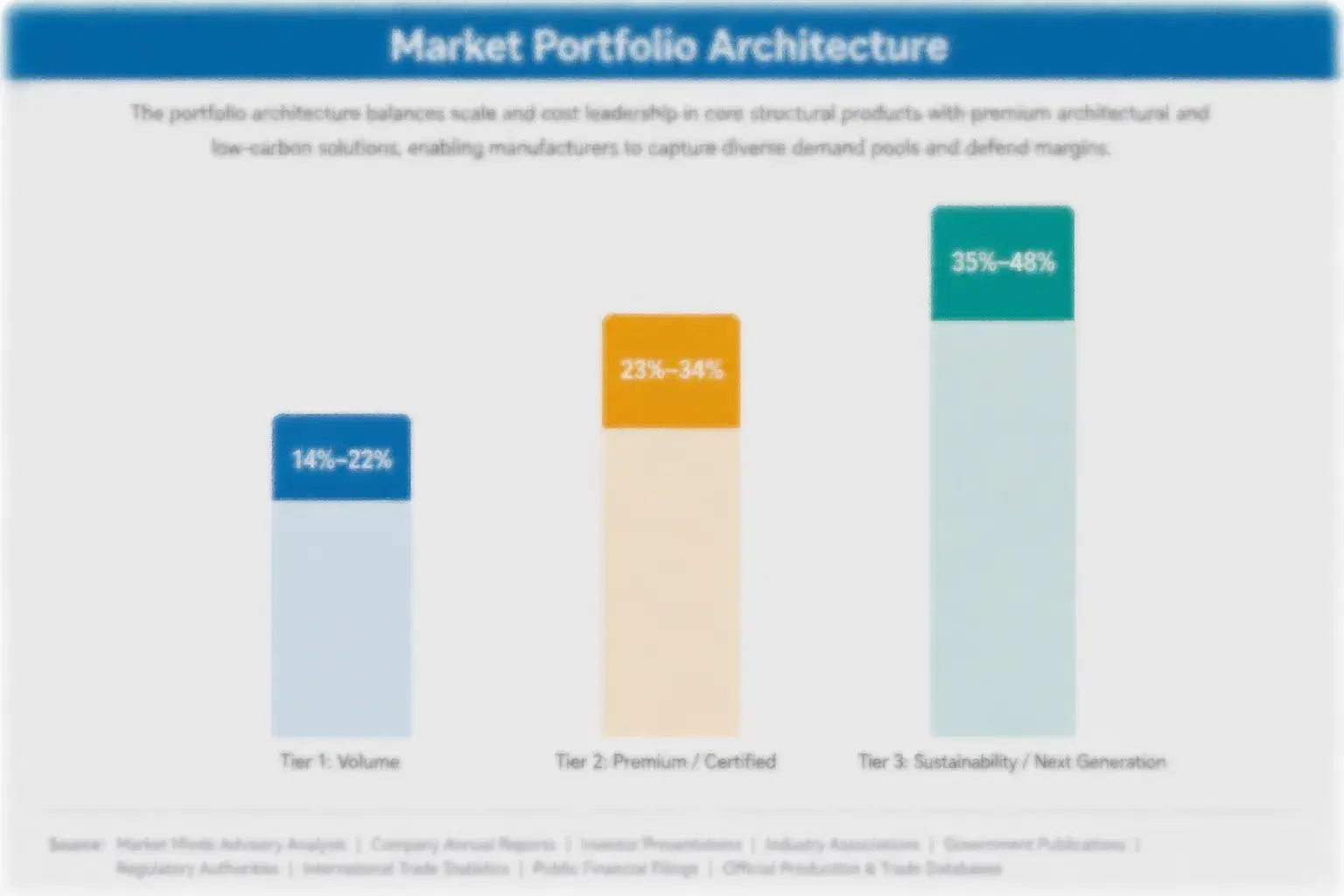
Portfolio Architecture for Margin Defence

Dynamic structural packs integrators organize portfolios across three tiers separated primarily by automation sophistication and robotic compatibility depth, with gross margins ranging from roughly twenty to twenty six percent on standard expandable packs up to forty six to fifty four percent on certified robotic-compatible and on-demand sizing systems sold through automated fulfillment channels worldwide across this entire category globally throughout the broader forecast window overall.
The volume versus premium tension centers on whether integrators chase smaller fulfillment operator scale through competitive expandable pack pricing or pursue premium large automated fulfillment accounts willing to pay meaningfully more for robotic compatibility certification and sizing algorithm sophistication. High-value margin pools concentrate overwhelmingly in robotic-compatible and sizing systems, where documented automation performance command premiums standard formats cannot match across most tracked distribution networks throughout this entire forecast cycle.

Integrators increasingly structure dedicated automation account teams around this tiering, since the commercial skills needed to win smaller fulfillment volume contracts differ substantially from those needed to win premium automated accounts prioritizing robotic depth over unit price alone across this tracked category worldwide this cycle overall across major producing regions worldwide among most tracked manufacturer and converter accounts across this entire category globally.

Standard expandable corrugated packs sold primarily on unit price to smaller fulfillment operator accounts throughout the broader forecast window overall across most tracked distribution networks throughout this entire forecast cycle.
Gross Margin

Certified on-demand box-sizing systems with documented accuracy sold to established mid-tier fulfillment accounts across major producing regions worldwide among most tracked manufacturer and converter accounts across this entire category globally.
Gross Margin

Robotic-compatible packs bundled with sensor calibration and integration services for large automated operators throughout the broader forecast window overall across most tracked distribution networks throughout this entire forecast cycle across major producing regions worldwide.
Gross Margin
dynamic-structural-packs-market-portfolio-architecture-1791435820038

High-value Sub-segments and Strategic Watch-out

Large Automated Fulfillment Robotic Programs

Robotic-compatible programs bundled with sensor calibration documentation for large automated fulfillment operators represent the highest value, highest growth pool as robotic deployment expands this cycle among most tracked manufacturer and converter accounts across this entire category globally throughout the broader forecast window overall across most tracked distribution networks.

On-Demand Sizing Mid-Tier Contracts

On-demand box-sizing contracts with established mid-tier fulfillment operators carry solid margins and steady growth as void-fill reduction pressure tightens across major logistics markets throughout this entire forecast cycle across major producing regions worldwide among most tracked manufacturer and converter accounts across this entire category globally.

Standard Expandable Pack Smaller Operator Volume

Standard expandable pack volume for smaller fulfillment operator accounts remains the volume core of the category, generating steady but comparatively thin margin across most tracked accounts worldwide throughout the broader forecast window overall across most tracked distribution networks throughout this entire forecast cycle across major producing regions worldwide.

Legacy Fixed-Dimension Box Formats

Legacy fixed-dimension boxes lacking automation compatibility face mounting competitive displacement risk as robotic fulfillment deployment expands across major developed logistics markets this entire forecast cycle overall among most tracked manufacturer and converter accounts across this entire category globally throughout the broader forecast window overall across most tracked distribution networks.

Automation Contracts Anchor Recurring Demand

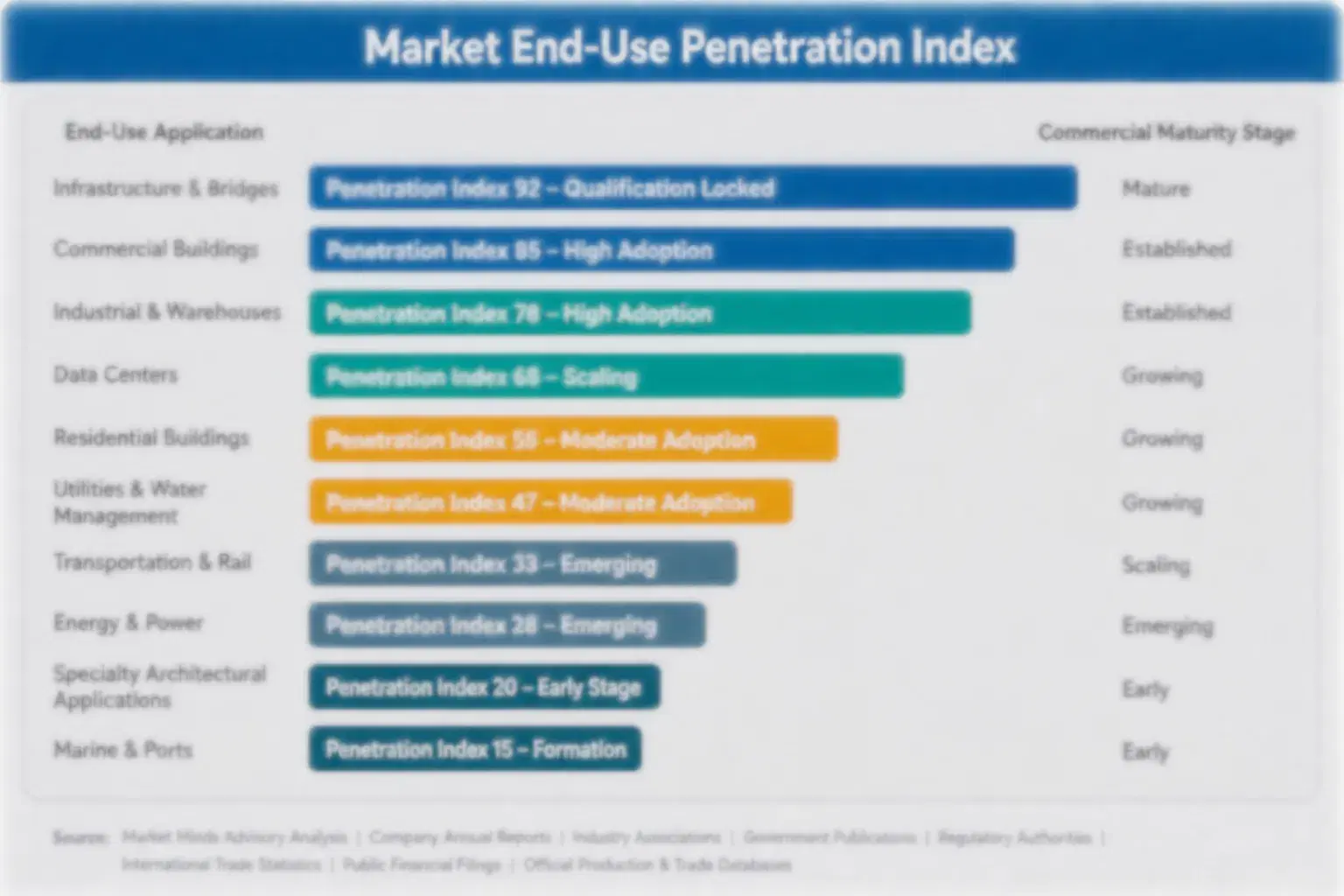
Dynamic structural packs demand carries genuine recurring characteristics within fulfillment operator accounts, since ongoing automated shipping operations require continuous compatible packaging supply rather than one-time purchases, and robotic integration certification relationships increasingly convert integrator contracts into multi-year recurring supply agreements spanning several automation cycles across most tracked operator accounts worldwide this cycle.
Adoption stickiness varies meaningfully by end-use scale. Large automated fulfillment operator accounts show the highest switching costs given established sensor calibration and robotic handshake requalification requirements, while smaller manually operated fulfillment centers show comparatively lower stickiness given smaller purchase volumes and easier supplier switching. Mid-tier e-commerce operators fall between these two poles, balancing automation standardization needs against periodic competitive tender cycles that open switching opportunities for challenger integrators.

A generational shift is underway as younger fulfillment operations managers increasingly prioritize documented robotic integration and void-fill reduction credentials over the unit cost and basic protective considerations that dominated packaging purchasing decisions a decade ago across most tracked operator and integrator markets globally this entire forecast cycle overall across most tracked distribution networks throughout this entire forecast cycle across major producing regions worldwide among most tracked manufacturer and converter accounts across most tracked distribution networks.
dynamic-structural-packs-market-end-use-penetration-index-1791435820340

Where Structural Pack Value Concentrates

These are among the four positions where our research anticipates prominent divergence between winners and laggards over the coming forecast period. Each is grounded in the demand model, the regulatory perimeter, and the announced capacity pipeline.
01 / ROBOTIC INTEGRATION INVESTMENT

Scale sensor calibration ahead of automation growth

Robotic-compatible structural packs are growing meaningfully faster than every other tracked format as e-commerce fulfillment operators increasingly integrate packaging lines directly into automated pick-and-pack systems. Integrators who scale sensor calibration and robotic handshake capability now will capture disproportionate automated fulfillment account share before smaller competitors close the gap. Waiting for demand to fully materialize risks ceding this advantage to specialty robotic integration firms already investing directly in dedicated engineering teams across these faster-growing accounts throughout this entire forecast cycle across major producing regions worldwide.
02 / ON-DEMAND SIZING ALGORITHM PRIORITY

Build sizing software depth ahead of cost pressure

Real-time sizing algorithm sophistication is becoming a genuine purchase criterion rather than an optional feature as dimensional weight shipping costs continue rising across major carrier pricing structures. Integrators who invest in algorithm depth now will capture disproportionate fulfillment operator account share before smaller competitors close the technology gap. Waiting for cost pressure to fully intensify risks ceding this advantage to integrators already securing multi-year sizing software licensing agreements across these expanding accounts among most tracked manufacturer and converter accounts across most tracked distribution networks.

Engagement Snapshot From the Field

A live engagement with an industry participant carrying material or product regulatory and market exposure ahead of a defining policy shift, showing how our research translates into a defensible multi-year portfolio strategy.
MARKET MINDS ADVISORY · CLIENT ENGAGEMENT SUMMARY
Dynamic Structural Packs Producer Strategic Portfolio Review and Transition Roadmap 2026·Investment Scenario on Dynamic Structural Packs Exposure Evaluation 2025-26
CLIENT PROFILE
A mid-sized e-commerce fulfillment operator with roughly two hundred ten million dollars (client-reported, unverified by MMA) in annual throughput value, operating distribution centers across the United States Midwest, engaged MMA to reassess its structural packaging automation strategy ahead of a planned facility expansion across major producing regions worldwide among most tracked manufacturer and converter accounts.
STRATEGIC CHALLENGE
The client's existing fixed-dimension box inventory created significant void-fill waste and dimensional weight shipping cost penalties, while competing fulfillment operators had already deployed on-demand box-sizing systems that reduced these costs meaningfully, creating a widening cost disadvantage ahead of the client's planned facility expansion across most tracked distribution networks throughout this entire forecast cycle.
MMA APPROACH
MMA benchmarked on-demand sizing system accuracy and integration timelines across four candidate integrators, modeled dimensional weight cost savings from automated sizing against fixed-dimension box costs, and assessed robotic compatibility requirements affecting the client's planned future automation roadmap across major producing regions worldwide among most tracked manufacturer and converter accounts across most tracked distribution networks.
KEY FINDINGS
  1. On-demand box-sizing systems reduced dimensional weight shipping costs by roughly twenty six percent (client-reported, unverified by MMA) relative to the client's existing fixed-dimension box inventory across comparable order volumes.
  2. Three of four candidate integrators already offered robotic-compatible upgrade pathways, while the client's incumbent supplier had no active automation roadmap underway at the time of evaluation.
  3. Sizing system unit cost premiums were more than offset by shipping cost savings within the first full quarter of the client's facility expansion rollout.
  4. Integrators with established fulfillment center distribution relationships offered meaningfully shorter deployment timelines than specialty suppliers lacking comparable account experience throughout this entire forecast cycle.
CLIENT PROFILE
A mid-sized e-commerce fulfillment operator with roughly two hundred ten million dollars (client-reported, unverified by MMA) in annual throughput value, operating distribution centers across the United States Midwest, engaged MMA to reassess its structural packaging automation strategy ahead of a planned facility expansion across major producing regions worldwide among most tracked manufacturer and converter accounts.
STRATEGIC CHALLENGE
The client's existing fixed-dimension box inventory created significant void-fill waste and dimensional weight shipping cost penalties, while competing fulfillment operators had already deployed on-demand box-sizing systems that reduced these costs meaningfully, creating a widening cost disadvantage ahead of the client's planned facility expansion across most tracked distribution networks throughout this entire forecast cycle.
MMA APPROACH
MMA benchmarked on-demand sizing system accuracy and integration timelines across four candidate integrators, modeled dimensional weight cost savings from automated sizing against fixed-dimension box costs, and assessed robotic compatibility requirements affecting the client's planned future automation roadmap across major producing regions worldwide among most tracked manufacturer and converter accounts across most tracked distribution networks.
KEY FINDINGS
  1. On-demand box-sizing systems reduced dimensional weight shipping costs by roughly twenty six percent (client-reported, unverified by MMA) relative to the client's existing fixed-dimension box inventory across comparable order volumes.
  2. Three of four candidate integrators already offered robotic-compatible upgrade pathways, while the client's incumbent supplier had no active automation roadmap underway at the time of evaluation.
  3. Sizing system unit cost premiums were more than offset by shipping cost savings within the first full quarter of the client's facility expansion rollout.
  4. Integrators with established fulfillment center distribution relationships offered meaningfully shorter deployment timelines than specialty suppliers lacking comparable account experience throughout this entire forecast cycle.
RECOMMENDED STRATEGY
Phase 1: Phase one: pilot on-demand box-sizing systems across two distribution center lines ahead of the broader expansion across major producing regions worldwide. Phase 2: Phase two: migrate remaining distribution center lines to the qualified sizing supplier following successful pilot validation results among most tracked manufacturer and converter accounts. Phase 3: Phase three: incorporate robotic compatibility requirements into future equipment contract renewal terms proactively going forward across most tracked distribution networks.
OUTCOME
The client reported (client-reported, unverified by MMA) completing its facility expansion ahead of the planned timeline, with measured shipping cost savings supporting a full automation migration decision and avoiding a projected multi-month cost disadvantage against competing fulfillment operators throughout this entire forecast cycle across major producing regions worldwide.

Frequently Asked Questions

Foundational context covering the market sizes, CAGR, scope, country, region and competition that inform every finding below. This section is provided to cover basics and most often pre-purchase conversations, answered from the MMA Primary Research Dataset.

What is the current size of the Dynamic Structural Packs Market?

The Dynamic Structural Packs Market was valued at approximately 0.69 billion dollars in 2026. This reflects continued automated fulfillment demand across major developed logistics regions.

How large will the Dynamic Structural Packs Market be by 2036?

MMA projects the market will reach approximately 2.05 billion dollars by 2036. That represents roughly a 2.97x expansion over the full ten-year forecast window across this category.

What is the CAGR for the Dynamic Structural Packs Market 2026 to 2036?

The base case CAGR is 11.5 percent through the full forecast window. Bull and bear scenarios range from 10.2 to 12.8 percent depending on robotic integration pace.

Which segment is growing fastest?

Robotic-Compatible Structural Packs is the fastest-growing segment, expanding at 15.2 percent CAGR. That is meaningfully faster than the category's overall 11.5 percent base case rate.

Who are the major companies in the Dynamic Structural Packs Market?

Packsize, Sparck Technologies, Quadient, Panotec, and Automated Packaging Systems lead the category across most tracked channels overall. Concentration is moderate, with a cr5 near 38 percent.

Which country is growing fastest?

China is the fastest-growing country, expanding at 14.2 percent CAGR through the entire ten-year forecast window overall. Its e-commerce automation investment supports this pace strongly.

Dynamic Structural Packs Market Segmentation

The full report scope spans multiple orthogonal segmentation dimensions, with cross-tabulated demand data provided for each dimension pair. Coverage extends further to regional breakdowns, trend trajectories, and the competitive detail needed to support segment-level decision-making.
  • On-Demand Box-Sizing Systems
  • Expandable Corrugated Packs
  • Adjustable Void-Fill Integrated Packs
  • Modular Reusable Structural Packs
  • Robotic-Compatible Structural Packs
  • E-Commerce Fulfillment
  • Third-Party Logistics
  • Industrial Shipping
  • Consumer Electronics Distribution
  • Large Automated Fulfillment Operators
  • Mid-Tier E-Commerce Operators
  • Third-Party Logistics Providers
  • Industrial Shipping Accounts

By Region

  • North America
  • Western Europe
  • East Asia
  • South Asia and Pacific
  • Latin America
  • Middle East and Africa
  • Eastern Europe

Scope, Methodology, and Coverage

Every figure in this report is reproducible from documented input assumptions. The scope below maps the historical period, the forecast horizon, the segmentation dimensions, and the countries covered, alongside the underlying primary and qualitative methodology.
Historical Period
2020 to 2025
Forecast Period
2026 to 2036
Base Year
2025 (USD billions; MMA Primary Research Dataset, October 2026)
Market Definition
The Dynamic Structural Packs Market covers on-demand box-sizing systems, expandable corrugated packs, and adjustable void-fill integrated packaging engineered to conform to variable product dimensions in automated fulfillment environments. It excludes standard fixed-dimension corrugated boxes, which MMA tracks separately under its dedicated corrugated packaging reports.
Quantitative Units
USD billions
Segmentation Dimensions
Regions Covered
North America, Western Europe, East Asia, South Asia and Pacific, Latin America, Middle East and Africa, Eastern Europe
Countries Covered
Key Companies Profiled
Packsize International LLC, Sparck Technologies B.V., Quadient S.A., Panotec S.r.l., Automated Packaging Systems LLC, CMC Packaging Automation S.r.l., Marq Packaging Systems LLC, Robopac S.p.A., Smurfit WestRock plc, International Paper Company, Sealed Air Corporation, Signode Industrial Group LLC, Lantech LLC, Wexxar Bel LLC, Combi Packaging Systems LLC, BluePrint Automation Inc., Delkor Systems Inc., Massman Companies Inc., Pro Mach Inc., Columbia Machine Inc.
Quantitative Methodology
Primary survey, n=3,800 respondents, Q4 2025, six countries; demand-side model with trade association cross-validation
Qualitative Methodology
47 expert interviews, Q4 2025; applied to validate demand model assumptions, identify emerging dynamics, and assess competitive positioning
Report Format
PDF and XLSX data workbook (Word format preview document)
Publisher
Market Minds Advisory
Report Code
MMA-2026-PAC-574
Published
October 2026
Contact
sales@marketmindsadvisory.com | www.marketmindsadvisory.com

Purchase the full Dynamic Structural Packs Market Report (2026 to 2036).

This report provides a comprehensive assessment of the global Dynamic Structural Packs Market, covering market sizing, segmentation, regional dynamics, and competitive benchmarking through 2036. It draws on MMA's primary survey of 3,800 respondents and 47 expert interviews conducted in the fourth quarter of 2025, alongside company disclosures and government trade data. The analysis quantifies demand across five automation system formats and seven global regions, profiles twenty leading integrators, and identifies the commercial mechanisms driving robotic integration and on-demand sizing adoption. Buyers use it to benchmark supplier strategy and prioritize investment across the category's highest-growth formats.
Five-format MECE market breakdown across all channels
Seven-region demand and market share modeling worldwide
Twenty-company competitive benchmarking across the category
Robotic integration and automation trend analysis coverage
On-demand sizing algorithm adoption tracking across markets
Anonymized client engagement case study with recommendations

Built For The People Who Decide

From boardroom strategy to bench-side execution, this report is read cover-to-cover by leaders shaping the next decade of their industry, turning demand scenarios, market dynamics and valuation benchmarks into decisions.
CXOs/ Presidents/ VPs/ Managers
M&A and Corporate Development
Strategy Teams and R&D Heads
Procurement and Product Directors
Regulatory and Compliance Leaders
Investor Relations and Equity Analysts