Market Minds Advisory
Dunaliella Salina Market

Dunaliella Salina Market: Dunaliella Salina Market. Natural Colour Demand, Cosmetic Active Growth, and Synthetic Carotene Price Pressure Shape Global Supply.

Global Dunaliella salina demand spans natural beta-carotene extracts, whole-cell powders, cosmetic actives, and feed pigmentation, where synthetic dye restrictions, beauty-from-within trends, cheap synthetic carotene, and weather-exposed hypersaline pond cultivation decide which microalgae producers and colour

Lead Analyst

Published

September 2026

Make Smarter Decisions with Customized Research Insights

Request a free sample report and evaluate market opportunities, growth trends, and competitive dynamics relevant to your business needs.

2025 MARKET VALUE$0.2BMarket Size 2025
2036 FORECAST VALUE$0.5BBase Case , 2026 to 2036
CAGR 2026 TO 20369.4 %Bull 10.7% / Bear 8.1%
INCREMENTAL OPPORTUNITY$0.3BNet 10- year value creation
EXPANSION MULTIPLE2.46x2036 value over 2026 base
Strategic Levers
M&A Pipeline
Regional Outlook
Country Rankings
Competitive Intelligence
Segmental Deep-dive
Call-Us : 91 93563 13602

Executive Snapshot and Market Trajectory.

Dunaliella salina is a salt-loving microalga grown in shallow hypersaline ponds that accumulates natural beta-carotene, including the 9-cis isomer, and producers sell it as extracts, whole-cell powders, and cosmetic actives. Natural colour and beauty trends lift demand, while cheap synthetic carotene and weather exposure restrain margins.
Cosmetic and Personal Care Dunaliella Actives grow fastest as clean beauty and sun care brands seek natural antioxidant claims. South Asia and Pacific holds the largest share through Australian and Indian ponds, while East Asia and North America follow through cultivation and supplement demand. Sunlight sets yield. Purity sets premiums. Buyers audit yearly. Contracts run one to two years. Buyers review suppliers every season. Contracts renew yearly.
Competition is highly concentrated, with a German chemicals group, an Israeli microalgae producer, a Dutch-Swiss nutrition group, a Danish biosolutions group, and an American colour and flavour supplier leading on cultivation, extraction, and quality documentation, while regional algae farms and cosmetic ingredient houses serve niche demand. Colour and supplement rules govern use. Supply reliability wins accounts. Supply contracts decide renewal. Delivery reliability decides supplier rankings. Margins follow sourcing discipline. Batch records protect future sales.
Market Definition
The market covers global sales of products derived from Dunaliella salina, valued at producer level, including natural beta-carotene extracts and oil suspensions, whole-cell dried Dunaliella powders and biomass, cosmetic and personal care Dunaliella actives, aquaculture and pet feed pigmentation grades, and food and beverage colour formulations. The scope excludes synthetic beta-carotene, beta-carotene from other sources, Haematococcus astaxanthin, and glycerol or other co-products sold on their own.
Base Year Value
$0.2B in 2025 (MMA Primary Research Dataset, September 2026)
Forecast Period
2026 to 2036, eleven discrete annual values
CAGR
9.4% base case. Bull 10.7%. Bear 8.1%.
Fastest Growth Segment
Cosmetic and Personal Care Dunaliella Actives: 15.0% CAGR
Fastest Growth Country
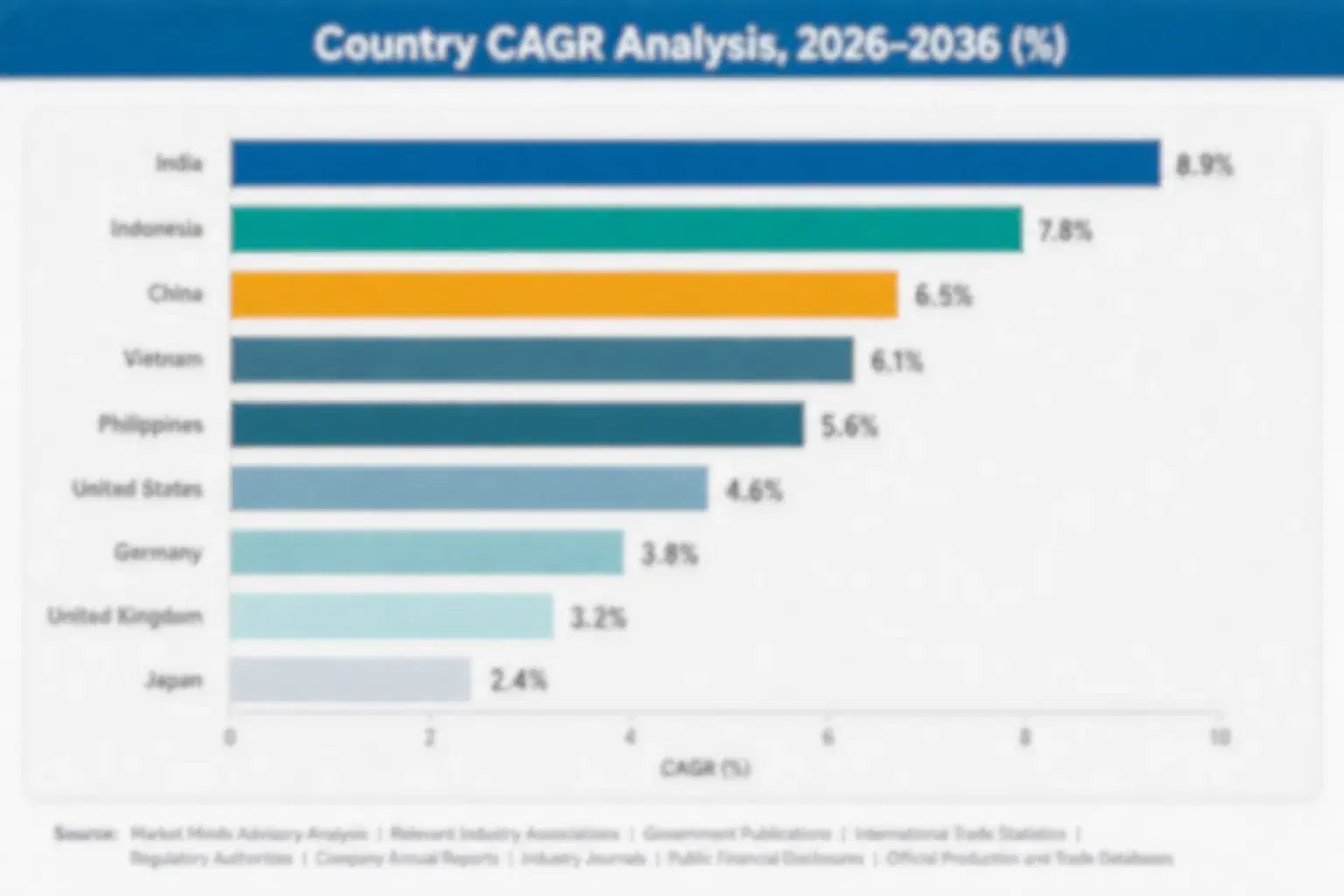
India: 12.0% CAGR
Fastest Growth Region
South Asia and Pacific: 11.5% CAGR
Largest Region
South Asia and Pacific: 28% of 2025 global value
Market Leaders
BASF, Nature Beta Technologies, DSM-Firmenich, Novonesis, Sensient Technologies. Source: MMA Analysis, company annual reports.
Primary Survey
n=3,800 procurement and R&D decision-makers, Q4 2025, six countries
Methodology
Demand-side build-up, cross-validated against public data, 47 expert interviews

Dunaliella Salina Market Forecast Scenarios

dunaliella-salina-market-size-forecast-scenario-1789868003192
Between 2020 and 2025, Dunaliella demand grew as clean beauty brands added carotenoid actives, supplement makers marketed 9-cis beta-carotene, and food brands sought natural orange colour. Synthetic beta-carotene stayed cheap, Australian and Israeli ponds faced weather disruption, and producers passed on price changes unevenly to cosmetic, supplement, and food buyers. Cost control separates leaders from followers. Clear specifications build buyer trust.
The base case rests on three commercial mechanisms. First, clean beauty and sun care brands adopt Dunaliella actives for antioxidant and skin protection claims. Second, supplement makers use whole-cell powders and extracts for 9-cis beta-carotene positioning. Third, synthetic dye restrictions push food and beverage brands toward natural orange and yellow colours. Producers plan pond capacity, extraction lines, and quality systems around all three. Small buyers feel every input swing. Technical reach compounds over time.
The bull case needs faster natural colour adoption and stronger cosmetic demand, which would lift volumes and prices. The bear case is a synthetic price cut combined with a major pond disruption, which would squeeze margins and limit supply. Audits repeat every year. Buyers review suppliers every season. Supply contracts decide renewal. Delivery reliability decides supplier rankings.

Natural Colour, Cosmetic Actives, and Synthetic Price Pressure Set Dunaliella Outcomes

Dunaliella supply starts with shallow, open ponds or lagoons in sunny, arid regions such as Western and South Australia, Israel's Negev, China, and India, filled with brine at 15% to 30% salt. Growers add nutrients, harvest cells by settling and filtration, and then extract carotenoids with vegetable oil or supercritical carbon dioxide, or dry the cells into powder. Margins follow sourcing discipline.
MARKET CONCENTRATION74% CR5Leading five producers hold a very high combined share
BETA-CAROTENE CONTENT3-10%Usual carotene share of harvested Dunaliella dry biomass
AUSTRALIAN OUTPUT SHARE38%Portion of global production made in Australian ponds
POND SALINITY RANGE15-30%Typical salt level supporting Dunaliella growth and carotene
NATURAL PRICE PREMIUM3-8xTypical price gap between natural and synthetic beta-carotene
HARVEST CYCLE LENGTH2-6 weeksTypical time between pond harvests during peak sunlight
Beta-carotene content, isomer profile, purity, colour strength, and traceability decide value. Buyers set tight specifications, and 9-cis rich and cosmetic-grade products earn premiums of 3 to 8 times synthetic beta-carotene. Large producers win on ponds and quality systems, while regional farms win on niche supply. Suppliers with clean documentation win, since cosmetic and supplement buyers inspect closely. Audits repeat yearly.
Buyers judge Dunaliella products on carotene content, isomer profile, colour stability, odour, and price stability. Cosmetic makers want clean actives with claim support, supplement makers want 9-cis content, food makers want stable natural orange, and feed makers want low cost. Price sensitivity is high in feed and low in cosmetics. Evidence and audits decide shortlists. Batch records protect future sales. Sampling is routine. Trials take weeks.
"Synthetic beta-carotene costs a fraction of Dunaliella and always will. The algae win on a single molecule, 9-cis, and on a label. Beauty and supplement brands are paying for that story, so producers should stop selling colour by the kilogram and start selling claims by the batch."
Senior Analyst, Microalgae and Natural Colour Practice · MMA Dunaliella Salina Practice · September 2026

Market Trends

Clean Beauty Brands Adopt Dunaliella Actives for Antioxidant Claims

Clean beauty, sun care, and skin health brands seek natural antioxidants and pigment-based actives, and Dunaliella extracts offer beta-carotene with 9-cis isomers plus mixed carotenoids and a marine algae story. Cosmetic and Personal Care Dunaliella Actives grow about 15.0% a year from a small base, and gross margins run 45% to 65% against 18% to 28% for colour grade extracts. The trend needs efficacy data and stable formulations, and it rewards producers with cosmetic laboratories. Cost control separates leaders from followers. Clear specifications build buyer trust. Small buyers feel every input swing.
Market Impact: FDA revoked Red 3 authorisation 2025
Whole-Cell Dunaliella Powders Gain Supplement Share Through 9-Cis Positioning

Supplement makers market whole-cell Dunaliella powders and capsules as natural carotenoid sources with 9-cis beta-carotene and additional algae components, appealing to consumers seeking whole-food ingredients. Whole-Cell Dried Dunaliella Powders and Biomass grow about 12.2% a year. The trend needs consistent carotene content and clean sourcing, and it rewards producers with organic certification, contaminant testing, and clinical or preclinical evidence supporting 9-cis claims. Technical reach compounds over time. Audits repeat every year. Buyers review suppliers every season. Supply contracts decide renewal. Delivery reliability decides supplier rankings. Margins follow sourcing discipline. Batch records protect future sales.
Market Impact: carotenoid supplements grow 5-8% yearly

Market Opportunities and Growth Drivers

Dye Restrictions Sustain Demand for Natural Orange and Yellow Colours

Regulators and brands restrict synthetic dyes, and the United States revoked authorisation of Red No. 3 in January 2025, while state laws and retailer policies push food and beverage makers toward natural colours. Beta-carotene from Dunaliella supplies orange and yellow shades. The driver sustains steady demand for natural carotene colours and rewards producers with stable formulations, colour consistency, and regulatory documentation for major markets. Cost control separates leaders from followers. Clear specifications build buyer trust. Small buyers feel every input swing. Technical reach compounds over time. Audits repeat every year. Buyers review suppliers every season.
Market Impact: synthetic costs 60-80% less

Antioxidant Supplement and Beauty-From-Within Trends Sustain Whole-Cell Demand

Consumers buy antioxidant, eye, and skin health supplements, and brands market carotenoids from natural sources as beauty-from-within products in Asia, Europe, and North America. Carotenoid supplement sales grow 5% to 8% a year in many markets. The driver sustains demand for whole-cell powders and extracts and rewards producers with clean labels, dependable supply, and evidence that supports carotenoid claims under local rules. Supply contracts decide renewal. Delivery reliability decides supplier rankings. Margins follow sourcing discipline. Batch records protect future sales. Cost control separates leaders from followers. Clear specifications build buyer trust. Small buyers feel every input swing.
Market Impact: pond losses reach 10-25% seasons

Market Restraints and Challenges

Cheap Synthetic Beta-Carotene Caps Natural Price Premiums

Synthetic beta-carotene from large chemical producers is far cheaper and widely accepted in foods and feeds, so buyers choose Dunaliella only when the natural claim or 9-cis story justifies the price. The root cause is scale economics of chemical synthesis. Producers respond with cosmetic and supplement focus, though synthetic costs 60% to 80% less and limits food colour use to premium and clean-label lines. Technical reach compounds over time. Audits repeat every year. Buyers review suppliers every season. Supply contracts decide renewal. Delivery reliability decides supplier rankings. Margins follow sourcing discipline. Batch records protect future sales.
Market Impact: cosmetic actives grow 15.0% yearly

Weather Exposure and Pond Contamination Raise Cultivation Risk

Open ponds depend on sunlight and temperature, and rain, storms, and floods dilute salinity and can crash cultures, while contaminants and grazers threaten yield. The root cause is open-air cultivation in variable climates. Producers respond with monitoring and multiple sites, though pond losses reach 10% to 25% in bad seasons and supply interruptions hurt customer programmes. Cost control separates leaders from followers. Clear specifications build buyer trust. Small buyers feel every input swing. Technical reach compounds over time. Audits repeat every year. Buyers review suppliers every season. Supply contracts decide renewal. Delivery reliability decides supplier rankings.
Market Impact: whole-cell powders grow 12.2% yearly
3 additional market trends, 2 additional growth drivers, and 4 additional restraints and challenges are covered in the full report. Contact sales@marketmindsadvisory.com to access the complete intelligence.

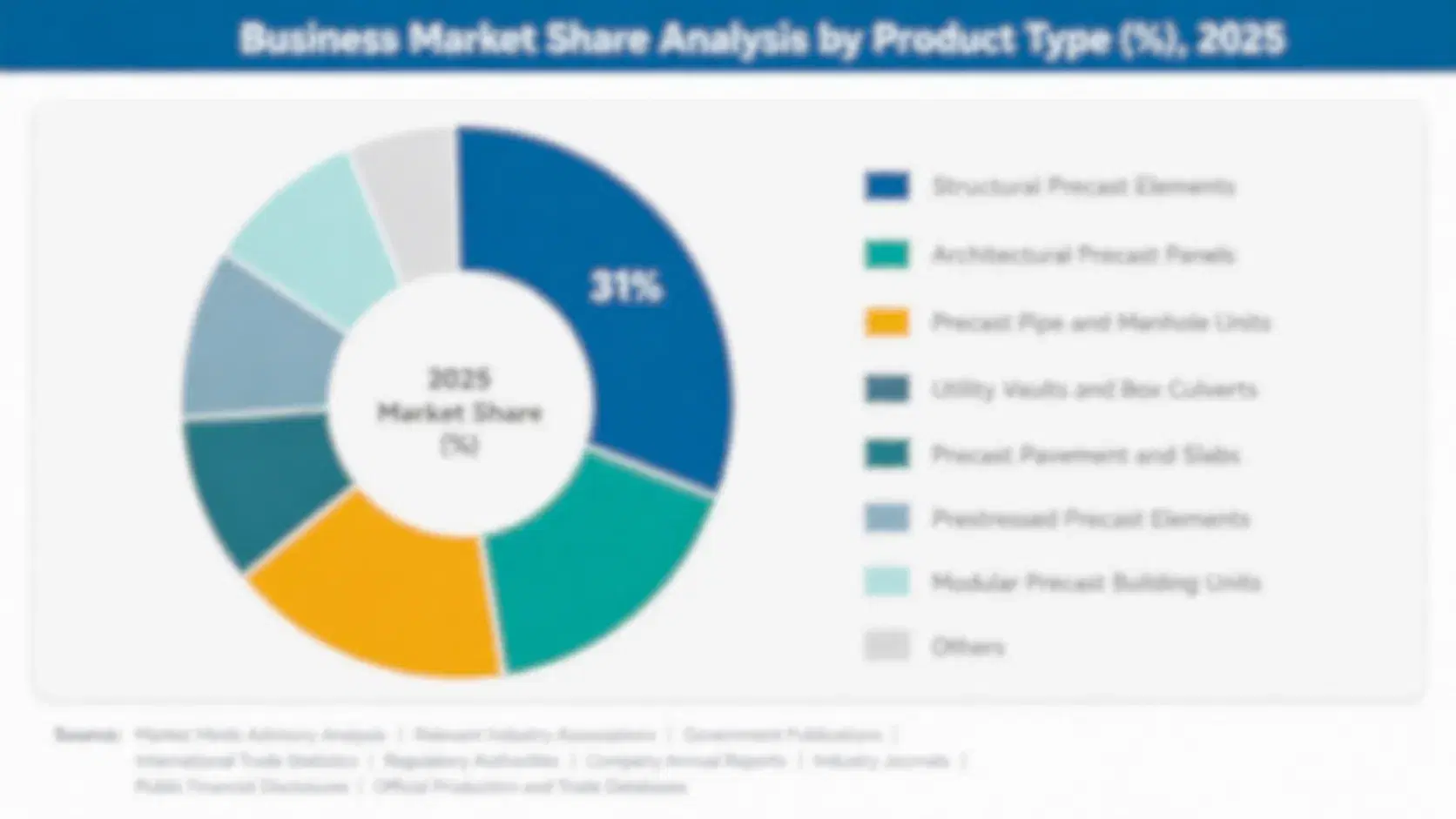
Segment CAGR and Growth Architecture

The global Dunaliella salina market is segmented by product form and application, which shows where evidence and formulation depth create pricing power in a small, concentrated market. Five segments cover natural beta-carotene extracts, whole-cell powders, cosmetic actives, aquaculture and pet feed grades, and food and beverage colour formulations. Cosmetic actives and whole-cell powders grow fastest as beauty and
dunaliella-salina-market-market-share-analysis-1789868003464

Cosmetic and Personal Care Dunaliella Actives

Cosmetic and Personal Care Dunaliella Actives is the fastest-growing segment at 15.0% a year, about 1.60 times the overall market rate, from a small base. Clean beauty and sun care brands seek natural antioxidants with a marine algae story, so gross margins of 45% to 65% against 18% to 28% for colour grade extracts support investment. Efficacy evidence and formulation stability are the main constraints. Producers with cosmetic laboratories win. Margins follow sourcing discipline. Batch records protect future sales. Cost control separates leaders from followers. Clear specifications build buyer trust. Small buyers feel every input swing. Technical reach compounds over time. Audits repeat every year. Buyers review suppliers every season. Supply contracts decide renewal.
CAGR 15.0%

Whole-Cell Dried Dunaliella Powders and Biomass

Whole-Cell Dried Dunaliella Powders and Biomass grows at 12.2% a year, because supplement makers market whole-cell Dunaliella as a natural carotenoid source with 9-cis beta-carotene, and buyers accept gross margins of 32% to 48% for consistent carotene content and clean sourcing. Evidence for 9-cis claims and organic certification are the main constraints, since brands compare price per serving. Producers with clinical or preclinical evidence hold price better than followers. Delivery reliability decides supplier rankings. Margins follow sourcing discipline. Batch records protect future sales. Cost control separates leaders from followers. Clear specifications build buyer trust. Small buyers feel every input swing. Technical reach compounds over time. Audits repeat every year. Buyers review suppliers every season.
CAGR 12.2%
Full segment breakdown across 5 segments available in the complete report.

Regional Architecture and Country Demand Map

South Asia and Pacific leads at 28% because Australian lagoons and Indian ponds host the largest Dunaliella cultivation, so its share sits far above the usual band. East Asia follows through Chinese cultivation and Japanese and Korean demand, while South Asia and Pacific also grows fastest.

South Asia and Pacific

South Asia and Pacific holds 28% share, far above its usual band, and leads because Western and South Australian lagoons and ponds host the world's largest Dunaliella cultivation, alongside Indian producers such as Parry Nutraceuticals and Divi's Nutraceuticals building carotenoid supply, while Australian and Indian supplement and cosmetic demand grows. This share reflects cultivation concentration. Growth exceeds the global rate. Weather exposure and synthetic price competition restrain margins. Supply contracts decide renewal. Delivery reliability decides supplier rankings. Margins follow sourcing discipline. Batch records protect future sales. Cost control separates leaders from followers. Clear specifications build buyer trust. Small buyers feel every input swing. Technical reach compounds over time. Audits repeat every year.
Share: 28% | CAGR: 11.5% (2026 to 2036)

East Asia

East Asia holds 26% share, inside its band, and value comes from China, where Beijing Gingko Group and other producers cultivate microalgae and supply supplement and feed markets, and from Japan and Korea, where cosmetic and functional food brands pay premiums for natural carotenoids. Growth exceeds the global rate. Regulatory approvals, price competition, and cultivation quality gaps restrain margins, and buyers verify contaminant testing. Buyers review suppliers every season. Supply contracts decide renewal. Delivery reliability decides supplier rankings. Margins follow sourcing discipline. Batch records protect future sales. Cost control separates leaders from followers. Clear specifications build buyer trust. Small buyers feel every input swing. Technical reach compounds over time. Audits repeat every year.
Share: 26% | CAGR: 10.5% (2026 to 2036)
Regional intelligence for 5 additional markets available in the complete report: North America, Western Europe, Middle East and Africa, Latin America, Eastern Europe. Contact sales@marketmindsadvisory.com.
dunaliella-salina-market-country-cagr-analysis-1789868003877

Four Margin Routes for Dunaliella Producers

Margin in Dunaliella comes from cosmetic actives, supplement evidence, cultivation yield, and site diversification rather than colour grade extract volume. The routes below apply to microalgae farms, extraction specialists, and colour formulators, and each can start inside one planning cycle, with clear measures in gross margin points, cost per kilogram, and customer programmes served.

Shifting Volume From Colour Extracts Into Cosmetic Active Grades

Cosmetic actives earn gross margins of 45% to 65% against 18% to 28% for colour grade extracts, so producers that add purification, stability testing, and cosmetic laboratories to shift 10% of volume into cosmetic actives report gross margin gains of 5 to 8 points on the mix. Laboratories cost $0.5 million to $2 million. Pilots with five beauty brands confirm demand. Batch records protect future sales. Cost control separates leaders from followers. Clear specifications build buyer trust. Small buyers feel every input swing. Technical reach compounds over time. Audits repeat every year.
Market Impact: cosmetic active mix shift lifts gross margin by 5-8 points

Funding 9-Cis Evidence With Supplement Brand Partnerships

Supplement brands need evidence to support 9-cis positioning, so producers that fund studies with partners, share data, and offer clean-label whole-cell powders win multi-year programmes and lift sales per customer by 10% to 18%. Studies cost $0.5 million to $2 million. Producers should target eye and skin health brands first and publish study summaries to support claims. Buyers review suppliers every season. Supply contracts decide renewal. Delivery reliability decides supplier rankings. Margins follow sourcing discipline. Batch records protect future sales. Cost control separates leaders from followers. Clear specifications build buyer trust. Small buyers feel every input swing.
Market Impact: supplement partnerships lift sales per customer by 10-18%

Raising Pond Yield Through Strain Selection and Process Control

Yield drives cost, so producers that select high-carotene strains, optimise salinity and nutrients, and add real-time monitoring lift carotene output per hectare and cut unit cost. Programmes cost $1 million to $4 million. Producers should run controlled trials before scaling changes and aim to cut cost per kilogram of carotene by 15% to 25% while holding quality. Technical reach compounds over time. Audits repeat every year. Buyers review suppliers every season. Supply contracts decide renewal. Delivery reliability decides supplier rankings. Margins follow sourcing discipline. Batch records protect future sales. Cost control separates leaders from followers.
Market Impact: yield improvements cut cost per kilogram by 15-25%

Diversifying Cultivation Across Multiple Climates and Sites

Weather losses reach 10% to 25% in bad seasons at single sites, so producers that add ponds or partner farms in Australia, Israel, India, and China cut supply shocks and win multinational programmes. New sites cost $5 million to $20 million. Producers should stage expansion, share strain and process know-how carefully, and aim to cut weather loss exposure by 30% to 50%. Clear specifications build buyer trust. Small buyers feel every input swing. Technical reach compounds over time. Audits repeat every year. Buyers review suppliers every season. Supply contracts decide renewal. Delivery reliability decides supplier rankings.
Market Impact: multi-site cultivation cuts weather loss exposure by 30-50%

Who Controls the Margin Pool

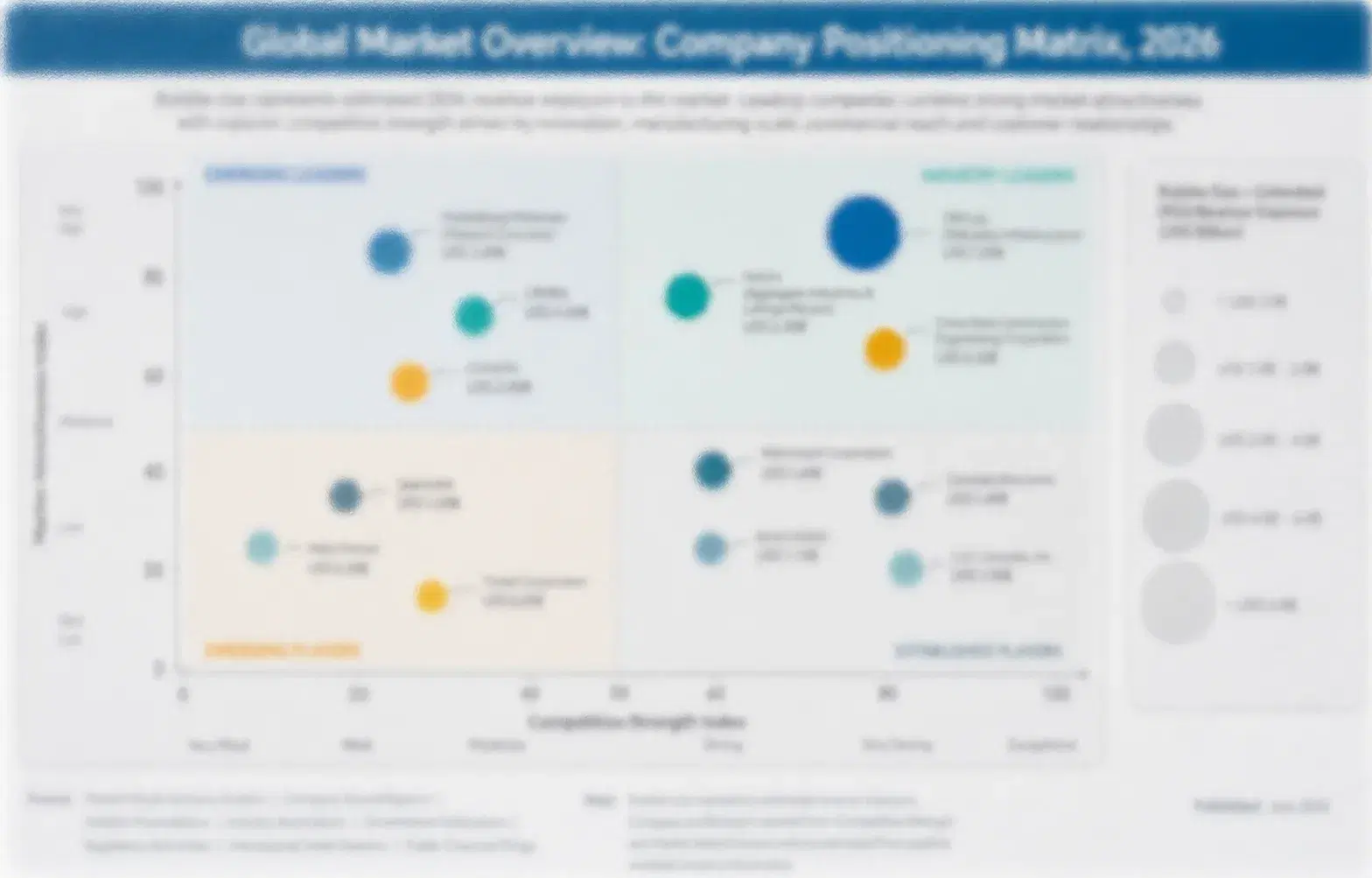
The global Dunaliella market is highly concentrated, with a CR5 of 74%, and regional algae farms, cosmetic ingredient houses, and Chinese producers sit outside the leading five. This assessment measures participants on estimated Dunaliella-derived product value supplied, held constant across all players. BASF leads through Australian pond scale and colour customer reach, while Nature Beta Technologies, DSM-Firmenich, Novonesis, and Sensient Technologies follow, with a clear gap between the leader and
Competition runs on four dimensions today: pond scale and yield, extraction and purity, evidence and claim support, and customer reach in cosmetics and supplements. Large groups win on scale and formulation, while regional farms win on niche origin stories. Imitators copy colour grade extracts quickly, so premiums outside cosmetic and 9-cis whole-cell grades erode within a season, and synthetic price competition appears in food colour. Margins follow sourcing discipline.

Emerging pressure comes from Haematococcus and other microalgae carotenoids, precision-fermented carotenoids, and Chinese producers scaling ponds. Rankings shift where a producer secures cheaper cultivation, adds cosmetic evidence, or wins a supplement programme. Regional farms can move up quickly when they publish evidence, since efficacy data can outweigh scale. Batch records protect future sales. Cost control separates leaders from followers.
dunaliella-salina-market-company-positioning-matrix-1789868004185

Competitive Moat and Risk Dimensions

BASF

Moat: Australian Pond Scale and Reach

BASF, a German chemicals group, sells natural beta-carotene from Dunaliella cultivated in Australian lagoons alongside synthetic carotenoids and other nutrition and colour ingredients to food, feed, and supplement customers worldwide. Its pond scale, extraction know-how, and customer relationships give it credibility with multinational buyers, and its position supports secure supply, consistent quality, and bundled carotenoid portfolios.
BASF

Risk: Portfolio Conflict With Synthetic Carotene

BASF sells synthetic carotenoids that compete with natural Dunaliella, so investment priorities may favour scale products. Natural specialists can win claim-driven accounts. Clear specifications build buyer trust. Small buyers feel every input swing. Technical reach compounds over time. Audits repeat every year. Buyers review suppliers every season.
NATURE BETA TECHNOLOGIES

Moat: Desert Cultivation and Natural Focus

Nature Beta Technologies, an Israeli microalgae producer, grows Dunaliella in desert ponds near Eilat and supplies natural beta-carotene extracts and powders to supplement, food, and cosmetic customers worldwide. Its desert cultivation, natural focus, and technical service give it credibility with brands seeking natural carotenoids, and its position supports tailored products and small-lot flexibility.
NATURE BETA TECHNOLOGIES

Risk: Scale and Geopolitical Exposure

Nature Beta Technologies operates at smaller scale and in a region exposed to geopolitical risk. Larger rivals with multi-site supply can win multinational accounts. Supply contracts decide renewal. Delivery reliability decides supplier rankings. Margins follow sourcing discipline. Batch records protect future sales. Cost control separates leaders from followers.

Players Tracked

Prominent Players

BASF
Nature Beta Technologies
DSM-Firmenich
Novonesis
Sensient Technologies

Other Key Players

Kalsec
Givaudan
Symrise
Roquette
Corbion
Cyanotech
Algatech
Fuji Chemical Industries
Beijing Gingko Group
Parry Nutraceuticals
Divi's Nutraceuticals
Lycored
Archer Daniels Midland
Cargill
Croda

Recent Developments

JANUARY 2026

BASF Reports Higher Demand for Natural Beta-Carotene From Food and Supplement Customers

BASF reported higher demand for natural beta-carotene from food and supplement customers, according to company communications. It is a market commentary, not a capacity announcement, and it tests demand durability. Sales volumes were not disclosed. Clear specifications build buyer trust. Small buyers feel every input swing.
Signal: Suggests global producers see natural colour and supplement demand widening as synthetic dye restrictions keep expanding.
FEBRUARY 2026

Nature Beta Technologies Introduces Cosmetic Grade Dunaliella Extract for Sun Care Brands

Nature Beta Technologies introduced a cosmetic grade Dunaliella extract for sun care brands, supported by stability data. It is a product launch, and it tests demand for natural antioxidant actives. Sales volumes were not disclosed. Technical reach compounds over time. Audits repeat every year. Buyers review suppliers every season.
Signal: Indicates specialist producers are moving into cosmetic grades where margins exceed those in colour and feed applications.
MARCH 2026

DSM-Firmenich Publishes Data Comparing Natural and Synthetic Carotenoid Stability in Beverages

DSM-Firmenich published data comparing natural and synthetic carotenoid stability in beverages, according to company communications. It is a technical disclosure, not a product launch, and it tests colour performance. Sales volumes were not disclosed. Supply contracts decide renewal. Delivery reliability decides supplier rankings. Margins follow sourcing discipline.
Signal: Confirms synthetic carotenoid leaders are defending beverage colour accounts with performance data against natural alternatives in cold storage.

What Drives Global Dunaliella Production Costs

Pond operation, brine, nutrients, and labour account for roughly 22% of cost of goods, harvesting and dewatering about 24%, extraction or drying about 22%, and quality control, packaging, regulatory work, and logistics about 32%. Ponds sit in Australia, Israel, China, and India, so producers rely on land access, salt and water supply, sunlight, and skilled algae operators. Clear specifications build buyer trust.
The clearest recent shock came from weather and energy prices. Heavy rain and cyclones disrupted Australian ponds in recent seasons, as national agencies reported, energy prices surged, as the IEA reported, and BASF noted in its Integrated Report 2023 that raw material and energy costs affected its businesses. Producers raised prices by 8% to 20% in affected grades. Small buyers feel every input swing. Technical reach compounds over time.

The competitive disadvantage falls on small farms with single-site exposure and on food colour buyers competing with synthetic prices, which cannot pass costs on quickly. Large producers spread ponds across sites, own extraction, and spread cost across products. Exposure also varies by segment, since cosmetic and supplement grades carry higher margins that absorb cost swings better than colour grade extracts.
dunaliella-salina-market-cost-volatility-analysis-1789868004546

Multi-Site Cultivation With Shared Process Knowledge

Producers operate ponds in more than one climate zone and share strain and process knowledge so weather losses at one site are offset by others. Multi-site cultivation cuts weather exposure by about a third. The main challenge is capital and quality parity, so producers stage projects and audit sites to one standard. Audits repeat every year.

Mix Shift Toward Cosmetic and Supplement Grades

Producers shift capacity toward cosmetic and supplement grades that carry higher margins and absorb cost swings. A shift of 10% of volume lifts gross margin by 5 to 8 points. The main challenge is qualification time, so producers run stability and evidence programmes early and keep colour lines for core customers. Buyers review suppliers every season.

Yield Improvement Through Strain and Monitoring Programmes

Producers select high-carotene strains and add sensors for salinity, temperature, and nutrients to improve yield. Yield gains of 10% to 25% cut cost per kilogram of carotene. The main challenge is scale-up, so producers run pilot ponds first and protect strain knowledge through controlled documentation and patents. Supply contracts decide renewal. Delivery reliability decides supplier rankings.

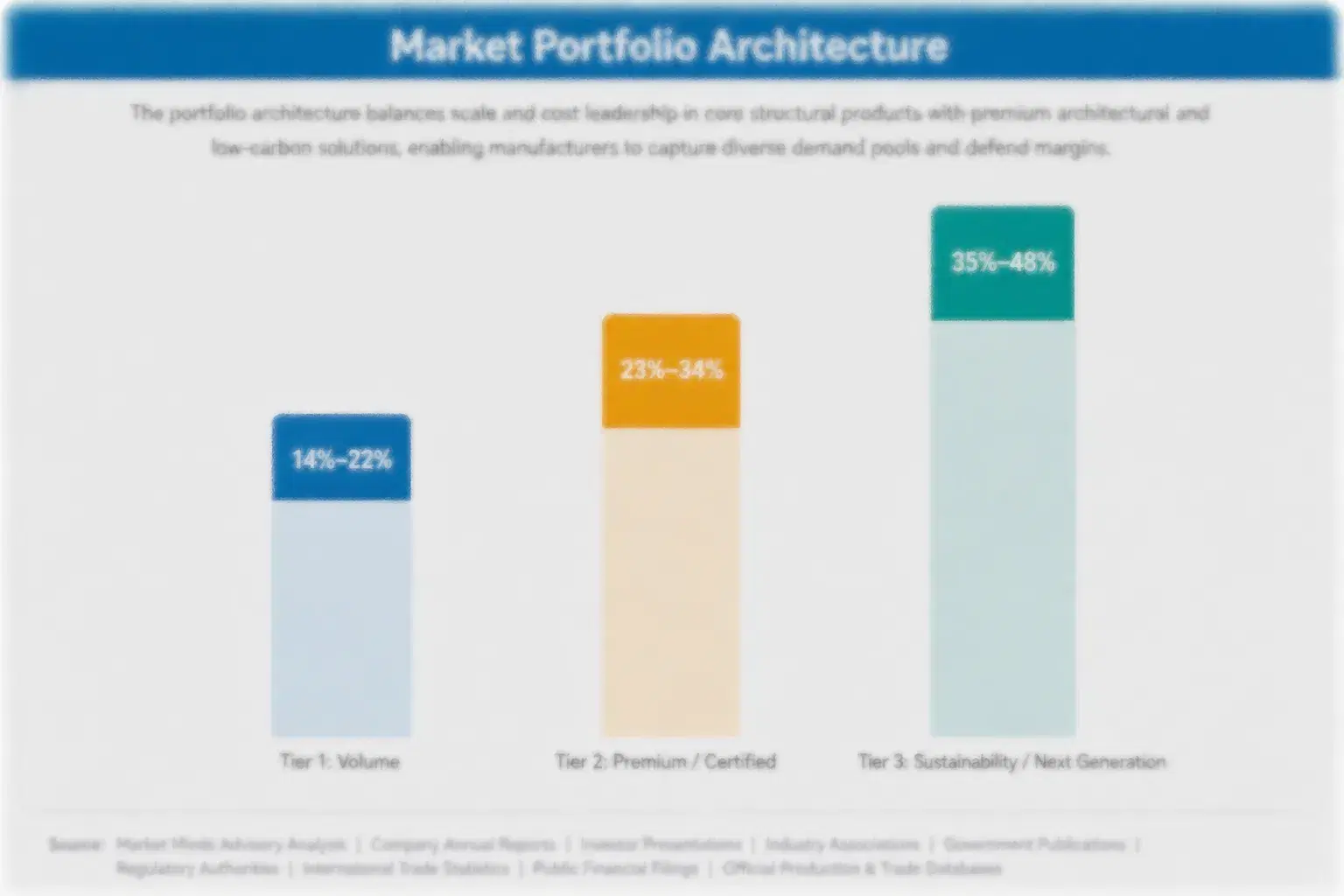
Portfolio Architecture for Margin Defence

Margins run from moderate returns on colour grade extracts and feed pigmentation sold under annual contracts to very strong returns on cosmetic actives and 9-cis whole-cell products sold with evidence and technical support. Three tiers separate volume products, certified premium lines, and next-generation formats, and each tier draws on different customer groups, pond positions, and extraction platforms in a small, highly concentrated market.
The tension between volume and premium is sharp. Colour and feed grades fill ponds and protect cultivation economics but face synthetic price competition, while cosmetic and whole-cell grades earn far higher margins on small volumes and depend on evidence, formulation, and brand trust. Producers that run only colour grades struggle when synthetic prices fall, while producers that run only premium lose scale and pond utilisation. Cost control separates leaders from followers.

High-value pools concentrate in cosmetic actives sold to clean beauty and sun care brands and in 9-cis whole-cell powders sold to supplement makers. They gather where buyers pay for efficacy claims, isomer content, and clean sourcing rather than kilograms. Natural food colours add a growing pool as dye restrictions widen. Clear specifications build buyer trust. Small buyers feel every input swing.

Volume / Commodity-Adjacent Tier

Feed pigmentation grades and colour grade extracts sold in bulk to feed and food makers under annual contracts at moderate margins, with cultivation cost pass-through and synthetic price competition. Technical reach compounds over time.
Gross Margin: 18%-28%

Premium / Certified Tier

Natural beta-carotene extracts and food colour formulations with carotene specifications, organic or non-GMO certificates, and audit records, sold to food and beverage brands seeking natural colours. Audits repeat every year. Buyers review suppliers every season.
Gross Margin: 26%-40%

Sustainability / Regulatory / Next-Generation Tier

Cosmetic actives and 9-cis whole-cell powders with efficacy data, stability tests, and technical service, sold to beauty and supplement brands that pay for evidence-backed natural carotenoids. Supply contracts decide renewal. Delivery reliability decides supplier rankings.
Gross Margin: 40%-65%
dunaliella-salina-market-portfolio-architecture-1789868004945

High-value Sub-segments and Strategic Watch-out

Cosmetic and Personal Care Dunaliella Actives

Cosmetic and personal care Dunaliella actives combine the fastest growth with very strong pricing, since clean beauty and sun care brands pay for natural antioxidants with a marine algae story at gross margins of 45% to 65%. Efficacy evidence and formulation stability limit competition, and producers with cosmetic laboratories
Gross Margin: 45%-65%

Whole-Cell Dried Dunaliella Powders and Biomass

Whole-cell dried Dunaliella powders and biomass deliver firm growth and pricing, since supplement makers pay for whole-food carotenoid sources with 9-cis beta-carotene. Evidence for 9-cis claims and organic certification form the entry barrier, and producers with clinical data win. Repeat supply builds through long programmes. Margins follow sourcing discipline.
Gross Margin: 32%-48%

Natural Beta-Carotene Extracts and Oil Suspensions

Natural beta-carotene extracts and oil suspensions are the volume core, sold to food, supplement, and feed makers at moderate margins under annual contracts. Value grows about 8.6% a year, and carotene content, colour stability, and delivery reliability decide profit. Producers anchor sales on long relationships with colour formulators.
Gross Margin: 22%-36%

Aquaculture and Pet Feed Pigmentation Grades

Aquaculture and pet feed pigmentation grades are the strategic watch-out, since growth of about 7.0% a year trails the market, feed buyers are price sensitive, and synthetic carotenoids and astaxanthin compete. Producers should manage this line for margin and steer capacity toward cosmetic and whole-cell grades where evidence protects
Gross Margin: 14%-24%

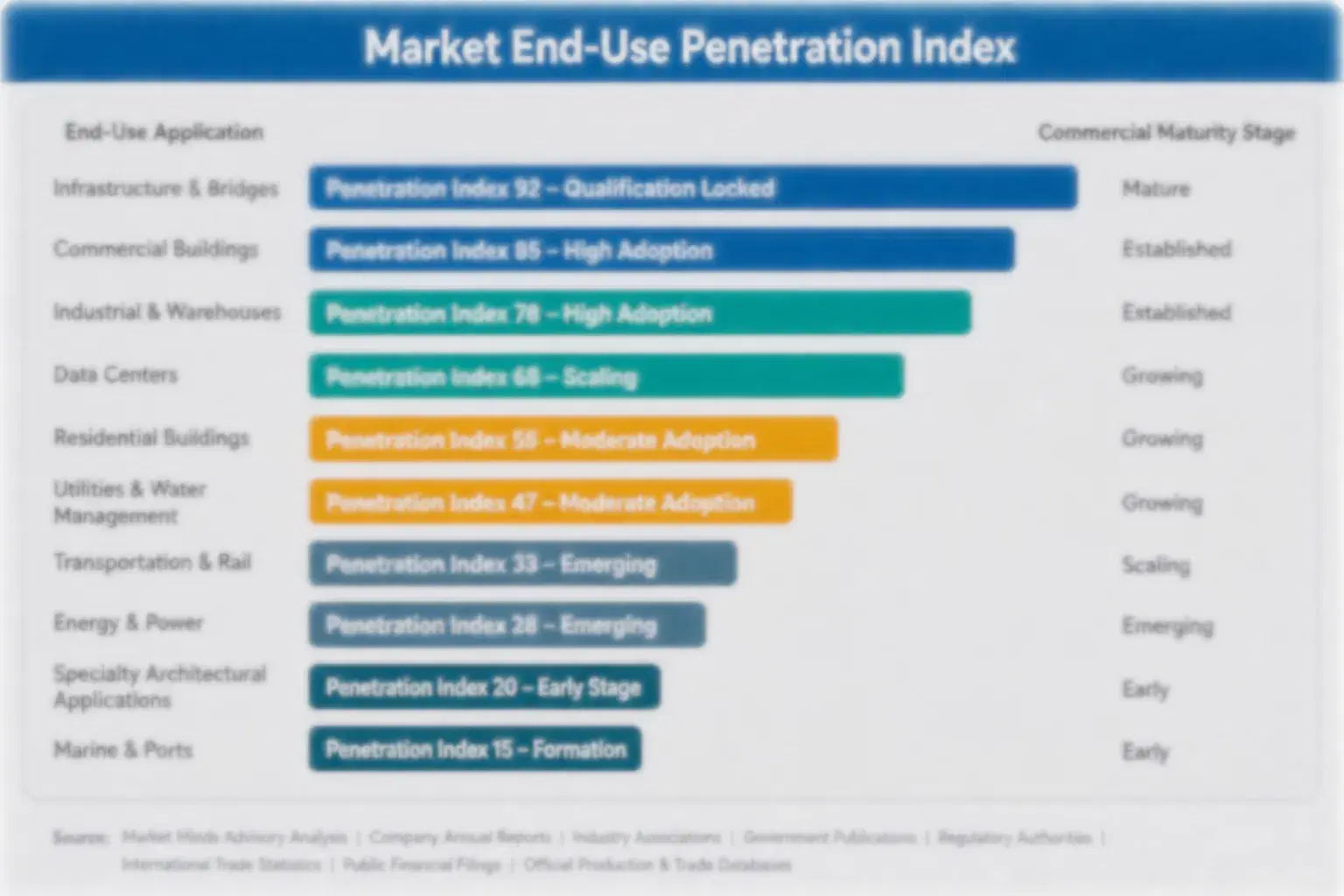
Why Formulators Keep Reordering Dunaliella

Dunaliella demand behaves like an annuity attached to approved formulations and product registrations. Once a brand qualifies an ingredient whose carotene content, isomer profile, and documentation it trusts, it repeats the order every quarter, and switching means new stability tests, claim reviews, and possible label changes. Buyers use last year's batch consistency and delivery record to fix renewals, so producers with clean records earn steadier volume than sellers
Adoption stickiness differs by end-use vertical. Cosmetic brands are the deepest, since the active is written into registered formulations and changes only when efficacy or supply fails. Supplement brands follow evidence. Food colour makers are moderate and switch on cost, while feed buyers are shallow and buy through distributors. Batch records protect future sales. Cost control separates leaders from followers. Clear specifications build buyer trust.

Buyer profiles are shifting between generations. Older buyers bought carotene on price and long supplier relationships, while younger teams ask for natural provenance, isomer data, sustainability proof, and traceable cultivation. Retailers add a third group that sets colour and claim rules. Producers that publish evidence and offer multi-site supply win younger buyers and keep them as natural demand widens.
dunaliella-salina-market-end-use-penetration-index-1789868005240

MMA Verdict on Dunaliella Strategy

These are among the four positions where our research anticipates prominent divergence between winners and laggards over the coming forecast period. Each is grounded in the demand model, the regulatory perimeter, and the announced capacity pipeline.
01 / COSMETIC ACTIVE STRATEGY

Shift Volume Into Cosmetic Actives Before Beauty Brands Choose Rival Carotenoid Suppliers

Cosmetic and Personal Care Dunaliella Actives grows at 15.0% a year, about 1.60 times the overall market rate, and gross margins of 45% to 65% compare with 18% to 28% for colour grade extracts. Producers should invest $0.5 million to $2 million in purification, stability testing, and cosmetic laboratories, shift 10% of volume into cosmetic actives, and lift gross margin by 5 to 8 points. Those that stay in colour grades will lose margin as synthetic prices fall, while producers with cosmetic actives keep premium accounts.
02 / SUPPLEMENT EVIDENCE STRATEGY

Fund 9-Cis Evidence Before Rival Carotenoid Suppliers Win Supplement Brand Programmes

Whole-Cell Dried Dunaliella Powders and Biomass grows at 12.2% a year, about 1.30 times the overall market rate, and gross margins of 32% to 48% reflect buyer demand for whole-food carotenoids with 9-cis beta-carotene. Producers should invest $0.5 million to $2 million in studies with partners, share data, and target eye and skin health brands first, lifting sales per customer by 10% to 18%. Those without evidence will compete only on price, and producers with data hold premiums for years.
03 / YIELD IMPROVEMENT STRATEGY

Raise Pond Yield Before Synthetic Price Pressure Erases Natural Carotene Margins

Synthetic beta-carotene costs 60% to 80% less, so natural producers survive only by cutting cost per kilogram while protecting the natural claim. Producers should invest $1 million to $4 million in high-carotene strain selection, salinity and nutrient optimisation, and real-time monitoring, run controlled trials before scaling changes, and cut cost per kilogram of carotene by 15% to 25%. Those that ignore yield will lose colour accounts to synthetics, and producers with low-cost natural carotene will hold margin, volume, and buyer confidence.
04 / SITE DIVERSIFICATION STRATEGY

Diversify Cultivation Sites Before Weather Losses Disrupt Multinational Supply Programmes Again

Pond losses reach 10% to 25% in bad seasons at single sites, and multinational buyers now value continuity as much as price. Producers should invest $5 million to $20 million in ponds or partner farms across Australia, Israel, India, and China, stage expansion carefully, and audit all sites to one quality standard, cutting weather loss exposure by 30% to 50%. Those that stay single-site will lose accounts after each disruption, and producers with diversified supply will hold premium relationships for many years.

Engagement Snapshot From the Field

A live engagement with an industry participant carrying material or product regulatory and market exposure ahead of a defining policy shift, showing how our research translates into a defensible multi-year portfolio strategy.
MARKET MINDS ADVISORY · CLIENT ENGAGEMENT SUMMARY
Dunaliella Salina Producer Strategic Portfolio Review and Transition Roadmap 2026·Investment Scenario on Dunaliella Salina Exposure Evaluation 2025-26
CLIENT PROFILE
The client is a mid-sized European natural cosmetics brand with annual sales near $140 million (client-reported, unverified by MMA), selling sun care, skin care, and supplement products through pharmacies, department stores, and online channels. It used synthetic beta-carotene in two products, faced brand pressure for natural actives, and had tested Dunaliella extract in only one prototype.
STRATEGIC CHALLENGE
Consumers and retailers asked for natural antioxidant actives, Dunaliella extract cost far more than synthetic beta-carotene, and one supplier had delayed shipments after weather disruption. Management needed to decide whether to adopt Dunaliella in flagship products, use it in limited editions, or keep synthetic ingredients, with limited capital and a launch window.
MMA APPROACH
MMA analysed cost, stability, and consumer data across eight products, interviewed nine cosmetic formulation, procurement, and regulatory experts and four suppliers, and ran stability tests and a consumer survey on natural claims across three countries. It modelled cost by formulation scenario, tested supply and price cases, and ranked options by payback and execution risk.
KEY FINDINGS
  1. Dunaliella extract would add about 12% to product ingredient cost but support a natural antioxidant claim (client-reported, unverified by MMA). Small buyers feel every input swing.
  2. Stability tests showed cosmetic grade extract held colour and activity in sun care emulsions for two years. Technical reach compounds over time. Audits repeat every year.
  3. Products with the natural claim could earn a price premium of about 15% in pharmacy and online channels. Buyers review suppliers every season. Supply contracts decide renewal.
  4. Two qualified suppliers in different climates would add about 3% to cost but cut supply risk by about half. Delivery reliability decides supplier rankings.
CLIENT PROFILE
The client is a mid-sized European natural cosmetics brand with annual sales near $140 million (client-reported, unverified by MMA), selling sun care, skin care, and supplement products through pharmacies, department stores, and online channels. It used synthetic beta-carotene in two products, faced brand pressure for natural actives, and had tested Dunaliella extract in only one prototype.
STRATEGIC CHALLENGE
Consumers and retailers asked for natural antioxidant actives, Dunaliella extract cost far more than synthetic beta-carotene, and one supplier had delayed shipments after weather disruption. Management needed to decide whether to adopt Dunaliella in flagship products, use it in limited editions, or keep synthetic ingredients, with limited capital and a launch window.
MMA APPROACH
MMA analysed cost, stability, and consumer data across eight products, interviewed nine cosmetic formulation, procurement, and regulatory experts and four suppliers, and ran stability tests and a consumer survey on natural claims across three countries. It modelled cost by formulation scenario, tested supply and price cases, and ranked options by payback and execution risk.
KEY FINDINGS
  1. Dunaliella extract would add about 12% to product ingredient cost but support a natural antioxidant claim (client-reported, unverified by MMA). Small buyers feel every input swing.
  2. Stability tests showed cosmetic grade extract held colour and activity in sun care emulsions for two years. Technical reach compounds over time. Audits repeat every year.
  3. Products with the natural claim could earn a price premium of about 15% in pharmacy and online channels. Buyers review suppliers every season. Supply contracts decide renewal.
  4. Two qualified suppliers in different climates would add about 3% to cost but cut supply risk by about half. Delivery reliability decides supplier rankings.
RECOMMENDED STRATEGY
Phase 1: Phase 1 (Months 1-6): Qualify two Dunaliella suppliers in different climates, finalise stability tests, and confirm claim wording. Margins follow sourcing discipline. Phase 2: Phase 2 (Months 7-24): Launch flagship sun care and skin care products and sign multi-year supply agreements with indexed pricing. Batch records protect future sales. Phase 3: Phase 3 (Months 25-42): Extend the active to supplements, audit suppliers yearly, and review cost and claims quarterly. Cost control separates leaders from followers.
OUTCOME
Within 42 months, Dunaliella actives featured in five flagship products, natural claim sales rose, and gross margin on affected lines rose by 2.4 points (client-reported, unverified by MMA). The client held stability performance, raised repurchase by 5%, and held stockouts below 3%. Clear specifications build buyer trust. Small buyers feel every input swing.

Frequently Asked Questions

Foundational context covering the market sizes, CAGR, scope, country, region and competition that inform every finding below. This section is provided to cover basics and most often pre-purchase conversations, answered from the MMA Primary Research Dataset.

What is the current size of the Dunaliella Salina Market?

The global Dunaliella salina market was valued at $0.18 billion in 2025 on a producer-value basis. Growth is supported by natural colour and cosmetic actives, offset by synthetic price pressure and weather risk.

How large will the Dunaliella Salina Market be by 2036?

The market is projected to reach $0.48 billion by 2036, up from $0.20 billion in 2026. The increase of $0.29 billion reflects cosmetic actives, whole-cell powders, and natural colours.

What is the CAGR for the Dunaliella Salina Market 2026 to 2036?

The market is forecast to grow at a 9.4% CAGR from 2026 to 2036, from a small base. The bull case reaches 10.7% and the bear case 8.1%, depending on natural colour adoption, synthetic prices, and pond performance.

Which segment is growing fastest?

Cosmetic and Personal Care Dunaliella Actives is the fastest-growing segment at 15.0% CAGR, roughly 1.60 times the overall market rate. Whole-Cell Dried Dunaliella Powders and Biomass follows at 12.2% CAGR each year.

Who are the major companies in the Dunaliella Salina Market?

Major companies include BASF, Nature Beta Technologies, DSM-Firmenich, Novonesis, and Sensient Technologies. Kalsec, Givaudan, Symrise, Cyanotech, and Algatech also hold meaningful positions in natural colours and algae ingredients.

Which country is growing fastest?

India is growing fastest at about 12.0% CAGR, because producers are scaling carotenoid cultivation and domestic supplement demand is rising. Australia and China follow through pond expansion.

Report Segmentation Architecture

The full report scope spans multiple orthogonal segmentation dimensions, with cross-tabulated demand data provided for each dimension pair. Coverage extends further to regional breakdowns, trend trajectories, and the competitive detail needed to support segment-level decision-making.

By Primary Market Dimension

  • Natural Beta-Carotene Extracts and Oil Suspensions
  • Whole-Cell Dried Dunaliella Powders and Biomass
  • Cosmetic and Personal Care Dunaliella Actives
  • Aquaculture and Pet Feed Pigmentation Grades
  • Food and Beverage Colour Formulations

By End-Use Industry

  • Dietary Supplements
  • Cosmetics and Personal Care
  • Food and Beverage Colours
  • Animal Feed and Pet Food
  • Pharmaceuticals and Nutraceuticals

By Commercial Dimension

  • Direct Supply Contracts
  • Ingredient Distributors
  • Co-Development Agreements
  • Private Label Supply
  • Toll Extraction Services

By Region

  • South Asia and Pacific
  • East Asia
  • North America
  • Western Europe
  • Middle East and Africa
  • Latin America
  • Eastern Europe

Scope, Methodology, and Coverage

Every figure in this report is reproducible from documented input assumptions. The scope below maps the historical period, the forecast horizon, the segmentation dimensions, and the countries covered, alongside the underlying primary and qualitative methodology.
Historical Period
2020 to 2025
Forecast Period
2026 to 2036
Base Year
2025 (USD billions; MMA Primary Research Dataset, September 2026)
Market Definition
The market covers global sales of products derived from Dunaliella salina, valued at producer level, including natural beta-carotene extracts and oil suspensions, whole-cell dried Dunaliella powders and biomass, cosmetic and personal care Dunaliella actives, aquaculture and pet feed pigmentation grades, and food and beverage colour formulations. The scope excludes synthetic beta-carotene, beta-carotene from other sources, Haematococcus astaxanthin, and glycerol or other co-products sold on their own.
Quantitative Units
USD billions (producer value); kilograms of carotene equivalent for volume references
Segmentation Dimensions
By Product Form and Application; By End-Use Industry; By Commercial Dimension; By Region
Regions Covered
South Asia and Pacific, East Asia, North America, Western Europe, Middle East and Africa, Latin America, Eastern Europe
Countries Covered
Australia, India, China, Japan, South Korea, Israel, United States, Canada, Germany, France, United Kingdom, Netherlands, Chile, Brazil, Mexico, Poland, United Arab Emirates, and additional markets relevant to this sector
Key Companies Profiled
BASF, Nature Beta Technologies, DSM-Firmenich, Novonesis, Sensient Technologies, Kalsec, Givaudan, Symrise, Roquette, Corbion, Cyanotech, Algatech, Fuji Chemical Industries, Beijing Gingko Group, Parry Nutraceuticals, Divi's Nutraceuticals, Lycored, Archer Daniels Midland, Cargill, Croda
Quantitative Methodology
Primary survey, n=3,800 respondents, Q4 2025, six countries; demand-side model with trade association cross-validation
Qualitative Methodology
47 expert interviews, Q4 2025; applied to validate demand model assumptions, identify emerging dynamics, and assess competitive positioning
Report Format
PDF and XLSX data workbook (Word format preview document)
Publisher
Market Minds Advisory
Report Code
MMA-2026-AGR-692
Published
September 2026
Contact
sales@marketmindsadvisory.com | www.marketmindsadvisory.com

Purchase the full Dunaliella Salina Market Report (2026 to 2036).

The full report delivers a detailed assessment of the global Dunaliella salina market through 2036, covering product form, end-use, and regional forecasts, competitive benchmarking of leading producers, and input cost analysis. It combines MMA primary research, including a six-country survey of 3,800 respondents and 47 expert interviews, with public statistical and company data. Analysts also model synthetic price scenarios, pond performance risks, and cosmetic adoption paths. Clients receive segment margin ranges, cultivation site maps, and a case study on natural active strategy. Producer programme and contract frameworks are also included for planning.
Ten-year product form and end-use demand forecasts
Cultivation, energy, and freight cost tracking
Competitive benchmarking of top twenty producers
Natural colour and cosmetic rule tracker
Regional cultivation and demand comparative analysis included
Quarterly primary survey data update access

Built For The People Who Decide

From boardroom strategy to bench-side execution, this report is read cover-to-cover by leaders shaping the next decade of their industry, turning demand scenarios, market dynamics and valuation benchmarks into decisions.
CXOs/ Presidents/ VPs/ Managers
M&A and Corporate Development
Strategy Teams and R&D Heads
Procurement and Product Directors
Regulatory and Compliance Leaders
Investor Relations and Equity Analysts