Market Minds Advisory
Dry Buttermilk Market

Dry Buttermilk Market: Byproduct Supply Economics, Functional Differentiation, and Competitive Dynamics Through 2036.

Bakery, infant nutrition, and sports supplement manufacturers are locking in longer dry buttermilk supply contracts as butter production volumes tighten, reshaping procurement strategy across processors worldwide this decade amid persistent price volatility.

Lead Analyst

Published

September 2026

Make Smarter Decisions with Customized Research Insights

Request a free sample report and evaluate market opportunities, growth trends, and competitive dynamics relevant to your business needs.

2025 MARKET VALUE$1.9BMarket Size 2025
2036 FORECAST VALUE$3.0BBase Case , 2026 to 2036
CAGR 2026 TO 20364.3 %Bull 5.5% / Bear 3.1%
INCREMENTAL OPPORTUNITY$1.0BNet 10- year value creation
EXPANSION MULTIPLE1.53x2036 value over 2026 base
Strategic Levers
M&A Pipeline
Regional Outlook
Country Rankings
Competitive Intelligence
Segmental Deep-dive
Call-Us : 91 93563 13602

Executive Snapshot and Market Trajectory.

Dry buttermilk demand is tightening globally as butter production growth fails to keep pace with bakery, confectionery, and infant nutrition manufacturers' formulation needs, pushing processors toward longer-term supply contracts and diversified sourcing to defend against persistent price volatility across most producing regions and distribution channels worldwide.
North America leads global supply given its position as the world's largest butter production hub, anchored by Land O'Lakes and Dairy Farmers of America processing capacity, while sports and nutritional supplement applications grow fastest as protein-focused wellness trends expand demand for dairy protein ingredients across most major consumer markets, and East Asian and South Asian processors sustain a distinct, steadily growing contribution as regional dairy processing capacity continues expanding rapidly nationwide and abroad.
The supply base mixes large integrated dairy cooperatives against specialty ingredient traders, with Land O'Lakes and Arla Foods commanding meaningful contracted volume while FrieslandCampina and Fonterra manage broader export distribution across infant nutrition and bakery accounts worldwide nationwide and beyond. That split is widening as food safety documentation and origin traceability requirements become considerably harder for smaller regional processors to satisfy consistently without dedicated compliance investment.
Market Definition
This market covers dry buttermilk, a dairy powder byproduct of butter churning, sold into bakery, confectionery, infant nutrition, sports supplement, cheese blending, and animal feed applications worldwide. It excludes liquid buttermilk, cultured drinking buttermilk sold as a beverage, and whole or skim milk powder not derived from the buttermilk fraction of butter production.
Base Year Value
$1.9B in 2025 (MMA Primary Research Dataset, September 2026)
Forecast Period
2026 to 2036, eleven discrete annual values
CAGR
4.3% base case. Bull 5.5%. Bear 3.1%.
Fastest Growth Segment
Sports and Nutritional Supplements: 7.5% CAGR
Fastest Growth Country
India: 6.8% CAGR
Fastest Growth Region
South Asia and Pacific: 6.3% CAGR
Largest Region
North America: 32% of 2025 global value
Market Leaders
Land O'Lakes, Dairy Farmers of America, Arla Foods, Royal FrieslandCampina, Fonterra Co-operative Group. Source: MMA Analysis based on company annual reports.
Primary Survey
n=3,800 procurement and R&D decision-makers, Q4 2025, six countries
Methodology
Demand-side build-up, cross-validated against public data, 47 expert interviews

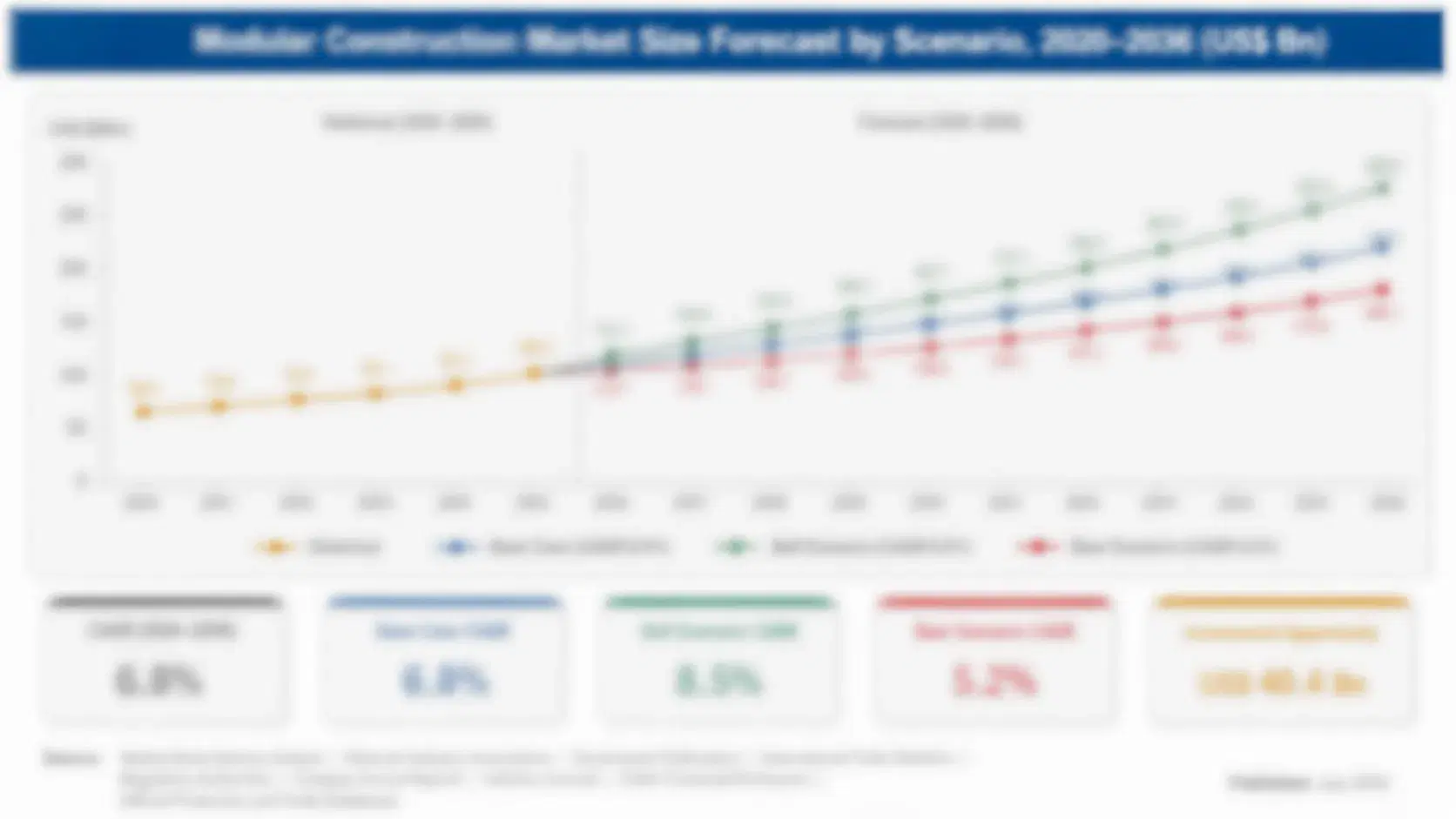
Dry Buttermilk Market Forecast Scenarios

dry-buttermilk-market-size-forecast-scenario-1789899020557
Global dry buttermilk demand grew steadily between 2020 and 2025, as bakery, confectionery, and infant nutrition manufacturers sought consistent dairy protein and fat supply amid fluctuating fresh dairy availability and repeated butter price volatility, with historical growth running near three and a half percent annually across most processing segments worldwide throughout the period and into the current cycle.
The base case assumes continued butter production growth sustains dry buttermilk byproduct supply across major dairy-producing regions worldwide, growing sports and nutritional supplement demand expands dairy protein ingredient consumption meaningfully across specialty retail and e-commerce channels nationwide and abroad, and infant nutrition manufacturers in emerging markets continue scaling formulation capacity, collectively supporting steady demand growth across bakery, nutrition, and supplement channels through the coming decade and well beyond current forecasts.
A bull scenario hinges on accelerated infant nutrition manufacturing expansion in South Asia pulling import demand well above current projections as regional processors scale capacity rapidly, while the bear risk centers on declining global butter production reducing byproduct dry buttermilk availability, a shift that would meaningfully compress supply and push prices higher across most processing segments worldwide.

Byproduct Economics Meet Rising Protein Demand

Dry buttermilk occupies an unusual position in global dairy ingredient trade: a byproduct of butter churning rather than a dedicated production target, meaning its supply expands and contracts with butter demand rather than direct market signals of its own. That underlying dependency shapes almost every purchasing decision buyers make, since securing consistent volume increasingly requires relationships with the largest butter producers rather than standalone ingredient suppliers focused solely on buttermilk itself.
MARKET CONCENTRATIONCR5 38%moderately fragmented across integrated dairy cooperatives and specialty traders
AVERAGE CONTRACT PRICE$2,800-$3,600/tonbyproduct pricing closely tracks broader global butter market trends
TOP PRODUCING COUNTRY SHAREUSA, ~30%domestic butter production capacity anchors regional supply chains
SHELF LIFE UNDER STORAGE12-18 monthsextended shelf stability supports flexible inventory management practices
DAIRY PROTEIN COST SHARE55-63%raw buttermilk input dominates total processing cost base
EXPORT TRADE INTENSITYModerate to Highcross-border shipment activity supports diverse global demand centers overall
Procurement strategy varies sharply by buyer type. Large infant nutrition and confectionery manufacturers negotiate direct supply contracts with integrated cooperatives like Land O'Lakes, locking in volume and price over multi-year terms that hedge against butter market volatility, while smaller bakeries and supplement brands buy through specialty ingredient traders that carry warehousing and logistics overhead the manufacturers themselves prefer to avoid managing internally.
Butter market dynamics increasingly determine dry buttermilk availability over the next decade. Buyers locking in long-term supply agreements with major butter producers are securing volume that spot-market purchasers increasingly cannot guarantee during periods of tight supply, a gap that widens each year global butter demand grows further across most major dairy-producing regions worldwide.
"Nobody sets out to make dry buttermilk. It shows up whenever the world churns more butter, and lately the world has been churning quite a lot."
Director, Dairy Ingredients and Byproduct Markets Practice · MMA Agriculture and Food Practice · September 2026

Market Trends

Sports Nutrition Brands Increase Dairy Protein Sourcing

Sports nutrition and wellness supplement brands are steadily raising dry buttermilk sourcing volumes specifically for its documented phospholipid and milk fat globule membrane content, tracked through ingredient sourcing disclosures and specialty supplement industry trade publications, as consumers increasingly seek functional dairy protein ingredients beyond standard whey protein isolates and concentrates currently available. This formulation shift is measurable in packaged goods sales data showing steady volume growth in dairy-protein-forward supplement lines across major specialty retail chains, pushing several brands to secure dedicated long-term supply contracts with major dairy cooperatives nationwide and abroad.
Market Impact: Adds 7% infant nutrition demand volume

Tightening Global Butter Supply Constrains Byproduct Volume

Global butter production growth has moderated in several major dairy-producing regions amid herd size constraints and shifting farmer incentives toward higher-value dairy products, tracked through USDA and European Commission dairy market monitoring reports published regularly each year. Since dry buttermilk exists only as a byproduct of butter churning, this moderation is directly constraining available supply even as downstream demand from bakery, nutrition, and supplement manufacturers continues expanding steadily, pushing buyers toward longer contract terms and diversified sourcing relationships across multiple producing countries and continents worldwide this cycle and well beyond.
Market Impact: Lifts substitution-driven demand by 6 percent

Market Opportunities and Growth Drivers

Rising Infant Nutrition Manufacturing Capacity Worldwide

Infant formula manufacturers across South Asia, Southeast Asia, and Latin America continue expanding domestic production capacity, tracked through national dairy import and manufacturing statistics published by relevant government agencies, directly increasing industrial-scale demand for dry buttermilk as a documented formulation ingredient supporting fat and protein balance in infant nutrition products across most emerging markets and regional manufacturing hubs currently expanding output. This expansion is measurable in growing contracted import volumes negotiated between regional formula manufacturers and major dairy exporters, a relationship that continues deepening as manufacturing capacity scales further nationwide.
Market Impact: Limits supply flexibility by 12 percent

Confectionery Industry Cost Substitution Demand Growth

Confectionery and bakery manufacturers facing sustained cocoa and dairy fat cost pressure are increasingly substituting dry buttermilk for a portion of costlier whole milk powder and butter in select formulations, tracked through industry cost management disclosures and trade publications across most major producing regions and retail categories worldwide currently. This substitution trend is measurable in packaged goods formulation data showing growing dry buttermilk content across compound chocolate and bakery filling applications, as manufacturers work to preserve margin without sacrificing product texture or mouthfeel nationwide across most major confectionery brands and manufacturers.
Market Impact: Caps pricing power to 8 percent

Market Restraints and Challenges

Byproduct Dependency Limits Long-Term Supply Predictability

Dry buttermilk supply depends entirely on butter production volumes rather than direct market demand signals, since it exists only as a byproduct of the churning process, meaning buyers cannot simply order increased production regardless of price offered. The root cause traces to the fundamental economics of dairy processing, where butter remains the primary revenue driver and buttermilk powder a secondary output. Buyers are exploring long-term supply contracts directly with major butter producers as a mitigation pathway, though this requires accepting butter market price and volume terms rather than negotiating buttermilk supply independently.
Market Impact: Adds 8% incremental supplement segment volume

Whole Milk Powder Substitution Competition Limits Growth

Whole milk powder and other dairy protein ingredients compete directly with dry buttermilk across many formulation applications, limiting how much pricing power buttermilk suppliers can exercise even during periods of tight supply and elevated buyer demand. This substitution pressure is particularly acute in bakery and confectionery applications where formulators can often swap ingredients with modest recipe adjustment and minimal reformulation cost. Some suppliers are addressing this through documented functional differentiation, emphasizing dry buttermilk's specific phospholipid content that whole milk powder cannot replicate, as a mitigation pathway to preserve pricing power.
Market Impact: Tightens available supply by 5 percent
3 additional market trends, 4 additional growth drivers, and 3 additional restraints and challenges are covered in the full report. Contact sales@marketmindsadvisory.com to access the complete intelligence.

Segment CAGR and Growth Architecture

Segmentation follows end-use application, the dimension that most directly determines formulation specification, buyer procurement pattern, and price sensitivity across bakery, infant nutrition, sports supplement, cheese blending, and animal feed applications of dry buttermilk sold into global food manufacturing, reflecting how differently each application values functional properties, documentation depth, and long-term supply consistency across most markets worldwide.
dry-buttermilk-market-market-share-analysis-1789899020817

Sports and Nutritional Supplements

Sports and nutritional supplements are growing fastest as wellness-focused consumers seek functional dairy protein ingredients documented for phospholipid and milk fat globule membrane content beyond standard whey protein isolates and concentrates currently dominating the broader supplement category worldwide today. Supplement manufacturers increasingly specify dry buttermilk sourcing precisely for these documented properties rather than treating it as an interchangeable dairy protein source, a formulation discipline pushing suppliers toward more rigorous quality documentation than commodity bakery applications typically require. Growth concentrates among specialty supplement brands rather than mass-market protein powder manufacturers, who remain more focused on standardized whey and casein formulations that already dominate their existing product lines and distribution relationships nationwide.
CAGR 7.5%

Infant and Toddler Nutrition

Infant and toddler nutrition represents the second-fastest-growing segment, as formula manufacturers across emerging markets scale production capacity to meet growing domestic demand for dairy-based infant nutrition products across most major urban and secondary regional markets nationwide and abroad currently and increasingly so. Dry buttermilk's documented fat and protein balance makes it a preferred ingredient for achieving specific nutritional formulation targets that regulatory bodies in many countries mandate for infant formula products sold domestically and regionally. Growth concentrates among manufacturers serving South Asian and Southeast Asian markets, where domestic formula manufacturing capacity continues expanding fastest relative to established Western markets with more mature infant nutrition industries and slower overall population growth.
CAGR 6.5%
Full segment breakdown across 6 segments available in the complete report.

Regional Architecture and Country Demand Map

Regional shares reflect where dry buttermilk demand concentrates globally, with North America leading given its position as the world's largest butter production hub, followed by East Asia and Western Europe as major dairy processing and consuming regions worldwide across most major producing and importing countries.

North America

The United States dominates regional demand through its position as the world's largest butter producer, generating substantial dry buttermilk byproduct volume that domestic bakery, infant nutrition, and supplement manufacturers absorb through established supply relationships with cooperatives including Land O'Lakes and Dairy Farmers of America across most major producing states and regions. Domestic capacity comfortably exceeds export volume, positioning the United States as a net exporter to Asian and Latin American infant nutrition manufacturers seeking documented, traceable supply and consistent quality standards year-round. Canada contributes additional volume through its smaller but well-established dairy cooperative sector, serving both domestic bakery manufacturers and cross-border trade with American buyers across most contracted shipment categories nationwide.
Share: 32% | CAGR: 5.0% (2026 to 2036)

Western Europe

France, Germany, and Ireland anchor Western European demand and production through well-established dairy cooperative processing infrastructure built around substantial butter manufacturing capacity, with companies including Arla Foods and Lactalis Ingredients supplying both domestic confectionery manufacturers and export markets across Africa and the Middle East consistently and reliably each year. The Netherlands contributes additional processing and trading capacity through its established dairy ingredient export infrastructure and trading networks built over many decades of accumulated commercial relationships. European sourcing carries a quality and food-safety certification premium among buyers relative to some developing-market alternatives, supporting continued reliance on regional supply despite meaningfully higher landed cost in some destination markets and shipping corridors worldwide.
Share: 22% | CAGR: 2.8% (2026 to 2036)
Regional intelligence for 5 additional markets available in the complete report: East Asia, South Asia and Pacific, Latin America, Middle East and Africa, Eastern Europe. Contact sales@marketmindsadvisory.com.
dry-buttermilk-market-country-cagr-analysis-1789899021089

Where Dry Buttermilk Suppliers Can Capture Margin

Margin expansion concentrates around three commercial mechanisms: documented functional differentiation for supplement buyers willing to pay for phospholipid content, direct long-term supply contracts with major butter producers that secure volume ahead of competitors, and infant nutrition market expansion into fast-growing South Asian and Southeast Asian manufacturing capacity across the coming decade and well beyond current forecasts.

Documented Phospholipid Content Certification and Verification Program

Suppliers that invest in third-party laboratory verification of phospholipid and milk fat globule membrane content gain access to premium supplement contracts that undocumented commodity suppliers cannot reach, since major supplement brands increasingly require substantiated functional claims before signing sourcing agreements across most product categories and distribution channels. This certification pathway typically commands a 20 to 30 percent price premium over commodity-grade dry buttermilk, reflecting the documentation investment and quality assurance testing buyers value highly. Building this capability requires dedicated laboratory partnerships that smaller regional processors often struggle to establish independently.
Market Impact: Commands a 20 to 30 percent price premium

Direct Long-Term Butter Producer Supply Agreements

Buyers that secure direct long-term supply agreements with major butter producers, rather than purchasing through spot-market intermediaries, guarantee volume access that competitors relying on open-market purchases increasingly cannot match during periods of tight supply across most producing regions and shipment cycles worldwide and beyond. These agreements typically reduce effective procurement cost by 8 to 12 percent compared to spot-market purchasing during volatile periods, while providing the supply certainty infant nutrition manufacturers require for consistent production planning. Establishing these relationships requires meaningful minimum volume commitments that smaller buyers often cannot meet.
Market Impact: Cuts procurement cost by 8 to 12 percent

South Asian Infant Nutrition Market Expansion Strategy

Suppliers building dedicated sales relationships with South Asian and Southeast Asian infant nutrition manufacturers capture growing volume from the fastest-expanding regional demand pool, rather than relying solely on mature Western markets with slower underlying growth rates and demographic trends nationwide and beyond. This expansion pathway typically requires establishing local distribution and documentation support tailored to each country's specific regulatory requirements, a meaningful investment that pays back through multi-year supply contracts once established. Suppliers already serving Oceanic export markets, which supply roughly 40 percent of regional import volume, are best positioned to extend into this region given existing shipping infrastructure.
Market Impact: Captures share across the fastest-growing 2 regional markets

Byproduct Supply Diversification Across Multiple Producers

Buyers building relationships across multiple butter producers in different countries, rather than depending on a single supplier or region, reduce exposure to any one producer's output fluctuations or regional weather-driven disruption to milk supply across most producing seasons and geographies worldwide and beyond. Diversified buyers report meaningfully more stable input costs and fewer supply interruptions than single-source buyers, an advantage worth an estimated 5 to 7 percent in avoided emergency procurement costs during disruption events. This strategy requires maintaining relationships across more suppliers than many smaller manufacturers can justify managing simultaneously.
Market Impact: Avoids 5 to 7 percent in emergency costs

Who Controls the Margin Pool

The global dry buttermilk market is moderately fragmented, with the top five participants holding just under two-fifths of measured production volume on a shipment-tonnage basis, and a meaningful gap separates large integrated cooperatives like Land O'Lakes from smaller regional processors still building documentation and export infrastructure and distribution reach. That gap has widened as infant nutrition buyers raise documentation requirements for market entry across most contracted supply categories.
Current competitive activity concentrates around three dimensions: documented functional differentiation to capture premium supplement contracts, direct long-term supply agreements with major butter producers to secure volume, and infant nutrition market expansion into fast-growing South Asian and Southeast Asian manufacturing capacity. Processors competing purely on commodity pricing increasingly struggle against differentiated and documented competitors offering verified functional claims.

Emerging pressure is coming from South Asian and Southeast Asian dairy processors expanding domestic buttermilk production capacity to reduce reliance on Oceanic and North American imports, a shift that could pull share away from established Western suppliers faster than most current market participants expect. Supplement brands investing in documented functional certification are also beginning to capture margin previously held entirely by commodity traders.
dry-buttermilk-market-company-positioning-matrix-1789899021370

Competitive Moat and Risk Dimensions

LAND O'LAKES INC

Moat: Integrated butter production scale

Land O'Lakes' cooperative ownership of substantial butter manufacturing capacity gives it direct control over dry buttermilk byproduct volume and quality that pure trading intermediaries sourcing on the open market cannot replicate, letting it guarantee consistent supply to major infant nutrition and supplement buyers year-round across most contract cycles.
LAND O'LAKES INC

Risk: Butter market price dependency

Land O'Lakes' dry buttermilk revenue remains tied to butter production economics rather than standalone buttermilk market dynamics, meaning strategic decisions about butter output driven by unrelated market conditions can constrain buttermilk supply regardless of buttermilk-specific demand strength across most contracted buyer relationships and regional markets.
ROYAL FRIESLANDCAMPINA NV

Moat: Global export and trading network

FrieslandCampina's established export relationships across Asia, Africa, and the Middle East give it distribution reach into infant nutrition and confectionery markets that smaller regional processors focused on domestic sales cannot match, letting it capture growing emerging-market demand ahead of less internationally established competitors across most regional trade corridors.
ROYAL FRIESLANDCAMPINA NV

Risk: Higher cost structure overall

FrieslandCampina's cooperative structure and European production base carry meaningfully higher fixed costs than regional processors in lower-cost producing countries, limiting its ability to compete purely on price in commodity bakery applications where buyers prioritize cost over documented traceability and certification depth across most contract negotiations.

Players Tracked

Prominent Players

Land O'Lakes Inc
Dairy Farmers of America Inc
Arla Foods amba
Royal FrieslandCampina NV
Fonterra Co-operative Group Limited

Other Key Players

Saputo Inc
Glanbia plc
Kerry Group plc
Lactalis Ingredients
Agropur Cooperative
Milk Specialties Global
Idaho Milk Products
California Dairies Inc
Foremost Farms USA
Grande Cheese Company
Hoogwegt Group
Interfood Group BV
Sachsenmilch Leppersdorf GmbH
Emmi AG
Westland Milk Products

Recent Developments

FEBRUARY 2026

Land O'Lakes Expands Dry Buttermilk Processing Capacity

Land O'Lakes announced expanded dry buttermilk processing capacity at its Midwest facilities, aiming to meet growing infant nutrition and supplement sector demand amid tightening global supply conditions. The expansion adds dedicated production lines specifically earmarked for export contracts to Asian formula manufacturers this fiscal year.
Signal: Signals growing supplier investment in dedicated export capacity for Asian infant nutrition demand nationwide this cycle.
OCTOBER 2025

FrieslandCampina Signs Multi-Year South Asian Supply Agreement

FrieslandCampina secured a multi-year supply agreement with a major South Asian infant formula manufacturer, locking in volume and pricing terms designed to reduce both parties' exposure to global butter market volatility over the coming several years across most contracted shipment categories and delivery schedules nationwide.
Signal: Confirms large international dairy suppliers are prioritizing long-term contracts over volatile spot-market sales strategies nationwide this cycle.
JUNE 2025

Specialty Supplier Launches Certified Functional Buttermilk Line

A specialty supplement ingredient supplier launched a certified phospholipid-verified dry buttermilk product line targeting sports nutrition manufacturers, carrying third-party laboratory documentation of functional content and quality assurance standards. The launch represents one of the first dedicated functional-grade buttermilk brands built specifically for premium supplement formulation.
Signal: Indicates specialty ingredient suppliers are moving considerably faster into functional differentiation than established commodity traders nationwide.

Butter Market Dependency Shapes Cost Structure

Raw buttermilk input, essentially the residual liquid from butter churning, represents 55 to 63 percent of total production cost for dry buttermilk, sourced entirely from domestic dairy processing operations tied directly to butter manufacturing capacity across most producing countries and regions, with the remainder split across drying, packaging, and logistics required to deliver finished powder to bakery, nutrition, and supplement buyers worldwide.
Global butter prices rose meaningfully during 2023 amid tight milk supply and strong consumer demand for dairy fat products across most major producing regions worldwide, a volatility event documented in USDA and European Commission dairy market reports and confirmed by rising futures prices tracked on major commodity exchanges, compressing byproduct availability for buyers who could not immediately secure supply through existing long-term contracts signed before the disruption began.

Cost exposure varies meaningfully by player type. Vertically integrated cooperatives with direct butter manufacturing operations absorb volatility more evenly than pure trading intermediaries reliant on spot-market purchases, a disadvantage particularly acute for smaller processors competing against larger established suppliers with longer-term forward contracts and diversified production relationships across multiple producing countries and continents worldwide currently.
dry-buttermilk-market-cost-volatility-analysis-1789899021659

Direct Butter Producer Supply Agreements

Larger buyers are locking in direct long-term supply agreements with major butter producers rather than purchasing through spot-market intermediaries, reducing exposure to sudden byproduct availability shocks and providing more predictable input cost planning across annual contract negotiation cycles with major bakery and nutrition manufacturers worldwide and their broader supply networks and distribution partners currently.

Multi-Country Sourcing Diversification

Buyers are diversifying dry buttermilk sourcing across multiple producing countries rather than depending on a single region, reducing exposure to any one country's butter production fluctuations or weather-driven milk supply disruption, and providing more predictable cost forecasting for annual pricing and product development planning cycles nationwide across most major consuming markets and regions currently.

Functional Reformulation for Cost Substitution

Some manufacturers are building formulation flexibility that allows modest substitution between dry buttermilk and alternative dairy protein ingredients during periods of extreme byproduct scarcity, preserving production continuity without passing full cost increases through to price-sensitive buyers immediately during short-term supply disruption events across most manufacturing categories, product lines, and distribution channels nationwide currently across most regions.

Portfolio Architecture for Margin Defence

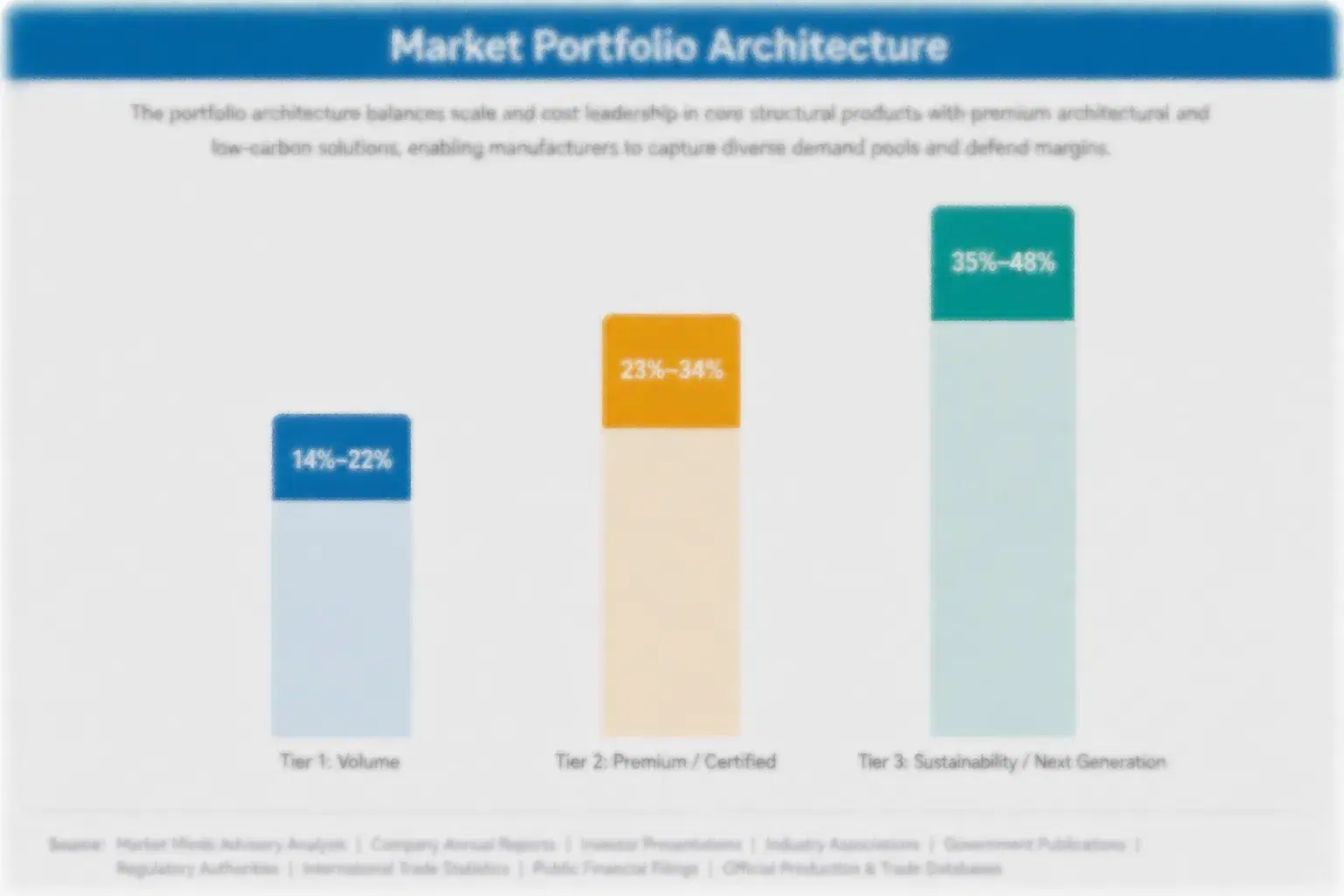
Dry buttermilk's portfolio economics span a range from thin-margin commodity bakery supply to meaningfully higher-margin documented functional formulations serving supplement and infant nutrition buyers, creating a three-tier architecture where processors decide how much capital to commit to certification and documentation capability versus defending existing commodity volume. Margin economics differ sharply by tier, with certified functional-grade product commanding roughly two times the gross margin of commodity bakery-grade powder.
The volume versus premium tension is sharpest for processors serving price-sensitive bakery accounts, where raising prices to fund certification capability risks losing share to lower-cost commodity competitors, while suppliers serving supplement and infant nutrition buyers face considerably less of that constraint given the premium those buyers already pay for documented functional properties. Balancing both buyer pools separates resilient processors from those exposed to a single demand pattern.

High-value margin pools concentrate clearly in certified functional supplement formulations and infant nutrition applications, where documentation barriers and regulatory requirements limit competitive entry and support pricing that commodity bakery-grade powder cannot sustain given its different buyer positioning and procurement behavior across most channels. Processors building presence across both certified and commodity segments are best positioned to fund innovation without depending on either pool alone.

Volume / Commodity-Adjacent Tier

Commodity-grade dry buttermilk sold primarily to bakery and confectionery manufacturers on standardized specifications, competing largely on price and delivery reliability rather than functional differentiation, documented certification, or supply chain traceability.
Gross Margin: 10%-16%

Premium / Certified Tier

Documented functional-grade dry buttermilk sold directly to supplement and infant nutrition manufacturers requiring verified phospholipid content, commanding meaningfully higher prices than standardized commodity-grade bakery powder across most contract negotiations and retail categories.
Gross Margin: 22%-30%

Sustainability / Regulatory / Next-Generation Tier

Next-generation certified organic and traceable dry buttermilk formulations targeting premium infant nutrition and specialty supplement markets, requiring higher upfront certification investment but capturing considerably more retail value than commodity trading alone allows.
Gross Margin: 26%-34%
dry-buttermilk-market-portfolio-architecture-1789899021985

High-value Sub-segments and Strategic Watch-out

Certified Functional Supplement Formulations

Sports and nutritional supplement formulations capturing premium contract value across expanding wellness e-commerce channels, combining high growth with meaningfully elevated margin versus commodity bakery-grade powder as functional documentation investment continues deepening across most major supplement brands and specialty retailers nationwide this cycle and well beyond.
Gross Margin: 24%-30%

Infant and Toddler Nutrition Formulations

Infant and toddler nutrition formulations capturing incremental margin as manufacturers across South Asia and Southeast Asia scale production capacity to meet growing domestic demand nationwide, growing steadily though constrained by tight global byproduct availability relative to expanding regional demand currently and well beyond current forecasts.
Gross Margin: 20%-27%

Commodity Bakery Powder Supply

Commodity-grade bakery and confectionery supply representing the volume core of the dry buttermilk category, generating the bulk of total production revenue despite thin per-unit margins through sheer transaction scale across most established bakery accounts and regional manufacturers nationwide this cycle and well beyond current forecasts.
Gross Margin: 10%-15%

South Asian Domestic Processing Disruption

A strategic watch-out segment where South Asian and Southeast Asian domestic dairy processors could pull meaningful share away from established Western suppliers faster than currently assumed, though commercial traction remains genuinely uncertain given existing supplier relationships and quality certification requirements across most contracted import categories nationwide currently.
Gross Margin: 16%-24%

Why Dry Buttermilk Contracts Persist

Dry buttermilk generates durable annuity-style demand among industrial bakery and infant nutrition buyers, where formulation specifications lock in supplier relationships for extended periods since switching ingredients requires costly product reformulation and re-certification testing across every affected finished product line and packaging specification. Once a manufacturer qualifies a specific supplier for a specific recipe, switching becomes a meaningful undertaking rather than a routine decision, which explains why established relationships persist for years even as pricing fluctuates.
Adoption depth varies sharply by end-use vertical. Bakery and confectionery consumption runs deep and consistent given established formulation relationships built over years of joint product development and trust, while sports supplement adoption is still deepening as brands experiment with documented functional formulations targeting wellness-focused consumers, and infant nutrition adoption remains strongest in fast-growing emerging manufacturing markets across South Asia and Southeast Asia.

Generational shifts are most visible among younger supplement entrepreneurs launching wellness-focused protein brands, who show considerably less attachment to standard whey protein formulations than established manufacturers raised on legacy recipes and traditional sourcing relationships, a buyer profile shift pulling incremental demand toward documented functional dairy protein ingredients formulated specifically for differentiated new product launches rather than inherited legacy formulations.
dry-buttermilk-market-end-use-penetration-index-1789899022264

Documentation and Supply Security Decide Winners

These are among the four positions where our research anticipates prominent divergence between winners and laggards over the coming forecast period. Each is grounded in the demand model, the regulatory perimeter, and the announced capacity pipeline.
01 / FUNCTIONAL DOCUMENTATION PRIORITY

Certified phospholipid documentation will separate premium from commodity suppliers

Major supplement brands are increasingly requiring substantiated functional claims before signing sourcing agreements, a bar smaller regional processors struggle to clear without dedicated laboratory partnerships and quality assurance infrastructure built over years of accumulated expertise. Suppliers that invest early in third-party certification capture disproportionate premium contract value relative to competitors still selling undocumented commodity-grade product. This gap will widen further as more supplement and infant nutrition buyers formalize documentation requirements across additional product categories over the coming several years worldwide.
02 / LONG-TERM SUPPLY SECURITY

Direct butter producer agreements will separate secure buyers from exposed ones

Dry buttermilk exists only as a byproduct of butter production, meaning buyers cannot simply order increased volume regardless of price offered during periods of tight supply and elevated demand. Buyers securing direct long-term agreements with major butter producers are guaranteeing volume access that spot-market purchasers increasingly cannot match, a meaningful advantage as global butter production growth moderates across several major producing regions worldwide. Expect continued consolidation of buying power among processors with established cooperative relationships over the coming decade worldwide.
03 / EMERGING MARKET EXPANSION VALUE

South Asian infant nutrition growth represents the largest incremental volume opportunity

Infant formula manufacturing capacity is expanding fastest across South Asia and Southeast Asia, pulling dry buttermilk import demand toward regional buyers rather than mature Western markets with slower underlying growth and demographic trends across most established consuming regions. Suppliers building dedicated sales relationships and local documentation support in these regions are capturing this volume fastest, given their existing shipping infrastructure and export experience. Suppliers lacking comparable regional presence will find this opportunity considerably harder to capture profitably at meaningful scale nationwide over time.
04 / BYPRODUCT SUPPLY DIVERSIFICATION

Single-region butter dependence carries genuine concentration risk for buyers

Buyers relying on a single butter-producing region for dry buttermilk supply remain exposed to that region's weather disruption, herd size shifts, or shifting farmer incentives toward higher-value dairy products and export markets across most producing seasons. Buyers diversifying sourcing across multiple producing countries report meaningfully more stable input costs and fewer supply interruptions than single-source buyers facing concentrated regional risk. Expect diversification investment to accelerate meaningfully as butter production volatility events remain fresh in buyer memory across most major consuming markets worldwide.

Engagement Snapshot From the Field

A live engagement with an industry participant carrying material or product regulatory and market exposure ahead of a defining policy shift, showing how our research translates into a defensible multi-year portfolio strategy.
MARKET MINDS ADVISORY · CLIENT ENGAGEMENT SUMMARY
Dry Buttermilk Producer Strategic Portfolio Review and Transition Roadmap 2026·Investment Scenario on Dry Buttermilk Exposure Evaluation 2025-26
CLIENT PROFILE
The client is a mid-size sports nutrition supplement brand operating primarily in North America, with established protein powder manufacturing but limited direct relationships with dairy cooperatives supplying documented functional dry buttermilk. Annual supplement revenue was reported at approximately $85 million (client-reported, unverified by MMA), with dry buttermilk representing a new formulation category for the brand's expanding wellness product line.
STRATEGIC CHALLENGE
The brand sought to launch a differentiated functional protein line but lacked established supplier relationships with certified dry buttermilk producers, faced uncertainty over sourcing given tight global supply conditions, and needed a formulation strategy that could differentiate from established whey protein competitors already dominating retail shelf space nationwide and online.
MMA APPROACH
MMA conducted primary research combining supplier landscape mapping, competitive benchmarking against established dairy protein supplement brands, and consumer wellness-community interviews to identify the most commercially viable sourcing and formulation pathway given the client's limited capital and need for credible functional differentiation within a competitive and increasingly crowded supplement category nationwide.
KEY FINDINGS
  1. Documented phospholipid content offered stronger differentiation potential than standard whey protein given the client's target wellness-focused consumer base and marketing positioning strategy.
  2. Securing direct cooperative sourcing relationships required longer lead times than the client initially anticipated given persistent global supply constraints across most producing regions and countries.
  3. Competing supplement brands already dominated standard whey protein shelf placement, leaving limited differentiation opportunity without a genuinely distinct formulation approach and marketing narrative.
  4. Third-party laboratory certification of functional content required meaningful upfront investment that exceeded the client's typical new-product development budget significantly and required additional funding.
CLIENT PROFILE
The client is a mid-size sports nutrition supplement brand operating primarily in North America, with established protein powder manufacturing but limited direct relationships with dairy cooperatives supplying documented functional dry buttermilk. Annual supplement revenue was reported at approximately $85 million (client-reported, unverified by MMA), with dry buttermilk representing a new formulation category for the brand's expanding wellness product line.
STRATEGIC CHALLENGE
The brand sought to launch a differentiated functional protein line but lacked established supplier relationships with certified dry buttermilk producers, faced uncertainty over sourcing given tight global supply conditions, and needed a formulation strategy that could differentiate from established whey protein competitors already dominating retail shelf space nationwide and online.
MMA APPROACH
MMA conducted primary research combining supplier landscape mapping, competitive benchmarking against established dairy protein supplement brands, and consumer wellness-community interviews to identify the most commercially viable sourcing and formulation pathway given the client's limited capital and need for credible functional differentiation within a competitive and increasingly crowded supplement category nationwide.
KEY FINDINGS
  1. Documented phospholipid content offered stronger differentiation potential than standard whey protein given the client's target wellness-focused consumer base and marketing positioning strategy.
  2. Securing direct cooperative sourcing relationships required longer lead times than the client initially anticipated given persistent global supply constraints across most producing regions and countries.
  3. Competing supplement brands already dominated standard whey protein shelf placement, leaving limited differentiation opportunity without a genuinely distinct formulation approach and marketing narrative.
  4. Third-party laboratory certification of functional content required meaningful upfront investment that exceeded the client's typical new-product development budget significantly and required additional funding.
RECOMMENDED STRATEGY
Phase 1: Phase 1 (Months 1-4): Establish direct cooperative sourcing relationships and secure certified dry buttermilk supply commitments well ahead of launch. Phase 2: Phase 2 (Months 5-9): Complete third-party laboratory certification of functional phospholipid content and finalize final product formulation and packaging design. Phase 3: Phase 3 (Months 10-15): Launch nationally through specialty wellness retail channels and evaluate expansion into broader mainstream supplement retail categories.
OUTCOME
Within fifteen months of implementing the phased strategy, the client reported new product line revenue of approximately $12 million (client-reported, unverified by MMA), driven primarily by documented functional differentiation and wellness-community marketing, while the certified formulation captured meaningful premium pricing relative to standard whey protein competitors.

Frequently Asked Questions

Foundational context covering the market sizes, CAGR, scope, country, region and competition that inform every finding below. This section is provided to cover basics and most often pre-purchase conversations, answered from the MMA Primary Research Dataset.

What is the current size of the Dry Buttermilk Market?

The global dry buttermilk market was valued at approximately $1.9 billion in 2025. North America accounts for the largest share given its position as the world's largest butter producer.

How large will the Dry Buttermilk Market be by 2036?

The market is projected to reach approximately $3.02 billion by 2036, roughly 1.53 times its 2026 value, driven by rising supplement and infant nutrition demand.

What is the CAGR for the Dry Buttermilk Market 2026 to 2036?

The market is forecast to grow at a compound annual growth rate of 4.3% between 2026 and 2036, supported by butter production growth and protein demand.

Which segment is growing fastest?

Sports and nutritional supplements are the fastest-growing segment, expanding at 7.5% annually, roughly 1.74 times the overall market rate, driven by functional dairy protein demand.

Who are the major companies in the Dry Buttermilk Market?

Leading participants include Land O'Lakes, Dairy Farmers of America, Arla Foods, Royal FrieslandCampina, and Fonterra, spanning large integrated dairy cooperatives and international exporters worldwide today.

Which country is growing fastest?

India is the fastest-growing major country market, expanding at approximately 6.8% annually as domestic dairy processing and infant nutrition manufacturing capacity continues expanding rapidly nationwide.

Report Segmentation Architecture

The full report scope spans multiple orthogonal segmentation dimensions, with cross-tabulated demand data provided for each dimension pair. Coverage extends further to regional breakdowns, trend trajectories, and the competitive detail needed to support segment-level decision-making.

By End-Use Application

  • Bakery and Confectionery
  • Infant and Toddler Nutrition
  • Processed Cheese and Dairy Blends
  • Sports and Nutritional Supplements
  • Animal Feed Applications
  • Foodservice and Culinary Use

By End-Use Industry

  • Bakery and Confectionery Manufacturing
  • Infant Formula Manufacturing
  • Sports Nutrition and Supplement Production
  • Dairy Processing and Blending
  • Animal Feed Manufacturing

By Commercial Dimension

  • Direct Integrated Cooperative Contracts
  • Specialty Ingredient Trader Channels
  • Certified Functional Supply Agreements
  • Standardized Commodity Purchasing

By Region

  • North America
  • Western Europe
  • East Asia
  • South Asia and Pacific
  • Latin America
  • Middle East and Africa
  • Eastern Europe

Scope, Methodology, and Coverage

Every figure in this report is reproducible from documented input assumptions. The scope below maps the historical period, the forecast horizon, the segmentation dimensions, and the countries covered, alongside the underlying primary and qualitative methodology.
Historical Period
2020 to 2025
Forecast Period
2026 to 2036
Base Year
2025 (USD billions; MMA Primary Research Dataset, September 2026)
Market Definition
This market covers dry buttermilk, a dairy powder byproduct of butter churning, sold into bakery, confectionery, infant nutrition, sports supplement, cheese blending, and animal feed applications worldwide. It excludes liquid buttermilk, cultured drinking buttermilk sold as a beverage, and whole or skim milk powder not derived from the buttermilk fraction of butter production.
Quantitative Units
USD billions (current prices); volume in metric tons where applicable
Segmentation Dimensions
By End-Use Application; By End-Use Industry; By Commercial Dimension; By Region
Regions Covered
North America, Western Europe, East Asia, South Asia and Pacific, Latin America, Middle East and Africa, Eastern Europe
Countries Covered
USA, China, Germany, France, UK, Japan, South Korea, India, Australia, Canada, Brazil, Mexico, Indonesia, Vietnam, Thailand, Malaysia, UAE, Saudi Arabia, South Africa, Nigeria, Turkey, Poland, Netherlands, Italy, Spain, Sweden, Switzerland, Argentina, Colombia, Singapore, and additional markets relevant to this sector
Key Companies Profiled
Land O'Lakes Inc, Dairy Farmers of America Inc, Arla Foods amba, Royal FrieslandCampina NV, Fonterra Co-operative Group Limited, Saputo Inc, Glanbia plc, Kerry Group plc, Lactalis Ingredients, Agropur Cooperative, Milk Specialties Global, Idaho Milk Products, California Dairies Inc, Foremost Farms USA, Grande Cheese Company, Hoogwegt Group, Interfood Group BV, Sachsenmilch Leppersdorf GmbH, Emmi AG, Westland Milk Products
Quantitative Methodology
Primary survey, n=3,800 respondents, Q4 2025, six countries; demand-side model with trade association cross-validation
Qualitative Methodology
47 expert interviews, Q4 2025; applied to validate demand model assumptions, identify emerging dynamics, and assess competitive positioning
Report Format
PDF and XLSX data workbook (Word format preview document)
Publisher
Market Minds Advisory
Report Code
MMA-2026-AGR-103
Published
September 2026
Contact
sales@marketmindsadvisory.com | www.marketmindsadvisory.com

Purchase the full Dry Buttermilk Market Report (2026 to 2036).

The full report delivers a comprehensive assessment of the global dry buttermilk market, spanning end-use application segmentation, regional sourcing architecture, and competitive benchmarking across integrated cooperatives and specialty ingredient traders worldwide. It includes detailed forecast modeling through 2036, input cost sensitivity analysis, and portfolio margin benchmarking across commodity, certified, and next-generation product tiers. The analysis also covers functional certification dynamics shaping supplier market access globally. Buyers receive full access to underlying primary survey data and expert interview transcripts supporting every quantitative claim in the analysis.
Ten-year volume and value forecasts by segment
Seven-region demand and CAGR breakdown analysis
Competitive benchmarking of top 20 suppliers
Input cost sensitivity and mitigation analysis
Portfolio margin tiering by product category
Primary survey and expert interview data access

Built For The People Who Decide

From boardroom strategy to bench-side execution, this report is read cover-to-cover by leaders shaping the next decade of their industry, turning demand scenarios, market dynamics and valuation benchmarks into decisions.
CXOs/ Presidents/ VPs/ Managers
M&A and Corporate Development
Strategy Teams and R&D Heads
Procurement and Product Directors
Regulatory and Compliance Leaders
Investor Relations and Equity Analysts