Market Minds Advisory
Drug Delivery Solutions Market

Drug Delivery Solutions Market: The Device Is Chosen Years Before The Revenue

A delivery device selected during clinical development gets written into the marketing authorisation and cannot be changed afterward without a regulatory supplement, so the commercial decision happens years before anybody sells anything.

Lead Analyst

Published

September 2026

Make Smarter Decisions with Customized Research Insights

Request a free sample report and evaluate market opportunities, growth trends, and competitive dynamics relevant to your business needs.

2025 MARKET VALUE$38.6BMarket Size 2025
2036 FORECAST VALUE$93.7BBase Case , 2026 to 2036
CAGR 2026 TO 20368.4 %Bull 9.6% / Bear 7.2%
INCREMENTAL OPPORTUNITY$51.9BNet 10- year value creation
EXPANSION MULTIPLE2.24x2036 value over 2026 base
Strategic Levers
M&A Pipeline
Regional Outlook
Country Rankings
Competitive Intelligence
Segmental Deep-dive
Call-Us : 91 93563 13602

Executive Snapshot and Market Trajectory

Once a delivery device is written into a marketing authorisation it stays there, because changing it means a regulatory supplement, comparability work and often a bridging study. A supplier winning at clinical development holds that molecule for its entire commercial life. Competition exists only during clinical development and never reopens.
North America takes 32% of value, which is the honest position here: combination product pricing and the biologics pipeline both concentrate there, while the device manufacturing base sits disproportionately in Europe. Implantable and long-acting depot systems grow at 12.6%, half again the market rate of 8.4%, because adherence is the largest source of lost pharmaceutical revenue and an implant collects whether the patient remembers or not.
Concentration is low at 31% across a field that includes glass containment specialists, device engineering houses and contract manufacturers with quite different economics. Incretin therapy volumes reset the whole category by making device assembly and fill-finish capacity the binding constraint rather than any technology, and several suppliers spent two years discovering their bottleneck was a machine rather than a molecule. Capacity has been the differentiator ever since, which suits large suppliers rather than inventive ones.
Market Definition
The market covers devices, systems and enabling technologies that administer pharmaceutical products, including parenteral delivery devices and systems, oral modified-release systems, pulmonary and nasal delivery systems, transdermal and topical delivery systems, ocular and otic delivery systems, and implantable and long-acting depot systems. The value of the active pharmaceutical ingredient itself, conventional immediate-release oral dosage forms, hospital infusion pumps and intravenous administration sets are excluded. Contract drug manufacturing services fall outside scope.
Base Year Value
$38.6B in 2025 (MMA Primary Research Dataset, August 2026)
Forecast Period
2026 to 2036, eleven discrete annual values
CAGR
8.4% base case. Bull 9.6%. Bear 7.2%.
Fastest Growth Segment
Implantable and Long-Acting Depot Systems: 12.6% CAGR
Fastest Growth Country
India: 10.4% CAGR
Fastest Growth Region
South Asia and Pacific: 10.4% CAGR
Largest Region
North America: 32% of 2025 global value
Market Leaders
Becton Dickinson, Stevanato Group, Gerresheimer, West Pharmaceutical Services, Aptar Pharma. Source: MMA Analysis based on disclosed drug delivery device and containment revenue, company annual reports 2025.
Primary Survey
n=3,800 procurement and R&D decision-makers, Q4 2025, six countries
Methodology
Demand-side build-up, cross-validated against public data, 47 expert interviews

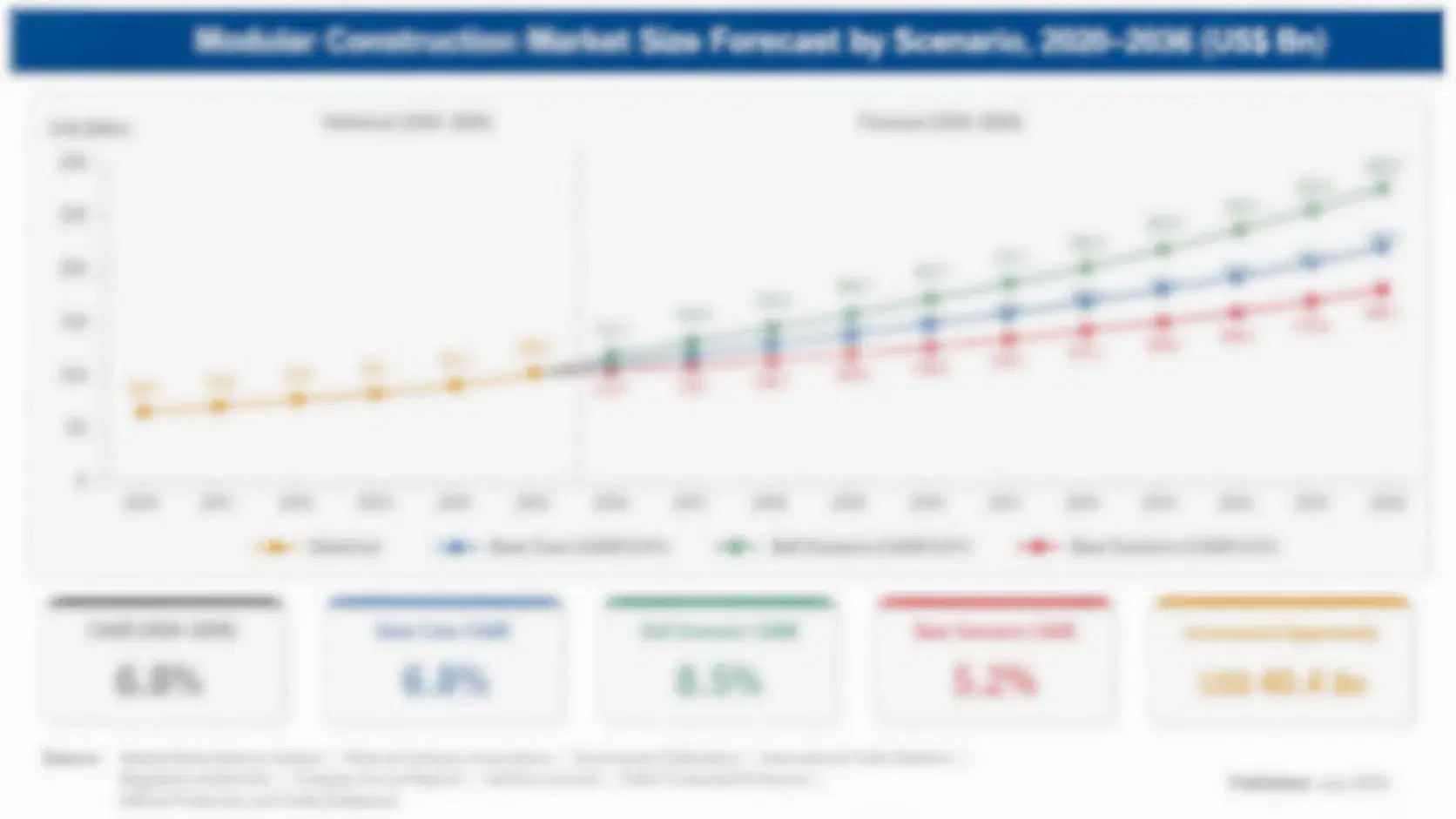
Drug Delivery Solutions Market Forecast Scenarios

drug-delivery-solutions-market-size-forecast-scenario-1787686876048
Growth from 2020 to 2025 ran at 7.0% and injectable demand reshaped it entirely in the final two years. Vaccine programmes consumed prefilled syringe and vial capacity through 2021, then incretin therapies arrived and required autoinjector and pen output at volumes nobody had built capacity for. Suppliers ran their assets flat out and turned business away. Oral and transdermal categories grew steadily and unremarkably throughout the period.
The 8.4% base case rests on three mechanisms. Biologic pipelines continue producing molecules that can only be injected, which pulls parenteral device demand along with every approval. Long-acting depots and implants are being developed specifically to solve adherence, since a patient who stops a daily therapy generates nothing while an implant collects regardless. And ocular delivery is expanding as retinal therapies move toward sustained release rather than repeated intravitreal injection.
The bull case at 9.6% turns on long-acting injectable formats reaching broad use in chronic disease outside psychiatry and oncology, which would move enormous patient populations onto depot regimens. The bear case at 7.2% is incretin demand normalising faster than the capacity built to serve it, which would leave device assembly and fill-finish assets underused across several suppliers simultaneously.

Locked In At Clinical Development

This is a category where the selling happens years before the buying. A delivery device selected during clinical development is written into the regulatory filing alongside the molecule, and changing it afterward requires a supplement, comparability data and frequently a human factors study repeated from the beginning. Roughly 26 months is a realistic timeline for that work. Winning at Phase 2 holds the product for its patent life; losing closes it permanently.
FIVE-FIRM CONCENTRATION31%Share of delivery device and containment revenue held by leaders
AUTOINJECTOR UNIT PRICE$4.80Typical supplied cost of a single disposable autoinjector platform
TOP CONSUMING COUNTRYUSA 29%American share of global delivery device value consumed annually
DEVICE CHANGE TIMELINE26 monthsTypical time to change a device after marketing authorisation approval
ADHERENCE LOSS RATE48%Chronic therapy patients who stop taking daily oral medication
FILL FINISH UTILISATION94%Capacity utilisation across sterile injectable finishing during peak demand
That dynamic makes conservative selection completely rational for a pharmaceutical company. A device failing use-related risk analysis late in development delays an approval, and the cost of a delayed launch dwarfs any saving from a cheaper platform. Established suppliers with regulatory history and human factors evidence therefore win by default, and genuinely better technology from a newer company has to overcome an argument about risk rather than an argument about performance.
Incretin therapies changed what the constraint actually is. Injectable volumes arrived at a scale nobody had built capacity for, and fill-finish utilisation ran to roughly 94% across sterile finishing while device assembly lines were fully committed for years ahead. Suppliers discovered their limiting factor was machinery and validated capacity rather than any technical capability.
"The commercial decision was made in a room three years before launch, and by the time procurement gets involved the device is in the filing. Everyone selling on price is selling to the wrong person at the wrong time."
Director, Drug Delivery Systems and Combination Products Practice · MMA Medical Devices Practice · August 2026

Market Trends

Long-Acting Formats Convert Adherence Into Collected Revenue

Roughly 48% of patients on chronic oral therapy stop taking it, and every one of those represents revenue a manufacturer never collects despite having won the prescription. A depot injection or implant lasting three to six months removes the daily decision entirely and collects for the full period regardless of what the patient would otherwise have done. That reframes delivery from a convenience feature into a revenue recovery mechanism, which is why development programmes now evaluate long-acting formats at candidate selection rather than considering them as a lifecycle option years later.
Market Impact: Follows 61% of new approvals
Capacity Rather Than Technology Became The Constraint

Incretin therapy volumes arrived faster than anybody had built assembly and finishing capacity for, and sterile fill-finish utilisation reached roughly 94% while device assembly lines were committed years ahead. Pharmaceutical companies found themselves selecting suppliers on available validated capacity rather than on device characteristics. That favours large established suppliers with capital to deploy and disadvantages innovative smaller companies whose technology may be better and whose output is limited. The competitive question shifted from what a device does to whether anybody can actually build enough of them. Sponsors had never selected that way before.
Market Impact: Extends dosing to 6 months

Market Opportunities and Growth Drivers

Biologic Pipelines Force Parenteral Delivery By Default

Large molecules cannot survive the gastrointestinal tract, which means every biologic approval generates parenteral device demand whether or not anybody wanted an injection. Antibody, fusion protein and peptide pipelines continue expanding across oncology, immunology and metabolic disease. Self-administration requirements then push those products toward autoinjectors and on-body systems rather than vials, since a monthly clinic visit is a commercial disadvantage. Device demand therefore tracks biologic approvals with a predictable lag, which makes pipeline analysis a more reliable forecasting tool here than any market survey. Pipeline analysis forecasts this market better than surveys.
Market Impact: Locks supply for 26 months

Ocular Therapies Move Toward Sustained Release Delivery

Retinal disease treatment has depended on repeated intravitreal injection, which is unpleasant, requires clinic capacity and loses patients to attrition over years of therapy. Sustained release implants, refillable reservoirs and extended-interval formulations address all three at once. Growth at 10.4% in ocular and otic delivery reflects that shift rather than any increase in disease prevalence. Clinic capacity is the underappreciated driver here, since ophthalmology services in most developed systems cannot expand injection appointments fast enough to keep pace with an ageing population. Waiting lists rather than patient preference now drive several of these programmes.
Market Impact: Delays launches by 26 months

Market Restraints and Challenges

Regulatory Lock-In Removes Competition After Approval

A device written into a marketing authorisation cannot be changed without a supplement, comparability work and frequently a repeated human factors study, which takes around 26 months. Root cause is that combination products are approved as a unit rather than as a drug with an interchangeable delivery accessory. The commercial impact is that competition exists only during clinical development, and a supplier who loses there cannot re-enter at any price. Mitigation for a challenger means targeting molecules in early development, which requires patience and business development effort rather than commercial pressure.
Market Impact: Recovers revenue from 48% discontinuation

Conservative Selection Favours Incumbents Over Better Technology

A device failing use-related risk analysis late in development delays a launch, and that cost exceeds any saving a cheaper or more capable platform could deliver. Root cause is asymmetric risk: the person selecting the device carries the delay risk personally and receives no credit for a device improvement. The commercial impact is that established platforms with regulatory history win by default while genuinely superior technology struggles to get selected. Mitigation runs through generating human factors and regulatory precedent early, which is expensive for a company without revenue. Precedent, not performance, decides these selections.
Market Impact: Reached 94% finishing utilisation
4 additional market trends, 4 additional growth drivers, and 3 additional restraints and challenges are covered in the full report. Contact sales@marketmindsadvisory.com to access the complete intelligence.

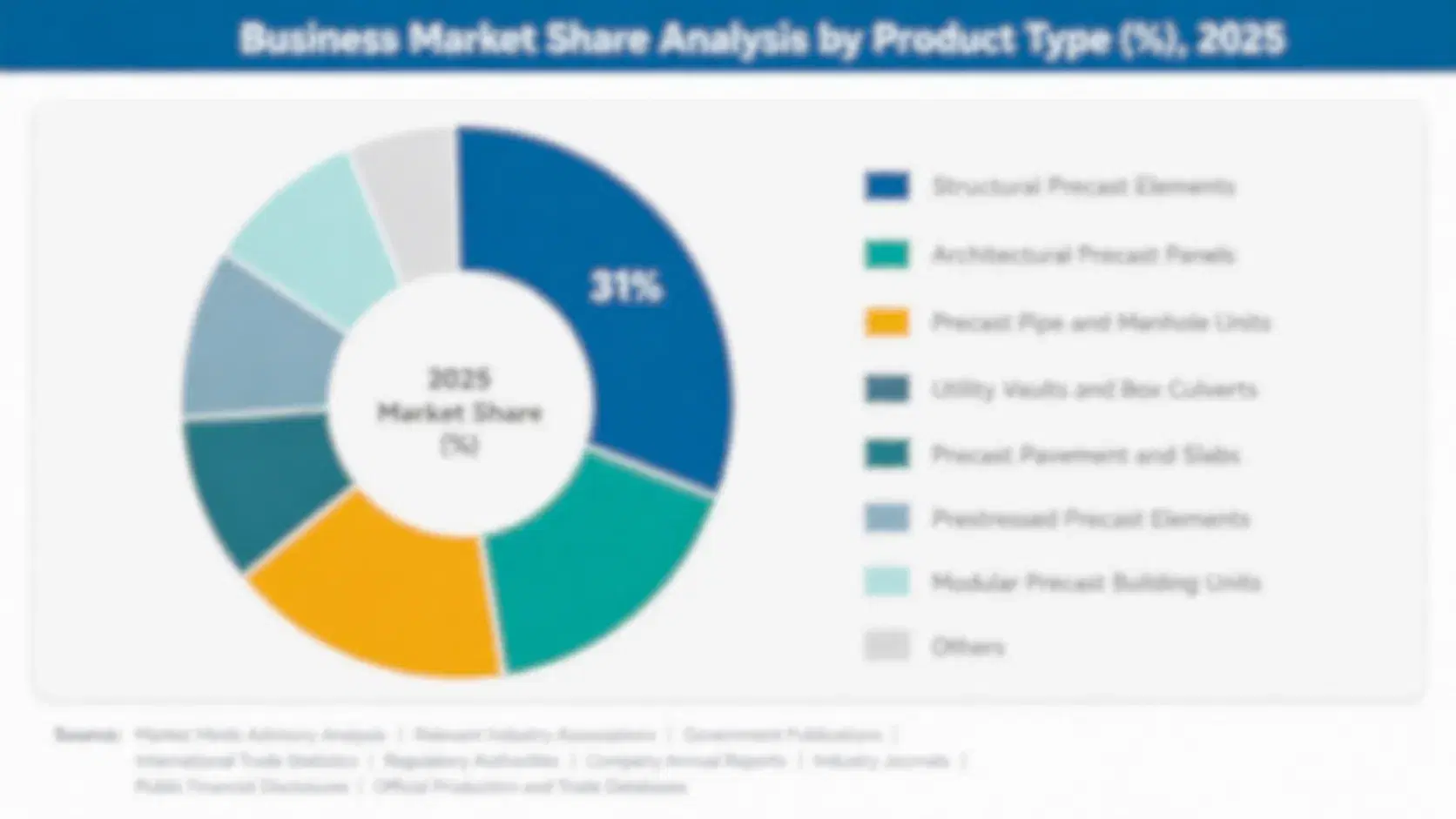
Segment CAGR and Growth Architecture

Segmentation follows administration route and delivery mechanism: how the product reaches the patient and over what period, rather than which disease is treated or who manufactures the system. Six routes cover the market without overlap, from parenteral devices through to implantable depots. Therapy area and commercial arrangement are treated separately here. Both cut across every route.
drug-delivery-solutions-market-market-share-analysis-1787686876222

Implantable and Long-Acting Depot Systems

Depots and implants lasting three to six months grow at 12.6%, half again the market rate of 8.4%, and the reason is commercial rather than clinical. Roughly 48% of patients on chronic oral therapy stop taking it, and every discontinuation is prescribed revenue that never gets collected. An implant removes the daily decision and collects for its full duration. Psychiatry and oncology established the format and metabolic and infectious disease programmes are following. What limits the segment is manufacturing complexity, since a polymer depot releasing a drug predictably over six months is considerably harder to make consistently than any injection device. Batch failure carries pharmaceutical rather than device economics. Consistency is the hard part.
CAGR 12.6%

Ocular and Otic Delivery Systems

Retinal therapy has depended on repeated intravitreal injection, which patients dislike, clinics struggle to schedule and attrition steadily erodes. Sustained release implants, refillable reservoir devices and extended-interval formulations address all three simultaneously, and growth at 10.4% follows that shift rather than any change in disease prevalence. The underappreciated driver is ophthalmology clinic capacity, which cannot expand injection appointments fast enough for ageing populations in most developed systems. A device extending dosing intervals therefore sells to a service manager worried about waiting lists as much as to a clinician worried about outcomes. Ophthalmology waiting lists have become a genuine commercial argument, which is not something delivery technology has previously been able to claim.
CAGR 10.4%
Full segment breakdown across 6 segments available in the complete report.

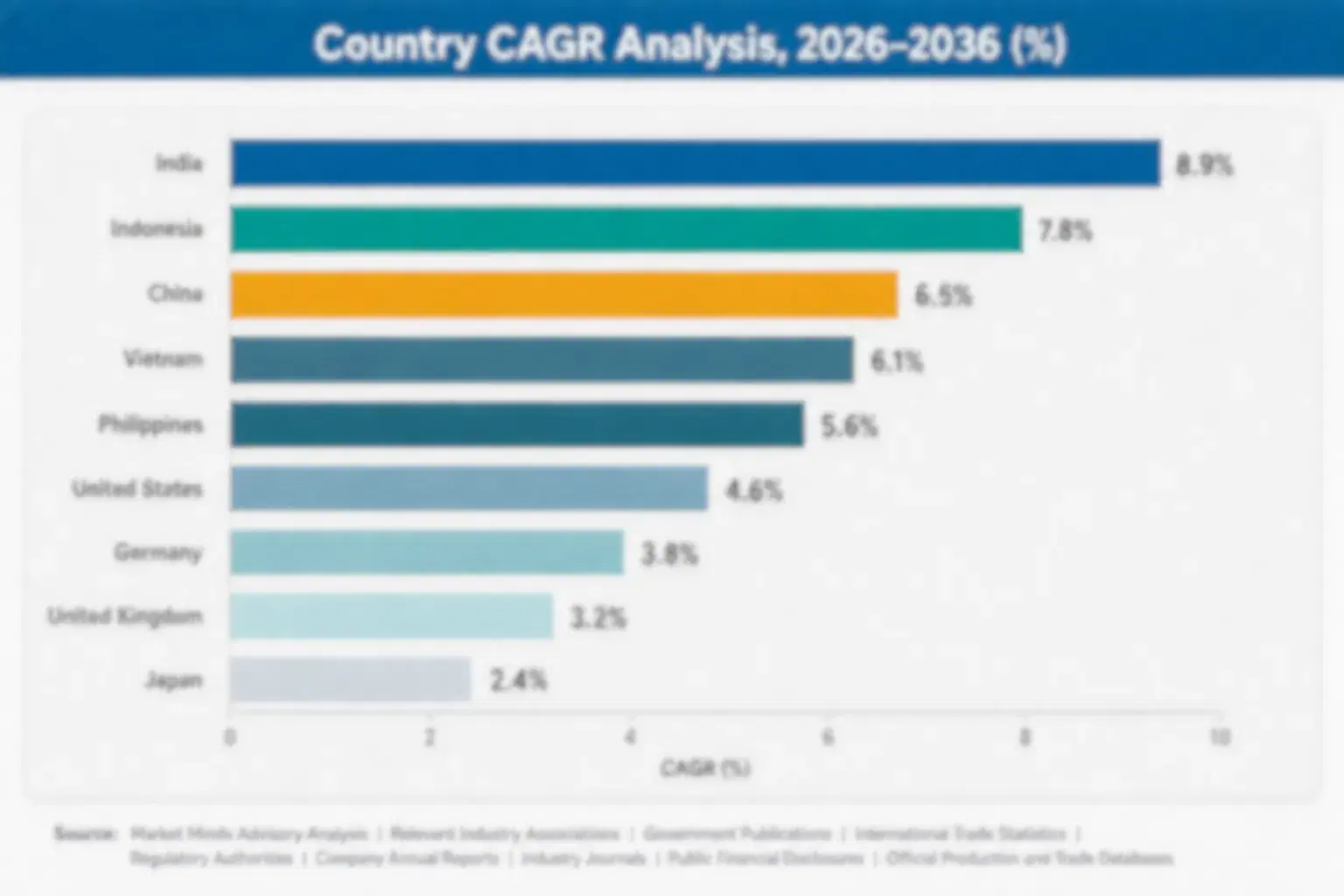
Regional Architecture and Country Demand Map

Geography follows pharmaceutical value and pipeline location rather than manufacturing capability, which sits disproportionately in Europe. North America leads on combination product pricing, East Asia grows fastest among large regions, and South Asia expands quickest overall. Where a device is made and where its value lands are quite different questions.

North America

North America leads at 32% because combination product pricing and the biologic pipeline both concentrate here, and this is one market where the default answer happens to be the correct one. Device selection occurs during clinical development at American and increasingly at Chinese sponsors, and the regulatory pathway treats the combination as a single product. Self-administration is favoured commercially, which pushes products toward autoinjectors and on-body systems. Canadian consumption follows American product decisions with pricing differences attached. Mexican demand is smaller and supplied largely through products developed and approved elsewhere entirely. Device selection happens inside development organisations that most suppliers never meet, which is the single most consequential fact about this market anywhere.
Share: 32% | CAGR: 7.8% (2026 to 2036)

Western Europe

Europe holds a device manufacturing base far larger than its consumption share suggests, with glass containment, injection systems and inhaler engineering concentrated across Germany, Switzerland, Italy, France and Denmark. Several global platforms are built entirely within a few hundred kilometres of each other. Consumption is shaped by health technology assessment, which values adherence improvement where it can be demonstrated and discounts convenience arguments that cannot. British, German and Nordic systems evaluate long-acting formats favourably on that basis. Regional pricing pressure limits how much of a device premium a pharmaceutical company can actually recover. Health technology assessment discounts convenience arguments and values demonstrated adherence improvement, which favours long-acting formats and disfavours incremental device refinement considerably.
Share: 23% | CAGR: 6.8% (2026 to 2036)
Regional intelligence for 5 additional markets available in the complete report: East Asia, South Asia and Pacific, Latin America, Middle East and Africa, Eastern Europe. Contact sales@marketmindsadvisory.com.
drug-delivery-solutions-market-country-cagr-analysis-1787686876404

Winning Three Years Before Launch

Competition exists only during clinical development, capacity rather than capability now decides several selections, and adherence economics make long-acting formats worth more than convenience arguments ever were. Four levers work on timing, capital and commercial framing rather than on device features. Device features decide remarkably little of this, and the suppliers who understood that reorganised accordingly.

Engage Sponsors During Early Clinical Development

A device written into a marketing authorisation cannot be replaced without roughly 26 months of supplement, comparability and human factors work, so competition ends at approval and never reopens. Suppliers calling on procurement at launch are addressing a decision made three years earlier by a development team they never met. Building business development capability aimed at Phase 1 and Phase 2 programmes is slow, unglamorous and the only way into a molecule. It also costs a fraction of what commercial pressure at launch achieves, which is nothing at all. Nothing else opens a molecule.
Market Impact: Precedes the 26 month regulatory lock-in period entirely

Invest In Validated Capacity Ahead Of Demand

Sterile fill-finish utilisation reached roughly 94% during incretin demand and device assembly lines were committed years ahead, which meant sponsors selected suppliers on available capacity rather than on device merit. Capacity that is validated and free wins programmes that no technical argument would have won. The investment is capital deployed ahead of contracted demand, which finance functions resist for exactly the right reasons. Suppliers who deployed it during the shortage took molecules that will stay with them for a full product lifetime under regulatory lock-in. The molecules captured stay for a lifetime.
Market Impact: Answers the 94% capacity utilisation constraint head on

Sell Adherence Economics, Not Patient Convenience

Roughly 48% of patients on chronic oral therapy stop taking it, which is prescribed revenue a manufacturer never collects despite having already won the prescribing decision. A long-acting format collects across its full duration regardless. Framing delivery as revenue recovery reaches commercial and portfolio leadership rather than device engineering, and those people control development budgets. Convenience arguments have been made for two decades and moved very little, while the adherence loss figure moves a portfolio discussion immediately because it converts directly into money nobody is currently collecting. Portfolio leadership responds to that immediately.
Market Impact: Addresses the 48% chronic therapy discontinuation loss directly

Build Human Factors Evidence Before Being Asked

A device failing use-related risk analysis late in development delays a launch, and that cost exceeds any saving a better platform could produce, which is why conservative selection is entirely rational. A challenger carrying completed human factors studies and prior approvals removes the risk argument before it is raised. That evidence costs money a company without revenue struggles to fund. It is also the only thing that lets superior technology compete against an incumbent nobody was ever fired for choosing. Human factors work removes an objection that has blocked better platforms across a 26 month evaluation window.
Market Impact: Removes risk from a 26 month launch delay

Who Controls the Margin Pool

Measured on disclosed drug delivery device and containment revenue, the five leading suppliers hold a CR5 of 31%, which is low and reflects a field spanning glass containment, device engineering, elastomer components and contract assembly with genuinely different economics. Becton Dickinson and Stevanato hold the broadest positions, while several specialists dominate narrow platform categories that pharmaceutical sponsors treat as sole-source. Sole-source positions are common and rarely contested.
Three contests define activity. Platform device selection competes during clinical development on regulatory history and human factors evidence, where incumbency is decisive. Containment and components compete on quality systems and supply reliability across enormous volumes. Long-acting and ocular systems compete on formulation and manufacturing capability, which is a pharmaceutical science contest rather than a device engineering one. A supplier strong in one of those contests has almost no advantage in the others.

Pressure comes from Chinese and Indian device manufacturers who now win selection with domestic sponsors during those sponsors' own development programmes, which is the only entry point that exists. Rankings shift slowly because regulatory lock-in prevents displacement, so share moves through new molecule wins rather than through competitive replacement. Displacement effectively does not happen.
drug-delivery-solutions-market-company-positioning-matrix-1787686876585

Competitive Moat and Risk Dimensions

BECTON DICKINSON

Moat: Regulatory Precedent Across Platforms

Becton Dickinson platforms appear in an enormous number of approved combination products, and that accumulated regulatory precedent is exactly what a sponsor is buying when it selects conservatively. Every prior approval reduces the perceived risk of the next one. A challenger with better technology competes against a body of precedent rather than against a product, and precedent cannot be engineered.
BECTON DICKINSON

Risk: Innovation Displacement Exposure

A position built on precedent rewards continuity and penalises change, which makes an incumbent slow to adopt formats like on-body delivery or long-acting depots that require different capability. Growth in this market is concentrated in exactly those categories. Defending established platforms while building new ones is difficult when the same organisation must argue both cases to the same sponsors.
STEVANATO GROUP

Moat: Containment And Assembly Integration

Stevanato combines glass containment with device assembly and analytical services, which lets a sponsor source the container, the device and the integration evidence from one relationship. That reduces exactly the coordination risk that delays combination product filings. A specialist competing on one element still leaves the sponsor managing interfaces between suppliers who blame each other when something fails.
STEVANATO GROUP

Risk: Capacity Cycle Exposure

Capital deployed into validated capacity during the incretin shortage wins programmes and creates fixed cost that must be covered whatever demand does next. If injectable volumes normalise faster than expected, that capacity becomes an expensive asset rather than a competitive advantage. The same investment that captured molecules under regulatory lock-in carries considerable operating leverage in both directions.

Players Tracked

Prominent Players

Becton Dickinson
Stevanato Group
Gerresheimer
West Pharmaceutical Services
Aptar Pharma

Other Key Players

Ypsomed
SHL Medical
Nemera
Schott Pharma
Catalent
Lonza
Recipharm
Bespak
Owen Mumford
Terumo
Nipro
Medmix
Elcam Medical
Enable Injections
Datwyler

Recent Developments

JANUARY 2025

Device supplier commissions additional autoinjector assembly capacity

A delivery device supplier commissioned additional autoinjector assembly capacity through organic capital investment rather than any acquisition or partnership. The expansion responded to sponsors selecting suppliers on available validated capacity rather than on device characteristics, which had become the deciding factor across several large injectable programmes.
Signal: Capacity is now winning programmes that technical merit alone would never have secured, and the effect persists for years.
MAY 2025

Long-acting injectable approved for chronic infectious disease indication

A long-acting injectable formulation received approval for a chronic infectious disease indication requiring dosing every two months rather than daily oral therapy. This was a regulatory decision rather than any corporate transaction, and adherence rather than efficacy was the central argument in the submission and the subsequent reimbursement case.
Signal: Adherence is now carrying regulatory and reimbursement arguments directly, which changes how delivery gets valued in development.
OCTOBER 2025

Ocular sustained release implant enters late stage clinical development

A sustained release ocular implant designed to extend retinal therapy dosing intervals entered late stage clinical development, an internal programme rather than any licensing agreement. Clinic capacity constraints in ophthalmology services were cited alongside patient burden as the commercial rationale behind the development decision. Both arguments carried weight.
Signal: Service capacity, not just patient preference, is becoming an explicit driver of delivery technology development programmes.

What Delivery Systems Cost

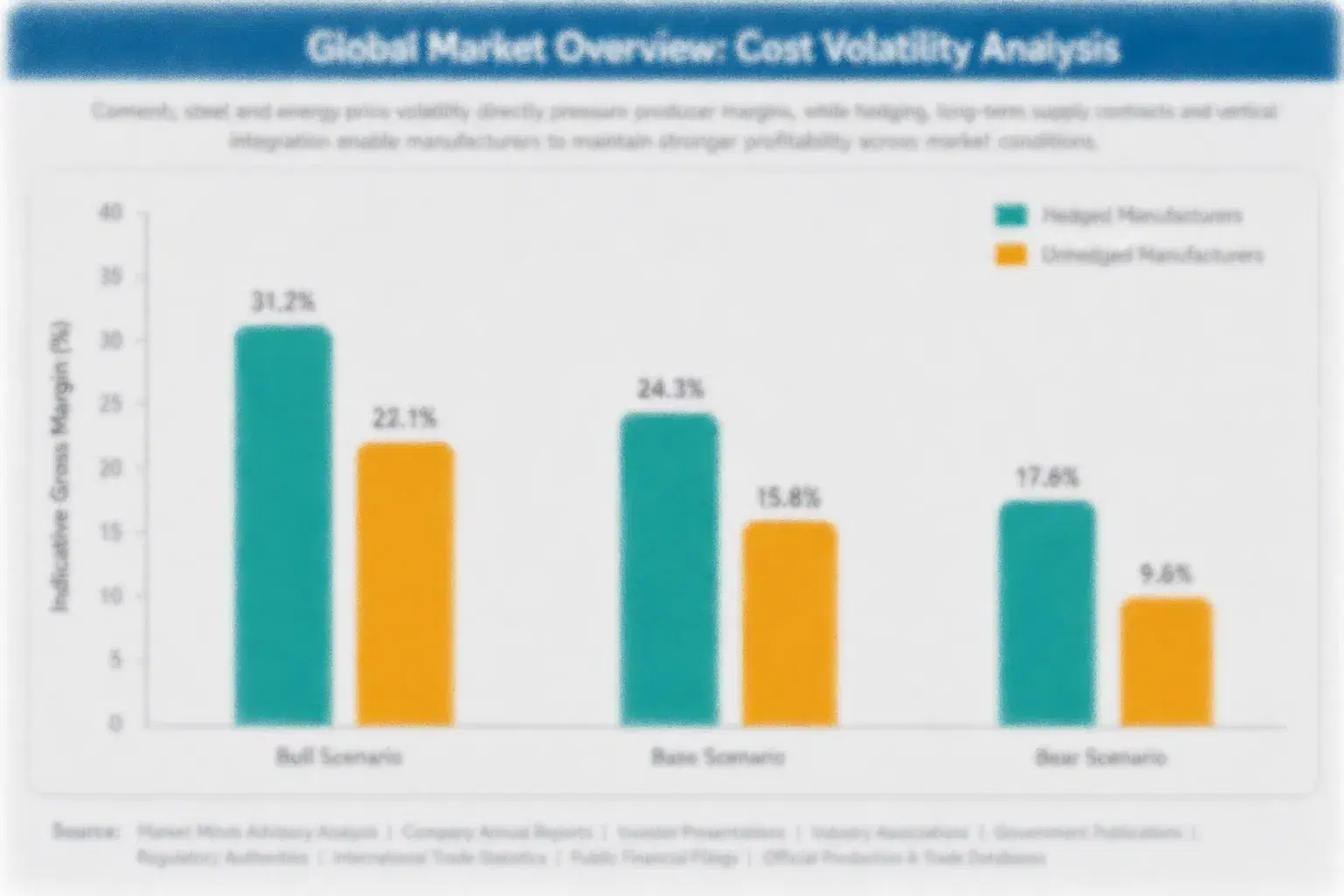
Component and assembly costs dominate device economics. Precision moulded polymer parts, springs, needles and assembly labour together run 34 to 40% of supplied cost for a disposable autoinjector, with tolerance requirements rather than material choice driving most of it. Glass containment carries furnace energy and forming cost. Long-acting depots are different entirely, since polymer processing and release characterisation behave like pharmaceutical manufacturing rather than device production.
The volatility that matters is energy and capacity rather than raw material. European glass containment production is energy intensive and pricing moved sharply through 2022, with IEA data documenting the industrial energy increases that drove it. Gerresheimer and Schott disclosures describe those pressures directly. Suppliers holding hedged energy contracts absorbed the movement while others passed increases into pharmaceutical customers who had budgeted device cost years earlier during development.

Exposure divides by position and validation status. Containment producers carry energy intensity concentrated in European furnaces. Device assemblers carry validated capacity as fixed cost that must be covered regardless of demand. Long-acting depot manufacturers carry pharmaceutical grade quality systems and batch failure risk. A depot releasing incorrectly is a rejected batch rather than a rejected component, and that cost difference runs to an order of magnitude.
drug-delivery-solutions-market-cost-volatility-analysis-1787686876777

Hedge energy exposure across glass containment production

European glass forming is energy intensive and pricing moved sharply through 2022, reaching customers who had budgeted device cost during clinical development years earlier. Hedged contracts cost optionality and prevent a pass-through conversation that damages relationships built over a decade. Pharmaceutical customers accept many things and dislike unbudgeted cost increases on approved products intensely.

Contract validated capacity against committed volume

Validated assembly capacity is fixed cost that must be covered whatever demand does, and capacity built during a shortage becomes an expensive asset if volumes normalise. Structuring capacity investment against committed volume commitments shares that risk with the sponsors who benefit from availability. Sponsors resist commitment and accept it when the alternative is competing for capacity during the next shortage.

Treat depot manufacturing as pharmaceutical, not device

A polymer depot releasing drug over six months fails as a rejected batch rather than as a rejected component, and the cost difference is enormous. Applying device manufacturing tolerances and quality systems to that process understates both the control required and the financial consequence of failure. Depot operations staffed with pharmaceutical rather than device quality expertise have better batch records.

Portfolio Architecture for Margin Defence

Margin follows how locked in the position is. Standard containment components are qualified, high volume and priced accordingly, with quality systems rather than product characteristics separating suppliers. Platform devices earn considerably more because regulatory lock-in removes competition for a product lifetime once selection is made. Long-acting depot manufacturing earns most and carries pharmaceutical batch risk that device economics do not usually contemplate.
The tension is that the locked-in positions were won years earlier and cannot be won again. Revenue from an approved combination product is secure and finite, and replacing it requires winning molecules currently in early development where the supplier has no leverage and no commercial relationship. Companies measured on current revenue underinvest in the business development activity that produces revenue in five years, which is the only activity that matters here.

High-value pools sit in three places. Long-acting depot manufacturing, where pharmaceutical complexity limits competition sharply. Ocular sustained release, which is growing on clinic capacity as much as on patient benefit. And early-stage platform selection with development-stage sponsors, which is where every future locked-in position is decided. All three require investment that produces revenue in five years rather than this one, which is why they remain relatively uncontested.

Volume / Commodity-Adjacent

Standard vials, cartridges, stoppers, plungers and conventional syringe components supplied at very high volume against qualified specifications. The 7-point range separates suppliers with hedged energy positions and integrated forming from those exposed to European industrial energy pricing directly.
Gross Margin: 24-31%

Premium / Certified

Platform autoinjectors, pen injectors and inhaler systems written into approved marketing authorisations and protected by regulatory lock-in. The 7-point spread separates suppliers with deep approval precedent from those holding fewer approved products across their platform portfolio.
Gross Margin: 38-45%

Sustainability / Regulatory / Next-Generation

Long-acting depot systems, ocular sustained release and on-body delivery platforms. The 22-point range is wide because depot manufacturing carries pharmaceutical batch failure risk while on-body platforms still compete against established injection formats on unproven commercial ground.
Gross Margin: 36-58%
drug-delivery-solutions-market-portfolio-architecture-1787686876971

High-value Sub-segments and Strategic Watch-out

Long-Acting Depot Manufacturing

Highest value and fastest growth at 12.6%, protected by polymer release control that behaves like pharmaceutical manufacturing rather than device production. The risk is batch failure economics, since a depot releasing incorrectly is a rejected batch carrying costs an order of magnitude above any component rejection.
Gross Margin: 55-58%

Ocular Sustained Release

High value with strong growth, driven by ophthalmology clinic capacity constraints as much as by patient burden from repeated intravitreal injection. The risk is that extended-interval formulations achieve the same outcome without a device, which would remove the delivery system from the value chain entirely.
Gross Margin: 50-53%

Standard Containment Components

The volume core, supplied against qualified specifications where quality systems and reliability rather than product characteristics decide selection. Suppliers hold the line because containment relationships bring them into development conversations where platform devices and higher value systems are chosen. That access is the real value here.
Gross Margin: 25-28%

Capacity Built For Peak Demand

The strategic watch-out. Validated assembly and finishing capacity deployed during incretin shortages carries fixed cost that must be covered whatever volumes do next. The risk is normalisation leaving expensive validated assets underused across several suppliers who expanded simultaneously into the same demand. Operating leverage cuts both ways.
Gross Margin: 39-42%

Revenue Fixed At Approval

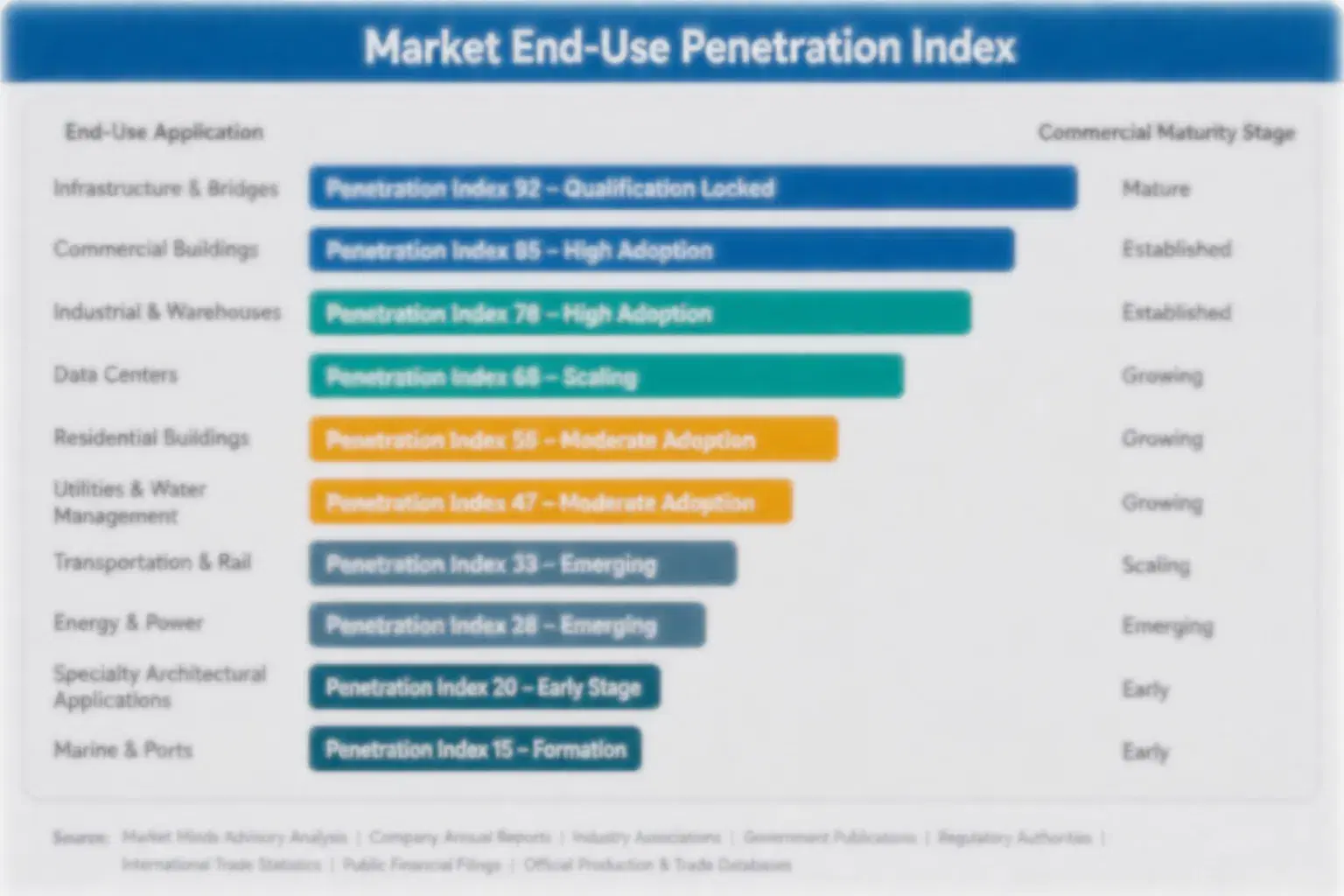
An approved combination product generates device demand for as long as it sells, without any further purchasing decision, because the device is part of the authorisation rather than a component anybody reconsiders. That is the most complete annuity available in medical manufacturing. It is also entirely fixed at approval: the supplier cannot grow the position through commercial effort, and a competitor cannot take it through any offer.
Stickiness is close to absolute for platform devices and considerably looser elsewhere. A depot manufacturing process validated for a specific product cannot move at all. Containment components can be second-sourced through qualification work that sponsors undertake for supply security rather than for price. Devices used in unapproved settings, including many ocular and topical applications, move far more freely because no marketing authorisation constrains them.

The customer is frequently not who a supplier assumes. Many sponsors reach device suppliers through contract manufacturers handling fill-finish and assembly, and those organisations carry their own platform preferences based on lines they have already validated. A device supplier selling to pharmaceutical sponsors while ignoring contract manufacturers is missing a decision maker whose installed equipment often settles the choice before the sponsor considers alternatives.
drug-delivery-solutions-market-end-use-penetration-index-1787686877155

Where Molecules Are Actually Won

These are among the four positions where our research anticipates prominent divergence between winners and laggards over the coming forecast period. Each is grounded in the demand model, the regulatory perimeter, and the announced capacity pipeline.
01 / DEVELOPMENT STAGE ENGAGEMENT

Selling at launch means arriving three years late

A device written into a marketing authorisation cannot be replaced without roughly 26 months of supplement, comparability and human factors work, so competition ends permanently at approval and never reopens afterward. Suppliers calling on procurement at launch are addressing a decision taken three years earlier by a development team they never met at all. Business development aimed squarely at Phase 1 and Phase 2 programmes is slow and thoroughly unglamorous work, and it remains the only genuine route into any molecule at all.
02 / CAPACITY AHEAD OF DEMAND

Free validated capacity beats better technology

Sterile fill-finish utilisation reached roughly 94% during incretin demand while device assembly lines sat committed years ahead, which meant sponsors chose suppliers on available validated capacity rather than on any device merit. Capacity that is both validated and genuinely free wins programmes that no technical argument alone would ever have secured. The required investment is capital deployed well ahead of contracted demand, which finance functions resist for entirely correct reasons, and the molecules captured then stay for a full product lifetime.
03 / ADHERENCE REVENUE FRAMING

Discontinuation is money nobody is collecting

Roughly 48% of patients on chronic oral therapy simply stop taking it, which is prescribed revenue that a pharmaceutical company never collects at all despite having already won the prescribing decision outright. A long-acting depot format collects revenue across its full duration whatever the patient would otherwise have chosen to do. Framing delivery as revenue recovery reaches the portfolio and commercial leadership who actually control development budgets, whereas convenience arguments have been made for twenty years now and have moved remarkably little.
04 / RISK EVIDENCE PREPARATION

Beat the incumbent by removing the risk argument

A device failing use-related risk analysis late in development delays a launch by around 26 months, and that cost dwarfs any saving a better platform could deliver, which makes conservative selection entirely rational rather than merely lazy. A challenger arriving with completed human factors studies, regulatory precedent and prior approvals removes the risk objection before anybody raises it. That evidence is expensive for a company without revenue, and it is the only thing that lets genuinely superior technology compete at all.

Engagement Snapshot From the Field

A live engagement with an industry participant carrying material or product regulatory and market exposure ahead of a defining policy shift, showing how our research translates into a defensible multi-year portfolio strategy.
MARKET MINDS ADVISORY · CLIENT ENGAGEMENT SUMMARY
Drug Delivery Solutions Producer Strategic Portfolio Review and Transition Roadmap 2026·Investment Scenario on Drug Delivery Solutions Exposure Evaluation 2025-26
CLIENT PROFILE
A European delivery device manufacturer supplying autoinjector and pen platforms to pharmaceutical sponsors across 19 markets, with reported revenue of 268 million euros (client-reported, unverified by MMA). Roughly 88% came from four approved combination products, all selected more than eight years earlier. Its commercial organisation of 36 people called on pharmaceutical procurement and supply chain functions almost exclusively.
STRATEGIC CHALLENGE
Revenue was stable and management was concerned it had stopped growing despite considerable commercial activity. A newer platform with genuine technical advantages had won no programmes in three years. Nobody had established where device selection decisions were actually taken inside sponsor organisations, or how many were even open to competition.
MMA APPROACH
MMA mapped device selection decision-making across eleven pharmaceutical sponsors, tracing who chose, when and against what criteria, which the company had never documented. Fourteen expert interviews with development, regulatory and contract manufacturing staff established the actual sequence. The analysis distinguished decisions still open from those already fixed in regulatory filings and therefore permanently closed.
KEY FINDINGS
  1. Every product the commercial team called on had its device fixed in a marketing authorisation, meaning none of that activity could ever produce a new win.
  2. Device selection happened during Phase 2 in nine of eleven sponsors, involving development and regulatory staff whom the company had never contacted at all.
  3. Contract manufacturers had already validated competitor platforms on their lines, and their equipment preference frequently settled selection before sponsors evaluated anything. Nobody had contacted them.
  4. The newer platform lacked completed human factors evidence, which made it the risky option regardless of its technical advantages (client-reported, unverified by MMA).
CLIENT PROFILE
A European delivery device manufacturer supplying autoinjector and pen platforms to pharmaceutical sponsors across 19 markets, with reported revenue of 268 million euros (client-reported, unverified by MMA). Roughly 88% came from four approved combination products, all selected more than eight years earlier. Its commercial organisation of 36 people called on pharmaceutical procurement and supply chain functions almost exclusively.
STRATEGIC CHALLENGE
Revenue was stable and management was concerned it had stopped growing despite considerable commercial activity. A newer platform with genuine technical advantages had won no programmes in three years. Nobody had established where device selection decisions were actually taken inside sponsor organisations, or how many were even open to competition.
MMA APPROACH
MMA mapped device selection decision-making across eleven pharmaceutical sponsors, tracing who chose, when and against what criteria, which the company had never documented. Fourteen expert interviews with development, regulatory and contract manufacturing staff established the actual sequence. The analysis distinguished decisions still open from those already fixed in regulatory filings and therefore permanently closed.
KEY FINDINGS
  1. Every product the commercial team called on had its device fixed in a marketing authorisation, meaning none of that activity could ever produce a new win.
  2. Device selection happened during Phase 2 in nine of eleven sponsors, involving development and regulatory staff whom the company had never contacted at all.
  3. Contract manufacturers had already validated competitor platforms on their lines, and their equipment preference frequently settled selection before sponsors evaluated anything. Nobody had contacted them.
  4. The newer platform lacked completed human factors evidence, which made it the risky option regardless of its technical advantages (client-reported, unverified by MMA).
RECOMMENDED STRATEGY
Phase 1: Phase one: redirect commercial coverage toward development and regulatory functions at sponsors with Phase 1 and Phase 2 injectable programmes underway. Phase 2: Phase two: complete human factors and regulatory precedent work for the newer platform before pitching it to any further sponsor. Phase 3: Phase three: build direct relationships with contract manufacturers, whose validated line equipment frequently decides selection before sponsors are consulted. Sponsors are rarely consulted first.
OUTCOME
Commercial coverage was rebuilt around development-stage engagement and the first Phase 2 selections followed within eighteen months. Human factors work completed for the newer platform and removed the objection that had blocked it (client-reported, unverified by MMA). Two contract manufacturer relationships were established, one of which validated the platform on its own lines.

Frequently Asked Questions

Foundational context covering the market sizes, CAGR, scope, country, region and competition that inform every finding below. This section is provided to cover basics and most often pre-purchase conversations, answered from the MMA Primary Research Dataset.

What is the current size of the Drug Delivery Solutions Market?

The market was worth 38.6 billion dollars in 2025, covering parenteral, oral modified-release, pulmonary and nasal, transdermal, ocular and implantable delivery systems. It reaches 41.84 billion dollars in 2026.

How large will the Drug Delivery Solutions Market be by 2036?

MMA forecasts 93.73 billion dollars by 2036, an increase of 51.89 billion dollars over the 2026 base. That represents an expansion multiple of 2.24 times across the forecast period.

What is the CAGR for the Drug Delivery Solutions Market 2026 to 2036?

The base case compounds at 8.4% annually. MMA's bull case reaches 9.6% if long-acting formats spread into broad chronic disease, while the bear case sits at 7.2% on injectable demand normalising.

Which segment is growing fastest?

Implantable and long-acting depot systems, at 12.6%, half again the market rate of 8.4%. Roughly 48% of chronic oral therapy patients discontinue, and a depot collects regardless.

Who are the major companies in the Drug Delivery Solutions Market?

Becton Dickinson, Stevanato Group, Gerresheimer, West Pharmaceutical Services and Aptar Pharma lead on disclosed drug delivery device and containment revenue. Ypsomed, SHL Medical, Nemera and Schott Pharma hold strong platform positions.

Which country is growing fastest?

India at 10.4%, driven by pharmaceutical manufacturing moving from oral generics toward injectables and biosimilars where device selection matters. China follows on domestic biologic development.

Report Segmentation Architecture

The full report scope spans multiple orthogonal segmentation dimensions, with cross-tabulated demand data provided for each dimension pair. Coverage extends further to regional breakdowns, trend trajectories, and the competitive detail needed to support segment-level decision-making.

By Administration Route and Mechanism

  • Parenteral Delivery Devices and Systems
  • Oral Modified-Release Systems
  • Pulmonary and Nasal Delivery Systems
  • Transdermal and Topical Delivery Systems
  • Ocular and Otic Delivery Systems
  • Implantable and Long-Acting Depot Systems

By End-Use Industry

  • Large Pharmaceutical Companies
  • Biotechnology Developers
  • Biosimilar Manufacturers
  • Generic Injectable Producers
  • Contract Development Organisations
  • Academic and Clinical Research

By Commercial Dimension

  • Platform Licence Agreement
  • Custom Development Programme
  • Component Supply Contract
  • Contract Assembly Arrangement
  • Development Stage Selection
  • Approved Product Lifetime Supply

By Region

  • North America
  • Western Europe
  • East Asia
  • South Asia and Pacific
  • Latin America
  • Middle East and Africa
  • Eastern Europe

Scope, Methodology, and Coverage

Every figure in this report is reproducible from documented input assumptions. The scope below maps the historical period, the forecast horizon, the segmentation dimensions, and the countries covered, alongside the underlying primary and qualitative methodology.
Historical Period
2020 to 2025
Forecast Period
2026 to 2036
Base Year
2025 (USD billions; MMA Primary Research Dataset, August 2026)
Market Definition
Scope covers devices, systems and enabling technologies that administer pharmaceutical products to patients, spanning parenteral delivery devices and systems including prefilled syringes, autoinjectors, pen injectors and on-body delivery systems, oral modified-release systems, pulmonary and nasal delivery systems, transdermal and topical delivery systems, ocular and otic delivery systems, and implantable and long-acting depot systems. The value of the active pharmaceutical ingredient itself, conventional immediate-release oral dosage forms, hospital infusion pumps, intravenous administration sets and diagnostic sampling devices are excluded. Contract drug substance manufacturing and standalone packaging services fall outside the boundary.
Quantitative Units
USD billions (current prices); devices supplied; approved combination products; platform selections at development stage; validated assembly capacity
Segmentation Dimensions
By Administration Route and Mechanism; By End-Use Industry; By Commercial Dimension; By Region
Regions Covered
North America, Western Europe, East Asia, South Asia and Pacific, Latin America, Middle East and Africa, Eastern Europe
Countries Covered
USA, Germany, Switzerland, China, Japan, India, France, UK, Italy, South Korea, Denmark, Brazil, Canada, Poland, Saudi Arabia
Key Companies Profiled
Becton Dickinson, Stevanato Group, Gerresheimer, West Pharmaceutical Services, Aptar Pharma, Ypsomed, SHL Medical, Nemera, Schott Pharma, Catalent, Lonza, Recipharm, Bespak, Owen Mumford, Terumo, Nipro, Medmix, Elcam Medical, Enable Injections, Datwyler
Quantitative Methodology
Primary survey, n=3,800 respondents, Q4 2025, six countries; demand-side model with trade association cross-validation
Qualitative Methodology
47 expert interviews, Q4 2025; applied to validate demand model assumptions, identify emerging dynamics, and assess competitive positioning
Report Format
PDF and XLSX data workbook (Word format preview document)
Publisher
Market Minds Advisory
Report Code
MMA-2026-MED-153
Published
August 2026
Contact
sales@marketmindsadvisory.com | www.marketmindsadvisory.com

Purchase the full Drug Delivery Solutions Market Report (2026 to 2036).

The full report runs to 195 pages and covers all six administration route segments, seven regions and 20 profiled companies in detail. It includes the complete segment CAGR set, regional consumption and pipeline data, and device selection timing analysis across eleven sponsor organisations. Company profiles carry evaluation on disclosed drug delivery device and containment revenue, with moat and risk assessment for the top five suppliers. The competitive section extends to 18 tracked corporate developments across 2024 and 2025, each with commercial interpretation. Primary research inputs include a quantitative survey of 3,800 respondents and 47 expert interviews conducted in Q4 2025.
Six administration route segments with individual CAGR forecasts
Seven regional markets with consumption and pipeline data
Twenty company profiles on consistent revenue evaluation basis
Eighteen tracked corporate developments with commercial interpretation notes
Device selection timing analysis across eleven sponsor organisations
Regulatory lock-in mapping by combination product approval pathway

Built For The People Who Decide

From boardroom strategy to bench-side execution, this report is read cover-to-cover by leaders shaping the next decade of their industry, turning demand scenarios, market dynamics and valuation benchmarks into decisions.
CXOs/ Presidents/ VPs/ Managers
M&A and Corporate Development
Strategy Teams and R&D Heads
Procurement and Product Directors
Regulatory and Compliance Leaders
Investor Relations and Equity Analysts