Dredging Market

Dredging Market Outlook from 2026 to 2033

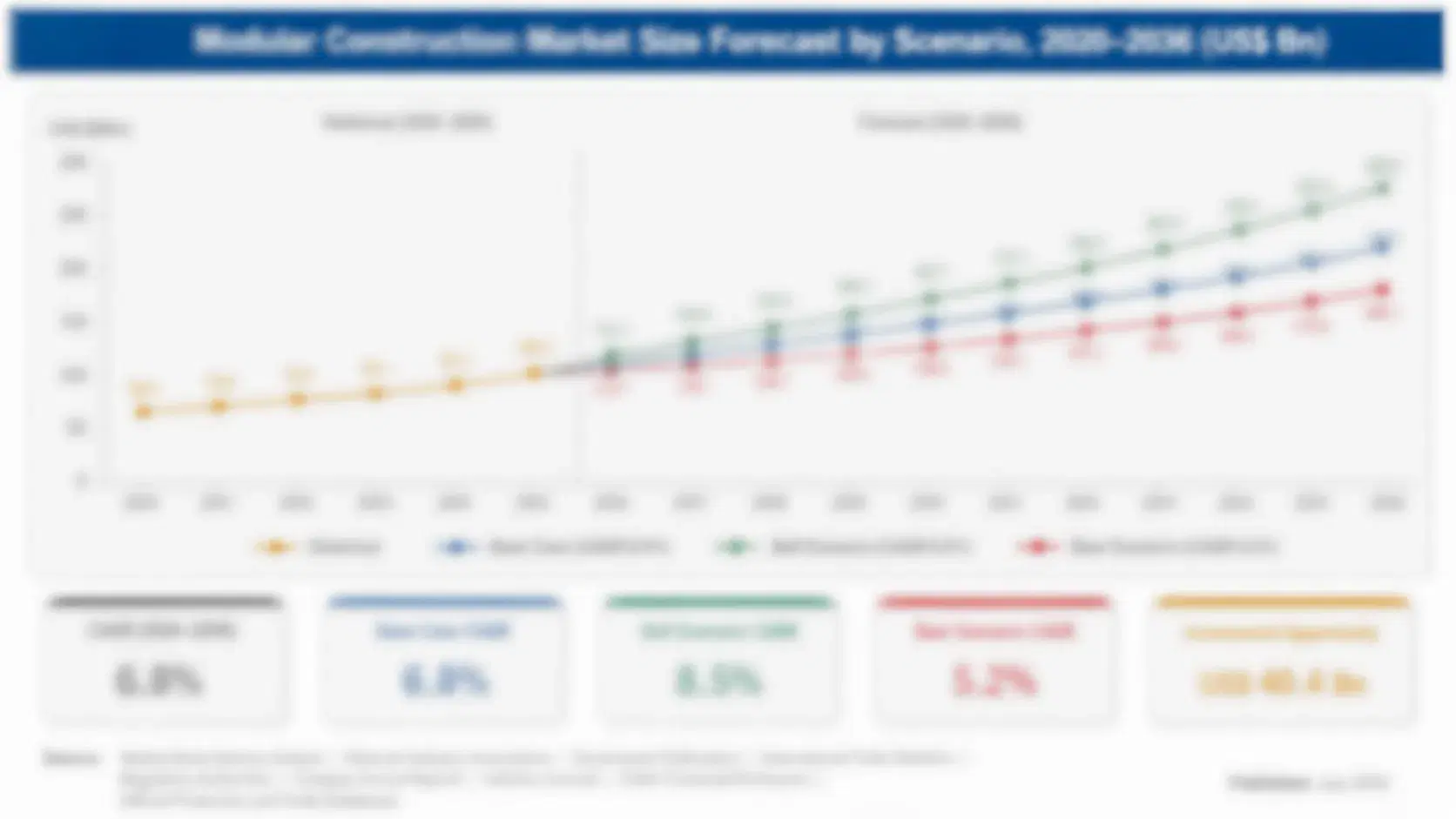
The global dredging market is poised for significant expansion during the forecast period, driven by robust investments in port infrastructure, coastal protection, and land reclamation projects. The market size is projected to reach USD 21.8 billion by 2033, up from USD 15.2 billion in 2026, reflecting a CAGR of 5.2%. This growth is underpinned by increasing maritime trade, urbanization in coastal regions, and the need to maintain navigable waterways. Governments and private stakeholders are prioritizing dredging activities to support economic development, mitigate the impacts of climate change, and ensure the sustainability of critical infrastructure.

Technological advancements, such as automation and environmentally friendly dredging techniques, are further catalyzing market growth. The adoption of advanced dredgers and real-time monitoring systems is enhancing operational efficiency and minimizing environmental impact. As global trade volumes rise and climate resilience becomes a strategic imperative, the dredging market is expected to witness sustained demand across diverse applications, including port maintenance, energy infrastructure, and environmental remediation.

Dredging Market

Dredging Market Scenario & Strategic Insights

The dredging market is characterized by a dynamic interplay of economic, environmental, and regulatory factors. The increasing scale of global trade has necessitated the expansion and deepening of ports, driving demand for capital dredging projects. Simultaneously, recurring maintenance dredging is essential to ensure the safe passage of vessels and prevent sediment accumulation in key shipping lanes. Strategic investments in dredging are also being made to support offshore energy projects, such as wind farms and oil & gas platforms, which require stable seabed conditions.

Environmental considerations are shaping the market landscape, with stricter regulations mandating the use of sustainable dredging practices. Companies are investing in eco-friendly dredgers and sediment management solutions to comply with these standards. The integration of digital technologies, such as GPS-guided dredging and real-time data analytics, is optimizing project outcomes and reducing operational risks. As climate change intensifies coastal erosion and flooding, governments are increasingly allocating resources to coastal defense and land reclamation, further bolstering market growth.

The competitive landscape is marked by the presence of both global dredging giants and regional players, each leveraging their expertise to secure large-scale contracts. Strategic collaborations, mergers, and acquisitions are prevalent as companies seek to expand their geographic footprint and service offerings. The market outlook remains positive, with sustained investments anticipated in both developed and emerging economies.

Attribute2026 (USD Billion)2033 (USD Billion)CAGR (2026 – 2033)
Market Size15.221.85.2%

Dredging Market Trends

  • Adoption of Eco-Friendly and Sustainable Dredging Technologies

The dredging industry is witnessing a paradigm shift towards environmentally sustainable practices. Regulatory bodies are enforcing stringent guidelines to minimize the ecological impact of dredging activities, prompting companies to invest in green dredging technologies. These include the use of low-emission engines, silt screens, and sediment containment systems that reduce turbidity and protect marine habitats. The integration of real-time monitoring and adaptive management strategies ensures compliance with environmental standards, while also enhancing project efficiency. As sustainability becomes a key differentiator, companies that prioritize eco-friendly solutions are gaining a competitive edge in securing government and private contracts.

  • Digitalization and Automation in Dredging Operations

The digital transformation of dredging operations is accelerating, with the adoption of advanced automation, remote monitoring, and data analytics. GPS-guided dredgers, autonomous vessels, and real-time sediment tracking systems are improving precision and reducing human error. These technologies enable operators to optimize dredging routes, monitor equipment health, and predict maintenance needs, resulting in cost savings and improved safety. The use of digital twins and simulation tools allows for better project planning and risk assessment. As the industry embraces Industry 4.0 principles, digitalization is expected to drive operational excellence and support the execution of complex dredging projects.

  • Expansion of Dredging Applications Beyond Traditional Markets

While port maintenance and land reclamation remain core applications, the dredging market is expanding into new domains such as offshore renewable energy, environmental remediation, and disaster recovery. The construction of offshore wind farms and subsea pipelines requires extensive seabed preparation and stabilization, creating new opportunities for dredging contractors. Additionally, dredging is increasingly used in the restoration of wetlands, removal of contaminated sediments, and post-disaster reconstruction. This diversification of applications is broadening the market’s addressable base and fostering innovation in dredging methodologies and equipment.

Segment & Category Analysis for Dredging Market

By Type of Dredger

  • Cutter Suction Dredger (CSD)
    • Trailing Suction Hopper Dredger (TSHD) Bucket Dredger Backhoe Dredger
    • Others

The type of dredger deployed is a critical determinant of project efficiency and suitability for specific applications. Cutter suction dredgers are widely used for land reclamation and port expansion due to their ability to handle compacted soils and deliver high output. Trailing suction hopper dredgers are preferred for maintenance dredging in open waters, offering mobility and large sediment storage capacity. Bucket and backhoe dredgers are typically used for precision dredging in confined or urban environments. The choice of dredger is influenced by project scale, sediment type, and environmental considerations, with technological advancements enhancing the versatility and performance of modern dredgers.

Dredging Market Dreger Type

By Application

  • Capital Dredging
    • Maintenance Dredging Environmental Dredging
    • Others

Application-wise, capital dredging dominates the market, driven by the expansion of ports, harbors, and coastal infrastructure. Maintenance dredging is essential for preserving navigability and operational efficiency in existing waterways. Environmental dredging is gaining prominence as governments prioritize the remediation of contaminated sites and restoration of aquatic ecosystems. Each application segment presents unique technical and regulatory challenges, necessitating specialized equipment and expertise. The growing emphasis on environmental sustainability is expected to drive demand for innovative dredging solutions across all application areas.

By End-User

  • Government & Public Sector
    • Oil & Gas Industry Mining Industry Renewable Energy Sector
    • Others

The government and public sector remain the largest end-users, accounting for a significant share of dredging contracts related to port maintenance, flood control, and coastal protection. The oil & gas and mining industries rely on dredging for seabed preparation, pipeline installation, and resource extraction. The renewable energy sector, particularly offshore wind, is emerging as a key growth driver, requiring extensive dredging for foundation installation and cable laying. End-user requirements are evolving, with a growing focus on project sustainability, cost-effectiveness, and compliance with environmental regulations.

By Region

  • Asia-Pacific
    • North America Europe South America
    • Middle East & Africa

Regional dynamics play a pivotal role in shaping market demand and competitive strategies. Asia-Pacific leads the market, fueled by large-scale infrastructure projects in China, India, and Southeast Asia. North America and Europe are characterized by mature markets with a focus on maintenance dredging and environmental remediation. South America and the Middle East & Africa are witnessing increased investments in port development and coastal defense. Regional variations in regulatory frameworks, project financing, and environmental priorities influence market entry and growth strategies for dredging contractors.

By Mode of Contract

  • EPC (Engineering, Procurement, and Construction)
    • Maintenance Contracts
    • Lease/Rental Services
    • Others

The mode of contract determines the scope of services and risk allocation between clients and contractors. EPC contracts are prevalent in large-scale capital dredging projects, offering end-to-end solutions from design to execution. Maintenance contracts are common for recurring dredging needs in ports and waterways. Lease and rental services are gaining traction among clients seeking flexibility and cost control. The choice of contract mode is influenced by project complexity, client preferences, and regulatory requirements, with integrated service offerings becoming increasingly popular.

Dredging Market Mode of Contract

Growth Drivers and Opportunities in Dredging Market

  • Rising Global Maritime Trade and Port Expansion

The sustained growth of international maritime trade is a primary driver for the dredging market. As global trade volumes increase, ports and harbors must accommodate larger vessels and higher traffic, necessitating regular dredging to deepen and maintain navigable channels. Emerging economies are investing heavily in port infrastructure to enhance their competitiveness and integrate into global supply chains. This trend is expected to generate substantial demand for both capital and maintenance dredging services, creating opportunities for contractors with advanced capabilities and a proven track record.

  • Climate Change Adaptation and Coastal Protection Initiatives

Climate change is intensifying the frequency and severity of coastal erosion, flooding, and storm surges, prompting governments to invest in coastal defense and adaptation projects. Dredging plays a vital role in constructing sea walls, replenishing beaches, and restoring wetlands, thereby enhancing the resilience of coastal communities. The allocation of public funds for climate adaptation is expected to rise, particularly in vulnerable regions, driving demand for innovative and sustainable dredging solutions. Companies that can deliver environmentally responsible outcomes are well-positioned to capitalize on these opportunities.

Emerging Opportunities for Dredging Market

  • Offshore Renewable Energy Development

The rapid expansion of offshore wind farms and other renewable energy projects presents a significant growth avenue for the dredging market. These projects require extensive seabed preparation, cable trenching, and foundation installation, all of which depend on specialized dredging expertise. As governments set ambitious renewable energy targets, the demand for dredging services in this sector is expected to surge, offering lucrative opportunities for contractors with the requisite technical capabilities and experience.

  • Environmental Remediation and Habitat Restoration

Growing awareness of environmental degradation and regulatory mandates for site remediation are creating new opportunities for dredging in the restoration of aquatic habitats and removal of contaminated sediments. Projects aimed at improving water quality, restoring wetlands, and rehabilitating rivers and lakes are gaining traction globally. The adoption of precision dredging techniques and sediment management solutions is enabling contractors to deliver positive environmental outcomes, opening up new markets and revenue streams.

Growth Restrain Factors and Challenges in Dredging Market

  • Stringent Environmental Regulations and Permitting Delays

The dredging market faces significant challenges from increasingly stringent environmental regulations aimed at protecting marine ecosystems and minimizing the impact of dredging activities. Compliance with these regulations often requires extensive environmental impact assessments, stakeholder consultations, and the adoption of advanced mitigation measures. These requirements can lead to project delays, increased costs, and, in some cases, the cancellation of planned dredging activities. The complexity of permitting processes, particularly in environmentally sensitive areas, poses a barrier to market entry and project execution for both established players and new entrants.

In addition to regulatory hurdles, public opposition to dredging projects due to concerns over habitat disruption, water quality, and biodiversity loss can further complicate project approval and implementation. Companies must invest in stakeholder engagement, transparent communication, and the development of innovative, low-impact dredging techniques to address these challenges and secure social license to operate.

  • High Capital and Operational Costs

Dredging operations are capital-intensive, requiring significant investment in specialized vessels, equipment, and technology. The high upfront costs associated with acquiring and maintaining dredgers, coupled with fluctuating fuel prices and labor expenses, can impact project profitability and limit the participation of smaller contractors. Additionally, the cyclical nature of dredging demand, influenced by government budgets and economic conditions, introduces revenue volatility and financial risk.

Operational challenges such as equipment downtime, adverse weather conditions, and logistical complexities can further escalate costs and disrupt project timelines. To remain competitive, companies must focus on operational efficiency, fleet optimization, and the adoption of cost-effective technologies. Strategic partnerships, equipment leasing, and flexible contract models are also being explored to mitigate financial risks and enhance market resilience.

Dredging Market Regional Analysis

RegionMarket Share (2025)Key Market Highlight
Asia-Pacific41%Dominates due to large-scale port expansion and land reclamation projects in China, India, and Southeast Asia.
North America22%Focused on maintenance dredging, environmental remediation, and coastal protection, especially in the US and Canada.
Europe19%Mature market with emphasis on sustainable dredging and offshore wind energy projects.
South America10%Growing investments in port infrastructure and river dredging, particularly in Brazil and Argentina.
Middle East & Africa8%Increasing demand for dredging in port development and coastal defense, notably in the UAE, Saudi Arabia, and South Africa.

Asia-Pacific

Asia-Pacific leads the global dredging market, accounting for the largest share due to extensive investments in port expansion, land reclamation, and coastal protection projects. China, India, and Southeast Asian countries are at the forefront, driven by rapid urbanization, industrialization, and government initiatives to enhance maritime infrastructure. The region’s vulnerability to climate change and rising sea levels further underscores the importance of dredging for coastal defense and resilience.

North America

North America is a mature market, with a strong focus on maintenance dredging, environmental remediation, and coastal protection. The United States and Canada are investing in the modernization of ports and waterways to support trade and economic growth. Environmental regulations are stringent, driving the adoption of sustainable dredging practices and advanced technologies. The region also presents opportunities in offshore energy and habitat restoration.

Europe

Europe’s dredging market is characterized by a high degree of technological sophistication and a strong emphasis on sustainability. The region is a leader in offshore wind energy development, which requires extensive seabed preparation and cable installation. Maintenance dredging in major ports and rivers remains a key activity, supported by robust regulatory frameworks and public investment in environmental protection.

South America

South America is experiencing steady growth in dredging demand, fueled by investments in port infrastructure, river navigation, and resource extraction. Brazil and Argentina are key markets, with projects aimed at enhancing connectivity and supporting agricultural exports. The region faces challenges related to funding, regulatory complexity, and environmental concerns, but presents significant opportunities for contractors with local expertise and innovative solutions.

Middle East & Africa

The Middle East & Africa region is witnessing increased demand for dredging services in port development, land reclamation, and coastal defense. The UAE, Saudi Arabia, and South Africa are leading markets, driven by economic diversification, tourism development, and climate adaptation initiatives. The region’s unique environmental and logistical challenges require tailored dredging solutions and strong stakeholder engagement.

Dredging Market Region

Competition Landscape in Dredging Market

The dredging market is highly competitive, with a mix of global industry leaders and regional specialists vying for market share. The competitive landscape is shaped by factors such as technological innovation, fleet capacity, project execution capabilities, and compliance with environmental standards. Major players are investing in advanced dredging vessels, digital technologies, and sustainable practices to differentiate themselves and secure large-scale contracts. Strategic partnerships, mergers, and acquisitions are common as companies seek to expand their geographic reach and service offerings. The ability to deliver integrated solutions, manage complex projects, and adapt to evolving regulatory requirements is critical for sustained success in this market.

Major Players in Dredging Market

  • Royal Boskalis Westminster N.V.
  • DEME Group
  • Jan De Nul Group
  • Van Oord
  • Great Lakes Dredge & Dock Corporation
  • China Harbour Engineering Company Ltd. (CHEC)
  • Weeks Marine Inc.
  • National Marine Dredging Company (NMDC)
  • TOA Corporation
  • Hyundai Engineering & Construction Co., Ltd.
  • Penta-Ocean Construction Co., Ltd.
  • Manson Construction Co.
  • Dredging Corporation of India Limited
  • Callan Marine Ltd.
  • Rohde Nielsen A/S
  • Boskalis Environmental
  • Orion Marine Group
  • Hall Contracting of Kentucky Inc.
  • Hyundai Engineering & Construction Co., Ltd.
  • Gulf Cobla LLC

Recent Developments in Dredging Market

  • In March 2024, Royal Boskalis Westminster N.V. announced the launch of a new eco-friendly trailing suction hopper dredger equipped with advanced emission reduction technologies.
  • In January 2024, DEME Group secured a major contract for the expansion of the Port of Singapore, focusing on land reclamation and sustainable dredging practices.
  • In November 2023, Jan De Nul Group completed a significant environmental dredging project in the River Thames, UK, utilizing precision dredging techniques to minimize ecological impact.
  • In September 2023, Van Oord partnered with a leading technology firm to implement real-time monitoring and automation solutions across its global dredging fleet.
  • In July 2023, Great Lakes Dredge & Dock Corporation was awarded a multi-year maintenance dredging contract by the US Army Corps of Engineers for key ports along the Gulf Coast.
  • In May 2023, China Harbour Engineering Company Ltd. (CHEC) expanded its operations in Africa with the commencement of a large-scale port development project in Nigeria.

FAQ for Dredging Market

  1. What is the projected size of the global dredging market by 2033?

The global dredging market is expected to reach USD 21.8 billion by 2033, growing at a CAGR of 5.2% from its estimated size of USD 15.2 billion in 2026.

  1. Which regions are expected to drive the growth of the dredging market?

Asia-Pacific is anticipated to lead the market, driven by large-scale infrastructure projects in China, India, and Southeast Asia. North America and Europe will also contribute significantly, focusing on maintenance dredging, environmental remediation, and offshore energy development.

  1. What are the major trends shaping the dredging market?

Key trends include the adoption of eco-friendly dredging technologies, digitalization and automation of operations, and the expansion of dredging applications into offshore renewable energy and environmental remediation.

  1. What are the main challenges faced by the dredging industry?

The industry faces challenges such as stringent environmental regulations, complex permitting processes, high capital and operational costs, and public opposition to certain projects due to environmental concerns.

  1. Who are the leading players in the global dredging market?

Major players include Royal Boskalis Westminster N.V., DEME Group, Jan De Nul Group, Van Oord, Great Lakes Dredge & Dock Corporation, China Harbour Engineering Company Ltd., and National Marine Dredging Company, among others. These companies are recognized for their technological innovation, fleet capacity, and expertise in executing large-scale projects.

Contact us today to access the full report and propel your business forward.