Market Minds Advisory
Dispensing System Market

Dispensing System Market: Precision Electronics Assembly and the Non-Contact Jetting Shift

EV battery assembly and semiconductor packaging are pulling dispensing demand toward non-contact jetting systems capable of sub-microliter precision, forcing legacy dispensing suppliers to requalify entire product lines or cede share to jetting specialists.

Lead Analyst

Published

September 2026

Make Smarter Decisions with Customized Research Insights

Request a free sample report and evaluate market opportunities, growth trends, and competitive dynamics relevant to your business needs.

2025 MARKET VALUE$5.4BMarket Size 2025
2036 FORECAST VALUE$12.3BBase Case , 2026 to 2036
CAGR 2026 TO 20367.8 %Bull 9.0% / Bear 6.5%
INCREMENTAL OPPORTUNITY$6.5BNet 10- year value creation
EXPANSION MULTIPLE2.12x2036 value over 2026 base
Strategic Levers
M&A Pipeline
Regional Outlook
Country Rankings
Competitive Intelligence
Segmental Deep-dive
Call-Us : 91 93563 13602

Executive Snapshot and Market Trajectory

Dispensing system demand is shifting from contact-based time-pressure and positive displacement technologies toward non-contact jetting systems capable of sub-microliter precision at high production speed, as electronics assembly and EV battery manufacturing push dispensing accuracy requirements well beyond what traditional needle-contact methods can reliably deliver.
Jetting dispensing systems are growing fastest, at roughly eleven and a half percent annually, as semiconductor packaging and EV battery cell assembly demand dispensing accuracy and speed that contact-based methods cannot match at comparable production throughput and cost efficiency. Western Europe holds the largest single regional share on the strength of its dense concentration of precision dispensing engineering specialists, while China's electronics and battery manufacturing volume drives the fastest single-country growth rate of them all.
Competitive intensity concentrates around dispensing precision and process integration rather than base equipment pricing alone, since manufacturers increasingly value systems that integrate directly with robotic assembly lines and provide real-time process monitoring data continuously across every production shift. Established contact-dispensing manufacturers are investing heavily in jetting technology to close this capability gap, while jetting-native specialists compete for design wins on new production lines where no legacy equipment constrains the choice.
Market Definition
The dispensing system market covers equipment used to precisely apply adhesives, sealants, lubricants, coatings, and other fluids or pastes in manufacturing processes across electronics, automotive, medical device, and general industrial applications, spanning contact and non-contact dispensing technologies. It excludes the fluid materials themselves and excludes general-purpose spray coating equipment not designed for precision volumetric dispensing.
Base Year Value
$5.4B in 2025 (MMA Primary Research Dataset, August 2026)
Forecast Period
2026 to 2036, eleven discrete annual values
CAGR
7.8% base case. Bull 9.0%. Bear 6.5%.
Fastest Growth Segment
Jetting Dispensing Systems: 11.5% CAGR
Fastest Growth Country
China: 10.5% CAGR
Fastest Growth Region
South Asia and Pacific: 9.9% CAGR
Largest Region
East Asia: 27% of 2025 global value
Market Leaders
Nordson Corporation, Graco Inc., ViscoTec Pumpen- u. Dosiertechnik GmbH, Vermes Microdispensing GmbH, Fisnar Inc. Source: MMA Analysis based on company annual reports and investor filings.
Primary Survey
n=3,800 procurement and R&D decision-makers, Q4 2025, six countries
Methodology
Demand-side build-up, cross-validated against public data, 47 expert interviews

Dispensing System Market Forecast Scenarios

dispensing-system-market-size-forecast-scenario-1786463141398
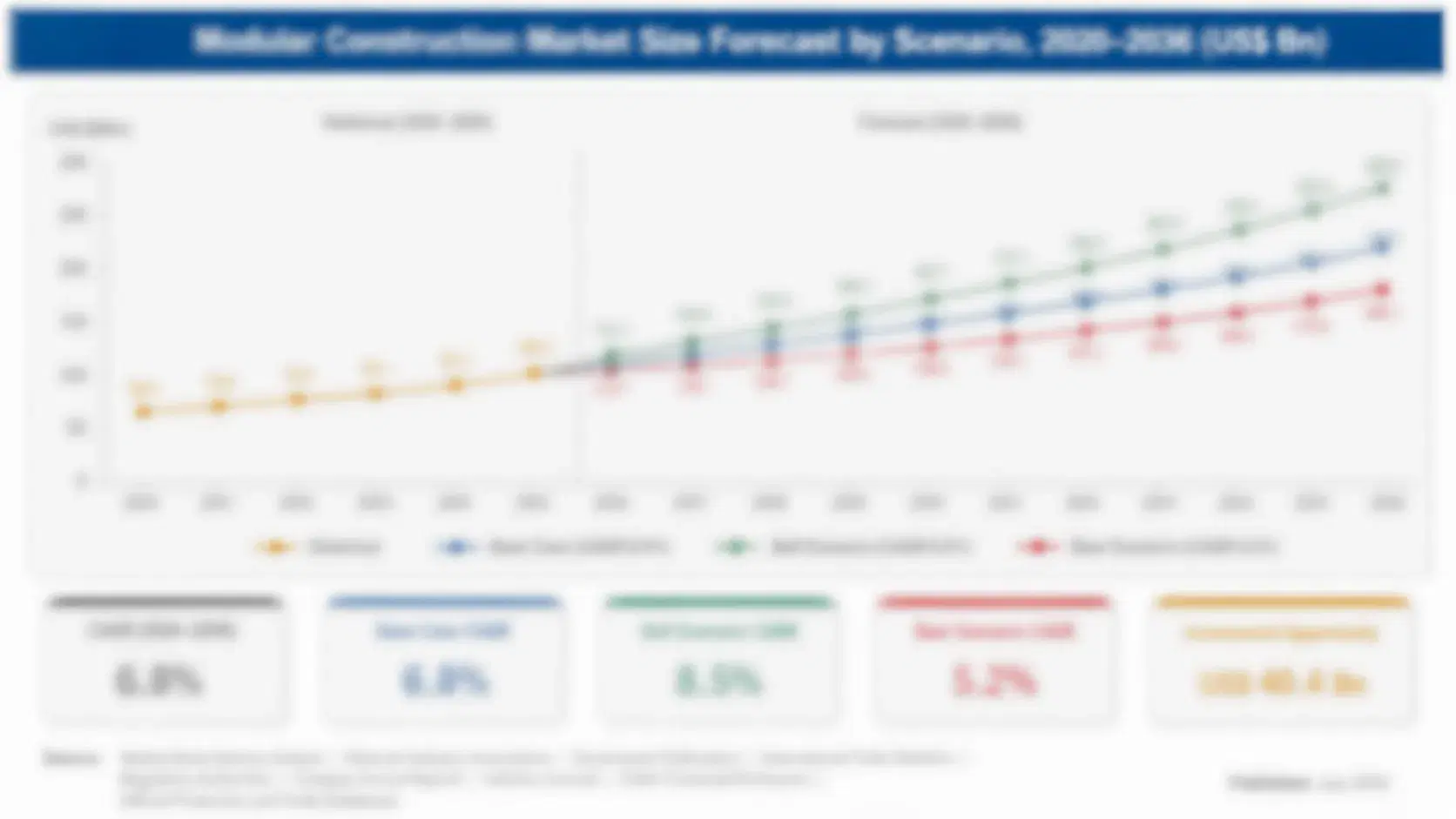
Dispensing system demand slowed in 2020 as electronics and automotive production paused during pandemic disruption, then recovered through 2022 as manufacturing activity resumed broadly. Growth accelerated through 2023 and 2024 as EV battery assembly investment expanded rapidly across multiple regions. The market grew at a historical rate of roughly 6.9% annually across the 2020 to 2025 period, gaining momentum as precision demand widened.
The base case assumes growth driven by three mechanisms: EV battery cell and pack assembly requiring precision adhesive and thermal material dispensing at a scale that barely existed a decade ago; semiconductor packaging complexity increasing dispensing accuracy requirements as chip designs shrink further; and robotic assembly line integration favoring dispensing systems with digital process control over manual alternatives. Replacement of aging contact-based systems at mature electronics manufacturers adds a steady secondary demand layer independent of new capacity investment.
The bull case rests on faster-than-expected EV battery manufacturing capacity additions pulling forward precision dispensing demand across multiple gigafactory construction programs simultaneously. The bear case centers on a global electronics and automotive production slowdown, mirroring past cyclical downturns, that would defer new assembly line investment and stretch replacement cycles beyond typical eight to twelve year service intervals.

Precision Requirements Redefine the Competitive Map

Dispensing equipment sits at a deceptively small but consequential point in electronics and battery manufacturing: the step that determines whether an adhesive bond, thermal interface, or encapsulant is applied with the precision a device design actually requires. As component geometries shrink and battery cell tolerances tighten further, dispensing accuracy has moved from a manufacturing detail to a design-limiting constraint that directly affects overall production yield.
MARKET CONCENTRATION38% (CR5)Moderately concentrated base spans global precision equipment specialists
AVERAGE SELLING PRICE$3,500-$220,000Price spans manual dispensers to full robotic jetting cells
TOP PRODUCING COUNTRYGermany, 16% shareLargest single engineering base for precision dispensing systems
CAPACITY UTILIZATION75%Manufacturing lines run moderately below full theoretical capacity
REPLACEMENT CYCLE LENGTH8-12 yearsTypical service life before manufacturers retire ageing systems
INPUT COST SHARE37% of COGSPrecision valves, pumps, and control electronics dominate cost
Demand concentrates where electronics and battery manufacturing volume intersect with rising precision requirements. Western Europe and East Asia generate the largest absolute investment given their concentration of precision manufacturing and battery assembly capacity, while South Asia and Pacific combines rapid electronics assembly growth with expanding investment in dispensing automation. Manufacturers are responding with modular jetting platforms that integrate directly into existing robotic assembly cells across multiple production lines.
Over the next decade, dispensing precision and digital process integration increasingly determine competitive position more than base throughput specifications alone. Suppliers able to demonstrate sub-microliter accuracy and real-time process data capture will capture share from rivals still selling contact-based systems in a market where yield-sensitive applications make precision a genuine production requirement rather than a purely cosmetic marketing differentiator.
"A missed dispensing tolerance used to mean a cosmetic defect. Now it can mean a battery cell that fails a safety test, and that single fact has rewritten what manufacturers are willing to pay for precision."
Director, Precision Manufacturing and Assembly Technology Practice · MMA Precisi

Market Trends

Non-Contact Jetting Steadily Displaces Contact-Based Dispensing

Non-contact jetting technology, which propels fluid droplets onto a surface without needle contact, is increasingly winning design wins on new electronics and battery assembly lines over traditional time-pressure and positive displacement systems, particularly where speed and accuracy both matter simultaneously. This shift began in semiconductor packaging applications and is progressively extending toward EV battery cell assembly as jetting throughput improves and costs decline with manufacturing scale. Suppliers with proven jetting technology are capturing disproportionate share of new production line design wins, while contact-dispensing manufacturers face a genuine requalification challenge some are addressing through acquisition rather than organic development.
Market Impact: Requires accuracy below 5 microlite

EV Battery Assembly Creates New Precision Demand

Electric vehicle battery cell and pack assembly requires precision dispensing of thermal interface materials, structural adhesives, and sealants at tolerances considerably tighter than most traditional automotive manufacturing processes previously demanded, driving substantial new equipment investment as global battery gigafactory capacity continues expanding rapidly. Each new gigafactory represents a concentrated, discrete dispensing equipment procurement decision, since battery assembly lines are typically designed and equipped years before reaching full production volume. Suppliers with established battery manufacturer relationships and proven thermal material dispensing capability are capturing disproportionate share of this fast-growing demand pool relative to their position in traditional automotive markets.
Market Impact: Cuts process variability by 35%

Market Opportunities and Growth Drivers

Semiconductor Packaging Complexity Raises Precision Requirements

Advanced semiconductor packaging techniques, including chiplet integration and increasingly dense die stacking, require dispensing accuracy for underfill, encapsulant, and thermal materials that traditional contact-based systems struggle to deliver consistently at production volume without yield loss. Each new packaging generation typically demands tighter dispensing tolerances than the previous one, creating sustained upgrade pressure independent of overall semiconductor unit volume growth. Suppliers with proven sub-microliter jetting accuracy and demonstrated yield improvement data are capturing disproportionate share of new packaging line design wins relative to competitors offering only legacy contact-dispensing technology without comparable precision credentials.
Market Impact: Excludes 25% of smaller manufacture

Robotic Assembly Integration Favors Digital Dispensing Systems

Manufacturers increasingly integrate dispensing systems directly into robotic assembly cells with digital process control and real-time monitoring capability, favoring dispensing equipment that communicates natively with broader factory automation systems over standalone manual or semi-automatic alternatives. This integration trend is accelerating as manufacturers pursue tighter process control and traceability across their production lines, particularly in regulated industries like medical device and automotive safety component manufacturing. Suppliers offering dispensing systems with proven robotic integration and digital connectivity are winning multi-line orders from manufacturers standardizing automation platforms across their broader facility footprint and multiple production sites.
Market Impact: Extends qualification 6 to 10 weeks

Market Restraints and Challenges

High Capital Cost Delays Smaller Manufacturer Adoption

Advanced jetting and robotic dispensing cells cost between $50,000 and $220,000 depending on precision requirements and automation level, a substantial capital commitment that many smaller electronics and component manufacturers delay as long as existing contact-based systems remain adequate for current product tolerances. The root cause is that dispensing automation competes directly against other capital priorities including broader production line automation for limited manufacturer budgets. This locks smaller manufacturers into legacy contact-dispensing equipment even as precision requirements tighten industry-wide. Equipment lessors and vendor financing programs are emerging as a mitigation path, spreading the outlay over multi-year terms.
Market Impact: Lifts jetting system share toward 2

Fluid Material Variability Complicates Process Qualification

Dispensing system qualification must account for significant variability in fluid viscosity, cure characteristics, and temperature sensitivity across the wide range of adhesives, sealants, and thermal materials manufacturers use, requiring extensive process validation for each new material and application combination before deployment. The root cause is that no universal dispensing parameter set works reliably across chemically distinct fluid families, forcing custom process development for most new applications rather than standardized deployment. This extends qualification timelines and increases implementation cost relative to more standardized equipment. Suppliers are responding by building material-specific process libraries that accelerate qualification for common fluid families.
Market Impact: Adds gigafactory-linked demand wort
3 additional market trends, 4 additional growth drivers, and 2 additional restraints and challenges are covered in the full report. Contact sales@marketmindsadvisory.com to access the complete intelligence.

Segment CAGR and Growth Architecture

MMA segments the dispensing system market by dispensing technology, the classification that most directly determines precision capability, production speed, and capital cost for manufacturers evaluating equipment investment across electronics, battery, and general industrial applications, rather than an end-use or ownership-model split that would obscure genuine technology-driven purchasing and process qualification distinctions across manufacturers of every scale.
dispensing-system-market-market-share-analysis-1786463141562

Jetting Dispensing Systems

Jetting dispensing systems are growing fastest, at roughly 11.5% annually, as semiconductor packaging and EV battery cell assembly demand dispensing accuracy and speed that contact-based methods cannot match at comparable production throughput. Adoption concentrates among manufacturers producing high-value electronics and battery components where dispensing precision directly affects product yield and performance, making the technology premium easier to justify than in lower-tolerance general industrial applications. Unit prices run considerably higher than contact-based equivalents, reflecting both the precision engineering involved and the digital process control most jetting systems now include as standard equipment. Suppliers with proven jetting technology are capturing disproportionate share of new production line design wins, positioning jetting as the default choice for new high-precision assembly lines.
CAGR 11.5%

Robotic and Multi-Axis Dispensing Systems

Robotic and multi-axis dispensing systems are growing at roughly 9.8% annually, driven primarily by manufacturers integrating dispensing directly into broader robotic assembly cells rather than operating dispensing as a standalone manual or semi-automatic process. Demand concentrates among automotive, general electronics, and medical device manufacturers seeking tighter process control and traceability across increasingly automated production lines. This segment bridges traditional dispensing technology with broader factory automation trends, since multi-axis systems can apply both contact and jetting dispensing methods depending on the specific application requirement within a single integrated cell. Suppliers with proven robotic integration and digital connectivity are winning multi-line orders from manufacturers standardizing automation platforms across their broader facility footprint.
CAGR 9.8%
Full segment breakdown across 6 segments available in the complete report.

Regional Architecture and Country Demand Map

Western Europe holds the largest regional share on the strength of its dense concentration of precision dispensing engineering specialists, while South Asia and Pacific grows fastest as electronics assembly investment expands. East Asia contributes substantial demand tied to its electronics and battery manufacturing volume growth.

North America

North America generates substantial dispensing system demand anchored by the United States' expanding EV battery gigafactory construction and established semiconductor packaging manufacturing base, both requiring precision dispensing equipment at a scale that has grown considerably over the past several years across multiple states. Domestic battery manufacturing investment, supported by federal incentive programs, is adding new demand that barely existed domestically a decade ago at this scale. Canada's automotive component manufacturing sector contributes steady secondary demand concentrated in similar precision applications. Mexico's growing electronics and automotive assembly footprint, supported by nearshoring trends, adds incremental demand for mid-tier dispensing systems rather than the most advanced jetting platforms currently available in the marketplace.
Share: 23% | CAGR: 8.7% (2026 to 2036)

Western Europe

Western Europe holds the largest regional share, anchored by Germany's dense concentration of precision dispensing engineering specialists and its position as a global center for dispensing technology research and manufacturing excellence spanning multiple decades. The region grows the slowest of the seven as its precision manufacturing base is already comparatively mature, limiting the pace of new capacity expansion relative to faster-growing Asian markets. German and Swiss suppliers, several of whom rank among the market's global technical leaders, maintain deep relationships with automotive, medical device, and electronics manufacturers across the continent. Growing European EV battery gigafactory investment is adding meaningful new demand that partially offsets slower growth in traditional electronics dispensing applications and product categories.
Share: 24% | CAGR: 6.5% (2026 to 2036)
Regional intelligence for 5 additional markets available in the complete report: East Asia, South Asia and Pacific, Latin America, Middle East and Africa, Eastern Europe. Contact sales@marketmindsadvisory.com.
dispensing-system-market-country-cagr-analysis-1786463141731

Capturing Value Beyond the Base Equipment Sale

Base dispensing equipment pricing faces steady pressure from Chinese and regional manufacturers competing on standardized contact-dispensing hardware. Suppliers that build recurring revenue through process software, application engineering services, and financing programs capture considerably better lifetime value than those competing purely on upfront equipment price across their entire customer portfolio and every ongoing account relationship.

Bundling Digital Process Monitoring Software Subscriptions

Manufacturers bundling dispensing hardware with subscription-based process monitoring and quality analytics software convert a one-time equipment purchase into a recurring software revenue relationship worth an estimated 6 to 10% of annual system value, since process optimization algorithms and yield analytics improve continuously without requiring new hardware purchases from the customer. Manufacturers increasingly favor this model because software-driven process control directly improves yield and reduces scrap, creating a measurable return that justifies the subscription cost beyond the initial hardware investment alone across the equipment's full operational life and multi-year service history.
Market Impact: Adds 6 to 10% in recurring software

Offering Application Engineering and Process Development Services

Suppliers offering dedicated application engineering services that help manufacturers qualify new dispensing processes for specific fluid materials and product designs capture meaningful service revenue worth an estimated 15 to 20% of original equipment value, addressing the genuine technical complexity of process qualification that many manufacturers cannot handle entirely in-house given limited internal process engineering staff. This service relationship, difficult for lower-cost equipment-only competitors to replicate without comparable process engineering expertise, creates durable customer dependency that extends well beyond the initial equipment transaction into ongoing production support and troubleshooting across the equipment's life.
Market Impact: Captures 15 to 20% of equipment val

Expanding Vendor Financing for EV Battery Line Investment

Vendor-backed financing structures lower the effective capital barrier for battery manufacturers building new gigafactory production lines, an investment worth an estimated $780 million in addressable annual demand across active battery capacity expansion programs, where dispensing equipment represents a meaningful but not dominant share of total line investment cost overall. Manufacturers offering flexible payment terms tied to production ramp milestones report meaningfully higher win rates against cash-purchase competitors, particularly among newer battery manufacturers still building the capital structure to support the full line investment upfront without accessing external financing support of this kind.
Market Impact: Captures a fast-growing $780M gigaf

Growing Aftermarket Parts and Preventive Maintenance Contracts

Suppliers expanding dedicated aftermarket parts supply and preventive maintenance contracts capture recurring revenue worth an estimated 18 to 24% of lifetime equipment value from manufacturers seeking to minimize unplanned downtime on precision dispensing lines where a single equipment failure can halt an entire production line worth considerably more in lost output than the maintenance contract itself. This aftermarket relationship is difficult for lower-cost competitors focused purely on new equipment sales to replicate without comparable field service infrastructure and genuine technical support capability already established across multiple manufacturing regions and customer accounts.
Market Impact: Captures 18 to 24% of lifetime equi

Who Controls the Margin Pool

The dispensing system market is moderately concentrated, with a CR5 of roughly 38%. Nordson and Graco lead a group of diversified global equipment manufacturers with a meaningful gap over the next tier of specialized precision dispensing firms, while numerous regional manufacturers compete primarily on price in standard contact-dispensing categories across cost-sensitive markets and price-driven regional segments worldwide.
Competitive activity concentrates on three fronts: jetting technology development tied to precision electronics and battery applications, application engineering services that deepen customer relationships beyond hardware sales, and financing programs that expand addressable demand among battery manufacturers building new production capacity nationwide. Established suppliers defend premium positioning through precision engineering credentials and proven yield improvement data across demanding applications, industries, and multi-decade customer relationships.

Emerging pressure comes from jetting-native specialists building genuine precision advantages that established contact-dispensing manufacturers are racing to match through acquisition rather than organic development. Rankings could shift meaningfully if a jetting specialist successfully wins a major battery manufacturer's multi-gigafactory design standard, demonstrating credible scale delivery capability that has historically been the primary advantage of established diversified equipment manufacturers with considerably longer operating histories and deeper program relationships.
dispensing-system-market-company-positioning-matrix-1786463141901

Competitive Moat and Risk Dimensions

NORDSON CORPORATION

Moat: Broad Multi-Technology Portfolio

Nordson's portfolio spans contact, jetting, and robotic dispensing technologies simultaneously, allowing it to serve manufacturers across the full spectrum of precision and throughput requirements rather than being confined to a single technology approach that smaller, more specialized competitors typically offer their more limited customer base.
NORDSON CORPORATION

Risk: Exposure to Slower Legacy Categories

A meaningful share of Nordson's revenue base remains tied to traditional contact-dispensing categories facing gradual displacement by jetting alternatives in precision applications, requiring sustained investment in jetting capability to offset this comparatively slower-growing legacy revenue segment over the coming several years and multiple product cycles.
GRACO INC.

Moat: Deep Industrial Distribution Network

Graco's extensive global distribution and service network built across its broader fluid handling portfolio gives it reach into mid-sized manufacturers that specialized dispensing-only competitors without comparable distribution infrastructure struggle to access cost-effectively across many smaller, geographically dispersed manufacturing accounts and regions found across the world.
GRACO INC.

Risk: Limited Precision Electronics Positioning

Graco's broader industrial fluid handling heritage leaves it less specialized in the highest-precision electronics and semiconductor packaging applications where dedicated jetting specialists increasingly compete for design wins, constraining its exposure to the industry's fastest-growing precision demand segments and its most valuable, long-term strategic account relationships.

Players Tracked

Prominent Players

Nordson Corporation
Graco Inc.
ViscoTec Pumpen- u. Dosiertechnik GmbH
Vermes Microdispensing GmbH
Fisnar Inc.

Other Key Players

Dymax Corporation
Techcon Systems
Musashi Engineering Inc
Scheugenpflug GmbH
Sonderhoff Holding
GPD Global
DL Technology LLC
Precision Valve and Automation
Camalot Systems
Panasonic Factory Solutions
Sono-Tek Corporation
Adhesive Dispensing Ltd
Sealant Equipment and Engineering Inc
Yamaha Motor Robotics
Speedline Technologies

Recent Developments

MARCH 2025

Nordson Launches Expanded EV Battery Dispensing Platform

Nordson Corporation launched an expanded jetting dispensing platform specifically designed for EV battery cell and pack assembly applications, aimed at capturing growing demand from battery manufacturers building new gigafactory production lines requiring precision thermal material and adhesive dispensing at considerable scale across multiple new manufacturing facilities nationwide.
Signal: Signals that established suppliers are bui
JULY 2025

ViscoTec Expands Semiconductor Packaging Application Engineering Team

ViscoTec Pumpen- u. Dosiertechnik GmbH expanded its dedicated semiconductor packaging application engineering team, aimed at supporting customers through the process qualification challenges that increasingly complex chip packaging designs create for precision dispensing implementation across multiple new production lines currently being commissioned across several major customer sites.
Signal: Signals precision suppliers are investing
OCTOBER 2025

Musashi Engineering Expands China Manufacturing Capacity

Musashi Engineering Inc. announced a significant expansion of its China manufacturing capacity for precision dispensing systems, aimed at serving the country's rapidly growing electronics and battery assembly market with locally produced equipment and considerably reduced delivery lead times for domestic electronics and battery customers nationwide.
Signal: Signals that established Asian suppliers a

Precision Valves, Pumps, and Control Electronics

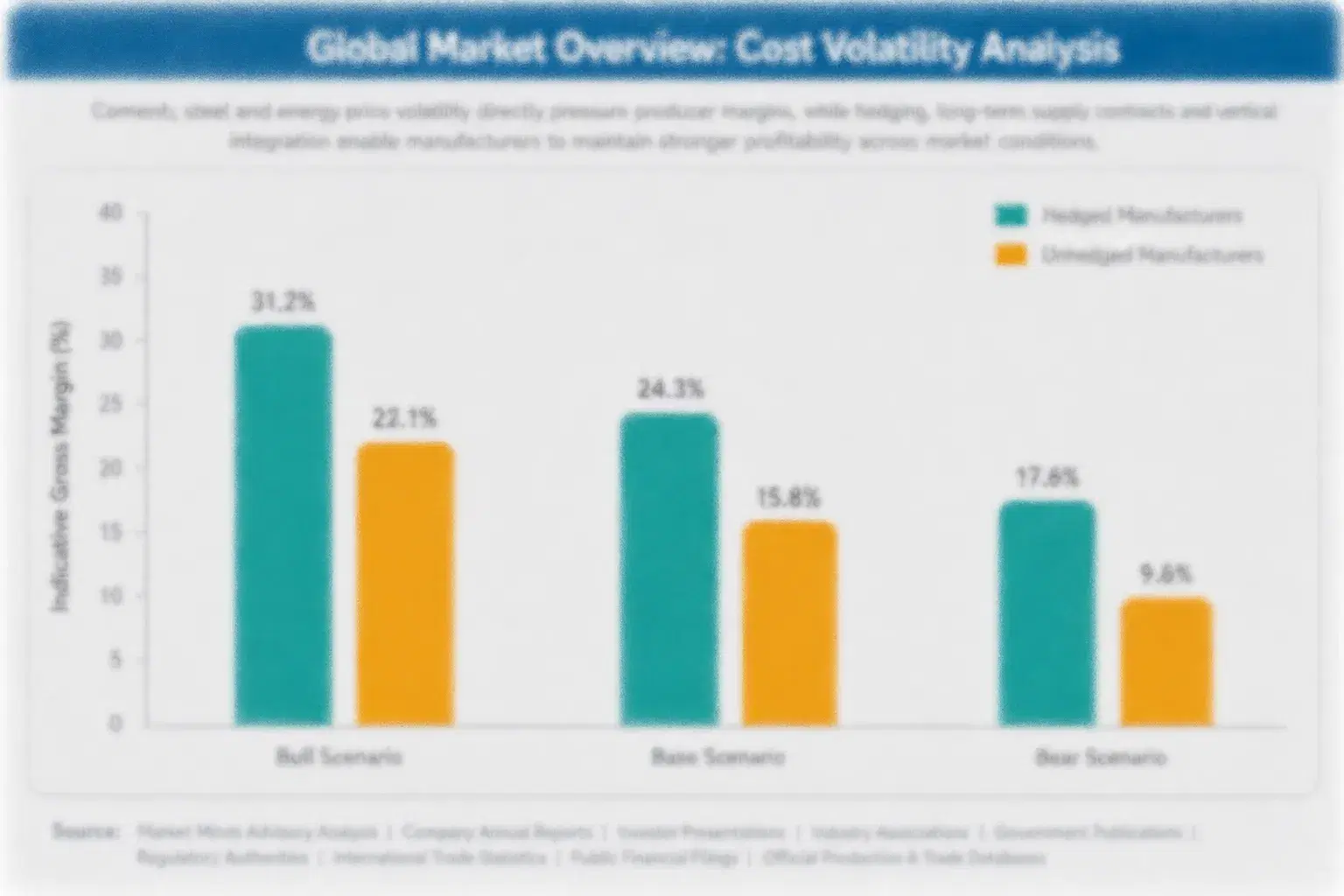
Precision valves and pump components account for roughly 22 to 27% of manufacturing cost, sourced from a concentrated group of specialized precision engineering component suppliers primarily based in Germany, Switzerland, and Japan. Control electronics and sensors, increasingly important as dispensing systems add digital process monitoring capability, contribute a further 12 to 16%, exposing manufacturers to semiconductor supply chains alongside traditional precision mechanical components.
The 2021 to 2022 global semiconductor shortage delayed control electronics and sensor deliveries for several dispensing equipment manufacturers, extending equipment lead times from a typical eight to ten weeks to over five months in some cases, according to component sourcing disclosures in Nordson's 2022 annual report. The disruption prompted several manufacturers to qualify secondary electronics suppliers and redesign control systems around more broadly available component families.

Smaller regional manufacturers without long-term component supply agreements face greater cost exposure than larger diversified players like Nordson and Graco, who negotiate volume-based contracts directly with precision component suppliers. Manufacturers focused on jetting technology face additional exposure to precision valve component pricing, a supply chain risk that manufacturers of simpler contact-based systems sourcing more standardized components do not share to the same degree.
dispensing-system-market-cost-volatility-analysis-1786463142078

Qualifying Secondary Precision Component Suppliers

Manufacturers are increasingly dual-sourcing precision valves and control electronics from at least two suppliers across different regions rather than relying on a single vendor relationship, reducing exposure to any single supplier's capacity constraints during periods of tight component supply and elevated global demand across multiple competing industrial and electronics sectors simultaneously competing for the same limited component supply base.

Redesigning Control Systems for Component Flexibility

Several manufacturers have redesigned control system architectures to accommodate a broader range of interchangeable electronics components, reducing dependence on any single specific part number and shortening the qualification cycle for alternate suppliers during future supply disruptions across their broader equipment lineup, product generations, and geographic markets served worldwide by their global sales and support teams.

Building Strategic Precision Component Inventory Buffers

Larger manufacturers have expanded safety stock of critical precision valve and electronics components to buffer against future supply disruption, absorbing additional working capital cost in exchange for more predictable production scheduling and customer delivery commitments across periods of elevated market volatility and rapidly shifting global demand patterns across multiple competing industries and end-market applications.

Portfolio Architecture for Margin Defence

The market splits into three tiers running from commodity contact-based systems to fully digital jetting platforms bundled with process software and application engineering support. Margin concentrates heavily at the top: jetting systems paired with digital process monitoring software earn gross margins 15 to 20 percentage points above commodity contact-based systems, reflecting both engineering complexity and the recurring software and service revenue layered on top of the initial equipment sal
Volume and premium tiers pull manufacturers in different strategic directions simultaneously across the industry. Regional Chinese manufacturers are pushing aggressively into mid-tier contact and robotic systems, compressing margin in segments where established Western suppliers historically earned steady returns, forcing incumbents to defend premium jetting and application-engineering-linked segments more aggressively through precision differentiation rather than throughput specifications alone across the board.

High-value margin pools concentrate among suppliers serving battery and semiconductor manufacturers through combined equipment, software, and application engineering relationships, since these accounts generate recurring revenue across multiple production lines and facility expansions simultaneously, far exceeding the value of a single equipment transaction and remaining the primary target of every major supplier's account and growth strategy today.

Volume / Commodity-Adjacent Tier

Standard manual and semi-automatic contact-dispensing systems sold primarily into general industrial and lower-precision applications, competing on price against a fragmented global supplier base with thin margins reflecting commoditized components and limited service attachment.
Gross Margin: 18-24%

Premium / Certified Tier

Robotic and mid-tier jetting systems sold with process support into growing electronics and automotive markets, capturing better margin through precision engineering and demonstrated technical performance across a wide range of manufacturing applications.
Gross Margin: 28-35%

Sustainability / Regulatory / Next-Generation Tier

Fully digital jetting platforms bundled with process monitoring software and application engineering services, commanding the highest margin as precision and yield data become baseline procurement requirements industry-wide across most manufacturing sectors.
Gross Margin: 38-46%
dispensing-system-market-portfolio-architecture-1786463142258

High-value Sub-segments and Strategic Watch-out

Jetting Systems With Process Monitoring Software

Bundled hardware and software systems generating recurring revenue through process analytics subscriptions, growing fastest as semiconductor and battery manufacturers make auditable yield and precision data a contractual condition for production line qualification across multiple facility locations and product generations currently in active development across multiple facility sites.
Gross Margin: 40-46%

EV Battery Gigafactory Dispensing Programs

Equipment and services sold directly into battery gigafactory construction programs, expanding steadily as global battery manufacturing capacity additions continue accelerating across multiple regions and manufacturers building new production capacity simultaneously across several continents, market segments, and battery chemistry platforms currently entering full-scale commercial production worldwide.
Gross Margin: 32-38%

Standard Contact and Robotic Dispensing Systems

The largest unit volume segment, serving general industrial and automotive manufacturers that need proven dispensing automation without the highest tier's full precision and software cost, forming the steady revenue backbone of most suppliers' order books and multi-year service and support relationships nationwide across every major manufacturing region.
Gross Margin: 22-28%

Legacy Manual Dispensing Operations Facing Displacement

Older manual dispensing operations facing gradual displacement by both robotic and jetting automated alternatives, a segment strategic watchers should track as replacement demand accelerates faster than some manufacturers' capital budgeting currently anticipates or has adequately planned for across the next several upcoming fiscal years and budget cycles.
Gross Margin: 14-20%

From Equipment Sale to Process Partnership

Dispensing system demand is shifting from a one-time equipment sale toward an ongoing process partnership as software subscriptions, application engineering services, and financing programs increasingly extend a supplier's commercial relationship across a manufacturer's evolving product roadmap rather than a single equipment purchase, particularly among manufacturers that have successfully bundled process expertise into their core offering rather than selling hardware alone in isolation from bro
Adoption depth varies sharply by end-use vertical. Semiconductor and battery manufacturers adopt jetting and digital process monitoring systems most deeply, given the direct yield and safety consequences of dispensing precision at their considerable operational scale. General industrial and lower-precision automotive manufacturers adopt more transactionally, often prioritizing proven reliability and upfront cost over the deeper software relationships that characterize high-precision electronics and battery accounts.

A generational shift in buyer profile is underway as process and yield engineers, increasingly focused on data analytics and precision capability, replace an older generation of buyers who prioritized purely mechanical throughput specifications and upfront equipment cost, a change reshaping which supplier capabilities actually win purchasing decisions across manufacturers of all sizes and industry segments worldwide.
dispensing-system-market-end-use-penetration-index-1786463142428

Where Dispensing Suppliers Should Focus Next

These are among the four positions where our research anticipates prominent divergence between winners and laggards over the coming forecast period. Each is grounded in the demand model, the regulatory perimeter, and the announced capacity pipeline.
01 / JETTING TECHNOLOGY INVESTMENT

Build jetting capability before it becomes a baseline procurement requirement

Precision electronics and battery manufacturers are increasingly requiring dispensing accuracy that contact-based systems cannot reliably deliver at production scale, converting jetting from a premium option into a baseline requirement for new high-precision assembly lines. Suppliers still concentrated in contact-dispensing technology risk losing design wins to jetting-native competitors already established in these fast-growing applications. Moving now, ahead of the point where jetting becomes fully commoditized, allows suppliers to capture premium positioning and durable customer relationships before competition in this segment intensifies meaningfully further.
02 / BATTERY MANUFACTURER FOCUS

Deepen gigafactory relationships ahead of capacity expansion peaks

Global EV battery manufacturing capacity is expanding rapidly across multiple regions, creating substantial near-term demand for precision dispensing equipment tied to new gigafactory construction programs currently under way across several continents simultaneously. Suppliers building dedicated battery manufacturer relationships and application engineering capability now are positioned to capture disproportionate share as capacity expansion accelerates over the coming several years. Waiting until battery manufacturing capacity growth peaks to build these relationships risks ceding early-mover advantage to competitors already embedded in ongoing production line design decisions.
03 / APPLICATION ENGINEERING EXPANSION

Scale process qualification services to deepen customer dependency

Dispensing process qualification for new fluid materials and product designs remains a genuine technical challenge that many manufacturers cannot handle entirely in-house, creating a meaningful service revenue opportunity that many equipment-focused suppliers currently under-invest in relative to hardware sales pursuit. Suppliers building dedicated application engineering capability capture considerably more lifetime customer value than those treating qualification support as a secondary consideration behind new equipment sales. This requires sustained investment in process engineering talent that hardware-focused competitors may currently lack internally.
04 / AFTERMARKET SERVICE EXPANSION

Build preventive maintenance programs to protect production continuity

Unplanned dispensing equipment downtime on precision production lines can halt entire manufacturing operations worth considerably more in lost output than any maintenance contract, yet many suppliers still under-invest in dedicated aftermarket infrastructure relative to new equipment sales pursuit. Suppliers building comprehensive preventive maintenance and rapid parts supply capability capture recurring revenue while deepening customer relationships that extend well beyond the initial equipment transaction. This aftermarket-focused strategy builds durable, long-term customer relationships across the installed base that pure equipment sellers cannot easily replicate.

Engagement Snapshot From the Field

A live engagement with an industry participant carrying material or product regulatory and market exposure ahead of a defining policy shift, showing how our research translates into a defensible multi-year portfolio strategy.
MARKET MINDS ADVISORY · CLIENT ENGAGEMENT SUMMARY
Dispensing System Producer Strategic Portfolio Review and Transition Roadmap 2026·Investment Scenario on Dispensing System Exposure Evaluation 2025-26
CLIENT PROFILE
The client operates three battery pack assembly facilities generating roughly $520 million in annual revenue (client-reported, unverified by MMA) across North America and Europe, supplying thermal interface and structural adhesive assembly for multiple automotive OEM battery programs. The company relied heavily on contact-based dispensing systems and was facing yield challenges as newer battery cell designs required tighter dispensing tolerances than its existing equipment could reliably deliver.
STRATEGIC CHALLENGE
Management needed to decide whether to upgrade to jetting dispensing technology across all three facilities simultaneously or phase the transition, while facing uncertainty about payback timelines given evolving battery cell design requirements and limited internal data on actual yield loss attributable to current dispensing tolerance limitations across its varied production lines.
MMA APPROACH
MMA conducted facility-level yield audits across all three sites, modeled payback scenarios under three battery cell design evolution trajectories, and benchmarked jetting technology vendor terms across four suppliers active in battery manufacturing, structuring a phased upgrade roadmap prioritized by facility-level yield loss severity and near-term OEM program requirements across each facility's specific product mix.
KEY FINDINGS
  1. Yield loss attributable to dispensing tolerance limitations at the client's newest facility ran nearly three percentage points higher than management's internal estimate, representing a larger upgrade opportunity than previously modeled.
  2. The facility supplying the OEM program with the tightest upcoming tolerance requirements showed jetting upgrade payback under fourteen months, while the other two facilities exceeded twenty-four months.
  3. Vendor technology and service terms varied meaningfully across the four suppliers benchmarked, with the most competitive offer tied to a multi-facility, multi-year application engineering commitment.
  4. Digital process monitoring capability, not raw jetting speed, was identified as the primary differentiator between competing vendor proposals evaluated during the benchmarking process.
CLIENT PROFILE
The client operates three battery pack assembly facilities generating roughly $520 million in annual revenue (client-reported, unverified by MMA) across North America and Europe, supplying thermal interface and structural adhesive assembly for multiple automotive OEM battery programs. The company relied heavily on contact-based dispensing systems and was facing yield challenges as newer battery cell designs required tighter dispensing tolerances than its existing equipment could reliably deliver.
STRATEGIC CHALLENGE
Management needed to decide whether to upgrade to jetting dispensing technology across all three facilities simultaneously or phase the transition, while facing uncertainty about payback timelines given evolving battery cell design requirements and limited internal data on actual yield loss attributable to current dispensing tolerance limitations across its varied production lines.
MMA APPROACH
MMA conducted facility-level yield audits across all three sites, modeled payback scenarios under three battery cell design evolution trajectories, and benchmarked jetting technology vendor terms across four suppliers active in battery manufacturing, structuring a phased upgrade roadmap prioritized by facility-level yield loss severity and near-term OEM program requirements across each facility's specific product mix.
KEY FINDINGS
  1. Yield loss attributable to dispensing tolerance limitations at the client's newest facility ran nearly three percentage points higher than management's internal estimate, representing a larger upgrade opportunity than previously modeled.
  2. The facility supplying the OEM program with the tightest upcoming tolerance requirements showed jetting upgrade payback under fourteen months, while the other two facilities exceeded twenty-four months.
  3. Vendor technology and service terms varied meaningfully across the four suppliers benchmarked, with the most competitive offer tied to a multi-facility, multi-year application engineering commitment.
  4. Digital process monitoring capability, not raw jetting speed, was identified as the primary differentiator between competing vendor proposals evaluated during the benchmarking process.
RECOMMENDED STRATEGY
Phase 1: Phase 1 (Months 1 to 7): Upgrade the facility supplying the tightest-tolerance OEM program to jetting technology under a vendor financing arrangement securing the strongest benchmarked terms. Phase 2: Phase 2 (Months 8 to 18): Monitor OEM tolerance requirement evolution at the remaining two facilities, triggering upgrade once yield loss data supports the business case. Phase 3: Phase 3 (Months 19 to 30): Standardize digital process monitoring software across all upgraded facilities to enable centralized yield performance benchmarking.
OUTCOME
The client upgraded its highest-priority facility within eight months of the engagement, financing the transition through the recommended vendor arrangement rather than upfront capital (client-reported, unverified by MMA). Dispensing-related yield loss at the upgraded facility fell to under one percentage point within the first two full production quarters, and management adopted the phased framework for evaluating the remaining two facilities.

Frequently Asked Questions

Foundational context covering the market sizes, CAGR, scope, country, region and competition that inform every finding below. This section is provided to cover basics and most often pre-purchase conversations, answered from the MMA Primary Research Dataset.

What is the current size of the Dispensing System Market?

The global dispensing system market was valued at approximately $5.4 billion in 2025. Growth is being driven by EV battery assembly and semiconductor packaging precision requirements.

How large will the Dispensing System Market be by 2036?

The market is projected to reach approximately $12.34 billion by 2036, up from $5.82 billion in 2026. This represents more than a doubling of value over the ten-year forecast window.

What is the CAGR for the Dispensing System Market 2026 to 2036?

The market is forecast to grow at a CAGR of 7.8% between 2026 and 2036. Bull and bear scenarios range from roughly 6.5% to 9.0%.

Which segment is growing fastest?

Jetting dispensing systems are currently the fastest-growing segment, expanding at approximately 11.5% annually. This is roughly 1.5 times the overall market's growth rate of 7.8%.

Who are the major companies in the Dispensing System Market?

Leading suppliers include Nordson, Graco, ViscoTec, Vermes Microdispensing, and Fisnar. Together these five hold roughly 38% of total global share on a revenue basis today.

Which country is growing fastest?

China is currently the single fastest-growing country in this market, expanding at approximately 10.5% annually. This reflects China's rapidly expanding electronics and battery manufacturing base nationwide.

Report Segmentation Architecture

The full report scope spans multiple orthogonal segmentation dimensions, with cross-tabulated demand data provided for each dimension pair. Coverage extends further to regional breakdowns, trend trajectories, and the competitive detail needed to support segment-level decision-making.

By Dispensing Technology

  • Time-Pressure Dispensing Systems
  • Positive Displacement Dispensing Systems
  • Jetting Dispensing Systems
  • Robotic and Multi-Axis Dispensing Systems
  • Volumetric Metering Dispensing Systems
  • Manual and Semi-Automatic Dispensing Systems

By End-Use Industry

  • Electronics and Semiconductor Packaging
  • Electric Vehicle Battery Assembly
  • Automotive Components
  • Medical Device Manufacturing
  • General Industrial

By Commercial Dimension

  • Direct Equipment Purchase
  • Vendor-Financed Leasing
  • Software and Analytics Subscription
  • Application Engineering Services

By Region

  • North America
  • Western Europe
  • East Asia
  • South Asia and Pacific
  • Latin America
  • Middle East and Africa
  • Eastern Europe

Scope, Methodology, and Coverage

Every figure in this report is reproducible from documented input assumptions. The scope below maps the historical period, the forecast horizon, the segmentation dimensions, and the countries covered, alongside the underlying primary and qualitative methodology.
Historical Period
2020 to 2025
Forecast Period
2026 to 2036
Base Year
2025 (USD billions; MMA Primary Research Dataset, August 2026)
Market Definition
The dispensing system market covers equipment used to precisely apply adhesives, sealants, lubricants, coatings, and other fluids or pastes in manufacturing processes across electronics, automotive, medical device, and general industrial applications, spanning contact and non-contact dispensing technologies. It excludes the fluid materials themselves and excludes general-purpose spray coating equipment not designed for precision volumetric dispensing.
Quantitative Units
USD billions (current prices); unit shipments where disclosed
Segmentation Dimensions
By Dispensing Technology; By End-Use Industry; By Commercial Dimension; By Region
Regions Covered
North America, Western Europe, East Asia, South Asia and Pacific, Latin America, Middle East and Africa, Eastern Europe
Countries Covered
USA, China, Germany, France, UK, Japan, South Korea, India, Australia, Canada, Brazil, Mexico, Indonesia, Vietnam, Thailand, Malaysia, UAE, Saudi Arabia, South Africa, Nigeria, Turkey, Poland, Netherlands, Italy, Spain, Sweden, Switzerland, Argentina, Colombia, Singapore, and additional markets relevant to this sector
Key Companies Profiled
Nordson Corporation, Graco Inc., ViscoTec Pumpen- u. Dosiertechnik GmbH, Vermes Microdispensing GmbH, Fisnar Inc., Dymax Corporation, Techcon Systems, Musashi Engineering Inc, Scheugenpflug GmbH, Sonderhoff Holding, GPD Global, DL Technology LLC, Precision Valve and Automation, Camalot Systems, Panasonic Factory Solutions, Sono-Tek Corporation, Adhesive Dispensing Ltd, Sealant Equipment and Engineering Inc, Yamaha Motor Robotics, Speedline Technologies
Quantitative Methodology
Primary survey, n=3,800 respondents, Q4 2025, six countries; demand-side model with trade association cross-validation
Qualitative Methodology
47 expert interviews, Q4 2025; applied to validate demand model assumptions, identify emerging dynamics, and assess competitive positioning
Report Format
PDF and XLSX data workbook (Word format preview document)
Publisher
Market Minds Advisory
Report Code
MMA-2026-CON-316
Published
August 2026
Contact
sales@marketmindsadvisory.com | www.marketmindsadvisory.com

Purchase the full Dispensing System Market Report (2026 to 2036).

The full report provides a comprehensive assessment of the global dispensing system market, including detailed segmentation by dispensing technology, end-use industry, and commercial dimension across all seven world regions. It profiles twenty leading and emerging equipment suppliers, benchmarking jetting capability, application engineering depth, and financing strategy. The analysis includes ten-year forecasts through 2036 under base, bull, and bear scenarios, alongside primary research findings drawn from MMA's survey of 3,800 respondents and 47 expert interviews conducted in the fourth quarter of 2025. A dedicated input cost section examines precision valve, pump, and control electronics exposure across major manufacturing regions.
Detailed segment-level ten-year forecasts through 2036
Profiles of twenty leading and emerging suppliers
Regional analysis spanning all seven world regions
Input cost and supply chain risk assessment
Competitive benchmarking on moats and vulnerabilities
Primary survey and expert interview data appendix

Built For The People Who Decide

From boardroom strategy to bench-side execution, this report is read cover-to-cover by leaders shaping the next decade of their industry, turning demand scenarios, market dynamics and valuation benchmarks into decisions.
CXOs/ Presidents/ VPs/ Managers
M&A and Corporate Development
Strategy Teams and R&D Heads
Procurement and Product Directors
Regulatory and Compliance Leaders
Investor Relations and Equity Analysts