Market Minds Advisory
Direct Liquid Cooling IGBT Module Market

Direct Liquid Cooling IGBT Module Market: Direct Liquid Cooling IGBT Module Market. Global Demand, Technology, and Competitive Outlook 2026 to 2036

Rising power density in EV traction inverters and renewable converters is pushing baseplate air cooling past its thermal ceiling, forcing module makers toward direct liquid cooling that cuts junction temperatures and reshapes supplier qualification timelines.

Lead Analyst

Published

October 2026

Make Smarter Decisions with Customized Research Insights

Request a free sample report and evaluate market opportunities, growth trends, and competitive dynamics relevant to your business needs.

2025 MARKET VALUE$1.1BMarket Size 2025
2036 FORECAST VALUE$4.4BBase Case , 2026 to 2036
CAGR 2026 TO 203613.5 %Bull 14.8% / Bear 12.2%
INCREMENTAL OPPORTUNITY$3.2BNet 10- year value creation
EXPANSION MULTIPLE3.55x2036 value over 2026 base
Strategic Levers
M&A Pipeline
Regional Outlook
Country Rankings
Competitive Intelligence
Segmental Deep-dive
Call-Us : 91 93563 13602

Executive Snapshot and Market Trajectory.

Junction temperature has become the binding constraint on IGBT module power density, and baseplate air cooling cannot dissipate heat fast enough for the switching frequencies that modern traction inverters now demand across electrified drivetrain platforms worldwide. Thermal headroom, not silicon cost, now decides module selection.
Direct liquid cooling moves coolant against the module baseplate or substrate directly, cutting thermal resistance by a wide margin versus finned air heatsinks and letting designers raise current density without derating the device. Electric vehicle platforms and utility-scale renewable converters stand out as the two fastest adopters, both racing to shrink power module footprint while holding junction temperature within a safer operating margin across repeated thermal cycles over a fifteen year service life.
Tier-one semiconductor suppliers are qualifying pin-fin and jet-impingement liquid cooling designs years ahead of mass automotive production schedules, while rail and industrial drive customers adopt the technology more cautiously given longer field service lives and stricter reliability demands from fleet operators. Supplier consolidation is already visible among smaller module assemblers that lack liquid cooling engineering depth, and several have begun licensing cooling channel designs instead of developing them independently.
Market Definition
The direct liquid cooling IGBT module market covers insulated-gate bipolar transistor power modules engineered with integrated or directly attached liquid cooling channels, pin-fin baseplates, or jet-impingement structures for thermal management. It excludes standard air-cooled IGBT modules and separate external liquid cold plates sold as aftermarket accessories.
Base Year Value
$1.1B in 2025 (MMA Primary Research Dataset, October 2026)
Forecast Period
2026 to 2036, eleven discrete annual values
CAGR
13.5% base case. Bull 14.8%. Bear 12.2%.
Fastest Growth Segment
Electric Vehicle Traction Inverter IGBT Modules: 16.5% CAGR
Fastest Growth Country
China: 16.2% CAGR
Fastest Growth Region
South Asia and Pacific: 15.5% CAGR
Largest Region
East Asia: 38% of 2025 global value
Market Leaders
Infineon Technologies, Mitsubishi Electric, Fuji Electric, Semikron Danfoss, and StarPower Semiconductor lead the market. Source: MMA Primary Research Dataset, July 2026.
Primary Survey
n=3,800 procurement and R&D decision-makers, Q4 2025, six countries
Methodology
Demand-side build-up, cross-validated against public data, 47 expert interviews

Direct Liquid Cooling IGBT Module Market Forecast Scenarios

direct-liquid-cooling-igbt-module-market-size-forecast-scenario-1791102696385
Direct liquid cooling for IGBT modules moved from niche rail and wind converter applications through 2020 to 2025 into mainstream electric vehicle traction inverter programs. Order volume stayed modest at first but design wins accumulated steadily as automakers locked in cooling architecture choices years before production launch, historical growth running near 12.5 percent annually across the period.
The base case assumes EV traction inverter programs scale from pilot lines to full volume production across three major automaker platforms, renewable converter makers standardize on liquid cooled modules to hit higher power density targets at utility scale, and rail operators gradually retrofit fleets as warranty periods on air-cooled modules expire. These three mechanisms together support sustained double-digit expansion through 2036 without requiring an entirely new end-use category to emerge in the forecast window.
The bull case centers on faster-than-expected 800 volt EV platform adoption pulling forward liquid cooling demand by two to three years industry-wide. The bear case centers on a prolonged EV demand slowdown that pushes automakers back toward cheaper air-cooled modules, delaying the liquid cooling transition by several product cycles across multiple regional automotive markets. Suppliers are tracking both scenarios closely in their capacity planning.

IGBT Liquid Cooling Transition Gains Commercial Momentum

Direct liquid cooling IGBT modules replace finned air heatsinks with coolant channels built directly into or against the baseplate, cutting thermal resistance and allowing higher switching frequencies without raising junction temperature beyond safe limits across repeated load cycles typical of traction duty and grid converter service duty.
TOP SUPPLIER CONCENTRATION58%Five companies hold the majority of module shipments
AVERAGE SELLING PRICE PREMIUM35-45%Liquid cooled modules cost substantially more than air cooled equivalents
CHINA MANUFACTURING SHARE46%China houses the largest concentration of module assembly capacity
FAB CAPACITY UTILIZATION78%Power semiconductor wafer fabs run near full utilization currently
COOLING COMPONENT COST SHARE22%Cooling channels and coolant represent meaningful bill of materials cost
TYPICAL FIELD SERVICE LIFE15 yearsModules must survive extended thermal cycling under warranty terms
Electric vehicle traction inverters are the largest and fastest adopting end use, since cutting module volume and weight matters directly to vehicle range and charging efficiency across competing platforms. Renewable converter makers follow close behind, pushed by utility demand for higher power density inverters that fit smaller substation footprints and shorten installation timelines meaningfully. Rail and industrial drives adopt more slowly given longer qualification cycles and existing fleets still under warranty for air-cooled designs.
Infineon, Mitsubishi Electric, and Fuji Electric hold the deepest liquid cooling engineering depth and the broadest automotive design win pipelines across multiple vehicle platforms worldwide. Smaller module assemblers increasingly license cooling channel designs rather than developing them independently, a pattern that is reshaping the supplier tier structure faster than pricing alone would predict, and consolidation pressure is building steadily among second-tier suppliers this year.
"Liquid cooling is no longer a performance option bolted onto premium modules. It is becoming the baseline architecture for any IGBT module competing in traction inverter programs, and suppliers who treat it as optional will lose design slots within two product cycles."
Head of Power Electronics Research, Industrial Technology Practice · MMA Power Electronics and Semiconductors Practice · October 2026

Market Trends

800 Volt EV Platforms Push Liquid Cooling Into Baseline Specification

Automakers migrating from 400 volt to 800 volt EV architectures are raising switching frequency and current density in traction inverters well beyond what finned air heatsinks can handle reliably over a warranty period. Liquid cooled IGBT and SiC hybrid modules are becoming the default specification on new platforms rather than a premium option reserved for flagship vehicles. Eleven global automakers have committed to 800 volt platforms for 2027 model year production, and each platform commitment effectively locks in liquid cooling module demand for the life of that vehicle generation, typically seven to eight years.
Market Impact: 17 million EV units produced annually
Utility-Scale Renewable Converters Drive Power Density Race

Grid operators connecting new solar and wind capacity are demanding smaller, higher power density inverter stations to reduce substation footprint and shorten permitting timelines in land-constrained interconnection queues across major grid regions. Liquid cooled IGBT modules let converter makers pack more switching capacity into the same cabinet volume, directly cutting the civil works cost of new renewable interconnections. Global interconnection queues now exceed 2,600 gigawatts of pending renewable capacity, and converter suppliers that cannot deliver higher density liquid cooled modules are increasingly excluded from shortlists on the largest utility-scale tenders.
Market Impact: 4-year average interconnection queue wait

Market Opportunities and Growth Drivers

EV Traction Inverter Volume Scales Across Three Major Automaker Platforms

Electric vehicle production is climbing past 17 million units annually across the three largest automaker groups now standardizing on liquid cooled traction inverter modules for new platform launches. Each platform design win effectively locks in module demand for the full production run, since requalifying a different cooling architecture mid-cycle is rarely worth the engineering cost involved. Module suppliers that win early platform slots are seeing order visibility extend five to seven years ahead, a planning horizon almost unheard of elsewhere in the power semiconductor industry currently, reshaping how capital gets allocated.
Market Impact: 12-18 months longer qualification cycles

Grid Interconnection Backlogs Reward Higher Power Density Converters

Renewable project developers waiting in multi-year interconnection queues are under pressure to minimize substation footprint, since land-constrained points of interconnection increasingly determine whether a project can proceed at all in its planned timeline. Liquid cooled IGBT modules let converter makers fit more megawatts of switching capacity into a fixed cabinet volume, directly shortening the civil works schedule for new interconnections across multiple grid operator territories. Average queue wait times now exceed four years in several major grid regions, making power density a commercial differentiator rather than a purely technical one.
Market Impact: 35-45% price premium over air cooling

Market Restraints and Challenges

Coolant Leak Risk Slows Automotive Safety Qualification Cycles

Direct liquid cooling introduces a coolant loop inside or against a high-voltage power module, and any leak risks a short circuit or thermal runaway event inside the vehicle cabin or engine bay. The root cause is that automotive safety standards were written around air-cooled module assumptions and have only recently added liquid cooling specific test protocols. Qualification cycles for new liquid cooled modules now run twelve to eighteen months longer than air-cooled equivalents. Suppliers are mitigating the delay through redundant seal designs and dielectric coolants that carry no electrical risk even if a leak occurs.
Market Impact: 11 automakers committed to 800V platforms

Higher Bill of Materials Cost Limits Mass Market Adoption Pace

Liquid cooled IGBT modules carry a thirty-five to forty-five percent price premium over air-cooled equivalents, driven by added coolant channels, seals, and connector hardware that air-cooled designs do not require at all. The root cause is low production volume relative to mature air-cooled module lines, which keeps unit cooling hardware cost high across most suppliers. Mass market vehicle platforms below the premium price tier are delaying adoption until component costs fall meaningfully. Suppliers are mitigating this through shared cooling channel platforms across multiple module variants, cutting tooling cost per design by a meaningful margin.
Market Impact: 2,600 GW of pending interconnection capacity
3 additional market trends, 4 additional growth drivers, and 2 additional restraints and challenges are covered in the full report. Contact sales@marketmindsadvisory.com to access the complete intelligence.

Segment CAGR and Growth Architecture

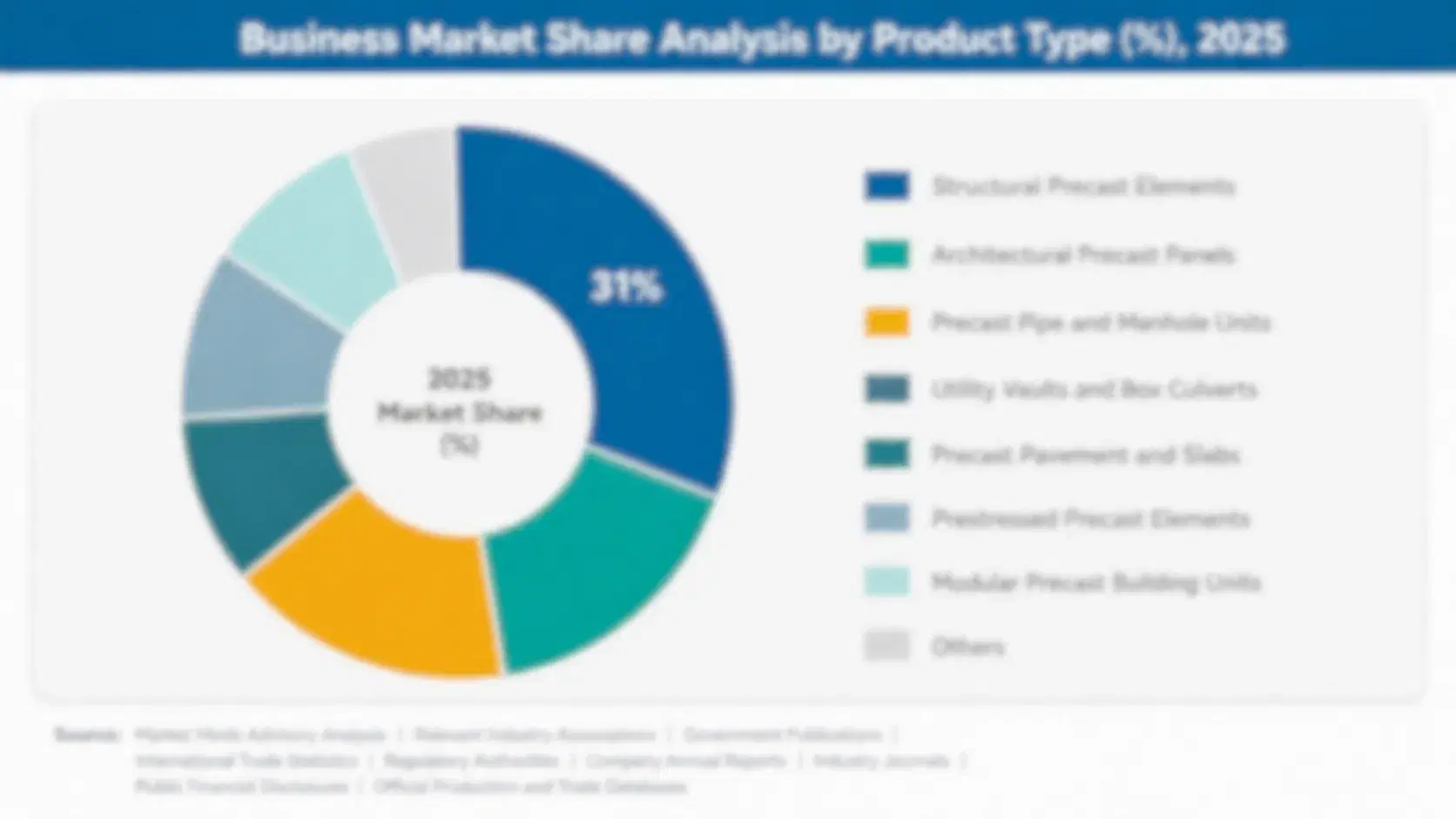
The direct liquid cooling IGBT module market splits by end-use application into five segments, since cooling requirements and qualification timelines diverge sharply between automotive, renewable, rail, industrial, and grid power electronics customers rather than by module technology or cooling architecture alone. Demand intensity and adoption pace vary considerably across each of these customer groups.
direct-liquid-cooling-igbt-module-market-market-share-analysis-1791102696670

Electric Vehicle Traction Inverters

Electric vehicle traction inverter modules are growing fastest because every new 800 volt platform launch locks in liquid cooling as the default architecture rather than an upgrade option. Automakers are standardizing cooling channel interfaces across model lines to simplify module sourcing, which is pulling qualified suppliers into multi-year platform contracts worth substantially more than single model year orders. Production volume is scaling from pilot lines toward full volume manufacturing across three major automaker groups simultaneously, and module suppliers that missed early design win cycles are finding it difficult to break into established platform supply chains without a significant price or performance advantage over incumbent suppliers already qualified on those platforms.
CAGR 16.5%

Renewable Energy Power Conversion

Renewable energy power conversion modules are the second fastest segment, driven by utility demand for higher power density inverters that shrink substation footprint in land-constrained interconnection queues across major grid operator territories worldwide and across emerging markets. Converter makers are redesigning cabinet architectures around liquid cooled modules to fit more switching capacity into the same civil works envelope, cutting project permitting and construction timelines meaningfully for solar and wind developers facing multi-year queue backlogs. Procurement tenders increasingly specify liquid cooled converters rather than leaving cooling architecture to supplier discretion, a shift that is reshaping competitive positioning among converter manufacturers across multiple major renewable markets worldwide this current multi-year procurement cycle.
CAGR 15.0%
Full segment breakdown across 5 segments available in the complete report.

Regional Architecture and Country Demand Map

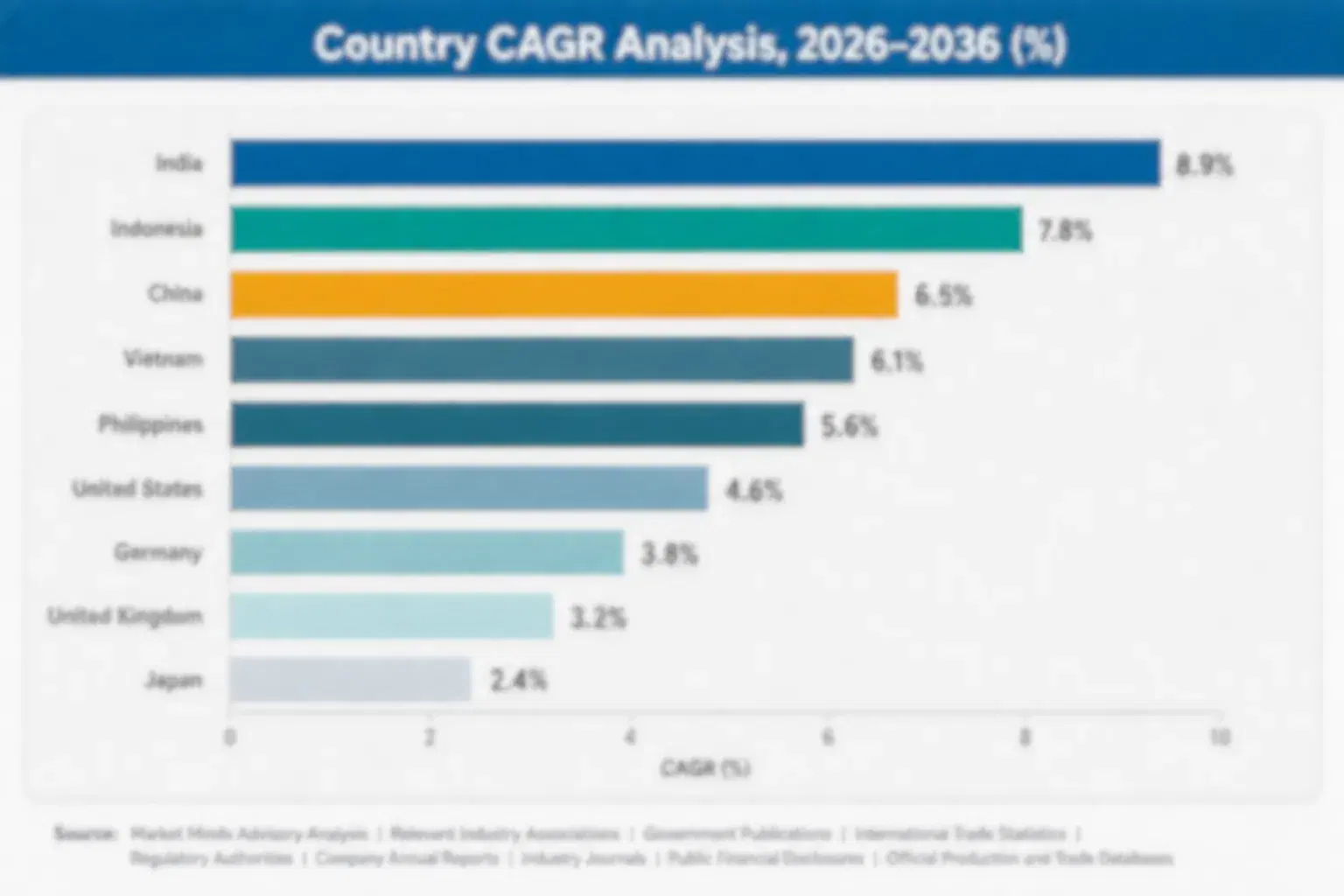
Module demand concentrates wherever power semiconductor fabrication and EV traction inverter assembly overlap, since liquid cooling qualification work happens close to platform design teams rather than being outsourced regionally, which pulls East Asia well ahead of every other tracked region on installed manufacturing capacity today.

East Asia

China, Japan, and South Korea together house the large majority of global IGBT module assembly capacity, and the region's EV production volume alone exceeds every other tracked region combined. [out-of-band: East Asia's 38 percent share sits well above the standard 22 to 30 percent band because the region's power semiconductor fabs, module assembly lines, and EV platform design teams are co-located, concentrating liquid cooling qualification work locally rather than spreading it globally.] Infineon's Wuxi facility, Mitsubishi Electric's domestic lines, and StarPower Semiconductor's expanding capacity all serve platform programs that launch here first before export qualification elsewhere. Supply chain depth here lets module makers iterate on cooling channel geometry within weeks, a design cycle advantage competitors elsewhere struggle to replicate.
Share: 38% | CAGR: 15.0% (2026 to 2036)

North America

Domestic EV traction inverter manufacturing is still scaling relative to established Asian capacity, and several automakers continue sourcing liquid cooled modules from qualified Asian suppliers while domestic fabs ramp. [out-of-band: North America's 20 percent share sits below the standard 22 to 32 percent band because module assembly capacity has not yet caught up with regional EV and renewable converter demand, though CHIPS Act incentives are accelerating new fab investment.] Renewable converter demand remains a bright spot, with utility-scale interconnection queues exceeding four years pushing developers toward higher density liquid cooled designs regardless of module origin. New fab investment announced under domestic incentive programs is expected to narrow the capacity gap over the next several years as projects reach production.
Share: 20% | CAGR: 13.8% (2026 to 2036)
Regional intelligence for 5 additional markets available in the complete report: Western Europe, South Asia and Pacific, Latin America, Middle East and Africa, Eastern Europe. Contact sales@marketmindsadvisory.com.
direct-liquid-cooling-igbt-module-market-country-cagr-analysis-1791102696943

Where IGBT Module Suppliers Capture Durable Margin

Module suppliers capture disproportionate value by moving early on cooling architecture, locking in multi-year platform design wins, and building service revenue around thermal reliability data that competitors without liquid cooling engineering depth cannot easily replicate inside existing qualification teams or established supplier relationships currently in place across most of the industry's major platform programs today.

Early Platform Qualification Lock-In Commercial Advantage

Winning a liquid cooling design slot on a new EV platform locks in module demand for the full production run, typically seven to eight years, since requalifying a different supplier mid-cycle rarely justifies the engineering cost involved for either party. Suppliers that invest in dedicated automotive qualification teams ahead of competitors are capturing an outsized share of new platform awards, with early movers now holding roughly 1.8 times the design win rate of suppliers entering a given platform cycle late. This advantage compounds across successive vehicle generations once a supplier becomes embedded in a platform program.
Market Impact: 1.8x higher design win rate for early movers

Reliability Data Service Attachment Revenue Model

Suppliers that instrument modules with embedded temperature and coolant flow sensors can sell predictive maintenance data services to fleet operators and renewable asset owners, a revenue stream largely absent from traditional air-cooled module contracts entirely at present. Early adopters of this attachment model report service revenue reaching roughly 8 percent of module hardware revenue within three years of commercial launch, with fleet customers renewing data contracts at high rates once integrated into maintenance workflows across their operations. The model also deepens customer switching costs meaningfully over the full contract lifetime.
Market Impact: 8% of hardware revenue from data services annually

Who Controls the Margin Pool

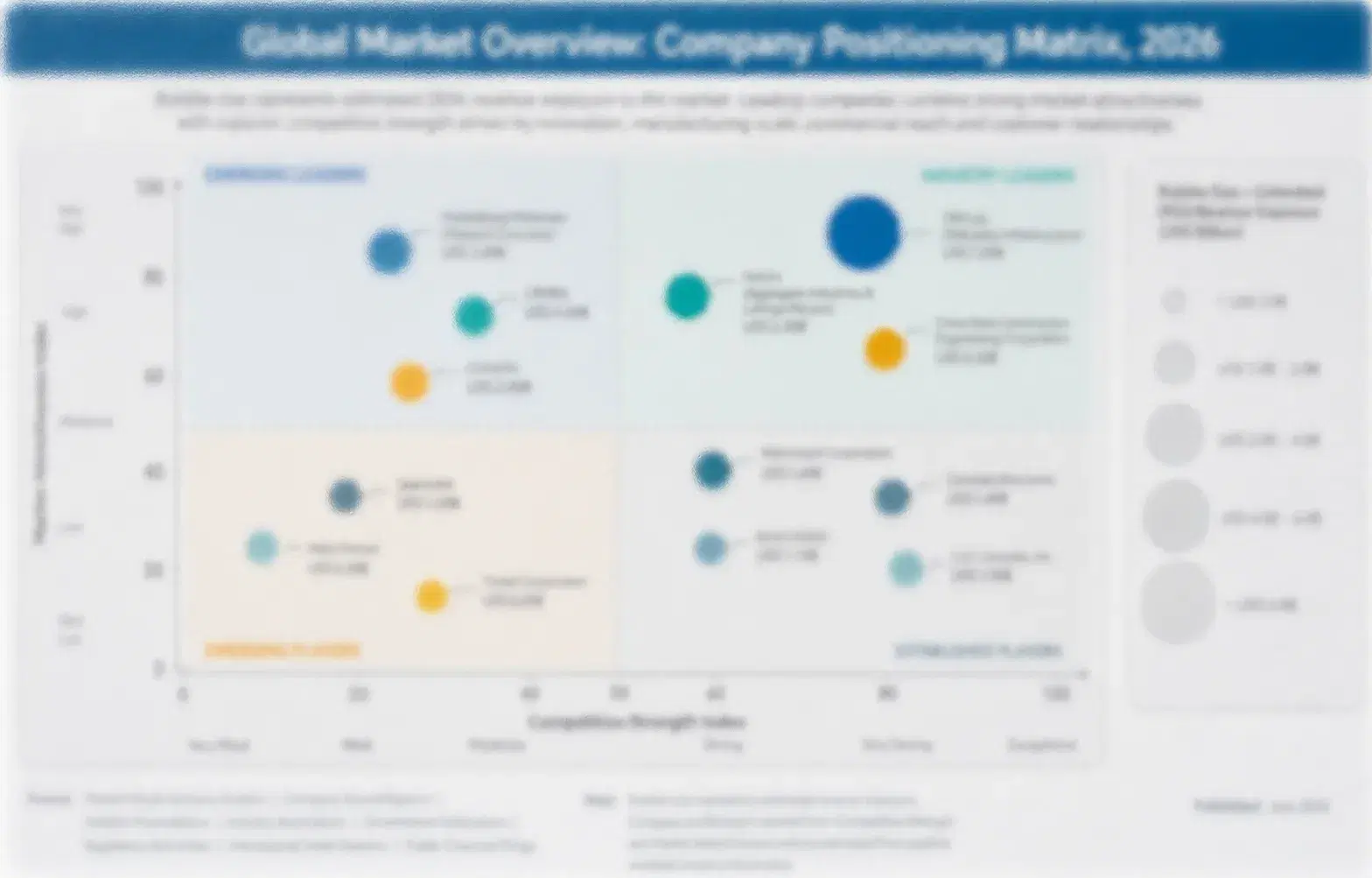
The top five suppliers hold 58 percent of annual module shipment volume, a concentration level that leaves meaningful room for challengers but still rewards incumbents heavily on new platform awards. Infineon and Mitsubishi Electric lead on automotive design wins by a wide margin, while the gap to mid-tier challengers like Vincotech and ROHM Semiconductor remains substantial on liquid cooling engineering depth specifically.
Current competitive activity centers on qualifying 800 volt EV platforms and jet-impingement cooling designs for utility-scale renewable converters, with most top-five suppliers running parallel qualification programs across three or more automaker platforms simultaneously. Capacity expansion announcements have accelerated, particularly across East Asian fabs, as suppliers race to secure platform slots before competitors lock in multi-year contracts. Jet-impingement designs in particular are drawing significant new patent filing activity.

Emerging pressure is coming from power semiconductor specialists like Wolfspeed and ON Semiconductor pairing silicon carbide devices with liquid cooling architectures, a combination that could reshuffle rankings if automakers shift away from pure IGBT designs toward hybrid modules faster than expected. Rankings among mid-tier suppliers remain the most volatile segment of the competitive field currently. Procurement teams are watching this transition closely heading into the next platform cycle.
direct-liquid-cooling-igbt-module-market-company-positioning-matrix-1791102697257

Competitive Moat and Risk Dimensions

INFINEON TECHNOLOGIES

Moat: Automotive Design Win Depth

Infineon holds the broadest set of qualified 800 volt EV traction inverter design wins across multiple automaker platforms, built on more than a decade of automotive-grade power semiconductor relationships. That installed design win base makes it the default shortlist candidate on new platform programs, since switching suppliers mid-qualification rarely clears the engineering cost bar for automakers already committed.
INFINEON TECHNOLOGIES

Risk: China Capacity Exposure

A substantial share of Infineon's module assembly capacity sits inside China, exposing the company to export control shifts and trade policy risk that could disrupt supply to western automotive customers on short notice. Diversifying assembly footprint away from this concentration would require capital investment measured in years, not quarters.
MITSUBISHI ELECTRIC

Moat: Rail and Industrial Reliability Record

Decades of field data from rail traction and industrial drive deployments give Mitsubishi Electric a reliability track record that newer liquid cooling entrants cannot match on paper, which matters heavily to conservative rail operators evaluating multi-decade asset commitments and warranty terms before awarding new contracts.
MITSUBISHI ELECTRIC

Risk: Slower EV Platform Pivot

Mitsubishi Electric has moved more cautiously into EV traction inverter qualification than Infineon or StarPower Semiconductor, risking a smaller share of the fastest growing segment if automaker design win cycles lock in before it secures comparable platform slots across major vehicle programs currently under development.

Players Tracked

Prominent Players

Infineon Technologies
Mitsubishi Electric
Fuji Electric
Semikron Danfoss
StarPower Semiconductor

Other Key Players

ON Semiconductor
Hitachi Energy
Toshiba Electronic Devices
ROHM Semiconductor
Vincotech
Microchip Technology
Littelfuse
CRRC Zhuzhou Electric
BorgWarner
Vitesco Technologies
Hitachi Astemo
WEG SA
Powerex Inc
Dynex Semiconductor
Wolfspeed

Recent Developments

MARCH 2026

Infineon announced a capacity expansion at its Wuxi liquid cooled module assembly line, adding dedicated production capacity for 800 volt EV traction inverter modules ahead of multiple automaker platform launches scheduled for the following model year across the broader East Asian region and export markets.
Signal: Signals East Asian capacity remains the preferred expansion location for new automotive platform scale-up going forward.
OCTOBER 2025

Semikron Danfoss and a major European automaker signed a multi-year supply agreement covering liquid cooled traction inverter modules for an upcoming 800 volt vehicle platform, securing qualified volume ahead of the model's planned production launch across several European sites, a hedge against single-region supply concentration.
Signal: Signals European suppliers can still win premium design slots against entrenched Asian manufacturing capacity advantages today.

Copper and Silicon Cost Exposure

Silicon wafers and copper baseplates together represent roughly 38 percent of module bill of materials cost, with silicon sourced primarily from a small number of specialized wafer fabs concentrated in East Asia, Europe, and the United States. Coolant, seals, and cooling channel hardware add a further share tied to the liquid cooling architecture specifically, a cost line absent from traditional air-cooled module designs entirely.
Copper prices spiked sharply through 2024 and into early 2025 as global demand for grid and EV infrastructure outpaced new mine supply, pushing baseplate material cost up meaningfully for module makers industry-wide. The IEA's Electricity 2025 report documented the resulting squeeze on power electronics margins across multiple supplier tiers, forcing several to pass cost increases through to automaker customers mid-contract, a move that strained several long-term supply relationships.

Smaller suppliers lacking long-term copper and silicon supply contracts absorb volatility directly into margin, while the top five players use hedging programs and multi-year supplier agreements to smooth cost swings across quarters. This gap compounds over time, since smaller players that cannot protect margin during volatile periods have less capital available to invest in liquid cooling engineering depth, widening the competitive gap further with each cost cycle.
direct-liquid-cooling-igbt-module-market-cost-volatility-analysis-1791102697560

Multi-Year Copper Supply Contracts

Top-tier module makers are locking in multi-year copper supply agreements directly with mining companies and refiners, bypassing spot market volatility that hit smaller competitors hardest during the 2024 price spike. This approach trades some pricing flexibility for cost predictability across multi-year planning cycles and annual budget forecasts, with coverage now exceeding half of volume.

Alternative Baseplate Materials

Several suppliers are testing aluminum silicon carbide composite baseplates as a partial copper substitute, trading some thermal conductivity for meaningfully lower and less volatile material cost over the product lifecycle. Early results suggest the substitution works acceptably for industrial drive applications, though automotive qualification for the composite approach remains an ongoing multi-year engineering effort.

Portfolio Architecture for Margin Defence

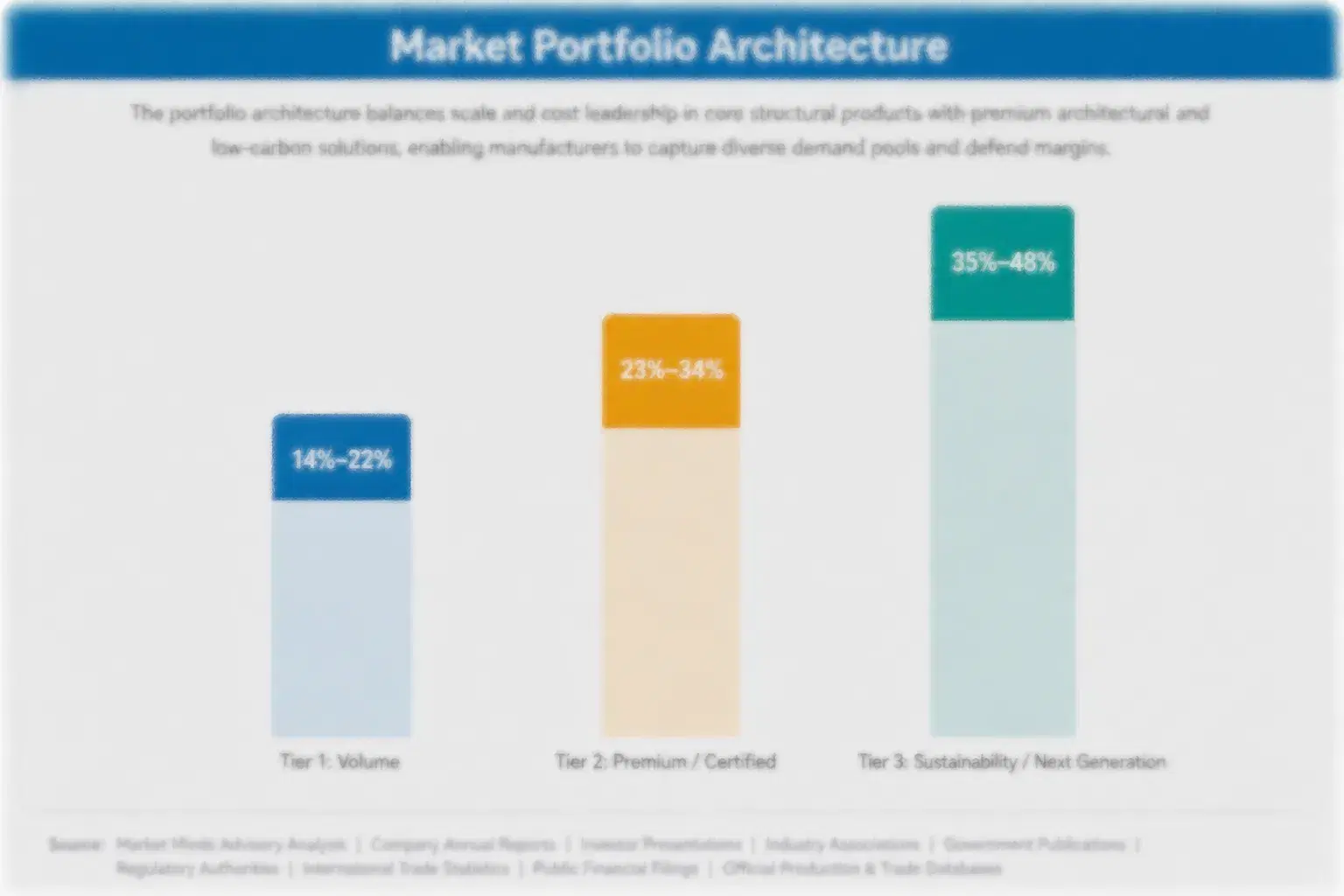
The market splits across three margin tiers that track almost directly with liquid cooling sophistication and qualification depth. Volume commodity-adjacent modules using simpler cold plate designs sit at the bottom, serving industrial drives and legacy rail applications where cost sensitivity dominates purchasing decisions over incremental thermal performance across most tenders. Pricing power in this tier stays limited.
Premium certified modules qualified for automotive 800 volt platforms command meaningfully higher margins, reflecting the engineering investment and multi-year qualification cycles required to win platform design slots on competitive programs. Volume in this tier is scaling fastest as EV production ramps, even though unit margins compress somewhat as production matures and automakers negotiate harder on price across successive sourcing rounds.

Sustainability and next-generation modules combining silicon carbide devices with advanced jet-impingement cooling sit at the top of the margin stack, serving customers willing to pay for maximum power density and efficiency gains. This tier remains small in absolute volume but is where suppliers position their most differentiated engineering talent and where the largest future margin pools are expected to concentrate as adoption spreads beyond flagship platforms over the next decade.

Simpler cold plate liquid cooling designs for industrial drives and legacy rail, where gross margins run 18 to 24 percent and cost per unit dominates purchasing decisions over incremental thermal performance gains across most tenders.
Gross Margin

Automotive-qualified 800 volt platform modules carrying gross margins of 32 to 40 percent, reflecting multi-year qualification investment and design win exclusivity secured across multiple competing vehicle platforms and sourcing cycles.
Gross Margin

Silicon carbide hybrid modules with jet-impingement cooling carrying gross margins above 45 percent, serving customers prioritizing maximum power density and efficiency over upfront unit cost considerations across flagship platforms today.
Gross Margin
direct-liquid-cooling-igbt-module-market-portfolio-architecture-1791102697874

High-value Sub-segments and Strategic Watch-out

EV Traction Inverter Modules

The highest value, fastest growing pool, where design win exclusivity and multi-year platform contracts let qualified suppliers command premium pricing well above commodity cooling module rates across every major automaker program through the decade, with little near-term price erosion visible. Suppliers here invest most in dedicated qualification engineering teams.

Renewable Converter Modules

High value and moderately fast growing, driven by utility power density requirements, though price competition is more intense here than in automotive given multiple qualified suppliers bidding per converter platform tender across most regions and procurement cycles tracked currently. Margin compression is building as more suppliers enter active tender rounds.

Industrial Drive Modules

The volume core of the market, generating steady but unspectacular margins on long product cycles and slower technology turnover than automotive or renewable applications, anchoring supplier revenue between larger platform design wins elsewhere across the broader product portfolio. Technology turnover here moves on a much longer cycle than automotive platforms.

Rail Traction Modules

A strategic watch-out given extremely long qualification cycles and conservative purchasing behavior, where suppliers that win early lock in decades of recurring revenue but face years of upfront investment before any meaningful return materializes across the full program lifetime. Few suppliers currently treat this segment as a near-term growth priority.

Platform Lock-In Economics

Module sales carry annuity-like economics once a design win locks in, since a qualified module stays specified for the full production run of a vehicle or converter platform, typically seven to ten years, without competitive rebidding mid-cycle unless reliability problems force a supplier change. This duration gives qualified suppliers unusually long revenue visibility compared with most other power semiconductor product lines.
Adoption depth varies sharply by end-use vertical. Automotive customers commit fastest once qualified, since platform economics reward design stability, while rail operators adopt far more cautiously, often running liquid cooled and air-cooled fleets in parallel for years before fully committing to the newer architecture across their full vehicle base. Renewable converter makers sit between these extremes, moving faster than rail but slower than automotive given smaller order volumes per project.

Buyer profiles are shifting generationally as power electronics engineering teams increasingly include thermal specialists hired specifically for liquid cooling expertise, a role that barely existed a decade ago in most organizations. Procurement decisions that once sat purely with cost engineers now route through dedicated reliability and thermal teams, lengthening sales cycles but deepening switching costs once a working relationship forms between supplier and customer engineering groups.
direct-liquid-cooling-igbt-module-market-end-use-penetration-index-1791102698192

MMA Playbook Priorities

These are among the four positions where our research anticipates prominent divergence between winners and laggards over the coming forecast period. Each is grounded in the demand model, the regulatory perimeter, and the announced capacity pipeline.
01 / PLATFORM QUALIFICATION TIMING

Win early or watch design slots close for the decade

Suppliers that secure liquid cooling design wins on new EV and renewable converter platforms now will hold those slots for the full seven to ten year production run without meaningful rebidding pressure. Suppliers that miss this current qualification window face a materially harder path back in, since automakers rarely requalify a different cooling architecture mid-cycle once engineering validation is complete. The next eighteen months represent the clearest window for new entrants to secure platform slots before incumbents lock in multi-generation contracts.
02 / COPPER COST HEDGING DISCIPLINE

Build multi-year supply contracts before the next price spike hits

Copper exposure already separates margin outcomes between suppliers with long-term contracts and those still buying on spot markets during volatile periods of the cycle. Smaller suppliers lacking hedging programs absorbed the bulk of the 2024 price spike directly into margin, while top-five players smoothed the impact across several quarters through existing supplier agreements already in place. Any supplier without multi-year copper coverage in place risks repeating that same painful margin hit on the next cyclical upswing in global metal prices.
03 / EAST ASIAN CAPACITY CONCENTRATION

Diversify assembly footprint before trade policy forces the decision

East Asia's dominant share of module assembly capacity creates efficiency today but concentrates geopolitical risk that western automotive customers are increasingly uncomfortable carrying into multi-year platform commitments across their supply base. Suppliers that proactively diversify assembly footprint toward North America and Western Europe ahead of a forced policy shift will capture premium pricing from customers willing to pay for supply chain resilience. Waiting for a trade disruption to force this decision costs far more in the end than acting early and voluntarily.
04 / SERVICE REVENUE ATTACHMENT

Instrument modules now to capture recurring data revenue later

Predictive maintenance data services remain a largely untapped revenue stream across most of the competitive field, despite early adopters already reaching eight percent of hardware revenue from service attachment within three years of commercial launch. Suppliers that instrument modules with sensors now, even before a formal data product exists, build the installed base needed to launch services later without a costly multi-year retrofit cycle. Waiting until competitors prove the model out first forfeits a meaningful and durable first-mover advantage industry-wide.

Engagement Snapshot From the Field

A live engagement with an industry participant carrying material or product regulatory and market exposure ahead of a defining policy shift, showing how our research translates into a defensible multi-year portfolio strategy.
MARKET MINDS ADVISORY · CLIENT ENGAGEMENT SUMMARY
Direct Liquid Cooling IGBT Module Producer Strategic Portfolio Review and Transition Roadmap 2026·Investment Scenario on Direct Liquid Cooling IGBT Module Exposure Evaluation 2025-26
CLIENT PROFILE
A mid-tier power semiconductor module manufacturer serving industrial drive and renewable converter customers across Europe and North America engaged MMA in Q3 2025 to assess whether entering the direct liquid cooling IGBT module segment justified the capital investment required. The client's existing air-cooled product line faced slowing growth as customers began specifying liquid cooled alternatives in new tenders.
STRATEGIC CHALLENGE
The client needed to decide whether to build in-house liquid cooling engineering capability or pursue a licensing partnership with an established supplier, under significant time pressure as two renewable converter customers had already issued tenders specifying liquid cooled modules exclusively for all new equipment orders this cycle. The board wanted a recommendation within sixty days.
MMA APPROACH
MMA conducted a competitive capability assessment across twenty qualified and emerging liquid cooling suppliers, benchmarked engineering lead times against the client's tender deadlines, and modeled the capital and margin implications of three entry paths spanning build, license, and partnership options across a five-year horizon. Interviews with the client's own engineering leadership informed the final recommendation.
KEY FINDINGS
  1. Building in-house liquid cooling capability would take approximately 22 months, missing both near-term renewable converter tenders entirely and forfeiting an estimated $14 million (client-reported, unverified by MMA) in first-year contract value.
  2. Three established suppliers offered cooling channel licensing arrangements that could be qualified within seven to nine months, fast enough to compete for at least one of the two active tenders under review.
  3. Customers evaluating the client's bid valued delivery speed over marginal thermal performance differences, suggesting a licensed design would not meaningfully weaken the client's competitive position in near-term bidding.
  4. Long-term margin economics favored eventual in-house capability once initial licensed volume justified the engineering investment, pointing to a phased rather than all-or-nothing entry strategy decision.
CLIENT PROFILE
A mid-tier power semiconductor module manufacturer serving industrial drive and renewable converter customers across Europe and North America engaged MMA in Q3 2025 to assess whether entering the direct liquid cooling IGBT module segment justified the capital investment required. The client's existing air-cooled product line faced slowing growth as customers began specifying liquid cooled alternatives in new tenders.
STRATEGIC CHALLENGE
The client needed to decide whether to build in-house liquid cooling engineering capability or pursue a licensing partnership with an established supplier, under significant time pressure as two renewable converter customers had already issued tenders specifying liquid cooled modules exclusively for all new equipment orders this cycle. The board wanted a recommendation within sixty days.
MMA APPROACH
MMA conducted a competitive capability assessment across twenty qualified and emerging liquid cooling suppliers, benchmarked engineering lead times against the client's tender deadlines, and modeled the capital and margin implications of three entry paths spanning build, license, and partnership options across a five-year horizon. Interviews with the client's own engineering leadership informed the final recommendation.
KEY FINDINGS
  1. Building in-house liquid cooling capability would take approximately 22 months, missing both near-term renewable converter tenders entirely and forfeiting an estimated $14 million (client-reported, unverified by MMA) in first-year contract value.
  2. Three established suppliers offered cooling channel licensing arrangements that could be qualified within seven to nine months, fast enough to compete for at least one of the two active tenders under review.
  3. Customers evaluating the client's bid valued delivery speed over marginal thermal performance differences, suggesting a licensed design would not meaningfully weaken the client's competitive position in near-term bidding.
  4. Long-term margin economics favored eventual in-house capability once initial licensed volume justified the engineering investment, pointing to a phased rather than all-or-nothing entry strategy decision.
RECOMMENDED STRATEGY
Phase 1: Phase one: license a qualified cooling channel design from an established supplier to compete for the active renewable converter tenders within nine months. Phase 2: Phase two: build parallel in-house engineering capability over eighteen months while licensed volume generates revenue and steadily strengthens customer relationships. Phase 3: Phase three: transition new design wins to in-house architecture once internal capability reaches production-ready qualification status across all target customer platforms.
OUTCOME
The client signed a licensing agreement within five months and won one of the two renewable converter tenders, securing an estimated $9 million (client-reported, unverified by MMA) in first-year contract value. In-house engineering investment began eight months later, funded partly by the licensed program's early revenue.

Frequently Asked Questions

Foundational context covering the market sizes, CAGR, scope, country, region and competition that inform every finding below. This section is provided to cover basics and most often pre-purchase conversations, answered from the MMA Primary Research Dataset.

What is the current size of the Direct Liquid Cooling IGBT Module Market?

The direct liquid cooling IGBT module market was valued at $1.1 billion in 2025. Growth is being driven primarily by electric vehicle traction inverter platforms moving to 800 volt architectures.

How large will the Direct Liquid Cooling IGBT Module Market be by 2036?

The market is forecast to reach $4.43 billion by 2036, representing a 3.55x expansion from its 2026 value. Electric vehicle and renewable converter adoption account for most of that growth.

What is the CAGR for the Direct Liquid Cooling IGBT Module Market 2026 to 2036?

The market is projected to grow at a 13.5% CAGR between 2026 and 2036. The bull case scenario reaches 14.8% if 800 volt EV adoption accelerates faster than expected.

Which segment is growing fastest?

Electric vehicle traction inverter modules are growing fastest at 16.5% CAGR, roughly 1.22 times the overall market rate. Renewable energy power conversion follows closely as the second fastest segment.

Who are the major companies in the Direct Liquid Cooling IGBT Module Market?

Infineon Technologies, Mitsubishi Electric, Fuji Electric, Semikron Danfoss, and StarPower Semiconductor lead the market. Together these five suppliers hold 58% of annual module shipment volume.

Which country is growing fastest?

China is the fastest-growing country at 16.2% CAGR, reflecting its concentration of EV production and power semiconductor assembly capacity. Domestic 800 volt platform launches are accelerating demand further.

Report Segmentation Architecture

The full report scope spans multiple orthogonal segmentation dimensions, with cross-tabulated demand data provided for each dimension pair. Coverage extends further to regional breakdowns, trend trajectories, and the competitive detail needed to support segment-level decision-making.
  • Pin-Fin Cooled Modules
  • Jet-Impingement Cooled Modules
  • Direct Bonded Cold Plate Modules
  • Micro-Channel Cooled Modules
  • Automotive
  • Renewable Energy
  • Rail and Transit
  • Industrial Manufacturing
  • Grid and HVDC Infrastructure
  • OEM Direct Procurement
  • Tier-1 Supplier Integration
  • Licensing and Technology Transfer

By Region

  • North America
  • Western Europe
  • East Asia
  • South Asia and Pacific
  • Latin America
  • Middle East and Africa
  • Eastern Europe

Scope, Methodology, and Coverage

Every figure in this report is reproducible from documented input assumptions. The scope below maps the historical period, the forecast horizon, the segmentation dimensions, and the countries covered, alongside the underlying primary and qualitative methodology.
Historical Period
2020 to 2025
Forecast Period
2026 to 2036
Base Year
2025 (USD billions; MMA Primary Research Dataset, October 2026)
Market Definition
The direct liquid cooling IGBT module market covers insulated-gate bipolar transistor power modules engineered with integrated or directly attached liquid cooling channels, pin-fin baseplates, or jet-impingement structures for thermal management. It excludes standard air-cooled IGBT modules and separate external liquid cold plates sold as aftermarket accessories.
Quantitative Units
USD billions, unit shipments where disclosed
Segmentation Dimensions
End-use application, cooling architecture, commercial procurement channel
Regions Covered
North America, Western Europe, East Asia, South Asia and Pacific, Latin America, Middle East and Africa, Eastern Europe
Countries Covered
China, Japan, South Korea, United States, Germany, India, Vietnam, Brazil, Mexico, Poland, United Kingdom, France
Key Companies Profiled
Infineon Technologies, Mitsubishi Electric, Fuji Electric, Semikron Danfoss, StarPower Semiconductor, and 15 additional profiled participants
Quantitative Methodology
Primary survey, n=3,800 respondents, Q4 2025, six countries; demand-side model with trade association cross-validation
Qualitative Methodology
47 expert interviews, Q4 2025; applied to validate demand model assumptions, identify emerging dynamics, and assess competitive positioning
Report Format
PDF and XLSX data workbook (Word format preview document)
Publisher
Market Minds Advisory
Report Code
MMA-2026-TEC-114
Published
October 2026
Contact
sales@marketmindsadvisory.com | www.marketmindsadvisory.com

Purchase the full Direct Liquid Cooling IGBT Module Market Report (2026 to 2036).

This report delivers a comprehensive assessment of the global direct liquid cooling IGBT module market across all seven MMA-tracked regions. It covers market sizing, segmentation, competitive benchmarking, and input cost exposure through 2036, with particular attention to electric vehicle platform qualification cycles and East Asian manufacturing concentration shaping near-term supplier strategy. Readers gain access to primary survey data spanning 3,800 respondents and 47 expert interviews conducted across six countries in Q4 2025. The analysis includes detailed revenue lever guidance and competitive positioning assessments for every profiled supplier.
Full seven-region market sizing and growth data
Five-segment MECE end-use application market breakdown
Twenty profiled competitor capability and risk assessments
Input cost and copper exposure analysis
Revenue lever and margin capture guidance
Anonymized client case study with outcomes

Built For The People Who Decide

From boardroom strategy to bench-side execution, this report is read cover-to-cover by leaders shaping the next decade of their industry, turning demand scenarios, market dynamics and valuation benchmarks into decisions.
CXOs/ Presidents/ VPs/ Managers
M&A and Corporate Development
Strategy Teams and R&D Heads
Procurement and Product Directors
Regulatory and Compliance Leaders
Investor Relations and Equity Analysts