Market Minds Advisory
Dessert Variegates Market

Dessert Variegates Market: Dessert Variegates Market. Premium Ice Cream Innovation, Sugar Reduction, and Freezer-Stable Formulation Reshape Ripple and Swirl Supply.

Variegates are the ribbons of caramel, fudge, and fruit that give ice cream its look, but sugar and cocoa costs, freezer stability limits, and sugar reduction targets decide who supplies premium brands and yoghurt makers.

Lead Analyst

Published

September 2026

Make Smarter Decisions with Customized Research Insights

Request a free sample report and evaluate market opportunities, growth trends, and competitive dynamics relevant to your business needs.

2025 MARKET VALUE$1.3BMarket Size 2025
2036 FORECAST VALUE$2.4BBase Case , 2026 to 2036
CAGR 2026 TO 20365.9 %Bull 7.2% / Bear 4.6%
INCREMENTAL OPPORTUNITY$1.1BNet 10- year value creation
EXPANSION MULTIPLE1.77x2036 value over 2026 base
Strategic Levers
M&A Pipeline
Regional Outlook
Country Rankings
Competitive Intelligence
Segmental Deep-dive
Call-Us : 91 93563 13602

Executive Snapshot and Market Trajectory.

A variegate is a sauce that must be thin enough to pump at minus 18 degrees Celsius, thick enough to stay in a ribbon, and stable enough not to bleed into the ice cream for a year. That puzzle makes it a technical product.
Reduced-sugar and clean-label variegates grow fastest, because premium ice cream brands face sugar targets, ingredient list scrutiny, and health-focused buyers, while caramel and chocolate variegates anchor volume in ice cream, gelato, and frozen desserts. North America holds the largest share, since premium ice cream innovation, flavour launches, and foodservice scoops are concentrated there, with Western Europe and East Asia following. China leads country growth. Yoghurt and dessert makers add volume.
Competition mixes fruit preparation houses, flavour and dairy ingredient groups, and cocoa processors. Agrana Fruit, Kerry Group, Cargill, Sensient Technologies, and Barry Callebaut supply most industrial volume, while regional makers compete on speed and custom flavours. Regulation matters through sugar policy, allergen labelling, and clean label expectations, and buyers reward stable ribbons, flavour depth, and consistent viscosity across freezer distribution. Supply stays tight. Traceability is now expected. Retail buyers ask for proof before listing.
Market Definition
Dessert variegates comprise viscous sauces, ripples, and swirls made from sugars, fruit, cocoa, caramel, nuts, dairy, and hydrocolloids that are pumped through ice cream and frozen dessert lines to create ribbons, and related swirls used in yoghurt and chilled desserts, including caramel, chocolate and fudge, fruit and berry, nut and cookie paste, reduced-sugar and clean-label, and novel flavour variegates sold to manufacturers and foodservice. The scope excludes solid inclusions, bakery fillings, table sauces, and toppings sold at retail.
Base Year Value
$1.3B in 2025 (MMA Primary Research Dataset, September 2026)
Forecast Period
2026 to 2036, eleven discrete annual values
CAGR
5.9% base case. Bull 7.2%. Bear 4.6%.
Fastest Growth Segment
Reduced-Sugar and Clean-Label Variegates: 9.8% CAGR
Fastest Growth Country
China: 8.9% CAGR
Fastest Growth Region
South Asia and Pacific: 8.0% CAGR
Largest Region
North America: 32% of 2025 global value
Market Leaders
Agrana Fruit, Kerry Group, Cargill, Sensient Technologies, Barry Callebaut. Source: MMA Analysis, company annual reports.
Primary Survey
n=3,800 procurement and R&D decision-makers, Q4 2025, six countries
Methodology
Demand-side build-up, cross-validated against public data, 47 expert interviews

Dessert Variegates Market Forecast Scenarios

dessert-variegates-market-size-forecast-scenario-1789783743313
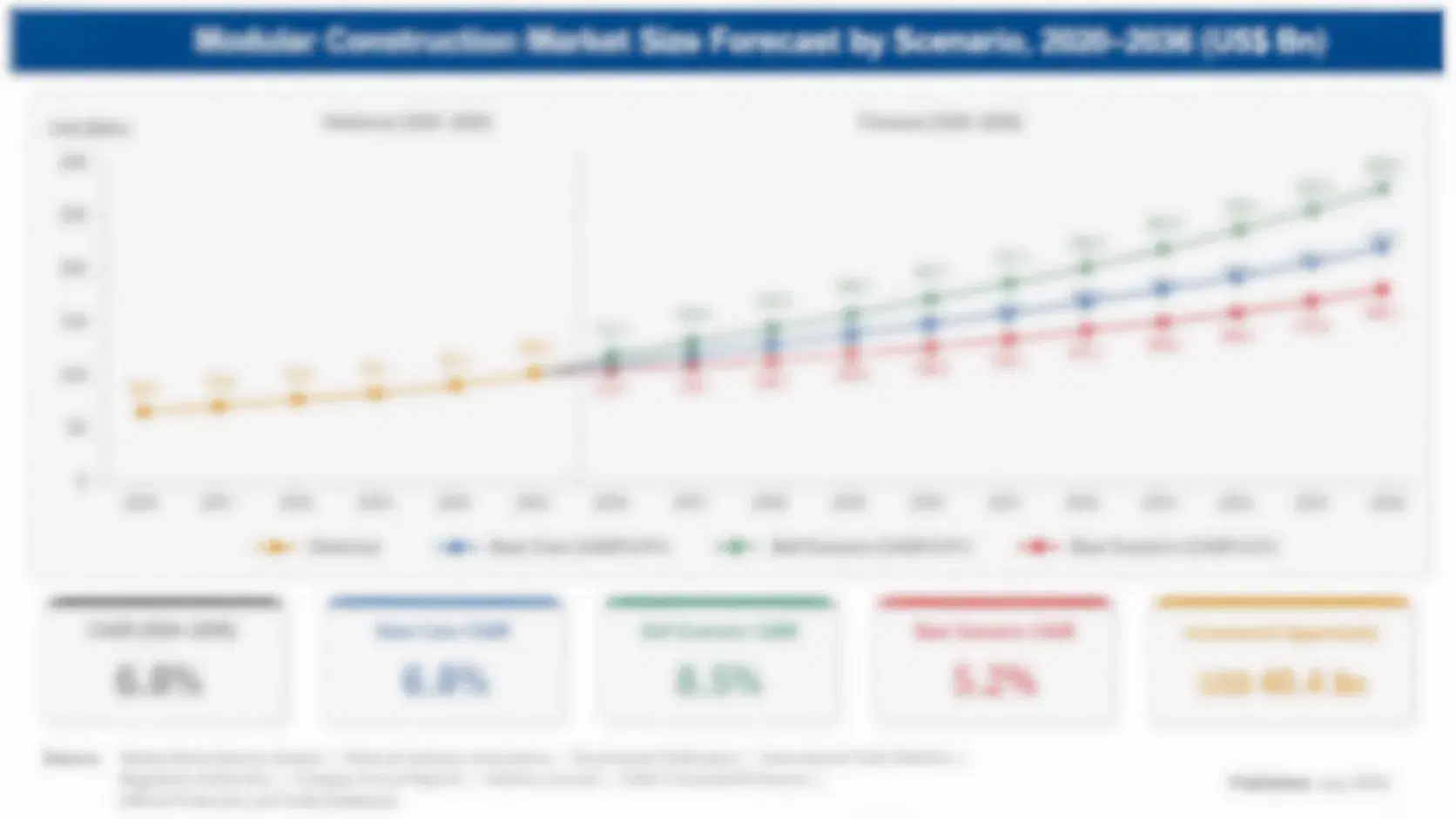
From 2020 to 2025, variegates grew with premium ice cream launches, flavour innovation, and foodservice recovery. Brands released limited editions with cookie butter, salted caramel, and fruit swirls, home consumption stayed elevated after the pandemic, and prices rose with sugar, cocoa, and nut costs. Growth averaged 5.2% a year, though ice cream volume softness in mature markets and cost inflation squeezed margins for smaller suppliers.
The base case assumes 5.9% annual growth through 2036, built on three named mechanisms: ice cream and frozen dessert expansion in China, India, and Southeast Asia where premium ranges are spreading, reduced-sugar and clean-label reformulation that lets brands keep ribbons under sugar rules, and flavour innovation in nut, cookie, and savoury-sweet variegates that supports limited editions and price premiums. Plant-based frozen desserts reinforce each mechanism. Limited edition launches add volume each year.
The bull case, at 7.2%, needs sugar and cocoa costs to ease and premium ice cream to accelerate in Asia. The bear case, at 4.6%, reflects cost spikes, weaker ice cream volumes, and stricter sugar policy. Either path leaves ribbon flavour demand intact, though mix and pricing would shift. Analysts watch sugar and cocoa prices most closely, since each moves margin directly.

Freezer Stability and Sugar Cost Decide Variegate Winners

Variegates are cooked from sugars, glucose syrup, fruit purees or cocoa or caramel, water, and hydrocolloids such as pectin, starch, or gums that set viscosity and water binding. Producers control solids, water activity, and viscosity so the sauce flows through pumps at freezer temperatures, stays in a distinct ribbon, and does not crystallise. Heat treatment and hot filling ensure microbial safety, and sauces ship in bag-in-box or pails.
MARKET CONCENTRATION41% CR5Leading five suppliers hold a large combined share
SUGAR SHARE OF COGS40%Sugars and glucose syrup form the largest input cost
DOSAGE IN ICE CREAM8%Typical variegate share of finished ice cream weight
FREEZER FLOW TEMPERATURE-18 CTemperature at which variegate must still pump and swirl
PREMIUM ICE CREAM SHARE44%Portion of demand from super-premium and premium ice cream
BULK PACK SHARE70%Portion of volume shipped in bag-in-box or pails
Buyers use variegates in several ways. Ice cream makers pump ribbons through variegators on filling lines, gelato shops fold sauces by hand, yoghurt and dessert makers swirl fruit and caramel into cups, and foodservice buyers use them in shakes and sundaes. Pricing follows sugar, cocoa, fruit, and nut costs with a lag, and buyers value technical service on ribbon behaviour and freeze-thaw stability.
Suppliers sit at several levels. Fruit preparation houses such as Agrana Fruit and Zuegg lead fruit variegates, dairy and flavour groups such as Kerry and Sensient sell caramel and flavour-focused ribbons, cocoa processors such as Barry Callebaut and Cargill sell chocolate and fudge, and regional makers serve local brands. Customers judge them on ribbon stability, flavour, allergen control, and price security.
"A variegate that bleeds into the ice cream turns a premium flavour into a grey compromise. The suppliers who master water activity and viscosity at minus eighteen degrees will keep the brands that cannot afford a single bad batch."
Practice Lead, Frozen Dessert Ingredients Practice · MMA Dessert Sauces and Swirls Practice · September 2026

Market Trends

Reduced-Sugar and Clean-Label Variegates Respond to Sugar Policy

Premium ice cream brands are cutting sugar in variegates by 30% to 60% using allulose, fibres, and stevia, and removing artificial colours and stabilisers to shorten ingredient lists, as retailers set sugar reduction targets and health-conscious shoppers read labels. Kerry, Cargill, and Tate and Lyle sell reduced-sugar caramel and fudge systems, and clean-label ribbons use fruit pectin and starches instead of modified ingredients. Reduced-sugar variegates sell at 20% to 45% above standard grades. The challenge is ribbon stability, since sugar controls freezing point and viscosity, so formulators use rare sugars and hydrocolloid blends.
Market Impact: premium tubs drive 44% of demand
Cookie Butter, Nut, and Savoury-Sweet Variegates Fuel Limited Editions

Ice cream brands launch limited editions with cookie butter, peanut, pistachio, tahini, miso caramel, and salted honey ribbons, priced at 15% to 30% above core flavours. Brands such as Ben and Jerry's, Haagen-Dazs, and Magnum rotate flavours several times a year, and social media drives demand for indulgent swirls. Nut and cookie pastes are thick and need heated pumps and tailored viscosity, and allergen control is critical because nuts and gluten trigger labelling. Suppliers that develop custom flavours in weeks and run small batches win limited edition business, though volumes are small and margins depend on quick turnaround.
Market Impact: yoghurt swirls in 20%+ of launches

Market Opportunities and Growth Drivers

Premium Ice Cream Innovation and Flavour Launches Drive Variegate Volume

Premium and super-premium ice cream launch hundreds of new flavours each year, and most premium tubs and bars include at least one variegate ribbon or swirl. Brands such as Ben and Jerry's, Haagen-Dazs, Talenti, and Magnum use caramel, fudge, and fruit ribbons at dosages of 6% to 10% of finished weight. Premium ice cream accounts for about 44% of variegate demand, and premiumisation continues in China, India, and Southeast Asia as incomes rise. Each launch needs custom variegates, so brands sign supplier programmes and hold them through reformulations, which keeps volume steady even when ice cream volumes are flat.
Market Impact: cocoa prices tripled since 2022

Foodservice, Gelato, and Yoghurt Uses Widen Variegate Applications

Gelato shops, coffee chains, and dessert cafes use variegates in shakes, sundaes, and gelato tubs, and yoghurt and dessert makers swirl fruit and caramel into cups and pots. Yoghurt swirls are used in more than 20% of premium yoghurt launches, according to product trackers, and frozen yoghurt shops add ribbons at service. Foodservice buyers order in bag-in-box packs of 5 to 10 kilograms, and chains standardise flavours across outlets. These uses widen demand beyond industrial ice cream lines, and suppliers with small pack formats and quick delivery gain, though hand-service demand depends on outlet traffic and weather.
Market Impact: mature volumes fall 1-2% yearly

Market Restraints and Challenges

Sugar, Cocoa, and Nut Cost Volatility Squeezes Variegate Margins

Raw sugar prices rose to multi-year highs in 2023 and 2024, and cocoa prices tripled between 2022 and 2024, according to United States Department of Agriculture and International Cocoa Organization data, while nut and fruit costs moved with weather. The root cause is crop shocks and concentrated supply. Variegate contracts with ice cream brands reset annually or semi-annually, so suppliers absorb costs between resets. Mitigation includes forward buying, index-linked pricing, and recipe adjustments, though brands resist visible quality changes, and price increases of 15% to 30% pushed some brands toward simpler flavours.
Market Impact: reduced-sugar variegates sell 20-45% above standard

Freezer Stability Limits and Ice Cream Softness Constrain Growth

Variegates must hold texture through a year in a freezer without crystallising, bleeding, or hardening, and reformulation for sugar reduction can break that balance, according to formulation studies. The root cause is that sugar controls freezing point and water activity. In mature markets such as the United States and Western Europe, ice cream volumes have been flat or falling by 1% to 2% a year, according to trade association data, as consumers cut sugar and buy fewer tubs. Suppliers respond with premium ranges and health-positioned lines, though trials are long, and growth relies on new markets and flavour innovation.
Market Impact: limited editions price 15-30% above core
3 additional market trends, 2 additional growth drivers, and 3 additional restraints and challenges are covered in the full report. Contact sales@marketmindsadvisory.com to access the complete intelligence.

Segment CAGR and Growth Architecture

Dessert variegates are segmented by flavour base and formulation system, because sugar content, viscosity, freezer stability, allergen status, price, and buyer group differ more between caramel and dulce de leche, chocolate and fudge, fruit and berry, nut and cookie pastes, reduced-sugar and clean-label, and novel flavour variegates. Reduced-sugar and novel systems attract most investment as brands respond to sugar rules.
dessert-variegates-market-market-share-analysis-1789783743574

Reduced-Sugar and Clean-Label Variegates

Reduced-sugar and clean-label variegates are the fastest-growing segment, using allulose, fibres, stevia, and natural stabilisers to deliver ribbons with 30% to 60% less sugar and shorter ingredient lists. Kerry, Cargill, and Tate and Lyle sell reduced-sugar caramel and fudge systems, and fruit houses such as Agrana offer clean-label fruit ribbons with pectin. Prices run 20% to 45% above standard grades. Growth depends on ribbon stability at freezer temperatures, approvals for rare sugars, and cost, and suppliers with application labs, freezer stability data, and regulatory support win specifications from brands that must meet sugar targets while keeping premium taste. Brands also value suppliers that can show storage data across 12 months before launch.
CAGR 9.8%

Savory-Sweet and Novel Flavour Variegates

Savory-sweet and novel flavour variegates are the second-fastest segment, covering ribbons such as miso caramel, salted honey, tahini, chilli chocolate, and matcha designed for limited editions and premium ranges. Brands launch them at 15% to 30% above core flavours, and social media and cafe menus drive trial. Volumes are small and batches are custom, so suppliers need flexible cooking lines, quick sampling, and allergen controls. Growth depends on flavour trends and brand appetite for novelty, and suppliers with culinary teams, small batch capacity, and fast turnaround win limited edition programmes and often convert them into permanent lines. Cafe chains and gelato shops also use these ribbons in seasonal shakes and sundaes, which extends demand beyond tubs.
CAGR 8.4%
Full segment breakdown across 6 segments available in the complete report.

Regional Architecture and Country Demand Map

Dessert variegate value follows premium ice cream innovation, gelato culture, and yoghurt use. North America leads through brand launches and foodservice, Western Europe follows through gelato and dairy dessert makers, East Asia grows through premium ice cream, and China is the fastest-growing country as ice cream and dessert chains expand.

North America

North America holds 32% share, with the United States and Canada hosting the largest premium ice cream brands, frozen dessert innovators, and foodservice scoop shops, and variegate use per litre of ice cream is the highest among major regions. Ben and Jerry's, Haagen-Dazs, Blue Bell, Dreyer's, and Talenti lead brand demand, while Kerry, Cargill, and regional suppliers serve them. North America and Western Europe hold the top two positions because both combine premium ice cream brands with large dairy and flavour ingredient suppliers. Sugar concerns, flat volumes, and cocoa costs restrain returns, though flavour innovation keeps growth near the global rate. Scoop shops and coffee chains add shake and sundae ribbons each season.
Share: 32% | CAGR: 5.8% (2026 to 2036)

Western Europe

Western Europe holds 26% share, with Italy, France, Germany, the United Kingdom, and the Netherlands using variegates in gelato, ice cream, and dairy desserts, and Italy's gelato culture and artisan shops drive demand for custom ribbons. Nestle, Unilever ice cream brands, Froneri, and regional makers buy from Agrana, Zuegg, Fabbri, Puratos, and Dohler. Sugar policy, energy costs, and flat ice cream volumes hold growth below the global rate, though premium and clean-label ranges add value. Nordic brands push reduced-sugar variegates, and Spanish and German makers extend fruit swirls in yoghurt. Italian gelato producers use fruit and hazelnut ribbons in artisan shops, and British premium ice cream makers add caramel and cookie swirls to limited editions each summer.
Share: 26% | CAGR: 4.5% (2026 to 2036)
Regional intelligence for 5 additional markets available in the complete report: East Asia, South Asia and Pacific, Latin America, Middle East and Africa, Eastern Europe. Contact sales@marketmindsadvisory.com.
dessert-variegates-market-country-cagr-analysis-1789783743888

Four Margin Routes for Variegate Suppliers

Margin in variegates comes from technical service, custom flavour speed, and cost pass-through rather than tonnage. Suppliers that sell reduced-sugar and novel flavours at premiums, lock brand programmes with sugar-indexed pricing, serve gelato and yoghurt in small packs, and recover cooking energy earn more per tonne than those competing on price in standard sauces.

Selling Reduced-Sugar and Clean-Label Variegates at Premium Prices

Reduced-sugar and clean-label variegates sell at 20% to 45% above standard grades, so a supplier moving 15% of volume into these ranges lifts blended gross margin by 3 to 6 points. Development costs $500,000 to $1.5 million per range for sweetener blends and freezer stability trials. Brands facing sugar targets and retailer scorecards pay premiums for ribbons that hold texture at minus 18 degrees, and early suppliers with approvals and stability data hold specifications while rivals wait for European rare sugar clearance and finish their own trials. Early suppliers hold specifications.
Market Impact: reduced-sugar ranges lift blended margin 3 to 6 points

Winning Custom Limited-Edition Programmes and Converting Them Into Core Lines

Limited editions price 15% to 30% above core flavours, and suppliers that can sample a custom ribbon in two to three weeks win the programmes. A brand launching 12 limited editions a year can buy 200 to 800 tonnes of custom variegates, and successful flavours convert to permanent lines that add 5% to 10% of a supplier's volume. Small-batch capacity and culinary teams cost $1 million to $3 million to build, and allergen controls protect brand trust. Speed and flavour insight create loyalty that price-based rivals cannot copy quickly. Speed builds loyalty.
Market Impact: limited editions convert into 5 to 10% permanent volume

Locking Multi-Year Brand Programmes With Sugar and Cocoa-Indexed Pricing

A premium ice cream brand using 3,000 tonnes of variegates a year signs multi-year programmes of two to three years with sugar and cocoa-indexed pricing that earn gross margins 3 to 6 points above spot sales. Brands write viscosity and ribbon specifications once, and switching requires new freezer trials and consumer testing. Index formulas share volatility, which protects suppliers in bad years and gives brands certainty, and suppliers with regional plants hold accounts through supply disruptions and flavour reformulations across markets. Programme reviews happen each year, so suppliers with regional plants and stable quality are rarely displaced.
Market Impact: indexed programmes earn 3 to 6 more margin points

Serving Gelato and Yoghurt Customers With Small Packs and Delivery

Gelato shops and yoghurt makers order in packs of 5 to 10 kilograms and want delivery within days, and suppliers that offer small-pack formats and regional warehouses earn gross margins 8 to 12 points above bulk industrial sales. A distributor network serving 2,000 shops can add $5 million to $12 million of revenue. Cold chain is not required for ambient sauces, so freight cost is low, and custom colour and flavour options build loyalty. Shops rarely change supplier once a sauce is on menus and in staff training. Service adds loyalty.
Market Impact: small packs earn 8 to 12 more margin points

Who Controls the Margin Pool

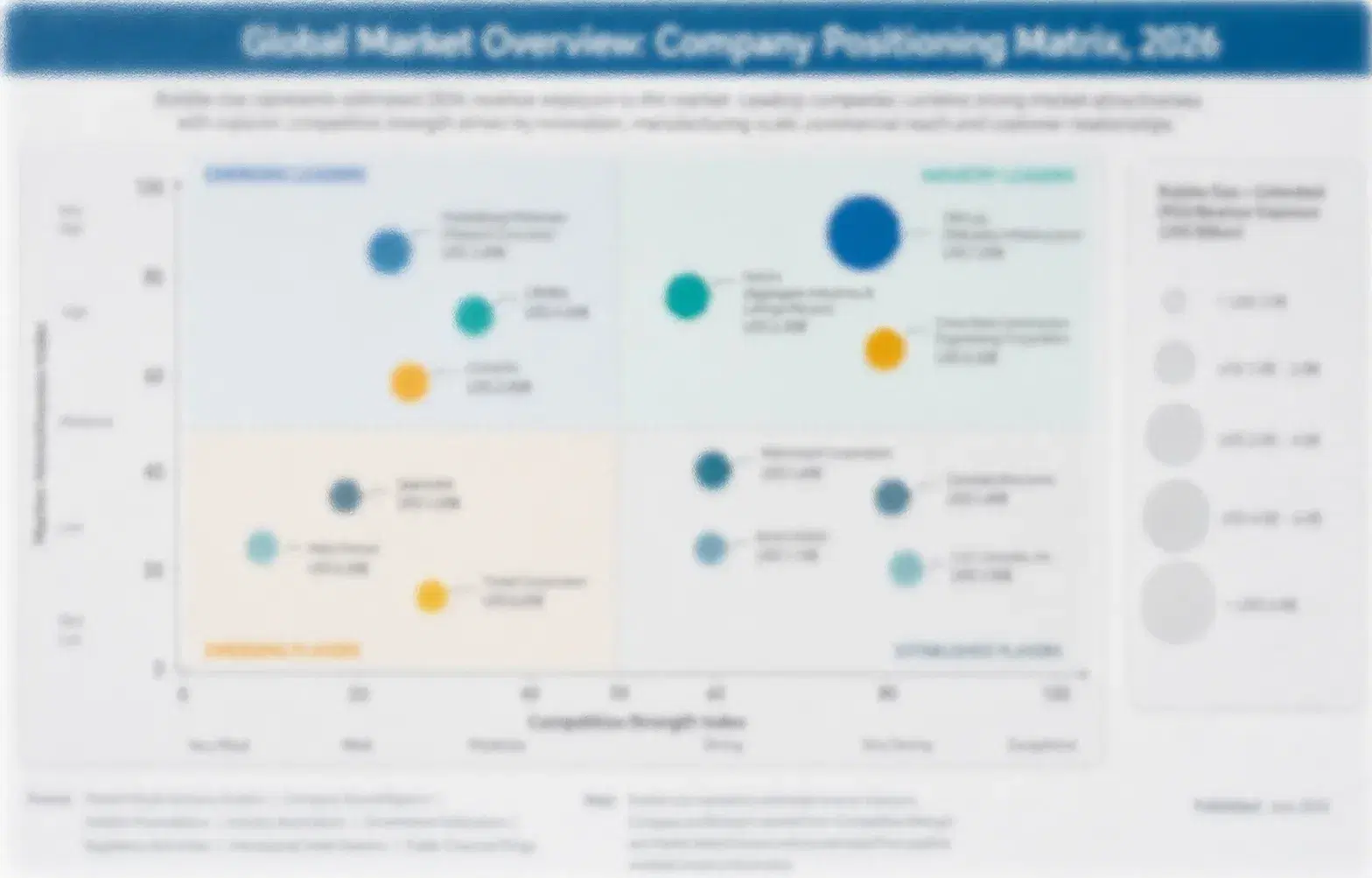
The variegate industry is moderately concentrated among fruit, dairy, flavour, and cocoa ingredient groups, with the top five suppliers holding about 41% of global revenue, the basis used throughout this section. Agrana Fruit, Kerry Group, Cargill, Sensient Technologies, and Barry Callebaut lead through technical service, sugar and cocoa sourcing, and relationships with premium ice cream brands, while regional makers hold local share through speed and custom flavours.
Competition centers on three dimensions: ribbon performance, measured by freezer stability, viscosity, and bleed resistance; cost management, including sugar, cocoa, and fruit contracts; and flavour speed across custom limited editions and standard ranges. Leaders sign multi-year supply agreements with brands and invest in application labs, while challengers compete on price, novel flavours, and small-batch service for gelato and yoghurt makers.

Emerging pressure comes from Asian producers scaling ribbons for local brands, from ice cream makers integrating production, and from sugar policy that rewards reduced-sugar capability. Rankings shift where suppliers secure rare sugar approvals, win limited edition programmes, or lose brands to cheaper regional supply. Acquisitions of regional variegate makers will reorder positions faster than organic growth, particularly as cocoa and sugar volatility pushes smaller producers toward larger partners.
dessert-variegates-market-company-positioning-matrix-1789783744188

Competitive Moat and Risk Dimensions

AGRANA FRUIT

Moat: Fruit Preparation Scale and Access

Agrana Fruit, part of the Austrian Agrana group, is one of the world's largest fruit preparation suppliers, producing fruit swirls and ribbons for yoghurt, ice cream, and desserts at plants across Europe, the Americas, Asia, and Africa. Its fruit sourcing, technical labs, and relationships with dairy and ice cream groups give it reach.
AGRANA FRUIT

Risk: Fruit Cost and Dairy Concentration

Agrana Fruit is exposed to fruit crop and price swings, and its customer base is concentrated among large dairy and ice cream groups. Flavour houses and cocoa processors can win caramel and chocolate ribbons, and Asian suppliers scale fruit swirls. Rising energy costs for pasteurisation also squeeze plant margins.
KERRY GROUP

Moat: Dairy Integration and Flavour Science

Kerry Group is an Irish taste and nutrition company that supplies ice cream and dairy dessert ingredients, including variegates, inclusions, and flavour systems, to brands and manufacturers worldwide. Its flavour science, application labs, and integrated sweet ingredient portfolio allow it to develop custom ribbons, and its global plant network and customer relationships with premium ice cream brands support long-term programmes.
KERRY GROUP

Risk: Portfolio Breadth and Price Pressure

Kerry serves many food and beverage categories, so variegates compete for investment with larger lines. Large brands can dual-source, and cocoa and sugar cost swings squeeze margins on fixed-price programmes. Brands may also build in-house ribbon capability to control cost, and Asian suppliers are scaling lower-priced caramel and fruit sauces.

Players Tracked

Prominent Players

Agrana Fruit
Kerry Group
Cargill
Sensient Technologies
Barry Callebaut

Other Key Players

Puratos
Dohler
Symrise
Fabbri 1905
Rich Products Corporation
SunOpta
Zuegg
Andros Group
Ingredion
Tate & Lyle
Bakels
Zeelandia
Dawn Foods
Hero Group
Fruit d'Or

Recent Developments

JANUARY 2026

Kerry Group Launches Reduced-Sugar Caramel Variegate for Premium Ice Cream

Kerry Group launched a reduced-sugar caramel variegate for premium ice cream using rare sugars and fibres, designed to hold ribbon structure at freezer temperatures with 40% less sugar. It is a product launch. It targets brands facing sugar targets, and gives customers 12 months of freezer data.
Signal: Confirms leading suppliers now compete on reduced-sugar ribbons that hold structure through a year in the freezer.
OCTOBER 2025

Agrana Fruit Expands Ice Cream Variegate Capacity in Asia

Agrana Fruit expanded variegate and fruit ribbon capacity in Asia, adding cooking kettles, pasteurisation, and bag-in-box filling lines to serve ice cream and dairy customers. It is organic. It shortens lead times, supports growing premium ice cream demand in China and Southeast Asia, and improves cost per tonne.
Signal: Shows global suppliers now investing in Asian variegate capacity to serve premium ice cream growth across Asia.
JUNE 2025

Cargill Signs Supply Agreements for Chocolate and Caramel Ribbons With Ice Cream Brands

Cargill signed multi-year supply agreements with ice cream brands for chocolate and caramel ribbons, covering formulation, sugar and cocoa-indexed pricing, and technical support across several countries. The deals are commercial supply contracts. They give Cargill steadier volume, share input cost risk with brands, and support premium ice cream expansion.
Signal: Confirms suppliers now lock in brand demand through programmes that share sugar and cocoa cost volatility.

What Drives Variegate Costs

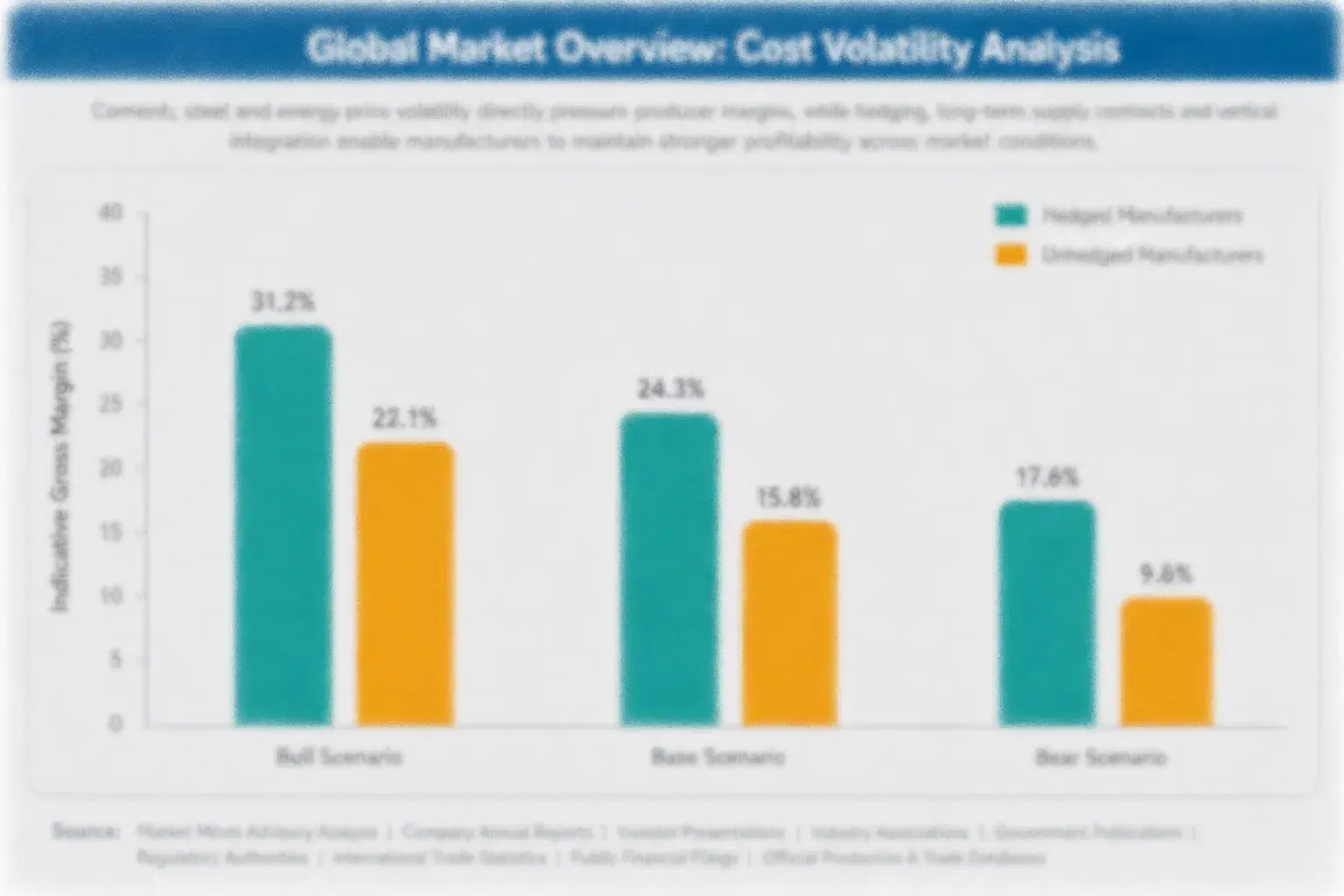
Sugars and glucose syrup account for roughly 40% of cost of goods, sourced from Brazil, India, and European beet processors, while fruit purees, cocoa, caramel, and nut pastes add about 25%. Dairy and fats add about 10%, and hydrocolloids, packaging, energy, labour, and freight make up the rest, so sugar price, cocoa and fruit costs, and cooking energy together determine margin for variegate suppliers.
Raw sugar prices rose to multi-year highs in 2023 and 2024, according to United States Department of Agriculture data, and cocoa tripled between 2022 and 2024, according to International Cocoa Organization data, while European gas prices surged in 2022, according to the International Energy Agency, raising cooking energy costs by 30% to 60%. Suppliers passed increases through at annual or semi-annual resets, absorbed costs between resets, and some brands simplified flavours.

The disadvantage falls on suppliers without scale or contracts. Large groups with sugar, cocoa, and fruit contracts and multi-plant networks absorb shocks. Exposure varies by flavour and geography: chocolate ribbons face cocoa swings, fruit ribbons face crop risk, European makers face energy costs, and reduced-sugar and novel grades pass costs through more easily than standard caramel.
dessert-variegates-market-cost-volatility-analysis-1789783744479

Contracting Sugar, Cocoa, and Fruit Under Forward Agreements

Suppliers sign annual and multi-year agreements for sugar, cocoa, fruit purees, and nut pastes, mixing fixed and index-linked prices to spread risk. Diversifying origins reduces exposure to a single crop failure. Forward buying lets suppliers plan production and quote brands with confidence, and hold ribbon specifications through commodity peaks without recipe changes. Terms usually run one year.

Installing Heat Recovery and Efficient Cooking Equipment

Suppliers install heat recovery, efficient kettles, and process controls to cut energy per tonne, the largest controllable cost after sugar. Modern systems reduce energy use by 15% to 25%, though they need capital and technical training. Lower energy intensity also supports customer carbon claims. Payback usually runs about four years or less. Savings compound yearly.

Passing Costs Through Index-Linked Pricing With Brand Programmes

Ice cream brands agree to formulas linking variegate prices to published sugar and cocoa indices plus a fixed technical margin, so cost swings are shared rather than absorbed. Semi-annual resets keep buyers informed and reduce disputes. Reduced-sugar and novel grades use annual pricing, since brands value stable ribbon performance and flavour across the year.

Portfolio Architecture for Margin Defence

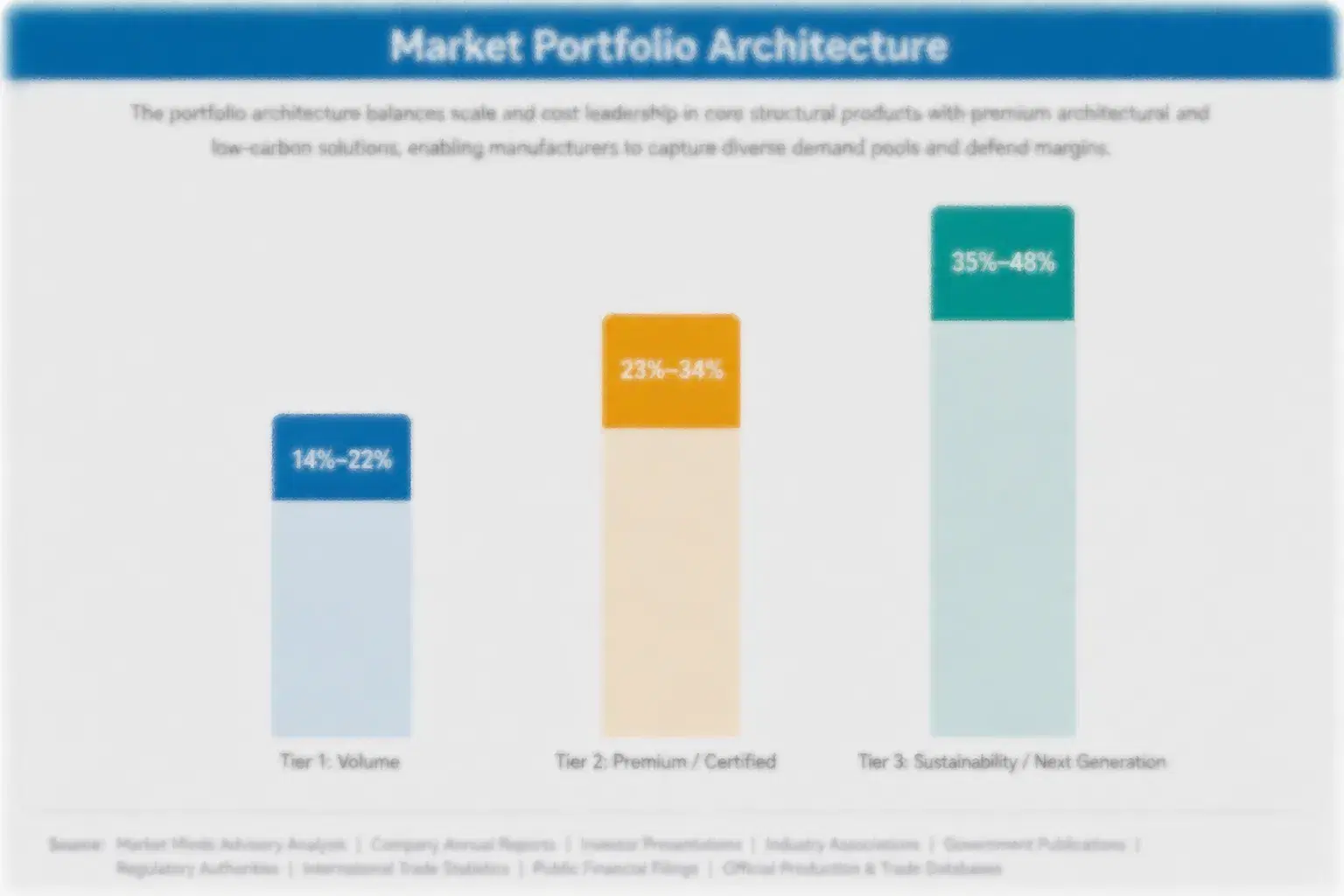
Margins run from thin returns on standard caramel and fudge sold in bulk to strong profits on reduced-sugar, novel, and small-batch custom ribbons sold with technical service, with gross margin roughly doubling between the volume tier and the top tier. Freezer stability know-how, flavour speed, and application labs create pricing power, and brands pay more for a ribbon that never bleeds or hardens.
Volume and premium pull in different directions. Standard caramel and fudge sell in large lots to price-driven ice cream makers at thin margins and face sugar and cocoa swings, while reduced-sugar and custom ribbons sell in smaller lots at higher margins but need rare sugars, small-batch capacity, and stability trials. Suppliers must decide how much capital to commit to premium capacity and how quickly to move, since brands standardise slowly.

High-value pools concentrate in reduced-sugar and clean-label variegates for premium brands, novel flavour ribbons for limited editions, and small-pack formats for gelato and yoghurt customers. These segments benefit from recurring orders, documented performance, and limited competition from generic sauce makers. Suppliers that combine sugar access, freezer science, and quick sampling hold advantages that rivals cannot copy quickly.

Volume / Commodity-Adjacent Tier

Standard caramel and fudge variegates sold in bulk to industrial ice cream makers, with thin margins, sugar and cocoa cost exposure, and constant price competition from regional cookers and private label programmes, where buyers switch when prices move by a few percent.
Gross Margin: 16%-26%

Premium / Certified Tier

Fruit, chocolate, and nut variegates with batch documentation, allergen controls, and validated freezer stability, sold under annual contracts to premium ice cream brands and dairy dessert makers that require documented food safety, reliable delivery, and stable ribbon performance across seasons.
Gross Margin: 26%-38%

Sustainability / Regulatory / Next-Generation Tier

Reduced-sugar, clean-label, and novel flavour variegates supported by sweetener research, culinary teams, and small-batch lines, positioned for premium brands and gelato chains seeking sugar reduction, shorter labels, and limited-edition flavours across major markets.
Gross Margin: 34%-52%
dessert-variegates-market-portfolio-architecture-1789783744832

High-value Sub-segments and Strategic Watch-out

Reduced-Sugar and Clean-Label Variegates

Reduced-sugar and clean-label variegates combine the fastest growth with strong pricing, since brands pay 20% to 45% premiums for ribbons under sugar targets. Rare sugar access and freezer stability know-how limit competition, and suppliers with application labs win multi-year specifications. Volume follows as sugar policy tightens.
Gross Margin: 34%-52%

Savory-Sweet and Novel Flavour Variegates

Savory-sweet and novel flavour variegates offer high value with solid growth, because brands pay 15% to 30% premiums for limited editions and cafes want unusual ribbons. Small batches and custom work limit scale, though suppliers with quick sampling defend margin. Successful flavours convert to permanent lines over time.
Gross Margin: 30%-48%

Caramel and Dulce de Leche Variegates

Caramel and dulce de leche variegates form the volume core, sold to ice cream and dessert makers who want familiar flavour at moderate prices. Margins are thin and exposed to sugar and dairy swings, but steady demand supports scale, and suppliers with sugar contracts and large cookers hold cost advantages.
Gross Margin: 16%-28%

Nut and Cookie Paste Variegates

Nut and cookie paste variegates are a strategic watch-out, valued for indulgent flavour but limited by allergen risk, heated pump needs, and raw material cost. Allergen rules and nut prices could expand or restrict demand, so suppliers should track brand launches and complaint rates before committing capital.
Gross Margin: 28%-46%

Why Brands Stay With Suppliers

Variegate demand behaves like an annuity once a brand approves a ribbon. Filling lines run every shift, each tub carries a fixed dose, and flavours repeat across seasons. Suppliers that hold an approved specification for years earn steady volume, and renewals follow price formulas rather than open tenders, because switching means new freezer trials, storage tests, and consumer risk on a flavour that customers buy for its ribbon.
Stickiness varies by vertical. Premium ice cream brands with fixed flavour lines are deepest, since ribbon viscosity and stability are built into filling settings and freezer tests. Yoghurt and dairy dessert makers are next, because swirl specifications sit in central recipes. Gelato shops are moderate, tied to distributors, while small dessert cafes are shallower, moving between suppliers on price.

Buyer profiles are shifting. Older product managers valued long supplier relationships and familiar caramel, while younger teams look for lower sugar, shorter labels, and novel flavours, and share launches on social media. They compare suppliers on stability data and flavour speed, test new ribbons quickly, and switch if performance fails, so suppliers that publish evidence, offer quick sampling, and deliver reliably keep loyalty across generations.
dessert-variegates-market-end-use-penetration-index-1789783745161

MMA Verdict on Variegate Strategy

These are among the four positions where our research anticipates prominent divergence between winners and laggards over the coming forecast period. Each is grounded in the demand model, the regulatory perimeter, and the announced capacity pipeline.
01 / SUGAR REDUCTION STRATEGY

Launch Reduced-Sugar Ribbons With Freezer Stability Data Before Sugar Rules Tighten

Reduced-sugar variegates grow at 9.8% a year, about 1.66 times the market rate, and sell 20% to 45% above standard grades. Development costs $500,000 to $1.5 million per range. MMA recommends launching two reduced-sugar ribbons with 12 months of freezer data within 18 months, because brands facing sugar targets standardise on the first supplier that proves stability, and later entrants must match performance against an approved incumbent through months of trials, and stability data becomes the currency of every sales conversation.
02 / CUSTOM FLAVOUR STRATEGY

Build Small-Batch Sampling Capacity to Win Limited Editions and Convert Them

Limited editions price 15% to 30% above core flavours, and suppliers that sample in two to three weeks win programmes. Successful flavours convert to permanent lines worth 5% to 10% of volume. MMA advises building a culinary team and a small-batch line for $1 million to $3 million within 18 months, because brands reward speed and insight with repeat programmes, and suppliers with fast sampling hold relationships that slower rivals cannot easily contest, particularly when brands plan limited editions months ahead.
03 / BRAND PROGRAMME STRATEGY

Lock Multi-Year Programmes With Sugar and Cocoa-Indexed Pricing Before Resets

A premium brand using 3,000 tonnes a year signs programmes that earn 3 to 6 more margin points than spot sales. MMA recommends signing three multi-year agreements with indexed pricing within 18 months, because brands write ribbon specifications once, and suppliers that share sugar and cocoa volatility transparently keep accounts that price-cutting rivals cannot easily reopen without new freezer trials and consumer testing across dozens of flavours. Contract renewals also give suppliers a natural moment to introduce reduced-sugar options that customers are already asking for.
04 / ASIAN GROWTH STRATEGY

Build Local Cooking Capacity and Application Labs in China and Southeast Asia

China grows at 8.9% a year and premium ice cream is expanding across Asia. Local plants cost $8 million to $20 million each. MMA advises opening one regional plant and one application lab and signing local brands within 24 months, because Asian brands prefer local supply that cuts freight and lead times, and the first supplier with a local plant wins repeat business as premium ice cream and dessert chains multiply across cities, while local labs also adapt sweetness and flavour to regional preferences.

Engagement Snapshot From the Field

A live engagement with an industry participant carrying material or product regulatory and market exposure ahead of a defining policy shift, showing how our research translates into a defensible multi-year portfolio strategy.
MARKET MINDS ADVISORY · CLIENT ENGAGEMENT SUMMARY
Dessert Variegates Producer Strategic Portfolio Review and Transition Roadmap 2026·Investment Scenario on Dessert Variegates Exposure Evaluation 2025-26
CLIENT PROFILE
The client is a mid-sized European ice cream manufacturer with three plants and roughly $380 million in annual revenue (client-reported, unverified by MMA), selling premium tubs and bars through supermarkets and foodservice. Variegates were 7% of cost of goods and gross margin sat near 31% (client-reported, unverified by MMA), with six variegate suppliers. Plant utilisation averaged 74% (client-reported, unverified by MMA).
STRATEGIC CHALLENGE
Sugar and cocoa costs had risen sharply, retailers set sugar reduction targets for private label, ribbons from two suppliers bled in freezer storage, limited edition launches were delayed by slow sampling, and competitors launched reduced-sugar ranges. Leadership needed a plan that improved ribbon quality, added reduced-sugar options, and shortened flavour launches.
MMA APPROACH
MMA analysed variegate usage, complaint, and storage data across 50 flavours, interviewed suppliers, retail buyers, and product managers, benchmarked five ice cream makers on supplier count and launch speed, and modeled economics for reduced-sugar ribbons, supplier consolidation, and indexed contracts under high, base, and low cost scenarios. Analysts also observed freezer trials.
KEY FINDINGS
  1. Consolidating six suppliers to three would cut ribbon bleed complaints by 60% and improve pricing across all 50 flavours (client-reported, unverified by MMA).
  2. Reduced-sugar ribbons with 40% less sugar could reach 10% of volume within two years at margins 8 points above standard, based on retailer discussions.
  3. A supplier with two-week sampling would cut limited edition lead time from 14 weeks to eight, based on launch records and supplier commitments.
  4. Sugar and cocoa-indexed pricing with three suppliers would cut cost volatility by four points, according to scenario modeling and supplier quotes from three firms.
CLIENT PROFILE
The client is a mid-sized European ice cream manufacturer with three plants and roughly $380 million in annual revenue (client-reported, unverified by MMA), selling premium tubs and bars through supermarkets and foodservice. Variegates were 7% of cost of goods and gross margin sat near 31% (client-reported, unverified by MMA), with six variegate suppliers. Plant utilisation averaged 74% (client-reported, unverified by MMA).
STRATEGIC CHALLENGE
Sugar and cocoa costs had risen sharply, retailers set sugar reduction targets for private label, ribbons from two suppliers bled in freezer storage, limited edition launches were delayed by slow sampling, and competitors launched reduced-sugar ranges. Leadership needed a plan that improved ribbon quality, added reduced-sugar options, and shortened flavour launches.
MMA APPROACH
MMA analysed variegate usage, complaint, and storage data across 50 flavours, interviewed suppliers, retail buyers, and product managers, benchmarked five ice cream makers on supplier count and launch speed, and modeled economics for reduced-sugar ribbons, supplier consolidation, and indexed contracts under high, base, and low cost scenarios. Analysts also observed freezer trials.
KEY FINDINGS
  1. Consolidating six suppliers to three would cut ribbon bleed complaints by 60% and improve pricing across all 50 flavours (client-reported, unverified by MMA).
  2. Reduced-sugar ribbons with 40% less sugar could reach 10% of volume within two years at margins 8 points above standard, based on retailer discussions.
  3. A supplier with two-week sampling would cut limited edition lead time from 14 weeks to eight, based on launch records and supplier commitments.
  4. Sugar and cocoa-indexed pricing with three suppliers would cut cost volatility by four points, according to scenario modeling and supplier quotes from three firms.
RECOMMENDED STRATEGY
Phase 1: Phase 1 (Months 1-6): Consolidate suppliers to three, sign indexed pricing, and start freezer trials of two reduced-sugar ribbons in the pilot plant. Phase 2: Phase 2 (Months 7-18): Launch reduced-sugar ribbons in two ranges, move limited editions to the fast-sampling supplier, and re-test all storage specifications. Phase 3: Phase 3 (Months 19-30): Extend reduced-sugar ribbons to private label, review supplier terms each quarter, and evaluate in-house small-batch capability.
OUTCOME
Within 30 months, reduced-sugar ribbons reached about 11% of volume, ribbon bleed complaints fell by more than half, and gross margin rose from 31% to about 35% (client-reported, unverified by MMA). Limited edition lead time fell to eight weeks, three suppliers signed multi-year agreements, and the board approved a reduced-sugar private-label range for the following year.

Frequently Asked Questions

Foundational context covering the market sizes, CAGR, scope, country, region and competition that inform every finding below. This section is provided to cover basics and most often pre-purchase conversations, answered from the MMA Primary Research Dataset.

What is the current size of the Dessert Variegates Market?

The global dessert variegates market was valued at $1.3 billion in 2025. This covers ripples, swirls, and ribbons used in ice cream, yoghurt, and frozen and chilled desserts.

How large will the Dessert Variegates Market be by 2036?

MMA projects the market will reach approximately $2.4 billion by 2036. This represents cumulative growth of roughly $1.1 billion over the full ten-year forecast window.

What is the CAGR for the Dessert Variegates Market 2026 to 2036?

The market is forecast to grow at a 5.9% compound annual rate between 2026 and 2036. The bull case reaches 7.2% while the bear case falls to 4.6%.

Which segment is growing fastest?

Reduced-Sugar and Clean-Label Variegates is the fastest-growing segment at 9.8% CAGR, roughly 1.66 times the overall market rate. Savory-Sweet and Novel Flavour Variegates follows as the second-fastest segment at 8.4% CAGR each year.

Who are the major companies in the Dessert Variegates Market?

Leading companies include Agrana Fruit, Kerry Group, Cargill, Sensient Technologies, and Barry Callebaut. These five suppliers together hold an estimated 41% of total global market revenue, based on MMA analysis of company disclosures.

Which country is growing fastest?

China is the fastest-growing major market, expanding at approximately 8.9% CAGR each year. Premium ice cream expansion, dessert chain growth, and rising incomes are driving this above-market growth across the country.

Report Segmentation Architecture

The full report scope spans multiple orthogonal segmentation dimensions, with cross-tabulated demand data provided for each dimension pair. Coverage extends further to regional breakdowns, trend trajectories, and the competitive detail needed to support segment-level decision-making.

By Primary Market Dimension

  • Reduced-Sugar and Clean-Label Variegates
  • Savory-Sweet and Novel Flavour Variegates
  • Caramel and Dulce de Leche Variegates
  • Chocolate and Fudge Variegates
  • Fruit and Berry Variegates
  • Nut and Cookie Paste Variegates

By End-Use Industry

  • Ice Cream and Frozen Desserts
  • Yoghurt and Dairy Desserts
  • Gelato and Scoop Shops
  • Coffee Chains and Dessert Cafes
  • Bakery and Pastry Applications

By Commercial Dimension

  • Direct Supply to Industrial Brands
  • Distributor and Small-Pack Sales
  • Private-Label Programmes
  • Foodservice Contracts

By Region

  • North America
  • Western Europe
  • East Asia
  • South Asia and Pacific
  • Latin America
  • Middle East and Africa
  • Eastern Europe

Scope, Methodology, and Coverage

Every figure in this report is reproducible from documented input assumptions. The scope below maps the historical period, the forecast horizon, the segmentation dimensions, and the countries covered, alongside the underlying primary and qualitative methodology.
Historical Period
2020 to 2025
Forecast Period
2026 to 2036
Base Year
2025 (USD billions; MMA Primary Research Dataset, September 2026)
Market Definition
Dessert variegates comprise viscous sauces, ripples, and swirls made from sugars, fruit, cocoa, caramel, nuts, dairy, and hydrocolloids that are pumped through ice cream and frozen dessert lines to create ribbons, and related swirls used in yoghurt and chilled desserts, including caramel, chocolate and fudge, fruit and berry, nut and cookie paste, reduced-sugar and clean-label, and novel flavour variegates sold to manufacturers and foodservice. The scope excludes solid inclusions, bakery fillings, table sauces, and toppings sold at retail.
Quantitative Units
USD billions (current prices); kilotonnes for volume references
Segmentation Dimensions
By Flavour Base and Formulation System; By End-Use Industry; By Commercial Dimension; By Region
Regions Covered
North America, Western Europe, East Asia, South Asia and Pacific, Latin America, Middle East and Africa, Eastern Europe
Countries Covered
USA, Canada, Mexico, Brazil, Argentina, Chile, UK, Italy, France, Germany, Netherlands, Poland, Romania, Turkey, South Africa, UAE, Japan, South Korea, China, India, Australia, and additional markets relevant to this sector
Key Companies Profiled
Agrana Fruit, Kerry Group, Cargill, Sensient Technologies, Barry Callebaut, Puratos, Dohler, Symrise, Fabbri 1905, Rich Products Corporation, SunOpta, Zuegg, Andros Group, Ingredion, Tate & Lyle, Bakels, Zeelandia, Dawn Foods, Hero Group, Fruit d'Or
Quantitative Methodology
Primary survey, n=3,800 respondents, Q4 2025, six countries; demand-side model with trade association cross-validation
Qualitative Methodology
47 expert interviews, Q4 2025; applied to validate demand model assumptions, identify emerging dynamics, and assess competitive positioning
Report Format
PDF and XLSX data workbook (Word format preview document)
Publisher
Market Minds Advisory
Report Code
MMA-2026-AGR-360
Published
September 2026
Contact
sales@marketmindsadvisory.com | www.marketmindsadvisory.com

Purchase the full Dessert Variegates Market Report (2026 to 2036).

The full report delivers a detailed assessment of global dessert variegate demand, flavour systems, and competitive positioning through 2036. It includes segment forecasts by flavour type, country-level data for all seven world regions, and profiles of the twenty companies most relevant to variegate supply. Analysts also receive input cost modeling and portfolio margin benchmarking built from MMA's primary research dataset. A scenario planning module lets subscribers stress-test bull and bear assumptions against sugar prices, sugar policy, and premium ice cream growth. Quarterly updates keep the whole dataset current throughout the subscription year for every subscriber.
Ten-year segment and regional demand forecasts
Sugar, cocoa, and fruit price tracking
Competitive benchmarking of top twenty suppliers
Sugar policy and rare sugar approval tracker
Regional demand mechanism comparative analysis included
Quarterly primary survey data update access

Built For The People Who Decide

From boardroom strategy to bench-side execution, this report is read cover-to-cover by leaders shaping the next decade of their industry, turning demand scenarios, market dynamics and valuation benchmarks into decisions.
CXOs/ Presidents/ VPs/ Managers
M&A and Corporate Development
Strategy Teams and R&D Heads
Procurement and Product Directors
Regulatory and Compliance Leaders
Investor Relations and Equity Analysts